




Abstract
Armed conflicts fundamentally reconfigure environmental security, forcing civilians to depend on terrain and ecosystems for physical safety, food and energy. This article examines how natural landscapes, indigenous biodiversity and traditional ecological knowledge functioned as environmental security infrastructure during the war and siege (2020–2022) and post-war crisis (2022–2025) in Tenbien, northern Ethiopia. Drawing on interviews and repeated field observations, the study shows that mountains, incised gorges, forested cliffs and caves became life-saving refuges from bombardment and shooting, while indigenous fruit trees and shrubs supplied critical food, medicinal products and biomass fuel during the crisis. Households also relied on stone grinding mills and traditional stoves to sustain basic needs during the blockade. Particularly, farmers harvested up to 2,115 kg of Ziziphus spina-christi fruit per tree, generating about 931.53 USD annually and buffering acute livelihood insecurity. However, the continued siege and post-war crisis also drove overexploitation of restored landscapes and fragile terrains, degrading forests and shrublands. The article argues that wartime nature-based coping simultaneously enhances short-term human security and undermines longer-term environmental security. Therefore, urgent, ground-based ecological restoration, integrated into post-war recovery and peacebuilding, is essential to rebuild resilience and safeguard biodiversity in war-affected regions.
Keywords
Introduction
The Earth has entered the Anthropocene, a period in which human activities increasingly shape environmental processes and disturbances (Cherlet et al., 2018). War disturbances have intensified in scale and impact, often exceeding natural forces in reshaping landscapes and leaving long-lasting material and ecological scars (Gheyle et al., 2018; Hupy & Koehler, 2012). In the Horn of Africa, war has been a recurrent feature of political life (De Waal, 2015), with northern Ethiopia repeatedly serving as a theatre of conflict rooted in independence struggles, liberation movements, colonial resistance and territorial disputes (Andargie, 2014; Pankhurst, 1995; Sbacchi, 2005; Zewde, 2002).
After 30 years of socioeconomic development and environmental rehabilitation, a devastating war broke out in Tigray in 2020 and lasted for 2 years, characterised by battles, ambushes, airstrikes and drone attacks that shattered rural livelihoods and destroyed infrastructure (Annys et al., 2021; Luber, 2022; Nyssen, 2021; Verhoeven & Woldemariam, 2022; WFP, 2021). Most farmers were relying on poor harvests without agricultural inputs, and the region had plunged into a severe livelihood crisis (Nyssen, 2021; Verhoeven & Woldemariam, 2022).
The Tigray War was accompanied by a devastating “spherical siege” that sealed off Tigray from the rest of Ethiopia and the world, preventing the entry and exit of lifesaving supplies (Meaza et al., 2024). The region remained isolated from national supply routes and disconnected from the wider economy (WFP & FAO, 2022), while the continued blockade paralysed local trade, transport, banking, electricity and communication services (Office for the Coordination of Humanitarian Aid, 2021). The population found itself caught between the “hammer” and the “anvil” of violence and deprivation (Pellet, 2021), with widespread hunger, malnutrition and famine-related deaths in the region.
This article approaches the Tigray war not only as a humanitarian and ecological crisis but as a profound environmental security crisis. According to Barnett (2001), security is understood in human-centred terms: the ability of individuals and communities to access safe shelter, food, energy and livelihoods without facing violence, starvation or ecological collapse. At the same time, war exposed the fragility of environmental security, as landscapes painstakingly restored over decades were rapidly repurposed as survival infrastructure and then degraded under extreme duress (Le Billon, 2001). By examining how civilians in Tigray relied on terrain, vegetation and traditional ecological knowledge to endure bombardment and siege, this scientific work demonstrates how war and its aftermath reconfigure the distribution of security, raising critical questions about who and what are rendered secure, and at whose expense.
During times of war, households seek alternative means of survival to reduce vulnerability and avert destitution (Cassidy et al., 2023; Ellis, 1998, 2000; Korf, 2003; Rockmore, 2012), but these strategies can themselves generate new environmental crises as communities intensify their use of natural resources. In rural Tigray, coping strategies during the crisis ranged from stress-level responses such as meal reduction to more severe crisis and emergency actions, including asset sales, migration and reliance on food aid (Gebregziabher et al., 2025; Gebrihet et al., 2025; Gebrihet & Gebresilassie, 2025). War-survivors also adopted socially driven strategies: households turned to backyard gardening for subsistence and local trade, helping stabilise food availability during the siege (Hadush & Gebrekiros, 2024; Kewessa, 2020), while social networks played a vital role as formal aid was insufficient during the critical period (Abbay et al., 2015; Gebregziabher et al., 2023). These survival responses were rooted in local innovation, social solidarity and a deep engagement with surrounding landscapes (Meaza, 2025).
Research has extensively documented how landscapes function in peacetime, but far less attention has been given to their role during armed conflicts. Multifunctional landscapes possess inherent qualities that can support and enhance human well-being during crises. Forest landscapes, in particular, can provide essential, life-sustaining resources when communities face armed conflict (Ghosh & Ramesh, 2020). Nature-based solutions—approaches that harness natural processes to tackle social problems—offer one framework for understanding this potential (Preti et al., 2022; Von Braun et al., 2023). Additionally, landscapes that have been restored during peaceful periods can serve as vital sources of support for local populations when war disrupts normal life (Bhatt et al., 2020). Therefore, examining how communities actually used these multifunctional landscapes during the active armed conflict and postwar crisis provides essential insights for developing effective post-war restoration and recovery strategies.
This research addresses a central question: How did multifunctional landscapes and nature-based resources contribute to community survival and resilience during wartime, siege and after the war in Tenbien, Tigray, Ethiopia, and what implications do these experiences hold for nature-based post-war restoration and peacebuilding? The study aimed to investigate how these landscapes supported war-affected communities through three specific objectives. First, we sought to identify which landscape elements and natural resources farmers relied on during the crisis. Second, we assessed how ecosystem services contributed to household survival and resilience. Third, we aimed to propose nature-based restoration strategies for post-war recovery that could inform peacebuilding policies.
In environmental security debates, armed conflict is often framed as a “threat multiplier” that amplifies existing scarcities, risks and vulnerabilities. Yet few studies document how war-affected populations actively mobilise landscapes and ecosystems as security assets, or how this survival use reshapes environmental risks in the longer term (e.g., Meaza, 2025). This paper addresses this gap and contributes to the environment–security scholarship by conceptualising restored landscapes as a form of wartime environmental security infrastructure and traces the ambivalent consequences of nature-based coping for post-war peacebuilding and recovery.
Conceptual Framework: Environmental Security and Socio-Ecological Resilience
Environmental security and socio-ecological resilience provide the conceptual lens for interpreting this Ethiopian case study. These perspectives underscore the interdependence of human well-being and ecological systems, where access to shelter, food, energy and livelihoods hinges on local ecosystem functions. In conflict zones like Tigray, landscapes serve as both passive backdrops to violence and active survival systems—offering refuge, resources and mobility—yet face intensified extraction and degradation (Behnassi et al., 2019). This framing reveals how wartime dependence on nature bolsters short-term resilience while eroding the ecological basis of long-term environmental security.
Within environmental security scholarship, ecological systems are understood as foundational infrastructures that sustain human survival and stability. Environmental security refers to the protection and availability of ecological systems that provide essential resources such as food, energy and safe living environments (Barnett, 2001). In conflict-affected regions, environmental security becomes inseparable from human security because access to landscape services often replaces formal state infrastructures when markets, governance institutions and supply chains collapse. This framing situates environmental security within broader human security debates that emphasise freedom from fear and freedom from want (United Nations Development Programme, 1994), while highlighting the material ecological base upon which livelihoods and survival depend.
Building on this perspective, this study conceptualises restored and multifunctional landscapes as forms of environmental security infrastructure during armed conflict and after conflicts have ended. Here, environmental security infrastructure refers to material and ecological systems embedded in landscapes that deliver protective, provisioning and regulatory functions critical for human survival during crisis. Mountain-chains, gorges, forests and indigenous fruit trees can serve as protective refuges from violence while supplying food, fuel and medicinal resources when conventional infrastructures collapse. In the Tenbien case, these landscapes served as life-support systems during wartime displacement and siege conditions (Nyssen et al., 2023). However, these ecological infrastructures are finite and vulnerable; their emergency mobilisation can mitigate immediate human insecurity while accelerating environmental degradation under conditions of prolonged stress (Ghosh & Ramesh, 2020).
This concept extends beyond the traditional ecosystem services framework by emphasising the security functions of ecological systems under conditions of institutional breakdown. Ecosystem services theory primarily focuses on the benefits humans derive from ecosystems, such as provisioning, regulating and cultural services (Reid et al., 2005). By contrast, socio-ecological resilience highlights the adaptive capacity of coupled human–environment systems to absorb shocks and reorganise while maintaining core functions (Folke, 2006). Environmental security infrastructure integrates these perspectives by foregrounding how landscapes actively substitute for failed political and economic systems during violent disruption (Adger, 2000). It bridges environmental security scholarship with ecosystem services and resilience theory (Barnett & Adger, 2007).
Socio-ecological resilience illuminates the dynamic interactions between ecological systems and human adaptive strategies under crisis conditions. In this context, resilience refers to the capacity of coupled human–environment systems to absorb disturbances while maintaining essential functions and adapting to changing circumstances (Walker et al., 2004). This perspective emphasises feedback loops, adaptive capacity and cross-scale interactions between ecological processes and social institutions. In wartime contexts, resilience manifests through ecological persistence and through the reconfiguration of human–environment interactions as communities reorganise livelihood practices and resource use to survive under extreme stress.
However, resilience strategies often involve significant trade-offs. Short-term adaptive responses that secure immediate survival may simultaneously erode the ecological systems upon which future security depends (Folke, 2006). Understanding these trade-offs is central to the Tenbien case, where landscapes that had been restored over the decades of conservation efforts became essential survival infrastructures during the war while experiencing accelerated degradation. This study, therefore, highlights the dual role of multifunctional landscapes as both sources of wartime resilience and sites of emerging environmental insecurity.
Study Area: Conflict Landscapes and Rural Livelihoods in Tenbien
Tigray is situated in northern Ethiopia; the study area, Tenbien (Figure 1), lies in its central Tigray and is characterised by steep mountains, dissected plateaus and deeply incised valleys that create diverse microclimates and ecological zones. This high-relief terrain has historically shaped both rural livelihoods and patterns of warfare. Tenbien in particular and northern Ethiopia in general has repeatedly been a frontline of conflict, from the Zemene Mesafint (Era of Princes) to Italian invasions during the Second Italo-Ethiopian War and the Derg–Tigray People’s Liberation Front (TPLF) conflict (Andargie, 2014; De Waal, 2015; Pankhurst, 1995; Sbacchi, 2005; Zewde, 2002). It remains one of the most poverty-stricken areas in the region, with high levels of chronic deprivation in districts such as Kola Tenbien and Tanqua Abergele. The areas was also one of the epicentres of the 2020 to 2022 Tigray war, where the cumulative effects of war, drought and underinvestment in economic development have entrenched livelihood and environmental insecurity (Meaza et al., 2024).
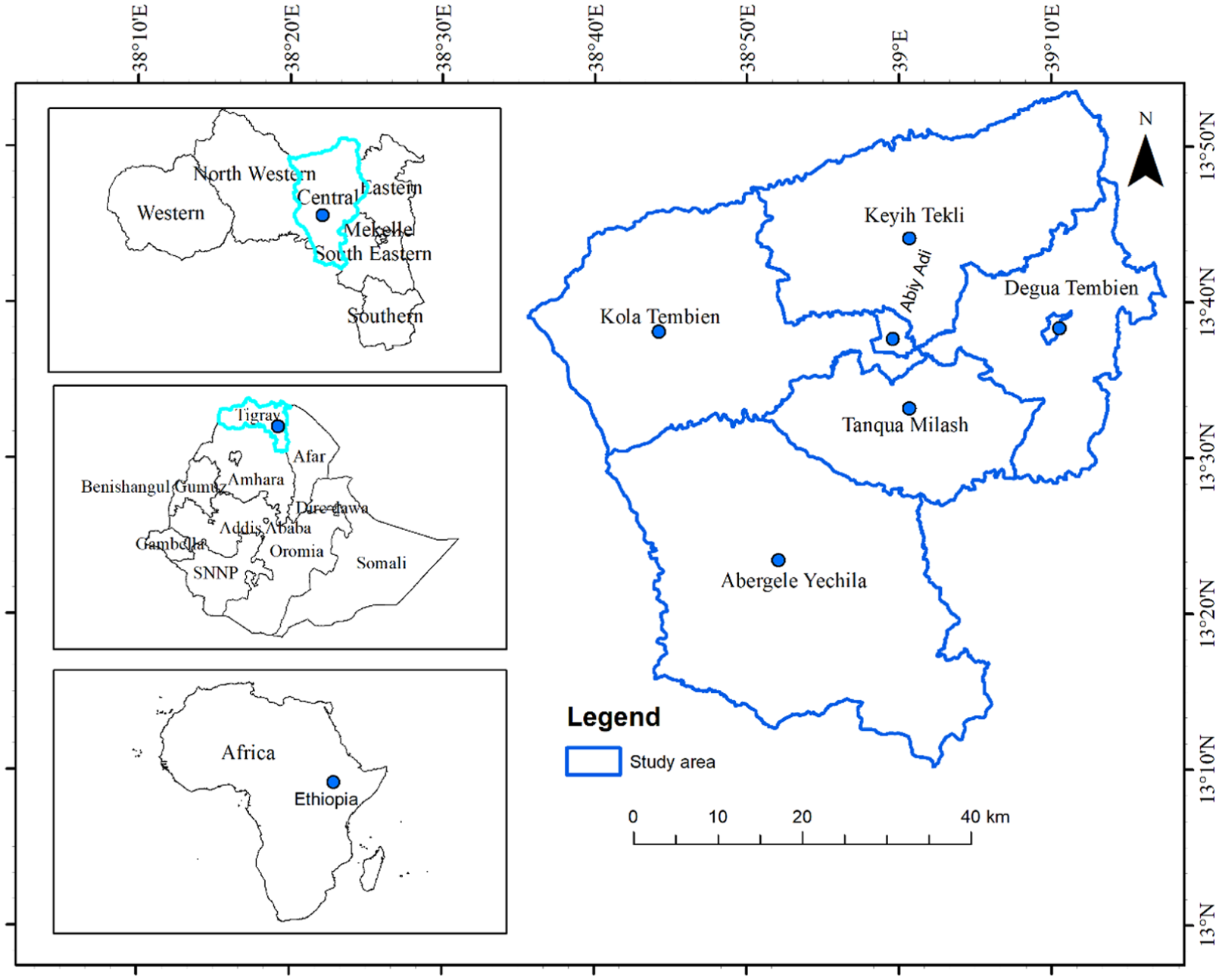
Location of the study area.
Climatically, Tenbien falls within a semi-arid to sub-humid zone, with a pronounced rainy season between June and September. Average annual rainfall varies from 500 to 800 mm, with higher rainfall in elevated areas such as Dogua Tenbien and parts of Tanqua Milash, and lower, hotter and drier conditions in areas such as Abergele Yechila (Meaza & Demssie, 2015). Farmers practise predominantly rain-fed subsistence agriculture, cultivating crops such as teff, barley, wheat and sorghum, while livestock husbandry is an integral part of the local economy (Hailemicheal et al., 2024).
Data and Methods: Capturing Wartime Environmental Security in Tenbien
The data and methods employed in this study were designed to capture how environmental security was experienced and negotiated in Tenbien during the war (2020–2022) and in the immediate post-war period (2022–2025). Conducting research in an active and subsequently post-conflict environment required flexible and context-sensitive methodological approaches capable of documenting both the immediate survival functions of landscapes and their longer-term ecological transformations. The study combined embedded wartime field observations with post-war follow-up visits, semi-structured interviews, and market surveys. This mixed approach enabled a multi-scalar understanding of how terrain, biodiversity and ecosystem services functioned as environmental security assets under conditions of siege, while also revealing how prolonged crisis reshaped the availability, use and sustainability of these resources.
Data collection took place during and immediately after active hostilities, a period marked by severe mobility restrictions, communication blackouts and the collapse of institutional services. Conducting research under such conditions requires adaptive field strategies, careful ethical judgement and prioritisation of participant safety over strict procedural standardisation (Wood, 2006). These constraints inevitably shaped sampling strategies, interview duration and documentation practices. At the same time, they provided rare real-time insights into wartime survival strategies and environmental coping mechanisms that are seldom accessible in retrospective conflict studies.
Case Selection and Researcher Positionality
Tenbien was purposively selected because it has experienced recurrent warfare, chronic poverty and extensive landscape restoration, making it a critical site for examining wartime environmental security (Meaza et al., 2025). The lead author has worked with local communities and landscape restoration programmes in Tenbien for over 30 years and remained in the area during the 2020 to 2022 war and siege and post-war crisis (2022–2025). This long-term engagement and embedded presence provided exceptional access to wartime and post-war experiences but also required careful reflexivity about positionality and safety (Eklund, 2015; Elbakidze et al., 2025).
The second author brought critical expertise in environmental peacebuilding, shaping the study’s conceptual framing and methodological approach. The extensive work at the intersection of conflict, ecological resilience and post-war recovery in the Horn of Africa strengthened interdisciplinary linkages between Tenbien’s empirical findings and broader peacebuilding scholarship.
The long-term engagement in the study area yielded relational access and contextual knowledge but demanded reflexive awareness of insider positionality (Meaza et al., 2024). Being both a researcher and a community member, the lead author shaped trust dynamics, facilitated open dialogue and enabled wartime observation necessitating deliberate efforts to document contradictory narratives (Njeri, 2020). Field notes were maintained throughout to distinguish observation from interpretation (Meaza, 2025). Collectively, the authors’ complementary positionality—insider geographical and ecological expertise from decades in Tenbien and interdisciplinary environmental peacebuilding—enriched the study’s empirical depth, conceptual nuance and linkages to broader security scholarship.
Data Collection
Given the active and post-conflict crisis, we used purposive and snowball sampling to capture individuals with direct experience of wartime survival strategies and landscape use. Participants were selected based on (a) residence in frontline districts, (b) involvement in agricultural or forest-based livelihoods and (c) demonstrated local ecological knowledge. In this context, snowball referrals were essential during the crisis due to mobility constraints, insecurity and the breakdown of formal administrative records in the study area, aligning with qualitative research that prioritise experiential depth and safety over probabilistic sampling (Korf, 2003; Wood, 2006).
With this background, qualitative data were gathered through repeated field observations and semi-structured interviews during wartime (2020–2022) and post-war phases (2022–2025). In total, 31 interviews (19 males and 12 females) were conducted with residents possessing local ecological knowledge, and 55 key informant interviews (36 males and 19 females) across five districts (Table 1). These interviews combined open-ended narrative prompts with targeted questions regarding terrain use, forest extraction practices, income generation and coping strategies. In addition, narrative interviewing techniques were also employed to allow respondents to reconstruct wartime sequences of events while minimising the risk of re-traumatisation.
Data Collection Methods and Interviewed Household Members (N) Along the War Frontlines During the Crisis.
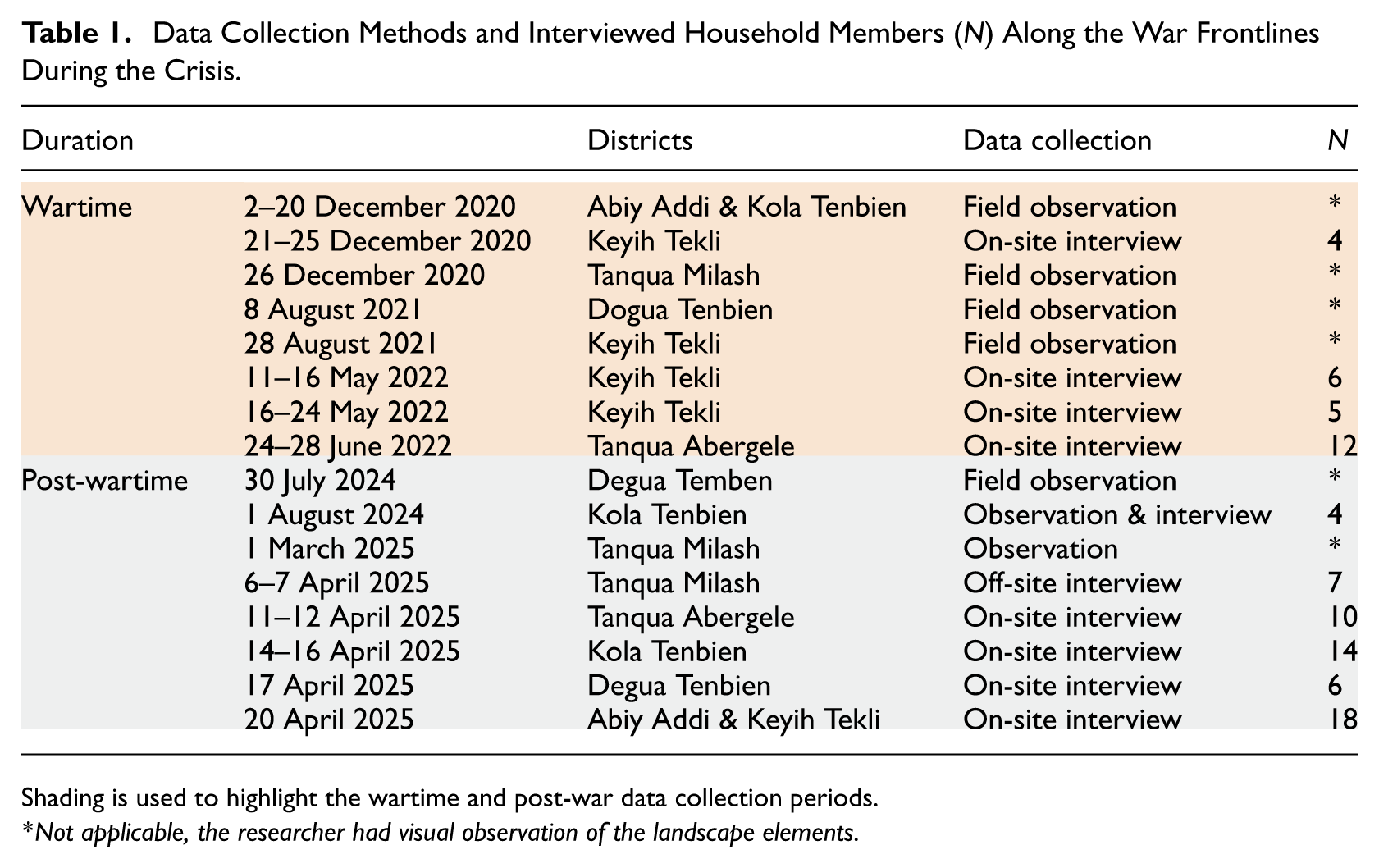
Shading is used to highlight the wartime and post-war data collection periods.
Not applicable, the researcher had visual observation of the landscape elements.
Field observations focused on the use of terrain units (gorges, caves, river valleys) and wild and domesticated fruit trees as survival resources, following field documentation approaches used in conflict-affected landscapes elsewhere (Giyorgis & Nyssen, 2024).
Market surveys documented prices and trade volumes for key fruit species and fuel products, particularly charcoal, drawing on existing studies of wild fruits and forest products in northern Ethiopia (Fentahun & Hager, 2009, 2010; Meragiaw, 2016). The data were collected in three primary markets—Mekelle, Abiy Addi and Werkamba—during the war (2020–2022) and post-war field visits (2022–2025). Price information for fruits and charcoal was triangulated through three complementary sources: (a) random interviews with retailers, (b) direct observation of market transactions and (c) comparison with available pre-war price records. Triangulating interviews, direct observations, and market survey data enhanced the reliability and validity of the findings (Creswell & Clark, 2017).
Data Analysis and Ethics
Interview transcripts, field notes and observational records were analysed using thematic analysis to identify patterns in survival strategies, the security functions of terrain and biodiversity, and perceived post-war environmental change (Cassidy et al., 2023; Korf, 2003). Descriptive statistics were also used to summarise income and harvests from major fruit species, building on methods used in studies of household reliance on forest goods and indigenous trees (Hailemicheal et al., 2024; Leakey, 2014; Meaza & Demssie, 2015). It is important to note that these estimates were illustrative rather than econometric projections and should be interpreted as indicative of crisis-induced market shifts rather than precise income accounting.
Research was conducted in accordance with ethical standards for conflict-affected settings, including informed consent, respondent anonymisation and careful attention to risks from discussing sensitive wartime experiences (Gebregziabher et al., 2023; Gebrihet & Gebresilassie, 2025).
From Survival to Environmental Insecurity
These findings speak directly to debates on environmental security. In Tenbien, landscapes rehabilitated through decades of soil and water conservation became key assets for sustaining human security during war: they sheltered civilians from direct violence, offered alternative food sources and supplied fuel when electricity and formal energy markets were cut. However, emergency dependence could transform restored landscapes into sites of heightened insecurity over time. Depleted tree stocks, degraded forests and damaged soils constrained post-war livelihood recovery and increased the risk of future crises. Environmental security here is dynamic and relational: it is produced through the same socio-ecological practices that temporarily protect people during conflict but may undermine their safety and well-being in the long run. This section traces that shift, from landscapes as life-saving refuges to their overuse as food, energy and income sources, and the resulting implications for post-war environmental restoration.
Landscape Units as Life-Saving Security Refuges During War
Survival was the top priority for residents during and after the fighting due to limited livelihood options. During the war, many were temporarily displaced, for example, relocating within a 30 km radius of their homes for extended periods. Sporadic clashes forced families to flee by abandoning household assets. The farmers fled to remote and less accessible “hard-to-reach areas,” where they remained for months (Figure 2a–c). These areas were strongholds for hiding local people during the war.
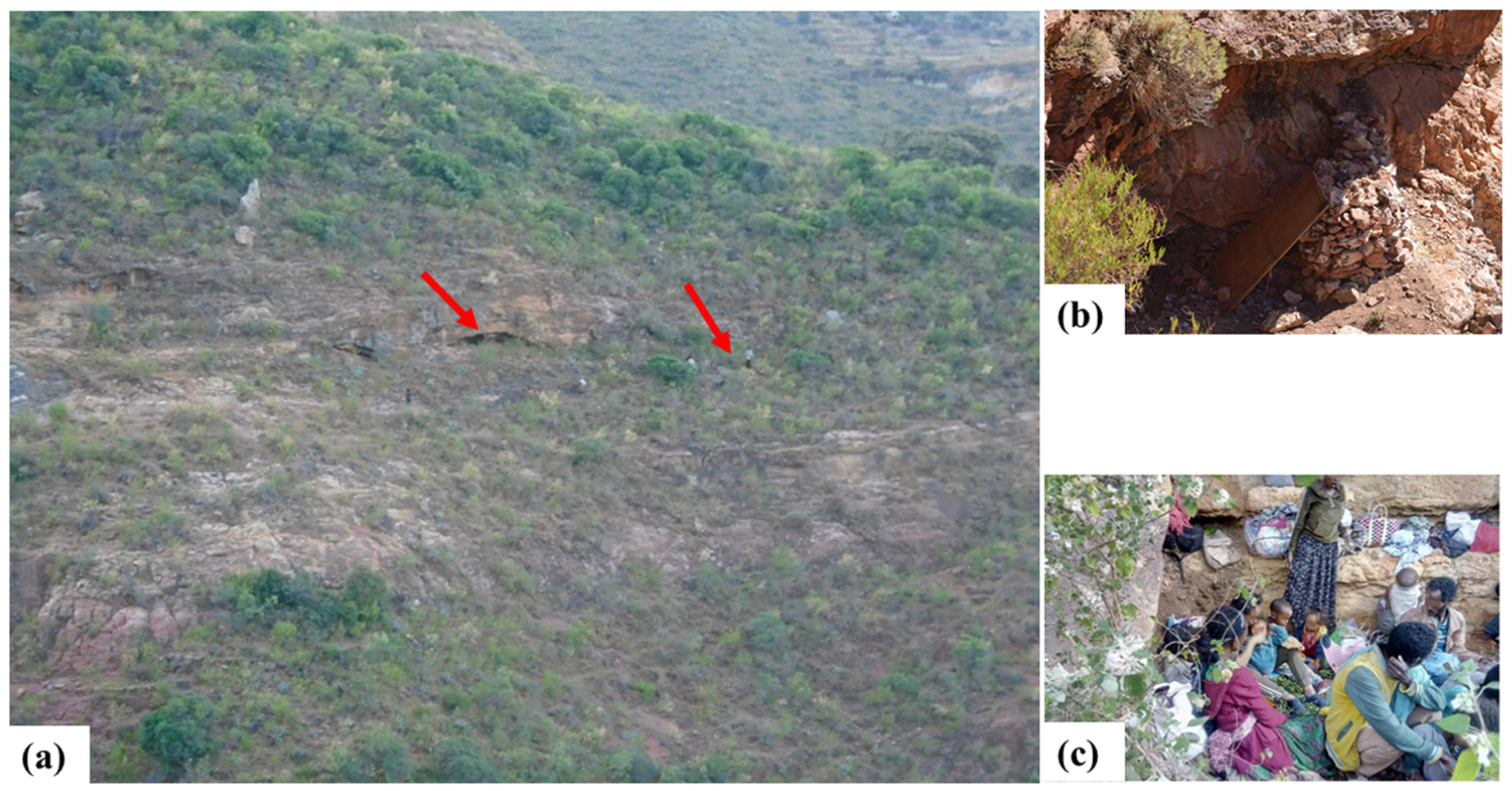
Residents fleeing their homes during active conflict sought refuge in caves, forests and narrow gorges, often bringing livestock and limited food supplies: (a) the left arrow elucidates residents running towards a cave (indicated by the right arrow), (b) a cave reinforced with a dry-stone wall for protection and (c) children and parents sheltering with basic belongings and scarce food supplies during war, (Figure (c) adapted from Annys et al., 2021).
Warfare led to a temporary occupation, during which occupying forces restricted residents’ access to their assets. Residents typically left their homes at dawn each day, moving with their livestock to mountainous areas to reduce their exposure to airstrikes, shelling and bombardment. Bushes, shrubs, forests, cliffs, valley sides and incised gorges offered crucial shelter during the crisis. It was observed that the civilians hid in the caves, along riverbanks and in deep gorges for months (Figure 2). Hence, these terrain features became critical sites of refuge during the most dangerous periods of the crisis.
Mountains such as Werkamba, Debre Ansa and Dabba Selama, with their many caves and rugged terrain, were inaccessible to soldiers and became key sanctuaries for civilians from the airstrike shelling of the mountains. The steep gorges of the Weri’i River, flanked by high escarpments, offered natural refuge, especially for communities and livestock.
Perched on isolated mesas with sheer sandstone cliffs and surrounded by deep gorges, steep basalt slopes and thick semi-natural vegetation made it difficult for forces to locate or access the community. Nyssen et al. (2023) also reported that the residents survived by blending into their surroundings and leveraging topography for concealment and defence.
During the active wartime, survivors adopted traditional food preparation methods in remote areas. With time, dimensional stones (e.g. sandstone) collected from streambeds were used as traditional mills for grinding their crops. Food processing reverted to manual grinding between two stones (Figure 3a). Similar to the ancient foodways, communities used three-stone stoves in open areas to roast crops such as maize (Figure 3b), reverting to a “stone age” mode of living (Nixon-Darcus & D’Andrea, 2023).
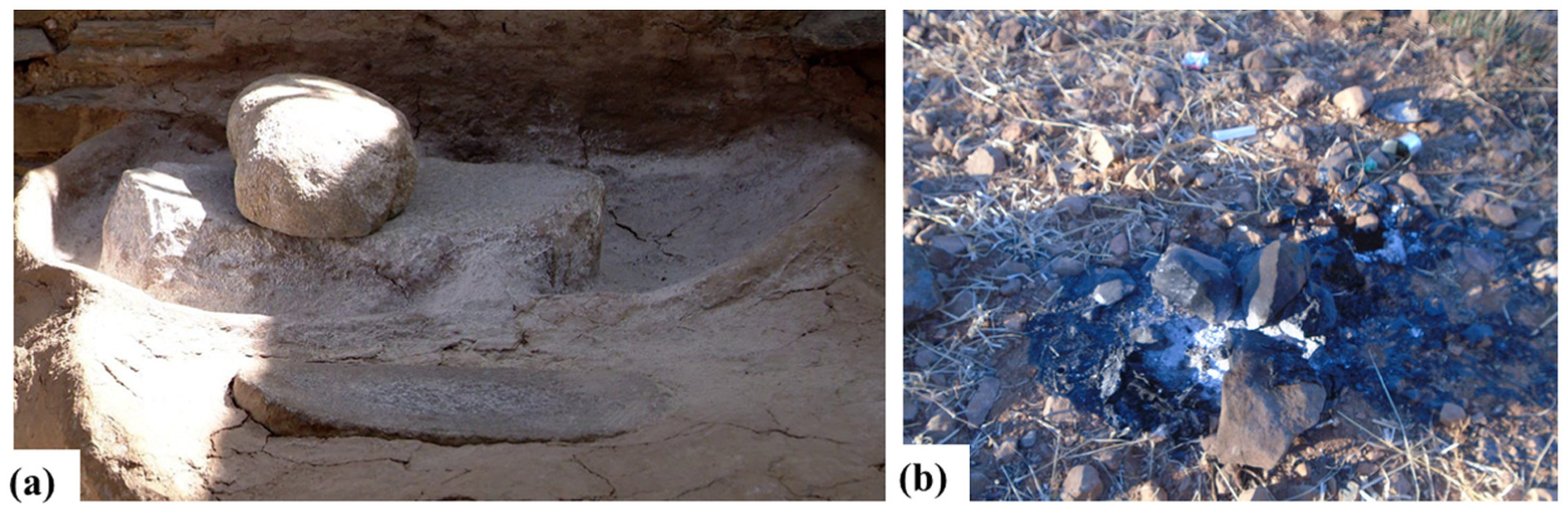
Foodways during wartime: A set of grinding stones (a) was used to process grains in response to de-electrification and blockade, while an open stove in open areas (b) served as a primary cooking method at remote sites during the crisis.
When the frontlines temporarily shifted, some residents returned to their homes under the cover of darkness to retrieve stored food and transport it back to mountain hideouts. As battles moved to other sites, the displaced individuals adapted by relocating to newly identified conflict-free zones.
Similarly, historical accounts reveal farmers in the early 1900s hid in forests, behind massive rock formations, and among large boulders to escape military assaults in northern Ethiopia (Giyorgis & Nyssen, 2024). Likewise, the residents concealed themselves behind dense trees and rock outcrops along roadsides, taking cover when bullets were fired (Quandt & McCabe, 2017).
The natural landscapes were protective barriers during the active war. In view of this, one respondent stated, “Our friends were not people; they were the mountains and the gorges,” which aligns with the proverb “No friends but the mountains” in Iraqi Kurdistan (Eklund, 2015). Therefore, the residents have deep emotional and spiritual connections to their natural environment (Elbakidze et al., 2025). These terrain features in the northern highlands of Ethiopia thus acted as improvised security infrastructure, mediating civilians’ exposure to violence and directly shaping their prospects for physical survival.
Indigenous Trees and Wild Foods as Buffers of Basic Food and Livelihood Security
The famine struck every resident indiscriminately amid the conflict, like a silent bullet. In response, the farmers relied on nature. The farmers adopted new coping strategies by relying on locally available environmental resources to endure the acute food shortages (Table 2).
Interview and Observation-Based Profiling of Multipurpose Shrubs and Trees in Tenbien.
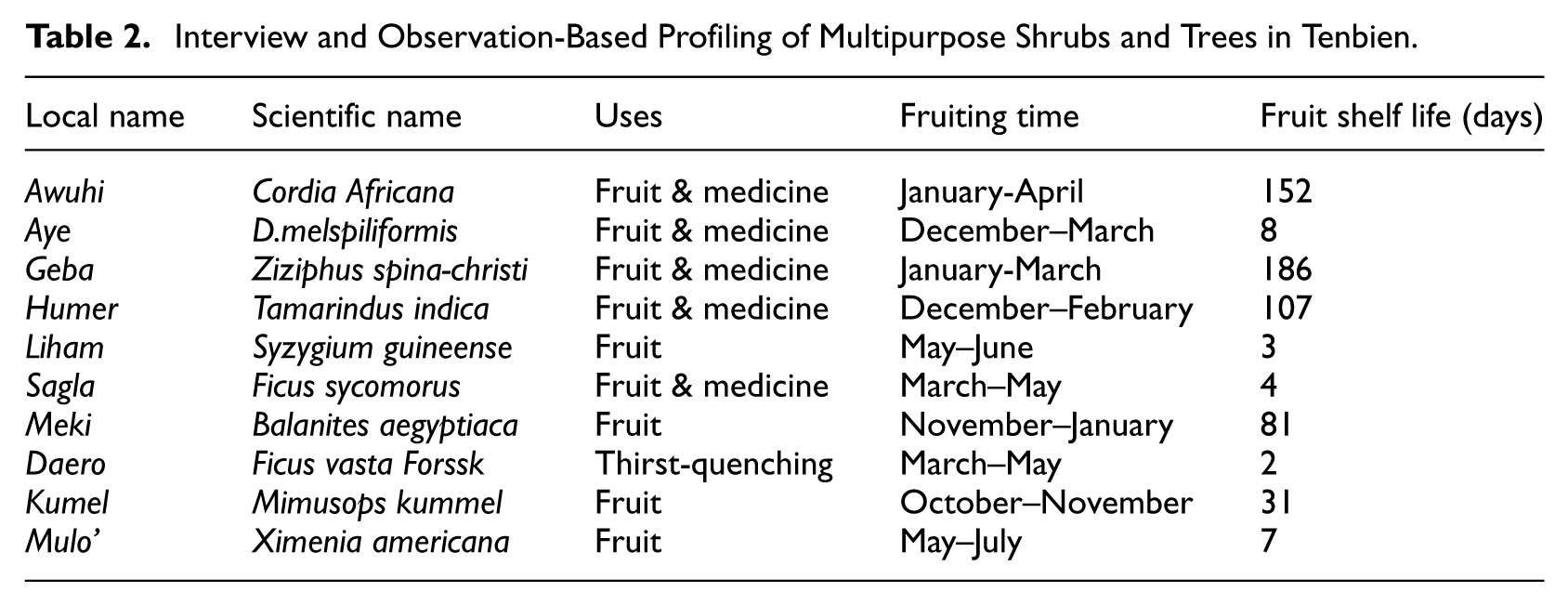
The heterogeneous agricultural and natural landscapes provided a variety of edible plants in the study sites. Indeed, the availability of edible fruits varied across time and space (Table 2). Some shrub and tree species have short harvesting windows, while many others remain available for extended periods (Table 2). The respondents indicated that Ximenia americana, Cordia africana and Ziziphus spina-christi (Table 2) were the most preferred fruits during the war. For example, Ziziphus spina-christi (Geba), which grows between 500 and 2,300 m.a.s.l, provides a crucial food reserve. One person reflected his ideas as, “Geba was a daily ration/food during the crisis.” Part of the agricultural lifeways, field observations and interviews confirmed that the fruits were extensively consumed during the crisis, consistent with earlier studies on their use in times of crisis (Aregay et al., 2017; Davies, 2016; Tesemma et al., 1993). It was a lifeline for residents. Besides, the Balanites aegyptiaca fruits also played a crucial role in bridging the food gap.
Fresh leaves, stems, tubers, gums, bark and roots were consumed during the crisis. To survive, residents relied on non-toxic, thirst-quenching plants such as Rumex nervosus. These shrubs and trees played a vital role in sustaining physical health and psychological resilience during periods of severe food shortage (Fentahun & Hager, 2009, 2010; Sharma et al., 2022). Similarly, Redžić (2010) reported that wild and semi-wild edible plants helped sustain people in Bosnia and Herzegovina throughout the 1,430-day siege of Sarajevo. These strategic uses of edible fruits and plants reflect a broader nature-based survival system rooted in local ecological knowledge and adaptive capacity. In this context, fruit trees were not only livelihood assets but also a core component of wartime food security, buffering households against famine in the absence of external aid.
Energy Security and Health Under Siege: Fuelwood, Charcoal and Traditional Stoves
Essential hygiene supplies disappeared from local markets, forcing residents to rely on traditional alternatives during the crisis. Tree branches, particularly from the African wild olive (Olea europaea subsp. cuspidata) (Figure 6), became the primary tool for tooth brushing for many residents, sourced mainly from rehabilitated landscapes such as exclosures and remote church forests (Mulualem & Chandravanshi, 2021). Exclosure refers to an area of degraded land that is closed to grazing and biomass extraction to allow natural vegetation regeneration, a widely used land restoration practice in northern Ethiopia. Due to the shortage of soaps in rural areas, washing with leaves and shoots of Ziziphus spina-christi was a common remedy for dandruff. In the absence of modern medical services during the war and siege, indigenous plants also became essential for healthcare. A key informant noted that the mountain forests served as natural “pharmacies,” with local communities turning to traditional healing practices. Residents also collected roots, leaves, seeds and bark from native species to prepare herbal remedies for both civilians and combatants. These treatments addressed wounds from the war and infections. Notably, Acacia etbaica was applied to treat war-related injuries, while Cordia africana was used for diarrhoea and abdominal pain. Hishe et al. (2025) further reported that the mountain forest supported traditional medical practices for the residents.
Access to non-timber forest products was not socially homogeneous in the study area. Women and girls were primarily responsible for collecting fuelwood, wild fruits, medicinal plants and traditional toothbrush sticks, largely for household consumption. Men and older boys were engaged in charcoal production and timber extraction, mainly for market sale. This differentiated access reflects gendered and embodied dimensions of environmental security in the crisis settings (Agarwal, 2001). Moreover, commercial collection tended to involve able-bodied men with access to transportation (e.g. donkeys or carts), whereas subsistence gathering remained primarily within women’s unpaid care labour. These patterns shaped household-level resilience differently across demographic groups.
The war-induced de-electrification triggered an unprecedented demand for firewood, charcoal and timber in urban areas (Figure 7). Wood and charcoal analysis revealed widespread exploitation of tree species such as Acacia spp., Olea spp. and Ziziphus spp. for fuel and construction uses. The rural households accelerated deforestation over the past 2 years, producing charcoal and selling firewood as a survival strategy. It was observed that large stockpiles of these products appeared in local markets (Figure 7), and private stores in the towns were converted into charcoal depots, reflecting farmers’ and urban retailers’ growing reliance on biomass trade.
The aerial and ground blockades disrupted the supply of alcoholic beverages from other regions. As a response, consumers increasingly relied on traditional alcoholic drinks like siwa and mes, typically brewed by women. Brewing siwa involves several steps, including baking kicha (flatbread), which requires large amounts of firewood. This shift in consumption contributed to a sharp rise in firewood and charcoal prices, up to four times higher than pre-war levels, which intensified the rate of deforestation.
Restored landscapes played a critical role in sustaining communities. For example, firewood has been a key resource for cooking and often the most important energy source during and after the crisis. Similarly, it was reported that human–woodland interactions have increased since the pre-Aksumite periods, mainly in arid and semi-arid Africa (Meragiaw, 2016; Ruiz-Giralt et al., 2021). Hence, biomass was the source of income for many rural people during the crisis (Meaza et al., 2024). The study reveals that ecosystem services became vital lifelines for survival during the 2020 to 2022 conflict and post-war crisis, but the scale and intensity of use simultaneously eroded the environmental security on which future livelihoods depend.
From Short-Term Human Security to Long-Term Environmental Insecurity: Environmental Costs of Survival
Farmers generated income from nature-based products from the edible fruits (Figures 4 and 5), which became critical livelihood assets during the crisis (Table 3). It was found that 192 kg per Ziziphus spina-christi tree per year was produced in the study area (Table 3). Before the crisis, fruit prices were relatively modest, ranging from $ 0.10 to $ 0.20 per kilogram. However, the price surged to $ 0.28 to $ 0.44 per kilogram during the crisis. Supply shortages, regional and local trade disruptions, and heightened local demand for subsistence goods due to the limited living options increased the price during the crisis.
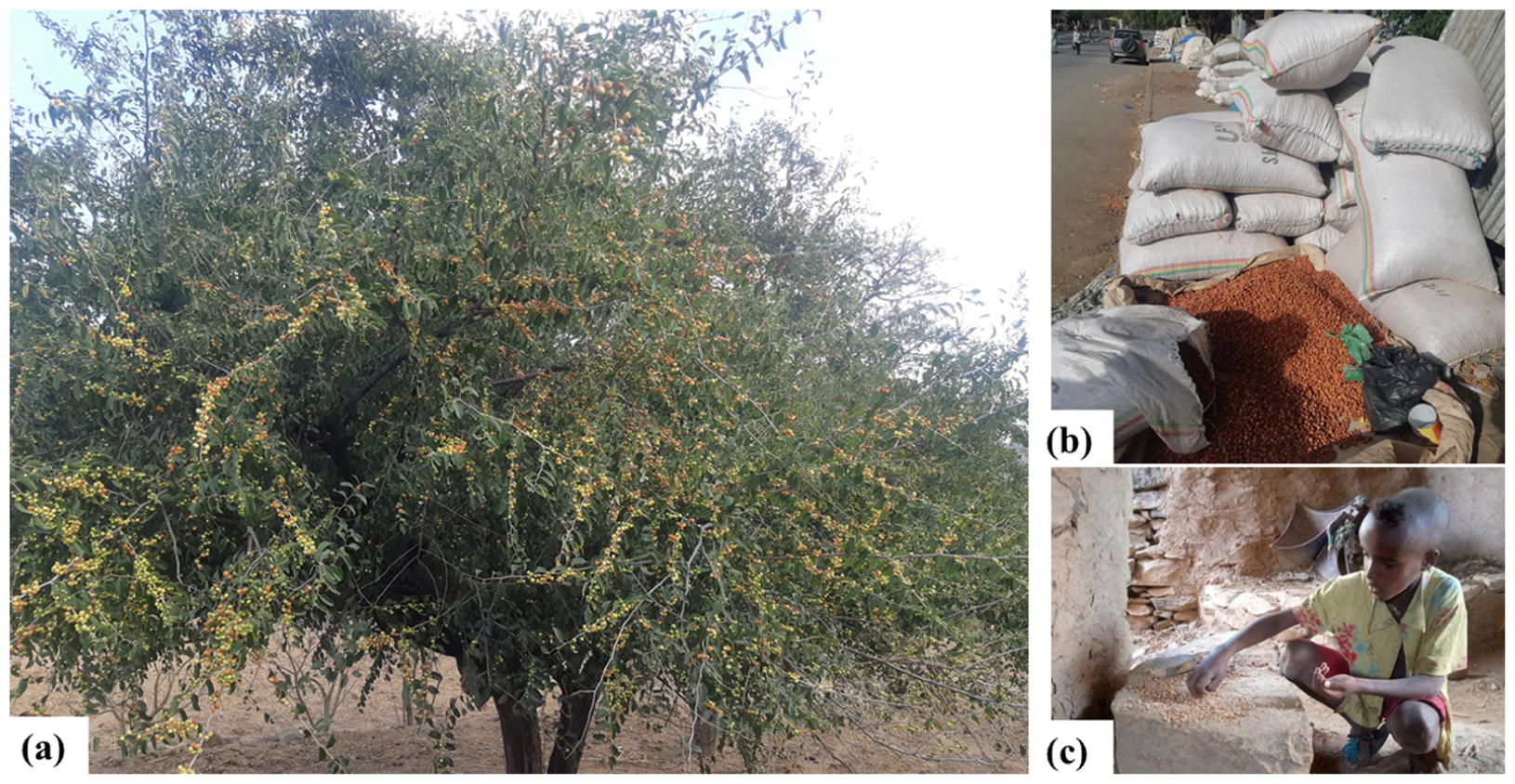
Ziziphus spina-christi (Geba) fruit tree standing in Werkamba, Keyih Tekli District (a); harvested fruits sold in quintals at Mekelle city market (b) and a child grinding the fruit for consumption in Tanqua Abergele (c).
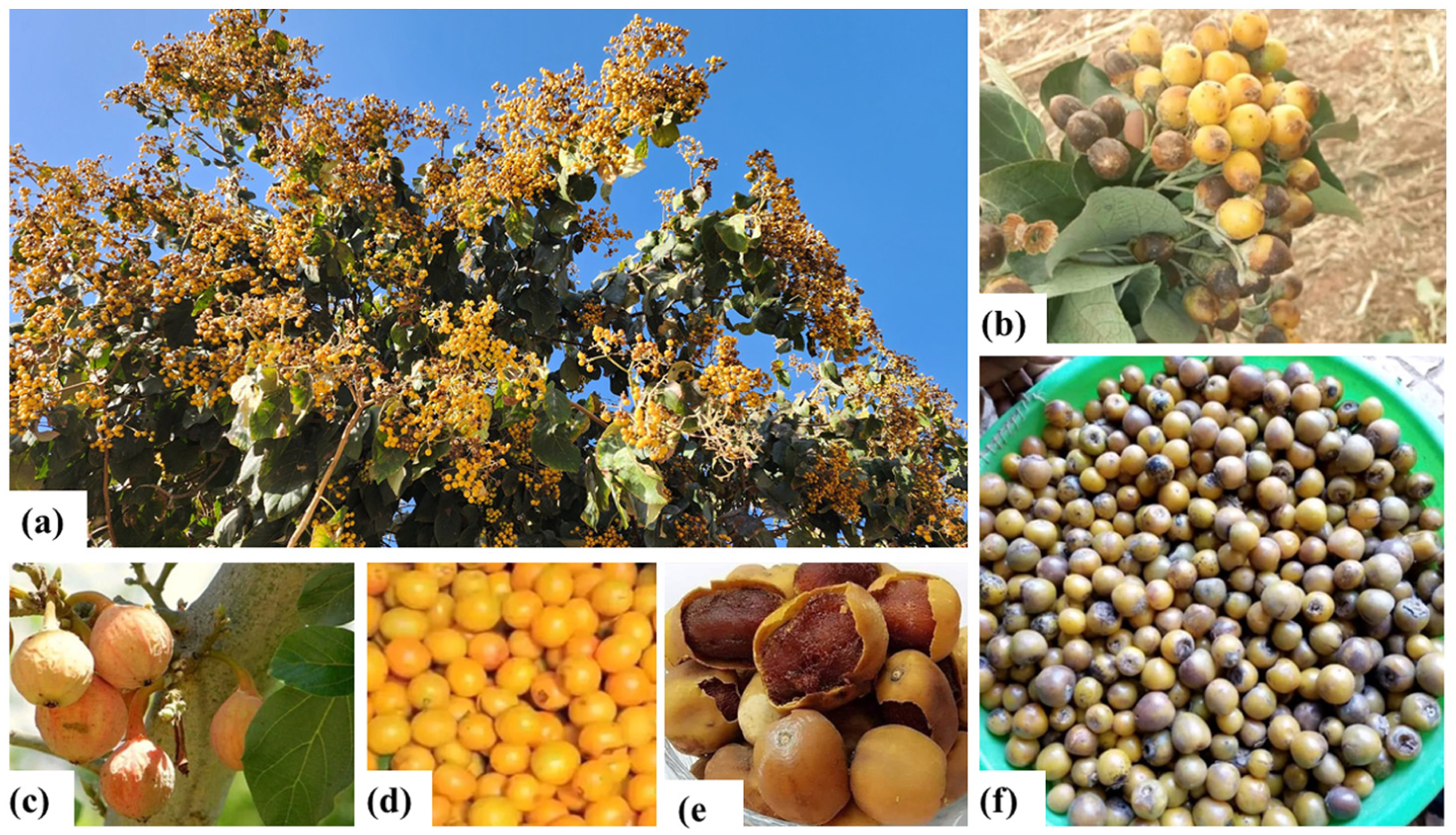
View of other edible fruits in the study sites: Cordia africana (a & b), Ficus sycomorus (c), Ximenia americana (d), Balanites aegyptiaca (e) and Mimusops kummel (f).
Quantities of Edible Fruits Harvested From Selected Indigenous Tree Species in the Study Areas, Their Local Market Prices, and Estimated Annual Incomes Before and During the Crisis Period.
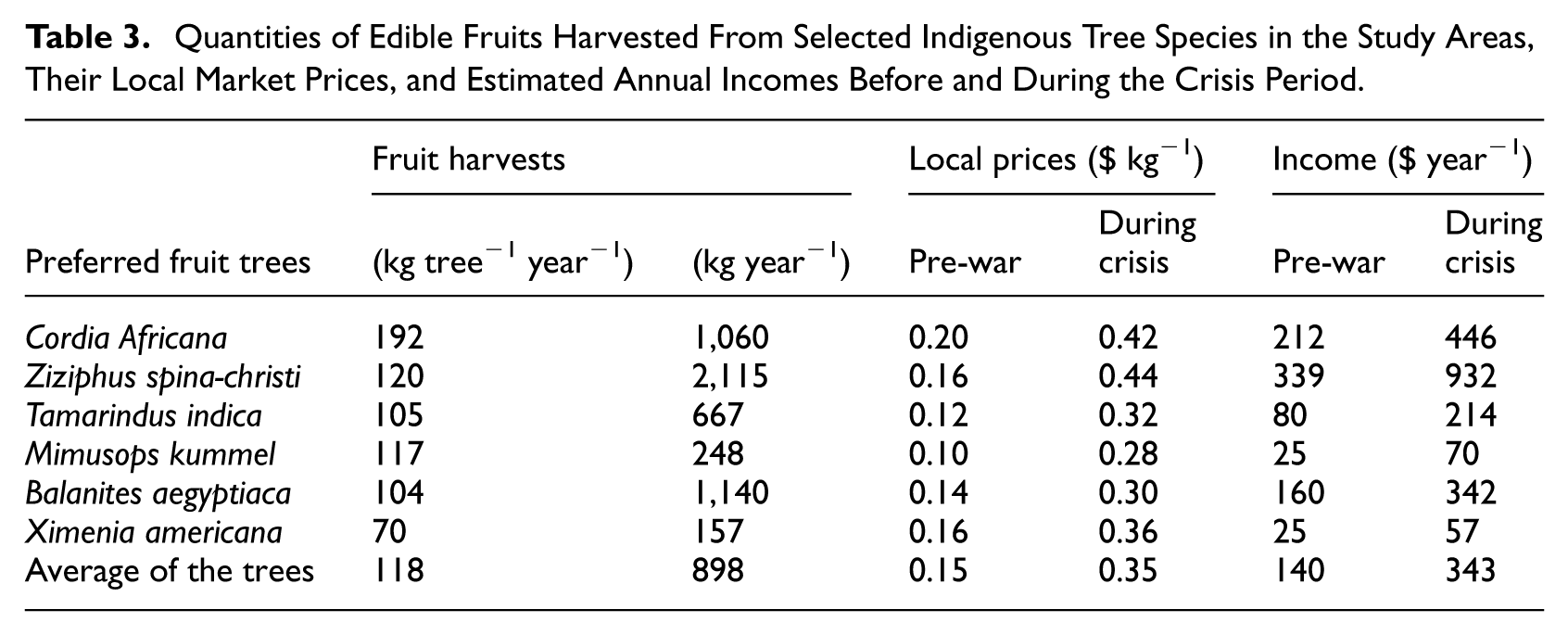
Ziziphus spina-christi generated the highest annual income among the selected indigenous trees, rising from $339 pre-crisis to about $932 per year during the crisis. Cordia Africana followed, with income increasing from $212 to $446, and Balanites aegyptiaca from $160 to $342 over the same period. The strong performance of Ziziphus spina-christi and Cordia Africana underscores their importance in sustaining rural livelihoods during socio-economic disruptions (Meaza & Demssie, 2015). In line with Tesfay et al. (2024) and Sulaiman et al. (2022), the wild and domestic fruits served as emergency food sources and as nutritional supplements and medicinal remedies in the study sites.
Traditional toothbrushes were used by the vast majority of people who could not afford to buy the commercial toothbrush and toothpaste in the towns and cities mainly during the crisis. Given this, the African wild olive (Olea europaea subsp. cuspidata) main branches became used as a natural toothbrush. The increase in demand gave rise to an informal trade network in which rural suppliers delivered bundled olive shoots (Figure 6a) to urban markets, where a retailer could fetch up to $2 per bundle (Figure 6b).
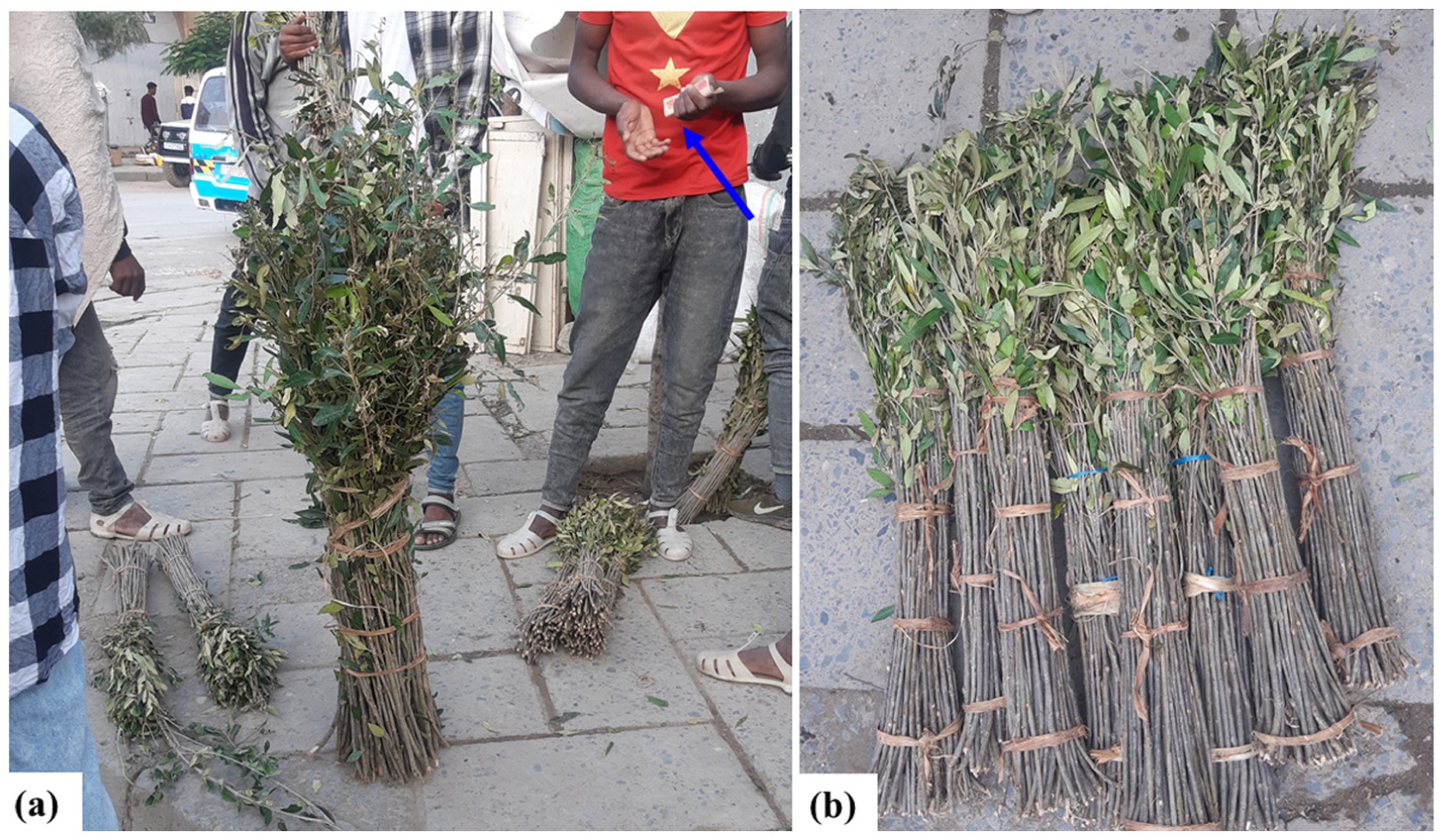
African wild olive branches (a-b) in Mekelle City, brought from Degua Tenbien for sale as traditional toothbrushes during the crisis.
Charcoal, wood and firewood emerged as another major source of income during the crisis (Figure 7). Many rural households turned to charcoal production, often harvesting from exclosures and other protected landscapes (Figure 7a–b). It was observed that numerous shops were converted into charcoal depots (Figure 7e). Based on the local market assessment, the charcoal prices increased from $7 per quintal during peacetime to $16 per quintal during the siege. Hence, biomass was the source of income for many rural people during the crisis (Meaza et al., 2024). It was inferred that ecosystem services became vital lifelines for survival during the crisis.
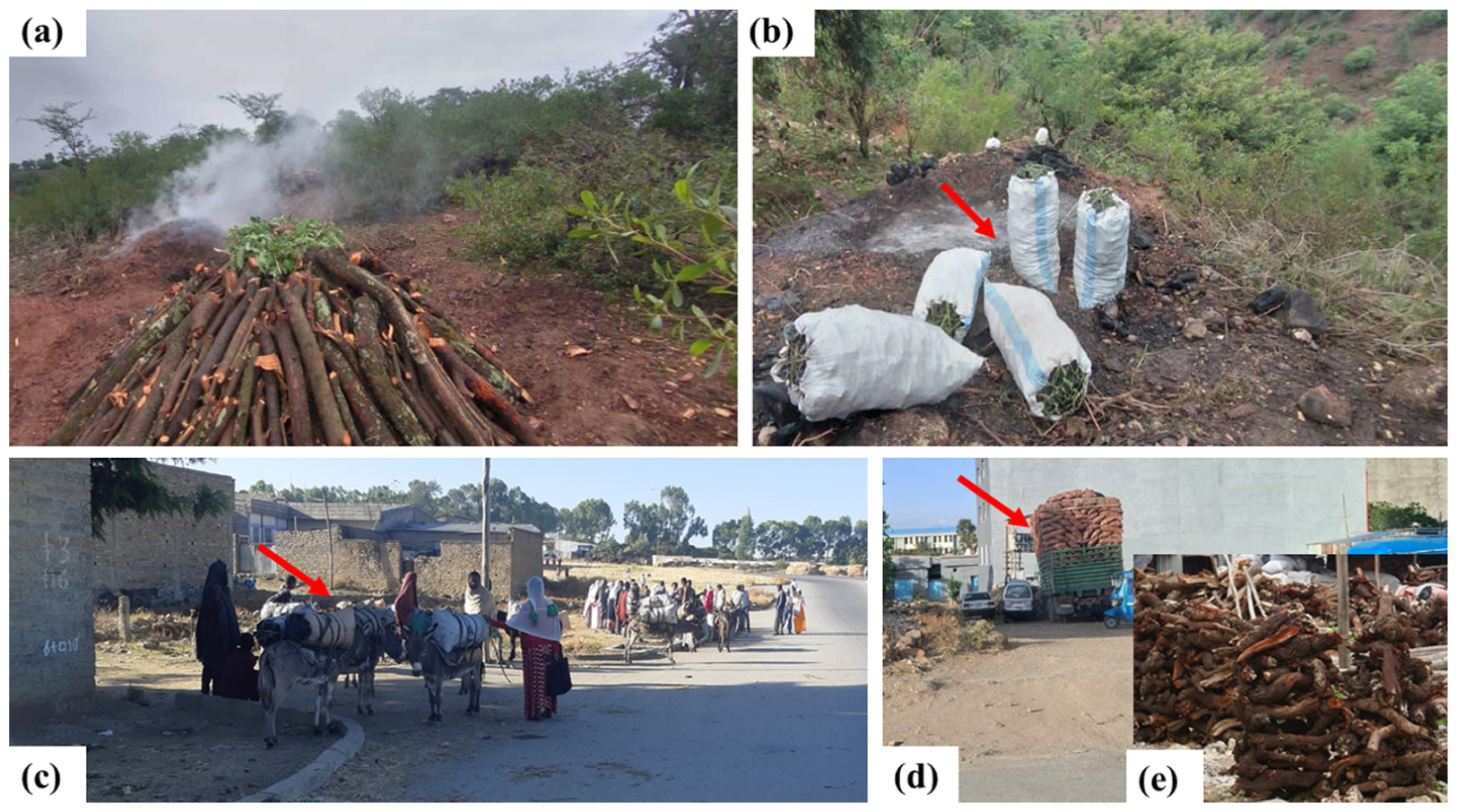
Exclosures and forests established during peacetime functioned as critical sources of biomass during the crisis (a–e).
Subsistence-oriented gathering helped households meet basic caloric intake and energy needs during the crisis. In addition, charcoal production and fruit sales generated critical cash income, enabling households to purchase basic medicine, grain, and transport services during an extremely difficult period. At the individual level, commercial engagement in forest products provided alternative livelihood opportunities when agricultural labour collapsed due to the prolonged siege. At the household level, diversification into non-timber forest product trade helped meet essential needs, consistent with resilience theory’s emphasis on livelihood diversification as a key strategy for buffering households against shocks (Ellis, 2000).
Despite the presence of localised resilience during the crisis (Nyssen et al., 2025), the intensified harvesting of timber and non-timber forest products also reduced long-term ecological resilience, illustrating a cross-scale trade-off between short-term economic security and long-term environmental sustainability (Folke, 2006). Ourge Wegasie et al. (2021) similarly note that multipurpose tree species became increasingly threatened due to unsustainable logging and excessive branch cutting. The wartime shift from electricity to biomass-based energy for months intensified pressure on already fragile woody vegetation, thereby undermining long-term energy security.
The study found that wartime administrative collapse and widespread insecurity significantly weakened environmental governance and enforcement mechanisms. The breakdown of state oversight, combined with urgent survival imperatives, generated largely open-access dynamics characteristic of resource systems in conflict-affected regions (Le Billon, 2001). As governance structures eroded, landscapes previously managed under conservation regimes experienced intensified extraction pressures (Ostrom, 1990).
The environmental degradation observed during the siege also raises complex moral and ethical questions. Communities intensified the exploitation of protected exclosures under conditions of coercive survival (Nixon, 2007). Framing such environmental degradation solely as “unsustainable behaviour” risks obscuring the structural violence that produced these conditions of dependency (Young & Goldman, 2015). This dynamic illustrates how institutional fragility interacts with ecological vulnerability during armed conflict, accelerating environmental degradation.
Environmental Impacts and Restoration Priorities
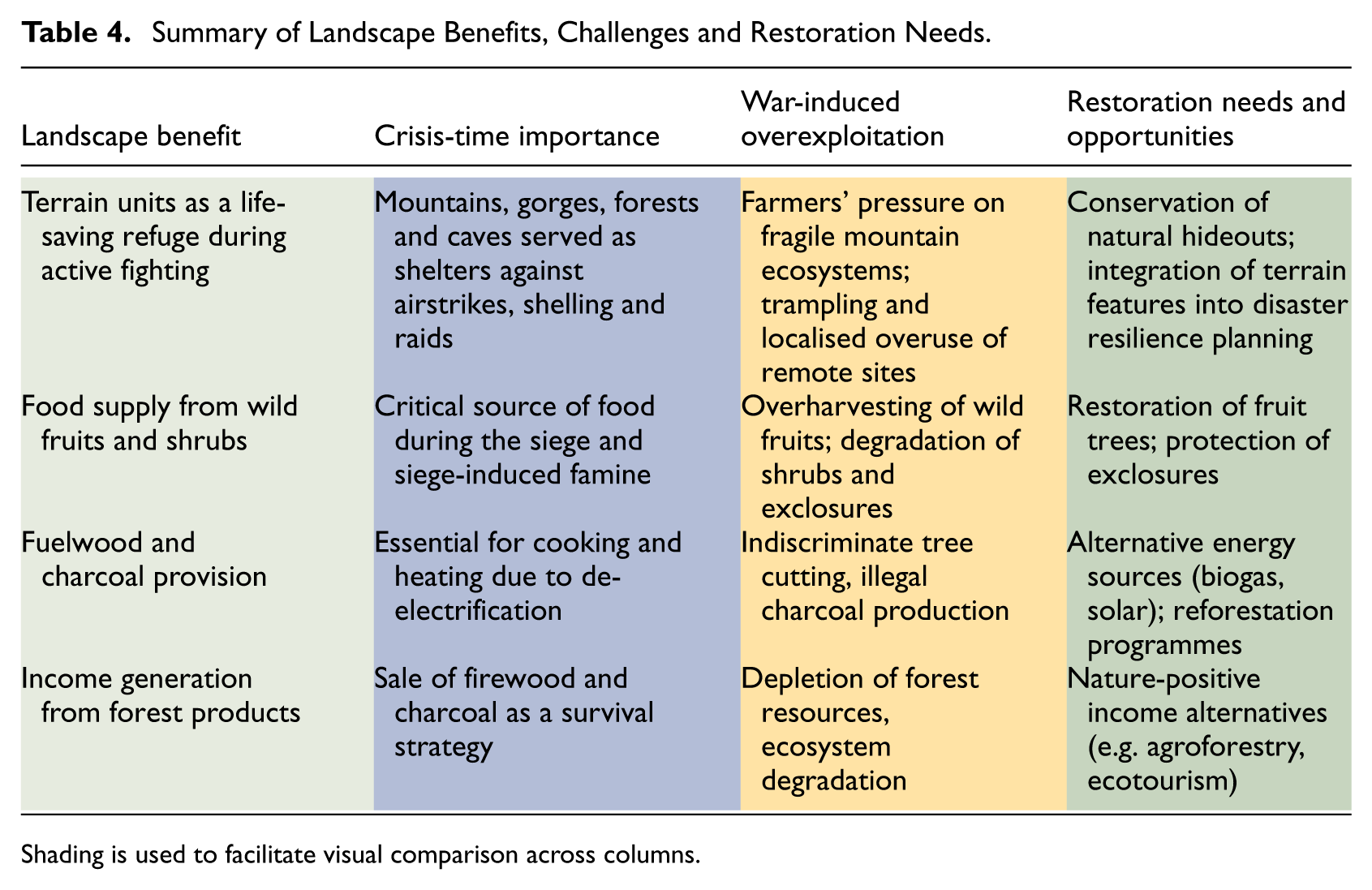
The wartime siege disrupted the daily food supplies and rural livelihoods, forcing communities to rely heavily on natural resources for survival. The households depleted their food reserves and adopted extreme coping strategies. Particularly, the restored forests in the exclosure became critical sources of food, firewood and income (Tables 3 and 4).
Summary of Landscape Benefits, Challenges and Restoration Needs.
Shading is used to facilitate visual comparison across columns.
However, excessive reliance on nature has come at an environmental cost (Table 4). Conservation gains during the peace time (1991–2020) were reversed by unsustainable harvesting, indiscriminate tree felling and illegal charcoal production (Meaza et al., 2025). These practices caused extensive vegetation degradation and threatened biodiversity (Hishe et al., 2024). Moreover, the situation was exacerbated by an energy crisis triggered by urban de-electrification (Birhane et al., 2025; Negash et al., 2023). In addition, Ponta et al. (2021) observed similar encroachments on protected ecosystems during hunger crises. With time, prolonged economic hardship intensified pressure on natural resources. A steady depletion of biological resources driven by human needs occurs during a shock. Therefore, overharvesting of natural resources led to the gradual degradation of ecological integrity over time (Hailemicheal et al., 2024).
Immediate action is essential to restore degraded catchments in the study area (Table 4). Post-war recovery efforts should begin with mapping landscape damage and identifying ecological hotspots to prioritise the targeted restoration. This approach supports the development of nature-positive systems that address food security, energy demands and ecosystem recovery. A critical component of recovery is the conservation and rehabilitation of wild and domestic fruit trees, alongside other species heavily exploited for charcoal and firewood. With ground-based evidence, these restoration efforts must be embedded within broader recovery frameworks to ensure that ecological sustainability becomes a pillar of reconstruction (Young & Goldman, 2015).
Transitioning from a nature-negative to a nature-positive living strategy is necessary to strengthen rural resilience. This is essential to rebuilding future livelihoods and safeguarding these areas from further degradation. The local food production must be balanced with efforts to prevent biodiversity loss and deforestation, which are key to achieving the long-term development goals (Leakey, 2014; Leakey et al., 2022). Moreover, post-war restoration offers significant co-benefits for environmental resilience and rural well-being (Suding et al., 2015). Unsustainable agricultural practices that perpetuate ecological degradation must be addressed via international restoration efforts that scale up nature-positive livelihood models (Villabona, 2023).
The identification and promotion of multipurpose trees are important for enhancing community resilience and alleviating poverty in contexts marked by environmental and socio-political crises. In agreement with Unruh (2008), integrated approaches that combine agriculture with landscape restoration can unlock the potential of multifunctional landscapes to deliver food security, ecosystem services and sustainable livelihoods. Furthermore, agroforestry, community-led watershed restoration and sustainable forest management must form the backbone of post-war recovery strategies to secure sustainable peace, environmental health and sustainable rural futures.
Implications for Environmental Peacebuilding and Restoration Policy
Building on the identified environmental degradation and restoration needs, this section explores how nature-based solutions can be strategically integrated into broader post-war peacebuilding and development efforts. Post-war landscapes present both challenges and opportunities for reimagining sustainable development. In contexts such as Tenbien, where war-induced environmental degradation intersects with historical vulnerabilities, integrating nature-based solutions into peacebuilding and development planning becomes particularly important. These approaches provide a holistic pathway for restoring ecosystems while addressing essential human needs such as food, energy, health and security in the post-war period. They are especially relevant in areas affected by explosive remnants of war, where environmental rehabilitation and human safety must be addressed simultaneously (Njeri & Greene, 2024).
The restoration of degraded exclosures, replanting of multipurpose trees and rehabilitation of traditional water-harvesting systems represent not only ecological interventions but also building blocks of environmental peacebuilding. This concept recognises that ecological recovery, local livelihood revitalisation and social healing must occur simultaneously to support sustainable peace (Ikpe & Njeri, 2022). In Tenbien, community-based restoration initiatives rooted in local ecological knowledge provide an important entry point for both ecological recovery and social repair.
The environmental challenges facing post-war communities are further compounded by overlapping risks. Njeri and Greene (2024) describe this condition as “double exposure,” referring to the convergence of climate vulnerability and explosive ordnance contamination in post-conflict environments. Communities have simultaneously grappled with recurrent drought, siege-induced poverty and environmental degradation caused by the war. These interacting stressors illustrate what environmental security scholarship describes as “threat multiplier” dynamics, where environmental scarcity and institutional fragility reinforce social and economic vulnerability (Homer-Dixon, 1999). In the study area, drought, conflict-driven poverty and ecosystem overexploitation combined to produce a compound environmental security crisis.
Nature-based solutions offer a promising pathway for addressing these intertwined environmental and socio-economic challenges. It refers to actions that protect, sustainably manage, and restore ecosystems in ways that address societal challenges while generating benefits for both human well-being and biodiversity (Cohen-Shacham et al., 2016). In post-war environments, such approaches can restore degraded landscapes, rebuild ecosystem services, and strengthen climate resilience while also creating livelihood opportunities for affected communities.
In areas contaminated by unexploded ordnance, conventional infrastructure reconstruction may be delayed or hazardous. Under such conditions, ecosystem restoration approaches, such as assisted natural regeneration, controlled exclosures and watershed rehabilitation, can provide relatively low-risk, labour-intensive livelihood opportunities while avoiding deep soil disturbance that could trigger explosive devices (Cohen-Shacham et al., 2016). Experiences from other conflict-affected regions, including Angola, Somaliland and Ukraine, suggest that landscape rehabilitation efforts are most effective when combined with infrastructure development and institutional reforms that strengthen local governance (Ikpe & Njeri, 2024; Njeri, 2018).
Nature-based solutions in post-war contexts must remain sensitive to social inequalities and differentiated vulnerabilities. Conflict often affects communities unevenly across gender, class and spatial lines (Njeri, 2020). For example, women in Tenbien relied heavily on indigenous forest products for fuel, basic household needs and income generation during the crisis, reflecting their primary responsibility for resource collection and household provisioning. While these roles point to gendered dimensions of nature-based coping strategies, the available data do not fully capture intra-household dynamics, such as the distribution of benefits from resource use, or specific needs related to hygiene, including menstrual health. Post-war recovery strategies should therefore promote inclusive, gender-responsive and locally driven restoration efforts to strengthen resilience while avoiding the reproduction of existing inequalities. Successful environmental restoration requires coordinated governance frameworks that integrate ecological recovery with broader peacebuilding and development strategies. If landscapes functioned as security infrastructures during conflict, post-war recovery efforts must treat them as public goods requiring coordinated protection and restoration by national governments and international partners (Dresse et al., 2019). Integrating restoration initiatives with land-use planning, humanitarian demining operations, decentralised resource governance and climate adaptation planning can strengthen both environmental sustainability and political stability (Ide, 2019). Without such institutional coordination, therefore, environmental restoration efforts risk reproducing the open-access dynamics and extraction pressures that emerged during wartime.
Conclusion
This study examined how multifunctional landscapes and nature-based resources contributed to community survival and resilience during the wartime siege in Tenbien, Tigray region of Ethiopia. This study reveals the pivotal role of terrain units and indigenous natural resources as vital life-support systems during the armed conflict in the study area. Caves, cliffs, gorges, forests and incised valleys functioned as natural fortresses, enabling large-scale civilian evasion from warfare-induced threats such as airstrikes and ground assaults. These geophysical features offered concealment, refuge and security to displaced populations, livestock and key household assets during crises. Socio-ecological resilience of communities was enhanced by traditional ecological knowledge and the sustainable use of multipurpose indigenous trees and shrubs. Wild edible fruits filled critical food gaps during periods of siege and famine. In parallel, native medicinal plants and hygiene-providing flora were indispensable due to a lack of healthcare and hygiene infrastructure. Moreover, the energy crisis catalysed extensive biomass dependency in sustaining livelihoods. At the same time, the study reveals an important trade-off between short-term survival and long-term environmental sustainability. The accelerated exploitation of forest biomass and the unsustainable harvesting of slow-growing tree species may have long-term ecological consequences unless addressed through integrative post-conflict recovery policies. These findings contribute to environmental security and resilience scholarship by highlighting the dual role of landscapes as both protective assets and vulnerable systems in conflict settings. Integrating nature-based solutions, community-led restoration and coordinated environmental governance into post-war recovery efforts can help rebuild both ecological systems and human livelihoods. In regions emerging from conflict like Tigray, restoring landscapes is therefore an environmental priority and a foundation for sustainable peace and long-term security.
Footnotes
Acknowledgements
We extend our sincere gratitude to the communities for their trust, resilience, and generosity in sharing their experiences under extremely challenging wartime conditions. We also thank the key informants who contributed invaluable insights and local ecological knowledge despite ongoing insecurity and hardship. Finally, we acknowledge the anonymous reviewers for their constructive feedback and critical insights, which significantly strengthened this manuscript.

Funding
The authors disclosed receipt of the following financial support for the research, authorship, and/or publication of this article: The authors received partial funding for support of data analysis from SOAS University of London.
Declaration of Conflicting Interests
The authors declared no potential conflicts of interest with respect to the research, authorship and/or publication of this article.
Data Availability Statement
Data are available upon request from the first author, subject to ethical approval and participant confidentiality agreements.*