




Abstract

According to the World Health Organization, an estimated 1.4 billion adults aged 30–79 worldwide had hypertension in 2024, representing around one-third of the global population of that age. Of these, 44% were unaware that they were living with a leading risk factor for premature death and poor health worldwide due to its association with myocardial infarction, stroke, and kidney disease.

Despite the size of the hypertension problem, its diagnosis and treatment pathway has remained largely the same for decades.
A 60-year-old pathway
“The current pathway in hypertension diagnosis and treatment has really not changed in over 60 years,” said Sandosh Padmanabhan, MD, PhD, chair of pharmacogenomics and professor of cardiovascular genomics and therapeutics at the University of Glasgow in Scotland.
He explained that it is based on opportunistic detection of hypertension, which has traditionally been defined as a blood pressure (BP) of 140/90 mmHg in the clinic, although thresholds vary by measurement method and guideline. For example, out-of-office measures typically use lower cut-points (e.g., home/daytime ambulatory averages) of 135/85 mmHg.
Diagnosis typically occurs when a patient visits their primary care physician (PCP) or has a pharmacy BP check. Confirmation follows, ideally with out-of-office BP monitoring to avoid misclassification caused by one-off measurements.

Sandosh Padmanabhan, MD, PhD
Professor
University of Glasgow
Patients are then stratified by predicted 10-year cardiovascular risk, using risk calculators such as Q-risk or the PREVENT score, and treatment is based on a stepwise algorithm. First, patients are generally given lifestyle advice like reducing salt, alcohol, and caffeine intake, improving sleep, managing stress, and increasing exercise. This may give them a chance to reduce their BP without pharmacologic intervention.
If unsuccessful, depending on local guidelines, patients may be offered an angiotensin-converting enzyme (ACE) inhibitor or angiotensin receptor blocker if under 55 years of age. Those over 55 years or of Black African or Caribbean origin are started on a calcium channel blocker. The next steps combine ACE inhibitors and calcium channel blockers, then add a thiazide-like diuretic, followed by spironolactone or other drugs.
However, this approach uses “a population-level logic,” said Padmanabhan. Although age and ethnicity are considered, “these are broad demographic proxies that don’t include any understanding of the individuals’ underlying pathophysiology or the genetic makeup.”
He stresses that, on a public health basis, the system works. There are multiple effective, low-cost antihypertensive drug classes and many generic options available that effectively lower BP. Despite this, control rates are poor. “Fewer than one in four hypertensive adults globally have their BP adequately controlled,” he said.
The measurement problem
Part of the issue lies in how BP is measured. “To give you an idea about the scale of inertia, we diagnose BP using a device that was introduced in the late 19th century,” Padmanabhan noted, referring to the sphygmomanometer invented by Scipione Riva-Rocci in 1896. Not only that, the technique can also be flawed. Variables such as incorrect cuff size, improper positioning, and patient movement can distort readings. Even talking during measurement can increase BP values by 5–9 mmHg or even higher.
Crucially, a single measurement provides little insight into cumulative lifetime exposure to high BP and can be skewed by issues like white coat hypertension or masked hypertension. “We look at the BP number, but the patients don’t experience that number. What they experience is a lifelong vascular risk,” Padmanabhan explained. “Treatment is not about a short-term reduction in a number. It’s about long-term sustained risk reduction.”
Yet the current system remains reactive and is not working well enough. “We have to move away from reactive diagnosis to proactive identification,” Padmanabhan said. “The earlier we measure accurately and respond systematically, the fewer surprises we’ll see later.”
Continuous monitoring
The pitfalls of opportunistic, or even planned, BP measurement are driving the emergence of new technologies capable of continuous monitoring.
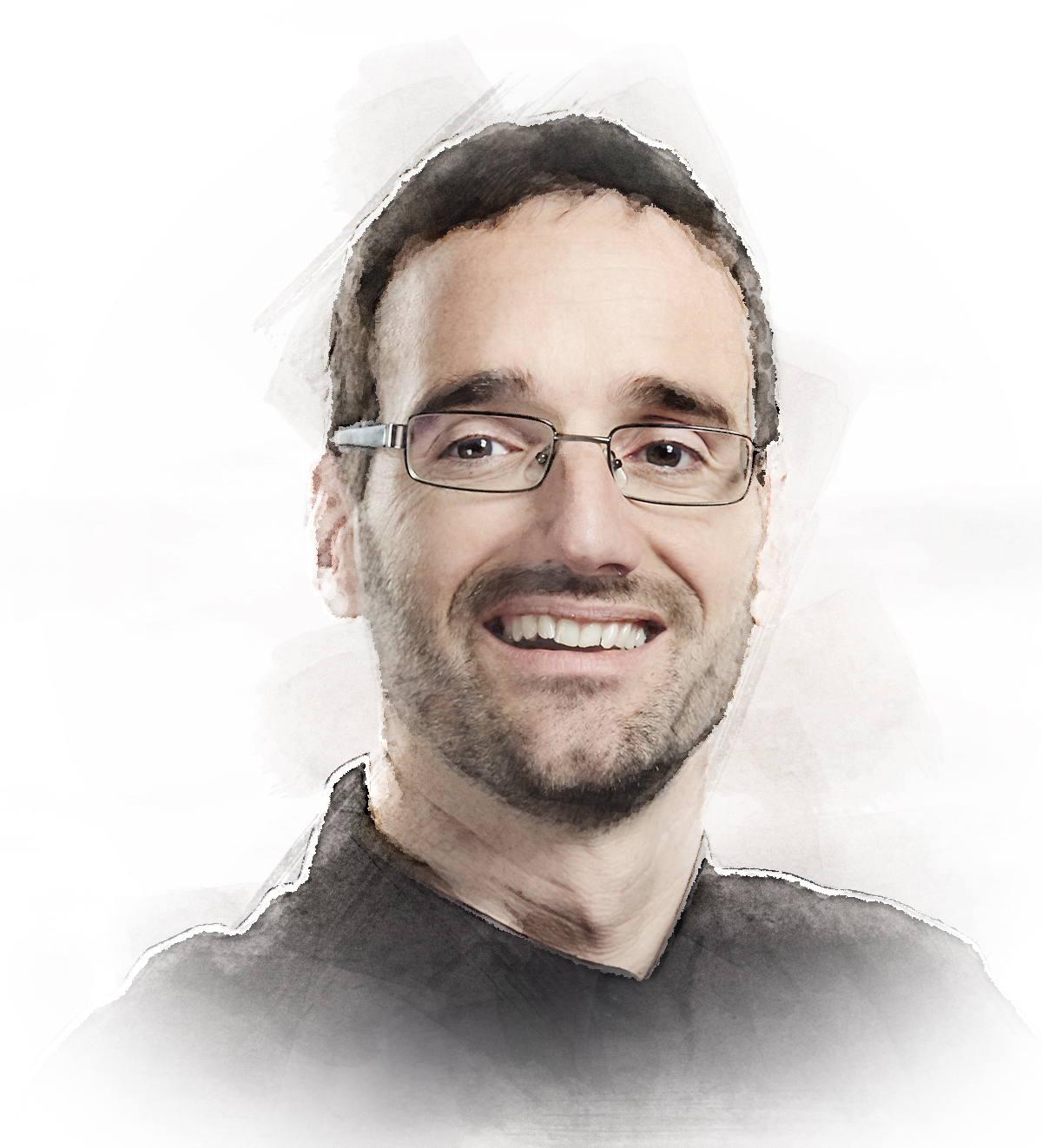
Josep Solà, PhD, began working on optical sensing technology in 2004 at the Centre for Electronics and Microtechnology in Switzerland. By analyzing subtle changes in reflected light caused by arterial dilation, it became clear that BP could be measured using these light signals. In 2018, this research was spun out into Aktiia, where Solà is CTO and co-founder. The company has developed and commercialized the Hilo TM band: a CE-certified wearable medical device designed for continuous, cuffless, BP monitoring that has been clinically validated against traditional ambulatory BP monitoring.
The band tracks BP and heart rate automatically, about 25 times per day, without requiring any action from users. Paired with an app, the device shows users daily, nightly, and long-term BP trends. It is currently available as a certified medical device across Europe, Australia, and Canada, and, following FDA approval in July 2025, the company is preparing for a U.S. launch.
Josep Solà, PhD
CTO and Co-founder
Aktiia
Solà said he and co-founder Mattia Bertschi, PhD, were convinced they could change how hypertension is being managed today. He believes there is no good reason why most people with hypertension cannot control the condition. The medication is cheap and effective; the problem is that there has been no technology that patients can use to properly manage their condition.
“No one wants to use a cuff every day for the next 30 years,” said Solà. “They’re just so inconvenient, and you cannot expect people to proactively measure something they don’t feel.”
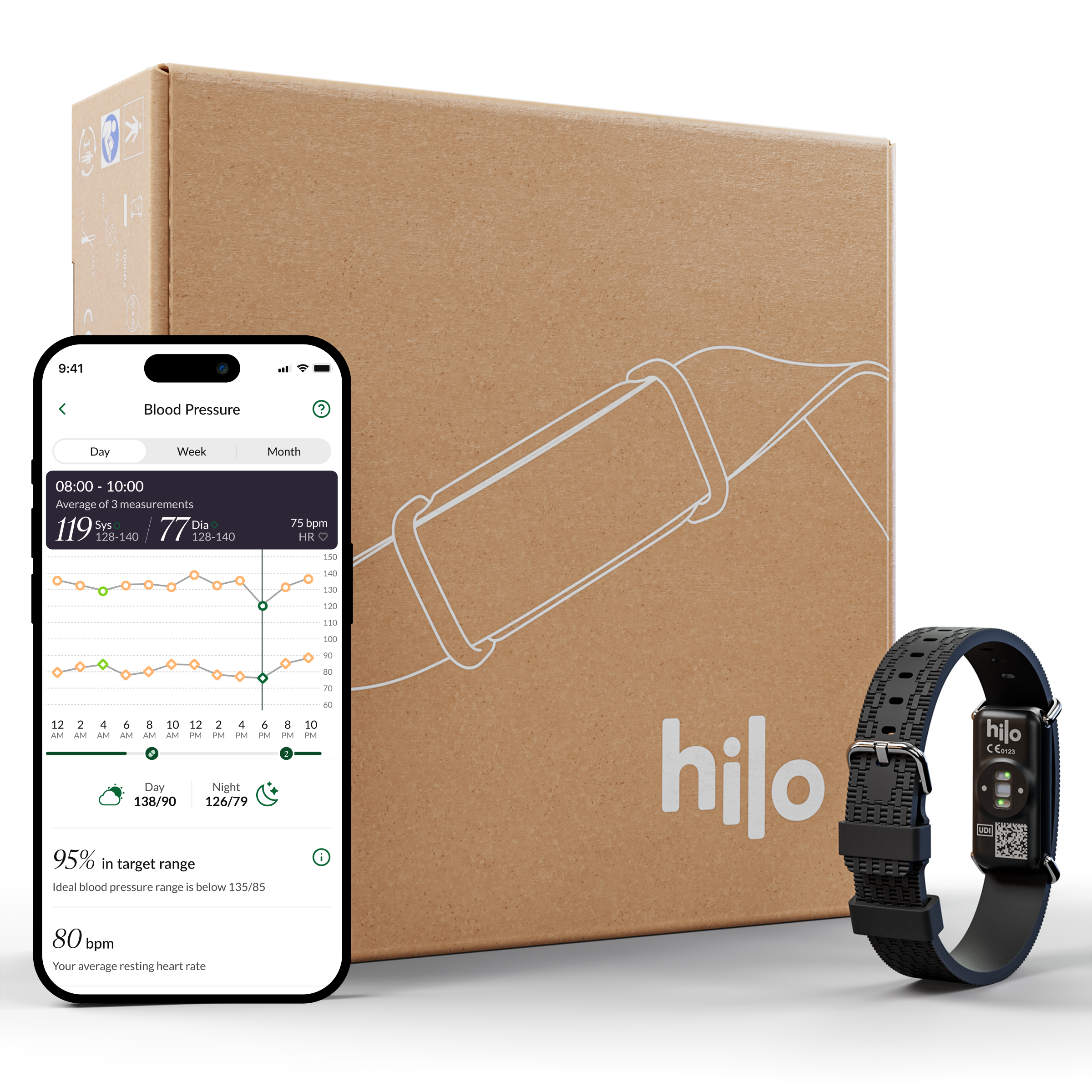
The Hilo band gives wearers a feedback loop that has historically been missing from BP measurement. Users can immediately see that reducing their salt or alcohol intake, for example, lowers their BP. “We are empowering people,” said Solà. “We are empowering them to look at the intervention, or combination of interventions, with or without medication, to see what is effective for them, and this reinforces their willingness to continue with the changes they are making.”
Data published by Aktiia has shown that this approach works. A study of 8,950 U.K.-based Hilo users indicated that individuals who monitored their BP continuously showed better control over time. Specifically, users over 50 years of age appeared able to prevent the age-related rise in systolic BP typically seen in the general population, which the researchers say “may reflect greater awareness, stronger treatment adherence, and lifestyle changes prompted by continuous feedback.”

Adam Bress, PharmD
Researcher
University of Utah
Wearables at scale: Opportunity and caution
Beyond dedicated monitoring devices like the Hilo band, smartwatches and other devices are increasingly capable of detecting physiological signals associated with cardiovascular risk. The Apple Watch can detect potential signs of chronic hypertension by analyzing heart rate sensor data over 30-day periods, the Huawei Watch D provides on-demand and 24-hour ambulatory BP monitoring using an air-filled strap, while the team behind the Oura ring is developing a “Blood Pressure Profile” feature to detect early signs of hypertension.
Although this represents a significant step toward embedding cardiovascular monitoring into everyday life, the increasing use of these devices raises important questions about accuracy, interpretation, and clinical integration, particularly as they often rely on indirect signals rather than direct BP measurement.
As Adam Bress, PharmD, from the Spencer Fox Eccles School of Medicine at the University of Utah, and colleagues have recently shown, translating wearable-derived signals into meaningful clinical information is not straightforward.
They evaluated the hypertension alert feature of the Apple Watch, which has a published sensitivity of 41% and specificity of 92%, meaning that approximately 59% of individuals with undiagnosed hypertension would not receive an alert, while about eight percent of those without hypertension would receive a false alert.
“The problem there, is that this data only tells you how the alert works in a very controlled, limited population,” said Bress. “In order to understand how it’s going to work in the real world, we need to know how the true prevalence of undiagnosed hypertension varies in the population and in subgroups and to what degree.”
Using data from nearly 4,000 adults in the U.S., Bress and colleagues showed that the pretest probability of having hypertension has a significant impact on the reliability of the alert. For example, among adults under 30 years of age, the pretest probability of having hypertension is 14%. A positive alert on the Apple Watch would increase this probability to 47%, whereas no alert reduces the probability to 10%.
However, for adults aged 60 years and older, an alert increases the probability of an individual having hypertension from a pretest level of 45% to 81%, whereas the absence of an alert only lowers it to 34%. This translates to large numbers of false negatives when applied across millions of users.
In Apple’s validation study, the company stresses that the watch is not intended to replace traditional diagnosis methods or to be used as a method of BP surveillance, and that the absence of a notification does not indicate the absence of hypertension.
“The concern is, if you’re not getting an alert, will people interpret that as them not having hypertension,” said Bress. “That’s the worry. … The groups in which the negative alert is the least trustworthy contain the people with the highest risk. We’re most worried about people being falsely reassured.”
At the same time, he is clear that wearables should not be dismissed. “This technology is an important step forward; we need more wearable tech that can screen,” he said.
Unfortunately, access to these devices is not universal. Advanced monitoring technologies are often first adopted by the “worried well”—people who are more affluent and health-conscious—rather than those at highest risk.
“The only thing that can change this is a clear political decision to make awareness of hypertension large scale,” said Solà. Devices like the Hilo band could be used much like the continuous glucose monitors for diabetes. The difference is that if someone with diabetes doesn’t keep their blood glucose levels under control through regular monitoring, they can become ill very quickly. With hypertension, the effects of poor control don’t become apparent for decades.
“We need the policymakers to understand that investing in this technology today will have a return on investment in 10 years from now, not in one year from now,” Solà remarked.
Targeted drug selection
Even when hypertension is detected early and monitored closely, treatment remains largely empirical and can lead to therapeutic inertia, one of the biggest current challenges in hypertension care. “BP is not like diabetes, it doesn’t cause symptoms, and because of that, we don’t escalate treatment often enough,” said Padmanabhan.
At the same time, treatment selection remains largely trial-and-error. Clinicians cycle through medications sequentially, adjusting regimens based on response rather than underlying biology. The issue is that failed attempts risk side effects and can erode trust. That lack of trust can then impact adherence and, therefore, cardiovascular risk.
Instead, Padmanabhan believes that we need to move toward mechanistically informed drug selection.
This approach is common in oncology, where targeted therapies have been matched to specific mutations, but the picture is more complex for BP. Genome-wide association studies (GWAS) have identified more than 30 genes associated with monogenic forms of hypertension or hypotension and more than 2,100 single nucleotide polymorphisms linked to BP regulation, underscoring its highly polygenic nature.
This, combined with the strong influence of environmental factors, means that there is no single pathway or biomarker that can be easily targeted to reduce BP.
Padmanabhan’s work on the uromodulin gene (UMOD), however, shows that GWAS data can translate into therapy. His team identified a signal on chromosome 16 linked to uromodulin, a protein that is only expressed in one part of the kidney and plays a role in salt regulation. In a clinical trial comparing people with low BP to those with high BP, they found that people with the UMOD allele that increases protein expression experienced a sustained reduction in BP when treated with the loop diuretic torasemide, whereas the effect was only temporary and followed by rebound in those carrying the UMOD allele that lowers protein expression.
Teresa Castielo, MD
Director
MIAL Healthcare
Approximately two-thirds of the population carry the UMOD allele that increases protein expression, meaning that loop diuretics like furosemide or torasemide, which are more commonly used to treat heart failure, could potentially be used in hypertension personalized by the patient’s genotype.
So far, “this is the only clinical trial from a GWAS-identified genetic variant in hypertension,” Padmanabhan noted, highlighting both the promise and challenge of pharmacogenomics in hypertension.
Although clinical translation from GWAS of hypertension has been limited, research has shown that genetic variation in drug-metabolizing enzymes can significantly impact hypertension treatment efficacy and toxicity. For example, variants of CYP2D6 affect metoprolol metabolism whereas those in CYP2C9 influence responses to losartan. Research is needed to determine whether testing for these variants or others could reduce trial-and-error prescription, minimize side effects, and thus increase patient confidence and long-term engagement.
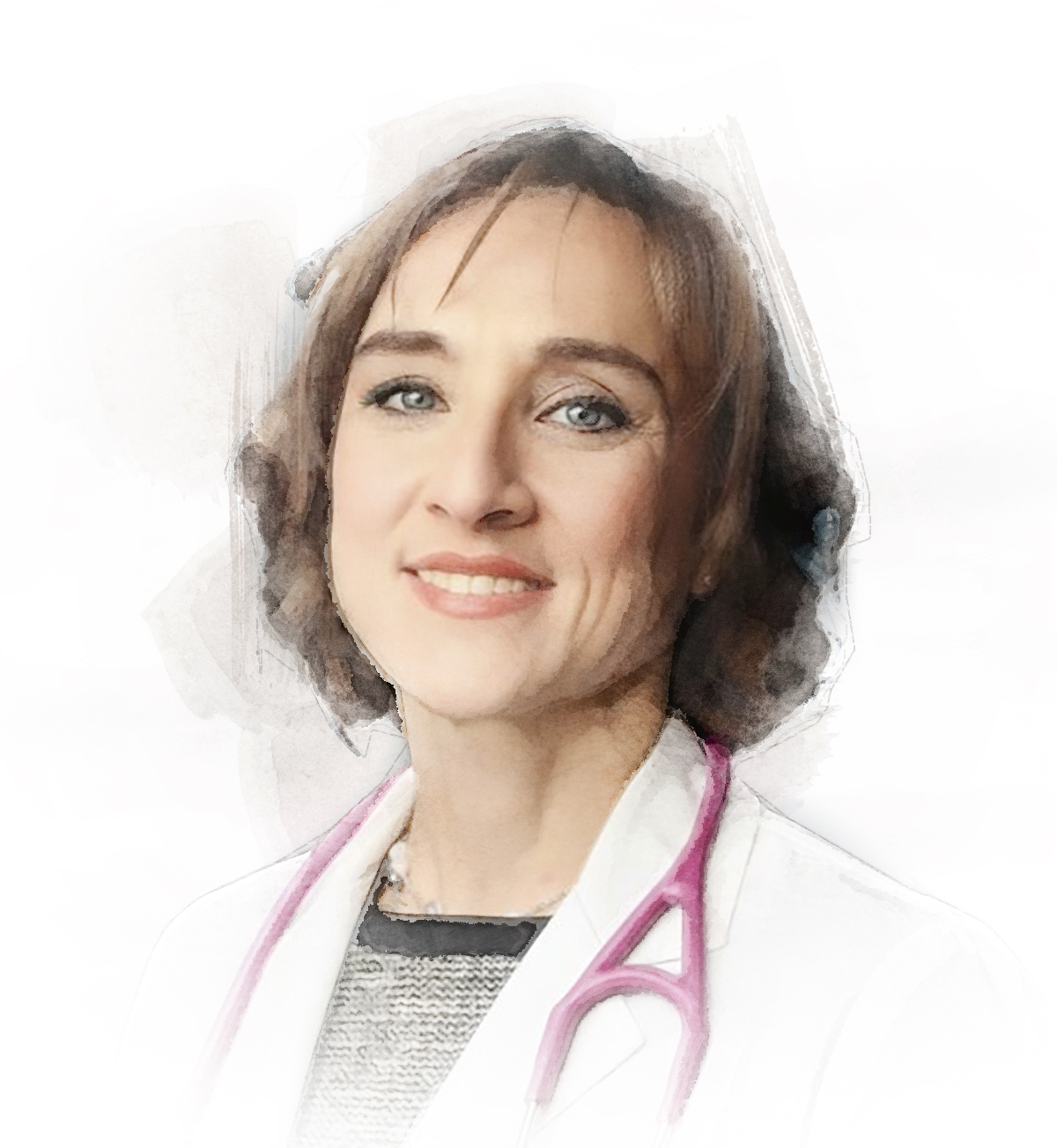
On a more fundamental level, biological sex differences remain a significant consideration in cardiovascular medicine. “Biological factors are an integral part of the clinical picture,” noted Teresa Castiello, MD, consultant cardiologist and director of MIAL Healthcare in London. She points out that clinical trials have historically seen a predominance of male participants; as a result, many standard medication dosages are based on data primarily derived from men.
This can lead to challenges with tolerability and a higher incidence of side effects in women as the therapeutic dose required for efficacy often tends to be lower in female patients.
Castiello suggests that this area of management warrants further refinement in clinical practice. She also emphasizes that key aspects of female cardiovascular risk, including reproductive history, menopause, and conditions like polycystic ovary syndrome, are nuances that may not always receive the necessary focus in routine care.
Toward a precise, preventative system
Ultimately, transforming hypertension care will require more than new technologies or therapies. It will require a fundamental change in how care is delivered.
Padmanabhan argues that hypertension should be managed through a “precision prevention service,” that integrates early detection, continuous monitoring, and personalized treatment, and involves more than just PCPs.
This approach recognizes that the disease is not just a clinical condition but a societal one, influenced by factors such as diet, socioeconomic status, work patterns, and access to care. Equity remains another critical issue. “We treat the ideal average patient under ideal circumstances but that’s not reality,” said Padmanabhan.
There also needs to be a cultural shift, said Castiello. “It’s not just the doctor’s responsibility; we also need to take responsibility for our own health.”
Solà shares a similar vision for the future: he would like to see BP measurement to become as routine as brushing your teeth, supported by technologies that empower individuals and reduce the burden on healthcare systems.
If realized, this shift could transform hypertension from a silent, progressive disease into a manageable, preventable condition, saving millions of lives in the process.