




Abstract
Information technology project management practices effectively help organizations achieve IT value. We employed a semistructured review with the practice of jizhuanti by tracing the development of the research intersection of IT and projects through the works of seven influential authors. From the analysis of the review, we build representative models of the intersection and suggest open lines of research. The results unveil stakeholder integration, knowledge management, and risk controls as principal themes for the sampling subset. Future scholars can continue to delve into these areas over more complex systems, consider other categories, or open new directions revealed by practice.
Introduction
As the competitive necessity and advantages of information have grown, so have the practices of developing and deploying IT to meet the demands for information acquisition and availability. Chief among those practices are the processes, skills, and principles of project management. Organizations recognize the value of project management as effectively structuring and controlling tasks to convert resources into new IT products, developing IT services for internal and external clients, designing and building information systems (IS), and implementing organizational change. Thus, IT became a foremost context for the application of project management sparking significant cross-disciplinary research at the intersection of projects and IT.
Cross-fertilization became the norm in practice, with planned development directing the establishment of many software development approaches and agile development techniques crossing back into the project management world. More recently, large-scale IT-enabled or digital transformations require many projects to realize the benefits of implementing extraordinary change. Here, program management approaches are increasingly adopted by an organization to realize benefits from their IT investments (Gregory et al., 2015; Jiang et al., 2018a). As of today, IT project management is an established research field with scholars conducting studies published in journals for information systems, project management, and dedicated IT project management journals. However, the enormity of the field presents a massive scope for review, so we know little about how IT project management has been promoted as an essential research field.
Tracing the innovation footprints of predecessors can be one method to discover patterns and identify future study directions. Thus, jizhuanti is an appropriate research method that reflects on the past by narrating representative historical characters’ activities (Liu, 2009). Going back over three decades of articles by the top influencers of IT project management research follows the jizhuanti approach to demonstrate progress and establish future directions. Within that scope, we seek to illustrate the position of IT project management research and consider the following:
What are the specific characteristics (e.g., context, methods, theories, journals, and topics) of IT project management research? What are the primary themes? How do the primary themes integrate?
The remainder of our article is structured as follows. First, we explain the review methodology. Then, we report the findings, with descriptive results on contexts, themes, journals, methods, and theories. Third, we integrate the essential themes of IT project management research into a framework. Finally, we provide issues for future research.
Methods
Methodology scholars identify up to 14 review types and methodologies ranging from systematic to integrative reviews, with semisystematic reviews as a happy medium (Klein & Müller, 2020). Thus, choosing a suitable review type is crucial to serving the research purpose. Following de Guinea and Paré’s (2017) decision tree with a set of dimensions to consider for choosing a suitable review type (e.g., the overarching goal of the review concerning theory, systematicity, transparency, focus, coverage, data sources, and data analysis), we chose the narrative review approach.
Our narration follows a historical review structure borrowing the idea of jizhuanti to review IT project management publications of the more influential researchers. Jizhuanti, the “biographic-thematic type,” is a literary type in Chinese historiography in which history is viewed through key players and thematic treatises. Jizhuanti is a well-accepted method of reflecting on the past by discerning representative historical characters’ activities (Liu, 2009). So, we follow the idea of jizhuanti to consider the publications of representative senior scholars in the IT project management field.
Because this narrative review recognizes representative senior scholars in IT project management and their contributions, we didn't conduct a comprehensive or systematic search of all of the IT project management literature. The narrative review typically considers a broad range of literature and research objectives to focus on understanding complex topics (Klein & Müller, 2020). Analysis techniques will follow those in an integrative review, that of conducting a thematic or content analysis. The objective is to characterize the state of knowledge of a particular topic from multiple perspectives. The result will be the discovery of specific themes in the literature that provide a historical overview. More advanced purposes of a review article “aim toward synthesizing a new perspective, providing structure to disparate knowledge, or advancing theory” (Klein & Müller, 2020, p. 2). In short, this study adopts a narrative review to structure the work of recognized IT project management research influencers and advise future work by indicating future research directions.
To begin, we considered Google Scholar profiles to include “IT project management,” “IS project management,” and both IT and IS spelled out. From the profiles, we selected the researchers with over 5,000 citations whose primary work falls into IT/IS project management by considering the titles of their articles. That search brought out Mark Keil, James Jiang, Gary Klein, and Blaize Reich. Due to the partnership of James Jiang and Gary Klein, we treat their works collectively in further analysis. To capture influential authors who may not have created a profile in Google Scholar or did not include IT/IS project management as a primary interest, we turned to frequent coauthors of those four identified and authors of articles cited with high frequency among those top authors. That process brought forth Amrit Tiwana, Henri Barki, and Laurie Kirsch as other influencers. After that identification, we examined all identifiable publications of these seven scholars and picked their IT project-related publications for review. Specifically, we identified 80 from Mark Keil (shown in Appendix A), 41 from Amrit Tiwana (shown in Appendix B), 10 from Laurie Kirsch (shown in Appendix C), 28 from Blaize Horner Reich (shown in Appendix D), 71 from the team of Gary Klein and James Jiang (shown in Appendix E), and 12 publications from Henri Barki (shown in Appendix F). In total, the review considers 242 research publications.
The analysis consisted of three main steps. First, for each work, multiple data points were extracted such as the journal, specific research context or IT issues, theories used or developed, research methods, and main findings. These items provided basic descriptive statistics for the publications. Second, we captured the research topic preferences and recognized three dominant themes. Specifically, each author of this article independently coded two scholars’ publications into one or more topics based on the similarity of keywords. Then a second author repeated the coding. Disagreements were resolved. We allowed coding of a publication into two or more topics. For example, a publication may explore IT project risks associated with communications. It would then code into project risk management as well as stakeholder communication. Considering the interwoven relationships among topics, we further integrated them into higher level research themes. For example, we combined IT project risk management and IT project control management into the theme of risk control. After summarizing each research theme, we integrated them into a research framework.
Findings
Descriptive Statistics
Context of IT Project Research
Given that project management methods cover different IT activities, we first consider the specific contexts. Figure 1 shows that IT/IS/software development is the primary context addressing IT project management issues, followed by general (unspecified) studies in IT and IS. Regarding specific IT activities, implementing IT, IS, enterprise resource planning (ERP), or enterprise systems receive significant attention, followed by fewer studies on sourcing, transformation, legacy systems replacement, and IT investment.
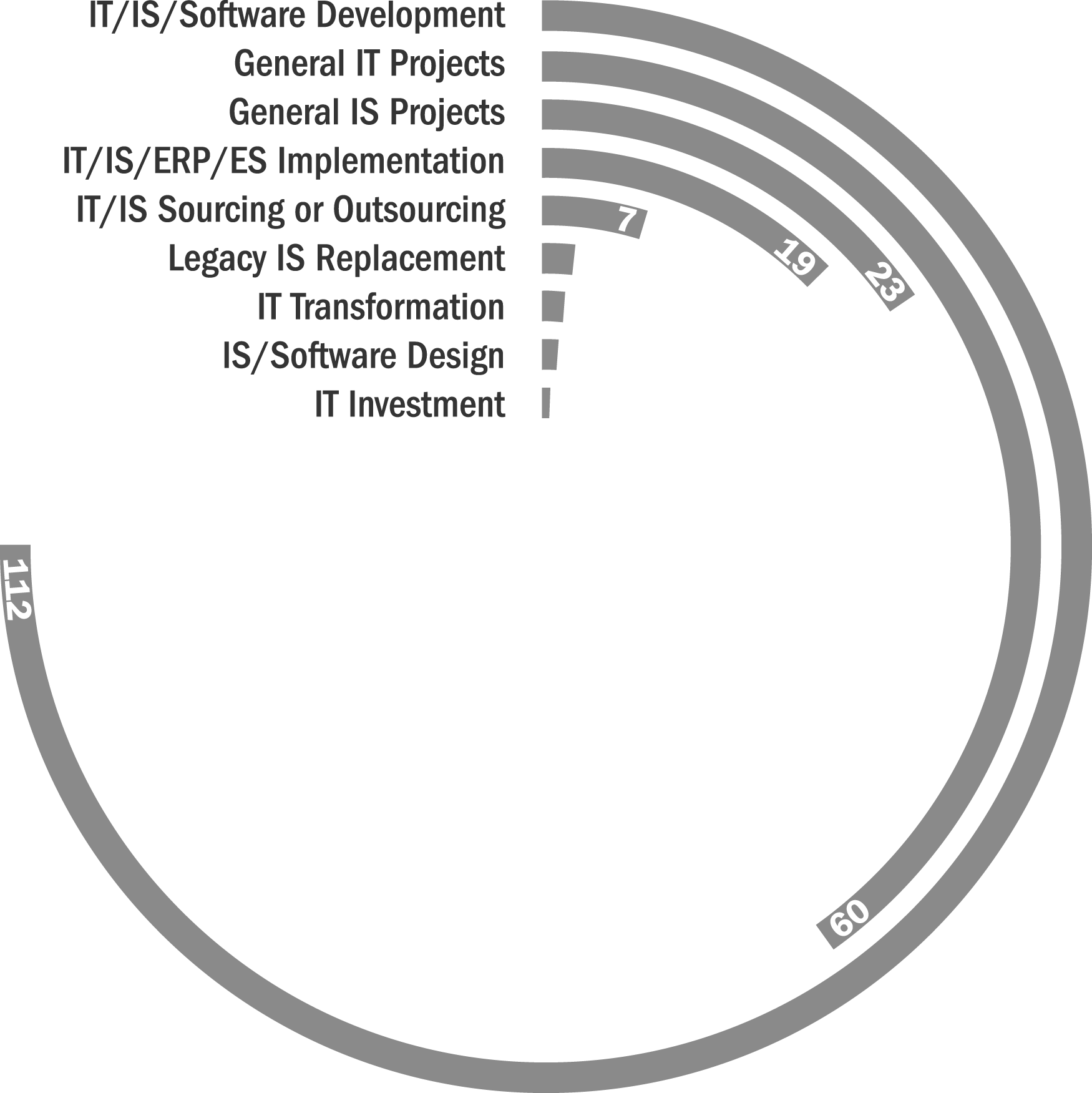
Information technology context in the reviewed IT project management articles.
A trend over time shows the IT activities researched have become increasingly complex to follow due to more sophisticated systems and technology. Complexities moved from internal IT projects of a single organization to cross-organizational/interfirm projects (e.g., Jiang et al., 2018b). Research moved from the single IT module or development/implementation to complex large-scale IT or software development (Chang et al., 2014; Kirsch, 2004), large infrastructures (Kirsch & Slaughter, 2013), or enterprise systems integration projects (Chang et al., 2019; Jiang et al., 2019; Tsai et al., 2021; Wu et al., 2020a). Further, work on simple IT-functional activities (e.g., design, development, implementation) moved into more complex IT strategic activities such as IT-enabled transformation and other IT programs (Gregory et al., 2015; Jiang et al., 2018a).
Top 10 Theories
After coding the theory used or developed in each article, the main theories and the number of articles using each theory result in Figure 2. The theory reflects topics or issues. Risk theories top the list, showing risk management is a primary concern. Additionally, control theory is in second place, illustrating the need to monitor and correct project progress. These top two go hand-in-hand, as risk and control are crucial in research and practice to reaching successful project conclusions (Keil et al., 2013).
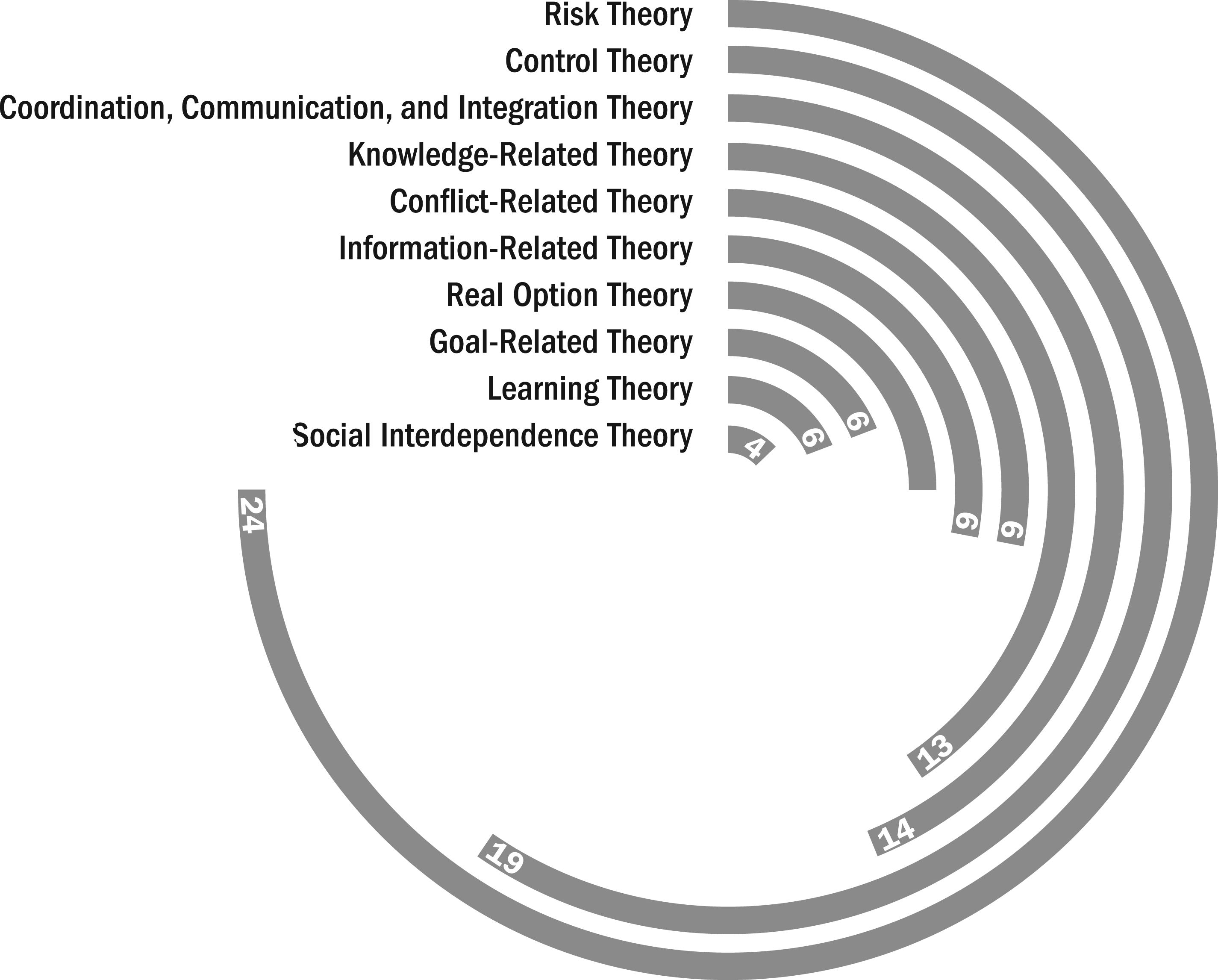
Main theories in the reviewed IT project management articles.
In addition to the theories used in our sample, we are interested in new theoretical propositions or significant additions to referent theories. A well-known and often cited theory from the works of Mark Keil is project escalation theory (Keil, 1995; Keil et al., 2000b; Montealegre & Keil, 2000), which provides an explanation of why IT projects continue to absorb valuable resources without reaching established objectives and insight into how to avoid such failure. Jiang and Klein proposed a goal consensus model for complex or large IT implementations (Chang et al., 2014). In addition, Jiang and Klein paid early attention to expanding the evaluation of an IT project (Jiang et al., 1996). Reich (2007) developed a conceptual framework for knowledge management. Kirsch (1996) made significant enlargements to IT project control theory grounded in the four modes of control (behavior, outcome, clan, and self) as related to IT project performance. Barki and his colleagues systematically rethought user involvement in the context of IT projects (Barki & Hartwick, 1989), which was further developed into a mature theory by validating its importance to the success of the IT project (Barki & Hartwick, 1994a; Hartwick & Barki, 1994). To sum up, these influencers all focused on different aspects of IT project management and proposed theoretical additions, which provide foundations for subsequent research.
Applied Methodologies
Regarding methodology, the representative scholars used various research methods, and the number of articles using each is shown in Figure 3. Field studies often begin with conceptual clarity and construct measurement development around the new phenomenon. There are 13 conceptual articles to contribute to new topics of the IT project research. For example, Barki and Hartwick (1989, 1994a) clarified the definition of user involvement and user participation and developed separate measurements. Once new concepts are proposed and measurements developed, qualitative studies (e.g., case studies, grounded theory, or interviews) identify or propose new theoretical relationships. There are 27 case studies, 19 interview-based articles, and seven articles using a Delphi method. These qualitative studies contribute to the theoretical development of IT project research. Finally, the theoretical relationships disclosed via qualitative study were, in turn, validated with quantitative studies (e.g., survey, experiment). For example, the theoretical relationships of user involvement and user participation have been widely established and confirmed. There are 119 survey studies, 23 articles using archival data analysis, and 28 experiment-based studies. These numerous empirical studies suggest a degree of maturity in IT project research.
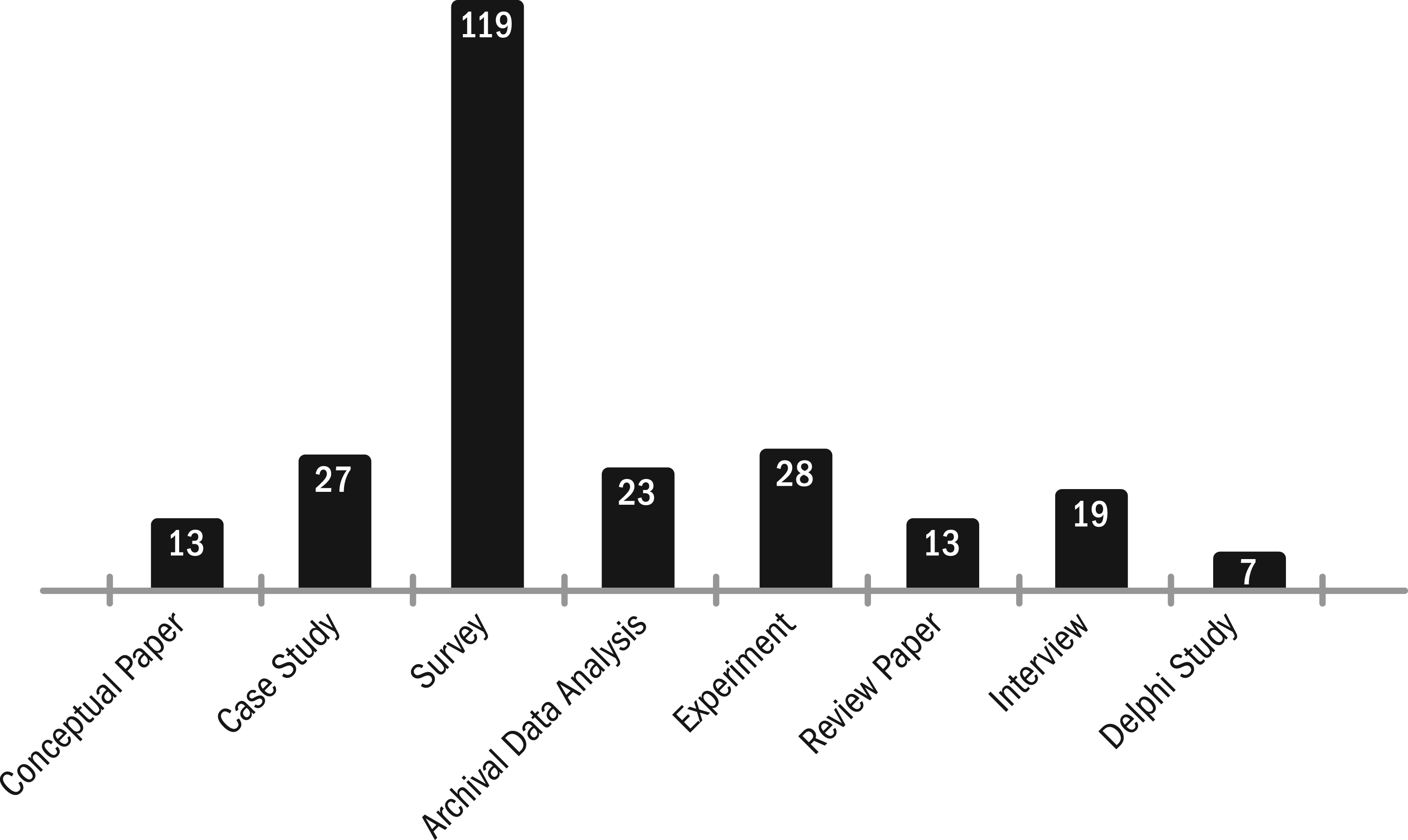
Research methods.
Main Journals
Finally, we have descriptive statistics on the prominent journals. As shown in Figure 4, International Journal of Project Management is the most common journal in the project management field for our influential researchers. Journal of Management Information Systems is their most favored journal in the information systems field. MIS Quarterly and Information Systems Research are two other top journals in the IT field. We found the seven scholars published 24 IT project management research works in these two journals, dramatically increasing recognition of IT project research.
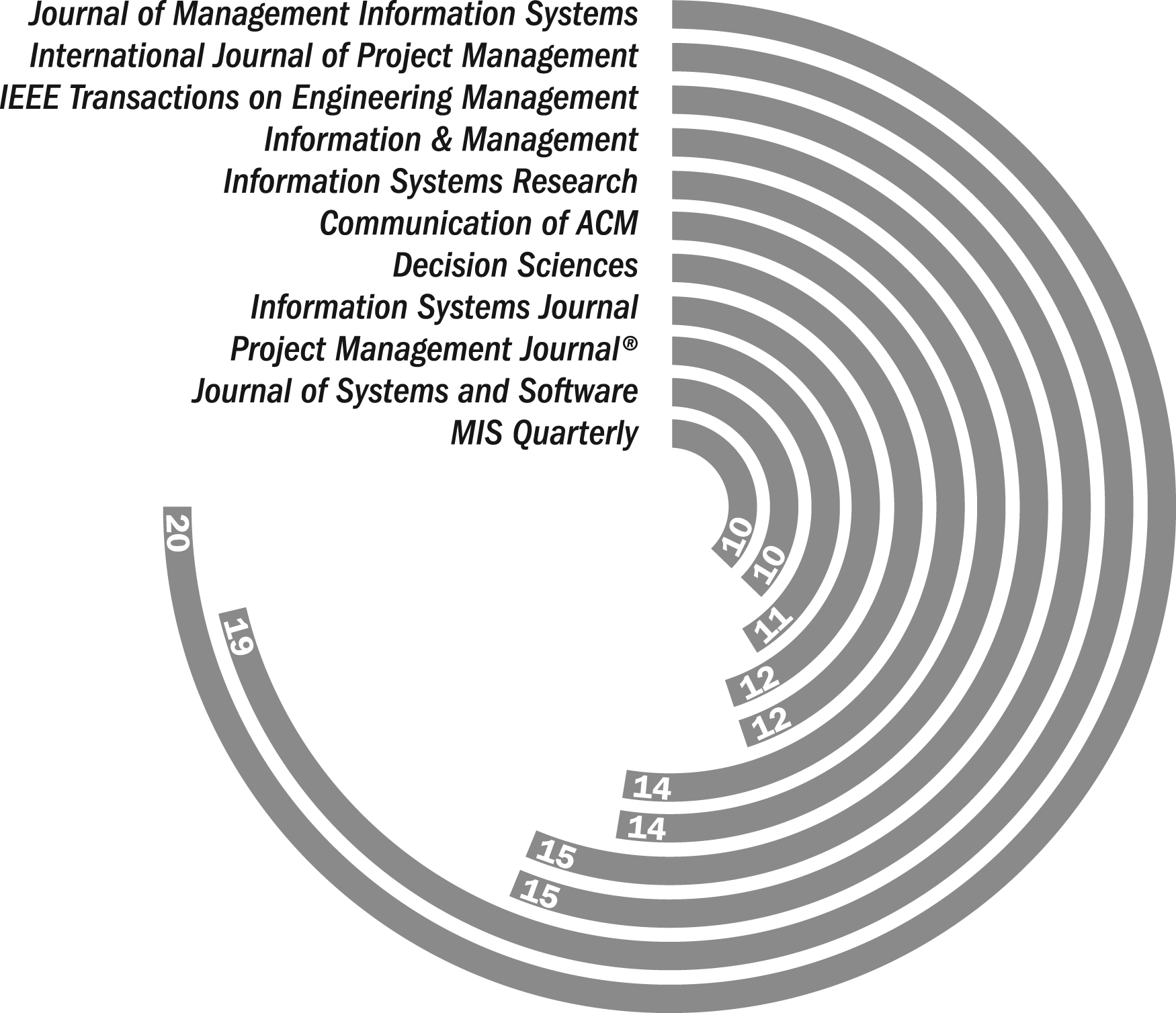
Number of articles published in the top 10 journals.
Main Themes
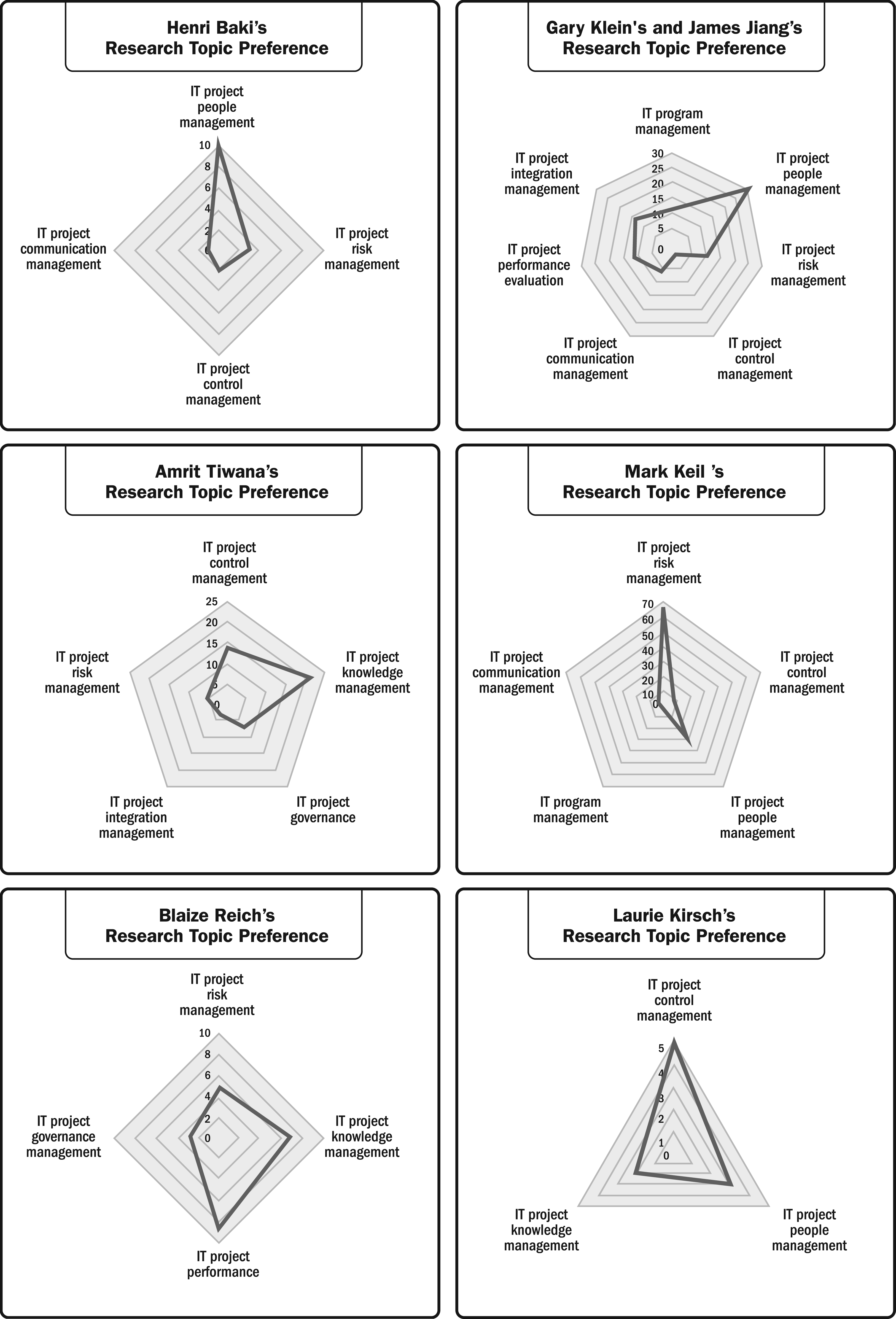
When reviewing the works in our sample, we coded the topic of each publication. The radar maps in Figure 5 indicate the counts by each scholar.
The research topic preferences of seven scholars.
Henri Barki, Gary Klein, and James Jiang focused on IT project people management. Here, we considered the IT project stakeholders and IT project internal members (human resources) as IT project people. Amrit Tiwana most often studied IT project knowledge management and IT project control. Blaize Reich primarily made contributions to IT project performance evaluation and knowledge. Mark Keil devoted himself to IT project risk management, still with critical work in people and program management. Laurie Kirsch contributed mostly to IT project control management, with further work in people and knowledge management. We integrate these into three primary themes: stakeholder integration, risk control, and knowledge management. All topics are essential to improving IT project performance.
Information Technology Project Stakeholder Integration
One must go beyond the view of project processes as solely instrumental in considering projects as social processes, requiring effective management of stakeholders. IT project stakeholders are individuals or organizations actively involved in the project or whose interests are affected by the execution or deliverable of the IT project. The representative scholars primarily focused on three main stakeholders to manage their independent activities and interactions for IT project success: project leaders (owners and managers), eventual users, and project members (e.g., IT professionals, especially developers). These stakeholders often have different goals and unique perspectives (Klein et al., 2002). For example, IS project owners are usually interested in building IS capabilities that promote organizational agility and effectiveness. Users are looking for the ability to enhance their operations. Project managers must focus on completing projects that meet the stakeholders’ goals in a timely and cost-effective manner. Integrating these different value propositions for effective management is essential.
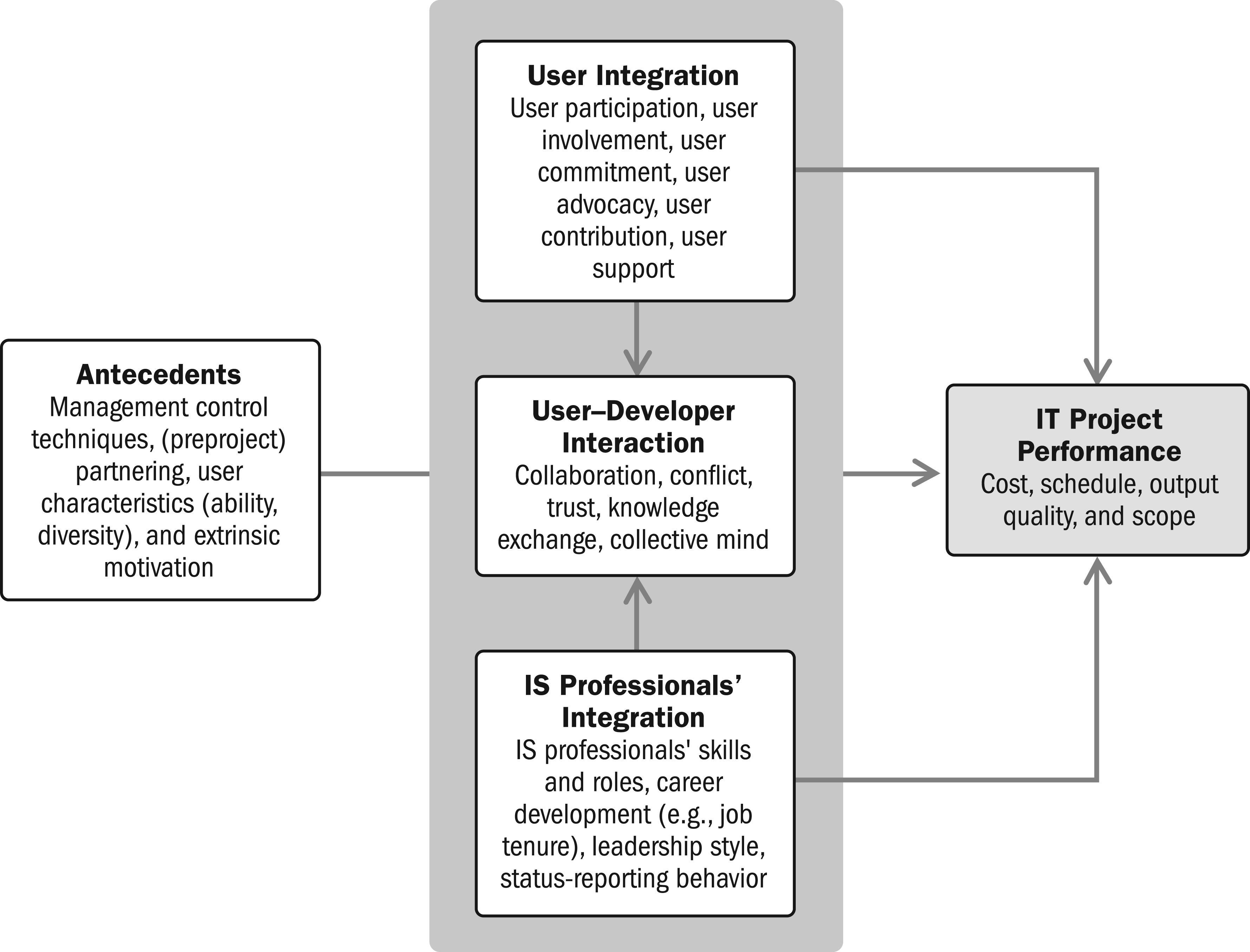
Three main stakeholder integration behaviors arise from the reviewed articles: user integration, IS professional integration, and user-developer interaction. User integration activities include user participation (e.g., Barki & Hartwick, 1994b), user involvement (e.g., Barki & Hartwick, 1994a), user commitment (e.g., Chang et al., 2010), user advocacy (e.g., Wang et al., 2011), user contribution (e.g., Liu et al., 2010a), and user support (e.g., Jiang et al., 2006). For example, user socialization and extrinsic motivation will contribute to user advocacy and improve project performance.
User participation in IS projects has received significant attention over the decades (Barki & Hartwick, 1994a, 1994b). At the start, user participation was defined as “user and developer who are cooperatively involved to the extent that the activities of each facilitate the attainment of the ends of the others” (Swanson, 1974, p. 179). However, Barki and Hartwick (1994a) further distinguish user participation and user involvement. User involvement was defined as a subjective psychological state, which reflects users' perceptions on personal importance and relevance to a given information system.
Differently, user participation was defined to emphasize what users and their representatives do during developing the IS project such as the assignments and activities. Barki and Hartwick (1994a) also further divided user participation into three important components, respectively: user responsibility, user relationships, and user hands-on activities. The user responsibility emphasizes its user who should be accountable for the success factors of projects. The user relationship emphasizes the important relationship between users and IS personnel (e.g., developers) via frequent communication and influence. Finally, the user hands-on activities emphasize the extent of user activities. These results all hold explanatory power for studies. Still, with the information systems and software application areas being more complex, the complexity of the relationship between the user and developer is also continuously evolving (Hsu et al., 2011).
Information technology professionals represent another critical stakeholder subset in IT projects, with studies on integrating them for IT project success. Our representative scholars have asked and studied numerous questions related to IT professionals, for example, what are their different system development orientations and their impact on IT project management (Klein et al., 2002); what behavioral skills and leadership styles are essential for IT project management (Jiang et al., 1998); and how and why does misreporting occur in a context in which IT projects are routinely audited (Keil et al., 2014a, 2014b)? Integration between user and developer could establish the trust, exchange knowledge, and share common perspectives, which could further effectively contribute to project success, considering schedule, cost, scope, and output quality (Hsu et al., 2011).
Users and IT professionals, especially the developers, are not well integrated into the IT project without effective interactions. Thus, user-developer interaction is considered a critical dimension of stakeholder integration (Chang et al., 2022). User-developer interaction includes collaboration, boundary management, resolving conflict, building trust, exchanging knowledge, and cultivating a collective mind (e.g., Lei et al., in press; Wu et al., 2020b). For example, user commitment contributes to project performance via user-IS developer collaboration (Chang et al., 2010). Preproject partnering activities help deal with risk due to a lack of user support and further contribute to performance (Jiang et al., 2006). A combination of user knowledge of IS development and IS developer knowledge of application domains significantly impact successful project outcomes (Tesch et al., 2009).
In summary, the seven scholars’ work on integrating stakeholders follows three primary streams. The first stream examines how project management interventions or other important antecedents promote stakeholder integration activities during the project life cycle with factors such as management control techniques, (preproject) partnering, user talent and traits (ability, diversity), and extrinsic motivation. A second stream identifies user integration activities, IS professional integration, and user-developer interaction. The final stream focuses on exploring the outcomes of three types of stakeholders’ integration activities. Together, we summarize these works as one stakeholder integration model of IT project management, shown in Figure 6. Other sources beyond our review scope may provide more knowledge.
Stakeholder integration model of IT project management.
Information Technology Project Risk Control
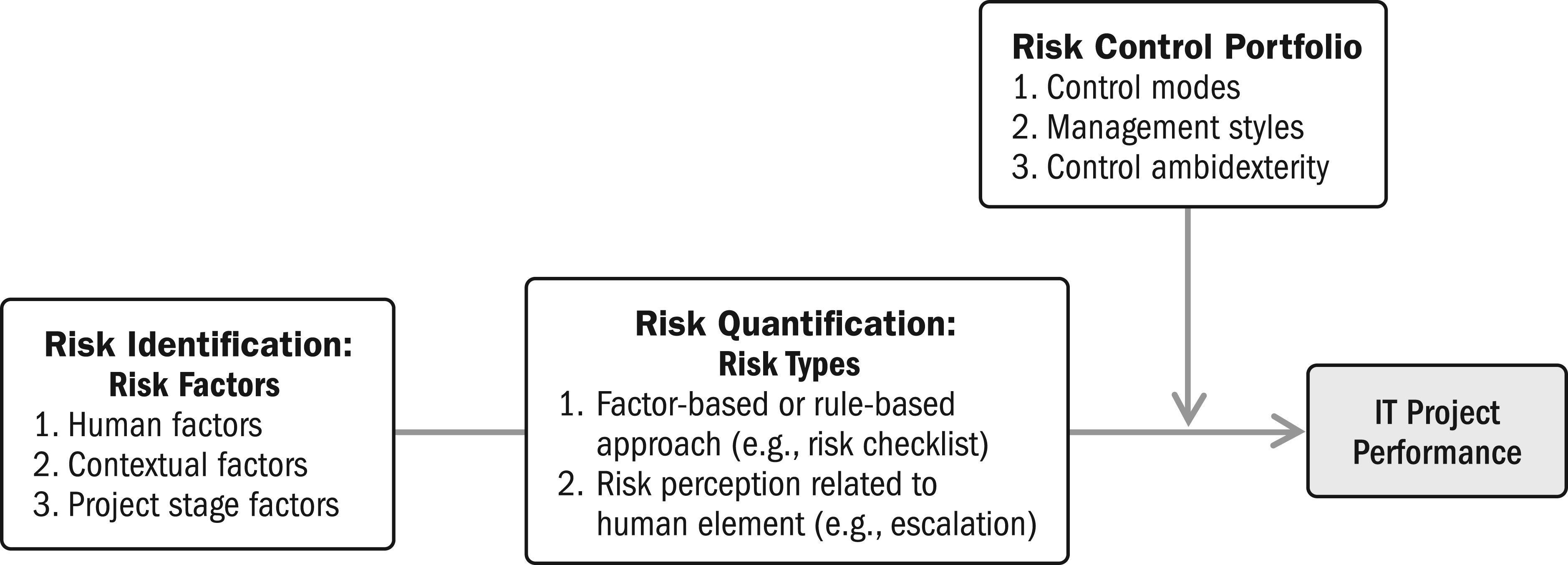
Information technology projects are difficult to manage due to environmental uncertainties, variances from estimates, and unplanned events compromising delivery quality. Thus, IT project risk management is an important aspect, and prior research shows that IT project risks significantly impact IT project outcomes (Wallace et al., 2004a). The general view is that IT project risk management follows the steps of risk identification, risk assessment, and risk control, using various methods, techniques, and tools for effective prevention and recovery. In the initial stages of IT project risk studies, scholars borrowed techniques, methodologies, and frameworks from different disciplines to address IT project risk arising in the information systems development (ISD) process (Jiang et al., 2001; Schmidt et al., 2001). However, IT project risk may vary according to project type, developmental stage, and individual perception. Initial efforts characterized and categorized IT project risk into explicit or implicit forms (Wallace et al., 2004a; Wallace et al., 2004b). Further works developed metrics for the likelihood of occurrence, potential impact, and emergent plans to minimize the negative consequences (Barki et al., 1993; Jiang et al., 2002).
Project managers are responsible for taking reactive and proactive risk assessment management, leading to the early identification of a failing project via risk analysis (Lee et al., 2019). Considering this perspective, one trend is to develop methods and techniques to address the risk issue in IT projects (Snow & Keil, 2002). A second research trend focuses on risk identification (Keil et al., 1998; Schmidt et al., 2001). Generally, the earlier literature on IT project risk focused on identifying risk factors that lead to poor performance by developing checklists (i.e., standards, evaluative criteria, and measures) to help with risk management. However, such a factor-based or rule-based approach takes little account of how risks and their management depend on a project manager’s understanding and attitudes toward those risks and the situation to which they relate (Liu et al., 2010b; Nannette et al., 2009). Thus, another perspective regards the human element of perceiving and responding to risks (Lee et al., 2019).
Risk also influenced a significant stream of research aimed at understanding the phenomenon of project escalation. Project escalation occurs when there is continued commitment to the project despite negative information (Keil, 1995). Escalation of commitment is a phenomenon of the decision-making process since managers must decide whether to abandon or continue a project that is in trouble, and prior studies have shown that project managers tend to invest resources to justify their previous commitments (Keil, 1995; Keil et al., 2000a). Empirical studies in the mid-1990s and 2000s explored factors that promote project escalation in different contexts (Keil, 1995; Keil et al., 2000a; Keil et al., 2000b; Montealegre & Keil, 2000), and the stages through which escalated projects typically progress (Mähring & Keil, 2008). More recently, the focus shifted toward exploring the nature of project escalation by leveraging other theories (i.e., goal-setting theory, construal level theory, and perspective-taking theory) to manage IT project escalation (Lee et al., 2018; Lee et al., 2012; Lee et al., 2019).
Information technology project control and risk are interdependent as managers seek effective control mechanisms for risk management. In the IT project literature, we found a significant number of studies addressing the issue of control in ISD and outsourcing, most of which focused on the antecedents or boundary conditions of control (Keil et al., 2013; Kirsch, 1996; Kirsch et al., 2002) and the consequences of implementing specific control modes (Tiwana & Keil, 2009). Others discussed a control portfolio, which uses various combinations of different control modes (Gregory et al., 2013; Gregory & Keil, 2014; Tiwana, 2010; Kirsch, 1997). Understanding which control modes deal with environmental constraints and the relationship between different control modes with project performance is critical for developing effective risk management. Studies evaluated different modes, with much research focused on formal control (Keil et al., 2013; Tiwana & Keil, 2009). Others suggested that project control choices from one project phase to another must draw upon management styles and exercise flexibility to deal with changing contexts (Gregory & Keil, 2014; Keil et al., 2013; Tiwana, 2010; Kirsch, 2004).
The inherent complexity of IT projects makes effective risk and control management challenging, especially under project escalation across the life cycle. Thus, studies urge that project and psychological factors are equally important in promoting escalation and that escalation could evolve over time and across the project stages. Further investigation is warranted. In addition, exercising control modes and improving performance in IT project management is a fundamental premise. The literature has justified formal and informal controls as complementary and critical to project performance. Figure 7 shows a control model for IT project management. Other sources beyond our review scope may provide more knowledge.
Risk control model of IT project management.
Information Technology Project Knowledge Management
The third major topic identified is related to knowledge management. As indicated by the knowledge-based view, knowledge is a valuable strategic resource for organizations, which facilitates organizational innovation and helps an organization achieve a competitive advantage (Grant, 1996). The criticality of knowledge is confirmed at various organizational levels, of which the project level is not an exception (Reich, 2007). Considering the term “knowledge” depends upon the context and level of analysis, Reich (2004) identified two kinds of knowledge that are crucial to projects: knowledge of the project process—referring to the knowledge about project structure, methodology, and status; and knowledge of the project domain—referring to knowledge about the industry, organization, business process, and technology.
Adapting the classification into specific IT projects, Reich et al. (2012) further define three areas of domain knowledge: knowledge of desired business value, knowledge of the organizational solution, and knowledge of the technical solution. Specifically, knowledge of the desired business value refers to a “dynamic shared understanding of the business objectives that the project is expected to deliver” (p. 666) and knowledge of the organizational solution refers to “the dynamic shared understanding of the changes that need to be made in the organization to utilize the technical solution to enable the attainment of the desired business value” (p. 667). Knowledge of the technical solution refers to “dynamic, shared understanding of the architecture and infrastructure of the technical solution within the context of any wider architectural standards or infrastructure standards and constraints” (p. 667). Considering the importance of the three knowledge types, the authors investigated the antecedents that could lead to knowledge creation and found knowledge stock, enabling environment, and knowledge practices among the crucial antecedents.
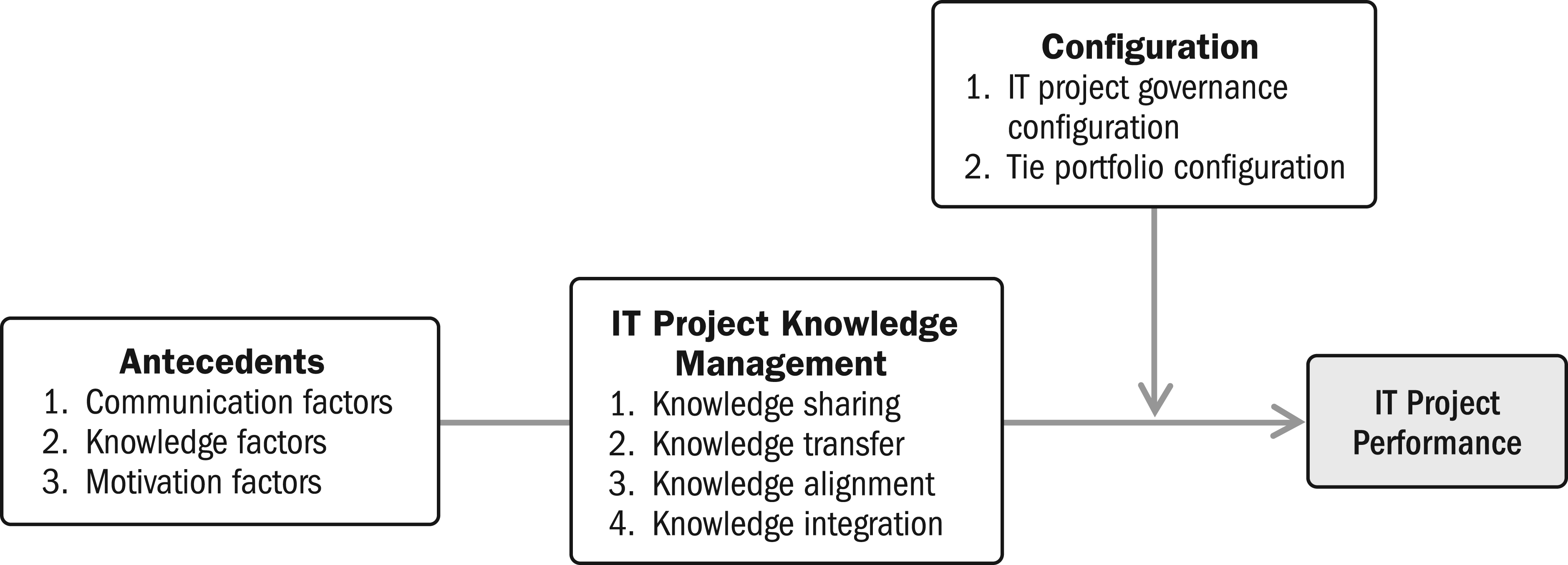
While a project presents an intricate knowledge problem and always involves teams of strangers working together under limited time and budget, prior studies indicate that the preliminary job of project managers is to manage and integrate the knowledge basis of team members and stakeholders (Gemino et al., 2015). For example, IT project managers should emphasize accelerating and achieving knowledge transfer, knowledge sharing, and knowledge alignment activities to better champion IT (Bassellier et al., 2003), increase project innovation (Tiwana & McLean, 2005), and heighten project performance (Reich et al., 2014). Besides the knowledge integration within project teams, Tiwana (2009) investigated how IT knowledge fits with project governance configurations and found that a better fit leads to superior ISD performance (reflected in better efficiency and effectiveness).
Another stream investigates factors that influence the achievement of knowledge integration at the IT project level. For instance, Ko et al. (2005) investigated and summarized three crucial factors influencing knowledge transfer activities in ERP implementation. Specifically, they include communication factors (i.e., communication encoding competence, communication decoding competence, source credibility), knowledge factors (i.e., absorptive capacity, shared understanding, arduous relationship), and motivational factors (recipient’s intrinsic motivation, source’s intrinsic motivation, recipient’s extrinsic motivation, and source’s extrinsic motivation). Additions were made at the portfolio level, including Tiwana’s (2008) examination of strong ties and bridging ties and Slaughter and Kirsch’s (2006) investigation of how the nature of relationship, proximity, and work unit influence knowledge transfer portfolios.
Overall, within the topic of IT project knowledge management, the influential scholars discussed the dimensions and types of knowledge, the antecedents or influential factors, and the importance of knowledge integration activities to IT project outcomes. Together, we summarize these works as one knowledge management model shown in Figure 8.
Knowledge management model of IT project management.
Integrated Themes of IT Project Performance
Stakeholder integration, risk control and governance, and knowledge management are all essential for project performance. However, IT project performance might differ from the traditional project performance evaluation. Thus, the seven scholars considered performance evaluation. Comparatively, IT projects are complex, multidimensional phenomena of which performance remains a critical challenge for many organizations (Reich et al., 2007). The benefits associated with IT are aspects of outputs challenging to quantify, such as increased product variety, quality, speed, and customer services (Aubert & Reich, 2009). For example, it's difficult to assign accurate values or costs to obtain reliable coefficients to control for variations in output quality and economic stability (currency) (Brynjolfsson, 1993).
Traditionally, one of the more widely cited IT performance measurements is the CHAOS report, which chronicles data from over 50,000 completed IT projects of budget, schedule, and delivered project scope and became a touchstone for researchers concerned with IT project performance. However, Gemino et al. (2007b) questioned the methodology, summarized several pros and cons, and proposed new ways to measure IT project performance. For example, there must be an allowance for a continuous input of variances since targets change, and there is no check that respondents consider the original or subsequently varied targets.
Later, Gemino et al. (2010) adopted classification trees as a modeling technique to predict IT project performance. They compared classification trees with regression and neural networks according to eight factors, including the ability to handle complex nonlinear relationships, ability to handle missing data points, potential accuracy of estimation, ability to estimate the impact of a factor on performance, ability to estimate the probability of a factor occurring, ability to explain/interpret results, and ability to recommend actions to improve performance. Results indicate that classification trees provide more actionable output for decisions.
Over the years, IT project performance measurement has been a crucial topic and still has a long way to travel according to seven myths of evaluation: Standish knows performance, IT project performance is terrible, IT projects never exceed expectations, budget and schedule are appropriate measures of performance, research can measure budget and schedule attainment, small is beautiful, and risk predicts performance in IT projects (Reich et al., 2007). Further work will still prove valuable along the considerations shown in integrating the prior themes as shown in Figure 9. Other vital topics beyond those of the seven scholars can be found in other sources, but no review of the entire field can be found in the literature (Keil et al., 2020).
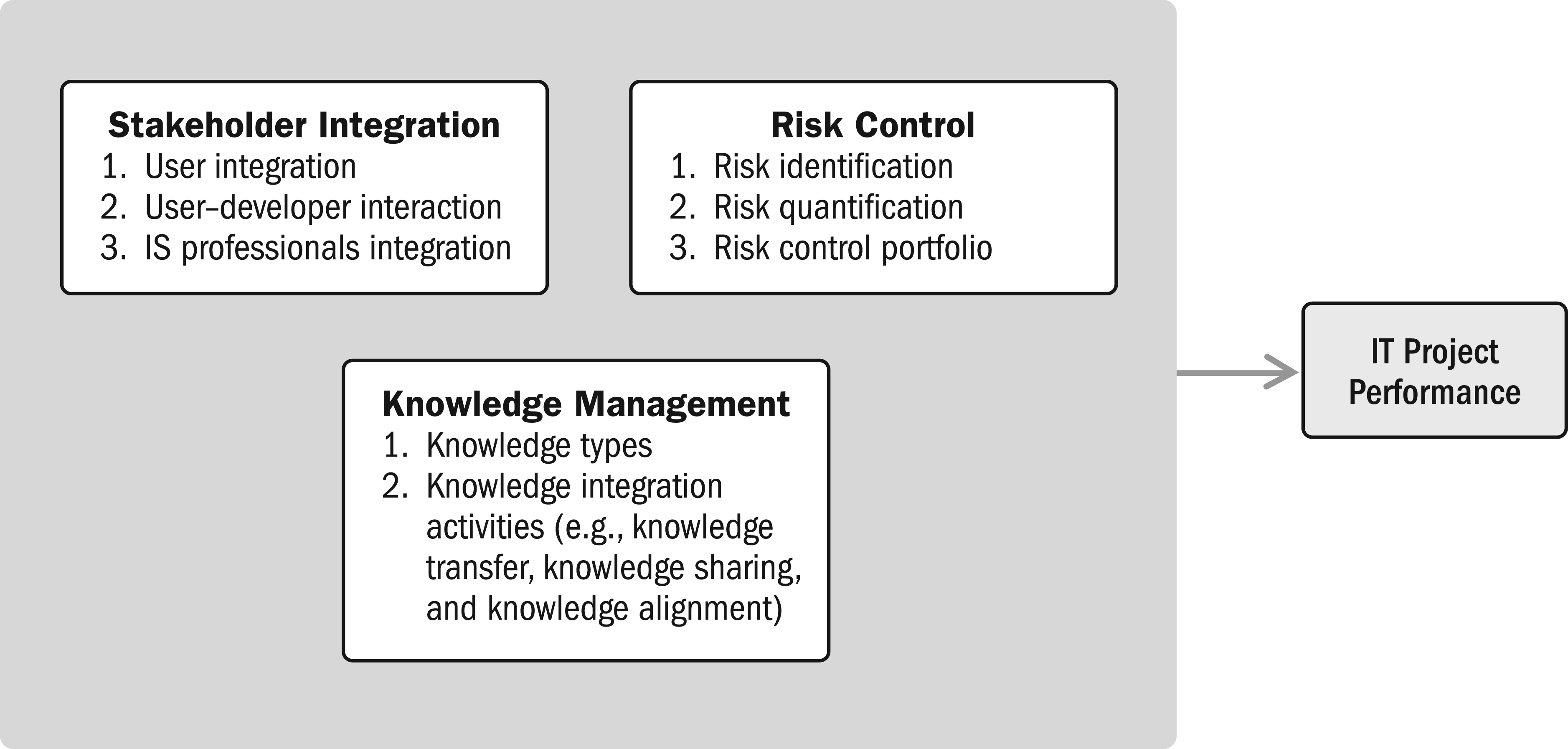
Jizhuanti-based research framework for IT project management.
Future Research: A Moving Target
As practitioners applied project management to complex IT development, design, implementation, and IT strategic change (digital transformation), they recognized the limitations of traditional IT project management techniques that focus quantitatively on costs and benefits and treat evaluation as a technical problem (Stockdale & Standing, 2006). Well-publicized large-scale studies demonstrate that up to 30% of IT projects terminate before delivery. Large-scale or long-term IT projects are significantly less predictable in terms of time and scope. Such studies exposed the failure of traditional IT project management methods to respond to emergent situations, ambiguity, or the lack of integration between strategic intent and the results generated (Lei et al., in press). To respond to the failure of IT project management approaches, this scoping review shows that IT program management emerged as a distinct research field growing out of the IT project management field (Jiang et al., 2018a; Wu et al., in press, 2023b).
Information technology programs encompass a coordinated set of interrelated IT projects, each with its unique requirements but integrated to realize organizational benefits, which cannot be achieved by pursuing individual IT projects on their own (Jiang et al., 2014). To distinguish the difference between IT project management and IT program management, we emphasize two aspects: which IT activities to manage and what level of organizational values to be achieved (the upward movement of study shown in Figure 10).

Different project methods for different IT value realization.
Information technology project management focuses on achieving functional-level IT value using approaches to manage less complex IT activities. Information technology programs concern strategic efforts to increase an organization’s ability to address its future business environment and compete more effectively with IT such as digital transformation (Gregory et al., 2015). In other words, IT program management focuses more on achieving strategy-level values via complex IT activities. However, many organizations still adopt an IT project management approach to manage many complex IT activities, which may explain the high failure rate of complex IT projects (Tsai et al., 2021; Tsai et al., in press, b; Tsai et al., in press, a). In our review scope, we found recognition of this management issue with a move toward more research on IT program management, particularly in the works of Keil, Jiang, and Klein. We focus on our sample to provide implications for the advancements. Works from other scholars can be found in an earlier review (Jiang et al., 2018a) and a forthcoming review (Wu et al., in press, 2023b).
Keil and his coauthors disclose the difficulties of managing IT-enabled transformation programs by identifying conflicts between local goals/needs and global goals/needs that create paradoxes in managing programs (Gregory et al., 2015). They emphasize that program ambidexterity is vital for effective IT program management.
Jiang and Klein began work with several colleagues and students on IT program management research beginning in 2011 with a focus on complex enterprise systems. Their contributions contain three aspects. First, goal theories evolved a more comprehensive view of program goals integrating those at multiple levels in the organization (Chang et al., 2019; Chang et al., 2014; Jiang et al., 2014). This stream addressed the complexity of IT program goals and how to specify goals to resolve cross-project conflicts and improve IT program performance. They emphasized how the equivocality of IT program goals impacts joint accounts of meaning to improve IT program performance (Tsai et al., 2021).
Second, the research team employed theories of multiteam systems (MTS) to suggest organizational structure and communication for IT programs and program management. For example, they explored two types of shared mental models (task-oriented and team-oriented). The results contribute to understanding an MTS-based program through boundary activities among component teams (Lei et al., in press; Wu et al., 2020a).
Third, interdependence theories drove a focus on the interdependence among projects within the IT program to study interproject coordination, cooperation, and conflict (Jiang et al., 2019; Parolia et al., 2015; Parolia et al., 2013). An early review by Jiang et al. (2018) made a call for IT program management research after finding minimal literature on the topic. There are still many issues related to IT program management waiting for exploration.
One direction of IT program management research also concerns stakeholders. Stakeholders are more numerous, evolving, and dynamic in the program environment, leading to stakeholder network management (Fernandez et al., 2022). The stakeholders of IT projects are mainly the users, developers, and IT professionals. However, the IT program stakeholders may include users, internally impacted employees, the top management team, external experts, and regulators. Among these interests are more complex conflicts in the social network and benefits to be realized.
Another challenge of IT program stakeholder management comes from the dynamic changes in the stakeholder network of the IT program (Fernandez et al., 2022). The critical stakeholders at the start of a program may wane, those starting as unimportant may suddenly play a decisive role, and others may not be recognized until late in the program. The IT program manager must master a dynamic capability of coordinating program stakeholders. Other scholars (e.g., Pouloudi et al., 2016) also emphasize the importance of stakeholder dynamics in managing IT programs. So, a future researcher should explore effective management measures and mechanisms in the dynamic stakeholder network.
Beyond stakeholder considerations, a second direction of IT program management research should be value creation from uncertainty instead of risk control, as with IT projects (Tsai et al., 2021). Project risk represents the probability and consequence of adverse project outcomes (Barki et al., 1993). The IT project management literature focuses more on avoiding or reactively responding to risk. However, an IT program must proactively grasp opportunities of uncertainty for potential value creation. This concern may follow the advice to emphasize the positive effects of risk by taking suitable control modes to translate risks into better performance (Keil et al., 2013). Thus, an IT program must advocate the positive aspect of uncertainty. For example, Tsai et al. (2021) found goal equivocality around the IT program positively contributes to problem-solving. Recent work on digital transformation indicates the difficulty in articulating a digital strategy upfront in the face of environmental dynamism, creating high uncertainty (Yeow et al., 2018). This uncertainty requires flexibility to create value for the organization via digital transformation under evolving strategies that react to change.
Knowledge management in inherently more complex multiteam systems becomes a third consideration (Wu et al., 2020; Wu et al., in press, a). Differentiation creates knowledge management challenges, originating from multiple goal discordancy, competency separation, norm diversity, work process dissonance, and information opacity among component project teams within IT programs. For example, each project team in IT programs is specialized in different types of expertise and responsible for different tasks. However, it's necessary to enhance interteam cooperation and coordination so they can integrate their expertise to complete the collective task. Recently, large development projects or programs with more than 10 project teams are challenged to stay agile. There are more complex knowledge boundaries within large development programs because of various technical and business domains, a large number of tasks, and complex dependencies between tasks.
Even though expertise is often distinct within projects, knowledge requires wide dissemination. Thus, managing an IT program requires sharing knowledge across projects and multiple teams (Jiang et al., 2018). Other scholars (e.g., Dingsøyr et al., 2018) also emphasize the importance of knowledge coordination in IT program management. Further insights from other scholars could be found in the IT program management literature beyond the scope of our sample (e.g., Dingsøyr et al., 2018; Pouloudi et al., 2016).
Conclusion
This study aims to disclose how the IT project research field progressed and the global contributions of the influencers. Borrowing the idea of jizhuanti, this study identified seven influential pioneers for key person analysis and further conducted a narrative review of their IT project research publications. Our work not only provides descriptive results on contexts, topics, themes, journals, methods, and theories of their IT project research but also isolates three essential themes (stakeholder integration, risk control, and knowledge management), then combines them into a model of performance achievement. Based on our summary, IT projects involve developing and/or deploying IT artifacts (including software, hardware, or both). Information technology project management focuses on applying knowledge, integrating stakeholders, and controlling risks to manage IT projects within performance requirements on budget, schedule, scope, and quality. Finally, we provide an agenda on three aspects (dynamic stakeholders, benefits of uncertainty, and knowledge management) for future research by calling to add to IT project management with IT program management.
Footnotes

Acknowledgments
Dr. Wu would like to acknowledge the partial grants support by the China Postdoctoral Science Foundation (2022M711771) and the support of National Natural Science Foundation of China (72032006, 71731009, 71722014, 72061127002) to the research, as well as the support from Shenzhen National Applied Mathematics Center (NCAMS) and Shenzhen Research Base in Arts & Social Sciences (RBASS). Dr. Jacob Chia-An Tsai would like to acknowledge the support of the National Science and Technology Council, Taiwan, under Grant 111-2410-H-224-011-MY3. Dr. Lei would like to acknowledge the support of the Key Program of NSFC-FRQSC Joint Project under Grant 72061127002.