




Abstract

The Xenia Forsselliana Fund was established in 1941, based on a sum of money given in occasion of the celebration of the 65th birthday of Gösta Forssell. The aim of the fund was to promote radiological research.
In 1992, it was decided that a prize from this fund should be awarded annually for the best article from one of the Nordic radiological institutions published in Acta Radiologica. The prize was awarded for the first time in 1992, and the first recipient was Mats Wikström from Uppsala, Sweden. Since then, the following recipients have been awarded the prize: Wojciech Cwikiel, Lund, Sweden (1993); Tapani Tikkakoski, Kokkola, Finland (1994); Reidar Dullerud, Oslo, Norway (1995); Peter Leander, Malmö, Sweden (1996); Beata Boneé, Stockholm, Sweden (1997); Marika Cronhjort, Stockholm, Sweden (1998); Per Skaane, Oslo, Norway (1999); Marja Perhomaa, Oulu, Finland (2000); Heidi B Eggesbø, Oslo, Norway (2001); Montserrat Alemany Ripoll, Uppsala, Sweden (2002); Katriina Böcker Puhakka, Aarhus, Denmark (2003); Jenny Vikgren, Gothenburg, Sweden (2004); Per Skaane, Oslo, Norway (2005); Hampus Eklöf, Uppsala, Sweden (2006); Barbara Elmståhl, Malmö, Sweden (2007); Nils Albiin, Stockholm, Sweden (2008); Jonaz Ripsweden, Stockholm, Sweden (2009), and Gunnar Moen, Bergen, Norway (2010. The editorial board of the journal appoints the prize winner based on voting of what the editorial board considers as the best scientific presentation.
The Xenia Forsselliana Prize of SEK20,000 and a Diploma, has, for 2011, been awarded to Dr Stefan Walbom Harders (Fig. 1), Department of Radiology, Aarhus University Hospital, Aarhus, Denmark, for his article ‘High resolution spiral CT for determining the malignant potential of solitary pulmonary nodules: refining and testing the test’ (1).
Dr Stefan Walbom Harders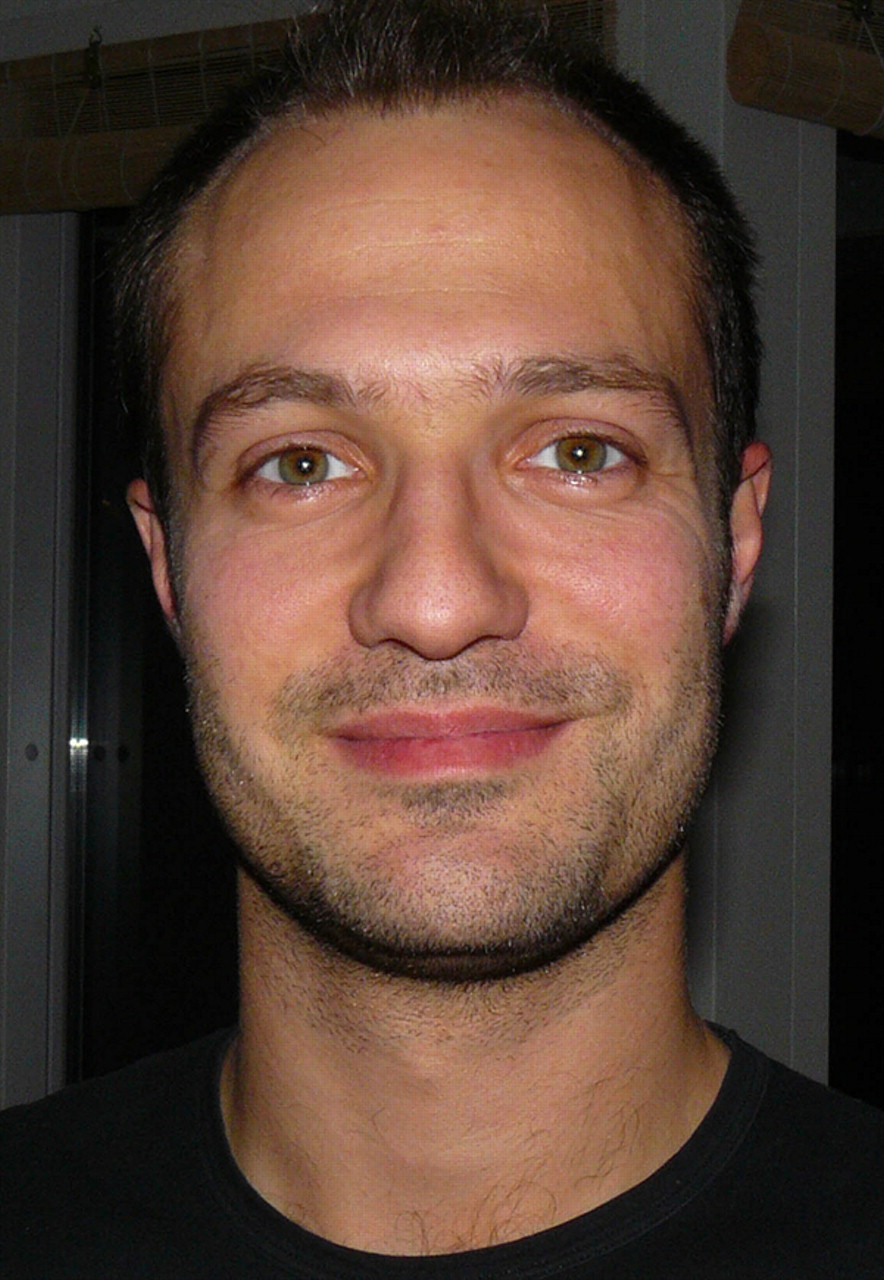
Dr Harders graduated as MD from The University of Aarhus, Denmark in 2004. He defended his thesis for the PhD degree at the Aarhus University in May 2012. Dr Harders is at present research fellow at the Department of Radiology, Aarhus University Hospital and has published no more than five scientific papers as first author in 2011 and 2012 in prestigious international scientific journals.
The background of the study was that a solitary pulmonary nodule may represent an early stage lung cancer, a disease with an overall 5-year mortality rate of more than 80%, however, with early detection and surgery as low as 47%. The purpose of the prize-winning work was to apply an additional high resolution CT (HRCT) in the evaluation of solitary pulmonary nodules to test whether certain morphological characteristics are associated with malignancy, and to assess the diagnostic accuracy of HRCT in the characterization of such nodules, and finally to assess the reproducibility of all measures. Two hundred and thirteen patients were included in a follow-up study. Blinded HRCT images were assessed with regard to margin risk categories, calcification patterns and certain other characteristics. Overall malignancy potential ratings were given as well. Dr Harders found that margin risk categories (P < 0.001), calcification patterns (P = 0.003), and pleural retraction (P < 0.001) were all statistically significantly associated to malignancy. Reproducibility was moderate to substantial.
Sensitivity, specificity, and the overall diagnostic accuracy of HRCT were 98%, 23%, and 87%, respectively. On this basis, Dr Harders concluded that HRCT of a solitary pulmonary nodule using morphological features is fast, widely available, and seems to be a very sensitive and accurate method in the work-up of lung cancer patients.
The official presentation of this award will take place during the 60th Nordic Congress of Radiology in Bergen, Norway in May 2013.
Dr Harders will present his prize-winning study during the Acta Radiologica session of the meeting.