




Abstract
Edward Mellanby used the experimental method to investigate medical problems. In 1918, working at King's College for Women, London, he provided conclusive evidence that rickets is a dietary deficiency disease due to lack of a fat-soluble vitamin [D]. In Sheffield he demonstrated that cereals, in an unbalanced diet, produced rickets due to the phytic acid content reducing the availability of calcium. Mellanby became Secretary of the Medical Research Council (1933–49) but continued his research by working at weekends. In the 1930s he campaigned for the results of nutritional research to be used for the benefit of public health. During World War II he acted as a scientific adviser to the War Cabinet and had a strong influence on the food policy which maintained successfully the nutrition of the population during the shipping blockade. Mellanby was a formidable person but with sagacity he promoted new research and guided the expansion of the organization.
Edward Mellanby (Figure 1) was born in West Hartlepool on 8 April 1884, the youngest of the six children of John Mellanby, a shipyard manager, and Mary Lawson. The parents were members of a free-church communion and raised their family in an atmosphere of evangelical piety combined with ‘robust independence and genuine regard for intellectual achievement and enterprise’. 1 All three surviving boys were to achieve academic distinction in scientific careers. 2 Edward was educated at Barnard Castle School (1898–1902) where he won prizes for both science and athletics, and held the positions of Head Boy and Captain of the cricket and rugby teams. In 1901 Edward Mellanby followed his brother John to Emmanuel College Cambridge as a scholar to study medicine.
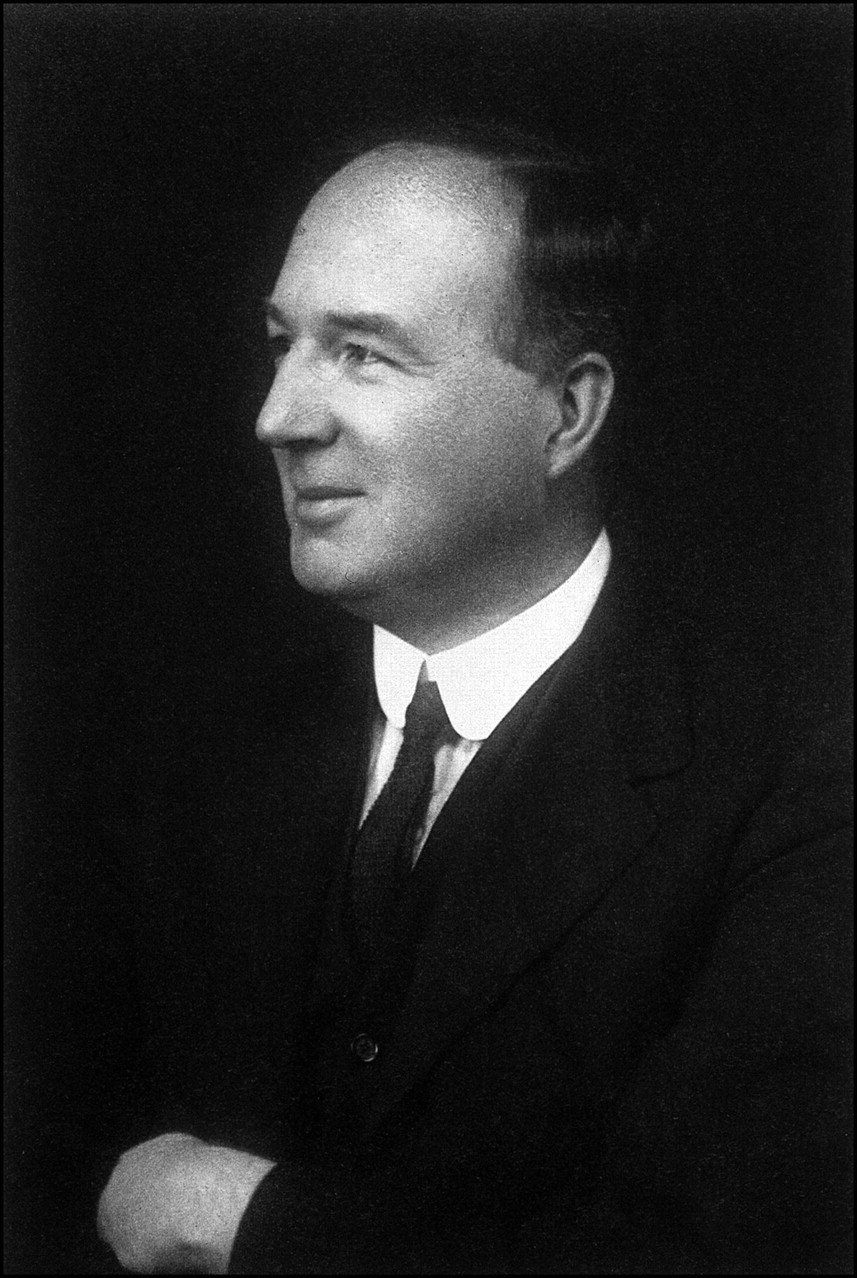
Sir Edward Mellanby. Photograph by J Russell and Sons, 1943, reproduced courtesy of the Wellcome Library, London
The training of a medical scientist
In 1898 Frederick Gowland Hopkins (1861–1947) had been appointed University Lecturer in the Physiology Department in order to develop chemical physiology. 3 Hopkins, who was Mellanby's tutor at Emmanuel College, had ‘a great stimulating power on young people’ 4,5 and Edward Mellanby responded. In 1905 he obtained a first class in the natural science tripos part II with physiology as his special subject and was awarded a two-year research studentship from Emmanuel College. At Hopkins' suggestion Mellanby studied the metabolism of creatine and creatinine, 6,7 nitrogenous substances that made their first appearance in vertebrates, working alongside Hopkins in his small room in the Physiological Laboratories. During this period Hopkins completed his first research of classical importance. An anomalous failure in a part II practical class in physiology led Hopkins to investigate the basis of the colour reaction used to test for the presence of proteins and, in doing so, he discovered the amino acid tryptophane. Interested in knowing whether this new amino acid was important for the animal, Hopkins devised a tryptophane-free synthetic diet that he fed to young mice. The addition of tryptophane lengthened the life of the animals and this classical test was one of the first showing the importance of quality rather than quantity of food in a diet. 4,5 His influence on Mellanby was such that the experimental method and biological approach became central to his work in investigating medical conditions.
In 1907 Mellanby left Cambridge for clinical training at St Thomas' Hospital, London. He was appointed Demonstrator in Physiology (1909–11) and continued to work in the Physiological Laboratory as a Beit Memorial Research Fellow from 1910 to 1912. Mellanby took the clinical opportunity of studying changes in the metabolism of lactating women through changes in the excretion of creatine. 8 Mellanby became interested in the action of gut bacteria and, with Frederick William Twort (1879–1950), Superintendent of the Brown Animal Institution, isolated histamine-forming bacteria from the gut. 9
King's College for Women (later Queen Elizabeth College), University of London
In 1913 Mellanby was looking for a permanent post. If Hopkins influenced the direction of Mellanby's career, two recent social reforms provided the opportunities needed. First, in 1913 Mellanby was appointed Lecturer in Physiology in the Department of Household and Social Science at King's College for Women, University of London (later to become Queen Elizabeth College). The teaching of home science and economic subjects began in 1908 in response to a national movement that pressed for women to be taught at university level the scientific basis of such household responsibilities as nutrition, hygiene and management. 10 Within seven years the Department of Household and Social Science at King's College for Women had become independent with a purpose-built building, complete with laboratories and a hostel, in Kensington. This rapid development was the result of the vision and drive of Dr (later Sir) John Atkins (1875–1963). 11 When Atkins was House-Physician to Dr (later Sir) Edwin Cooper Perry (1856–1938) at Guy's Hospital in 1903, he was appalled at the infant mortality he witnessed and the ignorance of mothers to whom he talked as to how to look after their children even when well. He determined to find or found some institution or college that had special courses for training professionals in the study of the science of the household to ensure a supply of teachers for the schools. 12,10 In 1910, with a practice in Kensington, Atkins met an influential group of ladies interested in the home science students of King's College for Women. They joined forces and the requisite money was raised for a new building in Kensington. In 1914 the Department at Household and Social Science at King's College for Women became independent. 13
At the time of Edward Mellanby's appointment, there was still two years before laboratory space at the new site became available. Mellanby was able to accept the additional post of Demonstrator in Pharmacology in charge of the new pharmacology laboratory at the London Hospital Medical School (1914–19). Here he undertook a detailed study of the rate of absorption of a toxic substance, histamine, from the intestine, both in vitro and in vivo and under differing conditions, in order to elucidate the condition of diarrhoea and vomiting in children. Experimental results having a practical bearing on the disease showed that it was essential to restore the volume of body fluids to normal and above in the treatment of children. 14 This paper contained the substance of his MD thesis (University of Cambridge) for which he was awarded the Raymond Horton-Smith Prize in 1915. 15
In 1914 Edward Mellanby married May Tweedy (1882–1978), a fellow Cambridge undergraduate. After leaving Cambridge May had been Demonstrator and then Lecturer in Physiology at Bedford College for Women, London University (1906–13). May was an ideal partner and the two began a long and happy partnership. 1,16
Research undertaken on behalf of the Medical Research Committee (later Council)
The passage of Lloyd George's National Insurance Act of 1911 had an important consequence for Edward Mellanby. The Act specified that the State would contribute one penny per annum for each insured person for the provision of Sanatorium Benefit with the Commissions having the option of using the money for research purposes. This option was taken up and in 1913 the Medical Research Committee (later Council, MRC) was formed to investigate all aspects relevant to medicine. In 1914 the Committee drew up a list of major disabling diseases and looked for talented medical scientists to undertake the work. Hopkins, a member of the Committee, suggested the scourge of rickets and Dr Edward Mellanby was invited to undertake this work. 17,18
Mellanby was also invited to undertake another study for the MRC that had been approached by Viscount D'Abernon (1857–1941), Chairman of the Liquor Control Board. The Board was interested in how far the circumstances in which a given amount of alcohol is consumed can affect the degree of intoxication produced by it. In parallel with his work on rickets, Mellanby studied the rate of absorption of alcohol into and its disappearance from the blood of dogs under a variety of conditions of alcohol consumption and food intake. 19 May Mellanby helped him technically. 20 Among his many findings, Mellanby showed that milk was the most effective food in delaying absorption of alcohol and inhibiting intoxication. This physiological investigation did much to influence opinion and policy regarding drunkenness in the country. 5
Rickets as a dietary deficiency disease
In 1914 the many views as to the cause of rickets included poor diet, poor hygiene and the presence of infection. The MRC asked Mellanby to investigate whether the state of metabolic oxidative processes played a part. For a model Mellanby chose puppies that were well known to develop rickets and work started in 1915. For nearly two years Mellanby tried the effect of lowering and raising metabolism by various means but to little avail. However, a clue that diet might be involved arose from an experiment in which he fed puppies a high meat diet in order to raise oxidative levels. Instead of being protected, these animals developed rickets. Mellanby, ‘tentatively’ as he phrased it, began to see whether rickets could be produced experimentally by diet. 18,21
Important developments were taking place in the field of nutrition. In 1912 Hopkins had shown the existence of unidentified food substances in milk that did not provide calories but were essential for the growth of mice; these he termed accessory food factors. In 1913 in Wisconsin Elmer Verner McCollum (1879–1967) identified butter fat as containing a substance essential for the growth of young albino rats and, in 1915, he showed that lard and olive oil did not have this property. He named the growth factor ‘fat-soluble vitamin A’. 22
By 1918 Mellanby had succeeded in inducing rickets in young, rapidly growing puppies fed a diet consisting of oatmeal, rice, sodium chloride and up to 200 cm3 of milk a day. The puppies were confined indoors and after three to four months they developed weak, deformed long bones with swollen epiphyseal ends, visible externally and by radiography. Histological examination and, in some experiments, measurement of the calcium content of bones 23 showed a defect in calcification of periosteal bone which was characteristic of rickets. When the diet included a greater volume of milk with the fat separated, rickets appeared at an earlier stage of growth suggesting the involvement of a fat-soluble dietary factor. An emulsion of linseed oil called Marylebone Cream which was being distributed in London welfare centres for the cure of rickets was shown to be devoid of any anti-rachitic activity whereas cod-liver oil which cured rickets in lion cubs in the London Zoo was both protective against and curative of experimental rickets in puppies. 21,24 Mellanby devised an improved rachitic diet that produced a rapid development of the disease after six weeks and allowed many foodstuffs to be tested for an anti-rachitic effect. Animal fats, but not lard, were the best preventatives whereas most but not all vegetable oils were relatively deficient. Mellanby concluded that rickets was a dietary disease primarily due to the deficiency of an accessory food factor involved in the calcification of bone and that the factor was probably vitamin A. 24,25
Initially Mellanby's work was not accepted generally. Intense opposition to a dietary cause came from Professor D Noel Paton (1859–1928) and colleagues in Glasgow who, in a study supported by the MRC, concluded that social conditions, including lack of exercise and cramped living conditions, were responsible for the very high incidence of rickets in that city. 26 Mellanby was unable to confirm these findings experimentally as puppies on a severe rachitic diet developed the disease even when allowed to run in the open air whereas dogs confined for some months but fed a mixed diet were free from rickets. He concluded that although lack of exercise may play some part it was not a primary cause of the disease. 24 Further work 27 confirmed his finding of a dietary cause of rickets in puppies. 28–30 Rickets as a dietary deficiency disease of growing children was soon demonstrated conclusively. After World War I rickets was rife in Eastern Europe. A small team from the newly formed Accessory Food Factor Committee of the MRC and the Lister Institute for Preventive Medicine visited Vienna in 1919. So clear-cut were Mellanby's experimental results that the Director of the Vienna Kinderklinic agreed to collaborate in trials to ascertain whether the addition of vitamins to the diet in the form of cod-liver oil could prevent and cure rickets in children. The mission ran until 1922 and not only showed that Mellanby's experimental results in dogs were applicable to humans but also confirmed that ultraviolet rays, in the form of sunlight, had an equally potent and protective effect on the disease. 31 Biochemical studies revealed that cod-liver oil contained not one but two essential factors and in 1922 McCollum now Professor of Biochemistry at the Johns Hopkins University, Baltimore, named the second anti-rachitic factor ‘vitamin D’. 32 Rickets as a major disease was soon eliminated effectively.
Mellanby showed great determination and persistence in completing his two detailed projects. Lack of space for housing dogs and the proximity of neighbours became problems at Kensington. 10 In 1917 the large, and barking, dogs of the alcohol project were moved to the Brown Institute and the puppies to the Cambridge University Field Laboratory. Fortunately May Mellanby who was assisting Edward was able to use the facilities of the Cambridge Physiological Laboratory to take most of the bone radiographs. 30 A chance observation in 1917, namely that rachitic puppies had defective teeth that were improved when cod-liver oil (but not linseed oil) was added to the diet, was the beginning of her long-term study on the effect of diet on the formation of teeth, work that was supported by the MRC. 33 In February 1920 Edward Mellanby was appointed Professor of Physiology at London University. On 28 April Mellanby resigned to take up the newly founded Chair of Pharmacology at the University of Sheffield and the clinical appointment of Honorary Physician to the Royal Infirmary. 34 Both a purpose-built field laboratory and hospital beds were to become available to Edward Mellanby, and May Mellanby was to have the opportunity to extend her work to children.
Rickets-producing effect of cereals
Mellanby had noted that increasing the amount of bread in a diet deficient in vitamin D increased the intensity of rickets. In Sheffield he found that different cereals, when fed in similar amounts, produced widely varying intensities of rickets unrelated to their calcium or phosphorus content. Increasing the amount of calcium or vitamin D in a high cereal diet prevented the onset of the disease which led Mellanby to postulate the presence of an anti-calcifying substance or ‘toxamin’ (now an anti-metabolite). Oatmeal had the greatest rachitic effect but, as it was also the staple diet of the working class in Scotland, the paper led to great controversy and even ridicule in the press when presented to the British Medical Association meeting in Glasgow in 1922. Children had grown into sturdy Scottish fishermen and agricultural labourers after living on high oatmeal diets but these diets also contained oily fish, eggs or milk products that were rich in vitamin D and calcium; such diets were not available in the slums of Glasgow where rickets was so prevalent. Mellanby argued the need for a balanced diet. 18,35,36
Why cereals had a rickets-producing effect remained a mystery. Several workers investigated a dietary lack of available phosphorus after it was shown that organic phosphorus, present as phytic acid in grain, was poorly absorbed in animals and man. Mellanby's diets had plenty of available inorganic phosphorus. A suggestion in the literature that a possible action of phytic acid was to precipitate calcium alerted Mellanby to the possibility that phytic acid reduced the absorption of calcium in the gut. In a series of dietary experiments Mellanby showed the rickets-producing action of phytic acid, comparable to that of oatmeal, which could be overcome by additional calcium in the diet. 37
Professor of Pharmacology, University of Sheffield and clinician (1920–33)
Mellanby was a ‘voracious’ reader of medical literature and had a most retentive memory. 17 A student recalled that Mellanby ‘was large, healthy, robust with a memory like a dictionary and a seemingly inexhaustible knowledge of physiology, chemistry and biochemistry, not to mention pharmacology. And practical above all things.’ 38
In 1922, within months of FG Banting (1891–1941) and CH Best (1899–1978) demonstrating the presence of insulin in a pancreatic extract and its ability to relieve diabetes, the University of Toronto gave the MRC the patents for the production and standardization of insulin in the UK. 39 Sir Walter Morley Fletcher (1873–1933), Secretary of the MRC, wrote to selected scientists asking them to join a scheme to prepare insulin on a laboratory scale and to test it clinically in order to improve final methods of production and to find the most effective mode of therapeutic use. At Sheffield University Mellanby was asked to be responsible for the clinical study and Professor JB Leathes (1864–1956) for the preparation of insulin. Four months later Mellanby was one of the first UK physicians to use insulin to treat diabetes and thus save a seriously ill patient. 1,40 In 1925 Edward Mellanby was elected Fellow of the Royal Society.
Interaction of clinical and experimental work
In his monograph Nutrition and Disease, The Inter-action of Clinical and Experimental Work (1934), 41 Mellanby described his work on vitamin D and rickets and other studies undertaken in Sheffield. From his clinical experience of rachitic children he wrote of the importance of giving cod-liver oil and milk for prolonged periods to correct every deformity. Pelvic deformities were not corrected as easily as leg deformities and as such led to troubles with childbearing and an increase in neonatal and maternal mortality later in life. May Mellanby's important study on dental structure and disease in children was included. An examination of deciduous teeth collected from various parts of the country and classes of society showed that on the whole the teeth of British children were badly formed with a close correlation between poor structure and incidence of caries. Furthermore, the resistance of children's teeth to caries could be controlled directly by diet, even after full eruption of the teeth, due to an increase in the quality and quantity of the secondary dentine that formed. 42 These results were contrary to the current views of dental authorities. Other chapters dealt with an investigation into the effect of vitamin A supplements to increase resistance to infection which was effective in the rat but later shown to be not so in humans. 43 Another chapter dealt with iodine therapy in simple and toxic goitre.
The final chapter on nutrition and the nervous system described an investigation into the basis of incoordinated movement and abnormal behaviour first observed in his growing, rachitic puppies. Pure vitamin D and the vitamin A precursor, β-carotene, were now available and Mellanby showed that a deficiency of vitamin A produced a pattern of nerve degeneration in the central nervous system, chiefly of sensory fibres and particularly of the cranial nerves of the special senses. In 1938 Mellanby returned to the problem to discover that in vitamin A-deficient animals a mass of new bone had formed and was compressing sensory nerve fibres passing through confined spaces within the skull and vertebrae. He showed this to be due to an imbalance in the activity of the two cell types that shape periosteal bone. Osteoclasts had become displaced and were unable to absorb old bone efficiently while osteoblasts continued to form new bone. Normally, working in concert, the two cell types remodel the protective bony structure as the nervous system grows. 18,44 With restoration of vitamin A to the diet the osteoclasts returned to their normal position. 45 Mellanby's elegant work indicated the close association of vitamins A and D in bone growth, vitamin A directing the shape and vitamin D the hardness through its role in calcification.
Nutrition and public health
In initiating the Accessory Food Factor Committee in 1918, Sir Walter Fletcher (1873–1933) took an important step towards applying the new knowledge of nutrition to public health. Mellanby was a founder member of the Committee and later Chairman. 31 Fletcher came into conflict with the Chief Medical Officer of the Ministry of Health, Sir George Newman (1870–1948), over research demarcation lines and distanced the MRC from the work of the Ministry. 46 However Mellanby, who was always concerned that new research findings should have practical applications, considered that the Food Section of the Ministry of Health should make more use of advances and assume greater control over feeding arrangements in all State-aided institutions. In 1927 at a discussion relating to the duties of the State in relation to the nation's food supply, Mellanby introduced the concept that the Ministry of Health should have a strong representative body of nutritional experts in the form of a Board of Nutrition so that as new research findings became available they could be used for the benefit of public health. This, he maintained, would be of equal or even greater value than that of work on sanitation, drainage and water supply. 47 Newman was present and sympathetic, and invited Mellanby to expand on his ideas. Soon afterwards Newman suggested in an internal memorandum that an Advisory Committee was a possibility. 48 In January 1931 Mellanby joined the newly formed Advisory Committee on Nutrition to the Ministry of Health. 49 However, its composition differed markedly from Mellanby's original suggestion 50 and included members who believed that diet should be assessed on the basis of quantity rather than quality of food, a view held by the MRC Committee for Quantitative Problems of Human Nutrition. 46 The Advisory Committee drew up a Report on Criticism and Improvement of Diets but, as pointed out by the British Medical Association, the cost was beyond the poor and unemployed. The Committee did not reach a decision as to the practicality of implementing the report. In a discussion Mellanby stated that rickets and dental disease could be prevented by giving every child under five years of age one pint of milk each day, children over that age half a pint of milk, and all children 1–2 teaspoons of cod-liver oil daily. The diet of nursing mothers should be controlled. He hoped the time would come when Parliament would change its policy and implement such a scheme. 51 A step forward came in 1934 when the Treasury subsidized the Milk Marketing Board initiative to supply their surplus milk to schools at half price. 46 Mellanby continued his campaign in important named lectures to the medical profession where he spoke of the importance of nutrition in childbearing, 52 on the significance of fat-soluble vitamins in nutrition 53 and on the paucity of schemes to improve the health of children despite recent advances in medical science. 54 In the international field Mellanby was associated closely with the Health Organization of the League of Nations and was Chairman of the International Conference for Vitamin Standardisation in 1931 and 1934. 5
Secretary of the Medical Research Council, London (1933–49)
In 1931 Edward Mellanby was appointed member of Council
17
and in 1932 member of the MRC Clinical Investigation Committee.
55
In 1933 Sir Walter Fletcher died suddenly and Edward Mellanby, with multiple expertise and experience, was elected Secretary of the MRC.
56
He agreed to do so on the understanding that he could continue his research work. This he proceeded to do by travelling to his laboratory in Sheffield at weekends until the opening of the Nutrition Building of the National Institute of Medical Research at Mill Hill in 1940.
17
In 1938 Mellanby spoke of the ethos and functioning of the Medical Research Council under his Secretaryship. The role of the MRC was to promote discovery of scientific knowledge for the prevention, diagnosis and treatment of disease and the experimental method of investigation was, he believed, the most effective route.
57
In his view, the main limiting factor in all research activity was personnel, ‘men of genius to make first class discoveries’, and he was always on the lookout for men of great talent with promising projects.
58
In 1935 Howard Florey (1898–1968), a fellow medical scientist at Sheffield, was appointed to the Chair of Pathology at Oxford. Mellanby was on the Electoral Board and Gwyn Macfarlane (1907–87) has described Mellanby's role in the appointment. The train taking Mellanby to Oxford for the election broke down and he arrived two hours late to find that the Board had decided on another candidate but that it was not too late to reopen discussion:
Mellanby was a most formidable man. As Secretary of the Medical Research Council he had great power and he knew more about research workers and had stronger views on the future of medical research than anyone else in Britain. He had a positive personality (which later became overbearing) and a coldly determined way of demolishing opposition. He had no doubt that Florey should have the Chair and gave his reasons. The other Electors, who cannot have been unanimous in their previous choice, revoked it and voted for Florey.
59
Later Mellanby brought the support of the MRC behind the penicillin project in its infancy. This is an example of Mellanby's ‘remarkable judgement of the men most likely to succeed’, ‘his unerring sense of the directions in which progress could be made’ and his constant support for his chosen man. 60 Sir A Landsborough Thomson (1890–1977), Second Secretary to Council under both Fletcher and Mellanby, credited Mellanby with ‘an undoubted flair for seeing what was important in scientific ideas’. 61 The expansion of the organization under Mellanby's tenure 26 included promotion of both clinical research 55 as in the first organized clinical trials of ‘prontosil’ and sulphanilamide under the direction of Dr Leonard Colebrook (1883–1967) and fundamental research as in the unit for research in cell metabolism under Professor (later Sir) Hans Krebs (1900–81). 62 Hans Krebs received the Nobel Prize in 1953.
With the prospect of an approaching war, in 1933 Lord Hankey (1877–1963), Secretary to the Cabinet and to the Committee of Imperial Defence, asked Mellanby whether something could be done to improve the health of volunteer recruits for the army since some 50–60% was being rejected annually for medical and especially dental reasons. Mellanby replied: ‘only on a long term basis, and by drastic reforms in the national diet’. 5,63 This exchange resulted in a Memorandum to the Cabinet which in the long term helped to implement collaboration when the situation changed radically with the outbreak of war in September 1939.
Medical research in wartime
In 1940 with the advance of the German armies into the Low Countries, the need for a national food policy became evident. Mellanby became an active member of the Scientific Food Policy Committee advising the War Cabinet, the overall authority. 26 With advice from the Scientific Advisers' Division of the Ministry of Food, a plan was formulated based on nutritional principles and this remained broadly unchanged throughout the war. Mellanby had pressed strongly for ample supplies of pure milk for children, pasteurization of these supplies and the addition of vitamins A and D to margarine to benefit those receiving a small amount of the limited milk supply. The ‘Milk in Schools’ scheme was greatly expanded and an increased ration of milk plus cod-liver oil was provided to pregnant and nursing mothers and their infants. 43,64,65 The MRC presented recommendations to the Ministry of Food for improving the nutritive value of wheaten bread by raising the extraction of wheat grain from 70 to 85% to increase the content of vitamin B complex, vitamin E and fat of high linoleic content. The increased phytic acid content of the flour was to be offset by the addition of calcium carbonate to the flour. 66,67 Bread was not rationed and was an important source of additional calories. This change in milling saved scarce cargo space during the shipping blockade and was accepted by the Ministry. Mellanby was Chairman of the Food Rationing (Special Diets) Advisory Committee with the difficult task of deciding how wartime rations were to be changed for persons with certain diseases. The maintenance of nutrition of civilians and of service personnel during the air and sea blockades has been recognized as a triumph and ‘both as investigator and Government adviser part of this triumph was Mellanby's’. 68
Before the outbreak of war, the Air Ministry became concerned with the maintenance of the safety, efficiency and comfort of fighting personnel. Mellanby became Chairman of the Flying Personnel Research Committee dealing with such physiological problems as an efficient supply of oxygen for high-altitude flying – and when baling out. He was a valuable member of their Medical Advisory Board. In 1940 on Mellanby's initiative, a similar research committee was set up with Army representatives to study conditions affecting the crew of armoured fighting vehicles. In 1942 the Admiralty requested such a committee with Mellanby as Chairman; clothing for Arctic convoys and the survival of shipwrecked sailors were among their remits. In all about 40 MRC research committees on different war problems were formed. 26 In the Ludwig Mond Lecture 65 Mellanby spoke of sitting at the centre of a multitude of activities carried out by pathologists, bacteriologists, physiologists, biochemists, pharmacologists and clinicians. He spoke of the Emergency Public Health Service, the Blood Transfusion Service, medical research into chemotherapeutic drugs with the discovery of new sulphonamide derivatives and the production of penicillin (now in the USA), the discovery of new antiseptics and better knowledge of their use, as well as other areas already mentioned. He concluded by saying that all deserved recognition from the country ‘for the unsurpassed quality of their work, for their devotion to its performance and for their complete unselfishness in carrying out their allotted task’. In turn the Medical Research Council paid tribute later to ‘[Mellanby's] leading part in the difficult tasks of deploying the Council's scientific resources in support of the national effort during World War II and of reconstructing and notably expanding the organisation thereafter. His endeavours had great success’. 69
Post-war research and other activities
In 1946 Mellanby investigated the basis of an outbreak of canine ‘hysteria’ in his experimental dogs showing that the condition, which was well known, was due to diets containing a high proportion of wheat flour that had been ‘improved’ and bleached by the ‘agene’ process, exposure to nitrogen trichloride vapour. 70 This substance acted on gluten to form the toxic substance methionine sulphoximine. There was no evidence of any comparable effect on man but eventually the process was abolished. In the Sanderson-Wells Lecture 71 on the chemical manipulation of food, Mellanby drew attention to the use of chemicals in food preparation and production as a vast and important problem bearing on public health; this remains true today.
In 1937 Edward Mellanby was created KCB and in 1948 GBE. He received many other distinctions from universities and institutions. 60 In 1949 Sir Edward Mellanby retired as Secretary of the MRC but he and Lady Mellanby continued their research in the Nutrition Laboratory; the new National Institute of Medical Research building at Mill Hill, with which Mellanby was so closely involved, was not to open until 1950. Mellanby was in demand as an adviser on medical research policy, visiting Australia in 1951 at the invitation of the Australian National University and New Zealand, invited by the government. The previous year he had been prevailed on by the Indian Government to start the Central Drug Research Unit in Lucknow. On all these visits Lady Mellanby took the opportunity fo examining the teeth of the local children. 72
Mellanby was always interested in the potential of new methods and in the last phase of his work he collaborated with Dame Honor Fell (1900–85), Director of Strangeways Laboratory, Cambridge to investigate the direct action of vitamin A on bone and other tissue grown in culture. They showed the influence of vitamin A on resorption of fetal bone and on the direction of development of basal cells of chick embryo ectoderm. 73
On Sunday 30 January 1955, while sitting in the garden adjoining his laboratory in a break from his work, Sir Edward Mellanby died suddenly. A Memorial Service was held at St Martin-in-the-Fields Church, Westminster on 17 March 1955. His name is commemorated in the Mellanby Centre for Bone Research at the University of Sheffield. The Centre opened officially on 9 June 2009.
Conclusion
The career structure of Edward Mellanby was unusual, bridging university-based scientific research and hospital-based clinical research; he was convinced that experiments based on a knowledge of physiology (in its wider sense) and of clinical medicine were the route to solving medical problems. Sir Arthur Landsborough Thomson (1890–1977) summed up Mellanby's contribution to the MRC:
Mellanby took over a well established organisation, with a momentum for further evolution. The critical battles had been won, and his task was to consolidate what had been gained, to expand gradually by judicious selection from the plenitude of possibilities now presented, and to entrench the scientific control even more deeply. He left the Council in a strong position.
61
Mellanby lacked Fletcher's tactful skill in handling people
61
and obituaries mention this failing.
1,5,60
Sir Charles Harington (1897–1972), Director of the National Institute of Medical Research (1942–62), remarked that ‘no man of Mellanby's single-minded temperament and strength of character could be an easy man’; Mellanby was driven by ‘an uncompromising devotion to a fine ideal, the service of science to medicine’.
74
Tribute was paid by all to Lady Mellanby DSc for the invaluable assistance and devoted support she gave her husband throughout their married life. Professor BS Platt (1903–69), Director of the MRC Human Nutrition Research Unit, emphasized the qualities of a statesman – ‘sagacity, far-sightedness and skill in the management of practical affairs’ – which Mellanby brought to his work as Secretary.
75
Sir Russell Brain (1895–1966), President of the Royal College of Physicians of London, concluded his address:
[Sir Edward Mellanby] has a place in medical history as the maker of a discovery of major importance for the health of mankind, but he should also be remembered as an administrator whose achievement was that he made possible the achievements of others.
76
Footnotes
Acknowledgements
I wish to thank Professor Neville Marsh for his help on the early history of Queen Elizabeth College and the Wellcome Library, 183 Euston Road, London NW1 2BE, for access to the Edward Mellanby Archives.