




Abstract
We evaluated the feasibility of a home-based rehabilitation programme, which was designed to resemble an in-hospital rehabilitation programme. Patients who underwent cardiac surgery (EuroSCORE 0–10) followed a one-month home rehabilitation programme supervised by a nurse-tutor and a physiotherapist. Physiotherapy was performed at home with calisthenic exercises and bicycle-ergometer tests. Patients transmitted the recorded ECGs by telephone to a service centre. They also performed a 6-minute walking test and filled in a satisfaction questionnaire at the end of the programme. A total of 47 patients were enrolled in the study. There were 3050 telephone calls, of which 3012 (99%) were scheduled and 38 were unscheduled. No further action was required in 95% of calls. There were 809 sessions for calisthenic exercises and 1039 for exercise training. There was a significant increase in the 6-minute walking test distance at the end of the programme compared to the baseline (404 m vs. 307 m, P < 0.001). Patient satisfaction, as measured in a questionnaire, was about 95% overall. This type of home rehabilitation using telemedicine appears to be worth implementing in selected categories of patients.
Introduction
Rehabilitation facilitates physical and psychological recovery after cardiac surgery. This is usually achieved through a hospital-based programme which includes physical training, optimization of drug treatment, patient education and counselling. Exercise rehabilitation has been shown to be effective in reducing mortality following acute myocardial infarction and assisting revascularization. 1 The efficacy and safety of physical training are well established in patients who have had cardiac surgery, 2–4 especially when it is started soon after the intervention. 5,6
In Italy, at least 85% of patients experience a period of hospital-based rehabilitation following cardiac surgery. 7 However, the Birmingham Rehabiliation Uptake Maximisation (BRUM) study demonstrated that a home-based rehabilitation programme after cardiac surgery had the same benefits as the hospital-based programmes provided in the UK. 8 Post-operative care at home has the advantage that it can reduce the period of hospitalization by 30%. 9 Cost-saving strategies, such as reducing the length of hospitalization, improving resource utilization and increasing home-based care are primary objectives of the use of telemedicine. 10,11
The aim of the present study was to evaluate the feasibility of a home-based cardiac rehabilitation programme resembling the in-hospital programme in terms of quality (type of programme and patients' satisfaction) and degree (number of sessions performed) using telemedicine.
Methods
Patients who underwent coronary artery bypass grafting and/or valve replacement at the Cardiac Surgery Centre of Fondazione Poliambulanza, were involved in a home-based rehabilitation programme at the Fondazione Salvatore Maugeri IRCCS. Patients had to be over 18 years old and live within 50 km of the hospital. Other inclusion criteria were: EuroSCORE (European System For Cardiac Operative Risk Evaluation) between 0 and 10 which implies low risk of complications after surgery and haemoglobin >8.5 g/L. The main exclusion criteria were insulin-dependent diabetes and/or overt chronic respiratory insufficiency. Eligible patients were referred to the Cardiac Rehabilitation Centre 3–4 days after the intervention. The study was approved by the appropriate ethics committee and all patients gave their written informed consent.
Rehabilitation programme: hospital phase
Before starting the home-based rehabilitation programme, an educational session was provided in hospital. It was run by cardiac surgeons and cardiologists and the following examinations were performed: trans-telephonic 12-lead ECG (Card-Guard 7100, Rehovot, Israel) and 1-lead ECG (Card-Guard 2206, Rehovot, Israel), cardiac echo colour doppler scan, 6-minute walking test 12 and routine blood tests.
A nurse-tutor and a physiotherapist were assigned to the patient. All the drugs for routine therapy and an emergency kit (antibiotics, anti-inflammatory drugs, sedatives, diuretics, beta-blockers, general medicaments) were provided in a bag supplied to the patient (Figure 1). In addition, video-recorders (cassette or DVD) for physiotherapy and 1-lead ECG devices were provided (Figure 2). An electronic health record was prepared for each patient and the patient's general practitioner informed.
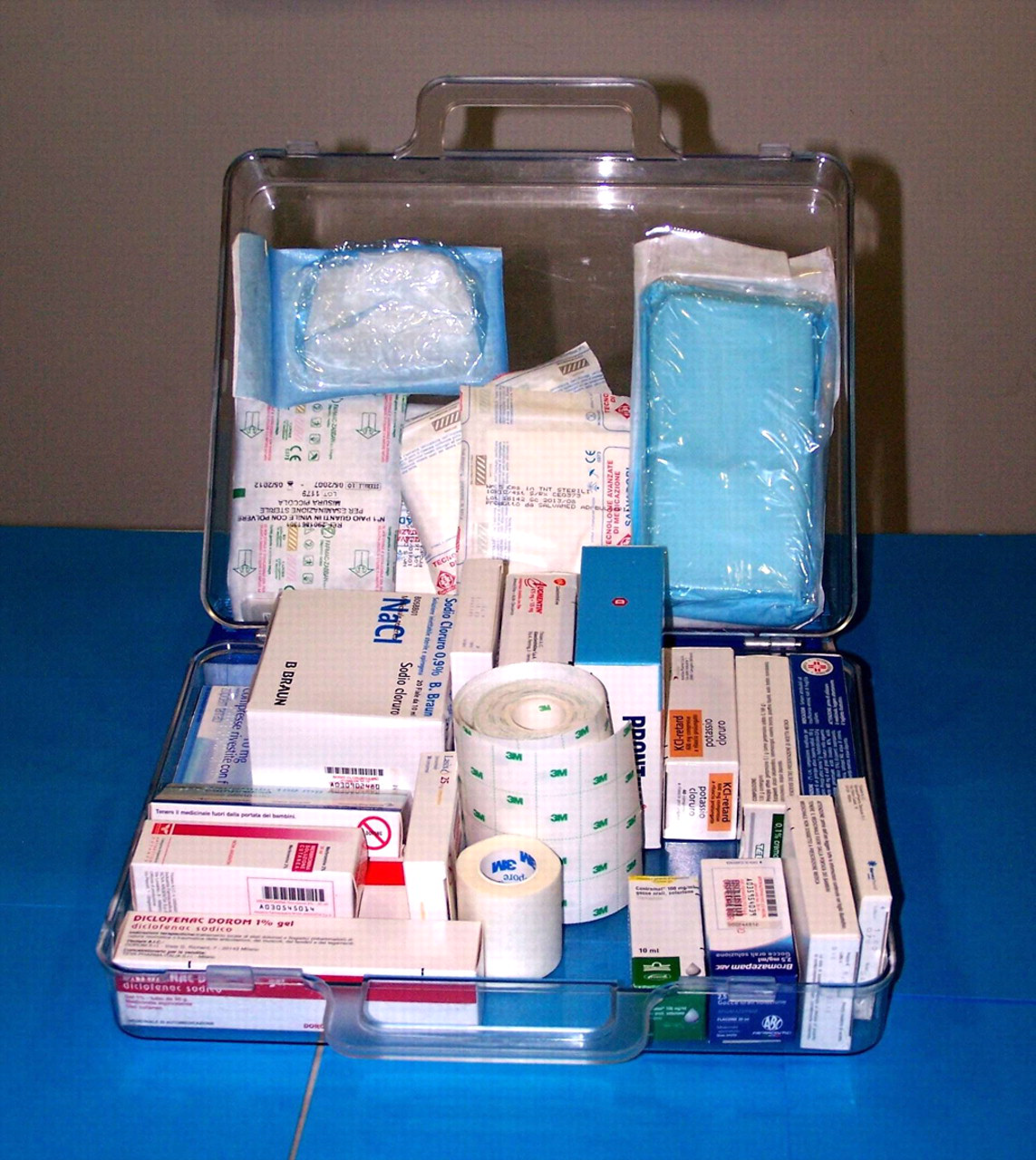
Equipment supplied during the hospital phase – drug kit
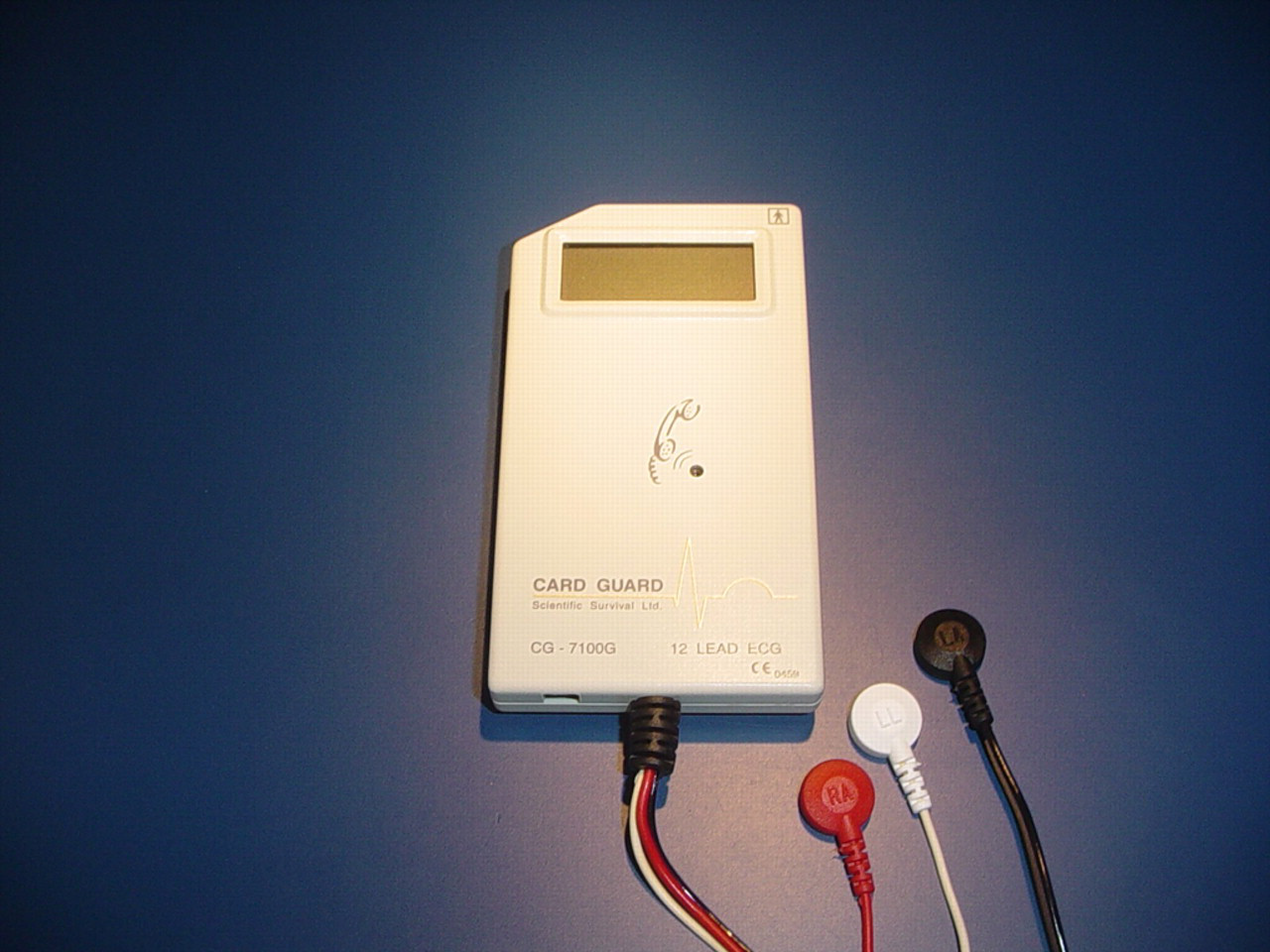
Equipment supplied during the hospital phase – ECG recorder
Rehabilitation programme: home phase
Patients were discharged after the educational programme, usually four days after surgery. The home rehabilitation programme lasted for 15–28 days (as did the usual in-hospital programme for cardiac surgery patients — see Figures 3 and 4). Each patient was provided with a bicycle ergometer to exercise at home. Before starting the rehabilitation programme, each patient recorded a 1-lead ECG signal and transmitted it to the Telemedicine Service Centre.

Evaluation of calisthenic exercises and final ECG evaluation during the hospital phase

Evaluation of bicycle-ergometer test with ECG monitoring during the hospital phase
Telemedicine service centre
Patients had contact with the telemedicine service centre at various different stages of their rehabilitation:
Telemonitoring and scheduled contacts. Each day, patients were asked to dress the surgical wound, either by themselves or with the help of a caregiver. Thereafter, they could telephone the nurse-tutor who solved the patient's problems (if any) and evaluated the need for possible treatment changes; Unscheduled contacts (teleassistance). The patient could request assistance from the telemedicine service centre in case of symptoms or the need for information. If necessary, a home or hospital visit could be organized. In case of severe complications, the patient (or the caregiver and/or the nurse-tutor) could speak directly to the cardiologist who decided about possible admission to hospital or to the emergency department; Physiotherapy: the training that was taught during the hospital phase was performed at the patient's home six days/week during the study. A physiotherapist was present at the home only on the first day after discharge. The training consisted of: Arm and leg isotonic calisthenic exercises for posture and respiration. The main techniques for muscle relaxation were performed once a day for about 60 min with 10 repetitions for each 5–10 min duration exercise. Calisthenic exercises consisted of a variety of simple movements, usually performed without weights or equipment, intended to increase body strength and flexibility using the weight of the body for resistance. Repeated calisthenic exercises over an extended period of time were used to build muscle endurance; A bicycle-ergometer test was performed with the exercise intensity determined individually for each patient according to pre-evaluated ECG-traces and to the results of the 6-minute walking test. The ergometer test was performed twice a day for 40 min.
Each series of exercises was monitored by a 1-lead ECG recording: at the end of the calisthenic exercises, at the beginning, at the peak of the maximum stress and at the end of the ergometer test. At the end of the training session, a telemonitoring contact with the nurse-tutor took place in order to transfer all the 1-lead ECG recordings. During follow-up, the exercise intensity was adjusted according to the haemodynamic variables being monitored.
There was also a caregiver educational programme. Caregivers, who were usually relatives living with the patient, were also trained to perform the 1-lead ECG and transmit it by telemedicine.
Programmed hospital visits and tests
During the home rehabilitation programme, patients had to attend hospital to undergo routine blood tests, cardiology examinations and cardiac echo colour doppler scans. The last visit to the hospital also included a 6-minute walking test and a bicycle effort test (30 W for 2 min). Baseline effort tests could not be performed as patients were discharged immediately following surgery.
Home visits performed by either a nurse and/or physiotherapist were scheduled at least once a week according to the patient's needs.
Satisfaction questionnaire
At the end of the study, patients filled-in a 13-item questionnaire with items about: (1) the quality of the telemedicine service centre overall; (2) acceptance of the technology used; (3) efficiency of the nurse-tutors both daily and in case of emergencies; and (4) their satisfaction.
Results
Between April 2003 and December 2005, 47 patients were enrolled in the study out of 100 cardiac surgery patients assessed for eligibility (see Table 1). Of the enrolled patients, 26 patients (55%) had undergone a coronary artery bypass graft, 11 patients (23%) had had a valve substitution or valvuloplasty, and 10 patients (21%) had received other kinds of cardiac surgery, e.g. substitution of the aortic valve. Fifty-three patients were excluded (7 for complications after surgery while 46 declined to participate).
Characteristics of the patients
Rehabilitation programme: home phase
The mean home-based rehabilitation period was 22 days (SD = 8). During this period, 7 (15%) of the 47 patients were hospitalised, due to cerebral ischaemia (1), pleural effusions (2) and not tolerated atrial fibrillation (4). No deaths occurred.
Telemedicine service centre
Scheduled and unscheduled contacts. There were 3050 telephone calls, of which 3012 (99%) were scheduled and 38 were unscheduled. The mean number of calls was 65 per patient with a mean duration of 4 min (SD = 2). No further action was required in 2894 calls (95%), and there were 118 treatment changes, 2 requests for new investigations, 31 cardiology consultations, 4 hospitalizations and 1 emergency department admissions.
Physiotherapy. There were 809 sessions for calisthenic exercises (mean 18.5 per patient, 6 sessions per week/patient) and 1039 for exercise training (mean 22 per patient, 6.4 sessions per week/patient). The total number of home visits was 208 (109 performed by physiotherapists and 99 by nurse-tutors).
Programmed hospital visits and tests
All the patients underwent at least two cardiac echo scans, one 6-minute walking test (89 tests in total), and, at the end of the programme, most patients (70%) performed an effort test. There was a significant increase in the 6-minute walking test result at the end of the programme vs. baseline: 404 m (SD = 83) vs. 307 m (SD = 97), P < 0.001. In the effort test, the maximum workload, peak heart rate and systolic arterial pressure were 111 W (SD = 30), 107 beats/min (SD = 26) and 164 mmHg (SD = 28), respectively.
Satisfaction questionnaire
The global satisfaction – measured on a scale from 0 to 100 – was 90 (SD = 9). Patients were very satisfied with the nurse-tutor support (98%) and the education in hospital (96% good/very good). The nurse-tutor intervention during emergencies was considered effective by 95% of patients. The equipment was considered easy-to-use by 72% of patients.
Discussion
The results of our study demonstrate the feasibility and safety of the home-based rehabilitation programme in patients following cardiac surgery. The planned regular telephone calls and the home visits allowed the staff to control the patients' adherence to the programme and to intervene in the case of complications. Safety was also indicated by the small proportion (15%) of patients who were admitted to hospital during the programme. Similar results have also been reported in high-risk patients 13,14 showing that the use of telemedicine allows home treatment similar to that delivered in hospital. 15,16
Rehabilitation following cardiac surgery has to be applied to all patients and reaching this goal may be easier if telemedicine can be employed to shift from hospital-based to home-based treatment. In particular, the use of 1-lead ECG monitoring to record the heart rate increase during exercise can help with adherence to cardiac rehabilitation and increase its performance. 17 Current guidelines recommend direct supervision and continuous ECG monitoring for patients undergoing cardiac rehabilitation. 18 In our study, with the use of telemedicine, we were able to facilitate self training at home, modifying the programme when necessary. We were also able to reduce complications because the nurse-tutor could screen patients 24 hours/day. Other studies have demonstrated that ECG monitoring provides a workable method of screening patients in cardiac rehabilitation. 19
In terms of feasibility, the present study demonstrated that the number of physiotherapy sessions recorded for each patient and the number of home sessions were similar to those usually performed in hospital, as reported by Brosseau et al. 13 Although we had no control group in our study, we observed that the 6-minute walking test results improved in all patients at the end of the rehabilitation programme. This is further confirmation that the patients adhered to the exercise programme.
Measuring the burden of care on the families of cardiac surgery patients was not an objective of the present study. However, Stolarik et al. showed that there is a moderate degree of burden in caring for family members of patients undergoing cardiac surgery. 20 We emphasize that the Telemedicine Service Centre offers the opportunity to monitor the family situation in a holistic way. Indeed, telephone contacts and home visits by nurse-tutors and physiotherapists mean that patients and their relatives are followed in an environment where they feel comfortable and empowered. This was shown by the results of the satisfaction questionnaire.
Previous studies have shown the cost advantages of using telecardiology in chronic heart failure and to obtain second opinions for general practitioners. 21–24 The present study shows that home-based rehabilitation through telemedicine is advantageous in terms of medical care and patient satisfaction, although further work will be required to analyse the costs. The results are encouraging. However, there were certain limitations to the study: (1) home-based care following cardiac surgery was tailored to the patients' requests to shorten their stay in hospital; (2) only patients from the cardiac surgery centre were enrolled, i.e. patients from other centres were excluded; (3) interpretation of the results was limited to the walking test and there was no control group. Nonetheless, it appears worth implementing this type of telerehabilitation programme in selected categories of patients and conducting larger, randomized trials to measure cost-effectiveness.
Footnotes
Acknowledgements
The CRITERIA Project is funded by the Italian Health Ministry (grant no. 502/92) and by the Lombardy Region Health General Directorate (grant no. 15882). We thank Giovanna Martinelli, Doriana Baratti, Lucia Marchina, Giuliano Assoni, Ciro Rongioletti and Margherita Penna for their assistance. We also thank Alessandro Bettini for editing the manuscript.