




Abstract
Over a three-year period we performed 630 carotid endarterectomy procedures in 588 patients. From these we selected 90 patients (group A) who fulfilled the criteria for discharge one day after surgery. These patients were given an electronic blood pressure meter, a videophone for use at home and an antihypertensive drug (amlodipine). Using web-based videoconferencing, we monitored the patients every 4 hours for the first two days. The other 498 patients (group B) were discharged on the second postoperative day. There were no significant differences between the groups in demographic characteristics, risk factors, carotid lesions, operative time, postoperative complications or blood loss. No cervical hematomas developed in group A. No patients needed to be readmitted because of major complications relating to the carotid endarterectomy. During the video-communication, 28 patients (31%) with a hypertensive crisis were treated by administration of amlodipine. At discharge, a questionnaire showed that there was a feeling of insecurity in both groups: 87% in group A vs. 79% in group B (P > 0.05). In group A, insecurity decreased after the first video connection and disappeared after the 8th day postoperatively. Telemedicine appears feasible and useful in carotid endarterectomy and may have other applications in vascular surgery care.
Introduction
Experience with remote diagnosis for surgical patients suggests that it has a similar sensitivity to direct clinical examination. 1,2 In vascular surgery, previous studies have described fast-track carotid endarterectomy protocols consisting of minimally invasive surgery with early discharge. 3,4 Although these protocols encountered user-resistance due to anxiety about the risk of complications after postoperative discharge, we have found that the use of telemedicine following discharge one day after carotid endarterectomy is feasible and safe. 5 In the present study we report our experience in the application of telemedicine for fast-track discharge and home-monitoring after carotid endarterectomy.
Methods
We performed 630 carotid endarterectomy procedures in 588 patients in our centre from October 2005 to December 2008. All patients were operated on for both symptomatic and asymptomatic carotid stenosis, in accordance with the American Heart Association guidelines. 6,7 The study was approved by the appropriate ethics committee. Relevant variables such as demographics, risk factors, ASA (American Society of Anesthetists) status, preoperative laboratory and duplex scan studies, postoperative laboratory results, blood pressure, heart rate and discharge summaries of all patients were recorded in a database. All surgical interventions were done using a minimally invasive approach, as described previously. 5 Anti-thrombotic therapy was given by low-molecular weight heparin only on the day of surgery with an anti-platelet drug from the first postoperative day. The inclusion criteria for the study were: ability to use a mobile phone, home to hospital distance <30 km, residence in a town with mobile phone network coverage (Universal Mobile Telecommunication System, UMTS), no neurological or cardiac postoperative complications, absence of fever, cervical haematoma, abnormality in the laboratory tests, and difficult-to-control hypertension or hypotension.
The 588 patients were divided into two groups. Group A consisted of patients fulfilling the inclusion criteria for discharge on the first postoperative day at 12:00, who then used home telemedicine. The remaining patients, group B, were discharged routinely without telemedicine intervention on the second postoperative day after neurological deficit, cardiac complications, fever, cervical haematoma, abnormality in the laboratory tests, and hypertension or hypotension had been excluded.
All patients provided informed consent and information about complications of surgery, early discharge and telemedicine application was given to patients in Group A. These patients were trained and received a bag containing an electronic blood pressure meter (Boso Medicus Control, Bosch & Sohn, Jungingen, Germany) (Figure 1), a UMTS videophone (Figure 2), a calcium antagonist drug (amlodipine), and a customer satisfaction questionnaire. Training consisted of video communication between the patient with one or more relatives and the medical team in the hospital. The videophone (N70 UMTS; Nokia, Espoo, Finland) provided high-speed data transmission (384 kbit/s) and multimedia communication (64 kbit/s). The questionnaire was developed according to the indications reported in the literature. 8,9 It invited the patient to use an 11-point scale to grade their insecurity, scepticism, enthusiasm and satisfaction.
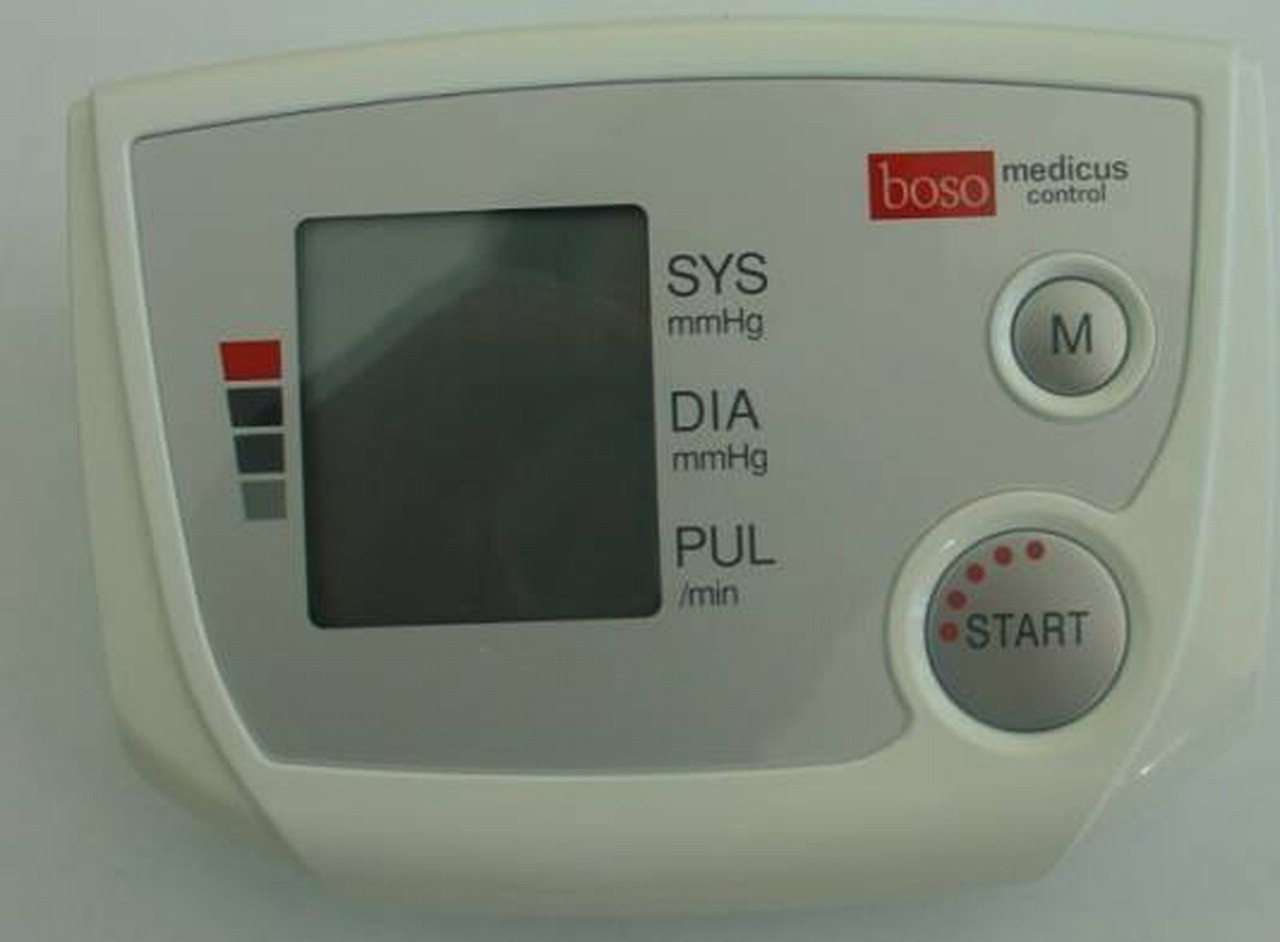
Electronic blood pressure meter
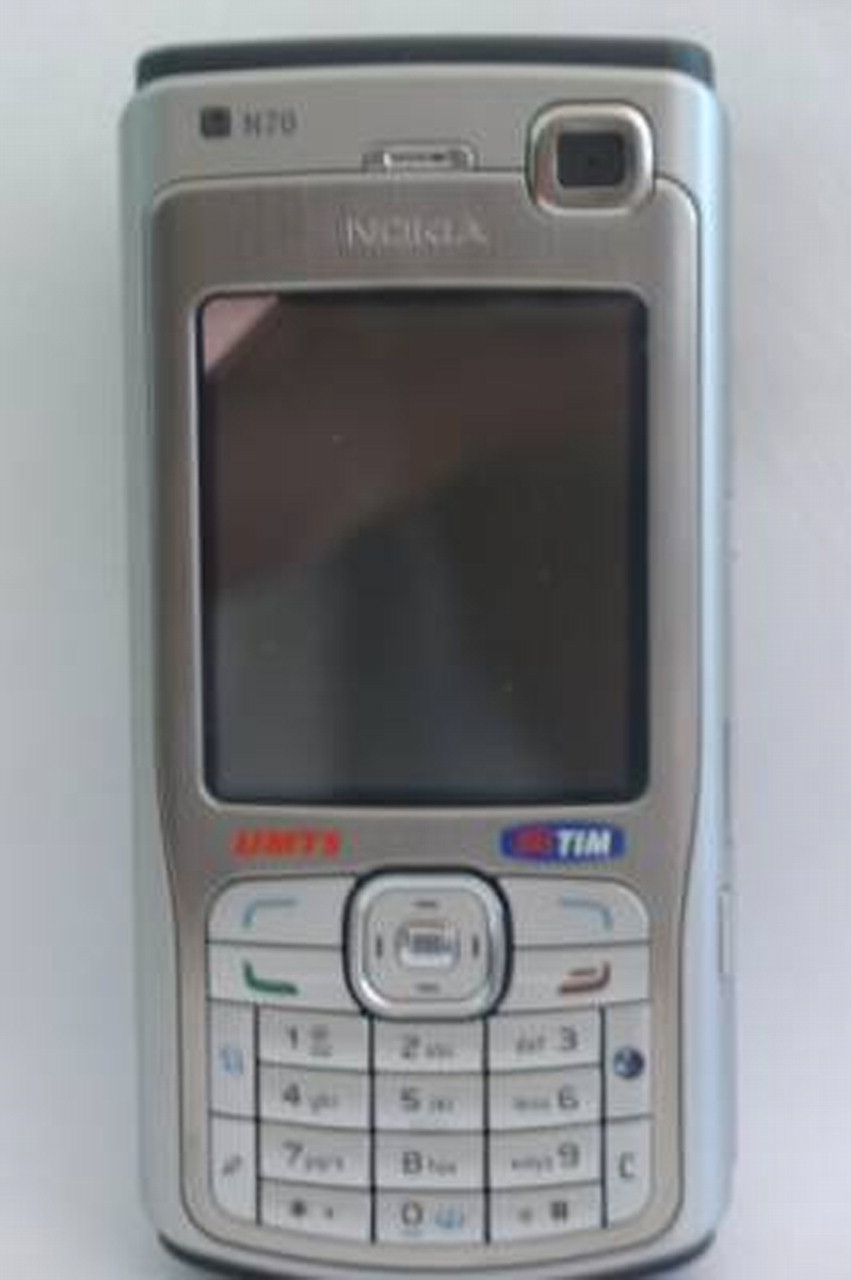
UMTS videophone
A PC connected with a video communication web-program (TIM Video Player 1.0.8) was used to monitor the surgical wound, blood pressure, heart rate and psychological state of the patients every 4 h from 08:00 to 20:00 for 48 hours after discharge. Before initiating a video call, all patients were contacted by telephone to agree. All images (Figure 3) and clinical data were recorded in a database. If complications were excluded, the medication was repeated by the patient with the relatives’ help during the video connection. In addition, the patients could call the surgeon whenever necessary, day or night.

Example videophone image
Two days after discharge the equipment bag was returned. In order to ensure safety, a collaboration with the emergency service was established so that immediate action by the surgeon would be possible in case of need during and after a video call. The insecurity, scepticism, satisfaction and enthusiasm of every patient was evaluated with the customer satisfaction questionnaire at the time of discharge, during any video call, and before and after the control performed on the eighth postoperative day.
We gave a similar questionnaire to group B patients, to evaluate the same matters at discharge, at every day postdischarge, then before and after the control performed on the 8th postoperative day. All complications after discharge and all clinical data at control on the eighth postoperative day were recorded in the database.
Statistical analysis was performed using a standard package (StatView v5.0; SAS Institute, Cary, NC).
Results
Among the 588 patients undergoing mono- or bilateral carotid endarterectomy, 90 patients (52 males, 58%; sixteen symptomatic, 18%) fulfilled the criteria for inclusion in group A. Twenty-three patients were judged non-dischargeable on the second postoperative day: 4 for hypoglossal nerve injury with moderate dysphagia (0.7%), 6 for fever (1%), 4 for myocardial infarction (0.8%), 5 for leucocytosis (0.8%) and 4 for latero-cervical haematoma (0.7%), requiring surgical revision in only one case.
Group B comprised 498 patients (324 males, 65%; 95 symptomatic, 19%). Three strokes (0.5%) and no deaths related to carotid endarterectomy occurred. There were no differences between the two groups regarding demographic characteristics, risk factors or clinical state of carotid lesions (Table 1).
Demographic characteristics, risk factors and clinical state of the carotid lesions. There were no significant differences between the two groups (P ≥ 0.05) at baseline
We performed eversion carotid endarterectomy in all group A patients and in 496 group B patients. In two group B patients a standard carotid endarterectomy with Dacron patch closure was performed. There were no significant differences in the early postoperative complications between the two groups (Table 2). Hypertension was treated with sublingual amlodipine; bradycardia with intravenous atropine. At discharge, the clinical conditions of patients were judged satisfactory in both groups: there were no neurological deficits, cardiac instabilities, cervical haematomas, infections or airway compressions. In group A the videophone provided good image quality and allowed us to judge the surgical wounds and to monitor the blood pressure in all cases. The videophone did not work for technical reasons in a single case (1%) and the patient came back to hospital for clinical control on postoperative day two. No patients needed to be readmitted because of major complications relating to the carotid endarterectomy. During the video communication, 28 patients (31%) with a hypertensive crisis were treated by administration of amlodipine. In group B there were 17 surgical wound complications (3%).
Early postoperative complications
At discharge, the questionnaire showed that there was insecurity in both groups: 87% in group A vs. 79% in group B (P > 0.05). In group A, insecurity decreased after the first video connection and disappeared after the 8th day postoperatively. In group B, insecurity persisted even after the 8th day postoperatively. At this time the proportions expressing insecurity were 2% in group A vs. 85% in group B (P < 0.0001) (see Figures 4 and 5). Satisfaction increased immediately after the return to the family environment in both groups .

Customer satisfaction in Group A. Visit A and Visit B are at the same times in the two groups. They took place on the 8th day postoperatively. The 7th video connection approximately coincides with the third postoperative day

Customer satisfaction in Group B. Visit A and Visit B are at the same times in the two groups. They took place on the 8th day postoperatively. The 7th video connection approximately coincides with the third postoperative day
Discussion
Among the various applications of telemedicine in surgery, 10 videoconferencing is considered to be useful to facilitate the transition of patients from the hospital to their homes. It is considered to be a tool for medical specialists to improve surgery care for the patient after returning home after hospital discharge. Furthermore, by using telemedicine the specialists are able to provide security to the patient and to the whole family by offering access to videoconferencing whenever they need. Advances in technology allow medical specialists to provide care to patients in alternative care sites and remote geographical areas. 11 The areas of use have increased and include teleconsultation/teleconferences, 12 telementoring, 13,14 telesurgery and robotics. 15
Our experience of using videoconferencing between a vascular specialist and the patient's home is that it allows early and safe discharge one day after carotid endarterectomy. These results are based on a reasonable number of patients, even though there are certain limitations, such as the fact that participation was based on those who were interested. However, our protocol of fast-track discharge presents some advantages considering the type of intervention which the patients underwent. In fact, in the last two decades, as reported in the literature, previous fast track protocols for early discharge of patients undergoing carotid endarterectomy have failed or induced excessive insecurity and stress in patients and their families because of complications, such as cervical haematoma with airway compression, hypertensive crises and myocardial infarction. Commonly, haematoma is a consequence of hypertensive peaks. Therefore, monitoring blood pressure and the surgical wound is fundamental after carotid endarterectomy, as a means of preventing or rapidly treating cervical haematoma, before the development of severe airway compression. Thus the use of videotelephony appears promising. The monitoring of blood pressure allows immediate treatment of hypertension. The monitoring of the surgical wound and cervical region with a high-resolution videophone allows rapid readmission to hospital when needed. In our series of patients we did not observe any case of cervical haematoma.
It was also observed that the patients experienced reduced anxiety, as a result of interacting with the doctor by telemedicine. Thus a potentially anxiety-provoking situation like major surgery was ameliorated by regular monitoring with technical support, as well as ongoing assistance after discharge at home.
The use of telemedicine was associated with a reduction of hospital stay, and this decreased hospital costs. The cost of a one-day hospital stay was 470 Euros. For comparison, the overall cost of video connections during the 48 h after discharge was 39 Euros per patient and the total cost of the equipment was about 150 Euros.
Conclusion
The experience reported in the present study was generally positive and our vascular surgery team will continue to develop the use of videoconferencing. We feel comfortable with the approach and even patients who are unfamiliar with the technology are able to use it with little training and obtain benefits. However we believe that we can still increase the potential value of telemedicine in vascular surgery care, not only for carotid endarterectomy but also in other fields, such as ischaemic or venous ulcers. In future, under telemedicine supervision of a specialist, some hospital visits may be replaced by videophone or webcam visits, which will allow the treatment of outpatients at home by specialized nurses or residents.
Footnotes
Acknowledgements
The authors did not receive any financial support from commercial companies.