




Abstract
Children face increased demands for interpersonal as well as learning-related social skills, especially by the vulnerable stage of school entry, due to the more structured setting, new academic requirements, and the fact that children are supposed to interact successfully within a larger and heterogeneous peer group. Although a plethora of social-emotional learning (SEL) programs for elementary school students have been developed, there is a lack of empirically evaluated programs suitable for implementation in field-based settings, especially in Germany. The universal-selective, school-based prevention program Papilio-6to9 aims at facilitating the transition from preschool to elementary school, improving social-emotional competences, and preventing behavior and emotional problems. As a universal-selective prevention program, Papilio-6to9 includes all children in elementary school classes regardless of risk factors (universal prevention) whereby also children with risk factors are targeted without being stigmatised (selective prevention). The program targets elementary school children aged about six to nine and their teachers who receive a three-day training followed by two collegial supervisions to implement the program in and during regular school classes. Papilio-6to9 is part of an approach combining findings from developmentally appropriate practice, positive psychology, social-emotional learning, and developmentally appropriate prevention, and aligns with the early childhood education and care (ECEC)
Need for Preventive Interventions in School
The World Health Organization (WHO) reports global epidemiology data showing that up to 20% of children and adolescents are suffering from mental disorder, whereby especially emotional and behavioral problems are intensifying among children (Belfer, 2008,; Kato et al., 2015). In addition, social-emotional and behavioral problems tend to be long-lasting and - left untreated - only approximately half of the affected persons show a natural reduction of behavioral problems (Domitrovich et al., 2017; Kato et al., 2015). However, the remaining 50% may experience serious short- and long-term consequences including internalizing and externalizing problems as well as limited school functioning and academic outcomes (Domitrovich et al., 2017; Kato et al., 2015). Results from a meta-analysis conducted by Barkmann and Schulte-Markwort (2012) show an overall prevalence of 17,6% for clinically relevant emotional and behavior problems among children and adolescents in Germany, indicating that approximately every sixth child shows signs of emotional or behavioral disorders. Moreover, study results show an increased probability to developmental health problems between the age of 7 and 12 years (Ravens-Sieberer et al., 2015). Further findings reveal prevalence rates of emotional and behavioral problems of about 14,5% among children and adolescents aged 7–17 years (Ravens-Sieberer et al., 2015) and recent studies report abnormal SDQ scores (Klipker et al., 2018) for about 16,9% of the children aged between 3–17 years, whereby the results point out that especially these children with abnormal SDQ scores lack the use of mental health care services (Wölfle et al., 2014).
Due to the outbreak of SARS-CoV-2 pandemic in March 2020 and resulting temporary school closures in order to reduce social contacts within educational settings, children lacked social interactions, opportunities for participation in social activities, and a safe school environment even more, which can be considered as a protective factor where children gain competences in order to master challenges of life (Lehmann et al., 2021). Recent research indicates increasing negative effects of school closures on children’s mental health and development (Araújo et al., 2021; Lee, 2020; Xie et al., 2020; for a systematic review see Lehmann et al., 2021). Thus, school plays a central role during childhood providing social context in which their social-emotional development is guided and can buffer potential risk factors threatening positive psychosocial development (Domitrovich et al., 2017).
The Role of Social-Emotional Skills and Executive Functions During School Transitions
In order to become an active, healthy, and responsible member of society, the development of core life abilities such as self-awareness, self-management, social awareness, relationship skills, and responsible decision making through social-emotional learning (SEL) is crucial for a child’s development (Collaborative for Academic, Social, and Emotional Learning [CASEL], 2020). CASEL (2020) defines social-emotional learning as “an integral part of education and human development” through which children, adolescents, and adults are enabled to deal with emotions, show empathy and make caring decisions considering personal and collective aims. Given the powerful role played by schooling in the socialization of children, it is obvious to consider schools as settings where social-emotional competences are acquired, practiced, and promoted.
The transition from informal preschool settings to formal schooling is associated with several changes in the expectations for children (Rimm-Kaufman et al., 2000) and associated developmental tasks such as adapting to classroom routines and new school environment or an increase of structured teacher-directed academic activities (Bassok et al., 2016). Especially by the vulnerable stage of school entry, children face increased demands for learning-related social skills such as paying attention, working independently, concentrating, complying with rules, as well as performing well-regulated and goal-directed (Denham & Brown, 2010; Diamond, 2013). Having in mind that children are supposed to interact successfully within a larger and heterogeneous peer group with less adult appearance (Wilson et al., 2007), it additionally requires more interpersonal executive function skills, such as inhibitory control and self-regulation, in order to develop problem-solving skills and be able to initiate and maintain positive interpersonal relationships with peers and teachers (Birch & Ladd, 1996). The meta-analysis conducted by Robson et al. (2020) emphasizes several positive short- as well as long-term effects of improved self-regulation skills in early school years, for example better academic achievement, fewer substance abuse in adolescence, and fewer behavior problems. Furthermore, research indicates an association between the improvement of executive functions and fewer attention deficits, fewer behavior problems, and less internalizing and externalizing symptoms (Yan et al., 2022). Additionally, there is a considerable body of evidence that enhanced social-emotional skills, a positive class climate, as well as warm, caring, and reciprocal teacher-child relationships are connected with higher well-being and improved academic achievements (e.g., Bailey et al., 2019; Nesayan et al., 2019; Sagi-Schwartz, 2016; Weissberg & Greenberg, 1998). Both higher executive functions and a positive teacher-child relationship also lead to higher school engagement (Pianta et al., 2012). Executive functions - especially flexibility and shift of focus - as well as self-regulation skills play an important role with regard to emotion regulation. Effective emotion regulation can be defined as the modification of emotional experience and expression - regarding type, intensity, and quality of emotions - in order to produce appropriate responses to environmental demands (Aldao, 2013; Peña-Sarrionandia et al., 2015). Studies suggest that emotion regulation describes more than simply applying adaptive strategies instead of maladaptive strategies. Instead, emotion regulation seems to be a multicomponent and dynamic construct, where flexibility and context evaluation play an important role (Aldao, 2013; Bettis, 2022). Recent literature points out that emotion regulation flexibility, defined as the access to a variety of different emotion regulation strategies and the consideration of the greater environmental context, gains importance and is associated with reduced negative affect and increased positive affect (Battaglini et al., 2022). However, emotion regulation is not only essential for problem-solving strategies, the way we learn to respond to different stimuli or stressors is considered being crucial for personal well-being (Bettis, 2022) and can be classified as a core life ability. Thus, executive functions and SEL play an important role for fostering social-emotional competences, problem-solving-, and self-regulation skills, and gain importance in early child education and care (ECEC) and prevention science.
Fostering of Social-Emotional Skills and Prevention of Behavior and Emotional Problems Through SEL Programs
Schools, providing a socializing context, have been identified as key settings where any deficiencies in social-emotional and problem-solving skills may be addressed (Sklad et al., 2012). Due to the considerable amount of time children spend in school, especially primary and secondary schools are crucial environments to develop, implement, and evaluate universal-selective preventions, preferably as a whole school approach (Edwards et al., 2022). The developmental science perspective emphasizes that early years of school are most important with regard to improving children’s regulatory skills with the support of teachers, peers, and caregivers (Bailey et al., 2019). Outcomes from several meta-analyses focusing on children participating in SEL programs, compared to control students, have proven enhanced social and emotional skills, attitudes, prosocial behavior, academic performances, positive self-image, as well as reduced mental health problems and antisocial behavior (Diekstra & Gravesteijn, 2008; Durlak et al., 2011; Sklad et al., 2012; Taylor et al., 2017). As these results indicate, fostering social-emotional skills and competences such as perspective-taking and problem-solving strategies by expanding emotional awareness and knowledge has many long-term benefits (e.g., educational equity) and exceeds merely preventing negative child developmental outcomes (Durlak et al., 2011; Ura et al., 2020). A systematic review by Lösel and Beelmann (2003), considering trainings of social skills in order to prevent antisocial behavior in German studies, revealed an average effect size of d = 0.38 (post measurement) and d = 0.28 (follow-up measurement), indicating a small but robust overall effectiveness of social skill training for children.
Although many preventive intervention programs including SEL measures are implemented in the school environment, there is still a lack of evidence-based approaches providing a transparent and systematic overview of the program development as well as an evaluation design with high replicability. Therefore, planning preventive intervention programs requires guidance by a scientifically-based empirical framework and theoretical model (Casale et al., 2014; Kobel et al., 2017).
Even though the broad and endurable definition of SEL encompasses five essential topics and thus, provides the possibility to include many different research interests for improving SEL, it is rather unspecified in terms of defining core components for developing a theory of change followed by concrete measures. As a consequence, SEL programs differ in topics, schedule, intensity, and levels of training and support offered to implementers (Wigelsworth et al., 2016). Additionally, there is a lack of unity regarding the underlying theoretical framework and labelling key competences of social-emotional skills (Abrahams et al., 2019). For example, the Social and Emotional Competence School Model (Collie, 2020) requires a separate operationalization by manifestations (e.g., concrete behaviors) and underlying mechanisms (e.g., motivation and need satisfaction), because this model assumes that a psychological need satisfaction is essential for social-emotional motivation which in turn provides social-emotional competent behavior. It is crucial to consider that the components of SEL frameworks do not exist in isolation, but rather are interconnected and built up upon each other (Denham & Brown, 2010).
Papilio-6to9: Developmentally Appropriate Prevention and Positive Psychology Framing
The preventive intervention Program Papilio-6to9, which is introduced in the present manuscript, follows a developmentally appropriate approach (cf., Malti et al., 2009) and provides guidance considering varying levels of child development and includes all children e.g., of a school-class without being stigmatised (universal-selective prevention). Papilio-6to9 includes all children of elementary school classes regardless of risk factors (universal prevention) whereby especially children with risk factors, in this context children with increased educational needs, are targeted (selective prevention). The guidance for teachers is based on theoretical models and research findings regarding social, emotional, and cognitive development of children aged six to nine (for a summary see, e.g., Scheithauer & Niebank, 2022). Thus, Papilio-6to9 is part of Early Childhood Education and Care (ECEC) including formal and informal teachings to nurture children’s growth and development from the age of 0 to 8 years (Essa & Burnham, 2019). Translating the core components of SEL into practice, it is pivotal to consider age differences and developmental tasks for elementary-aged children, e.g., forming positive peer interactions and establishing lasting dyadic friendships, controlling impulses, as well as expressing and regulating emotions appropriately, and showing appropriate problem-solving strategies in more complex social situation (Denham, 2018). Developmentally appropriate prevention programs have to take into consideration (1) knowledge of norms, standards, and timelines of ‘typical’ child development, (2) knowledge about potential age-relevant variations regarding children’s and adolescents’ development, (3) knowledge about mental disorders, typical age at onset, and their impact on children’s further development, (4) consideration of developmental tasks and developmental transitions such as the transition from preschool to elementary school (Scheithauer & Niebank, 2022).
In addition, Papilio-6to9 provides an approach to combine SEL practices framed by developmentally appropriate prevention and positive psychology science. Positive psychology focuses e.g., on exercises that strengthen human qualities and help to promote a growth mindset and meaning in life (Parks & Biswas-Diener 2013; Seligman, 2011). Thus, positive psychology proposes strategies guiding the journey of personal growth on an individual level (for students as well as for teachers) and focuses on nurturing positive emotions, boosting motivation, learning-related skills, well-being, mindfulness, and development itself. Research on mindfulness or as Dan Tomasulo (2020, p. 51) named it applied consciousness has shown many positive outcomes. Thus, it is linked to improved executive functions and adaptive coping strategies (Murphy et al., 2012). Furthermore, positive psychology provides ideas on how to change learning environment on an institutional level in order to create a positive classroom and, more broadly, a positive school climate. An inclusive and caring classroom climate is crucial for children to feel being part of a thoughtful and connected unity (Collie, 2020) and impacts academic achievements directly and indirectly via effects on children’s engagement and ongoing effort (Battistich et al., 1993). Finally, within a positive psychology framework, schools are ideally considered to be a positively connoted place where the teachers enjoy teaching and educating and the children enjoy learning and developing.
The Present Article
Although meta-analyses provide evidence that SEL-programs are effective in general (Diekstra & Gravesteijn, 2008; Durlak et al., 2011; Sklad et al., 2012), studies report varying outcomes. There is an evidence base indicating that a program’s implementation quality is closely connected with its outcomes (Durlak & DuPre, 2008) and thus, more awareness of monitoring implementation with the help of elaborative program planning is central (Domitrovich et al., 2010; Long et al. 2016). There is a growing body of evidence which suggests that programs that have been developed based on theoretical models and research findings are more effective than preventive strategies lacking theoretical foundation (Glanz & Bishop, 2010). Furthermore, Glanz and Bishop (2010) state that the combination of multiple theories and concepts leads to even larger effects.
The present article gives an overview of the program theory and measures of the developmentally appropriate preventive intervention program Papilio-6to9 which aims at fostering social-emotional skills and preventing behavior and emotional problems on a group (school class) level. Detailed theoretical background and framework is provided which helps to formulate objectives and assists in choosing appropriate preventive intervention strategies.
Method
In order to increase the transparency of a theoretical and empirical appropriate program development, we followed the Intervention Mapping Approach for the program development, which is based on existing empirical evidence and theories of change (Bartholomew Eldredge et al., 2016). Although the Intervention Mapping (IM) protocol has been subjected to numerous investigations by health psychologist initially developed for designing health promoting programs, there is considerable body of research emphasising the benefits of program development according to the IM protocol across different countries and population groups (O’Connor et al., 2018). Providing a transparent and systematic approach, the IM protocol helps to name determinants of behavioral and setting relevant risk factors causing problems (O’Connor et al., 2018) and thus, results will help to define concrete program objectives (e.g., increasing interpersonal as well as learning-related skills, enhancing executive function skills, fostering motivation, and teacher-student relationship). Secondly, it helps to choose the most suitable change strategies and adequate methods.
Intervention Mapping Approach –an Overview
Intervention Mapping (IM; Bartholomew Eldredge et al., 2016) is a series of steps which include (1) defining a logic model of the problem in order to identify the problem itself, analyse its causes, and conduct a needs assessment (e.g., with school entry children face increased demands for social-emotional skills and thus, the risk of negative development increases if those protective skills are lacking), (2) defining change objectives and program outcomes, to answer the question what exactly needs to be changed in order to influence behavior in a desired way (e.g., SEL helps preventing negative development and increases motivation and academic performance), (3) program design, the translation of theory-based methods which are developmentally appropriate and match the objectives into concrete strategies and measures, (4) program production by combining the single measures and strategies into a structured and manualized program, (5) planning the program implementation aiming at the highest sustainability and effectiveness possible, and finally (6) developing an evaluation plan for both effectiveness and process evaluation. In summary, after developing the prevention program for desired behavior change (first four steps), the fifth step focuses on program implementation in school setting and the sixth step deals with its evaluation providing knowledge about the need of program adaption.
In the following paragraphs, the program development is described on a methodological level by means of the IM approach, followed by the results of each IM step.
Step 1: Needs Assessment
In order to conduct the needs assessment, literature was reviewed for topics such as social-emotional learning, school prevention programs, preventing behavior problems, teacher-child relationship, executive functions, self-regulation, social-emotional competences, emotion regulation, evidence-based prevention programs (in Germany), positive psychology in education, transition from kindergarten into formal schooling, academic achievement, risk of negative development, and well-being in school. Program developers’ prior knowledge and practical experience regarding prevention science in school provided guidance for article selection. Furthermore, the planning group consisting of researchers as well as implementers with practice-oriented expertise conducted a market analysis and reviewed all preventive intervention programs in Germany considering their objectives, measures, and related evaluation studies. Keeping in mind the previously described developmental tasks for children at the time of school entry, the aim was to develop a structured, evidence-based, and user-friendly SEL program meeting theoretical and practical demands. Considering the versatile components of social-emotional competences and developmental tasks as well as multiple ecological levels targeted (e.g., children, teachers, and class room setting), a multilevel logic model is needed (Kellam & Langevin, 2003).
In addition to the market analysis, two focus group discussions were conducted in 2015 (before the research project started in 2017). The first focus group discussion was conducted in Bielefeld, North Rhine-Westphalia, Germany. The sample was chosen by availability (convenience sample) and consisted of four elementary school teachers aged between 29 and 41 years (M = 36, SD = 2.53). A structured guideline for the discussion included following aspects: (1) content: What should be the main topics the program should focus on?, (2) structure: How should the program be structured?, (3) implementation: What makes (prevention) programs feasible for implementation in class?, (4) barriers: What are barriers which prevent or impede implementation?, (5) support: What would be beneficial to implement the program in class?, (6) perspectives: If you are the moderator of the focus group, what question would you ask next?, (7) priorities: What would be the most important concern for program development?, (8) advice: Do you have any advice for us from your practical experience?. A second focus group discussion was conducted in Rhineland-Palatinate (district Donnersbergkreis), Germany. The convenience sample consisted of four elementary school teachers, aged between 28 to 52 years (M = 43.3, SD = 10.5). The sample consisted of two school administrators and two teachers in order to include different functions and perspectives (practical experience as well as decision makers about school policies and program implementation). Years of service varied between 3.5 and 29 years (M = 17.9, SD = 10.8). All participants had already had experience with several SEL programs. The structured guideline included questions about the current situation in school (knowledge about SEL methods, environmental conditions concerning the implementation of prevention programs, need of further education, involvement of parents) and questions concerning program development (challenges and barriers, content, structure, preparation of materials, further education, supervision and implementation).
Step 2: Formulation of Program Outcomes and Objectives
Guided by the needs assessment und multilevel logic model (see Fig. 1 , which is introduced at step 1 in the results section), prevention targets and program outcomes on a behavioral (e.g., individual level: promoting adaptive problem-solving strategies) and environmental level (e.g., institutional level: whole-school-approach, positive class-climate) were identified answering the questions ‘What has the individual to do in order to change behavior?’ and ‘What are the environmental changes supporting the individual in its development and growth?’. A detailed literature review was conducted to select determinants for behavioral and environmental changes.
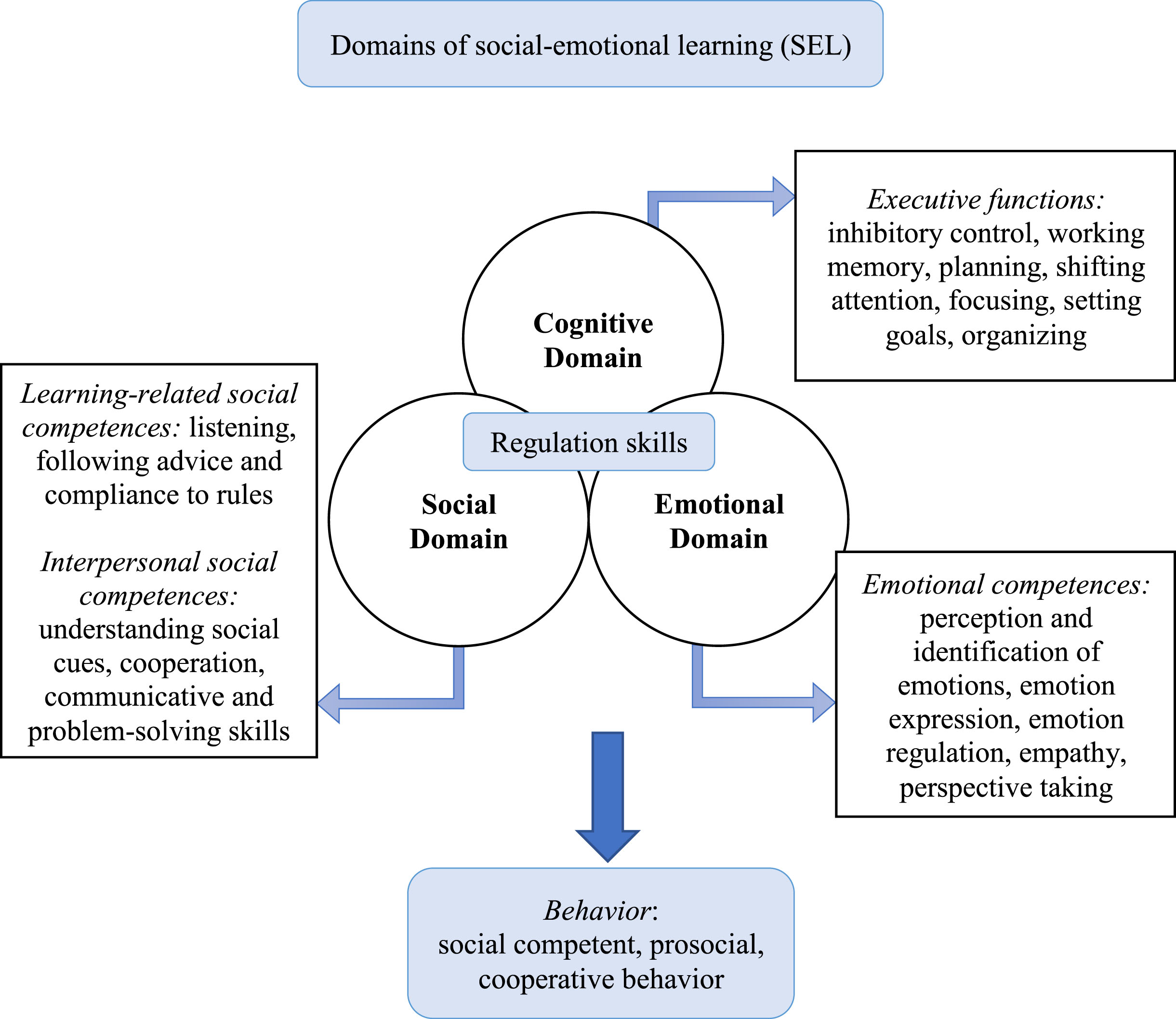
Multilevel Logic Model (cf. Campbell et al., 2016).
Step 3: Program Design – Selection of Theory-Based Methods and Strategies
The third step was to identify and select evidence-based methods and strategies to match the stated objectives and outcomes. If there were no age-adequate methods to match the objectives, new methods and strategies were developed. Subsequently, theory-based techniques were organized and operationalized to reach the target population and to tackle the desired changes. During this step, regular meetings with the prevention design group took place. Furthermore, Bartholomew Eldredge et al. (2016) proposed practical applications being valued acceptable and practical by implementers (teachers) and target population (children).
Step 4: Program Production – Refine Program Structure and Organization
The fourth step involved the actual program production by combining developmentally appropriate strategies and methods, deciding about the number of sessions, length, and schedule. During this step, materials were pilot tested by implementers (n = 67 teachers) and the target population (n = 55 school classes). Within the pilot study (Lechner et al., in preparation) and the accompanying process evaluation, we used questionnaires, interviews, and collegial supervision to ask teachers for feedback on the different measures and their experiences with program implementation as well as subjective evaluation of the effectiveness and changes in their class. Finally, we collected data from twelve process evaluation questionnaires (edited by teachers), three collegial supervision meetings (in Brandenburg, Bavaria, and North Rhine-Westphalia, Germany) as well as three unsystematic individual telephone interviews with two teachers and one educator from after school child care.

Protagonist Paula of the interactive story ‘Paula Goes to School’. Note. Pictured here is the puppet Paula*, crafted by the Augsburger Puppenkiste and part of the puppet theatre play ‘Paula goes to school’. *Image and copy rights Papilio ( limited non-profit company).
Step 5: Program Implementation Plan
Following the program production, the formulation of an implementation plan was vital for ensuring sustainability and long-term integration in the target setting. Implementors were identified (teachers and educators), who were trained in applying the program in compliance with the program manual. High quality implementation is crucial for effective interventions and provides guidance thorough training and consistent quality control (Weare & Nind, 2011). Comparing the effectiveness of the program implementation of external specialists and teachers, literature provides evidence indicating that teachers were able to implement SEL programs in their classrooms so that the involvement of external staff or psychological researchers was neither necessary nor led to an improved effectiveness (Diekstra & Gravesteijn, 2008; Durlak et al., 2011; Sklad et al., 2012). However, teachers were able to implement programs effectively and comfortably in their classrooms, but may need a small amount of preparatory training (Linares et al., 2005).
Implementation of Papilio-6to9 followed a train-the-trainer approach in order to being able to “roll-out” the program and to reach as many teachers and educators as possible. Thus, an initial four-day teacher training followed by supervision meetings to implement the program in regular school classes was developed. The program was concluded by a certification session for quality assurance reasons. Within the pilot evaluation, the teacher training was evaluated using a questionnaire (n = 57; 89.5 % female, 8.7 % male). Furthermore, a training of four days was developed in order to educate the “Papilio-trainers” on program measures, theoretical background, and practical implications of Papilio-6to9 and on how to provide effective teacher trainings.
Step 6: Evaluation Plan
The final step involved designing an evaluation plan by deciding how to measure its effectiveness (e.g., if the stated program outcomes and change objectives have been reached) and process evaluation (e.g., how the implementers and the target population evaluate the program materials and structure and to what extent they benefit from the preventive intervention). In the course of the pilot study, the effectiveness evaluation plan was tested using a field-based randomized-controlled-trial design with an intervention (IG) and waiting-control group (CG) that provided data at the pre-test (before teacher training), post-test (after the implementation, 7 months later), and a 3-month follow-up. The sample consisted of German elementary school students (N = 224, MAGE = 7.1 years at pretest, 51.8 % girls) from 12 classrooms (IG = 109 students; CG = 115 students). Data were based on reports from their 12 classroom teachers (MAGE = 41.3 years at pretest, 92 % women) from six German elementary schools (Bavaria, and North Rhine-Westphalia, Germany). Due to low active informed consent response rate by some parents, group sizes varied from 15 to 23 students per class. Additionally, index-groups (three randomized selected children per class) underwent further testing of social-emotional competences at the first and third measurement occasion. The impact on academic achievement was tested with a class test in German at the third measurement point.
Results
After providing information concerning the steps of the IM approach on a methodological level, the results are presented hereinafter, followed by a discussion and practical implications.
Step 1: Multilevel Logic Model
The program development was conducted in the course of a research project, a collaboration between researchers of Freie Universität Berlin, Germany (including the authors), and Papilio gGmbH, Augsburg, Germany, financially supported by the health insurance Knappschaft (Germany). The project was conducted in Brandenburg, Augsburg (Bavaria), and North Rhine Westphalia, Germany. Primary target group were students aged six to nine in elementary school as well as their class teachers (IM behavior level). As our aim was to develop a program that targets the whole school, the social classroom and school setting is addressed (IM environmental level). Following the comprehensive needs assessment, we developed a multilevel logic model to depict outcome areas which were addressed by the program ( Fig. 1 ). Following Campbell et al. (2016) and Jones and Bouffard (2012), we focused on three major SEL domains (social, emotional, and cognitive domain) taking into account the interconnectedness (overlapping) between these domains. The social domain of our logic model contains learning-related and interpersonal social skills (Lim et al., 2010; McClelland et al., 2000; Pelco & Reed-Victor, 2007,). Initially, McClelland et al. (2000) defined learning-related social skills as a combination of interpersonal (e.g., positive peer interactions and cooperative behaviors) and work-related social skills (e.g., listening and following advice, appropriate participation in group activities, staying focused) and as other literature suggests, both contribute to early school performance and later academic achievement (e.g., Robson et al., 2020). The emotional domain includes emotional competences such as appropriate perception and identification of emotions, emotion expression, and regulation. The previously named social-emotional and self-regulation skills require underlying higher-order, top-down mental processes (cognitive domain). A considerable body of evidence has shown that fostering executive functions (EF) - including working memory, inhibitory control, cognitive flexibility (Diamond, 2013) - is connected with improved academic achievements (Duncan et al., 2007), positive self-concept (Hughes, 2011), higher school engagement, fewer internalizing and externalizing behavior problems (Riggs et al., 2006), as well as health-related quality of life (Brown & Landgraf, 2010). Additionally, a growing body of evidence indicates an association of EF with self-regulated learning (Blair & Raver, 2015; Zimmerman, 2008), meta-cognitive and motivational engaged learning processes (Zelazo et al., 2016), including personal initiative, perseverance, and adaptive skills (Zimmerman, 2008).
The results from the first focus group discussion revealed two main aspects preventive intervention programs should focus on: promoting diverse behavioral and problem-solving strategies as well as positive group climate by accepting differences trough perspective-taking. Furthermore, programs should be user-friendly, easy to apply, and should provide well-structured content while maintaining practical flexibility and personalization. Further education and supervision of program implementation should be provided by experts. Mainly, teachers’ attitude, self-image, and social-emotional competences and thus, being a role model for children, were named for a predicted effectiveness of a program. Moreover, teachers’ attention, empathy, and sympathy would be required. The most important and motivating factor for program implementation would be the predicted economy of time. With a reasonable amount of time and preparation, it should be easier to address children’s behavioral problems. Moreover, materials should be easy to use and structured for example with the help of a ring binder.
The results from the second focus group were quite similar. Additionally, children’s communicative competences, being able to listen carefully, as well as being part of heterogenous groups, should be focused in the course of prevention programs. The learning environment as determined by the school context should help children to work concentratedly and silently, e.g., by the addition of supporting rituals. Program developers should be experts with theoretical expertise as well as knowledge about school settings, school policies, and teachers’ lack of resources and time. In order to promote commitment regarding sustainable program implementation, the prevention program should be part of the school curriculum.
Step 2: Formulation of Program Outcomes and Objectives
Keeping the multilevel logic model in mind, main aims of the universal-selective school prevention program are the fostering of social-emotional skills through practices of SEL and the prevention of emotional and behavior problems.
As a long-term goal, we aimed to improve academic performance and competences trough increased learning motivation, EF, and self-regulation skills (see Table 1). On the individual (student) level, we aimed at fostering emotional competences through improving emotion knowledge, emotion comprehension, emotion vocabulary, emotion perception, emotion expression, emotion regulation regarding primary and secondary emotions, as well as fostering empathy and perspective-taking. As mentioned above, learning-related and interpersonal social skills should be improved by practicing problem-solving skills and fostering prosocial behavior as well as improving EF in order to demonstrate well-regulated and goal-directed performances. On the individual and environmental level, positive group and class climate, peer relationships, and learning motivation are targeted. Specifically, the objectives identified were increased level of happiness and well-being in the school environment, positive peer interactions, establishing lasting friendships, positive teacher-student relationships, a positive learning atmosphere, and thus, a positive identification with the class and school environment.
Papilio-6to9: Program Aims, Objectives, Outcomes, and Logic Model of Change
Step 3: Program Design
The program consists of different measures, whereby some measures are short in duration and repetitively implemented during regular school lessons (e.g., a variety of games fostering EF or positive peer relationships, well-being, and class climate) while other measures are sequentially implemented as a curriculum (module 1, 2, and 3, see Table 1). Module 1 of the program addresses positive behavior in class and reduces disruptive behavior specifically by using classroom-management strategies and the Good Behavior Game (GBG; Barrish et al., 1969,). At the beginning of module 1, children work with a story of animals with learning and attention problems. The children discuss the story with their teacher and are guided to develop classroom rules. Procedure and behavior rules are trained with exercises with increasing level of difficulty or length. Thus, children learn how to pay attention and how to behave in a group so that everybody feels comfortable. Subsequently, short periods of the GBG with varying rewards help children to regularly adhere to procedure and behavior rules. After these rules are successfully implemented, the use of the GBG is reduced in order to improve level of intrinsic motivation. The aim of module 1 is to establish a positive class climate, where all children feel comfortable and are able to learn in a concentrated way and are motivated to maintain interpersonal rules without the need for additional extrinsic rewards.
Modules 2 and 3 include a curriculum-based, interactive problem-solving story titled ‘Paula goes to school’ (module 3) which is an adapted story based on a puppet play titled ‘Paula and the Pixies from the Box’ (module 2), that had been developed for the Papilio-3to6 program (see Scheithauer et al., 2022,). The aim of the interactive story is to educate children on primary (sadness, anxiety, anger, and happiness) and secondary emotions (envy, guilt, shame, and pride), and appropriate emotion regulation skills, especially in situations triggering ambivalent and multiple emotions. Additionally, children learn to create positive peer interactions, how to establish and maintain friendships, and adequate problem-solving skills. Related materials such as (cross-gender) recordings of the pixies’ voices and pictures of faces support the identification of emotions. Every module 2 and 3 session starts with a mindfulness exercise enhancing self-awareness and children’s attention to their emotions and body sensations in the present moment. Following an introduction ritual, the teacher starts reading a small part of the interactive story, which is interrupted in order to reflect the content and to translate knowledge into practice including emotion perception, emotion expression, and regulation strategies fostering empathy and perspective taking, as well as different adaptive problem-solving strategies. In general, the sessions end with a positive reflection of the day which helps to establish a positive mindset and to focus on daily highlights in order to reduce negative perception bias (see developmentally adapted method from positive psychology ‘three good things’ in Table 1).
Step 4: Program Production
After evaluating feedback from teachers, the program was manualized with a revised program version to match the participants’ needs. Most frequently, teachers advised to shorten the module 2 and 3 sessions from 90 minutes to 45 minute-units. Although, including the mindfulness-based introduction ritual and the conclusion with daily reflection on positive experiences, there would be just about 30 minutes left for ‘content deep work’, it would be much easier for the children to maintain concentration and focus and they would benefit from repetitions rather than extending content in one session. The revised program version consists of four modules, whereby module 2 and 3 consist of a minimum of 20 curriculum-based sessions of 45 minutes each (providing guidance for further integration in class), accompanied by further measures which are continuously applied (e.g., module 4 ‘Better learning in class’ with strategies and games to foster EF and positive peer relationships). As described above, module 1 aims at positive behavior in class and reduction of disruptive behaviours and consist of five structured sessions concerning how to establish procedure and behavior rules and introduces the GBG. Furthermore, the manual provides guidance and ideas on how to continue short sessions during regular school lessons in conjunction with variations of the GBG. The next major change following teachers’ feedback was the addition of extended program content focusing on primary emotions (module 2). After teachers had reported that children lacked emotion knowledge also concerning primary emotions, the revised manual included six sessions on the emotions sadness, anger, fear, and happiness, followed by a session on sustainability providing advice on how to include these topics into daily life. Module 3 consists of 15 sessions: The first two sessions introduce Paula as a school child, the new school environment and being part of a school class. Next, the secondary emotions envy, guilt, shame, and pride are introduced by three sessions per emotion each focusing on emotion perception, emotion regulation, and problem-solving strategies. Module 3 concludes with one session concerning how to establish and maintain positive peer relations and friendships followed by a session about sustainability.
The material production followed the advice from the early focus group discussions as part of the needs assessment. For example, the material complies with the request for a ring binder, so that it is easier to select the section needed without carrying all materials at all time. The Papilio-6to9 manual provides a detailed description of all modules and sessions and provides guidance on the needed material, as well as the sessions’ timeline. Moreover, the material includes audio recordings of the pixies with their voices and songs accompanying the story as well as notes belonging to the songs. Additionally, materials include rough drawing of the pixies which allow the children to create the pixies themselves as well as cards depicting the problem-solving process.
Furthermore, the three-day teacher training as an integral part of the Papilio-6to9 program focusses on the self-image as a teacher, teachers’ performance feedback, positive communication with the children, and on actively creating a positive class-climate where children and teachers feel comfortable and are motivated to learn and to teach. The teacher training is described in detail in step 5 concerning the program implementation plan.
In the course of the pilot evaluation, the teachers gave positive feedback on content concerning their self-image, optimistic attitude, personal growth, and increased confidence to handle challenging situations in daily school life. They reported a stronger focus on children’s emotions and emotion regulation. Moreover, the teachers stated that the children were motivated and enjoyed the various exercises. Results from the process evaluation revealed that around 80% of teachers evaluated the program as useful and 60% as an enrichment in daily school life. All teachers assessed the program as highly relevant for further child development and 80% would recommend the program to colleagues. The main criticism concerned the 90-minute structure of the sessions as well as the wish for more picture-based material. Furthermore, problem-solving exercises should represent different levels of difficulty. Following, feedback concerning content of module 1 to 4 is described in detail:
Positive behavior in class (module 1). In order to be successful, in the beginning, the GBG requires many repetitions and implementation in weekly school lessons. The GBG helps to implement behavior rules in class. After behavior guidelines are successfully trained, the application of the GBG is reduced. About 57.1% of teachers participating in the process evaluation reported that they had executed the GBG more than five times after program implementation, 33.3% reported to play the GBG multiple times per week, and 16.7% stated that the GBG is already part of their daily routine. According to teachers’ feedback, children were highly motivated to play the GBG and class climate benefited in a positive way. The method was easy to apply and led to positive behavior change.
Primary and secondary emotions (module 2 and 3). The pilot evaluation showed that teachers implemented the interactive story at least within weekly sessions, 62.5% of them even multiple times per week. Teachers reported that children could easily identify with the story and the protagonists and it helped the children to manage their own emotional experiences. Measures provided practical guidance to learn more about emotion knowledge, perception, and regulation. Moreover, it helped children to change perspectives and improved caring and prosocial behavior.
Better learning in class (module 4). Module 4 contains a selection of games, with varying level of difficulty, aiming at fostering EF as well as positive peer relationships, and class climate. Teachers evaluated the games as educationally relevant and would recommend those to colleagues (85.7%). Moreover, games and exercises were easy to implement in daily school setting and children enjoyed participating.
Step 5: Program Implementation Plan
As part of the general train-the-trainer approach, two specific trainings on two levels were developed: First, the training of Papilio trainers included a four-day practical training and further supervision. This training was conducted by the program developers in order to provide trainers not only with evidence-based theoretical background, but also with practical knowledge about the program measures, implementation procedures, and how to convey content to teachers. In the course of the pilot implementation, eleven trainers, who had already been certified trainers of the Papilio-3to6 program (Scheithauer & Peter, 2022), were trained and certified as Papilio-6to9 trainers.
Second, a training for the participating teachers was developed and conducted. After analysing data from the process evaluation, the teacher training was restructured into a three-day format. Aim of the teacher training was to familiarize teachers with the manualized program and the program measures, and to inform them how to implement the program sessions in class. Furthermore, theoretical background about topics such as SEL, EF, classroom-management strategies, teacher-child- and peer-to-peer relationships, as well as positive class climate was included. Moreover, teacher training focused on principles of positive psychology and on how to translate these principles into daily classroom settings in order to increase children’s intrinsic motivation, growth mindset, well-being in class, optimism, and communicative, cooperative, as well as interpersonal skills. Considering teachers’ function as role models, their self-image, educational responsibility, awareness of prejudice-conscious teaching, and perceived self-efficacy are reflected.
Following the previously described three-day training, elementary school teachers implemented the program in their class over a period of approximately six months, accompanied by two supervision meetings with their program trainers.
Step 6: Evaluation Plan
The last step was to plan a state-of-the art effectiveness and process evaluation in order to examine the postulated program effects and change objectives as well as implementation compliance. Within the pilot study, as described in step 6 of the methods section, we tested the evaluation plan and the chosen measurement procedures. Keeping our experiences in mind, we planned the study design and measures as described below.
Design. Program efficacy is planned to be evaluated in a field-based setting using a randomized controlled trial design with an intervention (IG) and waiting control group (CG). In order to take into account the nested data structure (children nested in schools/classes) as well as a maximum expected dropout rate of about 10%, an adequate sample size to allow multilevel data analysis would include 70 schools (n = 35 schools grouping, n = 35 CG) (Hox, 2010). To reduce the risk of exchanges between teachers of the IG and CG and thus reducing the risk of potentially confounding effects, the study design will consider a separation of schools providing IG teachers and schools providing CG teachers. Data will be measured at three measurement occasions, a pretest (before teacher training), posttest (after the program implementation, approximately six months after the first measurement point), and a follow up an additional six months later to investigate the sustainability of effects and to detect potential sleeper effects.
Measures. The multilevel logic model (see Fig. 1 ) provided guidance on which domains of SEL are targeted by the Papilio-6to9 program and thus, which outcomes will be measured in the course of the evaluation study. Teachers will complete the German version of the Strength and Difficulties Questionnaire (SDQ, Klasen et al., 2003,), several subscales of the Social Skills Improvement System-Rating Scales, such as self-control, engagement, empathy, cooperation, assertion (SSIS-RS; Elliott & Gresham, 2008), the Childhood Executive Functioning Inventory (CHEXI; Thorell & Nyberg, 2008), and the Student-Teacher-Relationship Scale (short form; Pianta, 2001), measuring perceived levels of closeness and conflict, at all three measurement occasions. There are growing indications in the literature that emphasize SEL practices as key components in bullying prevention (Divecha & Brackett, 2020; Smith & Low, 2013). Thus, we will additionally measure bullying behaviors in class by teacher questionnaires and monitoring procedures. Additionally, teachers will provide information on their job satisfaction, school- and class climate, resilience, self-efficacy, personal well-being, and, at the post-measurement occasion, on subjectively perceived changes regarding teacher-child and peer-to-peer-relationships. To consider multiple sources of information, index groups (three randomized selected children per class) will be furtherly tested in terms of their social-emotional competences at the first and third measurement occasion (Intelligence Developmental Scales –Social emotional competencies, IDS-SEK; Meyer et al., 2009). After utilizing the IDS-SEK in the pilot study, we recognized that the procedure aims at illustrating a status quo was not feasible for monitoring sensitive changes. Thus, we developed a differentiated evaluation procedure, which allows a more sensitive scoring protocol. Furthermore, we will capture children’s level of well-being by weekly pictogram-based questionnaires. At the third measurement occasion, children’s level of education in mathematics and German will be tested as academic outcome.
Expected results. We expect that the implementation of Papilio-6to9 as a school based SEL prevention program will show positive effects on children’s social-emotional competences, problem-solving skills, prosocial behavior, EF, academic performance, and will lead to better peer-to-peer, and teacher-student relationships. Furthermore, we expect that there will be a reduction and overall lower incidence of emotional and behavioral problems as well as reduced appearance of bullying in class. Additionally, we assume that teachers’ well-being and job satisfaction will improve due to an enhanced class-climate in the IG compared to controls.
Discussion
The present paper introduces the universal-selective preventive intervention program Papilio-6to9 based on principles of SEL, developmentally appropriate practice, and positive psychology, and its development using the IMA. The school-based prevention program Papilio-6to9 aims at facilitating the transition from an informal preschool setting to elementary school, improving social-emotional competences, the teacher-child relationship, EF, and problem-solving skills, establishing a positive class-climate, and preventing behavior and emotional problems.
The present paper aims to close the gap in the literature with respect to providing a transparent and systematic approach of theory-based and empirical appropriate program development. Following the IMA for the program development, which is based on existing empirical evidence and theories of change (Bartholomew Eldredge et al., 2016), we provided a detailed overview over theoretical background, defining the needs and the resulting logic model of change. Furthermore, program outcomes and objectives were formulated and program structure was designed and, accordingly, the program was produced (Lechner et al., 2020) and pilot tested (Lechner et al., in preparation). With regard to the results from the process evaluation, a revised program version was developed. Moreover, the present paper describes an implementation and evaluation plan, including the training on two different levels (trainers and teachers) as well as a revised evaluation plan, taking into account our experiences from the study design and the chosen measures of the pilot study.
The Papilio-6to9 Program: Innovative Issues
In the following paragraph, we will summarize three main issues, which symbolize differences of crucial importance, compared to other school-based prevention programs. First, compared to other programs (e.g., Faustlos; Schick & Cierpka, 2005), Papilio-6to9 focuses (aside from a detailed, manualized program production) on extensive teacher training. While other programs only focus on coaching teachers in application of material (e.g., within one day of training), we developed a three-day teacher training followed by two collegial supervision meetings. Thus, the purpose of our teacher-training is twofold: (1) training teachers in the program implementation in compliance with the program manual and providing extensive theoretical background about SEL, EF, classroom-management strategies, teacher-child and peer-to-peer relationships, and the impact of positive class climate, and (2) reflecting upon teachers’ function as role models, their self-image, educational responsibility, awareness of prejudice-conscious teaching, and perceived self-efficacy. Additionally, the teacher training focuses on how to translate principles of positive psychology and developmentally appropriate prevention into practice, e.g., including how to give reinforcing performance feedback and applying re-attribution techniques in order to increase children’s intrinsic motivation and growth mindset. Moreover, we use techniques from Positive Psychology (reflecting upon the social group network) in order to strengthen teachers’ competence to include all children and create a positive group climate. Thus, students’ feeling of embeddedness may protect children from feeling socially excluded and increase school engagement (Harks & Hannover, 2020).
Second, Papilio-6to9 is the first program, which makes the effort to include all components of school-based prevention science: SEL, prevention of behavior and emotional problems through fostering social and emotional skills, prosocial behavior, problem-solving skills, and EF, as well as creating a positive class-climate, positive teacher-child and peer-to-peer relationships. Additionally, the program provides exercises to increase well-being in class, motivation, and school engagement.
Third, as previously described, the development of Papilio-6to9 followed state-of-the-art theoretical and evidence-based principles of program development.
Designing and Implementing School-Based Programs
Prior research emphasizes that learning is a highly social process and thus, the development of social-emotional skills and a supportive learning environment appear crucial for academic success (Hachem et al., 2022,). Thus, SEL programs gain importance in elementary schools. Recent studies point out that previously conducted school-based prevention research faces various challenges, but little systematic discussions about ‘lessons learned’ are officially provided (Edwards et al., 2022). Two major challenges are the lacking agreement on theoretical conceptualization, followed by valid, reliable and economic measurement of social and emotional skills in elementary schools, and lacking compliance of teachers regarding program implementation and study participation. The main challenge that can be expected from previous studies in school-based settings is the question of a preferably less burdensome and highly reliable assessment of social-emotional competences depending on an underlying theoretical framework (Murano et al., 2021). Experiences from conducting our pilot study indicate that the high drop-out rates were at least partly due to the number of questionnaires that were considered as too burdensome by the participating teachers. Hence, more financial and personal resources are needed in school-based research in order to provide extensive personnel support and financial rewards for study participation.
It seems particularly important to us to say that results from the focus group discussions revealed that the improvement and knowledge about promoting social-emotional skills is considered as highly relevant and - according to teacher statements - should preferably already be integrated and fostered in the educational curricula of the universities.
Strengths and Limitations of the Present Paper
A key strength of the present paper is the theory- and evidence-based program development providing a transparent and detailed overview over all steps of program development, implementation plan, and evaluation study. Furthermore, the revised program version integrates teachers’ feedback on the program structure and thus, the program can be considered as user-friendly and practice-based in order to make an effort to overcome barriers in implementation science.
Limitations of the present paper include the small sample size of the focus groups in the course of the need assessment as well as the high drop-out rates of the pilot evaluation study. Thus, the upcoming evaluation study will integrate the lessons learned. Additionally, a greater sample size is essential to take into account the nested data structure in school-based settings. Thus, high financial and personal resources will be needed in order to match the requirements of the implementation and evaluation plan and to conduct an effectiveness study lege artis.
Conclusion
In order to address the gap of lacking theoretical framework regarding program development and considering interconnectedness of SEL components, we focused on the theory-based development of a practical, multi-component program to be integrated in regular school lessons for a minimum of six month rather than just providing single exercises. The IMA provides a transparent and systematic overview over program development and helps to choose the most suitable change strategies and adequate methods, followed by an implementation and evaluation plan. Previous needs assessment helps to develop a user-friendly program considering resources and barriers in implementation science. Thus, the IMA ensures high research quality.
Footnotes
Acknowledgments
The development of Papilio-6to9 and the evaluation study was conducted by Freie Universität Berlin (Department of Education and Psychology, Unit Developmental Science and Applied Developmental Psychology, Prof. Dr. Herbert Scheithauer) in cooperation with Papilio gGmbH, Augsburg. Program development and the evaluation study was supported by funding from health insurance Knappschaft. We would like to thank all staff members of Papilio gGmbH, especially Heidi Scheer, Ruth Siemes-Frömmer, and Felicitas Bernhardt, as well as Dörte Adam-Gutsch, former team member at Freie Universität Berlin. Furthermore, we would like to thank the Knappschaft for financial support and all elementary school teachers and participating children for their great work and support.
Bio Sketches
Viola Lechner, M.Sc.Psych. is researcher at the unit “Developmental Science and Applied Developmental Psychology” at Freie Universität Berlin, Berlin, Germany. Her research interests are the development, implementation, and evaluation of school-based preventive interventions promoting social-emotional development and preventing aggressive and bullying behavior as well as principles of positive psychology in educational settings.
Niklas Ortelbach, Dipl.-Psych., is researcher at the unit “Developmental Science and Applied Developmental Psychology” at Freie Universität Berlin, Berlin, Germany. His research interests are children’s social-emotional development during the first years of life and the development and evaluation of preventive interventions for children up to the first school years.
Dr. Charlotte Peter, psychologist, heads the area of responsibility of “Science and Development” at the non-profit, limited company Papilio, Augsburg, Germany. Her professional interest centers mainly around the development and evaluation of evidence-based, developmentally appropriate preventive intervention programs.
Dr. Herbert Scheithauer is Professor for Developmental and Clinical Psychology at Freie Universität Berlin, Berlin, Germany, and Head of the Unit “Developmental Science and Applied Developmental Psychology". His research interests are on bullying, cyberbullying, and the development and evaluation of preventive interventions.