



Abstract
BACKGROUND:
HLA genotyping is a prerequisite for selection of suitable donors in the process of bone marrow transplantation.
METHODS:
In the current study, the frequencies of HLA-A, -B, -C and -DRB1 alleles and A-B-C-DRB1 haplotypes were assessed in 855 healthy Iranian persons using a low-resolution sequence specific primer (SSP) kit.
RESULTS:
Frequencies were compared between 11 subpopulations including Armani, Balouch, Bandari, Turk, Turkaman, Arab, Fars, Kurd, Gilaki, Lor and Mazani. In total, 17 HLA-A alleles were detected, one of which (HLA-A*74) was present only among Lors. HLA-A*23 and -A*26 were the most frequent HLA-A alleles among Armanis. HLA-A*23 was also common among Turkamans. HLA-A*11 and -A*26 were most frequent among the Balouch subpopulation. The former allele was also frequent among Bandaris. HLA-A*02 was identified as the most common HLA-A allele among Turk, Arab and Fars subpopulations. HLA-A*30 were strongly enriched among Gilakis. A total of 31 HLA-B alleles were detected across the target population. While all alleles were present among Fars subgroup, Armanis and Turkamans had the lowest degree of diversity among the alleles examined. Moreover, HLA-B*35 and B*49 alleles were strongly enriched among Armanis and Turkamans, respectively. A total of 13 HLA-C alleles were identified across the population, all of which were present in the Fars subpopulation. HLA-C*03 and C*04 were the only HLA-C alleles identified among the Bandari subpopulation. HLA-DRB1*08 was not detected in any subpopulation other than Fars. HLA-DRB1*16 was significantly enriched among Bandaris. These data have practical significance in anthropological studies, disease association investigations and bone marrow transplantation.
Introduction
Being encoded by a cluster of genes on chromosome 6p, Human Leukocyte Antigens (HLA) comprise a highly polymorphic system involved in the pathogenesis of several immune-related disorders [1]. The MHC region in this genomic area encodes two types of polymorphic genes; HLA class I genes constitute HLA-A, -B and -C alleles, which are recognized by cytotoxic T cells, and class II genes that consist of HLA-DR, DQ, DP alleles and are recognized by T helper cells [2]. These molecules are the principal antigens that vary between individuals of the same species, and accordingly are key determinants in the process of transplant rejection and graft-versus-host disease in bone marrow transplantation [3]. Therefore, HLA genotyping is regarded as a prerequisite step for selection of appropriate donors for bone marrow transplantation from both related and unrelated donors [4]. Although bone marrow transplantation is a curative modality for a number of haematological disorders, application of this method is limited by the lack of appropriate family donors [5]. “HLA-compatible” donors can be selected from normal populations for those without suitable family donors. For this purpose, several investigations have assessed HLA profiles in different populations [4, 6, 7, 8, 9]. Distribution of HLA alleles have also been assessed among different Iranian ethnic groups [10, 11, 12, 13]. Yet, there is no comprehensive comparative study to assess HLA allele and genotype frequencies among the diversity of Iranian subpopulations. Therefore, in the current investigation, we assessed HLA-A, -B, -C and DRB1 alleles and haplotypes in a large population of healthy Iranians from different subpopulations. As the Iranian population consists of diverse ethnic groups, including Fars, Turk, Kurd, Lor, Arab and Baloch, identification of HLA genotypes in these groups may be valuable to facilitate selection of suitable donors for bone marrow transplantation.
Methods
Sample collection, DNA extraction and HLA genotyping
In total, 855 healthy Iranian persons were included in the current study. These individuals were referred to the Tehran Medical Genetics Laboratory, Tehran, Iran as bone marrow transplantation donors. Blood samples were collected from all study participants. Informed consent forms were signed by all study participants. Genomic DNA was extracted from these samples using the GeneAll Exgene cell SVmini DNA kit (cat no 106-152). HLA-A, -B, -C and -DRB genotypes were identified using low-resolution HLA genotyping kits (HLA-A-B-DR SSP Combi Tray, -A-B-C SSP Combi Tray and DR-DQ SSP Combi Tray; Olerup Diagnostic Gmbh, Mannheim, Germany). This genotyping strategy is based on the amplification with sequence-specific primers, electrophoresis of the amplicons on 2.0% agarose gel, and observation of the corresponding bands under a UV transilluminator. The results were assessed using the SCORE software provided by the company.
Pairwise FSTs values of HLA-A allele frequency among Iranian subpopulations.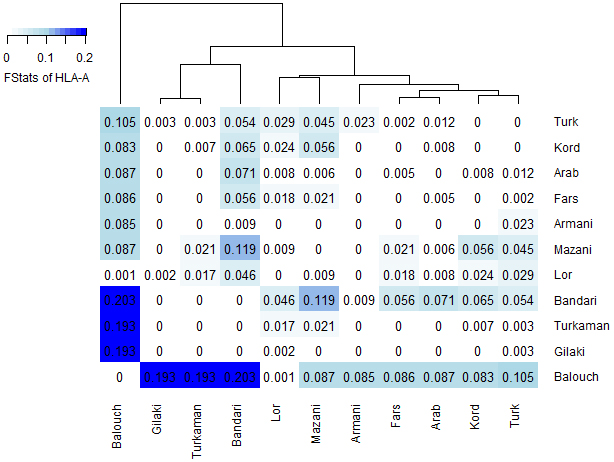
Pairwise FSTs Values of HLA-A genotype frequency among Iranian subpopulation.
Exact logistic regression and multinomial regression models were used to compare the frequencies of HLA alleles between the groups.
Numbers of assessed genotypes, subpopulations and haplotypes
Numbers of assessed genotypes, subpopulations and haplotypes
algorithms (validation
Clustering of genotype frequencies of HLA-A among subpopulations. This neighbour-joining dendrogram shows relatedness among Iranian subpopulations. Genetic distances were calculated using HLA-A allele frequency data.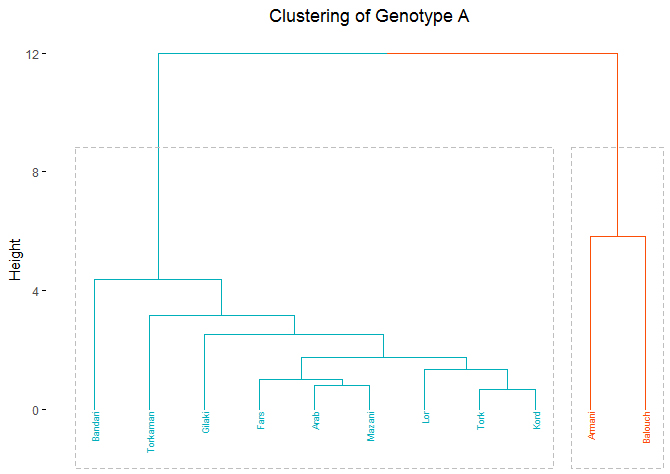
Principal component analysis of the HLA-A alleles.
Frequencies of HLA-A alleles in Iranian subpopulations
Frequencies of HLA-B alleles in Iranian subpopulations
Pairwise FSTs values of HLA-B allele frequency between Iranian subpopulations.
Pairwise FSTs values of HLA-B genotype frequency among Iranian subpopulation.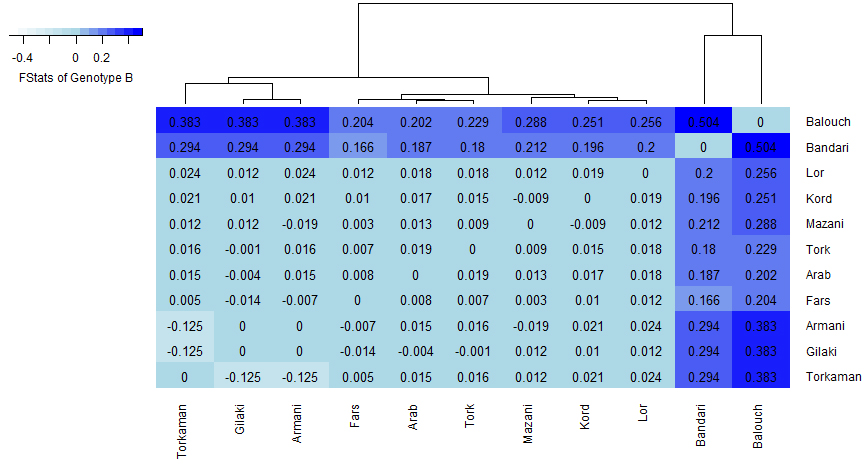
Demographic data
Numbers of assessed genotypes, subpopulations and haplotypes are shown in Table 1.
Distribution of HLA-A alleles and genotypes among Iranian population
In total, 17 HLA-A alleles were detected with one (HLA-A*74) present only among Lors. HLA-A*02 allele had the highest frequency in the population examined. HLA-A*23 and -A*26 were the most frequent HLA-A alleles among Armanis. HLA-A*23 was also common amongst Turkamans. HLA-A*11 and -A*26 had the highest frequencies in the Balouch subpopulation. HLA-A*11 was also frequent among Bandaris and Lors. HLA-A*02 was identified as the most common HLA-A allele among Turk, Arab and Fars subpopulations. HLA-A*30 was highly over-represented among Gilakis compared to the total population. Table 2 shows the frequency of HLA-A alleles in Iranian subpopulations.
Clustering of genotype frequencies of HLA-B among subpopulations.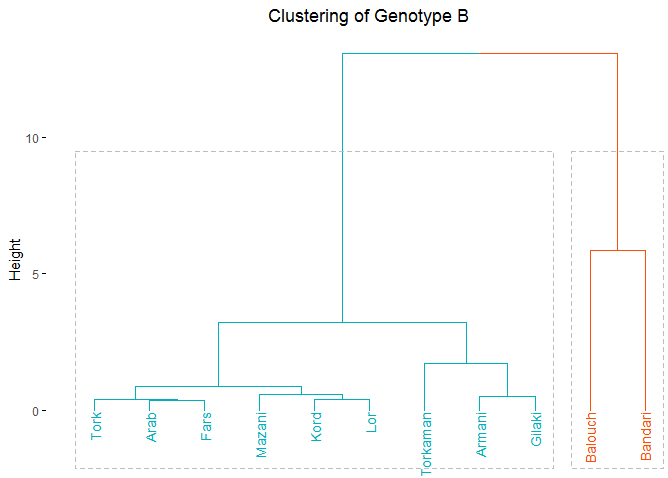
Principal component analysis of the HLA-B alleles.
Frequencies of HLA-C alleles in Iranian subpopulations
Frequency of HLA-DRB1 alleles in Iranian subpopulations
Pairwise FSTs values of HLA-C allele frequency between Iranian subpopulations.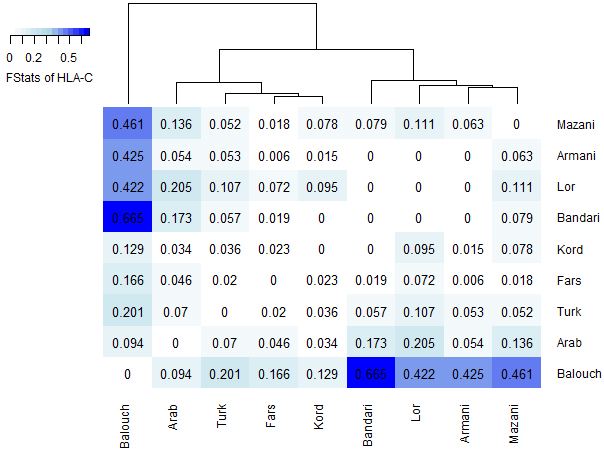
Pairwise FSTs values of HLA-C genotype frequency among Iranian subpopulation.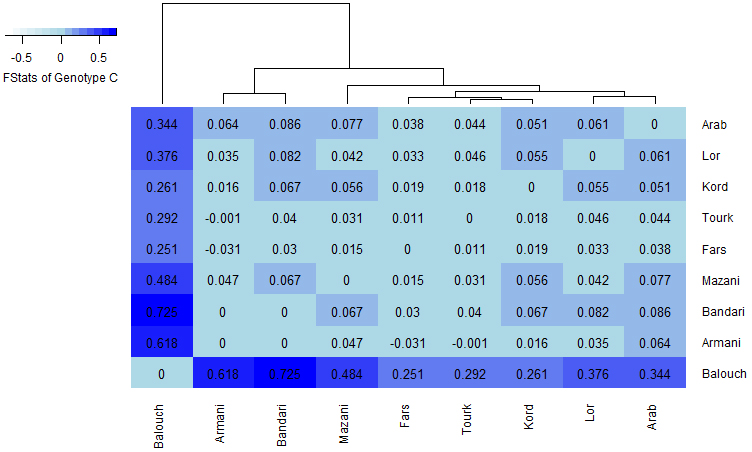
Clustering of genotype frequencies of HLA-C among subpopulations.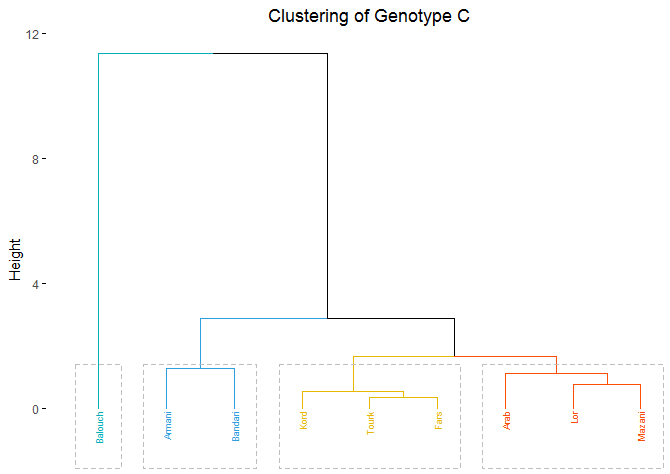
Principal component analysis of the HLA-C alleles.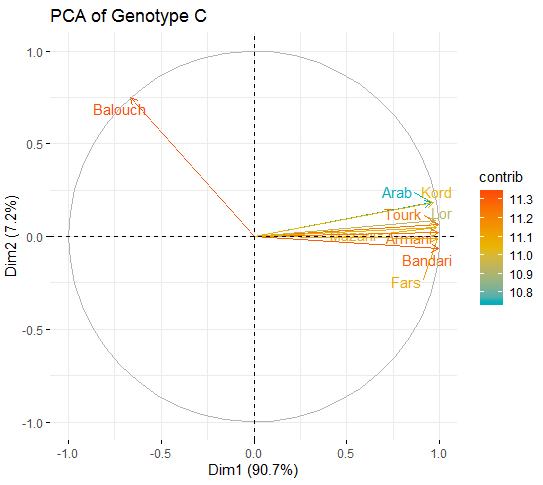
Pairwise FSTs values of HLA-DRB1 allele frequency between Iranian subpopulations.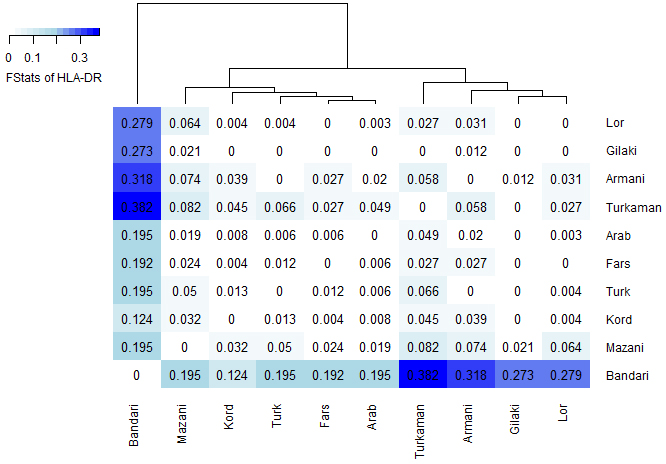
Pairwise FSTs values of HLA-DRB1 genotype frequency among Iranian subpopulation.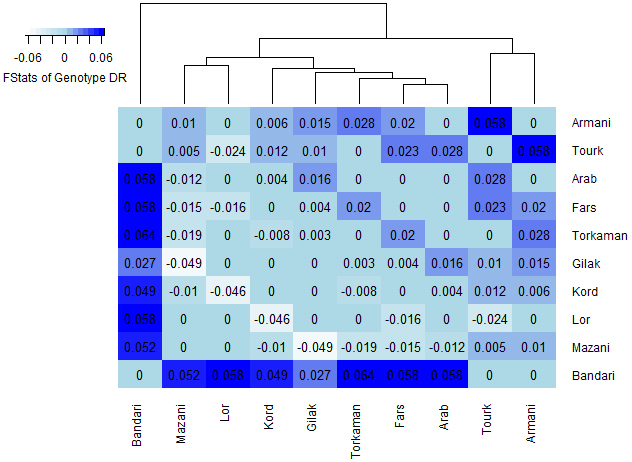
Clustering of genotype frequencies of HLA-C among subpopulations.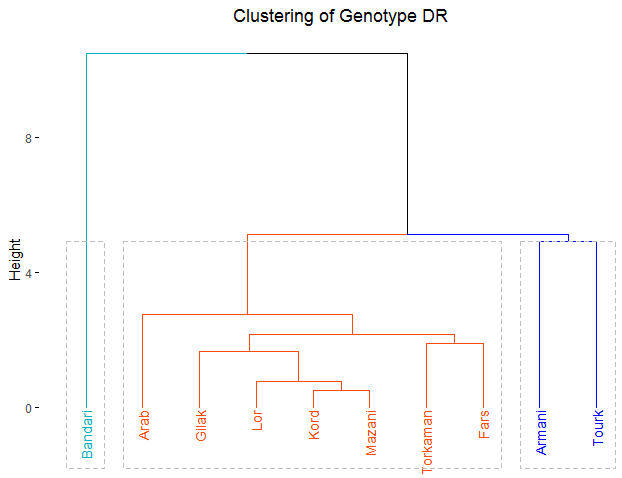
Principal component analysis of the HLA-DRB1 alleles.
Pairwise FSTs values of HLA-A-B-C-DRB1 haplotype frequency between Iranian subpopulation.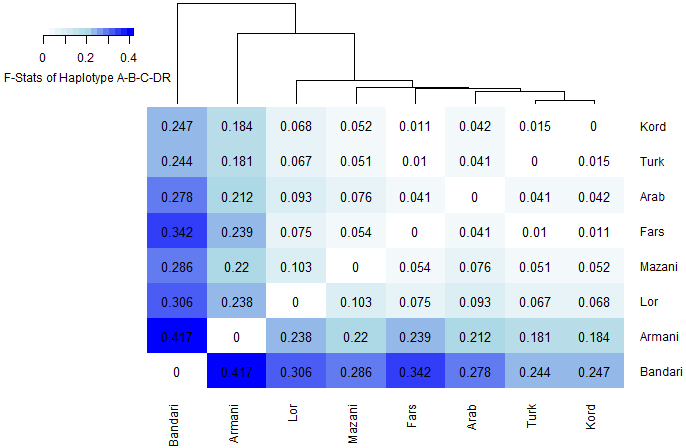
Clustering of HLA-A-B-C-DRB1 haplotypes among subpopulations.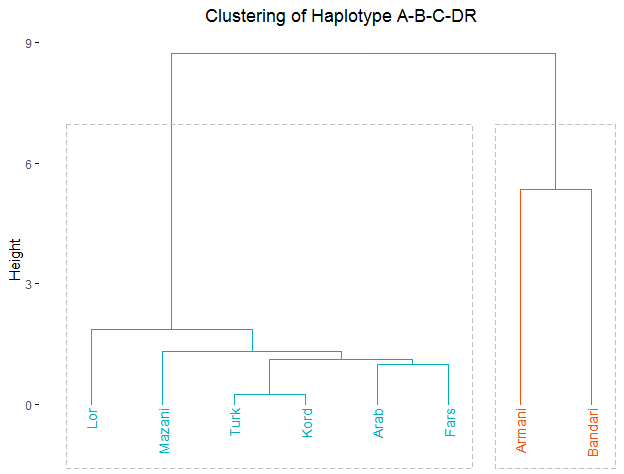
Principal component analysis of the HLA-A-B-C-DRB1 haplotypes.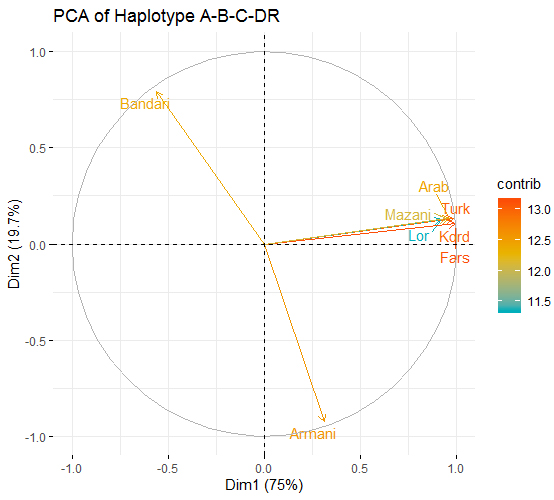
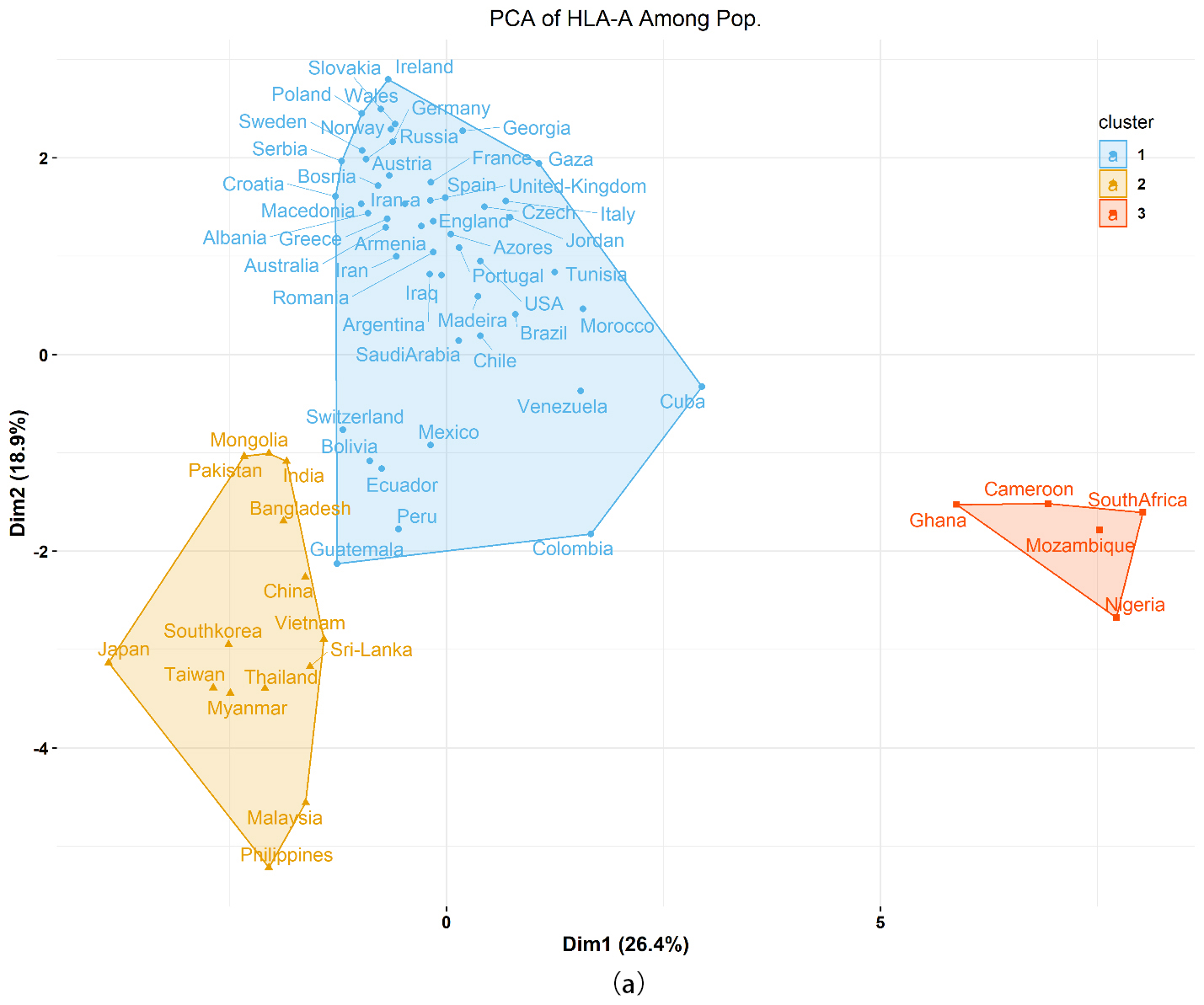
Principal component analysis of the HLA-A, B, C, DRB1 alleles (a, b, c and d, respectively) and HLA-A-B-C-DRB1 haplotypes (e) in different populations.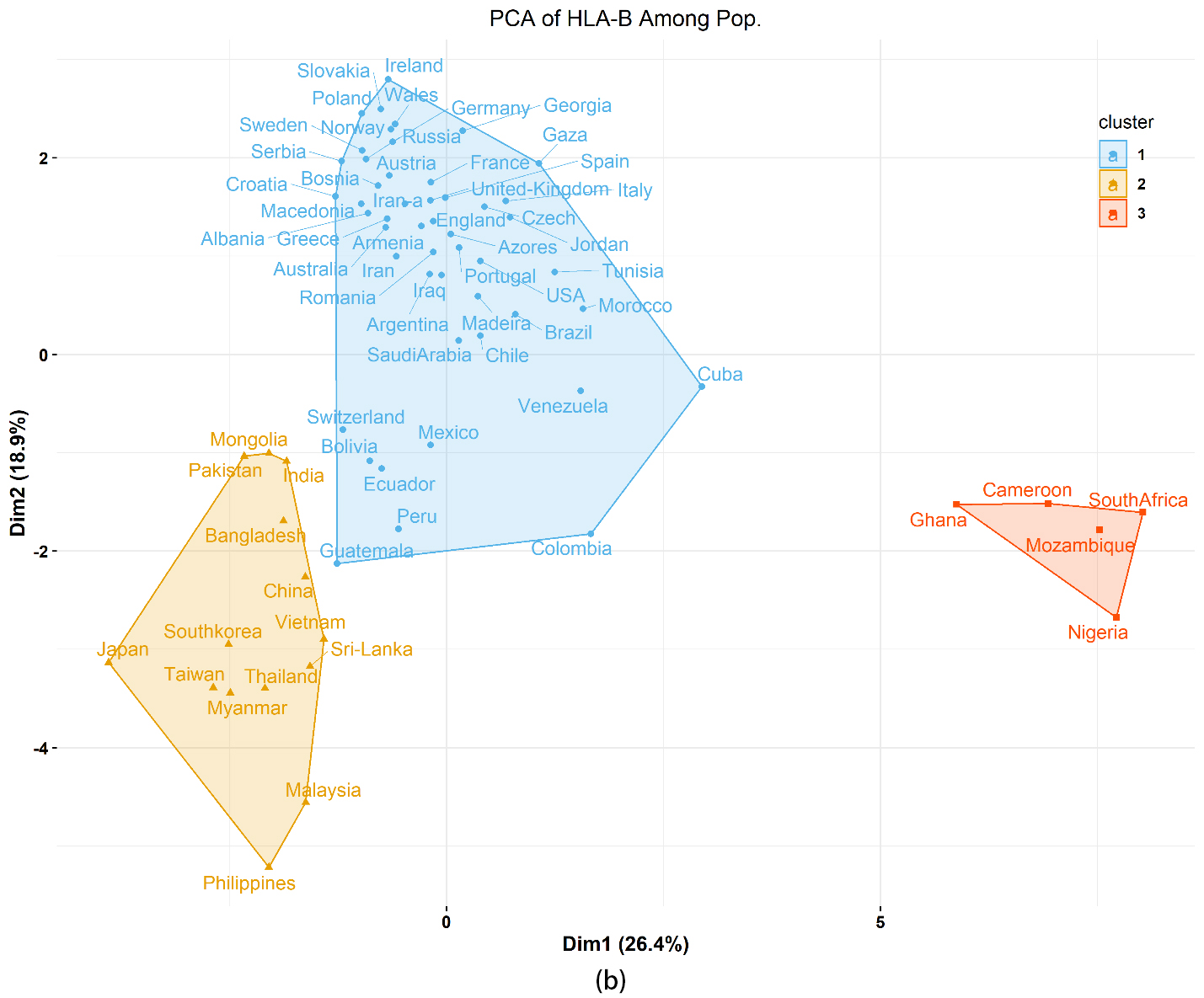

continued.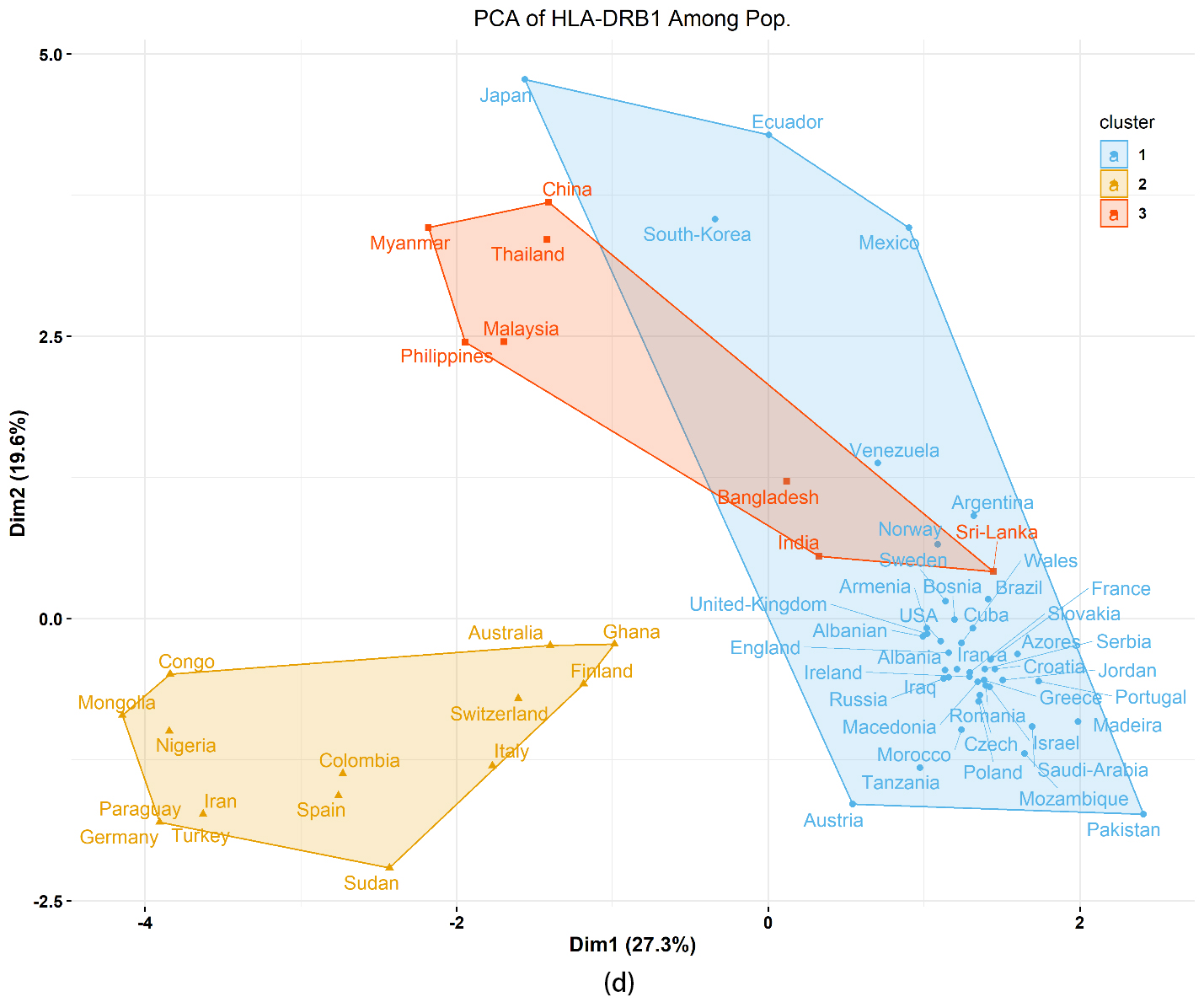
continued.
HLA-A allele frequencies were subsequently used for identification of genetic divergence among Iranian subpopulations (Fig. 1). Based on the FST values, the most significant genetic divergence was detected for the Balouch subpopulation. Assessment of HLA-A genotypes among these subpopulations verified this genetic divergence (Fig. 2).
F-stat
Next, we assessed relatedness among Iranian subpopulations using HLA-A allele frequency data. The neighbour-joining dendrogram shows two distinct clusters of HLA-A alleles. Armani and Balouch subpopulations comprise a cluster, while other subpopulations could be clustered separately (Fig. 3).
The relationships between subpopulations were also tested and verified in the Principal component analysis (PCA) (Fig. 4). These analyses supported the divergence of both Armani and Balouch subpopulations from other subpopulations.
A total of 31 HLA-B alleles were detected in the whole population. While all alleles were present among Fars subgroup, Armanis and Turkamans had the lowest degree of diversity of alleles. Moreover, HLA-B*35 and B*49 alleles were highly over-represented among Armanis and Turkamans, respectively, compared to the total population. Table 3 shows the frequencies of HLA-B alleles in Iranian subpopulations.
Genetic divergence among Iranian subpopulations was also assessed using HLA-B alleles and genotypes (Figs 5 and 6). Based on the FST values, the most significant genetic divergence was detected for Balouch and Bandari subpopulations.
F-stat
The relatedness among Iranian subpopulations was also assessed using HLA-B allele frequency data. The neighbour-joining dendrogram shows two distinct clusters of HLA-B alleles. Bandari and Balouch subpopulations formed a cluster, while other subpopulations could be clustered separately (Fig. 7).
PCA showed the divergence of both Bandari and Balouch subpopulations from other subpopulations (Fig. 8).
Distribution of HLA-C alleles and genotypes among Iranian population
A total of 13 HLA-C alleles were identified in the target population, all of which were present in the Fars subpopulation. HLA-C*03 and C*04 were the only HLA-C alleles present in the Bandari subpopulation. Furthermore, HLA-C*07 and C*12 were the only HLA-C alleles detected in the Balouch subpopulation. Table 4 shows the frequencies of HLA-C alleles among Iranian subpopulations.
Next, genetic divergence among Iranian subpopulations was also assessed using HLA-C alleles and genotypes (Figs 9 and 10). Based on the FST values, the most significant genetic divergence was detected for the Balouch subpopulation.
Consistent with the above-mentioned notes, HLA-C genotypes formed a distinct cluster in the Balouch subpopulation (Figs 11 and 12).
Distribution of HLA-DRB1 alleles and genotypes among Iranian population
Thirteen HLA-DRB1 alleles were detected among Iranian population, all of which were present in the Fars subpopulation. HLA-DRB1*08 was not detected in any subpopulation other than Fars. HLA-DRB1*16 showed a significant over-representation among Bandaris. Table 5 shows the frequencies of HLA-DRB1 alleles in Iranian subpopulations.
Assessment of genetic divergence among Iranian subpopulations using HLA-DRB alleles and genotypes showed significant divergence of the Bandari subpopulation (Figs 13 and 14).
Consistently, HLA-DRB1 genotypes formed a distinct cluster within the Bandari subpopulation (Fig. 15). PCA analysis indicated divergence of Bandari, Turk and Armani subpopulations (Fig. 16).
Distribution of HLA haplotypes
In addition, we evaluated distribution of HLA haplotypes among Iranian subpopulations. Pairwise FSTs values of HLA-A-B-C-DRB1 haplotype frequencies indicated significant divergence of Bandaris from other subpopulations (Fig. 17).
HLA A-B-C-DRB1 haplotypes formed into two distinct clusters, one of which comprised Bandaris and Armanis, while the other comprised the remaining subpopulations (Fig. 18).
Based on PCA analysist of HLA-A-B-C-DRB1 haplotypes, Bandaris and Armanis were divergent from other subpopulations (Fig. 19).
Comparisons with other populations
Finally, we compared HLA allele and haplotype frequencies of Iranian population with other populations using the available data in the Allele Frequency Net Database (
Discussion
In the current study, we genotyped HLA alleles and haplotypes in healthy Iranian individuals from diverse ethnic groups. In total, we identified 17 HLA-A, 31 HLA-B, 13 HLA-C and 13 HLA-DRB1 alleles showing the most significant diversity in HLA-B alleles. Amongst the assessed individuals, HLA-A*02, -B*35, C*07 and DRB1*11 alleles had the highest frequencies among HLA-A, -B, -C, and DRB1 alleles, respectively. Some HLA alleles were present only in certain subpopulations or had considerable over-representation in certain ethnic groups. For instance, HLA-A*74 was detected only among Lors and HLA-A*30 was highly over-represented among Gilakis. Such observations may reflect the presence of a founder effect. The Fars subpopulation had the highest diversity of HLA-A, -B, -C, and DRB1 alleles among the assessed subpopulations.
Previous studies have reported HLA allele frequencies among Iranian subpopulations. For instance, HLA-DRB1*1103/ 04, -DQA1*0501 and -DQB1*0301 are the most frequently occurring alleles and DRB1*1103/04-DQA1*0501-DQB1*0301 was the most common haplotype among Kurd and Azeri populations. Moreover, DQB1*0503 was the only HLA class II allele whose distribution differed between Kurds and Azeris [11]. In a genotyping study of HLA class II genes DRB1, DQA1, and DQB1 in a population of Iranian people from Fars province in Southern Iran, the investigators reported HLA-DRB1*11, -DRB1*15, and -DRB1*04 alleles as the most frequent DRB1 alleles with frequencies of 25.0%, 14.5%, and 10.5%, respectively. Based on their results, HLA-DRB1*12 and -DRB1*08 had very low frequencies [10]. The observed combined frequencies of HLA-DRB1 alleles and high frequency alleles in the current study are consistent with the previous study. In another study of two ethnic groups of Iranian population, HLA-DRB1*0302, *0401, *0404, *0406, *0409, *0410, *0411, *0802, *0803, *1304, *1402, *1403, *1404, was not detected in any individual. In addition, HLA-DRB1*0407 and *0801 were been detected in Parsees [12]. As we did not use a high-resolution genotyping technique, it is not possible to compare our results with this study. However, the low frequency of the HLA-DRB18* allele in the current study is in accordance with the results of the mentioned study. Another study in an Iranian Balouch subpopulation revealed high frequency of HLA-A*02011, B*4006, C*04011 and DRB1*0301 alleles. Notably, the authors showed similarity in HLA polymorphisms between Baloch of Iran and Baloch and Brahui of Pakistan [13]. However, we detected high frequencies of the HLA-A*11, -A*26, -B*08, -C*07 and -C*12 alleles among Iranian Balouch, which differs from the mentioned study.
Based on the HLA-A alleles, both Armani and Balouch subpopulations showed genetic divergence from other subpopulations. When categorizing subpopulations according to HLA-B alleles, Bandari and Balouch subpopulations formed a cluster; while other subpopulations clustered separately. HLA-C genotypes formed a distinct cluster in the Balouch subpopulation. Assessment of genetic divergence among Iranian subpopulations using HLA-DRB alleles and genotypes showed significant divergence of the Bandari subpopulation. Finally, based on PCA analysis of HLA-A-B-C-DRB1 haplotypes, Bandaris and Armanis diverged from other subpopulations. Therefore, Baloch, Bandari and Armani subpopulations are divergent subpopulations from other Iranian subpopulations in the context of HLA polymorphisms.
Finally, we compared HLA allele and haplotype frequencies of Iranian population with other populations. Based on HLA allele frequencies, Iranian individuals were found to cluster with some European populations. Moreover, using HLA A-B-C-DRB1 haplotype frequencies, Iranian populations can be clustered with Italians, Russians, Australians, Japanese, Koreans and some other populations in a distinct cluster. Iranians are regarded as a highly mixed population of Caucasoid origin [14]. Previous HLA typing studies have also suggested some levels of similarities in certain HLA components between Iranian population and Eastern and southern European countries [10]. Our results further support this speculation. The data presented in the current study shows the distribution of HLA polymorphisms among Iranians. This data has practical significance in anthropological studies, disease association investigations and bone marrow transplantation. Further confirmation of these results by high-resolution genotyping methods would further clarify the allele and haplotype diversities among Iranian population.
Ethics approval and consent to participant
All procedures performed in studies involving human participants were in accordance with the ethical standards of the institutional and/or national research committee and with the 1964 Helsinki declaration and its later amendments or comparable ethical standards. Informed consent forms were obtained from all study participants. Informed consent forms were obtained from all study participants. The study protocol was approved by the ethical committee of Shahid Beheshti University of Medical Sciences (IR.SBMU.MSP.REC.1399.560). All methods were performed in accordance with the relevant guidelines and regulations.
Consent of publication
Not applicable.
Availability of data and materials
The analysed data sets generated during the study are available from the corresponding author on reasonable request.
Funding
Not applicable.
Authors’ contributions
SGF, MED and BMH wrote the manuscript and revised it. AS, NN, SP and SAJ analysed the data. AAH, MSH, MTA, AH and MOD performed the data collection and designed the tables. All authors approved the manuscript.
Footnotes
Acknowledgments
Not applicable.
Conflict of interest
The authors declare they have no conflict of interest.