




Abstract
Employees are the main and invaluable resources of any organization to provide useful ideas and solutions to renew the organization’s goods, services, and processes. Besides, employees are a valuable resource for organizations, especially creative organizations, due to their role in solving problems. In this matter, one of the important management skills is the ability to influence people and channel organizational communication processes to achieve optimal and creative productivity. Therefore, this paper aims to demonstrate the persuasion model in creative industries by reviewing the relevant literature. To do so, the library approach and systematic review were applied. First, research studies related to persuasion of employees inside and outside are identified during 2001–2022. The conducted investigations showed that 148 articles related to the persuasion of employees were identified inside and outside the country. Following the initial results, relevant articles were identified and evaluated based on various factors such as title, abstract, and content to select appropriate studies. Through searching databases and using relevant keywords, 38 articles was finally determined. Moreover, some components and indicators are described to persuade employees in creative industries. The findings reveal that the components of motivation, psychological characteristics, mental patterns, structural support, personality characteristics, ability, customer orientation, and social skills play a decisive role in forming employees’ persuasion.
1. Introduction
Persuasion is an activity in which one party (persuader) tries to persuade another party (convinced) to believe (or not believe) certain information or to perform (or not perform) an action [1]. Persuasion is one of the important characteristics of the growth and development of organizations and is always considered an important characteristic of effective organizations [2]. Today’s, businesses frequently witness changes and downsizing in their organizational structure. Therefore, improving and increasing job security depends on a good work ethic, cooperative attitude, and above all self-motivation to fulfill organizational challenges [3–5].
Creativity and production of new thoughts and ideas by organizational managers and employees is of special importance and this has a high status in the organization, therefore successful organizations are those that can survive in a highly competitive world. In recent years, extensive developments in the field of technology and communication and the emergence of creative industries that are the result of changes in the policies, have increased the importance of these industries and the role of their creative talents in creating a competitive advantage and providing diverse cultural-economic products. Persuasion is the basic and final goal of all types of communication behavior. Successful and effective communication is the kind of communication that leads to the desired result, i.e. persuasion. In this case, it can also be called transcendental communication. When a message comes and the recipients receive this message, they can have three types of reactions: rejection and negation, indifference and neutrality, acceptance and satisfaction. When acceptance occurs, it can be said that the recipient and the audience are persuaded. Persuasion is defined as a communication process in which a source expresses evidence and results, and his/her goal is to prevail over the recipient and bring about a change in him/her [6].
Persuasion in creative industries can be seen as the level of employees’ confidence in their ability to convince others to accept and learn their (or others’) new ideas [7]. After developing or hearing about a new idea, employees must spread the idea to their colleagues and convince them of its value. The purpose of this persuasion process is to increase the acceptance of an idea for others. Therefore, persuasion that includes the use of arguments or evidence in favor of a subject will generally be successful in changing the attitude of the intended targets. In this regard, persuasion researchers use communication models to evaluate how changing variables in a communication process affect influencing variables such as attitude and behavior. Communication models of persuasion generally consider the process of persuasion as dependent on the number of communication variables [1].
Until recently, several models have been designed for persuasion, among which the persuasion model of Hovland and his colleagues is the oldest model of persuasion and attitude change. They published their findings in 1953 in a work entitled “Communication and persuasion’’ [8]. According to Howland’s persuasion model, persuasion takes place during six basic stages (exposure to the message, paying attention to the message, understanding the message, accepting the conclusion related to the message, stability of the new attitude, and converting the attitude into behavior). Also, the model of probability of scrutiny or probability of analysis was formulated by Petty and Cacioppo (1986) which mainly deals with the analysis of the message analysis process by the audience. The Elaboration Likelihood Model (ELM) is a dual analytical approach to consumer behavior change developed by Richard Petty E. and John T. Cacioppo. The ELM model describes how attitudes and persuasion are formed depending on whether the subject’s motivation and degree of involvement is high or low. Depending on the level of involvement with the product and/or its consumption, communication can take two separate paths. That is, whether or not a person will engage in persuasive action depends largely on the nature of the persuasion [9].
This research explains the importance of reviewing persuasion in guiding the clinical method, providing information for future research and influencing decision-making, considering that persuasion is a process that, by resorting to reasoning and feeling in the form of verbal and non-verbal and media skills, influences the mentality of people often to change their behavior and force them to take a certain action. He feels that he fulfills the set goals and guidelines according to his will, but in fact, it involves some kind of psychological pressure, which appeals to emotions in the path of motivation, between logic and logical reasoning. Persuasion is intermediate between logic and reasoning and threat and punishment.
Another important model that has been used to explain the process of persuasion and attitude change is the cognitive dissonance model. This model, which was first presented by Festinger [10], assumes that a person naturally has a desire for harmony and moderation. For this reason, any factor that disrupts this coordination can provide the basis for some elements of recognizable construction. In the 1980 s, the intuitive-systematic model was also proposed; one of the principles of this model is the principle of least effort and the principle of sufficiency, and based on this, a person tends to navigate the shortest and fastest way to reach a conclusion and make a decision with the least amount of information and energy. The Nicosia model [11, 12] focuses on the relationship between the company and its potential consumers and is a persuasive marketing model, and in design, an interactive model in which the company tries to influence customers and in turn, they affect the company with their actions or reactions. Bateman’s model also provides a detailed view of information and cognitive processing regarding consumer choice. In this view, the consumer is considered as a person who has a limited capacity to process information and there is no need to provide details to convince him.
1.1. Main contribution
It can be said that persuasion is the level of employees’ confidence in their ability to convince others to accept and learn their (or others’) new ideas. After the development by hearing the new idea, the employees must present this idea to their colleagues and convince them about its value. The purpose of this process of persuasion is to increase the acceptance of an idea from others [7]. Persuasion, which involves the use of arguments or evidence in favor of an issue, will generally be successful in changing the attitudes of the intended target. Expanding on this point, we can see that in creative industries, the lack of employee persuasion leads to organizational silence, organizational passivity, killing the spirit of innovation and individual and organizational creativity [3].
For this purpose, to maximally increase efficiency and productivity, one should know the effective psychological factors to increase efficiency in the organization and plan programs for the growth and excellence of employees and managers along with their creativity in the company took steps. Therefore, the purpose of this research is to design a model of employee persuasion in creative industries.
1.2. Theoretical foundations and research background
Persuasion is a process that aims to use information (true or false) to change people’s attitudes toward a particular issue, which is usually considered a precursor to behavior change. The use of persuasion is common in democratic societies, because it does not allow the censorship of information or the use of force to establish power. The transfer of information from/to the Internet and the emergence of social media, along with the capacity to record, store and process big data and advances in machine learning, have transformed the methods of persuasion. [13]. Persuasion is an attempt to change and challenge people’s current preferences or creates a new collective meaning. Indeed, persuasion is considered an important central mechanism for constructing and reconstructing social truths. Persuasion can be seen as a process in which the agent’s actions are transformed into social structure, ideas into norms, and subjective into inter-subjective. Therefore, it can be said that persuasion is one of the important components of social interactions that covers a wide range, from commercial organizations to governmental and non-profit organizations [14].
The effectiveness of persuasive efforts can be influenced by a wide range of variables. Much of the research on persuasive effectiveness focuses on three broad groups: source effects, message effects, and receiver characteristics [15]. The creative industry is seen as an important economic sector by governments around the world. Countries such as France, Germany, Singapore, and Hong Kong use creative industries to improve their economy. The growth of the creative industries sector relies on the growth of creative people as individual competencies. Therefore, a company will be successful in the future that focuses not only on the development of technology and market, but also on the development of human resources [16].
Studies and research on persuasion evolved when personal influence became associated with expert and authority power. In this regard, Lukashevsky [17] argued that “the biggest weakness in management performance is the human dimension”. Therefore, bridging the communication gap between managers and employees with people’s understanding of the bigger organizational picture should be a priority for managers. With the passage of time, most researchers have developed and applied the concepts of persuasion in their own ways according to their research framework. For example, they supported the importance of internal communication within the organization and considered it as an area neglected by managers. Kitchen and Daly [18] tried to capture the nuances of employees’ perceptions of their workplace. Their observations confirmed that there is no uniform definition of any measurement tool on persuasion for the workplace Pradhan & Jena [14]. The term persuasion in the organization is largely used by communication professionals as educational and a development intervention in various forms such as communication and employee interactions.
Sparrow and Cooper [19] emphasized the role of communication as a harbinger of Organizational Development while emphasizing the fact that trust and cooperation are the enablers for persuasion. [14] highlighted the fact that responsiveness to persuasive communication is largely based on personality traits.
Za et al. [20] examined the increase of competence acquisition in the workplace through a persuasive system and believed that the continuous development of individual competences is an essential tool for organizations that aim to achieve a long-term competitive advantage. In a study entitled “A Framework for the Study of Persuasion”, Druckman [21] stated that persuasion is a vital part of any country’s politics and winning elections and political disputes often depends on each side being able to persuade more people.
Eisend & Tarrahi [22] in the article “Knowledge of persuasion in the market: a meta-analysis” stated that the effects of knowledge of persuasion can be considered significant compared to the efforts of persuasion, and therefore the effect of knowledge of persuasion depends on the characteristics of the persuasion process. Wang et al. [23] also found in a research entitled “Signaling persuasion in crowdfunding entrepreneurial narratives: the debate of subjectivity versus objectivity” that persuasion in the form of subjective and objective elements can help attract capital and has a direct impact on finances. In a research, Stavraki et al. [24] studied the effect of emotions on information processing and persuasion through a differential evaluation perspective. They showed that emotions can affect information processing and persuasion depending on the evaluation of the degree of emotion (its salience).
In the article “Fun in the workplace and creative performance of employees”, Santhose and Lawrence [25] stated that to produce productive results and creative performance, organizations should focus on techniques to attract more people. Afzal et al. [26] in a research entitled “Use of persuasion and representation of conflicts in newspapers” found that Aghab Newspaper portrays events persuasively. Teeny et al. [27], in an article “A review and conceptual framework for understanding personalized matching effects in persuasion”, stated that one of the most reliable and effective ways to increase a persuader’s attractiveness is to match the given aspect of the proposal (i.e. content, source, or environment) with its recipient.
Sharifee & Salim [28] discussed persuasive communication based on multidimensional recognition of the audience. This research introduced and examined seven characteristics (motivations, psychological characteristics, previous beliefs, moral judgments, mood, mental patterns, and media literacy) with the method of systematic review of sources, which are among the most important known factors of the diverse personality of the audience. In a research, Ziaei et al. [29] discussed the theory of media persuasion and its representation in the information function of libraries. They found media persuasion useful both in shaping and encoding as well as decoding information. Barati & Abdoli [30], stated that the methods of persuasion in disclosing financial reports of companies have a positive and significant relationship with three types of motivations, including managers’ job ownership, i.e., power-seeking motivation, self-infatuation motivation, and group and political motivation. Also, [31], in a research, analyzed the content of the most visited Iranian sites in the field of health from the perspective of methods of persuading the audience to change smoking behavior. They found that the media and virtual space as one of the intervening factors in changing behavior can play a role in persuading people to quit smoking. Karampooret al. [32] investigated audience persuasion in Nahj al-Balagha. According to the investigations, it is found that Imam Ali (AS) has used all kinds of techniques and methods of persuasion in his speeches, such as preaching, wisdom, and preaching to convince the audience.
2. Methods
This research is based on the method of meta-synthesis. Meta-synthesis is a qualitative method based on a systematic review of library studies for a deep understanding of the studied phenomenon. Data collection was performed using library studies and research background checks. The present study is based on the nature of the interpretative paradigm. Based on the library method, the researcher will try to review the past studies regarding the persuasion of employees. To extract suitable articles based on the relevant keywords, some specific criteria are taken into account. In this research, the criteria for accepting or rejecting articles are according to the following table:
Acceptance or rejection criteria of articles.

In the qualitative findings analysis and synthesis section, first, all the components extracted from the study are considered as codes. Then, considering the meaning of each of these codes, they are classified under similar concepts. The process of refinement and review is mentioned according to the entry and exit criteria, for example, Persian articles before 2000 and English articles before 2001 were rejected. The selection of articles published in 2 languages, Farsi and English, was considered as the entry criteria from the beginning. The validity of the studies depends on the articles published in reliable journals and databases. Personal comments, and personal databases were not accepted criteria.
Throughout the meta-synthesis process, the selected and finalized articles were continuously re-read to obtain their findings. In the analysis and synthesis of qualitative findings, first all the extracted components were considered as codes. Then, considering the concept of each of these codes, they were categorized under a similar concept. Following the initial results, relevant articles were identified and evaluated based on various factors such as title, abstract, and content to select appropriate studies. Based on this, an effort was made to identify research studies related to persuasion and creative industries during and outside the years 2001 to 2022. Totally, 148 articles related to the employees’ persuasion were identified inside and outside of Iran. After relevant investigations and removal of unrelated articles, 38 articles were finally determined. The description of the selection process of the articles is described in the Chart 1.
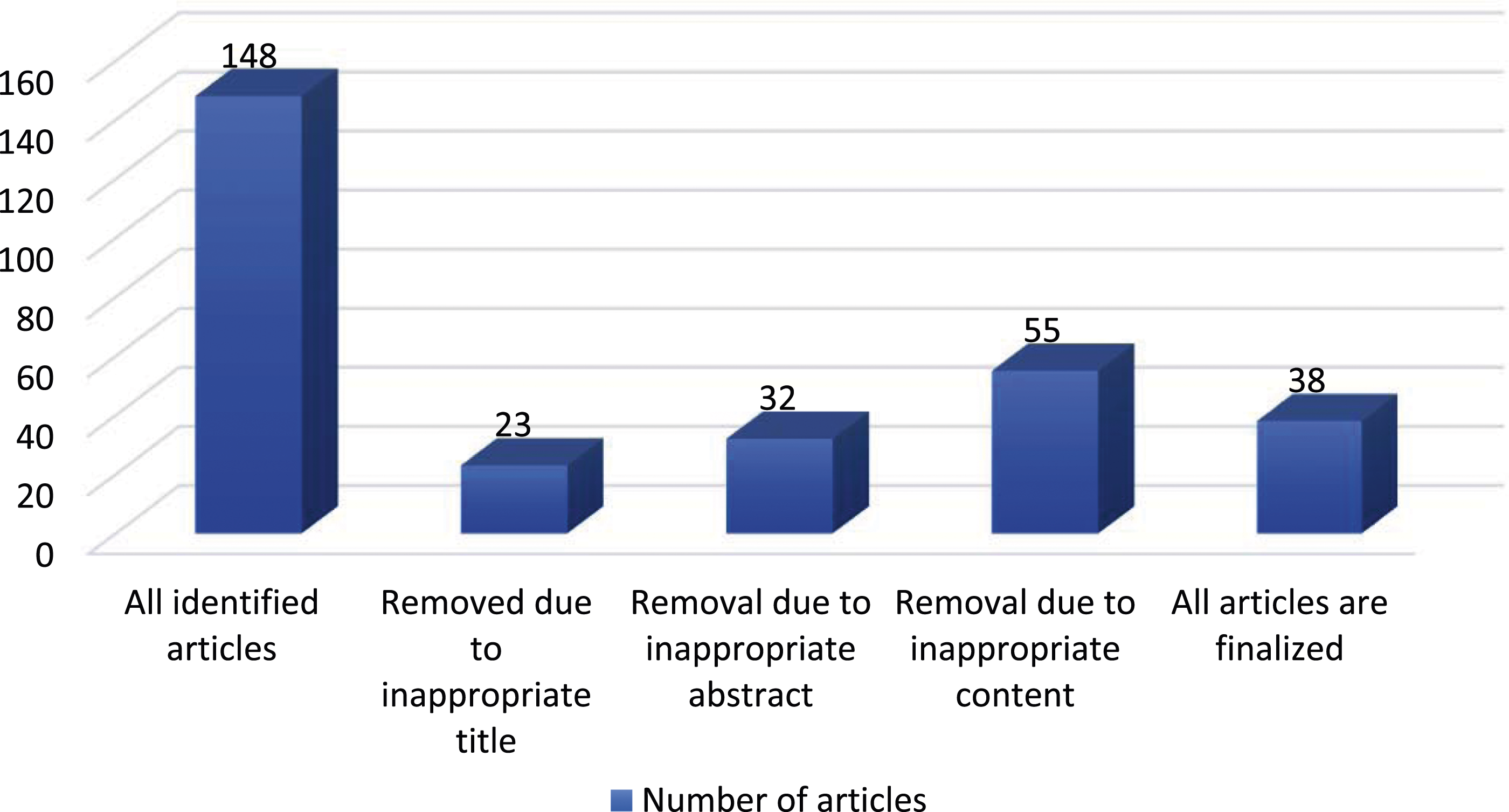
Selection process of selected and finalized articles (Resource: Research findings).
In total, the number of frequencies for domestic and foreign studies is 11 (chart 3) and 27 (chart 2), respectively. In total, there were 38 articles (Table 3).
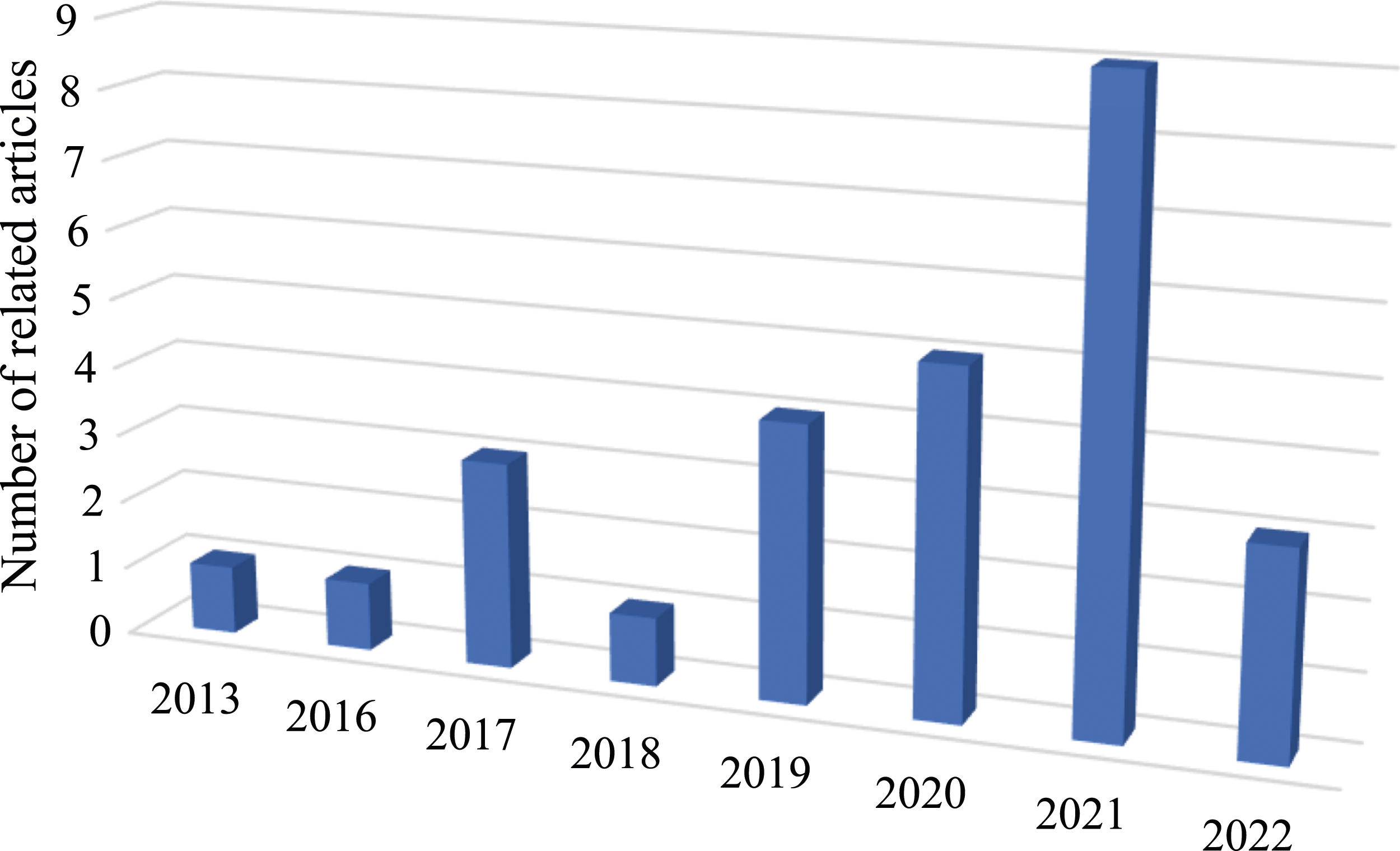
Foreign studies (Resource: Research findings).
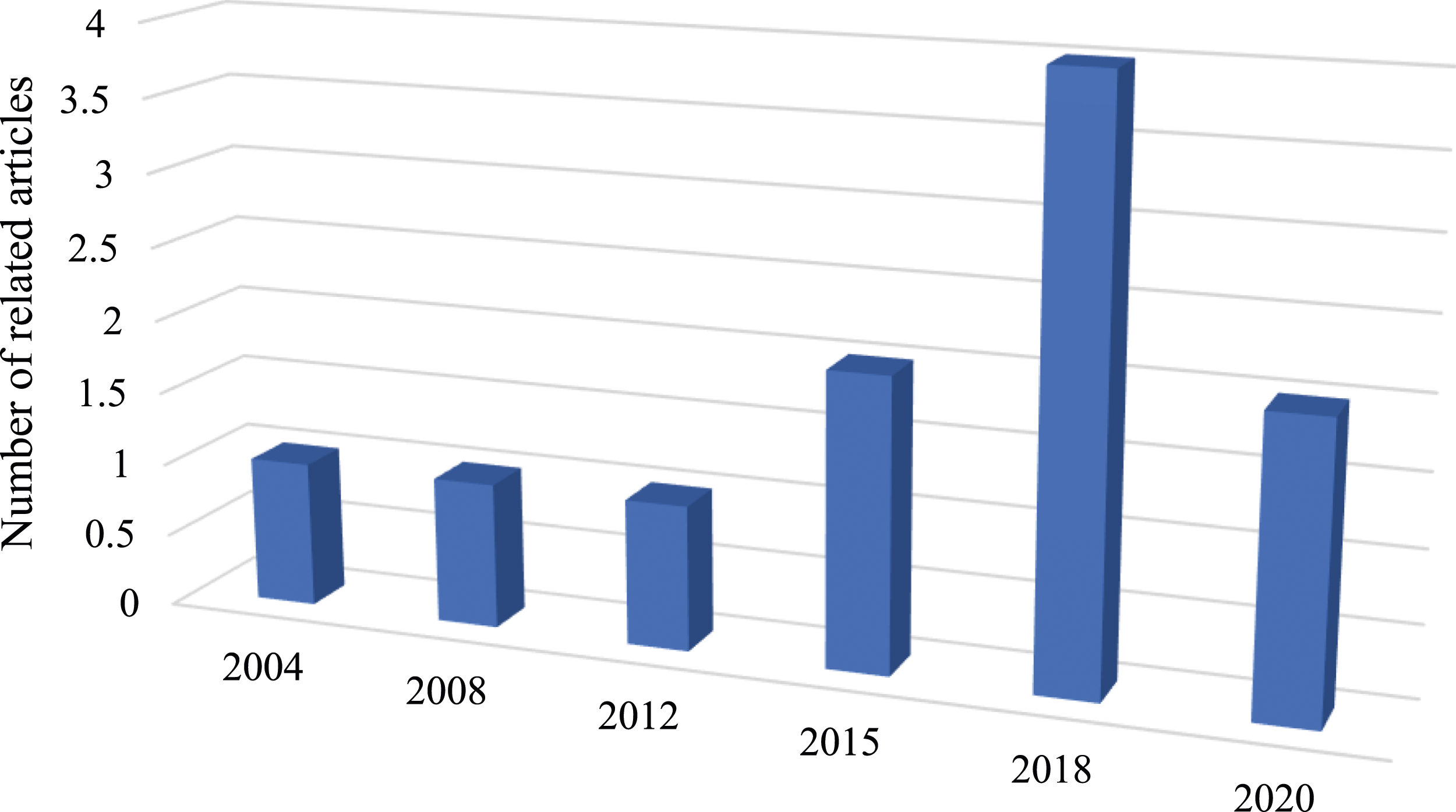
Internal studies (Resource: Research findings).
3. Results
According to Table 1, 38 articles were selected for review. According to Table 2, 11 articles in the internal studies section and 27 articles in the foreign studies section were prepared for analysis. Also, the trend of the number of internal and foreign studies in the field of employee persuasion in creative industries is described in Table 4 and chart 4. Table 5 and chart 5 shows the percentage of concepts used in the studied years in the number of related foreign articles.
A comprehensive review of the research conducted on persuasion of employees in creative industries.

Frequency of domestic and foreign articles related to the studied years in selected researches.
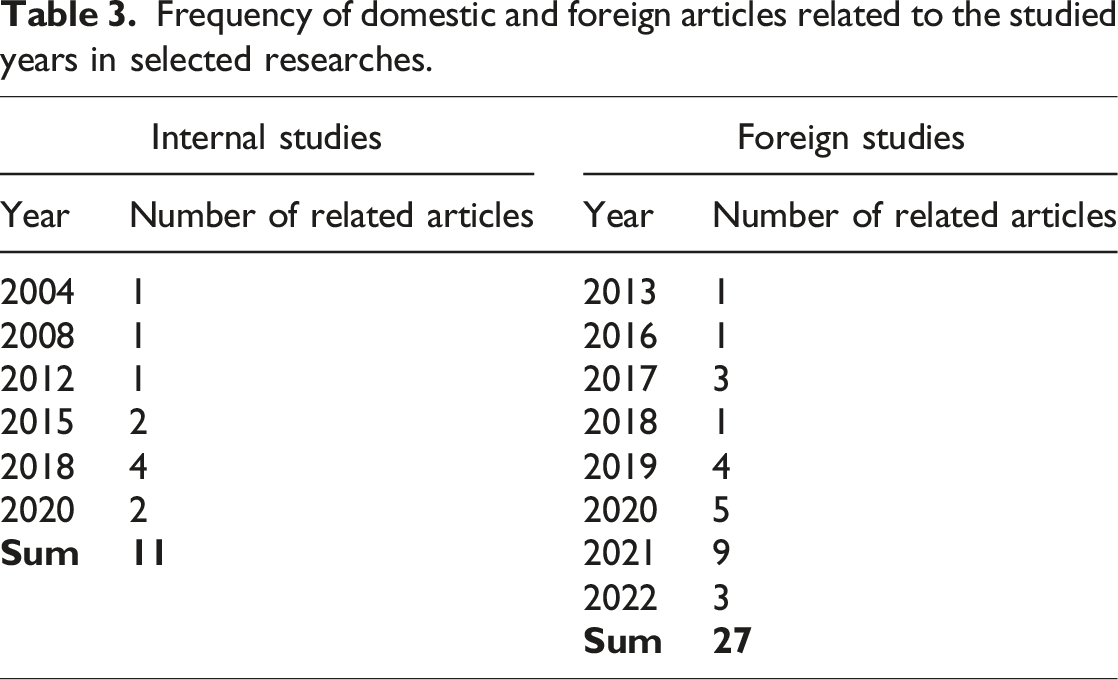
Conceptualization of employee persuasion in creative industries in internal research.

Conceptualization of employee persuasion in creative industries in foreign researches.

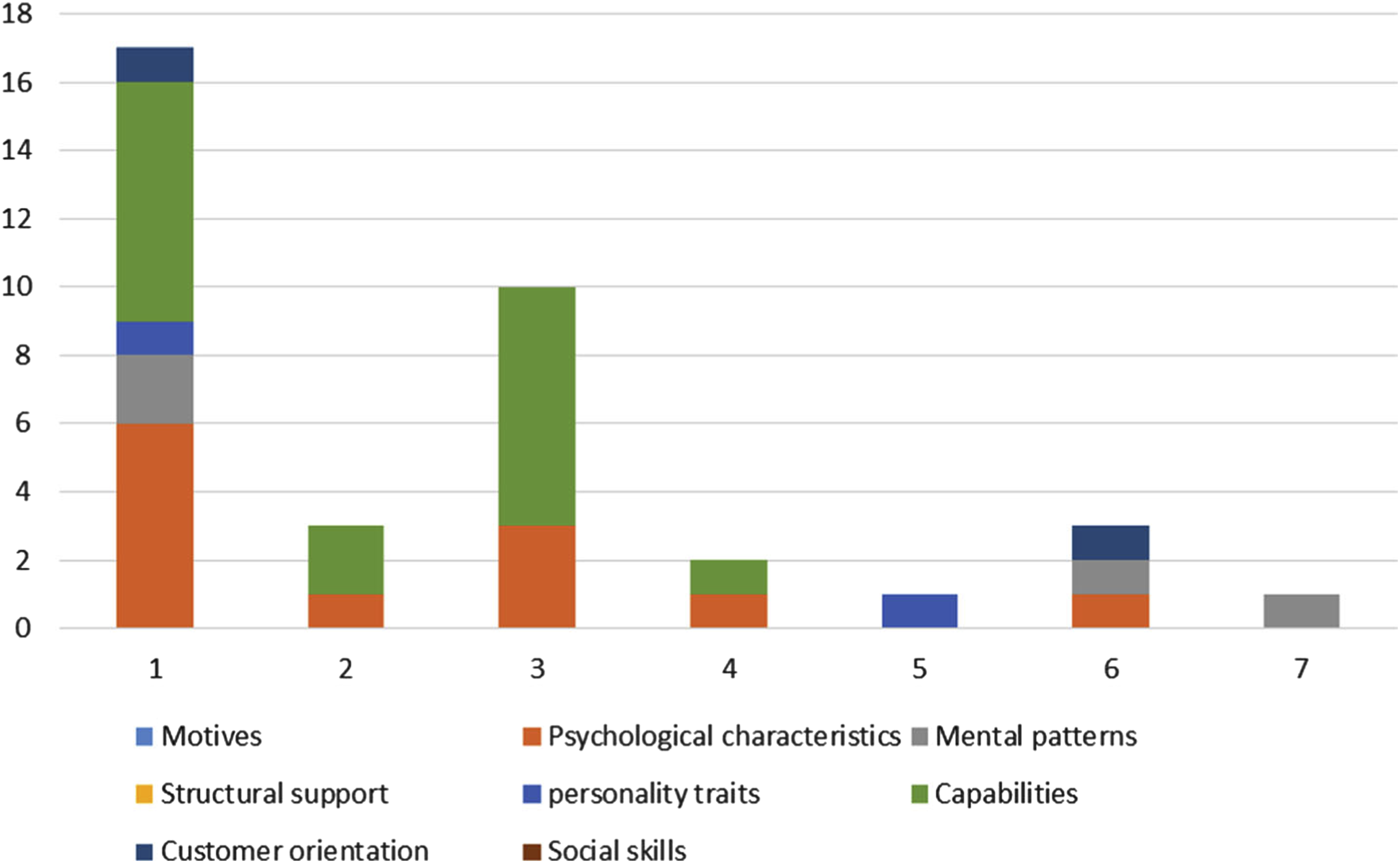
Conceptualization of employee persuasion in creative industries in internal research (Resource: Research findings).
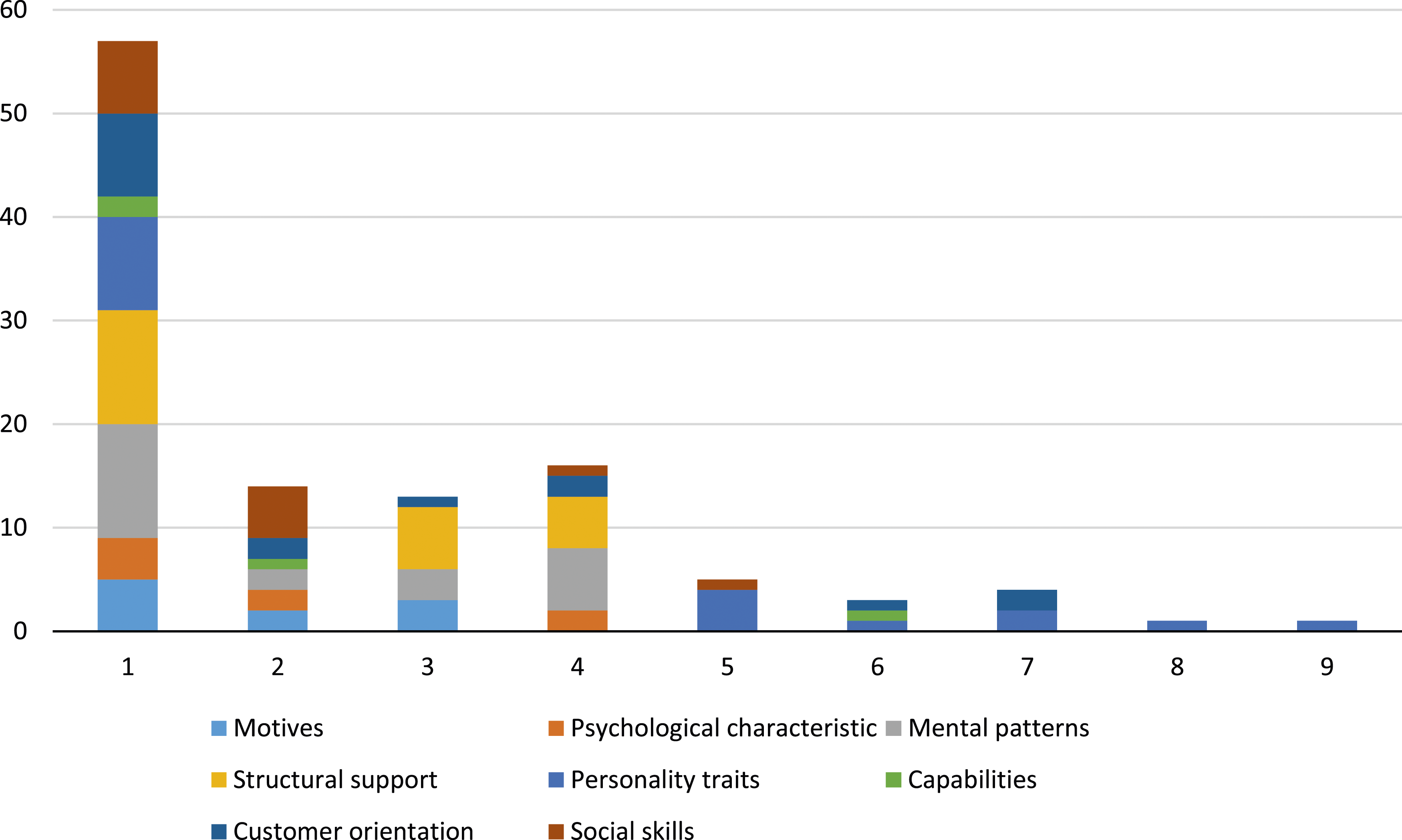
Conceptualization of employee persuasion in creative industries in foreign researches (Resource: Research findings).
Table 6 shows the percentage of concepts used in the studied years in the number of relevant foreign articles. The investigations carried out in the previous studies finally led to the identification of the components that play a decisive role in the formation of employee persuasion in organizations. The result obtained is presented as described in Table 6 and chart 6.
Indicators and components of employee persuasion.
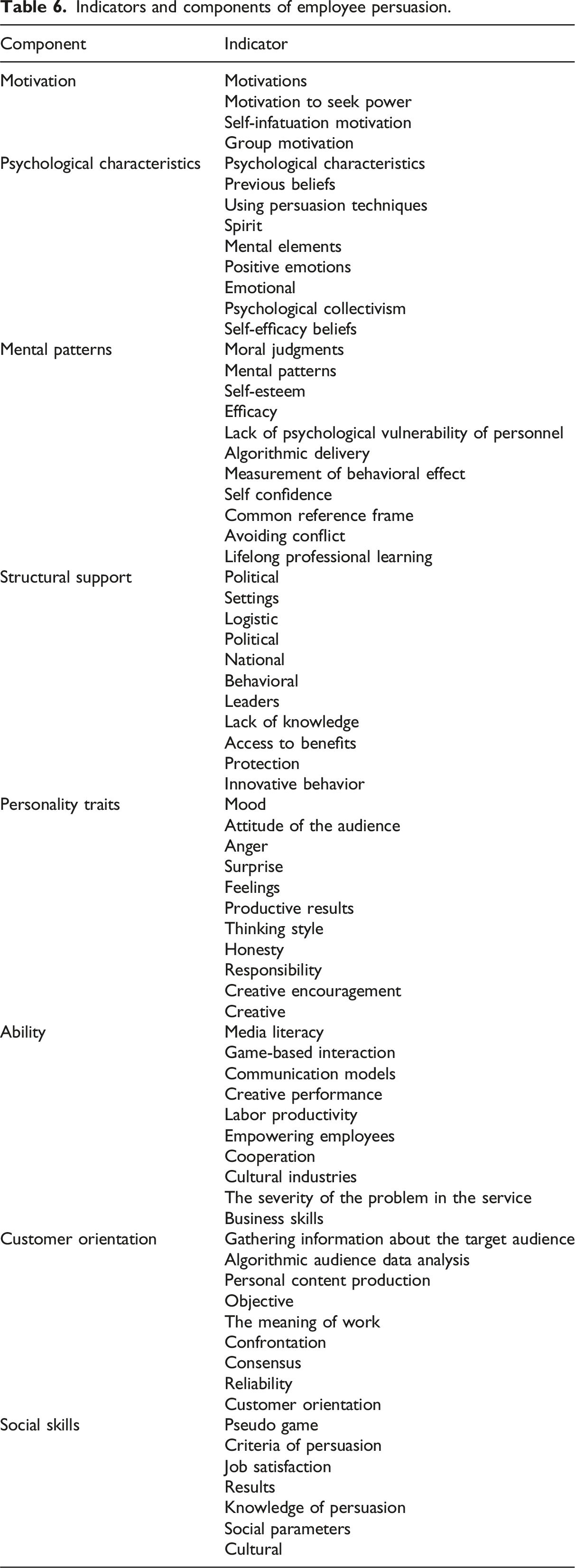

Indicators and components of employee persuasion (Resource: Research findings).
As shown in Table 6, the analysis of the studied sources showed that the components of motivation, psychological characteristics, mental patterns, structural support, personality characteristics, ability, customer orientation, and social skills play a decisive role in the formation of employees’ persuasion.
4. Discussion and conclusion
Creative industries have various types, all of which use creativity and culture. Like other industries, the issue of innovation in products, services, and processes is inevitable in these industries as well. But finding a way to measure innovation in this field requires knowing different patterns of innovation in the mentioned industries. Innovation in creative industries, in addition to common innovations that are known at the product and process level, includes soft innovation that is also aesthetic and hidden. Due to the increasing competition in creative industries, the need for innovation in industries that are mostly managed in a traditional and common way is felt more than before, because innovations help to make cheaper and quality products. In this way, knowing the main indicators of innovation in creative industries helps the sustainability of the products and services of this field [55].
In research about creative industries, it is necessary to deepen the understanding of the special characteristics of creative industries from the point of view of intangible value creation and their manifestations in different fields [56]. The creative organization is a new cultural company that seeks economic benefits through using creativity, knowledge, and innovation of its employees [57].
In recent years, interest in using behavioral insights and choice architectures to create more prosperous societies by changing attitudes and behavior has increased [58]. In a 2010 report by a government think tank in England, Dolan and colleagues argue that “many of the biggest policy challenges we face now will be solved only if we succeed in persuading people to change their existing behavior, lifestyle, or habits.” Fortunately, our understanding of the effects on the behavior of others has increased significantly, and this shows the way for new approaches and new solutions.
We live in a work-dependent world where we are expected to connect with the system and motivate others to do the work. In this regard, persuasion is one of the influencing skills to gain the trust of others and accept the message with their full satisfaction, without the need for material and spiritual encouragement or intimidation and threats, to achieve a specific goal [28]. In this regard, creative people often have well-developed persuasive skills, which often encourage and promote positive response to new ideas and change management in any place. Therefore, creativity is related to personality traits, processes, products, as well as persuasion and potential Rose & MacGregor [13].
According to the investigations carried out in this research, no research has focused on the persuasion of employees in creative industries; therefore, there is a large scientific and practical gap in this issue. Findings showed that the components of motivation, psychological characteristics, mental patterns, structural support, personality characteristics, ability, customer orientation, and social skills play a decisive role in the formation of employees’ persuasion. These results show that the effective components in the occurrence of persuasion of employees can be classified at the individual, organizational, and external levels, just like customers.
In the individual section, when people have different personalities and attitudes, this will undoubtedly be effective in forming the level of persuasiveness of employees by managers. Some people cannot easily accept any new thing; as a result, the amount of persuasion undoubtedly depends on the personality characteristics of people. On the other hand, the results of this study showed that the support of managers and the provision of conditions can help people to perform their work activities with a more favorable level and achieve better job results. People can perform new activities when they feel they have good conditions and have favorable support from their managers and leaders.
Also, the present study has shown that the customer dimension itself has a decisive role in this field. The behavioral approaches of customers and the efforts that managers and organizational policy makers will make to recognize and classify their customers have made people aware of their managers’ decisions by relying on correct and practical information. This way, employees can accept managers’ decisions with higher logic and understanding. In the long run, this has made many of the managers’ decisions to be digestible for the employees, and finally, they deal with organizational events with a higher openness.
The result of all these cases makes the persuasion of employees within the organization to occur with a higher quality. As a result, it is these people who, by creating a commonality between their individual and personality characteristics, organizational characteristics, as well as the views and characteristics of their customers, ultimately express a certain level of persuasion. In this regard, researchers in various fields are looking to investigate the issue of what inner motivations convince a person, what kind of persuasive message is effective and why most people in organizations and in the heart of society turn their attention to powerful persuaders. Persuasive communication influences creative organizations to engage their employees [59]. Experts express this issue as an important process in the organizational communication channel [60]. Research on persuasion in creative industries evolved when personal influence became associated with expert power and organizational authority in industries.
Heilman ME, Hornstein [61] recommended reliance on persuasion in creative organizational settings. On the other hand, filling the communication gap between managers and employees in creative industries with the help of people’s understanding of the organizational image should be a priority for managers [62]. According to their research framework, most researchers have developed the concepts of persuasion in creative industries in a unique way. Benoit and Benoit [63] believe that understanding how persuasion works is very useful for people working in creative industries because people both send messages as sources and receive persuasive messages as audiences or targets for both situations [64].
The idea of persuasion refers to the fact that people seek to effectively convey their goals to the audience [65, 66]. The effects of persuasive knowledge on communication variables are different in creative industries. Research has shown that increasing persuasion knowledge improves consumers’ skills in identifying their benefits from marketers’ persuasion efforts [67]. Based on results, the following suggestions are presented for the use of managers and organizational policy makers: - Efforts to develop teamwork spirit and also improve the motivation level of cooperation among people in organizations - Creating a positive mentality in people through holding training courses to fully familiarize people with managers’ decisions - Creating complete and necessary equipment and facilities for employees to perform work so that working conditions are easier for people. - Creating an organizational atmosphere in which managers and policy makers provide special support to their employees and as a result, employees feel more comfortable. - Trying to evaluate the personality characteristics of employees so that these people have more compliance with their job activities and as a result, managers and policy makers create a better understanding of the existing conditions. - Creating a customer behavior analysis unit so that the outputs of these analyzes are used by managers to justify their decisions.
Undoubtedly, researchers face limitations in the way of conducting their research that may affect the results of the research. Knowing these limitations makes it possible to better interpret the research results as well as improving the quality level of future research. As the creative ideas and achievements of employees increasingly become the cornerstone of organizations’ competitiveness in today’s knowledge-based economy, more research is needed in this area to improve our understanding of what, how, and why certain contextual factors and individual differences affect employees. As another limitation, it should be acknowledged that the case study approach limits the generalization of the findings to other domains. Despite this limitation, this research plan provides the possibility of in-depth examination of the role of employee participation in promoting persuasion in the creative industry. Depending on the type of research method, low-quality studies may be included, which increases the risk of bias. Another limitation is related to the research methodology, and there is an ambiguity whether using other methods will give similar results or not. Considering that there was a limitation related to the research methodology in this research, it is suggested that future researchers use other interview-based qualitative analysis methods such as thematic qualitative analysis or the grounded theory method to identify components and indicators in order to persuade employees in creative industries. Also, it is recommended to take advantage of different methods and techniques such as Fuzzy Delphi, DEMATEL, ANP, and Smart PLS, and design and explain persuasion models. Although the use of the meta synthesis method plays a significant role in acquiring common knowledge in the field of employee persuasion, the evaluation and quantification of the proposed models helps the validity of the results. Since the results of the current research were conducted with a qualitative research approach and derived from scientific research, caution should be exercised in generalizing the results to creative industries. It is also possible to improve the validity of the results by using statistical tools for this purpose. Therefore, it could be noted that creative industries identify their own employees’ persuasion indicators and establish a unit to evaluate the indicators in their industry.
Footnotes
Acknowledgments
Not applicable.
Author contributions
Conception: Mehran Ebrahiminejad
Methodology: Mehran Ebrahiminejad
Data Collection: Mehran Ebrahiminejad
Interpretation Or Analysis Of Data: Fereshteh Amin
Preparation Of The Manuscript: Fereshteh Amin
Revision For Important Intellectual Content: Seyed Mehdi Sharifi
Supervision: Seyed Mehdi Sharifi
All authors acknowledged and confirmed the authorship.
Conflict of interest
The authors declared no potential conflicts of interest with respect to the research, authorship, and/or publication of this article.
Funding
There is no funding.
Data availability
Requests for access to data can be directed to the corresponding author.
Author Biographies