



Abstract
BACKGROUND:
This study explores the evolving landscape of technological change within human resources environments, synthesizing a systematic review of 819 research papers from 1990 to May 2024.
OBJECTIVE:
The main goal is to use bibliometric analysis to find important themes and clusters in the study of how organizations change technology, fill in important gaps, and suggest new research directions.
METHODS:
The Bibliometrix package in R software and VOSviewer were used to systematically look at keyword co-occurrences to map out six different thematic clusters. This gives us a structured way to understand the theoretical and practical effects of technological change in different areas of human resources.
RESULTS:
The findings highlight crucial areas necessitating further investigation, particularly concerning organizational change and technological adaptation across sectors, providing a foundation for comprehensive research agendas.
CONCLUSION:
This study contributes valuable insights into the implications of technological change in organizational settings, guiding future research endeavors and fostering informed decision-making within dynamic and evolving environments.




1. Introduction
Technological change, driven by continuous innovation and the evolution of knowledge and capabilities, has fundamentally altered organizational dynamics and competitive landscapes [1]. The rapid advancement of digital technologies requires human resources to adapt and transform their processes, strategies, and structures to remain competitive [2]. This transformation is not without challenges; human resources must navigate barriers while leveraging opportunities presented by technological advancements [3]. The integration of big data analytics is a prime example of how technological change can provide significant strategic advantages, enabling more informed decision-making and enhancing organizational performance [4]. As technological change accelerates, the accumulation and management of dynamic capabilities become increasingly critical, allowing human resources to adapt and thrive in evolving environments [5].
The human resources environment is a complex and dynamic ecosystem characterized by constant changes and the need for adaptive strategies [6]. Human resources professionals must manage various external and internal pressures, including technological advancements, regulatory changes, and shifting market demands [7]. The interaction between business processes, societal expectations, and technological developments creates a multifaceted landscape that human resources must navigate effectively to ensure sustainability and growth [8]. The role of digital transformation in this context is pivotal, as it influences organizational structures, culture, and overall performance [9]. Additionally, the ability to foster innovation and adapt to emerging trends is essential for maintaining a competitive advantage in a rapidly changing environment [10].
Technological change within the human resources environment involves a dynamic interplay between emerging technologies and existing organizational structures and processes [1]. As human resources undergo digital transformation, they must adapt their strategies, workflows, and cultures to integrate new technologies effectively [2]. This process is characterized by both opportunities and challenges, as technological advancements necessitate significant changes in business models and operational practices [3]. For example, the role of big data analytics not only enhances decision-making capabilities but also requires HR professionals to develop new skills and competencies to manage and interpret vast amounts of data [4]. Building dynamic capabilities is crucial for human resources to navigate these changes, enabling them to remain agile and competitive in a continuously evolving landscape [5]. Furthermore, the human side of this transformation involves managing employee expectations, addressing concerns about job displacement, and fostering a culture that embraces technological change as an opportunity rather than a threat [6]. Ultimately, the successful integration of technological change requires a strategic alignment between technological innovations and organizational goals, fostering an environment conducive to sustainable growth and innovation [8].
Despite the significant advancements in understanding technological change and its impact on human resources, several research gaps persist. One key area that requires further exploration is the nuanced dynamics of how knowledge and capabilities co-evolve in different organizational contexts [1]. Additionally, the complex processes through which human resources learn and adapt to technological changes need deeper investigation to uncover the underlying mechanisms and contributing factors [2]. The barriers to business model innovation and the strategies to overcome them, particularly in the context of digital transformation, remain underexplored [3]. Moreover, although we acknowledge the role of big data analytics in enhancing organizational capabilities, more empirical studies are needed to validate and expand existing theories [4]. Understanding the impact of organizational practices on productivity, especially in the context of technology transfer, also requires further empirical research to develop robust strategic frameworks [10]. By addressing these research gaps, we can gain a more comprehensive understanding of how to effectively manage technological change within human resources, thereby fostering innovation and sustainable growth.
These considerations highlight a significant increase in the overlap between topics concerning technological change within the human resources environment. This includes, for instance, the rise of automation and artificial intelligence (AI) in workplaces, the increasing use of big data analytics to inform decision-making, and the adoption of new communication technologies that alter how teams collaborate [11–13]. Our study distinguishes itself from previous research in two key ways:
Despite the publication of numerous literature reviews on technological change [e.g., 14] and the human resources environment [e.g., 15], none have explicitly examined the shared characteristics and interconnections between these two domains. To our knowledge, this is the first study to systematically explore the interplay between these fields.
Our findings emphasize the importance of gaining a better understanding of the combined effects of technology development within the human resources environment on the company, the surroundings, and society. We want to solve these important problems by suggesting a research agenda with future paths clearly marked.
This study contributes to the understanding of technological change within the human resources environment by offering a systematic exploration of the interplay between these two domains. By leveraging bibliometric and cluster analysis methods, the research identifies key areas of convergence and shared boundaries, providing a comprehensive overview of how technological advancements influence organizational structures, processes, and strategies, including human resources management practices. Additionally, the study introduces novel research questions that address critical gaps in existing literature, specifically focusing on the impact of technological change on HR practices such as talent management, employee development, and organizational culture. This integrative approach not only highlights the interconnections between technological and organizational dynamics but also proposes a research agenda that offers valuable insights for academics and practitioners aiming to navigate the complexities of digital transformation and organizational innovation. The human resources perspective is crucial for understanding how technology reshapes employee roles, drives new skill requirements, and influences workplace dynamics.
The following part examines a set of distinct research inquiries resulting from a thorough examination that combines ideas of technological transformation inside the organizational setting, with a specific focus on human resources management dynamics, finding their shared limits and points of intersection. This research is further enhanced by the use of bibliometric and cluster analysis tools. The material is structured in a manner that promotes clear understanding. Section 2 elucidates the methodology and presents the research questions, including those related to HRM’s role in managing technological change. Section 3 showcases the bibliometric analysis, keyword co-occurrence network analysis, and thematic map, with particular attention to how these analyses reflect HRM dynamics. Section 4 delineates a future research agenda, proposing studies that address the evolving role of HR professionals in the context of technological advancements. Lastly, Section 5 furnishes responses to the research questions, deliberates on the implications and restrictions of the study, and provides concluding remarks, incorporating insights into how human resources practices can adapt to and leverage technological changes for organizational success.
2. Procedures
We employed a systematic literature review [SLR] methodology as proposed by Tranfield et al. [16] to investigate and analyze the convergence of technological change within the human resources environment. This method, recognized for its rigor in identifying and evaluating critical research, enabled us to gather and analyze data comprehensively [11–13]. The thorough process yielded valuable insights and identified patterns and future research directions. Specifically, we utilized the five-step methodological approach outlined by Secundo et al. [17], as depicted in Fig. 1.
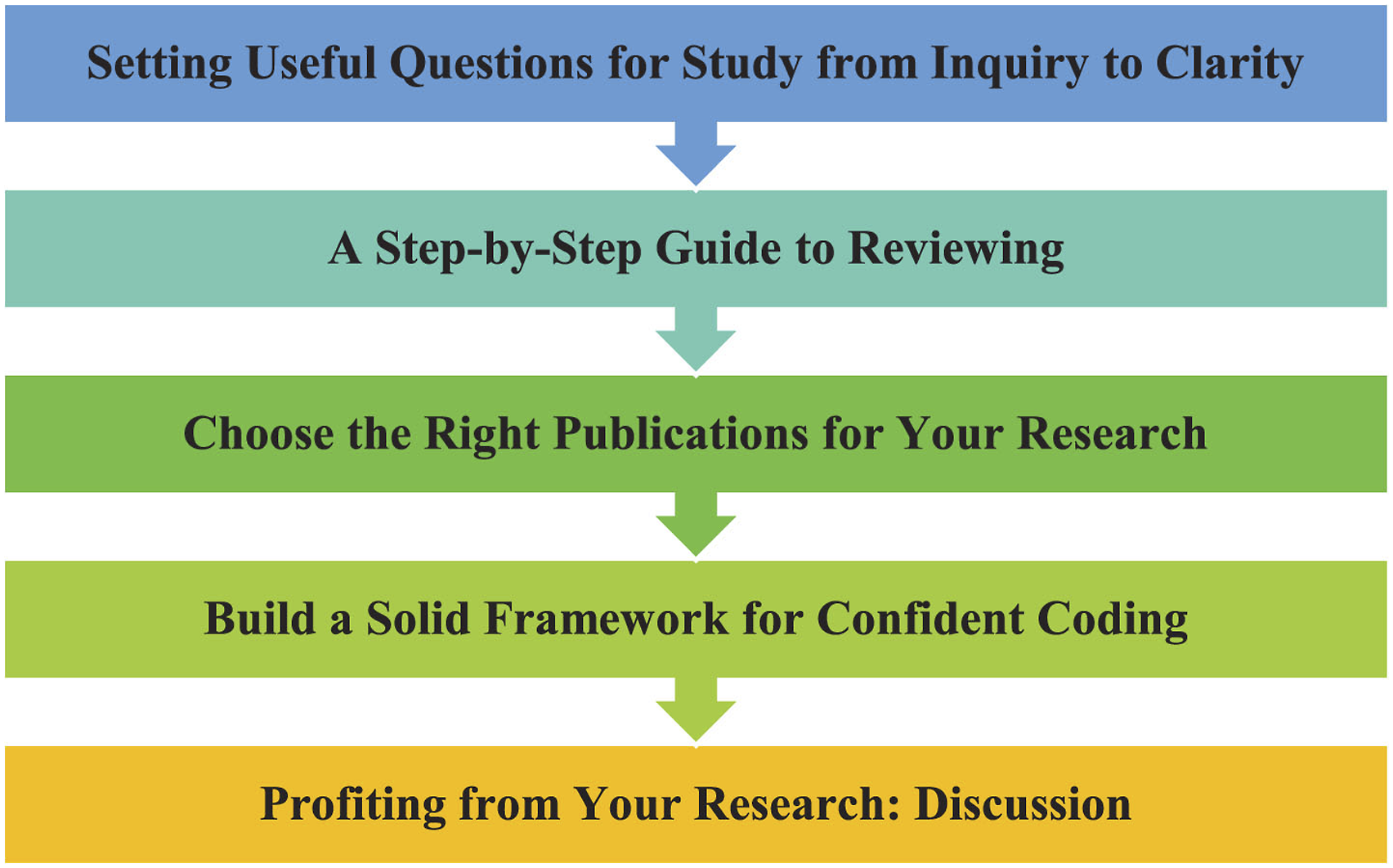
The method’s steps.
In the first stage, we formulated the research questions based on the findings of Massaro et al. [18].
What is the current state of the literature on technological change within the human resources environment?
What are the main topics addressed in this literature?
What are the future research directions regarding the interaction between technological change and the human resources environment?
The second phase involved developing a research procedure, which included outlining the source selection, chosen strategy, literature analysis, and techniques used to evaluate the sources [19–26]. We also conducted a comprehensive bibliographic and content analysis to strengthen the findings. In the third phase, we selected articles for inclusion using the Web of Science [WoS] database for its extensive collection of over 20,000 peer-reviewed journals, surpassing other databases such as Scopus [27–33]. We created a search string by combining relevant keywords with logical operators and conducted the search from 1991 to April 2024, initially yielding 7512 items.
The fourth phase involved implementing a coding framework to manage the selection process, as shown in Fig. 2. Based on criteria frequently used in SLRs [17, 34–40], we reduced the initial sample from 7512 to 5605 articles. A detailed review of titles, abstracts, and keywords further narrowed it down to 2026 articles. Following ALShanti et al.’s [41] procedure, all authors reviewed the articles, consulting external experts if necessary, and ultimately deemed 819 articles suitable based on our research questions.
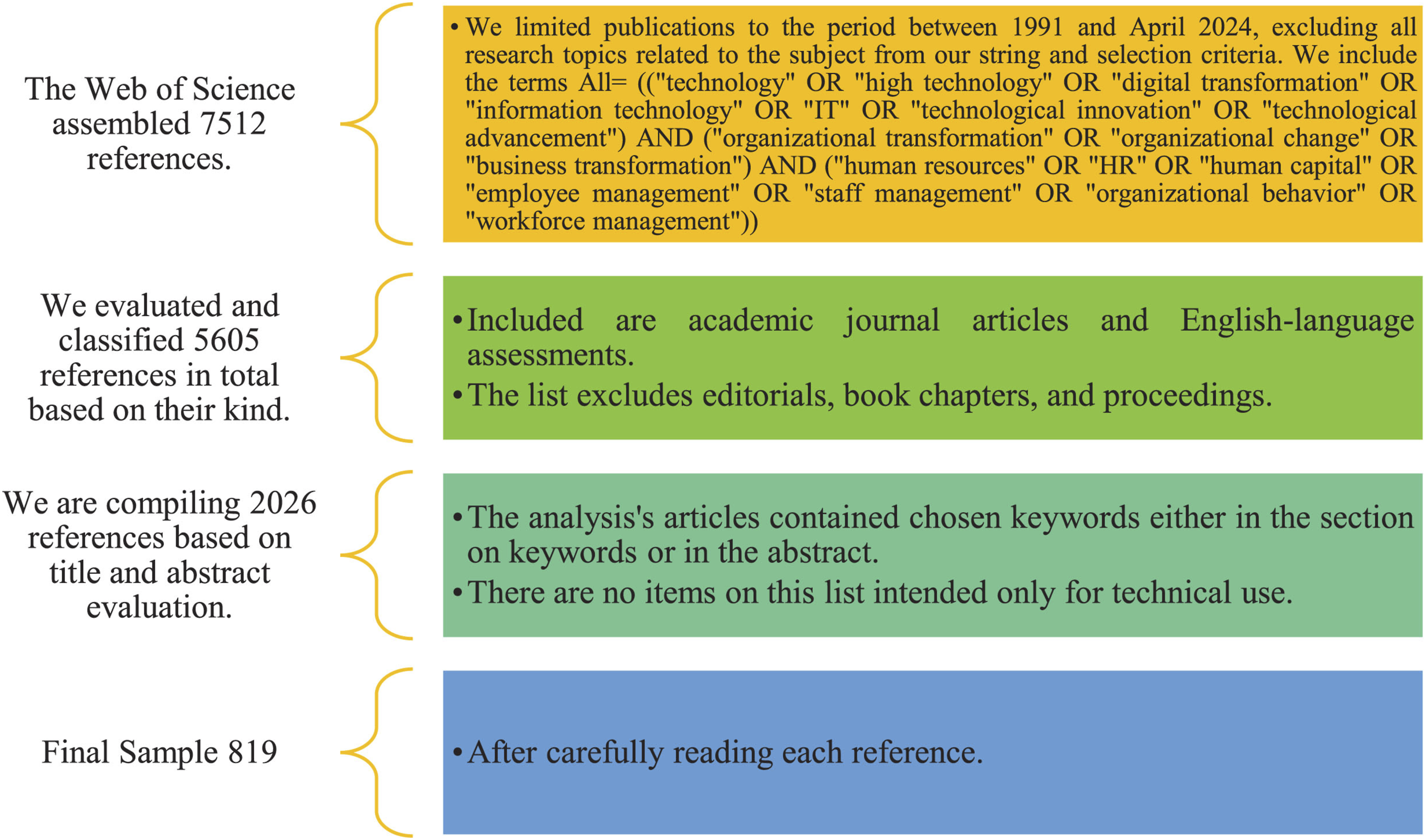
Collection flow diagram.
In the fifth phase, we conducted an in-depth analysis of the selected articles to consolidate existing research, identify gaps, and suggest future study areas. We performed a meticulous bibliometric study [23, 42], focusing on temporal distribution, journal interest, publication and citation counts, frequently cited articles and authors, and a comparison of publications by authors’ country of affiliation. Using the Bibliometrix package in R, we quantitatively analyzed data, ranking journal impact using the G-index, creating a country collaboration map, calculating cumulative keyword occurrence, generating a tree map of frequent keywords, and developing a thematic map. Additionally, we used VOSviewer [43–47] to construct a network of co-occurring terms, identifying clusters and categorizing information in the chosen database.
3. Results
This section examines the historical progression of the chosen sources, the journals in which they were published, annual patterns in publishing and citations, citation analysis, keywords, and core areas of attention. The subject matter is divided into two primary components: expressive investigation and cluster content examination.
3.1. Expressive investigation
This part primarily focuses on doing a bibliometric study of the chosen sources.
3.1.1. Movements in references over the years
To understand the progression and expansion of knowledge on the research topic, we examined the annual references trends. Figure 3 demonstrates a distinct upward trend from 1991 through April 2024.
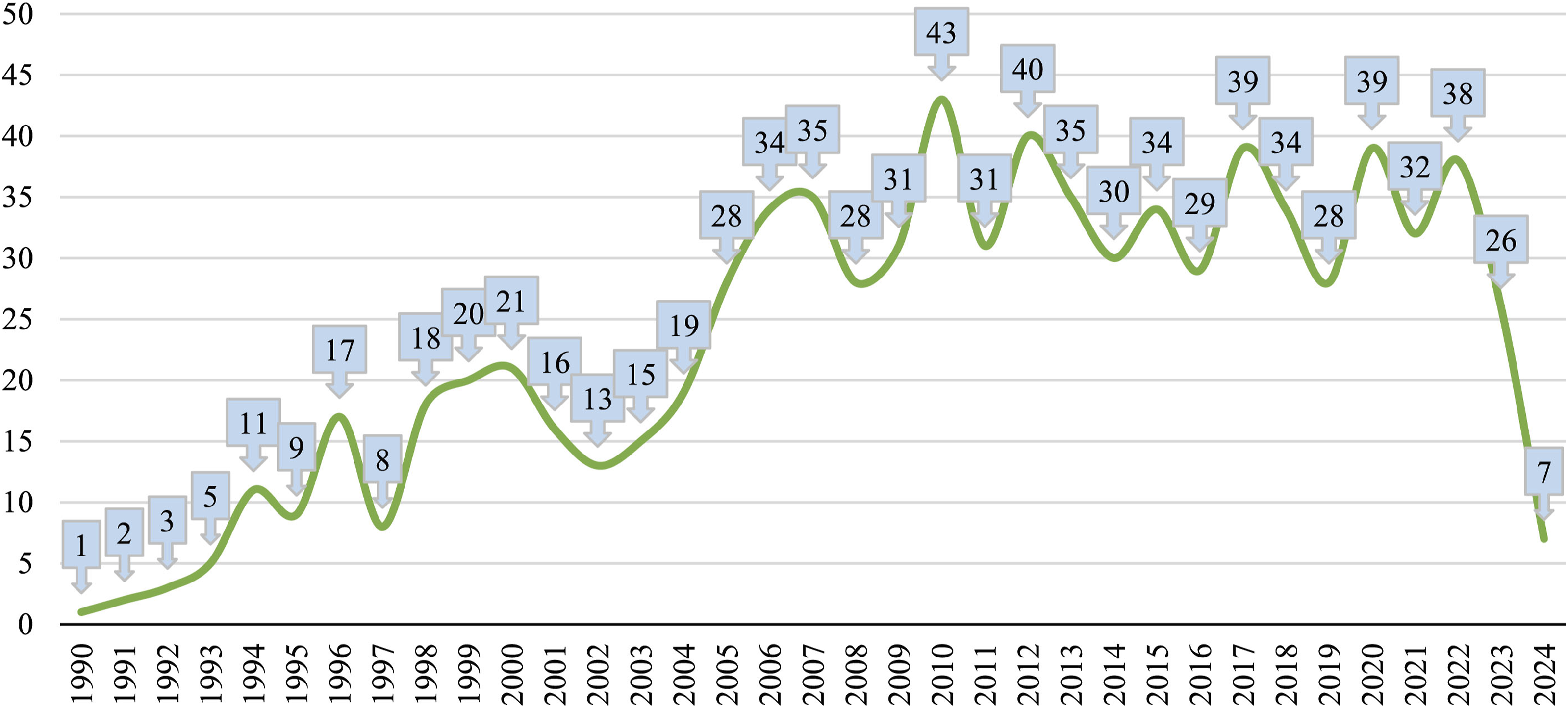
Trend in references.
3.1.2. Sources
Figure 4 highlights the scientific sources that have demonstrated notable interest in publishing articles related to the research topic. Among these, the Journal of Organizational Change Management published 161 articles, Organization Science published 35, and Management Information Systems Quarterly published 28. To evaluate the influence of these sources within the field, we utilized the Hirsch index [H-index] [Fig. 5]. The H-index measures the number of articles [h] from a source that have received at least h citations, with a higher H-index indicating greater impact. According to this metric, the source with the highest H-index is computer-assisted language learning, suggesting its significant influence compared to the other sources analyzed.
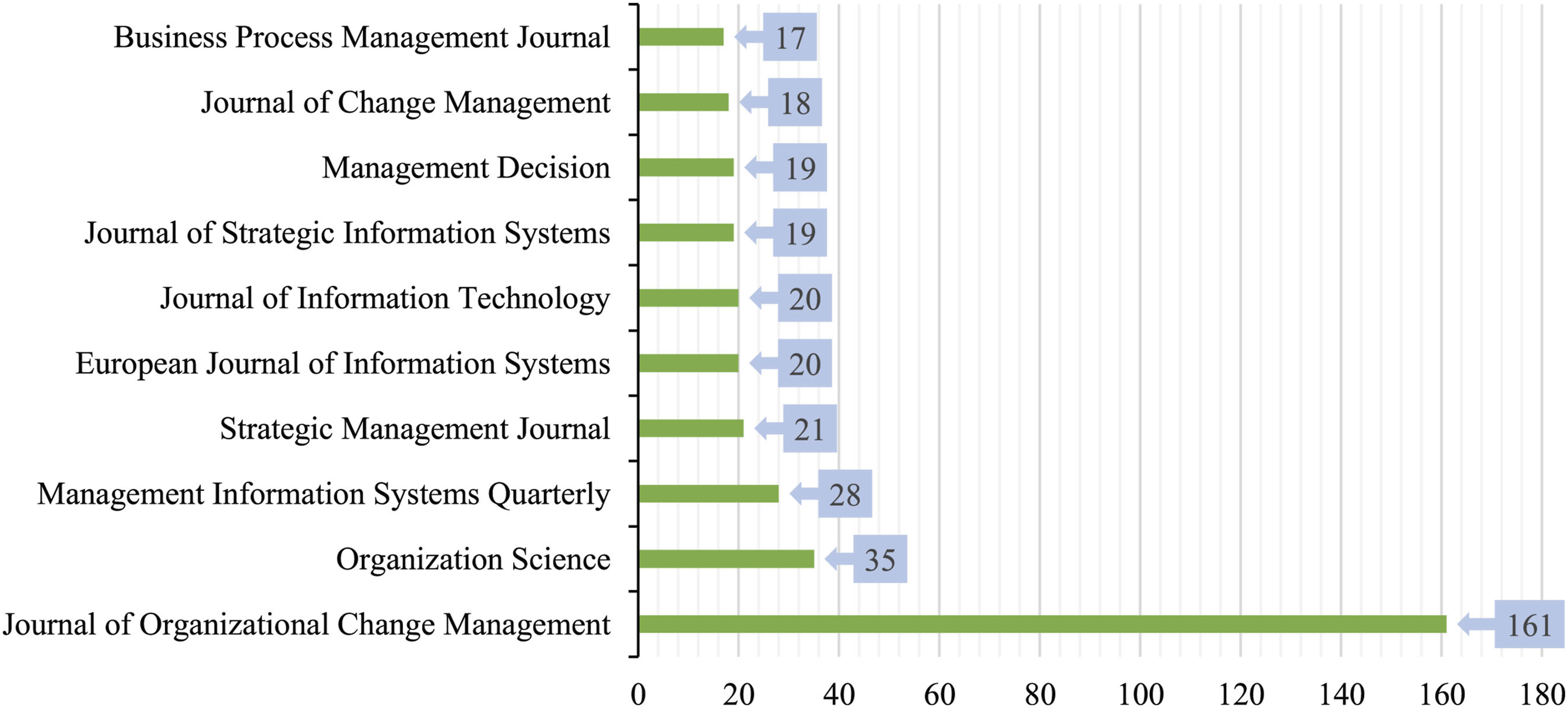
Sources.
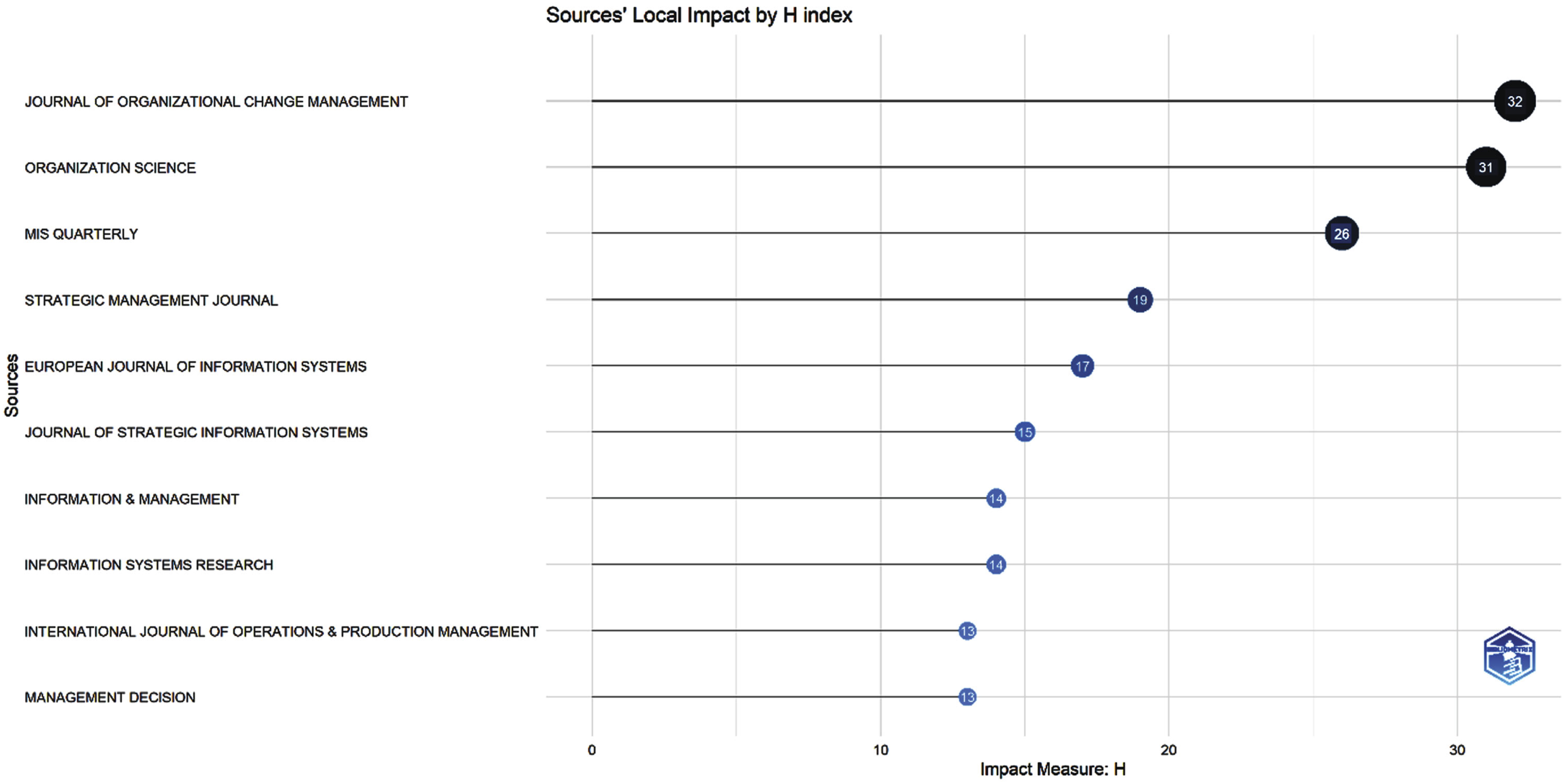
The H-index.
3.1.3. The annual total of references and citations
Figure 6 illustrates the relationship between the yearly rate of publications and the total number of citations obtained till May 2024. This data reinforces the increasing interest in the research topic. By May 2024, references published in 2021 [28] had accrued a total of 4,353 citations. This figure notably increased in 2022, with 39 references amassing 4,994 citations. Despite a slight decrease in publications in 2023 [38 references], these papers still received 5,871 citations, indicating sustained academic interest. This trend continues into early 2024, with 7 references published and already gathering 2,816 citations. Given that these 2024 articles were recently published, it is likely that their citation count will continue to grow in the coming years.
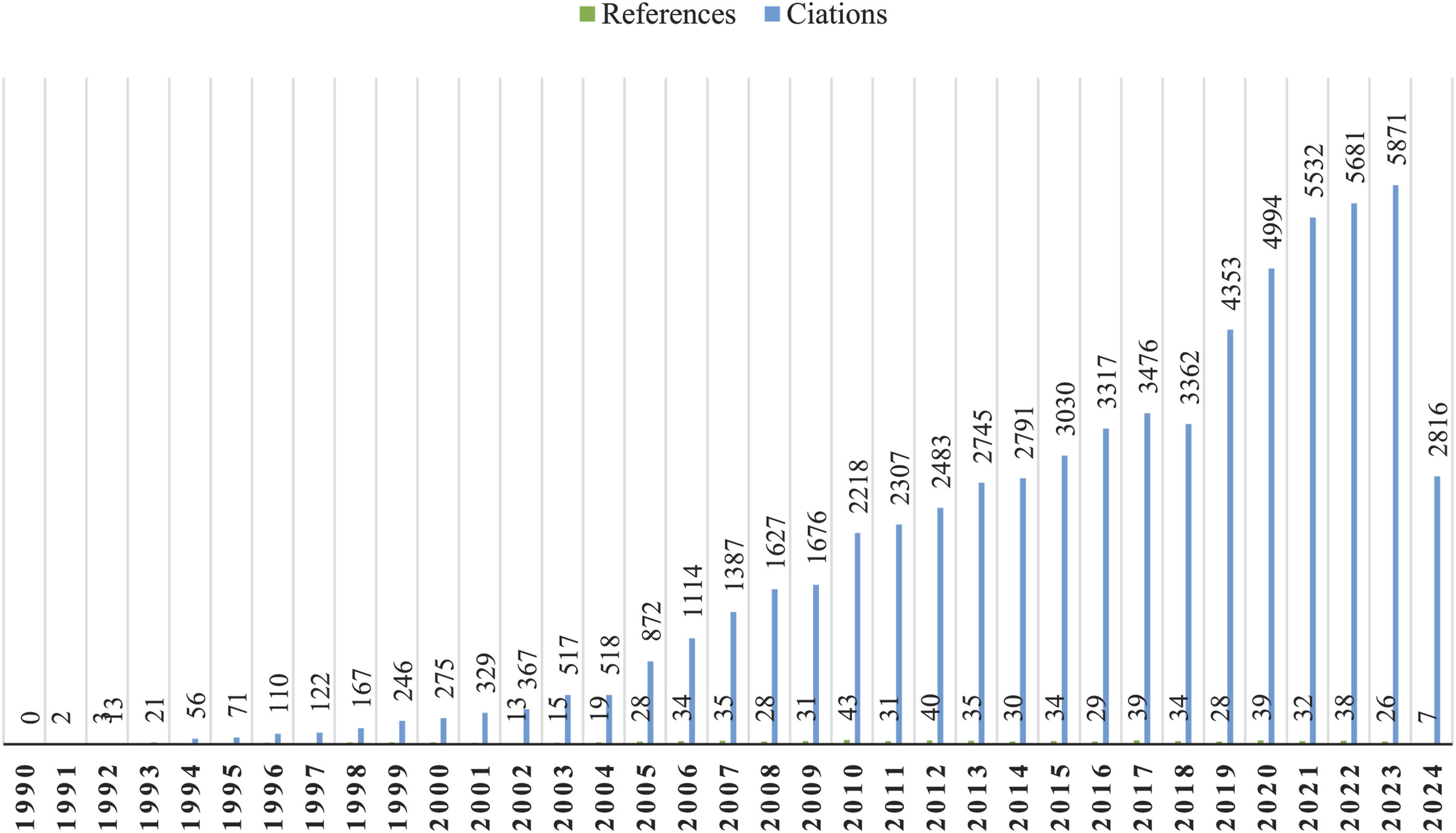
The sum of references and citations each year.
3.1.4. Citations, references, and university countries
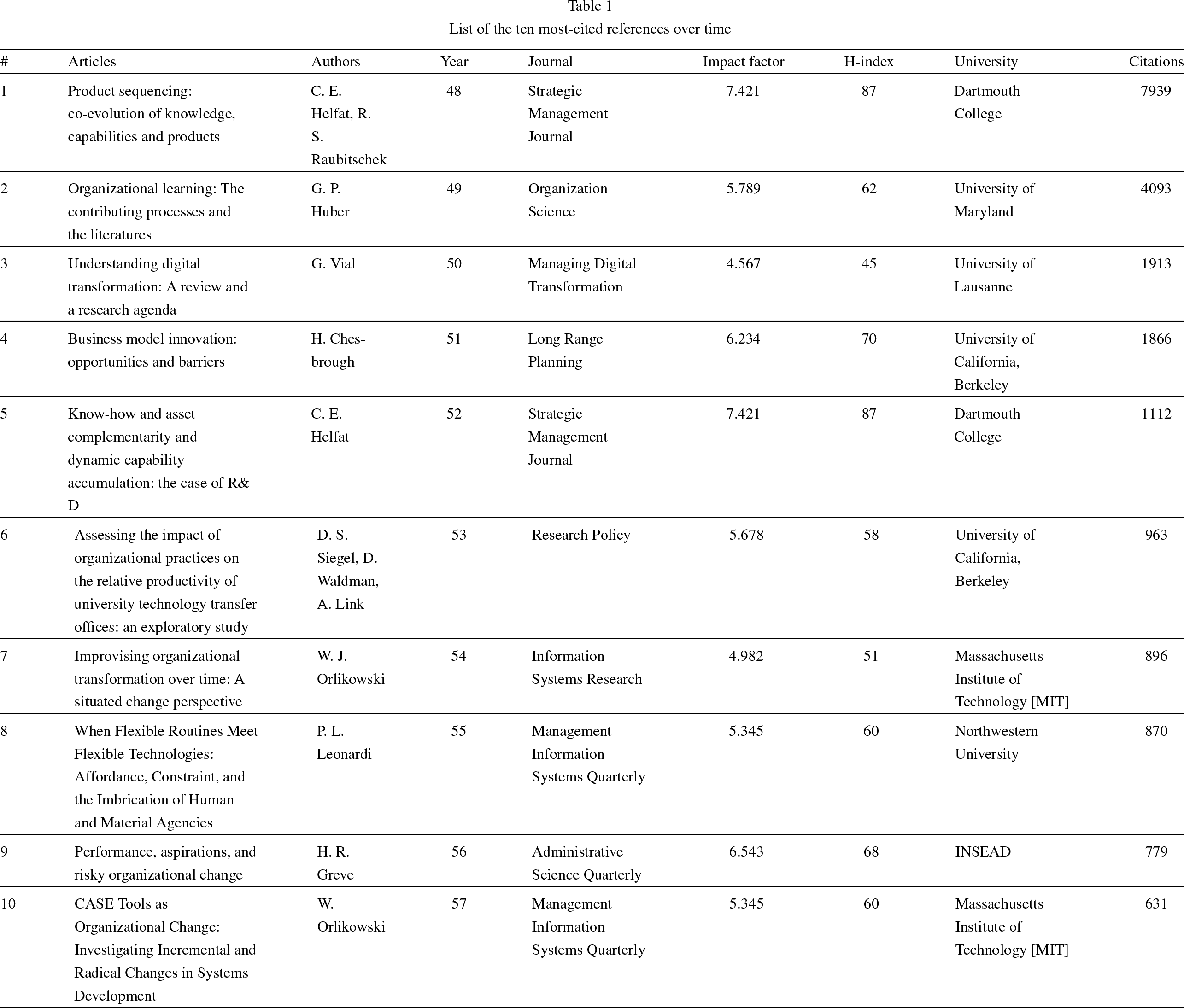
This study employs two key tables to analyze relevant research. Table 1 showcases the top 10 most influential authors across several interconnected themes, ranked by their citation counts over time. This allows us to identify the most enduring and impactful works in the field. Table 2, on the other hand, focuses on the most recent scholarship. It presents the top 10 references ranked by their citation counts within the last five years, highlighting emerging trends and areas of active research.
List of the ten most-cited references over time
List of the ten most-cited references last five years
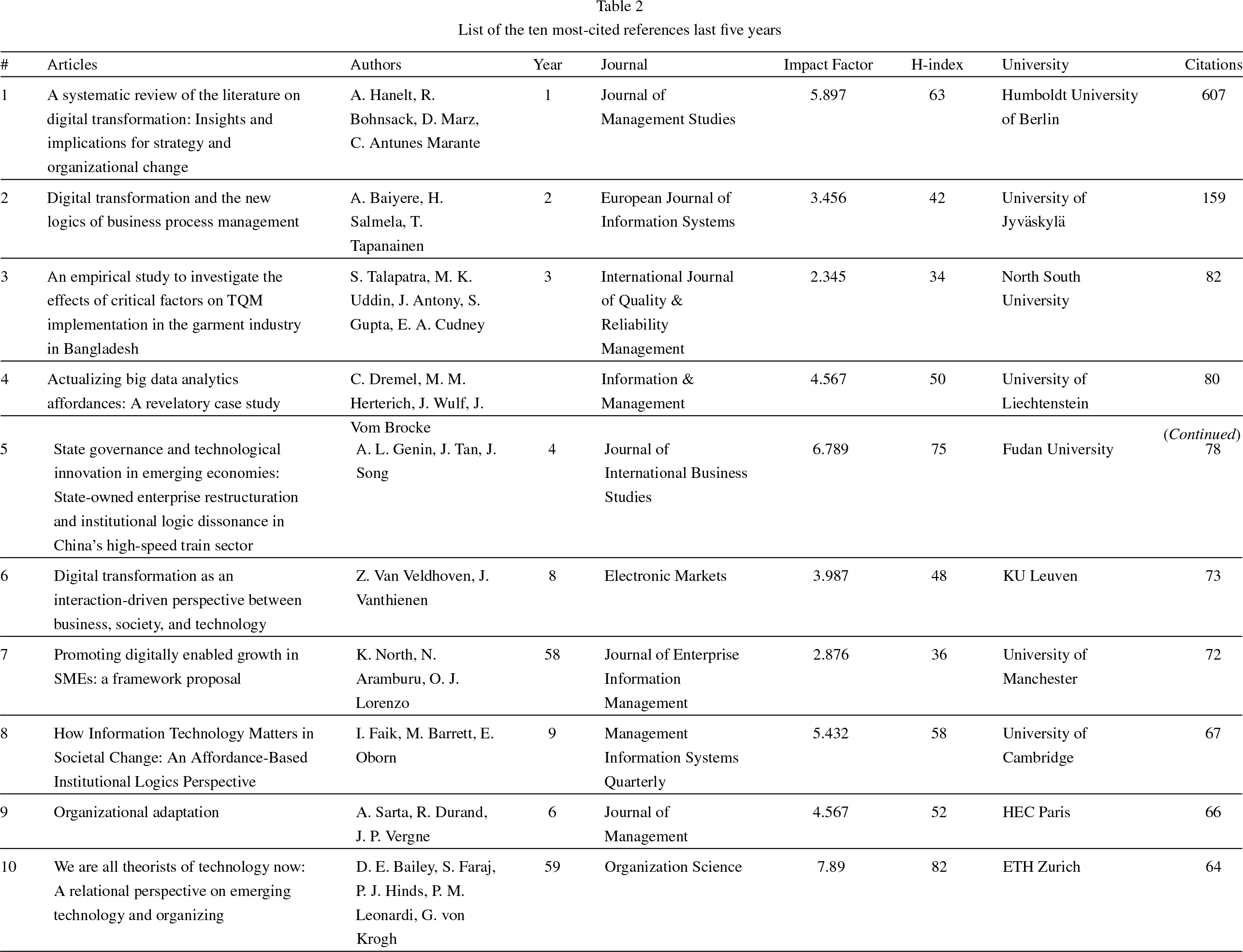
Figure 7 illustrates the comparative analysis of publication and citation counts based on country affiliation. Over the analysis period, the USA stands out prominently, contributing 377 papers and accumulating 37,237 citations. The UK follows with 192 papers and 4,644 citations, while China contributed 121 papers with 1,523 citations.
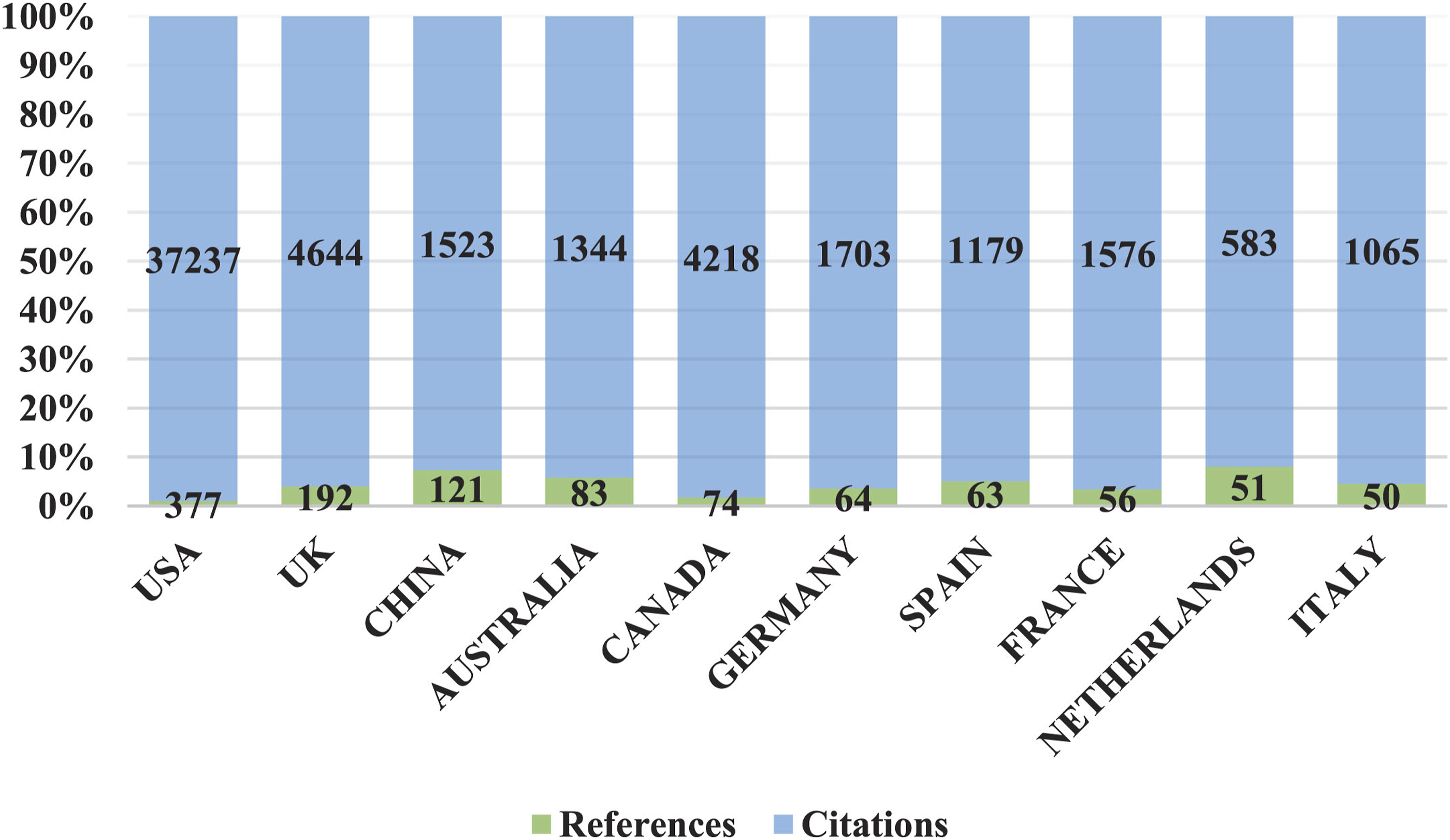
Regarding the country of association, a comparison between publications and citations.
Figure 8 visualizes a country collaboration map, where the intensity of colors reflects the volume of publications per country. Particularly notable is the strong collaboration between the USA and UK, highlighting robust author partnerships across these nations.
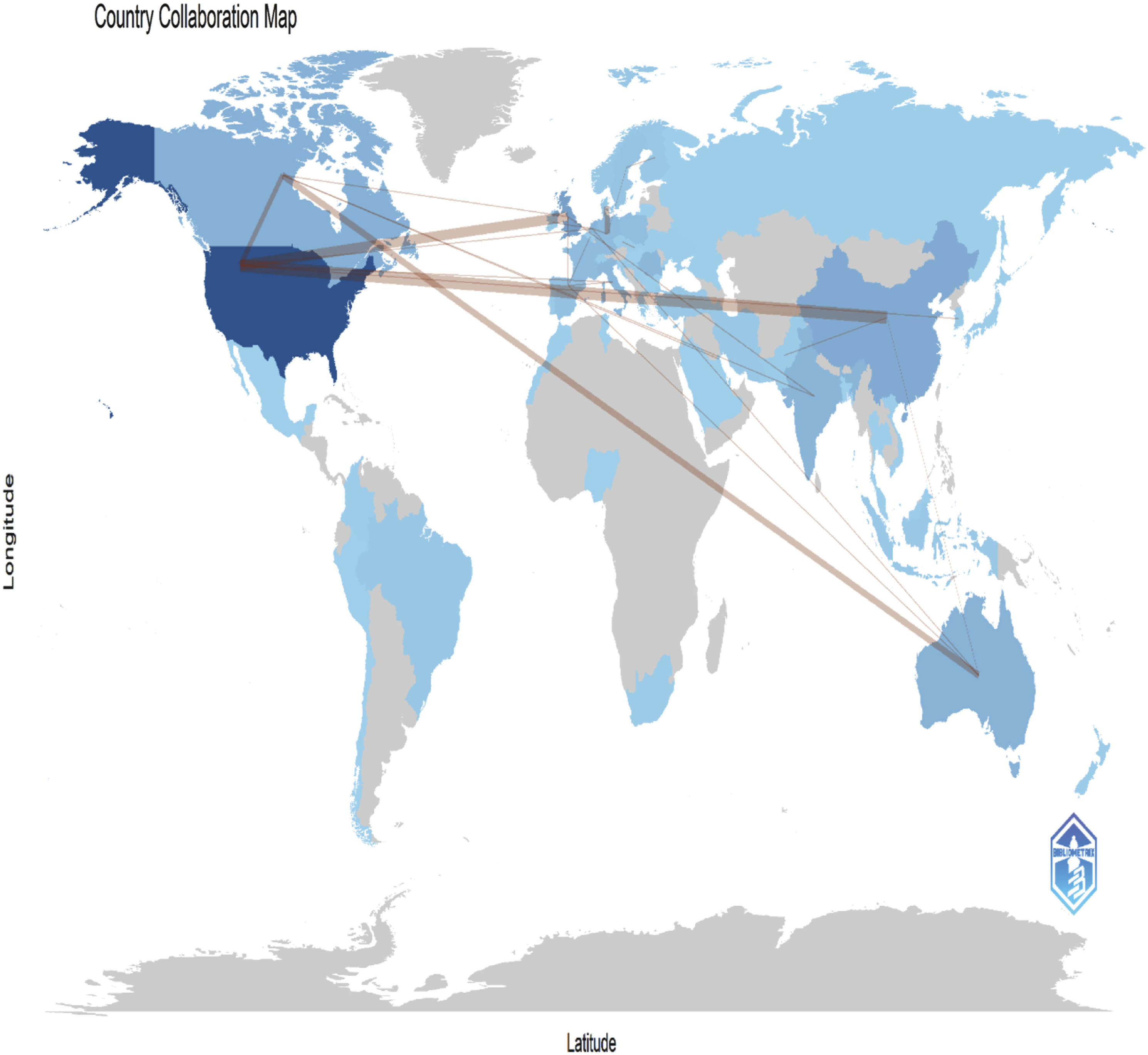
Chart of country relationship.
3.1.5. Keyword analysis and clustering
We began our keyword analysis using Bibliometrix software, which generated a tree map displaying the top 10 frequently used keywords, as shown in Figure 9. Key terms such as ‘organizational change’ [43%], ‘change management’ [10%], Human resources management [9%], and ‘innovation’ [7%], were prominently featured.
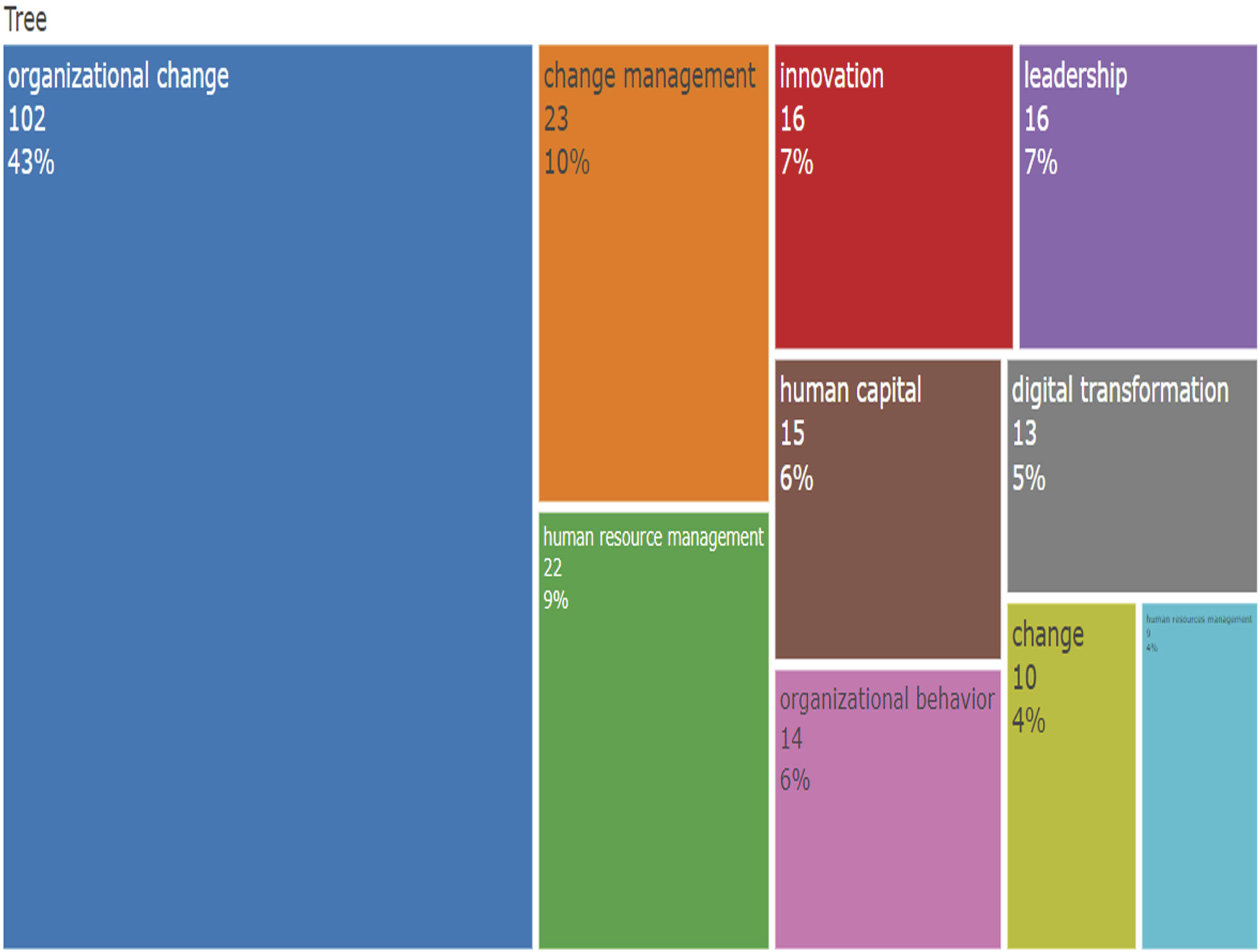
Tree chart of key relationships.
Figure 10 illustrates the cumulative occurrence trends of the top 10 keywords from 1990 to 2024, highlighting the increasing use of ‘organizational change’, followed by Digital transformation, ‘Human Capital”, and Human recourse management. It’s noteworthy that ‘information technology’ is distinct from ‘technology’ in this context.
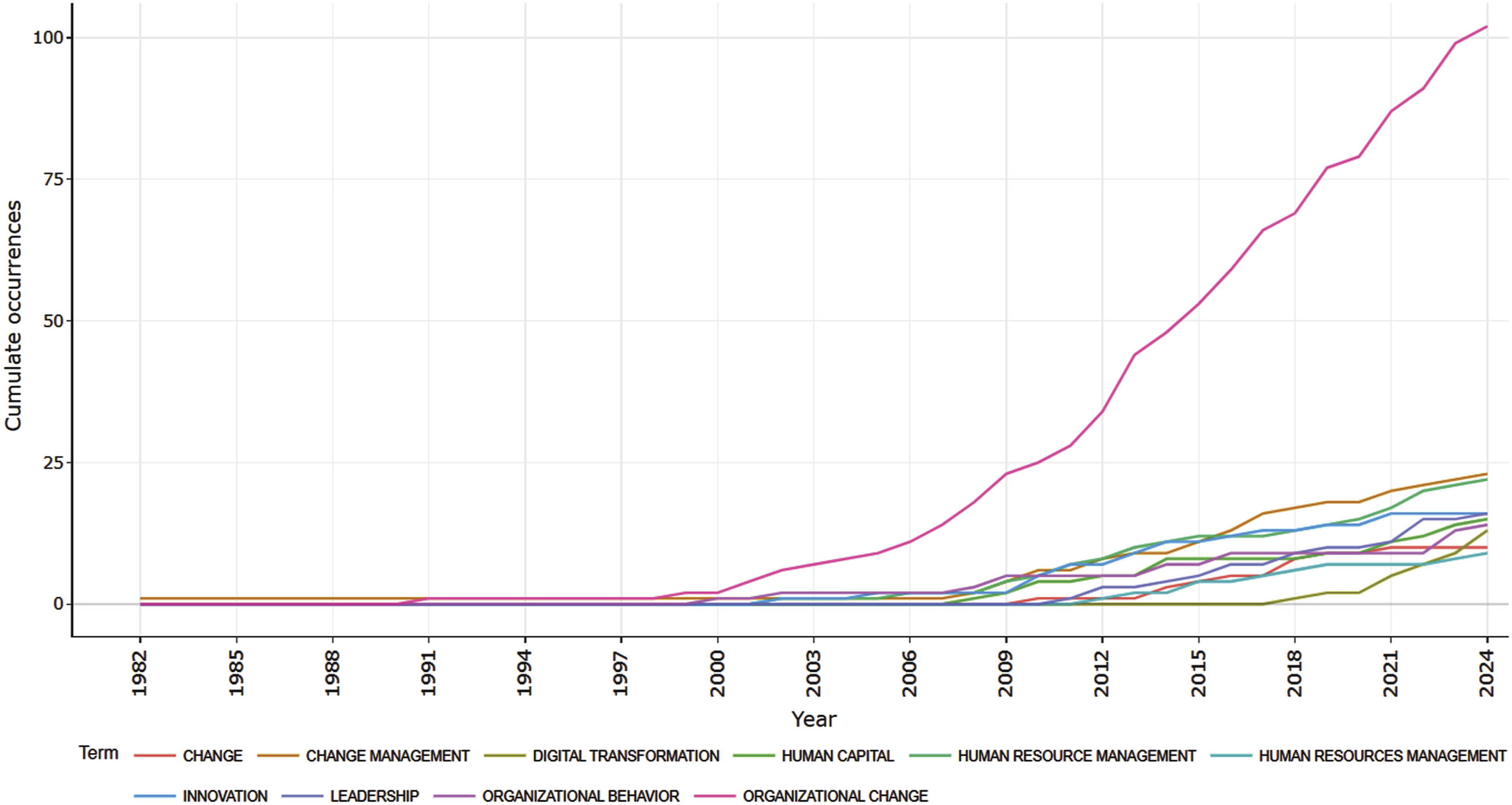
Keywords growing occurrence.
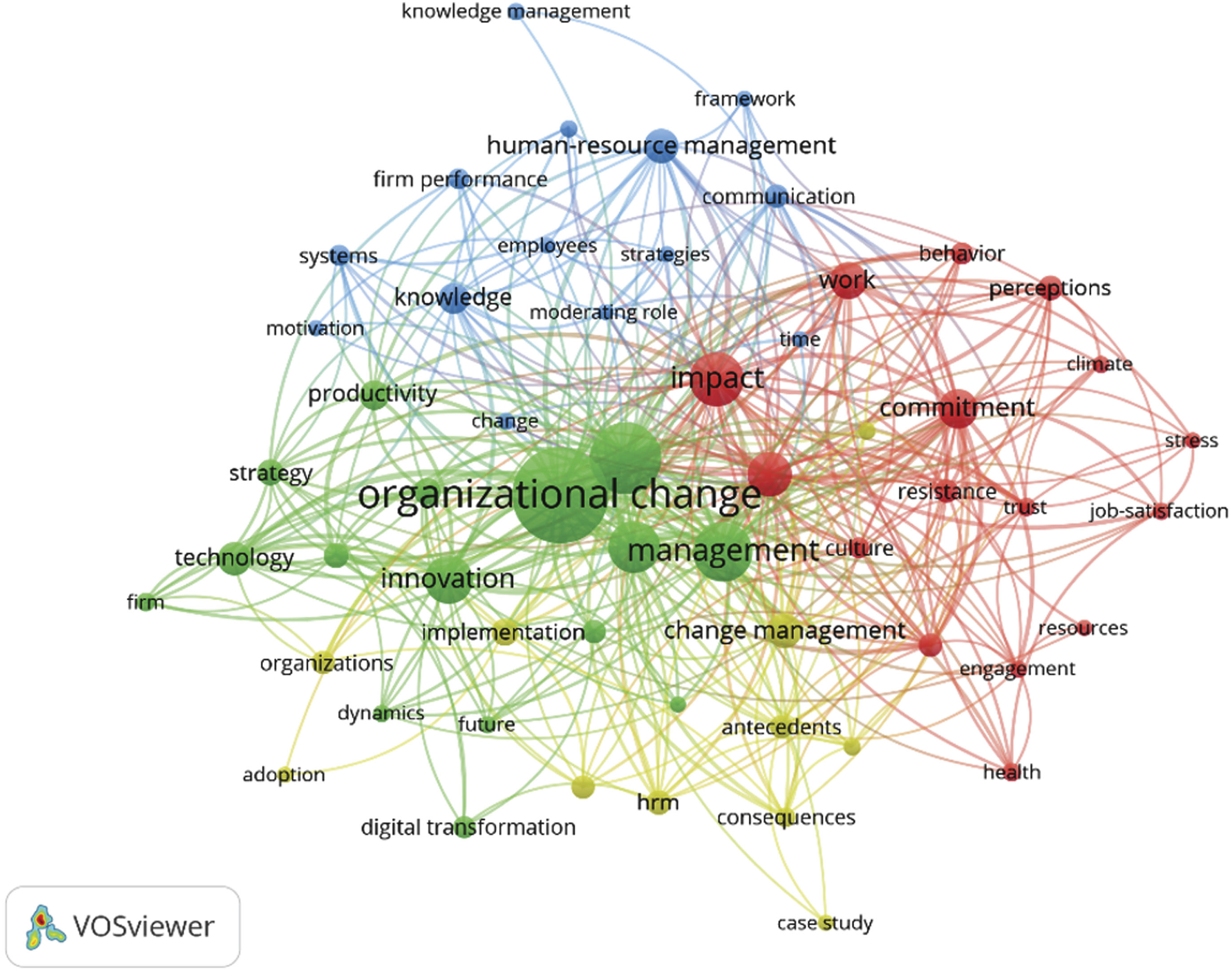
Figure 11 depicts a co-occurrence structure for keywords, with the measurement of each node representing the total amount of papers associated with that term, and the thickness of the edges indicating the intensity of their co-occurrence. We consolidated similar terms in both single and plural versions, such as ‘change management’ and ‘change-management’, as well as synonymous notions like ‘strategy’ and ‘strategies’. By means of this consolidation, we have discerned 39 keywords and organized them into clusters according to their patterns of co-occurrence in the study domain. Figure 11 use unique colors to depict different clusters of terms.
Keyword co-occurrence link.
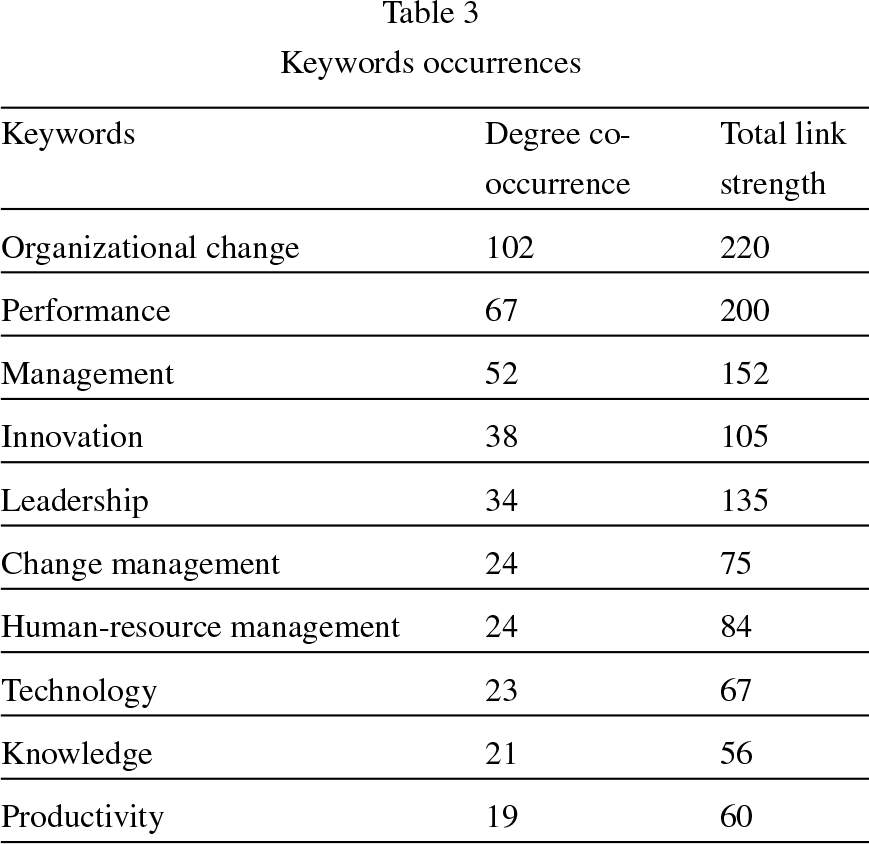
The clustering analysis identified distinct keyword clusters among the 819 selected articles. The red cluster focuses on adoption, change management, information technology, leadership, and organizational transformation. In contrast, the green cluster emphasizes dynamics, organizational change, capabilities, innovation, and strategic change. The blue cluster pertains to business frameworks, information systems, and organizational transformation strategies [60]. The yellow cluster explores absorptive capacity, competitive advantage, and knowledge management. The classification allocated 289 articles to the red cluster, 249 to the green cluster, 149 to the blue cluster, and 132 to the yellow cluster. Table 3 displays the top 10 terms that have the greatest degree of relevance in the overall network.
Keywords occurrences
3.2. Content investigation created on clusters
To uncover the research themes embedded within the network structure, we conducted an in-depth analysis of each cluster. This involved examining a subset of our 819-article sample, specifically focusing on the top ten cited articles within each cluster. This approach allowed us to highlight the significant aspects and findings of their content across different thematic clusters.
3.2.1. Red cluster: Technology implementation and organizational impact
Exploring the red cluster of technology implementation and organizational impact reveals significant findings, research gaps, and expectations. Hanelt et al. [1] highlighted the crucial role of digital transformation in organizational change, identifying a need for more empirical studies to understand its long-term impacts on both technological and human resource dimensions. Baiyere et al. [2] examined new business process management logics arising from digital transformation, stressing the need for frameworks that integrate technological, managerial, and human resources perspectives. Talapatra et al. [3] concentrated on the Bangladeshi garment industry, emphasizing the criticality of implementing total quality management (TQM) and the need for further research on how technology can enhance these processes, particularly through its impact on workforce management and employee engagement. Dremel et al. [4] discussed big data analytics’ potential to afford new opportunities but emphasized the need for more case studies to explore its actualization in diverse organizational contexts, including how it affects employee roles and organizational culture. Genin et al. [61] explored state governance and technological innovation in China, pointing out the gap in understanding the institutional logics and human resource dynamics driving technology adoption in different economies. Van Veldhoven and Vanthienen [8] proposed a framework for digital transformation that links business, society, and technology, underscoring the necessity for research that addresses the interplay of these domains and their impact on human resource strategies. North et al. [58] highlighted the digital growth in SMEs, suggesting future studies focus on the scalability and sustainability of digital initiatives, including their influence on human resource practices and employee development.
Faik et al. [9] used an affordance-based institutional logics approach to examine how information technology helps society change. They discovered a lack of full understanding regarding the effects of technological affordances on human resources and societal dynamics. Sarta et al. [6] addressed organizational adaptation, highlighting the need for integrative models that consider both strategic and operational aspects of technology implementation, with particular attention to how these models impact employee adaptation and skills development. Bailey et al. [59] emphasized the relational perspective on emerging technology, calling for research into how organizational theories and human resource practices evolve alongside technological advancements. Gupta and Bose [10] examined digital transformation in entrepreneurial firms, pointing out the necessity for further investigation into information exchange mechanisms and their effects on workforce dynamics and organizational culture. Chawla and Goyal [62] provided a bibliometric analysis of emerging digital transformation trends, highlighting a gap in longitudinal studies that track these trends over time and their impact on human resource management practices. Gianiodis and Meek [63] discussed entrepreneurial education in universities, suggesting future research should focus on the effectiveness of various educational models in fostering digital innovation and preparing students for evolving human resource demands. Weiser et al. [7] suggested an integrated way of putting strategies into action, stressing how important flexible methods are for effectively using digital technologies, such as plans for connecting HR management with digital transformation efforts.
3.2.2. Green cluster: Organizational change and strategic hrm evolution
Organizational change and strategic HRM evolution within the green cluster involve multifaceted interactions between technology, business processes, and organizational structures. Hanelt et al. [1] emphasize the critical role of digital transformation in reshaping strategic directions, highlighting research gaps in the integration of digital strategies across various organizational levels, including human resources management. Baiyere et al. [2] further explore the new logics introduced by digital transformation, identifying a need for a deeper understanding of its impact on business process management and the implications for human resources practices and employee adaptation. Talapatra et al. [3] look at how important factors affect the implementation of TQM and find that traditional quality management frameworks aren’t always able to keep up with how quickly technology is changing the world. They focus on how these changes affect the dynamics of the workforce and how employees are trained. Dremel et al. [4] offer valuable insights into the potential benefits of big data analytics, emphasizing the need for further investigation into how these technologies can drive organizational transformation and shape human resource management strategies. Genin et al. [61] talk about state governance and technological innovation. They point out the tension between state-owned businesses and institutional logics, which hasn’t been looked into much in terms of strategic HRM evolution and how it affects employee roles and organizational culture. Van Veldhoven and Vanthienen [8] present digital transformation as an interaction-driven phenomenon, stressing the need for research on the interplay between business, society, technology, and its effects on human resource practices.
North et al. [58] propose a framework for promoting digitally enabled growth in SMEs, pointing out the necessity for empirical studies on its practical application and how it affects human resources management. Faik et al. [9] examine the impact of information technology on societal change, emphasizing the need for further research to comprehend the institutional logics and human resource dynamics driving these transformations. Sarta et al. [6] delve into organizational adaptation, identifying a gap in the literature regarding the mechanisms that enable human resources to navigate and leverage technological advancements, particularly concerning human resources management and employee development. Bailey et al. [59] adopt a relational perspective on emerging technology, advocating for a comprehensive examination of how technology influences organizational dynamics, including changes in human resource strategies and employee interactions. Gupta and Bose [10] focus on digital transformation in entrepreneurial firms, underscoring the need for research on information exchange mechanisms that facilitate strategic HRM evolution and their impact on human resources management. Mikalef et al. [5] talk about the part that organizational inertia plays in creating dynamic capabilities. They suggest that more research should look into the balance between stability and flexibility in strategic adaptation and what that means for human resource management. Chawla and Goyal [62] identify emerging trends in digital transformation, calling for bibliometric studies to map the evolution of this research domain and its impact on human resource practices. Gianiodis and Meek [63] highlight the importance of entrepreneurial education in fostering innovation, pointing out a gap in understanding how educational frameworks can support strategic HRM evolution and prepare students for future human resource challenges. Weiser et al. [7] suggest an integrated way of putting strategies into action, stressing how important flexible methods are for effectively using digital technologies. This includes plans for connecting HR management with digital transformation efforts.
The exploration of the purple cluster reveals critical research gaps and insightful findings. Hanelt et al. [1] identify a lack of comprehensive frameworks for strategizing organizational change in digital contexts, emphasizing the need for holistic approaches to digital transformation strategies that include human resource management considerations. Baiyere et al. [2] highlight the shift in business process management logics due to digital transformation, indicating a gap in understanding the interplay between traditional and new digital practices and their impact on human resources. Talapatra et al. [3] uncover the significant role of Total Quality Management (TQM) in innovation, particularly within the garment industry, suggesting a need to explore TQM’s impact in other sectors, including the effects on workforce management and employee skills. Dremel et al. [4] reveal the affordances of big data analytics in actualizing business value, yet call for further investigation into practical applications across diverse industries, including how these technologies affect human resource strategies. Genin et al. [61] examine state governance’s influence on technological innovation, particularly in China’s high-speed train sector, and point to institutional logic dissonance as an area requiring deeper exploration, including its implications for employee roles and organizational structure. Van Veldhoven and Vanthienen [8] discuss the interaction-driven perspective of digital transformation between business, society, and technology, highlighting a research gap in societal impacts, including those on human resource management. North et al. [58] suggest a framework for small businesses to grow digitally, but there is still a lot of research to be done on how this framework works in different parts of the world, especially when it comes to human resource management. Faik et al. [9] analyze the role of information technology in societal change, suggesting further studies on IT affordances in different institutional settings and their effects on human resources. Sarta et al. [6] focus on organizational adaptation, identifying dynamic capabilities as pivotal, but stress the need for longitudinal studies to understand adaptation over time and its impact on human resource management. Bailey et al. [59] provide a relational perspective on emerging technologies, proposing future research on the interaction between technology and organizational processes, including human resources. Gupta and Bose [10] highlight digital transformation in entrepreneurial firms through information exchange, yet suggest a deeper exploration of knowledge transfer mechanisms and their impact on human resource strategies. Mikalef et al. [5] discuss building dynamic capabilities via big data analytics, pointing to organizational inertia as a barrier needing further examination, particularly in relation to human resources. Chawla and Goyal [62] identify emerging trends in digital transformation through a bibliometric analysis, yet emphasize the need for research on implementation challenges and their effects on human resources. Gianiodis and Meek [63] advocate for entrepreneurial education, suggesting stakeholder perspectives as fertile ground for further inquiry, including how educational frameworks can support human resource development. Weiser et al. [7] propose an integrative view of strategy implementation, highlighting the necessity for comprehensive models that incorporate adaptive strategies, including human resource management. Mousavi Baygi et al. [64] study continuous socio-technological transformation, calling for more dynamic models to capture ongoing changes and their implications for human resources.
3.2.3. Blue cluster: Business transformation through hrm systems
Cluster three is a rapidly evolving field, driven by the need for human resources to adapt to digital advancements. Hanelt et al. [1] provide a comprehensive review of digital transformation literature, highlighting significant research gaps such as the need for more empirical studies on the strategic and organizational changes induced by digital initiatives, including their impact on human resource management and employee roles. Similarly, Baiyere et al. [2] delve into the novel logics of business process management within the framework of digital transformation, pinpointing a deficiency in understanding the reconfiguration of traditional business processes and the resulting implications for human resources practices, such as changes in job roles and required skills. Talapatra et al. [3] focus on the garment industry in Bangladesh, examining the critical factors affecting Total Quality Management (TQM) implementation and suggesting a need for more research on TQM in other sectors, particularly regarding its impact on employee engagement and quality control processes. Dremel et al. [4] provide insights into big data analytics affordances, emphasizing the importance of actualizing these affordances to drive organizational change. They highlight a gap in understanding the practical application of big data analytics in different organizational contexts, including its effects on workforce management and decision-making processes. Genin et al. [61] examine state governance and technological innovation in China’s high-speed train sector, uncovering institutional logic dissonance as a barrier to technological innovation and its implications for employee adaptation and skill development. Van Veldhoven and Vanthienen [8] discuss digital transformation as an interaction between business, society, and technology, pointing out the need for more research on the societal impacts of digital transformation, including changes in human resource practices and organizational culture.
North et al. [58] propose a framework for promoting digitally enabled growth in SMEs, identifying the lack of tailored digital strategies for small enterprises as a significant research gap. This includes the challenge of aligning human resource management strategies with digital growth initiatives. Faik et al. [9] use an affordance-based institutional logic perspective to study how IT influences societal change, highlighting the need for more studies on IT’s role in societal transformation and its impact on human resource management and organizational behavior. Sarta et al. [6] discuss organizational adaptation, emphasizing the need for research on how human resources can dynamically adapt to digital changes, including the role of human resources in facilitating and managing change. Bailey et al. [59] provide a relational perspective on emerging technology and organization, identifying a gap in understanding how technology shapes organizational structures and processes, including its effects on workforce dynamics and employee relations. Gupta and Bose [10] focus on digital transformation in entrepreneurial firms, highlighting the importance of information exchange with the operating environment and identifying a gap in research on the mechanisms of such exchanges, as well as their implications for human resource management and organizational effectiveness.
3.2.4. Yellow cluster: Human resource management and competitive advantage
Cluster four’s exploration in the context of digital transformation reveals significant research gaps, findings, and expectations related to human resource management (HRM) and competitive advantage. Hanelt et al. [1] emphasized the necessity for more in-depth studies on the impact of digital transformation on HRM practices and strategic capabilities within human resources. Baiyere et al. [2] identified a shift in business process management logics due to digital transformation, yet the effects on HRM and how it contributes to competitive advantage remain underexplored. According to Talapatra et al. [3], important factors in implementing Total Quality Management (TQM) have a big impact on how well an organization does its job. This suggests that HRM practices may have a similar effect on improving competitive advantage through good talent management. Dremel et al. [4] demonstrated that big data analytics affordances are pivotal for strategic capabilities, but the interplay between HRM strategies and competitive advantage warrants further investigation. Genin et al. [61] talked about how state governance affects technological innovation in emerging economies. This opens up a new area of study on how HRM practices can change to fit these situations and help with strategic capabilities. Van Veldhoven and Vanthienen [8] noted the interactive perspective of digital transformation between business, society, and technology, stressing the need for understanding its impact on HRM and competitive advantage.
North et al. [58] proposed a framework for digitally enabled growth in SMEs, indicating that strategic HRM capabilities are crucial for maintaining competitive advantage. Faik et al. [9] explored how IT is driving societal change, highlighting the critical role of HRM in navigating digital landscapes and its influence on competitive advantage. Sarta et al. [6] examined organizational adaptation, revealing gaps in how firms develop HRM capabilities to sustain competitive advantage amidst digital transformation. Bailey et al. [59] underscored the theoretical perspectives on emerging technology, calling for empirical research on how HRM practices contribute to strategic capabilities and competitive advantage. Gupta and Bose [10] explored how entrepreneurial firms leverage digital transformation for competitive advantage through effective information exchange and HRM strategies. Mikalef et al. [5] discussed building dynamic capabilities via big data analytics, highlighting organizational inertia as a barrier and the need for HRM practices to address this inertia. Chawla and Goyal [62] conducted a bibliometric analysis on emerging trends in digital transformation, identifying research gaps in the role of HRM in developing strategic capabilities. Gianiodis and Meek [63] emphasized the role of entrepreneurial education in developing HRM capabilities for competitive advantage. Weiser et al. [7] integrated views on strategy implementation, suggesting further exploration of HRM’s role in enhancing strategic capabilities. Mousavi Baygi et al. [64] studied continuous socio-technological transformation, pointing to gaps in understanding how HRM practices impact competitive advantage.
3.3. Thematic map
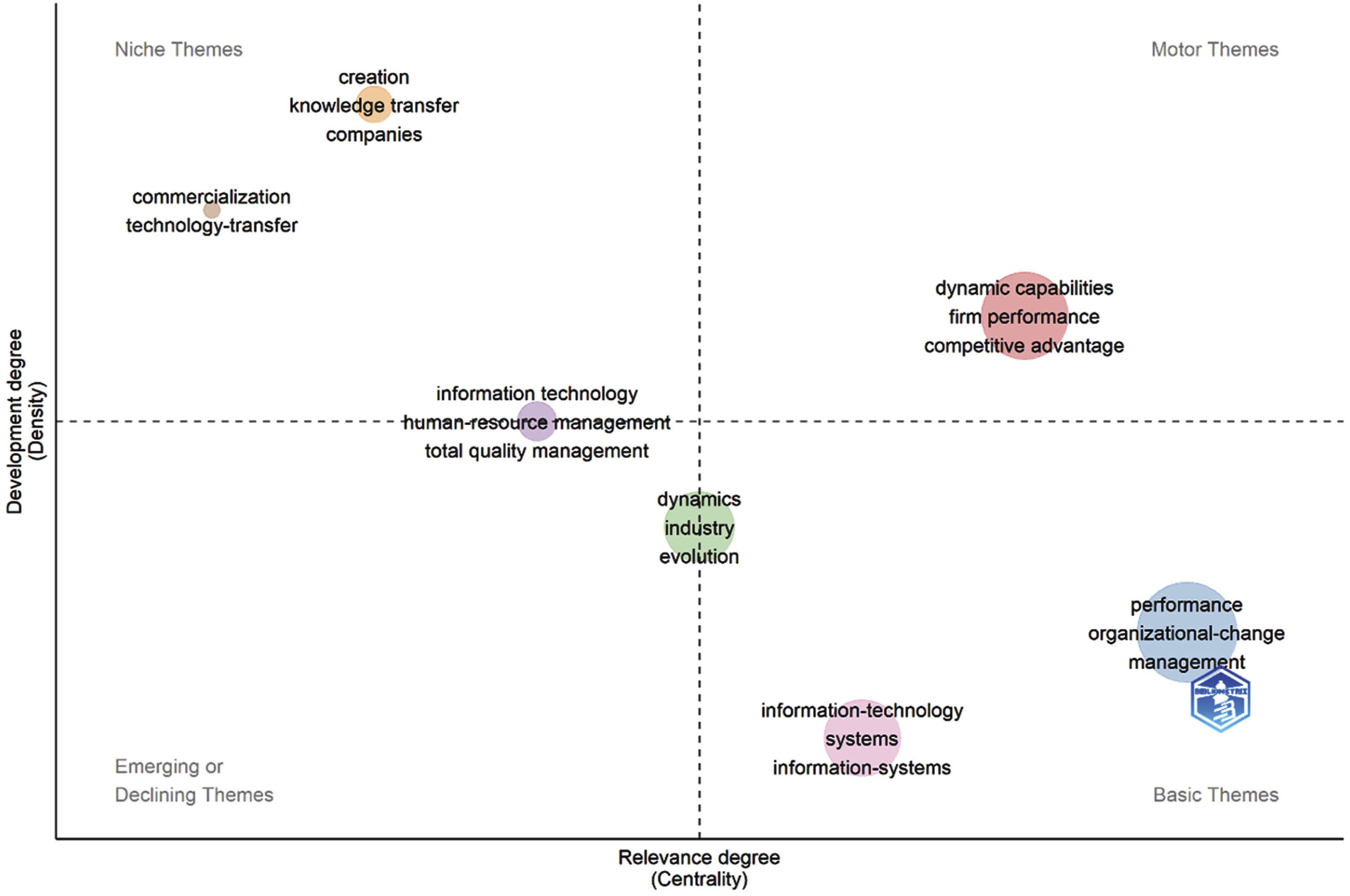
Figure 12 is a thematic chart that shows the most common terms and measures of centrality for performance, HRM, and changing capabilities across different groups [23, 40]. Dynamic capabilities, prominently featured in Cluster 1, include concepts such as firm performance, competitive advantage, and absorptive capacity. These terms highlight the strategic focus on organizational transformation and resource-based views within this cluster, with a significant emphasis on HRM practices in developing and leveraging dynamic capabilities to enhance firm performance and competitive advantage. Cluster 2, centered on performance, emphasizes management, innovation, and technology as pivotal elements. Terms like organizational change, knowledge, and strategy underscore the importance of HRM in facilitating capabilities and adaptation. Here, HRM plays a crucial role in managing knowledge transfer, fostering innovation, and implementing strategic changes to improve organizational outcomes. Cluster 3 contributes to understanding dynamic capabilities and performance by highlighting resilience, sustainability, and adaptation. Resilience, sustainability reporting, and organizational resilience all highlight the evolving landscape of organizational capabilities. In this context, HRM dynamics are crucial for building resilient human resources through effective talent management, employee engagement, and fostering a culture of sustainability. Cluster 4 provides additional insights into dynamic capabilities and performance through terms like digital transformation, agility, and competitive dynamics. These terms reflect the increasing importance of digitalization and agility in shaping organizational capabilities and competitive advantage. HRM practices play an important role in supporting digital transformation by facilitating skill development, adapting organizational structures, and promoting agility through strategic human capital management. Together, these clusters provide a comprehensive view of the interconnected themes of dynamic capabilities, human resource management, and performance within strategic management literature. HRM practices influence various aspects of organizational capabilities, ranging from traditional resource-based views to contemporary digital transformation and resilience, thereby contributing to organizational success and competitive advantage.
Thematic chart.
4. Future directions
The forthcoming research agenda, as outlined in Table 4, emphasizes crucial aspects identified through bibliometric analysis. Selected sources have highlighted these areas, underscoring their significance, but they require further exploration. Below, we elaborate on the reasoning behind each question.
Plan of Forthcoming Research
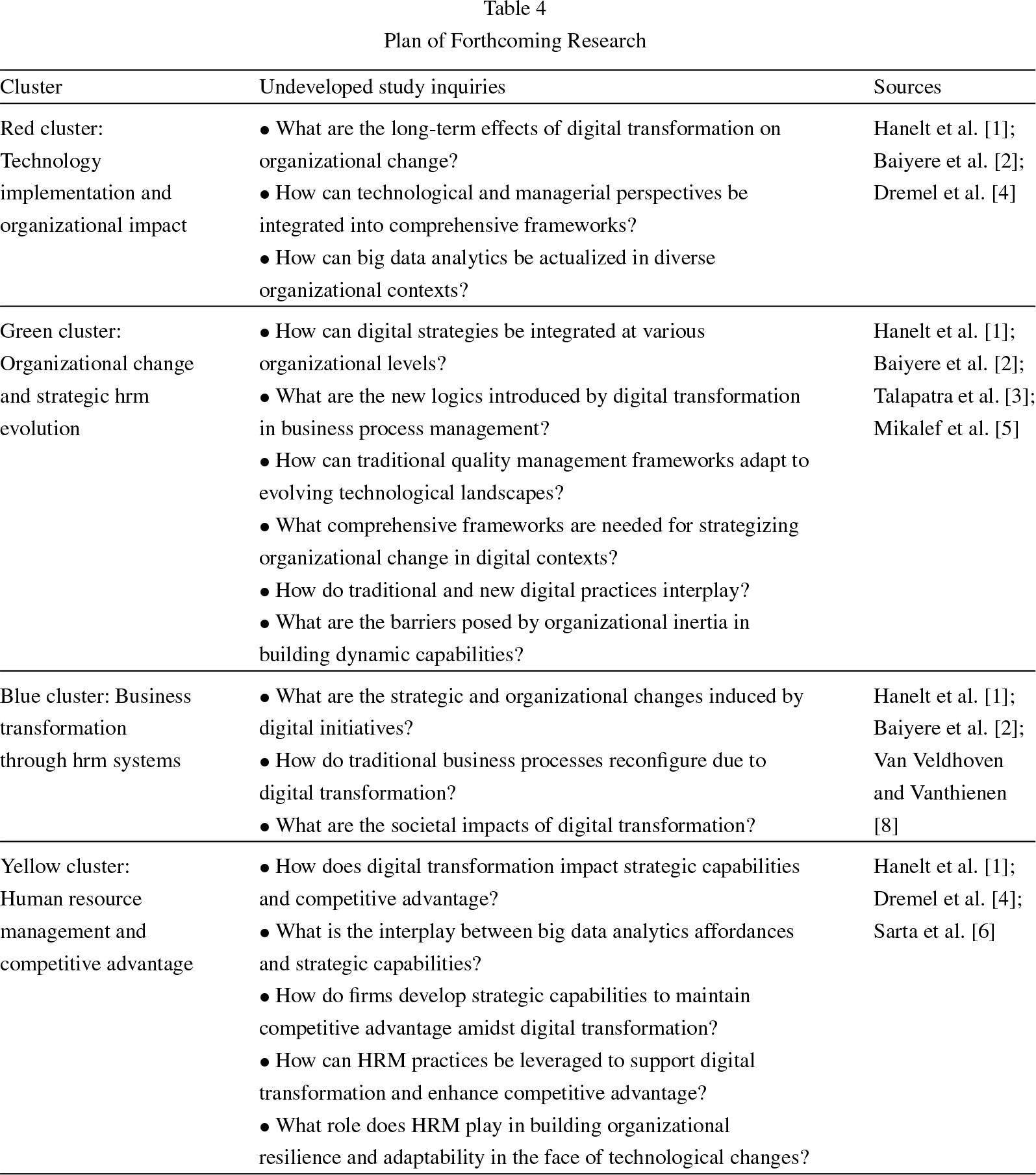
The exploration of technology implementation and its organizational impact, as highlighted by the red cluster, reveals several crucial research gaps and expectations. Future studies should aim to provide empirical evidence on the long-term effects of digital transformation, as emphasized by Hanelt et al. [1]. Furthermore, integrating technological and managerial perspectives into comprehensive frameworks, as suggested by Baiyere et al. [2], will be critical. Research should also extend beyond case studies in specific industries like the Bangladeshi garment sector, as discussed by Talapatra et al. [3], to more diverse organizational contexts. Addressing the actualization of big data analytics in various sectors, as highlighted by Dremel et al. [4], will provide more actionable insights. Understanding the institutional logics driving technology adoption, as suggested by Genin et al. [61], and developing frameworks that link business, society, and technology, as proposed by Van Veldhoven and Vanthienen [8], will also be crucial.
Hanelt et al. [1] point out that the green cluster’s focus on organizational change and strategic HRM evolution necessitates an understanding of how to integrate digital strategies at various organizational levels. Future research should delve deeper into the new logics introduced by digital transformation and their impact on business process management, as noted by Baiyere et al. [2]. Talapatra et al. [3] talk about how traditional quality management frameworks can adapt to changing technological landscapes. Dremel et al. [4] discuss the use of big data analytics in driving organizational change, both important topics that need more research. Additionally, integrating HRM practices to support organizational change and strategic HRM evolution will be crucial. This includes examining how HRM can aid in managing knowledge transfer, fostering innovation, and overcoming organizational inertia. Genin et al. [61] talk about the tension between state-owned enterprises and institutional logics in different economies. Van Veldhoven and Vanthienen [8] talk about the interaction-driven phenomenon of digital transformation. Both of these will help us understand how strategies change over time. The green cluster highlights also innovation and capability exploration, pointing to a lack of comprehensive frameworks for strategizing organizational change in digital contexts, as identified by Hanelt et al. [1]. Future research should explore the interplay between traditional and new digital practices, as highlighted by Baiyere et al. [2], and investigate the impact of TQM in various sectors, as suggested by Talapatra et al. [3]. Understanding the practical applications of big data analytics across diverse industries, as discussed by Dremel et al. [4], and the influence of state governance on technological innovation, as noted by Genin et al. [61], will be crucial. Van Veldhoven and Vanthienen [8] say that research should also look into how digital transformation affects society. North et al. [58] suggest testing frameworks for digitally enabled growth in various global regions. Additionally, looking into dynamic capabilities and the problems caused by organizational inertia, as pointed out by Mikalef et al. [5], as well as the difficulties in implementing digital transformation, as pointed out by Chawla and Goyal [62], will give us more information about innovation and exploring capabilities.
The blue cluster’s emphasis on business transformation through HRM systems calls for empirical studies on the strategic and organizational changes induced by digital initiatives, as highlighted by Hanelt et al. [1]. It will be crucial to comprehend how digital transformation is altering traditional business processes [2] and investigate the application of big data analytics across various organizational types [4]. The societal impacts of digital transformation, as proposed by Van Veldhoven and Vanthienen [8], and the development of tailored digital strategies for small enterprises, as suggested by North et al. [58], are also important areas for future research. Investigating the role of IT in societal change, as highlighted by Faik et al. [9], and understanding how human resources can dynamically adapt to digital changes, as noted by Sarta et al. [6], will further enrich the field. Additionally, integrating HRM strategies to enhance organizational adaptability and support business transformation will be essential. Future research should explore how HRM can facilitate the adoption of new technologies and support employees in navigating digital changes.
The yellow cluster’s focus on strategic capabilities and competitive advantage underscores the need for more in-depth studies on the impact of digital transformation on these aspects, as emphasized by Hanelt et al. [1]. Future research should explore the effects of digital transformation on competitive advantage, as suggested by Baiyere et al. [2], and investigate the interplay between big data analytics affordances and strategic capabilities, as highlighted by Dremel et al. [4]. Understanding how state governance influences technological innovation in emerging economies, as noted by Genin et al. [61], and the impact of digital transformation on strategic capabilities, as discussed by North et al. [58], will also be crucial. It would also be helpful to look into how companies build strategic capabilities to stay ahead of the competition as they go through digital transformation, as Sarta et al. [6] suggest, and how entrepreneurial education can help build these capabilities, as Gianiodis and Meek [63] suggest. Furthermore, examining how HRM practices contribute to building and sustaining strategic capabilities and competitive advantage in the digital era will provide valuable insights. Addressing how HRM can support the development of strategic capabilities and maintain competitive advantage amidst digital transformation will be critical. We understand that some of the issues on our agenda in Table 3 are not all-inclusive and might benefit from the inclusion of additional pertinent questions. Figure 13 shows a causal taxonomy framework that includes a number of variables that were studied in the context of technological change in the human resources environment. It is based on a review of 819 research articles. The model categorizes variables into independent, moderating, mediating, and dependent types, reflecting the relationships explored in the literature.
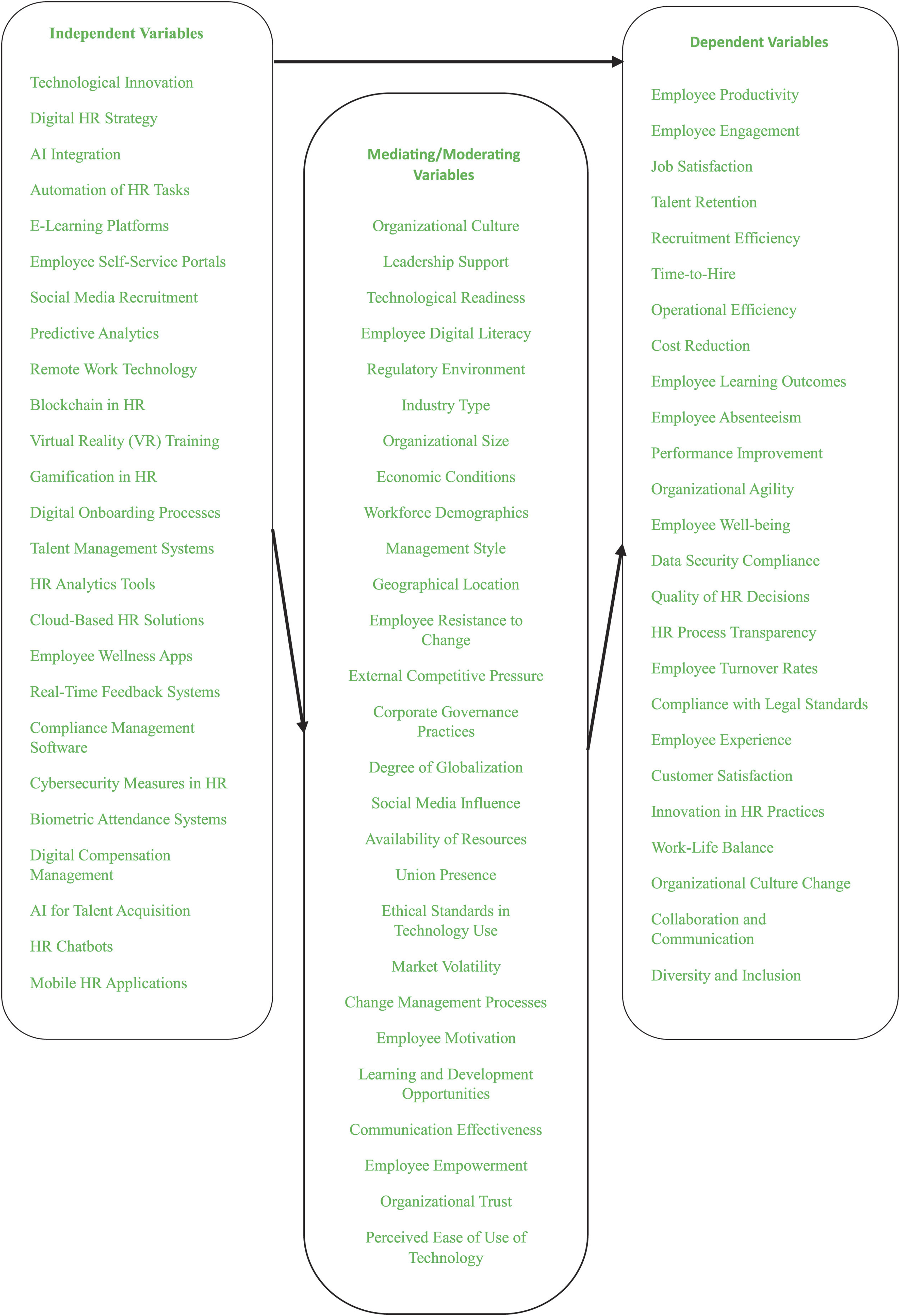
A taxonomy-based causal model for technological change in the human resources environment (Source: Author’s original work, n = 819)
5. Remarks
5.1. Response to research questions
In this section, we discuss the implications of our findings and provide answers to the research questions posed at the beginning of the study:
5.2. Theoretical and practical implications
This systematic literature review (SLR) offers valuable insights for both academics and practitioners interested in human resources. The findings from the clusters underscore the multifaceted nature of digital transformation and its implications for human resources. The review reveals significant research gaps and proposes directions for future studies, thereby providing a comprehensive understanding of the current state of research on digital transformation and organizational impact.
5.2.1. Theoretical implications
The study highlights several theoretical contributions. Firstly, it identifies the critical role of digital transformation in reshaping organizational strategies and processes, as emphasized by Hanelt et al. [1] and Baiyere et al. [2]. The need for more empirical studies to understand the long-term impacts of digital transformation is evident. Additionally, the review underscores the importance of integrating technological and managerial perspectives to develop comprehensive frameworks for business process management, as discussed by Talapatra et al. [3] and Dremel et al. [4]. This integration is crucial for addressing the complex interplay between technology and organizational structures. The study also highlights gaps in understanding the institutional logics driving technology adoption in different economies, as pointed out by Genin et al. [61]. This discrepancy suggests a need for more research on the contextual factors influencing digital transformation. Furthermore, the review identifies a deficiency in longitudinal studies tracking the evolution of digital transformation trends, as noted by Chawla and Goyal [62]. Addressing these gaps will enhance our understanding of how digital transformation impacts human resources over time.
An additional layer to the theoretical implications is the impact of digital transformation on human resources management (HRM). The study reveals that digital transformation is not only reshaping organizational strategies but also fundamentally altering HR practices. Effective HRM is crucial in managing the transition to digital environments, as it involves upskilling employees, redefining roles, and fostering a culture of continuous learning. The integration of technology requires HR professionals to address issues related to employee resistance, job displacement, and the need for new skill sets. As highlighted by authors like Groening et al. [63], the role of HR in facilitating this transition includes developing strategies for talent management, promoting digital literacy, and ensuring alignment between technological advancements and organizational goals. Understanding these dynamics is essential for human resources to successfully navigate the human side of digital transformation.
5.2.2. Practical implications
For practitioners, the findings offer several practical applications. The study emphasizes the necessity for human resources to develop adaptive processes and dynamic capabilities to navigate digital transformations successfully. For instance, North et al. [58] suggest frameworks for promoting digitally enabled growth in SMEs, which can guide small enterprises in implementing digital strategies. Additionally, the review highlights the importance of information exchange mechanisms in driving change within entrepreneurial firms, as discussed by Gupta and Bose [10]. Practitioners can leverage these insights to foster innovation and strategic HRM evolution in their human resources. The study also provides practical insights into the implementation of big data analytics. Dremel et al. [4] and Mikalef et al. [5] discuss the potential of big data analytics to build dynamic capabilities and overcome organizational inertia. These findings can help human resources harness the power of big data to drive strategic decisions and improve performance. Furthermore, the review identifies the criticality of Total Quality Management (TQM) in enhancing business processes, as highlighted by Talapatra et al. [3]. Practitioners in various sectors can benefit from implementing TQM principles to improve quality and efficiency.
In the realm of HRM, the study underscores the importance of addressing human factors in digital transformation. Practitioners are encouraged to develop strategies that support employees through the transition, such as providing training and development opportunities and fostering a supportive organizational culture. This approach ensures that the human side of digital transformation is managed effectively, leading to a smoother integration of technological changes.
5.3. Limitations
An inherent restriction of this research is its reliance solely on the Web of Science database, potentially limiting the range of papers considered. To enhance the comprehensiveness of future research, it is recommended to include other databases such as Elsevier Scopus, PubMed, and Cochrane.
5.4. Conclusion
This study serves as a valuable resource for researchers exploring the intersection of technological change and the human resources environment. By systematically addressing a series of key questions and providing well-supported answers, it offers a comprehensive and current overview of this critical area. The study’s strength lies in its structured approach, meticulously organizing the systematic literature review (SLR) into distinct phases, each offering unique insights. The identified research directions suggest potential future advancements in understanding the synergies between technological change and the human resources environment. Additionally, the proposed research agenda outlines a clear path for future investigation, further enhancing the study’s value. Unlike previous research that often treats technological change and the human resources environment as separate domains, this paper breaks new ground by integrating both areas into a unified framework of research themes. This cohesive approach positions the study as a pioneering effort in this field. The authors would like to express their gratitude to the Department of Business Administration at Amman University College, Al-Balqa Applied University for their support throughout this study. Special thanks to the library staff and research assistants who facilitated access to various databases and resources.
Footnotes
Acknowledgments
Funding
None.
Author contributions
Reyad Al-khawaldeh, affiliated with the Department of Business Administration at Amman University College, Al-Balqa Applied University, Jordan, served as the corresponding author and played a pivotal role in conceptualization, methodology, data analysis using the Bibliometrix package and VOSviewer, as well as drafting the abstract, methods, and implications sections of the study. Ziad Ali Eid Alshawabkeh, from the Department of Business Administration, Faculty of Business, Al-Balqa Applied University, Jordan, contributed to data collection, analysis using Bibliometrix and VOSviewer, and manuscript review. Mosa Qasim Hasan Al Qaryouti, also based at the Department of Business Administration at Amman University College, Al-Balqa Applied University, Jordan, participated in data analysis using Bibliometrix and VOSviewer, thematic cluster review, and manuscript editing. Tariq Ziad Ali Alshawabkeh, an independent researcher from Jordan, provided valuable insights into theoretical frameworks and contributed to manuscript review.
Conflict of interest
The authors declare no competing interests or conflicts of interest related to this study.