




Abstract
Existing correlation processing strategies make up for the defect that most evaluation algorithms do not consider the independence between indicators. However, these solutions may change the indicator system’s internal connection, affecting the final evaluation result’s interpretability and accuracy. Besides, traditional independent analysis methods cannot accurately describe the complex multivariate correlation based on the linear relationship. Aimed at these problems, we propose an indicators correlation elimination algorithm based on the feedforward neural network and Taylor expansion (NNTE). Firstly, we propose a generalized n-power correlation and a feedforward neural network to express the relationship between indicators quantitatively. Secondly, the low-order Taylor expression expanded at every sample is pointed to eliminate nonlinear relationships. Finally, to control the expansions’ accuracy, the layer-by-layer stripping method is presented to reduce the dimensionality of the correlations among multiple indicators gradually. This procedure continues to iterate until there are all simple two-dimensional correlations, eliminating multiple variables’ correlations. To compare the elimination efficiency, the ranking accuracy is proposed to measure the distance of the resulting sequence to the benchmark sequence. Under Cleveland and KDD99 two datasets, the ranking accuracy of the NNTE method is 71.64% and 96.41%, respectively. Compared with other seven common elimination methods, our proposed method’s average increase is 13.67% and 25.13%, respectively.

Introduction
The endogenous process in nature is often a time-sequential variation between multiple variables [9]. The univariate evaluation’s assumption is inconsistent with reality. We take an interest in the data vector group organized in time series to expand the application scope. When using multiple indicators to evaluate one target as a whole, it is inseparable from the evaluation algorithm’s support. This calculation procedure is a concrete realization of integrating multiple indicators under the evaluation theory’s guidance. In the evaluation, the order of the results is more important than the specific value. Therefore, the ranking accuracy is used to show the goodness of the evaluation result.
According to the number of indicators, method characteristics, and requirements, we classify the existing 16 classic evaluation methods in the evaluation field. In univariate evaluation methods, such as exponential evaluation method (EEM) [3], comparison matrix method (CMM) [55], and product comparison method (PCM) [33], each indicator can reflect the characteristics of a specific aspect of the selected target. However, we cannot obtain its overall evaluation. To solve this problem, many researchers have proposed the deterministic evaluation methods for multiple indicators, including the weighted sum method (WSM) [18], weighted product method (WPM) [42], analytic hierarchy process (AHP) [38], and entropy value method (EVM) [53]. In these methods, all data and information are assumed to be precise; it is challenging to analyze the phenomenon of uncertainty. Therefore, grey relational analysis (GRA) [41], the technique for order preference by similarity to an ideal solution (TOPSIS) [28], and rough evaluation method (REM) [51] are proposed to solve the quantitative problem of qualitative factors. Further, the evaluation method has been adaptively expanded. Deterministic evaluation methods are suitable for handling multiple sets of data (such as cluster analysis (CA) [6] and attack graph model (AGM) [44]). Uncertainty evaluation methods are based on subjective data input (such as fuzzy evaluation method (FEM) [13] and dynamic Bayesian method (DBM) [27]).
The above methods focus on a variety of problems encountered in the calculation process of comprehensive evaluation. Notably, these evaluation methods all assume that indicators are mutually independent [32, 8, 47]. However, they ignore the hidden correlations between the indicator variables. This neglected repeated calculation makes the rank of the evaluation results wrong. The specific examples of improper ranking results and their effects are as follows: (1) In the regional economic development plan [40], the fundamental indicators include economic efficiency indicators, environmental indicators, and foreign investment attraction indicators. They are not entirely mutually independent. For example, while the real estate industry’s economic benefits are usually higher than in other tertiary industries, its damage to the environment is more remarkable. These two factors show a reverse synergistic relationship. Suppose we use these redundant components for evaluation without correlation processing. Then promising projects’ funding may be lower than that of disadvantaged projects, which is not conducive to the local economy’s coordinated and sustainable development. (2) When the administrative institution allocates the police force, it would consider the unemployment rate, property status, and non-white ratio. The unemployment rate of non-whites is usually higher [12]. If there is no correlation treatment, many workforce and financial resources may be poured into places with low crime levels, resulting in a high overall crime rate. (3) There is a link between credit and consumption capacity. So when social assistance is issued, improper asset evaluation may help taxes flow into low-income people who have social security instead of the hungry homeless [19]. This social injustice undermines social stability and prosperity. Therefore, it has become an important research point to restore the correct ranking of evaluation results by reducing or eliminating the implicit correlation between indicator variables.
According to their processing stages, seven mainstream models of studying the correlation between indicators can be divided into two categories. One is to process at the beginning, including indicator number limitation (INL) [7, 25], overlapping factors separation (OFS) [35]; the other is to deal with indicators in the middle stage by means of mathematical transformation, including indicator weight revision (IWR) [52], independent component analysis (ICA) [37, 1], principal component analysis (PCA) [45, 43], logistic regression (LR) [10], and multilayer perceptrons (MLP) [15, 48].
The INL method is similar to the feature selection method [30] in the data preprocessing stage, and both achieve better and faster evaluation results by limiting the number of indicators. But the purpose of the two is different. The latter determines whether to retain the indicator by evaluating the degree of relevance to the target, while the former limits the number of indicators as much as possible to minimize the hidden overlap that may exist between indicators. This method is simple to operate, but the relevant parts and overlapping parts of each indicator are bound together, which may mistakenly eliminate its unique information. OFS solves this problem well. It eliminates relevant parts by measuring how much the overlapped part accounts for the amount of indicator information. However, this method is used to eliminate monotonic correlation, and cannot be used to solve non-monotonic correlation problems. IWR adjusted the modified part to the parameters. Its implementation usually appears together with algorithms such as WSM, and the approach is to use modified weights to offset overlapping calculations. However, this method is a compromise on the calculation method, and no mutually independent indicators have been obtained. PCA compresses a set of indicators with a certain relationship into a few comprehensive indicators through linear combination, called principal components. However, the existence of principal components often does not have practical significance, and it is usually used to satisfy the sample point set of Gaussian distribution, which reduces the versatility of the method. ICA is a generalization of PCA, which can be used to find non-Gaussian factors. Under the assumption that the factors exist, each common factor is given a practical meaning, and its essence is to fit the original variable with a linear combination of factors. However, due to the existence of factor rotation, the solution is not unique, and there is a loss of variance in the solution process, so it is difficult to retain all the useful information. LR uses the maximum likelihood idea, which is essentially a two-class model. It uses each index as the input to predict whether the classification of the target is accurate as a benchmark for judging the strength of the correlation. The structure is simple and the training speed is fast. However, due to the linear decision-making surface of logistic regression, it cannot effectively deal with nonlinear problems, and the low degree of fitting of the model results in its low accuracy rate. MLP can be understood as a simple neural network, and non-linear activation functions can help train non-linear sample sets. When there are more than two hidden layers, the model can better capture the characteristics of nonlinear correlation. But this method relies on the training of network parameters and the intermediate process is difficult to explain.
Specifically, different methods have different effects on the indicator system and the application area. For this reason, we analyzed the above models from different aspects, including the mathematics field to which it belongs, whether the indicator system or indicators’ meaning is modified, the appropriate fields, and the description of these methods. The final results are shown in Table 1.
Classification of indicator correlation elimination
Classification of indicator correlation elimination
According to Table 1, ICA, PCA and INL change indicator system’s structure. Regarding the impact on the indicator system structure, the existential hypothesis of ICA’s hidden factors and the available premise of PCA’s principal components have changed the parallel relationship between the same level indicators and the hierarchical relationship between the upper and lower indicators. Furthermore, the number of factors and principal components appear as hyperparameters in the evaluation test, making the meaning of each element difficult to explain. INL is suitable for the evaluation scenario with a small number of indicators. However, when faced with a host of indicators, the comprehensiveness of synthesis evaluation and the indicator system’s simplicity form a dilemma. In this case, the correlation between indicators cannot be eliminated. The other four methods aim to eliminate the correlation of indicators while keeping the indicator system structure unchanged. Among them, OFS and IWR are based on the separation strategy to extract mutually independent parts from the indicators or weights. Nevertheless, the correlation degree calculation still relies on the traditional linear correlation method, failing to eliminate the deeper and complex variable correlation between indicators. LR and MLP find the functional relationship between different indicator variables from the original data based on machine learning. Similarly, the above two methods still do not describe the complex correlation between indicator variables. Moreover, poor training models and parameter settings tend to treat measurement errors as irrelevant parts, making the elimination invalid.
To sum up, the current indicator correlation elimination algorithm does not consider the indicator system’s consistency and the nonlinear correlation between indicator variables. Hence, it is arduous to explain the indicator system’s meaning and achieve the evaluation indicator’s complete independence. To improve the evaluation’s accuracy, researchers must propose new definitions and strategies to characterize these intricate relationships between indicators. Simultaneously, different response methods need to be given to every sample point to minimize the measurement errors that interfere with the evaluation results. To achieve these above goals, this paper defines generalized n-power correlation, extending the linear correlation to the general correlation. Furthermore, combining MLP and OFS, a method based on the feedforward neural network and low-order Taylor expansion (NNTE) to eliminate the correlation of evaluation indicators is proposed. In particular, the relationship between the multi-dimensional indicators is gradually reduced to the calculation of the relationship between two indicators using the layer-by-layer stripping method.
The rest of this paper is organized as follows. Section 2 introduces the background knowledge and research status of indicator correlation elimination. In Section 3, we introduce the method of eliminating the nonlinear correlation between multiple indicators based on NNTE. Section 4 analyzes the experimental datasets and compares the effectiveness of the correlation elimination strategy proposed in this paper with other mainstream evaluation algorithms. We summarize this paper’s research in Section 5. Section 6 puts forward the shortcomings and possible future research directions.
The traditional correlation elimination method can trace back to the famous Pearson correlation coefficient [39] proposed by the British statistician Karl Pearson in the 1890s. He advocated calculating the linear correlation between two indicators by the ratio of the covariance and the product of variance. Specifically, OFS and IWR usually use this coefficient to calculate the overlap’s size. Mainstream correlation elimination methods also include the Spearman coefficient [20], Kendall coefficient [23], and their variants.
It is worth noting that in the Pearson coefficient, the two variance values at the denominator position cannot be zero. In other words, neither of the two variables can be constants, which limits the scope of application. In addition, this coefficient does not restrict outliers, which makes the evaluation results sensitive to noise interference. To solve these two problems, the Spearman coefficient introduces the concept of rank. This parameter indicates the ranking position of each sample point in the sample set, regardless of the specific value, thereby reducing the dependence on the size of individual variables. To deal with the problem that the Pearson coefficient cannot solve the correlation measurement of categorical variables, the Kendall coefficient puts forward the concept of ordered pairs. It uses the consistency of the ordering relationship between two adjacent ordered pairs as a benchmark and calculates the ratio of the difference between the identical ordered pairs and the inconsistent ordered pairs to the total number of sequences. Although the Spearman coefficient and Kendall coefficient extend the measurable linear correlation of the Pearson coefficient to monotonic correlation, they still cannot effectively deal with the measurement of complex functional correlations such as square relationship, logarithmic relationship, exponential relationship, and triangular periodic function. Therefore, when using multiple indicators to evaluate, a similar linear or monotonic processing method for all variables without judgment may change the final evaluation results’ comparison order. Therefore, this disorder increases the false-negative rate (judging serious incidents as normal behaviors) and the false-positive rate (judging non-serious objects as urgent incidents). This misjudgment puts forward higher requirements for studying the fuzzy relationship between deeper bottom evaluation indicators.
To extend the correlation elimination to the non-linear and monotonic field, many scholars have made a lot of related research. Among them, the classic method is based on mutual information [17]. Mutual information takes the probability density function of the bivariate as the known relationship, so it can measure complex correlation relationships including non-linear relationships. The correlation elimination method based on mutual information is usually used to solve the correlation relationship of bivariate continuous functions. For sample sets composed of multivariate discrete points such as network security datasets and medical datasets, the solution of the probability function is an NP-hard problem.
In recent years, to make the evaluation results more credible and reliable, many researchers have done a lot of related work in proposing global indicator processing methods. Paper [9] proposed a method called independent component analysis (ICA), suitable for multivariate data. It estimates independent components by combining non-parametric probability integral transformation with generalized non-parametric whitening methods. Paper [56] proposed three new methods to measure the interdependence between multiple random variables. The first method generalizes the distance covariance from pairwise dependence to mutual dependence. The other two methods are the sum of distance covariance squares. Both two methods are used to capture the nonlinear and non-monotonic interdependence between random vectors. Based on the mean-variance indicator, Paper [16] proposed an unconditional distribution function for continuous variables under a given discrete value. This function is aimed at testing the correlation between discrete variables and continuous variables. Paper [4] proposed two new feature-weighted L2 distance measurement methods based on random variables: distance multivariate and total distance multivariate. They can deal with the correlation between multiple random variables and extend the distance covariance from paired random variables to n-ary random variables. Paper [57] proposed a probabilistic model based on the multivariate Polya tree. It can test the mutual independence between continuous random variable vector groups. Moreover, the obtained Bayes factor is used for the independence test.
Methodology
Since the assumption of linear correlation does not match the actual situation, we introduce the concept of the multi-dimensional correlation between variables. To express this concept quantitatively, we adjust the existing neural network structure to find the relationship between input and output indicators. OFS and IWR make the same adjustments to weights or values at all sample points. However, this operation affects the accuracy of expression expansion. Consequently, we adopt different adjustment strategies at different sample points. Meanwhile, to extend the relationship between two variables to multiple variables, we adopt the idea of peeling off the relevant parts layer-by-layer to reduce dimensionality.
N-power correlation
The Pearson coefficient, which is widely used in the industry to measure the correlation between indicators, is defined as:
where
However, Eq. (1) can only measure the cooperative change relationship between two variables. What is more, it is essentially a linear transformation based on the calculation of the mean value, which does not apply to significant nonlinear relationships. For example, in the bivariate relationship
It is manifest from Eq. (2) that although the Pearson coefficient is zero, there is still a notable functional correlation between
This paper defines square correlation, cubic correlation, and n-power correlation, extending linear correlation to high-dimensional correlation to describe complex function relationships.
Let
The Taylor expansion contains the order relationship between the input and output variables. The stronger a certain relationship is, the larger the constant coefficient in front of its expansion. This characteristic is consistent with the characteristic of the n-power correlation depicted in Section 3.1. The Taylor formula also supports expanding at discrete points. Therefore, to measure the correlation at different points, this paper expends the Taylor formula to a certain order.
We assume that the random vector variable
If the unary function
If the binary function
where the former
In particular, all correlations between multiple variables, including the independent part, linear correlation part, square correlation part, cubic correlation part, and high-dimensional correlation, can be mapped to the multivariate Taylor series. We suppose that the expansion is
where
where
To use the Taylor expansion, we need to obtain the relationship between two variables. There are three commonly used correlation analysis methods: the chi-square test, the Pearson coefficient, and the
According to application fields, the structure of existing neural networks is mainly divided into RNN-based natural language process and CNN-based image recognition analysis. The former can memorize historical input information so that the entire text sequence can be semantically modeled. The latter has typical local features such as translation invariance so that it can perform pattern matching on pictures. In this paper, the research object is multiple time series variables. The difference from the above application ranges is that our work focuses on the relationship between different indicators over time instead of studying the relationship among the same indicator at different times. Furthermore, unlike the jpg or png, the real matrix cannot match the convolution kernel by translation. Therefore, we avoid using CNN and RNN structures in this paper. The fully connected layers’ structure can better process the numerical matrix composed of column vectors (also called indicator data) with a certain correlation. According to the neurons in the hidden layer, the intermediate transformation weights and biases can be acquired to find the exact continuous relationship expression between the input and output variables. This mathematical equation can be used in the next Taylor expansion. All in all, in this paper, we use a feedforward neural network to solve the relationship between variables.
We compared neural networks with different hidden layer numbers to obtain the appropriate number of layers of the feedforward neural network. The result is shown in Table 2.
Contrast with different numbers of hidden layers
Contrast with different numbers of hidden layers
Thus, we should use three or more hidden layers to obtain an accurate expression of the nonlinear correlation between variables. In addition, to apply more complex data sets and improve the convergence speed, the number of appropriate hidden layers should be set to four or five. Therefore, this paper designs a feedforward neural network structure with five hidden layers, as shown in Fig. 1.
Diagram of a feedforward neural network model with five hidden layers.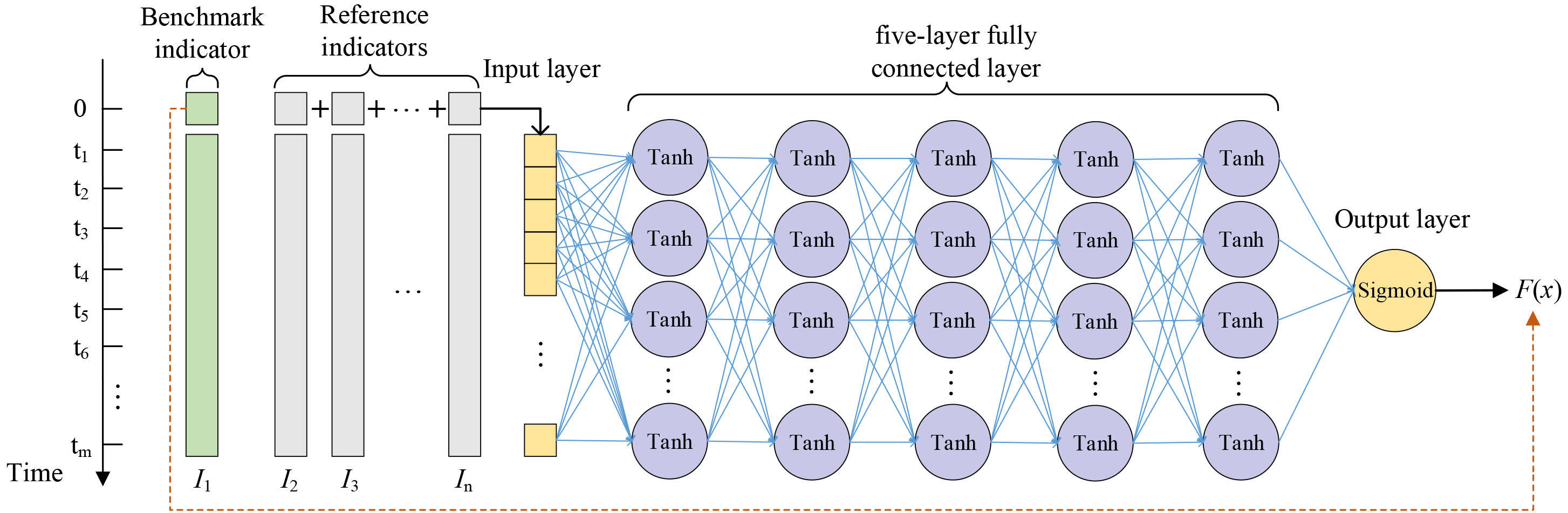
From Fig. 1, we can see that the feedforward neural network model includes: an input layer, five fully connected layers, and an output layer. Among them, the input layer indicator data is the one-dimensional vector data of the n indicators (
where parameter
The output layer uses the sigmoid function to control the output range between zero and one. Assuming that the output after the five fully connected layers is: (
The objective function of the model is the mean square error (MSE). Let
Then we need to select an appropriate epoch for training. We can directly obtain each neuron’s output expression
where
When
We have explained the calculation method of each layer. Therefore, we get the forward propagation relation
Combining parts 3.2 and 3.3, we propose the calculation process, as shown in Fig. 2.
Neural network and Taylor expansion application process.
According to Fig. 2, one round of input and output calculations can obtain the multivariate correlation between the benchmark and the reference indicator. If we remove the
The benchmark indicator after eliminating can be regarded as a new indicator independent of the reference indicator. After a round of elimination, the database
Example of the correlation elimination process using four indicators as the indicator system.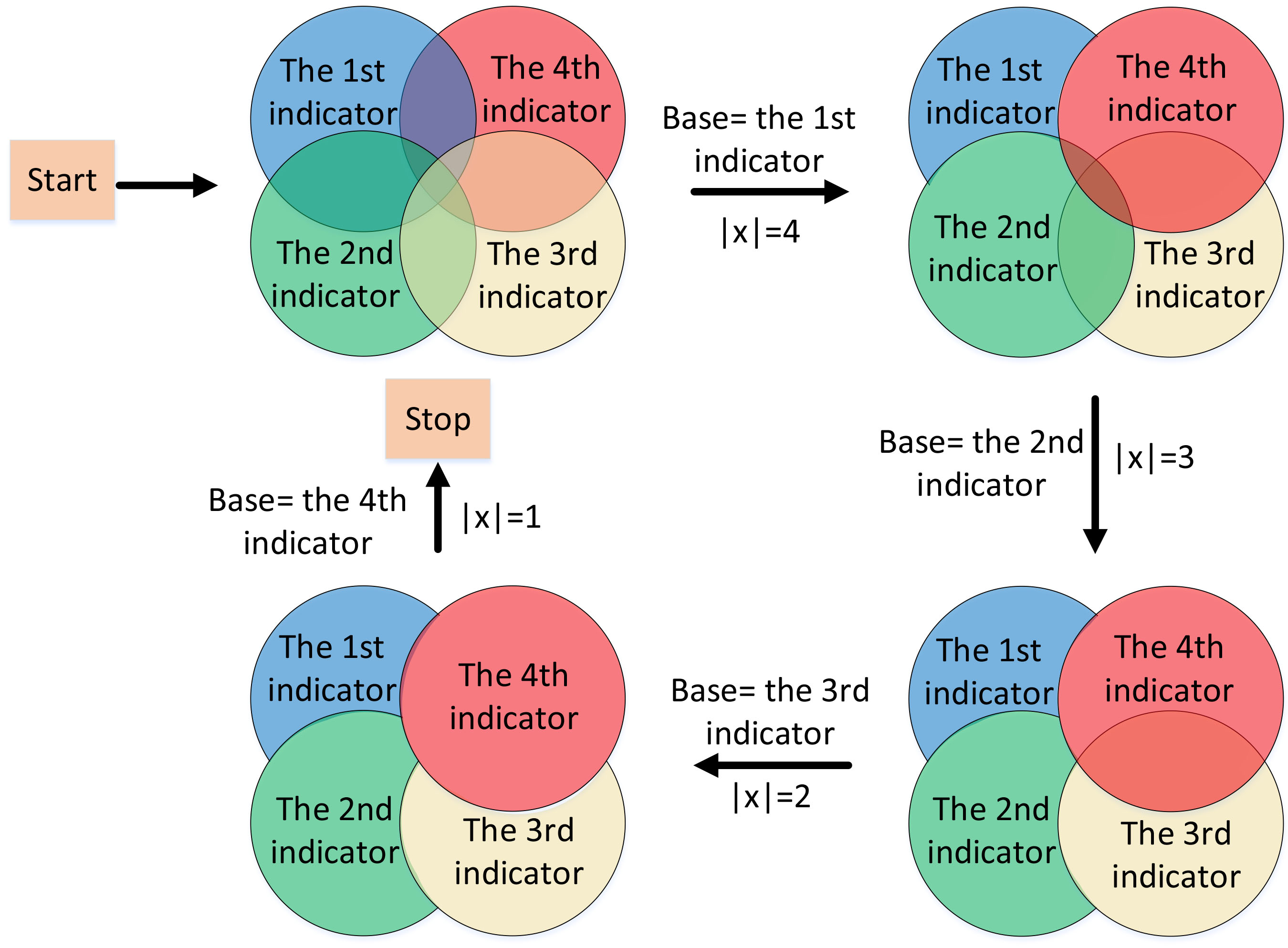
This method can visualize the abstract relationship between indicators. Each circle represents the intrinsic meaning category of the corresponding indicator, the intersection between the two circles represents the implicitly related part between the two indicators, and the intersection between the three circles represents the implicitly related part between the three indicators, and so on. If the indicator correlation elimination method is not used, the common part of the four circles will be calculated four times, the common part of the three circles will be calculated three times, and the common part of the two circles will be calculated twice. This is the reason why the evaluation effect is still not good after feature selection. The goal of our proposed method is to eliminate all these crossover parts so that each part is calculated only once. There are four steps in Fig. 3. Firstly, take indicator
The final stop sign of correlation elimination between indicators is that the length of the current indicator set
There are four critical procedures in the above algorithm. The first procedure (1
We use crossing realm open datasets as the processing objects to reduce the impact of the one-sidedness of datasets’ choice. In cardiology, we have chosen the Cleveland dataset [11], which is widely used in machine learning. In the field of network security, we have chosen the popular KDD99 dataset [50] for DDoS evaluation. Moreover, the validity verification of the elimination algorithm may be affected by the evaluation algorithm. Therefore, we compare the results under different evaluation algorithms. We choose the classic GRA and the TOPSIS evaluation methods as the uncertainty evaluation algorithm, the WSM and WPM widely used in the industry as the deterministic evaluation algorithm.
What’s more, the tested results’ validity is affected by the incomplete selection of the elimination algorithm for comparison. To reduce this influence, we have fully classified the existing elimination algorithms in the introduction. We also adopt the widely recognized and used elimination algorithm as the comparison object (including INL, OFS, IWR, ICA, PCA, LR, and MLP). Finally, to verify the proposed algorithm’s effectiveness, we compare NNTE with other elimination algorithms’ performance by calculating the distance to the benchmark. Figure 4 shows the overall experimental flow design.
Design of the experimental process of the validity of the indicator correlation elimination algorithm.
To minimize the impact of different evaluation algorithms on the evaluation results, we have adopted four classic evaluation methods to solve the final evaluation value. Among them, the traditional GRA algorithm usually sets the distinguishing coefficient
where
We suppose the indicator dataset is the matrix
Thus, the proximity of the
The WMS requires evaluators to set the evaluation weight of each indicator in advance based on expert opinions. We suppose the value of the indicator
Further, the solution formula of the WPM is as follows:
What is more, we propose sorting accuracy (SA) to measure the similarity between the test and the expected sequence order. Its definition is as follows:
where the numerator
The experimental method is designed according to the three levels: “dataset * evaluation algorithm * elimination algorithm.” We verify the experiment on two real public datasets (Cleveland and KDD99 datasets). And we evaluate the elimination effects of the seven comparison methods and the proposed method under four evaluation algorithms and compare their performance.
First, we set up a blank control group. This group does not use the elimination algorithm to process the dataset. We calculate the dataset’s correlation under a specific evaluation algorithm and compare the current evaluation result ranking with the benchmark. The sorting accuracy of the blank control is then calculated according to Eq. (21).
Secondly, we set up a control group. We process the dataset according to different indicator correlation elimination algorithms, including INL, OFS, IWR, ICA, PCA, LR, and MLP. To control the variables, it is consistent with the evaluation algorithm selected in the blank control group. When using INL as the elimination algorithm, we set the number of indicators to 1
Finally, we set up the experimental group. The sorting accuracy is calculated under the NNTE method. Further, we compare and analyze the reduction efficiency of final sorting results with the other seven methods.
Heart disease
Heart disease is the biggest killer of human health in most countries. In cardiology, research on its leading causes and manifestations has become an important medical topic. It is noteworthy that classification and prediction methods based on machine learning provide new ideas for the correlation analysis of indicators of heart disease incidence.
Database processing
The Cleveland dataset is a well-known public dataset in this field. It contains 303 items consisting of 76 attributes related to heart disease. This dataset is available in the open database of the University of California Irvine [11]. This dataset has been marked with the evaluation results to facilitate research.
Affected by the subjective and objective factors in the collection process, there are default data in the six items of the Cleveland dataset, of which four are feature ca and two are feature thal, and the default item only accounts for 2%. Considering that the use of these six data items requires artificial data filling, additional subjective factors will be introduced. And the default items are relatively small, so the overall distribution of the data will not be affected if they are not used. Therefore, to simplify the calculation, we have deleted these default data items. Further, we extracted the relevant 14 attribute feature subsets as the research dataset [49], shown in Table 3.
Fourteen indicators that are strongly related to heart disease in the Cleveland dataset
Fourteen indicators that are strongly related to heart disease in the Cleveland dataset
Paper [29] pointed out that the risk level of heart disease (the last attribute) can be predicted based on the first 13 attributes’ comprehensive evaluation. Therefore, in this experiment, our indicator system is composed of 13 attribute indicators. The main goal is to observe the impact of the indicator correlation elimination strategy on the evaluation results’ ranking.
In the blank control group, we did not use any indicator correlation elimination strategy. Then it was evaluated based on the GRA algorithm, and the result is shown in Fig. 5. The total number of indicator pairs is 43956, and the number of ranking pairs same as the benchmark is 23818, so the ranking accuracy when using blank control is 54.186%. This probability is close to 50%, showing a lousy reduction effect. The reason for this situation is mainly due to repeated calculations between indicators. For example, the older the residents, their metabolic ability to digest and decompose glucose has decreased, so the fasting blood sugar content is more likely to be higher. Therefore, for the two indicators of age and fbs, the implicit correlation between them has been calculated more than once, which impacts the result.
Evaluation results of non-correlation elimination under GRA.
Comparison of different numbers of evaluation results using INL under GRA. (a) one indicator and two indicators. (b) three indicators and four indicators. (c) five indicators and six indicators. (d) seven indicators and eight indicators. (e) nine indicators and ten indicators. (f) eleven indicators and twelve indicators.
Continued.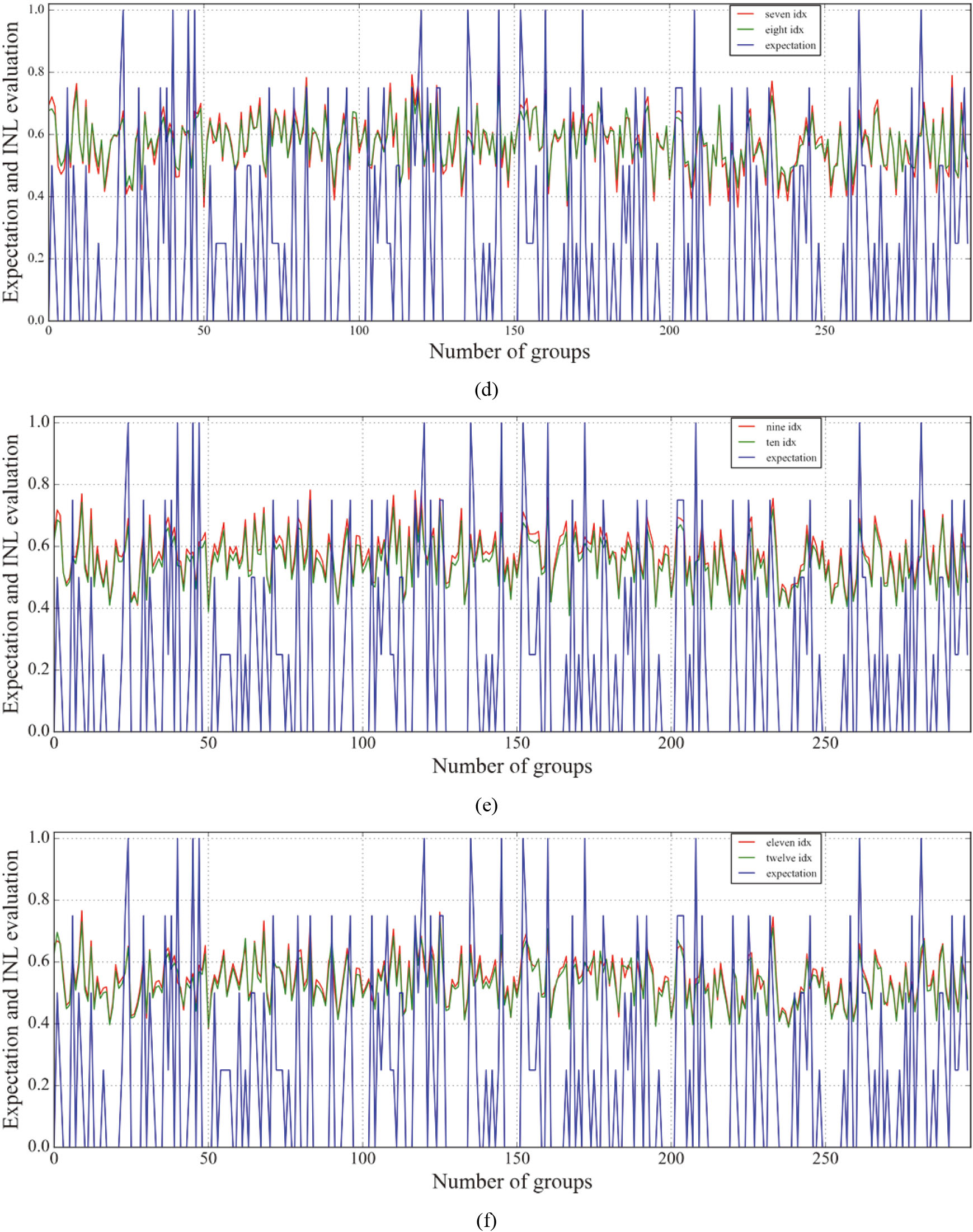
Evaluation accuracy of INL and OFS strategies under GRA. (a) INL. (b) OFS.
Indicator restoration results based on FastICA.
Indicator restoration result based on WemPCA. (a) one principal component. (b) two principal components. (c) three principal components. (d) four principal components. (e) five principal components.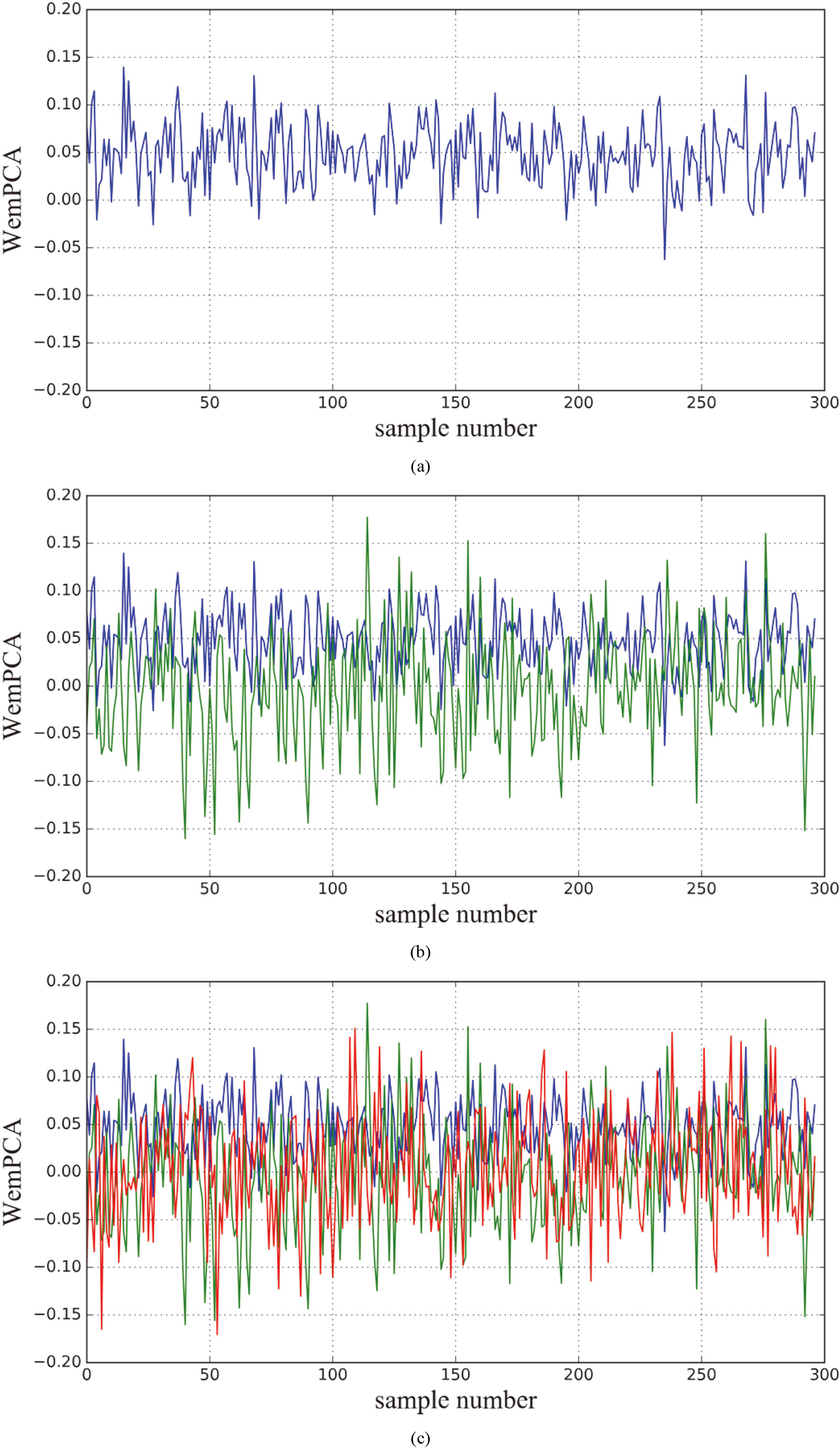
Continued.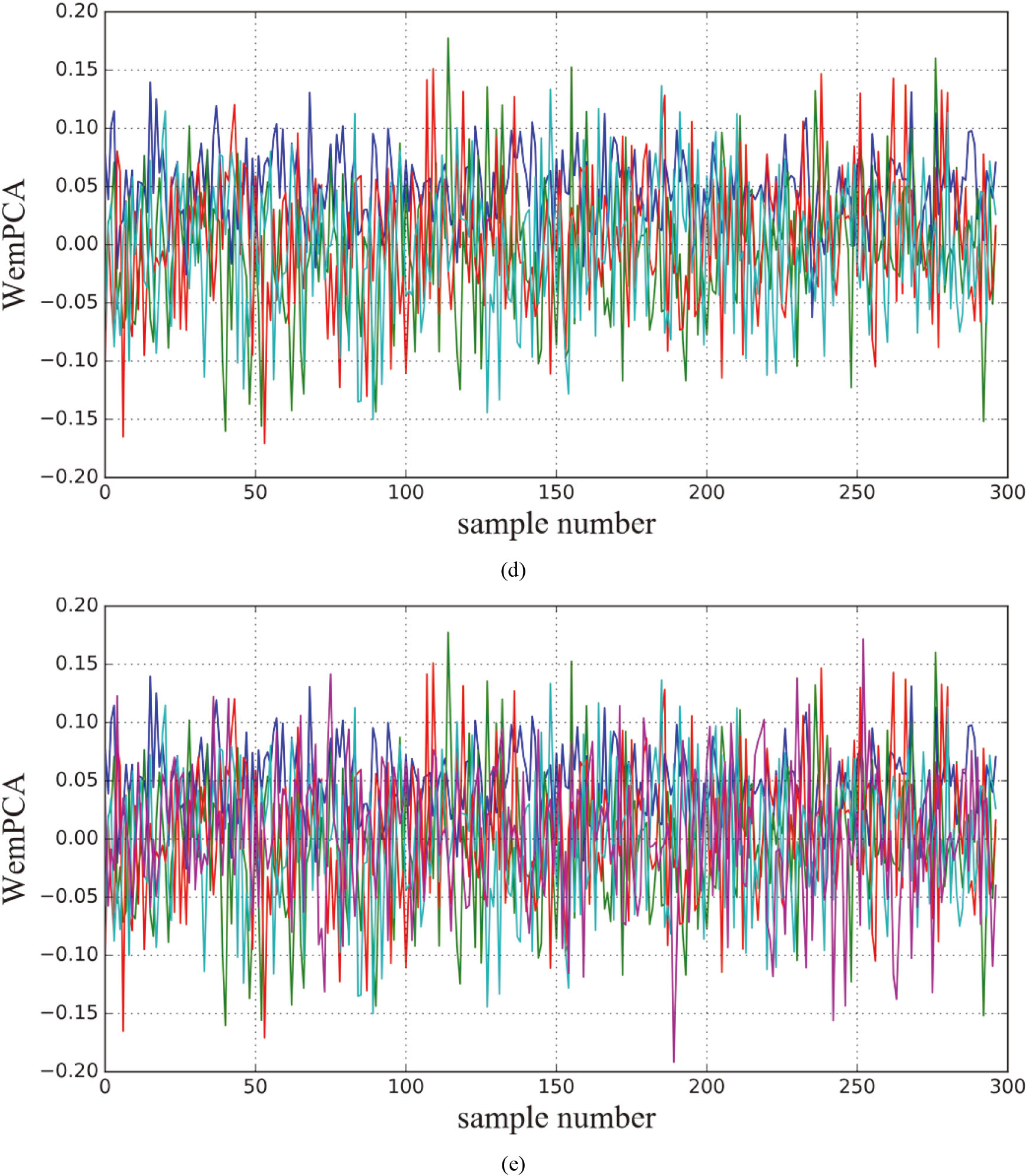
Comparison of evaluation results and expectations using the NNTE algorithm under GRA.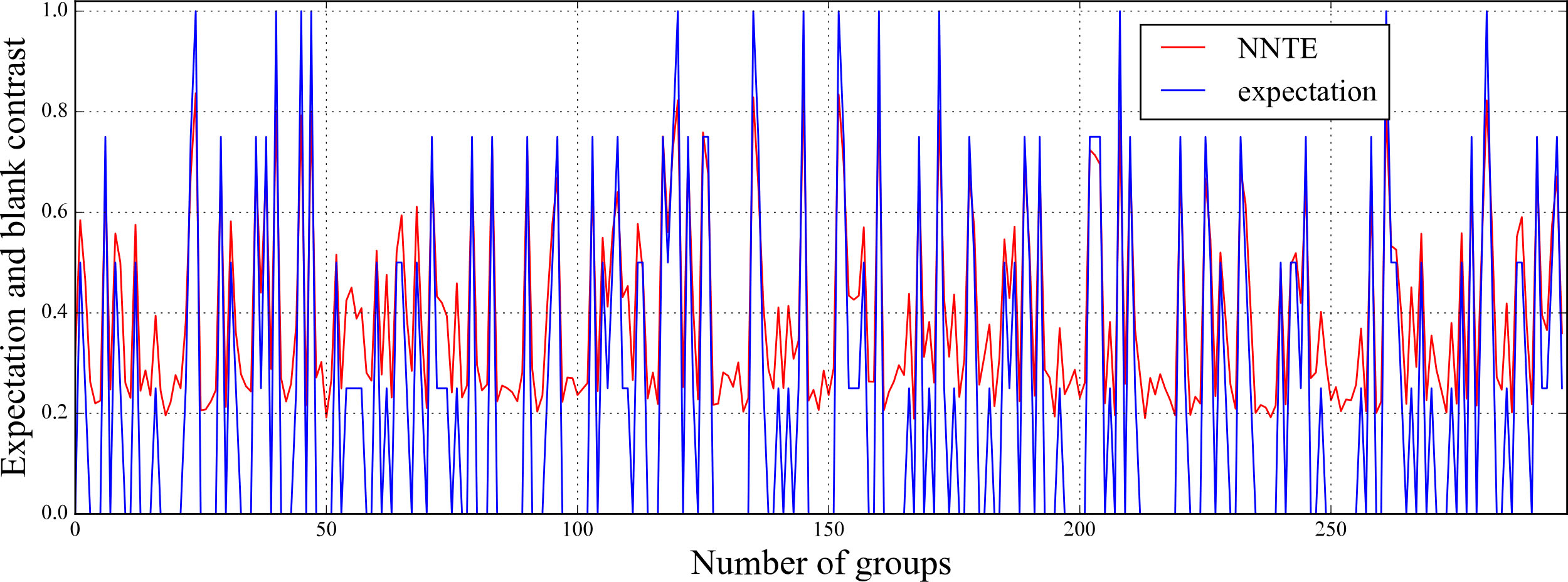
Secondly, we analyzed the evaluation result under INL. The result is shown in Fig. 6. It can be seen from this figure that as the number of indicators increases, the result becomes more stable.
We also calculate the accuracy rate changes under different numbers of indicators, and the results are shown in Fig. 7a. It shows that when the number of indicators is one to five, the sorting accuracy gradually goes up with the increase of the number of indicators. At this time, comprehensiveness is the main factor. However, when the number of indicators increases to 6
Next, we analyzed the elimination effect under IWR. The application of this strategy in the GRA is weight modification of the final average calculation. After calculation, the sorting accuracy of IWR and OFS showed similarity, and the final sorting accuracy stayed at 57.49%. We also dealt with the correlation between indicators under the classic FastICA algorithm. This algorithm uses 13 indicators as input signals. After non-Gaussization, whitening, and rotation operations, the 13 output signals obtained are shown in Fig. 8. After testing, FastICA’s sorting accuracy reached 67.82%, which is 13.64% and 10.37% higher than INL and OFS, respectively. It can be seen that when ICA is used as an indicator processing strategy, the evaluation result is better than the other two methods.
We also tested algorithm performance under PCA. The classic PCA method is good enough, but it cannot handle the dataset maxed with considerable noise. Therefore, we verified our method under Weighted Expectation Maximization Principal Component Analysis (WemPCA), as shown in Fig. 9. After calculating, WemPCA’s sorting accuracy reached 69.83%, which is slightly higher than FastICA.
We also tested the effect of correlation elimination under MLP. After testing, CNN’s sorting accuracy reaches 71.14%. This value is slightly higher than the FastICA and WemPCA. Finally, the effect of the NNTE elimination algorithm is shown in Fig. 10. The sorting accuracy of the NNTE has reached 76.41%, which is 5.27% higher than the CNN structure. During the test, we found that when the expansion order reaches four, the average error of expansion at all sample points was controlled within 0.1%. Therefore, the low-order Taylor expansion can be used to solve the correlation elimination problem between indicators.
The comparison result of different elimination algorithms and the NNTE method is shown in Fig. 11a. Furthermore, the evaluation results under other classic algorithms (such as TOPSIS, WSM, and WPM) are shown in Fig. 11b.
Comparison of the sorting accuracy of different elimination algorithms under four evaluation algorithms. (a) Comparison of SA under GRA. (b) Comparison of SA under TOPSIS, WSM, and WPM.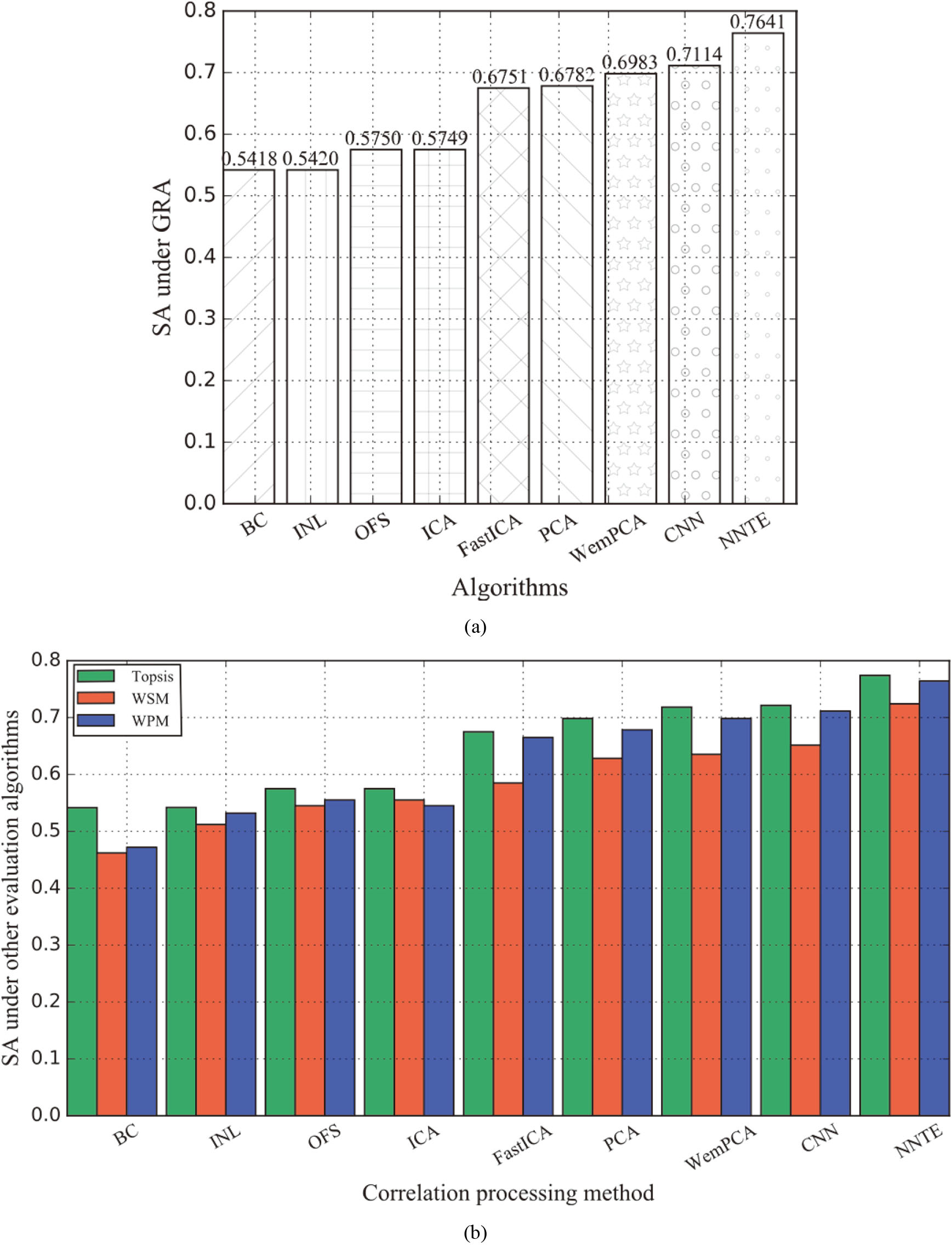
According to the above, we can conclude that the NNTE method can obtain a higher ranking accuracy under the four classic evaluation algorithms. The general applicability is also verified. However, the NNTE method is only 76.41% at the highest, still a 23.59% gap to complete ranking reduction. There are two reasons for this phenomenon. One reason is the incomplete composition of the indicator system for causes of heart disease. Although the Cleveland dataset has been widely used in all aspects of machine learning in the past few decades. Especially, the technologies in fields like prediction, classification, and correlation analysis are becoming increasingly mature. Nevertheless, few pieces of literature demonstrate and explain the completeness and objectivity of this dataset. What is more, the omission of some indicators may have a non-negligible impact on the evaluation results. The other reason attributes to the assumption that an n-party correlation exists in this paper. More specifically, regardless of the complicated functional relationship between the two indicators, we use the n-power relationship for fitting, which is consistent with the expansion nature of the Taylor expansion. However, this generalization process ignores the problem of information loss in solving the relational expressions of discrete data using continuous functions.
The global Internet economy is developing rapidly, and so are cyber attacks. Among all the means of attack, DDoS attacks have increasingly become one of the major security threats faced by many countries and governments [34]. This type of attack has the characteristics of low threshold, low cost, high profit, and difficulty to prevent. In order to build a complete response plan, one of the keys lies in whether network security policymakers can quickly and accurately evaluate the effectiveness of DDoS attacks [24]. What is more, a good evaluation result can guide the deployment personnel to allocate limited resources in a targeted manner, thereby reducing the incident’s hazards.
Database processing
The KDD99 dataset is a famous network attack traffic dataset. It has five types of traffic, including normal, DoS, probing, R2L, and U2R. This dataset can be obtained from the KDD competition website held in 1999. The full data contains 4,898,431 traffic records. We extract normal traffic and DDoS-related attack traffic from the complete dataset, totaling 4,856,151 traffic records. The traffic compositions are shown in Table 4.
Component traffic of DDoS attack
Component traffic of DDoS attack
Among the six types of attack traffic, the Neptune, Smurf, and Pod attacks are based on resource consumption to overwhelm the target, while the Back, Land, and Teardrop are based on protocol vulnerabilities to attack the process of data packet interaction. In this experiment, we restrict the research object to resource exhaustion attacks. Therefore, we extract Neptune, Smurf, and Pod attacks as processing targets. Each record is composed of 42 features. According to the DDoS evaluation definition [31], the indicator system consists of four indicators, namely traffic rate, semi-connection occupancy, service occupancy, and host loss. The traffic rate indicator is calculated based on the ratio of the number of data packets sent and the duration [5], the semi-connection occupancy indicator is estimated on the percentage of connections [54], the estimated service occupancy indicator is calculated based on the percentage of service connections [36] and the host’s packet loss is calculated based on the total ratio of SYN errors and REJ errors packet rate [26]. Then, the above four performance indicators can be calculated by seven features as duration, src_bytes, dst_host_count, dst_host_same_srv_rate, dst_host_serror_rate, dst_host_rerror_rate, and type from KDD99. Then we get the evaluation indicator set. As the KDD99 dataset handles the item by assigning a real number zero when its duration is less than one second, we assume no time is crossing between records. After calculation, when we replaced zero (s) with 0.82 (s), the total flow occurred for seven days, which was consistent with the dataset description. Besides, we use 2000 items as a statistical unit and use the mean as the unit’s final evaluation result.
The KDD99 dataset is not manually labeled. Therefore, to obtain the benchmark evaluation results, this paper uses the product of the attack duration and the number of attack packets as the attack intensity [46]. This parameter can simultaneously reflect the two dimensions of time and space and approximate the effect of DDoS attacks. The estimation result is shown in Fig. 12a. The KDD99 dataset can be divided into seven days according to the collection time. According to the attack effect from high to low, the order is 4th day
Estimating the attack effect through the traffic intensity and use this as the benchmark. (a) Using attack traffic intensity to calculate benchmark. (b) Evaluation results of non-correlation elimination under GRA.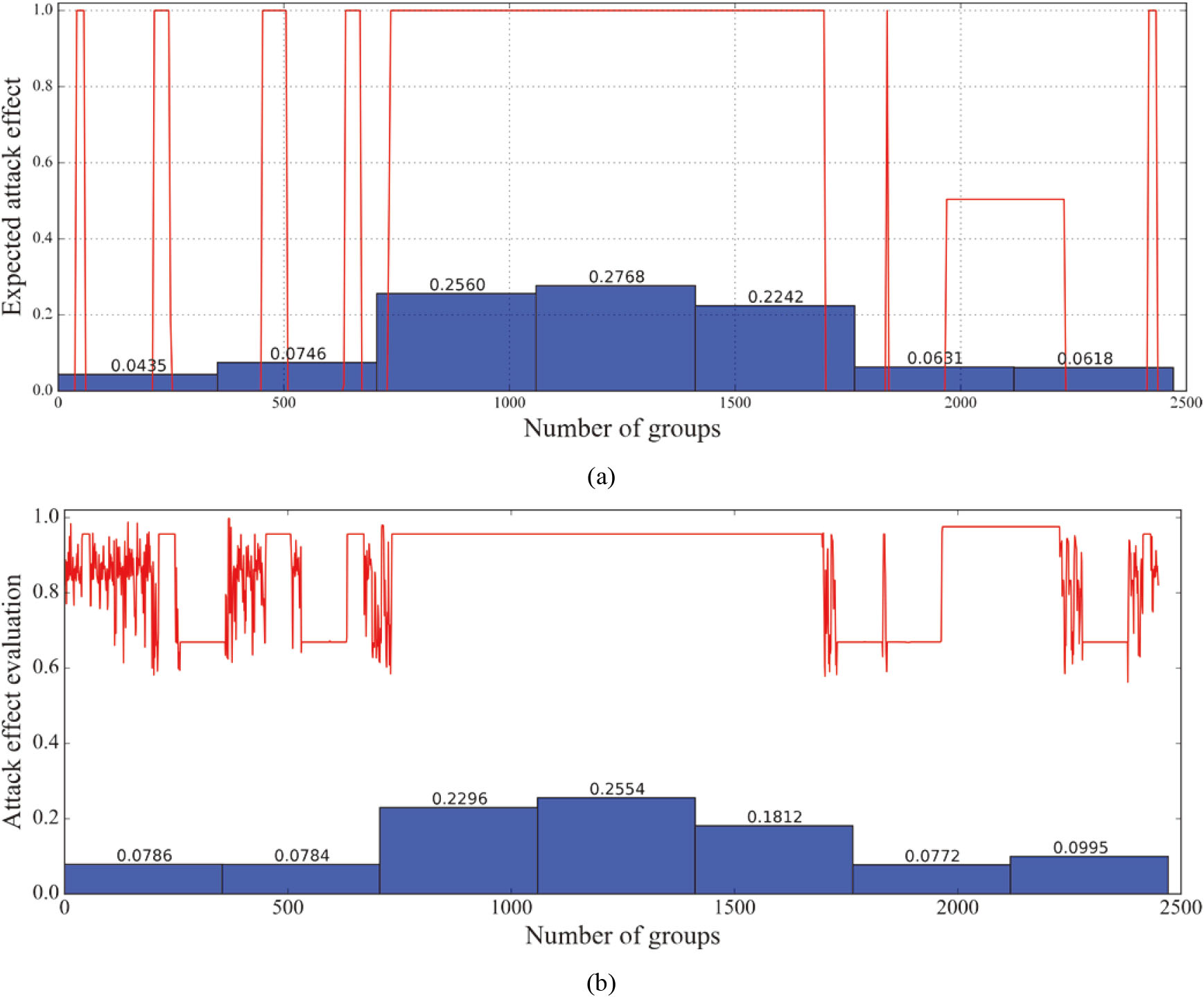
Next, we analyzed the evaluation result under INL. We selected 1
Evaluation results under different numbers of indicators when INL is adopted under GRA. (a) one indicator. (b) two indicators. (c) three indicators.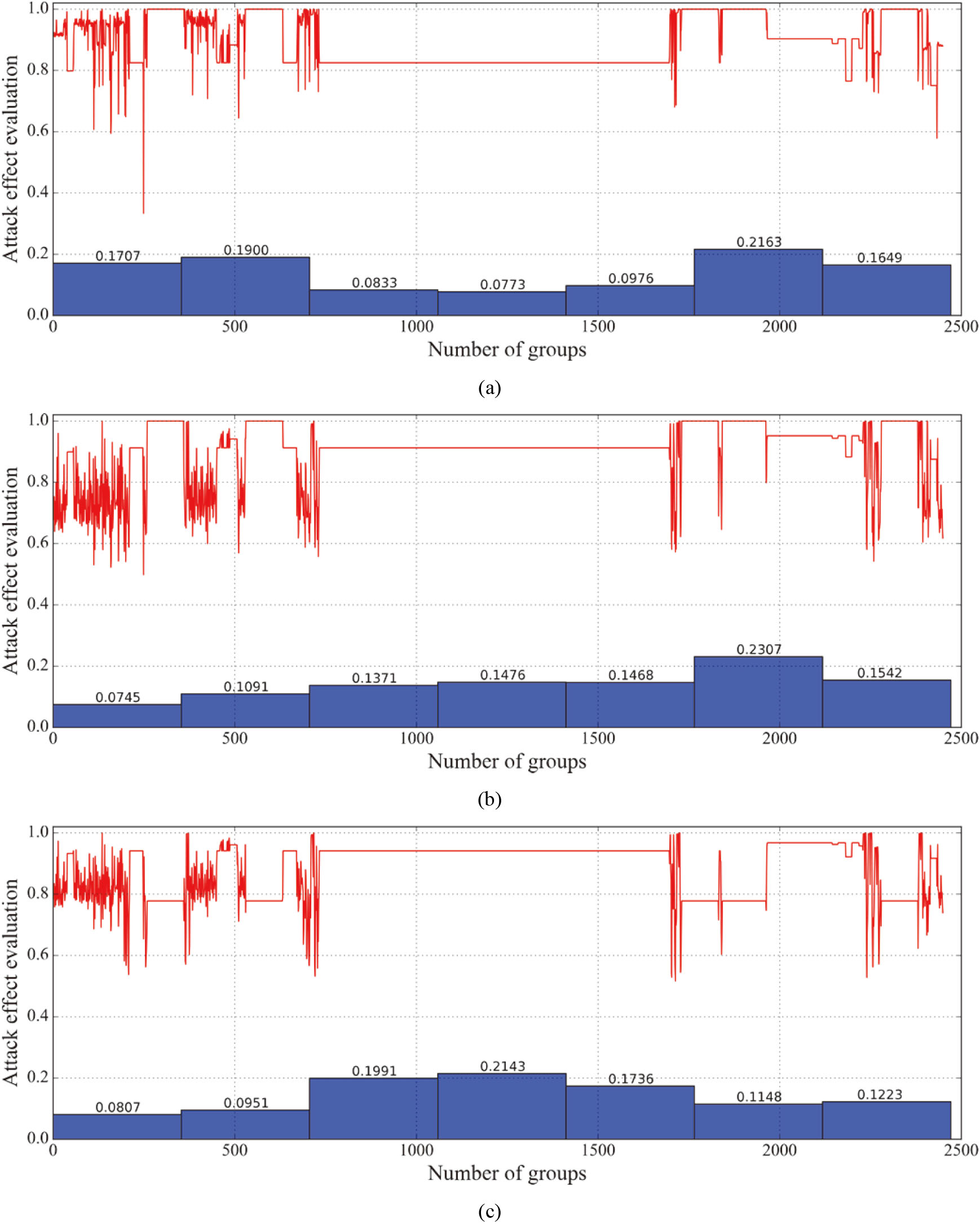
Evaluation accuracy of INL and OFS under GRA. (a) INL. (b) OFS.
Indicator restoration result based on FastICA.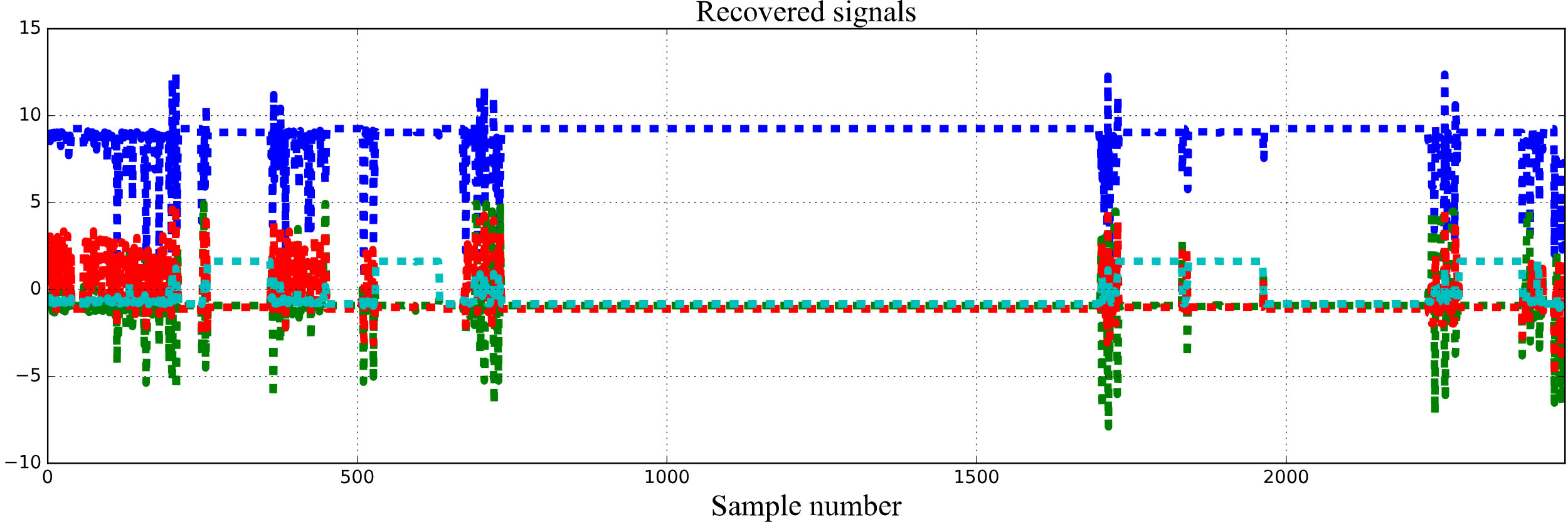
Indicator restoration results based on WemPCA. (a) one principal component. (b) two principal components. (c) three principal components. (d) four principal components.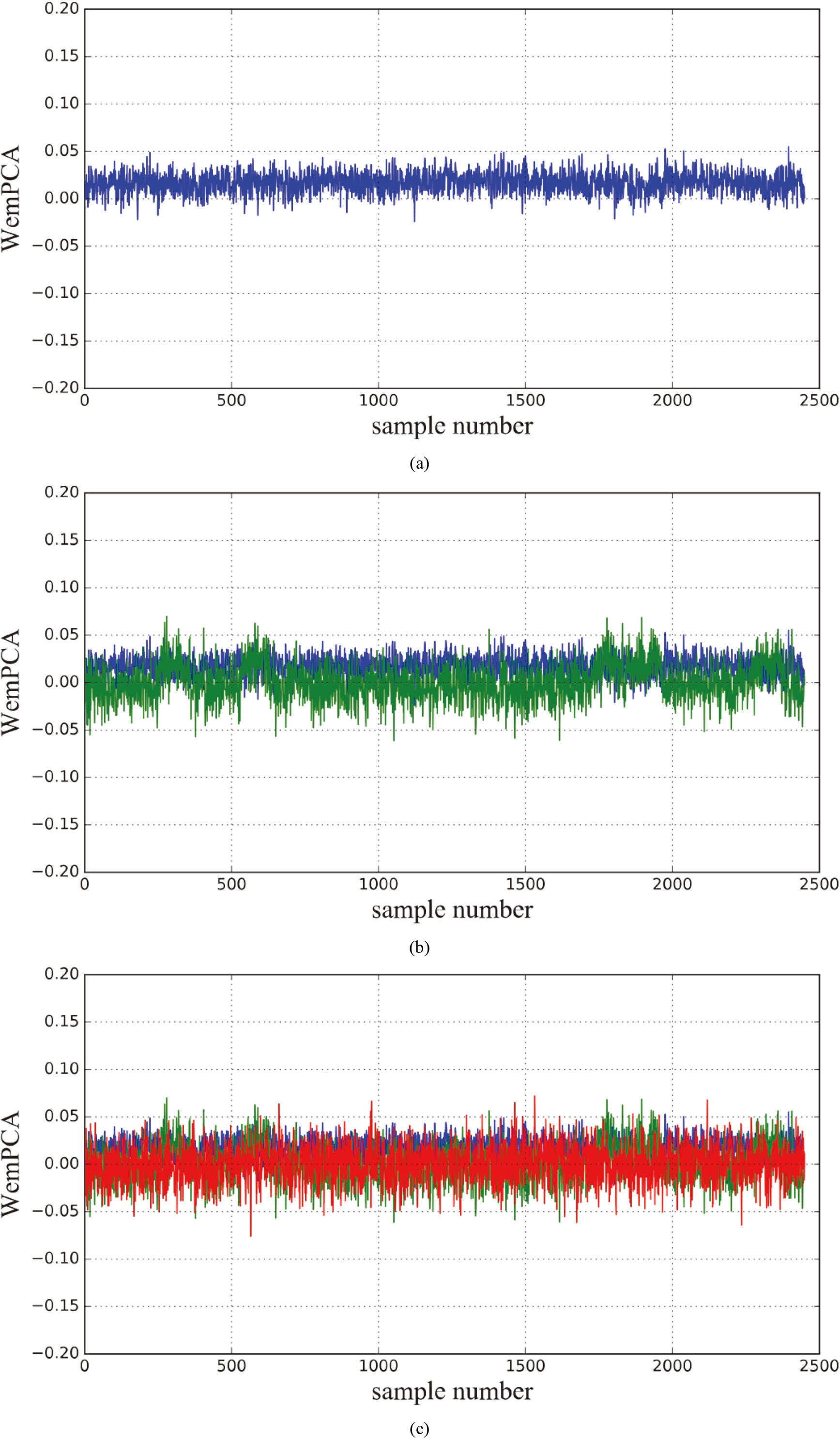
Continued.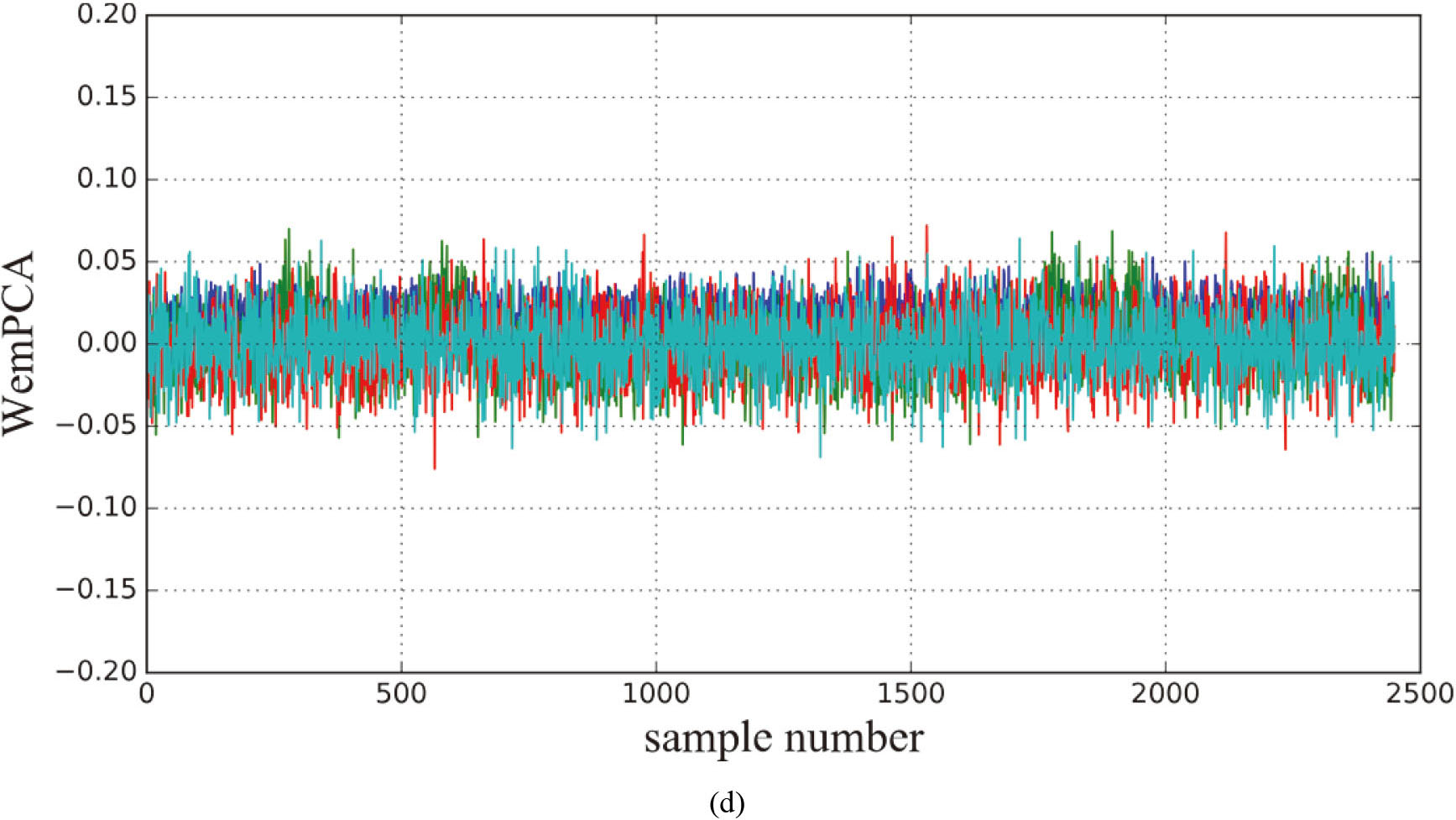
Final evaluation result using NNTE elimination algorithm.
Comparison of the sorting accuracy of different elimination algorithms under four evaluation algorithms. (a) Comparison of SA under GRA. (b) Comparison of SA under TOPSIS, WSM, and WPM.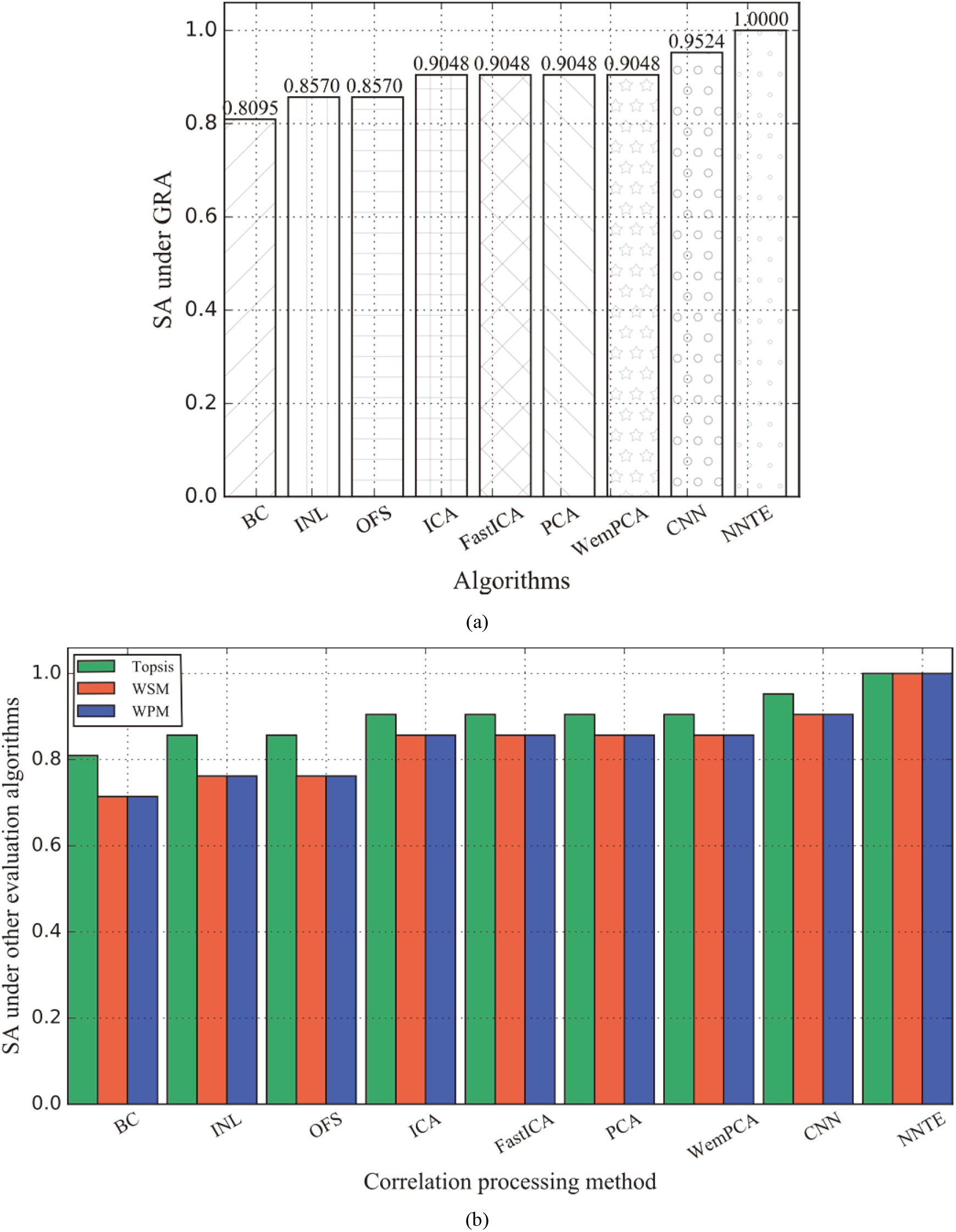
We summarized the sorting accuracy changes under different numbers of indicators, as shown in Fig. 14a. It shows that when the number of indicators is 1
Then, we measured the method effect under the IWR. After calculation, the IWR strategy has not improved much, and the ranking accuracy is still kept at 85.71%. We also eliminated the correlation based on the FastICA algorithm. The result is shown in Fig. 15. FastICA’s sorting accuracy reached 90.476%, increasing 4.77% compared to INL and OFS.
We verified the performance under WemPCA. We calculated according to the number of principal components 1
We also carry out indicator correlation elimination under the MLP. The sorting accuracy is 95.238%, which is slightly higher than FastICA and WemPCA. However, the sorting pair [7th day
To summarize, the comparison result of different elimination algorithms and the NNTE method is shown in Fig. 18a. Figure 18b shows the comparative experimental results under other classic evaluation algorithms. We can see that the NNTE method can better restore the real ranking results under different evaluation algorithms, indicating that its high universality.
For the convenience of statistics, the final evaluation value in Fig. 18 is obtained by compressing the evaluation object from 4,856,151 items into the dataset’s seven-day collection period. Generally speaking, a smaller number of sequences can easily get higher performance. Therefore, although the final ranking accuracy reached 100%, it does not mean that the correlation of the indicator data contained in the dataset has been entirely eliminated.
The algorithm proposed in this paper solves the problem of eliminating the correlation between the indicators existing in the indicator set. The number of iterations is consistent with the number of indicators in the indicator set, and it is much lower than the power function level calculation time cost based on the mutual information algorithm. However, when the number of indicator sets is large, such as over 10,000, the computational complexity will still reach an unaffordable level [22]. In this case, professional domain knowledge can play an important role in limiting the scope of the indicator set to a smaller scope. For example, when a network security administrator evaluates the effect of a network attack, it will be based on a comprehensive set of network attack indicators. However, when a certain form of attack is known, the indicators can be screened according to the characteristics of the attack. For example, network attacks based on vulnerability exploitation do not generate large attack traffic. Unlike DDoS attacks, indicators that reflect traffic attributes can be ignored, which can reduce the number of indicators to be processed. Further, the target of an attack based on vulnerability exploitation may be the software and hardware of the attacking host [21], or it may be important information [2]. The former uses indicators that reflect host performance, including CPU occupancy, memory utilization, and storage space utilization, etc.; the latter uses indicators that reflect the value of data, including database sensitive information, file system sensitive information, and application program sensitive information, etc. In a single attack form, these two types of indicators are not related to each other. Therefore, in the beginning, we should discuss the two indicator sets separately to avoid the additional overhead caused by the cross calculation of the two subsets.
In this article, we proposed a new correlation elimination method for processing the overlap between multiple indicators. We also discussed the possibility of combining the feedforward neural network with the Taylor expansion. Further, we designed a hierarchical stripping method to reduce the dimensionality of the indicator set effectively. Specifically, the feedforward neural network is used to fit the functional relationship between the input and the output variable. The functional relationship is then expanded by the Taylor series at different sample points to obtain independent partial sequences. The sequence can also be expanded in the time dimension. The experimental results show that the indicator correlation elimination algorithm based on the NNTE can effectively solve the evaluation result ranking misalignment caused by the nonlinear correlation between the indicators. It may help evaluators choose appropriate countermeasures based on the evaluation results.
Future research
We have verified the feasibility and effectiveness of our proposed method based on two datasets. Nevertheless, there still exist the following problems:
Footnotes
Acknowledgments
We thank our colleagues of the Information Engineering University’s Evaluation Theory and Analysis group for fruitful discussions. Mainly, Han Qiu patiently guided this paper.
Conflict of interest
The authors declare that there is no conflict of interest regarding the publication of this paper.
Funding statement
The authors received no specific funding for this study.