



Abstract
With the development of the social economy, people continue to innovate in marketing. The most important difference between product marketing and traditional marketing is that it transcends the boundaries of time and space. Due to the development of modern network technology, the product marketing model can operate efficiently and easily, increasing people’s purchasing power in time and space. This paper is a research on the economic zone product marketing model based on a genetic algorithm in predicting the economic chaos combination. It introduces in detail the research method of combining the prediction of economic chaotic combination with a standard genetic algorithm. It also specifically analyzes the impact of three marketing models: a complete online marketing model, an online and offline marketing model, and the introduction of a third-party implanted joint marketing model on the impact of product sales in the economic zone. The research results show that, compared with the first two marketing models, after the introduction of the third-party implanted joint marketing method, the sales of product A are better. Among them, the luxury goods of group c achieved the highest sales volume of 952 in November, while the daily necessities achieved the sales volume of 1607 in December.
Introduction
With the rapid development of Internet technology and big data information technology, network applications have spread to all walks of life. In recent years, the rapid growth of China’s economy has raised people’s living standards and requirements for quality of life. This is reflected in the growing demand for luxury goods and daily necessities. Under the influence of e-commerce, the traditional retail economy has been greatly challenged. One of the most common ways to solve these problems is through the new “offline
Studying the marketing mode of the economic zone is not only to change the traditional marketing mode and develop the maximum value of the products of the economic zone. It can also increase the competitiveness of products and can change the attitude of today’s marketers, improve market design and develop corporate marketing capabilities, information promotion, and create additional marketing strategies. Developed by combining existing marketing models, existing production processes, maintenance, logistics, and product delivery in economic zones, it can facilitate the construction and development of marketing strategies and facilitate the design of new marketing strategies.
This paper studies two product marketing modes of economic zone product marketing, namely online marketing mode and online
The research paper makes significant contributions to the fields of product marketing and economic chaos prediction. The primary contribution lies in proposing a novel economic zone product marketing model based on a genetic algorithm for forecasting economic chaos combinations. The integration of genetic algorithms enhances the predictive capabilities, allowing for efficient analysis and optimization of marketing strategies. The introduction of a third-party implanted joint marketing model is highlighted as a valuable approach, demonstrating improved sales for certain product categories. The study also provides insights into the impact of online, offline, and combined marketing models on product sales within economic zones.
The paper is organized in a structured manner to present a comprehensive understanding of the proposed economic zone product marketing model. It starts with an introduction discussing the background of the research, emphasizing the challenges posed by the evolving digital landscape. The related work section reviews existing literature, providing context and setting the stage for the research. The core of the paper focuses on the application of genetic algorithms in economic chaos combination forecasting, explaining the standard genetic algorithms, and fitness functions, and addressing the issue of premature convergence. The economic chaos combination forecasting section employs a combination of quantitative and qualitative approaches, offering a nuanced perspective. The paper concludes with the application of the proposed model in the economic zone, specifically analyzing the impact on product sales. Major findings are presented, emphasizing the effectiveness of the third-party implanted joint marketing model. The conclusion summarizes key takeaways and suggests future research directions. Overall, the paper’s organization facilitates a logical flow, guiding the reader through the development of the economic zone product marketing model and its implications.
By introducing the third-party embedded joint marketing method, the problems that users can’t experience in time and the price is opaque in online marketing are solved, and at the same time, the obstacles of inconvenient offline purchases are overcome. This method has achieved remarkable success in the sales of luxury goods and daily necessities and provided a new idea for the innovation of the product sales model. Compared with the traditional online and offline marketing methods, the third-party joint marketing method has brought more optimistic prospects for product sales, increased sales, and greater business opportunities for enterprises.
The graphical abstract is shown in Fig. 1.
The framework of the proposed method.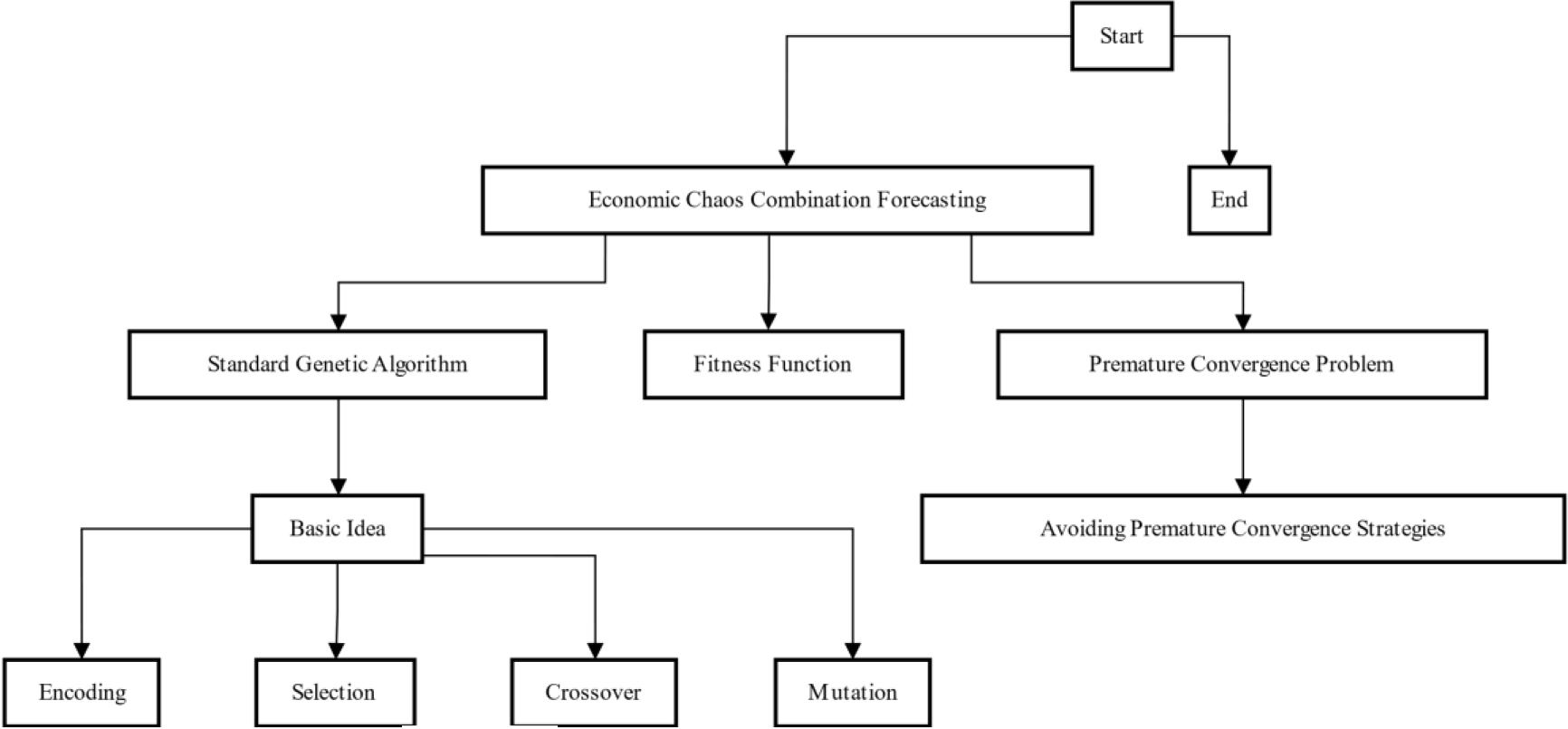
This paper first introduces the basic concept and classification of the marketing model and emphasizes the importance of the market segmentation marketing model and integrated marketing model. Then, the influence of e-commerce on the product marketing model is discussed, and the advantages of the e-commerce platform and the importance of operation control are explained. Subsequently, the influence of product standardization on the marketing model in the economic zone is analyzed in detail, and the influence of different factors on merchants’ cognition of product standardization is shown through survey data and charts. On this basis, the influence of organizational form and market characteristics on the adoption of product standardization is further discussed, and these influences are presented in the form of charts. Next, it discusses the innovative role of media integration in marketing and presents the sales situation of different marketing methods with experimental data. Finally, it summarizes the competitive advantages of online and offline marketing, emphasizes the importance of promoting the transformation of the marketing model, and puts forward the factors that need to be considered when choosing a marketing model.
This paper puts forward several theoretical models and practical strategies. Among them, the marketing challenges of multinational companies in emerging markets under market uncertainty and political instability are deeply analyzed, and three marketing models, traditional, semi-adaptive, and semi-adaptive, are revealed. In addition, the hot forest model and innovation model are put forward, which provide theoretical support for short-term equity value and long-term sustainability. For remanufactured products, the strategy of increasing the warranty period to enhance consumer confidence is put forward, and the advantages of decentralized distribution channels and the application of the NURBS method based on genetic algorithm in structural analysis are discussed. Finally, by putting forward an innovative genetic algorithm framework, the global optimization problem is solved efficiently, and a feasible scheme is provided for a wide range of applications. These contributions not only enrich the research in related fields in theory but also provide useful guidance and enlightenment for practical marketing practice and optimization.
The marketing mode of products in the economic zone is closely related to the development of the market economy. The Wafler survey analyzes how two multinational corporations (MNCs) face the challenges of market uncertainty and political instability in an emerging market, and how it affects the impact of their product marketing strategies and product (brand) performance. He conducts a comparative longitudinal paired case study of the market development of two global multinational corporations. He studied 12 global brands (products) that were locally produced and launched by two multinational companies in Vietnam during the first decade of operation. The results show that in addition to these two more traditional processes, a third process is also in operation, which can be called semi-adaptive. Semi-adapted refers to products imported into Vietnam from neighboring countries. His research is based on two European multinational companies active in the food and household consumer goods industries in emerging markets, but the research content is not comprehensive [1]. Wang developed a Hotelling model and an innovative improvement model that considers how customers and companies communicate and integrate, and analyzed marketing strategies for short-term equity value and long-term evolution sustainability. His study found that higher after-sales service costs allow one party to adopt a bundling strategy that benefits both parties and that the integration process is combined with a separate marketing plan. Profitable companies are more likely to opt for the merger process than competing companies. Simulation analysis shows that when the cost of after-sales service is high, the unskilled enterprises that choose to follow the process are eliminated, and when the cost of after-sales service is low, the enterprises in the market are also eliminated, but this research is not very practical [2]. Remanufactured products, in addition to being environmentally friendly, are also popular with consumers. Because they can offer the latest technology and lower prices compared to brand-new products. However, some consumers are hesitant to buy remanufactured products. Because they are skeptical about the quality of the remanufactured product, they are not sure how much service the product will provide compared to the new product. To market remanufactured products and encourage customers, a strategy that remanufacturers can employ is to provide warranties for remanufactured products. To this end, Alqahtani has researched and examined the impact of offering renewals on remanufactured products. Specifically, he proposed a method that can both minimize the cost of remanufacturing enterprises and maximize consumer confidence in purchasing remanufactured products, but it has not been widely used [3]. Moorthy makes a new case for decentralization in distribution channels: providing consumers with a one-stop comparison shopping experience. In his duopoly model, each manufacturer would distribute only through its own vertically integrated retail stores when consumers knew their brand preferences. However, when some consumers are unsure of their brand preference, one of the manufacturers distributing through its competitor’s stores may be the best option. The resulting equilibrium has several interesting properties. First, only one manufacturer chooses to increase the sales channel of its competitors, not both. Second, a manufacturer that distributes through a competitor’s point of sale also distributes through its point of sale. That said, its distribution strategy is a hybrid one, combining vertical integration and decentralization. Third, when manufacturers’ brands are asymmetric, weaker brands have greater incentives to pursue mixed distribution. Fourth, the competitor’s point of sale welcomes the new brand even though no consumers will buy the new brand [4]. Chiozzi proposed a new genetic algorithm-based NURBS method for the limit analysis of masonry vaults based on the upper bound formula. The geometry of a given masonry vault can be represented by a NURBS (Non-Uniform Rational B-Spline) parametric surface, and a NURBS mesh of the given surface can be generated. The method can predict the bearing capacity of masonry vaults of any general shape well. It turns out that good estimates of collapse load multipliers can be obtained even with grids composed of very few elements. The premise is that the initial mesh is adjusted by meta-heuristics (i.e. Genetic Algorithms, GA) to force element edges to accurately represent the actual failure mechanism. Compared with the existing limit analysis methods for masonry vaults, the method proposed by him is accurate and saves computational costs, but there is no specific data analysis [5]. Genetic algorithms are popular optimization algorithms that are often used to solve complex large-scale optimization problems in many domains. Dao proposed an innovative framework for designing an efficient GA structure, which can improve the success probability of GA finding the global optimal solution. The GA designed with the proposed framework has three innovations. First, the GA can restart its search process according to the adaptive conditions, to jump out of the local optimum when it is stuck, thereby enhancing the exploration ability of the GA. Second, GA has a local solution generation module, which is integrated into the GA loop to enhance the development capability of GA. Third, he proposes a systematic approach based on Taguchi’s experimental design to tune the parameter settings of the GA to balance exploration and exploitation, thereby improving the ability of the GA to find a global optimal solution. The effectiveness of the proposed framework is validated on 20 large-scale case study problems, where the GA designed by the proposed framework always outperforms the other five cases, but the development cost is relatively high [6]. Xie Hongzhi uses a genetic algorithm to simulate and optimize the inventory model of nuclear power spare parts, thus reducing the consumption of spare parts [7]. Shrestha H applied Adam’s optimization technology. It has a huge data set and good accuracy, which can be used to correctly detect tumors in the analysis process and further diagnose [8]. In the process of population reproduction, Zhang Jin ranked according to the fitness of individuals, then divided the sorted population into three parts, selected the three parts according to the proportion, and finally randomly selected individuals from the parts with greater fitness to replenish the population. The improved genetic algorithm can avoid falling into local convergence successfully find the global optimal solution, and improve the convergence speed [9]. To realize a well-configured power network, Chang Guofeng proposed a multi-objective genetic algorithm control optimization method. The distribution network involves centralized wind turbines, step voltage regulators, capacitor banks, and energy storage systems [10]. To reduce the power generation cost and environmental pollution in the process of microgrid power generation, Ji Kai uses the capacity and capacity of distributed energy in microgrids reasonably and effectively, to minimize the comprehensive economic operation cost of the system [11].
While the related work provides valuable insights into various aspects of product marketing, distribution channels, and optimization methods, there are certain limitations. The research content lacks comprehensive coverage, focusing mainly on specific industries and scenarios. Additionally, some studies, such as the Hotelling model and remanufactured product strategies, may have limited practical applicability. Furthermore, the proposed genetic algorithm-based NURBS method lacks specific data analysis, and the effectiveness of the innovative GA structure proposed by Dao comes at the expense of relatively high development costs. These limitations suggest opportunities for future research to address broader industry contexts and enhance practicality.
The literature summary is shown in Table 1.
Literature summary
Literature summary
Standard genetic algorithms
(1) The basic idea of genetic algorithm
A genetic algorithm is a very useful algorithm, which is based on the natural law of “survival of the fittest” and the law of genetics. This adaptation to the environment is a key concept of genetic algorithms. The algorithm is based on a randomly selected population that can solve problems, where each individual is the basis of a single chromosome with unique characteristics [12]. The process of converting a problem fragment into a gene on a chromosome is called encoding, and binary encoding is usually chosen. After the first population is obtained, according to the tools of natural selection, an approximate solution is obtained, which is better than one generation. Selection depends on the needs of the individual, new is created through different genetic activities, new is created by non-stop humans, and this repetitive process is still in its infancy [13].
Figure 2 is the multipopulation structure, which is the most commonly used method. These multi-population genetic algorithms are much broader than general population genetic algorithms, but they do not make the individuals that make up the population larger. They also have the disadvantage of taking advantage of individuals found in all populations [14].
Multiple population genetic algorithm structure.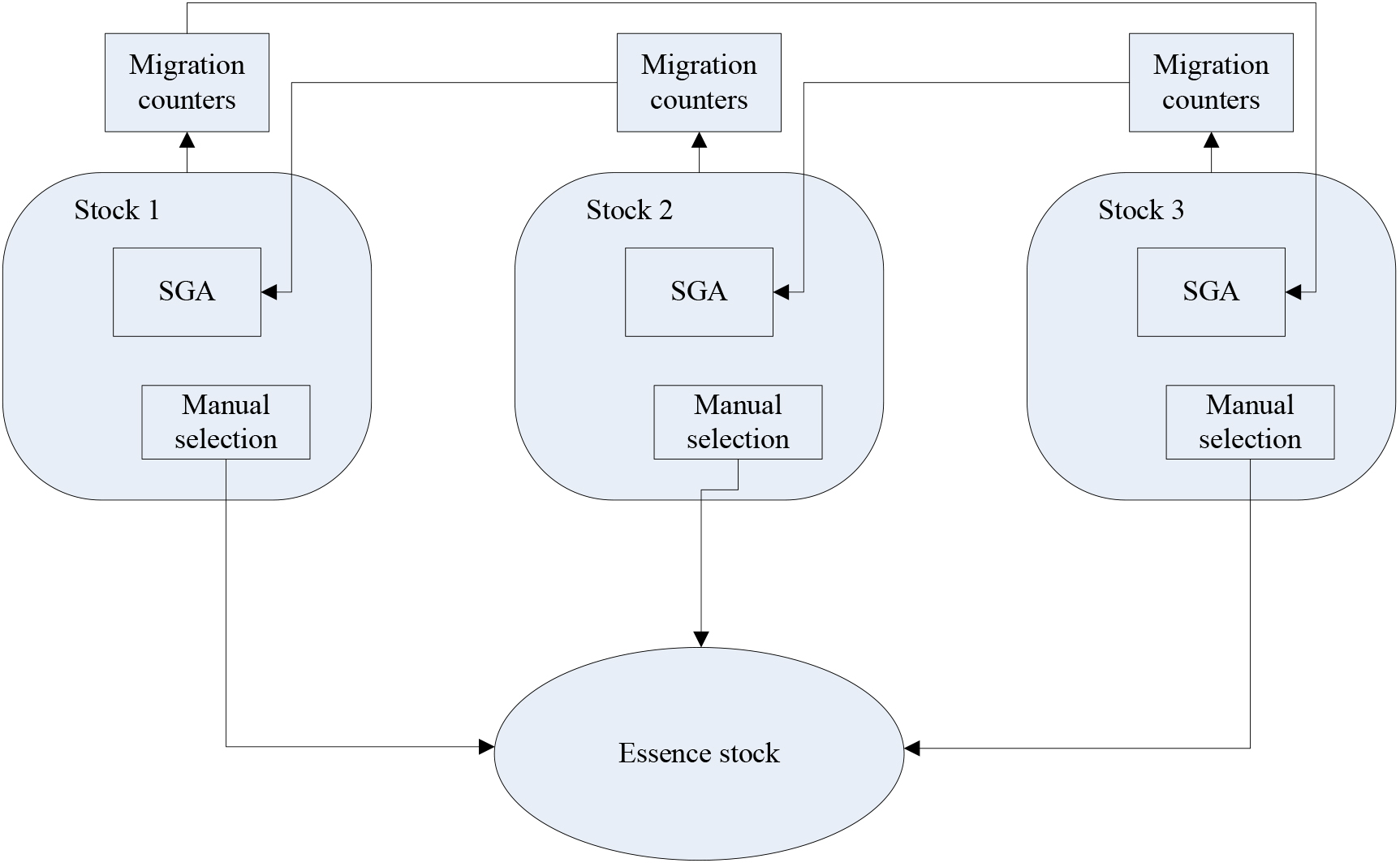
(2) The basic principle of genetic algorithm
A genetic algorithm is an analysis algorithm. In this algorithm, the solution to the problem is identified as a chromosome with the appropriate encoding, and then a series of crossover, mutation, and selection actions are performed. It selects individuals according to their fitness to achieve the best solution. First, genetic processes are associated with random disturbances, so the process by which individuals come up with the best solution is stochastic [15]. Second, the outcome of genetic activity depends not only on population size, coding, initial population size, and fitness. It also depends on the probability of action of three basic genetic functions: selection, crossover, and mutation. Third, gene design is based on the characteristics of the actual problem, which directly affects the choice of coding method. Atomic coding and genetic design are the basis for designing algorithms. The encoding of the problem must be decomposed into chromosome encodings, where each chromosome represents the corresponding solution, generating a new chromosome through genetic manipulation and other mechanisms [16]. Breeding services are often used to select the most relevant individuals from a population to generate new populations so that the best populations are well-nourished and restored. This activity first measures the relative worth of individuals selects each individual for reproductive activity according to a specific probability, and then selects the best individual according to a specific method [17]. Breeding methods include circulation and other methods, and the strategies used to select the best are usually roulette and competitive tricks. Intimacy is a way of bringing together parental information to accept new arrivals. The process of fusion is to randomly select two in the population based on the probability of movement, thereby gaining a new genetic form and minimizing material loss, which commonly used arrow functions include single-point and multi-point paths. The action of mutation is usually equivalent to ascribing a part of individual genes to a population with a small probability. Variable operators can be divided into binary and other versions; binary conversion with position change; other conversion methods include interpolation, conversion, etc. Insertion mutation refers to the random selection of a gene from a chromosome and a random location on the chromosome. A transition mutation is when two randomly selected genes are mutated at several selected positions. The role of genetic operators shows that replication operators reveal the best laws of survival in nature. The crossover operator ensures the stability of evolution and creates new forms of inheritance, and the evolution process maintains the diversity of people to a certain extent [18].
The basic solution steps of the genetic algorithm are as follows.
First, it generates an initial population of candidate solutions (assumed to be M candidate individuals), which is called the initial population.
By duplication, parents get duplicated offspring, and crossover and mutation are performed.
All individuals are randomly crossed according to the crossover probability to obtain a new population.
It applies the mutation operator to the new population generated in the above process according to the mutation probability to obtain a new population.
It compares the fitness of individuals in the population of candidate solutions, and if the individual meets the requirements set by the algorithm, exit the algorithm, otherwise go to 2) to continue.
In summary, the design flow chart of the genetic algorithm is shown in Fig. 3.
Flow chart of the operation of the genetic algorithm.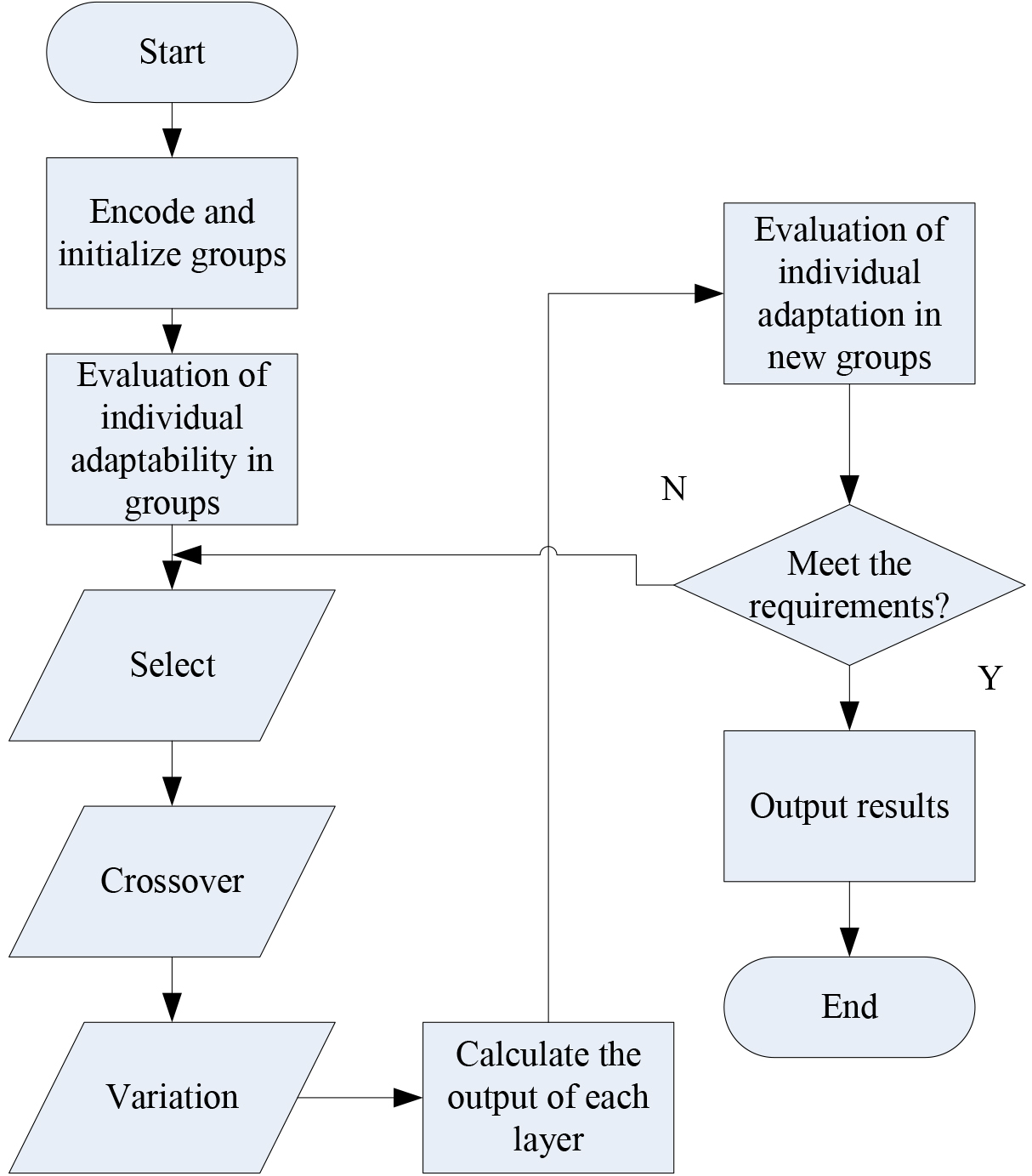
(3) Fitness function
Genetic algorithms use fitness functions to measure the strengths and weaknesses of individuals in the algorithm. The design of fitness actions has a significant impact on the performance of genetic algorithms. The following conditions must be met: The fitness must be consistent, continuous, non-negative, and not necessarily derivative. It is close to the optimal solution, and a suitable solution must be inversely proportional to the value of each adaptation activity point. The design of the fitness function should not be too complicated, and the amount of calculation should be small. The design of the function should be generally satisfactory so that one does not have to change its relevant parameters during use [19].
Common expressions of fitness function
Maximum optimization problem:
Minimal optimization problem:
This simple design involves the following problems in practical applications. In most cases, it does not satisfy the non-negative requirement for roulette selection. If some performance values are significantly different, the fitness level of the population will not be shown and the desired result cannot be achieved [20].
Maximum optimization problem
Minimal optimization problem:
Because the above
Maximum optimization problem:
Minimal optimization problem:
Maximum Optimization Problem:
The maximum optimization problem is applicable when the objective is to maximize a certain criterion. In economic chaos combination forecasting, this could correspond to scenarios where the goal is to maximize profits, returns, or any other positive outcome. For instance, if the economic forecast aims to identify the combination of factors that leads to the highest economic growth or maximum financial returns, the genetic algorithm would be designed as a maximization problem.
Minimum Optimization Problem:
Conversely, the minimum optimization problem is relevant when the objective is to minimize a certain criterion. In economic chaos combination forecasting, this might be applicable when the goal is to minimize costs, risks, or any negative impact. For example, if the economic forecast aims to identify the combination of factors that leads to the least economic volatility or minimum resource utilization, the genetic algorithm would be formulated as a minimization problem.
Application in Economic Chaos Combination Forecasting:
In the specific application of genetic algorithms to economic chaos combination forecasting, the choice between maximum and minimum optimization depends on the specific goals of the forecasting model. For instance, if the focus is on maximizing economic stability or minimizing fluctuations, a minimum optimization problem may be appropriate. On the other hand, if the emphasis is on maximizing economic growth or profitability, a maximum optimization problem would be suitable.
The fitness function, a crucial component in genetic algorithms, needs to be aligned with the chosen optimization problem. For maximum optimization, the fitness function should reflect the positive aspect being maximized, while for minimum optimization, it should represent the negative aspect being minimized.
In summary, the decision between maximum and minimum optimization in the context of economic chaos combination forecasting hinges on the desired outcome – whether it is to maximize positive economic factors or minimize negative ones. The formulation of the optimization problem guides the genetic algorithm in searching for optimal solutions tailored to specific economic objectives.
The scale transformation of the fitness function.
In the first stage of genetic algorithm activity, individuals with higher fitness can quickly find the population and trigger precocious events. In the process of operation, it is necessary to artificially control individuals with higher fitness to narrow the differences between individuals. Later in the run, improvements and optimizations in algorithm, performance will be addressed, resulting in less competition among individuals, so the distinction between best and best individuals must be increased [22]. The fitness control mentioned above can be achieved by scaling. Common scaling transformations are of the following three types:
Linear scaling transformation
Where
The linear stretch fitness function is:
Power scaling transformation
Where
Exponential transformation
Among them,
(4) The “premature” problem of genetic algorithm
Genetic algorithms can obtain the coordinated effect of global search and local search through appropriate design and use of relevant operators. The specific process is shown in Fig. 4 [26].
Genetic algorithm search process.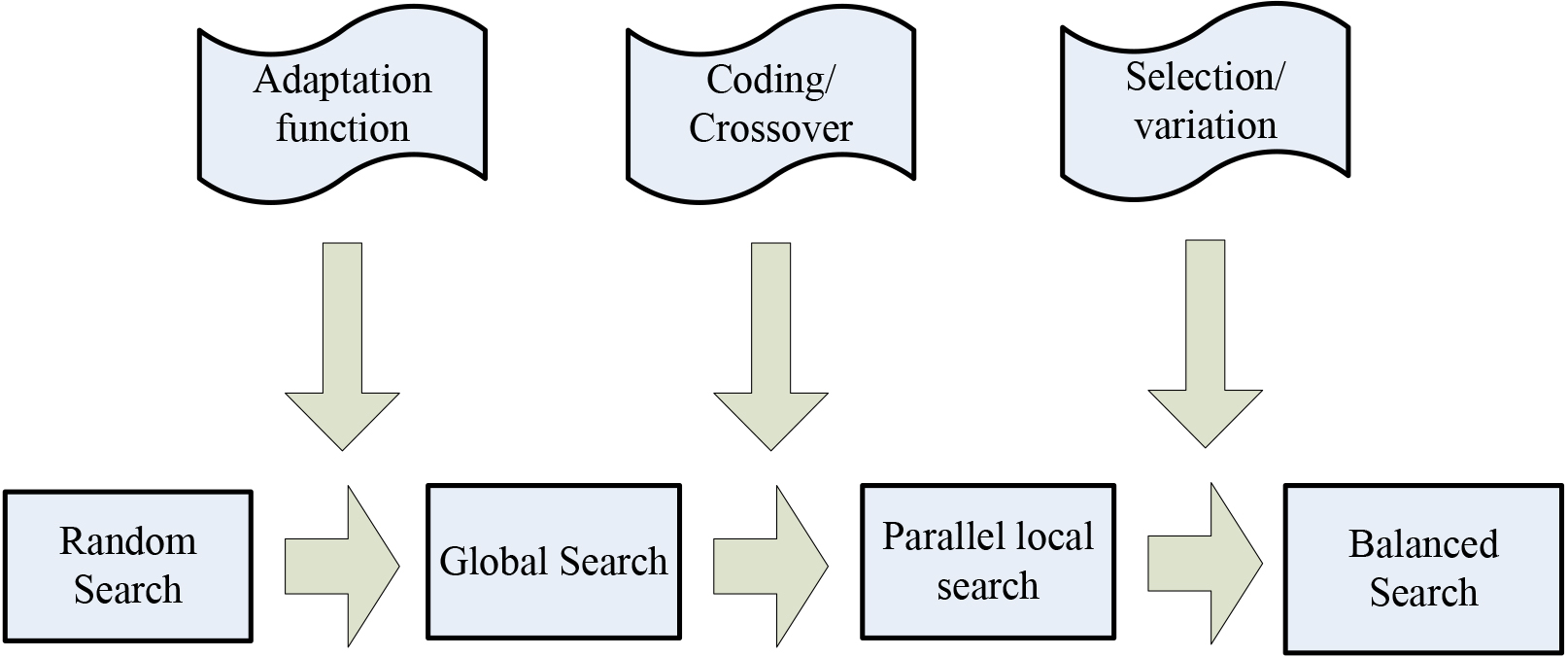
Although the global search ability of the genetic algorithm has been proved in practice, there is still room for solving the problem of the “premature” of the algorithm. The “precocious” difference is: First, everyone in the population continues to exist when they reach the same level, so that the population stops evolving. Second, the optimal solution always needs to be continuously updated or improved so that the algorithm fails to compile. The factors that lead to the existence of a “premature” genetic algorithm are as follows [27].
In the first stage, the population consists of individuals with multiple X variables.
It eliminates individuals with large differences in the selection process, leaving people with the same gene as X.
People with the same gene keep intersecting, and new ones are not formed [28].
Although individuals with high fitness values are caused by factors such as variables, their number is small and easy to remove.
To avoid problems with premature development, the following strategies can always be employed. Such as increasing the probability of change, changing the probability of selection, changing the fitness function, maintaining the diversity of individuals in the population, etc. [29].
Chaos is a seemingly irregular random phenomenon that occurs in the decision-making process. The general description of chaotic information, in the time series with the following three characteristics, is considered to be chaotic. Randomness is the destructiveness of random behavior similar to random variables. Traversability, that is, it can be a specific internal traversal of all states. Generality, that is, chaos is caused by a definite decision-making formula. It applies a quantitative approach to account for confusing information by measuring the maximum Lyapunov exponent [30]. However, both quantitative and qualitative descriptive methods have their weaknesses. For example, the quantitative description is not accurate, and the formulation of the maximum Lyapunov equation requires higher statistical power. Therefore, in this section, we will combine the advantages of both approaches to develop complex data modeling models that combine quantitative and qualitative descriptions, as shown below [31].
Among them,
It sets the original information data sequence as
It analyzes the value of
Where 1 is the distance between two adjacent state points on the attractor.
Using the model (1), a sequence can be qualitatively determined first. If the qualitative judgment is non-chaotic, which means that the sequence is deterministic, there is no need to calculate the largest Lyapunov exponent. If the qualitative judgment is chaotic, then the maximum Lyapunov exponent should be calculated in the quantitative judgment. This reduces the work and guarantees the accuracy of the chaotic character of the sequence. Figure 5 is a basic flow chart for identifying chaotic sequences.
Basic flow chart of chaotic sequence judgment.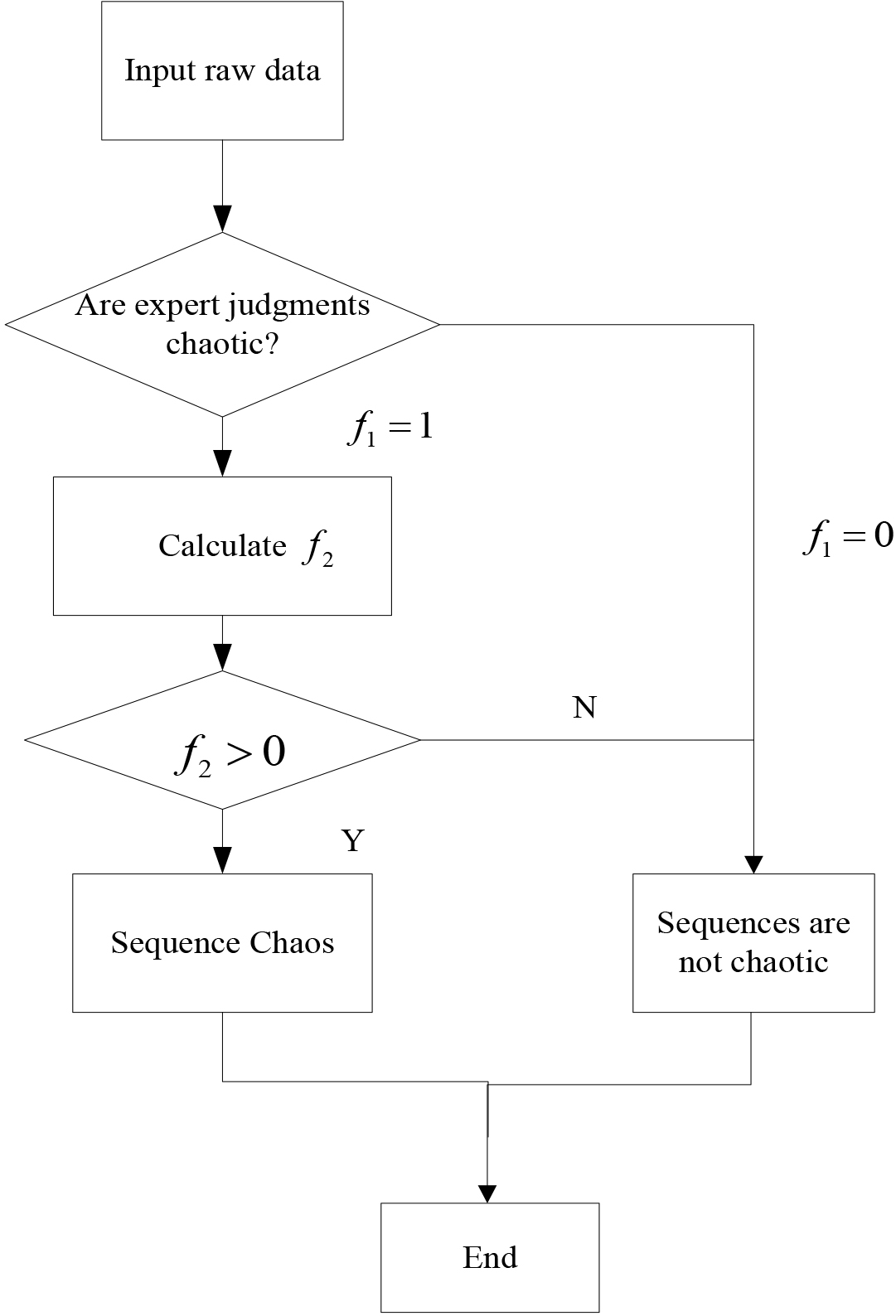
The basis for predicting the time series of economic chaos is the reconstruction theory of the state space. The basic idea is that although a system is described by several components, the evolution of each component of the system is determined by the other components that interact with it. Therefore, the information of these related components is hidden in the evolution of each component. It works by considering only one component and taking some fixed time lag observations as a new dimension. The “embedding” approach allows the construction of a phase space equivalent to the original system in which the original dynamical system can be recovered and the properties of its attractors studied.
For ease of presentation, it assumes that the time series of the first index is treated as a forecast. It assumes an economic time series of length N:
According to the phase space reconstruction technique, the sequence is embedded in the m-dimensional Euclidean space, and its corresponding elements are:
Among them,
In this way, we can obtain
It is known from
In forecasting practice, there are usually different forecasting methods for the same problem due to different modeling mechanisms and starting points. However, the changes in economic chaotic sequences include trend changes, seasonal changes, periodic changes, and so on. There are linear features and nonlinear features, that is, the result is the result of the combination of various features. Therefore, if only a single prediction method is selected here, it will have certain limitations, and it is difficult to predict the future of the economic chaotic sequence. For example, a linear function of shape
Let
The standard genetic algorithm is used to predict the economic chaotic combination. Firstly, the problem is transformed into the genotype of the genetic algorithm by appropriate coding methods. Then, genetic operations such as selection, crossover, and mutation are used to evolve the current population and generate new candidate solutions. Then, the fitness function is used to evaluate the merits of each individual, and the population is updated and evolved according to the fitness value. The process is iterated until the stop condition is met. Finally, by combining various prediction methods, such as linear fitting and nonlinear fitting, the prediction accuracy is improved. Finally, the combined forecasting model is calculated according to the weight distribution and applied to the prediction of economic chaotic time series. The whole process includes problem coding, population initialization, evolutionary operation, fitness evaluation, and combination prediction, to realize an accurate prediction of an economic chaotic combination.
Marketing model, also known as marketing system. It is a system, not a means or manner. Marketing mode refers to the various modes adopted by the marketing subject in the marketing process. Regarding the division of marketing models, scholars today recognize that there are two major mainstreams, which are mainly based on different ways to construct the division of marketing. One is the marketing model obtained by subdividing, expanding, and summarizing the enterprise management system. The second is an integrated marketing model that takes customer value as the core and integrates all aspects of the enterprise’s resources. The difference between the two can be seen only from the definition: one is a marketing system built with the enterprise as the center, and the other is a marketing system built with the customer as the center. The main types of marketing models are shown in Fig. 6.
Basic types of marketing models.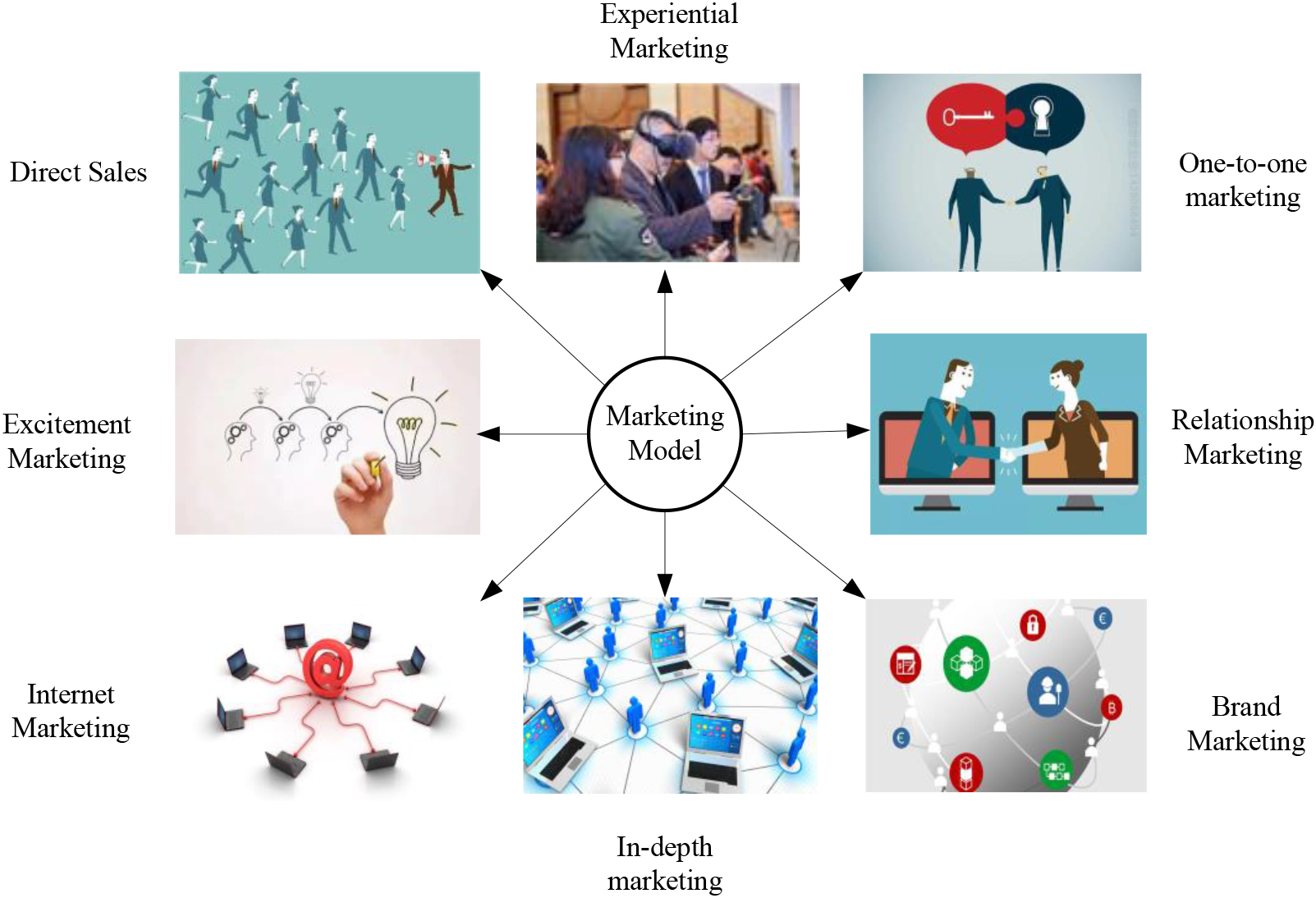
The market segmentation marketing model is a marketing system established by enterprises, while integrated marketing is a marketing system established by customers. Based on these two, many more specific marketing models have gradually emerged. Such as service marketing, education marketing, experiential marketing, viral marketing, emotional marketing, knowledge marketing, differentiated marketing, etc. The core of the marketing model is how to implement and implement the marketing plan. Achieving the greatest marketing effect is the best marketing model.
Through the communication channel of the e-commerce platform, consumers and suppliers are directly connected, which saves unnecessary additional costs such as product transfer in the economic zone, intermediaries, and physical stores, and reduces the price accumulation of intermediate links. The operation of agricultural e-commerce can not only improve the agricultural management system but also change the traditional way of product marketing. It can not only meet the needs of consumers “staying at home”, but also a marketing mechanism in the product marketing model for a certain period. Figure 7 is a schematic diagram of the impact of e-commerce.
Effect map of e-commerce.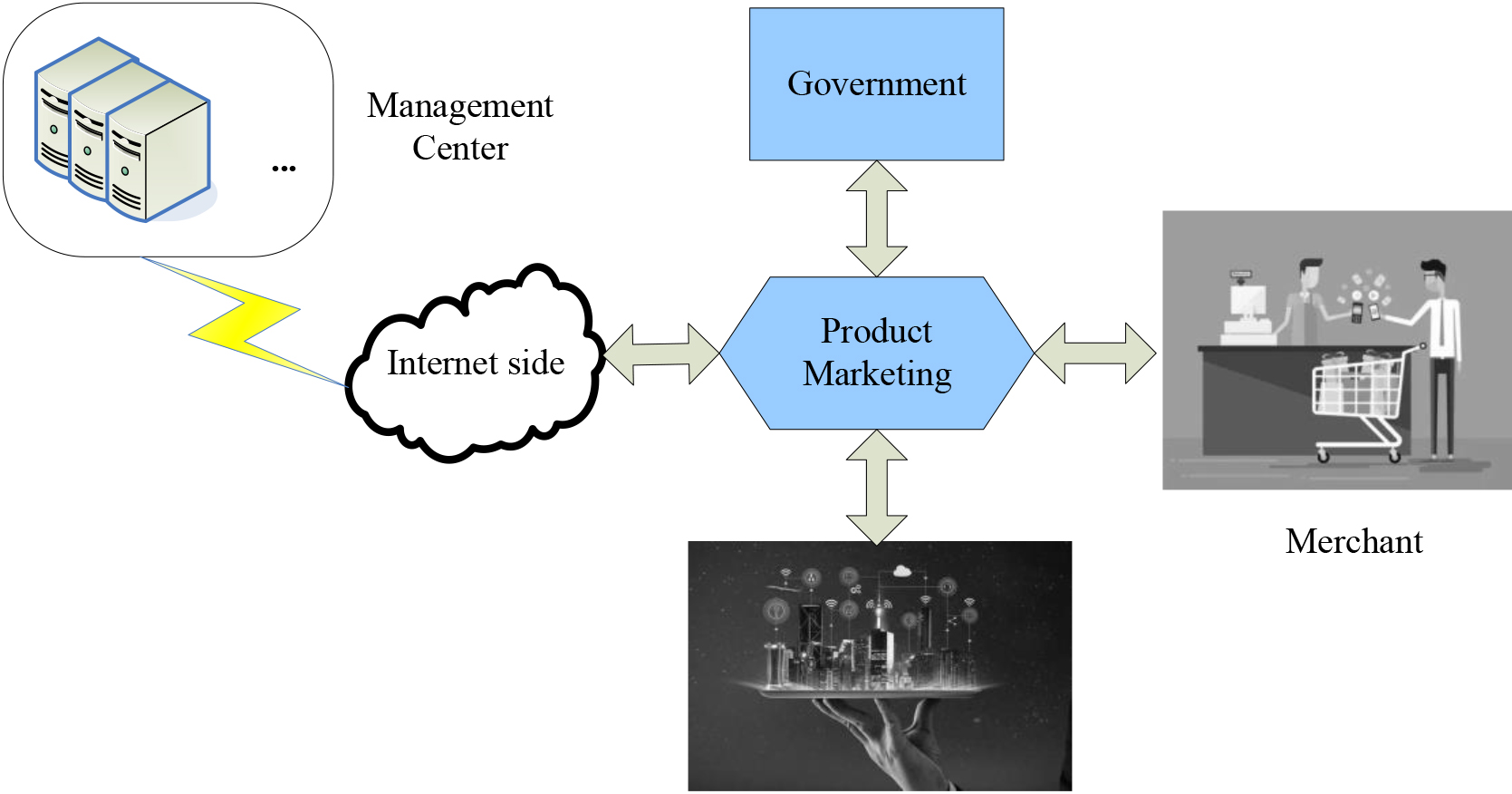
In terms of operational control, first of all, ensuring transaction security is a prerequisite. Then, through the promotion of e-commerce giants, various publicity methods such as online publicity, media publicity, advertising publicity, and event publicity are used to collect consumer demand, process relevant information, and feedback to the information base. Second, it provides consumers with a virtual place to choose products. Thirdly, contract logistics, regional logistics, and credit logistics are used to ensure the smooth flow of logistics and promote the operation of product logistics. Finally, it achieves payment security, transaction platform sovereignty, and timely logistics and distribution. A benign interaction is completed between the three, forming a closed loop and realizing the development of the strategic cooperation model of the third-party e-commerce platform. Figure 8 shows a schematic diagram of the operation of the third-party e-commerce platform’s strategic cooperation model.
Schematic diagram of the operation of the strategic cooperation model of the third-party e-commerce platform.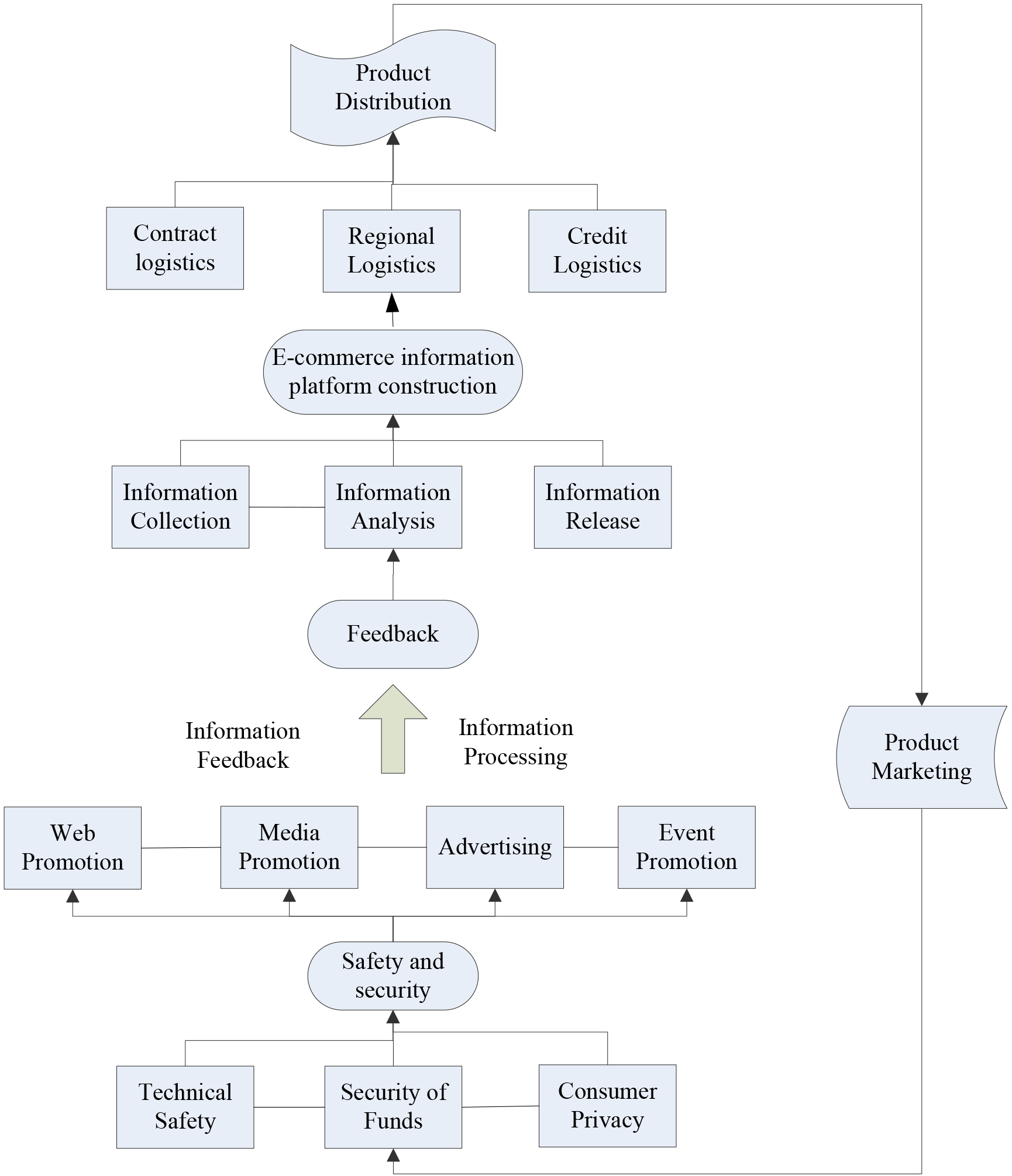
Compared with traditional e-commerce network marketing, the combination of online and offline has a huge competitive advantage. At the same time, in terms of modern consumption concepts, low prices always mean poor product quality, and lack of packaging and branding advantages. Even in the high-end market that is not fully open, they are not interested in low-priced products, and pay more attention to product quality itself and the innovation of many products. Therefore, in today’s online and offline e-commerce marketing, we need to consider many factors when pricing products, and also maintain the “high price” of offline physical stores. This is a key problem that needs to be solved in online and offline marketing. The current trend is like the promotion of “online and offline business”, which is the pricing process. From a consumer perspective, this is fine, but from a manufacturer and buyer perspective, the cost means that the offline brick-and-mortar experience requires economic incentives from online shopping. When offline trial stores are expensive, it is impossible to operate at “zero cost” like online websites. In terms of sales, the conversion rate should be used according to different market conditions, not only the low price, the uniform price is sometimes stronger than the low price. Variable volumes and variable product costs can be calibrated across all prices and can be adapted to different levels of consumer demand. Customers can experience high-quality costs and can reduce and avoid incidents of poor customer experience brought by the product. In addition, regional differences in costs in different countries should also be considered. Online marketing pricing should consider the principle of offline local pricing, compare the individual characteristics of customers in different regions in terms of price attractiveness, information construction rate, and market price, and flexibly use wisdom and processes according to personal values and sources.
Product standardization in economic zones is one of the key points of the marketing model. The influence of the basic characteristics of merchants on the standardization of their cognitive products is shown in Tables 2–4. Among the merchants surveyed, age hurts their perception of product standardization. As the age continues to increase, the proportion of knowing the standardization of products shows a decreasing trend. In addition, with the increase of the cultural level, the proportion of knowing the product standard shows an increasing trend. This shows that, to a certain extent, the level of education will affect their cognition of product standards.
Perceptions of merchants of different ages about standardized product production (
200)
Perceptions of merchants of different ages about standardized product production (
Perceptions of merchants with different literacy levels about standardized product production (
Perceptions of merchants with different backgrounds on standardized product production (
Details of the database used are shown in Table 5.
Details of the database used
As shown in Fig. 9, from the analysis of organizational form and market characteristics, three aspects of willingness to lead enterprises to drive standard production, cooperation with leading enterprises, and integration with the market were investigated. Among them, “Lead” represents the willingness of leading enterprises to drive standard production, and “Cooperation” represents cooperation with leading enterprises. In general, entrepreneurs who want to be driven by leading companies believe that the most important thing is to be in line with the market, and are willing to be prepared to produce standard products at a higher rate. In addition, the more entrepreneurs cooperate with leading enterprises, the more entrepreneurs want leading enterprises to lead standardized production.
Impact of organizational form and market characteristics on their adoption of product standardization.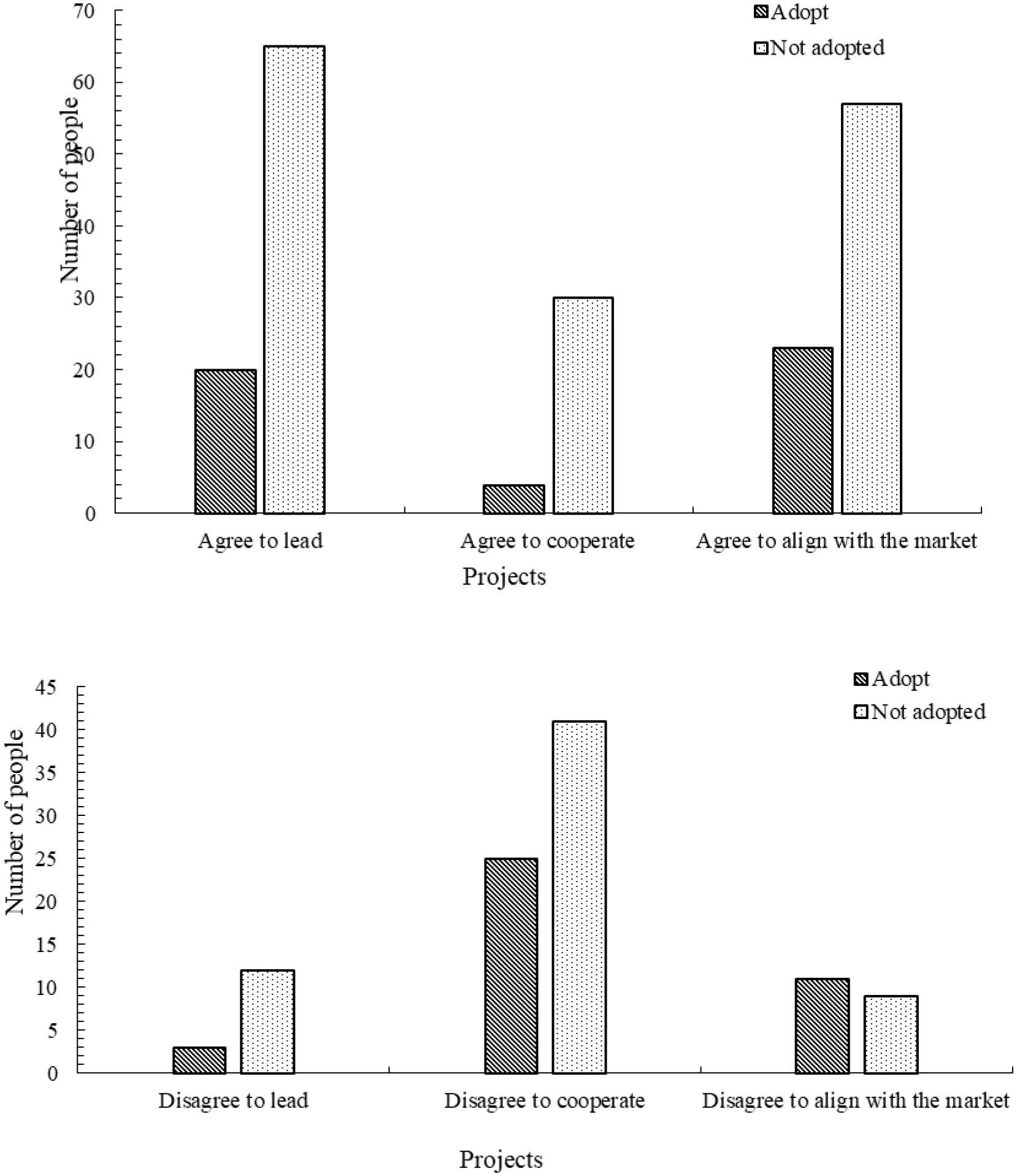
For today’s society, the marketing revolution brought about by media integration is the combination of traditional marketing information dissemination methods and changes in time and place. On the commercial basis of media integration, marketing types are mainly divided according to the type of the product itself. In this article, we will analyze two types of marketing data: online
Sales volume and total costs for product A using a fully online marketing approach.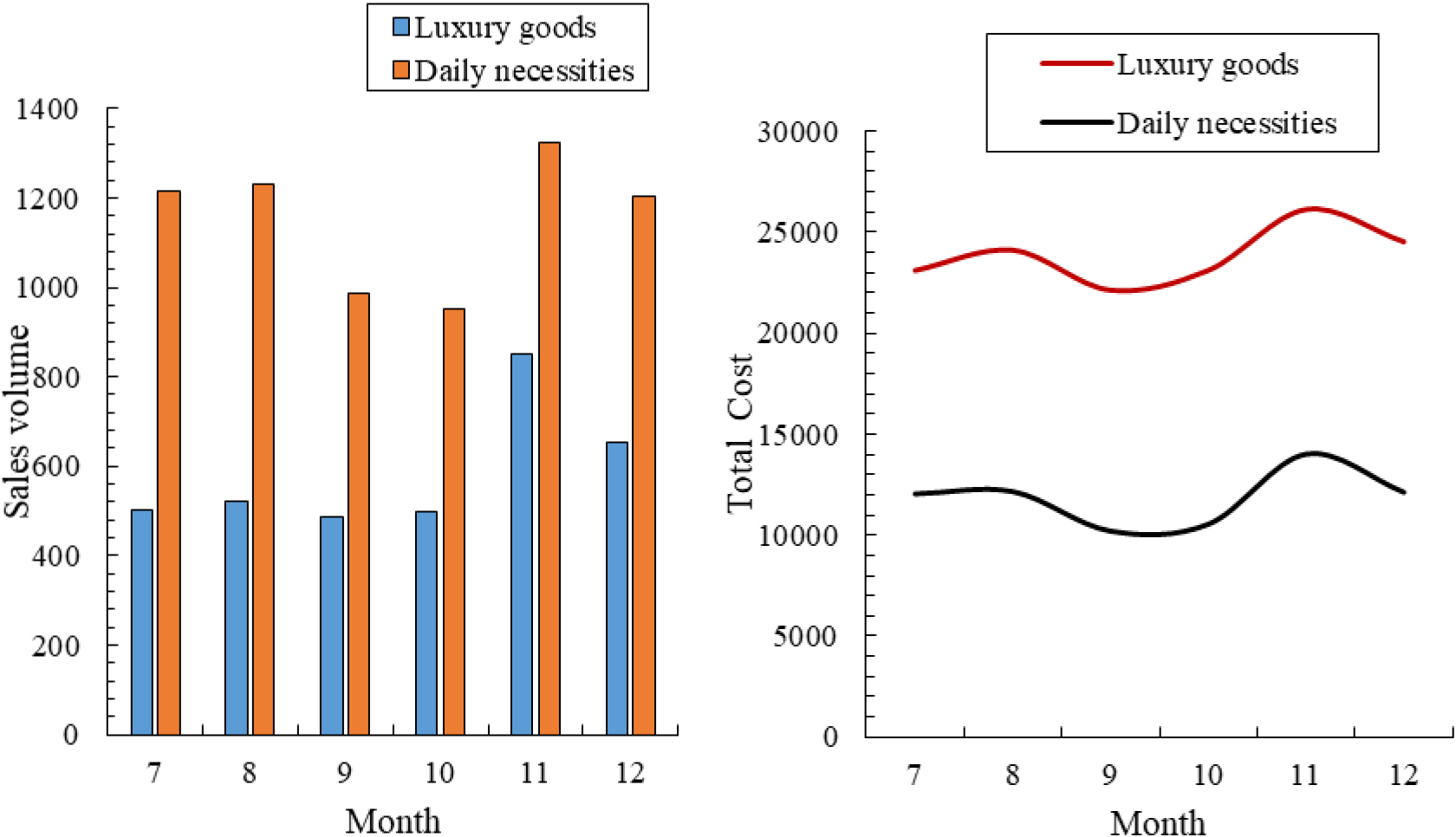
Sales volume and total cost of product A using online 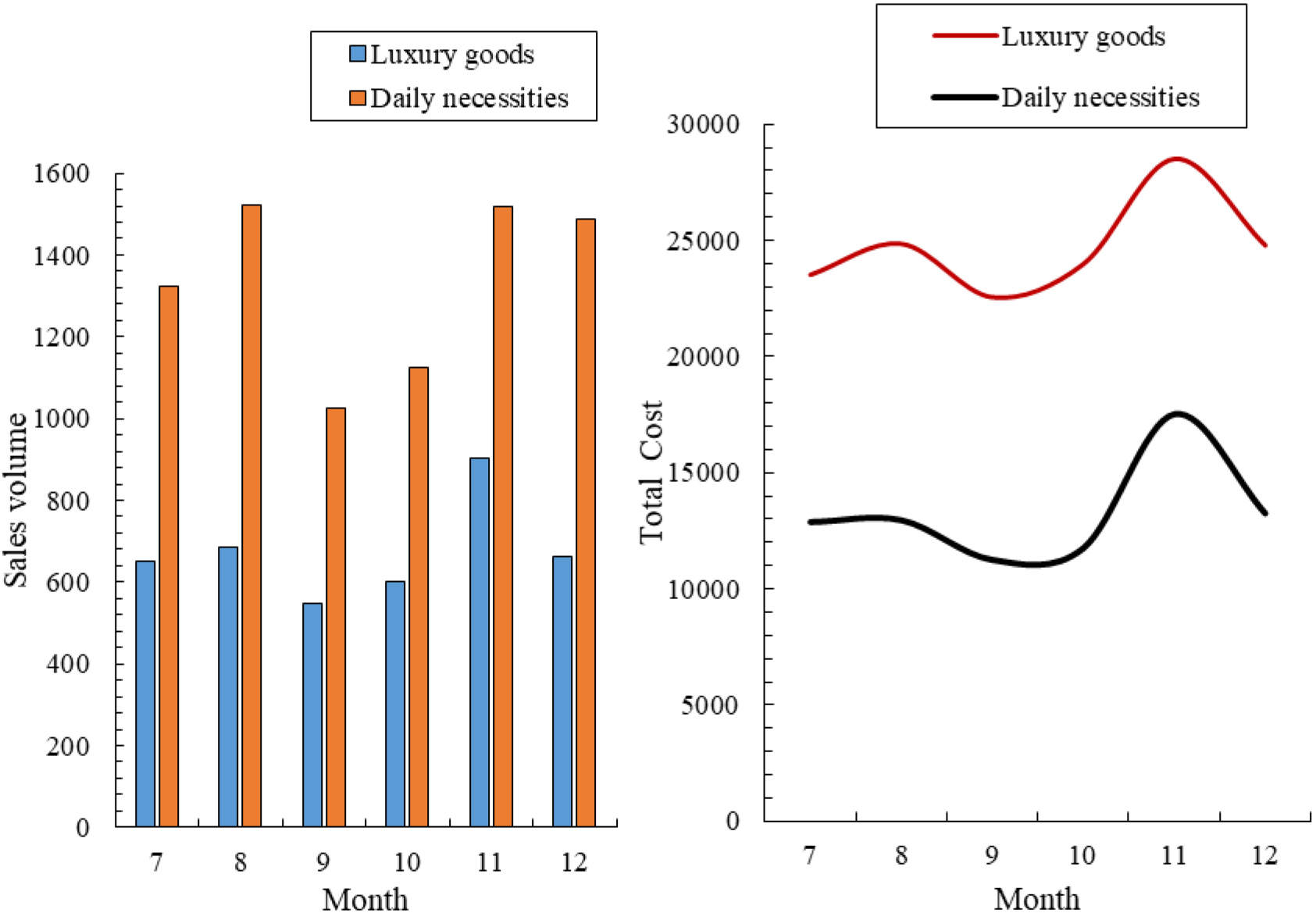
As can be seen from Fig. 10, for luxury goods, the sales from July to October were similar, with a relatively large increase in November and December. The specific reason from the analysis is that factors are driving the “Double Eleven” and “Double Twelve” activities, but the change in the sales of daily necessities is smaller than that of luxury goods.
As can be seen from Fig. 11, driven by the online
For the shortcomings of online marketing and offline marketing, we are integrating mature third-party implanted joint marketing methods. It just requires a connection between dealers and buyers of products at different times and locations. As a result, service delivery companies that are affiliated become third-party organizations that invest in online and offline marketing. Express service corrects the inequity in space and time between online marketing and offline experience. Chinese makes online marketing more convenient when the media is integrated, and at the same time “promotes the development of affiliated enterprises and drives the demand for jobs and employment”. As shown in Fig. 12, it is the sales situation of group c, and the joint advertising method implanted by a third party is introduced.
Sales of introducing third-party implantable joint marketing methods.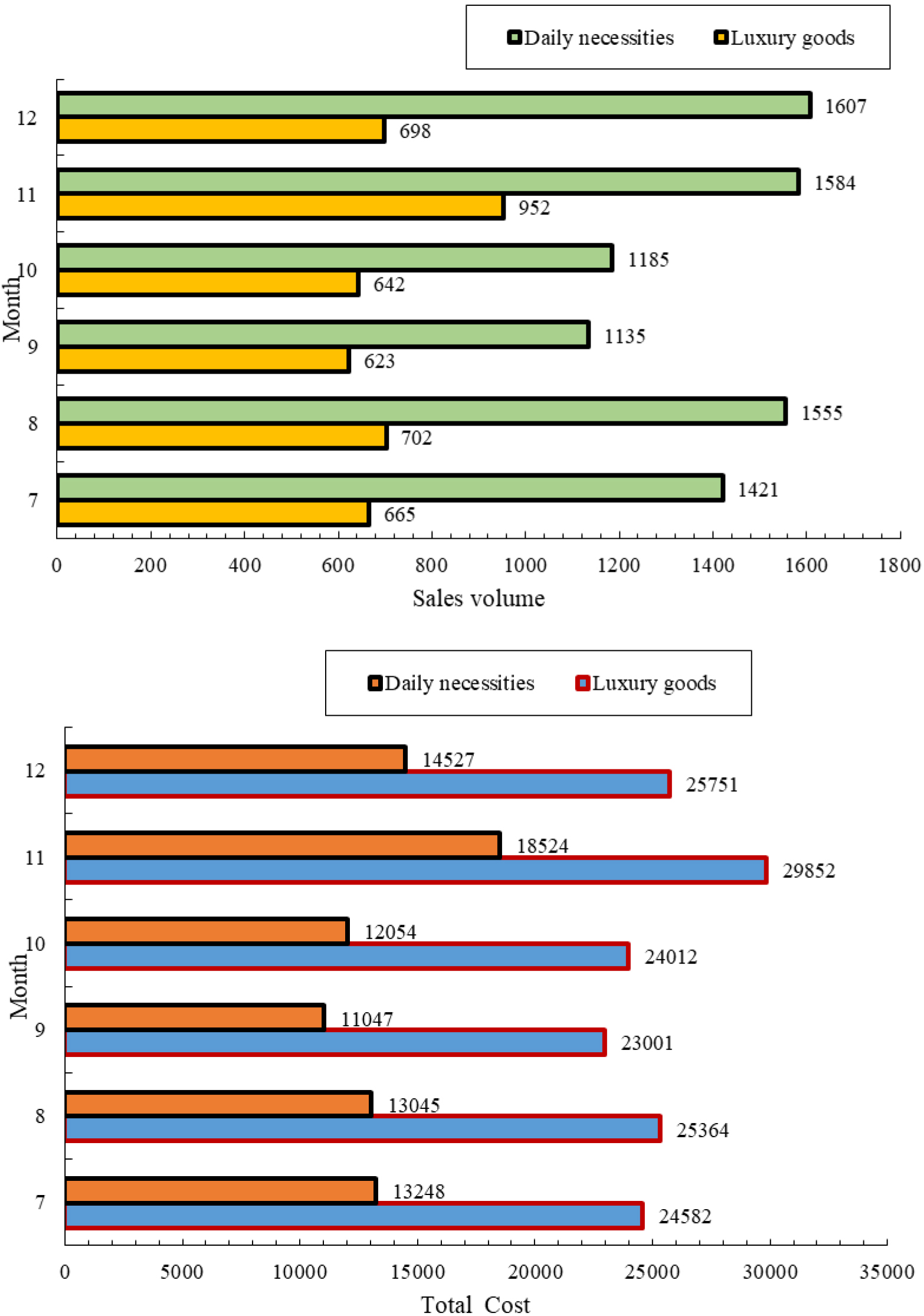
It can be seen from Fig. 12 that the sales of product A with the introduction of the third-party implanted joint marketing method are very optimistic. It solves the problems that users cannot experience in time and price in online marketing, and at the same time solves the short board of inconvenient purchases in offline marketing. Therefore, compared with the first two marketing methods, the luxury goods of group c reached the highest sales value of 952 in November, and the daily necessities reached the highest sales value of 1607 in December. The success of the third-party embedded joint marketing method is attributed to its solution to the pain points of consumers’ online and offline shopping, enabling them to obtain instant experience and competitive prices. By establishing links between different sales channels, consumers can buy products more easily. The results show that the sales of products using this method have increased significantly, especially the sales of luxury goods in November and daily necessities in December reached new highs. This shows that the joint marketing strategy has a positive impact on sales performance.
Compared with the other two marketing methods, luxury goods reached the highest sales value of 952 in November and daily necessities reached the highest sales value of 1607 in December. This shows that the third-party implantation of joint marketing has a significant effect on improving product sales, especially in daily necessities sales.
In the literature review, the results of other models also show the influence of different marketing strategies on product sales. For example, Wang’s research shows that under the consideration of long-term sustainability, high after-sales service costs can prompt enterprises to adopt bundled sales strategies, thus benefiting both parties. The mixed distribution model proposed by Chiozzi shows the potential for manufacturers to choose to distribute through competitors’ sales channels when consumers are uncertain about brand preferences. In contrast, Dao’s innovative genetic algorithm structure optimizes marketing decisions by increasing the probability of finding the global optimal solution. Compared with these models, the results of using the third-party embedded joint marketing method show obvious sales growth, especially in luxury goods and daily necessities, which highlights the effectiveness and competitiveness of this method in promoting product sales.
Compared with traditional e-commerce marketing, the combination of online and offline has huge competitive advantages. With the rise of consumer demand and the advent of the mobile Internet era, many things that traditional e-commerce platforms and brick-and-mortar stores have been unable to do can be accomplished through the unified coordination of the two. Through the development and promotion of e-commerce empowerment marketing templates, promote the transformation of product marketing in the economic zone from enterprise to network, from quantitative to refined, and from random to routine. It attaches great importance to product marketing, expands market influence, establishes a modern professional marketing model centered on products, improves product quality and competitive export of Chinese currency. There are many factors to consider when choosing a marketing model. For example, defining product characteristics, grasping market opportunities from the point of sale, understanding the market situation, solving the needs of market customers through product marketing and marketing teams, and then selecting the best marketing model according to the characteristics of the product itself.
Footnotes
Funding
This work was supported by Project From: “School-enterprise Cooperation Project” of Visiting Engineers of Universities in Zhejiang Province in 2022. Project Name: Research on new media marketing status and Strategy of Industrial Products of small and medium-sized private enterprises in Ningbo. Project No.: FG2022303.