



Abstract
Urban terrorism worldwide underscores an urgent research need for understanding urban resilience capabilities in extreme events. We examine whether the content of online news and tweets reflects known factors affecting urban resilience during the 2016 Jakarta terrorist attack, to answer two research questions: 1) What are critical capabilities necessary for urban resilience against urban terrorism? 2) How does the content of online news and tweets reflect known factors of urban resilience? We collected 212 articles on Detik.com, an Indonesian online news website, for media content analysis. Moreover, we examined Twitter use by Jakarta police on the day of the terrorist attack. By drawing on adaptive capacity research, our study found that information and communication, competence, social capital, and leaderships reflected known factors affecting urban resilience. Our results indicate the potential critical role for Twitter in mobilizing the capabilities for faster recovery from the terror attack and hence greater urban resilience.
Introduction
In recent years, cities around the world are building their capabilities to recover from the impacts of threats, including terror attacks and natural disasters. The 2008 Mumbai terror attack, the 2013 Boston bombing, the 2012 Hurricane Sandy, the 2013 Oklahoma tornado, the 2014 Sydney hostage crisis and the 2015 Paris terror attack represent extreme events in which many human lives can be lost and severe social and economic disruptions can occur in the devastated cities. To mitigate the impacts of and recover from these threats, urban resilience is necessary for a city to respond to and recover from the impact of a threat and sustain the existence of the city [7].
Various efforts have been made to increase the ability of a city to recover from such extreme events, including the use of social media, and most particularly Twitter use. The use of social media during terror attacks has been examined during the 2007 Virginia tech shooting, the 2008 Mumbai terror attack, the 2013 Boston Marathon bombing [54, 55, 63]. Similarly, social media has been used in natural disaster situations during the 2010 Haiti Earthquake, the 2011 Queensland Flood and the 2012 Sumatra Earthquake [10, 16, 18, 74]. Despite the rapidly growing literature on social media use during crisis, however, little has been explored, both theoretically and empirically, on the role of social media in sustaining or enhancing urban resilience [27, 42, 65]. Most importantly, the literature remains silent on the role of Twitter use in enhancing urban resilience in extreme events.
To fill this gap in the literature, this study examines whether the content of online news and tweets reflect known factors affecting urban resilience. To guide our study, we draw on adaptive capacity research to raise two research questions: 1) What are critical capabilities necessary for urban resilience against urban terrorism? 2) How does the content of online news and tweets reflect known factors of urban resilience? To answer these two research questions, we conducted case study research on the 2016 Jakarta terror attack. Case study research is appropriate to answer “how” research question [28, 75]. The two data sources analyzed in this paper were online news articles from Detik.com and tweet text data from Twitter. The 2016 Jakarta terror attack was selected as our research context, because immediately after the terror attack at 11:38 am on January 14, 2016, the situation in the city of Jakarta was seen by many as “back to normal”. The city was re-opened to the public and for business at 16:20 – only 4 hours and 42 minutes after the terrorist attacks [44]. In comparison to other similar cases, the city’s recovery was considerably faster, showing an important indicator of urban resilience against terror [29, 45]. Therefore, our research examines whether the content of online news that covered the terrorist attack and the government responses and tweets posted by first responders and political leaders reflect known factors of urban resilience in light of this terrorist attack.
The reminder of this paper is structured as follows: in Section 2 we present our literature review on the concept of urban resilience and the use of social media including Twitter in urban resilience. Section 3 presents our research methodology. We briefly provide background information and describe the case of the 2016 Jakarta terror attacks in Section 4. In Section 5 we present our key findings from content analyses of articles of Detik.com and tweet text data from Twitter. After presenting our discussion in Section 6, our final section provides the conclusion of this study.
Literature review
Urban resilience
The concept of resilience can be found in various disciplines ranging from physics, environmental research, psychology, and disaster management [39]. In physics, the concept of resilience describes the resistance and ability of a material to spring back after receiving a stress. In ecology, the concept of resilience refers to the ability of ecosystem to absorb and recover from environmental disruptions like fires, drought and pollution [35, 36, 67]. In psychology, the concept of resilience generally refers to the ability of individual, family or community to restore equilibrium caused by trauma, tragedy, and threat [51, 56]. In disaster management, the concept of resilience refers to the ability of community or society to absorb and recover from the effect of materialized hazards [49, 70].
Resilience is often examined as a process and/or an outcome. On the one hand, as a process, resilience is “the ability of a system to sustain itself through change via adaptation and occasional transformation” [47, p. 401]. In the same vein, community resilience is defined as “the existence, development, and engagement of community resources by community members to thrive in an environment characterized by change, uncertainty, unpredictability, and surprise” [47, p. 402]. Therefore, a process view of resilience implies a dynamic and adaptive process in which the level of resilience determines the ability of a system – a community, city or society – to successfully mobilize its collective resources and respond to an extreme event. On the other hand, as an outcome, community resilience is viewed as a system which is structurally organized to minimize the impact of an extreme geophysical event through a set of the existing attributes – “the ability to recover quickly by restoring the socio-economic vitality of the community” [67, p. 13]. By drawing on extant adaptive capacity research this paper adopts the process view of resilience to underscore the critical importance of considering the dynamic and adaptive process in understanding urban resilience capability in extreme events.
Cities are often viewed as a complex inter-related structure and in most cases act as engines of economic development for a country [7, 30]. Any interruptions to the activities in a city, such as natural disasters or terror attacks, affect the sustainability of its economic development. In this paper, the term urban resilience can be broadly defined as the ability of a city to return quickly to a normal condition after an extreme event. Specifically, urban resilience is “largely a function of resilient and resourceful citizens” [13, p. 141]. The social infrastructure of a city, including social networks of survivors and lifeline systems that are reconnected, would enable the city to withstand and recover rapidly from the impacts of natural or terrorist hazards [13, 21, 30, 46]. Godschalk [30] argues that urban resilience consists a sustainable network of physical systems and human communities. Prior to the terrorist attacks of September 11, 2001, urban resilience was viewed largely as a function of natural and constructed infrastructure [22]. However, with the increased frequency and scale of natural and terrorist threats, human communities within the city play an increasingly significant roles in sustaining urban resilience [22, 50]. Importantly, Norris et al. [51] argue that urban resilience encompasses community resources and adaptive capabilities that reside in a city or communities.
Based on the adaptive capacity literature we have discussed, we identify the following known factors affecting urban resilience: Economic Development, Information and Communication, Competence, Social Capital, and Leadership as shown in Fig. 1. In this section, stakeholders are defined as individuals, governments, and communities most directly and indirectly impacted by the disaster or extreme event in the city.
Economic development
The economic development of the city includes the economic diversity and the equity of resource distribution. Individuals in lower social economic status tend to be less resilient and face greater threats from the impacts of natural or terrorist hazards [7, 24]. Research comparing the cities of Buffalo and Orlando in the U.S., which were hard hit by the Great Recession in 2008, showed their resiliency was focused on economic development strategies in the life sciences and knowledge sectors and were able to mobilize economic development around these sectors [25]. Research shows that for communities to increase their resilience to disasters, they must develop economic resources to reduce inequities and attend to poorer communities that have the greatest need [51].
Information and communication
It is important for the city to manage information and communication resources to provide timely and accurate information during extreme events [48, 59]. Timely and accurate information enables more effective decision making processes, which would enhance the ability to respond and reduce the primary and secondary impacts of hazards [26]. Due to the complexity of a city, information and communication is a critical resource for all stakeholders to collaborate with government [30, 41]. The most common information and communication issue in extreme events with the rise of social media is trust in the information source [63], and government needs to establish an active presence in social media for combating false or misleading information [37].
Competence
Competence refers to the ability of a city to define what stakeholders must do to achieve the goals of the city [51]. This includes building consensus, establishing effective collaborative actions, and agreeing on how to achieve the goals of the city [65]. The level of competence in responding to natural and terrorist hazards is influenced by the city’s resources, democratic culture, inter-agency collaboration, and participation from the public [51, 65]. Research on collaboration and effective emergency management shows that the involvement of nongovernmental actors helps to build the capacity of communities and speeds up the recovery and makes these communities more resilient if disaster strikes again [72]. For example, the response and recovery from Hurricane Katrina in 2005 showed the general lack of collaboration between the federal government and the other levels of government.
Social capital
Social capital is the collective value of all “social networks” to do things for each other. Studies show that local social capital is important for community resilience [73]. Social capital is influenced by the network structures, culture and religion, and other social factors in the local context [24, 51, 73]. Social capital is a source of adaptive capacity that defines the ability of a city to conduct collective actions [1]. Given that the resilience of a city is a function of resilient and resourceful citizens [13], therefore, social capital determines the extent to which the city is capable of restoring the situation back to normal again [2, 51]. For example, an analysis of the Bangkok floods of 2011 showed a lack of social capital with severe tensions in the communities since people were affected as many schools had to postpone the start of the new term and supplies of canned food and bottled water ran low causing panic buying [24]. Research on the 2011 Brisbane flood disaster showed that while social capital may reduce local community problems under normal conditions, it did not have much of an impact post-disaster as economic capital provided by the state and federal agencies to communities in need [73].
Leadership
Leadership refers to the influence of key leaders at local, state, and national levels that would guide decisions and actions of stakeholders of the city. In an organizational context, Harland et al. [34] found that the character of the leader influenced the level of the resilience of its sub-ordinates [34]. Leaders set the direction on how to mitigate and respond to a threat [11, 25, 72]. Mitigation can be achieved through various social and economic development tools [25]. In responding to a threat, collective actions of a city needs participative leadership in order to set the tone of its collective voice and actions because cities are socially complex and consist of interdependent systems [11, 30, 72]. In crisis situations, successful leadership performance turns leaders into statesmen, but when normality does not return leaders are often identified as the problem [11]. Therefore, leadership is a critical source of urban resilience [51].
Social media and urban resilience
In the past decade, prior studies have explored the various uses of social media during crisis situations, including terror attacks and natural disasters [54, 55, 63]. The majority of these studies examined the use of Twitter and to a lesser extent Facebook. The focus of these studies was largely on the informal communication through social media and the rapid diffusion of false information (rumors) during a terror attack [54, 55, 63]. However, some studies found that Facebook and Twitter have been used in disaster situations and have become an effective tool for citizen crowdsourcing, inter-agency collaboration, disaster early warning, clarifying false information and other response activities [10, 16, 18, 43, 74]. An analysis of the 2011 Norway terrorists attacks [42] showed that social media, compared to traditional media, can be used to improve resilience of a community through: (1) time-efficient information exchange of social media that can help to accelerate a response; (2) social media-enabled new ways of seeing, watching, and viewing the emergency since the information can be viewed on many different platforms; and (3) advantage of social media reach for users regardless of their physical location.
Despite the rapidly growing literature on the use of social media in crisis, however, there is a lack of research on social media use and urban resilience. Social media has been used as a collaboration tool through the development of a distributed network and can be an effective information channel during crisis situations [54, 55, 63]. Much of the studies on the relationship between social media and resilience are focusing on how social media increase community resilience [27, 42, 65]. Observing the 2011 Cyclone Yasi, Taylor et al. [65] found the role of the social media was used to improve connectedness that influenced the level of community resilience. Based on the concept of disaster risk reduction, emergency management and community development, Dufty [27] provided examples of how social media can be used to minimize risks, enhance safety through information sharing and increase social capital.
There is a gap in the literature on whether the content of Twitter text data reflects known factors affecting urban resilience capability. The gap exists because most research examines social media, such as Twitter, in the context of its impact during or immediately after disasters, while our research examines whether the content of tweets actually reflects theoretically derived adaptive capabilities (or factors/determinants) of urban resilience as identified in our conceptual framework for urban resilience in Fig. 1. These five capabilities derived from the literature are: economic development, information and communication, competence, social capital, and leadership all of which were shown to having an impact on urban resilience. In this paper, we argue that Twitter has the potential for exerting a positive impact on the dynamic and adaptive process in which the level of urban resilience can be affected, for example, through a two-way timely and spontaneous dialogue between the first responder and the affected community and citizens, which is outside of the normal communication channels such as formal and carefully crafted briefing via national television. Twitter can provide such an adaptive and spontaneous communication channel for the government as well as for a voice for citizens impacted by a disaster or terrorist incident.
Conceptual framework derived from the adaptive capacity research literature.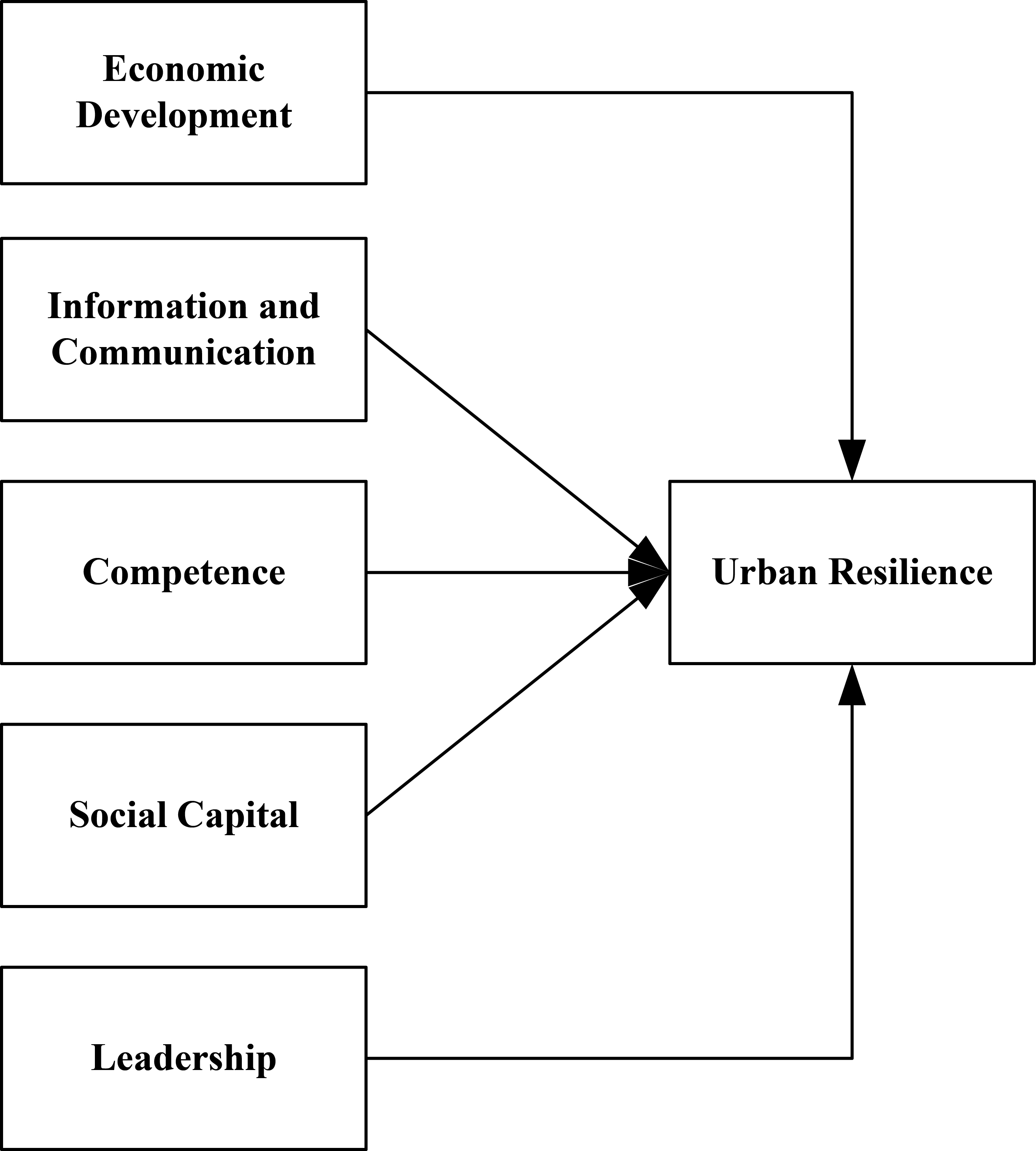
To answer the two research questions outlined in Section 1, we have conducted case study research on the 2016 Thamrin – Jakarta terror attacks. Case study research is appropriate to answer “how” research questions [28, 75]. Our case study data consists of online news articles and Twitter text data. These two datasets were collected to examine known factors (adaptive capabilities) related to urban resilience, as outlined in our literature review and shown in Fig. 1.
In the first phase, we conducted content analysis of 212 articles published on the Detik.com website, from 10:38 to 24:00 (13 hours and 22 minutes), on January 14, 2016. The selection of the data collection timeframe encompasses the two inter-related phases of government responses to the terror attacks and the city’s rapid recovery from the terrorist attacks to return the city to “normal”. We selected the detik.com website to collect articles because it is one of the two most popular online news sites in Indonesia according to alexa.com [3]. In prior research, this website was adopted for web content mining to analyze time-critical crisis communication in the aftermath of the AirAsia crash [12]. Indonesia is one of the largest democratic countries in the world where the freedom of press is guaranteed by the Law 40/1999 [31]. Therefore, there is no censorship by government, and the press has a considerably objective voice on government’s role in response to a terrorist attack. We collected a set of 212 articles through the search function on the website using several keywords that reflected the terror attacks, including “thamrin”, “sarinah”, and “terror”. Duplications among the search results were eliminated. All the articles are in Bahasa Indonesia and were coded by the first author who is a native Indonesian. The coding protocol for content analysis was developed based on the five adaptive capabilities identified in Fig. 1 as outlined in our literature review section. In addition to the five capability categories, another 6
The coding process consists of two steps: (1) initial coding and (2) verification. The initial coding was conducted by categorizing each article based on the coding protocol. Any given article was categorized into only one coding category. If an article satisfied more than one category, the coder selected the category that most dominantly described the content of the article. The second step of the coding process is to verify the initial coding outcomes through the comparison of articles within each coding category. Even though the initial coding protocol was consistently used, we were open to the possibility that new salient themes might emerge from the content analysis. The results of the content analysis were critically examined as the salient known factors affecting urban resilience.
In the second phase, we identified the key (political) stakeholders’ Twitter accounts and collected salient #hashtags generated during the terrorist attacks. Twitter was selected because Indonesia has a high number of Twitter users and Jakarta has been the world’s most active city in Twitter use [62]. In addition, prior studies indicated that Twitter early warnings have been used effectively in Indonesia during the natural disasters [15, 17, 18].
The key stakeholders were identified through the content analysis of the articles on the urban terrorist attacks. Prior studies on Twitter use in crisis situations found that general public looked to key stakeholders’ Twitter accounts for information [14, 64]. The four stakeholders were the Jakarta Metro Police Department, the Governor of Jakarta, the Vice President and the President of Republic Indonesia. Their tweets were collected directly from the Twitter.com website from 10:38 to 24:00 (13 hours and 22 minutes) on January 14, 2016. We conducted content analysis of the tweets related to this terror attack that were released by these four stakeholders. In conducting the content analysis of the tweets, we used the same coding guidelines and steps that were used for the content analysis of the articles (see Table 1). Two salient hashtags emerged during the extreme event: #prayforjakarta and #kamitidaktakut (or in English, #wearenotafraid). These two hashtags embedded in tweets were downloadable from
Coding guideline for content analysis
Coding guideline for content analysis
Indonesia has suffered from terrorist acts and has established policies to deter terrorism. As a response to several terror acts, including the 2002 First Bali Bombing, Indonesia has enacted the Law 15/2003 on the Eradication of Terrorism Crimes [32]. This overarching policy framework aims to prevent the spread of terrorists and terror acts. At the operational level, the National Police established a special taskforce called Densus 88 that put the Law 15/2003 into effect. To design the national policy and strategy in responding to terrorism, the Government of Indonesia established the National Counterterrorism Agency (BNPT) [33].
Again, on January 14, 2016, Jakarta was shocked by urban terrorist attacks. The brazen bomb attacks centered around Thamrin Street at the heart of Jakarta’s major shopping and business district close to foreign embassies and the United Nations office. The street is also close to the presidential palace, the governor of Jakarta’s office and the Jakarta Police headquarter.
Two bomb explosions at the Starbucks and at a police box marked the start of Jakarta terrorist attacks which lasted from 10:38 am to 11:09 am. During the terrorist attacks, there were 11 minutes of gunfire exchanged between the terrorists and Jakarta police, with 4 more bomb explosions occurred. Figure 2 shows the timeline of the extreme events. It also shows the two line graphs for the two hashtags we analyzed in this paper. There were 23 people wounded and 8 found dead that included 4 terrorists [23]. Later on the Islamic State (IS) claimed responsibility for the brutal attacks against citizens.
After the IS terrorist attacks, the Thamrin terror attack site re-opened to the public by 16:20 (or only 4 hours and 42 minutes later) and the situation returned back to normal [44]. In this case the recovery phase was very short and rapid, indicating the presence of urban resilience [29, 45]. While the haphazard bomb and gun attacks “showed little evidence of clear co-ordination” [9, p. 1], the rapid response from the police mitigated the death toll [71]. Leaders quickly condemned the terrorist attacks and urged the public to not fear the terror attack. For example, as early as 12:34 on January 14, President Jokowi in his response to the terrorist attacks declared that “the situation is under control” [69, p. 1] and that “we should not be afraid and defeated by acts of terror like this” [69, p. 2]. Similarly, social media platforms were flooded by defiant messages condemning the terror acts [20, 52]. As Fig. 2 shows, the number of the defiant #kamitidaktakut tweets posted by the public did not dissipate to a zero level and was sustainable at over 10,000 tweets. In contrast, the number of the empathetic #prayforjakarta tweets increased rapidly but also dissipated rapidly closer to the initial zero level.
Timeline of events, tweets and hashtags.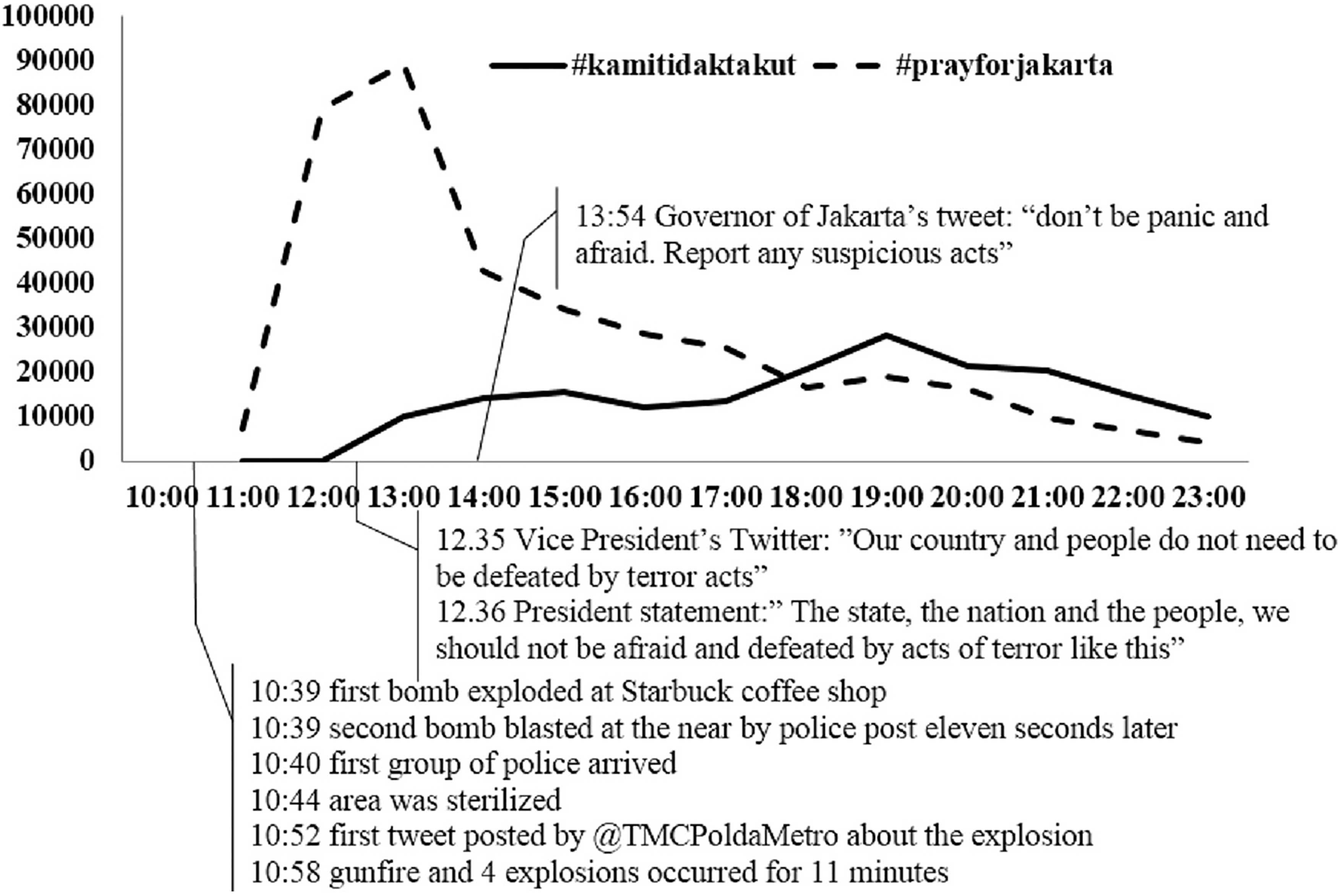
Content analysis results of online news articles
Our content analysis of 212 articles published on the Detik.com website on January 14 is shown in Fig. 3. Against the urban resilience conceptual framework presented in Fig. 1, we found no article related to the Economic Development category. However, the other four factors identified in Fig. 1 were all reflected in various degrees in the online news articles analyzed. Of the 212 articles, 21 articles (or 10%) were categorized into the Information and Communication because they all described the use of social media and the efforts of the police to provide accurate information. During the data collection time frame, there were some false rumors including the information about a female among the attackers and the information about several other bomb explosion sites in Jakarta [6, 38]. There was also an article discussing the endorsement from Jakarta Governor to stop circulating pictures of the bodies of the murdered victims through social media [61]. In crisis situations, official information needs to exist to stop the propagation of false information and misleading information through social media [63].
Content analysis of the Detik.com articles.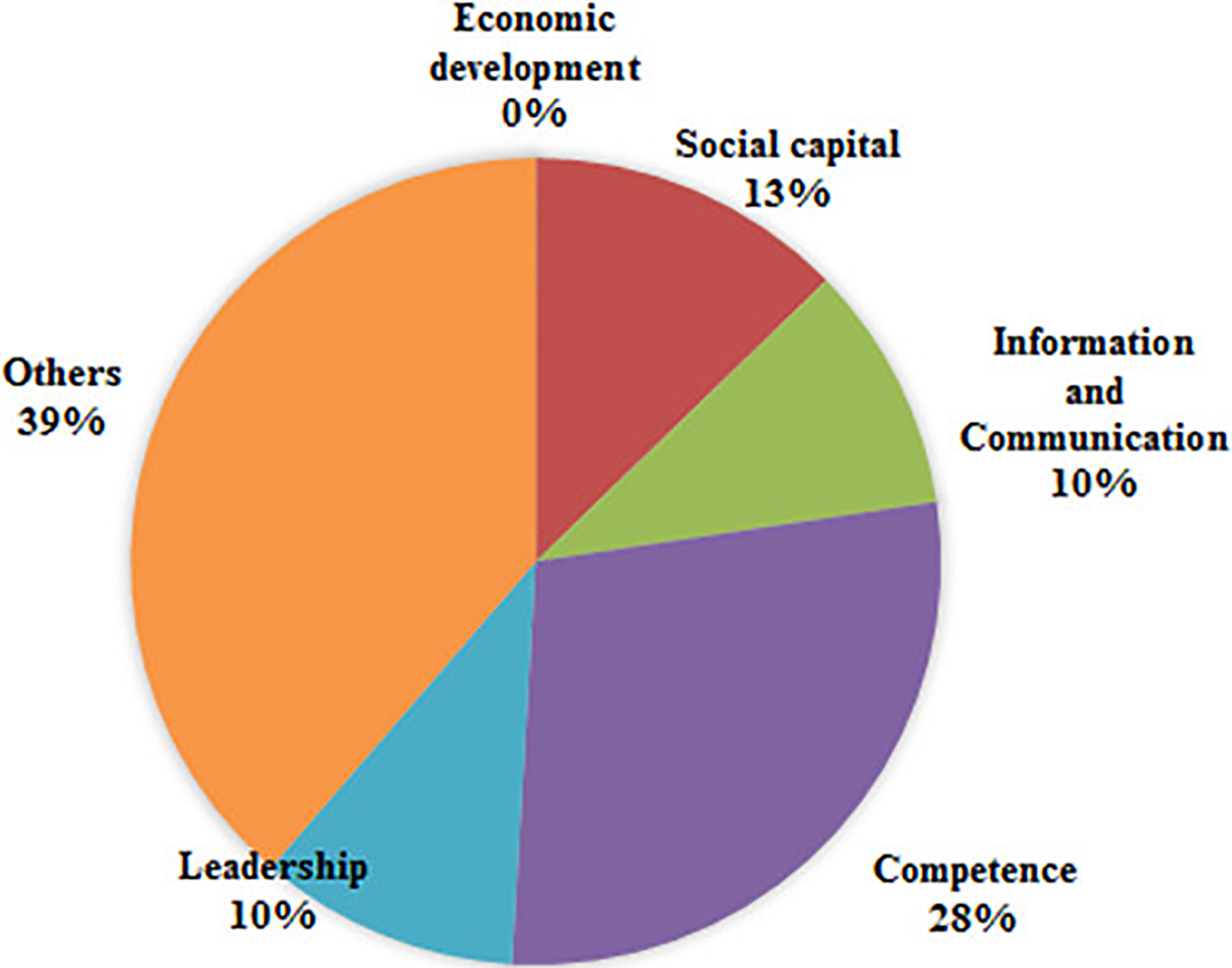
There were 60 articles (or 28%) categorized into Competence. Most of these articles discussed the brave and rapid actions taken by the police and by the military in response to the terrorist bomb and gun attacks. These included a story about the police officers who were involved in gunfire exchanged with the IS terrorists, sterilizing the area and preventing secondary impacts of the terror attack [58, 60]. While Jakarta has suffered from terror attacks several times, the rapid actions taken by the police and military indicate that Jakarta has learned how to deal with terror acts through the development of effective decision making process. This capability is substantial part of competence in the resilience context [39, 51]. There were 27 articles (or 13%) that can be categorized as Social Capital during the terror attack. These showed support from various communities and trending topics in social media that supported the city of Jakarta [40, 68]. Prior studies indicate the importance of social action for community in responding to a social problems [73]. While terror attacks can be considered as a social problem, the support by various communities in Jakarta against the terror act is substantial for the city.
There were 22 articles that discussed the roles of leaders in responding to the terror attacks which we categorized as Leadership. This category includes articles on the Chief of the National Police who assured that Jakarta was safe and secure, encouraging the citizens to continue their daily activities. It also includes a statement from the Governor of Jakarta that the city was safe, assuring the public and asserting his leadership over the counter-terrorism actions by police. Finally, the category of Leadership includes a statement from the president and Vice President for citizens not to be afraid of the terror act and their instructions to the police to quickly capture the attackers and their networks [8, 53, 57]. Prior studies have indicate the needs for the leadership to present in the response phase of a crisis situation [72].
Finally, there were 82 articles (or 39%) we categorized as “Others”. Further examination of articles categorized as “Others” found that there was no emerging factor other than the five factors mentioned above. Articles in this category include the narrative of events, casualties, foreign countries condolences and the damage caused by the terror attack [5, 19]. Of these articles, 38 articles contained information on the events sequence that could not be classified as one of the salient factors that affects urban resilience. These include the first 19 articles collected from 10:57 to 11:35 (or 1 article every 2 minutes) that were trying to make a live report of the event. There were 21 articles related to the casualties. Again, these articles were trying to make live reports on the number of the casualties. For example an article reported that a foreigner was laying down in parking area described as a casualty of the terror attack. Similarly, articles on foreign countries condolences and the damage caused by the terror attack were hard to classify as one of the factors affecting urban resilience. Therefore, while these articles provide rich descriptions of the event, we hold that this category of “Others” is warranted to capture a large percentage of news articles that were substantially different from other category news on the salient factors that were postulated to affect the urban resilience.
Twitter responses from governor of Jakarta, Vice President and President
Our second research method examined the Twitter data. The first response from the leaders through Twitter came from the Vice President, Jusuf Kalla (@Pak_JK), at 12:35 on January 14. As of January 26 the Vice President’s Twitter account has released 3,658 tweets, which generated 1,998,395 followers. In his tweet, the Vice President stated “Condolences to the victims of the Sarinah explosions. We also condemn the terror attackers. Our country and people do not need to be defeated by terror acts” as shown in the top of Fig. 4. This tweet was retweeted more than 16,000 times and received 765 likes. This tweet clearly sets the tone of how the nation will respond to the terror attack and therefore the tweet was classified as leadership.
Tweets from the local and national leaders.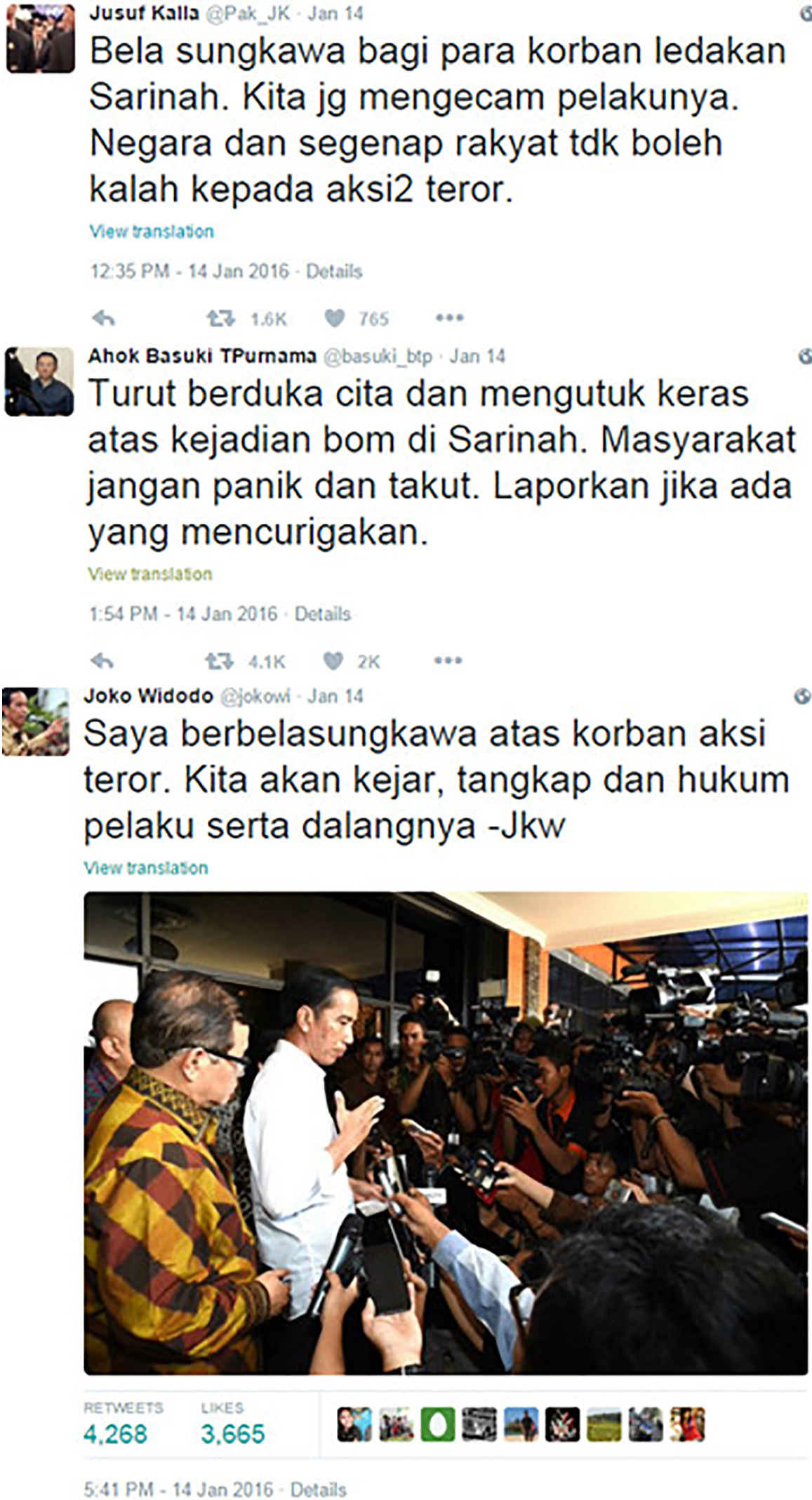
About an hour later, the governor of Jakarta, Basuki T. Purnama (@basuki_btp), responded via Twitter at 13:54 on January 14. This tweet received much greater retweets and likes than the Vice President’s tweet. Slightly different from the Vice President, the governor’s tweet invited citizens to participate in reporting any suspicious acts. As he stated in his tweet: “My condolences to the victims and I condemn the terror acts in Sarinah. Citizens do not fear and panic. Please report any suspicious acts.” as shown in the middle of Fig. 4. This tweet received more than 4,100 retweets with more than 2,000 likes. The higher retweets and likes was most likely because the governor had a larger number of followers than the Vice President. As of January 26, the governor’s Twitter account has posted 2,283 tweets, with 4,192,310 followers. In a more proactive tone than the Vice President’s tweet, this tweet invited citizens to actively contribute towards preventing potential terror attack. Thus, this tweet falls into leadership category.
Unlike the Vice President’s and the governor of Jakarta’s responses on Twitter, President Jokowi’s statement appeared considerably later in time. On Twitter, President Jokowi posted his tweet in response to the terror attack at 17:41. In his tweet, the president said that “My condolences to the victims of the terror acts. We will chase, catch and punish the terror attackers and the actors behind the terror – Jkw” as shown in the bottom of Fig. 4. This does not imply that he did not quickly respond to the terrorist attacks because as mentioned earlier, he made an official statement on his response to the terror attacks at 12:34 [52]. He was visiting Cirebon, about an hour by helicopter from Jakarta. Immediately after his return to Jakarta, he visited the terror attack sites at 16:00 and led a meeting to respond to the extreme event [4]. As of January 26, 2016, the president’s Twitter account has posted 249 tweets, with 4,293,954 followers. While the tweets posted by the Vice President and the governor directly addressed the citizen’s concerns and reactions, the president’s tweet was focusing on what the country would do to the attacker. This is clearly a leadership tweet.
Jakarta Metro Police is the most active and influential Twitter account in comparison to other Indonesia government agencies. The official account of the Jakarta Metro Police, @TMCPoldaMetro, has 5,059,689 followers and has posted 421,126 tweets as of January 26, 2016.
On January 14, 2016, between 10:38 and 24:00 (13 hours and 22 minutes), this account posted 144 tweets (or the rate of 10.8 tweets per hour). Of these 144 tweets, 60 tweets (or 42%) are closely related to the terrorist attacks. Of the 60 tweets, 29 tweets (or 48%) were retweeted from other Twitter users, including from the National Police Twitter account. The first tweet released by @TMCPoldaMetro informed the terror attacks at 10:52 and was a retweet of a tweet posted by @oiescoots, an ordinary citizen.
When performing the content analysis of the 60 tweets using the coding guideline as presented in Table 1, we found 2 tweets (or 3%) that can be categorized as Information and Communication. Both of the tweets clarified the false information related to the terror attacker’s description. We categorized 44 tweets (or 73%) into Competence. These tweets include the situation updates, investigation, sterilized area in the terror site and the affected traffic and security check in some vital areas. There were 6 tweets (or 10%) in the Social Capital category that mainly included an invitation for the public to participate in securing their area. We found no tweets (or 0%) that can be categorized as Leadership. The remaining 8 tweets (or 14%) were coded as Others, which included retweets of the appreciation to the responses of the police from citizens. The overall coding results from our analysis of Jakarta Metro Police’s tweets is presented in Fig. 5.
Content analysis of @TMCPoldaMetro’s tweets.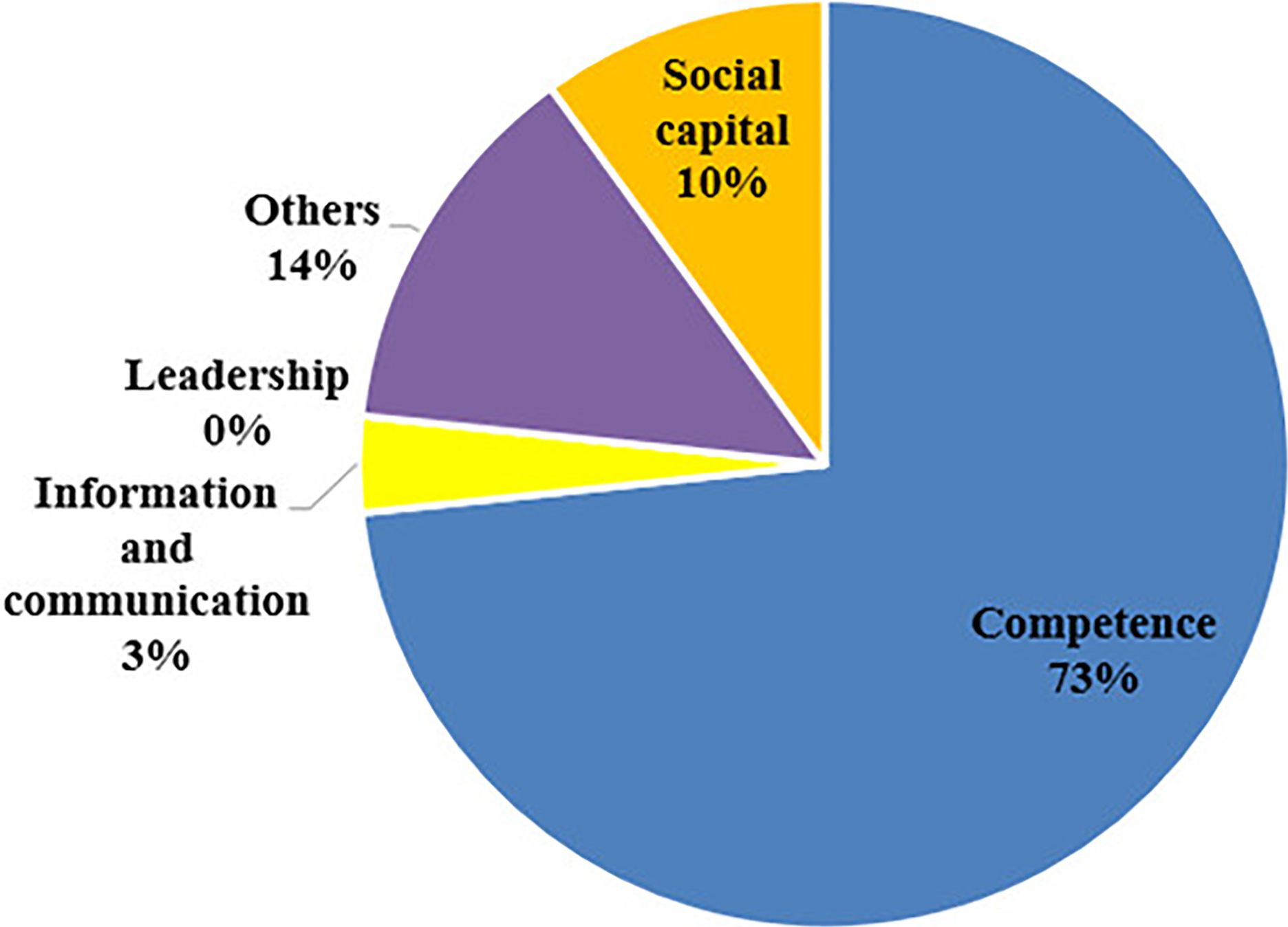
As shown in Fig. 5, the Competence theme dominated the coding results as represented by 73% of the tweets. From this category, we further identified three subcategories that emerged from the tweets classified as (Police Counter-Terrorism) Competence as shown in Fig. 6. The first major theme found was the area sterilization and the affected traffic (61%). While the terror site was in the center of the business district and the terror attacks happened within a very short time, sterilization of the terror site required the police to further investigate the terror scene. The sterilization demanded some major road closures that affected the traffic in the city which is notorious as “the world’s worst traffic” [66]. About 3.5 million of an estimated 2016 population of over 10 million people travel in their cars into the city center. Further security measures was found to be the second largest category at 30% of the tweets. This consisted the police’s activities to prevent a second terrorist attack. The last category was investigation (9%), including the examination of activities conducted by the police and the results of the investigations.
Further content analysis of tweets in the Competence category.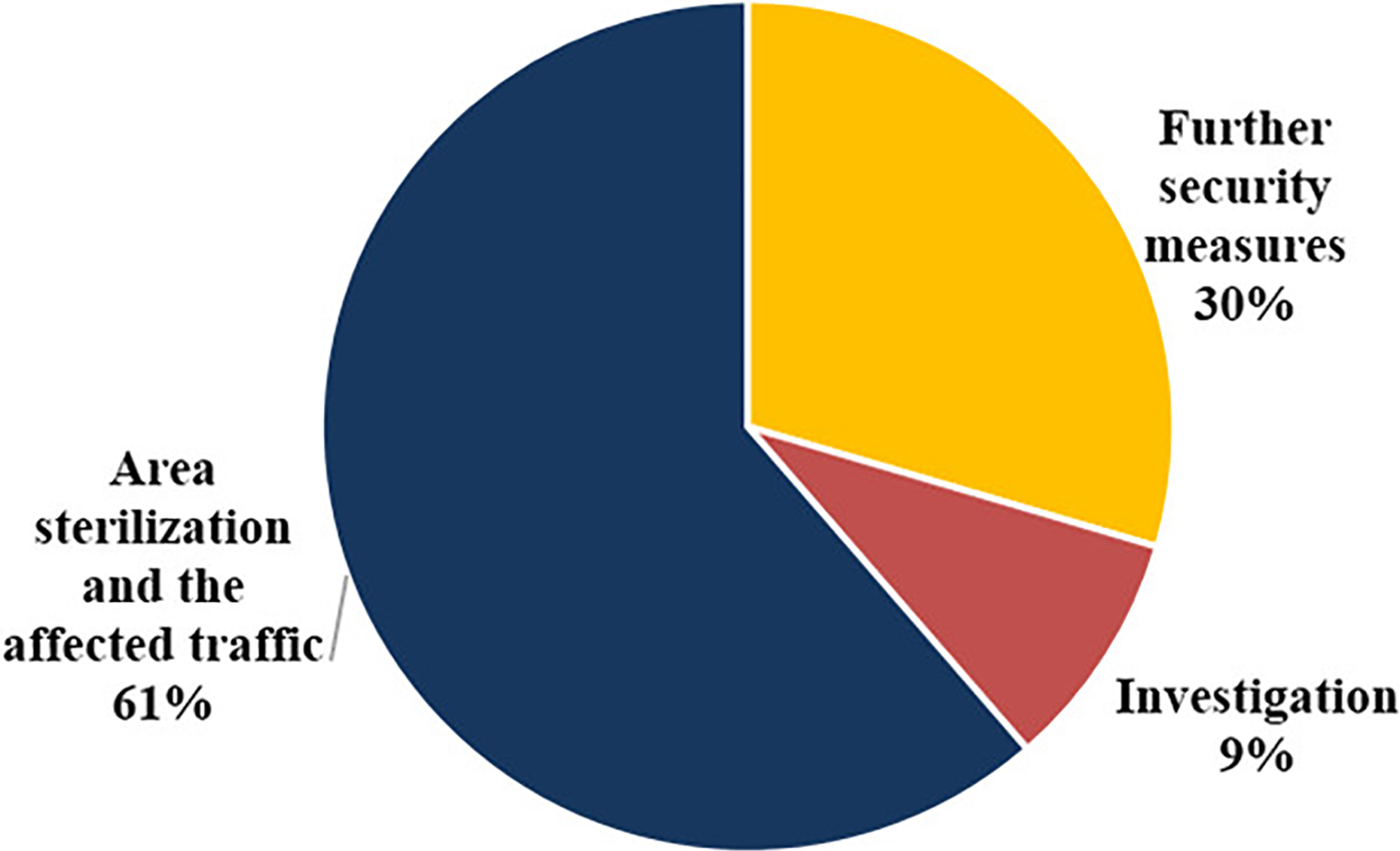
As mentioned earlier, two hashtags became trending topics during the terror attack: #prayforjakarta and #kamitidaktakut. Based on the data from
Pictures attached to #prayforjakarta.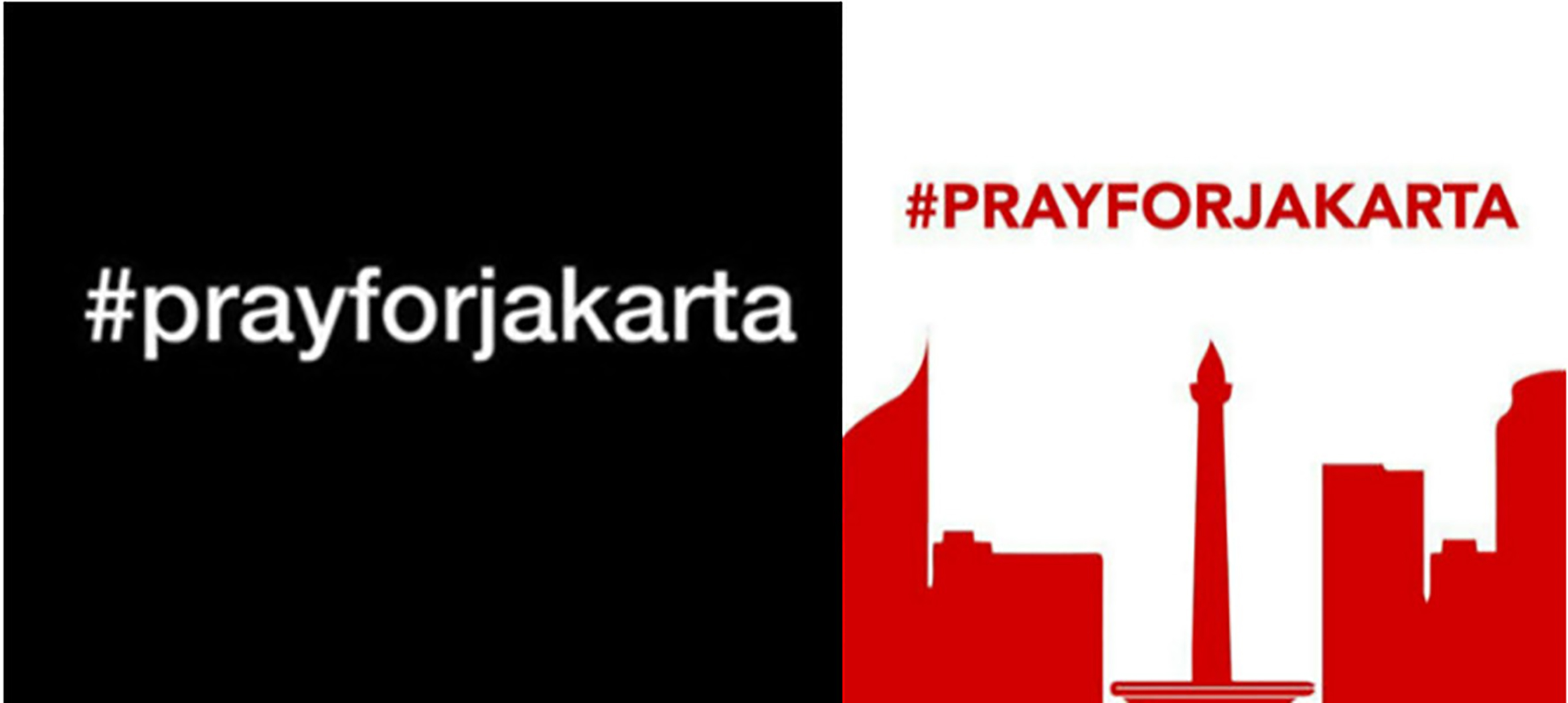
Slightly different from #prayforjakarta, the tweets containing #kamitidaktakut uttered a defiant message against the IS terrorist attackers. Most of the tweets also attached various pictures to show that the terrorist attacks failed to make the people of Jakarta afraid. Pictures showed people gathering in the terror sites instead of avoiding the area. For instance, there was a picture of a seller offering nuts and drinks in the surrounding area and other pictures that showed the daily activities as shown in Fig. 8.
Pictures attached to #kamitidaktakut.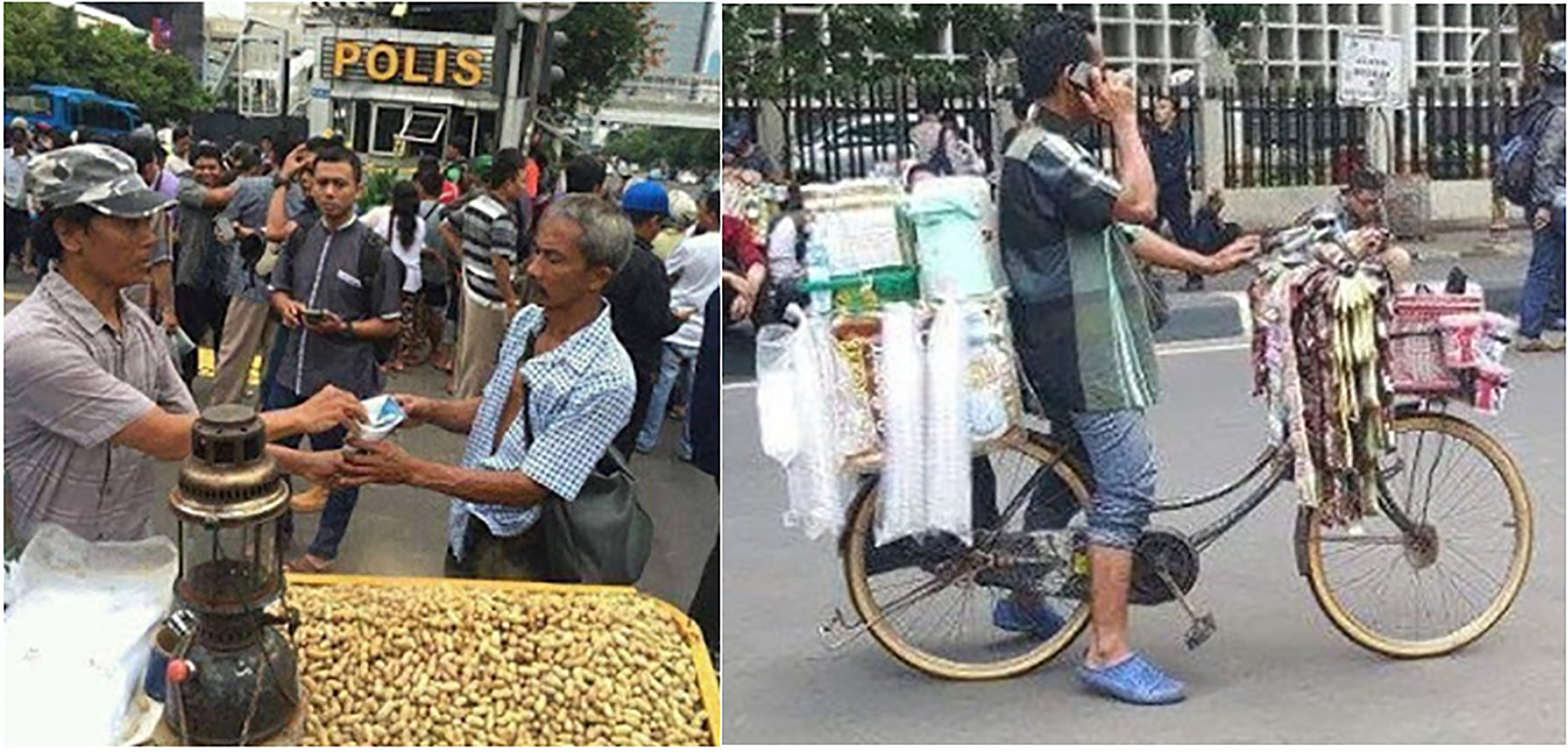
To answer our first research question, we drew on extant adaptive capacity research to develop a theoretical framework for urban resilience in extreme events, which was presented in Fig. 1. We then addressed our second research question by, first, conducting content analysis of 212 articles published on the Detik.com website on January 14, 2016, between 10:38 and 24:00 (13 hours and 22 minutes). From the content analysis, we expected to find articles directly related to our five adaptive capabilities: Economic Development, Information and Communication, Competence, Social Capital and Leadership. However, our content analysis findings showed some support for the four adaptive capabilities of Competence (28%), Social Capital (13%), Information and Communication (10%), and Leadership (10%). The short data collection time frame afforded by the acute extreme event may explain the absence of Economic and Development category (0%) in our content analysis results.
Of the five adaptive capabilities – the salient antecedents of urban resilience – Competence was the most important adaptive capability perceived and reported by online news journalists in having affected urban resilience, which was reflected in the case of Jakarta’s rapid return back to normal after the brazen terrorist attacks at the heart of Jakarta. The Competence category, which showed the highest percentage, indicated the perceived ability of the police to quickly mitigate the threats, restrict the death toll, and prevent the secondary impacts of the terror attack important factors for urban resilience [58, 60]. In other words, online news media perceived the adaptive capability of the first responder (or government agile responsiveness) as being most critically important in the dynamic and adaptive process of counterterrorism in affecting urban resilience in extreme events.
Our content analysis findings also suggested that the online news media perceived Social Capital as having played an important role in affecting urban resilience. It was demonstrated through the collective actions of various communities and trending topics in social media that supported the city of Jakarta [1, 51]. As discussed earlier in our Literature Review section, urban resilience is “largely a function of resilient and resourceful citizens” [13, p. 141]. The social infrastructure of a city, including social networks of survivors and lifeline systems that are reconnected, would enable the city to withstand and recover rapidly from the impacts of natural or terrorist hazards [13, 21, 30, 46]. Godschalk [30] argues that urban resilience consists a sustainable network of physical systems and human communities. In this paper, we argue that while the adaptive capability, Competence, is mandatory to control the crisis situation and control a sustainable network of physical systems such as roads, shopping malls, government buildings, and business districts in the immediate aftermath of the terrorist attack, another adaptive capability, Social Capital, is also critically important to kick start and reconnect social networks of resilient and resourceful citizens who could contribute to the recovery phase of returning the city back to normal.
In our classification of online news, the online news media also perceived Information and Communication as an adaptive capability affecting urban resilience. This adaptive capability provides government with accurate actionable information, thus enhancing the ability of government agencies to respond to the unpredictable extreme event. It also enables government to mitigate the threats from the primary and secondary impacts of hazards [26]. Finally, we found that the online mass media perceived the important role of Leadership at the local and national government levels as having affected urban resilience. The various leaders’ timely clear stance and solidarity against urban terrorism and their direct communications to the public reduced panic, anxiety, and uncertainty in the city of Jakarta and beyond. Most importantly, leaders provide clear direction on how the city should respond in the crisis management [11]. Overall, these findings provide preliminary evidence for the validity of the theoretical framework for urban resilience in extreme events – our answer to the first research question. Our findings are consistent with prior studies in community resilience and urban resilience literature [30, 51].
In order to answer the second research question, at the second phase, we conducted a content analysis of key government leaders’ Twitter accounts and salient hashtags related to the terrorist attacks on January 14, 2016. We will discuss the findings based on the four adaptive capabilities affecting urban resilience in extreme events which were identified in answering our first research question: Information and Communication, Competence, Social Capital, and Leadership.
The police provided timely and accurate information through social media (Information and Communication), by presenting information about the terrorist attacks at the various sites. The police also quickly clarified false information through the use of social media. These findings are consistent with previous studies on the use of social media during crisis situations [10, 16]. Our findings suggest that social media use can positively enhance urban resilience by increasing the ability of the police to have the crisis situation under control. The value of the tweets posted by Jakarta Metro Police was shown by its over 5 million followers – the greatest number of followers observed in this study.
Our results showed that Twitter increased the ability of the police to engage and collaborate with the public. We also found that Twitter was used to effectively disseminate the way police responded to the terror attack. These findings suggest that Twitter can positively influence the ability of the city in restoring the public trust in government (Competence) and influencing urban resilience. These findings are consistent with prior research on the need for participation from the public [62].
We also found Twitter as an effective way to express collective voice through #prayforjakarta and #kamitidaktakut. The use of hashtags shows the topics that reflect the concerns of the Twitter users. The social ties (Social Capital) developed among Twitter users who use the same hashtag reflect the network of growing interest of a certain topic. In this case, Twitter becomes a media for the Jakarta people to express their defiance against terror. These findings are consistent with prior studies on the use of social media (Facebook) to develop ties in crisis situation [15].
Finally, our findings indicated that Twitter was used by leaders as one of the ubiquitous communication channels in leading communities to share condolences, condemn terror acts and stand strong against terrorism (Leadership). Therefore, these findings suggest that Twitter can be used to strengthen crisis leadership by restoring and sustaining urban resilience. We hold that Twitter has the promise of enhancing the city’s capacity for urban resilience by providing another communication channel for: the establishment of trusted information sources, showcasing how the stakeholders – government leaders and citizens achieve the goals, mobilize collective actions of resilient and resourceful citizens, and effective crisis leadership in the face of extreme events. Our media content analysis results clearly indicate that effective use of Twitter can affect the dynamic and adaptive process of mobilizing, in acute extreme events, the existing adaptive capabilities such as social capital and government leadership, which in turn can enhance urban resilience against urban terrorism such as seen in the city of Jakarta in April 2016.
Conclusions
By drawing on adaptive capacity research we have derived a theoretical framework for urban resilience in extreme events. We then examined the content of online news articles and tweets to answer the two research questions: 1) What are critical capabilities necessary for urban resilience against urban terrorism? 2) How does online news and Twitter reflect known factors of urban resilience? To answers these two research questions, we conducted a case study research on the 2016 Thamrin – Jakarta terrorist attack. Two data sources used to answer the two research questions were online news articles and Twitter text data. From our analysis, we were able to show that urban resilience has been traditionally been explained by a five factor framework as shown in Fig. 1.
Our findings contribute to the existing research on urban resilience and emergency management. This study provided a better understanding of the potential roles of Twitter in effecting urban resilience under the condition of extreme events. Our contribution is also to the e-government literature on social media use by government, which has recently raised the critical importance of studying the role of public services using this new and emerging technology [43]. Theoretically, our findings offered a new framework for examining this important relationship between social media and urban resilience. The new framework is composed of the factors in order of importance: Competence, Social Capital, Information and Communication, and Leadership.
The limitations of this research include the absence of deeper social network analysis to further identify the influential leaders in the #prayforjakarta and #kamitidaktakut and how their social interactions with the public on Twitter might contribute to enhancing urban resilience. Another limitation is due to the short observation period that might hinder us to capture the Economic and Development theme through the content analysis performed in this study. Our future research directions include the application of the proposed framework to new case studies on the crisis situation for comparative case analysis. Furthermore, content analysis of more Twitter text data using these two important hashtags could be done for further insights.