



Abstract
Artificial intelligence (AI) is a computer’s capacity to carry out operations like speech and image recognition and decision-making that ordinarily require human intelligence. Healthcare is using AI to automate tasks such as medical image analysis and diagnosis that require high precision and accuracy. The healthcare industry is significantly impacted by the rapid development of machine learning algorithms, which are frequently implemented using deep learning, as well as the growth of digital data and computing power supported by improvements in hardware technologies. Significant progress has been made in the field of artificial intelligence in recent years and is now widely used in healthcare to automate a variety of tasks, which require a high degree of accuracy and precision. The creation of machine learning algorithms, which can learn from data and make predictions based on that learning, has made it possible to use AI in healthcare. Neural networks are used in deep learning, a subfield of machine learning, to simulate how the human brain functions. Crucial advances have been made in clinical decision support, drug discovery, and medical imaging. Furthermore, the rapid development of hardware technologies, such as graphics processing units, has allowed AI systems to process enormous amounts of data quickly and accurately. Due to this, AI-based tools and platforms can help healthcare professionals with tasks such as patient monitoring, disease diagnosis, and treatment planning.
Introduction
Artificial intelligence (AI) is incredibly transforming the healthcare industry. AI is already being used in healthcare diagnostics to increase efficiency and accuracy in diagnosis, provide better patient care, and improve patient outcomes [1]. AI can potentially change the way healthcare is delivered, from diagnosis to treatment to disease management [2].
Future advancements in healthcare technology are anticipated to result from ongoing improvements in AI technologies [3]. Deep learning is a type of machine learning that involves artificial neural networks, which mimic the structure of neurons in the human brain and user input data to learn and improve its performance [4].
The rapid advancement of machine learning algorithms, which are frequently implemented using deep learning, and also the vast growth of digital data and computing power charged by advances in hardware technologies, such as graphics processing units, are all significantly impacting the healthcare industry [5]. A huge number of studies analyze enormous volumes of health data utilizing machine learning technology to diagnose and treat patients [6].
These cutting-edge technologies, combined with internal administrative procedures in healthcare payers, providers, and pharmaceutical companies, have the potential to revolutionize numerous aspects of patient care [7].
AI and its use in healthcare:
AI refers to the capacity of computers to carry out tasks that would normally demand human intelligence, including but not limited to visual and speech recognition as well as decision-making. The healthcare sector is currently using AI to automate tasks that require high precision and precision, such as medical image analysis and diagnosis [8]. AI can also detect anomalies in patient data, detect diseases, and provide personalized treatments.
Artificial intelligence is also being used to help with patient communication, scheduling, and billing [9]. Artificial intelligence is also being used to provide online diagnoses, treatment plans, and other forms of virtual medical advice. Ai is a great option for healthcare diagnostics because all of these tasks require a high level of precision and accuracy [10].
AI healthcare statistics A recent Accenture report claims that by 2026, AI could save the global healthcare sector up to $150 billion annually. The study also found that the use of AI-assisted diagnoses and therapies could reduce medical errors by up to 86%. The study also discovered that AI-supported patient services could cut wait times by up to 40% on average. Although AI-assisted drug discovery could reduce the time required to develop new drugs by up to 50%, AI-assisted medical image analysis could reduce false positives by up to 25% [11].
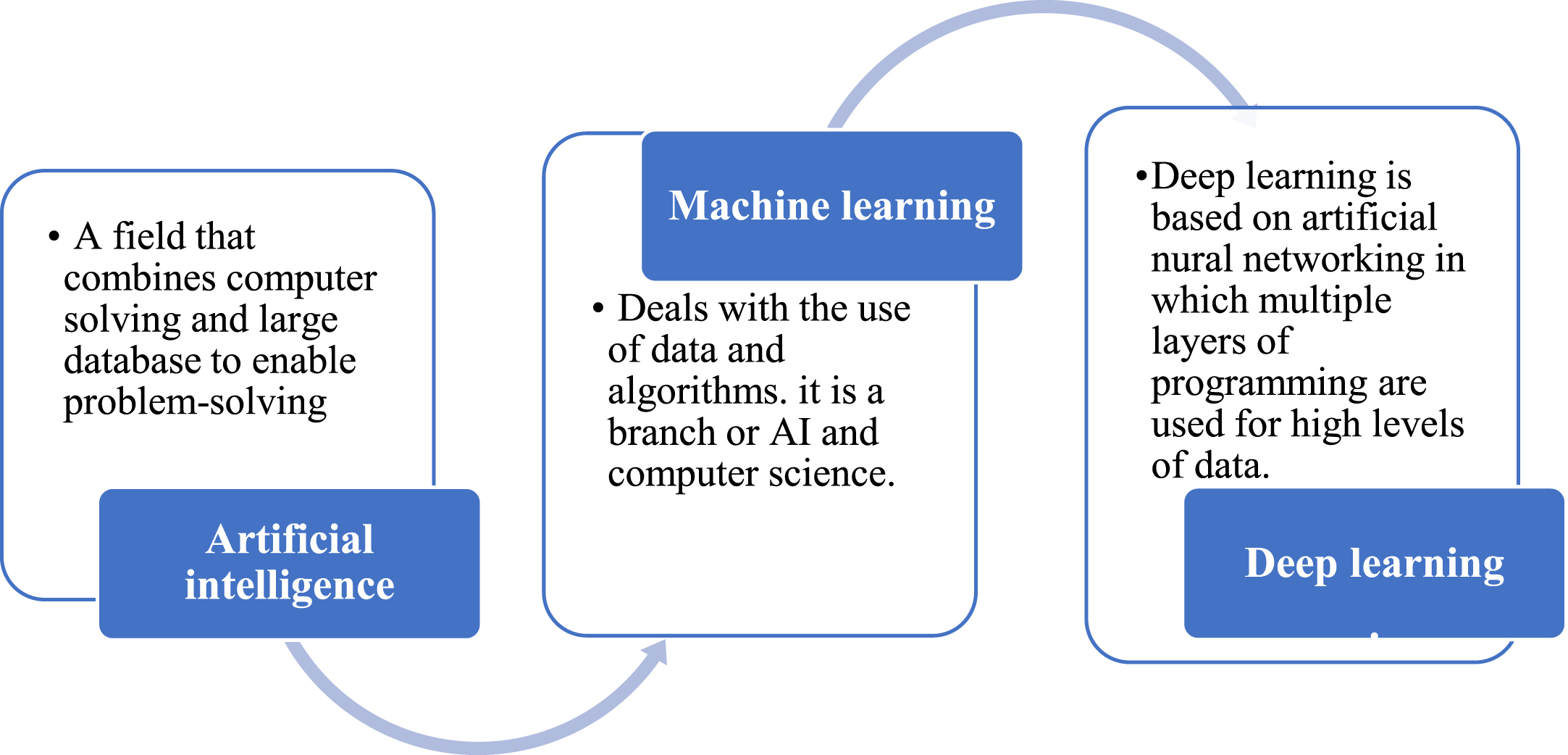
Artificial Intelligence.
Creating an AI healthcare plan
Once organizations have developed an AI strategy, they need to create an AI healthcare plan. This plan should outline the steps and processes needed to implement the AI initiative [12]. This includes analyzing the data that will be used, for validating the results.
Organizations should also ensure that their AI healthcare plans are compliant with any relevant regulations and standards [13]. Organizations should also ensure that their plans align with their business objectives and that they have the resources and technology to implement the plan [14].
AI diagnostics tips:
Organizations should also consider the following tips when implementing an AI healthcare plan: Ensure that AI algorithms are trained on high-quality data. Develop a plan to monitor and evaluate the performance of AI algorithms. Develop a feedback loop to ensure that AI algorithms continually learn and improve. Make sure that the AI algorithms are secure and compliant with any relevant regulations and standards. Develop strategies for integrating AI algorithms into existing workflows.
AI healthcare diagnostic services
Organizations should also consider partnering with AI healthcare service providers. These providers offer a variety of AI healthcare services, such as AI-assisted medical image analysis, AI-assisted drug discovery, and AI-assisted medical diagnosis [15, 16]. These services can help organizations develop and deploy AI healthcare plans quickly and accurately.
Organizations should also consider working with AI healthcare service providers to develop AI-based solutions that are tailored to their specific needs [17]. These solutions can help organizations quickly and accurately develop and deploy AI healthcare plans.
Examples of AI in healthcare healthcare diagnosis
Data abnormalities in patient records can be discovered using AI-assisted medical image analysis. Another illustration is the quicker development of new medications employing AI-assisted drug discovery [18].
Disease diagnosis and therapy are other areas where AI is applied. Massive volumes of data may be analyzed by AI algorithms to spot risk factors and provide therapies that are personalized for each patient [19]. AI is now being utilized to deliver virtual medical advice and automate administrative activities like patient scheduling and invoicing [20].
Transforming Healthcare diagnosis with AI
Automated tasks, such as medical image analysis and medical diagnosis, are performed with the help of AI algorithms, which require high precision and precision [21]. AI is also being used to detect anomalies in patient data, detect diseases, and provide personalized treatments.
AI is also being used to do a task such as patient communication, patient scheduling, and billing. AI is even being used to provide virtual medical advice, such as providing online diagnoses and treatment plans [22].
Accuracy and efficiency in diagnosis can be improved by AI potentially, provide better patient care, and improve patient outcomes [23]. AI is already being used in healthcare and is transforming how healthcare is delivered.
Diagnosing diseases requires years of medical training, and even then it can be a challenging and time-consuming task [24]. The shortage of experts in many fields put a strain on clinicians and frequently causes delays in the detection and treatment of patients with life-threatening conditions [25].
In recent times, there have been noteworthy developments in the field of Deep Learning algorithms, which have enabled them to accurately detect diseases without human intervention, resulting in cost-effective and readily available diagnostics [26].
Machine learning algorithms similar to those of doctors are capable of learning to identify patterns but differ in the fact that algorithms need a substantial number of specific examples, typically thousands, to learn. Furthermore, these examples must be thoroughly scrutinized because machines cannot interpret contextual information from textbooks. In fields where diagnostic tools used by physicians are already available in digital form, machine learning is very helpful [27].
Examples include the following. CT images are used to describe lung cancer and strokes. Electrocardiograms and cardiac magnetic resonance images are used for the detection of heart disease. Skin lesion classification using images of skin. Detecting diabetic retinopathy symptoms on ocular photographs.
Real-time information access
One of the main advantages of AI in healthcare diagnostics is its potential to provide real-time data, enabling faster and more accurate diagnosis based on test results. This can significantly contribute to patient recovery or treatment plans, as clinical decisions can be made more efficiently when waiting times are reduced. Furthermore, the integration of mobile apps has improved patient-doctor relationships, as patients can easily communicate with their healthcare providers via secure messaging or telehealth platforms [28]. AI was especially valuable during the Covid-19 pandemic when many patients were unwilling to visit hospitals or clinics in person [29]. Medical professionals can also benefit from real-time updates on their patient’s status, emergencies, and changes via mobile alerts [30, 42].
The use of mobile and AI in diagnostics can greatly enhance patient outcomes and the standard of care given by medical professionals. AI is transforming the way healthcare is provided by allowing a faster and more accurate diagnosis, reducing waiting times, and improving the connection between healthcare professionals and patients [32].
Task streamlining
Integration of AI in healthcare has revolutionized various tasks that were previously time-consuming and labor-intensive. For instance, AI-powered tools have made scheduling appointments and managing healthcare logistics more efficient, freeing up healthcare professionals’ time to focus on patient care [33]. AI has enabled the translation of clinical information into various languages, helping to build the connection between patients and healthcare providers [34].
AI has greatly improved the management of patient records and medical histories. With the use of machine learning algorithms, patient records can be easily transferred and tracked, ensuring that medical professionals have access to the most up-to-date information [35]. This has streamlined patient care and improved outcomes, as healthcare providers can make informed decisions based on complete medical records of patients [36].
Radiology is one of the fields where AI has also shown significant promise. Advanced algorithms can visually detect important markers in radiation technology, such as CT scans and X-rays, helping to speed up the analysis process of analysis [37]. This can be particularly beneficial in the early detection of diseases such as cancer, where early diagnosis is critical to successful treatment [38].
In general, the integration of AI into healthcare has brought about numerous benefits, from streamlined administrative tasks to improving patient care and outcomes [39]. As AI continues to evolve and become more sophisticated, its potential for transforming healthcare is enormous [40].
Resourceful and cost-effective
Artificial intelligence (AI) is becoming increasingly useful in hospitals as it can take over tedious and time-consuming tasks traditionally performed by humans. This leads to significant cost savings for hospitals, making them more resourceful and efficient [41, 42]. Additionally, AI can help review patient cases and analyze necessary treatments, contributing to improved patient care.
Human supervision is required.
While AI technology is advancing rapidly and becoming increasingly useful in the field of medicine, it is important to note that it is not flawless. In particular, AI-powered robotic technologies that assist in surgeries cannot empathize with patients and can only operate according to their programming [43].
The data presented and suggested by AI will still require human oversight and final decision-making by doctors. It is crucial for human doctors to thoroughly review and analyze the data provided by AI to ensure that it aligns with the specific needs and circumstances of each patient [44]. AI is a valuable tool in the medical field, it should not be viewed as a complete replacement for human expertise and judgment. Human supervision and surveillance are still necessary to ensure the best possible care [45].
This could lead to social bias.
AI is revolutionizing the healthcare industry by streamlining processes and making medical care more accessible. However, it is important to acknowledge that the algorithms used by AI are often designed with the majority in mind, without taking into account the unique socioeconomic circumstances of individual patients [46, 47].
AI relies heavily on available data to aid in diagnosis. If the required data are not available, it can lead to a faulty diagnosis. Healthcare professionals need to exercise caution and not solely rely on AI technology in making medical decisions [48]. AI technology holds great promise for improving healthcare, it is important to address the restrictions and potential pitfalls of relying only on AI in healthcare. Healthcare providers must remain mindful of each patient’s unique needs and exercise caution when making medical decisions based solely on AI-generated recommendations [49].
Human employees could be replaced
AI technology is increasingly being used to automate many tedious and repetitive tasks in healthcare, raising concerns that certain jobs may become redundant as a result. This has sparked an ethical debate about the role of AI in the workplace and its impact on human progress and development [50].
AI can significantly improve efficiency and reduce costs by taking over repetitive and time-consuming tasks, freeing up human resources to focus on more complex and specialized tasks in healthcare. Higher productivity and better patient outcomes are achieved. AI can also contribute to the development of new and innovative treatments and technologies that can further advance diagnostics.
Their potential loss of jobs and the displacement of human workers in healthcare care is a serious concern. It is important to keep a balance between the benefits of AI and the potential social and economic costs of job losses and unemployment. Healthcare organizations must take proactive measures to train and reskill workers who may be at risk of job displacement due to the implementation of AI technology [9, 51].
AI cannot fully replace the value of empathy and compassion for humans in healthcare. Although AI can assist in many tasks, there will always be a need for human interaction, support, and care in healthcare. It is necessary to maintain a balance between the role of human workers and the use of AI.
The use of AI technology in healthcare raises complex ethical questions about the impact on the workforce and human progress. While AI has the potential to significantly improve efficiency and patient outcomes, it is important to balance the benefits with the potential social and economic costs and to ensure that human workers remain an integral part of the healthcare system [52].
Potential security risks
The application of AI in the medical industry requires rigorous attention to security concerns, as it is critical to ensure the safety and confidentiality of sensitive patient data [28]. One major area of concern is hardware security, as AI products are based on a variety of electronic devices such as mobile phones, wearables, and computers [53].
The security of such hardware has three issues. one of them is that the best physical security measures can be affected by factors such as cost, electromagnetic interference, and temperature variations, which can compromise the integrity of the system. Another is that the complexity of both information technology and medical knowledge can make it difficult for engineers and physicians to effectively integrate AI into medical workflows [49]. Doctors may not fully understand the usage and some principles of AI products, which can result in reduced efficiency and increased errors, while engineers may need to be trained in medical data processing, which can disrupt workflows and lead to data leakage.
Network security is a critical concern, as a global concern occurs if key nodes are attacked or fail in the complex network transmission process. It is essential to implement robust security protocols to protect against cyberattacks and ensure the safe and reliable operation of AI systems in healthcare [54].
AI is revolutionizing the healthcare industry by automating tasks such as medical image analysis and medical diagnosis, which require high levels of accuracy and precision. AI can transform healthcare delivery, from diagnosis to treatment to disease management. Healthcare platforms should be considered. Organizations should choose an AI platform that best suits their needs, consider the cost, support, and training available, and ensure that it is secure and compliant with regulations and standards.
Conflict of interests
The authors declare that there is no conflict of interest.