



Abstract
In the face of increasingly severe global environmental problems, green transformation of the manufacturing industry has become a key issue. This study aims to explore the interaction between green innovation, intelligent decision-making and risk management in manufacturing industry. The purpose of this study is to explore the relationship between intelligent decision-making, risk management and green innovation, as well as the role and impact of risk management in the process of green innovation in manufacturing companies by building a statistical model. In this study, we investigated the intelligent decision-making problem and the risk management problem in the green transformation process through the literature survey method and statistical analysis. The results of the study show that intelligent decision-making positively affects the green innovation capability of manufacturing enterprises, there is a negative correlation between the complexity of risk management and the green innovation capability of manufacturing enterprises, and when manufacturing enterprises rely more on intelligent decision-making, the impact of risk management (positively or negatively) on green innovation is amplified, indicating an interactive effect between intelligent decision-making and risk management. This study provides valuable insights for the manufacturing industry to enhance smart decision-making in the face of environmental challenges.
Keywords
Introduction
In the 21st century, the problem facing the global environmental has become a pressing issue, particularly in the manufacturing industry, which exhibits both high resource consumption and environmental pollution [1]. Faced with multiple pressures arising from government regulations, consumer demand and global sustainable development goals, Chinese manufacturing enterprises are actively introducing “green” concepts and implementing green innovation strategies, such as pollution prevention, product management and clean technology, to enhance their level of environmental protection awareness and their green innovation capabilities [2]. However, the process of green transformation is fraught with uncertainties and risks, requiring companies to make precise and efficient decisions. In this context, the roles of intelligent decision-making and risk management are particularly important [3]. Using the latest technologies, such as big data and artificial intelligence, intelligent decision-making can provide more accurate solutions in complex environments, while risk management aids in the identification and quantification of potential risks and the formulation of corresponding mitigation strategies.
In the process of exploring green innovation in manufacturing companies, intelligent decision support systems have proven to be an important tool for improving decision-making efficiency and coping with uncertainty [4]. This study summarizes and categorizes the literature based on different research methods, mainly adhering to the following aspects: the first aspect is intelligent decision-making based on data analysis. This type of research focuses on determining how to analyze and optimize data related to green innovation using big data, data mining, and other techniques to improve the efficiency and effectiveness of green innovation. For example, Long et al. [1] and He et al. [5] demonstrated how inventory management can be optimized, resource wastage can be reduced, and the ability to respond to emergencies can be improved through the use of intelligent systems. Liu and Yi [2] emphasized that the application of big data in supply chain decision-making can improve the ability of firms to cope with changes in the marketplace, thereby reducing the risk of green innovation. Tian et al. [3] showed that the big data capabilities of manufacturing firms are the the main driver of green process innovation. Next is intelligent decision making based on artificial intelligence. This type of research focuses on determining how to utilize artificial intelligence, machine learning, and other technologies to intelligently explore and solve problems related to green innovation in order to improve the novelty and quality of green innovation. For example, Qureshi et al. [4] proposed a new framework to enhance intelligent decision making in IoT networks through the combination of software-defined networking technologies and IoT, which is crucial for green innovation. He et al. [5] further analyzed how digital transformation of enterprises can stimulate green innovation, pointing out that digitization is a driver for environmentally friendly innovation. Zhang et al. [6] proposed an intelligent decision support system based on a interpretable security framework for intelligent decision support systems with saliency graphs. Another aspect is intelligent decision making based on integrated applications. The focus of this type of research is to determine how to integrate intelligent decision making with other domains or technologies to realize the overall enhancement of green innovation and cross-border synergy. For example, Guo et al. [7] elucidated how an intelligent manufacturing management system supported by data mining technology can effectively identify and respond to the risks facing energy resource management. He and Liu [8] revealed the importance of cross-border cooperation between manufacturing companies and Internet companies in realizing green innovation and pointed out the role of information technology in facilitating the collaborative innovation of different industries. Masood et al. [9] proposed a machine learning-based performance decision support method for service-oriented architecture.
Risk management is another important factor in ensuring stability and sustainability in the green innovation process. In this study, the literature is categorized and summarized according to different types of risks, including the following: the first category is technology risk management. This type of research focuses on identifying and assessing the technological risks involved in green innovation and determining how to select and apply appropriate technological solutions to improve the reliability and cost-effectiveness of green innovation. For example, Yang et al. [10] proposed an intelligent assessment method for SCADA information security risk management based on causal analysis. Li and Zhang [11] analyzed the impact of China’s environmental regulatory policies on firms’ green technological innovations and proposed an explanatory security framework based on spatial autoregressive differencing. Supply chain risk management focuses on determining how to construct and optimize green supply chains and how to cope with various risks in the supply chain in order to improve the efficiency and coordination of green innovation. For example, Sun et al. [12] used q-order orthogonal pairwise fuzzy sets to prioritize green innovation risks in the manufacturing industry. Market risk management involves a category of research that focuses on determining how to assess and respond to market risks in green innovation, including consumer demand, competitors, and brand image, in order to improve the market competitiveness and social responsibility of green innovation. For example, Song et al. [13] analyzed the impact of high-tech industrial agglomeration on the green transformation and upgrading of China’s manufacturing industry, and found that high-tech industrial agglomeration can promote technological innovation and environmental performance in the manufacturing industry, but at the same time, it also increases the market risks, such as the instability of the market demand, and technological breakthroughs of industry competitors. Therefore, these researchers suggested that manufacturing enterprises should strengthen the level of cooperation with high-tech industries, improve their own technological capabilities and market sensitivity, and enhance market research and forecasting to better adapt to market changes. Similarly, Zhang et al. [6] studied consumers’ attitudes and purchasing behaviors towards green products and found that consumers’ perceptions of and preferences for green products are influenced by a variety of factors such as product attributes, price, branding, and social influence. They suggested that producers should improve the quality and cost-effectiveness of green products, establish a green brand image, increase the publicity and promotion of green products, and take into account consumers’ psychosocial factors, such as environmental awareness and social responsibility, in order to increase the market share and consumer satisfaction of green products [14].
Green innovation is an important means for the manufacturing industry to address environmental challenges and seek sustainable development, but it also faces many challenges and risks. In order to improve the efficiency and effectiveness of green innovation, manufacturing enterprises need to optimize the process and results of innovation by applying intelligent decision-making tools. However, most of the existing studies only investigate the role mechanisms of green innovation factors in manufacturing industry, and do not separately investigate the role and mechanisms of intelligent decision-making and risk management. For example, Yin and Yu [15] combined AHP and fsQCA to validate all hypotheses through empirical analysis, and used QCA methods to examine the impact of multiple factor combinations to discover several equivalent paths that trigger digital green knowledge creation. This fills the research gap about digital green innovation, but this article analyzes the influencing factors and performance of green innovation from a single perspective or domain, ignoring the interactions and impacts of different dimensions. This study focuses on analyzing the interactive effects of the role of smart decision-making and risk management. And Yin and Yu [15] validated its framework based on a single case study of a manufacturing company without collecting and analyzing more empirical data. To remedy these shortcomings, this paper considers green innovation from the perspective of manufacturing industry at three levels: product, process and organization, and considers the role of intelligent decision-making and risk management to construct a comprehensive theoretical framework, and at the same time, adopts advanced quantitative methods, combines with statistical methods and machine learning techniques to validate the validity and applicability of the theoretical framework and to Prediction. This study not only provides new theoretical and practical perspectives on the green transformation of the manufacturing industry, but also provides new methods and techniques for green innovation-related research. Wang [16] based on the theory of complex adaptive systems, a theoretical model containing Local Digital Green Innovation Network (LDGIN), Remote Digital Green Innovation Network (RDGIN), Digital Empowerment and Green Organizational Flexibility is proposed, and the impact of the balance between LDGIN and RDGIN on the performance of digital green innovation is explored through the construction of the Comprehensive Equilibrium Index (CEEI) and the Relative Equilibrium Index (REOI). Ullah et al. [17] developed a green knowledge management (GKM) model with five dimensions and 27 measurements that synergize intelligent decision-making, risk management and green innovation. Sun et al. [12] proposed a multilevel risk management and smart decision-making framework based on the TOE framework for guiding the adoption phase of green information technology and sustainable smart city governance. Mi et al. [18] constructed an evolutionary model based on complex networks, explored the collaborative innovation mechanism of green smart manufacturing enterprises, and analyzed the impact of different collaborative innovation modes on the innovation performance of enterprises. Based on resource-based theory, attention-based view and institutional theory, Zhang et al. [19] studied the impact mechanism of digital transformation on green technology innovation capacity of manufacturing industry and the mediating role of green dynamic capacity, and tested the impact of digital transformation on green technology innovation capacity of enterprises using panel data model. The article finds that digital transformation can reduce the cost of enterprises through green technology innovation and mitigate the incremental costs incurred in the process of digital transformation. Alam et al. [20] used the technology-organization-environment (TOE) framework, constructed a conceptual model and analyzed the data by combining PLS-SEM and fsQCA, conducted a robustness test by lagging the data and changing the measurements of dependent and independent variables, and explored the development of risk management and smart decision making in the construction industry on green innovation in enterprises. Mi et al. [18] and Alam et al. [20] have similar findings to this study, but this study focuses on the existence of interactive effects between intelligent decision making and risk management, which has not been considered in other studies, and this paper uses the hierarchical analysis method (AHP) and fsQCA method to analyze the interactive effects of the two, which is a technological innovation of the article.
Compared with existing studies, this study particularly emphasizes the integrated application and interaction of intelligent decision-making and risk management in the process of green innovation in the manufacturing industry, which is a topic that has not been fully explored in previous studies. Therefore, this study aims to deeply explore the application and integration of intelligent decision-making and risk management in the green innovation process of manufacturing enterprises, and to provide new theoretical and practical perspectives for the green transformation of manufacturing industries under environmental challenges. This study builds a statistical model based on the literature review method, questionnaire survey, and theoretical analysis to explore the relationship between intelligent decision-making, risk management and green innovation, as well as the role and impact of risk management in the green innovation process of manufacturing enterprises. This study will analyze both theoretical and empirical levels, using literature review and questionnaire survey methods, respectively, to collect and process relevant data and information in order to validate and test the hypotheses and parameters of the statistical model. This study will provide manufacturing enterprises with an effective tool and methodology to help them utilize intelligent decision-making techniques and methods to effectively identify, assess and respond to various risks in the process of green innovation, to improve the efficiency and effectiveness of green innovation, to enhance the competitiveness and sustainability of manufacturing enterprises, and to promote the high-quality development of the manufacturing industry.
The contributions of this study are mainly reflected in the following aspects: (1) It provides a comprehensive research perspective from the characteristics of manufacturing industry. This paper constructs a comprehensive theoretical framework by considering green innovation comprehensively from three levels: product, process and organization, and taking into account the role of intelligent decision-making and risk management. This framework provides guidance for the subsequent empirical analysis. This paper not only focuses on the dissemination and application of digitalized green knowledge, but also considers the important role and impact of intelligent decision-making and risk management in green innovation. (2) We pursue innovation in research methodology: this paper adopts advanced quantitative methods, combining statistical methods and machine learning techniques to verify the validity and applicability of the theoretical framework. Machine learning techniques are used to deal with complex data structures and relationships to improve the accuracy and robustness of the model. This paper not only uses partial least squares, but also machine learning algorithms such as deep neural networks and support vector machines to analyze and predict the influencing factors and performance of green innovation. (3) The research basis of this paper is sufficient. Based on empirical data, the actual effects and impacts between green innovation, intelligent decision-making and risk management are analyzed, providing valuable insights and suggestions for green transformation of the manufacturing industry. This paper collects data from manufacturing enterprises of different industries and sizes by means of questionnaires to ensure the representativeness and reliability of the data. This paper is not only based on the case of a single manufacturing enterprise, but also combines data from multiple manufacturing enterprises to validate and optimize the research framework and model.
Research and data methodology
Data methodology
Research purpose and design principle
The purpose of this research and the corresponding question modules are mainly divided into three categories, as shown in Table 1.
Survey objectives and corresponding question modules
Survey objectives and corresponding question modules
For the effectiveness and accuracy of the survey, the questionnaire follows the following design principles:
Structure: A questionnaire should have a clear structure to make it easier to analyze. Relevance: All questions should directly relate to the purpose of the research. Simplicity: The problem should be clear and concise. Anonymity: The anonymity of participant information should be assured to increase the authenticity of responses.
Through clear investigation purposes and strict design principles, this questionnaire is aimed at capturing high-quality empirical data for subsequent model construction and data analysis [18].
We next discuss our sample source and describe our participants.
To ensure the representativeness and reliability of the data, the samples selected in this study come from medium and large manufacturing enterprises across the country. After preliminary screening, a total of 200 enterprises were found to meet the requirements of the research and identified as the target objects of this questionnaire survey.
The participants were mainly middle and senior managers, the leaders of product development teams and the heads of risk management departments. They all have a deep understanding of their companies’ green innovation strategies, intelligent decision applications and risk management processes, so their answers can provide valuable insights for this study.
To encourage participants to respond positively, we provided certain incentives, such as briefing sharing and professional training coupons, while ensuring that all data were treated confidentially and used only for the purposes of this study.
Through the establishment of clear investigation purposes, strict design principles and appropriate sample selection, this questionnaire is aimed at providing high-quality empirical data for subsequent model construction and data analysis [20].
This questionnaire is aimed at exploring the relationship among intelligent decision-making, green innovation and risk management in the manufacturing industry. The questionnaire was designed according to the core elements and practical applications of these topics.
The questionnaire is mainly divided into four parts:
Basic information: This part is aimed at collecting the basic data of the surveyed enterprises and providing background information for subsequent analysis, including basic information such as enterprise name, scale, and industry. Intelligent decision-making and green innovation: This section is aimed at evaluating the role and importance of intelligent decision-making in green innovation, e.g., the application of data analysis and artificial intelligence in the development of green products. Risk Management: This section is aimed at determining how enterprises conduct risk assessment and management when carrying out green innovation, including the risks encountered in areas such as product design, supply chain and waste disposal. Integration of green innovation and risk management: This part is focused on the interaction between the intelligent design and risk management, as well as their interaction in actual operation and the collection of suggestions for improving the effectiveness of green innovation risk management [21].
The content design is shown in Table 2.
Main questions and questionnaire scales
Module A: Intelligent decision-making
Our company uses data analytics in green innovation decisions. (1–5)
Artificial intelligence plays a key role in green product development. (1–5)
Module B: Risk Management
Does your company have a dedicated team or department responsible for the risk management of green transition? (Yes/no)
In which of the following areas have risk management measures been applied? (Multiple options: Product design, supply chain, waste disposal, etc.)
Module C: Comprehensive problem set
Please outline how you think intelligent decision-making and risk management interact in green innovation.
What are your suggestions for improving the effectiveness of risk management in green innovation [21].
To ensure data quality, a multichannel strategy was adopted in this study for data collection. The following is a detailed description of the data collection and processing methods used in this study:
Data collection:
The selection of large and medium-sized manufacturing enterprises was determined on the basis of prior experience with the challenges in green innovation and risk management to provide deeper insights. This choice can help us assess the existing practices and challenges more accurately, thus ensuring that the data are representative. Our data was sourced in the questionnaire method. SurveyMonkey was used for online questionnaire design and delivery because it provides powerful questionnaire design tools that make randomizing questions, reducing the risk of bias, and providing real-time data tracking and collection easier. We also relied on annual reports and corporate white papers, which are publicly available materials that can provide valuable qualitative information for research and assist in grasping corporate strategies and practices in green innovation and risk management. Questionnaire delivery utilized email and intranet platforms to ensure efficient and accurate data collection, both of which can improve the response rate and quality of survey data.
The data collection process is shown in Fig. 1.
Data collection statistics.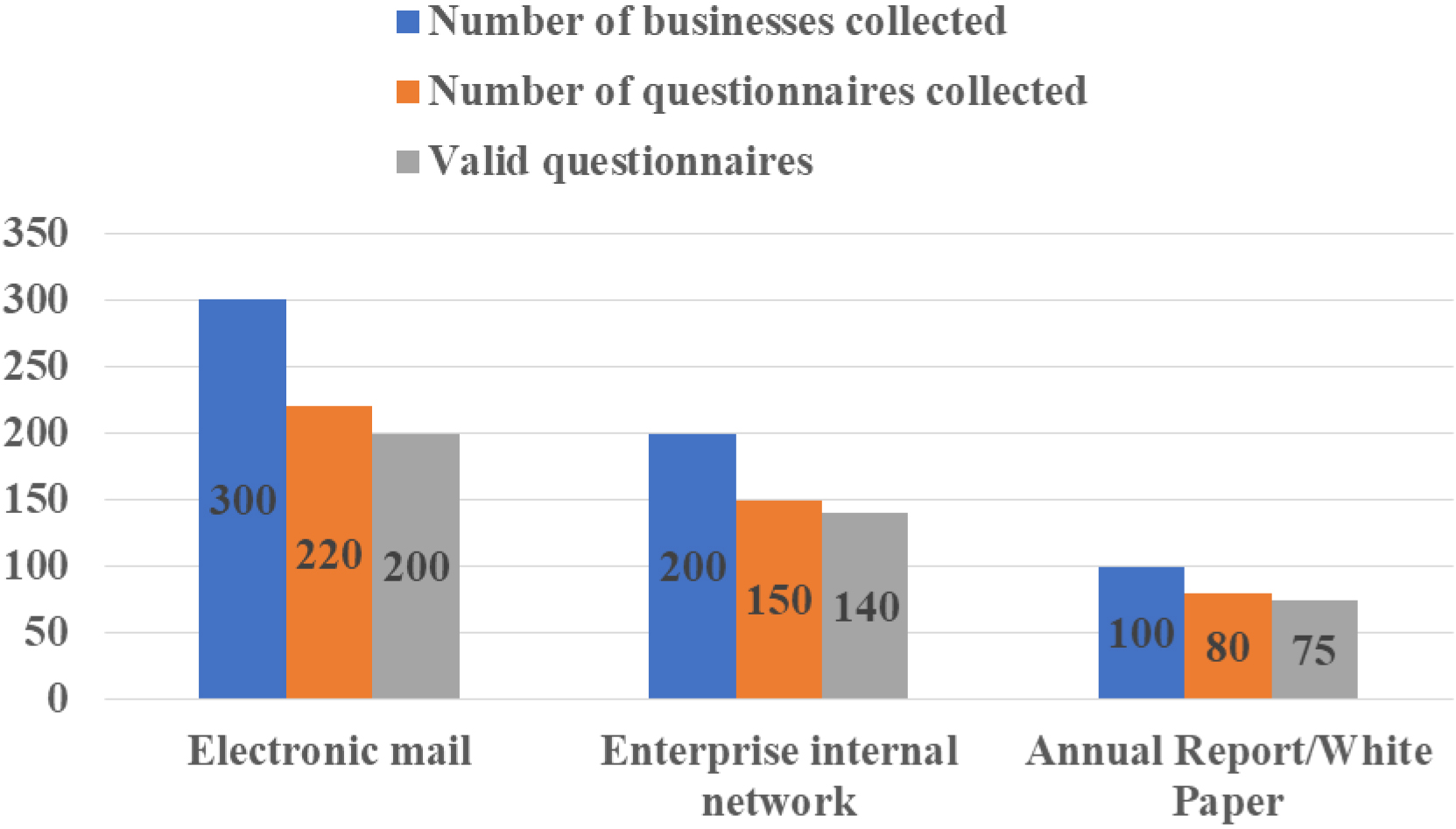
Data processing:
Data cleaning: Data cleaning ensures the quality of the data used. By removing incomplete or obviously biased questionnaires, we can minimize nonresponse bias, reduce measurement errors and improve analytical accuracy. Data coding: We use the pandas library in Python for data preprocessing and conversion, as this not only simplifies the coding process but also ensures data consistency and accuracy. The text-to-number conversion is designed to accommodate the needs of most statistical analysis and machine learning algorithms. Data normalization: By normalizing the data using Standard Scaler in the Scikit-learn library, we ensure that all variables are consistent in scale. This is a key step in both machine learning and statistical modeling, as it ensures that the model is not adversely affected by features at different scales [22]. To verify the reliability of the collected data, the data were then cross-validated.
First, the data were randomly divided into a training set and a test set. Next, the model was built using the training set data and validated using the test set. This step helps ensure that the model is not overfitted to a particular dataset and that it also performs well on new data.
Five samples of enterprises were randomly selected for data processing, as shown in Fig. 2.
Data processing.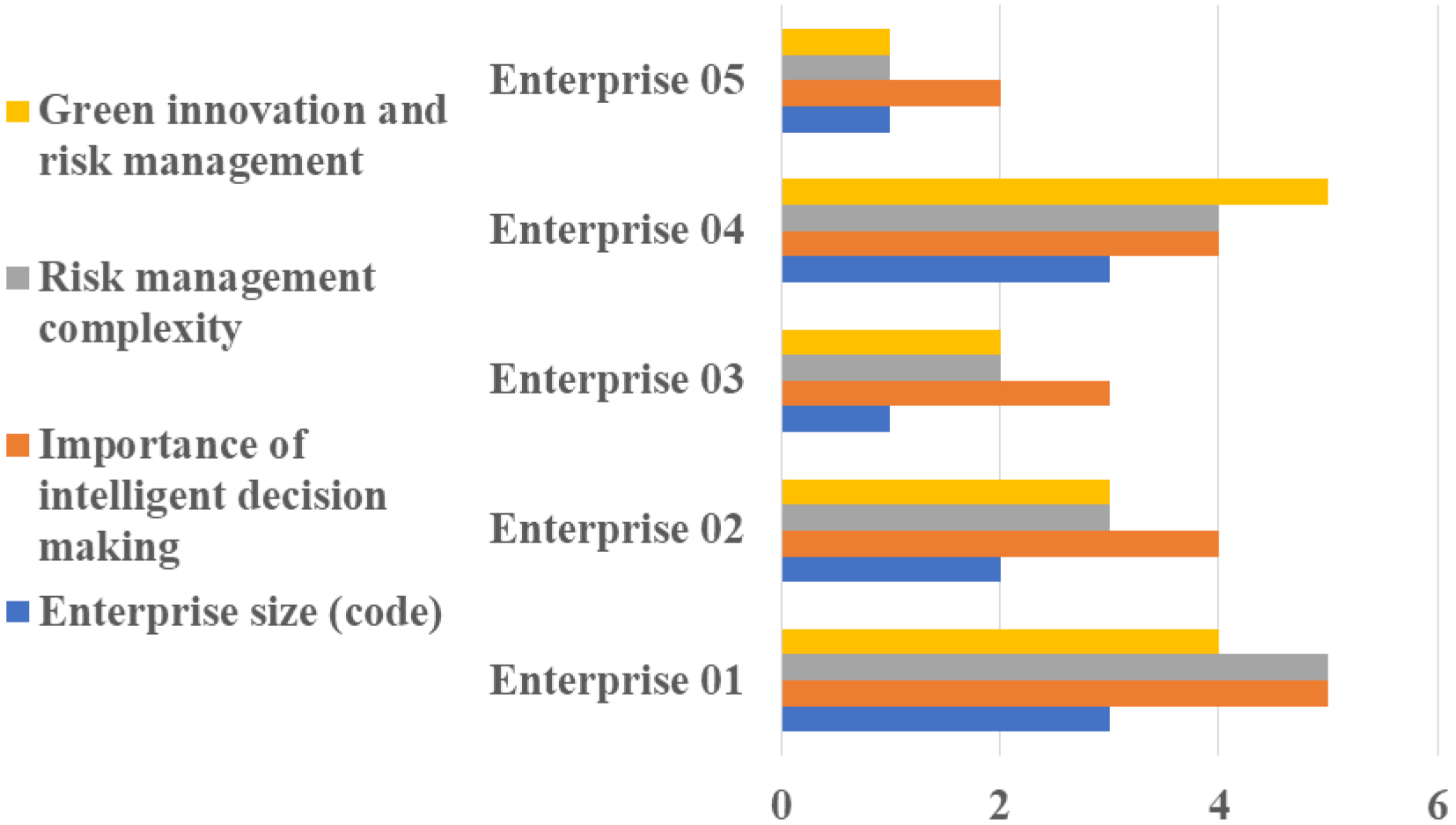
Through the above data collection and processing process, we ensured the quality and accuracy of the data used in this study and laid a solid foundation for the subsequent model construction and result analysis.
Purpose and assumptions of the model
This study is aimed at establishing a statistical model for exploring the relationship between intelligent decision-making, risk management and green innovation and for further explaining the importance of risk management in the process of green innovation in manufacturing enterprises. Through this model, we hope to provide strategic suggestions for the conducting of more effective green innovation and risk management by manufacturing enterprises [23].
Key assumptions:
(1)
where
(2)
where
(3)
This hypothesis suggests is the existence of an interactive effect between intelligent decision-making and risk management.
In this study, all hypotheses were verified through empirical analysis by combining AHP and fsQCA, which was previously used in Wang [16] for verifying the intrinsic relationship between variables. The paper explores the intrinsic mechanism of action and conditional paths of intellectual capital elements affecting eco-innovation from a group perspective using the fsQCA method, and finds different paths for realizing high eco-innovation and reasons for low eco-innovation through empirical tests on 188 manufacturing companies [22]. To achieve the purpose of the study, several variables were selected for model construction The selection and definitions of these variables are shown in Table 3.
Selection and definition of the model variables
Selection and definition of the model variables
Variable interpretation and science
Green innovation capability (
Intelligent decision-making (
Risk Management Complexity (
Firm size (
Based on these variables, the comprehensive model constructed is shown in Eq. (3):
where
Thus, the assumptions of the model are tested and the model results are interpreted through stepwise regression, correlation analysis, and other statistical methods.
A cross-validation-based evaluation method of green innovation capacity of manufacturing industry is proposed, by constructing the evaluation index system of green innovation capacity, applying cross-validation method to determine the weights of each index, adopting hierarchical analysis method and fuzzy comprehensive evaluation method to evaluate the green innovation capacity of manufacturing industry, and finally, taking the manufacturing industry of Jiangsu Province as an example to carry out an empirical analysis, which results in the evaluation results of green innovation capacity of the manufacturing industry of Jiangsu Province and improvement Suggestions. The article draws on its methodology and uses cross-validation for method adjustment [23]. After model construction and variable selection, the next step is model validation and adjustment. This process includes testing the predictive accuracy, robustness, and explanatory power of the model.
First, cross-validation is applied to test the prediction accuracy of the model. By categorizing the dataset into a training set and a test set, the prediction error is calculated. The following Eq. (4) is used:
The smaller the value of MAE is, the higher the prediction accuracy of the model.
The training set size is set to 70%, and the test set size is set to 30% in test Model 1; The training set size is set to 60%, and the test set size is set to 40% in test Model 2; The training set size is set to 50%, and the test set size is set to 50% in test Model 3. By cross-verifying the prediction error we arrive at the result, which is shown in Fig. 3.
Cross-verification of the prediction error.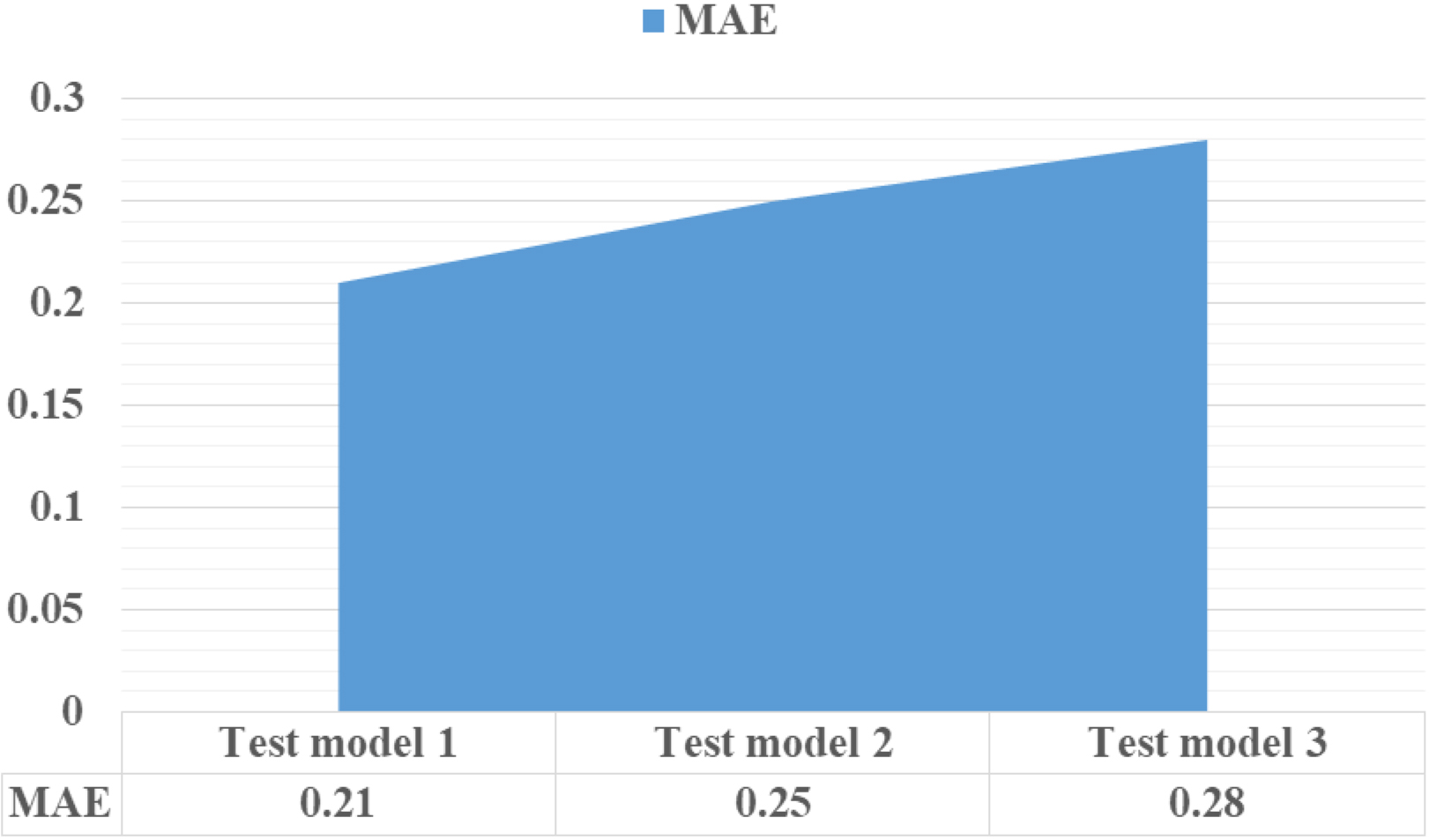
There were difficulties in the evaluation; the nonlinear characteristics of the data led to large deviations in the model predictions in some cases. We solved this problem through the introduction of more advanced deep learning models to better capture the complexity of the data.
Then, the robustness of the model is tested by introducing a disturbance term [24].
Where
As shown in Fig. 4.
Model robustness test.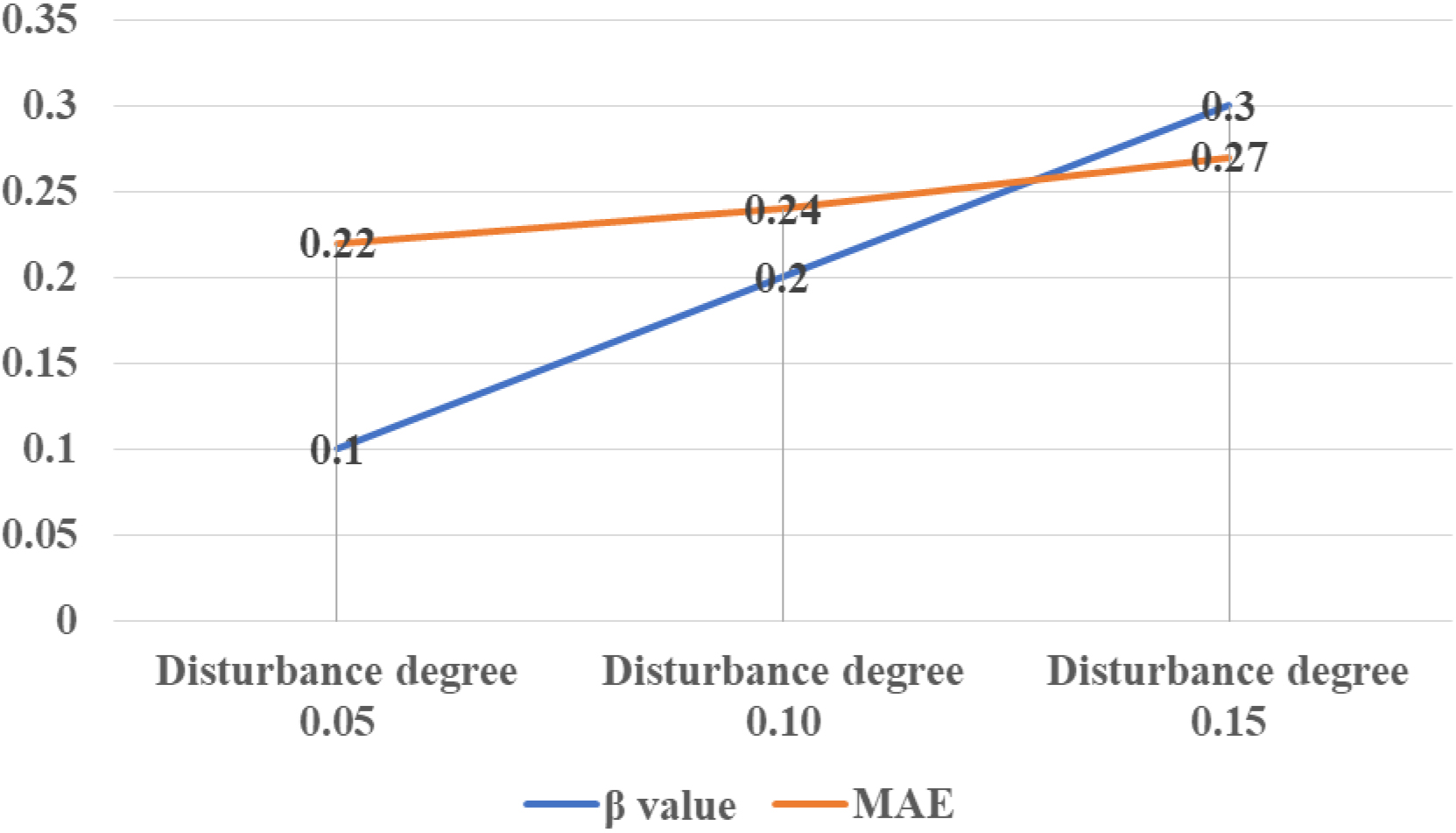
Based on the results of the robustness of the model, the performance of the model is deemed to be unsatisfactory in some disturbance cases. This suggests that further adjustments to the model are needed for intelligent decision-making scenarios for green innovation in manufacturing.
To solve the above problems and optimize the model, the following strategies were adopted:
Re-select or define a new variable, especially one that is more relevant to green innovation and risk management in manufacturing. Use different statistical methods or algorithms, especially considering deep learning techniques, to help models better adapt to the complexity of manufacturing data.
After several rounds of iteration and validation, our final model performs better in terms of accuracy and robustness and is more suitable for intelligent decision-making and the risk management of green innovation in manufacturing enterprises [25].
Descriptive statistical analysis
Prior to complex model analysis, a descriptive statistical analysis is performed to summarize the main features of the dataset. This step not only provides a reference for subsequent analysis but is also used to verify the reliability and compliance of the data.
As shown in Fig. 5, the basic statistics of each variable (intelligent decision indicator, risk management indicator, and green innovation performance) are shown, including the mean value (
Basic descriptive statistics.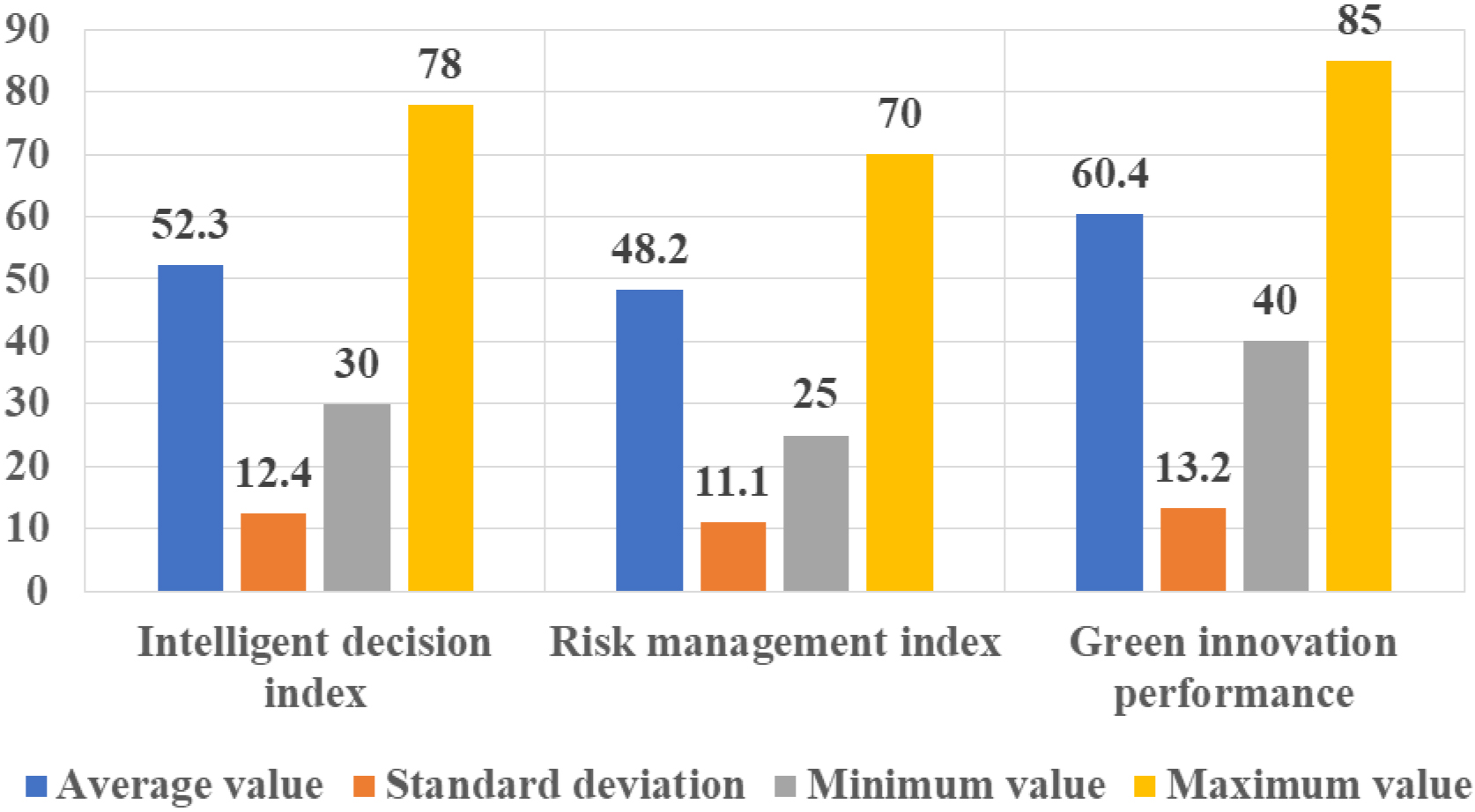
From the figure, it can be observed that the standard deviation of each indicator falls within the range of 11–13, indicating that the data distribution is relatively concentrated and that there are no extreme values, which increases the reliability of the data. Specifically, the average value of the smart decision indicator is slightly higher than that of the risk management indicator, which may imply that companies are more inclined to adopt smart decision-making in green innovation. The average performance of green innovation is significantly higher than that of the other two indicators, suggesting that green innovation performance is generally better among all participating enterprises.
The data distribution was then further analyzed; for example, the distribution of the intelligent decision indicator can be expressed by variance (
where
From the analysis of variance, it can be seen that the variance of green innovation performance is the largest among them, suggesting that in this respect, the gap between firms is larger. In contrast, the variance of risk management indicators is relatively small, which may indicate that the manufacturing industry engages in relatively stable practices and has experience in risk management.
Finally, correlation analysis was carried out to determine the relationship between each variable, as shown in Eq. (6) [26].
As shown in Fig. 6.
Correlation coefficients between variables.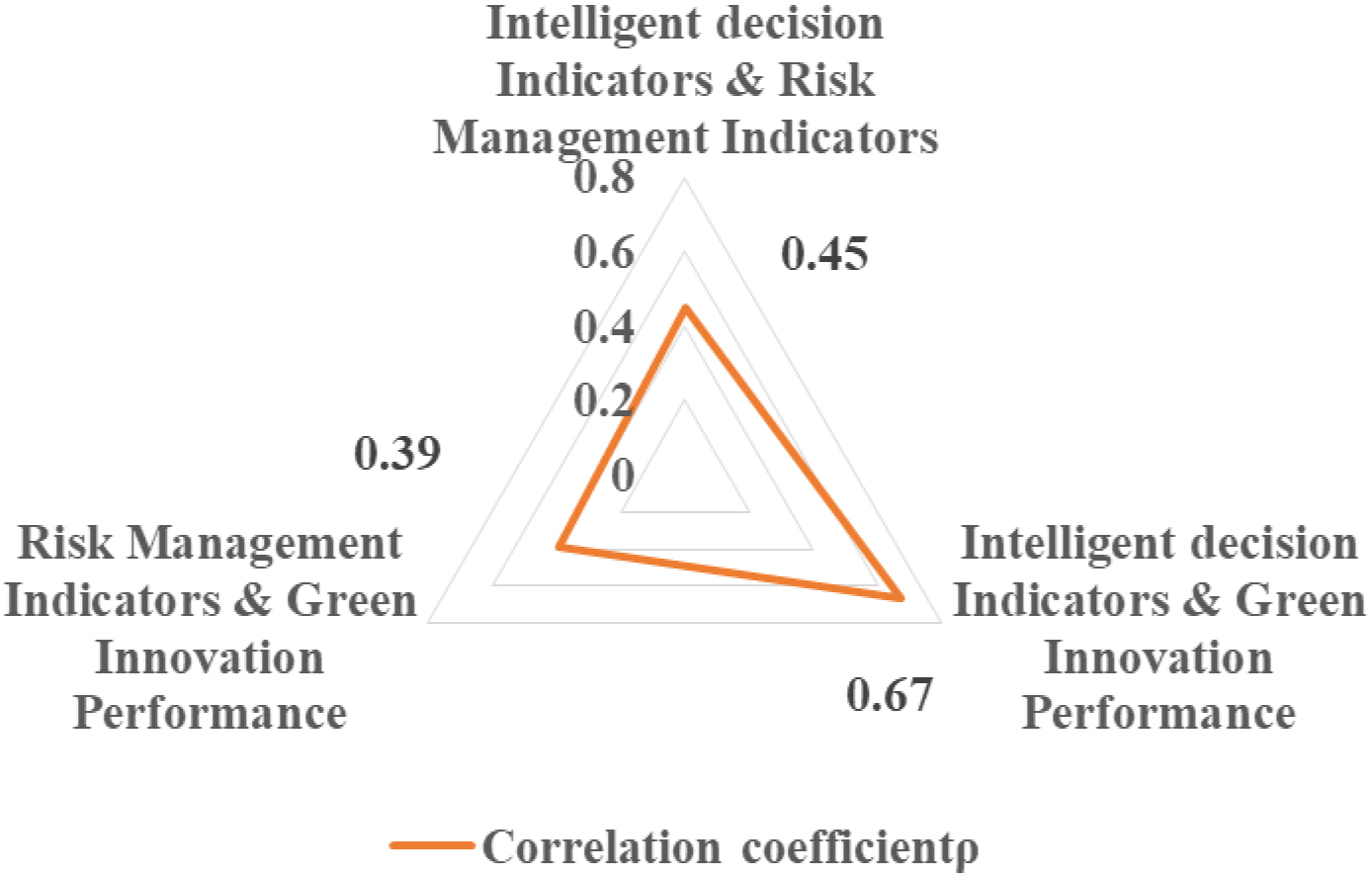
From the correlation analysis, one can see a strong positive correlation between the intelligent decision index and green innovation performance, suggesting that the adoption of intelligent decisions has a positive impact on improving green innovation performance. The correlation between the risk management index and green innovation performance is relatively weak but still positive, indicating that risk management also affects green innovation to some extent.
Model fitting degree analysis
To evaluate the fit degree of the model, two statistics, namely,
In this study,
The MSE is the average of the sum of squares of the difference between the actual observed value and the predicted value of the model; the smaller the MSE is, the better the fit of the model. In this study, the MSE
Model fit statistics
Model fit statistics
An analysis of these two statistics reveals the following conclusions:
From the perspective of Although the value of MSE is not particularly low, it is still acceptable given the complexity and multivariate nature of this study. Combining
The predictive ability and robustness of the model are key factors for judging its validity. To quantitatively assess these two aspects, the following indicators were applied:
Prediction accuracy is the proportion of the actual observed value to the model’s predicted value. Recall is the ratio of the number of positive samples successfully predicted by the model to the actual number of positive samples. Precision is the ratio of the number of positive samples successfully predicted by the model to the number of samples predicted by the model as positive samples.
The F1 Score (F1-Score) reflects the harmonic average of accuracy and recall [27].
The data outside the training set were used for testing, and the results were obtained, as shown in Table 5.
Statistics of the predictive power of the model
As seen from the above table, the prediction accuracy reached 0.85, which means that the model has a good prediction ability for unknown data. Recall and Precision were 0.82 and 0.86, respectively, which shows that the model can accurately identify positive samples and has an exceptionally low false-positive rate. The value of the F1-Score was 0.84, which is the harmonic average of the accuracy and recall rate, further verifying the superiority of the model.
Second, to test the robustness of the model, the bootstrap method was adopted in this paper. The
In summary, the model performs well in terms of prediction accuracy, recall rate, accuracy and F1 scores, and the robustness test also supports the reliability of the model [17].
Conclusion
The purpose of this study is to comprehensively explore the role and interaction between intelligent decision-making and risk management in manufacturing green innovation. In the context of global competition and environmental sustainability pressures, manufacturing companies are faced with the need to integrate environmental protection and resource conservation measures while optimizing production efficiency. By constructing a multilevel theoretical model, we explore the interaction between intelligent decision-making and risk management in this field in detail. The study findings reveal that intelligent decision-making tools such as automation, data analysis, and real-time optimization can significantly improve the efficiency and effectiveness of green innovation. At the same time, effective risk management helps to identify, assess and manage the risks associated with green innovation, thus providing a solid foundation for the green transformation of manufacturing.
Prospect
The limitations of this study lies in the limited geographical and industry scope of the sample selection, which can affect the general applicability of the study results. In addition, the methods and techniques used in this study are relatively traditional and lack sufficient innovation. Despite these limitations, this study provides valuable insights into actual manufacturing contexts. Based on the findings of this study, enterprises can better understand the importance of intelligent decision-making and risk management in green innovation and adjust and optimize their production management strategies accordingly. To overcome these limitations and enrich the theoretical and practical value of this study’s findings, future studies should consider expanding the sample scope to include data from more regions and industries. Further, attempts should be made to introduce more innovative methods and techniques for enhancing the depth and breadth of research. In conclusion, this study not only provides a new perspective and theoretical support for the role and interaction of intelligent decision-making and risk management in manufacturing green innovation but also provides a valuable reference for relevant enterprises and policy-makers. In the future, the application and practice of intelligent decision-making and risk management in a wider range of fields and levels merits further exploration and research.
Footnotes
Funding
NSFC (National Natural Science Foundation of China), (Fund project number: 72361002); Special Project on Guangxi Science and Technology Development Strategy Research GuiKe, (Fund project number: ZL23014029); The Guangxi Philosophy and Social Science Planning Research Project (Fund project number: 22BGL012); Key Project of Guangxi Higher Education Undergraduate Teaching Reform Project (Fund project number: 2021JGZ153).