



Abstract
In multicasting packets of data from a node will be sent to a group of receiver nodes at the same time. Multicasting lowers transmission costs. Energy conservation is critical to a sensor network’s long-term viability. Sensor networks have limited and non-replenishable energy supplies, maximizing network lifetime is crucial in sensor nodes. As a result, clustering has become one of the popular methods for extending the lifetime of an entire system by integrating information at the cluster head. Cluster head (CH) selection is the important serving node in each cluster in the Wireless sensor networks (WSN). This paper introduces a High Power Node (HPN) multicasting approach which embeds a cluster of sink node data in packet headers to allow receiver for utilizing a approach for transferring multicast packet data via the shortest paths. The proposed Energy efficient multicasting cluster based routing (EEMCR) protocol utilized high power nodes, which shall play a critical role in minimal energy usage. The implementation findings demonstrate that, when compared with the previous methodologies, the suggested algorithm has enhanced in terms of packet delivery ratio (PDR), End to end delivery rate, efficiency and achieves low energy consumption. The proposed EEMCR obtain 95% efficiency. The results are then compared to other existing algorithms to determine the superiority of the proposed methodology.
Introduction
WSN are network which uses distributed microdevices with various sensory functionality (called sensors)that observe data traffic and transfer data to end users.WSN techniques have been launched over 20 years ago, and numerous initiatives embracing this technology were presented and executed. Green computing has been launched in 2008 with the goal of increasing energy - efficient over life of the system when using limited resources [1]. Wireless communication in network sensor was restricted by all sensor node energy. The number of data packets transmitted through the network has been reduced, which is critical as power administration. MR is a suitable approach to manage sensing devices with multiple sink nodes because it minimizes traffic on the network. Reduced packet transmission whereas multicasting data necessarily requires both short routes from multicast source to a multicast member’s effectiveness as evaluated by the total amount of link data packet that should traverse to achieve all multicast members. The packet must be separated into different route. Shorter routing path result in less packet delay, and improved efficiency results in less energy usage from transmitting packets [2]. Despite the fact that captured data is transferred to recipient nodes via many hops, these sensor networks correspond to large amounts of the minimal level communication system [3].
Sensor hubs in such applications must have sent a message to recipient nodes. Such implementations could benefit from multicast broadcasting and reduce application utilization in WSNs. As a result, it is crucial to establish effective MR protocols to support these sensor networks. MR methods are used to improve network performance in a variety of ways such as bandwidth, throughput ratio, and network utilization [4, 5]. The Multicasting approach is an effective packet transmission strategy. A good novel multicast approach shall provide a shortest routing route from the source to a multicast member, as well as effectiveness based on the total number of data packets that should traverse to achieve all multicast members. If there is a demand, the packets should be divided and routed to various routing branches. Shortened routing routes result in less packet delay, and efficiency improvement results in less energy usage from sending fewer packets. WSNs’ major limitation is their limited lifetime, which would be restricted by the limited energy of sensor network. [6]. There are two various techniques for extending life - time of WSNs from perspective of routing. Clustering is a traditional methodology which divides those nodes are grouped based on various parameters in order to increase the lifespan of a WSN that under situation that almost all sensor networks could interact direct to the base station (BS) [7, 8].
Then, for every cluster, one node is chosen as the CH to gather information from of the cluster, combine it, and sent it to the BS. By minimizing the overall transmitted over a wireless channel, data processing can significantly increase the lifespan of a network. However, it is unavoidable that this method will result in data loss. Tree-based protocols could be utilized for gathering data for multicast methodologies and to enhance the network lifetime by incorporating a hop-spot prevention approach method in the event that certain nodes are unable to interact directly converse with the BS [9].
Utilizing the effective algorithm Minimum Connected Dominating Set (MCDS), the network’s forwarding group generates a virtualized backbone. By using Random Linear Network Coding (RLNC), the MCDS seeks to reduce the quantity of nodes, whereas minimal nodes would predominate in forwarding the multicast packets. The multicast routing protocol’s effectiveness might be substantially boosted by RLNC [10]. The proactive multicast forwarding with RPL (PMFR), a multicast framework with proactive retransmission but also extremely early relay, would be initiated to enhance the durability of the multicast. It seems to be a wireless smallest path heuristic (W-SPH) methodology that develops an efficient routing topology for multicast traffic and, as a result, generates significantly greater energy efficiency [11].
Multicast routing systems typically rely on the creation of a multicast tree that requires individual nodes to maintain state information. Dynamic networks with burst traffic are anticipated to have extended pauses in between bursts of data. A significant amount of transmission and memory overload are added by the multicast state preservation. This is no longer appropriate for further applications.
The shortcomings of the current approach include a lack of clarification in the statement provided while determining the intermediary node for packet forwarding and reduces the multicast packets overall efficiency. The concept of multicast communication were not aware of the adjacent nodes. Therefore, this paper proposes EEMCR multicast routing protocol in cluster based WSN to increasing the network lifetime and to reduce the energy consumption, the HPN multicast protocol utilizes the awareness of the exact positions of sensor nodes. Nodes have unbreakable linkages and a tremendous of energy, and all of the nodes that contribute in sending the data packet to the receiving node would transfer data to the subsequent node. A virtual node’s primary function in HPN Multicast is to use nearby nodes to send data packets to the recipient multicast members. The distances among a source node as well as different multicast nodes are also calculated. The system model is shown in Fig. 1. This paper’s contributions are summarized below. This research introduces a High Power Node (HPN) multicasting approach to allow receiver for utilizing a approach for transferring multicast packet data via the shortest paths. The suggested Energy efficient multicasting cluster based routing (EEMCR) protocol utilized high power nodes, which shall play a critical role in minimal energy usage. The implementation findings demonstrate that, when compared with the previous methodologies, the suggested algorithm has enhanced in terms of PDR, End to end delivery rate, efficiency and achieves low energy consumption. Experiment results show that the proposed technique surpasses existing techniques.
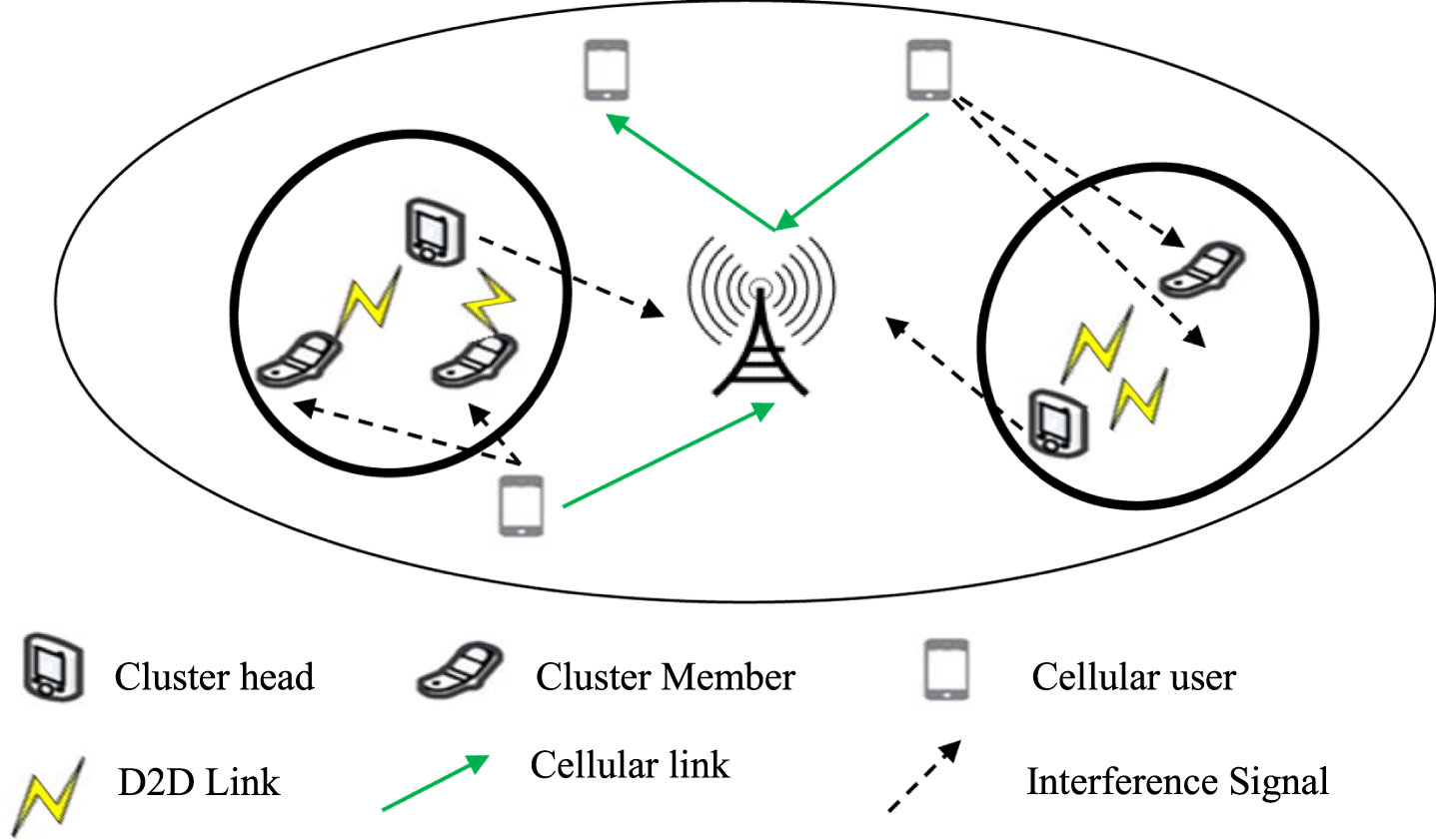
System model.
The following is the structure of the paper: The introduction is explained in Section 1. Section 2 provides a brief overview of the similar works on methodologies for extending lifetime of the network. Section 3 briefly describes the suggested methodology. Section 4 explains the the outcomes when compared to existing method. Section 5 brings the paper to a conclusion.
Many methods for improving the energy efficiency through different layers of WSN applications were suggested. This paper is focused on efficient energy clustering based routing protocols with in network layer. Several energy-efficient routing algorithms had also recently been suggested for WSNs. This chapter starts by presenting a few conventional energy-efficient routing algorithms that are listed below in Fig. 2 [12]. This paper presents the EEMCR of energy aware clustering based routing protocol of multicasting WSN.
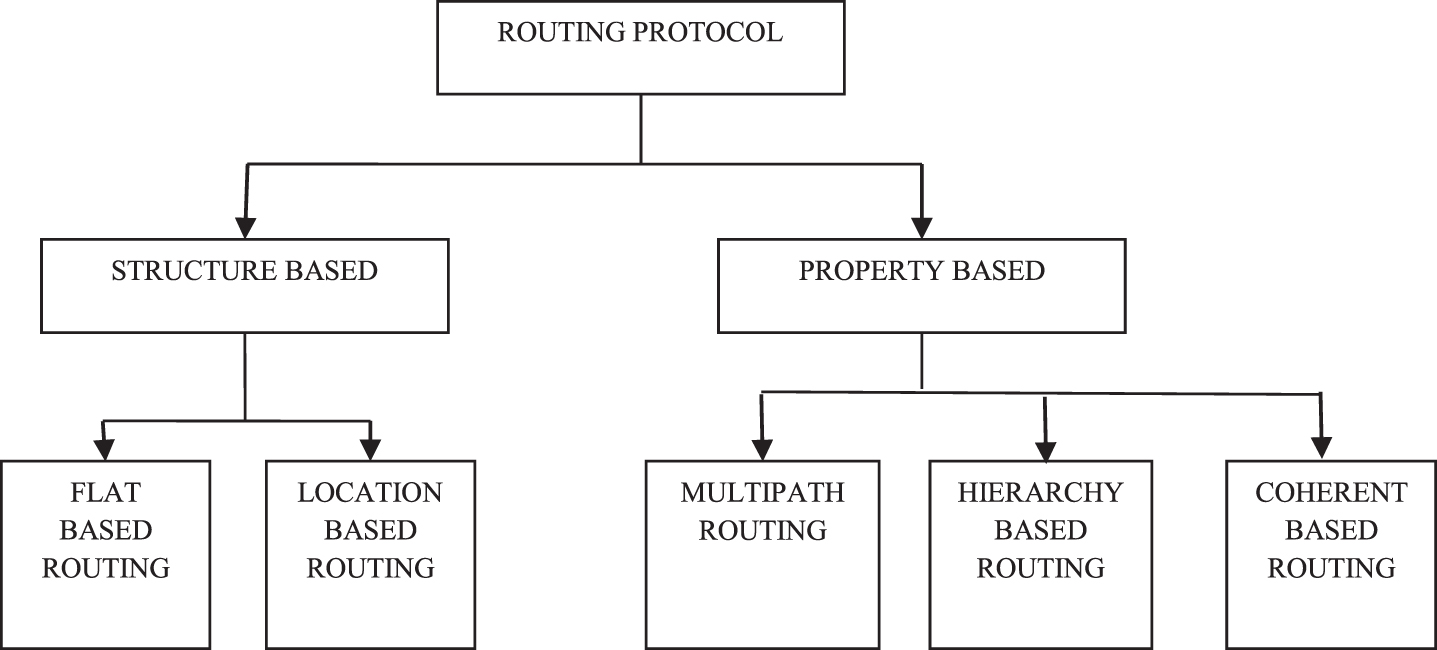
Routing protocols in sensor networks.
Position Based Multicast (PBM) [13] generates successive neighboring nodes inside the active node and assigns a packet value including all recipient nodes. PBM makes use of such a multicast concept and data from neighboring nodes. The routing algorithm for low power network specifies the specifications and measures. It constructs a directed acyclic graph to strengthen the root-sibling relationship between different routings. It initiates communication in order to reduce data traffic overhead. For extending the life time of Wsn applications, a Hybrid Tree-based and Cluster-based Routing protocol for Data Collection (HTC-RDC) is suggested. This paper proposes an implementation for WSNs wherein raw data can be data gathered by a network without the use of redundant sensor network that will lower the network’s cost and make it much easier to use [14]. The major challenge for researchers is to generate power-effective routing in WSN. One of its most efficient ways for routing sensed information from various nodes to the BS is hierarchical routing. The proposed methodology Energy Efficient Cluster Based Routing Protocol (EECBRP) interacts with clustering process depending on multiple events, CH selection, accumulation of collected information inside a cluster, and energy efficient transmission to the BS [15]. The nodes of the sensor nodes have limited control, computation power, and memory. As a result, such a routing protocol must be both energy efficient and computationally efficient.
A considerable amount of energy is dropped during transfer of inter-cluster data due to long distances here between CHs and the BS; moreover, the Multi-Level Route-aware Clustering (MLRC) technique can be utilized to overcome the preceding constraints. A routing tree for inter-cluster transmitter is composed, and CHs were also linked together. As a result, each CH behaves as a relay, receiving and sending data to other CHs. The optimal path information transmitted to the BS benefits the tree structure. It is a distributed approach since each node interacts with nearest neighbors [16].
Genetic algorithm (GA) is among the commonly utilized population-based optimization techniques, choosing CH by integrating into a very legitimate strategy and assessing the most appropriate CH node. To improve energy efficiency in WSN, CH selection is a major concern [17].
Similarly, Optimal Multi-hop Path Finding Method (OMPFM) [16] describe the ideal multihop path between both the BS and CH to decrease energy consumption and network lifetime. A fitness value utilizes GA to find the best route. Moreover, OMPFM doesn’t really consider the effects multi-hop communication throughout mobile nework. However, the majority of them only cover basic clustering approaches such as LEACH [19], HEED [20], which has been proposed in various forms and extensions.
The very first dynamic cluster-based routing algorithm was the Low-Energy Adaptive Clustering Hierarchy (LEACH) protocol [21]. In LEACH protocol, every node does have a p % possibility of being chosen as just a CH for specific cycles during a given period of time. The amount of CH nodes with in total node population is represented by the probability p. If a node is a CH, it would not be a CH again for the remaining period. Following a series of rounds, another node is chosen as new CH. The remaining nodes connect the cluster whose CH is the closest. Other improved LEACH protocol are centralized LEACH (LEACH-C) protocol [22], the LEACH Energy-based Protocol (LEACHEP) [23] and the Distance-based Threshold LEACH (LEACH-DT) protocol [24], have been described in traditional methods.
AWFCC [25] is a clustering-based congestion control algorithm intended to improve energy usage in a WSN. Nodes in AWFCC are grouped using the greedy first search algorithm, and packet forwarding is accomplished using ant colony optimization-based routing. This algorithm works well in low mobility conditions, but in high mobility situations, CH failure rises, and it constantly begins fresh realignment for another CH. This frequent realignment for the next CH has an effect on its efficiency in terms of energy, throughput, and additional overhead.
Using fuzzy logic [26], the best route for transmitting data is chosen. To handle the uncertainty and risk in the MANET environment, a fuzzy inference engine is operate in each node, resulting in distributed fuzzy making decisions. In the event of a route failure, this research also proposes an optimized local route repair. PEACH [27] is a WSN clustering hierarchal structure protocol that is both power-efficient and adaptive. PEACH creates clusters without the use of additional transmission of packets overhead such as advertising message, and message scheduling. PEACH is intended for providing adaptive multi-level clustering by operating on probability - based routing algorithms. PEACH could be utilized in both location-unaware and location-aware WSN.
A methodical analysis of the different unequal clustering techniques is given, including their goals, features, categorisation, benefits, and drawbacks. Furthermore, the categorization of the these methodologies are compared using various cluster properties, CH characteristics, and clustering processes. Examine and summarise the advantages and objectives of clustering routing protocols [28–32].
The challenging issue such as energy consumption of WSNs were addressed and proposed an energy efficient multicast geographic routing protocol (EMGR)l. In order to direct multicast message delivery as well as dynamically choose the nodes nearest to the energy-optimal relay location as the next forwarders for conserving energy, EMGR utilizes an energy-aware multicast tree, constituted by the collection of destinations as well as the source node relying on the metric of energy over advance [33–35]. As related to the current WSN multicast routing methods, multicast routing in the suggested core network supported multicast trees balances network load as well as maximizes network performance [36, 37].
Piezoelectric crystals in sensor nodes perform the scavenging mechanism. The suggested strategy had been demonstrated through studies to significantly extend lifetime of the network in WSN comparable to other methodologies. To prolong the network lifetime, this method replenishes electrical effect, which is created from environmental resources [38]. In this study, a hybrid optimization system (HOS) is proposed to enhance wireless network routing as well as transmission. Wireless sensor networks require an energy-efficient protocol in order to sustain network durability and reliable communication. An effective routing strategy can be used to achieve this [39].
System architecture
The architecture of the system is a description of many of the modules that are linked around each other. The structure is primarily focused on the successive modules that are all interconnected. The modules are as follows. networking platform splitting the multicasting region Multicast transmit Multicast receive
Figure 3 depicts the proposed system’s system architecture, and the user configures the networking environment, which includes a number of nodes. The multicasting areas are formed using the four quadrant approach. Each multicast region seems to a variable number of sensor nodes. When a packet arrives at the node, it is forwarded to the Multicast module. It multiplies the packet and transmits it to the region based on the number of regions.
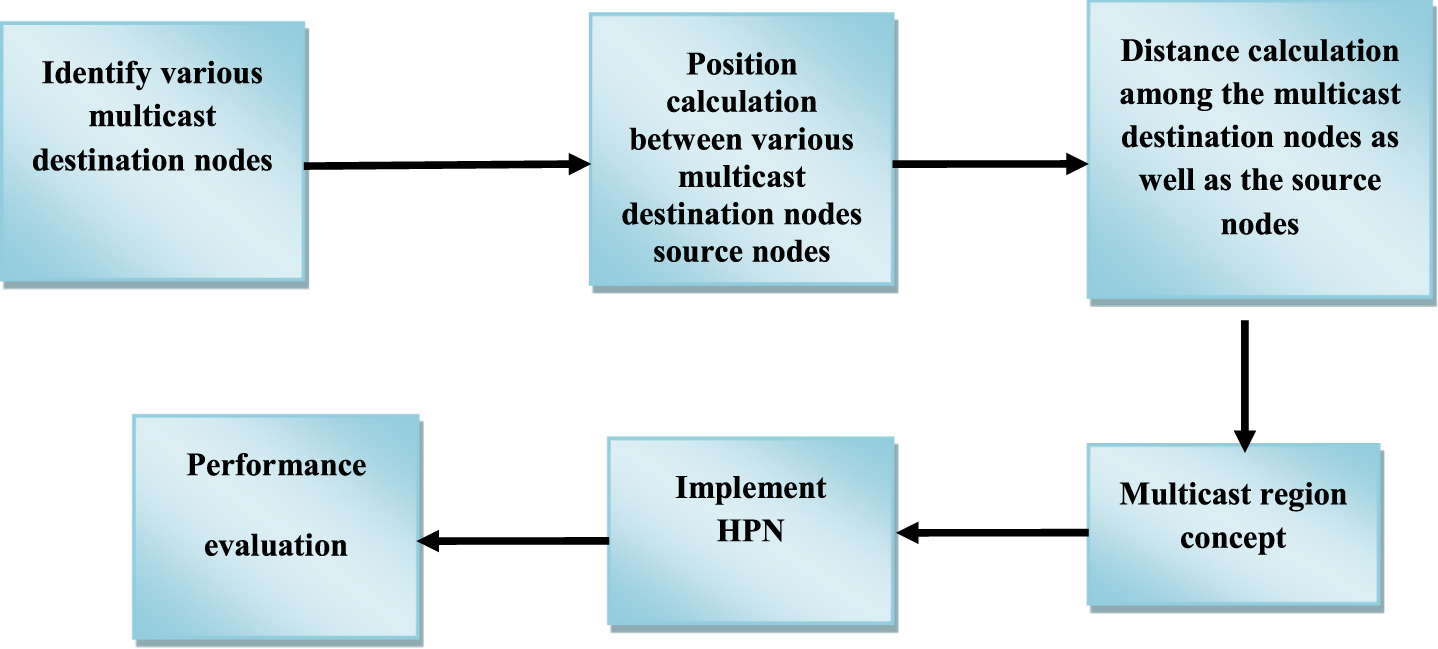
System architecture of proposed method.
The pre-deployment method is being used to deploy the WSN infrastructure. The sensor nodes are classified into three groups: x, y, and z. Every region is made up of several nodes. All of the nodes’ positions are fixed. Figure 4 depicts the deployed nodes which are available in various regions.
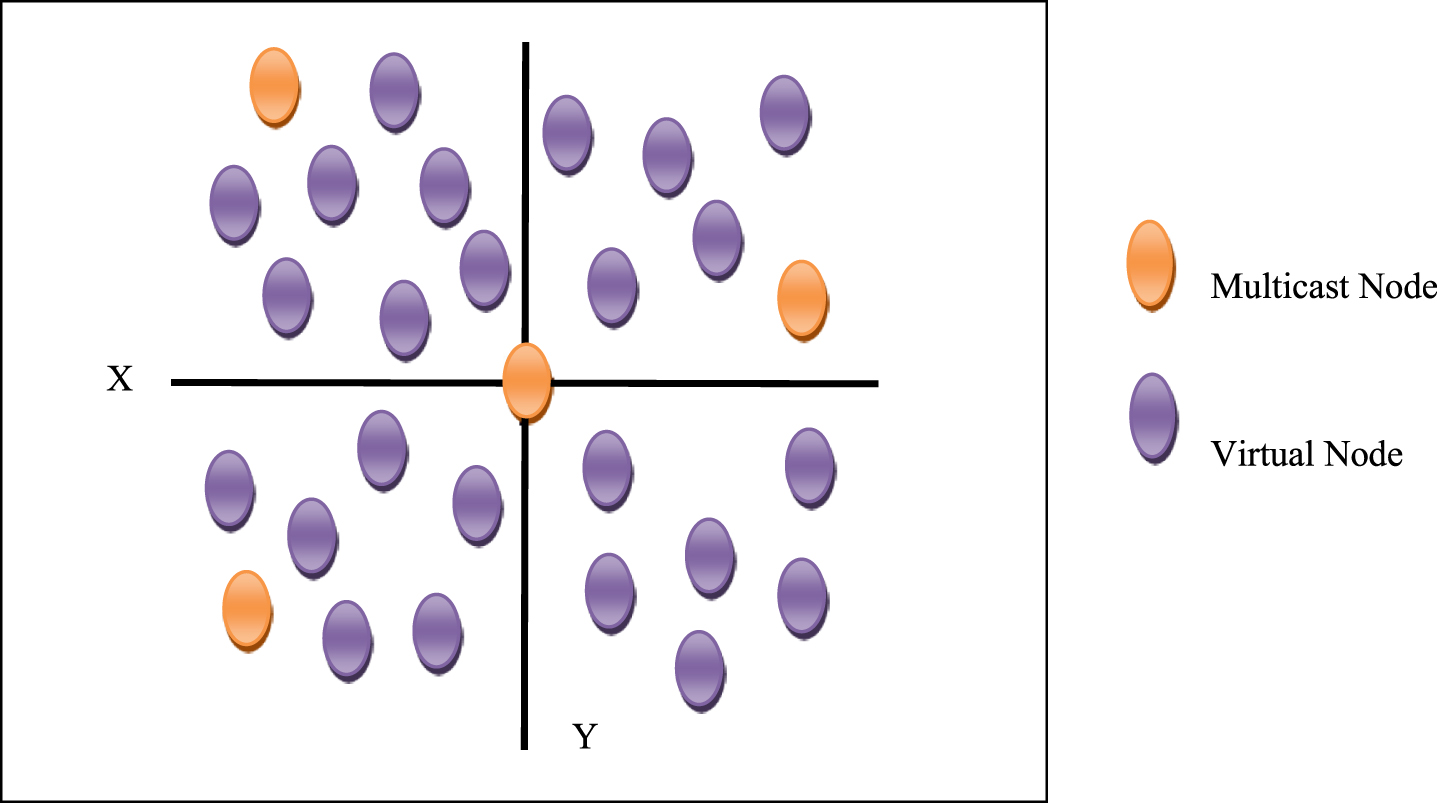
Network deployment.
The Fig. 5 describes the formation of WSN. In the proposed system, HPN send packets with high power; thus, nodes farther from HPN with a higher probability of being chosen as relay nodes [31]. The sensor nodes are organized into three groups: x, y, and z. Every area is composed of several nodes. The distance between nodes in the x region and the node in the other regions could be determined by subtracting the sums of distances of the various regions. The distance among nodes x, y, and z is denoted as,
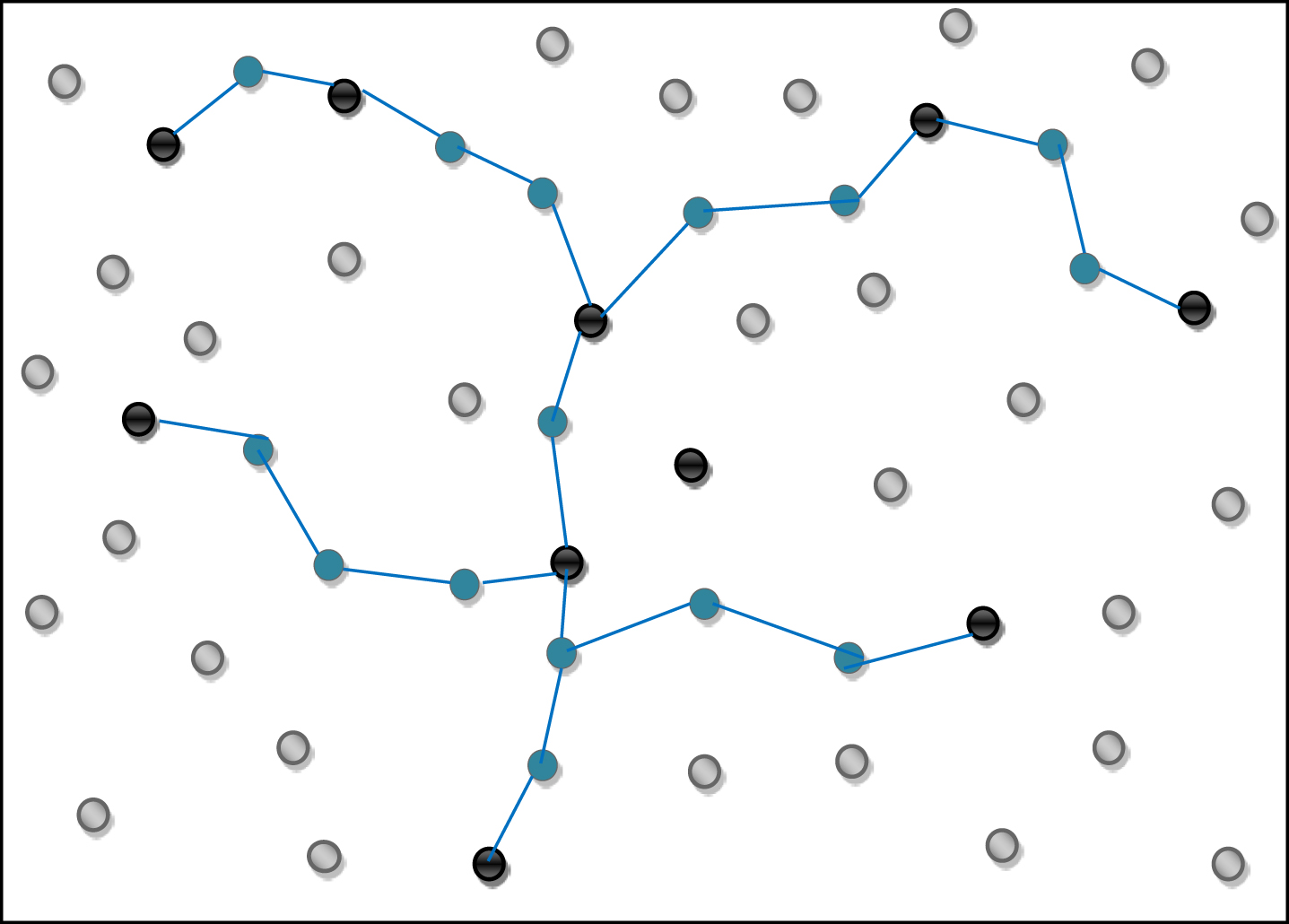
Network formation.
Assume that the first node is origin, and that the X, Y axes relate to the quadrangle boundary. Using the equation, the transmission range is calculated
The following assumptions are made about the network area and node deployment in the multicasting network. The networking area is rectangular in shape. The nodes in the networked area are distributed at random. The network’s nodes are all stationary. The transmitted power level of a node can be adjusted based on the transmission distance. All of the nodes have same initial energy.
There are two basic ways of creating a multicast area by separating the space in to the sensor network, as illustrated below. Divide the area into three 120-degree sections Divide the area into four 90-degree sections
When a multicast packet receiving node, the network region can be divided in to the multicast regions (divide the area into four 90-degree sections or three 120-degree pieces). It also produces duplicate packets and transfers it to every region, including one or more multicast nodes. Figure 6 depicts the multicast node regions.
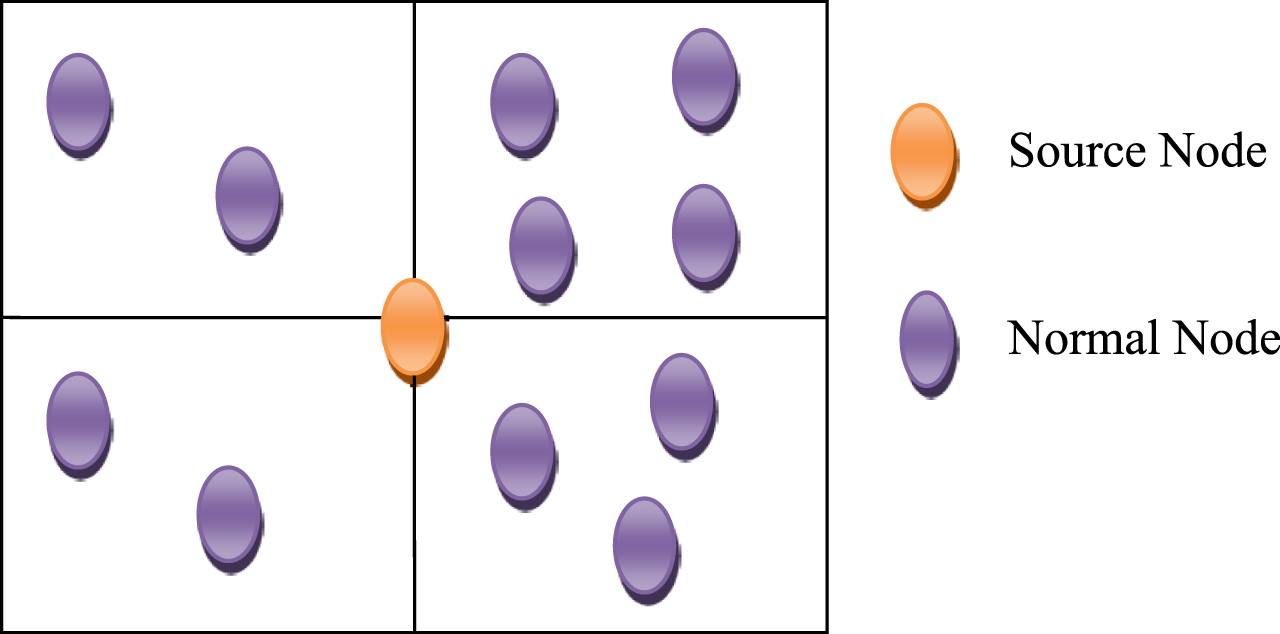
Dividing the position into four quadrants.
Space may be easily divided into three 120 degree sections because every node has three branches, similar to a Steiner tree. This must determine the angle to each destination node in order to divide the space into 120 degree parts. This angle should be calculated employing trigonometric computations, which necessitates the use of floating point operations. Due to the requirement for minimal power as well as moderate cost, the majority of CPUs in modern sensor nodes do not support floating point operation, so these operations must be approximated by integer operations, which are expansive.
The angle to every destination node should be estimated in order to split space into 120-degree regions. Furthermore, multicast regions should be recalibrated at every packet arrival hop. This places an unnecessary traffic on sensor nodes, making this technique not acceptable. The multicast region estimation in the 4 quadrants structure is considerably quicker because it only takes 2 comparison (X and Y axes) for all multicast members. [32].
Because high-power nodes transfer packet data with high power while using the EEMCR protocol, nodes much away from high-power nodes are often more likely to be chosen as relay nodes, as shown in Fig. 7. Normal data packet would be transmitted, moreover, because relay nodes positioned a distance from the high power nodes need not recognize the distance to the high power nodes. As a result, a high-power node should notify its neighbor node of its existence.
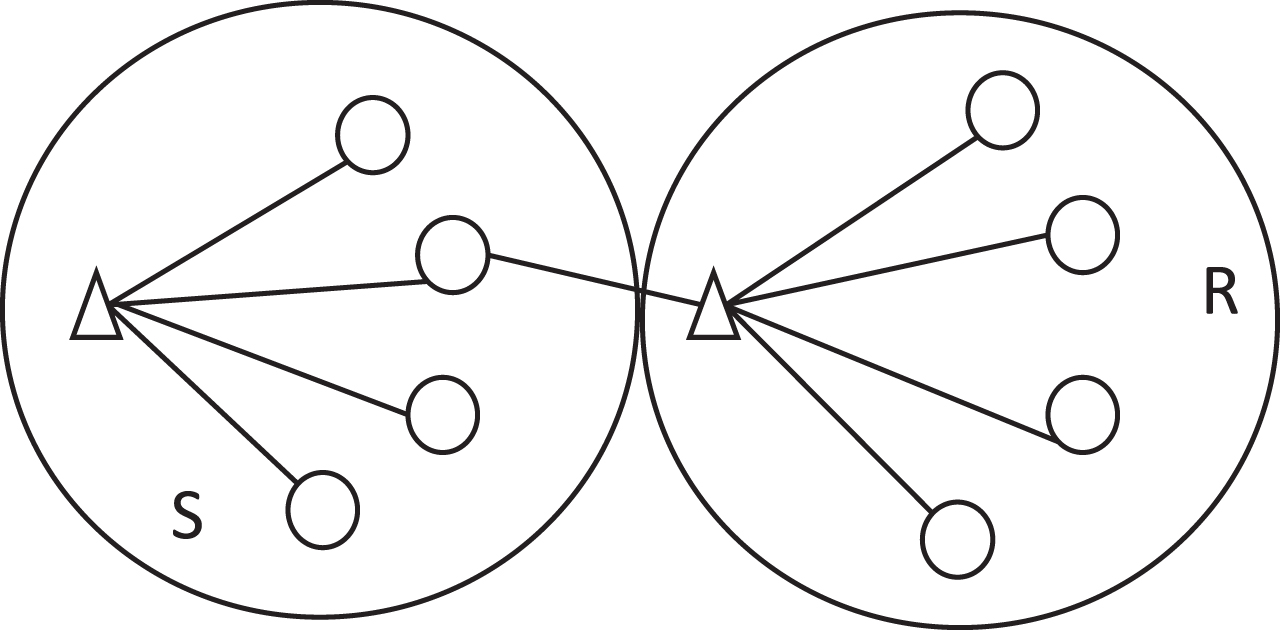
Routing in adjusting clusters.
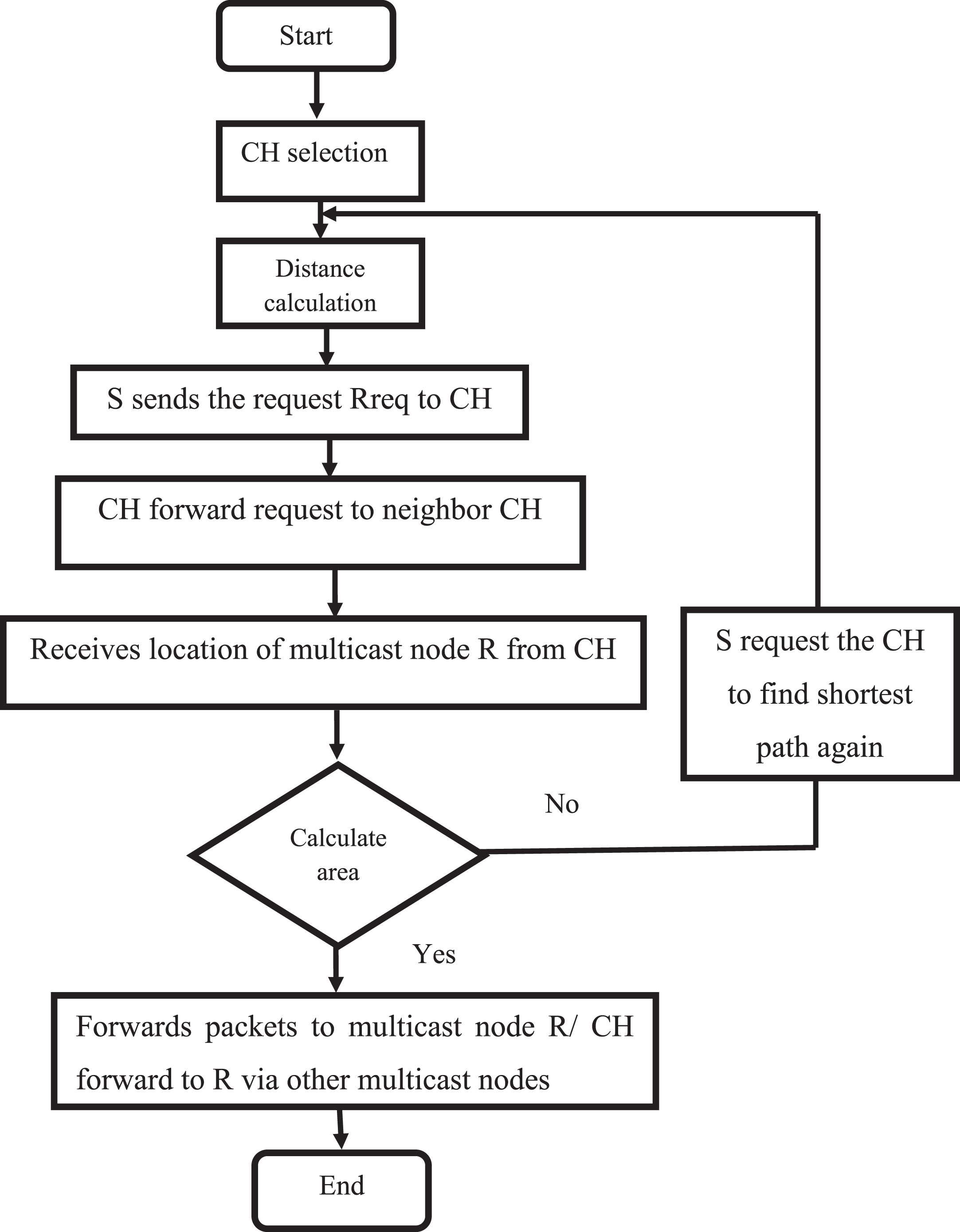
Flow chart of proposed method.
Nodes were deployed at random and are allowed to move anywhere within the network’s coverage area. The node’s state is then established, such as whether it is active or inactive, by broadcasting a “Hello” message. The cooperative node list includes the nodes that react to this message, which are considered active nodes. The nodes on the cooperative node list would take part in the construction of the cluster. As cluster coordinator, a node featuring significant energy and bandwidth is chosen (CC). The cluster head (CH) is chosen as the node next to CC with the highest energy as well as bandwidth. Every cluster contains its own CH, and there is only one CC overall. The cluster member (CM) nodes that are available are used to establish the appropriate communication path under the guidance of the coordinator.
By distributing the nodes, the proposed approach first created a network formation. The essential concept of the suggested models is that, in this case, CC is in charge of entire network effectiveness. Every node should register once the network is functioning. Each node’s activities are noted by this special CC, which then saves them for later usage. The classification of the network’s active and inactive or sleeping nodes follows subsequent in this process. The CC is given responsibility for cluster formation, monitoring, and compiling a list of cooperating nodes. Following that, the CC selects the cluster heads depending on factors including maximum node energy, bandwidth, distance, etc.
EEMCR algorithm
The algorithm specifies how such a packet is transferred from the starting node to the receiving multicast node.
Input: N-Number of packets, CH-cluster head
Output: Optimum position of CH
Initialize the number of nodes, ranges from 1 to N
For(i = 1 to N)
Selection of CH
Calculate the distance d==(x2 – x1) 2+(y2 – y1) 2
Estimate energy
If (CH = true)
Inform about CH selection
Elseif
Inform CM detail to N// CM- cluster membership
S sends the request Rreq to CH// S-Source Node, Rreq- Route request, CH- cluster head
CH forward request to neighbor CH via Generator G
Receives location of multicast node R from CH// R-Receiver
Calculate area Πr2
If R is ready to receive
G forwards packets to multicast node R
Else if
R reachable through other multicast node
GN node forward to CH of R
CH forward to R via other multicast nodes
Else
GN send error message to S
S request the CH to find shortest path again
End
Simulated environment
The proposed methodology was created in MATLAB. The 100 nodes are deployed at random over a 100×100 m2 area. The implementation involves selecting CH and then forming clusters. CH (x1, y1) calculates the euclidean distance between the CH and the BS, and the gathered information has been sent to the CH with the smallest route from the BS. At the network’s centre, a relay node is installed (50, 50). Examine a CH with coordinate value (x1, y1) and a node (BS or relay node) with coordinate’s value (x2, y2). The following is the calculation of the Euclidean the separation between the CH and the node:
As a result of the utilization of the relay nodes, The CH’s energy usage is decreased, and thus the lifetime of the network is extended. The suggested technique is effective in CH choice as well as data routing from CH to BS. It is assumed that in the simulation that energy dissipation for communication includes the energy usage required to keep the transmitter and receiver running (Eelec), amplification energy usage Eamp and Table 1 show their constant values as well as other simulation parameters.
Survey papers list relying on proposed protocol
These sensor networks are energy constrained, and then they could performed the data aggregation for using energy consumption effectively. The energy required to transmit data is determined by calculating using the distance among nodes and the number of transmitted data. The bits received also affects the amount of energy needed to receive. The following equations define the transmission and reception energy requirements.
Eamp = the amplifier’s energy dissipation
K = message bit length
d = interval between sending and receiving bits
A small number of sensor nodes, value ranges from 100 to 1000, were being used to simulate the network. The parameters are shown in Table 1. Several more measures, such as efficiency, energy usage, throughput delay, and lifetime of the network procedures are being customized, that also could have an important impact on network. The conclusion of the experimental data is also represented for the five 4 different models EELAM [35], HPN Multicast [36], EMGR [37], CNSMR [38] as is the comparative study of all 4 models in the experimental data.
Efficiency
Figure 9 depicts the efficiency comparative graph of all the approaches. The performance of a WSN is defined by its life - time and the computational power of its sensor nodes. The lifespan of the network and the processing capabilities of the sensor nodes are employed to determine efficiency. WSN node performance and efficiency are compared to relevant advancements. WSN node efficiency is compared to related studies. All existing methods, such as EELAM, HPN Multicast, EMGR, CNSMR, improve the efficiency of the suggested work. The successful rate is the important factor in enhancing the efficiency of packet data routing in the WSN. Whenever the packet drop ratio is low, the efficiency improves and new routes are created when a connection fails. Table 3 shows the comparison parameters of efficiency of proposed method with existing methods.
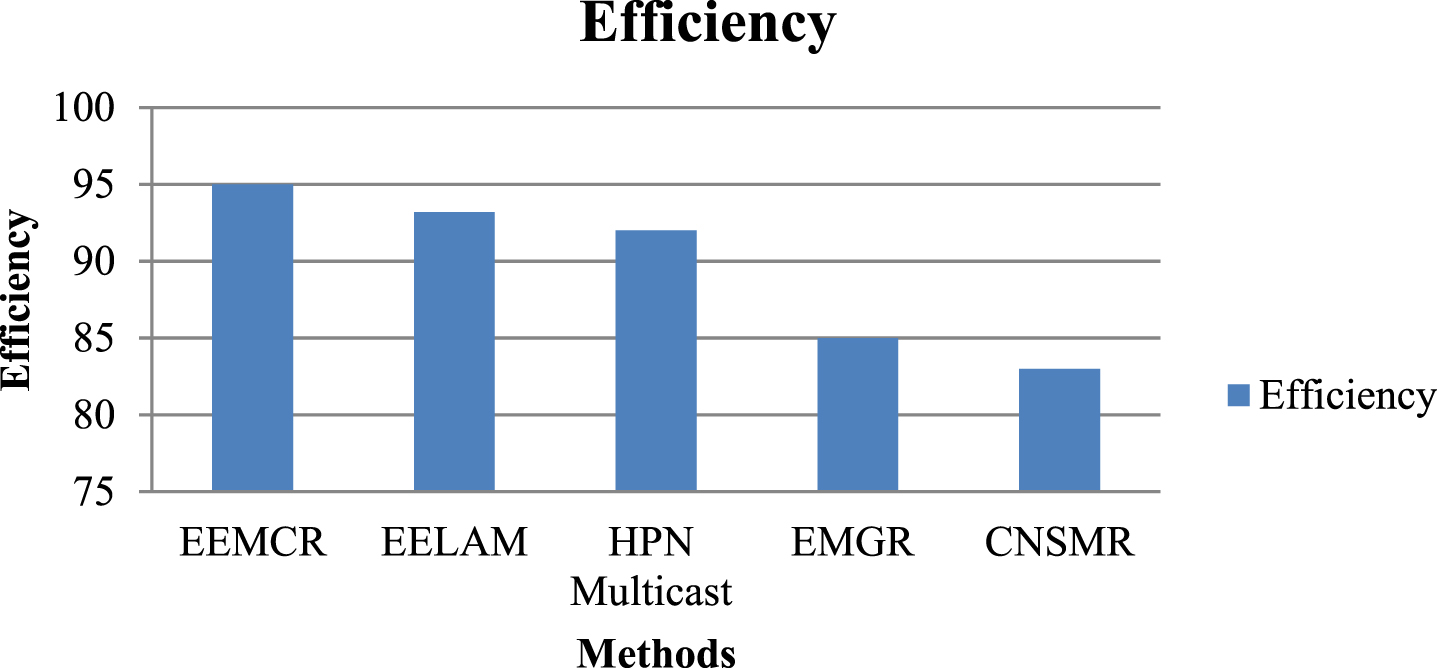
Efficiency comparison graph for all methods.
Simulation parameters and values
Comparison parameters of efficiency of proposed method with existing methods
Nodes in the range of 15 to 50 were selected for experimental investigation, as well as the nodes were implemented inside the specified area. Between the nodes, 10-25 packets/sec are being sent, as well as all the nodes moved at a rate of 2 meters / second. EEMCR outperforms the other approaches in terms of maintaining the majority of nodes surviving for a longer time. Whenever the size of the group has been set to 50, the outcome from EEMCR has been about maintaining the nodes surviving for a period of 8650 seconds, which would be considerably higher than the other frameworks, as shown in Fig. 10 represents the type of nodes that are active during the simulation period. The EEMCR outcomes have shown that models with the best performance were noticed at various time intervals. Table 4 illustrates the comparison parameters of Maximum life time of the routes observed for EEMCR and Existing models. According to more energy-efficient behavior of proposed than of EELAM, EEMCR more effectively prolongs the network lifetime and thus the nodes are able to transmit data for a longer duration.
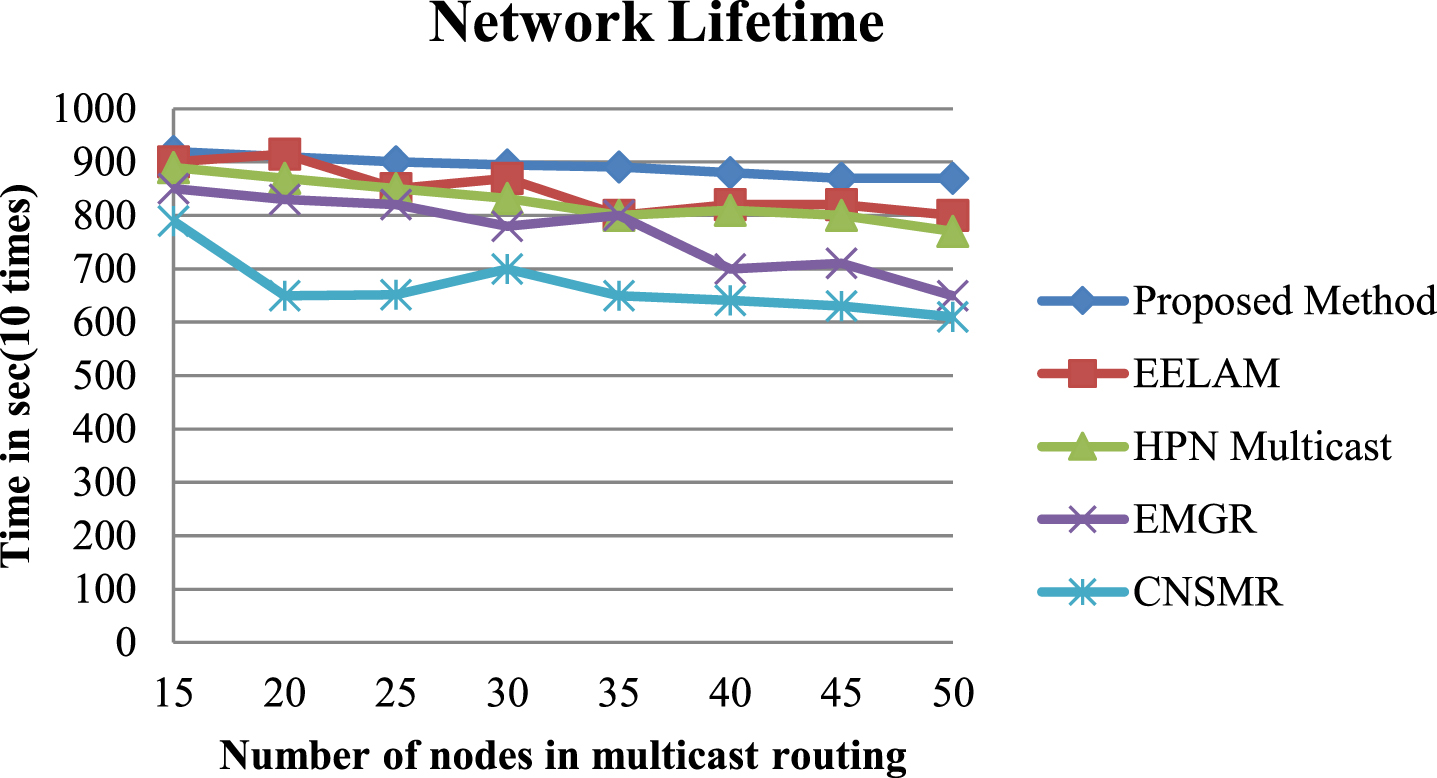
Max life time of the routes observed for EEMCR and benchmarking models.
Comparison parameters of Maximum life time of the routes observed for EEMCR and Existing models
According to the simulation outcomes, the suggested technique provides a 0.3% increase in pause time vs. throughput ratio compared to CNSMR, a 0.5% improvement vs. EMGR, a 1% rise vs. HPN broadcast, and a 0.75% increase vs. EELAM. From the experimental findings, Fig. 11 shows that EEMCR exhibits a minimal drop in throughput together with rising mobility of nodes. Table 5 deplicts the comparison parameters of throughput observed for proposed EEMCR and existing models.
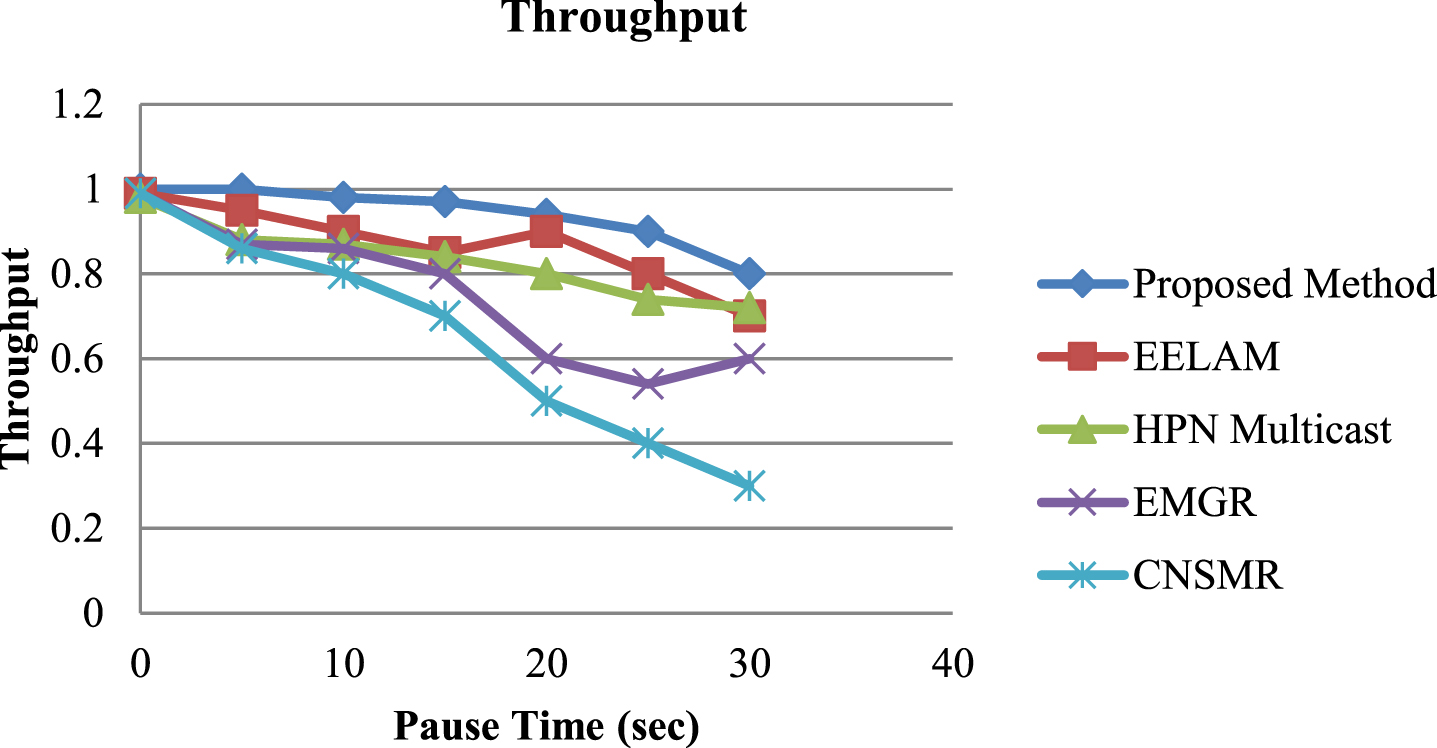
Throughput observed for EEMCR versus existing models.
Comparison parameters of throughput observed for proposed EEMCR and existing models
The end-to-end delay is defined as the time which elapses a difference in how a packet is being sent and when it is delivered successfully.
i = packet identifier
ri = Packet receiving time
si = time at which packet is sent
Mobile nodes are located in several locations inside the described areas during testing, with mobility of 8-30 mts/sec and data processing rate of 5 packets/sec. The EEMCR transferred data at a slightly lower rate than other methods. Figures 12 and 13 presents the delay noted for multicast paths marked by EEMCR and existing methods at different time intervals.
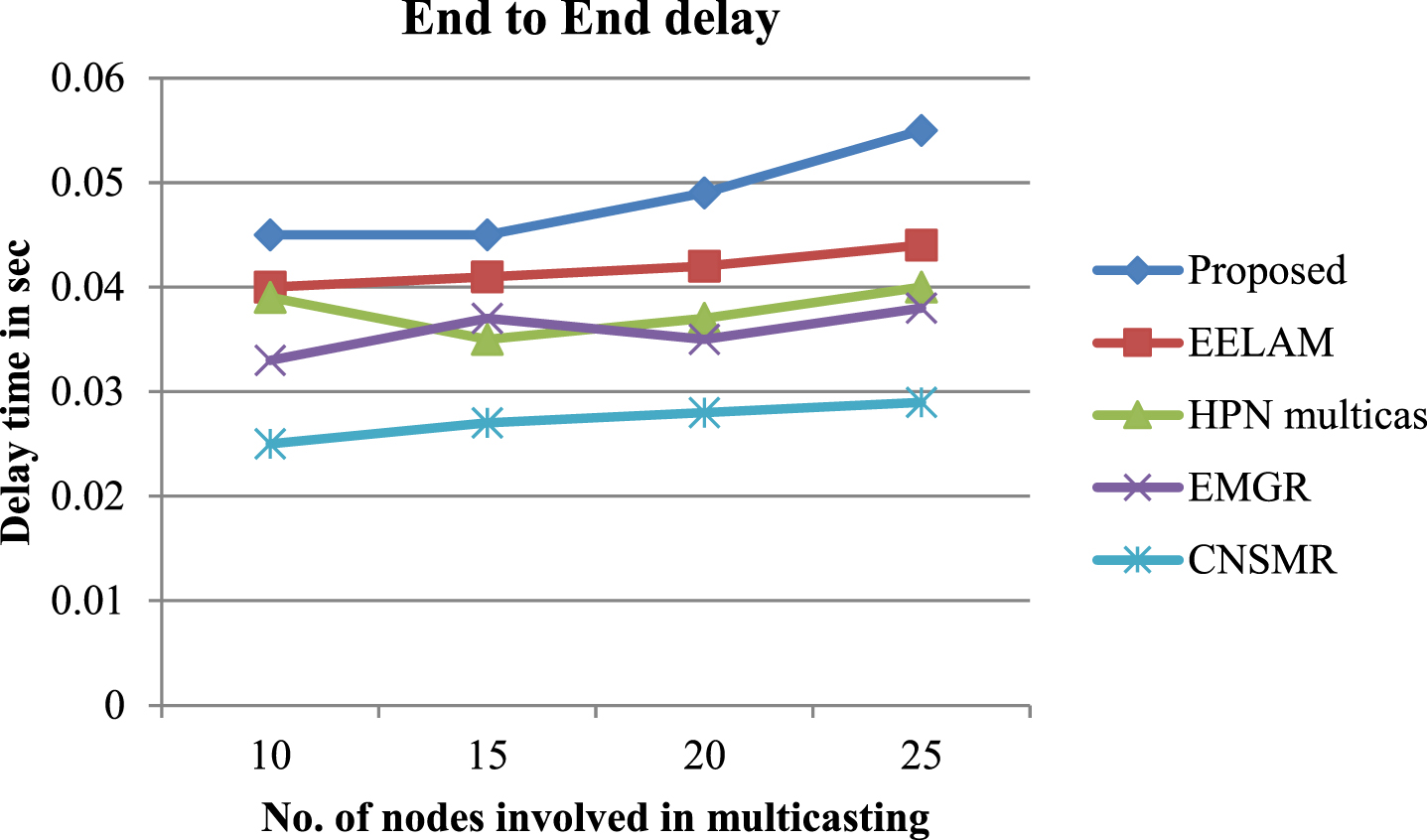
Comparison of end-to-end delay.
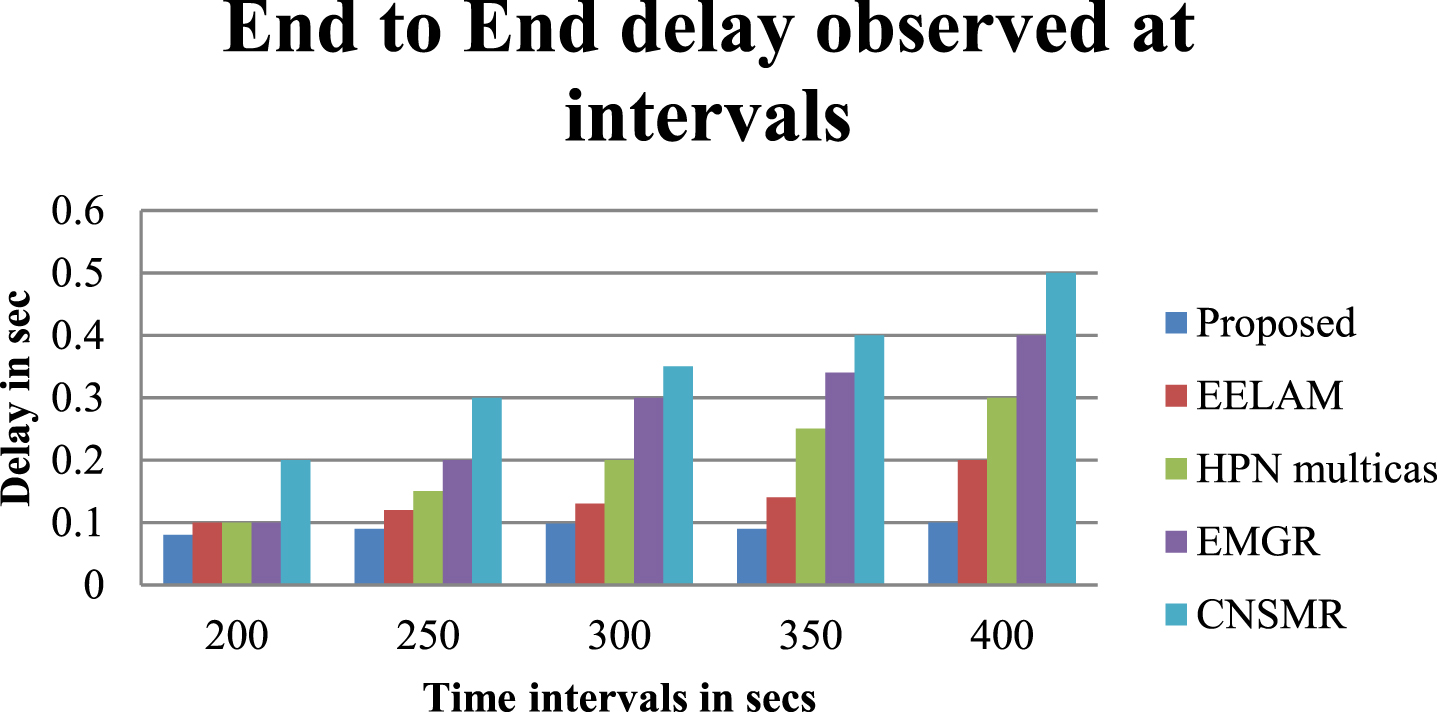
Comparison of end-to-end delay showed for EEMCR and existing models at certain intervals.
Table 6 shows the comparison parameters of End-to-End Delay for proposed EEMCR and existing models and Table 7 shows comparison parameters of end-to-end delay showed for proposed EEMCR and existing models at certain intervals.
Comparison parameters of End-to-End Delay for proposed EEMCR and existing models
Comparison parameters of end-to-end delay showed for proposed EEMCR and existing models at certain intervals
The ratio of data packet delivery to the desired location to available by the source node is defined as PDR.
The experimental findings demonstrate that the proposed technique outperformed the traditional method in delivery of packets. Figure 14 depicts the comparison of the PDR noted for routes established by node count. The multicast-based WSN routing deviates from PDR. The suggested strategy decreases transmission time and boosts PDR as node density increases. According to the simulation findings, the suggested technique has a 1.01% increase in PDR when compared to CNSMR, a 2.6% increase when comparing to EMGR, a 3% improvement when comparing to HPN multicast, and a 3.1% improvement when comparing to EELAM. Table 8 describes the comparison parameters of PDR noted for routes formed by node count.
Comparison parameters of PDR noted for routes formed by node count
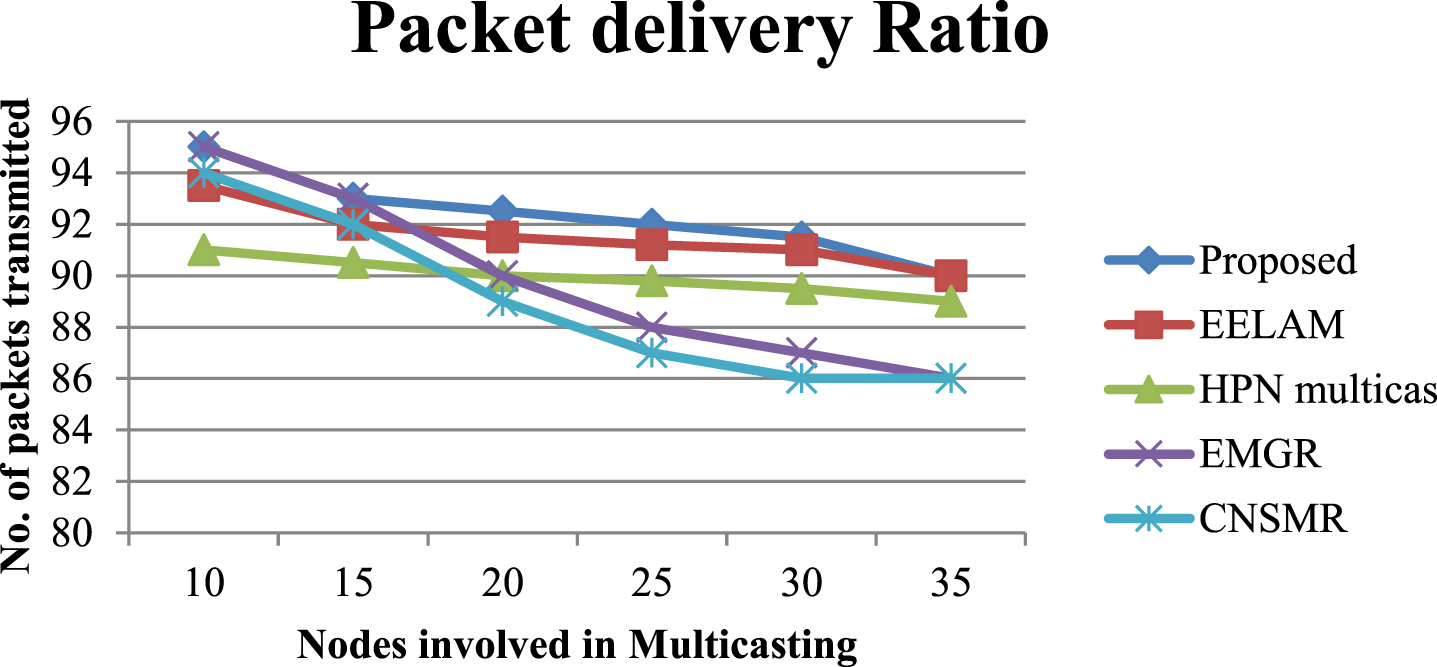
Comparison of PDR noted for routes formed by node count.
The overall energy utilized by nodes as the amount of multicast destinations increases is illustrated in Fig. 15. Across five protocols, the total energy usage increases with the number of multicast destinations. The fundamental cause is that greater destinations frequently necessitate the creation of numerous paths incorporating more nodes, which requires a significantly more energy. Figure 15 demonstrates that the effectiveness of our suggested system is more energy-scalable as the number of multicast destinations rises. This is because as the number of multicast destinations grows, the suggested approach can identify the more energy-efficient pathways employed for multicast message delivery. Hence, the proposed methodology ought to consume least energy, which agrees with the simulation results.
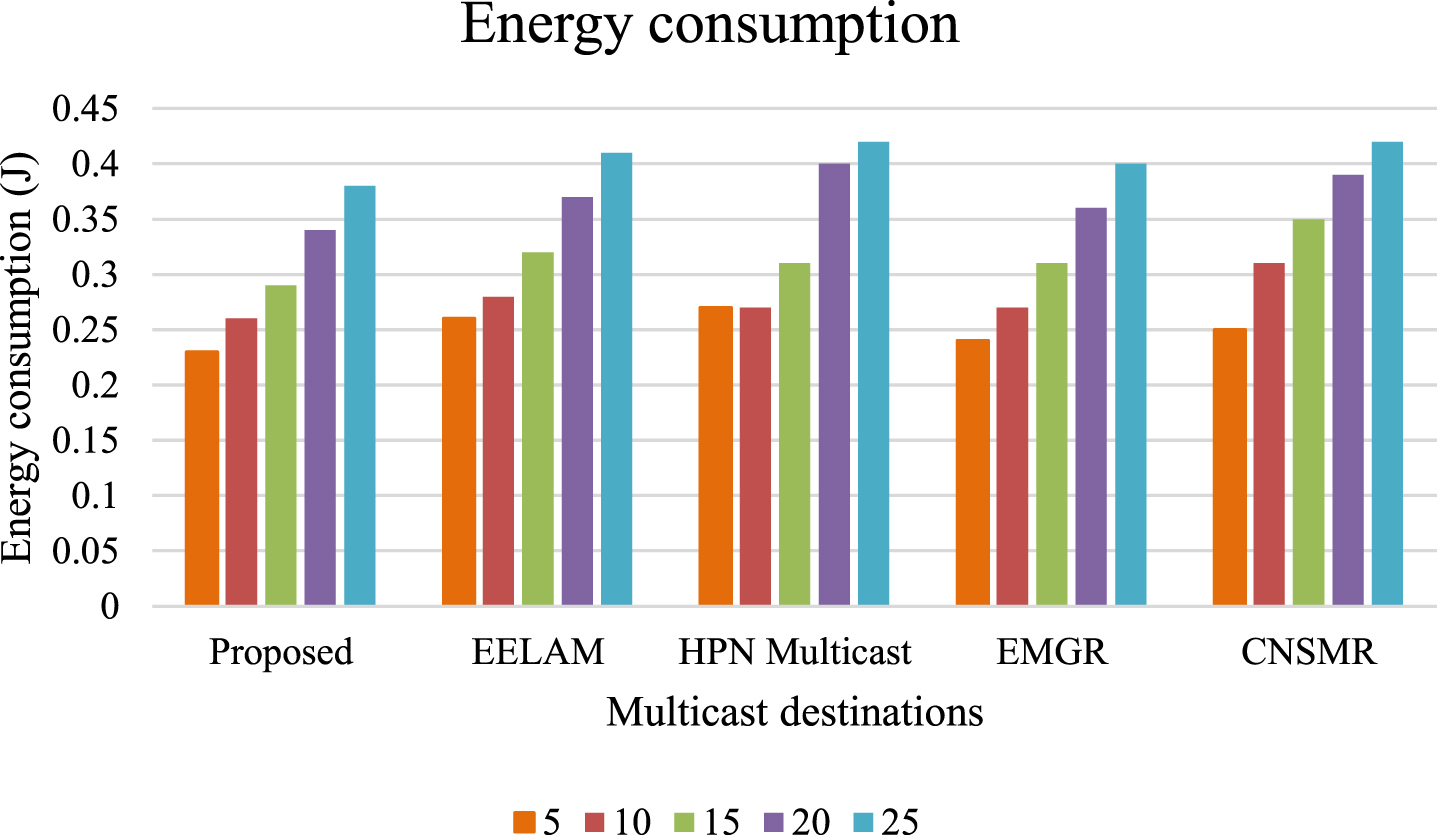
Energy consumption with the varied multicast destinations.
A proposed Energy efficient multicasting cluster based routing (EEMCR) with the number of multicast members, a protocol has been developed (sinks) focusing on receivers to accelerate delivery of packets to multicast destinations. EEMCR protocol utilizes information on the physical locations of nodes to find the shortest path. In dynamic networks, the EEMCR protocol is appropriate for multicasting. The proposed EEMCR obtain 95% accuracy. The simulation results demonstrate that EEMCR outperforms other methods such as EELAM, HPN Multicast, EMGR, and CNSMR because the average remaining energy of a network does not decrease as quickly in this algorithm, increasing lifetime of the network. The optimization concept can be used in the future dimension of this research work.