



Abstract
Three compounds consisting of bis(benzimidazole) ligand, namely {[L1ZnBr2](CH3OH)2} (
Introduction
The wise practice of organic-inorganic helical structures building blocks to yield metal-organic coordination polymers had paid much attention in coordination chemistry, since these helical structures are key structural motifs that play vital role in the regulation of physiological functions [1, 2]. Recently, supramolecular assembly based on helical structures building blocks is absorbing, not merely due to colorful structure but also account of possible value for photochemical and catalytic properties [3]. Particularly, metallohelicates are one of the hot subject in supramolecular self-assembly research, which are of great significance in the areas of material sciences and fascinating structure [4]. Metallohelicates are a part of helical compounds family and have been widely researched which are regard to be the aestheticalest and most promising structure [5]. To date, researchers have constructed colorful single, double and multi-chain helical coordination polymers [6]. When a ligand is coordinated with a metal ion, the chirality of ligands is an important factor for the formation of helical structures [5b, 8]. When the bidentate ligand coordination with tetrahedral or octahedral metal ion, a double or triple helix complex is formed with graceful structure [8, 9]. The tridentate ligand coordination with octahedral metal ions, a double helix complexs are also developed, while the tridentate ligand coordination with dipyramidmetal metal ions, triple helix structure are builded [10]. In 1976, the first double-helical metal complex was found by Depuy [11]. In 1985, bis(hydroxypyridinone)-rhodoturulic acid and Fe3+ forms a binuclear triple helix complexs by Raymond [12]. With the deepening of people’s perception of helical metal complexes and the promotion of laboratory technology, more and more helical metal complexes have been prepared. In addation, the metal ions involved in coordination are also amplified from transition metal elements to heavy metal ions and rare earth ions, ligand types in spiral metal complexes can be approximated divided into four categories: nitrogen-containing ligands, oxygen-containing ligands, nitrogen-oxygen mixed ligands and other sulfur and phosphorus ligands [10]. The complexes from tetrahedral metallohelicate units (a bis(benzimidazole) ligand) has been synthesized [13]. Similarly, in this work, we singled out L1 as ligand (Scheme 1), Cd(II), Co(II) were chosen as the metal centers. Our works are to supplement and perfect our remaining work. In a sense, it not only enriches the type of bis(benzimidazole), but also we researches the adsorption and catalytic properties of the compounds.
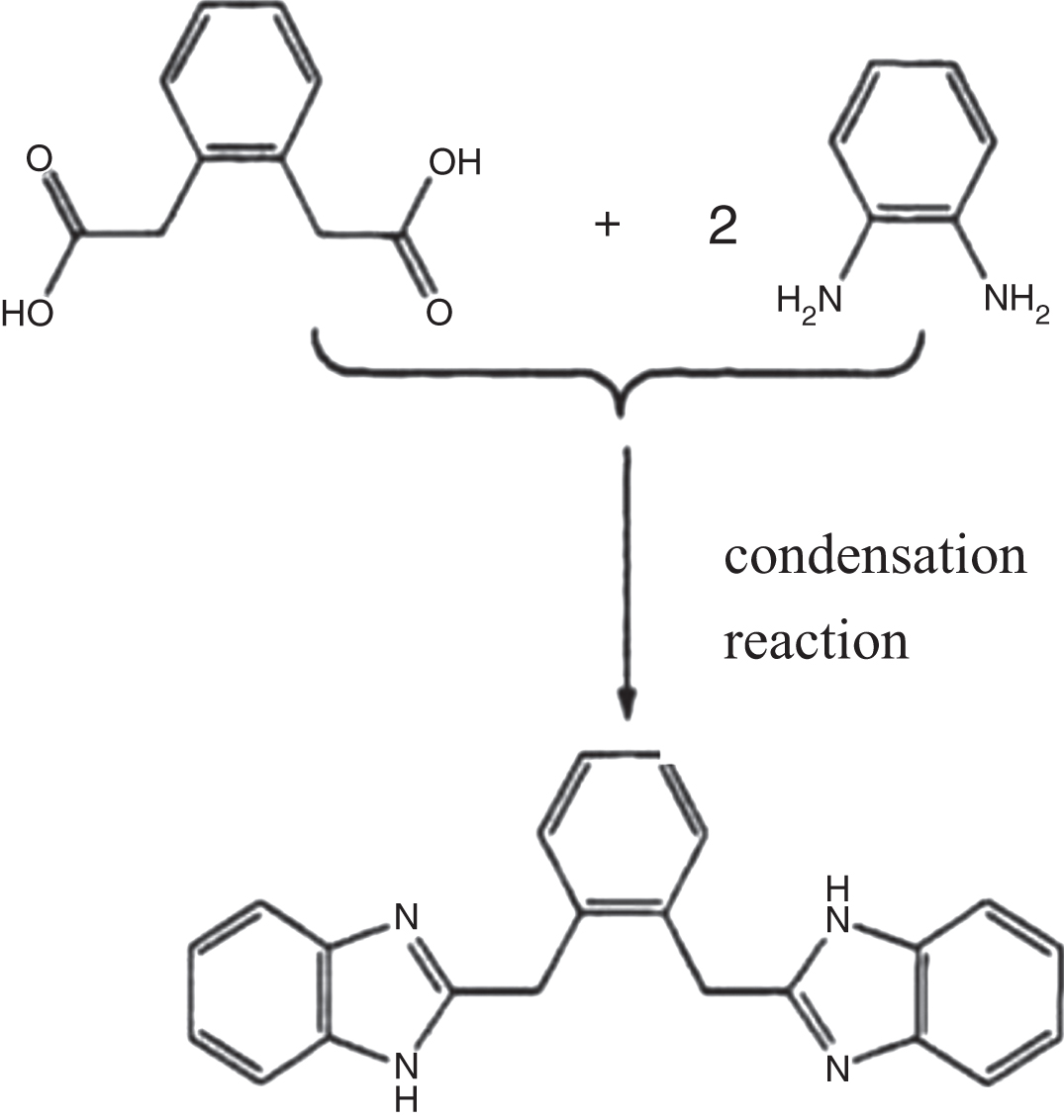
Synthesis of ligand L1 in this paper.
Materials and physical measurements
All chemicals and solvents are of A.R. grade (≥99%) and used without further purification. Distilled water was used for all procedures. IR spectrum were recorded on a Shimazu IR435 spectrometer as KBr disk (4000–400 cm-1). Elemental analyses of C, H and N were performed using a Perkin-Elmer 240 elemental analyzer. The purity of the bulk microcrystalline materials obtained from the syntheses was checked by Powder X-ray diffraction analyses. Powder X-ray diffraction (PXRD) data were measured on a Philips X’ Pert Pro MPD X-ray diffractometer (Cu-Kα= 1.5418 Å) with an X’ Celerator detector. UV-vis diffuse reflectance spectra (DRS) were recorded with the aid of a Cary 5000 UV-vis infrared spectrophotometer. Photoluminescent measurements of compounds
Synthesis of compounds
{[L1ZnBr2](CH3OH)2} (
{[L1Co(CH3COO)CH3O]·CH3OH} (
{[L1(NO3)2]} (
X-ray crystallography study
Crystallographic data for the compounds were collected at 100(2) K on a Bruker APEX-II area-detector diffractometer equipped with graphite-monochromatized Mo-Kα radiation (wavelength: 0.71073Å). Their structures were solved by direct method and expanded using Fourier techniques. The non-hydrogen atoms were refined with anisotropic thermal parameters. The hydrogen atoms were assigned with common isotropic displacement factors and included in the final refinement by using geometrical constraint. The structures were refined with full-matrix least-squares techniques on F2 using the OLEX-2 program package [14]. Table 1 summarizes the crystal data of supramolecular compounds
Crystal data and structure refinement details for 1 -3
Crystal data and structure refinement details for
Selected bond lengths (Å) and bond angles (°) for compounds
A powdered sample (10 mg) of compounds
Adsorption Measurements of compounds 1-3
We researched the adsorption property of compounds
Photocatalysis properties of compounds 1-3
Photocatalytic technology can firsthand apply solar energy as light source to drive the reaction, which has been extensively used in the environment to remove out pollutants, so it has make a big difference in the removal of toxic and harmful pollutants [17–24]. We researched the photocatalytic degradation property of compounds
Results and discussion
Description of crystal structure
{(CH3OH)2} (
Comparison of some important parameters of compounds 1 and 1’
Comparison of some important parameters of compounds
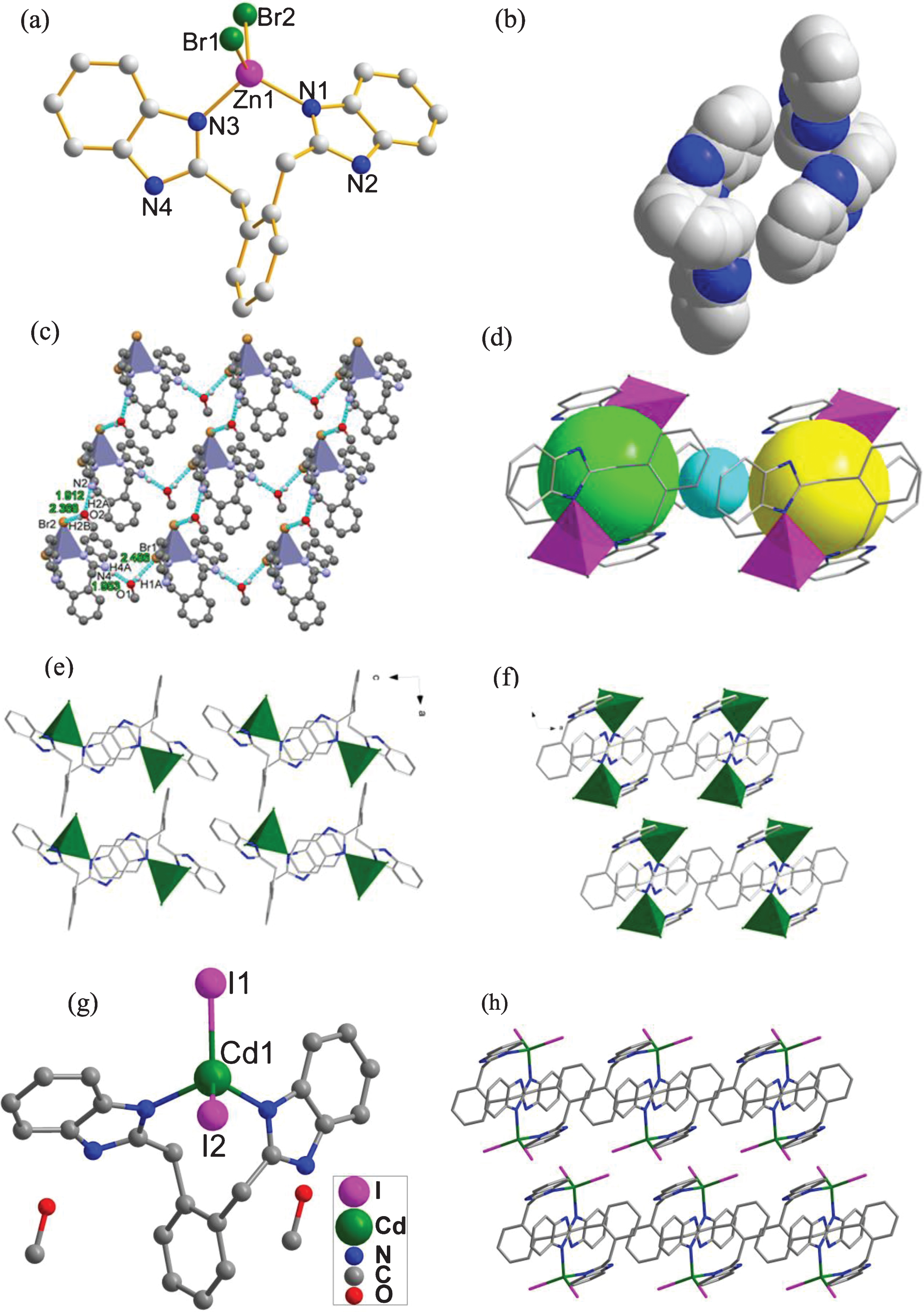
(a) Asymmetric unit of compound
{[L1Co(CH3COO)CH3O]·CH3OH} (
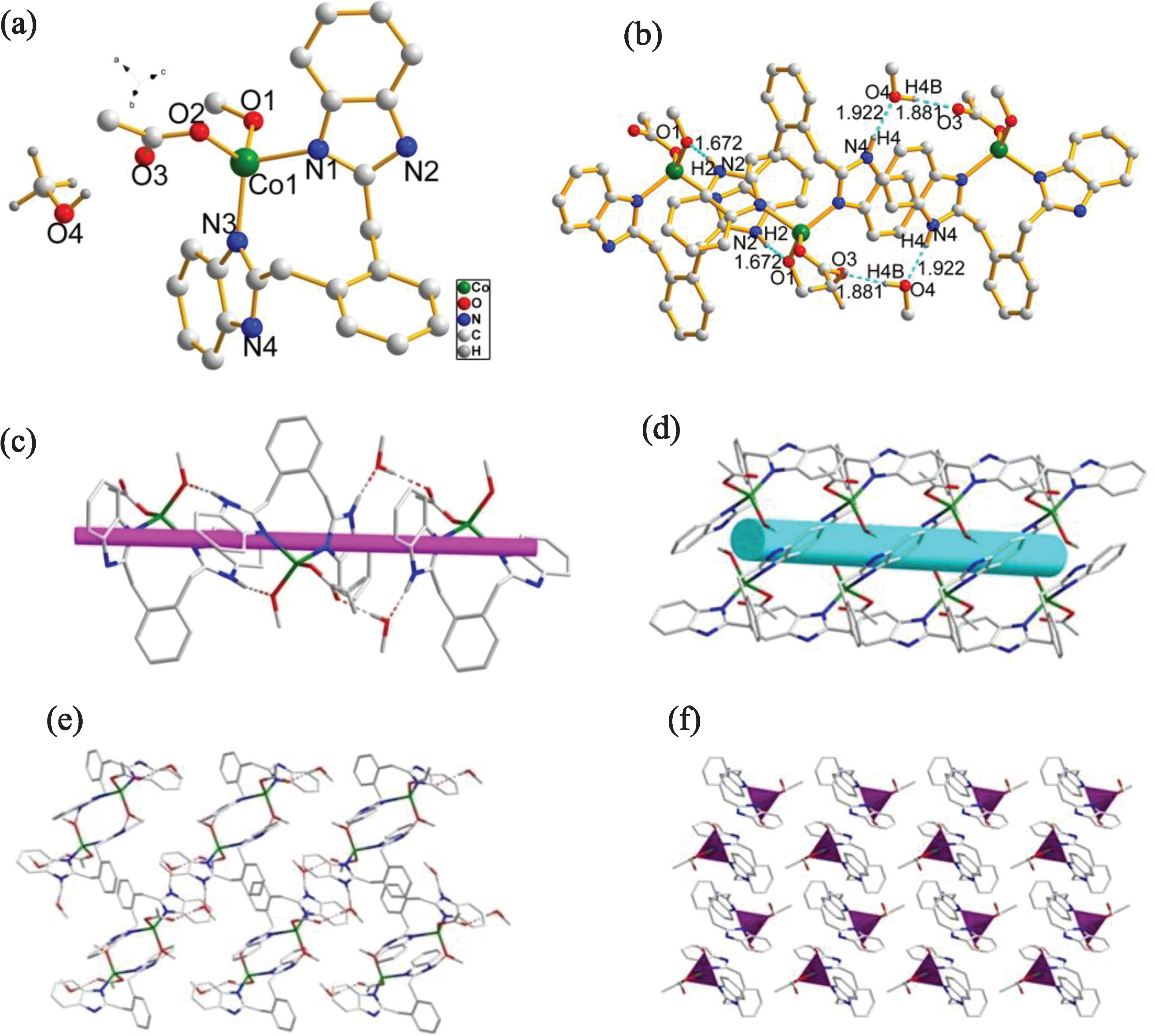
(a) Asymmetric unit of compound
{[L1(NO3)2]} (
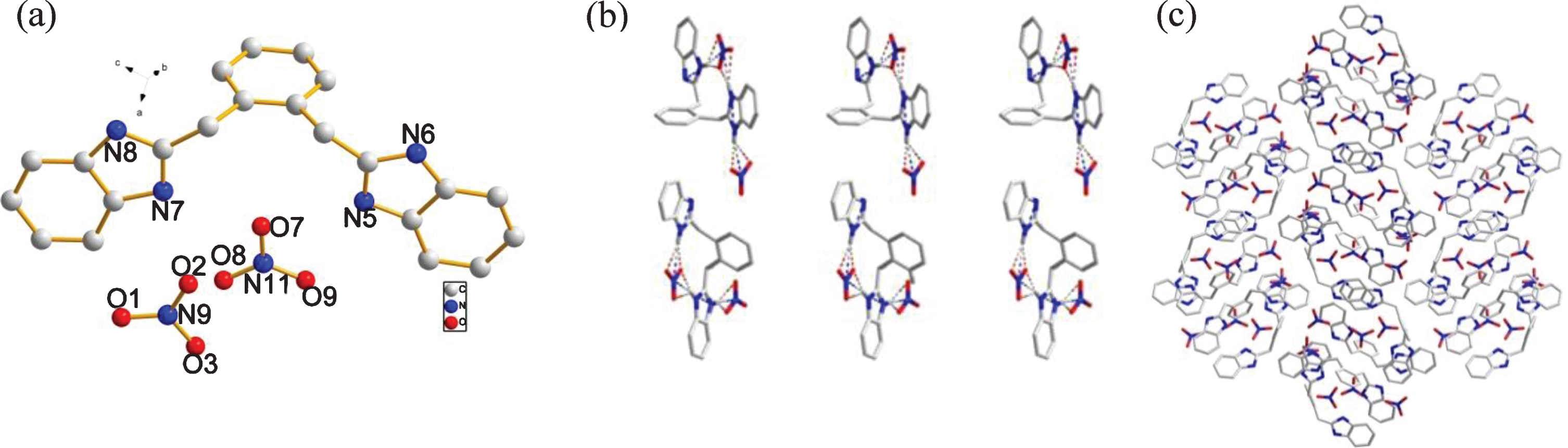
(a) Asymmetric unit of compound
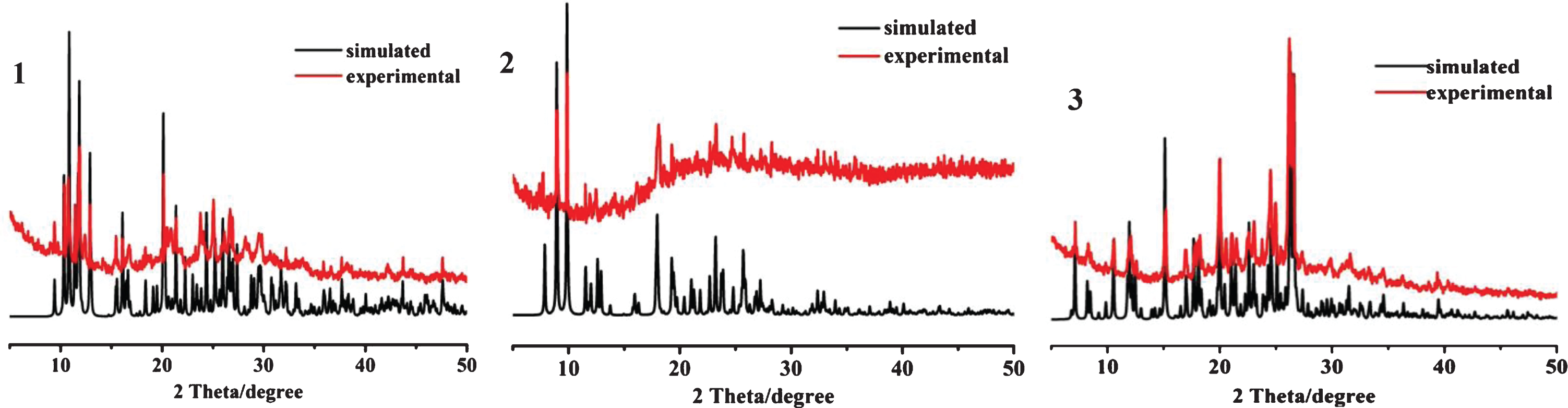
Power X-ray Diffraction of compounds
The purity of the bulk microcrystalline materials obtained from the syntheses was checked by Powder X-ray diffraction analysis. Powder X-ray diffraction (PXRD) patterns were recorded using Cu-Kα radiation on a PAN analytical X’ Pert PRO diffractometer. The purity of compounds
UV-vis diffuse reflectance property and calculation of optical band gap
Figure 5. shows the UV-vis absorption spectra of compounds
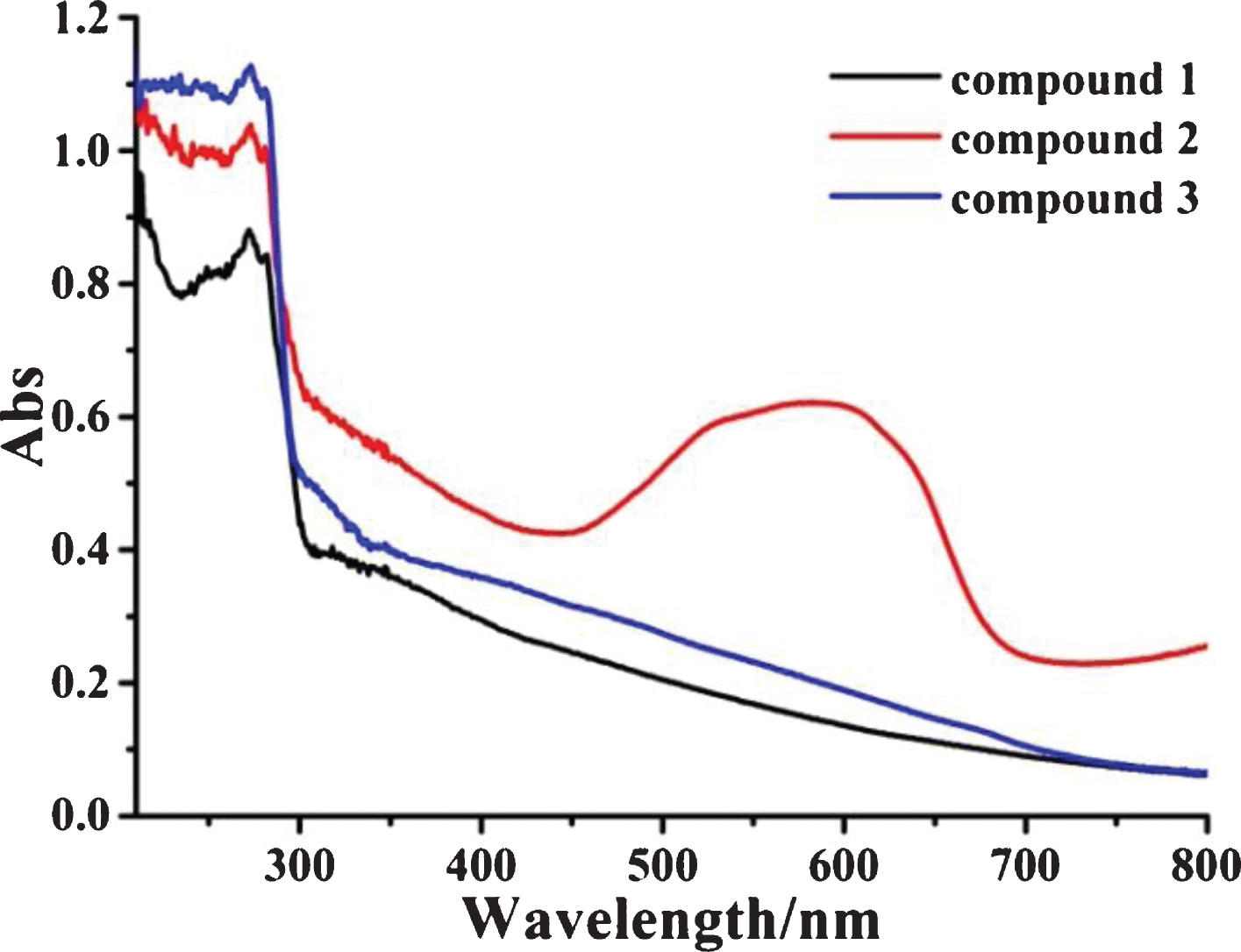
The UV absorption spectrum of compounds
For the sake of study the conductivity of the three compounds, their band gap (Eg) are acquired by the measurements of diffuse reflectance. The band gap energies were evaluated to be 1.672, 1.683, 1.672 eV for
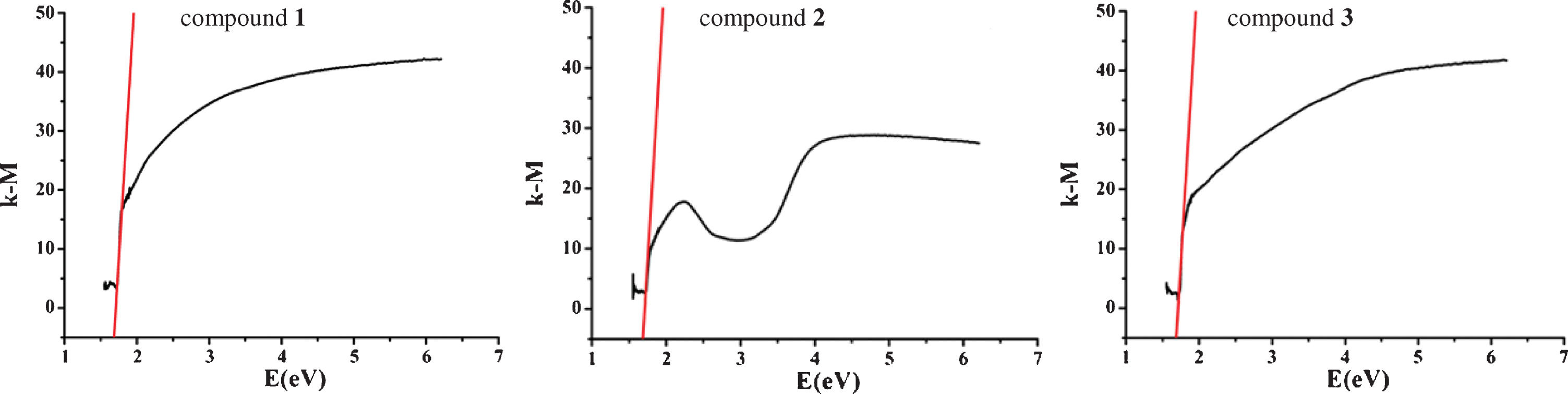
Band gap diagram of compounds
Figure 7 The emission spectrum of compound
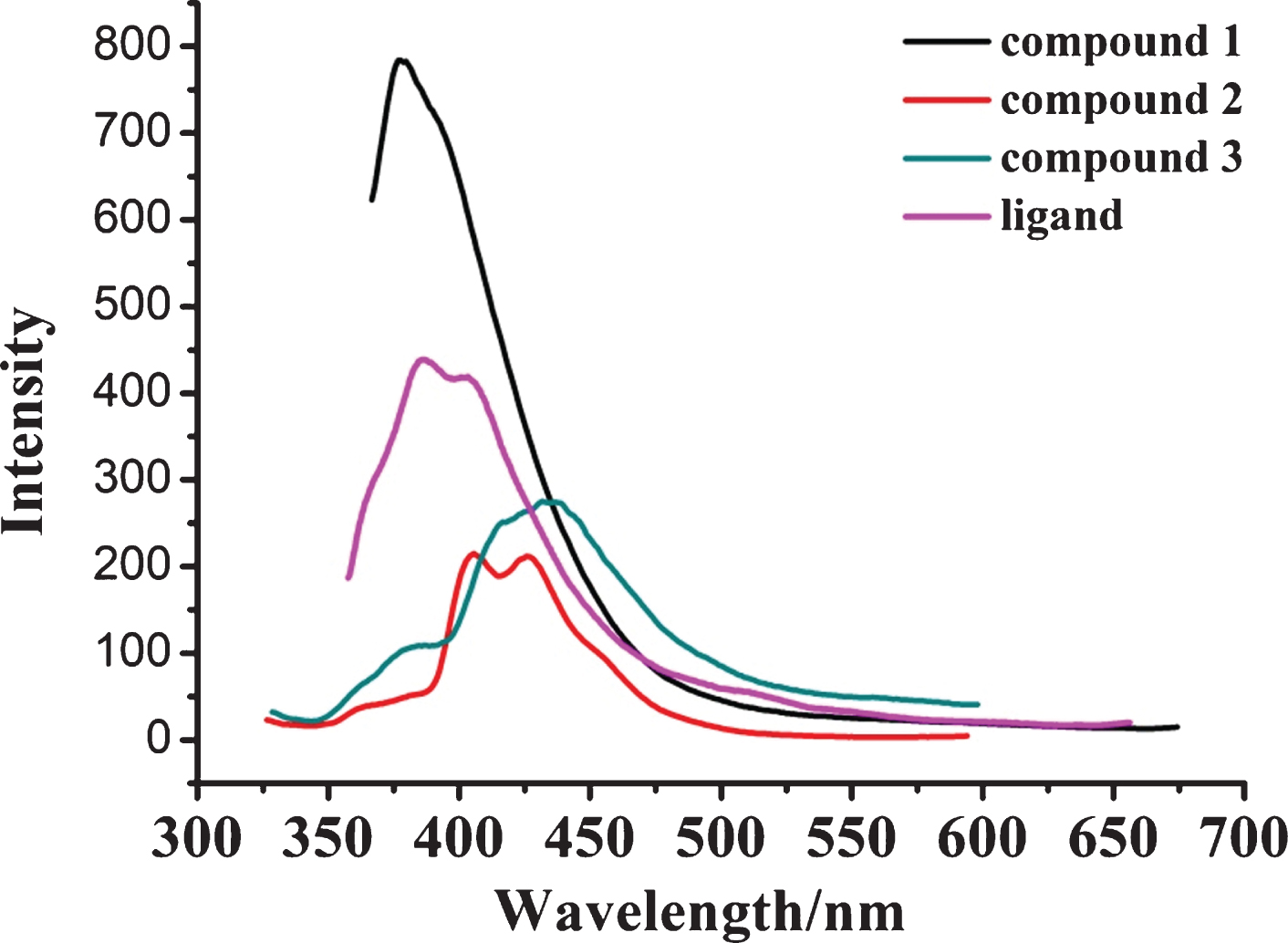
Emission spectra of compounds
Figure 8, It exhibits various metal ions have significant effect on luminescence performance. Amongst the tested metal ions, only Fe3+ can induce decrease of fluorescence emission drastically in compounds
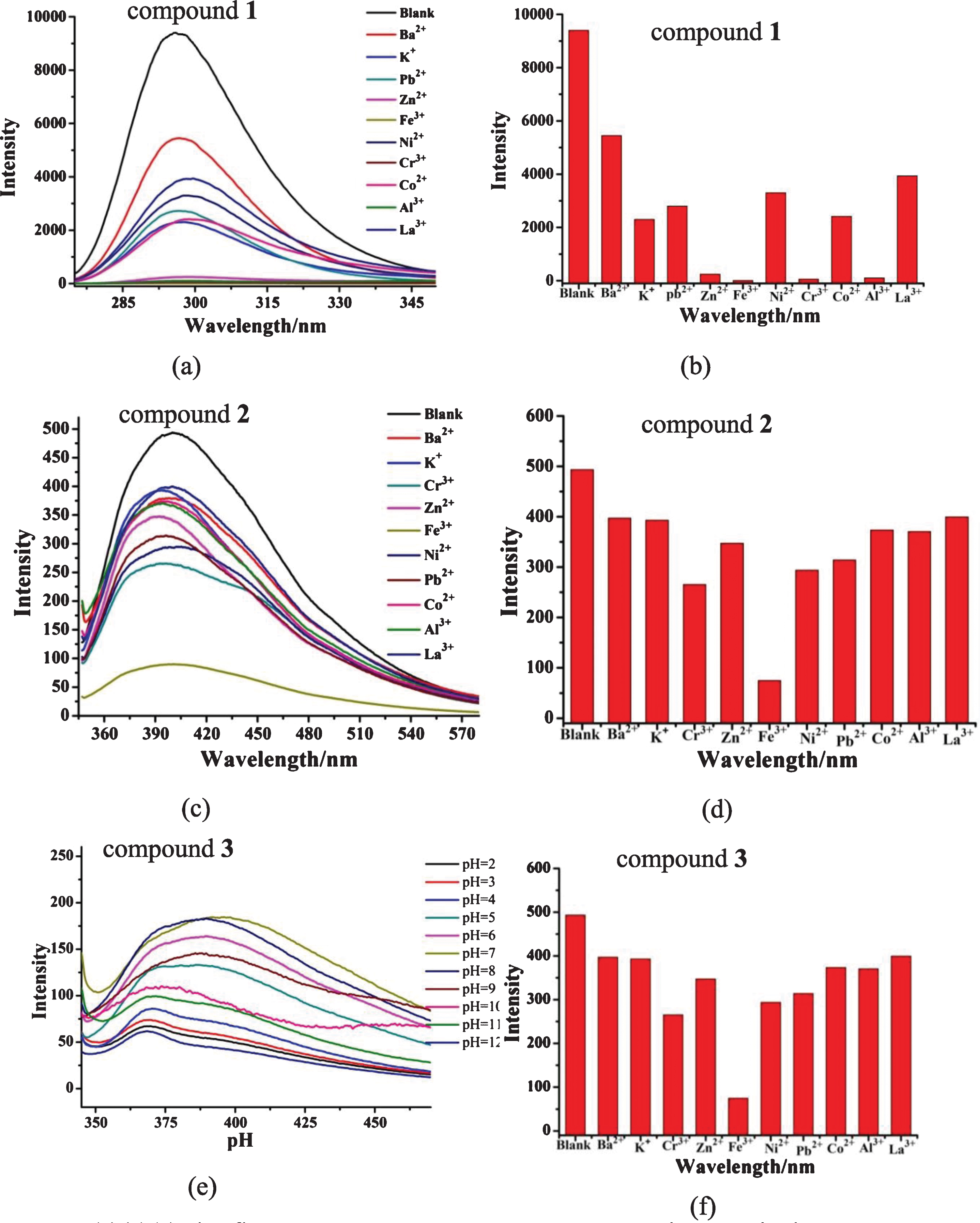
(a)(c)(e) The fluorescence spectra of detecting metal ions excited at 255 nm, 254 nm, 256 nm, 300 nm and 327 nm respectively. (b)(d)(f) Photoluminescence intensity change of the compound
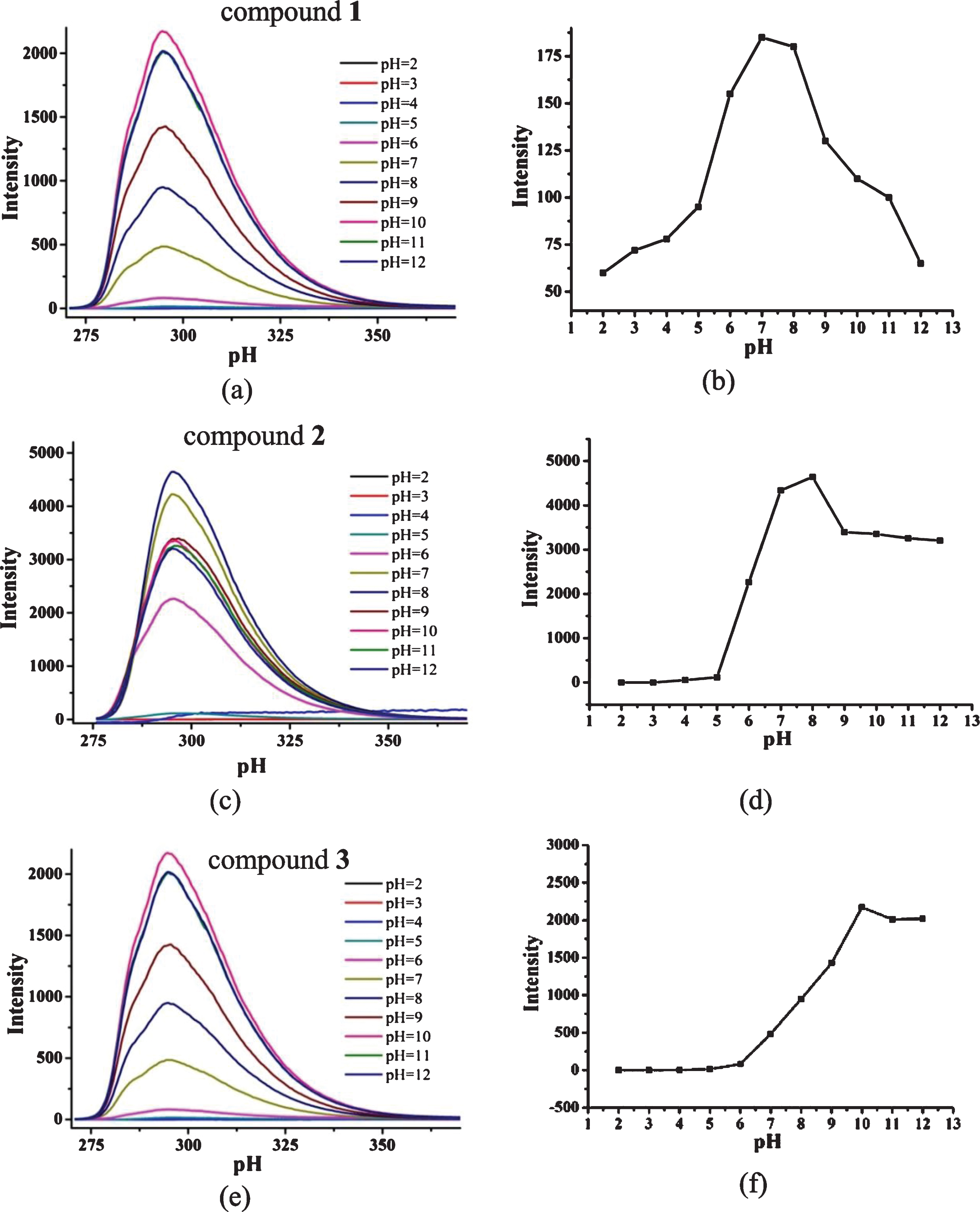
(a)(c)(e) The fluorescence spectra of different pH excited at 325 nm, 254 nm, 251 nm, 254 nm and 273 nm respectively. (b)(d)(f) photoluminescence intensity change of compounds
The adsorption spectra of compounds
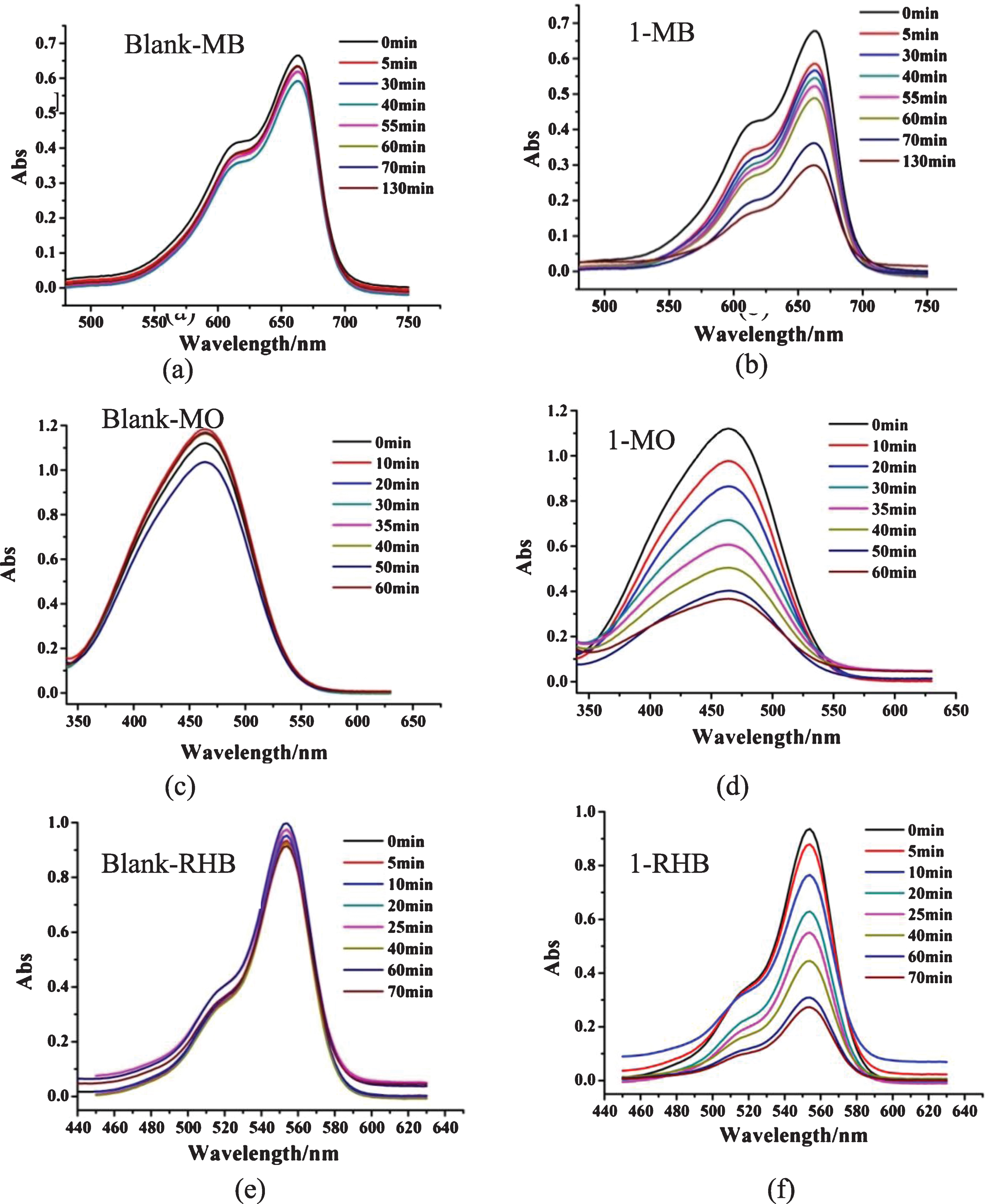
UV absorption spectrum curves of compound
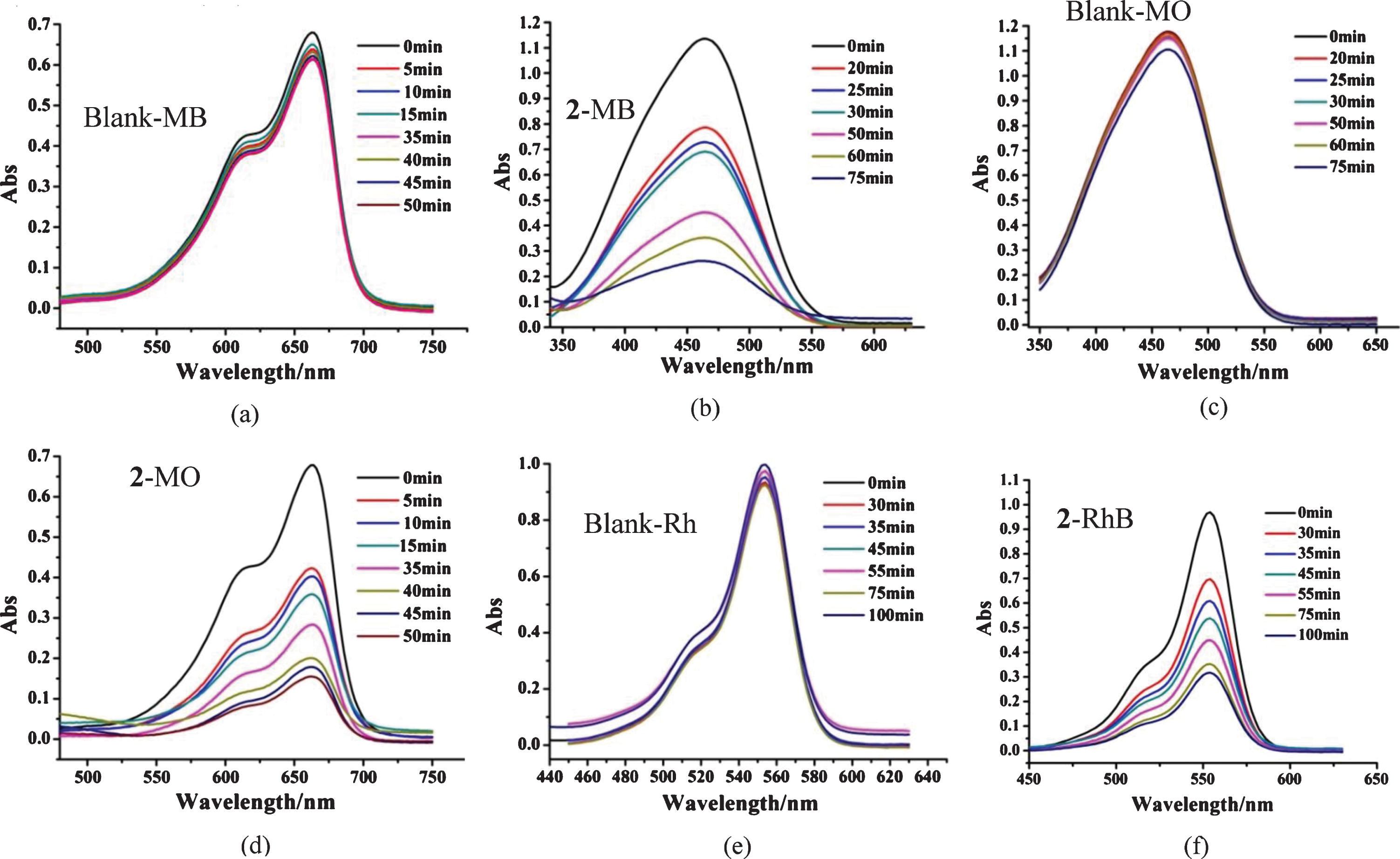
Absorption spectrum curves of compound

UV absorption spectrum curves of compound
We researched the photocatalytic degradation property of compounds
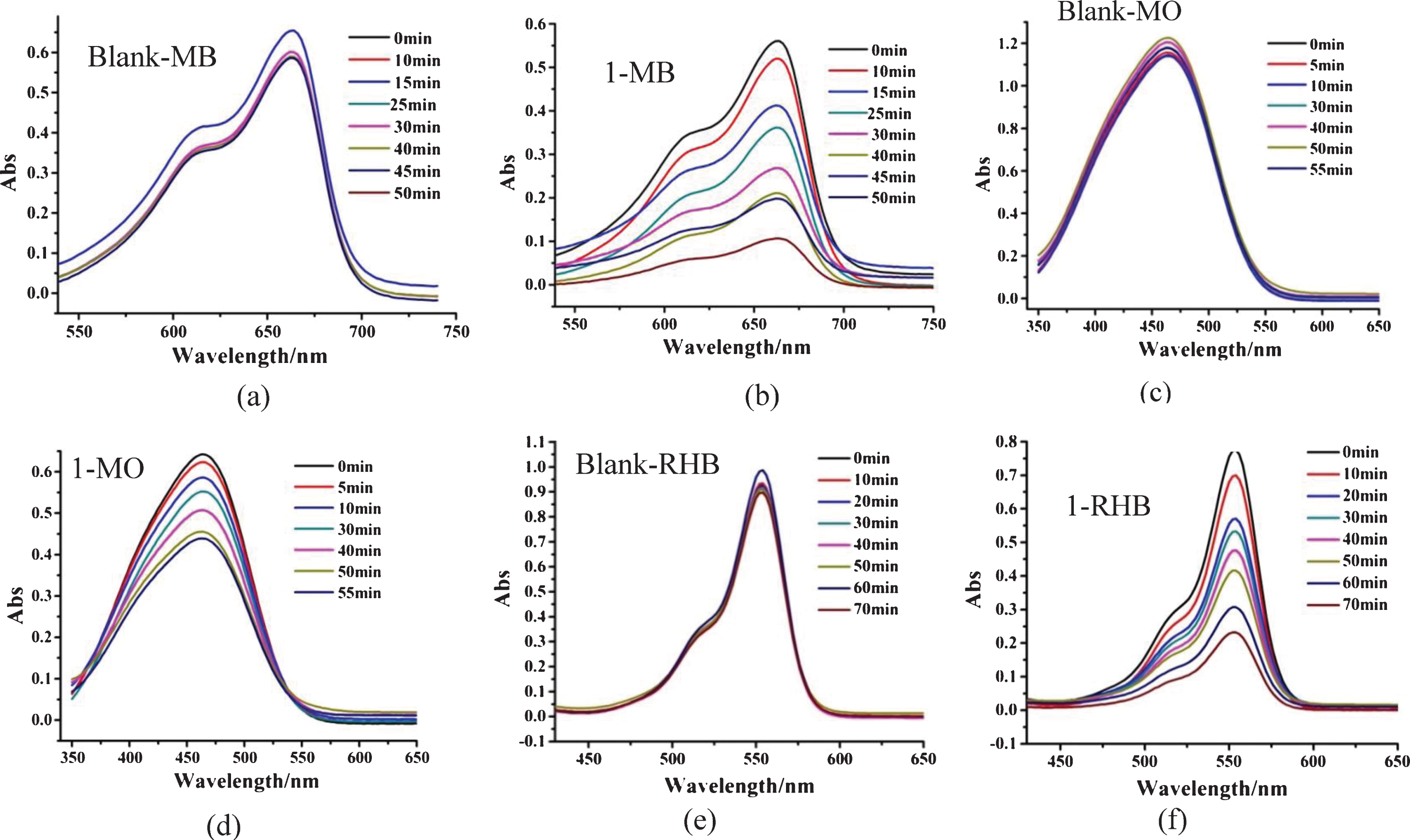
The insets are photos of the corresponding solutions at various times. (a-c) photocatalysis of MB solution (a), MO solution (b) and RhB solution (c) with the use of compound 1 and the control experiment without any catalys.
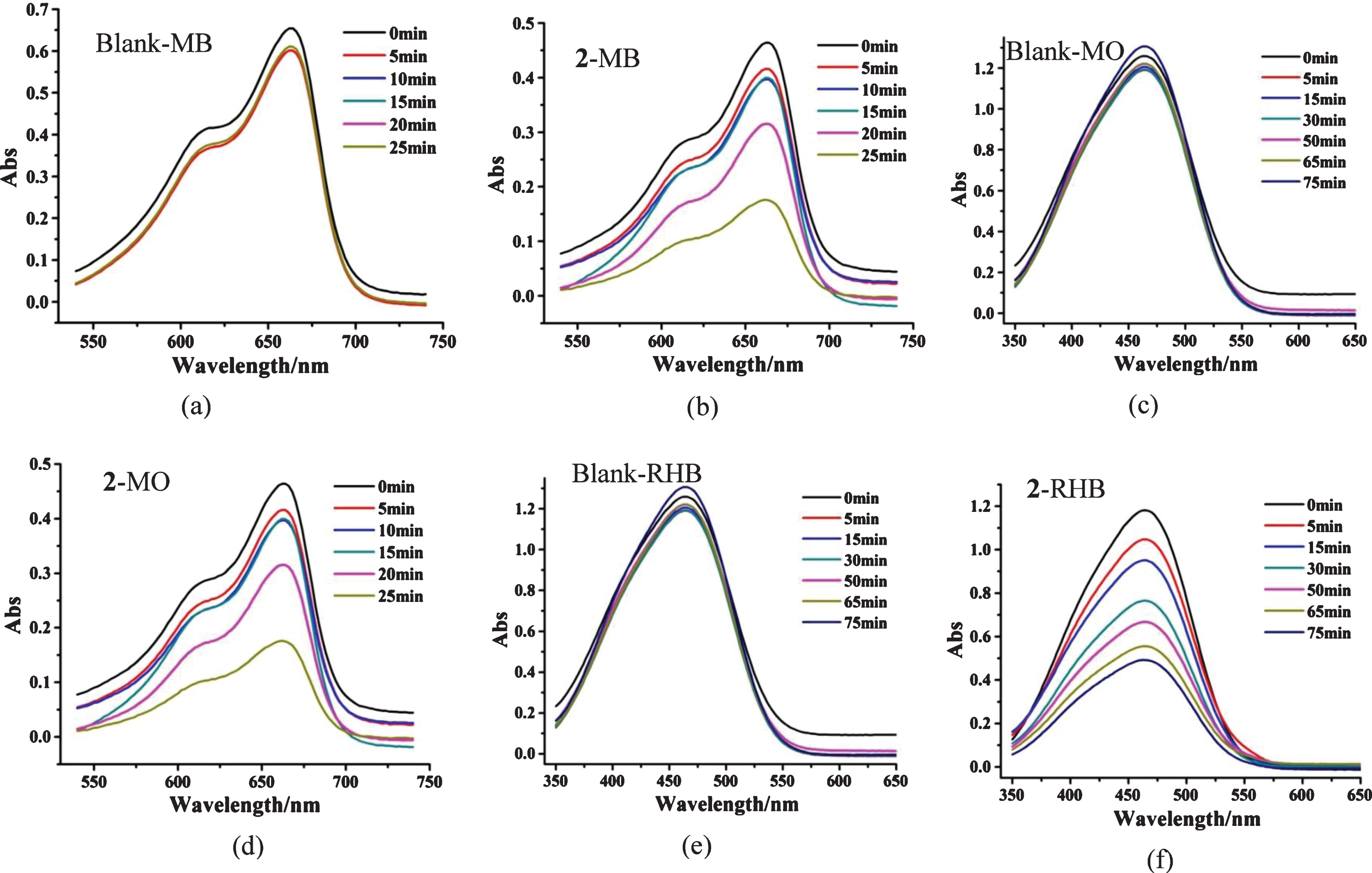
The insets are photos of the corresponding solutions at various times. (a-c) thotocatalysis of MB solution (a), MO solution (b) and RhB solution (c) with the use of compound
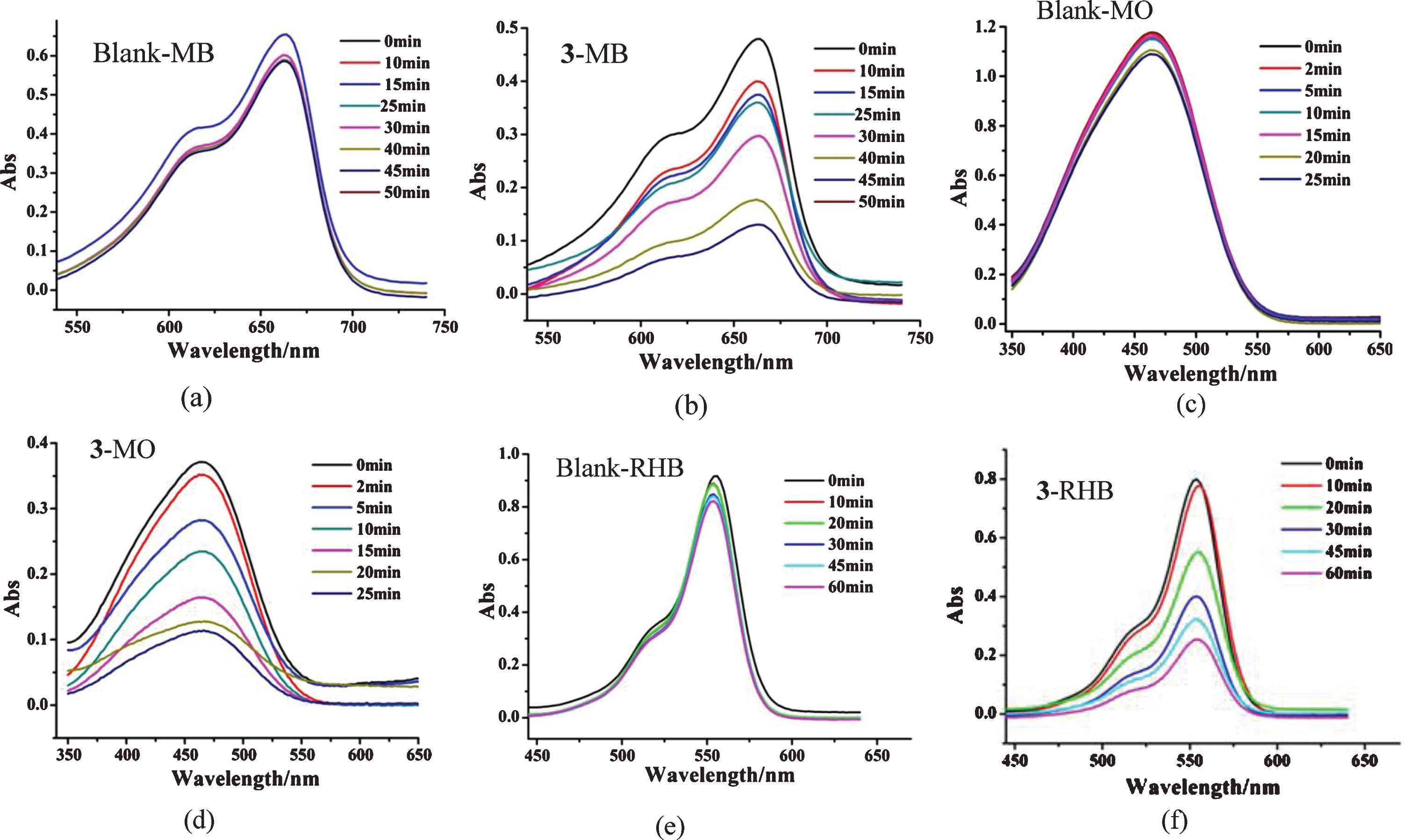
The insets are photos of the corresponding solutions at various times. (a-c) photocatalysis of MB solution (a), MO solution (b) and RhB solution (c) with the use of compound
In this article, we successfully synthesized three novel complexes using bis(benzimidazole) ligand, which consist of a mononuclear structure for
Supplemental information
CCDC reference numbers: 1914100 for