




Abstract
Water pollution, which is an increasing global concern, is one of the significant environmental problems which damage economic growth and the health of billions of people. Therefore, many companies and investigators make an effort to prepare a reusable and cost-effective filter to overcome the problem of water shortages. In this study, we have investigated two adsorbents with high adsorption capacity: a graphene quantum dot-based composite and a carbon-cage adsorbent prepared only with graphite and hydrazinium azide that are expanded through an electrical heater. Both adsorbents were able to remove almost 100% of the methylene blue dye, which is widely used in the textile industry. Adsorption rates and morphology of adsorbents were analyzed with XRD, SEM, EDS, TGA and UV spectrometry measurements.
Introduction
Water pollution, an increasing global concern, is one of the major environmental problems that damage economic growth and the health of billions of people [1, 2]. More than 100 thousand dye products have been discharged into aquatic life [3, 4]. Textile industries are the biggest producers of water pollution, followed by paint, paper, leather, and printing [5, 6]. Disposal of dye into the environment is harmful to the aquatic life ecosystem and has a negative effect on human health and quality of life. In order to overcome these environmental problems, several methods have been used to remove water contaminating agents from water, such as coagulation [7], electrochemical treatment [8], photocatalysis [2, 10], membrane filtration [11], biological treatment [12], and adsorption [13]. Among the methods mentioned earlier, adsorption is a widely used technique due to its ease of function and low cost of operation [14, 15].
Methylene blue (MB), a heterocyclic dye, is one of the most important contaminants in wastewater produced by the textile industry, such as coloring paper, cotton, silk, wool and has been mentioned to causing several dangers to human health, such as eye, respiratory, digestive and mental disorders [16, 17]. Figure 1 shows the novel methods from different papers published from 2008 to 2018, showing the increasing interest in MB removal within 10 years [18]. As shown in the figure, most focus is on carbon-based adsorbents for MB removal and they have received significant attention during the past few years. Superior adsorbents (with an adsorption capacity of more than 1000 mg/g), excellent adsorbents (500–1000 mg/g), moderate adsorbents (100–500 mg/g), and poor adsorbents (less than 100 mg/g) are the four groups of carbon adsorbents [18]. Different kinds of carbon-based adsorbents for MB removal are activated carbon achieved from a natural source like biomass and biomass waste [19, 20], modified activated carbon using clay, metal and metal oxide nanoparticles [21], biochar [22, 23], graphite [24], porous carbon [25] and finally carbon nanoparticles including carbon nanorods, nanotubes and nanofibers [26–28].
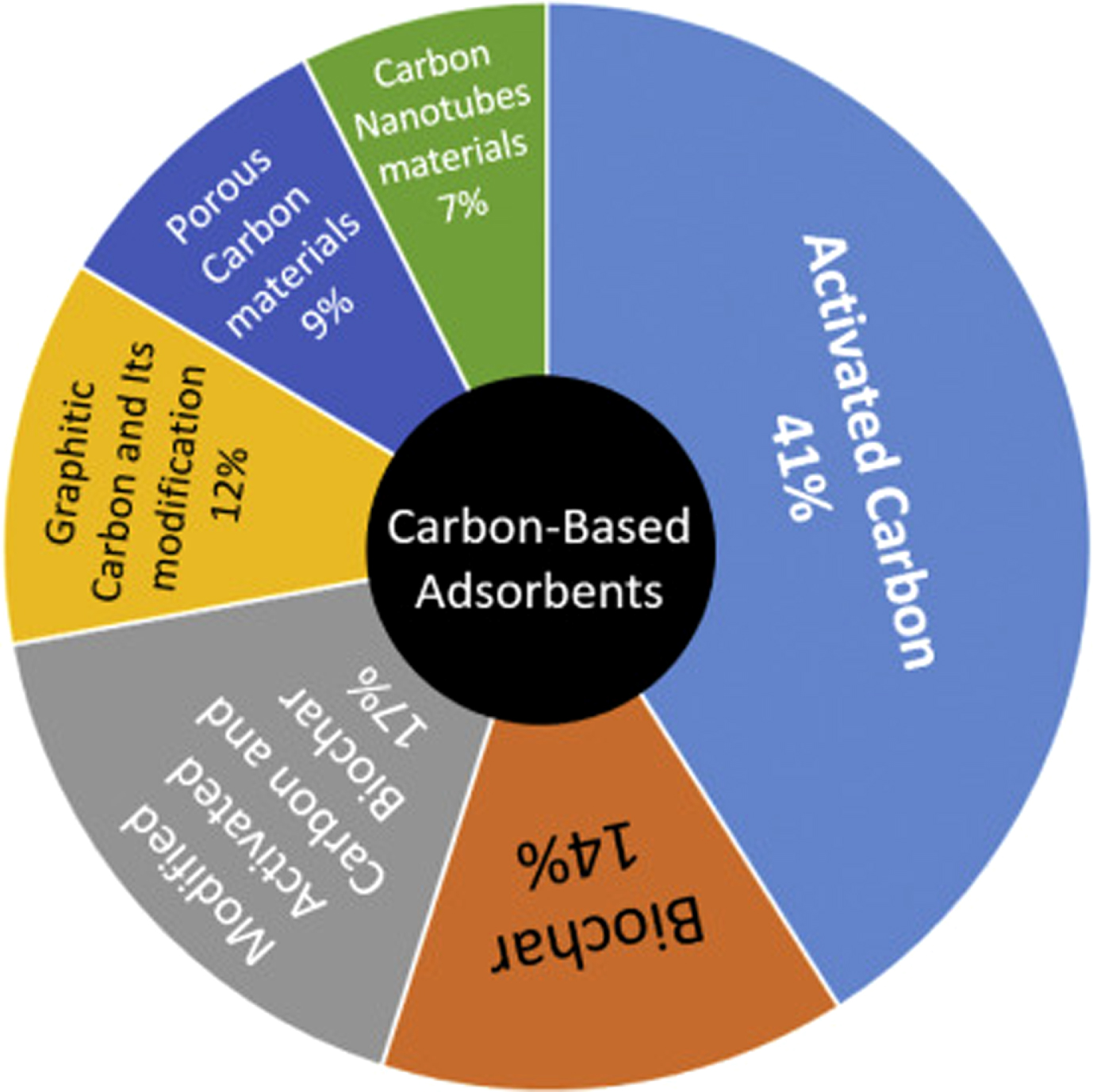
Utilized method for MB removal from 2008 to 2018.
In recent years, graphene quantum dots (GQDs) have emerged as a new nanocarbon family that are smaller fragments of graphene. As reported in many papers, it is accepted that a GQD is a 0D, sp2 bonded carbon atom arranged in a flat, honey-comb structure like graphene, with lateral dimensions of < 10 nm [29]. Like graphene, GQDs are a single layer or a few layered structures, typically < 10 layers [30, 31]. Due to their significant properties, GQDs have found considerable application in different fields, including photocatalysis [32], sensors [33], bioimaging [34], anti-corrosion materials [35], tissue engineering [36], solar cells [37], adsorption of pollutants, lithium-ion batteries [38], organic synthesis [39], and membrane filtration [40]. GQDs have attracted attention due to their significant ability to remove contaminants from water including dyes, emerging pollutants, and heavy metals, which have been removed by different derivatives of GQDs [41].
Among various well-known polymers used for water treatment, graphene-based polymers have a special place in membrane filtration due to their supreme properties, including chemical and thermal stability, high mechanical strength, flexibility, transparency and excellent physical and chemical properties [42, 43].
For the first time in this study, we have developed a new carbon-cage adsorbent (CCA) via hydrazinium azide that could remove 100 ppm MB from water up to 99%. Also, we have synthesized a graphene quantum dot-based composite that had almost the same ability as a hydrazinium azide-based adsorbent in MB removal.
Material
Graphite, acrylamido methyl cellulose acetate butyrate, hydrazinium azide and methylene blue were purchased from Sigma- Aldrich Chemical Co. Methacrylic acid, citric acid and potassium persulfate were obtained from Merk Co. All Solvents were obtained from Merck Co. All materials were chemical grade and used as received.
The sample morphology and structure were studied by scanning electron microscopy (SEM, TESCAN MIRA3) and transmission electron microscopy (JEOL 2010 TEM). X-Ray Diffraction spectroscopy spectra of samples were recorded on a Bruker AXS model D8 Advance diffractometer using CuKα radiation (λ= 1.542 Å), with the Bragg angle ranging from 2–70°C. For SEM analysis, the samples were sputtered and coated with gold before SEM imaging. For TEM analysis, the sample was dispersed and placed onto an ultrathin carbon film supported on a copper grid. The IR spectra were recorded using a Bruker Vector-22 FT-IR spectrometer. Thermogravimetric analysis (TGA) of samples was determined by Mettler Toledo, TGA/SDTA 851 e.
Synthesis of graphene quantum dot
Citric acid (15 g) and ammonia (3 ml) were refluxed in a flask for 5 hours at 250°C. The resulting graphene dot, which was a red gel-like substance, was then collected.
Synthesis of graphene quantum dot-based composite
Methacrylic acid (2 g), acrylamidomethyl cellulose acetate butyrate (0.06 g), potassium persulfate (0.02), graphene dot (5 g) and DI water (25 ml) were refluxed in a flask at 120°C. After the reaction was completed, the polymer was obtained. The granules were prepared and dried in an oven at 70°C. After drying, the granules were completely pulverized.
Synthesis of CCA
Graphite and hydrazinium azide (1:1) were dissolved in water for 2 h in an ultrasonic bath. The system was then stirred vigorously at ambient temperature for 8 h and finally the solvent was evaporated by rotary evaporation. The solid black product was collected and dried at the ambient temperature. It was then expanded by a hot plate and the final product was obtained in powder and puff form. The expanded sample was transferred to a beaker into which water (150 ml) was added with a following 5 minutes ultra-sonicating. Afterward, the solution was filtered, and washed with water.
Dye removal method
To determine the adsorption rate of the synthesized CCA, different concentrations of methylene blue solution (5, 10, 25, 50, 100) were prepared. The adsorption rate of each solution was analyzed before and after filtration by the UV spectrometer at wavelength of 671 nm. Filtration in two ways; using a syringe and mixing a certain amount of CCA with methylene blue solution was performed. Using syringe, 100 ml methylene blue was filtered with 0.5 g adsorbent (Fig. 2).

Performance of MB removal by composite adsorbent.
In the mixing method, 100 ml of 100 ppm methylene blue solution was stirred with 0.5 g of CCA, then filtered using filter paper. The removal percentage after filtration was determined by the following equation:
XRD analysis
The distinct and broad peak in XRD of composite adsorbent at 2θ= 19 indicates the interlayer distance in graphene quantum dot. This low interlayer angle indicates the considerable distance between the layers due to a large oxygen group. This XRD also shows the amorphous property of the material due to its composite state. The sharp peak at 2θ= 26.5 in the XRD of CCA indicates the layered morphology in the material, which in comparison with the pristine graphite XRD, which has an index peak with an intensity of 29,000 at 2θ= 26.5 showing low distance and organized layers, witnessing a dramatic decrease in intensity in the desired adsorbent XRD. This decrease in intensity indicates an increase in the interlayer distance in the material and the creation of large cavities and voids in the CCA, creating a cage-like state resulting from the expansion of graphite (Fig. 3).
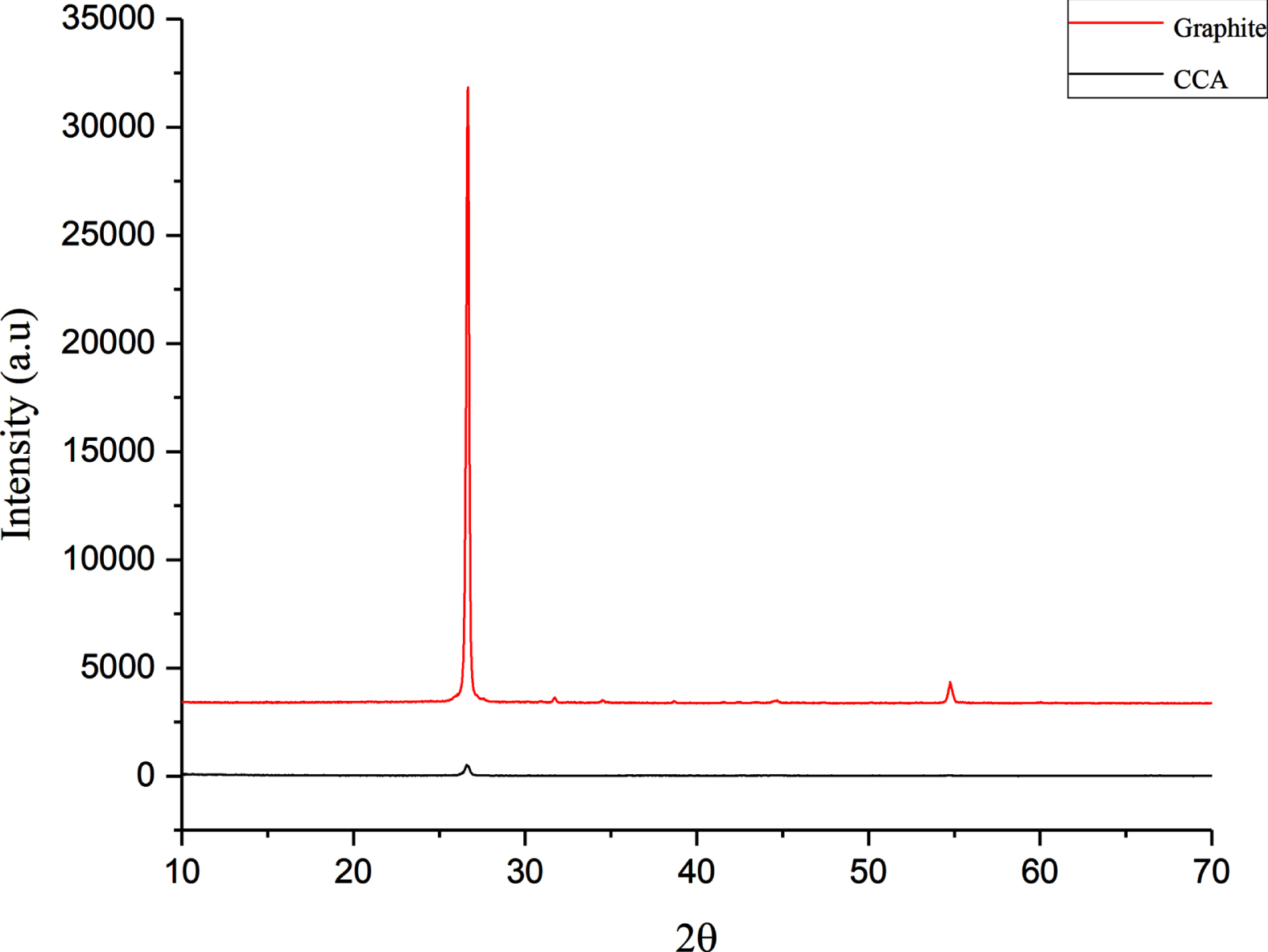
XRD spectrum of graphite and CCA.
The SEM analysis of the composite adsorbent indicates a bulk and cumulative state that demonstrate the composite synthesis of the adsorbent created by a cage in which graphene quantum dot is trapped inside the cage (Fig. 4a). Also, the SEM of analysis CCA gives a and ball-like and nick structure. In this adsorbent, due to interlayer explosions, the distance between the layers is very high, which improves the adsorbent’s performance (Fig. 4b).
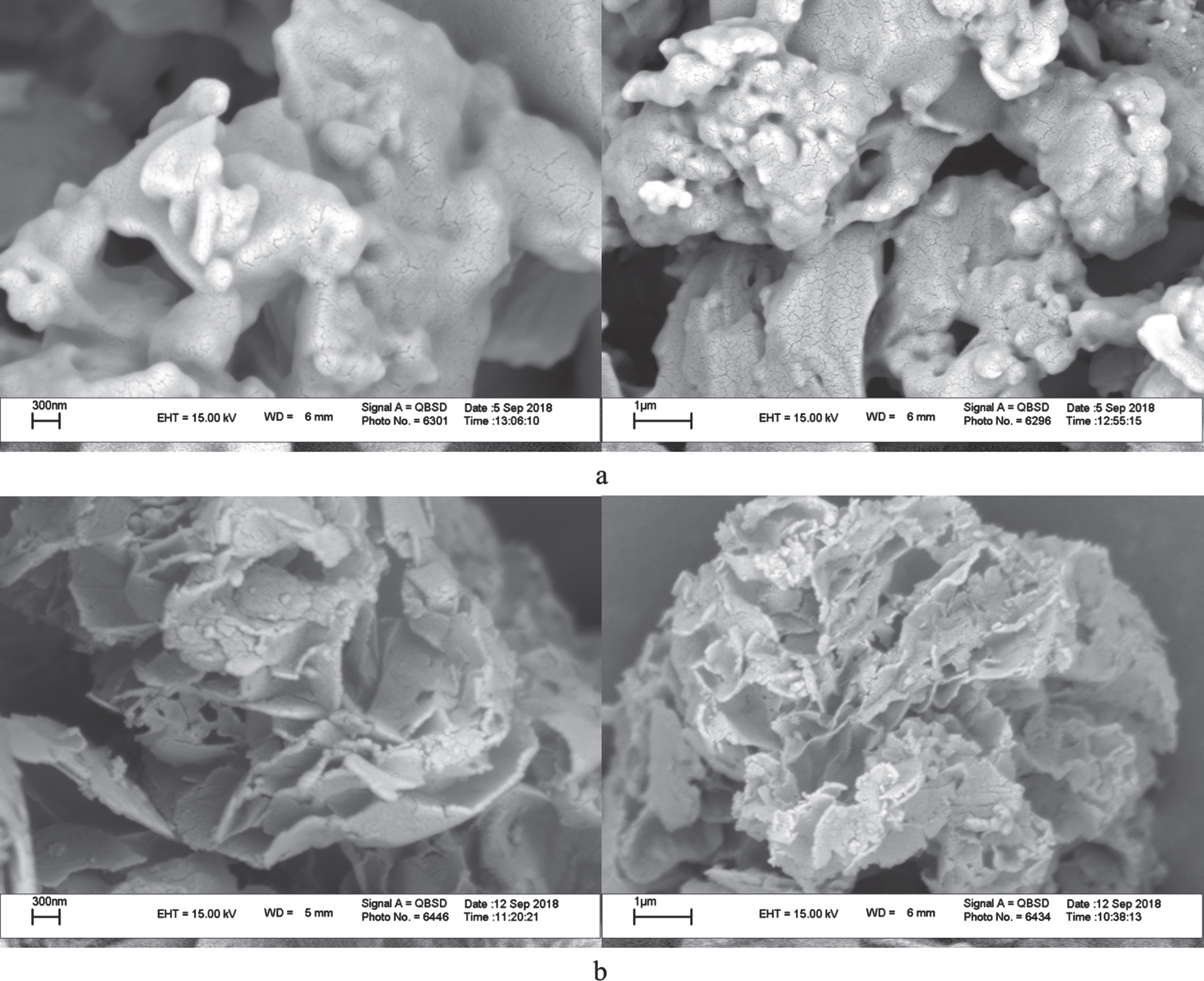
SEM of a) composite adsorbent and b) CCA.
The composite adsorbent consists of a combination of aminated graphene quantum dot and other additives whose structures contain atoms of C, N and O. EDS analysis also correctly confirms the presence of C, N and O atoms in this composite (Fig. 5a). The CCA is composed solely of C and O, and EDS analysis of this adsorbent confirms these elements. Hydrazinium azide is destroyed during the expansion and is completely removed from the system during washing. For this reason, there is no trace of it in the adsorbent analyses, and it can be said with certainty that the prepared adsorbent consisted only of C and O (Fig. 5b).
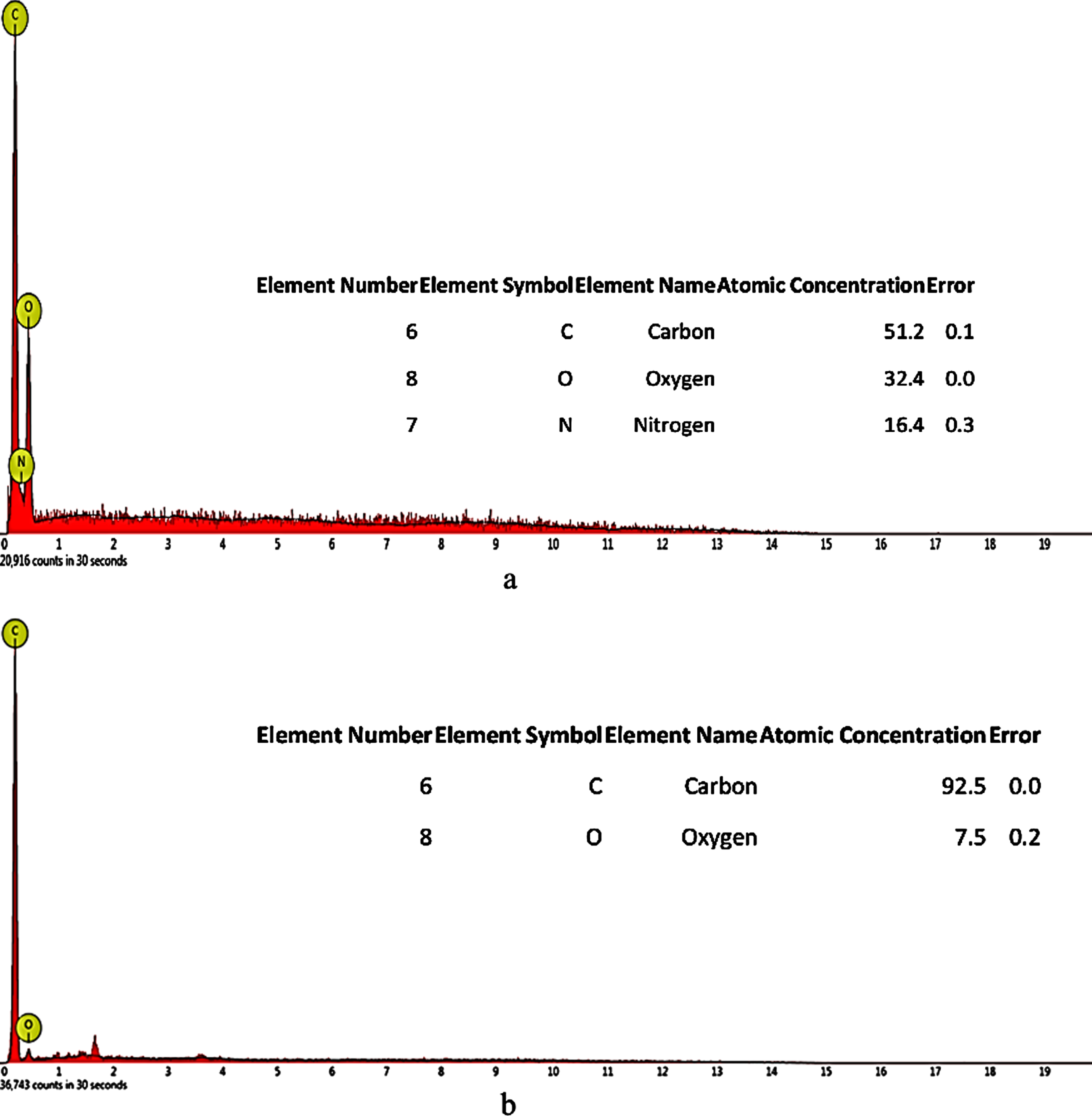
EDS results of a) composite adsorbent and b) CCA.
The thermograms for both adsorbents show the high thermal stability of them (Fig. 6). So that both of them are stable at temperatures above 600°C, which makes it possible to use these adsorbents in high temperature industries. Also, the high thermal stability of these adsorbents provides their reuse several times.
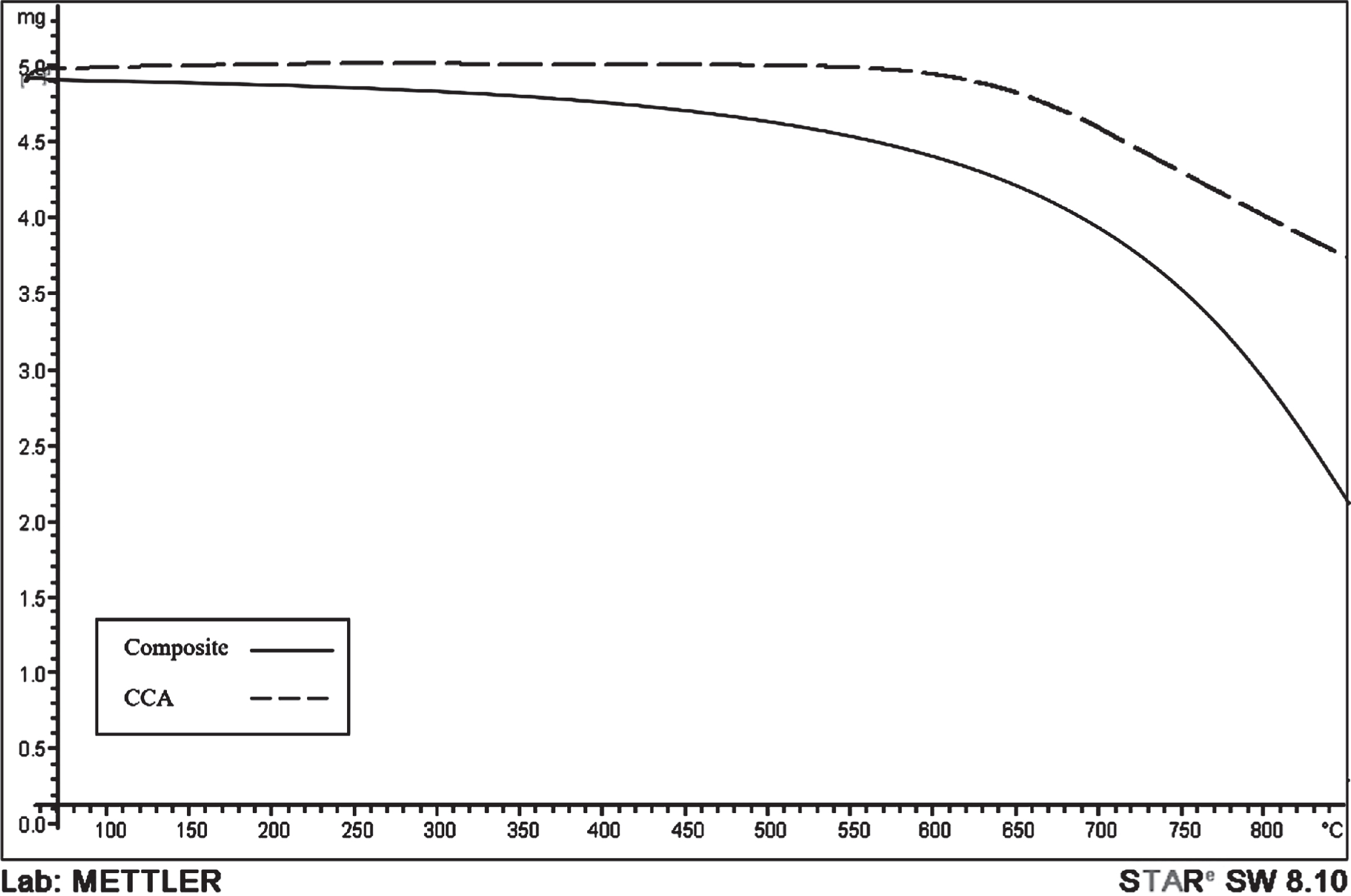
TGA spectrum of composite adsorbent and CCA.
Ultra-large surface area and strong π–π interaction on the surface of graphene composites are the main reasons for dye removal [44]. Besides the π–π interaction, the electrostatic interaction of oppositely charged functional groups on adsorbate (graphene) and adsorbent (MB) hydrogen bonding, hydrophobic interaction, acid–base interaction and size sieving causes physical adsorption [45–47]. Studying the relationship between the adsorption capacity and the inherent chemical structures of the dyes, the number of rings in the dye molecule and the charge property of dyes are two main factors that demonstrate the strength of π–π interaction between dyes and the sp2 carbon-based adsorbents, and anion–cation interactions with negatively charged oxygen-containing groups of GQD, respectively. The equilibrium adsorption capacities for anionic and cationic dyes depend on the number of rings in the molecule. A dye composed of more aromatic rings uses much more sp2 area of graphene that can have π–π interaction with dyes but the accessible sites are fixed. Besides, cationic dyes can adhere on graphene through electrostatic interaction apart from the π–π interaction, resulting in higher adsorption capacity [47].
In the synthesis of the composite adsorbent, acrylamidomethyl cellulose acetate butyrate was used. This precursor is radicalized in the presence of potassium persulfate and begins to radical copolymerize with methacrylic acid, which creates a hemp-like composite morphology by creating intertwined networks and branches. Graphene quantum dot is trapped inside this composite (Scheme 1). According to the above mentioned, the presence of graphene quantum dots with the proposed mechanism, removes the dye. To investigate the effect of GQD, this adsorbent was synthesized again with the same ratios but in the absence of GQD. The adsorbent prepared by this method did not have the power to remove the dye. The reason for using composite for dye removal was due to the quantum dot size and the high percentage of oxygenated groups on the surface of the GQD. GQD is soluble in protic solvents solely and this leads to dissolves it in the wastewater. Nevertheless, in the composite state, GQD is trapped inside the composite and does not dissolve in the wastewater while applying the dye removal effect [48–50].

Schematic representation of composite preparation.
The prepared CCA has a bowl-like and porous morphology (Scheme 2) visible in SEM analysis. Because the main base of this adsorbent is graphite with a minimal interlayer distance, hydrazinium azide is intercalated between these layers by ultrasonic. For this purpose, several different solvents (methyl ethyl ketone, water, dimethyl sulfoxide, dimethyl formaldehyde) were tested, the best of which was water for intercalation. After intercalation of hydrazinium azide between layers, interlayer explosions caused severe expansion between the layers and caused a bowl-like state in graphite that each layer creates a large distance with its underlying layer, which is well visible in the result of XRD analysis.
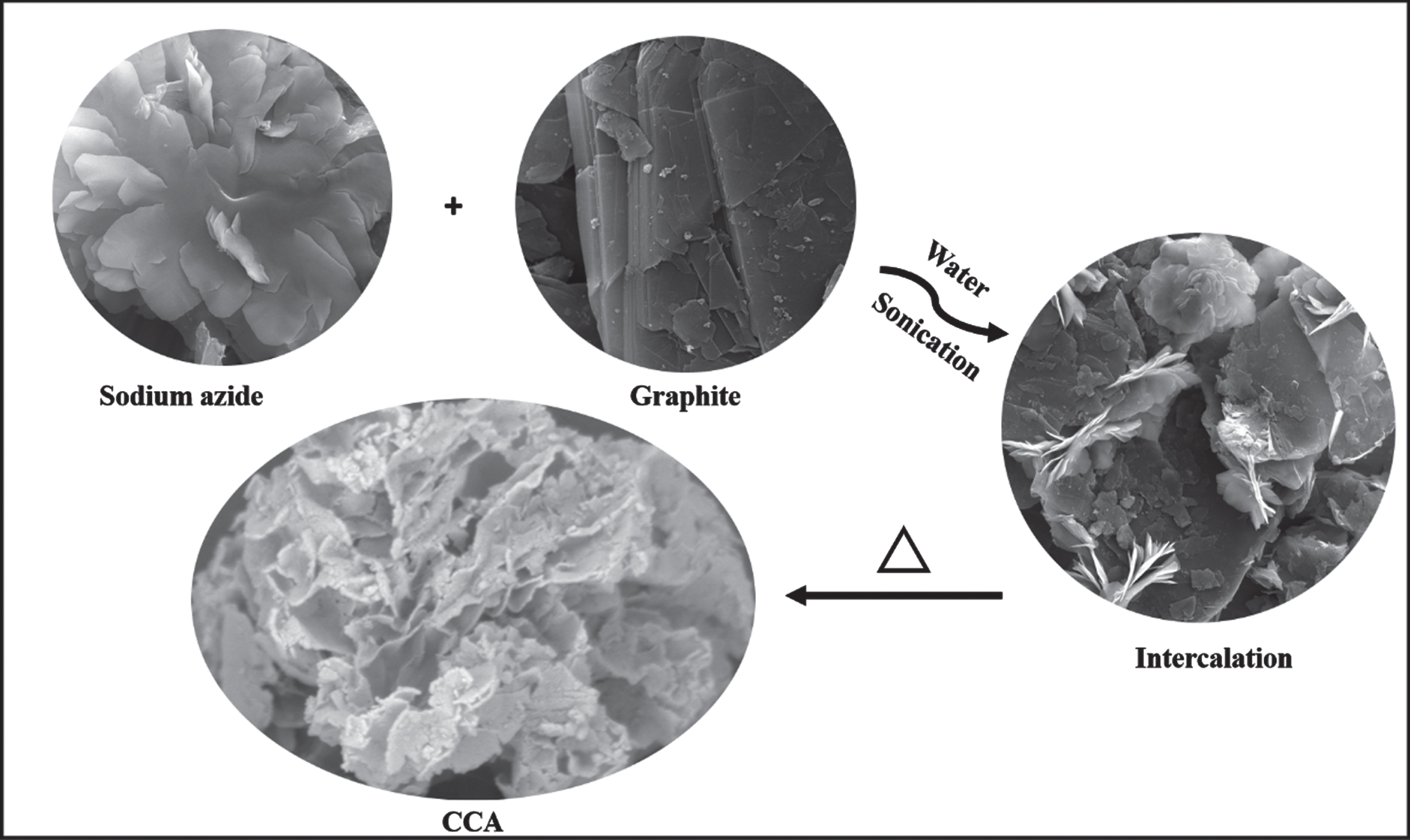
Schematic representation of CCA preparation.
The hydrazinium azide functionality in terms of heat is as follows [51]:
According to the reaction, 12 mol of hydrazinium azide can produce 3 mol hydrazine and 19 mol of gaseous nitrogen. The great amount of this inert gas can overcome Van Der Walls forces between graphite layers and causing exfoliation of layers and producing graphene. The residual by products were removed by washing with water.
In the XRD analysis of CCA, a very sharp decrease in the peak intensity at 2θ= 26.5 indicates a significant reduction in the number of layers and the interlayer distance in the initial graphite. This effect increases the level of contact of the adsorbent with the wastewater and also increases the percentage of functional groups available for intercalation and creates an extraordinary property in the MB removal. Interestingly, in the case of severe expansion and complete separation of two layers and the formation of single-layer or multiple-layer graphene, the dye removal property of MB is significantly reduced, which indicates the need to create a layered and bowls- like morphology with a considerable distance between layers in the adsorbent.
According to TGA analysis of adsorbents, both adsorbents show temperature stability above 600°C, which allows their use in high-temperature industries. Also, high-temperature stability makes it possible to reuse these adsorbents because after absorbing MB on the adsorbent, it can be placed inside the furnace, which MB is destroyed at a temperature of 400–500°C and the adsorbent is regenerated. After removing the MB, the carbon adsorbent was placed inside the furnace and reused, excellently removing dye. This was done 4 times; in each case the dye removal property was excellent and no defect in the adsorbent performance was observed. This extraordinary property can boost the use of this high-performance, easy-to-use absorbent in the textile industry and industries dealing with MB wastewater.
Table 1 shows a comparison diagram of MB removal with both adsorbents, which shows a dye removal above 90% at all concentrations prepared from the MB solution for composite and almost 100% (99.78%) of MB dye for CCA (Fig. 7).
Comparison of Mb removal with composite adsorbent and CCA
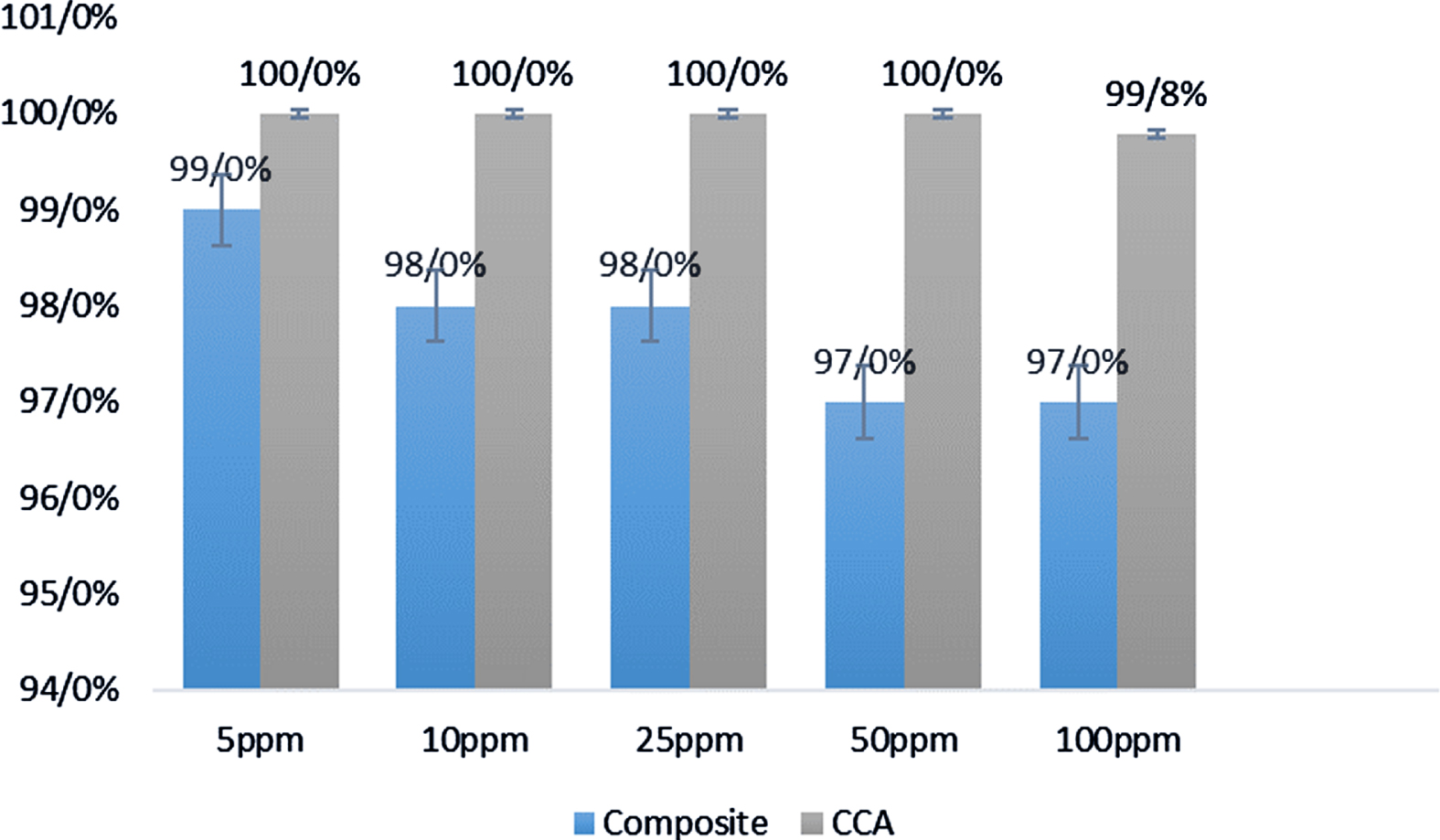

Removal of 100 ppm MB solution with CCA.
In this study, we have developed a new and novel adsorbent with a carbonic base. Both adsorbents showed a great capacity of adsorption. Thus, the CCA worked as well as it could so that this adsorbent could remove 100 ppm MB from the aqueous solution altogether. Here, for the first time, we succeeded in developing a new carbonic adsorbent using hydrazinium azide, which was also able to be used as a dye adsorbent. The advantage of this adsorbent to others is the simple and low-cost preparation method, which demonstrates that no other chemicals were used. Due to its structure, which is built of only carbon, it has high thermal stability, making it a good candidate for a re-useable adsorbent.
Footnotes
Acknowledgments
The office of research vice chancellor “Azarbaijan Shahid Madani University” has supported this work.