



Abstract
Achieving adequate, healthy and nutritious food is emphasized as one of the basic rights of individuals in society in all the world countries. In this regard, the agricultural sector is committed to approach the necessary capability in establishing food security and self-reliance on basic products. Soil is very important as a basic source and bed of production, so that food safety mainly depends on soil security and to enlighten thoughts. Due to climate changes, lack of organic matters, and soil conditions, soil fertility management and nutrition of wheat plant are important. To this aim, knowing information about the soils and providing required nutrients could help to approach desired levels of wheat production in quantity and quality. Instead of chemical fertilizers, biological fertilizers have been seen useful for approaching the purposes. However, lack of enough information besides negative sights of view by the farmers are those the most important limiting factors. Therefore, investigating various aspects of biological fertilizers is very important for reaching a point of optimum usage of biological fertilizers for sustainable agricultural systems especially for the wheat production.
Introduction
Wheat is one of the strategic crops products in those of agricultural based countries such as Iran, in which several programs have been implemented up to for approaching self-sufficiency in the wheat production [1]. In addition to the importance of amount of production, the quality should be also considered to be qualified for health of community [2]. In general, the issue of food security in the case of limitation of water resources for agricultural products has become a critical task [3]. Based on the definition of food security, adequate access to healthy food throughout life to have a healthy and active life is a dominant factor [4]. Indeed, availability of healthy food production and higher amounts of production are both very important [5]. To manage such issues especially for approaching self-sufficiency of the wheat production, employing high-yielding cultivars, other agricultural operations, optimal management of fertilizer and water consumption are necessary [6]. Particularly, doing fertilizer management could help the plant not to be suffered from the nutrient deficiencies or toxicity and the percentage of protein and the concentration of micronutrients in the grain could be increased for successful wheat growing [7]. Soil fertility sustainability is one of the main pillars of the crop production sustainability programs, in which employing chemical fertilizers, removing nutrients from the soil, and employing organic fertilizers to maintain and to improve soil organic carbon resources could all help to obtain stability in soil fertility [8–10]. Improving soil organic carbon resources could lead to increase soil production capacity as a result of chemical, physical and biological conditioning of the soil [11]. Managing conservation agriculture, using animal manures, various composted compounds, and humic acids could all help to approach an appropriate level of soil organic carbon resources [12]. In a rational recommendation of fertilizers for wheat production, knowing nutrient deficiencies in soils and plants are necessary [13]. Moreover, the pattern of nutrient uptake at different stages of plant growth and recognizing sensitive stages to the nutrient deficiencies are those other important factors besides being aware of soil production capacity [14]. In this regard, levels of carbon resources, organic and salinity conditions, availability of water resources, history of climate such as temperature and rainfall, knowledge of fertilizers containing nutrients, and economic assessments are all in dominant roles [15–17]. It is worth to mention that the existence of chemical elements are crucial to keep the health of living systems, in which amounts of such elements are important [18]. The elements are existed in several forms in the biological systems, in which some typical structural forms of those important elements for the case of wheat production were exhibited in Fig. 1 [19]. Indeed, chemistry is an important part of conducting living systems in a good balanced condition, in which maintaining the levels of chemical elements could help to approach such purpose [20].
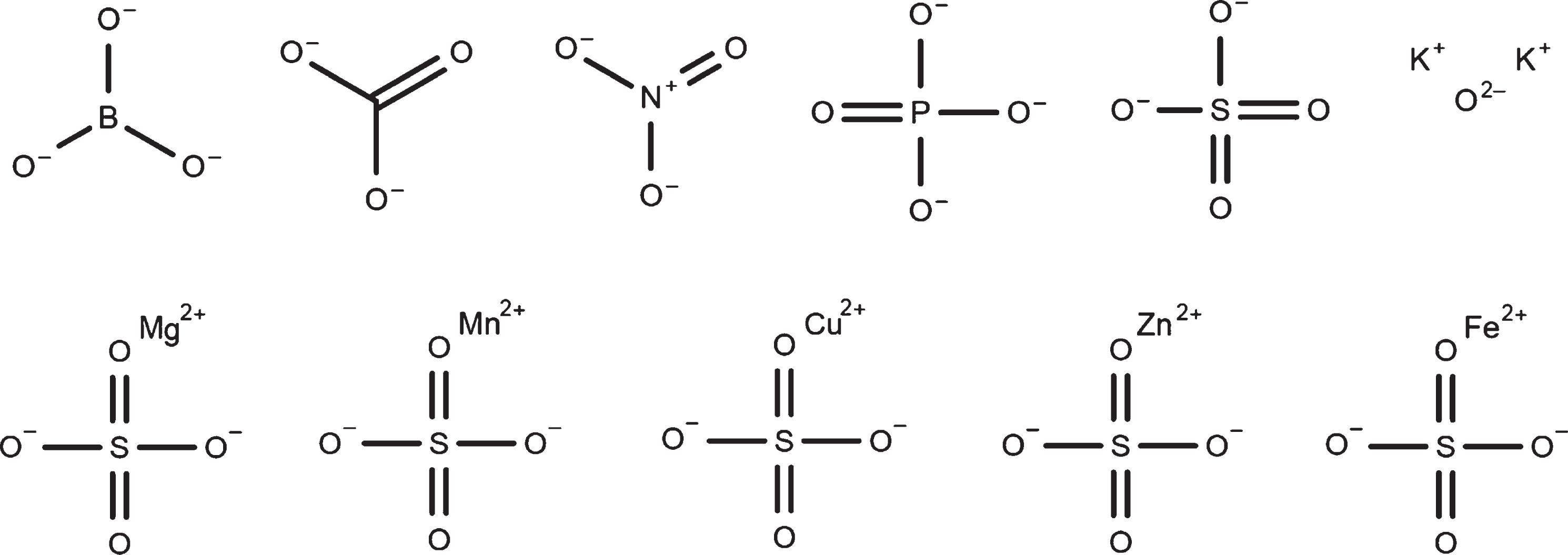
Exhibition of some typical structural forms of important elements of fertilizers for wheat production; B (boron), C (carbon), N (nitrogen), P (phosphorous), S (sulfur), K (potassium), Mg (magnesium), Mn (manganese), Cu (copper), Zn (zinc), and Fe (iron).
Accordingly, this work was performed to analyze advantages and limitations of biological fertilizers in cultivating wheat based on available information about the topic to provide more insightful information about the topic. Indeed, wheat production is a strategic point of agricultural based industries and economics and knowing more about its production at higher quality and quantity could help to increase insights about making appropriate decisions for dealing with this important issue. In this regard, knowing advantages and limitations of employing biological fertilizers could help to manage such thing and several efforts have been done up to now [21–23].
The plant uses nitrogen, phosphorus, and potassium nutrients besides sunlight energy, water and carbon dioxide to produce energies [24]. However, continuous production of a crop reduces the amount of nutrients in the soil without a proper management [25]. Amounts of 20.4 kg nitrogen, 9.4 kg phosphorus, and 5.9 kg of potassium are needed for producing each ton of wheat grain and 7.2 kg nitrogen, 1.8 kg phosphorus, 18.2 kg potassium are needed for producing each ton of wheat straw [26]. Additionally, amounts of 1.2, 0.4, and 2.6 kg of sulfur, calcium, and magnesium secondary elements are needed for producing each ton of wheat grains [27]. The required amounts of 100, 50, 30, 15, and 20 grams are estimated for iron, zinc, manganese, copper, and boron trace elements [28]. Over time, the cumulative reduction of these elements would reduce the soil fertility and the production quality of wheat would be also decreased [29]. Chemical and organic fertilizers nutrients could compensate such shortcoming issues whereas environmental and economic problems would be appeared subsequently [30]. Therefore, observing the balance in the absolute and relative amounts of nutrient consumption is necessary for being in the direction of sustainable agriculture [31]. Employing organic fertilizers is necessary to maintain and increase soil organic carbon resources in order to sustain soil fertility [32]. In this regard, increasing soil organic carbon resources could lead to increased soil production capacity by improving the chemical, physical, and biological conditions of the soil [33]. Managements of preserving and increasing soil organic carbon resources includes management of conservation agriculture, use of animal manures, various composted compounds, use of humic acids [34]. Two methods of soil and leaf decompositions must be considered in order to obtain the correct and appropriate values of nutrient deficiency [35]. Detecting deficiency symptoms of nutrients is another method of maintaining wheat production [36]. Certain symptoms of deficiency or toxic effects of nutrients could be known for providing favorable conditions of wheat growth [37]. Moreover, employing fertilizers could help to approach better condition for wheat growth and production. By definition, a fertilizer is any type of mineral, organic, or biological substance including nutrients to increase the soil fertility and plant treatments divided into several categories such as chemical, organic, and biological fertilizers [38]. Therefore, it is a need to recognize them for more efficient use in different agricultural processes. Actually, several sensor-based materials were developed for recognition of such substances in different media for both of their detecting and adsorption processes [39–42]. Indeed nanotechnology has helped a lot for approaching such purpose [43–45]. In this work, such issue was discussed by clarifying the features of biological fertilizers regarding their advantages and limitations to approach a point of clearer knowledge in the field of wheat growth and production. Indeed, not only for the food production purposes, but the plants growth and developments are important for several other purposes such as pharmaceutical and other related ones [46–48]. In this regard, numerous efforts have been paid to recognize such features in different fields of interests [49–53]. To this aim, features of such important substances were discussed in this work to know how to use the biological fertilizers in better conditions for obtaining a sustainable wheat production.
Biological fertilizers
Biological fertilizers are useful for optimal crop production achieved by improving the quality of the soil and observing environmental health and safety regarding the biotechnological aspects [54]. Indeed, the issues of production and application of biological fertilizers are the basic components of soil biotechnology and integrated plant nutrition management [55]. The biological fertilizer is composed of a high concentration of one or more types of beneficial soil organisms or metabolic substances of these organisms in association with a preservative to be produced solely to provide the essential nutrients for the plants [56]. Nutritional, chemical, and physical issues are three important properties for a biological fertilizer to improve biological features of the environment [57]. Specifically, the biological fertilizers contain sufficient numbers of one or more beneficial soil microorganisms species cultured, propagated, supplied with liquid or dry packaged forms of preservatives [58]. Due to the released pollutions of environmental and health issues by use of chemical fertilizers, the biological fertilizers have been seen more useful for to supply the nutritional needs of plants [59]. In this regard, several advantages have been proposed for using biological fertilizers instead of other chemical ones [60]. Economic saving is an important advantage of use of biological fertilizers instead of chemical fertilizers [61]. Many environmental advantages have been also proposed such as maintaining and developing soil fertility and productivity, increasing soil fertility, and preventing soil and water contaminations and diseases in long term [62]. The biological fertilizers could help to provide appropriate suppliers of nutritional needs of plants with the help of soil-dwelling organisms in order to achieve the sustainable developments in agricultural programs [63]. Beneficial microorganisms of biological fertilizers (or biofertilizers) could play symbiotic roles in plant nutrition and help to better stabilize and absorb elements in terms of new generations of fertilizers [64]. Such microorganisms could convert soil nutrients into nutrients such as vitamins and other minerals in a biological process to reach the soil roots with easier use and lower levels of pollutions [65]. Long-term environmental stresses, improper use of chemical pesticides, and absence of a suitable host plant for a long time are factors of reducing the population of microorganisms in the soils [66]. Accordingly, the types of microorganism biofertilizers could be classified as bacterial, fungal, algae, and actinomycetes categories [67].
The first biological fertilizer was produced under the brand name Nitragin in the late nineteenth century [68]. The used organisms in the biological fertilizers are mainly isolated from the soil and they are propagated in special culture media to be consumed as packaged and ready powders categorized by their microorganisms actions [69]. The most important biological fertilizers could be categorized as nitrogen air stabilizer, mycorrhizal fungi, phosphate-solubilizing microorganisms, sulfur oxidizer, and earthworm’s compost fertilizer. Indeed, symptoms of nutrient deficiency could imply for the use of fertilizer type; the most important physical symptoms are described in this work.
Nitrogen deficiency
Nitrogen deficiency is the most common and widespread nutrient deficiency in cereals (Fig. 2), in which the deficient plants are almost pale and yellow [70]. Specific signs of nitrogen deficiency are firstly appeared in the older leaves, while the younger leaves would remain almost relatively green. However, the older leaves become paler than the younger leaves and the chlorosis would be developed to make the leaves yellower. In the fields, such symptoms would be always appeared as light green or yellow patches shrinking the plants with thinner stems.

Symptoms of nitrogen deficiency [70].
The most obvious sign of phosphorus deficiency in the early stages of vegetative growth of wheat is a decrease in growth ability and number of tillers appearing in dark green colors with reddish purple at the tips and edges of old leaves (Fig. 3) [71]. Chlorosis starts at the tip of old leaves spreading to the base of leaf whereas the base of leaf remains dark green like other parts of plant. Wheat leaves with phosphorus deficiency become complex and sometimes older leaves curl around younger leaves besides short height of plants. Phosphorus deficiency could cause delay and irregularity in grain ripening producing small clusters.

Symptoms of phosphorus deficiency [71].
Specific symptoms of potassium deficiency in wheat are always appeared in older leaves leading to yellowing and necrosis of the tips and margins of old leaves (Fig. 4) [72]. Although a green arrow-shaped tissue is remained at the base to the center of the leaf, but these symptoms could be even transmitted to the younger leaves. The plants with sever potassium deficiency look like to plants under drought stress.

Symptoms of potassium deficiency [72].
Sulfur is naturally involved in the formation of plant chlorophyll and the symptom of its deficiency in wheat is similar to chlorosis of nitrogen deficiency (Fig. 5) [73]. The sulfur deficiency is more common in the younger leaves than the nitrogen deficiency preventing the cluster formation in a sever level.
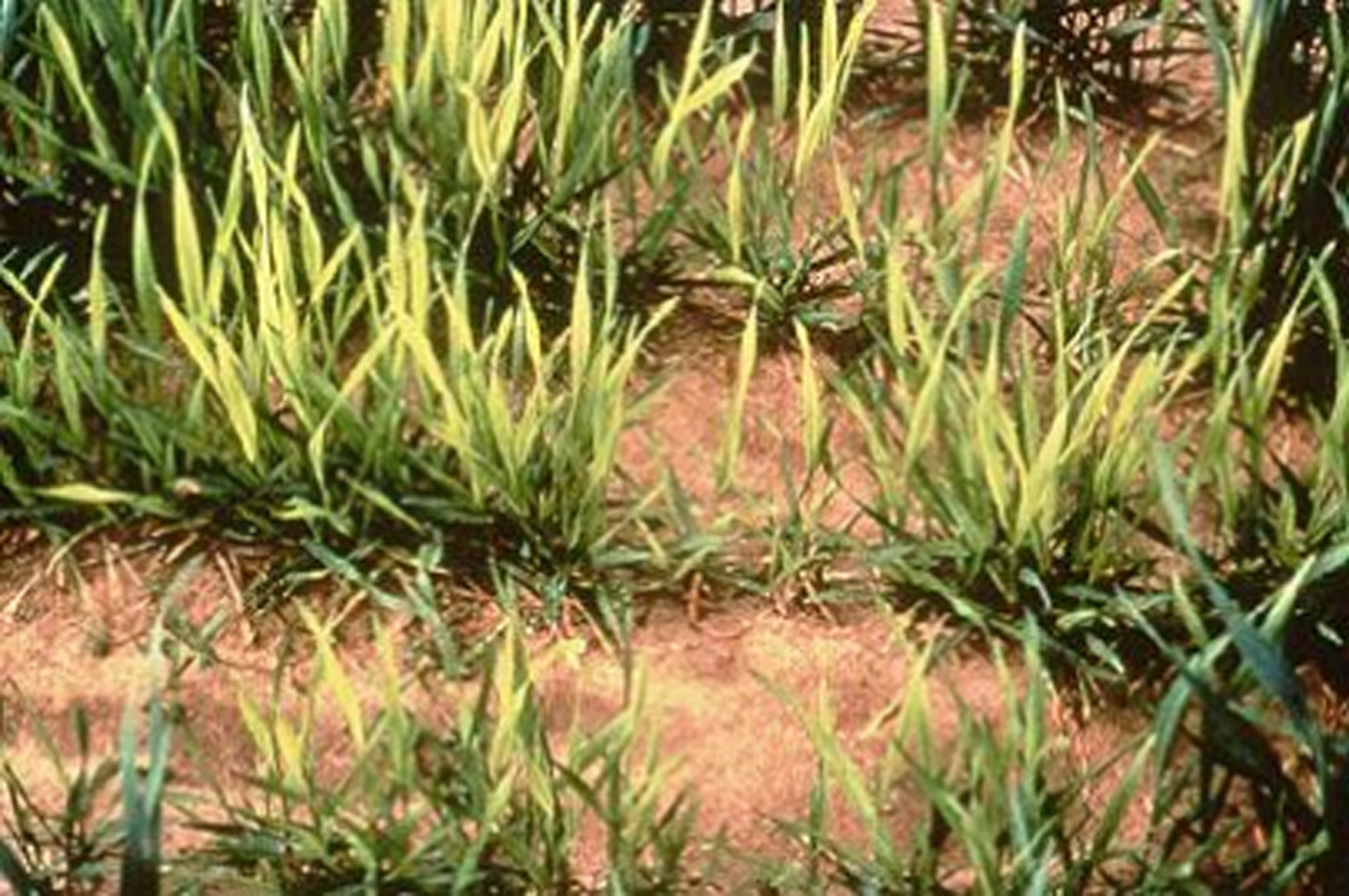
Symptoms of sulfur deficiency [73].
The symptom of magnesium deficiency is in some cases similar to those of potassium and iron deficiencies but with a significant difference in the location of initial symptoms (Fig. 6) [74]. The young leaves are lighter in color and mostly look like to iron deficiency. At first, pale spots are appeared in the form of rosary beads between the veins and necrotic spots at the tip of the leaf and later, the leaves are turned into yellow and shrink.
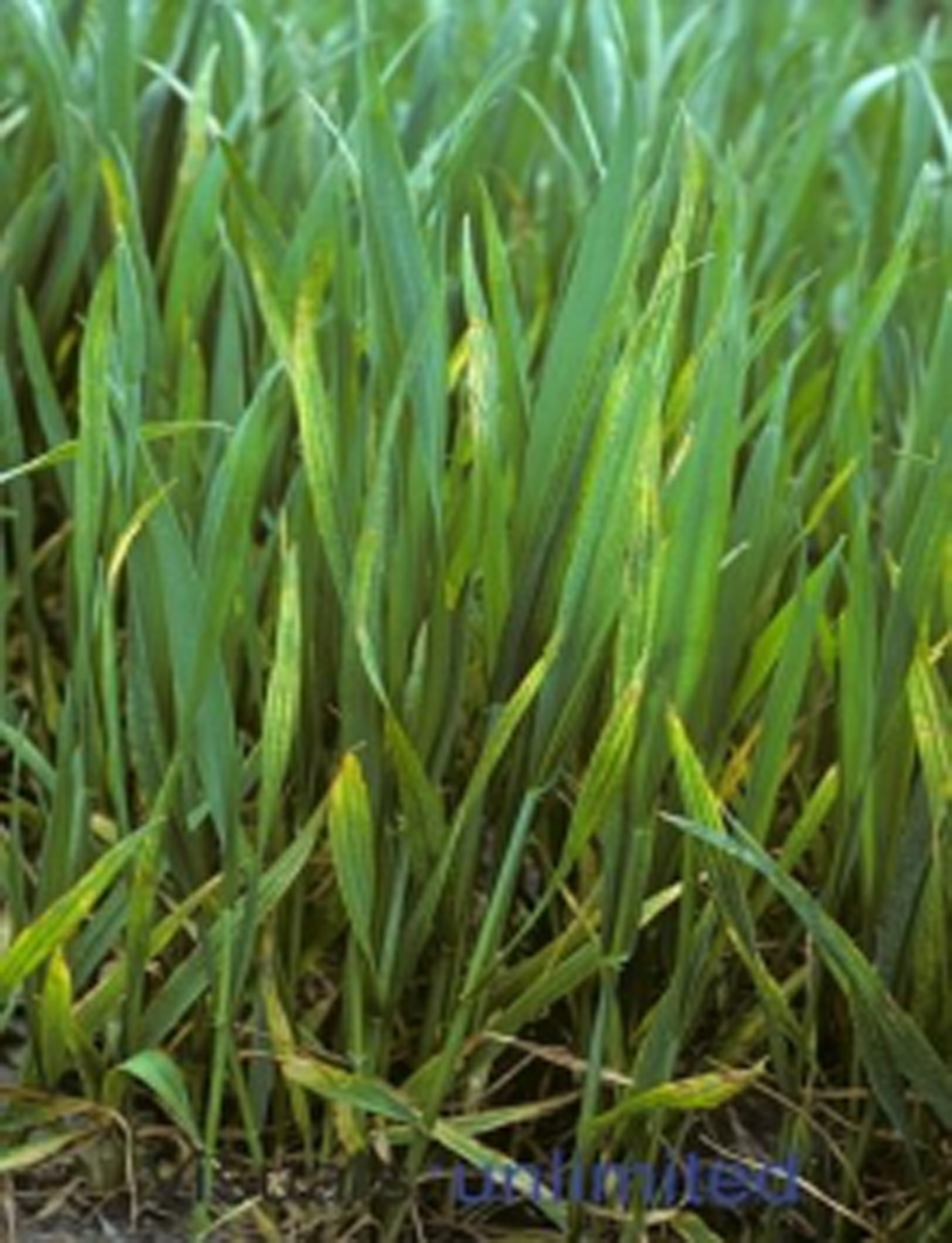
Symptoms of magnesium deficiency [74].
The symptom of zinc deficiency in wheat is usually seen in the middle leaves, but the symptom may be appeared simultaneously in the old and middle leaves (Fig. 7) [75]. Early symptoms include discoloration of green color of natural and healthy plants by appearing a dull bronze green mostly in the middle of leaves. Spots are appeared in the form of burns and signs of drought stress spreading rapidly from a small point of necrosis to the leaf margins. In the case of severe zinc deficiency, the plant are short and yellow with the leaves wrinkling in the center due to burns.
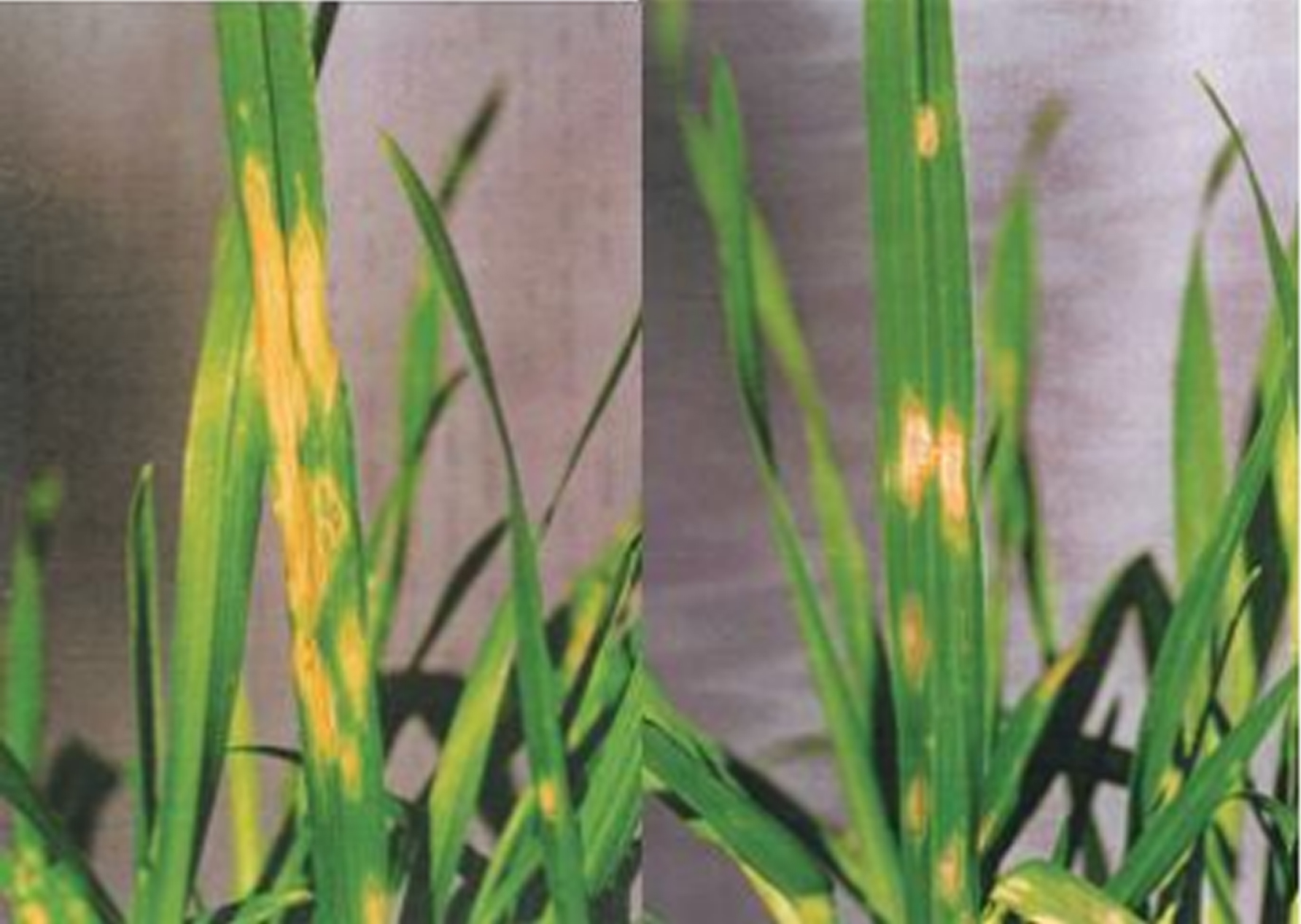
Symptoms of zinc deficiency [75].
Symptoms of iron and magnesium deficiencies are similar in most plants; the younger leaves are initially affected by deficiency and they are turning to yellow (Fig. 8) [76]. In iron deficiency, more significant differences between the green color of old leaves and the yellowing of young leaves are seen in comparison with the deficiency of other elements. The iron is mainly caused by light chlorosis and the appearance of alternating green and yellow bands along the main vein. In the case of severe iron deficiency, the younger leaves are turned to pale yellow and white, in which the plants are completely upright. The iron deficiency is mostly observed in the calcareous soils.

Symptoms of iron deficiency [76].
Symptoms of manganese deficiency in wheat are first appeared in the younger leaves observed by yellow and wilted in comparison with the old leaves (Fig. 9) [77]. Then, light bronze spots and stripes are appeared at the base of younger leaves by spreading to the entire leaf. Moreover, dryness of young leaves are also observed in the sever levels. The manganese deficiency is mostly observed in the calcareous soils. The produced wheat under the manganese deficiency is less pale and drooping in comparison with the greenness of healthy wheat.
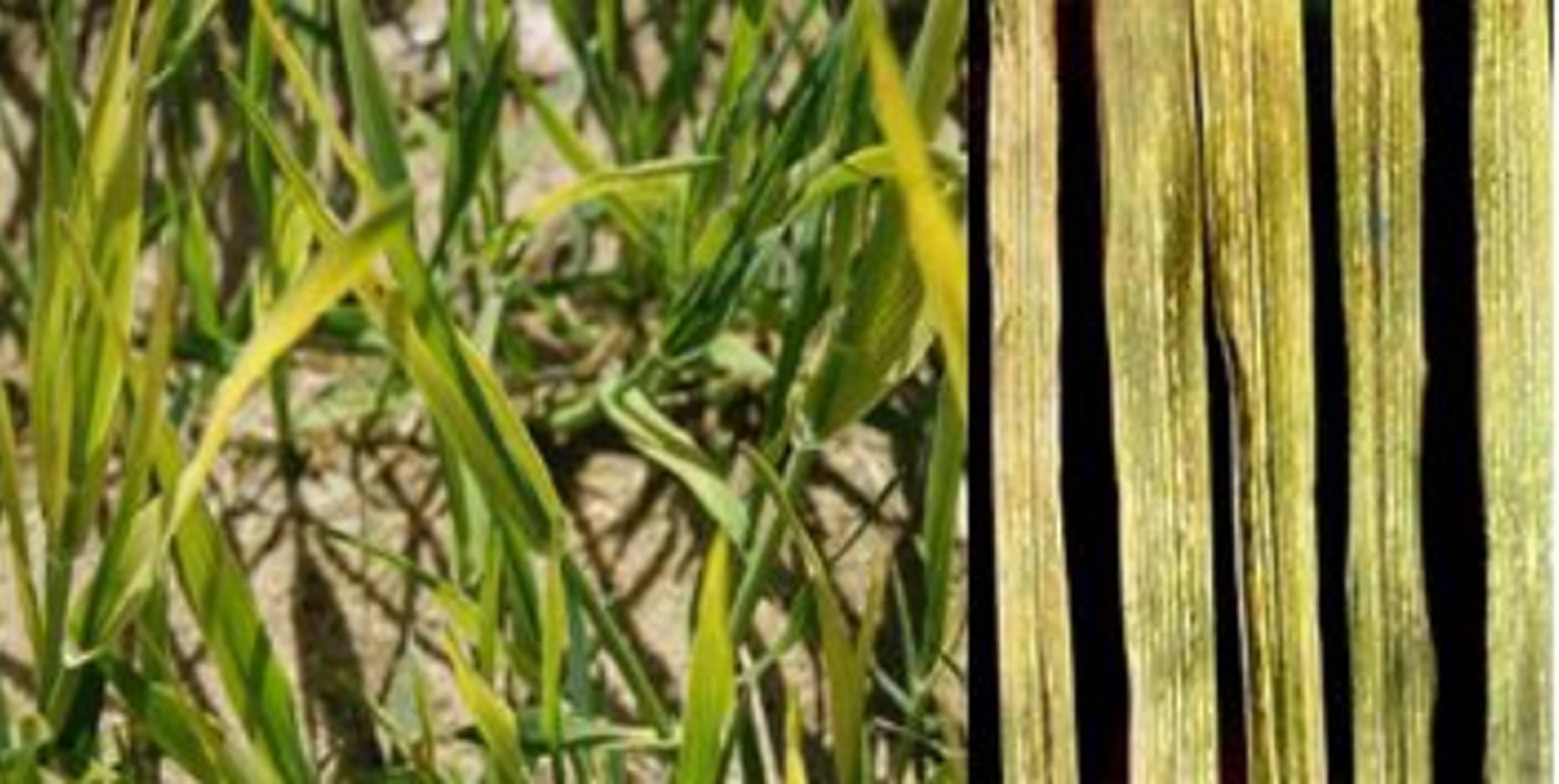
Symptoms of manganese deficiency [77].
The first apparent symptom of copper deficiency in wheat is plant wilting occurring in early germination even if the soil moisture is within the field capacity (Fig. 10) [78]. Plants are in lighter colors due to copper deficiency with burning of the younger leaves tips. Accordingly, the end of leaf is bladed to dry out and twist, sometimes covering up to half the length of the leaf, but the lower part of the leaf is remained in green until it is naturally aged.
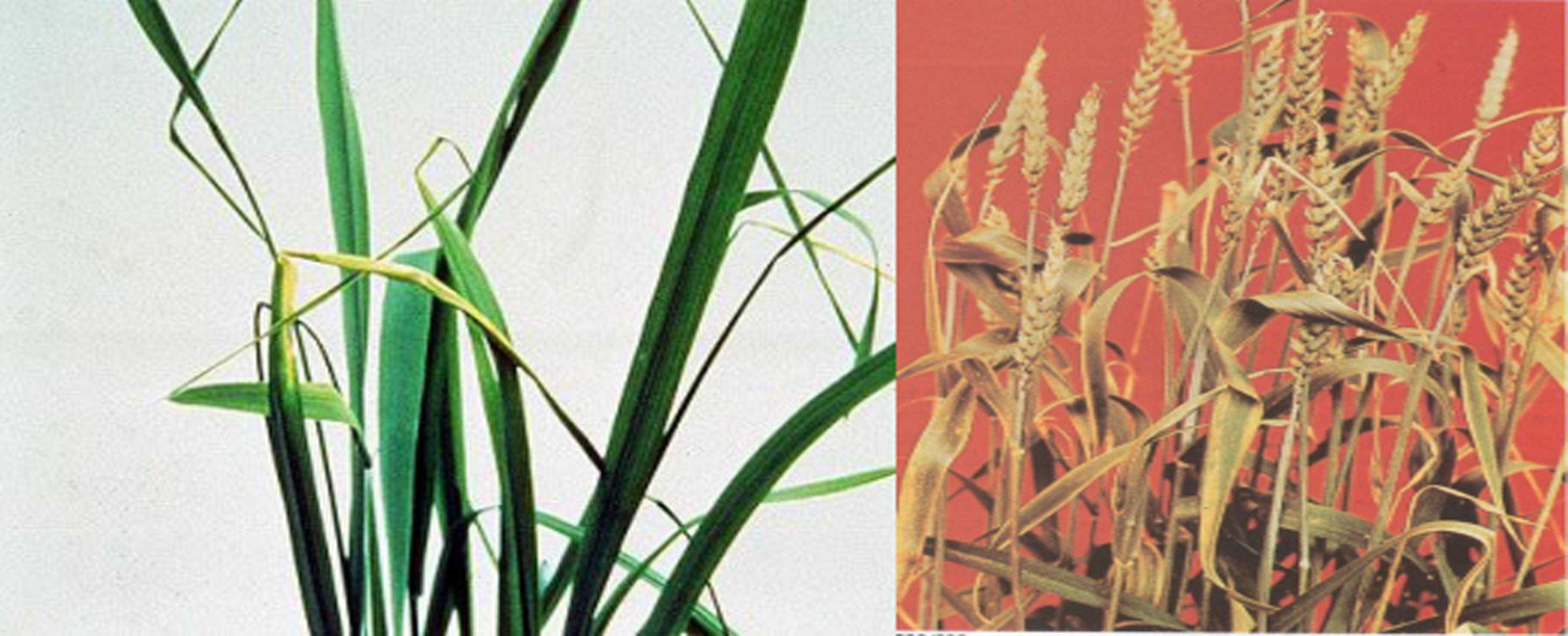
Symptoms of copper deficiency [78].
The first sign of boron deficiency is cracking of the younger leaves near the main vein accompanied by a number of abnormal teeth at the margin of the leaf appearing on the opposite side of the main vein up to the cracked part along the leaf (Fig. 11) [79]. The sterilization of flowers is also a clear sign of boron deficiency, in which the entire cluster becomes sterile, the flags open, and the ovary does not grow in some cases. In addition, boron deficiency leads to weight loss of thousands of seeds, shrinkage, and drying of seeds.
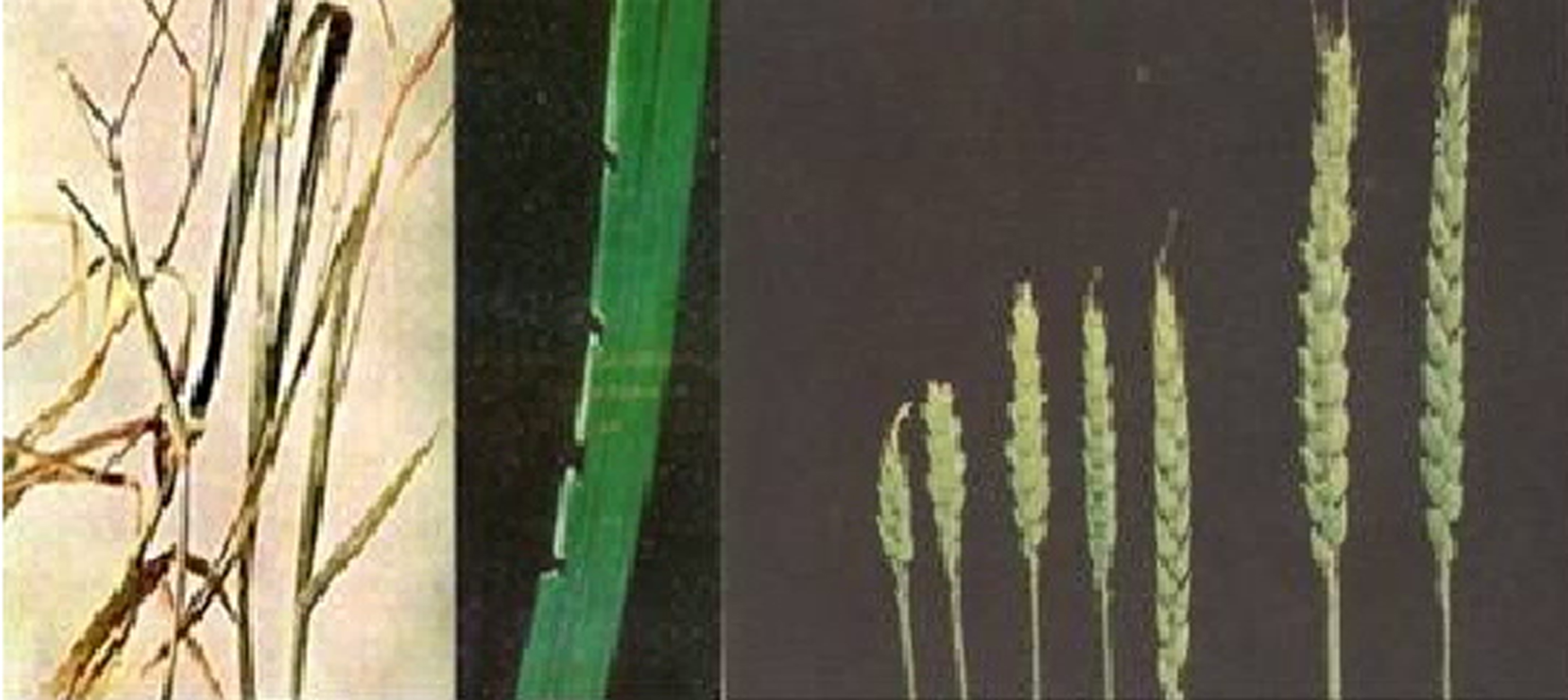
Symptoms of boron deficiency [79].
Careful investigation of plant growth and development and knowing the affecting factors on grain yield potential could improve making decisions. In the case of wheat production, identifying the growth stages in each region is necessary to obtained desired goals of such crop productions. Major scales are used for identifying the grain development and growth stages [80]. Increasing the communications between manufacturers, researchers, and promoters is one of the benefits of using these scales besides leading to accurate and timely recommendations in product management. Accordingly, the management-based recommendations such as employing the fertilizers and pest controls could be increased. Paying careful attention to the nutrient uptake pattern in different stages of growth could help to determine the amount and timing of employing fertilizers to prevent the nutrient deficiency effects. For example, it has been determined that the highest amount of nitrogen accumulation in the leaves occurs in the stages of spikelet emergence and pollination [60]. In this regard, it is very important to monitor the growth and development stages at different regions of the fields in addition to measuring the controlling factors to approach the goals of maximum quantity and quality of wheat production.
Barriers and challenges of biological fertilizers usages
In recent decades, agricultural production has relied heavily on the use of chemical additives inputs, leading to environmental problems issues [81]. Defining long-term principles of ecological agriculture systems is an integrated system based on ecological principles to partially solve the problems [82]. In such defined system, biological based additives ae mainly used instead of other chemical fertilizers and pesticides for crops growth and development. The usage of biological fertilizers in agriculture is very old; however, the available scientific history and details are not sufficient yet [83]. The existence of several obstacles and problems are those limiting factors on the way of biological fertilizers usages by the farmers [84]. Moreover, easy access to enough amounts of required fertilizers could be seen as another limiting factor of usage. Additionally, because of natural bioorganic resources and applications, fewer scientific attentions have been paid to the developments of such biological fertilizers in more systematic ways [85]. Such negative points of farmers against the biological fertilizers usages led to a lack of severe contamination of soil and water with chemicals and exacerbated poverty in the use of biological fertilizers. Solving such social barriers of modifying negative points besides providing further scientific information could help to expand the biological fertilizers usages by the farmers. Indeed, in the current period of time, the world is dealing with several chemical pollutions, in which reducing the amounts of such pollutions and replacing the new biological based resource are very important for approaching sustainable industrial life. Additionally, the growth and development of agricultural crops productions such as wheat could be done by chemical-free additives to produce more healthy food resources. In this regard, it is must to overcome the barriers of biological fertilizers usages in both of social and scientific aspects.
Conclusion
Wheat is one of the most important grains in the world cultivated in a wide range of climatic conditions. In several countries, creating favorable conditions in terms of providing important nutrients in order to increase the quantity and quality of wheat yield seems necessary in order to the predominant food supply of people from the wheat besides the proper adaptation of this plant to various agricultural managements. In recent decades, the population growth increased demands for healthy food resources. In this regard, availability of the nutrient elements could help the plants to grow in higher quality and quantity levels. In this case, nitrogen is one of the most important nutrients for conducting the plant growth with dominant roles for the formation of proteins and nucleic acids in the plans structures. Other element such as phosphorous, potassium, sulfur, magnesium, zinc, iron, manganese, copper, and boron are also important for the plants growth and development. Therefore, it is very important to supply such elements for obtaining the wheat productions at desired levels of quantity and quality. Instead of chemical fertilizers, the biological fertilizers could help to provide such required elements for the plants; however, the information about their usages are not complete yet. Moreover, the availability of biological fertilizers is not enough for using in different times and locations by the farmers. Although chemical pollutants could be reduced by employing the biological fertilizers, but obtaining desired levels of quantity and quality of crops productions are still under serious challenges. Therefore, providing further scientific information and modifying the social insights for the biological fertilizers usages are crucial to approach sustainable agricultural systems especially for the strategic productions of wheat.