



Abstract
The generation of a low HOMO-LUMO energy gap makes organic polymer-based composites an important class of materials with outstanding catalytic efficiency. The present work describes the simple and direct synthesis of an excellent photocatalyst,
Introduction
Energy is a basic necessity of human beings and we require a large amount of energy to meet our daily needs [1]. This relies upon energy sources whose existence is finite and will be depleted over time. So, it is crucial to shift towards renewable energy sources such as wind energy, hydro-energy, solar energy, etc [2]. Among all, works on solar energy is the prominent one. Many scientists are working on developing light-harvesting materials to produce green energy through sunlight [3, 4]. One of the most efficient and promising methods for converting solar energy into usable chemical energy is artificial photosynthesis/photo-catalysis, which involves chemical bond generation between molecules in the presence of light and catalyst. Light-harvesting materials play a crucial role as photocatalysts in a diverse range of natural transformations, including catalytic H2 production [5], the reduction of CO2 into valuable chemicals [6], sulfoxidation reactions, and the formation of C–C, C–N, and C–H bonds [7–8]. Fabrication of these light-harvesting materials relies on using various fluorescent dyes or conjugated systems as a starting component [9]. In mimicking natural photosynthesis, the presence of an antenna in a polymer, which is a chromophore efficiently absorbs sunlight across the solar spectrum and transmits the energy to the reaction center. As the reaction centers become excited, a photo-induced electron transfer occurs, giving rise to charge-separated states that effectively store electrochemical energy [10]. Doping dyes in the 1-D polymeric conjugated polymer can cause a lowering of the HOMO- LUMO band gap, which results in the efficient transfer of electrons [11].
Based on density functional theory (DFT) study, conductive polymeric material such as poly(1-naphthylamine), polythiophene, polyaniline, polyacetylene, polypyrrole, polycarbazole, or poly(o-phenylene diamine) have a low band gap and hence exhibit visible absorption activity. This makes them ideal for the range of light that semiconductors can absorb [12]. Scientists have noted that by polymerizing substituted anilines, the activity of polyaniline could be improved, which opens up new possibilities for its practical applications. Poly(2-aminothiophenol) is classified as an aniline-based conducting polymer and demonstrates unique optical and electrical properties, similar to polyaniline, due to π-electron delocalization along its polymer backbone. These unique characteristics make it an ideal choice in the field of materials science [12–15]. Magnetic nanoparticles derived from poly (2-amino thiophenol) have been studied as a solid-phase extraction system for heavy metal ions, such as lead (II), copper (II), and silver (I) [16]. The use of dopant in these polymers makes it more interesting and useful in nano-composite chemistry. For example, Bhoomi et al. reported the synthesis of a poly (2-aminothiophenol)-silver (P2ATPAg) nanocomposite using conductive and electro-active silver nanoparticles (AgNPs) [17]. Gopalan et al. [18] introduced a modified electrode by doping gold nanoparticles into a conductive polymer matrix of poly (4-aminothiophenol) while Nabid et al. synthesized modified MWCNTs (multiwall carbon nanotubes) using conducting poly (2-aminothiophenol) (MWCNTs/P2AT) nano-composites [19].
In the field of catalysis, gold nanoparticles doped poly(2-aminothiophenol) nanofibers have been observed as an interesting catalyst for the conversion of 4-nitrophenol to 4-aminohenol. In the morphology-dependent analysis, it has been observed that a large fiber diameter is more suitable than a low fiber diameter [20]. Poly(2-aminothiophenol)-stabilized gold nanoparticles has shown excellent catalytic activity to make a C–C bond on the reaction of aryl halides and aryl boronic acids in aerobic condition. The size of the gold as well as the thickness of the polymer is a crucial factor in making an efficient catalyst [21]. In the case, when the Pd-nanoparticles are doped in poly(o-aminothiophenol) results an efficient catalyst for Suzuki cross-coupling reactions to produce compounds of high importance [22]. In the literature, no report is available on doping any dye with poly(o-aminothiophenol) or its derivatives to produce a catalyst or photocatalyst. Herein, as per our current research interest in sulphur-chemistry [23], we have selected o-aminothiophenol as a starting material for the formation of poly (2-aminothiophenol) with sulfone (
Experimental section
Materials and methods
To perform experiments required chemicals such as 2-aminothiophenol, potassium iodide, iodine, and hydrogen peroxide solution (30%) have been purchased from Loba Chemie and used as received. Two solvents, DMS and ethyl acetate have been purchased from Loba Chemie and used in the experiment after dehydrating with known literature methods. For the 1H NMR spectra, a Bruker Advance 500 MHz spectrometer has been used. IR data has been collected on a Perkin Elmer Spectrum IR Version 10.6.1 instrument. The photo-physical study (UV-Vis absorption study) has been performed on the UV-1900 UV-visible spectrophotometer by Shimadzu. An X-ray photoelectron spectroscopy (XPS) investigation has been carried out using a Kratos integrated imaging instrument (AXIS). Experiments have been performed at a 90° take-off angle, employing 300 W monochromatized Al Ka radiation. De-convolution of the data has been done using the VISION workstation software, assuming Gaussian peak shapes. The XRD analysis has been performed using an A D5000 diffractometer. The Shimatzu DTG-60H has been utilized to study the degradation process in terms of temperatures and corresponding weight loss percentages. The analysis has been conducted using a constant scan rate of 10 °C/min within a temperature range from ambient to 900 °C under N2 atmospheres. Morphological studies have been performed on the JSM-IT500 model of JEOL.
Preparation and characterization
Synthesis of sulfone functionalized poly (2-amino thiophenol) (PA)
In a fully baked and dried round-bottomed flask, 500 mg (3.99 mmol) of 2-aminothiophenol is added to make a homogeneous solution in 10 ml of ethyl acetate at room temperature in an open environment. In this, 0.12 mL (3.99 mmol) of hydrogen peroxide (H2O2) and 6.6 mg (0.04 mmol) of potassium iodide (KI) are added and stirred for 4 hours (Scheme 1). A significant amount of black precipitate of sulfone functionalized poly (2-aminothiophenol)
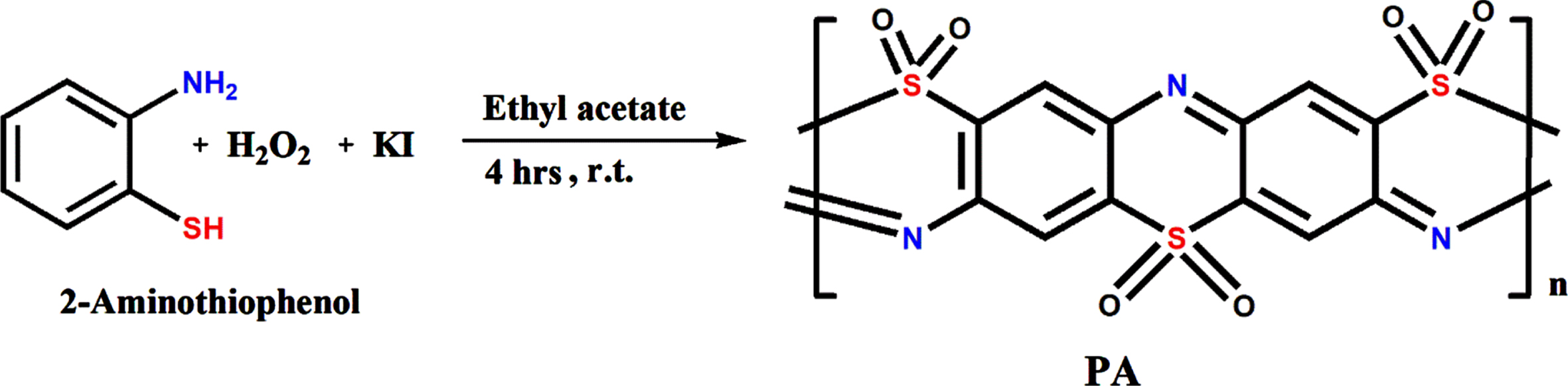
Synthesis of poly (2-aminothiophenol) with sulfone functionality
In a Teflon-lined hydrothermal autoclave reactor, 300 mg (1.9 mmol) of poly (2-aminothiophenol)

Synthesis of photocatalyst, (
XPS study
The XPS spectra of the polymer,
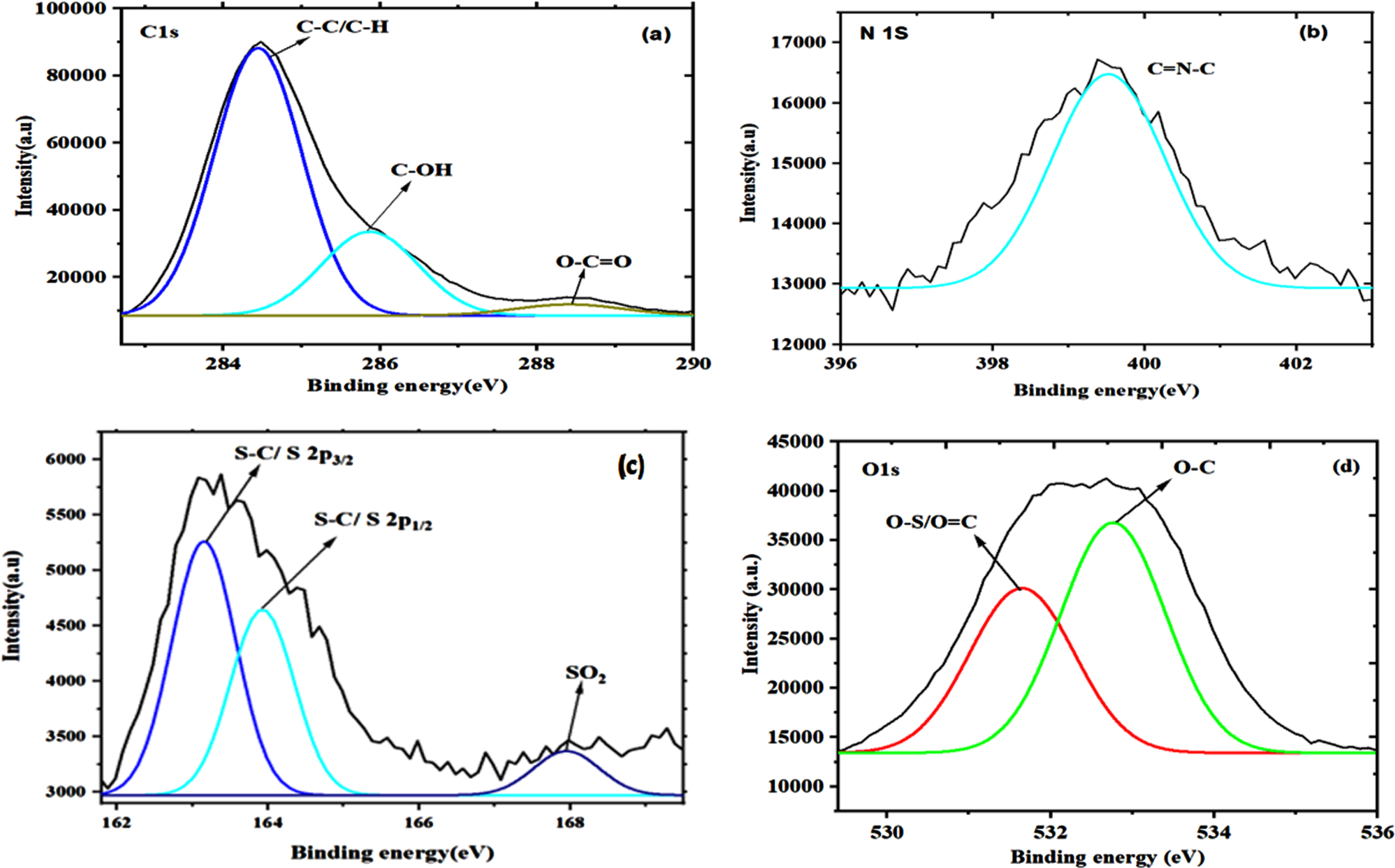
XPS spectra of photocatalyst,
Infrared spectroscopy plays a crucial role in the analysis of present functional groups in polymers as well as composites that are either insoluble or have low solubility in common organic solvents. IR data of polymer, poly(2-amino thiophenol) (
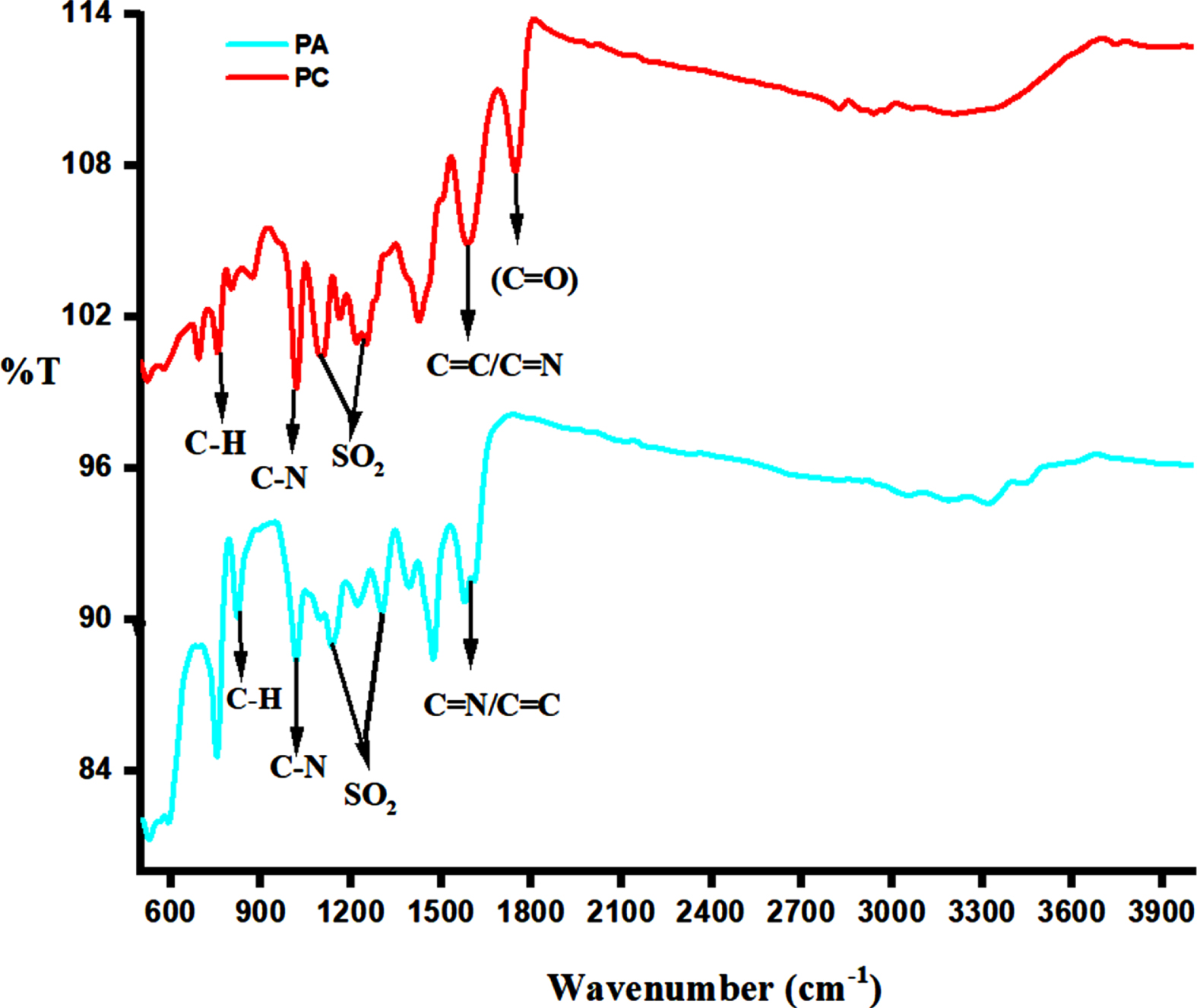
IR spectra of
The thermal stability of
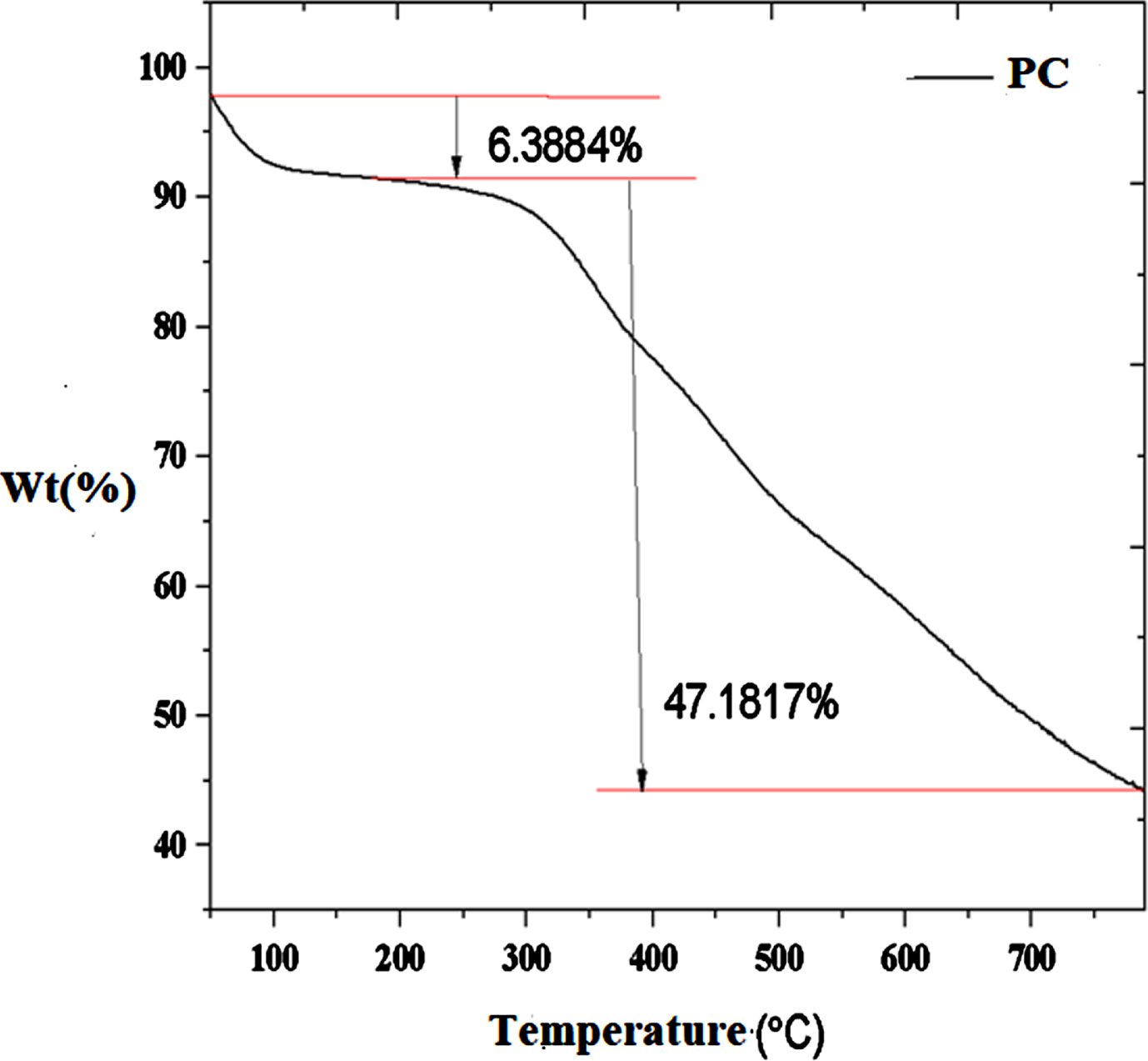
Thermo-gravimetric analysis of photocatalyst,
Scanning electron microscopy (SEM) study has been used to investigate the morphology (Fig. 4). The SEM micrographs are presented below, a) the polymer
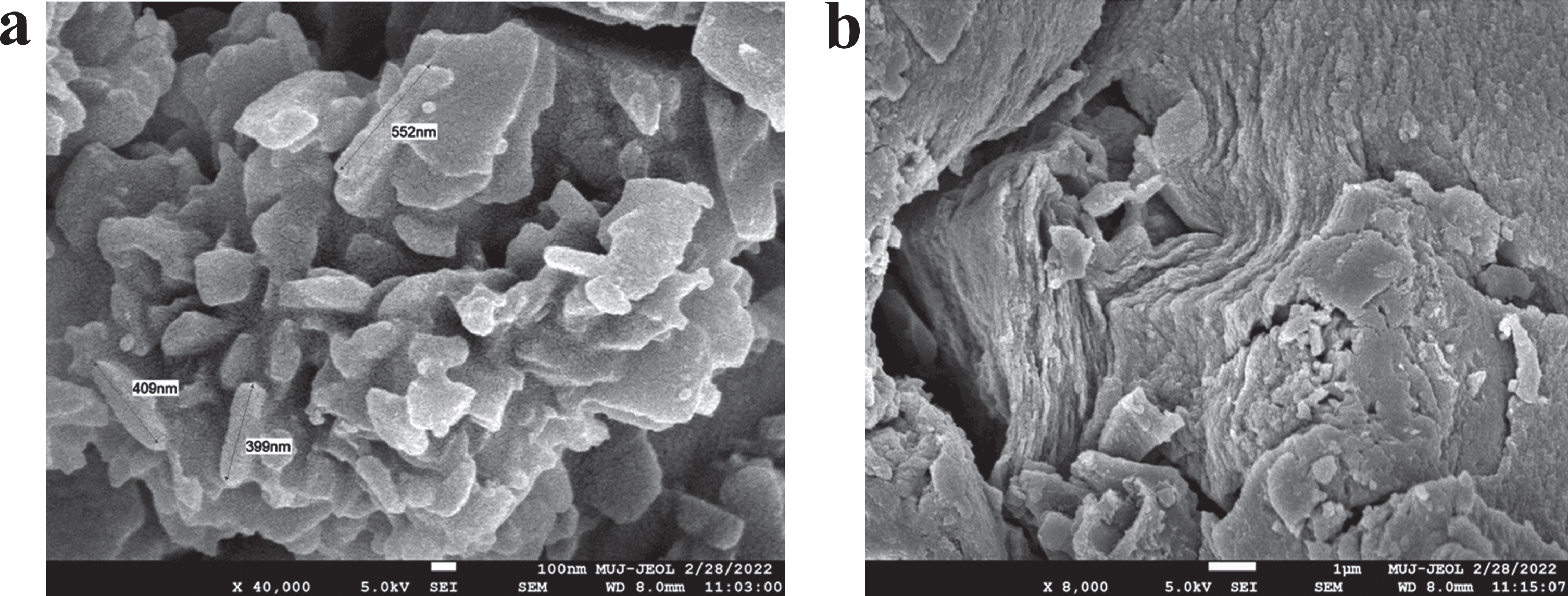
Morphology study of a) polymer
To study the nature of the compounds, X-ray diffraction studies of polymer
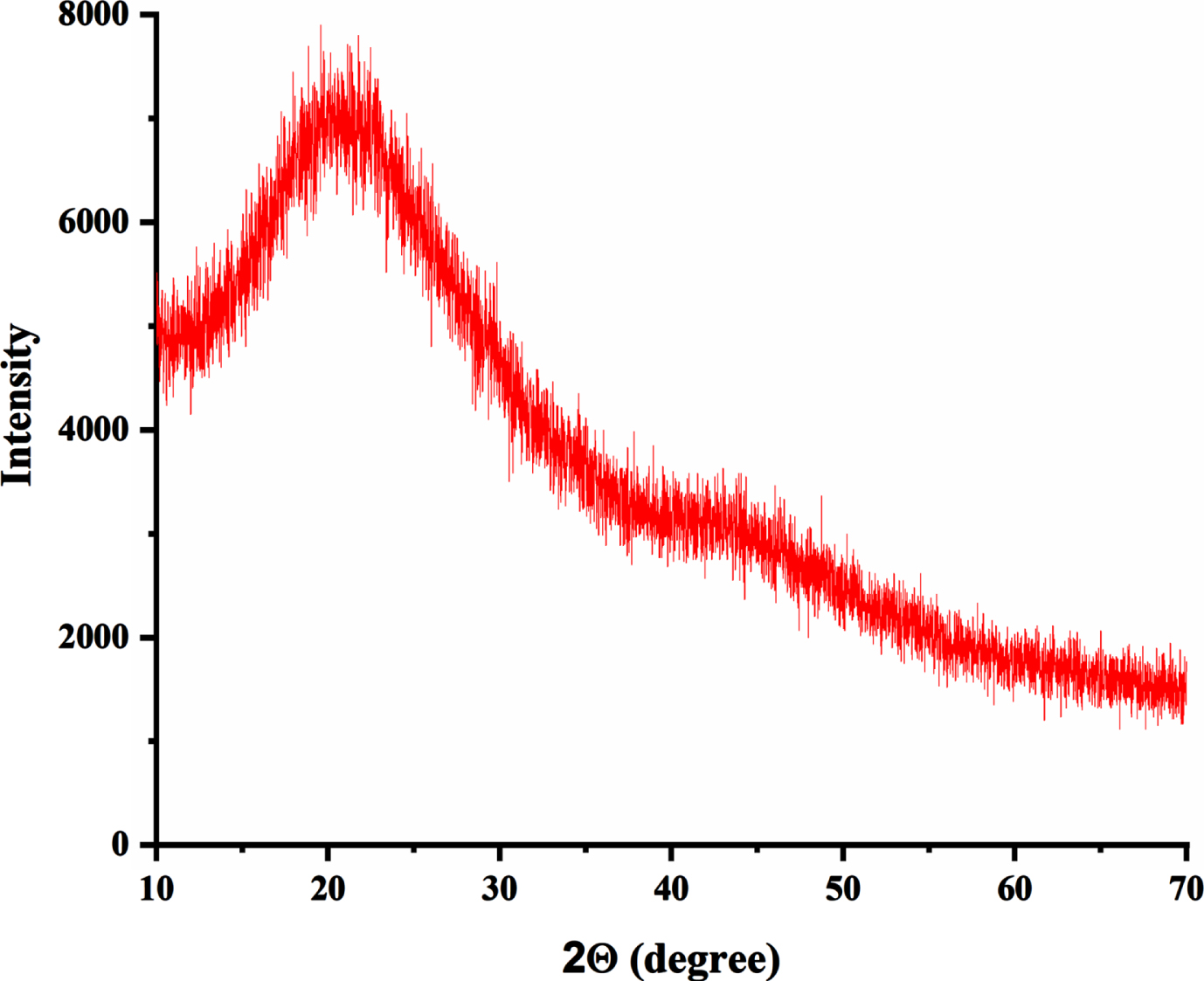
XRD plot of photocatalyst
The optical properties of the polymeric structure of poly (2-aminothiophenol) (
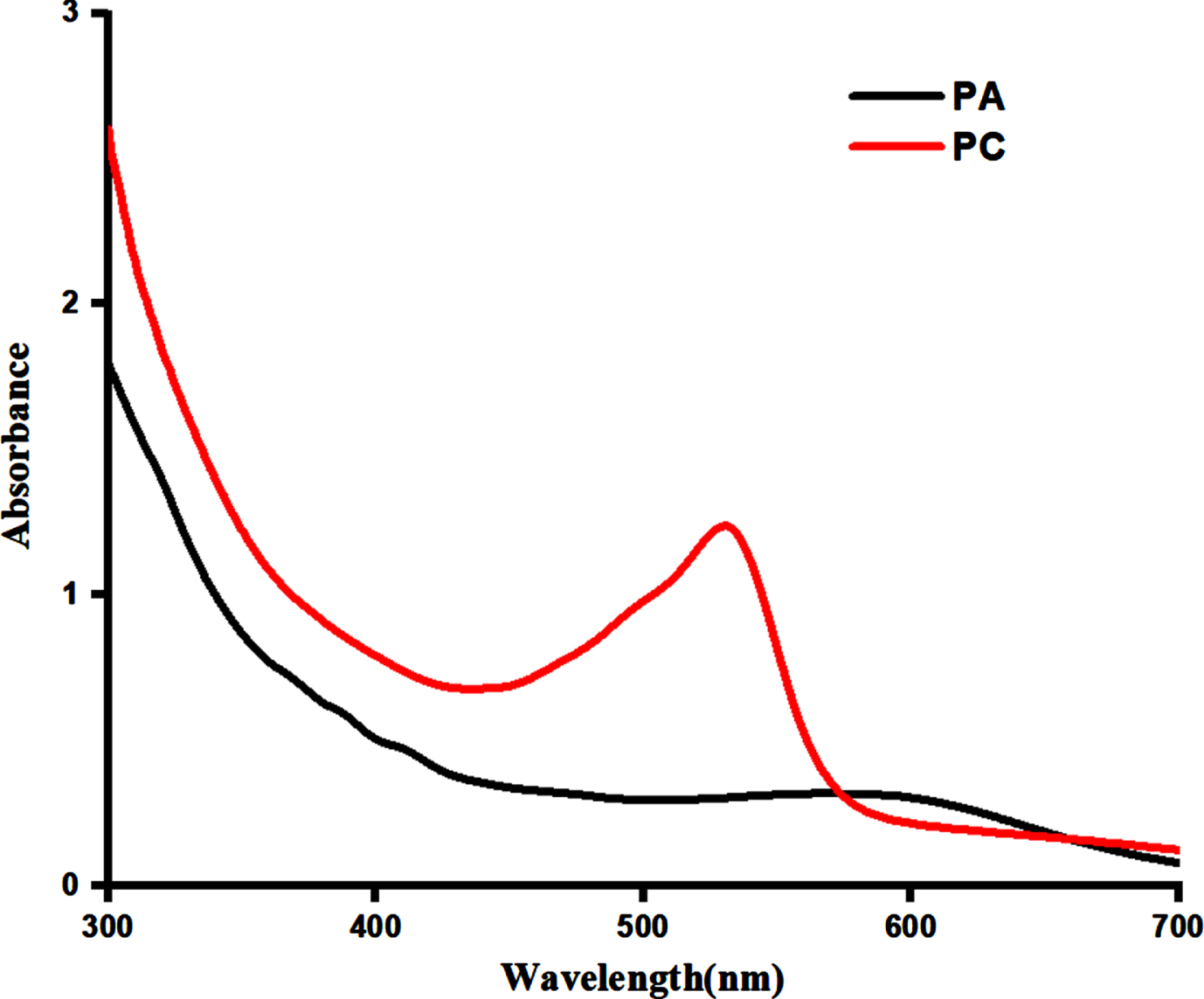
Absorption spectra of poly (2-aminothiophenol)
In the Tauc relation (Equation 1), C is a constant, ɛ represents the molar extinction coefficient, Eg denotes the average band gap of the material, and the value of n depends on the type of transition. For the special case when n = Ɖ, Eg in equation (1) represents the direct allowed band gap. In our investigation of the average band gap, we utilized (ɛhν) 2 versus hν plots, as depicted in both Figure S5 and Figure S6. By using this equation the optical band gap (Eg) for polymer PA (2.9 eV) and photocatalyst PC (2.1 eV) has been calculated. The optical band gap of PC (2.1 eV) is more suitable for photocatalytic activity. Therefore, only photocatalyst
The photocatalytic activity of
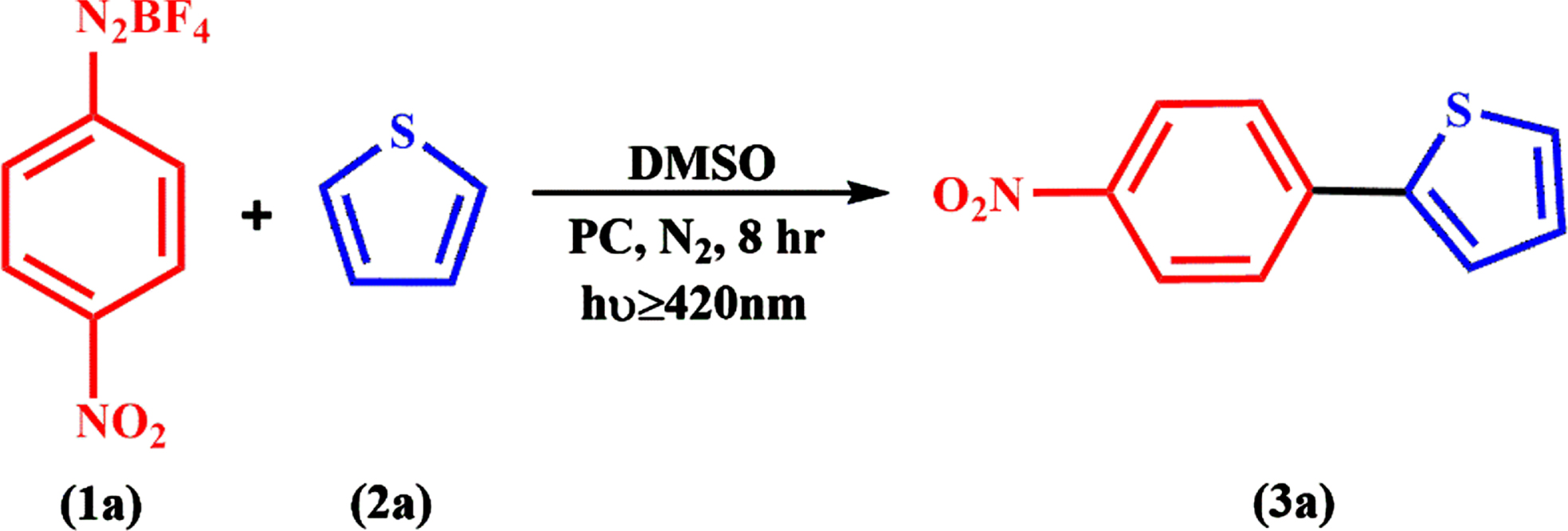
The reaction of p-nitro diazonium aryl salt and thiophene.
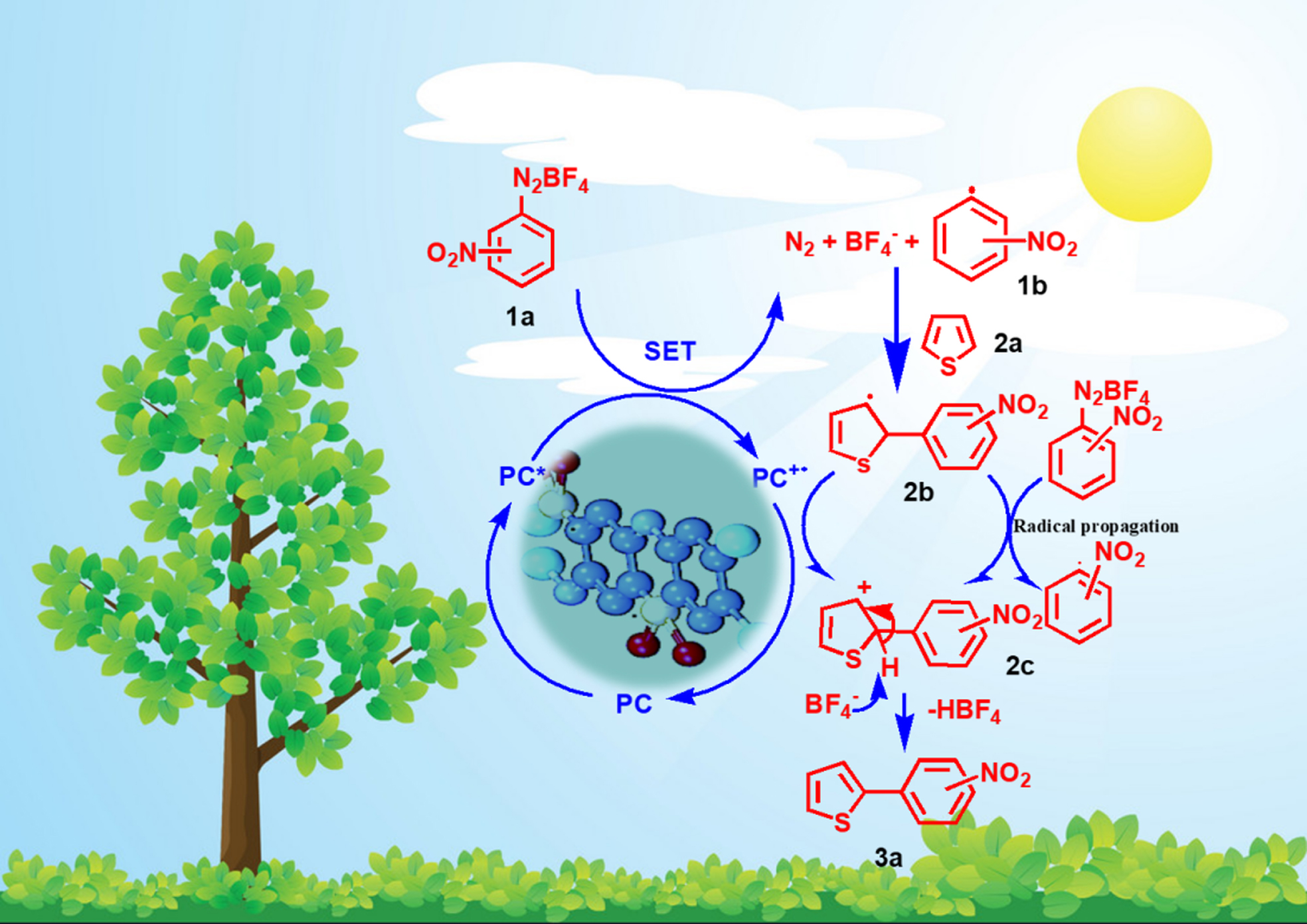
Photocatalytic reaction mechanism involving C–H bond activation.
For the optimization of the C–H bond activation reaction, different conditions have been explored (Table 1). In the study, 1 equivalent of p-nitro diazonium aryl salt (
The optimal reaction conditions for C–H bond activation
In this mechanism, a photoredox photocatalyst (
Conclusion
A modified synthetic procedure has been used to synthesize sulfone-infused poly(2-aminothiophenol) (
Footnotes
Acknowledgments
We would like to express our sincere gratitude to the Council of Scientific & Industrial Research (CSIR) for providing a JRF fellowship to Renu Devi and SERB-DST (YSS/2015/001237) for their generous financial support. We would also like to extend our thanks to Manipal University for the SEM, XRD, and TGA facilities.