




Abstract
Nowadays, the dilemma of drug resistance to antibacterial strains is of huge concern. Among the bacteria, Escherchia coli (E. coli) is the major pathogen, which is found in human and other animals. It is responsible for variety of severe diseases. A variety of commonly used antibiotics such as amoxicillin, gentamycin, etc and fluid replacement method are the suggested treatments for the infections caused by E. coli. In a study, it was established that the metal-based heterocyclic drugs demonstrated a different mode of action compared to the commonly used heterocyclic antibacterial drugs. Coumarin, an oxaheterocycle, is a privileged scaffold in medicinal chemistry. Metal complexes of coumarin-derived Schiff’s bases exhibit a broad range of pharmacological activities. Therefore, in the present review article, we have focused on the synthesis of metal complexes of coumarin derived Schiff’s bases as well as their respective Schiff’s base ligands and their antibacterial activities against the gram-negative bacterium E. coli.
Introduction
The antimicrobial resistance against the gram-negative pathogen E. coli is a matter of huge concern in the field of pharmaceutical chemistry [1]. In 1885, Theodore von Escherich discovered E. coli as one of the common infecting organism in the family of enterobacteriaceae. It is a rod shaped anaerobic and facultative bacteria of ∼2 μm in length and 0.5 μm width and grows between 10–40deg temperatures. It is mostly found in the intestines of humans and cattle including chickens, deer, sheep and pigs. It can also be found in contaminated water and meat which may cause infection in humans [2]. Also, certain strains of the bacterium can cause infant diarrhoea and gastroenteritis. In rare cases, it is responsible for bowel necrosis, pneumonia [3], septicaemia, peritonitis, mastitis and hemolytic-uremic syndrome [4]. To determine the presence of E. coli, MacConkey agar is inoculated with test organisms using streak plate technique and incubated the plate at 37deg for one day (24 h). Appearance of pink colonies on MacConkey agar confirms the presence of E. coli. A classification of various types of E. coli is shown in Fig. 1.

Pathotypes classification of E. coli.
The two major types of E. coli are intestinal and extra-intestinal pathogens. Among the intestinal, enteropathogenic E. coli produces verocytotoxin which causes infantile enteritis, fever, diarrheal diseases, vomiting, nausea and non-bloody stool in children. Another type of E. coli, enterohemorrhagic also produces verocytotoxin and is found in animal and human faeces which cause mild diarrhoea, fatal hemorrhagic colitis and uremic syndrome (HUS) [5]. Enterotoxogenic type of E. coli produces heat labile toxins in children of more than 5 years. Enteroinvasive are non-motile strains which cause mild diarrhoea or dysentery. Enteroaggresive is brick like aggregates on cell surfaces and inhibits fluid absorption. Intestinal E. coli are obligate pathogens and extraintestinal, uropathogenic and meningitis-associated E. coli are facultative pathogens. Uropathogenic E. coli causes urinary tract infections, pyelonephritis and infectious complications, acute renal failure in adults and blood poisoning in new born babies [6].
The complete cure of infection caused by E. coli is difficult, but if necessary doctor may suggest the fluid replacement method and use of antibiotics such as amoxicillin (
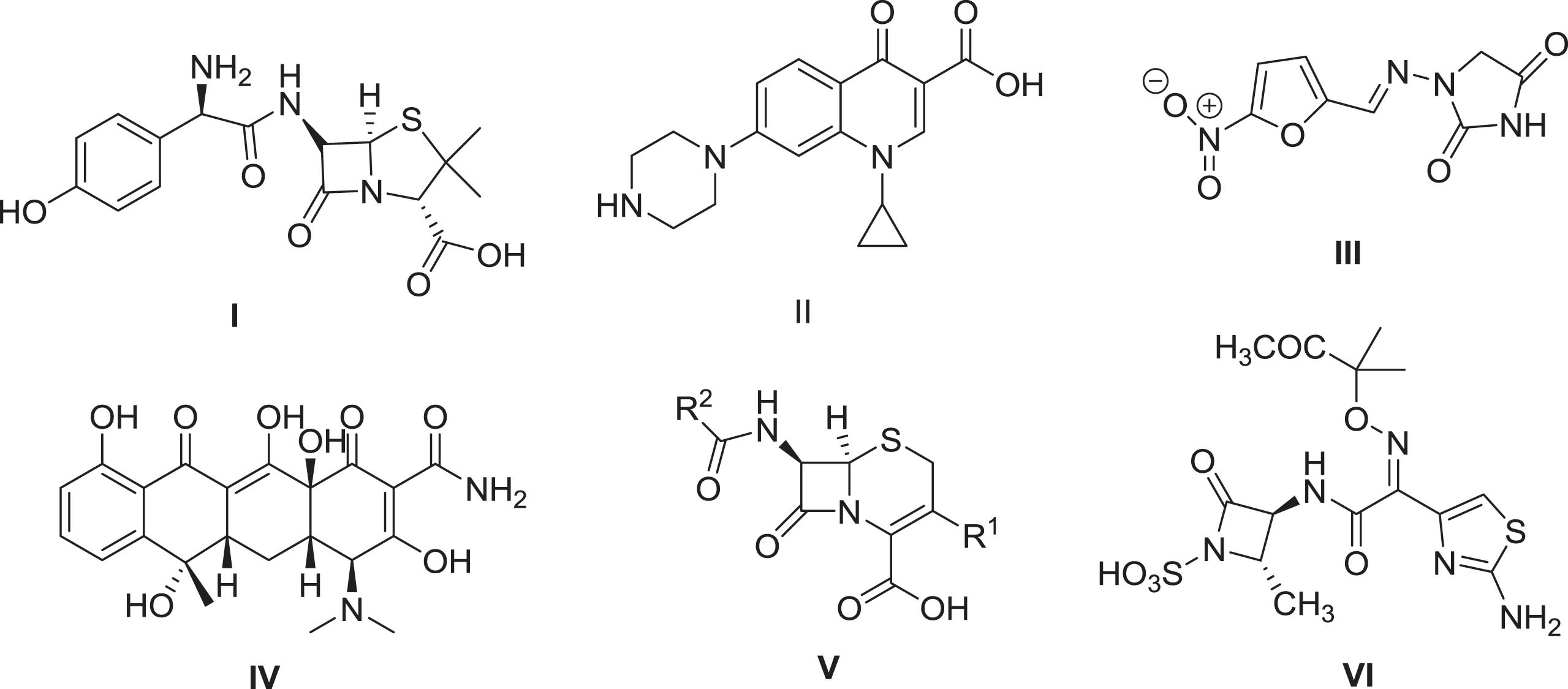
Antibiotics used against the infections due to E. coli.
Coumarin, a naturally occurring compound, is a privileged scaffold in medicinal chemistry. Therefore, coumarin derived Schiff bases (a subclass of imines) are extensively used in broad range of pharmacological activities including antibacterial, antifungal, and antimalarial activities [8–10]. Metal and their alloys are used as antibacterial agents since ancient times. For instance copper and silver vessels are used for water disinfection and food storage [11]. Copper coated surfaces are also used in kidney tray in clinics [12]. On coordination to metal ions, Coumarin derived Schiff’s bases activities are enhanced, generating a variety of complexes with different stoichiometry, chelating, magnetic, and spectroscopic characteristics [13]. In recent years, Schiff bases have been employed as versatile scaffolds to obtain physiologically significant compounds. Schiff bases complexed with metal, in particular, will have improved biological activity. As a result, one of the main medicinal chemistry techniques for obtaining optimal drug candidates is the coupling of Schiff base metal complexes with pharmacologically essential small-molecule chemical ligands like coumarins [14]. Coumarin-derived Schiff’s base metal complexes are crucial in fighting bacterial infections due to their strong antibacterial effects [15]. Their unique structure lets them interact precisely with bacteria, reducing the chance of resistance [16, 17]. These complexes work against a wide range of bacteria by disrupting their membranes, inhibiting enzymes, and causing oxidative stress [18, 19].Therefore, owing to the biological significance of various metals and coumarin derived Schiff’s bases, we have focused on their antibacterial activity against most common disease causing bacterium E. coli in this review article.
In 2010, Patil and co-workers synthesized two Schiff’s bases
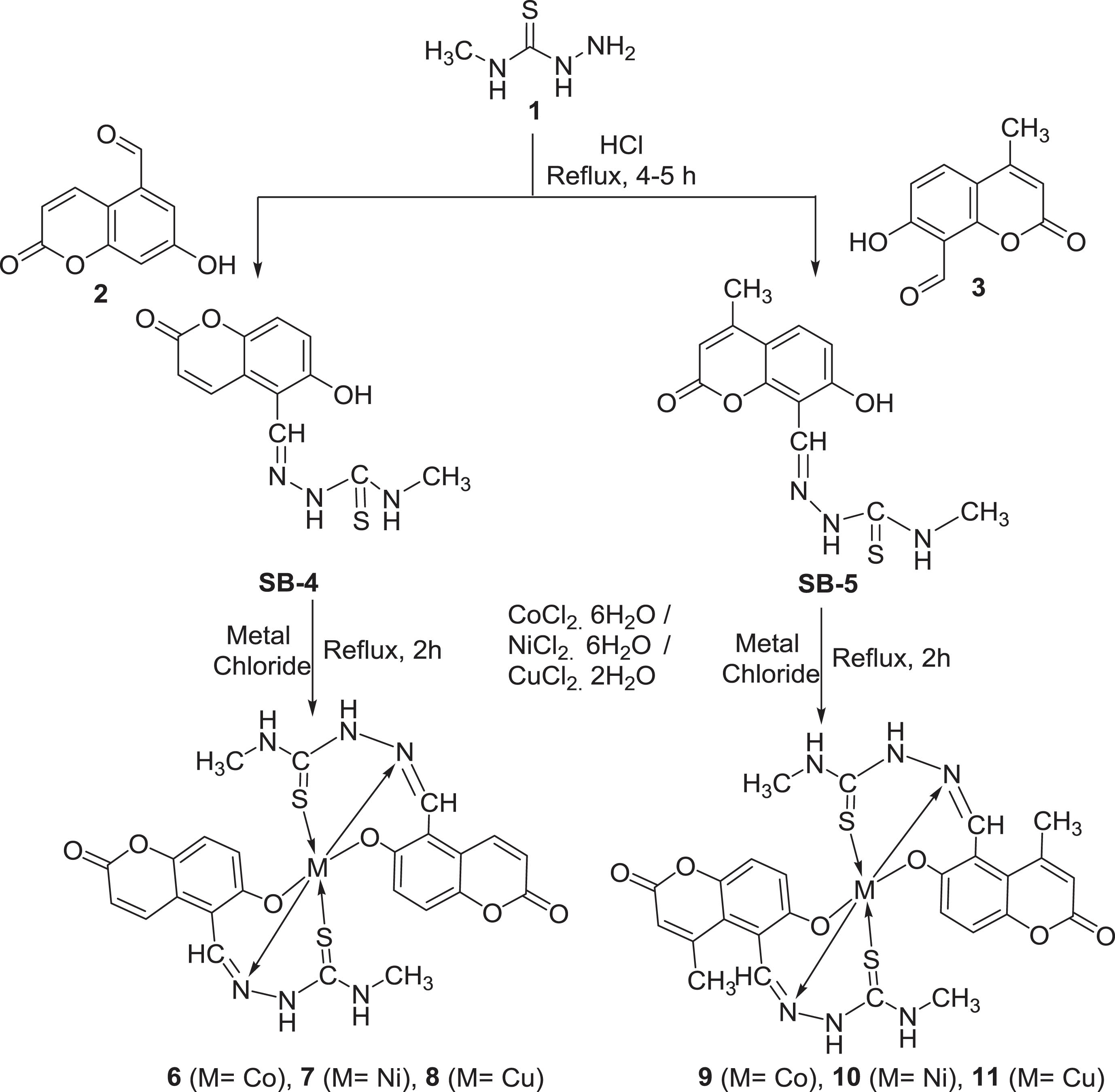
Synthesis of Metal complexes from Coumarin-thiosemicarbazide.
In order to access antibacterial activity by using agar diffusion method, the synthesized Schiff’s bases
Antibacterial activities of coumarin-Schiff base hybrids and their metal complexes against E. coli
Further, in 2011, Patil et al. reported the synthesis of coumarin-naphthol carbohydrazides (
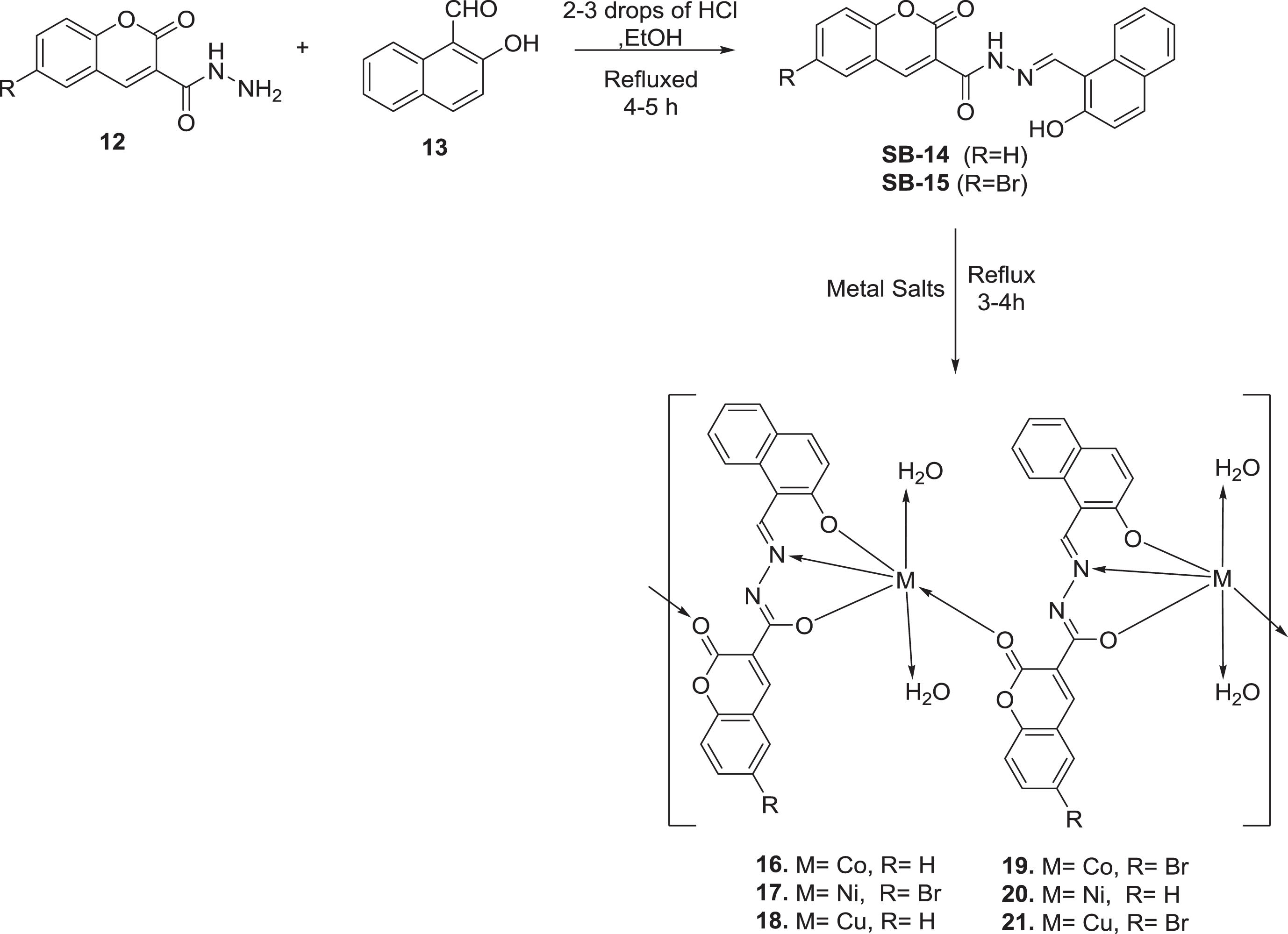
Antibacterial activity of metal complexes of coumarin-naphthol carbohydrazides.
Gentamycin was taken as reference drug and the results showed that particularly metal complex
Patil et al. assessed the antibacterial efficacy of metal complexes
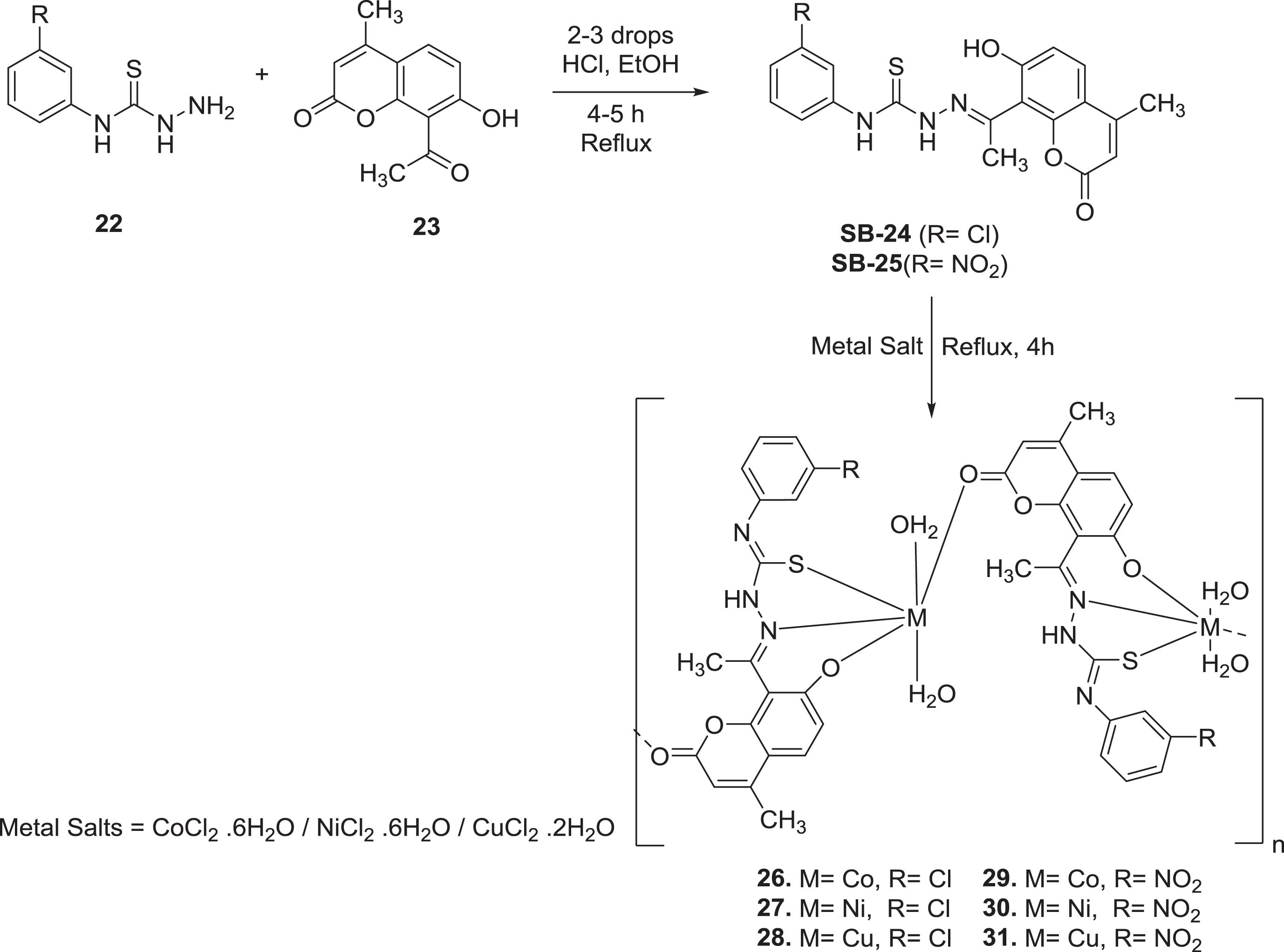
Synthesis of metal complexes of coumarin and m-substituted thiosemicarbazide hybrids.
The antibacterial activity was screened by agar diffusion method at 25, 50 and 100 μg/ml concentration against E. coli. It was observed that synthesized metal complexes showed promising antibacterial potential and activity was high in comparison to corresponding Schiff base ligands
In 2012, same lab workers evaluated the antibacterial activity of coumarin-naphthalene hybrids and their metal complexes in dimethylforamide by using agar diffusion method against E. coli [23]. The

Synthesis of metal complexes of coumarin-naphthalene hybrids.
From antibacterial activity against E. coli it was revealed that their activity was enhanced when
Patil et al. also screened the antibacterial activity of metal complexes
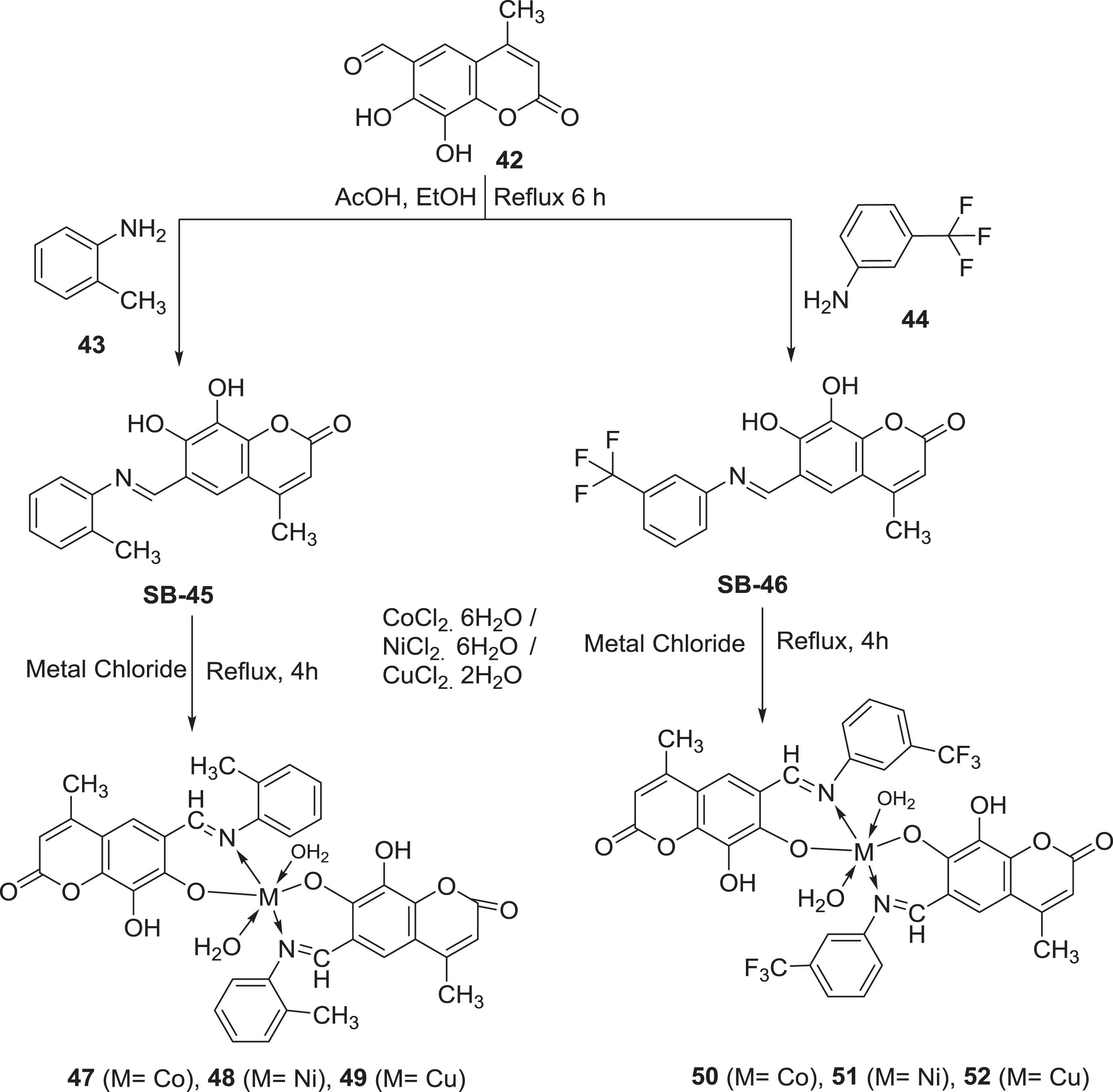
Synthesis of metal complexes of coumarin-aniline hybrids.
For antibacterial activity of
Halli and coworkers evaluated the antibacterial activity of coumarin-naphthofuran hybrid Schiff’s base

Synthesis of metal complexes of coumarin-naphthofuran hybrids.
For antibacterial study against E. coli the synthesized compounds were filled with different concentrations and the diameter of inhibitory zones was evaluated by using agar diffusion method and minimum inhibitory concentration method [26]. It was found that all the metal complexes exhibited promising results in comparison to
Phaniband and co-workers evaluated the antibacterial activity of metal complexes (
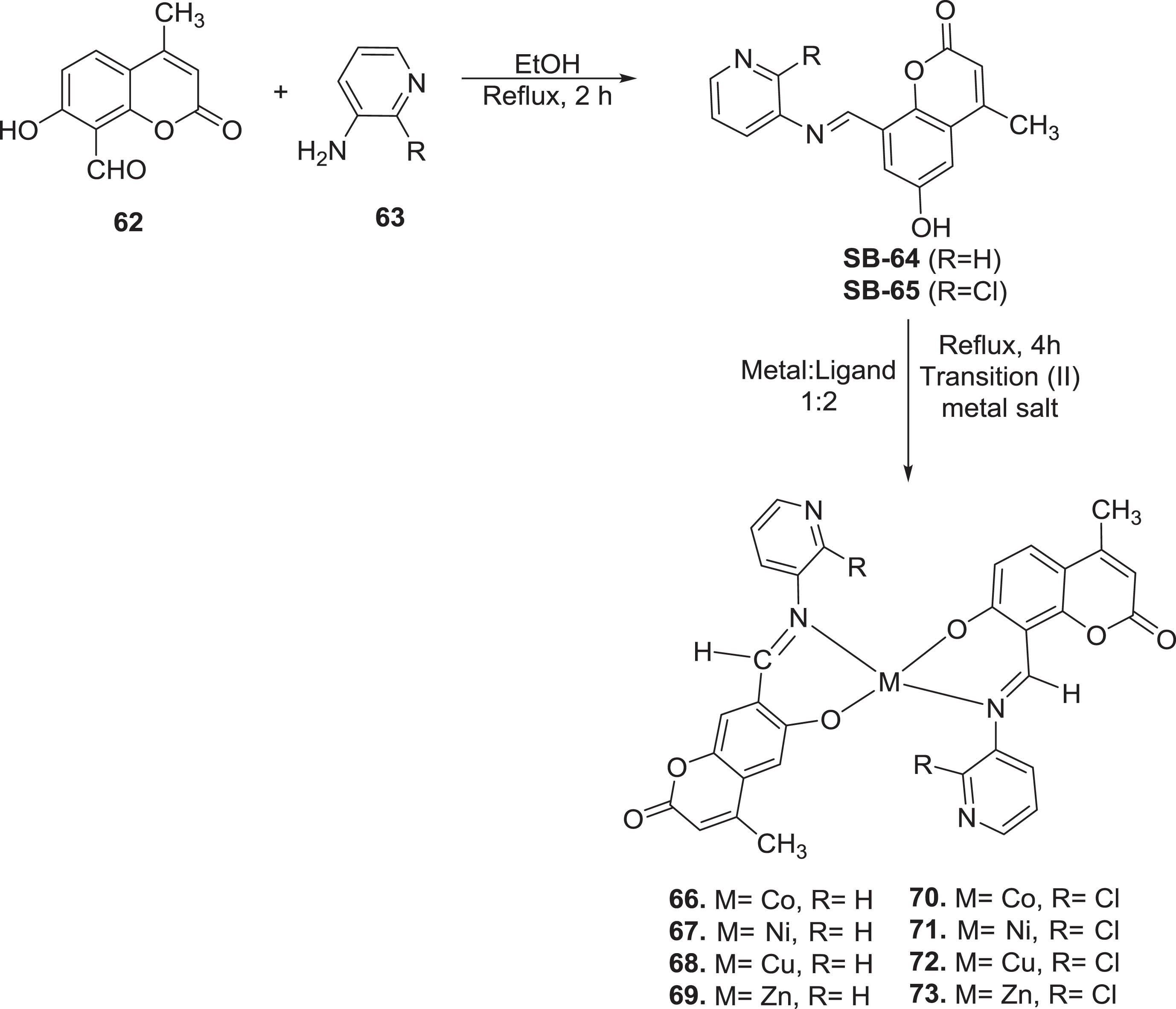
Synthesis of metal complexes of coumarin-pyridine hybrid.
For antibacterial activity the bacterial colony of test and control plates were counted for the results of activity. The minimum inhibitory concentration of active compounds with some modifications was carried out by using the method of G. W. Clause [28]. The spread plate method was used against bacteria and it was concluded that inhibitory zone of synthesized ligands
M. Manjunath et al. synthesized metal complexes
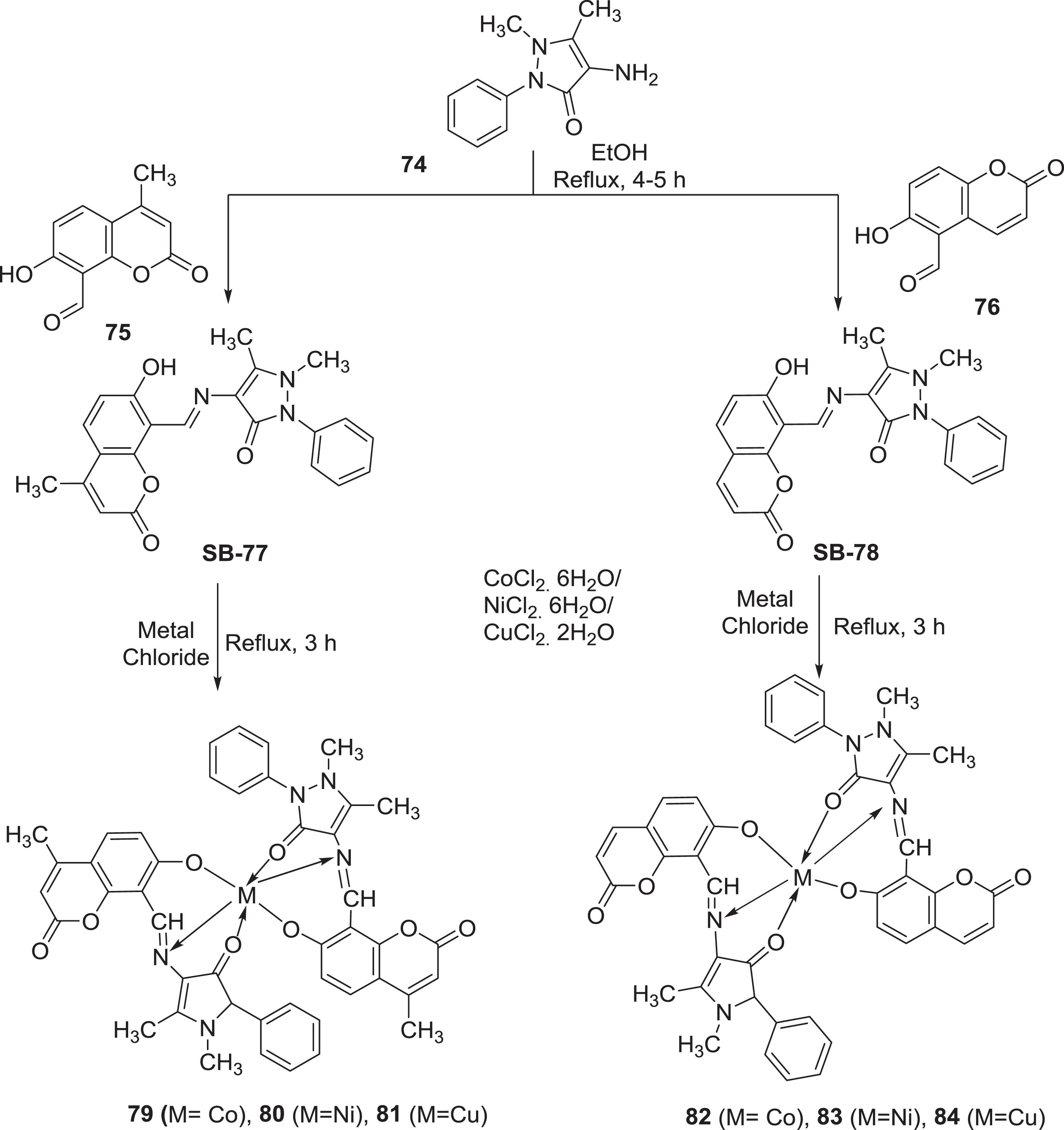
Synthesis of metal complexes of coumarin-amino antipyrine.
The synthesized compounds were examined for antibacterial study which was performed using different concentrations against E. coli by the agar diffusion method. These bacterial strains were cultured for 24 h at 37degC and compared with standard drug Gentamycin. From results, it has been observed that all metal complexes showed better antibacterial activities in comparison to
Kulkarni and co-workers evaluated the antibacterial activity of coumarin derived Schiff’s base’s
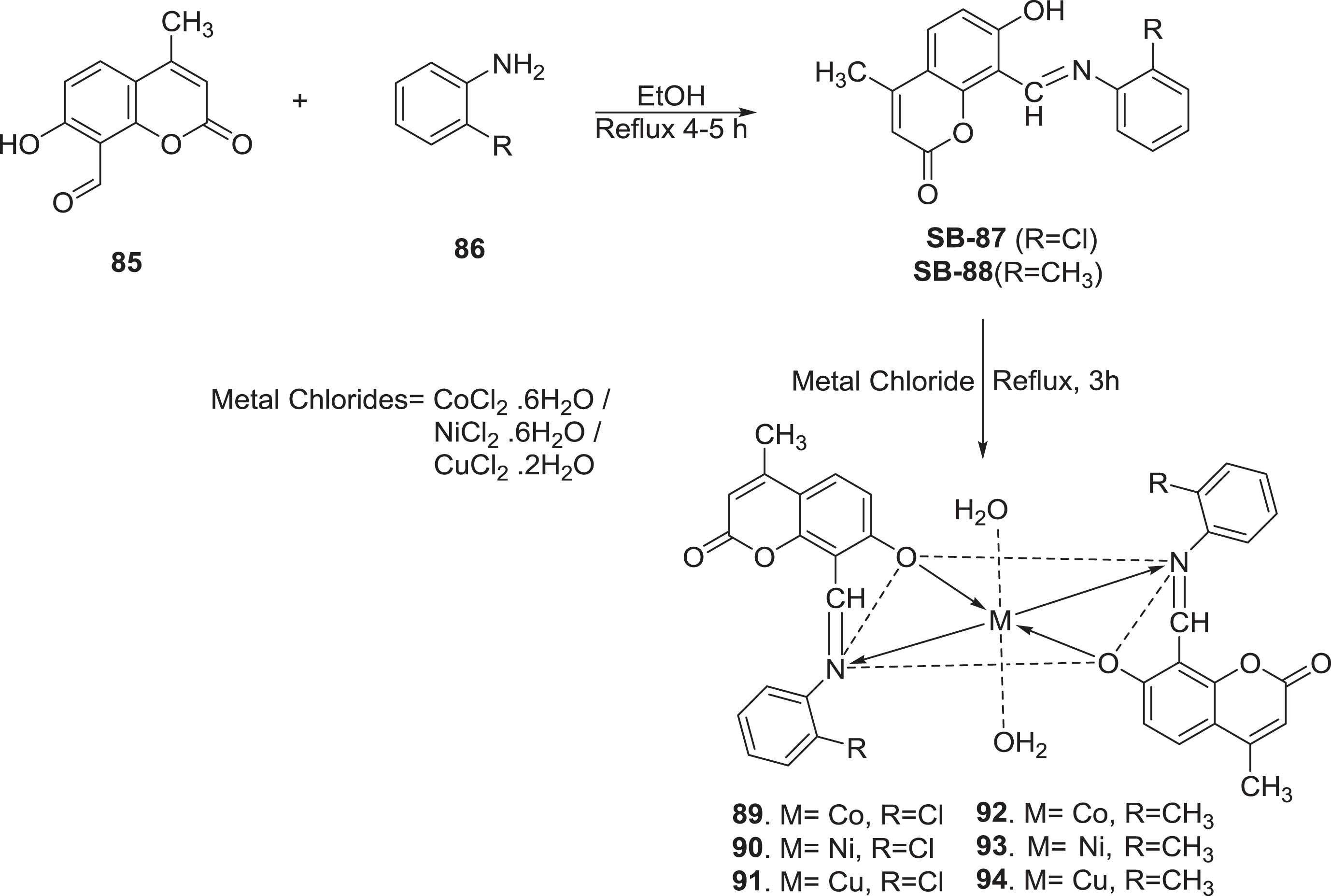
Synthesis of coumarin-phenyl hybrid Schiff’s bases metal complexes.
The bacterial strain was incubated for 24 h at 37deg and activity was measured in comparison to standard reference drug Gentamycin. It was revealed that all of the screened metal complexes have effective activity against E. coli than corresponding ligands
Kulkarni and co-workers evaluated the antibacterial activity of coumarin derived Schiff’s bases
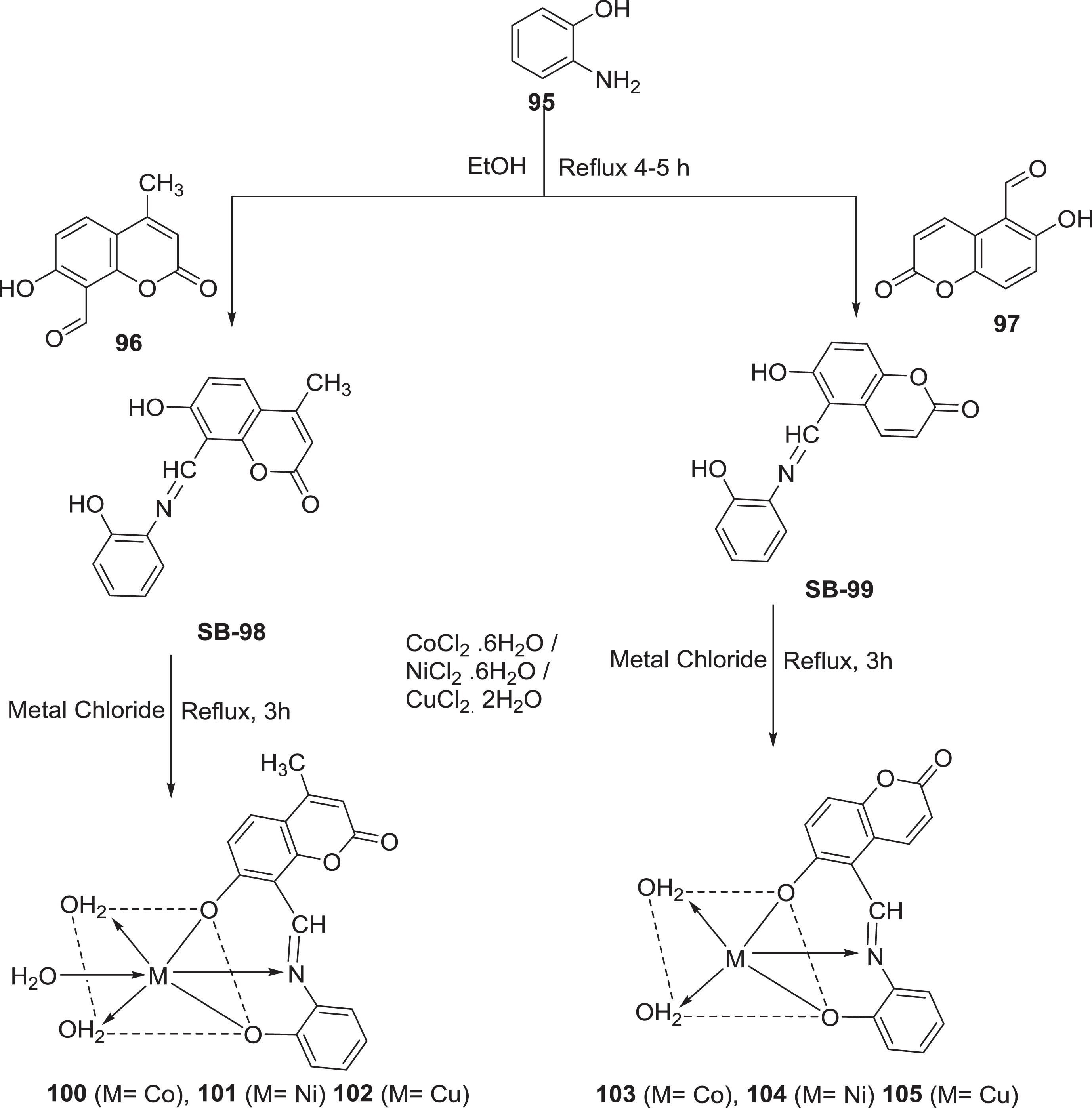
Synthesis of Coumarin derived Schiff’s bases metal complexes.
The prepared compounds were examined for the antibacterial activity against bacteria at 50 μg/mL concentration in DMF and compared with the standard drug Gentamycin (88 mm). The cobalt (
In another work same lab worker examined the antibacterial assay against E. coli by using agar diffusion technique for the metal complexes of coumarin-diamine Schiff bases
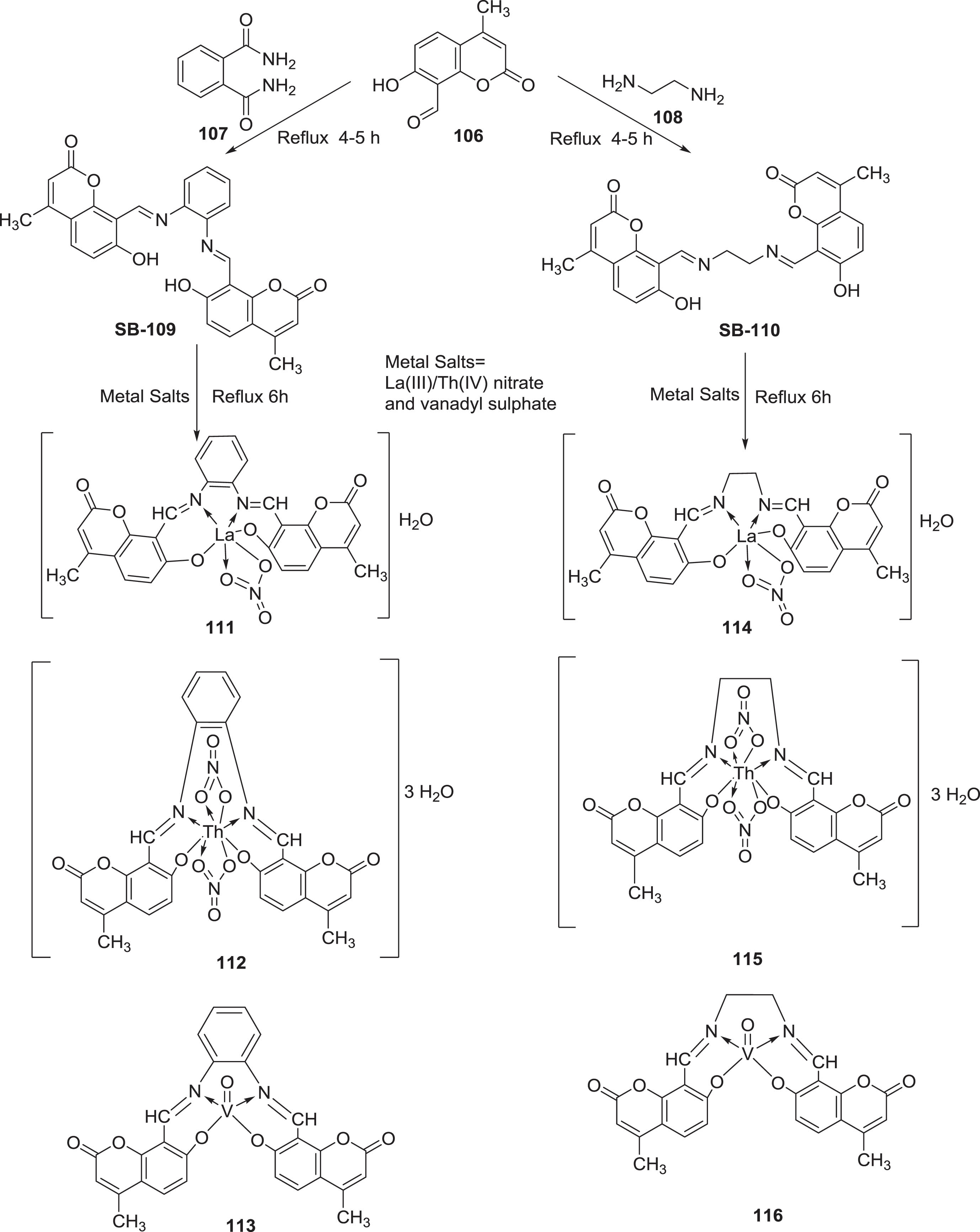
Synthesis of coumarin-diamine metal complexes.
The synthesized Schiff’s base
Kapoor et al. synthesized Schiff’s bases
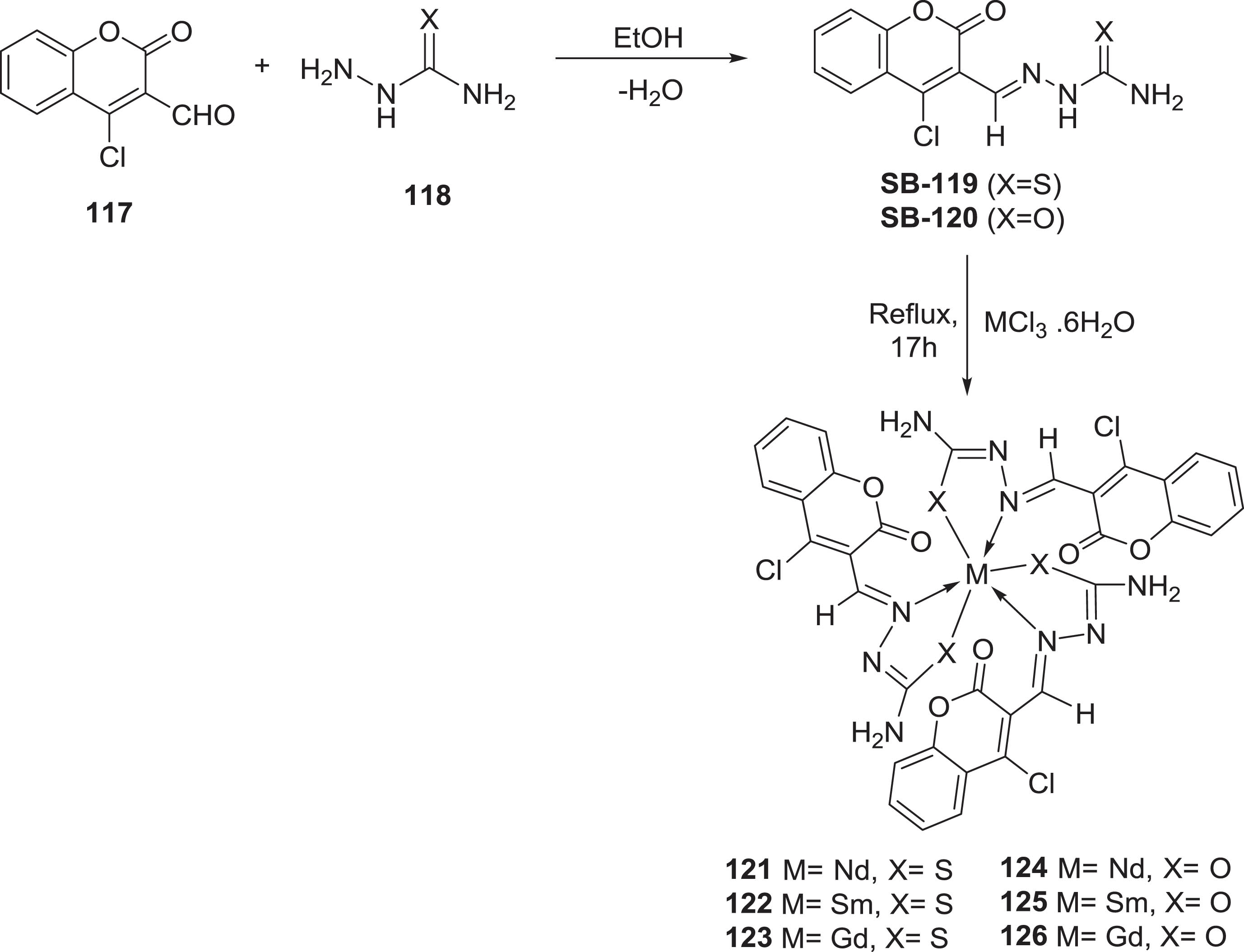
Synthesis of metal complexes of coumarin-hydrazine carbohydrazide.
The schiff’s bases
Activity of coumarin-hydrazine carbohydrazide hybrids against E. coli
Hunoor and co-workers evaluated the antibacterial activity of Schiff’s base

Synthesis of metal complexes of coumarin-isonicotinic carbohydrazide.
The antibacterial results were evaluated by using serial broth micro dilution method and ciprofloxacin was taken as reference drug. The results showed that all the synthesized complexes (
Antibacterial activity of metal complexes of coumarin-isonicotinic carbohydrazide
Sharma and coworkers screened the antibacterial activity of Schiff’s base (
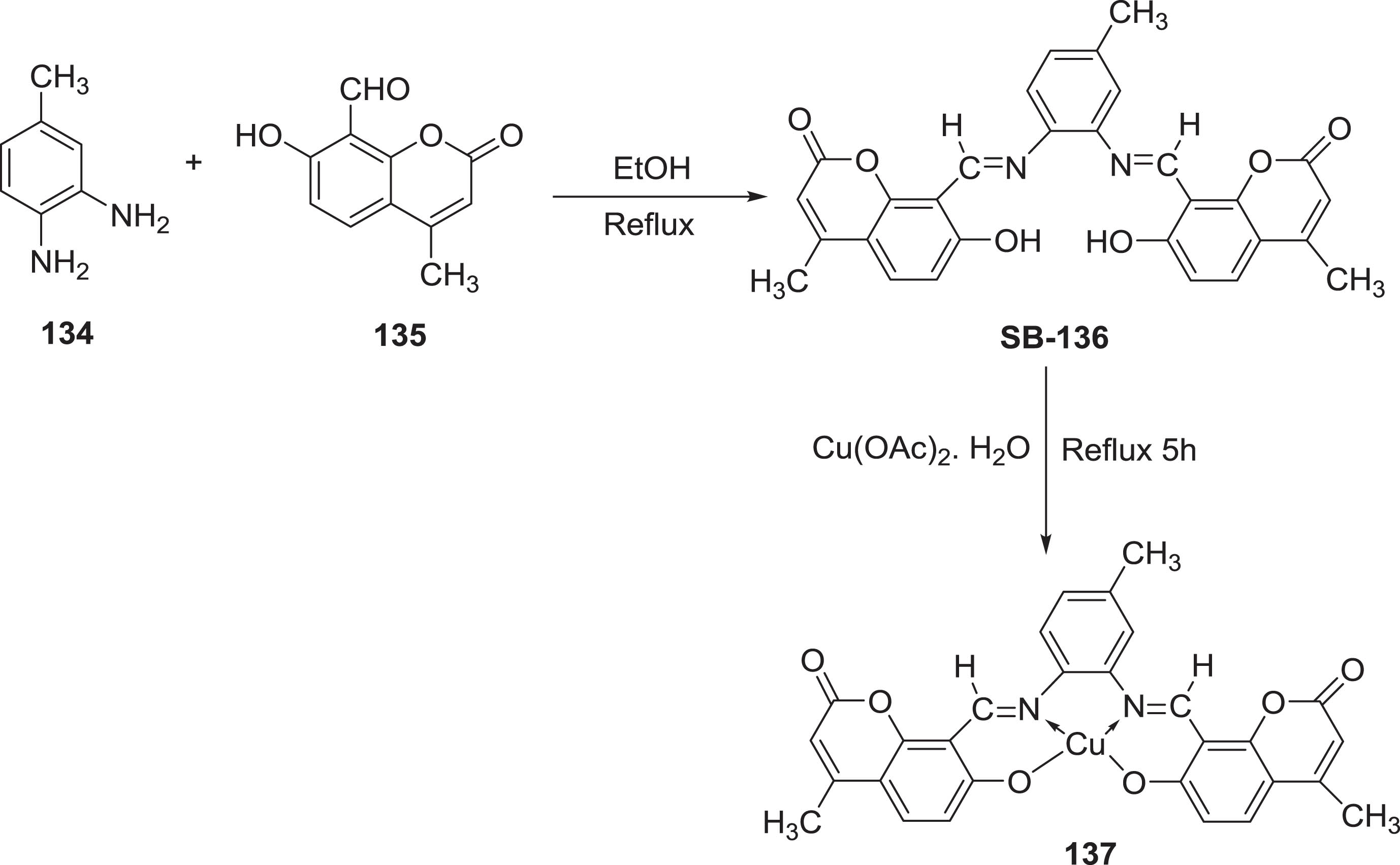
Synthesis of metal complexes of coumarin-toluene hybrid Schiff bases.
For the comparison of solvent effect on the bacterial growth, a control experiment was performed and it was assessed that dimethylsulfoxide had no role in the inhibition of microorganisms concentrations. Ampicillin was used as a reference drug. From the activity results it was observed that Cu complex (
Antibacterial activity of metal complexes of coumarin-toluene hybrid Schiff bases
Raj and coworkers synthesized coumarin derived Schiff’s base metal complexes (
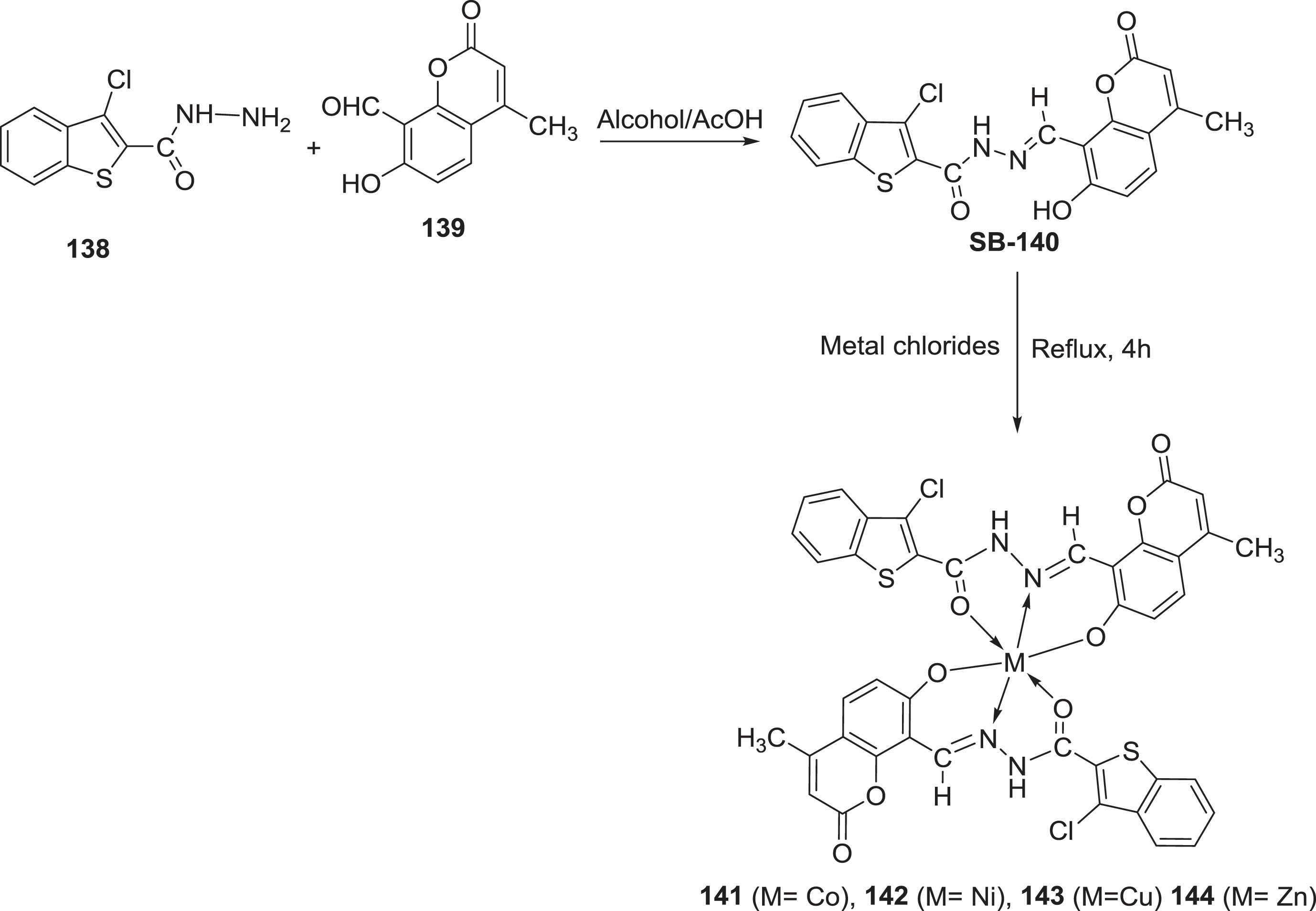
Synthesis of metal complexes of coumarin-benzothiophene carbohydrazide.
The pure culture of the bacterial strains E. coli, sub-cultured by inoculating them in the nutrient broth was incubated at 37deg for about 18 h. The drug Gentamycin (MIC = 12.50 used as standard. All synthesized compounds were screened for antibacterial activity against E. coli and it was found that activities were better with the coordination of metal complexes [37]. The copper complex (
Antibacterial activity of metal complexes of coumarin-benzothiophene carbohydrazideagainst E. coli
Sahoo et al. synthesized metal complexes of
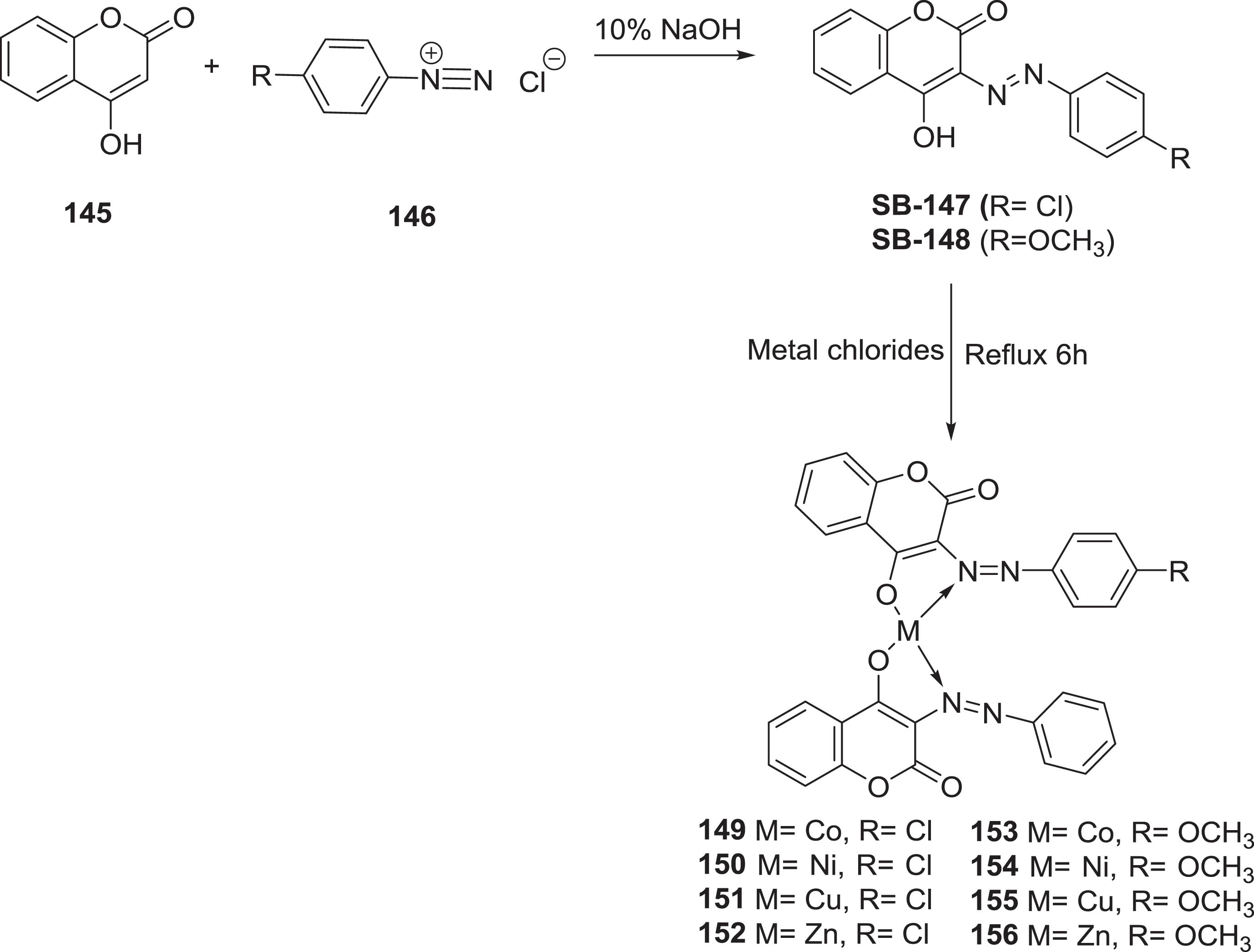
Synthesis of metal complexes of coumarin-diazenyl hybrids against E. coli.
The serial dilution procedure was used to generate five different doses (500–31.25 μg/mL). The various drug concentrations were kept into the wells and incubated at 37degC for 18–24 h. The MIC was obtained after the incubation period. From results it was revealed that activity was enhanced when coordinated with metal ions and complexes
Antibacterial activity of metal complexes of coumarin-diazenyl hybrids against E. coli
Nora S. Abdel-Kader et al. synthesized the metal complexes of Schiff’s base and examined the antibacterial activity against E. coli by agar diffusion method (
Antibacterial activity of metal complexes of coumarin-triazole hybrid against E. coli
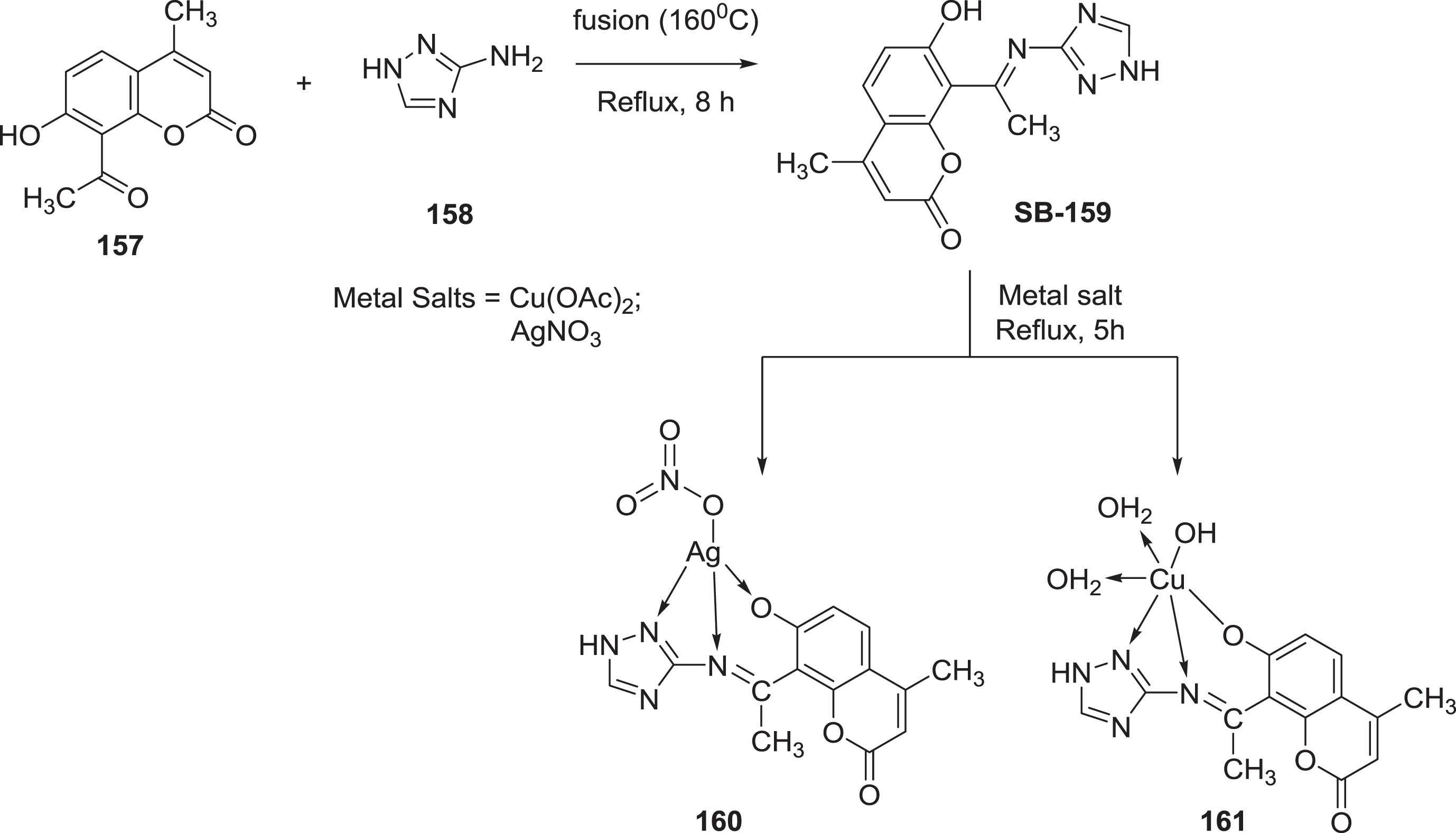
Synthesis of metal complexes of coumarin-triazole hybrid.
The antibacterial activity was evaluated by measuring the zone of inhibition (in mm), where ampicillin (MIC = 25 μg/mL) was taken as standard drug [39]. According to results obtained it was observed that Silver and Copper complexes showed better antibacterial activity against E. coli in comparison to Schiff’s base ligand
Budagumpi et al. examined the antibacterial activity of metal complexes of coumarin-pyridine hybrid Schiff’s base
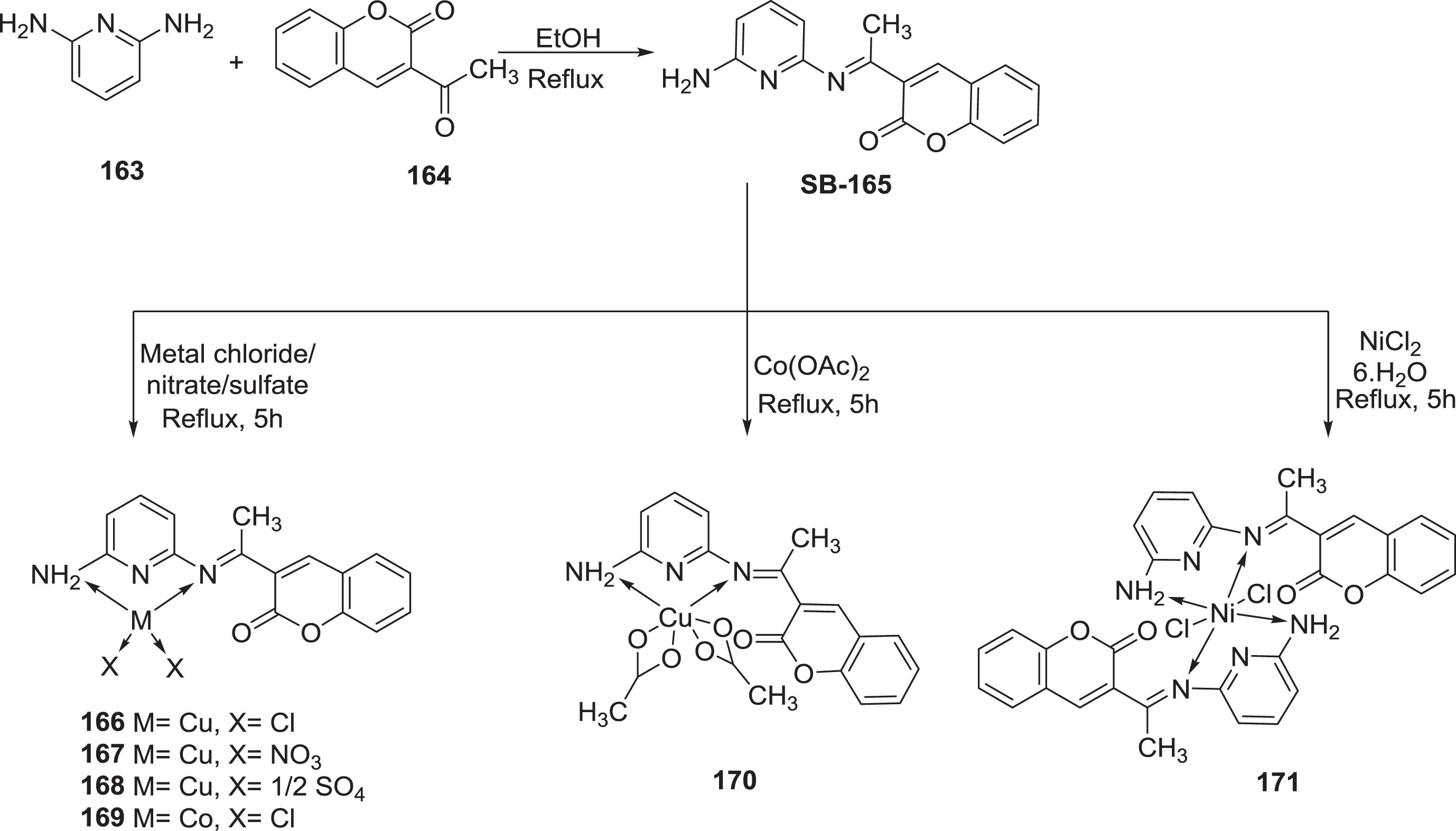
Antibacterial activity of metal complexes of coumarin-diaminopyridine.
All the synthesized copper(II) complexes exhibited significant activity against E. coli. The cobalt(II) complex (
Antibacterial activity of metal complexes of coumarin-diaminopyridine
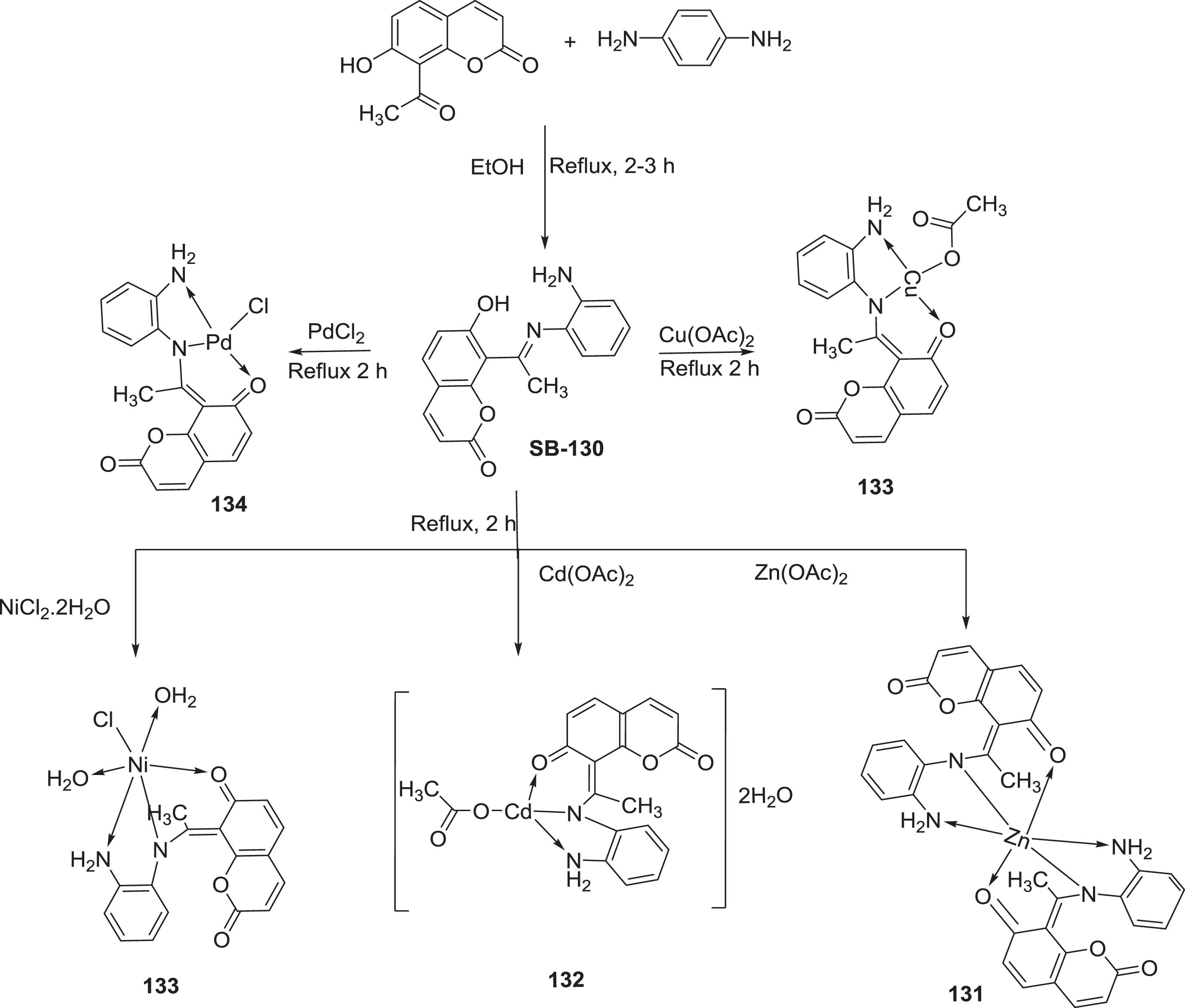
Synthesis of metal complexes of coumarin-amino aryl hybrid.
Elhusseiny et al. screened antibacterial activity of metal complexes
The paper disc diffusion method was used for antibacterial study against E. coli. The test substance was dissolved in 1% dimethyl sulfoxide at doses ranging from 0.1 to 0.40%. The filter paper discs were submerged in various compounds solution baths, dried, and then inserted onto Petri plates containing test organism seeds. The inhibition zone surrounding each disc was measured after the plates had been incubated for 24–30 h at 27±1degC. From results it was concluded that copper(II) complexes showed better whereas metal complexes has also shown good antibacterial activity against E. coli when compared to standard ampicillin (MIC = 15 μg/mL), chloromphenicol (MIC = 40 μg/mL), kanamycin (MIC = 40 μg/mL) (Table 9).
Antibacterial activity of metal complexes of coumarin-amino aryl hybrid against E. coli
In the past two decades, medicinal chemists working with inorganic and organometallic transition metals have synthesized new antimicrobial medicines that show tremendous and notable promise. Due to comprehensive biological properties of coumarin scaffold, it is widely used in drug development and has significant potential in medicinal chemistry. The fact that coumarin containing Schiff bases can form complexes with metal ions adds to their advantageous pharmacophore features, which undoubted include good biological properties. It was observed that coumarin derivatives having substitution specifically at 3, 4, 6, 7 and 8 positions, as shown in Figure 3, were found to exhibit good profile of antibacterial activity which can act as promising antibacterial agents in future, if underwent further for clinical trials.
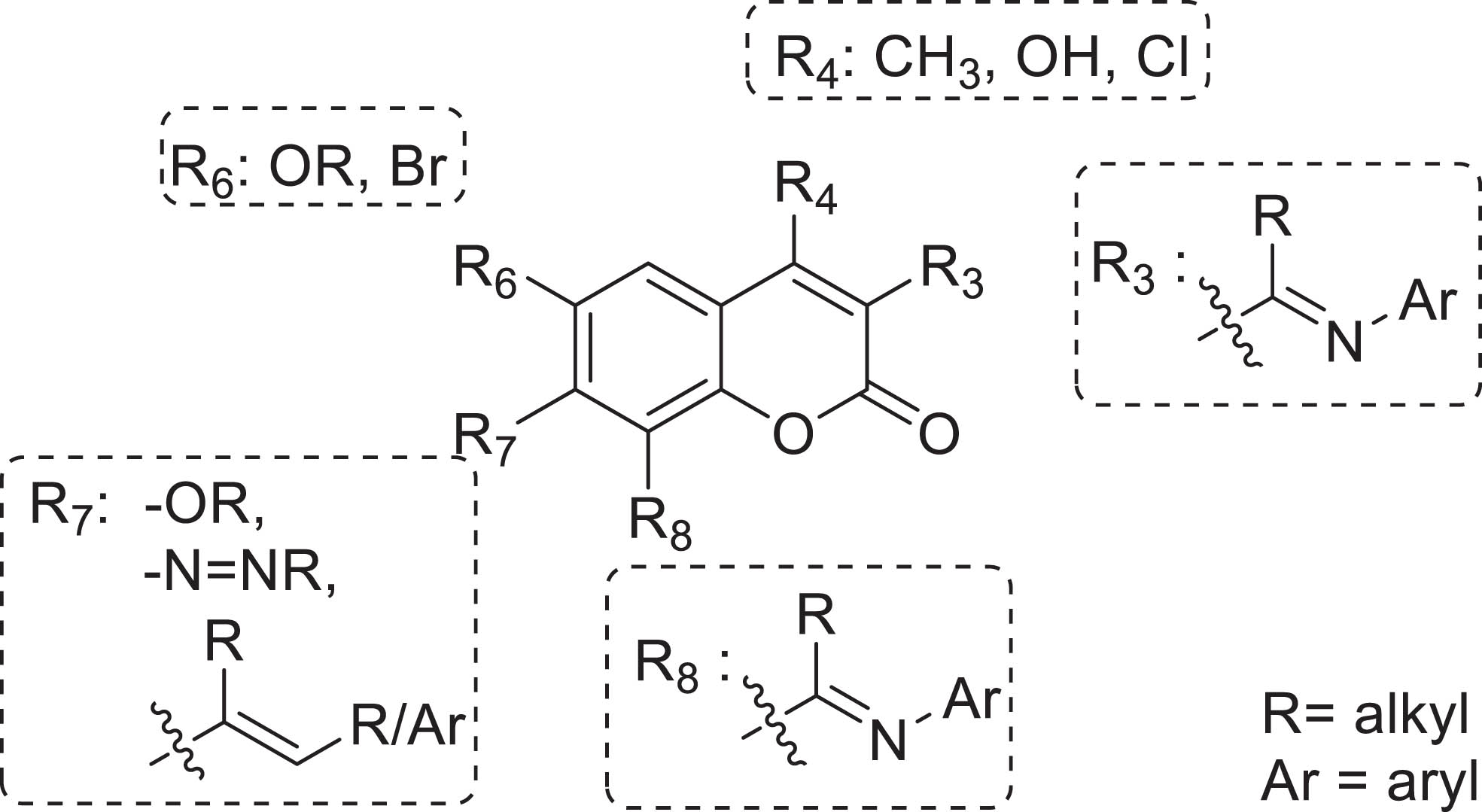
Substrate scope on different positions of Coumarin scaffold.
Footnotes
Acknowledgments
Authors thank Maharaja Agrasen University, Baddi and J.C. Bose University of Science and Technology, YMCA, Faridabad for providing us necessary facilities to carry out the research work.