



Abstract
BACKGROUND:
Double rocking jump rope training can effectively enhance physical recovery, adaptability to exercise load, and lower limb muscle strength of badminton players in sports colleges, thus offering valuable insights for improving training methods in sports colleges and universities.
OBJECTIVE:
To investigate the effect of double rocking jump rope training on the lower limb muscle strength of badminton players specializing in badminton in sports colleges.
METHODS:
An experimental study was conducted through a ten-week teaching intervention experiment with badminton players. Relevant heart rate indexes and badminton related lower limb muscle strength indexes were measured before and after the experiment. The data of the measured relevant indexes were statistically and analytically analyzed. At the end of the experiment, the physical recovery level and the heart’s adaptability to the exercise load of the control group were improved, and the lower limb muscle strength test indexes and sports performance were better than before the experiment. In the experimental group, badminton players’ physical function, anaerobic metabolism of the body and other aspects also improved.
RESULTS:
The physical function of the experimental group of badminton players, the energy supply capacity of the body anaerobic metabolism and aerobic work capacity all have an enhancement effect, enabling badminton players to adapt to large exercise loads quickly and improve the recovery rate of physical fitness.
CONCLUSION:
The introduction of double rocking jump rope into badminton training classes in sports colleges and universities as a means of lower limb muscle strength training is conducive to improving the level of lower limb muscle strength of special badminton players, enriching the teaching and training means of lower limb muscle strength in sports colleges and universities, and broadening the research field of lower limb muscle strength in badminton in sports colleges and universities.
Introduction
As a kind of whole-body exercise in which the upper and lower limbs participate together against their own body weight, skipping rope can improve aerobic capacity, increase bone density and improve balance and coordination [1, 2]. Double shake as a more common form of rope skipping, both widely used in popular fitness, but also many competitive sports physical training methods. As a kind of exercise way to fight against one’s own body weight, double rocking jump rope is not high requirement for equipment and venue, easy to learn, and can be trained anytime and anywhere, besides, double rocking jump rope also has the characteristics of stretch-contraction cycle [3]. In the popular fitness system Cross Fit, 8 times 20s full power double shake with 10s interval between sets has become a classic exercise mode [4]. Wingate jumping rope is easy to implement, saves money and energy, and is generally applicable to athletes’ physical training and general population’s fitness training. Understanding the energy supply characteristics of the two SIT training modes based on Wingate and double shake jump rope, and comparing the energy expenditure of SIT training of the two sports modes can help provide a theoretical basis for coaches and fitness populations to choose the appropriate training method; and investigate the effect of SIT training effect training based on double shake jump rope on the lower limb muscle strength of badminton players [5]. The maximum anaerobic power and anaerobic capacity of an athlete are ascertained using the Wingate anaerobic test. Anaerobic capacity is a measurement of the combined ability of both anaerobic routes (glycolysis and ATP-PC) to produce energy, whereas anaerobic power is a measure of the ATP-CP system.
Badminton is a sport that combines technique and strength, and a good strength base is a prerequisite for badminton technique to play [6]. Better badminton skills can give full play to the athletes’ own lower limb muscle strength; therefore, badminton skills and good lower limb muscle strength have become two key concerns for coaches and athletes. In China, as people began to attach great importance to strength training, a variety of strength training methods began to appear in people’s vision and used to meet the training needs [7]. At the same time, advanced scientific training concepts are emerging. As an emerging strength training method, double rocking jump rope training, through pressure means, restrict blood flow, and train the lower limb muscles to promote the growth of lower limb muscle strength. This training method has the characteristics of short time, short period, low intensity, high efficiency, only need a small training intensity can stimulate the lower limb muscle growth and improve the lower limb muscle strength adaptations. As a relatively popular strength training method, double shake jump rope training is being promoted and applied by many parties, and after reviewing relevant research materials, it was found that there are fewer studies on double shake jump rope training in China and more studies abroad [8, 9]. Jumping rope is a cardiovascular exercise that boosts heart rate and doubles as plyometric training, involving explosive movements with power and speed. It is a cyclic activity with a steady cadence, enhancing coordination between eyes, feet, and hands. Previous studies [10, 11] confirmed that double rocking jump rope training has better gain effect on lower limb muscle strength in rugby, soccer, track and field, tennis, handball and other events. However, we have seldom seen any research on the effect of double rope skipping training in badminton, and whether it can reach or exceed the effect of traditional training after its application in junior male badminton players will have to be studied and explored in depth.
In conclusion, the introduction of double rocking jump rope training stimulates badminton players’ interest in learning. It helps to improve the physical fitness and athletic ability of badminton players and provides a realistic reference for the training of badminton reserve talents in China. It provides an option for badminton coaches or teachers in lower limb muscle strength training, and is useful to promote the use of simple and portable pressure belt and easy to implement double rocking jump rope training, which enriches and improves badminton players’ lower limb muscle strength training methods.
Related work
Ferreira et al. [12] showed that lower limb muscle strength is crucial for badminton players; if this aspect can be done well, all other qualities can be improved together. Sighamoney et al. [13] found that agility allows strength to help improve, it can best control the body, the pace of acceleration of movement, the end of the swing. Another example: strength controls speed, and speed is based on strength. Badminton each action to be carried out in the body’s own control and variable speed, and the rhythm and regularity of these movements are closely related to strength. Badminton players in the lower limb muscle strength training to be relatively modest in weight load, adapt to the physiological characteristics of the body of sports talents, to end with fast movements to do their best. Use less static strength exercises and try to use more power exercises. Bravo-Sánchez et al. [14] found that explosive training is not suitable for large load method and it is best to use a load training maximum force of 40%–50%. So, if the lack of meat contraction rate becomes low it is too large a load, then the training strengthens not explosive power but lower limb muscle strength; if the load is too small it will reduce the muscle contraction force, and the same also affects explosive power. Lam et al. [15] showed that the use of double shake jump rope training as well as being able to Even better development of explosive power. The goal of double rocking jump rope training is mainly to accelerate the speed of muscle tissue generation power, accelerate the lower limb muscle power generation is the method of speed in badminton sports technology, explosive power is the main. Wylde et al. [16] proposed that badminton is classified as a skill-dominant class of confrontational item group across the net according to the item group training theory, and the use of various technical movements and tactical changes to break through the opponent’s defense to score is its main form of movement. Badminton sports process to carry out a full range of running, constantly multi-directional rapid movement, emergency stop, start, stomp across and other actions, with high intensity of movement, short intervals, long duration, badminton players should have good special physical fitness to maintain the body’s high intensity of movement. Moreno-Perez et al. [17] concluded that lower limb muscle strength is an important factor affecting the competitive sport level of badminton players because of the high overall quality requirements of the game. Zulfikri et al. [18] outlined that the 21-point system proposed by the World Badminton Federation in 2006 in the rules of badminton competition was modified to a point-per-ball system, which improved the confrontation and spectacle of the game and shortened the game time in general, but the sustained rounds of movement were prolonged and required more and more muscle strength of the lower limbs of the athletes. Nugroho et al. [19] detailed the principle of the role of the three major energy supply systems and their application in training, while clarifying the energy supply characteristics of the competition, pointing out that the moment of hitting the ball in badminton competition, the frequent acceleration of running, sudden change of direction and the last step in saving the ball, these are basically supplied by the phosphagen system, in order to adjust and recover physical strength during the game, in playing pulling and hanging or four-way. The aerobic metabolic energy supply and glycolytic system are used for energy supply during the game in order to adjust and recover. Previous studies [20, 21] suggested that the three energy supply systems collaborate and interconnect to control the energy metabolic process of badminton players. The lower limb muscle strength of badminton players should be focused on developing the three energy systems for energy supply, improving the body’s muscle glycogen content and anaerobic metabolic capacity, promoting the resynthesis of the phosphagen system, choosing the content and means of exercises to be similar to the special action structure and practice, using similar muscle groups, and focusing on developing the lower limb muscle strength training of badminton players. Previous studies [22, 23] mentioned that double shake jump rope training has a good brain health effect, because through continuous jumping can make the brain non-stop movement, promote the blood circulation of blood vessels inside the brain, so that more oxygen and nutrients are delivered to the brain, enhance the vitality of the brain, make the brain become more clear and flexible, help the development of intelligence, and the use of the brain for domination, coordination of hands, feet, waist and abdomen, as well as each The way of using the brain for domination and coordinating the movement of the hands, feet, waist, abdomen, and each muscle and joint part has a greater effect on improving the responsiveness and sensitivity of the nervous system and promoting the coordination of the limb organs. Previous studies [24, 25] believe that the feet are the second heart of the human body, and through double shake jump rope training can continuously stimulate the blood vessels, nerves and acupuncture points on the soles of the feet, speed up the flow of blood, promote the metabolism, improve the composition and composition of the organs, so as to achieve the purpose of enhancing the function of internal organs. Double rocking jump rope training this project, do not need to have too many sports foundation, easy to master and carry out, is beneficial to the practitioner relaxation, stable mind, long-term practice helps to improve the interest and confidence in sports, refining willpower, enhance psychological quality. The use of different double shake rope skipping training can also achieve different exercise effects on the physical function of badminton players. Double rocking jump rope training belongs to the category of aerobic sports, but it can be used for anaerobic training, can be carried out for a short time high intensity explosive power, anaerobic speed training, medium and high intensity lower limb muscle strength training, but need to pay attention to control the training time and intensity, so it is generally recognized as a good training aid, widely used in different sports general quality and special quality training.
According to the above analysis, the long-term anaerobic state of double rocking jump rope training increases muscle strength and improves the contraction load, making the contraction speed of gastrocnemius accelerate, which is conducive to improving bounce strength and increasing the lower limb muscle strength of badminton players.
Optimization of AdaBoost algorithm based on HAAR features
HAAR features
HAAR image feature descriptors, also known as rectangular features, were first applied to target detection and tracking of video streams in the face domain. HAAR mainly calculates image features through feature templates, and the common HAAR feature templates are mainly divided into four categories, namely edge, linear, center, and diagonal features, as shown in Fig. 1.
Four HAAR feature templates.
As can be seen from Fig. 1, the feature templates are used to extract the image features by combining simple black and white rectangles in each direction. This method uses rectangles to capture diverse patterns and details in different orientations, improving overall image understanding. Through strategic placement and combination within templates, the algorithm identifies and highlights essential visual elements, benefiting tasks such as object recognition and image analysis. After the grip mode is determined by SVM, the specific type of swing action needs to be identified, and the adaptive enhancement AdaBoost algorithm is chosen as the recognition algorithm for the swing action in this step. AdaBoost automates the selection of pertinent features for distinguishing aspects of badminton swings, like racket movement and player posture. Its adaptability involves assigning varying weights to misclassified instances, prioritizing challenging cases and emphasizing subtle features linked to distinct badminton swing actions.
The feature values are determined by the category, size and position of the feature templates, and the variation of the templates leads to a sharp increase in the computational effort of HARR image feature extraction. Feature templates are rectangular filters applied to image sub-regions. The algorithm computes differences in pixel intensity sums in white and black template-defined regions. This process, conducted at various scales and positions, generates a feature set capturing intensity pattern variations across the image. For this reason, the HAAR integral map was born later, which can obtain the pixel values of each image position by traversing the whole image once, and reduce the feature computation time while describing the global feature information of the image, whose schematic diagram is shown in Fig. 2. Implementing the HAAR algorithm is constrained by device or platform capabilities, requiring careful consideration of factors like processing time, resource needs, energy efficiency, scalability, algorithm choice, and implementation constraints based on the application.
Schematic diagram of HAAR feature integration map calculation.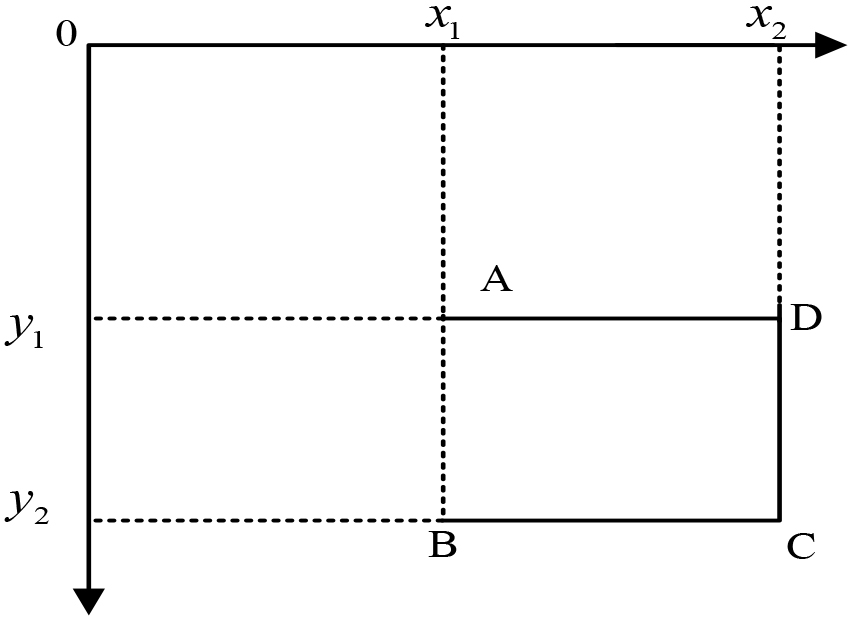
From Fig. 2, the cumulative sum of the pixel values in the rectangular ABCD region is obtained by the formula:
Where
AdaBoost, in the Boosting algorithm series, is a feature engineering-based machine learning algorithm. See Fig. 3 to better understand the principle.
Schematic diagram of AdaBoost algorithm.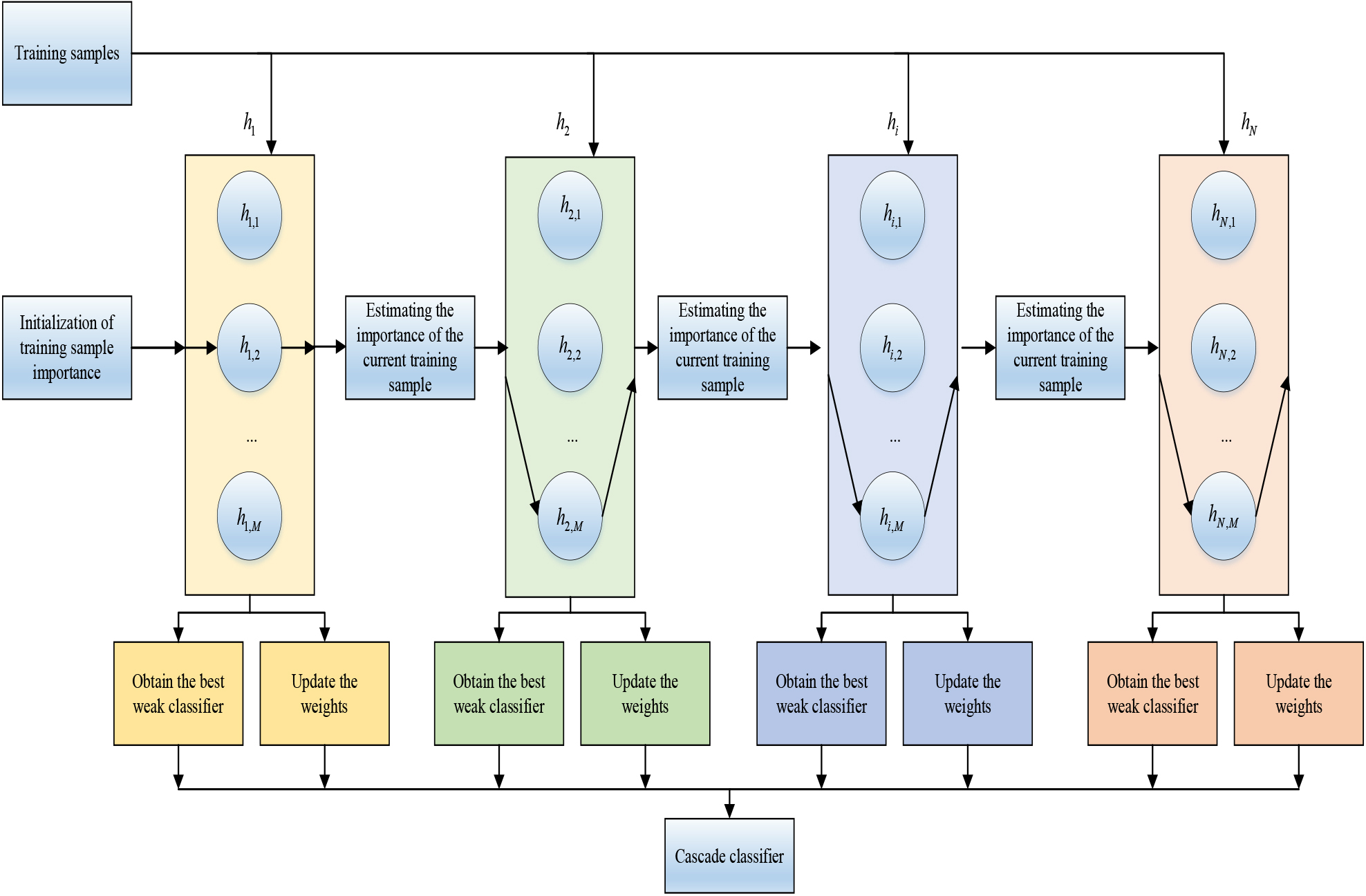
After the
PCA needs to find
Projection operation.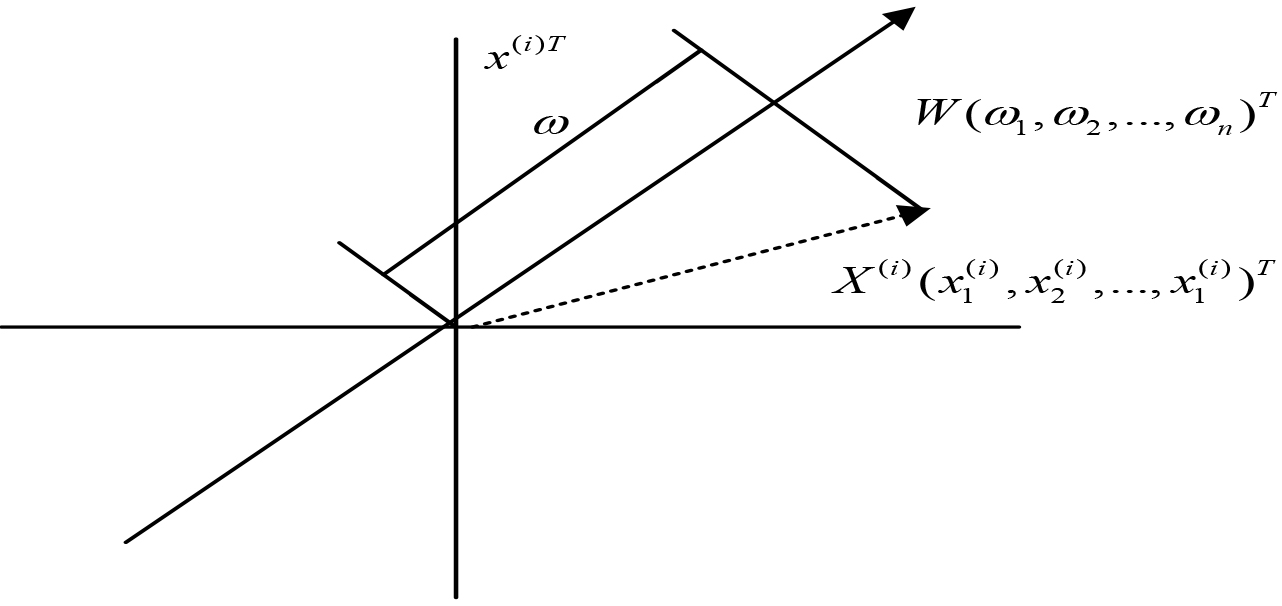
The variance between sample points after projection is:
The original data are normalized to obey a standard positive-terminus distribution with mean 0.
Therefore, according to the Lagrange multiplier method it is obtained that:
When the data acquisition node is installed on a badminton racket, two gripping styles will appear. Racket sensors, equipped with accelerometers, gyroscopes, and pressure sensors, capture motion and pressure data to recognize various gripping styles. Machine learning algorithms analyze this data, identifying patterns associated with backhand and forehand grips based on rotational movements and pressure distributions. The data collected by the inertial sensor will be very different between the two grip types and needs to be distinguished. The SVM classification algorithm is used to identify the grip mode, and the AdaBoost recognition algorithm is used to identify the specific action type. Figure 5 shows the overall flowchart of this paper to identify the swing action.
Overall flowchart of swing action recognition.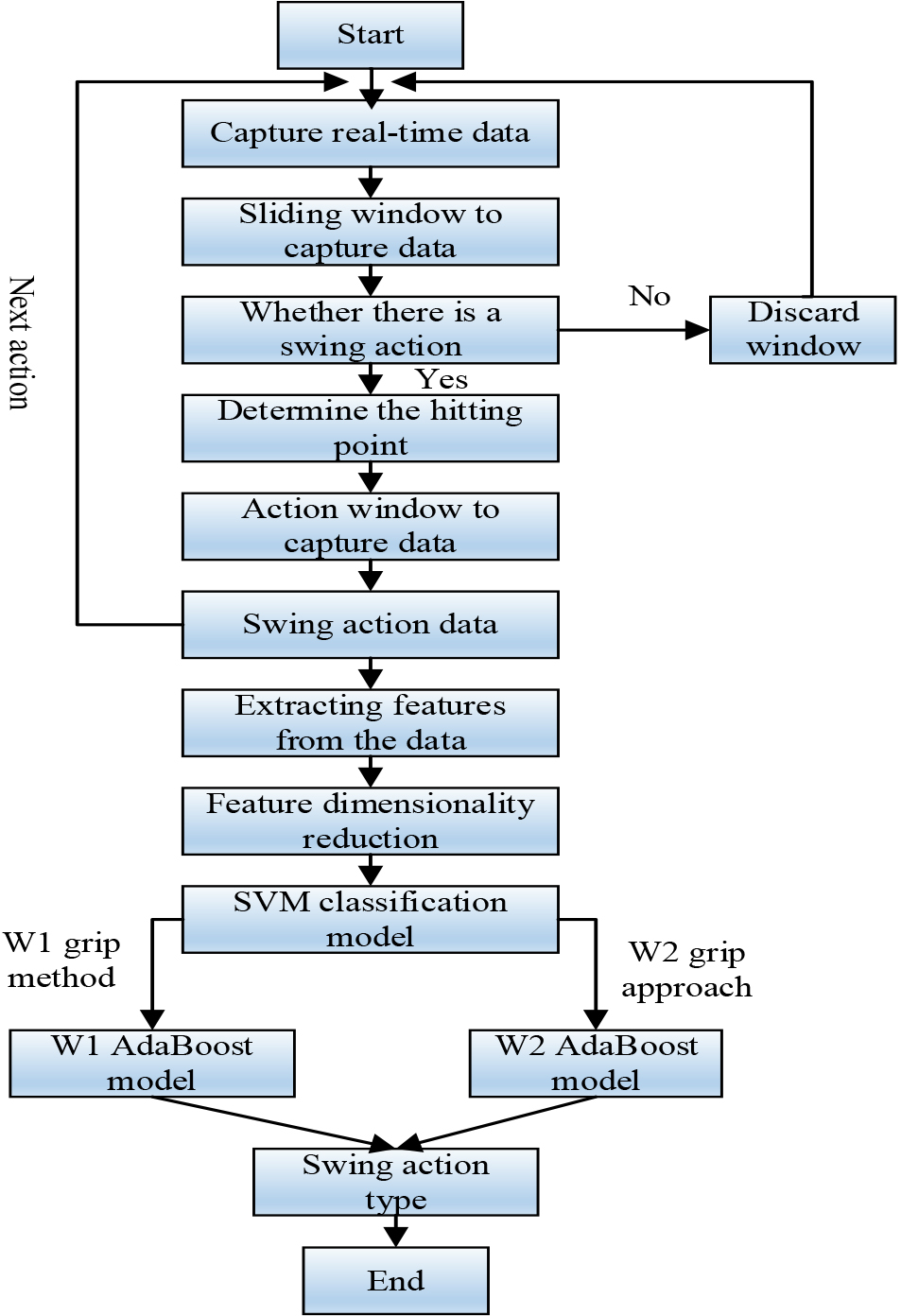
PCA is one of the most common unsupervised learning dimensionality reduction algorithms among data dimensionality reduction methods. PCA is effective in datasets with prevalent linear correlations, making it widely applicable. Its computational efficiency relies on straightforward linear algebra, ensuring easy implementation and understanding. The orthogonal principal components simplify feature interpretation and reduce multicollinearity. For example, n-dimensional features to a lower k-dimensional one, and the new k-dimensional orthogonal features obtained are called principal components. The adaptive nature of AdaBoost is that when a sample is misclassified by a classifier, the sample weights are enhanced and used to train a new classifier. It is iterated until the accuracy reaches a preset requirement. The final base learner is linearly weighted and summed according to the error rate, and the smaller the error rate, the larger the weights.
AdaBoost, called “Adaptive Boosting”, belongs to the Boosting family of integrated learning methods, and is a method that allows multiple weak classifiers to form a strong classifier. The learning optimization principle of AdaBoost is shown in Fig. 6.
AdaBoost integrated learning schematic.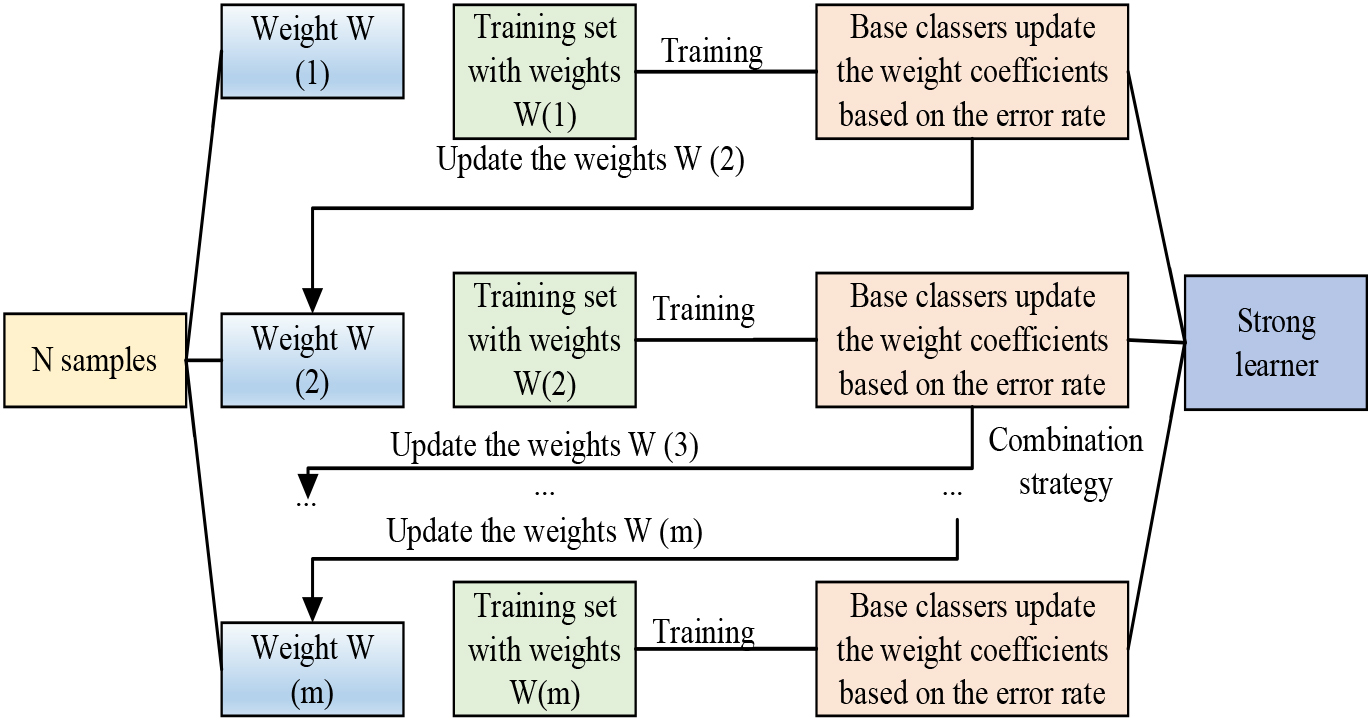
In the data collection, the swing action data is collected separately for two types of grip. Therefore, when recognizing the swing action, it is necessary to judge the grip mode first, and then select the corresponding swing action data model for swing action recognition according to the grip mode. The specific swing action recognition process is shown in Fig. 7.
With left thigh circumference as the dependent variable, time factor as the within-group variable and group factor as the between-group variable. The results were obtained (Table 1). The group main effects were analyzed separately, and the results were obtained (Table 2).
Effect test for the effect of two types of training on left thigh circumference
Changes in left thigh circumference in the experimental and control groups
Identification process of swinging action.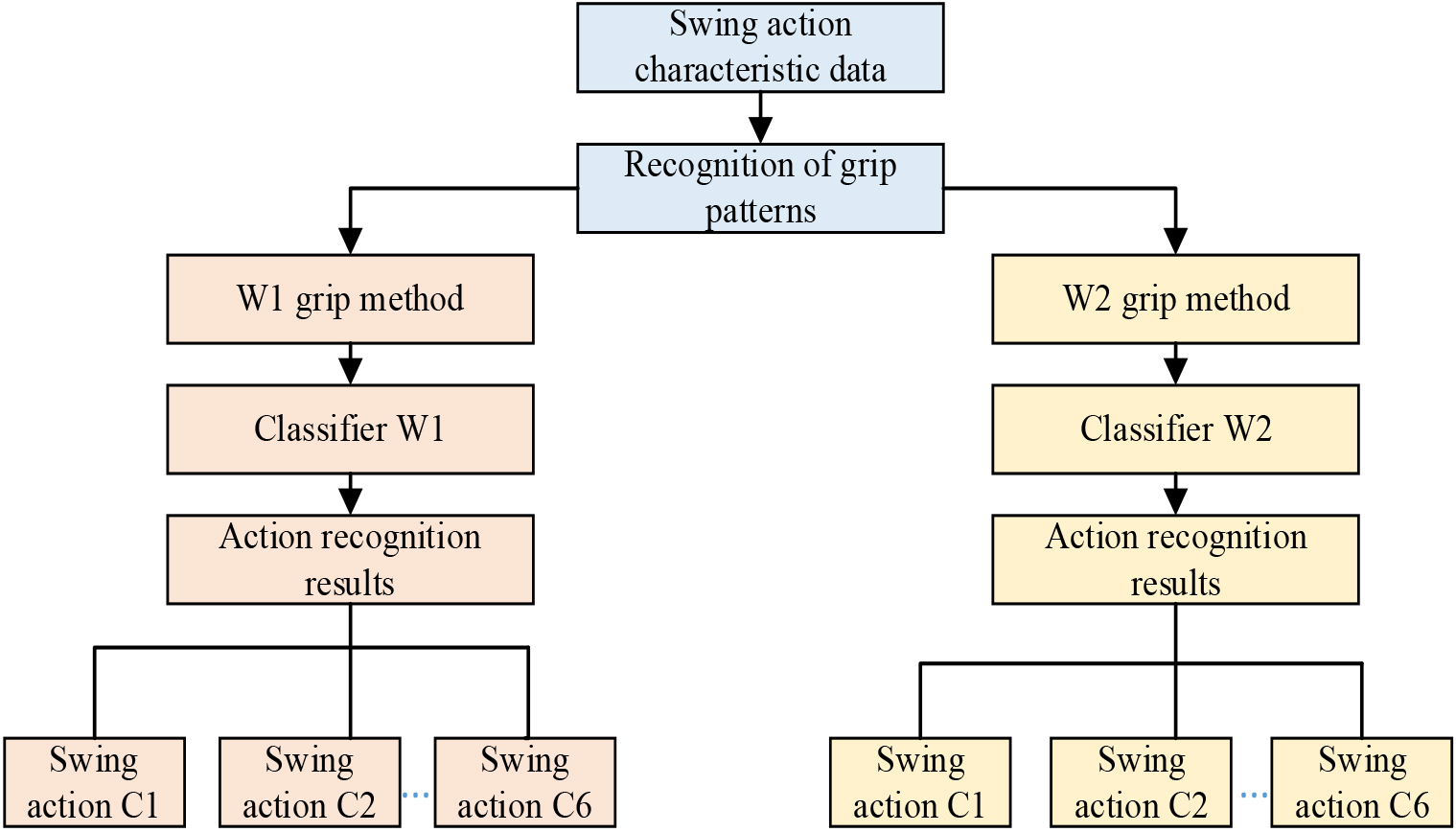
The mean left thigh circumference of the experimental group after the double rocking jump rope training was higher than that before the traditional training. The double swing technique in jump roping boosts muscle engagement, targets specific muscles, and provides unique biomechanical effects. This high-intensity approach promotes weight loss, calorie burning, and reduces insulin sensitivity, enhancing overall strength and cardiovascular fitness by involving multiple muscle groups. The above results showed that the double rocking jump rope training had a positive effect on the left lower limb muscle strength of badminton players. As can be seen from Fig. 8, the left thigh circumference test results showed that the experimental group improved more than the control group, indicating that the double rocking jump rope training was more effective than the traditional training in improving the left lower limb muscle strength of badminton players, and the left lower limb muscle strength test results of the two groups had a tendency to change with the change of training time.
Repeated-measures ANOVA was used to analyze the effect of double shake jump rope training on lower limb muscle strength, with double shake jump rope as the dependent variable, time factor as the within-group variable, and group factor as the between-group variable. ANOVA is useful for comparing means in double shake jump rope training to assess lower limb muscle strength across conditions. Post hoc tests like Tukey’s HSD identify specific groups with varying muscle strength, helping evaluate the effectiveness of double shake jump rope training compared to control or other interventions. The above results showed that the double rocking jump rope training had a positive effect on the double rocking jump rope of badminton players Table 3.
Effect test of the effect of two types of training on the index of double rocking jump rope
Note: * indicates:
Trends of left thigh circumference before and after the experiment in two groups.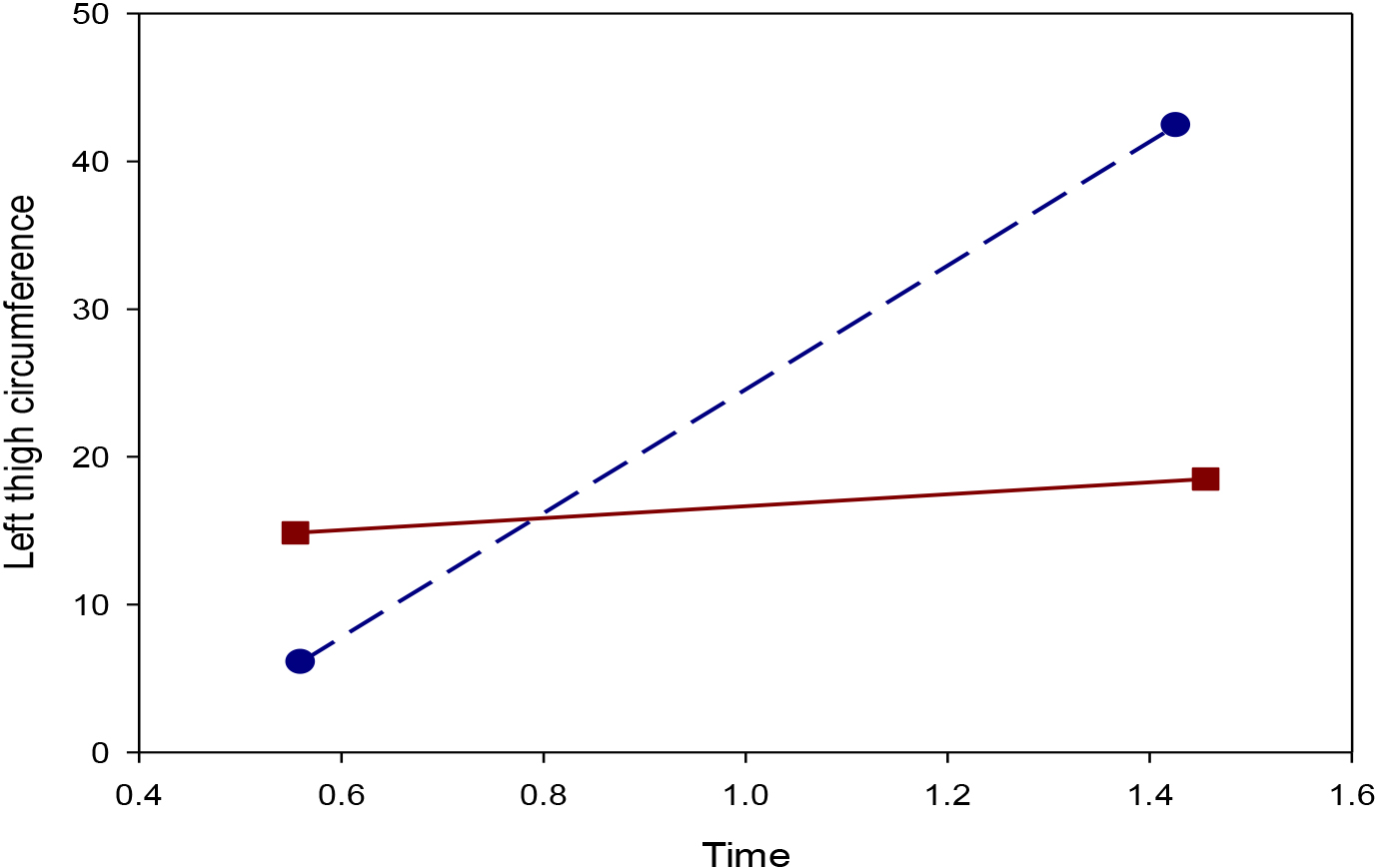
Meanwhile, combined with Fig. 9, it can be seen that both groups have improved the double rocking jump rope index test results after the experiment, but the experimental group has better double rocking jump rope test results than the control group, and the double rocking jump rope index results have a trend of growth with time. This shows that double rocking jump rope training is better than traditional training for badminton players to improve the results of double rocking jump rope test. Success in the double rocking jump rope test indicates enhanced agility, a crucial quality for badminton players to navigate the court swiftly and respond effectively to opponents. It also signifies strengthened lower body muscles, contributing to powerful jumps, quick lateral movements, and improved on-court stability. It indicates that double rocking jump rope training has a greater positive effect on the lower limb muscle strength of badminton players than traditional training.
The trend of double rocking jump rope performance before and after the experiment in two groups.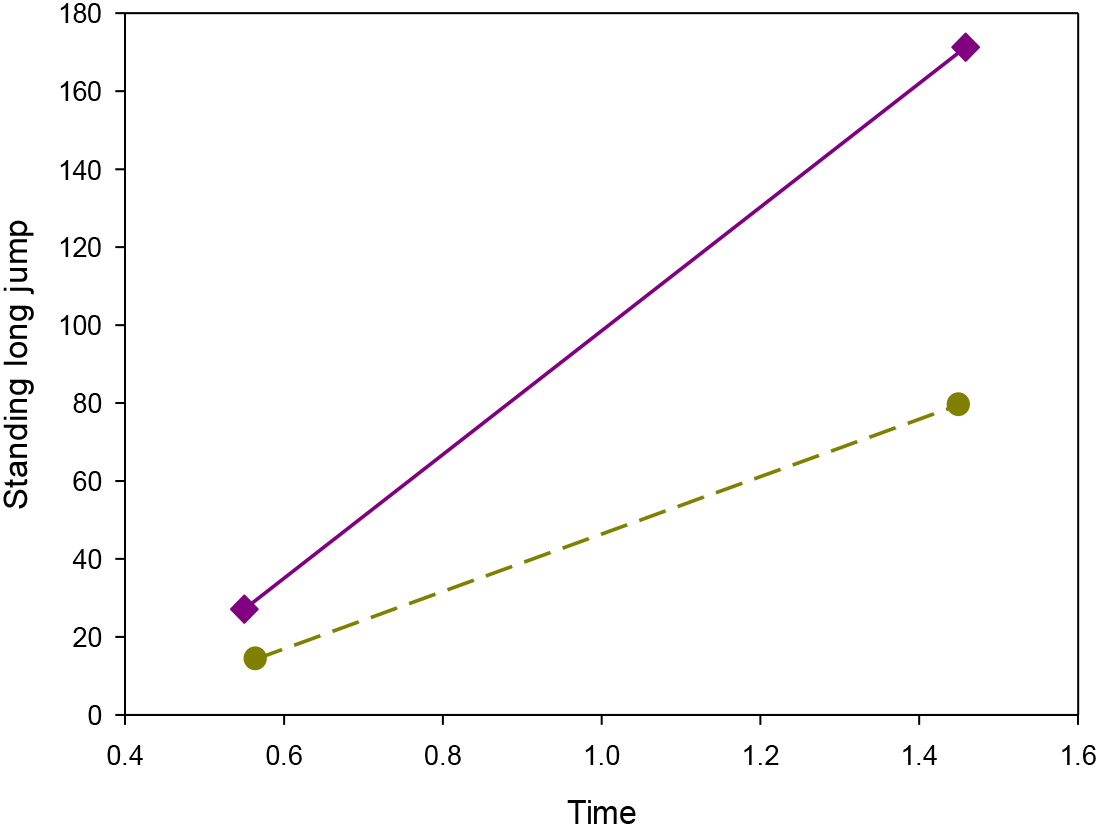
Youth badminton training mode is based on singles, and most of the athletes exist part-time, so the sample is the athletic performance of singles athletes, through the correlation analysis of athletic performance with the technical evaluation results and four physical quality results, to provide important feedback and reference basis for future athlete training. Singles play in tennis is crucial for developing individual skills like footwork and shot accuracy. It provides a foundation for young players, fostering independence and court awareness before moving on to doubles. The sample was tested for normality, and the results showed that the data were normally distributed, which met the prerequisites of Pearson correlation analysis and could be tested by Pearson correlation analysis.
In the matrix correlation analysis of Table 4, it can be seen that 10 times of low center of gravity running is positively correlated with 20 meters
Correlation analysis between physical fitness, technical assessment scores and sports performance of male athletes at age 4
There is an extremely significant difference. It also shows that the effect of double rocking jump rope training on the lower limb muscle strength of badminton players has an extremely obvious advantage compared with traditional training.
Therefore, in order to standardize the test raw scores, based on the study of special physical fitness and evaluation standards for adolescent male badminton, this study designed a physical fitness test index and standard percentage conversion table. The standard percentage conversion table is actually a scoring standard developed by using the principle of the deviation method, and the mean of each individual score was set as 50 using the deviation method to calculate the standard score, which was used for the indicators of test value G. The goal is to establish a conversion table that correlates scores from different assessment tools commonly used in educational testing. This entails administering both new and existing tests to a common sample. Deviations of individual scores on the new test are calculated with reference to the existing test scores. The data collection device used in this paper uses BLE as the data transmission method, where the optimized message format is shown in Fig. 10.
BLE message format.
The scores of 30 sprint, 3 times left and right touching edge and 3 times cross run in response to the three indicators of moving speed, the experimental group’s scores are lower than the control group, combined with the scores of double rocking jump rope, and through the expert consultation experts can find that the left and right touching edge is an index that can reflect the lower limb muscle strength and moving speed at the same time, but the moving speed of badminton special is not determined by the explosive power of the lower limbs, although the experimental group has better explosive power, but the speed of movement in the premise of the need for a certain amount of strength more need to be fast and sensitive movement changes, while the control group although the lower limb muscle strength is slightly weaker but more flexible and fast foot movement. In terms of movement speed, the experimental group scored higher than the control group in both indexes, and the experimental group had a slight advantage in this index, so it can be found that the experimental group had stronger lower limb strength and therefore could have faster speed when completing a lower limb movement (Table 5).
Table of 10 quality index scores of badminton players in the experimental group and the control group (
It means that the double rocking jump rope training can improve the strength quality significantly, but compared with the comprehensive quality training, it only has the advantage in the improvement magnitude and cannot produce significant difference, and at the same time the lower limb muscle strength improvement effect is slightly inferior to the quality training. Double rocking jump rope training emphasizes bilateral development in the lower limbs, addressing asymmetry in badminton movements. Focusing on the left side enhances strength, agility, and reduces injury risk for crucial muscles involved in dynamic badminton motions. The BLE data acquisition module designed in this paper has the function of binding the connected BLE peripheral devices in addition to the basic control of BLE connection and disconnection, after binding the device, the central device will automatically establish connection with this peripheral device when it is found next time, as shown in Fig. 11. An advanced data acquisition module enhances system efficiency through precise and versatile data collection. It provides real-time monitoring, seamless integration, scalability, reduced downtime, energy efficiency, and data security. Compatible with various sensors and devices, it ensures adaptability for comprehensive analysis in systems with diverse data needs.
Bluetooth search engine optimization.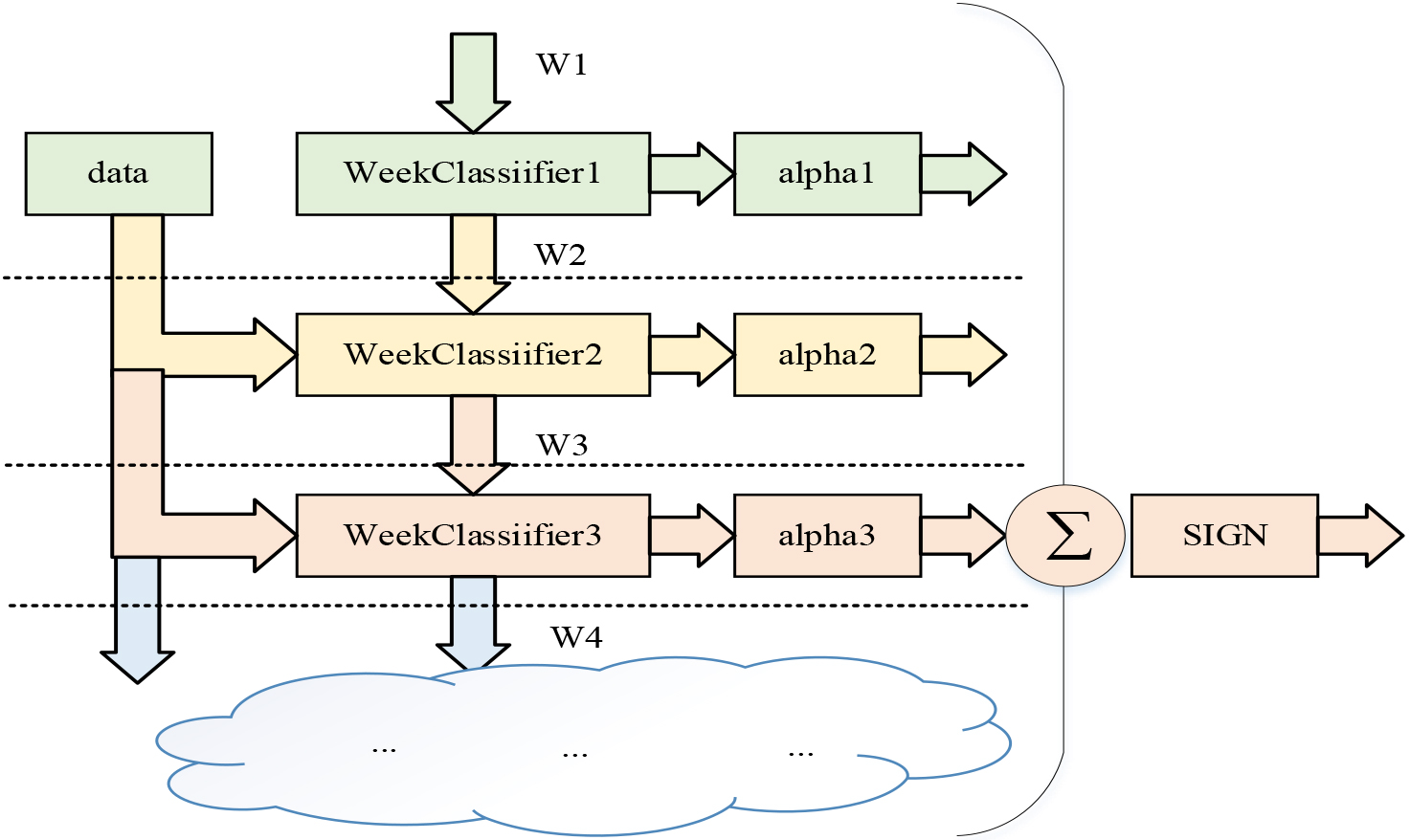
Mean accuracy (red solid line) and mean recall (blue dashed line) corresponding to different Bounding Boxes/Cells.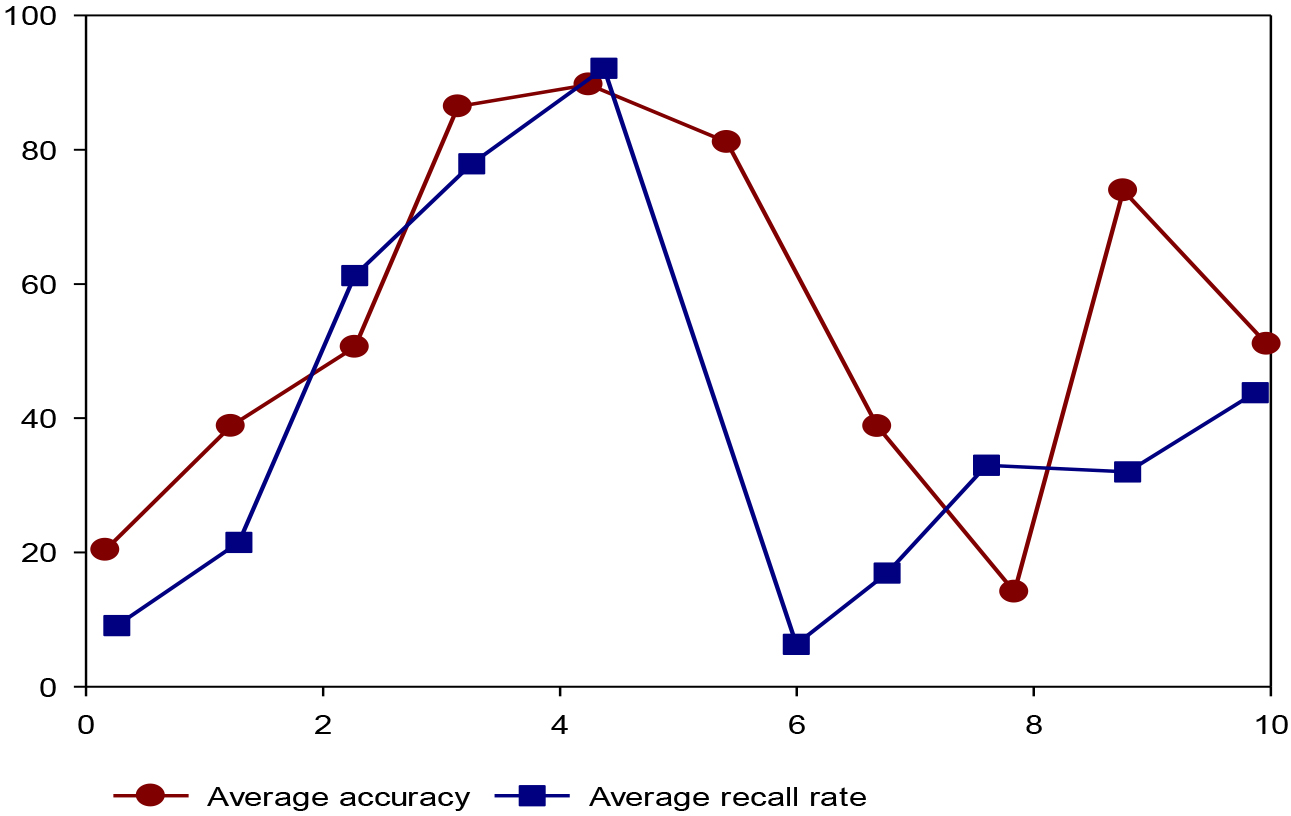
Testers in doing the barbell overhead movements, the front middle and back shoulder muscles will be involved, taking most of the responsibility for controlling the stability of the body, triceps and pectoralis major muscles will also be involved, the core muscle groups have some support role. In any form of rope throwing training, lower limb muscle groups are involved in training from beginning to end, and general quality training only when doing some lower limb parts of the exercise will practice to lower limb muscle strength, from the whole experimental process, in the same training phase, double rocking jump rope training for the lower limb muscle groups are higher than the control group stimulation time and load, so although the experimental group after the experiment is only an average of more than the control group 4.4, the experimental group improved by 6.1 more than the control group. Training lower limb muscles promotes muscle hypertrophy, enhances neuromuscular adaptations, increases muscle fiber size, strengthens connective tissues, and improves bone density. This cumulative effect contributes to the growth and enhancement of lower limb muscle strength. The supine leg raise is a movement that mainly involves the lower abdominal muscle groups and has relatively higher demands on the lumbar region. Double rocking jump rope training on the surface does not seem to target the training of the waist and abdomen, but each time the rope is thrown in stimulating the abdominal and dorsal parts, different angles and amplitude of the lower throws all involve the body folded inward and up and down throws all have a continuous greater intensity of stimulation of the large muscle groups of the waist and back, in the body to maintain a certain form of rope throwing, the waist and abdomen position connecting the thrown lower limbs and play a chassis role of the lower limbs, the stability of its deep muscles has been Certain strengthening, from the data on the pre-test experimental group on average than the control group to do 3.4 less, and after the experiment can do 2.5 more, more than 5.9 improved. For a pair of images divided into 13
In conclusion, the double rocking jump rope provides a good measure of explosive lower limb strength involving the large muscle groups of the glutes, thighs and especially the quadriceps. In this experiment, a significant difference was produced before and after the experimental group, while the control group did not, but the control group improved a little more compared to the experimental group. In this experiment, both groups trained for the lower extremities with elements of jumping and deep squatting, and the control group had weighted squatting with greater load, which was more stimulating for the explosive power of the lower extremity muscles only during the training, but lacked continuous stimulation like the double rocking jump rope, which had limited improvement on the lower extremity muscle strength than the double rocking jump rope training during the whole experimental period. If the control group solely emphasizes weighted squatting without a comprehensive training program, improvements may be limited to specific muscles, overlooking overall lower extremity function. Individual responses to training vary based on factors like genetics, current fitness levels, and other variables.
After the experiment, the level of physical recovery and the ability of the heart to adapt to the exercise load of the control group had an improvement, and in terms of badminton lower limb muscle strength test index, the exercise performance was improved than before the experiment, and it can be concluded that the traditional lower limb muscle strength training method has a positive effect on improving the lower limb muscle strength quality of badminton athletes in badminton specialties in sports colleges. After the experiment, the physical function of badminton players in the experimental group, the energy supply capacity of the anaerobic metabolic system of the body and the aerobic work capacity have improved effects, so that badminton players can quickly adapt to large exercise loads and improve the recovery rate of physical fitness, which is conducive to improving the quality of lower limb muscle strength. At the same time the test scores of relevant lower limb muscle strength indexes were significantly improved, and it can be concluded that double rocking jump rope training has a positive influence effect on improving the lower limb muscle strength quality of badminton special badminton players. To help badminton players fully to recognize the value and function of double shake jump rope training, encourage badminton players to actively participate in the development of different double shake jump rope training methods, promote the diversification of training means, and actively promote and use in the special quality training classroom of badminton in colleges and universities. Hairball lower limb muscle strength training needs to reach a certain load and intensity in order to achieve the training effect, the future introduction of double rocking jump rope into badminton lower limb muscle strength training should strictly control the training time and interval time, and according to the characteristics of badminton project combined with it to make it more effective development of badminton lower limb muscle strength. Although the double rocking jump rope training is more diversified, but the lack of a certain distance of running, in the long-term lower limb muscle strength quality training, should be combined with other training means, and strive to achieve a better training effect.
Scientific research on lower limb muscle strength of badminton players has decreased in recent years, especially in experimental aspects, so more research scholars are expected to continue in-depth research in the future.
Data availability
The experimental data used to support the findings of this study are available from the corresponding author upon request.
Funding
This work was sponsored in part by the National Natural Science Foundation of China (2345678).
Author contributions
Jun Li contributed the central idea, analysed most of the data, and wrote the initial draft of the paper. Jun Li and Rong Li contributed to refining the ideas, carrying out additional analyses and writing – review & editing. Rong Li contributed to writing – review & editing. All authors reviewed the results, approved the final version of the manuscript and agreed to its publication.
Footnotes
Acknowledgments
The authors are grateful for the techniques that have contributed to this research.
Conflict of interest
The authors declare that they have no conflicts of interest regarding this work.