



Abstract
BACKGROUND:
Previous studies demonstrate a higher risk for pregnant women to experience stressors within the work context and therefore suggest a higher risk for occupational stress. However, the interaction between work and pregnancy in Germany is currently an area without much active research, even though it is a common occurrence.
OBJECTIVE:
This qualitative study explores stressors, coping behaviors and related consequences for pregnant employees in Germany. Furthermore, the study researches intervention possibilities for the purpose to prevent the target group from negative health outcomes.
METHODS:
Thirteen semi-standardized interviews with employed pregnant women living and working in Germany were conducted. The interviews were recorded and verbatim transcribed. Data was analyzed by Mayring’s structuring qualitative content analysis.
RESULTS:
Compounding the results, the interviewed women noted most frequently stressors in relation to their employer/line manager due to their pregnant condition. Even though the women showed various adaptive coping behaviors, the identified negative consequences, mainly on their emotional wellbeing. Various intervention possibilities to improve the pregnant employee’s situation were mentioned.
CONCLUSIONS:
This study was able to explore broad insights into the topic of pregnant employees in Germany. Therefore, this study underlines the actuality and relevance of the topic and is able to contribute to a scientific discussion about pregnancy at the workplace.
Introduction
Since the early 1990s, the number of employed women in Germany has steadily increased. Until 2014, 73% of all women in Germany between the ages 20 and 64 were in an employment relationship 1 [1]. Consequently, pregnant women in the workplace have become a common occurrence [2]. Each year in Germany, around 350.000 employees are suggested to be pregnant and employed simultaneously [3]. Recent studies investigating in the topic of pregnant employees demonstrate a higher risk for them to experience occupational stress [4]. The increased risk for occupational stress is assumed to be driven by a woman’s transition into motherhood. The process of becoming a mother at the workplace might not only raise stereotypes against pregnant women but is also interrelated with body and work protection law changes which can lead to changes in the women’s employability [5]. The German maternity protection law which determines the changes in women’s employability was established in 1952 and hasn’t been adapted to recent changes in the working environment and women’s employment. Nevertheless, new adaptions towards a modernized German maternity protection law are planned to become effective in January 2017 [6]. However, despite the relevance to the current discourse on maternity protection law and the considerable risk of occupational stress, the interaction of work and pregnancy in Germany is still an understudied area [4].
Theoretical framework: The transactional model of stress
Stress can be defined as the change in a person’s physical or mental condition in response to situations [stressors] that generate challenges or threat [7]. The term occupational stress describes a situation in which characteristics of the work situation are thought to cause stress and therefore pose risk factors that make poor health more likely [8]. In this study, the transactional model of stress by Lazarus and Folkmann (1984) and an occupational/psychological extension by Bamberg et al. (2003) (Fig. 1) serves as theoretical framework to demonstrate the detailed emergence of occupational stress [9]. The latest research on occupational stress mainly refers to the transactional model of stress by Lazarus and Folkmann, which lays its focus on the individual’s appraisal of stressors and methods of coping with those stressors [9, 10]. Beyond the individual appraisal, the occupational psychological extension of the model by Bamberg et al. lays a focus on the consideration of external influencing factors on a stress process. Therefore, stressors arising in all kinds of environments are taken in account in the extended model of stress. Consequently, the model allows the consideration of a wide spectrum of stress-relevant factors at the workplace [9]. Moreover, the stress model considers resources and the individual’s possibilities to handle a stress process [9]. This study focusses in particular on three components of the model: stressors, coping and consequences. Each of the highlighted components is described briefly in the following section. Even if the components are described in sequence, they do not need to occur in an unbroken stream. The entire process may cycle repeatedly in a stressful transaction [9, 11]. The study further analyzes possible approaches, where best to intervene in the stress process in order to prevent pregnant women from occupational stress and negative health outcomes. As research has neglected the specific question about workplace stress in the perinatal phase up, it is not possible to draw conclusions from previous literature on what kind of specific intervention for pregnant women experiencing occupational stress is needed [12].
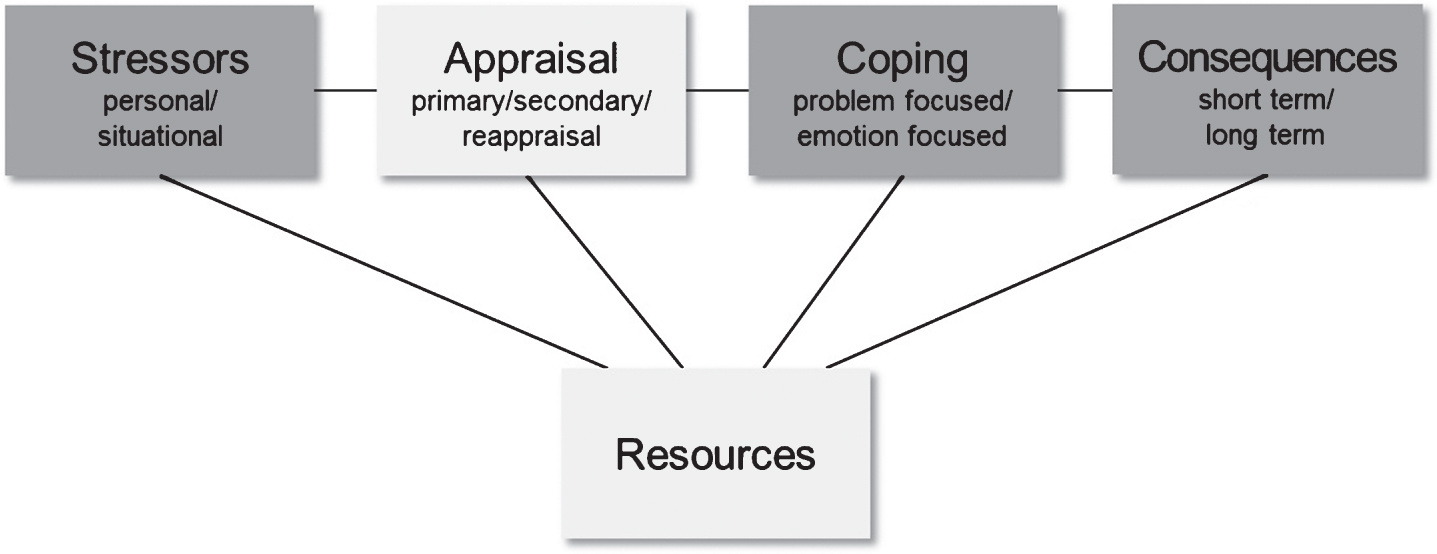
The transactional model of stress by Lazarus and Folkmann [1984] extended by Bamberg et al. [2003] [Source: own demonstration after Bamberg, Busch, Ducki, 2003].
In this section, the current state of research about pregnant women’s workplace-related stressors, coping and consequences is presented. Recent studies, reports and reviews conducted in Australia [13], Canada [14], Ireland [15, 16] and the United States [17, 18] serve as an example for the current state of research regarding the topic as no information is available specifically for Germany.
Stressors of pregnant employees
The initial points of a stress process are stressors. Stressors can arise on a systemic level, whereby they are affiliated with the organization of work as for instance, high expectations set by the company or time pressure. Stressors can also arise on a personal level, for example high expectations in one’s job performance [9, 10]. Recent studies investigating in the topic of stressors for pregnant women at the workplace concentrate mainly on pregnancy-related discriminative behaviors as possible stressors [13, 17]. Pregnancy-related discrimination is defined as any action, decision or policy that abolishes a benefit or negatively affects a woman as a result of her pregnancy status [14]. Discriminative behaviors are reported on a systemic and on a personal level (see Table 1) [13, 18]. A survey by the Australian Human Rights Commission demonstrates that up to 45% of the participating women experienced various tangible pregnancy-related discriminations at the workplace [13]. In the consideration of stressors, the current state of research leads towards the assumption that one possibility to prevent pregnant women from occupational stress is to avoid or minimize workplace stressors in the first place. When avoiding workplace stressors, two aspects must be considered: The aspect of avoiding intrapersonal-, workplace- and organizational stressors as well as increasing the colleague’s and the employer’s awareness for specific needs of pregnant women in order to avoid interpersonal stressors [9]. Coping behaviors of pregnant employees.
Examples for pregnancy-related discriminations [Source: own demonstration after the Australian Human Rights Commission, 2014]
Examples for pregnancy-related discriminations [Source: own demonstration after the Australian Human Rights Commission, 2014]
In order to understand Lazarus’s concept of coping, a closer look on the appraisal of stressors is needed. Lazarus differentiates between the following three steps [10, 19]: The primary appraisal: The individual appraises a stressor as either positive/favorable, as irrelevant or as harmful/threatening. The secondary appraisal: A potential response towards the stressors is developed, whereby the individual considers his or her available coping capacities and coping possibilities. The reappraisal: After the individual has considered his or her possible coping capacities and coping possibilities, the stressor are reappraised.
Coping itself is defined as the execution of the considered response towards a stressor [10, 19]. In the transactional model of stress, it is distinguished between two types of coping. 1. problem-focused coping focuses on problem solving or doing something to alter the source of stress (for example a change in the working style); 2. emotion-focused coping which focuses on reducing or handling the emotional distress that is associated with (or cued by) the situation (for example encouraging oneself) [19]. However, most stressors address both types of coping. Problem-focused coping tends to be predominant when people feel that something constructive can be done, whereas emotion-focused coping tends to prevail when people feel that the stressor is something that must be endured. Furthermore, coping is differentiated between active and passive coping behaviors: Active coping is the behavioral way and passive coping the cognitive way of coping with stressors (see Table 2). Active coping can furthermore be applied beforehand, when stressors are suspected to appear (proactive coping). However, most coping processes involve a mix of different coping behaviors to face one stressor [9]. Not all coping behaviors are conductive to good health (e.g. alcohol, drugs) [20] or effective. Ineffective coping might even serve to further increase the related stressors or inherences the risk of intensifying consequences [21]. Therefore, coping serves as a moderator, whether or not an event becomes stressful and whether or not consequences in the person’s health occur [10, 19]. Studies researching coping of women with pregnancy-related discrimination analyzed various applied behaviors. The interviewed women mentioned coping behaviors as for example discussing it with friends and family, raising the issue with their employer/line manager, that they went for a formal complaint, resigning or looking for another job, seeking advice from legal services/union or employee advisory services [13, 15]. Most of the affected women didn’t take the step of a formal complaint, though [13]. As reasons they mentioned: they do not see the problem as serious enough, believe it is too stressful or too embarrassing to complain or they believe that nothing will change [13].
Differentiation between coping behaviors [Source: own demonstration after Bamberg, Busch, Ducki, 2003]
Strengthening women’s coping behaviors by increasing their coping capacities and coping possibilities would help prevent negative consequences such as mental health issues [9].
Stress is an inherent reaction of the confronted person towards stressors and can appear with short-term as well as long-term consequences. Depending on the appraisal of stressors and the applied coping behaviors, stress can be positive stress (eustress) and can for example help a person to overcome challenging situations with the consequence of a strengthened self-confidence. However, stress can also become burdensome and cause emotional distress (e.g. fears, dissatisfaction) [10, 23]. As each individual appraises and copes with comparable conditions in different ways, not every stressor has the same consequences on the confronted person [9]. However, certain types of stressors and longer duration of stress (eustress or distress), may lead to long-term negative consequences on the person’s mental and physical health (see Fig. 2) (e.g. depression or cardiovascular diseases) [22, 24]. Beyond that, consequences of occupational stress may not only targeted the person who is confronted with stressors but also his or her friends and family and/or the working environment [9]. The Australian Human Rights Commission reports that 72% of the pregnant women who face discriminative behavior at the workplace say discrimination mainly affects their emotional wellbeing. Women stated that they feel anxious, thrilled, distressed, upset, humiliated, redundant, and disempowered or like they are losing their self-confidence. Therefore, the mentioned consequences of pregnancy-related discrimination at the workplace are suspected to pose in the longer term a threat for the women’s mental health [13]. As pregnancy is a complex biopsychosocial happening, a mental burden towards the mother during pregnancy is may be a risk factor for the unborn as well as the newborn child [25]. Studies associate depression, anxiety or continuing stress during pregnancy to be a risk factor for delivering preterm or giving birth to a growth-restricted infant [25, 26].
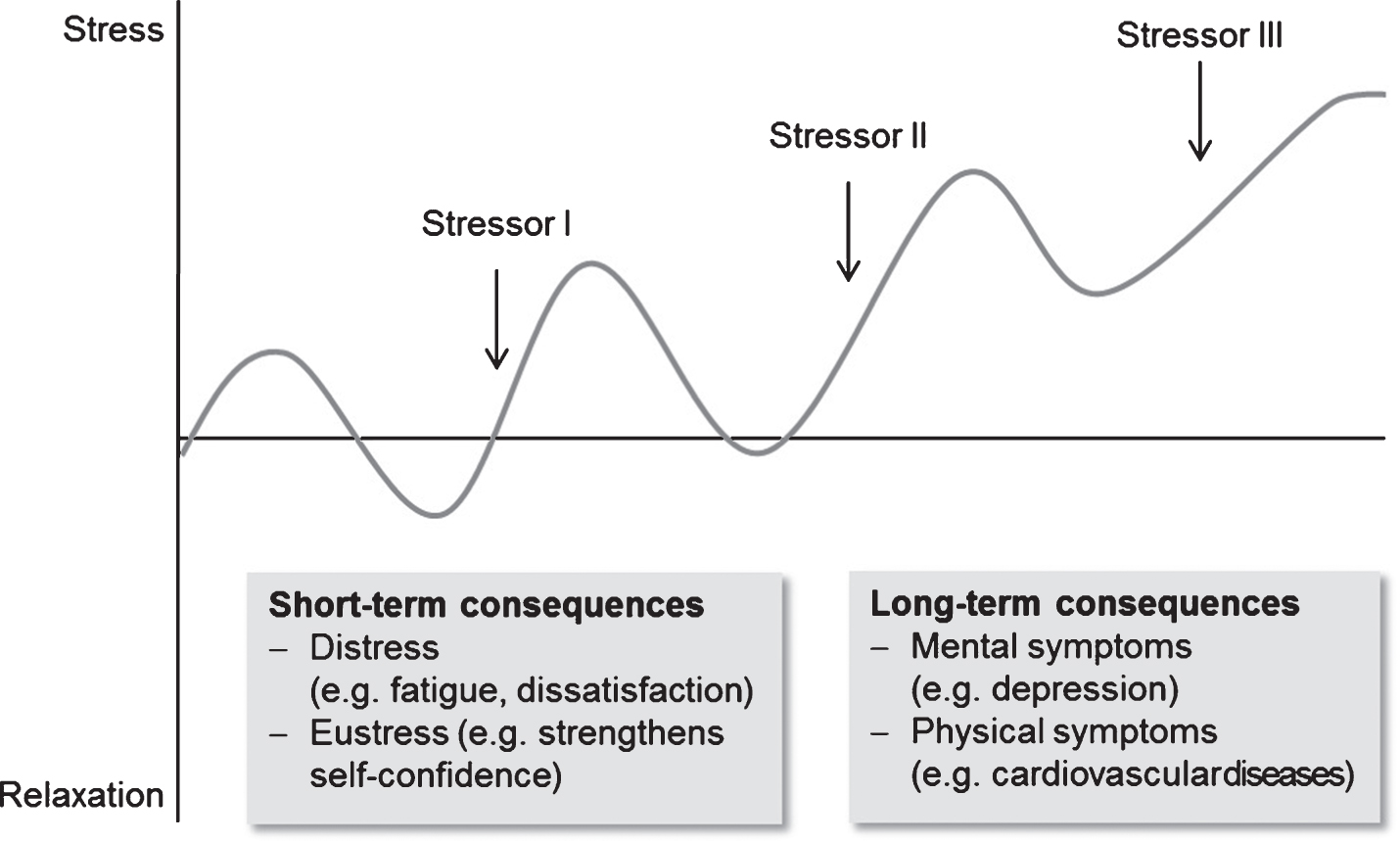
Pregnant women are considered to have a higher risk of experiencing occupational stress than women who are not pregnant. Recent studies investigated pregnancy-related discriminative behavior as one possible stressor for pregnant women at the workplace. However, there is a lack of research regarding possible further stressors. Applied coping behaviors during pregnancy are various, although the studies report a high number of pregnant women drawing on support of social contacts. Negative emotions are reported as the main consequence of negative appraised stressors by the women in the quoted studies. Table 3 summarizes examples of the current state of research about stressors, coping and consequences of pregnant employees (see Table 3).
Summarizing examples of the current state of research about stressors, coping and consequences of pregnant employees
Summarizing examples of the current state of research about stressors, coping and consequences of pregnant employees
In order to prevent pregnant women from negative consequences, it is appropriate to investigate the reduction of workplace stressors and the strengthening of coping capacities and coping possibilities of the women.
As there is no comprehensive information available about the situation of pregnant employees in Germany it should be noted that the laws about employment, maternity- and parent-leave differ in each country. Furthermore, these laws are perceived and acted out differently, depending on a country’s as well as organization’s culture and values. Therefore, it is necessary to conduct this particular research in Germany, in order to gain scientific knowledge about the situation for pregnant employees in Germany. The demonstrated current state of research identifies four main areas, in which gaps of research exist in Germany: First of all, there is no comprehensive information available about the situation for pregnant employees in Germany, especially looking at possible stressors they face at the workplace. Secondly, a gap in research exists regarding how pregnant women cope with stressors. Thirdly, more research is needed in terms of what kinds of consequences occur for pregnant women facing stressors at the workplace. And lastly, there is a research gap regarding the need for intervention, and how to tailor interventions for the target group.
Study aim
This study’s purpose is to provide a first impression regarding stressors, coping and consequences for pregnant employees in Germany. The findings will be a contribution to further the base of research on the topic. New insights can initiate the development and improvement of adequate supporting structures, intervention programs or law adjustments for employed pregnant women with the aim to foster good health of pregnant employees as well as their children.
Research questions
Four main research questions were developed which would meet this identified lack of research:
Methodology
The following section outlines the applied research approach that was chosen to examine the research questions.
Study design
To examine the situation of pregnant employees in Germany, a qualitative approach is chosen. The qualitative approach allows for exploring complex human issues, such as pregnancy in the workplace and will meet the lack of suitable literature in Germany on this topic [27]. The study design is based on a problem-oriented approach by Witzel (1985). The problem-orientation enables inquiry about a specific problem and determination of knowledge about the subjective perceiving and acting towards a problem [28].
Interview guide
For the present study, semi-standardized interviews were conducted. A summarization of the interview guide is available in appendix 1. The interview guideline contains mainly open questions in every-day language [29]. The questions’ order is inspired by the problem-focused approach of Witzel (1985). The guideline was used to structure the interviews and to ensure that certain topics were covered. Four main topics in line with the research questions were addressed with the guideline. First of all, the women were asked about what kinds of challenging situations/conflicts/stressors they have subjectively perceived. Second, questions about what has been done to cope with stressors and if the women were seeking support. If they have been seeking support, where exactly have they been seeking support? And furthermore, what else they have been doing to cope with stressors. Thirdly, what consequences on their emotions, their workplace, private life, health, etc. they have subjectively perceived. Lastly, the women were asked about what they would like to see changed, what they have been missing in order to avoid stressors and cope with them and what kind of support they would wish for.
Data collection
The data was collected via individual interviews in the first semester of 2016. Participants were recruited all over Germany via flyers and social networking websites as well as the author’s social contacts and the snowball effect. Exclusion and inclusion criteria ensure accessibility and comparability of results. Exclusion criteria were nonage, self-employment and working less than 30 hours a week. Inclusion criteria were a current pregnancy, German native speaker and subjectively negative appraised stressors at the workplace during the current pregnancy. All women were participating voluntarily and without reimbursement. More information about the participants is available in section 3.1. The 13 semi-standardized interviews (average duration: 35 min.) were conducted in a balanced number of face-to-face and telephone interviews. In accordance with Creswell’s recommendations (2013), it was insured that the location was quiet and free from distraction in order to allow for comfortable conversation [29]. All interviews were recorded. Before starting with the interview, the participants were informed that if they felt uncomfortable at any time, they could withdraw from the interview and reject answering any questions they preferred not to answer. The participants were required to sign (or verbally agree in telephone interviews) to a declaration of agreement. Confidentiality and anonymity was maintained throughout the research by using identification codes (Interview 1-13).
Data analysis
All interviews were transcribed verbatim following prior defined rules. The collected data was analyzed following the qualitative content analysis by Mayring (2003). Mayring differentiates between three fundamental forms of interpretation in qualitative content analyses: summary, explication and structuring [30]. The present study follows the form of structuring. A three-phase process, assisted by the qualitative data analysis software MAXQDA (version 12), was conducted to define a category system in order to capture and understand major themes in the data. The first step conducted was a deductive approach to form categories: A set of categories and first subcategories of different themes and aspects was formed alongside the transactional model of stress and the interview guideline. Data was coded in these categories, whereby a code was defined as a text passage, consisting of at least one word up to an entire section in the interview. In the second step, subcategories were built in an inductive way. Therefore, subcategories were developed out of the text with text codes, which exemplify key concepts related to the research questions but do not fit in the deductively built subcategories. In the third and last step, paraphrases were made for each code and summaries within each category. Within the entire process, subcategories were revised several times [30].
Ethical approval
The study received ethical approval by the University Medical Center Hamburg-Eppendorf Ethics Committee.
Results
The established category system contains altogether 427 codes, whereby the codes are organized into the four main categories of the study: stressors, coping, consequences and suggestions for interventions. All categories contain several subcategories. A weighting of the data was undertaken by counting how many women mentioned a theme. The results are listed in the following by frequency. German quotes were selected to validate the results and were translated into English.
Sociodemographic data of the participants
Participant’s age ranged from 24 to 40 (mean = 29.6 years). Ten out of thirteen women were experiencing a first-time pregnancy. All of the participants were living at the time of the interview in Germany and are native speakers. All of them were insurable employed for at least 30 h per week. The interviewees were from various professions: Eight of the interviewees were working in a [moderate] physical demanding profession such as in the health (care) or retail sector. Five women were mainly employed for office work, some including counselling, teaching or travelling activities.
Perceived stressors of pregnant employees
The subsequent paragraph demonstrates the answers to the question about what kinds of stressors the interviewees face at the workplace. Various stressors are reported: in relation to their employer/line manager, intrapersonal stressors, inadequate workplace properties and conditions, physical and psychological changes as stressors, stressors in relation to their colleagues as well as financial stressors.
Stressors related to their employer/line manager
Most stressors were reported in relation to the women’s employer/line manager, independent of gender. In particular, ten women noticed negative attitudes from their employer/line manager. Negative attitudes towards the women were mainly expressed by the employer/line manager through inadequate attention to her special needs and demands during pregnancy, through unpleasant comments against the woman in person, through a lower appreciation of her work than prior to pregnancy, through distancing from and sidelining the pregnant employee as well as repudiating other authorities (for example documentations from gynecologists). Furthermore, two women reported negative attitudes from their employer/line manager, shown by putting them at a disadvantage financially and/or through annual leave issues. One woman reported that her employer delegated her as redundant and one woman stated that her employer dismissed her after announcing the pregnancy:
“I told my employer about it [the pregnancy] and ... he said: ‘Yes, great and so on.... Directly after the wedding, that’s all perfect’. And in the evening after closing-time, he called me to his office and gave me the written termination of my contract” [Interview 2, 80-83].
Stressors with the women’s employer/line manager regarding the discussion of parental leave and returning back to work were also reported five times. Women mentioned a lack of flexibility in the decision making about scheduling parental leave. A common problem was that either the woman wanted to stay longer on parental leave than the employer wanted her to stay, or the other way around.
Intrapersonal stressors
Nine women expressed anxieties regarding how their work will continue without them, whether their contract will be extended, and reactions of their colleagues/employer when the announced the pregnancy. During busy times they were concerned about their baby’s health. Furthermore, five women mentioned intrapersonal value conflicts during pregnancy at the workplace as intrapersonal stressors. For example, a high sense of duty towards themselves and their pregnancy which can’t be achieved or a guilty conscience caused by restricted working abilities.
Working in inadequate workplace conditions
Seven women mentioned that stressors arose in their given workplace property and workplace organization. For example, they struggled when having to work in an inadequate working area or the physical nature of the job was not adjusted towards their special needs during pregnancy (e.g. tiny, loud, possible hazards, working by herself, no possibility for using the restroom regularly or sitting down).
“I had severe back pain from standing, bending down and carrying heavy stuff all day long. ... But I want to do a good job as I am hoping that my contract will be extended. It is conflicting, that’s quite burdensome” [Interview 7, 218-225].
Within this context, the women mentioned unclear or missing responsibilities and regulations regarding who to contact with stressing issues.
Stressors by physical and psychological changes
Five women noted stressors at the workplace caused by physical adjustments and three women by psychological adjustments of their body towards the pregnancy. Mentioned physical stressors were quicker exhaustion, disturbance of work caused by nausea and leg and back pain especially in physically demanding jobs.
“In the afternoons and evenings, it is quite exhausting. It is a large shop and I need to tidy up and clean everything, including the floor. And I have to do everything by myself as I am the only one on that shift. And my belly is so much bigger; therefore it is not as easy anymore as it was as before ... and I need a longer time for it” [Interview 12, 147-151].
Stressful psychological changes are for example, a lower stress resistance and reduced concentration. Six women emphasized, that as soon as external additional burdens on their body or their psyche arose (e.g. bodily weakness and disease, loss of a child, a long journey to work, financial issues, family problems, recent move of workplace/place of residence) they quickly felt overwhelmed, which challenged their ability to work during pregnancy.
Stressors related to their colleagues
Six women indicated some situations with their colleagues as stressors. For example they mentioned unpleasant comments from their colleagues about their irregular attendance, jealousy of the pregnancy or related protective arrangements as well as feeling pressured because their colleagues have to cope with an increased workload.
Financial stressors
One woman without a fixed salary raised, financial challenges as a stressor due to missing supplements for evening/weekend work.
Applied coping behaviors by pregnant employees
Behaviors the women reported in order to cope with stressors during pregnancy at the workplace were varied. To ensure a more specific presentation of the results, this study subdivides the reported coping behaviors into problem-focused coping (containing the mentioned pro-active and active coping behaviors) and emotion-focused coping (containing the mentioned passive- and active coping behaviors).
Emotion-focused coping
All interviewed women reported that they applied emotion-focused coping behaviors [n = 13].
Twelve women reported that they applied passive emotion-focused coping behaviors; in particular, they mainly tried to think positively and encouraged themselves to accept their situation at the workplace. Furthermore, women socially compared themselves with women whose situation is/was worse, developed strategies for what else could be done if necessary and tried to see the situation with self-confidence and humor. One woman distanced herself emotionally:
“Now if I am confronted with negative comments [from employer], I just don’t care anymore ... . A lot goes in one ear and out the other” [Interview 3, 148-159].
Ten women applied active emotion-focused coping behaviors whereby seven of the women were seeking emotional support from social contacts, in particular their partner, family, friends, other pregnant women or colleagues. However, not everyone experienced that seeking for social support was helpful. Four women mentioned that they didn’t feel understood and/or experienced higher pressure caused by some reactions of their social contacts [n = 4]. One woman mentioned that the negative feelings caused by talking with social contacts made her withdraw from their social contacts:
“I have to say that I pretty much socially withdrew in that month. Because, if I told someone, they all said: That can’t be, that’s impossible, you are not happy, you can’t disengage yourself from that job, you need to protect your child. And that was too much and I stopped seeing friends” [Interview 4, 288-293].
Additional active emotion-focused coping behaviors which were mentioned by one or two women in the interviews were seeking professional support from private agents, acting out emotions, withdrawing into private spheres or distraction strategies such as sleeping, watching television series, physical activity or spending time in nature.
Problem-focused coping
Twelve women applied problem-focused coping behaviors in order to face a specific stressor. The most common active problem-focused strategy mentioned in the interviews was seeking professional help [n = 11], whereby most of the women contacted multiple sources. The women mentioned seeking help from their gynecologists [n = 8], public and/or private services [n = 8] as well as in brochures or information platforms in the internet [n = 2]. However, some women mentioned confusion caused by different information they received from different agents.
“I went to [name of organization removed] to get information about legal matters and timely advice. Their information, her [employer] information, the information of the tax adviser; everything was in conflict with each other ... a lot of things were unclear” [Interview 5, 88-99].
Eight women reported that, in order to cope actively with a specific problem, they were seeking social support from friends and family, other pregnant women or young mothers as well as on internet platforms. Whereby, half of the women who were seeking support mentioned that it didn’t help them to cope with their problems. As reasons, they mentioned that their social contacts couldn’t understand their situation well enough, or that they even increased the pressure on them by judging their behavior. Furthermore, seven women reported seeking the conversation with their employer/line manager/colleagues with whom they had stressful situations in order to cope perceived stressors. Some women had positive conversations, but some women reported having negative conversations which increased the burden on them. Moreover, four women mentioned setting clear boundaries and priorities for themselves regarding a specific problem and acting accordingly in order to cope with the problems they face.
Nine women applied proactive problem-focused coping behaviors. They prepared themselves to avoid upcoming possible stressors and consequences by developing strategies for example on how to best communicate their pregnancy and related issues or sought advice and information about the maternity protection law.
Perceived consequences of stressors by pregnant employees
In answering the question if the interviewees self-perceived any consequences from pregnancy related stressors at the workplace, all women indicated that they experienced multiple consequences during pregnancy. They mentioned negative consequences on their psychological wellbeing, on occupational terms, on their physical wellbeing as well as on their private life (listed by frequency).
Consequences on the women’s psychological wellbeing
All women reported negative emotional turmoil as consequences of experienced stressors. They felt anger, frustration, faint, despair, depressed, stupid or punished for being pregnant, were in a bad tempter or were aggressive. Furthermore, eight women pointed out fears about their financial situation (existential fears), the baby’s health or miscarriage or about an unwanted employment ban and not going to work anymore. If the women had to leave their workplace by reasons of an employment ban, they were fearful about the free time they would have to face, or reported that they perceived themselves as worthless or as a “social parasite”.
“ ... I am scared to be sent into an employment ban ... . And then I am sitting at home again. Well, then I am getting depressed again or whatever” [Interview 13, 282-285].
Five women suffered from self-doubts and a loss of self-confidence as consequences of the perceived stressors.
Consequences on occupational terms
Nine women indicated negative impacts on their vocational status resulting from the experienced stressors. Furthermore, six women expressed uncertainty about their future at the current workplace as a consequence of their workplace situation. Either they mentioned the desire not to come back to their current workplace after parental leave, or that they did not feel welcome to come back. Women who were in a restricted working contract expected their contract to expire, as one consequence of pregnancy-related problems. Five women were sent into a (temporary) employment ban as result of the experienced stressors and/or related consequences. Whereby, some women reported their employment ban as desired, some as unwanted. Moreover, one woman expected not getting promoted to a higher position since pregnancy related conflicts occurred.
Consequences on the women’s physical wellbeing
Eight of the interviewed women experienced negative implications on their physical well-being as result of the experienced stressors. The women reported sleeping disturbances, headache, stomach pain, and fatigue, an increased prone to illness, a growth restricted fetus, as well as early contractions. One women mentioned bleedings:
“[I was working] again 12 hours without a break and then I was bleeding. As I suffered miscarriages before, I totally panicked” [Interview 2, 206-208].
Consequences on the women’s private lives
Furthermore, six women spoke in the interviews about consequences on their private lives. They pointed out a strained relationship with their partner/husband; in particular that their partner/husband has to endure their frustration or that they are less patient with their partner/husband.
Suggestions for intervention
Regarding the research question, what the interviewees want so see improved or what they would like to see changed, various ideas for interventions were reported. The answers were clustered in two categories: on how to avoid stressors and on how to strengthen their coping facilities and coping abilities.
Suggestions for avoiding stressors
Nine women brought up several ideas on how minimize or to avoid stressors regarding their employer/line manager. They noted four main ideas about how to foster a better attitude from their employer/line manager towards pregnant employees: First of all, to create a better understanding of their employer/line manager towards pregnancy in the workplace and the women’s challenging situation in general. Secondly, that he/she shows more seriousness and willingness for cooperation regarding the corresponding bureaucracy during pregnancy. Thirdly, that he/she shows more willingness for cooperation regarding the woman’s parental leave plans. And lastly, they asked for an increased effort in workplace adjustments in order to allow the pregnant employee to continue working. Furthermore, in order to avoid stressors with their employers/line managers, four women suggested supportive possibilities for their employer/line manager to receive correct information on how to manage special needs, demands and the implementation of protection laws of pregnant employees. Four women also suggested establishing advisory services, online information or brochures free of access for employers/line managers. This was especially mentioned by women working in minor- and small-sized companies where no human resource department exists. One woman described her employer’s situation as follows:
“We are a very small company and my employer is primarily a physiotherapist and not a businesswoman. She has no clue about tax regulations and she never had a pregnant employee before. I believe that for her it was a really uncomfortable situation and furthermore, we had so much conflicting information. ... It would be good, if she would have an opportunity for appropriate counseling” [Interview 5, 358-365].
Eight women expressed the need to treat each pregnant woman individual with her individual strengths and weaknesses during pregnancy. They wished for not to be generalized as pregnant women and not to be treated as every pregnancy and pregnant women would be the same.
Five women brought up ideas for improvements regarding the German maternity protection law in order to avoid stressors. They mentioned that the law was not extensive enough, that they especially missed the differentiation of regulations between different occupational groups (especially for physical demanding jobs), regulations regarding psychological strain and the consideration of private circumstances. Furthermore, three women mentioned that a more detailed guide on how the law is supposed to be implemented and a more specific interpretation of some wordings of the laws would avoid stressors. Regarding their colleagues, three women wished for a better understanding for the situation and less emotional pressure in order to avoid stressors.
In regard to workplace properties and conditions, three women wished for a more flexible workplace structure which allows them to continue working during pregnancy or make working more pleasant. In particular they suggested a lower workload if they are used to have a high workload, the possibilities to sit down during work in physical demanding jobs, to start work a bit later in the mornings and not to be the only person at the workplace.
Suggestions for strengthening coping behavior
A common theme in the answers of the women about how coping capacities and coping possibilities could be strengthened were ideas for improving professional supporting structures for employed pregnant women facing workplace stressors. Six women wished for someone who is specialized on issues regarding maternity protection laws and someone who is able to give specialized psychological counselling for pregnant women. The perfect offer of support would be a “hotspot” for all pregnancy related issues so women do not have to contact many different facilities, but rather have one facility for all issues. Moreover, they expressed, as result of the broad area of facilities, a lack of knowledge of whom to contact with each issue. Furthermore, one woman noted the need for more personal resources in public facilities:
“The problem was that the responsible public authority was hard to reach. I unsuccessfully called them at least 20 times at all different times of the day” [Interview 4, 388-390].
Discussion
In the following discourse, the study results and methods are critically discussed with regard to the research questions. Based on this information, ideas for intervention possibilities are able to be developed. In conclusion of the discussion, further research implications will be suggested.
Perceived stressors of pregnant employees
During the study, pregnant women were asked questions relating to perceived stressors in their places of employment. The study results determined the most frequently mentioned stressor to be the negative attitudes from employers or line managers towards the pregnant employees. The fact that only half of the actual pregnant employees are officially reported from employers to the responsible authority in Germany underlines the often reported negative attitude and the inadequate achieving of the women’s special needs of their employer during pregnancy [3]. The finding of the frequently mentioned negative attitude of the pregnant women’s employer/line manager is moreover in line with other research studies that have investigated discriminative behavior. These studies have shown that many employees identify the source of stress in the workplace to be a negative attitude of their employer [13–15, 17]. The current study was also able to explore occupational stressors that have not previously been associated with the specific target group. An interesting finding from this study is the frequent occurrence of women reporting to suffer from intrapersonal stressors. The women stated they often suffered from concerns about their work and their fetus’ health. As this statement proved to be a common theme throughout the research project, it can be inferred that experiencing intrapersonal stressors at this high level in the workplace is unique for pregnant employees. It could be possible that pregnant women feel stressed due to a burdening sense of responsibility regarding not only her own health as a mother-to-be, but also the health of her unborn child. This heightened sense of responsibility could lead to an increase of day-to-day concerns and insecurity regarding her actions in the workplace. Compounding the perceived intrapersonal stressors, women noted frequently feeling guilty due to their restricted work ability and the consequences of underperforming due to their pregnant condition. As this was frequently mentioned, it could suggest that these feelings may be higher for pregnant women than for other employees who have other reasons (i.e. a chronic disease, etc.) for restricted ability during work. One possible explanation for this phenomenon could be that pregnant women feel responsible for becoming pregnant. A pregnant employee could feel that she has become a liability to her company, and that her choice regarding family planning has created negative consequences for her employer/line manager and her colleagues. This finding can be discussed in line with the phenomenon of sickness presenteeism which describes a comparable situation in which employees turn up at their jobs despite complaints and ill health as they feel responsible for their job [31].
Applied coping behaviors by pregnant employees
Setting this study apart from previous studies is the high number of women seeking professional help from public or private actors. The participants expressed that they also turned to union or employee advisory services for both emotion- and problem-focused coping. Contrary to the study of the Australian Human Rights Commission, which mentions that only 12% of the women affected by discriminative behavior were seeking professional help [13] this study notes the high willingness and engagement of the women. In this study, it was much more common that women discussed their struggles with others and sought professional help. It is to be noted that this may be influenced by participants’ personalities; those who are willing to take voluntary part in an interview have in general a more open personality towards unknown persons [32]. This aspect could be correlated with the fact that the interviewees in this study show high ambitions for seeking professional help. Especially due to the small scale of the study, this effect could highly influence the results. In a quantitative study such as the study of the Australian Human Rights Commission, this bias is minimized [32]. A further result of the study is that half of the women who were seeking social support as problem- or emotion-focused coping behavior mentioned that it wasn’t helpful or served to further increase the related stressors. This result mirrors the findings of the Australian Human Rights Commission which determined that most women taking action against discriminative behavior also discussed the situation with friends, family or colleagues. Unfortunately, the majority of the women taking some form of action in response to discrimination noted the unsuccessfulness of their actions. However, the Australian study didn’t analyze the correlation between those two variables [2]. The successfulness of social support as a coping strategy has been discussed in psychological occupational sciences for many years; previous studies investigating the advantage of social support to combat occupational stressors noted predominantly that social support has a direct, positive relationship with physical and mental health and a buffering effect that protects people from consequences of stress [33, 34].
Perceived consequences by pregnant employees
Due to time and resource restrictions, only short term and self-perceived consequences of workplace-stressors for pregnant women were explored. In conclusion it can be noted that the physical and psychological consequences of stressors confirm previous research findings about occupational stress; additionally it has been found that occupational stress can lead to pregnancy-specific physical stress reactions (e.g. bleeding and early contractions) [13–15, 17]. Furthermore, in this study, the described consequences related to employment (i.e. uncertainty about vocational status/future) are typical for occupational stress and have been identified as consequences for occupational stress in other contexts as well, independent whether the source of stress results from a pregnancy or not [13, 35]. Female employees in Germany enjoy many legal protections related to pregnancy [36]. In contrast to this, an American study has reported a higher risk of unemployment of female low-wage workers due to their pregnancy [17]. A report from the Australian Human Rights Commission also confirms that 42% of the Australian women studied experienced financial discrimination related to pregnancies [13]. The results in this study might lead to the speculation that women facing stressors at the workplace during pregnancy in Germany are not suffering as much from uncertainty about their job security as women in the US or Australia. However, this correlation cannot be confirmed by the study, as the results are not representative and the design allows no scientific comparison between countries.
Suggestions for intervention and practical implications
Based on the women’s suggestions during the recent study, five practical public health implications can be drawn. The results provide direction for many kinds of workplace participants that come in contact with pregnant employees.
The interviewees in this study noted several ideas for intervention possibilities. In regard to avoid stressors and strengthen coping possibilities, the women most frequently mentioned the need for a change in their employer’s attitude and behavior. This finding is in line with previous studies in which a change in their employers awareness has been suggested [4, 17]. To increase awareness of the importance of a positive working environment for pregnant employees, management teams are encouraged to participate in trainings and supervision; it is also advised that companies form consistent workplace policies regarding pregnancy in the workplace [17]. Therefore, the first practical implication of this study is the following:
Management professionals are advised to seek information, training, and support to effectively handle the specific concerns of pregnant employees. In the same way, public and private agencies are encouraged to develop easy accessible services and trainings for employers (especially in smaller companies) who need support in order to capably manage a pregnant employee. One possibility, as suggested by the female participants of the research study, would be to provide online information and counseling services.
A further finding of this study is that the interviewees wished for a more individual consideration of each pregnant woman. Some events, which seem very minor to others, may be perceived as very stressful by some women [9]. This finding leads to the second practical implication:
[2] When deciding if an employee is able to continue her work while pregnant, agencies are advised to allow each woman to develop her own definition of stress. The decision makers are to gather information about the pregnant employee’s subjective appraisal of stressors and perception of consequences related to continued workplace involvement.
Furthermore, the study determined that expectant employees wished for more individual consideration of each pregnant woman in regards to German maternity protection laws. They mentioned the need for differentiations between occupational groups (i.e. fields that involve physical labor vs. scenarios involving less physical tasks) and the consideration of individual circumstances, including the psychological wellbeing. The results also demonstrate the compounded stress that an employee experiences when uncertain about her future at the workplace, especially for women in a restricted working contract. These stressors and needs of pregnant women have been identified by many in the workplace before, and this has resulted in a statement from the German federation of trade unions about the new regulations in the maternity protection law in 2016 [37]. The statement is in line with the third practical implication, which addresses the German policy-making body:
[3] The German maternity protection law is recommended to be revised in order to allow for specific consideration of each workplace and each woman’s individual circumstances, including her psychological wellbeing at the workplace. Moreover, the law should be expanded to include more protection for pregnant women who are employed with restricted working contracts.
In addition, expectant participants in this study mentioned that professional support was very helpful in order to cope with workplace stressors, but sometimes was hard to access or they faced unclear responsibilities. Therefore, participants wished for an increase of support services especially for employed pregnant women. In this regard, low-threshold advisory services should be considered for preventive intervention, as the employees questioned reported waiting to seek help until their problems had increased to a severe level. Participants stated that they didn’t know if their problems were serious enough to seek advice from public agencies or support services. These reasons mimic the reasons reported by employed, pregnant women in Australia [13]. Therefore, these results lead to the fourth practical implication of the results:
[4] Public agencies and private agents in charge of the concerns of pregnant employees need to be sensitized about their important role in regard to the women’s wellbeing. Agents are requested to offer adequate and easily accessible advisory services, including low-threshold services. Moreover, policy-making bodies are to be sensitized about the importance of those actors. These councils are requested to provide sufficient resources for public agencies as well as adequately support private actors.
Moreover, the results of this study suggest that seeking professional support is very helpful in coping with workplace stressors. In regard to emotion- as well as problem-focused coping behavior, it is noted that increasing the knowledge about coping strategies would serve to strengthen the women’s coping behaviors. In addition to family and friends, gynecologists can be the first reference person the women talk to when facing workplace difficulties during pregnancy. Therefore, the fifth implication is centered on gynecologists working with pregnant women:
[5] Gynecologists are requested to consider not only the physical wellbeing of pregnant women, but also their mental wellbeing. They are recommended to be sensitive towards the pregnant women’s holistic wellbeing at the workplace. If necessary, they are also advised to encourage women to seek professional help in coping with possible workplace stress.
Strength and limitations
A qualitative approach for investigating the research questions was an appropriate method for the study, as the qualitative data presents numerous facets of the subject matter. This research approach also gives a detailed understanding of the situation of pregnant employees in Germany. Because of the implemented inductive approach to identify central themes, a new topic in the German context was explored, which allows one of the first scientific discussions of the pregnancy in the workplace in Germany [29, 30]. The in-depth interviews that were conducted support the case-by-case and individual orientation of the study questions. This multi-perspective research study allows the surveyor to examine a high variability of relevant factors. The benefit of multi-perceptiveness and variability is also supported by the study sample, which follows the strategy of maximum variation. The maximum variation strategy states that within a homogenous study group (defined through the inclusion and exclusion criteria) a maximum in variation factors is desirable. The participants in this sample show a wide age range, variegation in educational level, profession and type of work contract. They also represent different relationship and marital statuses, which enable the researcher to include a wide range of experiences in the study and therefore to gain broader insight into the topic [29].
A critical review of the methods used in the present study identifies several limitations and possible research bias. The results of the study must be discussed in a way that acknowledges the limitations of a small-scale qualitative approach; the smaller sample size of qualitative data does not allow the researcher to draw representative conclusions on the topic [29, 38]. Secondly, as the study follows a problem-centered approach, the reader should bear in mind that the questions focused on negative appraised stressors for the pregnant women, which may serve to overestimate the problem [28]. In this respect, the results must be considered with care as they do not infer that the women experienced their pregnancy exclusively as negative. Some women even reported that they had very good overall experiences with pregnancy and employment. Thirdly, this study was unable to encompass the entire transactional model of stress by Lazarus. Therefore, the study serves as a separate exploration of three components of the model which is far more detailed (see Fig. 1) [9]. Lastly, the transactional model of stress by Lazarus and Folkmann describes the individual stress process not as a chronologically sequenced stressors, coping strategies and consequences but as interactive stressors and strategies that may be repetitive [11]. In this way, the reader should consider that the results are not necessarily understood in an unbroken and linear sequence. Limitations cannot only be found in the study design but also in the recruiting process and the study sample. In this study, the results might be influenced by selection bias which arises in the recruiting of women asking them to attend voluntarily and without reimbursement [38]. It can be suggested that women who appraise their problems as very serious and who would like to discuss these could have a higher willingness to participate in the study. However, as recruiting took also part via the personal contacts of the interviewer, women who didn’t see their problems as very severe also participated in the interviews. In the end, the interviews were a balanced number of both kinds of motivated women which adjusts the selection bias. Moreover, only women who are native German speakers and were raised in Germany were interviewed. Therefore, the study did not gain insight into stressors, consequences and coping behavior of women who may have restricted language abilities and limited knowledge about support services and German laws. Moreover, the results might show a slight recall bias if the interviewed women were nearing the end of pregnancy during the interview and experienced stressors in the beginning of their pregnancy [39]. However, as the interviews were conducted during pregnancy, a possible recall bias is decreased to a very low influence. Furthermore, as the study was conducted and analyzed in German language and the results and quotes were translated into English afterwards, language issues might influence the results [40].
Conclusion and research implications
The current qualitative study has been conducted to explore the rarely examined issue of pregnant women’s occupational stress experiences in Germany. In summary, the results indicate that the leading subjectively appraised stressors for the focus group arise in relation with their employer/line manager; interviewees most frequently reported a negative attitude toward the pregnant women as well as intrapersonal conflicts due to differences in personal values. Although the women reported a wide range of coping behavior in both problem- and emotional focused coping, they identified weaknesses in their coping possibilities such as unsuccessfully seeking social support and their lack of awareness of counselling facilities. As main consequences of perceived stressors, the women mentioned negative emotions and trouble sleeping. Furthermore, the interviewees highlighted the need to foster a better understanding of employers/line managers regarding pregnant employees. Moreover, they wished for the improvement of professional support structures the may lead to better accessibility of services.
The current study was able to contribute towards further research in the field of occupational stress for pregnant employees in Germany. Three aspects are identified as the main recommended aspects to consider in further research:
[1] The results lead to the need for further investigations into other components of the extended transactional model of stress by Bamberg et al. [2003], such as the individual perceiving of stressors and resources which are influencing each stress process. This will allow for a more holistic knowledge about the entire stress process of pregnant employees.
[2] A more precise qualitative investigation is suggested for exploring a single stress process including all components in one, instead of the separate examination of each of the components of the stress process. This would allow the achievement of a clearer understanding of the interaction between the components in the stress model and furthermore, the exploration of the success of a single coping behavior.
[3] Quantitative research is recommended as scientific investment into the topic, as it enables the researched to draw representative conclusions towards the issues. This will further the discussion about adequate development and specialization of supporting structures, intervention programs and law adjustments for employed pregnant women in Germany. This discussion should focus on fostering the health of pregnant employees as well as their children.
In conclusion, it can be noted that this qualitative investigation was able to increase insight into the topic of stressors, coping behaviors and consequences of pregnancy in expectant employees in Germany. It also discussed intervention possibilities. Therefore, this study underlines the pertinence and relevance of the topic to current events and is able to contribute to scientific discussion.
Conflicts of interest
None declared.
Footnotes
Appendix 1
Summarization of the partly-standardized interview guide
| Research question | Themes [What do I seek knowledge about?] | Interview Questions |
| Demographic and pregnancy information | Sociodemographic data | – How old are you? |
| Social status | – What is your nationality? | |
| Pregnancy Information | – What is your highest education? | |
| – Do you have any family? [Partner, children?] | ||
| – Are you living together in one household with your family? | ||
| – How many months pregnant are you? | ||
| – Was the pregnancy planned or unplanned? | ||
| Workplace | Workplace Properties | – Where are you working? |
| Working Conditions | – How many people are employed in your company/organization? | |
| – Do you recognize a female or male domination in the fellow employees? | ||
| – How many hours per week are you working? | ||
| – Since when are you working at the current workplace? | ||
| – Is your contract permanent or temporary? | ||
| – What is your position in your company? | ||
| – Is your employer/line manager male or female? | ||
| – How your usual workday does looks like? | ||
| Communicating the pregnancy at the workplace | Communicating the pregnancy | – Who did you report the pregnancy at your workplace? |
| – How did you report the pregnancy? | ||
| – When did you report the pregnancy? | ||
| – Have you been worried beforehand about communicating the pregnancy? | ||
| Stressors | Self-perceived stressors | – What kind of reactions did you face regarding your pregnancy? |
| – What kind of challenging situations or conflicts have you been experiencing? | ||
| – Retrospectively: What exactly do you see as the source of your challenges/conflicts? | ||
| – Did you experience any immediate changes or adaptions after announcing the pregnancy? | ||
| Coping Behavior | Applied coping behaviors: | – How did you respond to the challenges/conflicts/changes you experienced? |
| Coping possibilities | – Did you manage continue working within the uncomfortable situation? If yes: What has helped you? | |
| Coping capacities | – Did you talk to someone about it? If yes: With whom? | |
| – Have you been seeking help by someone? If yes: From whom? | ||
| – What else have you be doing in order to cope with the situation? | ||
| – What has helped you most in order to cope with the situation? | ||
| – What would you recommend other women who are in the same situation as you are in order to cope with the situation? | ||
| Consequences | Consequences of stressors on pregnant women | – How did you feel about the situation? |
| – Did you perceived any consequences on e.g. your emotions, your working situation, your private life, your health? | ||
| Suggestions for Intervention | Needs and demands in order to avoid stressors | – What kind of reactions would you like to have faced? |
| Needs and demands to strengthen coping behavior | – What would you like to [see] change in order to create a more pleasant situation for pregnant women at your workplace? | |
| Ideas for intervention possibilities | – What would have been the perfect situation for you during pregnancy at the workplace? | |
| – Would you seek professional support? If yes: What kind of professional support would you wish for? | ||
| – What else would you like to be different? |
Someone is defined as employed when he/she is paid for his/her occupation for at least 1 hour per week.
Acknowledgments
I would like to thank the contributors of ProFamilia Hamburg for their kind cooperation. And I would like to take this opportunity to warmly thank all women who were willing to take part in the interviews and share their experiences.