



Abstract
BACKGROUND:
Working in direct contact with the public may involve psycho-social hazards for employees who are frequently exposed to rude or verbally aggressive customers. Negative encounters may undermine employees’ well-being and job performance, impairing the quality of the service provided with tangible costs for organizations.
OBJECTIVE:
The paper provides a systematic review of research on customer incivility and verbal aggression in service settings using the following framework 1) antecedents of customer misbehavior as reflected in worker perceptions, customer reasons and environmental factors; 2) maladaptive and adaptive coping strategies used by service providers in response to customer incivility and verbal aggression; 3) effects of customer incivility and verbal aggression on service providers’ well-being and work-related outcomes; and 4) practical implications for the management. We present a model of the relationships between these four areas.
METHODS:
A systematic review was conducted using PsychINFO and Scopus.
RESULTS:
Fifty-three papers (20 pertaining to customer incivility and 33 pertaining to customer verbal aggression) were included.
CONCLUSION:
Both customer incivility and verbal aggression may impair employees’ well-being and job outcomes. Current gaps, practical implications, and directions for future research are discussed.
Introduction
In most western countries, the service sector has become the main employment area characterized by direct contact with customers and accounts for more than 63% of global Gross Domestic Product (GDP; a measure of the value of the total production in a country in a given year) in 2017, ranging from around the 80% across developed nations (e.g. France, UK) to over 31% across developing countries (e.g. Saudi Arabia, Indonesia), and it is expanding at a quicker rate than the agriculture and the manufacturing sectors [1]. Employees working in jobs with higher labor requirements (e.g. with high levels of public contact or in call center) [2], observe and receive more mistreatment from outsiders than from intra-organizational members [3–6]. In this sector, customers represent an important source of incivility and aggression [3, 6–11]. Issues of incivility and aggression are compounded by a philosophy held by many service organizations that “The customer is always right”, which essentially creates an unequal power distribution between customers and employees [12]. As a result, a large proportion of workers have to cope with customer-related social stressors in the form of incivility and/or verbal aggression that cause severe strains, such as emotional dissonance [13], psychological resource drain [see 14] and emotional distress [9, 15–17]. These symptoms may lead to impaired overall and service recovery performance [18–21], diminished extra-role customer service [19], customer-directed service sabotage [22], employee-to-customer incivility [11], lower quality of the service provided [12], increased tardiness and absenteeism [6], and occupational disability [23], which represent serious impediments to organizational performance and profitability [24, 25] and entail organizational costs. Thus, it has been estimated that in Australia, Canada, Denmark, France, Sweden, Switzerland, UK and the EU-15 the overall cost associated with work-related stress ranges from 221.13 million to 187 billion dollars [26], a finding which establishes a strong business case for the prevention of such risks. Whereas the 30% of these expenses are related to care and medical costs, the remaining 70% are attributable to productivity related losses [26]. Furthermore, aside from common organizational stressors, each category of service providers has to manage workplace-specific risk factors. For instance, it was found that call center agents were asked to express lower negative emotions aroused by uncivil or verbally aggressive customers, in comparison with employees working in similar service jobs, to comply with emotional display roles [27]. As a result, they were more likely to experience emotional dissonance and, in turn, affective discomfort [4], decreased sense of well-being, job-induced tension, emotional exhaustion [28], depressive symptoms and work-related musculoskeletal disorders [29]. Moreover, work-related musculoskeletal discomfort was found to prevent most of the affected call center agents from performing their daily work [30], whereas higher levels of perceived work stress, which were more likely to be experienced among inbound agents than their outbound counterpart, were related to more frequent common mental disorders, impaired work abilities [31] and greater absenteeism [32].
Customer incivility refers to low-intensity deviant, discourteous, and rude behavior, perpetrated by someone in a client role, with ambiguous intent to harm an employee, in violation of workplace norms of mutual respect and courtesy [9, 33]. An accumulation of perceived uncivil acts may negatively affect employees’ well-being and job performance over time [6]. Since incivility incidents are often experienced on a daily basis, it is possible to conceptualize them as an interpersonal daily hassle in the workplace [9]. What makes customer incivility somewhat unique compared to other types of mistreatment is the ambiguous intent to harm and the high occurrence of encounters with customers who are often anonymous and unlikely to interact again in the future with that employee [34]. Uncivil customer behaviors may include both verbal expressions, such as derogatory remarks [9, 36], and disrespectful gestures to express impatience or get attention (e.g. snapping fingers) [37].
Customer verbal aggression refers to verbal abuse perpetrated by someone in a client role, with clear intent to hurt a worker deliberately through verbal expressions, violating the social norms of mutual respect. Examples may include offensive words, tone, or manner, such as swearing, making personal verbal attacks or insults, yelling, shouting, and sarcasm [38–40]. Both direct and vicarious exposure to customer-initiated aggression may affect organizational attachment (i.e. reduced affective commitment and increased turnover intentions) and individual well-being (i.e. diminished physical and mental health) [41]. Incivility can be considered as a milder form of verbal aggression because it violates social norms through gestures or verbal expressions which lack the anger that characterizes verbal aggression [3, 44].
Existing research addressing incivility and verbal aggression in the workplace has been predominantly restricted to situations involving intra-organizational members; we concentrated on customers’ incivility and verbal aggression because the customer may be an important source of misbehavior. Although previous literature has focused on customer-related social stressors (CSSs) in terms of four broad dimensions (i.e. disproportionate expectations, ambiguous customer expectations, customer verbal aggression, and disliked customers) [13, 38], we decided to concentrate on customer verbal aggression because it may have more severe consequences in terms of individual and organizational well-being than other CSSs (e.g. disliked customers).
To the best of our knowledge, this review is the first to consider both customer incivility and verbal aggression across different service settings. Our purpose is to identify the characteristics of the worker, the customer, and the environment which may contribute to incivility and/or verbal aggression. Secondly, we aims to examine coping strategies employees may use to deal with incivility and verbal aggression from customers, and the impact of customer mistreatment on employees’ well-being and work-related outcomes. Investigating the consequences of customer incivility and verbal aggression is crucial in order to formulate preventive measures, tailored treatment and interventions for victims.
Method
This analysis included quantitative and qualitative research focused on customer-facing employees working in different service industries who experienced face-to-face or phone-mediated incivility or verbal aggression perpetrated by customers. We included papers that were focused on the impact of incivility and verbal aggression on workers’ well-being and/or job outcomes, considered the reasons why customers chose to be rude or aggressive towards workers, or examined customer-directed sabotage following customer misbehavior. We excluded papers focusing on customer sexual harassment and physical aggression because they are considered as different forms of aggression potentially involving physical contact; online misbehaviors because they are not face-to-face or voice-to-voice behaviors (i.e. no direct contact with a customer); workplace violence in general and unethical behaviors because they do not analyze the specific facets related to customer incivility or verbal aggression. We also excluded research carried out within healthcare contexts, where the perpetrators were patients or patients’ relatives, because of the distinguishing aspects related to the helping relationship between the healthcare professional and the client. We excluded studies that focused on intra-organizational actors or employees without examining customer incivility or aggression.
The databases of PsychINFO and Scopus were searched for peer-reviewed articles written in English. In the last decade job creation has mainly been in the service sector and it is expected that this area will employ more than a third of the global workforce by 2019 [45]. Thus, we focused on articles published from January 2006 to October 2017, to provide an up-to-date review of the current state of scientific knowledge on this topic. The search terms used for customer verbal aggression were: verbal violence or verbal harassment or verbal aggression or mistreatment AND call center or client or consumer or customer. The search key-words used for customer incivility were: incivility or rudeness or bad manners or discourtesy or disrespect or intrusiveness or misbehavior or unkindness AND call center or client or consumer or customer. We used both UK and USA spelling in our search terms to be comprehensive. Therefore, service providers included employees who had contact with customers on a regular basis employed in call centers, banks, post offices or working within the retail, catering, tourism or transport sectors or offering professional advisory services.
In total 457 papers were identified and 345 articles were screened, after 112 duplications were removed. Of these, 260 were either not on topic, were theses or were not in English. 75 articles were assessed for eligibility: 20 were retained for customer incivility (see Table 1 and Fig. 1), and 33 met the defined inclusion criteria for customer verbal aggression (see Table 2 and Fig. 2). The term dysfunctional customer behavior was used in one paper to indicate customer misbehavior ascribable to incivility; while four studies analyzed customer misbehavior referring to both uncivil and verbally aggressive behaviors; other terms used to denote customer verbal aggression were customer interpersonal injustice and interpersonal conflict. We decided to include these articles. To minimize selection bias, a data extraction sheet was developed and pilot-tested on ten randomly-selected included studies and then refined accordingly. Data extraction was completed independently by the first and second authors. Disagreements about keeping or dropping papers were resolved by discussion between the two review authors; if no agreement could be reach, it was planned a third author would decide.
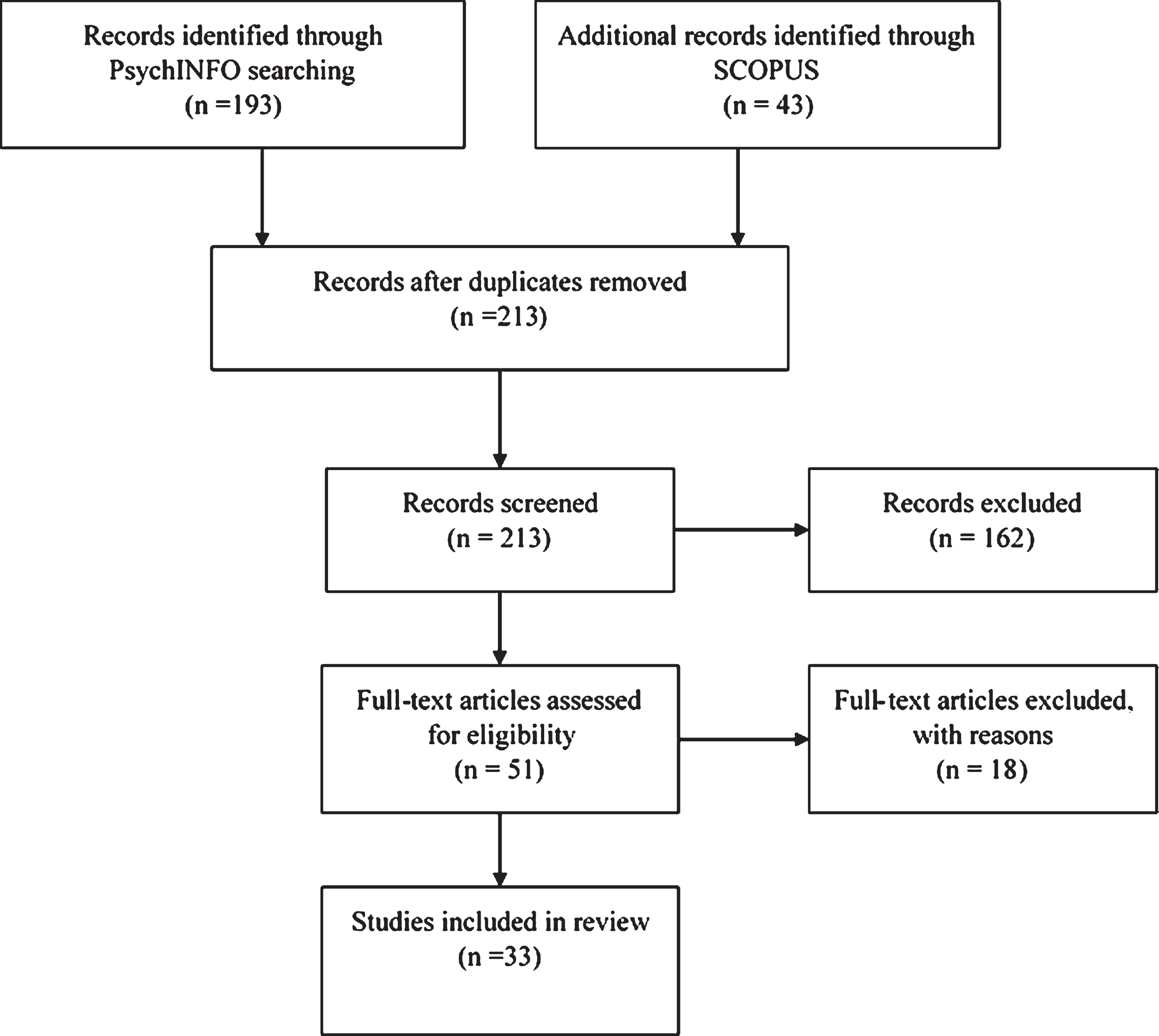
Flow diagram pertaining to customer verbal aggression.
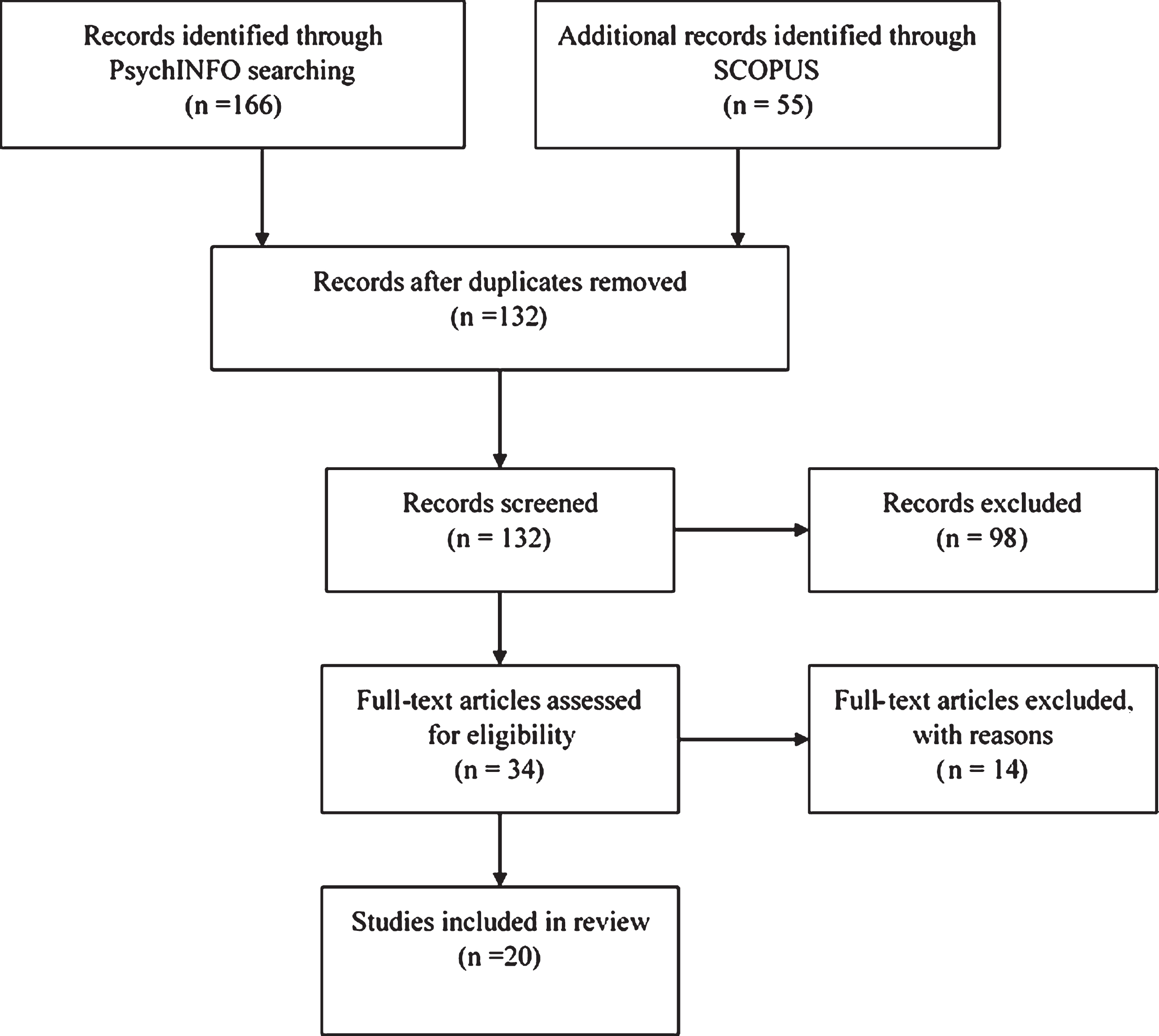
Flow diagram pertaining to customer incivility.
Customer incivility studies
1Note 1. Customer Incivility (CI = Customer Incivility; EE = Emotional Exhaustion; POS = Perceived Organizational Support; ERA: Emotion Regulation Ability; PA = Positive Affectivity; NA = Negative Affectivity; EI = Employee Incivility).
Customer verbal aggression studies
2Note 2. Customer Aggression (EI = Employee Incivility; CVA = Customer Verbal Aggression; EE = Emotional Exhaustion; CO = Customer Orientation; DCE = Disproportionate Customer Expectations; DC = Disliked Customers; ACE = Ambiguous Customer Expectations; SRP = Service Recovery Performance; POS = Perceived Organizational Support; NA = Negative Affectivity; PA = Positive Affectivity; WM = Working Memory).
The final set of papers comprised 53 articles of which 20 pertained to customer incivility (see Table 1), and 33 pertained to customer verbal aggression (see Table 2). Various factors related to incivility or verbal aggression were identified: 25 papers analyzed service provider characteristics, 4 articles identified perpetrator characteristics, 2 studies were focused on aspects related to the physical service environment. 14 papers analyzed coping strategies adopted by service providers to deal with customer incivility or verbal aggression. Consequences for the individual were explored by 32 papers, while 13 papers investigated customer-directed incivility and sabotage as outcomes. Consequences at organizational levels were studied by 25 articles. We now discuss each of these themes in more detail.
Theoretical approaches to understanding customer incivility and verbal aggression
When defining customer incivility and verbal aggression as social job stressors associated with negative outcomes, past research has used different theoretical frameworks. The most commonly used theories were Conservation of Resources theory [14], used in 18 articles, and Cognitive Appraisal Theory, used in 6 papers. Conservation of Resources (COR) [14] states that individuals strive to maintain, acquire, and preserve resources that they value. Resources are “objects, personal characteristics, conditions, or energies” individuals access to help manage challenges they confront [14 p516] and invest them “to protect against resource loss, recover from losses and gain resources” [47 p349]. Employees experience stress when they feel threated by a risk of resource loss, deal with actual resource loss, or receive insufficient return of supplementary resources following significant resource investment [47]. According to Cognitive Appraisal Theory [46], primary and secondary appraisals converge to help individuals determine whether a situation is challenging (holding the opportunity of mastery or benefit) or threatening (containing the possibility of harm or loss) [46]. Individuals engage automatically in primary appraisal to assess the significance attributed to an environmental condition by sensing whether the situation exceeds their resources [46]. Primary appraisal involves the evaluation of the significance of a stressor or a potentially threatening event. When something in the environment is perceived as a condition significant to a person’s well-being, the individual uses the secondary appraisal process to evaluate control of the event, available resources, and plan or develop reactions to the event. Examples of secondary appraisal are encounters with customers who are recognized as being hostile and verbally aggressive. Other stress theories used to conceptualize customer incivility and verbal aggression as job stressors include: the Job-stress process model [48–50], cited in 3 articles, which states individuals who must frequently manage job stressors experience more negative emotions, and this may undermine their social skills and lead to negative reactions involving negative job-related behaviors; the JD-R theory [51], quoted in 2 papers, which posits chronic job demands and a lack of job resources may impact negatively on employees’ well-being [52]; the stressor-strain-outcome model [53], mentioned in 2 papers, which proposes job stressors (e.g. customer verbal aggression) may cause job strain (e.g. emotional exhaustion) and job negative outcomes (e.g. diminished job performance); and the Stressor-stress-strain model [54], cited once.
A variety of theories were used to explain the reasons which can lead an employee to engage in service sabotage behaviors or incivility toward customers. The predominant theories used were Andersson and Pearson’s [42] spiral of incivility, employed in 9 articles, and Affective events theory (AET) [55], utilized in 8 articles. The first suggests the presence of a spiraling process of reciprocation to uncivil acts which may escalate to more serious behaviors. The second posits negative work events, that employees regard as important, trigger unpleasant emotions which, in turn, predict affectively driven reactions toward the perceived source of the emotions. Related to AET, the frustration-aggression theory [56], used in 2 studies, suggests aggressive behavior is the product of emotional reactions to frustrating events. Such events can be considered as situational constraints which impede employees to achieve desired goals or effective performance [57]. A further prominent theory was Social exchange theory [58], cited in 4 articles. This theory proposes social behavior is the result of an exchange process in which social actors aim to maximize benefits and minimize costs. An equal exchange stimulates positive feelings, whereas, an inequitable exchange violates the social expectations of the service encounter, motivating retaliation toward the source of such transgression [59]. Based on research on social exchange theory, the multifoci justice perspective [60, 61], used in 6 articles, states individuals seek to hold some party accountable for the formation of justice perceptions [62]. The capacity to predict justice reactions is heightened by integrating the normative justice rules related to distributive, procedural, interpersonal, and informational justice, with the accountable party responsible for the violation or by upholding of such normative justice rules (i.e. the source of justice).
Several studies, which are focused on employees’ coping strategies to manage rude or verbally aggressive customers, refer to emotion regulation theories: since companies expect workers control their emotional expressions and their following behaviors, employees need to engage in emotional labor to regulate their emotions to comply with display rules. The most commonly used emotion regulation theories were Grandey’s [63] emotional labor model, cited in 5 articles, and Diefendorff and Gosserand’s [64] control theory, mentioned in 4 articles. The first states situational cues lead employees to engage in surface or deep acting emotional regulation strategies to comply with organizational display rules. More specifically, the customer verbal aggression model [39] claims customer aggressive behaviors are likely to cause emotional and psychological arousal which, if protracted, may lead employees to experience emotional exhaustion. Diefendorff and Gosserand’s [64] control theory aids in comprehending the emotional labor process, suggesting employees constantly monitor the discrepancies between emotions and display rules (e.g. being friendly, smiling) during customer service interactions in order to satisfy the customer through the reduction of observed discrepancies by using the emotion regulation strategies of deep and surface acting to show more positive emotions (make the customer happy) [65]. An exception happens when goals are not being met, particularly when the event is unexpected, the discrepancy is elevated, and the display is of relevance to the individual [64]. In addition to these frameworks, a number of related theories were included in order to better understand some specific facets. The Goal Progress Theory [66], mentioned in 2 articles, was used to explain the negative effects related to cognitive rumination on negative encounters. Other theories cited once comprised the Negative State Relief Theory [67] to explain the reasons why helping behaviors may be adopted by employees as a response to customer misbehavior; the Social Learning Theory [68] to illustrate the vicarious experiences of those who were exposed indirectly to verbally aggressive acts at work; the Social Sharing Theory [69] to explain how conversations on negative interactions can buffer the relationship between customer incivility and employees’ negative affect; Hofstede and Hofstede’s Cross-cultural Theory [70] to understand why cultural differences can influence how employees behave in response to social stressors; the Emotional Cycle Model [71] to explain how daily and periodic customer-related social stressors can develop to severe stressors and stress consequences. Further theories cited once throughout the review included Hockey’s Control Model of Demand Management [72]; Affect Control Theory [73]; Hollenbeck and Klein’s model of Goal Commitment [74]; Metcalfe and Mischel’s [75] Dual Process Model; Schema Corresponding Theory [76]; Theory of Planned Behavior [77]; The Broaden-and Build Theory [78]; The Group Identity Lens Model [79]; Implicit Knowledge Practical Judgment Theory [80]; Affective Spillover Theory [81].
Antecedents and outcomes of customer incivility and verbal aggression: A framework
To provide structure to the findings of our review, we developed a framework of antecedents and outcomes of customer incivility and verbal aggression, drawing on the predominant theories used in past research. In this framework (see Fig. 3), an uncivil act or an act of verbal aggression can be considered an affective trigger stemming from customer interactions (e.g. anger, frustration, biases, and prejudices) and workplace factors (e.g. inadequateness of facilities, unsuitability of layout). Thus, in line with frustration-aggression theory [56], customer incivility or verbal aggression can be perceived as frustrating events by target service providers because they block them from reaching their valued goals. This might evoke negative affect, which can trigger service misbehaviors (e.g. sabotage behaviors or employee incivility). The same event may be perceived in different ways by different employees according to their personal characteristics which may influence the extent to which the event is appraised as threatening and stressful. This is consistent with the Cognitive Appraisal Theory [46]: when an affective event is encountered (i.e. a customer is perceived as being rude or verbally aggressive), some individual characteristics (e.g. trait anger, conscientiousness) might predispose employees to assess that event as threatening, whereas certain factors might allow workers to be resilient and perceive the same event as challenging (e.g. emotional stability, agreeableness). As a result, employees may react by adopting two different categories of behaviors: they may reciprocate with incivility or misbehaviors (e.g. customer-directed sabotage) directed to the instigator or they may continue to deliver the service without reciprocating. The first behavior may foster an upward spiral which may lead to the escalation to more serious behaviors (e.g. from customer incivility to customer verbal aggression); this is in line with the Affective events theory [55], which claims negative emotions arising from experienced incivility or verbal aggression might motivate employee incivility directed at customers and lead workers to be rude as a mechanism to end an uncivil service encounter. This is consistent also with Andersson and Pearson’s [42] spiral of incivility and in accordance with the target similarity model [82], according to which an uncivil act perpetrated by an employee can motivate the incivility target to revenge and reciprocate with an uncivil act directed toward the incivility instigator, fostering a spiral circle of incivility which may, in turn, generate unpleasant exchanges or even escalate to more serious misbehaviors. Regarding the downward spiral, the model proposes coping strategies adopted by service providers may moderate the relationship between behavior on one side and individual and organizational consequences on the other, so that the effects depend on the ways in which employees deal with stressors. According to Grandey’s emotional labor model [63] and Diefendorff and Gosserand’s theory [42], when employees experience negative emotions due to customer incivility or verbal aggression they may adopt deep or surface acting emotional regulation strategies to show appropriate emotions as required by display rules. However, since customer mistreatment may be unexpected, it is likely to result in a high discrepancy between employees’ real emotions and organizationally-desired emotions to show on the outside. Consequently, the way an employee regulates such emotions is important in determining individual and organizational outcomes.

Theoretical model to understand the impact of customer incivility and verbal aggression on employees’ well-being and job outcomes.
Exposure to customer incivility or verbal aggression may negatively affect employees’ well-being and job outcomes. According to COR theory [47], when employees do not perceive themselves to have adequate emotional resources to meet interpersonal stressor demands and/or work demands and the resource investment does not generate the desired rewarding relations to compensate for the effort required, they may experience psychological distress [47], leading to job burnout [83]. On the one hand, since customer incivility and verbal aggression exhaust workers’ emotional and cognitive resources required to successfully regulate employees’ reactions to rude or verbally aggressive customers, it can amplify the potential for employee incivility. Therefore, a resource-depleted employee could be more likely to be rude toward customers. On the other hand, this means when workers become aware of losing resources, they might become unwilling to continue depleting such resources and need to “recover” from these experiences [84]. Employees would likely act to reduce the quality of the service provided across the next several customers in the short term [47] or adopt other negative job-related behaviors in the medium term (e.g. withdrawal behaviors and intentions). In the long term, this may impact negatively on the whole organization, resulting in reduced productivity and poor company image. If employees suffer, or continue to suffer, resource loss (e.g. due to multiple uncivil acts or frequent interactions with verbally aggressive customers) without being able to compensate through resource replacement by employing other resources to balance the loss (e.g. social support from co-workers and supervisors), they will be in danger of experiencing negative consequences in the short term (e.g. cognitive impairment), in the medium term (e.g. impaired well-being) and, if protracted, in the long term (e.g. continued emotional exhaustion). However, these negative outcomes may be buffered by personal (e.g. customer orientation) and organizational resources (e.g. social support from co-workers and supervisors), so that workers who are well-equipped in terms of resources may be less vulnerable to detrimental effects stemmed from negative encounters. This is in line with COR theory [14], the differences in levels of some stress-aiding personal characteristics (e.g. customer orientation), which can be treated as personal coping resources, may influence how individuals react to stress or loss of resources [14, 85], making some workers better at minimizing their losses and reducing stressors and strain.
Individual characteristics
Four studies investigated the reasons why customers may behave uncivilly or aggressively, and those that have done so, have tended to ascribe them to individual predispositions or to consider them as a response to unmet service expectations. Some personality traits might predispose the customer to be uncivil, such as being high in anger, unthoughtful, malicious [86]. For example, customers high in psychological obstructionism – a trait which impedes individuals from behaving in a normative manner – seems to be associated with the tendency to interpret situations more negatively, behave in a dysfunctional fashion, and exhibit greater dissatisfaction with service received [87]. Incivility may also be perpetrated by customers as a result of personal biases and prejudices against service providers’ characteristics (e.g. gender, race) [86].
Customer dissatisfaction with service
Customers high in trait anger who perceive poor service quality are more likely to be verbally abusive towards employees [88]. Clients may vent their frustrations on the employee in the form of incivility, due to problems with a product or inconveniences with a service (e.g. returning a product) [86]. This frustration may be accumulated during previous interactions with employees working in the same company [86, 89]. In addition, in contexts where employees have to comply with scripts in responding to customer concerns (i.e. a call center agent who has to read off scripted responses in response to client worries), the impersonal nature of interaction due to workers’ poor response autonomy may lead customers to be uncivil [86]. Some customers have disproportionate expectations and act in a superior manner. When these high standards are not met by service providers, customers might be uncivil because they do not get desired treatment [86]. In some cases, customer incivility may be a means to another primary end, such as obtaining some tangible recompense (e.g. a lower price) for the problem the client had experienced, assuming the form of emotional venting, impoliteness, or verbal aggression [86, 89]. In addition, customer uncivil behavior may be a manifestation of frustration triggered by external causes (e.g. personal life events) [86].
Workplace characteristics
The physical impediments to achieving desired ends (e.g. finding wanted items) may provoke or exacerbate negative feelings within consumers. For instance, the presence of long queues or waiting time, the exposition to other frustrated clients and noises, the uncleanness and inadequateness of facilities, the unsuitability of layout and design are all factors which might amplify customer frustration [86]. Thus, the quality of the physical service environment is related to the occurrence of incivility [86]: customers who evaluate the environment more negatively are more likely to be disaffected with the service received and, consequently, engage in more dysfunctional misbehaviors [87].
Service provider characteristics
Twenty-five papers identified service provider characteristics which may predispose employees to perceive interpersonal stressors as threatening, making them particularly vulnerable to adverse effects stemmed from negative encounters or leading them to act in a way that provokes customer incivility or verbal aggression. These include personality traits (i.e. Big Five personality traits, trait anger) and personal skills and attitudes (i.e. perspective taking, customer orientation) as illustrated in the following sections.
In line with Cognitive Appraisal Theory [46], some personal characteristics (e.g. socio-demographic variables, neuroticism, conscientiousness, trait anger) may predispose individuals to appraise a negative encounter as stressful, while certain factors (e.g. openness to experience) might allow them to be resilient to stressors. Conflicting results were found regarding socio-demographic variables. Findings are mixed with regard to the relationships between gender, customer incivility [8, 90], and verbal aggression [12, 91] but in general women seem to be more prone to experiencing incivility than men [9, 89]. Job tenure seems to provide workers with cognitive resources derived from job experience which decrease the detrimental effects of customer misbehavior, reducing their perceptions of incivility [89, 93]. However, studies on the relationship between job tenure and customer verbal aggression resulted in mixed findings [2, 94]. In addition, age relates positively to moral identity and negatively to customer-directed sabotage: older people are less likely to engage in customer sabotaging behaviors, having greater moral identity levels compared to younger employees [95]. Opposing results were identified about whether customer mistreatment exposure varies by racial group [2, 8].
Focusing on the Big Five personality traits, individuals high in agreeableness are inclined to report lower levels of customer incivility [86, 90]. They seem to be more committed to and place greater value on displaying positive emotions, even when they interact with an uncivil client [96]. By contrast, employees high in neuroticism tend to perceive higher levels of customer incivility [90] and job dissatisfaction following customer verbal aggression [97]. Workers who report high extraversion tend to display more positive emotions and be satisfied with displaying positive emotions [96], although in contrary, Sliter et al. [90] did not find a significant association between extraversion and incivility perceptions. Additionally, customer verbal aggression seems to be positively associated with emotional dissonance only among employees high in extraversion [96]. Conflicting results were found regarding conscientiousness [90]. Finally, openness to experience seems to protect employees against the negative effects of incivility: a person high in openness tend to be more accepting of others, perceiving customers as less uncivil [90].
Moving beyond the Big Five, trait anger - that is the tendency to perceive a wide range of stimuli as anger-inducing [98] - is positively related to perceptions of customer incivility [90] and verbal aggression [5]. Relatedly, people high in negative affectivity – a general predisposition to experience negative emotions [99] – also appear to be more prone to perceiving customer incivility [90], reciprocating with customer-directed incivility [11] and being more vulnerable to its harmful effects, such as emotional dissonance [11, 100].
Moral identity consists of two dimensions: internalization, the degree to which a set of moral characteristics are central to one’s self-definition and symbolization, the extent to which responses to moral issues are manifested publicly through individual’s acts [101]. Whereas symbolization can exacerbate the relationship between customer mistreatment and employee sabotage, internalization seems to suppress customer-directed sabotage tendencies [95]. Employees low in moral identity are more likely to react to rude or aggressive customers by engaging in sabotage [102].
As stated by COR theory [103, 104], personal resources are beneficial because they help individuals to deal with stressors and can be treated as personal coping resources which influence how individuals react to stressful situations. The individual differences may be explained by differences in levels of some stress-aiding personal characteristics (e.g. core-self evaluations, perspective taking, customer orientation): some employees may be more vulnerable to stressors and strain due to the lack of personal resources. Thus, a number of employees’ skills were identified as protective factors against sensitivity to incivility and verbal aggression. Employees with positive core-self evaluations (i.e. personal assessment of one’s own worthiness, competence, abilities) tend to experience low levels of customer verbal aggression, having the confidence of their capabilities to cope with difficulties arising from dysfunctional customers [91]. Perspective taking is the ability to “understand how a situation appears to another person and how that person is reacting cognitively and emotionally to the situation” [105]: people high in perspective taking tend to understand better other’s needs, be empathetic, and prosocial. It seems to protect an individual from the negative effects of customer verbal aggression exposure (i.e. cognitive interference experienced by workers who must simultaneously handle aggression and job task), by attenuating subsequent cognitive impairment [12]. This is because workers high in perspective taking tend to be more sensitive to others and engage in less surface acting (e.g. faking emotions), adopting more adaptive strategies to effectively cope with stressors [106]. Similarly, individuals with good emotion regulation abilities, who are able to control their own emotions in the face of difficult situations, are less likely to impair their job performance following customer incivility [18].
Customer orientation refers to the tendency or disposition to understand and meet customer needs [107]. People high in this dimension enjoy nurturing customers and have the confidence to provide a good service. It can be considered as an important personal resource against customer verbal aggression and emotional exhaustion, helping employees to experience weaker emotional exhaustion and, therefore, allowing them to provide a better service recovery performance [20, 108]. Only highly customer orientated workers engage in customer-directed helping behaviors following customer mistreatment [109].
Customers may be rude in response to employee incivility [86]. This may foster an “incivility spiral” [42 p458] that may escalate to more severe kinds of misbehavior (e.g. verbal aggression). Service orientation, that is the degree to which organizational culture is orientated towards customer satisfaction [110], impacts negatively on customer incivility [90]. Instead, consumers may behave rudely in response to poor service encounter with a worker who seems to be not interested in providing service [86].
Employees’ responses to uncivil or verbally aggressive acts
Reciprocation: Employee incivility and sabotage toward customers
Customer-directed incivility and sabotage may be an employee’s response to an act of incivility by a customer, in line with Andersson and Pearson’s spiral of incivility (1999) [42] and Affective Events Theory [55]. Employees who experience customer incivility may reciprocate by treating customers in a rude and disrespectful way, targeting customers with incivility [10, 111]: they can use rude language or gestures, and their vocal tone may become more negative [112]. Customer incivility has been mainly studied in two forms: entity incivility and event incivility. Entity incivility refers to employees’ overarching perception of incivility across interactions with customers and may trigger customer-directed incivility [11]. Event employee incivility, that is employee reactions due to single service events, is triggered when the customer directs aggressive words towards employees, interrupting frequently [11]. However, the more the customer uses positive emotion words, the less likely employees are to engage in uncivil behaviors in response to verbal personal attacks [11].
Non-reciprocation: Employees’ coping strategies
According to Grandey’s emotional labor model [63] and the self-regulation theory [64], when employees deal with rude or verbally aggressive customers, they have to regulate their emotions in order to conform to organizational expectations which encourage them to serve customers with a smile. This process is called emotional labor [63] and may lead employees to experience emotional dissonance (i.e. a discrepancy between felt emotions and displayed emotions). Workers may use either deep or surface acting as coping strategies to deal with uncivil or aggressive acts.
Surface acting refers to the alteration of emotional expressions aimed at assuring affective delivery ordered by the service display rules. Employees who use this strategy pretend or fake positive emotions to handle negative emotional events following customer incivility or aggression. This leads them to experience job dissatisfaction [113, 114], distress [15, 16], emotional exhaustion [15, 114], and turnover intentions [15].
Deep acting is an emotion regulation strategy aimed at modifying inner emotions to fully match experienced and expressed expressions with the demands of the service rules [63, 115]. When organizational climate of support is higher, employees dealing with customer aggression are more likely to adopt deep acting to manage their emotions and, thus, be more satisfied of their own job [113]. During an encounter with an uncivil customer, momentary felt emotions are negatively associated with temporary surface acting and deep acting; as felt emotions become more negative, the adoption of surface acting and deep acting grows [112]. Thus, these strategies may be used simultaneously: surface acting seems to be an immediate reaction to demanding encounters, provoking subsequent deep acting [112, 116]. Employees who engage in deep acting seem to experience less rumination and social sharing in response to customer mistreatment [117].
Studies included in the review identified other strategies which may be adopted by service providers to cope with the emotional demands arising from negative interactions with clients. According to Martin and Tesser’s Goal Progress Theory [66], cognitive rumination (i.e. conscious recurrent thoughts directed toward failing to complete a task effectively) [118] occurs because the goal failure (e.g. receiving customer mistreatment) strengthens the accessibility of event-related information which can be easily cued and reproducible, as well as difficult to get rid of. Rumination inhibits adaptive problem-solving and instrumental behaviors. It is related to feelings of anger [66] and thoughts about revenge and aggression following perceptions of mistreatment [119]. On days that workers perceive more customer mistreatment, they are more likely to ruminate on those negative encounters at night and have a negative mood in the next morning [120]. Employees who ruminate are more likely to experience feelings of anger [66] and thoughts about revenge, engage in customer-directed sabotage, experience emotional exhaustion, and decrements in job performance and well-being [117]. However, employees who perceive organizational support are less likely to engage in rumination due to customer mistreatment [120]. The effects of customer mistreatment on cognitive rumination and social sharing are buffered by deep acting [117].
Unlike cognitive rumination - considered as a person’s cognitive process - social sharing of negative events can be conceptualized as an interpersonal process of discussing problems with others [121]. It is positively related to both well-being and emotional exhaustion. Employees who share their problems with their co-workers and family report higher levels of well-being, but also greater level of emotional exhaustion [117]. One possible explanation for these conflicting findings may be that talking about negative encounters to others has beneficial effects on employees’ well-being because it helps in giving meaning to the situation. However, this may also drain workers’ emotional resources through the activation of negative emotions associated with the encounter, making employees feel emotionally exhausted [117]. According to the social sharing theory [69], conversations in a cognitive sharing mode (i.e. discussing of a negative experience which can help to reappraise it, modify expectations and schemas, or overcome frustrated goals) at home are effective for diminishing the relationship between customer incivility and negative affect (experienced at the end of the workday or at bedtime), and buffers the indirect impact of customer incivility on next-morning negative mood [122]. This buffering effect was not found for conversations in an affective sharing mode (i.e. talking about negative interactions with customers in order to receive empathy, reassurance and recognition by the interlocutor) at work or at home, although they seem to not exacerbate the relationship between customer incivility and negative affect [122].
Moreover, in line with the negative state relief model [66], negative emotional states can motivate individuals to engage in helping behaviors which can be used as coping strategies to alleviate negative feelings. Workers tend to be more motivated to help others (i.e. co-workers and customers) when they experience elevated negative mood in the hope of minimizing negative state and/or increasing positive affect by helping co-workers and customers, although this last behavior is acted by only highly customer-orientated workers [109]. Customer and co-worker helping behaviors are positively associated to employees’ experience of positive mood. However, cumulative customer mistreatment over time diminishes the general tendency to help others [109].
In addition, research has found that practical judgment rules (i.e. intuitive and low-reflective thinking) are formed by norms, which are implicit knowledge founded on subjective values, work experience, and norms [80, 123]. They shape routines which lead employees to manage the customer in an impulsive and immediate way, by engaging in behaviors such as ending the conversation without trying to find a solution for the customers’ problem, referring to organizational rules to deny the customers’ requests, ignoring the client, or using dishonest explanations [123]. Some employees may deal with uncivil customers by engaging in unhealthy activities (e.g. smoking, drinking) or withdrawal behaviors (e.g. walking out) [17].
When workers cope with rude or aggressive clients, they may react using situational actions, considering different aspects to find solutions for customer’s concerns, such as: explaining the situation, educating customer about organizational rules, offering alternative solutions, joking or using humor to reduce incidents of misbehavior and to try to turn them into positive experiences for the customer [123, 124].
Other coping strategies may include: concessions and additional effort to meet customer demands, seeking assistance from a supervisor and letting the customer talk to him/her, seeking peer or management support to efficiently deal with the situation [123, 124]. Customer misbehavior may be met by managing the client in a customized way, by establishing a personal relationship with him/her, and by giving enhanced service to assist the customer who may be frustrated by external causes [123]. Furthermore, in dealing with upset customers, employees may take a break, instead of forcing themselves to continue their job for the whole shift [5]. Workers may perceive verbal aggression with detachment through the de-individuation of being a representative, losing own individual identity and identifying themselves with the organization, so that they do not take attacks personally [89].
Protective factors: Organizational resources
The results of the review identified a number of key protective factors against the negative outcomes of customer mistreatment. These mainly included: perceived organizational and supervisor support as well as transformational leadership.
Employees who perceive themselves to be supported by their organization are less likely to engage in cognitive rumination in response to daily customer mistreatment [120]. The presence of an organizational climate of support helps employees to effectively manage their emotions, facilitating the adoption of deep acting strategies when facing customer aggression [113]. Both organizational and supervisor support buffer the negative impact of customer incivility on burnout [125]. Furthermore, supervisor support is negatively associated with customer verbal aggression perceptions [126] and resulting affective discomfort [4]. In addition, employees working in teams with higher levels of organizational support experience lower emotional exhaustion following customer verbal aggression, when compared to those who do not perceive to be emotionally supported by their organization [125]. These findings suggest organizational and supervisor support are protective factors against emotional exhaustion due to customer mistreatment [18]. In addition, it should be noted that leadership plays an important role in shaping employees’ perceptions towards customer mistreatment. In particular, transformational leadership seems to moderate the detrimental effects of customer incivility on psychological well-being - particularly at high levels of incivility [34] because it encourages innovative thinking and ability to perceive problems as challenges. It is worth pointing out that customer verbal expression of positive emotions (e.g. happy, good) can act as a form of social support, helping refill worker regulatory resources and reducing uncivil employee responses to customer verbal aggression [11].
Consequences of customer incivility and verbal aggression
Individual outcomes
Emotional and cognitive consequences
Customer verbal aggression increases employees’ emotional dissonance [4, 100]. Among call center agents, emotional dissonance is associated with the frequency of longing and intensity of anger and not showing the three emotions anger, affection to customers, and boredom [100]. Dealing with rude customers can lead employees to experience greater pressure to show positive feelings while simultaneously experiencing lower motivation to display positive emotions [96]. Furthermore, employees have less motivation to conform to positive display rules when managing a rude customer [96]. According to the COR theory, “resource loss is disproportionately more salient than resource gain” [47 p343]. When frontline employees have to serve customers with a smile even when they are uncivil or verbally aggressive, they experience a loss of resources because of emotion rule dissonance (i.e. the discrepancy between required emotions and felt emotions) and fewer resources are left for dealing with emotional dissonance (i.e. the discrepancy between felt emotions and displayed emotions). Therefore, they are more likely to experience emotional exhaustion due to customer incivility or verbal aggression and emotional dissonance. Indeed, customer incivility heightens frontline employees’ [8, 127] emotional exhaustion more seriously than supervisor and co-worker incivility [18]. Similarly, customer verbal aggression intensifies employees’ emotional exhaustion [19–21, 128], predicting exhaustion over and above verbal abuse perpetrated by intra-organizational members [2, 129].
Customer elicit stress appraisal [8], increases psychological distress perceptions [9, 15–17], as well as general psychological and job specific strain, in the form of depression and anxiety [37]. Similarly, customer verbal aggression intensifies job-induced tension, leading workers to experience greater stress [97, 117]. The violation of expected procedural justice norms, due to verbal aggression, lead employees to experience emotional strain that, in turn, decreases their morale [7]. Encountering an uncivil customer leads the individual to feel increased negative emotions [17, 112]. Indeed, according to Affective Events Theory [55], interactions with uncivil or verbally aggressive customers represent negative work events that elicit affective reactions. Customer verbal aggression amplifies affective discomfort [4] and customer incivility is positively related to negative affect at the end of the workday and at bedtime. These feelings, in turn, lead employees to experience next-morning negative affect [122]. On days that employees received more daily customer mistreatment, they ruminate more at night about such negative interactions and, therefore, experience negative mood the next morning [109, 120]. Following customer mistreatment, the experienced negative mood may result in employee overeating behaviors after work, although this is less likely to happen when workers feel vigorous (i.e. energetic, resilient and persistent even in the face of difficulties) after a good night’s sleep [92]. Taken together, these results suggest the detrimental effect of customer incivility in terms of negative feelings last until the next morning.
Experiencing customer verbal aggression interferes with several forms of cognitive functioning, reducing employees’ ability to recall and recognize the content of a service call. In addition, it impairs working memory, important in order to focus attention on relevant information (e.g. content of customers’ requests) [12]. It should also be noted that employees who are unfairly treated by customers tend to become more sensitive towards uncivil acts [17], perceive less interactional justice, and have greater difficulty in conforming with job emotional demands [130].
Seeking retaliation or revenge may be a reaction [117, 124]. Following customer mistreatment, employees who are low in moral identity are likely to engage in customer-directed sabotage, particularly when they perceive to be treated unfairly by supervisors [102]. Customer verbal aggression may lead employees to experience emotional dissonance which, in turn, stimulates revenge motivation to punish customers for their misbehaviors and customer-directed service sabotage behaviors [22]. Customer incivility may provoke retaliation against customers, especially among employees who experience high psychological strain levels [131]. Employees with individualistic cultural values are more prone to be actively responding to customer mistreatment, by engaging in sabotage directed toward the specific customer, whereas those who are members of a collectivistic culture are more inclined to react in an indirect way, by withdrawing organizational citizenship behaviors from customers in general [111].
Organizational outcomes
One of the main negative effects of customer incivility is the increase of turnover intentions [16, 127], and withdrawal behavior, which in turn predicts both tardiness and absenteeism [6]. Customer verbal aggression is positively associated with workers’ turnover intentions [7, 125]: when employees encounter more verbal aggression from customers, they are more likely to become emotionally exhausted and, in turn, to experience intentions to leave the organization [19, 125] and impair service recovery performance [20, 21], customer orientation, job performance [18, 19], and extra-role customer service [19]. Furthermore, customer verbal aggression leads employees to perceive lower organizational support and morale and, in turn, increase turnover intentions [7]. Employees who are exposed to greater frequency of customer incivility or verbal aggression experience job dissatisfaction [37, 97]. Customer verbal aggression predicts disengagement among frontline employees, who may develop negative job attitudes and distance themselves from the job following customer mistreatment [128]. Therefore, customer incivility may interfere with customer service quality, reducing the overall quality of service provided [9] and job performance [117, 129].
Even short-term encounters with customer verbal aggression may undermine cognitive aspects relevant for customer service work and, in turn, directly result in lower quality performance [12]. Moreover, engaging in customer-directed sabotage detracts employees’ attention from task performance, reducing their courtesy, competence, decision quality, and sales skills [95].
Customer mistreatment exerts particularly detrimental effects on service recovery performance, which is defined as the actions implemented by customer-contact workers, who directly handle customer complaints, to resolve a service failure, recovering customer satisfaction, and loyalty. Alternatively, it can be considered as “frontline service employees’ perceptions of their own abilities and actions to resolve a service failure to the satisfaction of the customer” [132 p274]. Customer verbal aggression weakens service recovery performance among employees through emotional exhaustion [20, 108].
Further consequences relate to the impact of incivility on interpersonal relationships. Workers who are frequently exposed to customer incivility may be emotionally exhausted and, therefore, mistreat their co-workers [10, 11], engaging in employee-to-employee incivility [17]. In addition, employees who were target of customer mistreatment over time may exhibit weaker levels of helping behaviors towards co-workers and customers [109]. Despite engaging in customer-directed sabotage, employees high in collectivism seem more prone to reducing their citizenship behavior towards customers, in general, compared to those high in individualism [111]. Following customer verbal aggression, emotionally exhausted employees are less likely to engage in extra-role customer service, that is not prescribed or explicitly required behaviors directed to meet customers’ expectations and requests, contributing to their satisfaction with the service (e.g. providing extra attention) [19]. Customer verbal aggression relates negatively to perceived organizational support: workers who experience customer aggression perceive a violation of procedural justice expectations and, as a result, they are more likely to assess the relationships with their organization to be of poor quality because it allows misbehavior [117].
Practical implications
There are several practical implications resulting from our review. It would benefit service organizations to consider taking steps to prevent conflicts between employees and customers because of tangible costs for organizations as well as employees’ well-being and job performance. Training programs should be developed to manage the expression of emotions and improve emotion regulation skills [4, 112], promoting the adoption of better problem-solving strategies in dealing with uncivil or aggressive acts (e.g. deep acting, social sharing of negative events) [9, 123]. Empathy-type training may be useful to help workers be more understanding of how clients feel and help them to comprehend that the exhibited frustration is not personally directed at the employee [108, 113]. Training to improve listening and interpersonal skills and conflict negotiation/avoidance tactics may provide workers with abilities needed to de-escalate potentially violent situations [16, 95]. Use scenarios, role plays or case studies [18, 128] may be useful because customer incivility may be triggered by worker’s inability to understand a problem or complete the transaction correctly due to lack of knowledge or training [86]; a prepared, knowledgeable employee will be more likely to meet customers’ needs and requests, reducing the occurrence of misbehavior.
Organizations could monitor program results. Furthermore, monitoring the experiences of emotional dissonance is crucial to sustain workers and promote their well-being [4]. It is important to identify workers who chronically encounter aggressive customers and offer appropriate interventions, such as psychological support assistance and stress management [7, 133].
Moreover, workers feel more severe injustice when managers do not intervene to address frequent and serious problems caused by dysfunctional customers [133]: organizations should tackle the customer mistreatment issue. Customers can be educated through awareness campaigns (via confirmation e-mails, videos, promotional materials) to improve communication with frontline staff by providing customers a realistic preview of what to expect from service providers, and what actions violate social norms towards workers and other customers [17]. Management might take steps to assure a pleasing layout, as well as maintenance and safety of the service environment. Adequate staffing can reduce customer waiting times [3]. Providing and monitoring high-quality service and products will likely help to reduce customer dissatisfaction that triggers uncivil reactions [87].
Management can support workers by encouraging them to share experiences with their co-workers in a cognitive sharing mode (e.g. by suggesting positive reappraisals for ambiguous situations or knowledge about dealing effectively with customers), by conducting debriefing or daily mentoring sessions [19, 128], or by introducing online tools (e.g. social network groups and online forums) [93, 111], a solution particularly well suited to large organizations. Mentoring sessions to assist employees in handling difficult situations could be a further practical solution to transfer skills [21, 131]: mentors provide vocational support and serve as role models to help employees to regulate their emotions [4, 128].
Organizations may allow employees to take short breaks at their own discretion after negative encounters. This would give some power back to employees, enabling them to feel more control, alleviate some of the experienced stress before resuming work, and provide time to recover resources lost through the regulation of emotions [4, 129]. Establishment of flexible service to recover performance can help to empower employees by providing them with autonomy to manage interactions with customers and, in turn, minimize employee emotional exhaustion. Employee autonomy and flexibility can be seen as a sign of an organization’s trust in, respect for, and support toward its employees [20, 117].
Managers should define a zero-tolerance policy for customer mistreatment to signal that the company cares for its employees. Include specific information to determine cut-off points for when dealing with verbally aggressive customers [12, 120]. Managers might consider declining to serve reoffending misbehaving customers and establishing a progressive system of “discipline” for clients [3, 129]. Organizational policies should encourage employees to report aggressive incidents and the employee response, adopting practices to address these incidents promptly and effectively [3, 126].
Recruiting and selecting the most appropriate individuals for frontline service jobs should be based on the notion that there is a fit between the demands of the job and the employee. There is a management obligation to provide a realistic job description making emotional requirements explicit [4, 94]. Recruitment and selection procedures might include assessments for affective traits and personal skills (e.g. customer orientation, multi-perspective taking) [18, 123]. Moreover, to identify candidates’ behavioral tendencies, HR representatives could consider using work sample tests, situational interviews, or mini-case studies [19].
Aside from practical implications suggested by the included papers, occupational health care management programs (e.g. aimed at increasing work-related self-efficacy and self-management) [134], wellness programs (e.g. multifaceted programs focused on increasing physical activity while at work) [135], mindfulness-based practices [136, 137] and stress reduction programs [138] can be effective solutions within work settings, especially in high customer stress positions.
Limitations and strengths
This review is subjected to some limitations. First, workplace settings we included and excluded and the selection criteria for study inclusion in the review restrict the generalizability of our findings. However, they were necessary to obtain a cohesive sample of studies. Second, the restriction of the time period of this review - which is an unavoidable limitation common to all systematic reviews- to the last 12 years represents a further limitation, as relevant earlier studies may have been excluded. Third, the majority of the included studies adopted a cross-sectional design; therefore, caution should be used in drawing conclusions based on causal inferences. Fourth, most studies reviewed relied solely on one source of information -predominantly on self-report measures- for data gathering which might contribute to common method bias. Additionally, the inconsistency in the type of measures utilized may explain dissimilarities in some results revealed. However, the current systematic review has a number of strengths. To date, this is the first review to analyze both customer incivility and verbal aggression across different service settings in a comprehensive way by means of the inclusion of a wide range of studies. Furthermore, it provides a theoretical framework of antecedents and outcomes for scholars as well as practical suggestions for practitioners. Finally, a further strength lies in the use of a solid systematic review methodology, in line with PRISMA guidelines [139].
Conclusions
Future research should examine whether co-worker and supervisor support may buffer the effects of customer incivility and verbal aggression. Additional investigation of employee characteristics, customer features, and workplace aspects might reveal how they interact and lead to these phenomena. More objective measures for assessing customer mistreatment (e.g. recorded calls) or multiple sources for data collection (e.g. supervisor or customer assessment of employees’ performance) might provide valuable new information. Research of records of absence from personnel files could provide significant data. Experimental studies or longitudinal designs might be valuable for generating important observations. It would be worthwhile to study the combination of different sources of incivility or aggression and third parties influence on these behaviors. More empirical evidence must be gathered to examine the inconsistent results of various researchers and if such inconsistencies are due to the cultural background of each study setting. Comparative reviews to shed light on the underlying dynamics of each research study may be useful to provide additional guidelines for improving the effectiveness of interventions.
Further knowledge is needed to describe the factors associated with customer incivility and verbal aggression, as well as the relationships between these factors. In order to better discern these phenomena and promote useful strategies to reduce the negative consequences due to customer incivility and verbal aggression, future research projects should aim to develop a complex model which includes environmental and personnel-related factors. Both customer incivility and verbal aggression represent customer-related social stressors [38] which may impact negatively on employee well-being and job outcomes. Promoting a culture of respect in the workplace and training workers about effective coping strategies may be beneficial for the whole organization.
Conflict of interest
None to report.