



Abstract
BACKGROUND:
Homelessness can impact society and individuals in many ways.
OBJECTIVE:
The purpose of this project was to examine the current occupation-based needs and services among persons experiencing homelessness (PEH) in a major city.
METHODS:
Researchers conducted semi-structured interviews with eight PEH residing in a homeless shelter. Three questions were asked of each participant: What daily personal activities have been most impacted since undergoing homelessness? Which services have been most helpful to you in overcoming homelessness? What other services might you find helpful to individuals experiencing housing insecurity? Researchers also gathered qualitative data utilizing a Photovoice component in which twelve PEH had the opportunity to photograph one object and provide a quote associated with the meaningful object.
RESULTS:
Under-addressed areas of occupation, services received, and services requested were identified. Findings suggest that areas of occupation most impacted by homelessness include instrumental activities of daily living (IADLs), activities of daily living (ADLs), leisure, social participation, and rest and sleep. Services received included case management and often met basic self-care needs of PEH. Services requested included group therapy, restructuring of the shelter to support individualization, and staff training.
CONCLUSIONS:
Occupational therapy practitioners have the skill set to assess needed services among PEH. Meaningful objects captured by the clients via Photovoice may relate to past, present and future satisfaction despite being homeless.
Introduction
As of January of 2018, 552,830 individuals have been identified as experiencing homelessness in the United States [1]. According to the Connecticut Coalition to End Homelessness (CCEH), on the night of January 23rd, 2018, there were 3,383 persons experiencing homelessness (PEH) in the state of Connecticut [2]. The city of New Haven has the third highest rate of homelessness in Connecticut [3]. According to the National Alliance to End Homelessness [1], some causes of homelessness may include: income and housing affordability, escaping violence, impact of racial disparities, poverty, and poor health. Homelessness has tremendous impacts on aspects of one’s health and personal life [1]. Without proper finances and a stable lifestyle, PEH may lack visits to doctors and other medical professionals [1]. As a result, PEH are more susceptible to diseases and injuries, such as cardiorespiratory diseases, tuberculosis, skin diseases, nutritional deficiencies, mental illness, HIV/AIDS, assault, drug dependency, and severe colds [1]. In addition, lacking a feeling of purpose and contribution to society and decreased time with family and friends can result in personal and psychological consequences [1]. Individuals may experience low self-esteem, substance misuse, development of behavioral problems, increased risk of entering the criminal justice system, and lowered ability and motivation to care for him/herself [1].
Economics of homelessness
The estimated average cost of a PEH each year to society is approximately $33,833. Immediate and long-term costs of homelessness can negatively impact taxpayers as well. The average cost of a visit to an emergency department is $190.00; in the last six months, four out of ten PEH have needed this service in the United States [4]. PEH utilize emergency department services about five times per year with an estimate of approximately 33% of all visits to the emergency department of any given hospital are composed of clients experiencing chronic homelessness [5].
Inclusion of occupational therapy with PEH
There are a variety of services offered to the homeless population within Connecticut. Despite efforts of many organizations, there are occupation-related needs that remain unmet [6]. Occupational therapy practitioners provide services in the community at locations such as senior centers, correctional facilities, homeless shelters, women’s shelters, after-school programs, and community mental health centers [7]. Occupational therapy (OT) is rooted in mental health. Services in relation to mental illness have shifted from hospital-based to the community. As a result, service delivery models have shifted from a medical model to a recovery model [7].
Researchers found when OT group services were provided to PEH, clients achieved their goals in several areas including money management, community mobility, addiction, personal hygiene, social skills, and diabetes management [8]. The recovery model aligns with the profession of occupational therapy, as its focus is on a long-term process that reaches the ultimate goal of full participation in community activities [7]. Occupational therapists are client-centered and the role of OT in the community is to allow individuals to live as independently as possible while engaging in meaningful activities [7]. By intertwining the community focus of occupation-based and client-centered foundation, occupational therapy practitioners can discover what meaningful activities and values surround the homeless population [7]. One example is Project Employ, a grant-funded program that provides OT services to PEH in a homeless shelter. The goal is to improve a persons’ involvement in particular roles, which is sparked by a client’s interests and preferences. Through Project Employ, occupational therapy practitioners also provide vocational rehabilitation by linking clients to community sources, providing vocational exploration, and teaching work skills [9].
Researchers indicated the importance of addressing occupational therapy practitioners’ skills and knowledge when working with PEH [10]. In Queensland, Australia, a Homeless Health Outreach Team was developed consisting of a multidisciplinary team with a primary focus on mental health and substance abuse rehabilitation. The members included OT, medical, nursing, social work, psychology, welfare, and alcohol/drug clinicians. This team actively partnered with general practitioners, non-government organizations, local councils, and government housing agencies [10]. The introduction of OT on the team allotted others to understand the role of the OT professional. The Homeless Health Outreach Team Home Health employs multidisciplinary staff in the community to provide mental health and substance abuse services to PEH [10]. The authors emphasized an occupational therapy practitioner working with a PEH requires an understanding on the individual’s needs and occupational performance issues. The occupational therapy practitioner on the team completed assessments, mental state examinations, recovery plans, and engaged clients in case management. More specifically, occupational therapy practitioners completed functional assessments to identify meaningful roles and client abilities, re-establish client life roles, and make recommendations for ongoing support. The occupational therapy practitioner on the team worked with the homeless population in a multidisciplinary, holistic way to maximize client strengths and build skills for clients to participate in meaningful everyday activities. The inclusion of an occupational therapy practitioner brought purpose, incorporation of routine, and wellbeing to a marginalized population, which draws on the foundation and skills of the profession [10].
Federally qualified health centers (FQHCs) provide another opportunity for team based care to provide primary and preventative health services to medically ill-equipped populations. These services can help reduce hospital visits and decrease the overall cost of care for various populations, such as people who earn a low-income, migrant workers, and the homeless. A proposal by researchers [11], considers incorporating OT into FQHCs to promote comprehensive services, improve client-centered health outcomes, improve experience of care, reduce severity of disease, and reduce the overall cost of healthcare for underserved populations. In order to be involved in primary care as a profession, occupational therapy practitioners must take on an advocating role and promote participation in primary care. A primary care team typically includes a physician, physician assistant, nurse practitioners, registered nurses, licensed practical nurse, and medical assistants [11]. Increased productivity demands have resulted in decreased client contact. Including an occupational therapy practitioner on the team could supplement medical services with occupation-based interventions by using resources efficiently and achieving outcomes [11]. An occupational therapy practitioners’ expertise in activity analysis, environmental modifications, and compensatory strategies is a unique perspective that could contribute to a client’s functional independence. Occupational therapy practitioners should advocate to be a larger contributor to primary care through federally qualified health centers [11].
Future roles for occupational therapy with PEH
The American Occupational Therapy Association [AOTA] [12] has stated that occupational therapists are to be part of the process of establishing communities that are livable and support full participation in meaningful occupations for all ages and conditions. Due to circumstances of homelessness, individuals may face difficulties in several areas of occupation, such as finding accessible, affordable, and appropriate housing, work opportunities, health services, and participating in civic and recreational activities [12, 13]. With specialized knowledge of health conditions, at-risk populations, and the impact of the environment, occupational therapists have a holistic skill set that may empower a homeless individual to participate in their meaningful roles and routines [14, 15]. Previous research indicates the importance of OT services in homeless shelters, federally qualified health centers, and in primary care. Occupational therapists contribute a distinct skill set and provide a unique perspective on a medical multidisciplinary team. As a profession, occupational therapy practitioners should advocate for a role in primary care and for the functional outcomes that services can provide to the homeless population.
Despite the needs, services, and potential OT roles identified in the literature, there is a lack of literature on whether or not the services offered to the homeless population are in alignment with the occupational needs of the homeless population. This study will be able to identify which occupational needs are under-addressed for PEH. The results are intended to reveal the areas of occupation that are not currently addressed by the homeless services provided in the state of Connecticut. With this information, occupational therapy practitioners can intervene and incorporate the lacking, holistic areas of occupation that are of value in the lives of the PEH.
Methods
This study utilized semi-structured interviews to gather qualitative data from eight persons experiencing homelessness (PEH) between the ages of 20–75 years of age in New Haven, Connecticut and are receiving services from a homeless shelter. The interviews were conducted with individuals to gather subjective, qualitative data about clients’ meaningful occupations and services provided while currently experiencing homelessness. Three questions were asked of each participant: What daily personal activities have been most impacted since undergoing homelessness? Which services have been most helpful to you in overcoming homelessness? What other services might you find helpful to individuals experiencing housing insecurity?
In addition, researchers also gathered qualitative data utilizing a Photovoice. Photovoice is a participatory research methodology enabling subjects to record with a photo and allow time to reflect on a particular strength or concern via a dialogue. (reference here). Twelve PEH were given the opportunity to capture pictures of symbols or objects that are meaningful to each of them using an iPhone. Participants then provided a relevant quote to accompany the picture to give a “voice” to the “photo” and share a significant story in a different way. (See Figs. 1, 2, 3). This allowed for researchers to establish rapport with potential participants in an informal manner with each participant providing consent for the photo and quote.

“The most important thing to me. I’ll hold it in my hands”.
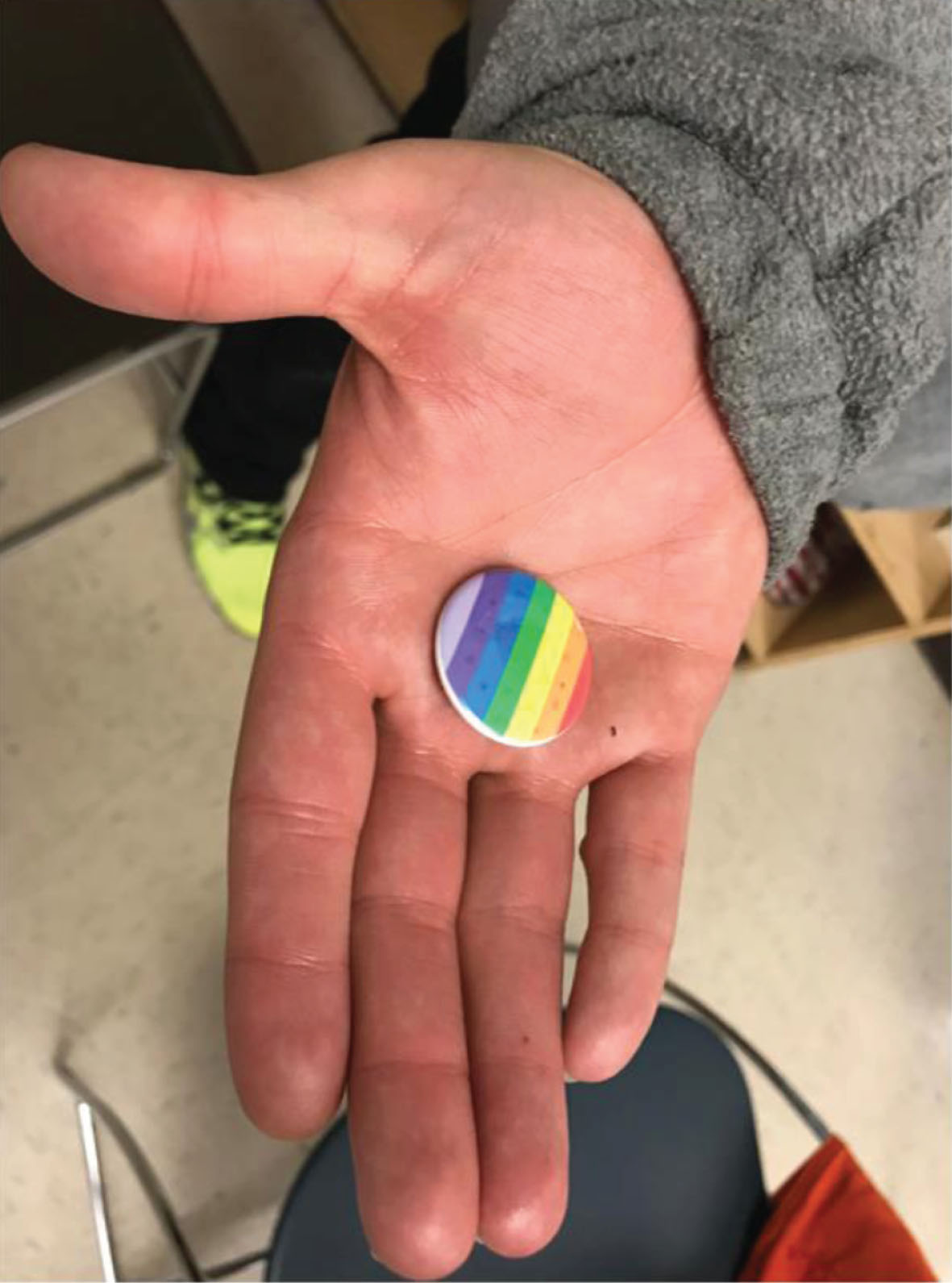
“I am free!”.

“I value having nice hands”.
Researchers individually listened to the recorded interviews with eight PEH in New Haven, CT. Interviews lasted between six and thirty minutes. For each interview, researchers noted significant quotes and prominent themes to facilitate the coding of data. Researchers met together to discuss each interview in depth and categorize data into four components: “Occupations Impacted”, “Services Received”, “Services Wanted”, and “Overall Themes of Findings”, and from the Photovoice component, “Meaningful Quotes”. Unfiltered data was then discussed in detail to determine the prominent occupations impacted, main services received, major services wanted, overarching themes, and meaningful quotes. Once the data had been filtered, this data was utilized as the results of the study.
Researchers also gathered qualitative data utilizing a Photovoice component in which twelve PEH had the opportunity to photograph one object and provide a quote associated with the meaningful object. The PEH were able to dialogue and share the significance of important objects such as a Bible, a rainbow token and an acrylic nail kit. The PEH expressed gratitude in being able to share what made them each a unique individual.
Limitations
The small sample size and sample comments limits the generalization of the results. The comments from an individual may not be representative for all PEH at this or other homeless shelters. All individuals are assigned a case manager. Each PEH has individual needs yet all must adhere to the rules of the shelter. The length of stay varied for the individuals in the homeless shelter. Participants are able to stay up to ninety days, however, there are instances for some to leave prior to that time or have an extension based on individual needs.
Summary of findings
Valuable information was gathered in relation to what areas of occupation are under-addressed, services provided, and services wanted among the homeless population in New Haven, CT.
Question #1: “What daily personal activities have been most impacted since undergoing homelessness?”
Participant responses regarding impact of personal activities were grouped by areas of occupation using the Occupational Therapy Practice Framework [14] (see Table 1 for results).
Results from Question #1: “What daily personal activities have been most impacted since undergoing homelessness?”
Results from Question #1: “What daily personal activities have been most impacted since undergoing homelessness?”
Basic healthcare services
Participants were provided dental care, necessary medication, and primary/urgent care services as needed.
A bed
Participants stated that they were provided with a bed or cot to sleep in at night among a room of residents. Some expressed fearfulness due to lack of privacy this caused.
A shower
Participants stated that they were provided a bathroom to complete daily hygiene activities. One stated, “When you need a shower, you should be able to do it anytime you need it” in regard to the implemented shower schedule for residents at the homeless shelter. Another resident stated she wanted to be able to “...take a shower with nobody else there” when expressing her experienced lack of privacy at the shelter.
Self-care items
Participants stated that they received items such as deodorant and soap in order to complete daily hygiene activities.
Clothing
Participants stated that they were provided with additional items of clothing, such as socks, underwear, shirts, and pants as needed. Two participants stated that they only had the set of clothing that they arrived in, but had been given additional outfits by the homeless shelter.
Case management services
Participants stated that they were each assigned a case manager to assist in finances and help the individual to locate housing. One resident stated she is receiving the help of a case manager and is hoping she will be leaving the shelter shortly.
Other
Participants mentioned services provided by other organizations, including group therapy sessions (support groups, stress management, skill building) and substance abuse services. The majority of services received addressed activities of daily living for residents.
Question #3: “What other services might you find helpful to individuals experiencing housing insecurity?”
Individualized schedule
Participants expressed the homeless shelter presented services in a structured schedule. Several participants expressed difficulty participating in outside activities, such as religious services, due to the policies of the service provider.
Group therapy
Participants expressed that they wanted “something to not sit around all day” and that there are “good minds” in this cohort. Specific group ideas that were mentioned from residents included vocational training, leisure groups, life skills/problem-solving skills, substance abuse and an engaging environment that promotes social participation between individuals sharing this common space.
Community-building
Several participants expressed a sense of unity including the idea that “everybody has a tool specific to them that they can use by sharing it with another person and vice-versa” and the idea that “together we stand, divided we fall” when talking about individual experiences and peers. One participant suggested that community-building among staff members may promote a more collaborative system at the shelter.
Dry-shelter
One participant expressed that the structure and rules of a dry-shelter would allow for individuals experiencing or recovering from substance abuse to reside in a more supportive environment. This individual stated that a dry-shelter is a place “...where you can work on yourself.” The participant shared the belief that a dry-shelter could eliminate substances being brought into the shelter, suggesting that it would promote a healthier environment for residents. The resident expressed the desire for added security at the facility in regards to incoming substances.
Allergy friendly food
Some participants expressed dietary restrictions and/or preferences of healthier food options. Participants shared that the meals served at the homeless shelter were uniform and were not reflective of the nutritional and dietary needs of the residents. Several participants stated that good health was an area of importance to them and they desired healthier meal options at the facility.
Diversified activities
Various participants expressed having “too much down-time” and often being “bored” at the shelter. One individual voiced that she wanted to participate in “...something to not sit around all day”. Several participants stated they would benefit from availability in a variety of leisure activities provided by the homeless shelter.
Staff training
Participants felt that the staff members present as if “...they’re higher ups...they’re above us.” Participants expressed that implementing a staff training would be beneficial in promoting empathy and equality in the shelter. These individuals also disclosed that it was personally meaningful when case managers took time to build rapport prior to service provision and allowed for the building of trust.
Community transportation
Several participants disclosed that they often traveled on foot and that this was physically taxing. One participant mentioned the desire to be provided with shuttle services to attend educational opportunities in the community, such as classes at a local community college.
Overarching themes
Lack of individualization
One participant had stated “The only things we have in common here is ... we have to sleep here. Other than that, we are truly individuals ourselves.” Participants expressed feeling as if they were treated like one cohort rather than individual people with individual needs.
High level of structure and rules
“The staff should be one.” Several participants explained feeling that the rules of the shelter would change with each shift rotation. Some had suggested improvements in staff communication and developing staff unity.
Developing sense of autonomy
Several participants expressed appreciation in being given skills or the tools to complete a task rather than having the task completed for them.
Hierarchy of staff members
Participants expressed a clear division between the staff members and the residents utilizing services from the homeless shelter. One participant viewed the dynamic stating “this is their house, their rules.” Another added “They’re higher ups, they are above us.”
Sense of “false hope”
When residents receive services from the homeless shelter such as a meeting with a case manager, participants expressed frustration and a lack of trust with services. Participants expressed that after a meeting with a case manager, service providers did not always “follow through” with connecting them to recommended services. One participant stated “If I sit down and try to wait for somebody, it ain’t gonna happen...I gotta do it.”
Feeling grateful
Several participants expressed appreciation for the services provided by the homeless shelter and having time to converse with others about their personal values and experiences. At the end of interviews, participants shared their gratitude for people to listen.
Lack of privacy
Living at the shelter, participants expressed that they were expected to live, sleep, and engage in self-care in the presence of others. One participant stated that living amongst others made it more difficult to “relax”, which led to a “lack of privacy”, and was “different and odd” compared to previous living accommodations. Another participant shared sleeping “with one eye open” and feeling “fearful” while sleeping in a room with several other residents. Another participant expressed the desire to take a shower with “nobody else there”.
De-stigmatization
Several participants shared that members of the general public or restaurants often exhibited a bias toward individuals experiencing homelessness. Participants shared comments, gestures, and opinions that members of the general public have expressed towards PEH.
Lack of strong relationships
One participant stated, “the only thing we have in common is that we are homeless.” PEH expressed disconnect from people around them when residing in the homeless shelter and felt that others were very different from them.
Shelter environment
Participants shared that upon their arrival, they were expected to remain within the cafeteria until food was served. Some participants expressed the feeling of being “trapped in a room” and desired to move freely between rooms at their convenience.
Summary of outcomes and important features
Participants expressed satisfaction after interviews were conducted. Many stated a sense of comfort and trust from the experience and were grateful to have a listening ear. Findings from the interviews revealed important subjective perspectives regarding services received, services desired, occupations that are impacted in experiencing homelessness while residing in a homeless shelter. One occupational area that was noted to be significantly under-addressed included IADLs, which focuses on community mobility, home establishment and management, and financial management. Another under-addressed area of occupation was social participation, which includes developing and maintaining relationships between peers and friends, having a support system, and experiencing disengagement between residents. Rest and sleep were significantly impacted, including their sleep preparation and participation due to lack of privacy, ability to relax body and mind, and experiencing fearful insecurity when sleeping with others in a large open area. Leisure was also frequently mentioned, as participants felt that they were not given options within the environment in order to engage in meaningful activities pertaining to their leisure interests, values, and hobbies.
Many of the services received by participants circulated around the themes of self-care, immediate emergency housing, medical attention, and case management. Participants had shared various services that they believe would be beneficial to their current state of homelessness or alterations to services provided for PEH. These included groups for skill building, staff training, vocational training, social participation, leisure diversification, and individualized care. Most prominently, participants expressed gratitude for the opportunity to communicate personal perspectives to increase overall quality of care.
Implications for occupational therapy practice
The homeless population is an emerging practice area for occupational therapy. There are several occupations that are under-addressed in this population. There is value in the engagement and participation in meaningful occupations as it may prevent morbid introspection and promote health and wellbeing. This study reasserts the great potential amongst occupational therapy practitioners to detect the need for and provide interventions to this vulnerable population. In addition, there is a need to reduce stigmatization for PEH among service providers and the general public. With this in mind, occupational therapy may add a unique value to the current services provided to PEH. Future research may involve the creation of group interventions addressing target occupations that are under-addressed relative to this study (IADLs, social participation, rest/sleep, leisure). Other interventions involve staff training which may promote empathy, equality, and unity among staff members to ensure high quality services. To reach a larger sample size, researchers may replicate the study in other major cities or complete phone calls to relevant homeless services to determine the occupations addressed or under-addressed among the homeless population. Additional interviews may be conducted among homeless shelter staff inquiring about the current structure and rules set for the shelter. Environmental modifications may be trialed and implemented to build a more welcoming and motivating environment at the shelter. Lastly, a public service campaign may be created to spread public awareness on the importance of stigma reduction among PEH.
Conclusion
In conclusion, although the homeless population is an emerging area of practice for OT, it is becoming more solidified as data is compiled. Occupational therapists have the knowledge and skillset to provide interventions for the homeless population with a focus on under-addressed occupations. Occupational therapy practitioners have the opportunity to promote client-centeredness, interprofessional practice, and provide support and advocacy to destigmatize PEH among service providers for the homeless population.
The importance of therapeutic use of self was a significant component of this study. Participants shared their appreciation for having time to speak with researchers about personal values and expressed shock or sadness when the interview process had ended. This demonstrates the value in individualized attention, using time to build rapport among clients, and active listening among researchers and service providers. When individuals engage in meaningful activities throughout the day, it may encourage individuals to feel motivated and reduce or prevent morbid introspection. Overall, individuals of the homeless population each have areas of occupation that are unique and integral to personal health and wellbeing. There is great potential in OT practice to continue to give attention to and provide interventions for this underserved population.
Conflict of interest
None to report.