



Abstract
BACKGROUND:
The Human-Centered Design methodology advocates VR prototyping, as an effective tool to evaluate concepts in a cost-efficient, time-saving way. It is the question of whether it works in the development of a product intended to increase privacy while flying.
OBJECTIVE:
The current study aims at the application of virtual reality on the evaluation of a new privacy bubble called PRIVA for the passenger cabin.
METHODS:
An interactive VR was created and aligned with the HTC VIVE headset. 40 participants took part in the experiment as well as in the post-experiment survey.
RESULTS:
The concept was in overall, desirable as it was perceived to be more private, comfortable, satisfactory, effective, and appealing to participants compared to the current seat experiences. It was also perceived as more satisfactory with regards to the activities.
CONCLUSIONS:
The VR was effective, although there are limitations, the product seems promising and should be developed further.
Keywords
Introduction
Human-Centered Design (HCD) is about regular testing and iterating user-informed product decisions in order to ensure that the desired functionality, comfort, and experience is reached. According to the principles of HCD ISO 9241-210:2010 and participatory design of interactive systems [1], it is critical to involve end-users throughout design processes to evaluate interactive solutions.
Virtual Reality is a combination of different interface technologies that enable a user to intuitively interact with an immersive and dynamic computer-generated environment [2]. Application of various forms of VR prototyping has proven to be very useful in various stages of HCD [3]. Especially, compared to the conventional prototyping methods, VR prototypes not only provide more efficiency in time and cost in product developing procedures but also facilitate participatory design especially regarding aesthetic and ergonomics owning to its immersion [3–5]. Therefore, its application is considered very helpful in delivering more human-centred solutions to the market [6].
In this paper, we present the results of concept evaluation of a new passenger seat in commercial aviation by taking advantage of the virtual reality technology. The design requirements for the seat concept were extracted and synthesized from a previous study by Torkashvand et al. [7] in which more than 100 passengers participated and clearly stated that passengers prefer to have privacy, which was affirmed also by the fact that the middle seat with two neighbours is least popular in aircraft interiors. To create more privacy a new seat concept PRIVA was developed.
The new seat concept PRIVA was based on the following demands consist of: Enhancing passenger privacy Maintaining/increasing situation awareness Facilitate communication with other passengers/flight attendants Including a more personalized IFE system Being adjustable for comfort-related aspects (noise, temperature, etc.)
Also, the mentioned demands were directly or indirectly associated with some inflight activities such as ‘resting and relaxing’, ‘sleeping’, ‘talking to neighbours’, ‘watching inflight IFE’, ‘interacting/communicating with flight attendants’ as well as ‘Adjusting lighting’, ‘adjusting IFE/LCD’ and ‘adjusting privacy’. These activities were earlier considered to be either important and/or not satisfactory by passengers [7]. The question is whether frequent flyers will see the advantages of using a VR prototype. Therefore, a VR model was made and evaluated by passengers.
Methodology
Modelling and simulation
Initially, the model was developed in 3D using Rhinoceros software (Fig. 1). This 3D model served as a visual representation of the concept for communicating the solution with other stakeholders and as a foundation for developing the VR prototype. Even though we aimed to simulate the concept for the purpose of subjective evaluations on the satisfaction and desirability of the features, to make it more realistic, we used some realistic dimensions for the model. We followed the standard height and depth for the seat design and angle (see Kokorikou et al. [8]: e.g. seat height 16.1” and seat pan length 16.7”). For the bubble height, the minimum standard dimension of viewing distance of mobile LCD from the eyes and maximum seated height of people was considered. Besides, the situation of the bubble, some short and tall seated dimensions was considered however the adjustability of that was inevitable with regards to the design requirements.
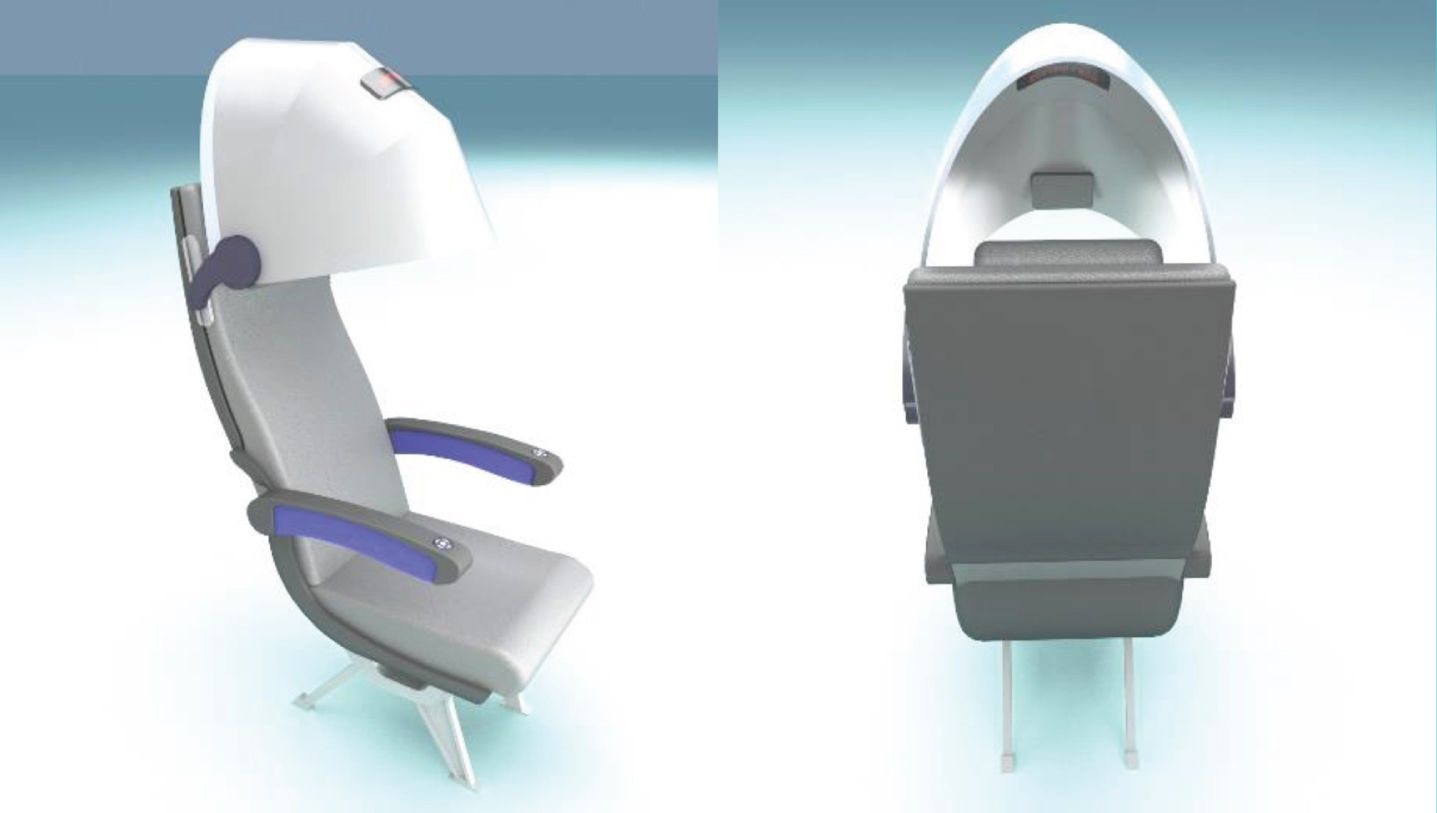
PRIVA concept original 3D models.
A more advanced VR simulation of the PRIVA was developed through the gaming software “Unreal Engine”. For adding some realistic context, three rows of PRIVA-seats were then placed inside a virtual cabin under Flying-V interior design. The seats were arranged in a staggered configuration [9]. Also, a dummy avatar was included in the mockup to provide the participants with some estimation of PRIVA dimensions (Fig. 2). Two interactions were programmed into the model to simulate some of PRIVA features: opening and closing the PRIVA bubble. Animations associated with the effect of above-mentioned inflight activities were demonstrated between these interactions. After the 3D space working prototype was developed, it was displayed with the HTC VIVE VR headset. The HTC Vive is a VR head-mounted display with 1080×1200 resolution per eye plus head-tracking. The tracking sensors of the headset allow users to move in a self-defined space up to 3.5×3.5m and use motion-tracked handheld controllers to interact with the environment.
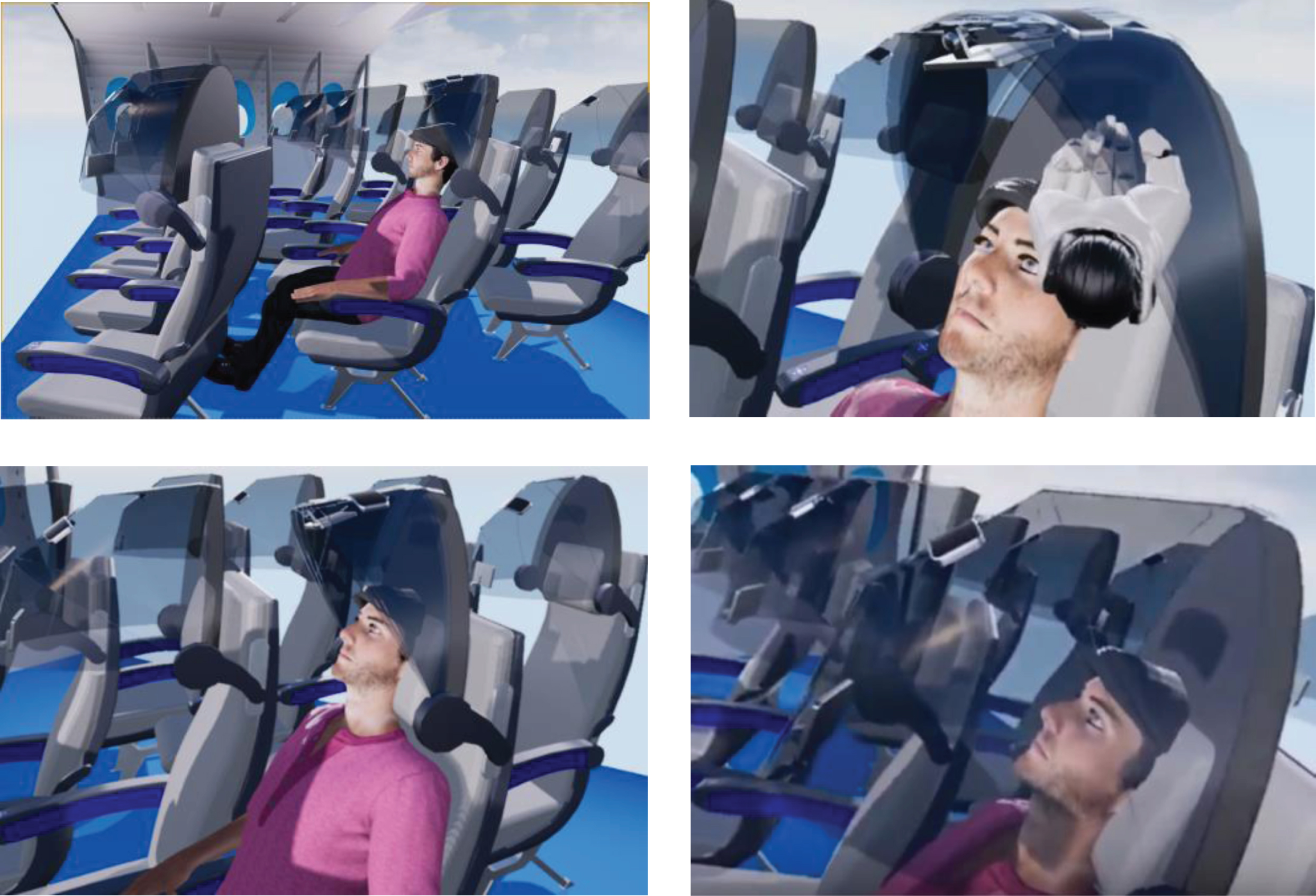
PRIVA concept simulation in VR.
The experiment took place in Applied Labs at Delft University of Technology during the International Comfort Congress in August 2019. The track sensors were mounted on the top trusses to ensure a free-moving space as big as the virtual cabin. The auditory feedback was displayed when demonstrate IFE related features. Besides, the VR headset was tethered to a graphic workstation to ensure smooth rendering of the virtual environment. We were also granted access to HTC Vive VR headset by the AR lab in TU Delft for this study.
Survey design
A survey was developed with questions on how the new design was experienced. The survey started with a consent form to be agreed to by the participants. The survey included two sections:
The first sections included demographic questions such as age, gender etc. It also asked the participants whether they often travel alone, with a spouse or in family or group of friends. These three main segments - travelling alone, as couples or in groups - were earlier extracted by Torkashvand et al. [7] to understand how each segment’s perception differ regarding the current activities and satisfactions associated with them.
The second section was followed by some evaluative questions regarding participants’ perceptions of the new concept PRIVA regarding each of the PRIVA features as well as the effectiveness of PRIVA (and its features) in ensuring more satisfaction with the mentioned inflight activities. The questions were generated in a Likert scale ranging from 1 = not at all satisfactory to 5 = Extremely satisfactory. Also, the survey included other questions to evaluate passengers’ evaluations of PRIVA seat compared to the recall of passengers’ overall experience with the current seats in the commercial aircraft. This part also included criteria such as satisfaction, comfort, appeal, privacy, and effectiveness.
Since qualitative data play an important role in featuring innovative solutions, this section also included two open-comment questions on what participants liked and disliked about PRIVA. Besides, in order to evaluate the effectiveness of the VR prototyping in the communication of the features, we included a question on realistic level ranging from not at all realistic to very realistic.
Participants
The participants were invited and selected from the congress attendees. The reason was that we intended to merely include the domain-expert participants in the field of comfort and applied ergonomics. We also hoped to receive some expert feedback from the engineering and ergonomics experts regarding some technical attributes of the design to consider for improvements and next iterations.
Procedure
It took approximately 10 minutes for each participant to take part in the experiment. For each participant, the following high-level procedure was taken to the experiment: Welcoming and verbal explanation of the procedure and expectations Signing the consent form Demonstrating an introductory video on PRIVA features Cabin walkthrough wearing the VR headset Debriefing: The post-experiment survey and appreciation

A participant being trained by the facilitator on using the VR.
At running the simulation, the participants were supposed to find the seat with the dummy avatar. Standing next to the seat with the avatar on, they were then asked to use their hand controller to simulate the dragging of the PRIVA shelter down. At this step, the simulation played an automatic demonstration of all the seat features (Fig. 4), during this automatic simulation phase, participants were supposed to only watch through the features within the immersive VR context. At the end of the VR experiment, the participants were asked to use their hand controller to simulate the hand gesture for dragging the privacy shelter up. They were then assisted with taking off the VR headset.
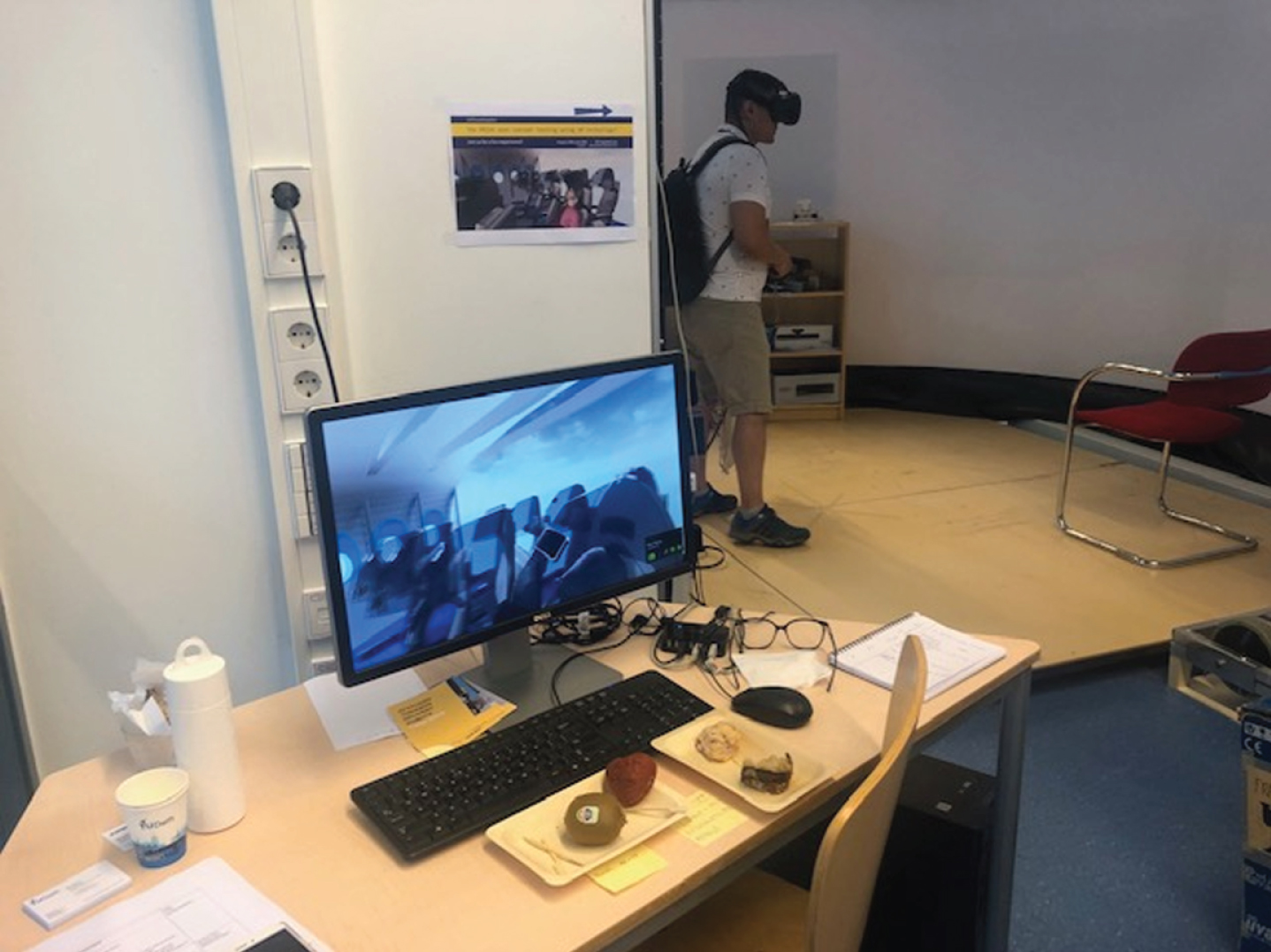
A participant is experiencing the PRIVA using VR headset.
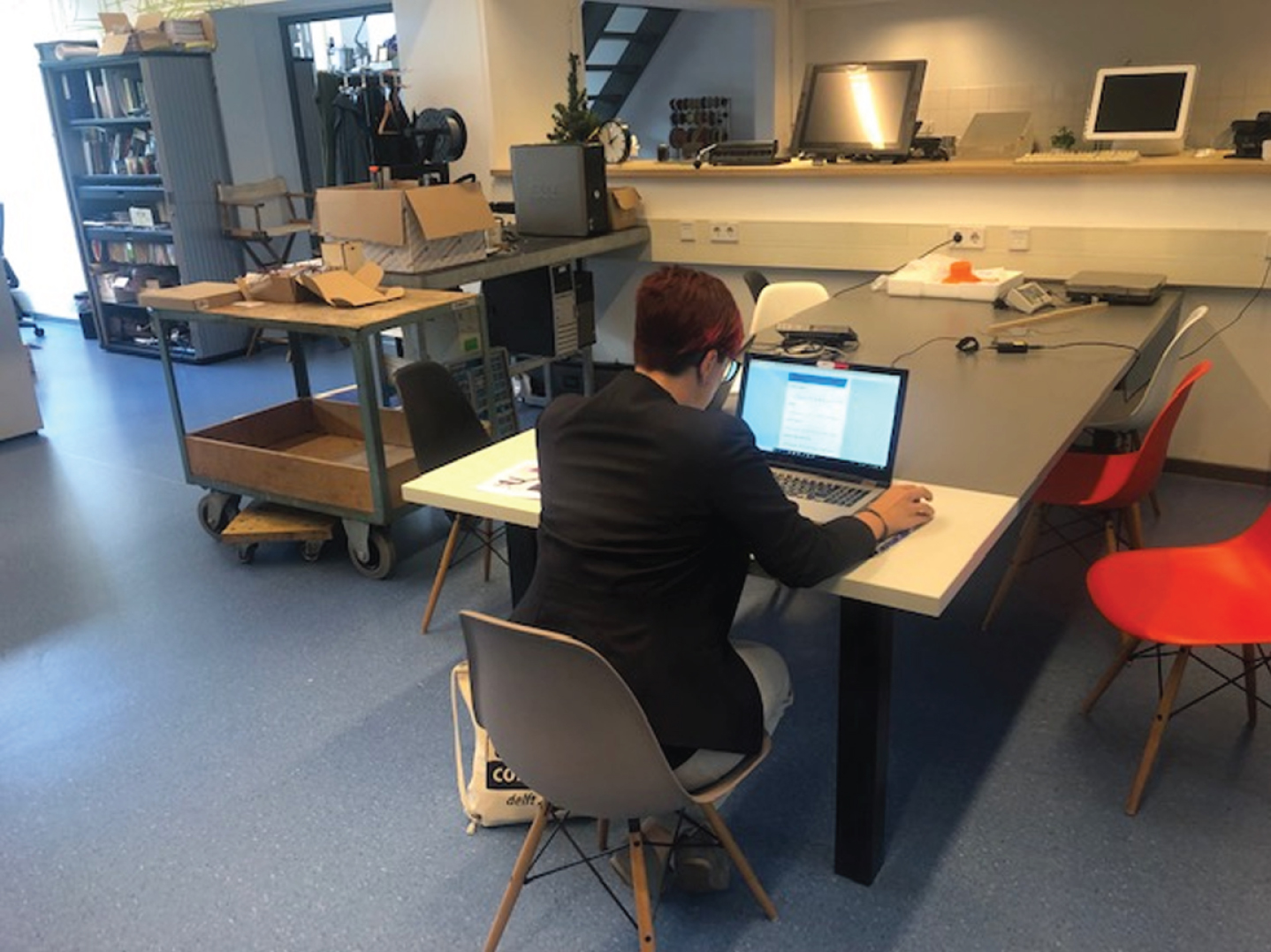
A participant is taking the online survey after the experiment.
In total 40 individuals (16 Females and 24 Males) participated in this experiment. There was an equal distribution of participants who travel alone and those who travel with their families. In addition, those who selected ‘other’ explained that they travel both alone and with family/friends. The majority of the participants (95%) stated that they often travel in economy class.
The overall evaluation of participants regarding their perceived evaluation of PRIVA, when compared to the current aircraft seats, reveal that participants mostly perceive the new concept to be more comfortable, private, appealing, satisfactory, and effective (Fig. 6–11). However, in order to comply with our original approach on assessing the experience based on activities, we also analyzed participants’ perception of PRIVA with regards to the activities associated with that.
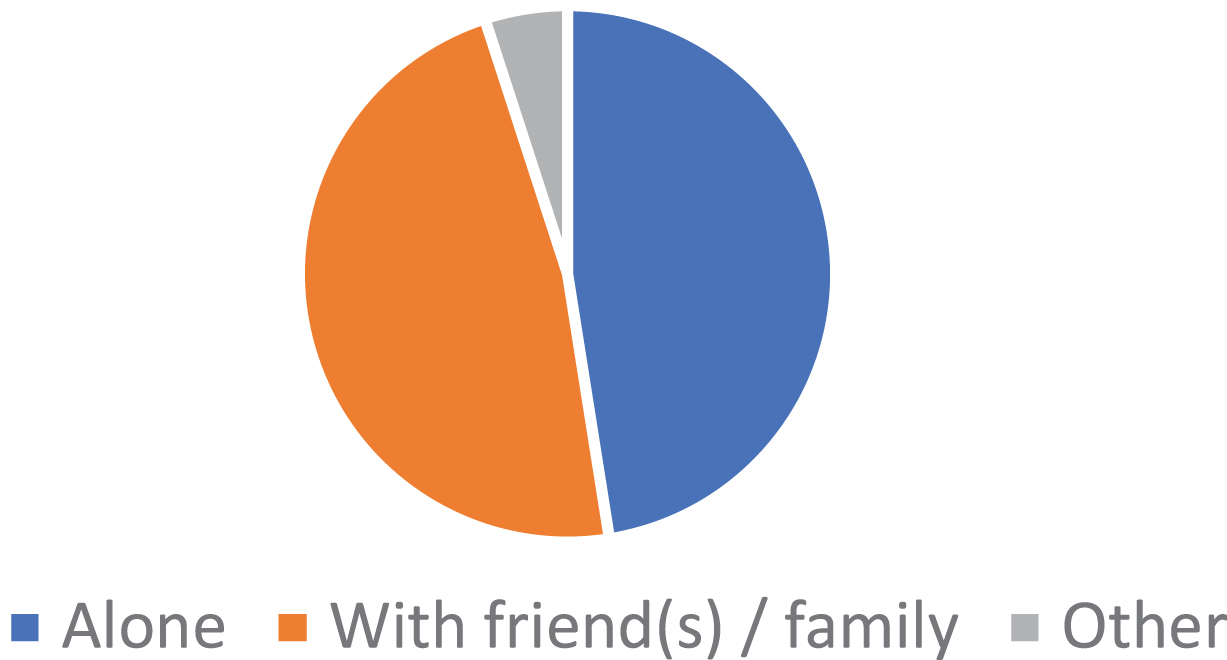
Distribution of traveller types.
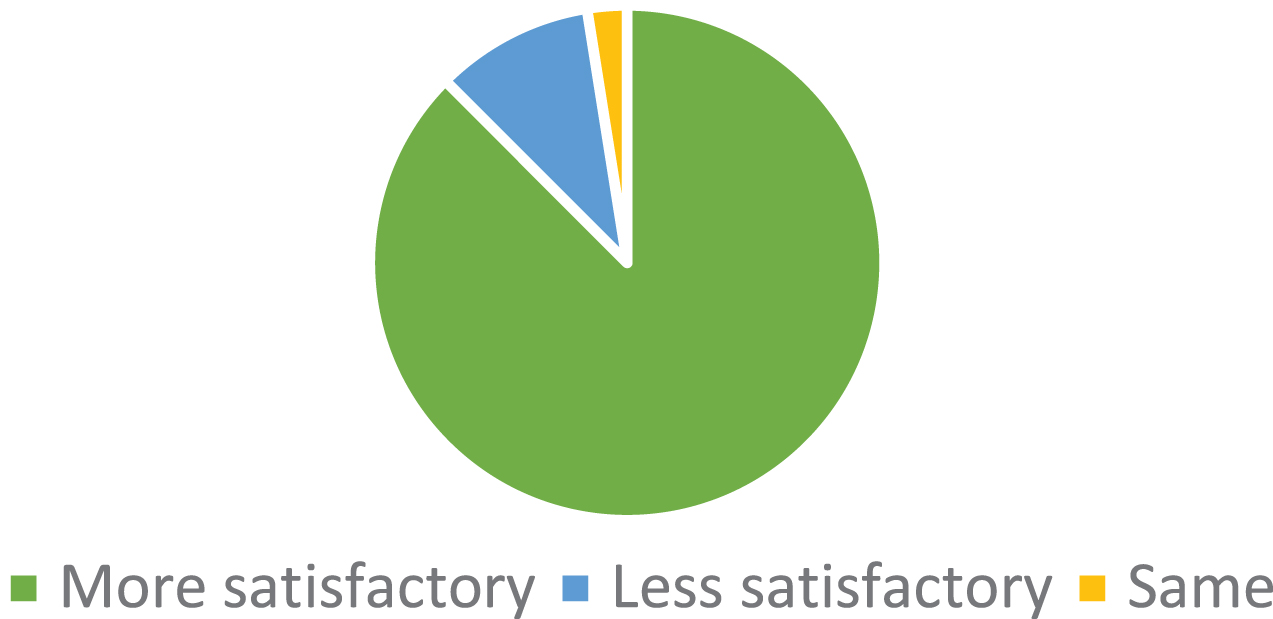
Perceived satisfaction compared to current seats.
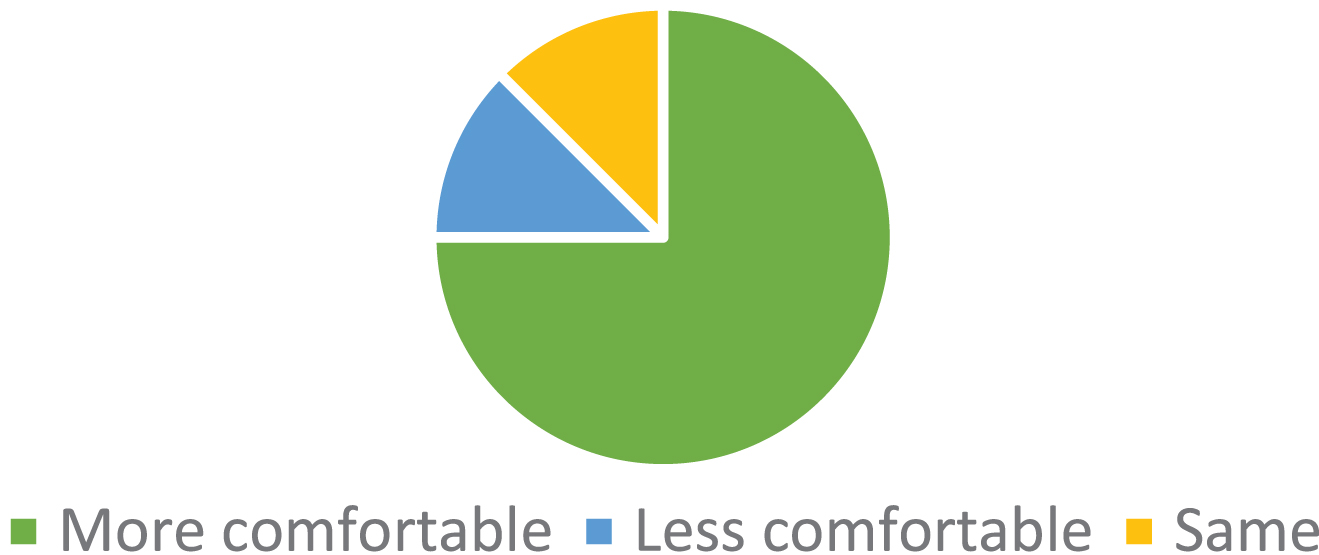
Perceived comfort compared to current seats.
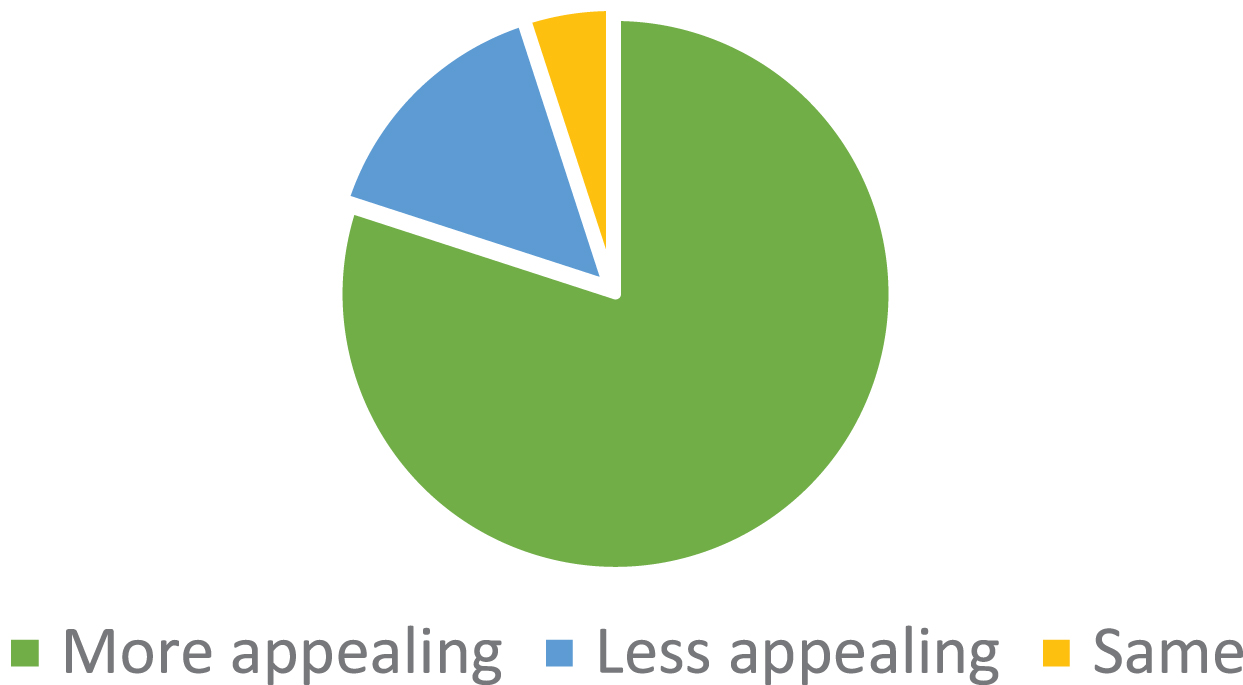
Perceived appeal compared to current seats.
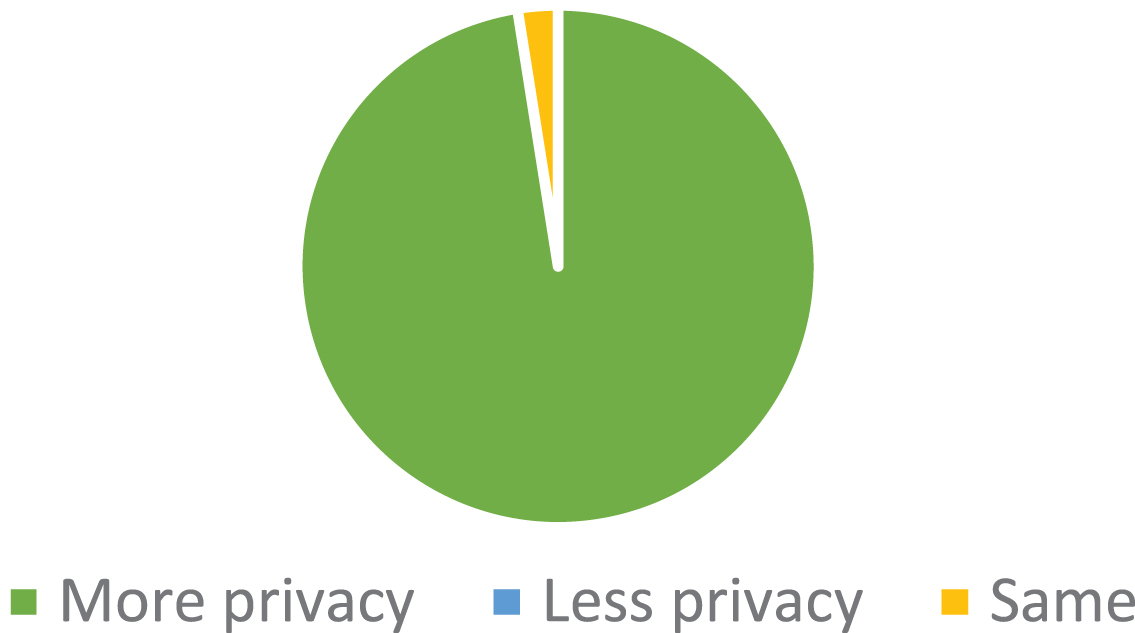
Perceived privacy compared to current seats.

Perceived effectiveness compared to current seats.
Regarding the satisfaction of the new design while performing certain activities, adjusting privacy is the highest among all activities (Fig. 12). Similarly, the next satisfactory activities include, adjusting lighting, resting/relaxing as well as sleeping. On the other hand, talking to neighbours was perceived as not satisfactory as the rest of the activities (Table 1).
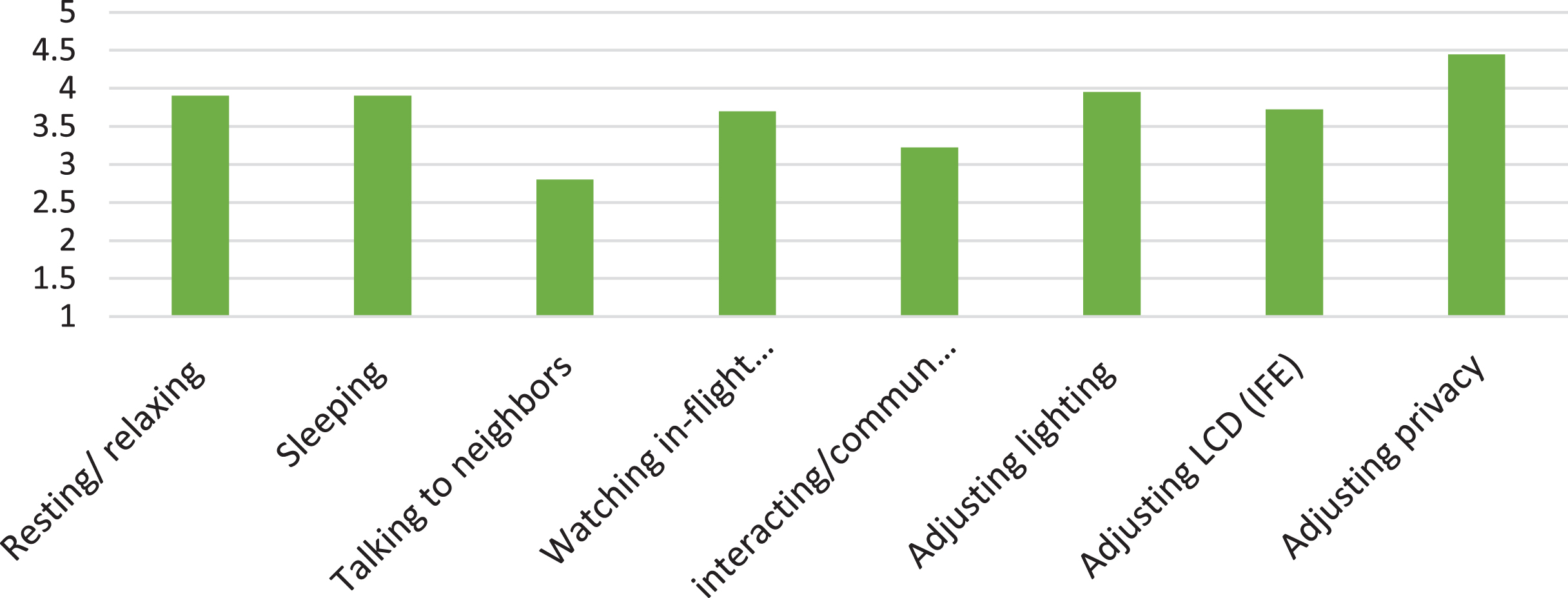
Satisfaction frequency by the activities in PRIVA.
Distribution of responses on satisfaction by activities
The average satisfaction by activities in group travellers is higher compared to individual ones (Fig. 13). It was especially interesting as we originally considered PRIVA to be targeted for individual travellers.

Satisfaction by activities among group and individuals.
Regarding the realistic level of participants’ perception for different features, the results show that the VR simulation was more effective for demonstrating the adjustable privacy feature (Fig. 14).
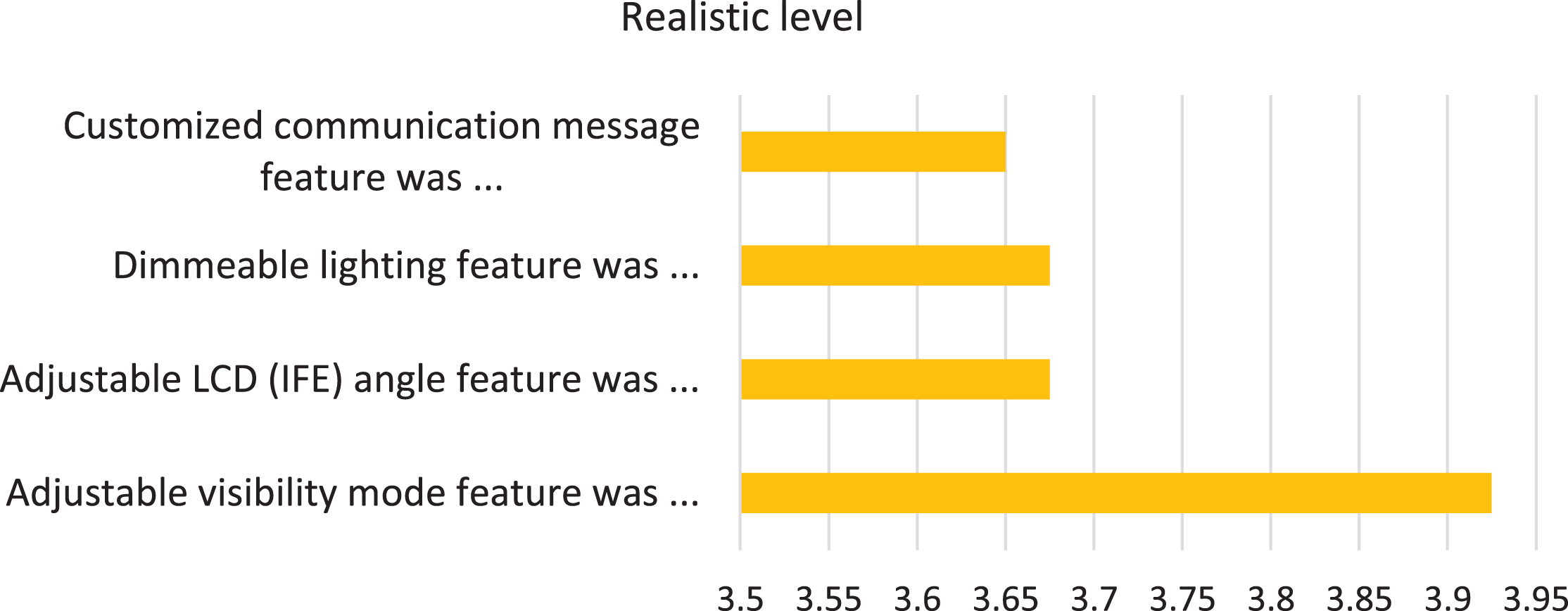
Realistic level evaluation of the PRIVA simulation.
Regarding the question of whether frequent flyers will see the advantages of using a VR prototype, this study shows that many advantages were mentioned by the passengers.
According to Duarte et al. [10], VR is a broad area that is defined in different ways in the literature. He mentions that VR consists of a sophisticated interface between people and computers according to Hancock [11]. Virtual Environments (VEs) are made to be experienced by users. This means that there is a technological aspect and a human aspect. Steed [12] indicates that VR consists of a computer-based system containing components like a head-mounted display (HMD), a tracking system, input devices, audio output and a database, as the similar technical configuration in our case. The technological part registers multisensory stimuli on the human sense, which links to the human side [13]. The passengers were placed into the virtual cabin and see the new environment and by moving around freely they have the experience of being in or surrounded by an object or interior, achieving the “being there” effect [13]. Duarte et al. [10] mention that “ ... participants are placed into a virtual world or VE. The VE contains synthetic sensory information able to lead individuals to perceive an environmental context, and, if done well, perceive it as if it were not synthetic.” The potential of VR prototypes lies in achieving “a high fidelity simulation of an existing experience” which is not available due to safety, technology and cost restrictions[14]. The advantage, in this case, is enhanced by precise space perception and intuitive interaction modalities, which use a stereoscopic HMD, and a motion tracking system. Wang and Toma et al. present similar findings on VR based modelling, assembly and maintenance [3, 15]. It also had some mixed reality system features as the participants could sit on a physical chair aligned with the VR seat resonating the tactile feedback. According to Burdea et al. [16], this is not VR in a strict sense.
Like in the study of Aromaa et al. [6], the results indicate that VR can be used to support human factors and Ergonomics evaluation during the design. They also showed that it is important that a natural and interactive interface with the context in use supports the Human factors and ergonomics evaluation. They found it important that the participants were able to stand on the maintenance platform and see the feeder and other parts properly. In our case, the passengers were able to sit and experience the VR in its ‘natural’ environment. In fact, adding noise would have probably made the evaluation better. Aromaa et al. [5] show that other sensory modalities, in addition to the visual feedback, evaluate the environment better. This study supports the vision of Bruno et al. [17] that VR techniques are a valid alternative to traditional methods for product interface usability evaluation and that the interaction with the virtual interface does not invalidate the usability evaluation itself.
This research had limitations as all passengers were asked to imagine the new situation and comment on that. By mentioning it a new situation it could already have a positive bias. However, we also saw that passengers still mention that it would hinder communication with the neighbour. Another limitation is that the VR model was not stable and sometimes the researchers had to interfere to restart the system again, but in the end, all participants were able to experience the new interior.
The current study aimed at testing a new concept by the use of VR technology. The approach taken in the application of VR in testing the desirability of the concept was effective in eliciting some insights from participants. The immersive interaction with the new concept also brought about a more realistic perception of the features as well.
The current study acknowledges that while PRIVA is not the only solution for privacy in passenger cabins, we believe the added features make it more innovative than the previous privacy bubbles like Pangolin the helmet (see https://www.trendhunter.com/trends/alpha-helmet). In particular, the adjustability of the privacy, the use of personal devices, as well as the communication feature are some unique aspects to this concept which were also validated by passengers in this experiment.
Regarding the outcomes, the application of VR technologies in the evaluation of the concept desirability and perceptions of satisfaction and comfort seems to be effective. However, it is important to note that to move forward with the further comfort and usability evaluations of the concept, VR or AR prototypes of different fidelity might be required as Lim et al. [18] state that suitability of virtual prototypes need to be determined with regards to the aspects of the product that we aim to evaluate.
Some limitation also existed. The main concern of using a VR headset is simulation sickness as we faced when inviting participants. Simulation sickness symptom may easily be triggered by dynamic scenarios and causes users to quit the evaluation [19], while few obvious discomforts were reported in a static environment as in this study. Besides, there is always a probability that participants become biased when being evaluated in immersed VR environments. This, however, could be overlooked due to the deeper qualitative open comments by participants on what they liked and disliked about PRIVA.
Conclusion
The research finding validates that the majority of participants perceived PRIVA of being more satisfactory, comfortable, effective, and appealing compared to their current experience with the economy class seats for long-haul flights. This is promising and certainly worthwhile to develop further. The study also validated the effective nature of VR prototyping in Human-Centered Design.
Conflict of interest
None to report.