




Abstract
BACKGROUND:
Recently the plumbing trade has transitioned from traditional copper piping to flexible plastic piping (PEX) for residential water distribution systems. However, there has been very limited research into the ergonomic implications of the modernized processes.
OBJECTIVE:
This research documents the physical workload and risks of musculoskeletal disorders (MSDs) with the use of new tools and processes for joining piping. The research also identifies the factors which can facilitate or limit the use of new ergonomically beneficial tools.
METHODS:
This mixed methods research included workplace observations, interviews, an experiment, a survey of plumbers in residential construction and focus groups with both plumbers and plumbing contractors.
RESULTS:
Advantages and disadvantages of the various techniques for joining pipes showed that manual crimping has advantages (i.e., productivity and lower cost) that make it desirable for plumbing contractors. Power devices, which were not widely used, have great potential to reduce MSD risks especially if the size and weight of the tools decreases with newer technologies. A continuing barrier is the cost of power equipment.
CONCLUSION:
The move to provide ergonomically beneficial tools was not as rapid as the willingness to change piping materials. Productivity and costs of tools are barriers to ergonomic interventions.
Introduction
Investigators at the Centre of Research Expertise for the Prevention of Musculoskeletal Disorders (CRE-MSD) and the Infrastructure Health and Safety Association (IHSA) were in the process of conducting a major research project investigating innovations aimed at reducing musculoskeletal disorders (MSDs) in the construction sector. During that process, a health and safety representative of the United Association of Journeymen and Apprentices of the Plumbing and Pipe Fitting Industry of United States and Canada (UA) Local 46 contacted the researchers. He requested an investigation of worker reports of MSDs suspected to be related to changes in pipe joining systems. That contact led to this study.
Changes in the construction materials, have the potential to reduce or add to health risks. For example, in the 1960 s when hard plastic pipes ABS (acrylonitrile-butadiene-styrene) and PVC (polyvinyl chloride) for DWV (drain/waste/vent) pipe systems were introduced, plumbers experienced significant solvent exposure, which had the potential to adversely affect their health. Subsequent surveys identified and confirmed chemical exposure risks associated with the installation of plastic plumbing systems [1].
With respect to this study, polyethylene piping systems (PEX) have gained in popularity in Canada and the US and are becoming alternatives to more traditional polyvinyl chloride (PVC) and chlorinated polyvinyl chloride (CPVC) plastic piping. In Ontario, plastic piping has become the material of choice in new residential and commercial construction. PEX is the fastest growing polyethylene system and rapidly replacing copper in residential and commercial hot and cold water distribution (HCWD) systems [2]. In 1996 it was estimated that copper accounted for 80% of the US plumbing system market, however, PEX use has been increasing by 40% per year [3]. According to the Home Innovation Research Labs (HIRL) 2016 Builders Practices Survey, over 60% of piping in residential plumbing in the US is PEX [4].
Past investigations of MSD risks in plumbing have focused on more general aspects of the tasks including manual material handling, kneeling, awkward postures during installation, and overhead work [5]. However, limited research addressed MSD risks related to tasks involved in joining plastic pipes. In 2007 Rose surveyed Swedish construction workers and observed significant musculoskeletal strain while using powered jointing machines and recommended an analysis of the risk associated with manually operated and power crimpers [6]. Since that study, there is a lack of comprehensive reviews of the impact of the changes on workers’ health because of the introduction of new joining methods.
This study allowed us to document the joining methods used in contemporary construction plumbing and determine if any methods were associated with risk factors that may lead to an increased prevalence of MSDs. Additionally, the researchers have been able to examine the role health and safety plays in the decision-making process when new materials and work practices are introduced into the construction sector. Tangentially, this study is a good example of how research can be informed and triggered by the experience of workplace parties.
Background
Plumbers perform a variety of tasks that put them at risk for non-traumatic MSDs of the neck, back and upper extremities [5, 7]. Tasks such as roughing-in waterlines require prolonged work in awkward positions and at times forceful, repetitive movements. Overhead work, which is associated with pain and disorders of the arms and shoulders [8], is common when running and joining pipe. US data reported that 15.9% of all construction workers reported severe hand discomfort. That problem is worse for plumbers, who report severe hand discomfort at the rate of 23.8% [7]. Our analyses of 2011 Ontario accepted worker compensation claims for plumbers revealed that 42% of the total lost-time injuries were related to MSDs accepted claims and for all construction workers was only 35% [9].
Traditionally plumbers in the residential sector used copper piping in various sizes from

Manual copper pipe cutting.

Manual crimping.
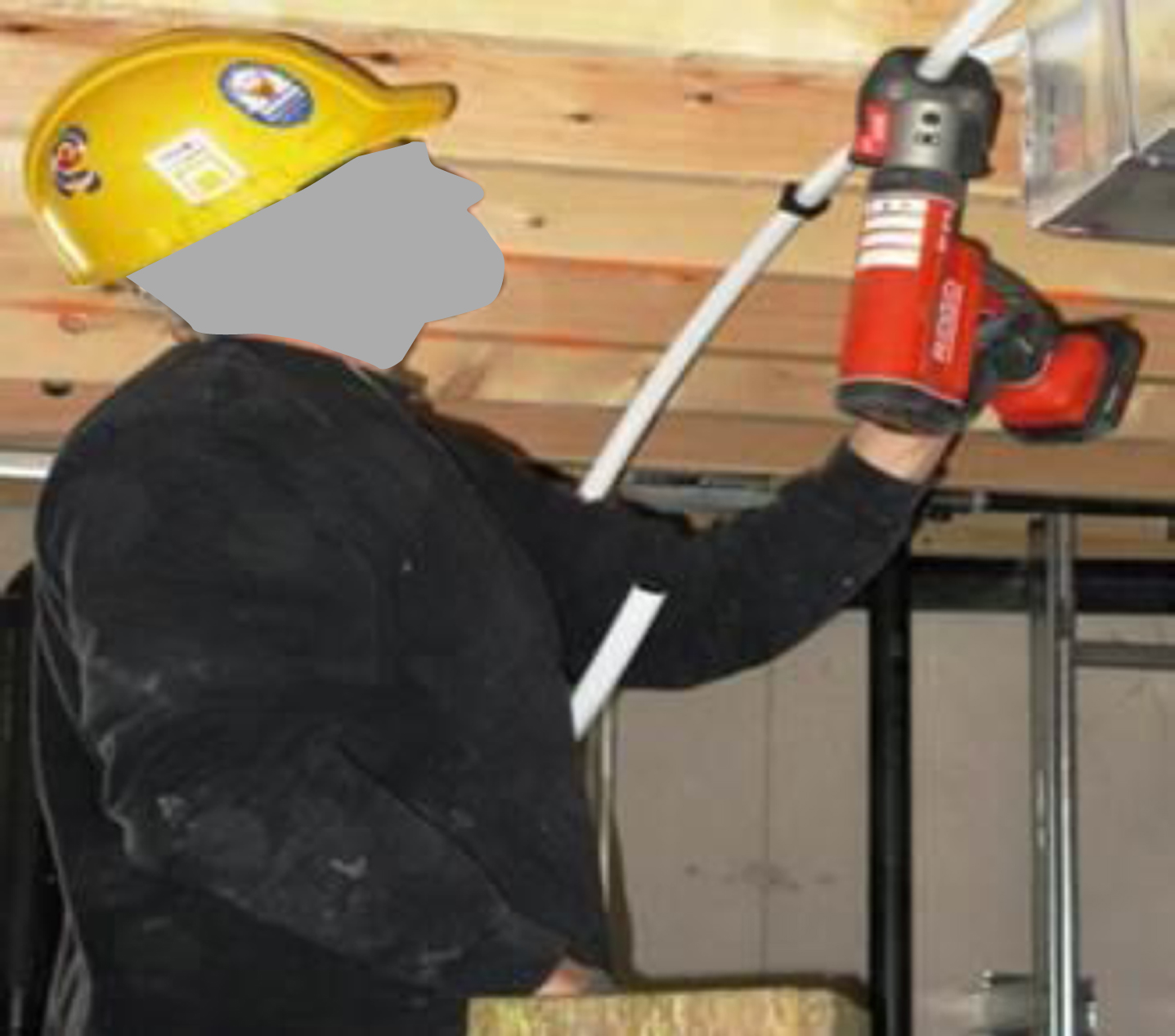
Generation I power crimping tool.
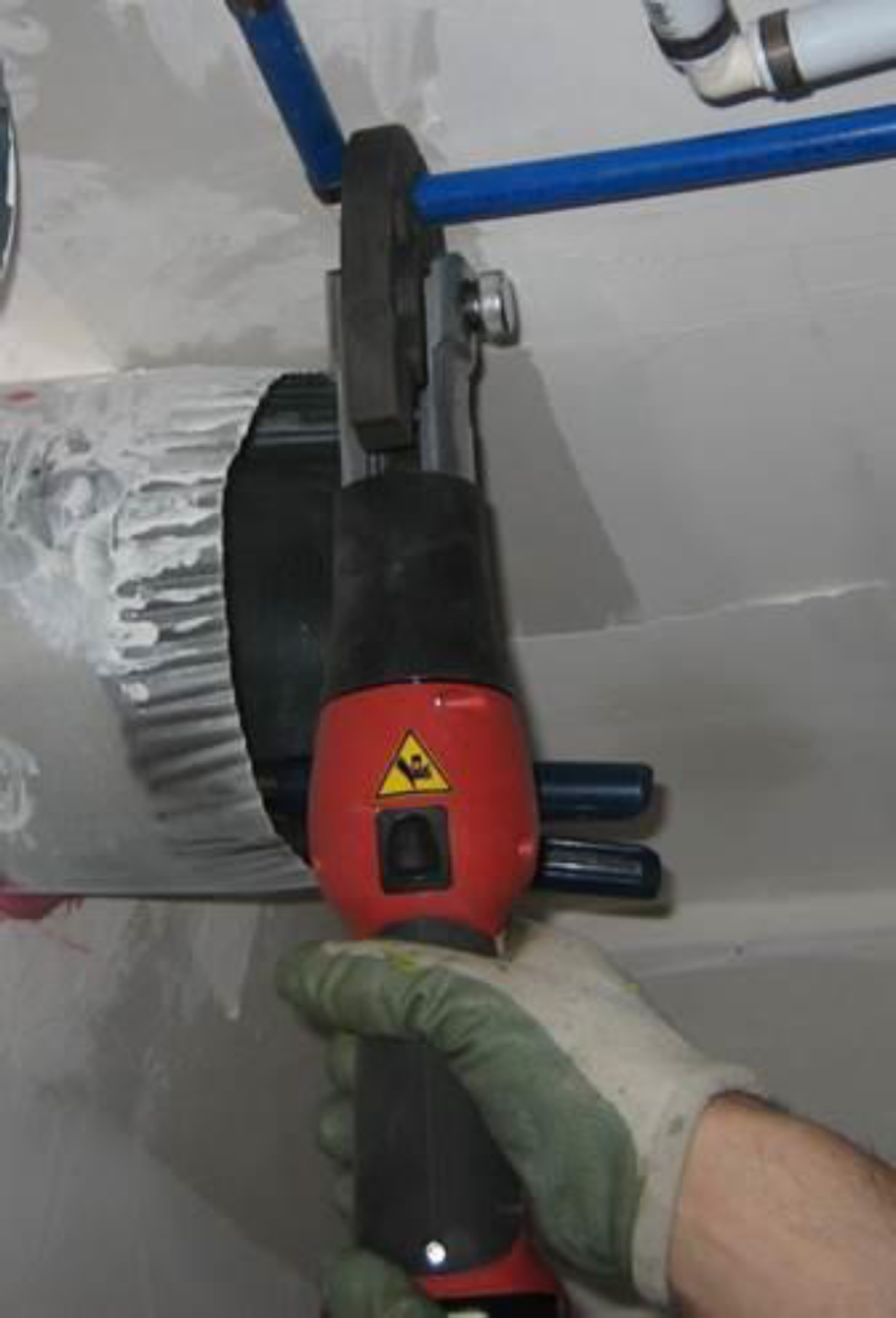
Generation II in-line power crimping tool weighing.
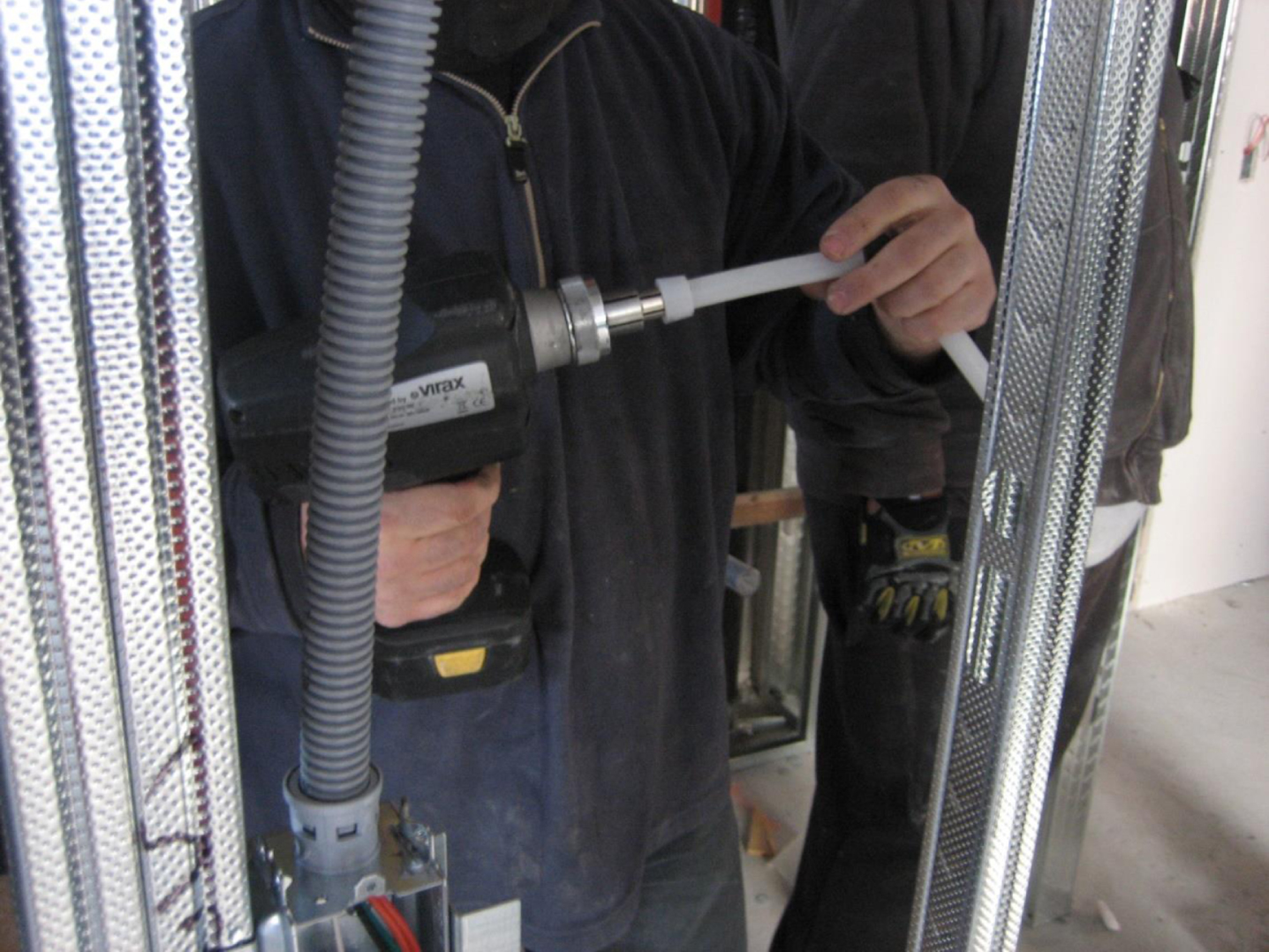
Power stretching tool.
UA Local 46, which initiated this research, is unique in North America because it has a section of approximately 600 members who work exclusively on low-rise residential construction projects. In this environment, the plumbing contractors enter into an overall cost agreement with the developer to service multiple homes. These plumbers often operate on a production basis (two roughed-in houses per day) and use PEX B almost exclusively. According to the union H&S representative these production practices reduce the task variation and increases daily crimping activities. Stretchable piping PEX A, which allows for the use of expansion fittings (as opposed to crimped fittings) costs approximately 15% more than PEX B piping which is prohibitive. UA Local 46 members expressed concerns that manual joining/crimping of PEX B requires more force than the other systems and that completing the required number of crimps each day was leading to pain in some workers.
In addition to the analysis of the physical loads associated with joining methods, it is also necessary to consider the work organization. The employment relationship in this environment deviates slightly from the norm. In this union environment some contracts are limited to union contractors—contractors who employ union members. When a union contractor requires a plumber, the contractor contacts the Local and a member plumber is dispatched. The dispatched plumber becomes an employee of that contractor, which assumes most employer responsibilities, including health and safety protection. The contractor determines what materials are to be used and accordingly supplies the tools required to complete the assigned tasks. If alternative tools like power crimpers, as an alternative to the common manual crimpers, were to be used, it would be a contractor’s decision. If there is a health and safety issue or grievance, the Local will intercede on behalf of its member to resolve the problem. The differences from the normal employee-employer relationships are that the hiring pool is controlled by the Local and the Union controls the benefit and retirement packages funded by the employer. Workers’ compensation insurance coverage is the sole responsibility of the employer. It is necessary to understand this relationship to also understand the process of choosing tools.
The interaction between UA Local 46 and the academic researchers led to a mixed method which included qualitative interviews, a survey, observation of work activities, focus groups with the workplace parties, and a laboratory-based experiment. UA Local 46 was a facilitator in recruiting participants and providing information about the work practices. All participants provided informed consent for all potential risks.
Observations and interviews
While the questionnaire was circulating, a representative of IHSA visited 25 low-rise residential construction worksites with two types of crimping tools: a Generation I pistol tool as well as the lighter Generation II power inline crimping tool. The plumbers were given an opportunity to keep the tools and use them for a week.
Other researchers visited additional worksites and conducted unstructured interviews with five plumbers. The interviews were open-ended but focused on their pipe joining and cutting tasks and any potential health impacts. Photographs were taken of participating plumbers while they worked to provide a visual documentation of work tasks and tools used. At all times during the research, the union health and safety representative acted as a technical advisor to the research team, answering questions about the organization of work, union contracts, and work practices.
The survey
The questionnaire was designed in consultation with ergonomists in the construction sector along with UA Local 46. To ensure the questionnaire addressed the variety of pipes and joining systems, field visits to residential construction sites were carried out. The questionnaire contained sections that addressed demographic factors, information about the job (work schedule, experience, tenure with company, safety training, overall physical demands, work speed, job satisfaction, job tasks (percent of time working overhead, at waist level and floor level, percentage of time using manual, stretchable, and power crimping tools for PEX and non-PEX pipes, percent of time installing copper pipes)). Questions on musculoskeletal discomfort in the past 12 months and last 7 days were adapted from the Nordic Questionnaire on Musculoskeletal Complaints and related to the shoulders, wrists/hands, upper and lower back [10].
Usability questions included items on perceived comfort, productivity, ease of use, and grasping effort to operate the tool. Additionally, there were questions about the potential to limit the adoption of the tools which included initial cost, compatibility with jobsite conditions, difficulties with maintenance and safety-related issues. Respondents were encouraged to provide detailed explanations and describe other factors they felt affected their adoption of each tool or joining method [11].
The leadership of UA Local 46 helped the research team target 600 low-rise residential plumbers. In the first round of recruitment, the Local mailed out the survey with stamped self-addressed envelopes, as well as a letter signed and endorsing the study by the Union Business Manager (the equivalent of a Local Union President) in a University of Waterloo envelope. A follow-up post-card was sent to union membership signed by union officials, and finally another reminder was mailed in a union envelope to the original list. The alternative forms of mailing were specifically chosen to encourage those recipients unlikely to respond to either a postcard or a University of Waterloo letter [12]. At the same time the original H&S representative and other union representatives were making the rounds to different worksites and encouraging the membership to participate. The questionnaire in a fillable form was also loaded onto the CRE-MSD and Unionwebsites.
Focus groups
After completing the preliminary data analyses of the survey, interviews, and observational components of the study, there was a meeting with UA Local 46 members. Preliminary findings were presented and we received detailed feedback and additional information about the activities of the plumbers and their health concerns.
In addition to our interaction with the Local, the researchers were attended a regularly scheduled business meeting with approximately 20 of the plumbing contractors who were responsible for most of the new construction work in the Greater Toronto Area (GTA). This presentation was time-limited by the participants. The IHSA representative made a presentation demonstrating the various crimping tools. For many of the contractors, this was the first opportunity to be introduced to power crimpers. At that meeting the contractors shared their views about the available manual and power tools and asked questions about the impact on productivity and costs.
Experiment on perceived exertion during crimping
A field and lab-based biomechanical assessment of plumbing tasks was conducted. Our field-based investigation documented fatigue effects of residential plumbers during their workday and workweek; this data have been reported in Yung et al. (2014). In that study, we confirmed that installation and joining PEX B by manually crimping was a primary work task, contributing to increasing fatigue of the hand/arm over a workday, and persistent fatigue over the workweek [13].
We reported on an exploratory laboratory study, which documented perceived exertion while using different crimping tools for PEX B. We recruited 10 university-aged participants (6 males, 4 females; mean age 25.4 years, SD 4.9; mean weight 75.4 kg, SD 14.7; mean height 171.9 cm, SD 7.6 cm; mean hand breadth 8.5 cm, SD 0.5), with no current or past injuries of their upper extremities. Three experimental conditions were investigated: crimping with a manual
Crimp ring
Data analysis
Interviews and focus groups
The interviews were not recorded but the research team kept detailed notes. The comments from the plumbers were consistent about the nature of their jobs and effort required for different joining methods.
Survey and experimental data
Respondents fell into one of three exposure groups: 1) primarily installing copper, 2) primarily using manual crimping, 3) primarily using power crimper or power stretchable PEX tools. Due to small number of plumbers using power stretchable tools, these plumbers were combined with plumbers using power crimping tools.
Comparisons of outcome measures (discomfort/pain in the last 12 months etc.) as well as task-related independent variables (percent time doing ceiling tasks etc.) between the groups were performed using Chi Square for categorical variables and ANOVA for continuous variables. The main outcome measures were MSD symptoms and /or disabilities in last 12 months and mean severity of musculoskeletal discomfort/pain scores using a Borg 0-to-10-point category-ratio (CR) scale [14]. Independent variables were the participants, tasks and tools, and psychosocial factors. Each potential risk factor was examined separately with each outcome variable and those significant (p < 0.10) were introduced into multivariable models.
Unconditional logistic regression was used to model the odds of reporting musculoskeletal problems in each of the anatomical sites. Logistic regression modeling started by preselecting independent variables based on the biological plausibility of associations and on univariate logistic regression. Variables were selected using the backward stepwise method. The likelihood ratio test and 95% confidence intervals were used. In the logistic regression diagnosis, the Hosmer-Lemeshow goodness-of-fit test and residual analysis were used [15]. We chose to use conservative alpha of 0.05.
Experimental data
Data from the experimental study were used to compare perceived exertion for the three conditions (manual crimp of a
Results
The work of plumbers from interviews and observations
The ergonomists and project manager had an opportunity to interview plumbers on a variety of worksites. The description of standard working conditions was consistent with the reporting in the background section. In addition, the tasks and onset of MSD symptoms were consistently reported.
In this work environment, PEX B was the standard and the plumbers were crimping manually. None of the workers interviewed were using the power crimping tools on a regular basis. Our team introduced Generation I power crimper into the workplace and it was not well received because of its weight and the inability to be used in enclosed spaces. The Generation II was more acceptable because it was lighter and could be used in small spaces, but it was not as efficient (i.e., less productive) as the manual tool.
The plumbers reported that both types of PEX piping are flexible and easy to use in the warmer weather; however, in the winter PEX B piping becomes much more rigid and cutting and crimping required additional force. Plumbers, who used PEX B, confirmed that they performed approximately 300 to 600 crimps and cuts per day to rough-in two houses. The number of baths, sinks and other plumbing fixtures vary per house and account for a range of the number crimps. Participants described that the pace of work required a minimum of 75 repetitive actions in an hour. All the participants reported that when their work was exclusively installing PEX B systems, they would experience forearm pain, which on occasion was sufficiently severe and to keep them awake during the night. They also reported that toward the end of a workweek, muscle fatigue would lower their productivity. They did not experience the same degree of pain and fatigue when performing the other joining methods for prolonged periods of time.
During our discussions, the plumbers reported that strenuous grip force was required for manual crimping and less force was required when using a power tool for stretchable piping. The plumbers reported copper piping work was the second most stressful because of the force necessary to cut the pipes. The interview findings were supported by data from the survey as plumbers, who reported that the manual crimping, which required the most grasping force, resulted in the highest level of wrist pain.
We also had an opportunity to question four self-employed plumbers, who had the opportunity to select their own materials and tools. All of them used PEX A with power expansion tools whenever possible. They used PEX B only when it was needed to be compatible with existing piping.
Survey findings
A total of 186 plumbers completed the survey (response rate of 31% from the low-rise residential sector); all but one respondent were male. The mean age of the respondents was 40.8 years, and mean height and weight were 177.8 cm and 85.8 kg, respectively. The majority of respondents were journeyman plumbers (76.9%), had over 10 years’ experience in the trade (56.3%), and had been with the same employer for over 5 years (52.2%) (Table 1).
Characteristics of survey respondents (n = 186)
Characteristics of survey respondents (n = 186)
Most of the plumbers reported using a variety of piping and joining systems. Most respondents (n = 159) reported having used manual crimping tools and completed usability questions on this type of tool. Only 27 respondents reported ever using power stretchable tools and completed usability questions for those tools. Using the self-reports of time spent performing specific tasks, 14.4% of participants predominately used copper pipe, 77.2% predominately used PEX B pipe and manual crimping, and 8.4% respondents reported using plastic pipe with power crimping tools or expansion tools. When respondents were grouped by their predominant plumbing method, there were no significant demographic differences.
Respondents reported performing tasks above their shoulders (34.9% “most” or “all”), followed by floor level (21.5% “most’ or “all”), and finally prolonged work at the waist level (14.8% “most” or “all”). When using copper piping the respondents worked over the shoulder 47.8% of the time, for primarily manually crimping 34.6% of the time, and primarily power crimping or stretchable tool 28.6 % of the time.
The overall pace of work was perceived as “too fast” or “much too fast” by 43.4 % of those mainly performing manual crimping, 41.7% of those mainly installing copper, and by 35.7% of those using predominately power crimpers/expanders (Table 2). When asked “In the last month, how often have you felt exhausted after your shift?” 135 respondents (73.8%) reported “over half the time.” Reporting physical exhaustion every day or most days over half the time to most days was significant and was also associated with discomfort/pain and disability of the wrist/hand, whereas other work factors (working overhead, working at floor level, etc.) were not significant.
Perception of work demands by use of plumbing methods
Most respondents (93.6%) reported MSD symptoms over the last 12 months. Low back discomfort was most frequently reported (80.5%) and upper back symptoms were least reported (46.1%). The majority of respondents (71.2%) reported that musculoskeletal discomfort prevented them from carrying out their normal activities at least once in the last 12 months. We have no evidence that any plumber laid off work because of MSDs or applied for workers’ compensation benefits.
Reported pain and disability by use of plumbing method
‘*’ - Mainly copper differs from mainly power crimp/expansion. This table gives the number of people who answered each of the questions. The percentages in Table 3 above are based on these numbers not the total number in the group.
Table 4 shows the distribution of musculoskeletal discomfort/pain and disability associated with the most frequent plumbing method. Multiple logistic regression analysis showed that predominately manual crimping was associated with discomfort/pain and disability of the wrist/hand (OR = 5.69 95% CI 1.6 to 20.4) and shoulder (OR = 4.61 95% CI 1.22 to 17.4). Respondents, who mainly installed copper pipe, had higher discomfort/pain in the wrist/hands (6.46) and shoulders (5.64). Those reporting mainly using power joining tools had more discomfort/pain in their lower back (92.9% discomfort/pain prevalence: 84.6% disability).
Wrist pain and number of manual crimps performed per day
F = 3.76 p = 0.0124 [< 50 differs from 50– 100 and 100– 200; 50– 100 differs from > 200].
The majority of the sample (91.2%) reported performing manual crimping at some time during the day. When the respondents were classified by the number of crimps they performed (0– 50, 20– 100, 100– 200, or > 200 crimps), mean wrist/hand discomfort/pain scores increased with increasing number of crimps (Table 4). When the entire sample was categorized into ranges of reported wrist/hand discomfort/pain (0– 3, 4– 7, 8– 10), mean perceived grasping effort (scored from 0– 10) was associated with increasing wrist/hand discomfort/pain (Table 5).
Wrist pain and grasping effort reported for most commonly used technique
F = 1.14 p = 0.3225.
When considering the perceived advantages of using copper piping, quality was the most frequent response (71 %) and productivity was noted the least frequent (7%) (Table 6). Safety, ease, and comfort were noted as advantages by 30%, 21%, and 19% of respondents, respectively. The most frequently noted disadvantage of copper piping was cost (75%), followed by effort (35%), safety (27%) and incompatibility (12%). The mean perceived grasping effort for installing copper piping was 3.8.
Comparison of advantages and disadvantages of four pipe joining methods
For manual crimping, the most frequently perceived advantages were saving time (67%) and productivity (65%) followed by ease (45%) and safety (26%). The most frequently reported disadvantages of manual crimping were effort (48%), safety (31%), and quality (28%). The mean perceived grasping effort to operate manual crimping tools was 5.2.
The reported advantages of power crimping were ease (62%), saving time (40%), productivity (40%) and comfort (40%). Cost was noted most often as a disadvantage (78%) followed by maintenance (31%) and incompatibility (25%). Responses for power stretchable crimping indicated ease (77%), saving time (74%), comfort (67%), and productivity (63%) were the most frequently noted advantages. Disadvantages included cost (83%) and maintenance (44%). The mean perceived grasping effort for power stretchable crimping was 2.6.
Participants in the laboratory experiments rated their hand and arm exertion highest when completing a manual crimp (median score of 8.9 out of 10; very strong to extremely strong exertion). Rankings of perceived hand-arm effort when using Generation I tool (median score 2.7 out of 10; weak to moderate exertion) and Generation II tool (median score 2.1 out of 10; weak exertion) were significantly lower as compared to manual crimping. This data is consistent with our survey, which revealed higher prevalence of hand or wrist discomfort/pain among plumbers who manually crimp, compared to plumbers who used power tools.
Employer’s concerns
During the meeting with contractors, they raised concerns about costs, productivity implications and the ergonomic value of the power tools. They indicated that the weight of the Generation I tools would be as problematic as the force needed to manually crimp. The majority of contractors did not see the need to invest in power crimpers because there was no obvious financial benefit. The tool was expensive (approximately $1,500), needed regular maintenance and did not improve productivity. Furthermore, there was also no evidence that the use of power tools would influence workers’ compensation benefits because there was no history of crimping related claims. To date, power tools are not commonly used by plumbers employed by contractors.
Discussion
Changes in work processes in the construction are regularly introduced and focused on reducing costs and increasing productivity. This conclusion is supported by our survey results which indicate 99% of respondents had previously used copper pipe but the majority (85 %) are currently using the more efficient and less costly plastic piping with manual or power pipe joining techniques.
This study documented physical symptoms including wrist, forearm, low back pain and fatigue at the end of the work week related to the introduction of plastic piping. Plumbers who predominately used copper reported that 48% of their work was mostly overhead whereas those using plastic systems reported less overhead work (35% for manual crimping; 29% for power crimping). From our observations of plumbers, as they cut and joined pipe using the three piping systems, it was apparent that the flexibility of plastic piping was the reason for less overhead work. Given overhead work is a risk factor for pain and MSDs of the shoulder [6, 19], the change to less frequent overhead work with plastic piping should be beneficial.
MSD symptoms of the wrist and hands had the highest 12-month prevalence for those who mostly performed manual crimping (48%) and was lowest in the power crimping group (33%). This finding is supported by information from interviews and observations of plumbing tasks and our lab-based findings on the ratings of perceived exertion when crimping with manual or power tools. The correlation between discomfort scores for the wrist/hand and the number of manual crimps performed each day further supports this relationship. Findings from the lab-based study demonstrated that perceptions of hand-arm exertion were high when participants manually crimped a
The 12-month MSD symptom prevalence over 90% was similar regardless of the plumbing method used, ranging from 93% for those mainly power crimping to 96% for those reporting mainly using copper piping (overall mean for all respondents was 94%). The 12-month period prevalence of low back symptoms were consistent with other studies of construction workers have also documented high prevalence rates for back symptoms [17–19]. A high prevalence of reported lower back problems and high degrees of back discomfort for those in the power crimping/stretching group may be due to the low number of plumbers who were mainly using power devices (n = 14) or may be related to some aspect of the task. Plumbers interviewed mentioned that the Generation I power crimpers are heavy and this may be a factor in explaining the high prevalence of back symptoms.
We found that all plumbing techniques had the potential to result in MSD symptoms. The significant grasping effort required for manual crimping along with the high number of crimps performed daily could put these plumbers at risk for MSDs of the forearm, wrist, and hand. From our empirical findings and observations, Generation II power crimpers and stretchable power crimping tools may be designed in a way to reduce MSD risks of the forearm, hand, and wrist; however there seems to be an increased impact on the lower back. Regardless of the area of discomfort there is sufficient evidence in our research to associate the work of a plumber with the onset of MSD complaints.
Our findings are consistent with earlier research which found relationships between the use of hand tools and MSD symptoms. For example, Rosecrance et al. found that construction workers, who used hand tools more than 3 hours per day, had five times the prevalence of carpal tunnel syndrome compared to those working with hand tools for less than one hour daily [20, 21]. In another study, Albers et al. described the high risk of MSDs when joining pipe using contemporary methods (e.g., manual crimping) compared to moderate MSD risk for joining pipes that involves welding, soldering, and brazing [22]. Their ergonomic assessments of construction industry tasks were performed prior to the introduction of power crimping or power stretchable tools and their recommendations for ergonomic interventions was to use tools that were the best designed for the job.
We also considered factors like ease of use that could impact the decision to invest in new tools. These findings generally concur with information obtained during interviews and are also widely held by contractors working in the low-rise residential sector. Manual crimping was the least expensive and allowed for good productivity. Major differences which were apparent in the selection of tool, were comfort as an advantage for power stretchable (67%) and power crimping (45%) as compared to manual crimping (9%). Greater effort was most frequently reported as a disadvantage of manual crimping (47%) versus 11% and 13% for power crimping and power stretchable, respectively. Our sample reported that safety, comfort, and ease of use was an advantage and hardly ever a disadvantage for power stretchable and power crimping tools. Difficulty with maintenance was noted as a disadvantage for powered stretchable (44%) and power crimping (31%) when compared to manual crimping (16%).
Applying Rogers’ criteria for the adoption of innovations, we see that manual crimping has a relative advantage because it is the least costly and the simplest intervention [23]. Consistent with that finding is the finding that initial and maintenance costs of power tools is a significant barrier to their introduction. In the case of these plumbers employed by contractors, there was no economic advantage of power tools. Furthermore, this initial cost was not mitigated by fewer workers’ compensation claims because there are limited, if any claims, for these benefits. However, we did learn that independent plumbers were prepared to use more the more comfortable albeit more expensive material (PEX A) and the power tools associated with that method. Accordingly, the primary barrier for contractors, who had the authority to buy the more expensive tools, – costs – could not be overcome and the innovation has not been widely adopted.
Finally, we found the reports of early innovators, who introduced change into the construction sector, to be instructive. There is evidence that the best results for reducing ergonomic injuries are achieved when Occupational Health and Safety (OHS) was integrated during the planning phase of project [25, 26]. This integrated approach was advanced by Lingard et al., who proposed the life-cycle approach, which illustrates that the integration of OHS into all aspects of decision-making could improve and enhance the prevention of injuries. This life cycle model has been implemented by the Australian government to create a positive OHS culture in construction projects. It recommends the integration of 8 principles, including developing a safety culture, leadership, and commitment, developing cooperative relations, promoting OHS in planning and design, consulting and communicating OHS information to project stakeholders, managing OHS risks and hazards, maintaining effective OHS measures across the project lifecycle, monitoring and evaluating OHS performance [27]. Taking a different approach Weinstein suggested that locus of control is a crucial element in the adoption of power tools and innovations that require capital investment. If individuals made their own decisions on which crimping method to use, then it would be likely that individual perceptions of safety, comfort, and ease of use would be important in making decisions on adoption [28].
In summary we found that the changes in work practices (plastic piping and manual crimping) were associated with increases in wrist and forearm symptoms. Because these workers have not made formal complaints or claims there has not been documented validation of the MSD issues. Even though there is a lacuna in the formal reporting, we submit that the workers’ complaints should be cause for concern. The workers’ reports in this study added to the biological plausibility of a relationship between excess manual effort and MSD symptoms, as well as similar findings for workers in other trades performing similar tasks are sufficient to support a relationship between symptoms and work practices. Unfortunately, the introduction of plastic piping did not include the consideration of potential to adversely affect workers’ health at the early life cycle development of the practice. These findings may set the stage for the introduction of tools which can prevent disability and the conduct of further research to confirm a scientific causal relationship.
Conclusion
Our results indicate that the new plumbing processes that involve manual crimping have the potential to increase the risk of MSD symptoms. Analyses of survey data showed increased odds ratios for reported discomfort/pain and disability of the wrist or hand for manual crimping. Reports from workers obtained from interviews and during feedback sessions focus groups support these survey findings. Findings from the lab-based experiment also supported increased risk for MSD symptoms in the arms and hands due to prolonged manualcrimping.
There are good reasons to expect that the use of rigid plastic pipe and manual crimping is common in low-rise residential construction in the GTA and may also be common in other urban areas that are undergoing rapid population growth. It is apparent that cost and production considerations are major drivers for the selection of the piping systems and joining methods when a large volume of houses need to be completed by each plumbing contractor.
Considering the findings from the multiple aspects of our investigation, the problem of MSD symptoms and risks from pipe joining tasks is complex and the solutions are not simple. Although the prevalence of MSD symptoms was higher for those mainly performing manual crimping and respondents felt that manual crimping was generally less safe and less comfortable than the other methods, this information has not appeared to influence adoption decisions. It may be that such information has not been available to decision-makers or not considered as important as cost and productivity.
In an Applied Ergonomics Editorial Molen et al. opined that it was time for implementation of tools and processes, which specifically reduce the risk of developing MSDs [29]. This research is a step along that road. Because we were engaged by the plumbers and their union, we had an opportunity to observe the work practices during the period of transition from copper to plastic piping. This gave the team an opportunity to examine the impact of the work process rather than the incidence of injuries. Consequently, we think that this research could influence workplace parties to pre-emptively modify practices and employ new tools which can potentially reduce future MSDs.
Future research
Findings of this investigation stimulated researchers at the Centre for Research Expertise for the Prevention of Musculoskeletal Disorders to undertake a study of the levels of fatigue experienced by plumbers using various techniques. Action research should continue to be conducted on pipe joining techniques to better understand the overall prevalence of the various techniques and understand how they are changing. Research findings on MSD risks for the various methods could be included as part of an intervention study in which plumbers, tool designers, academics, architects, and contractors are brought together to encourage the diffusion of systems and tools that meet productivity/cost requirements and also ensure plumbers are protected from MSDS risks.
Ethical approval
The Office of Research Ethics at the University of Waterloo approved the study (#08-007).
Informed consent
All participants provided informed consent for any possible risks identified by the Office of Research Ethics.
Conflict of interest
There are no known conflicts of interest.
Footnotes
Acknowledgments
This research would not have been possible without the assistance of Peter Marsala, James Everett and Terry Snooks of UA Local 46 and the many plumbers who participated throughout the project.
Funding
This project was funded by a research grant provided by the Workplace Safety and Insurance Board of Ontario and financial support from UA 46.