



Abstract
BACKGROUND:
The scientometric study is a visualization method used to collect big data from databases, to explore the relationships between citing and co-cited documents and then visualize the results. Unlike the new term Ergonomics 4.0, bibliometric analysis has been studied in various related fields of Ergonomics.
OBJECTIVE:
The aim of this study was to create a bibliometric analysis in related field of Ergonomics and Fourth Industrial Revolution. This analysis can shed light on the new developed research field in both sides of the present study, occupational ergonomics and industry 4.0.
METHODS:
After selecting related keywords, Advance search was done in Scopus and Web of Science. Bibliometric results were presented by these databases’ analyzer and by exported data to VOS viewer software. No time or language restriction was applied.
RESULTS:
Retrieved Articles were 104 and 285 for Web of Science and Scopus respectively. The frequent co-occurrences for keywords were seen between “industry 4.0” and “Human Factors”. The USA and Germany were also the most productive countries in this field. Well-known Ergonomics journals had low participation in the Evolution of Ergonomics and Fourth Industrial Revolution topics.
CONCLUSION:
Due to more participation of industry 4.0-related researchers in this topic, it is recommended that ergonomists from around the world, and especially Eastern countries, attempt to conduct research in this field. Furthermore, devoting some forth-coming special issues in this field is recommended to top ergonomics journals.
Introduction
The availability of a scientific literature on a specific research discipline or research topic is often overwhelming, which makes it challenging for researchers and practitioners to have a structured overview of relevant information [1]. Due to lack of rigorous publications, this challenge is even more sophisticated in new fields of science. One of the newest, most important, and perhaps the uproarious fields introduced in science is the Fourth Industrial Revolution. Industrialization has undergone remarkable transformations since its beginnings [2]. Since the first industrial revolution in 18th century, the world has been dealing with the challenge of producing more goods [3]. Since 2011 with the introduction of term “industry 4.0” it may be possible to claim that the challenges have remained, but their type has changed. At the dawn of the 21st century, the world is witnessing the Fourth Industrial Revolution [3]. Many synonymous words have been mentioned in various literature to introduce the Fourth Industrial Revolution, including industry 4.0, Smart factories, Smart manufacturing and Cyber physical systems [4]. Cyber-Physical Systems are becoming more prevalent and their applications have penetrated the fields of aerospace, transportation, critical infrastructure, and industrial manufacturing [5].
Various studies have addressed new occupational health and safety challenges from the perspective of the Fourth Industrial Revolution [2, 7]. Due to the large scale, high complexity of Industry 4.0 workplaces, their failure rate is high, which can lead to huge productivity losses. Reliability and safety of cyber physical systems are therefore significantly important [5, 8]. Alongside these changes, changes in job content, work process, human-machine interactions, organizational structure have made the concept of the Fourth Industrial Revolution an attractive topic for ergonomics and human factors researchers [9–11]. Using a Human Factors and Ergonomics (HF/E) approach might be highly beneficial in terms of analyzing, understanding, and designing human work in Industry 4.0 [12]. In a recently published systematic review, Kadir et al. demonstrated to what extent, what type of, and how academic publications on Industry 4.0 integrate HF/E in their research with industry 4.0 [12].
The level of details presented in recent published systematic review could be enhanced by scientometric and bibliometric analysis of previous literature [13]. Bibliometric analysis is a technique which makes it possible to provide a macroscopic overview of large amounts of academic literature [14]. Through a quantitative analysis of information on the publication history, the characteristics and the development of scientific output within a specific field of research can be mapped [15]. Bibliometric methods can be used to assess the performance and research patterns of authors, journals, countries and institutes, and can be used to identify and quantify cooperation patterns between them [16]. Influential authors and publications, and core journals, countries and institutions publishing on a specific topic can be identified [17]. The scientometric is a visualization method that is collecting big data from document databases, exploring the relationships between citing and co-cited documents and visualizing these results [18]. Scientometrists claimed that bibliometric can reveal the latest advances, research directions and leading topics in a particular field of research [19, 20]. Finally bibliometric can play a crucial role in the decision making process related to science [21].
Although scientometric research on Ergonomics 4.0 (knowledge mapping of Ergonomics and Human factors scientific publication with Fourth Industrial Revolution) is lacking, Bibliometric analysis was studied in various related fields of Ergonomics such as safety culture [1], low back pain [22], body posture in relation to visual display terminals [23].
The aim of this scientometric study was to shed light on the current knowledge of the newly introduced term Ergonomics 4.0 and map knowledge of this new scientific term. These results can enhance the chance of applying human factors principles in the smart industries and future factories by helping in policy-making.
Materials and methods
The data for this study were retrieved from Web of Science (WoS) and Scopus. These two, were chosen as the search engines because they are the most widely accepted and frequently used databases for analysis of scientific publications [24].
The term Ergonomics 4.0 was introduced for the first time in this study. By this word the authors mean the connection between Ergonomics/Human factors domains and the concept of the Fourth Industrial Revolution. Two categories of words were searched for articles related to Ergonomics 4.0. Ergonomics and “Human factors” were categorized in relation to one group and “industry 4.0”, “cyber physical system”, “smart manufacturing”, “smart factory” and “fourth industrial revolution” were related to each other. Quotation marks have been included in the search term where needed. These keywords were selected in accordance with recent published systematic reviews in the related topics [3, 12]. Moreover, the mostly used terms in Keywords section of refined results of Scopus were considered. In this regard, the frequently mentioned keywords in published literature were considered. The time span was set on default to ensure the maximum data retrieval from search engines.
For acquiring data from WoS core collection, related keywords were used in advanced search protocol as topic. A total of 82 articles were retrieved from the WoS search engine. If a mentioned term was considered as title, the number of retrieved articles was reduced to three articles. Topical results were used in the rest of steps. The number of retrieved articles means that 82 articles refer to both Ergonomics and Fourth Industrial Revolution.
When keywords considered as “title-Abs-Key”, the number of retrieved articles in the Scopus search engine was 285. Only 10 articles were found when the mentioned keywords were searched as title. The advanced search method in the two search engines is depicted in Figs. 1 2. Access to the full document was not required.

Advanced search strategy and number of retrieved articles from Scopus.
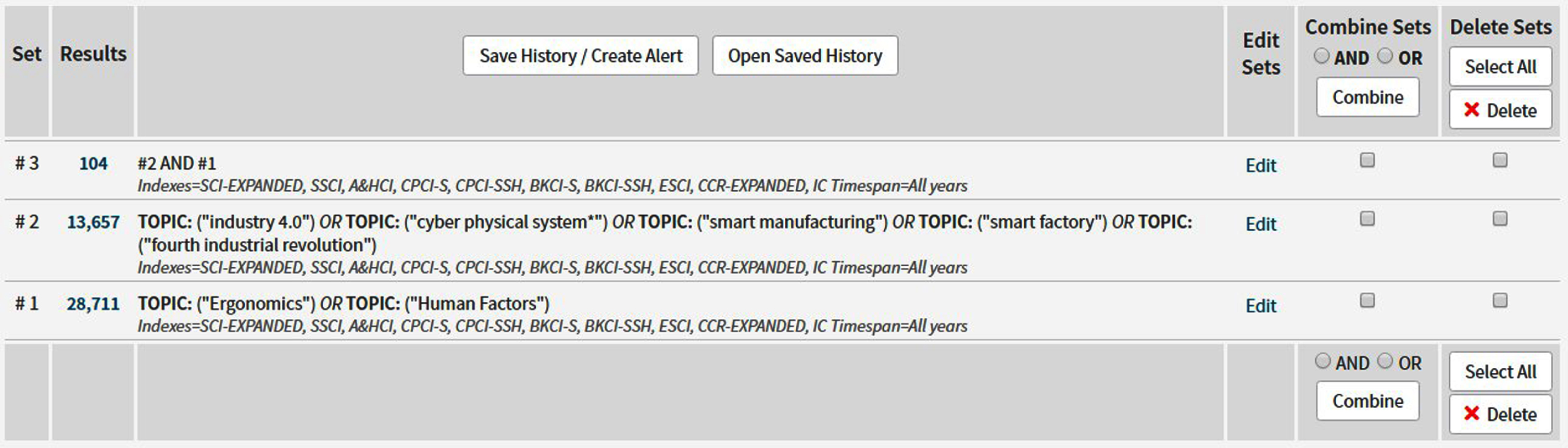
Advanced search strategy and number of retrieved articles from Web of Science.
Due to differences in citing methods of two databases, the Results section is categorized in three different parts, including Scopus-based results, WoS-based results, and results related to a combination of data exported to Endnote desktop. There were two successive ways used to delete duplicate data in Endnote software. First, “find duplicate” command in this software was used. And to be sure, the remaining duplicate articles were removed with visual search of corresponding author.
Data were exported as full records in each database, so every publication in WoS and Scopus contains many details, including publication year, authors, affiliation, title, abstract, source journal, and subject categories. The required information in both search engines was extracted as Text file for WoS and comma-separated format for Scopus. The data in Table 1 are analyzed and reported in the results section.
The bibliometric indices in the current study
The freely available software program VOS viewer was used. The software was developed to analyze the topics and bibliometric mapping network of the bibliographic data [25]. With this software, the VoS (Visualization of Similarities) mapping method was used to give the location of the terms in a two-dimensional space in a way that the distance between two items reflects the similarity or relatedness of the items as accurately as possible. The VoS clustering method was applied to cluster topics into different groups, where each cluster is marked with a different color. The most common keywords were also calculated and a co-occurrence network was developed with combinations of word pairs. Point density was calculated using the number of neighboring items, and their weight in the interpretation of demonstrated data in the Results section is as follows: the size of the circles and the font of the label represent the number of occurrence, the colors represent clusters, and the distance between two circles reveals the relatedness and similarity between them.
Scopus-related results
As mentioned earlier, 285 articles were retrieved from Scopus. The first article was published in 2008 and the last one in 2020. As mentioned in the introduction, the word “industry 4.0”was introduced in 2011. But it is important to note that scientific research before 2011 led to the agreement on this word at that year. Therefore, in the present study, it was necessary to present the results of the years before 2011. As depicted in Fig. 3, the main slope of published articles started in 2015. This steep slope means that the application and role of ergonomics principles in the Fourth Industrial Revolution over the last five years has been considered by researchers. This 5-year trend shows that from now on, this issue will be one of the hot topics in the field of occupational ergonomics.

Number of indexed documents in Scopus by year.
Results in Fig. 4 indicate that most articles were published as conference papers. The advance in intelligent systems and computer was the main conference topic, the articles presented. Procedia Manufacturing journal was hosted for nine articles as the first rank for a research journal. Within high impact journals in Ergonomics and human factors field, “Ergonomics” and “international journal of industrial Ergonomics”, contributed in publication of two articles. Lack of attention of journals to ergonomics and human factors scope to the present issue seems quite obvious. This shortcoming should be compensated by publishing key articles or special issues and from now, these articles should be considered by the editors. Peruzzini, Spada and Qiao represented with seven, seven and six articles respectively, were the most active scientists in this topic. The results of first 10 authors are depicted in Fig. 5. Some of these authors have published their recent research on the affiliation of Italy and Germany, which shows that these countries has paid special attention to this issue.
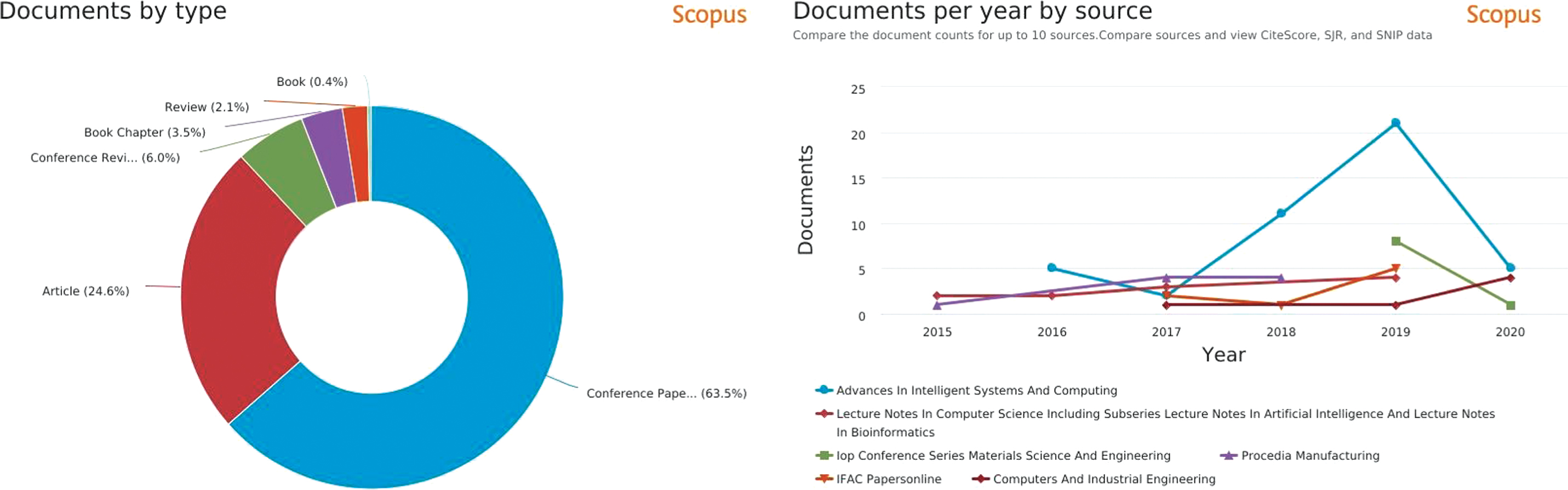
Type of documents and top six related sources.
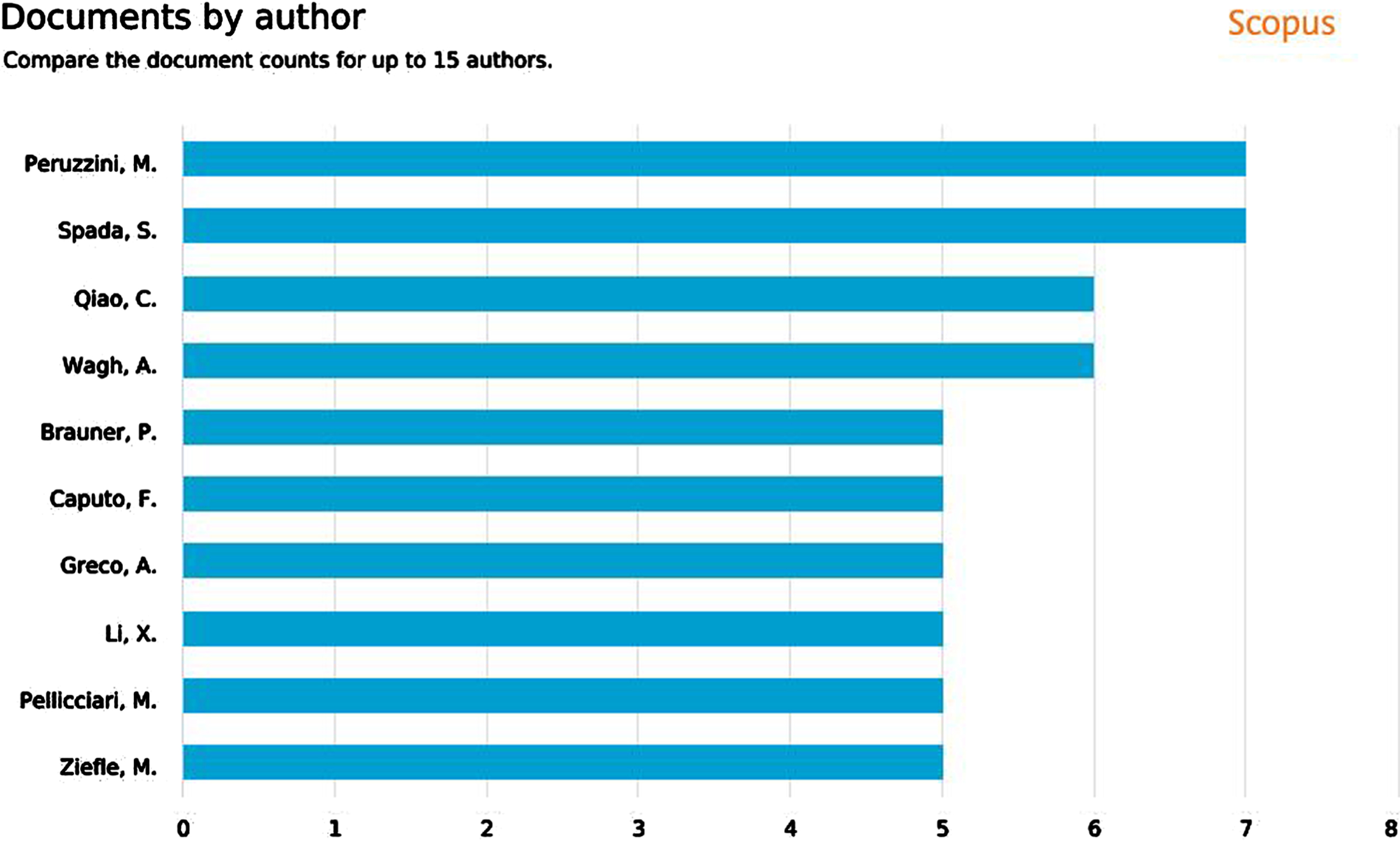
Top 10 productive authors.
As illustrated in Fig. 6, “Rheinisch-Westfälische Technische Hochschule Aachen” in Germany is the first ranked university by providing 13 articles. Germany, Italy, and the USA are the three top countries conducting research in this field. These results were also confirmed in Fig. 5. The first 10 countries are depicted in Fig. 7. Only two countries were in the East, and most of them remained in the Western part of the world. This figure shows that European and American countries realized the importance of this issue much earlier than Asian countries, which was just like the first to third industrial revolutions. If Asian countries, including Japan (as one of the largest industrial hubs and important and influential industries in the world) want to compensate for this backwardness, they should focus more on research in this field.
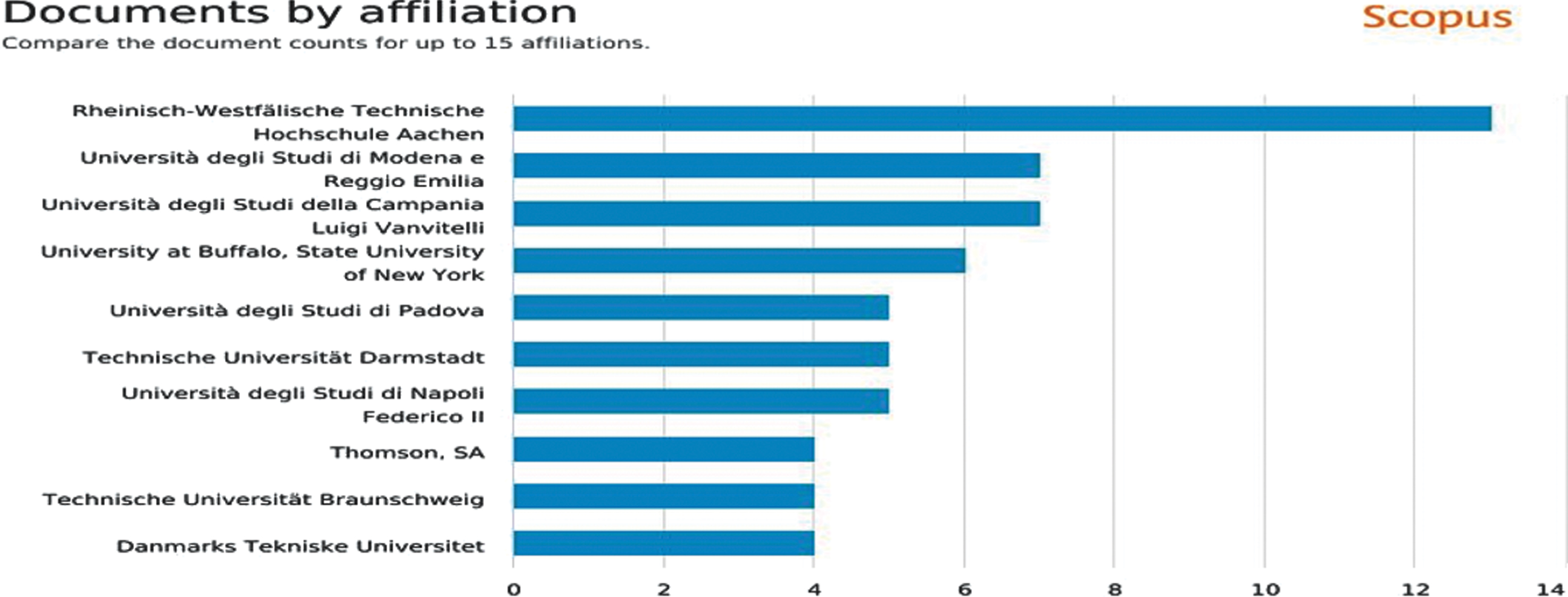
The top organizations that authors are affiliated with.
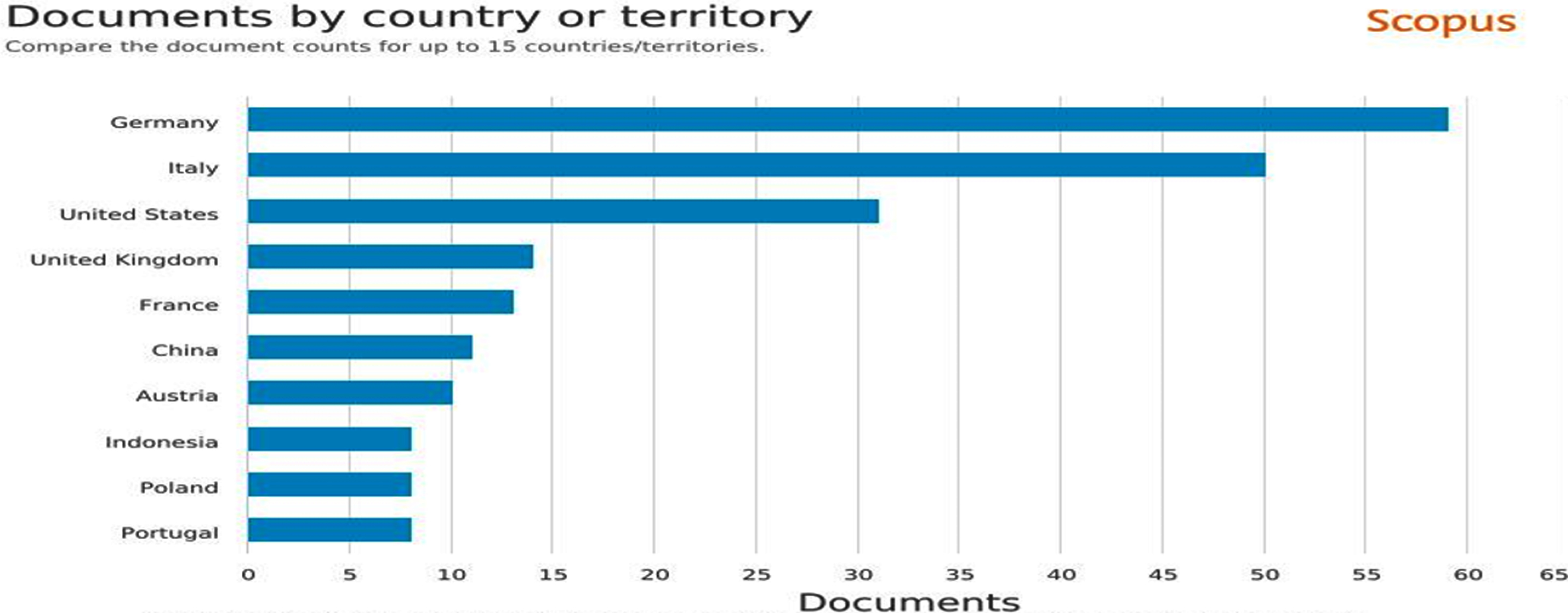
Contribution of countries in the field of Ergonomics 4.0.
Co-authorship analysis of indexed documents Using VOS viewer software is depicted in Fig. 8. Only 17 authors were connected with each other. This figure also shows that the scientific relationships established between individuals fall into three categories, shown in blue, red, and green.
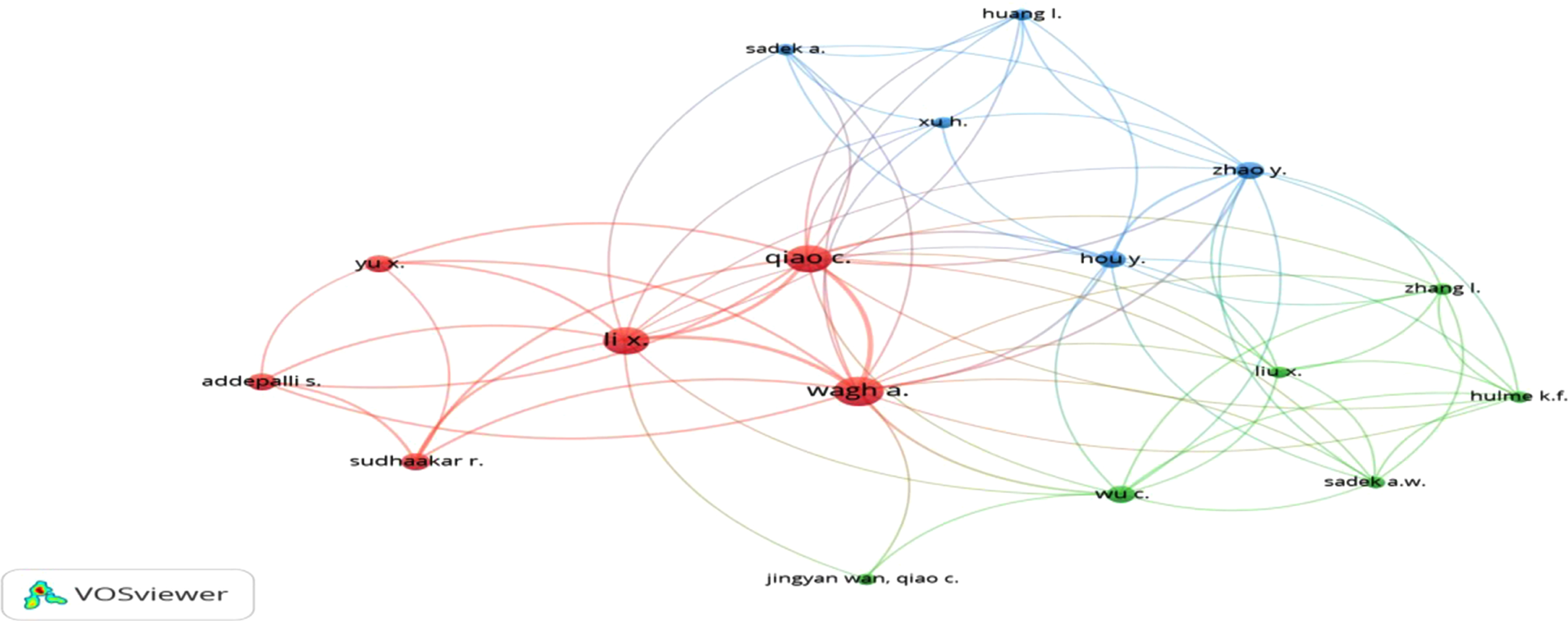
Co-authorship analysis in Ergonomics 4.0.
In analyzing interconnected countries, results showed that only 37 countries out of 54 were connected with each other. As the results of Fig. 9 show, Italy and the USA were most closely linked. This cooperation shows that researchers in these countries are more willing to cooperate internationally on this issue compared to those in Germany. The more international cooperation is provided, the faster ergonomics principles in production on the fourth generation industrial scale are applied. It is therefore imperative that international associations and standard organizations give some thought to accelerate the application of ergonomic principles.
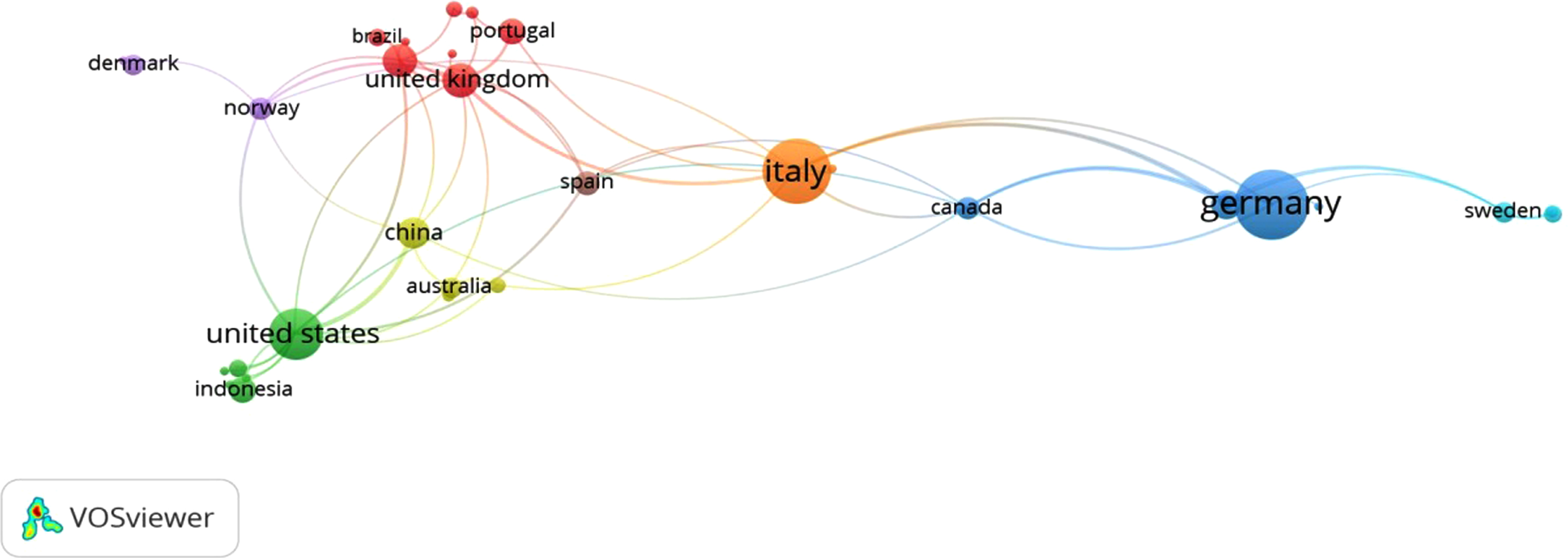
Inter-connected countries in producing Ergonomics 4.0-related documents.
Analyses of author-indexed keywords in Scopus are depicted in Fig. 10. “Industry 4.0” and “Human factors” had the most obvious density. These two keywords had the most connections with other keywords as well, which illustrate their importance from the authors’ point of view. This high weight of repetitive words used in recent research indicates that these words have found their place in the research literature. But on the other hand, ergonomists, scientific societies, and related journals need to do more to introduce words like “ergonomics”.
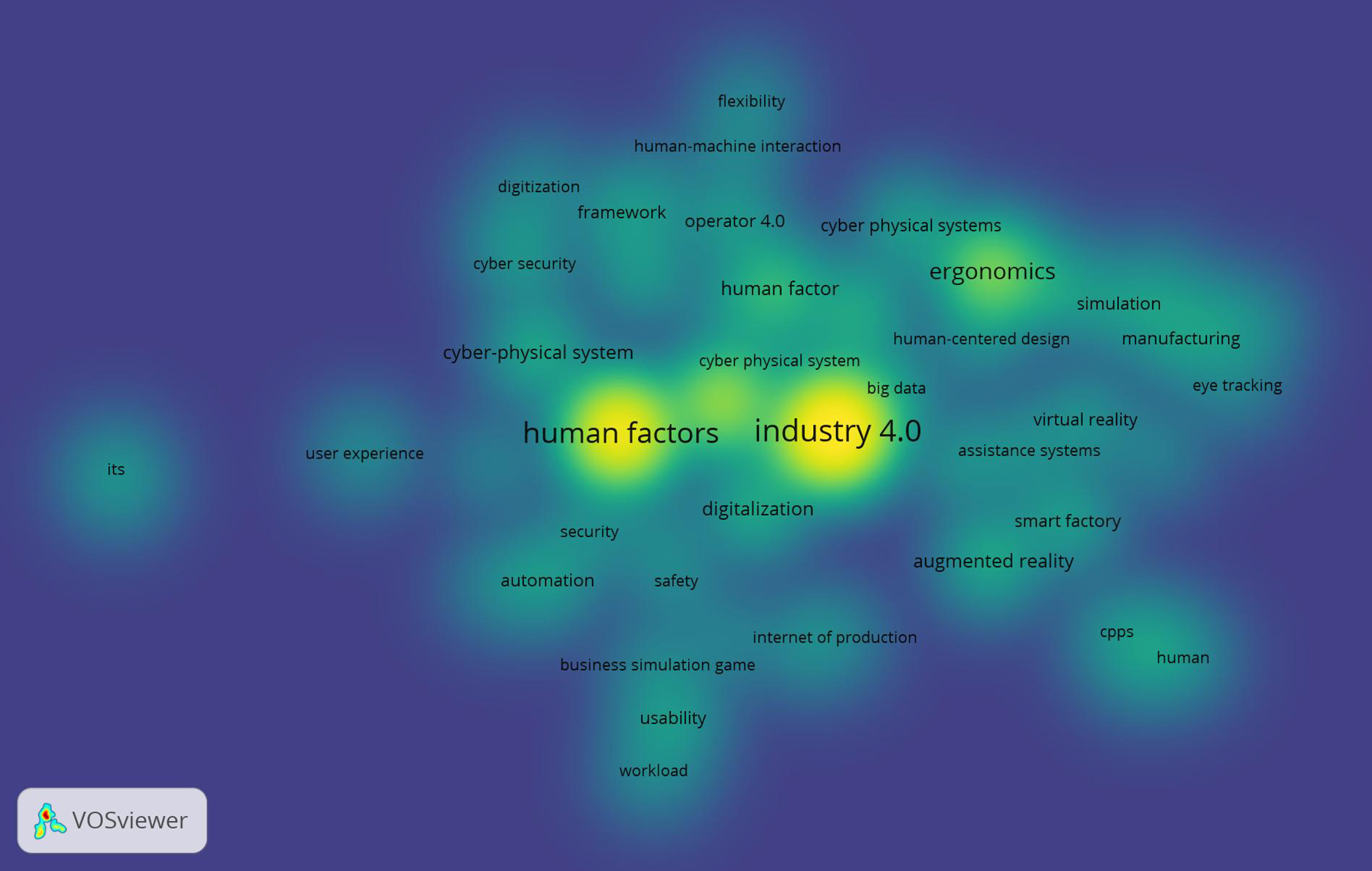
Density of saved keyword in Scopus related to Ergonomics 4.0.
Out of 285 documents, only 28 documents had 10 or more citations. As depicted in Fig. 11, a published article entitled “Designing intelligent manufacturing systems through human –machine cooperation principles: A human-centered approach” with 58 citations in 2017, had the highest density [26]. Less than 10 citations per year on a scientific topic indicate that while this branch of science is new, it is important as well. It shows that this issue will have a very bright future in the field of industrial engineering and ergonomics. As a result, this importance can be emphasized for universities, research centers, professors and students with prior planning.
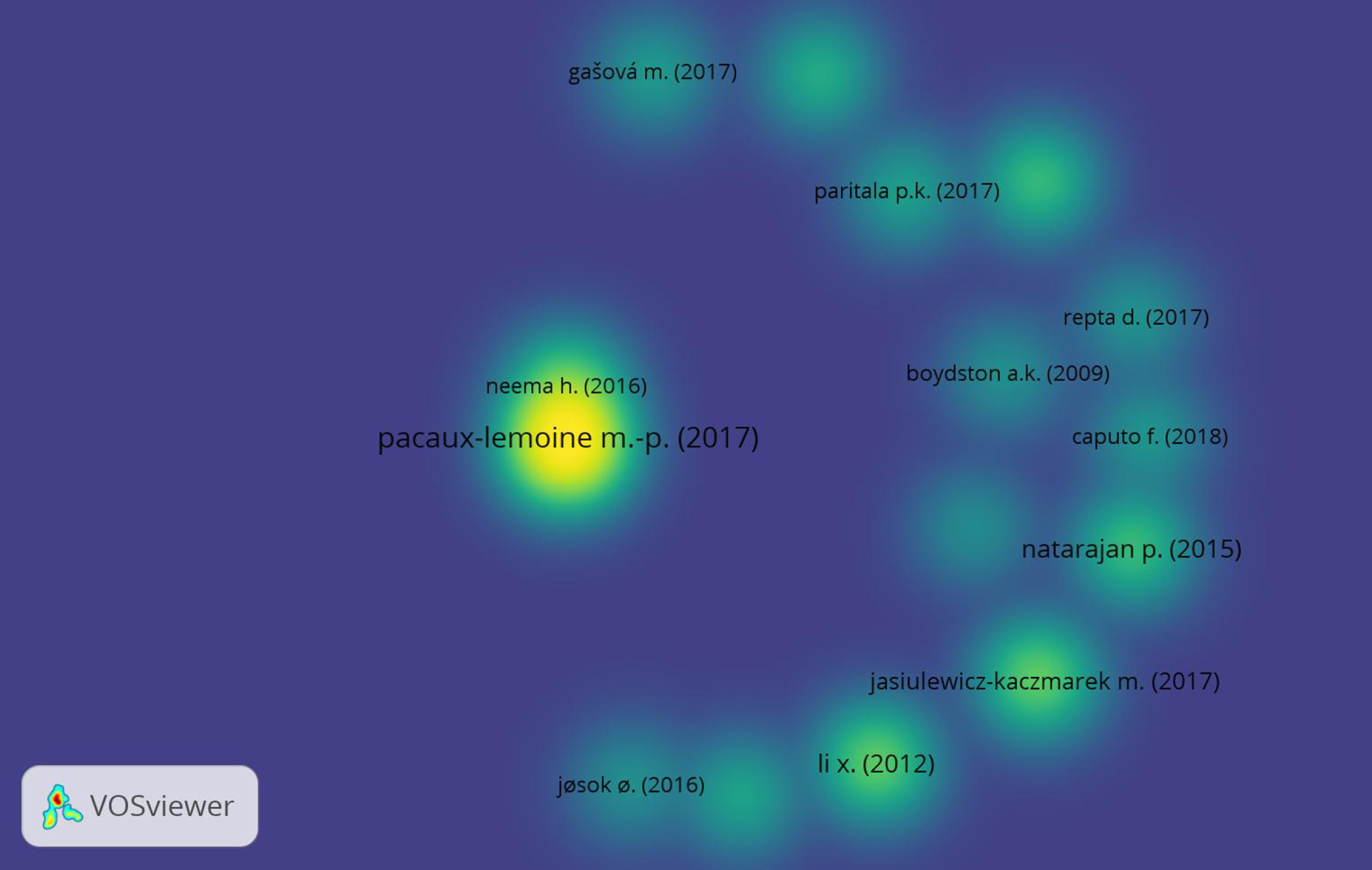
Density of received citations by paper in related fields.
In the WoS core collection, as shown in Fig. 12, 104 documents were indexed which were cited 365 times. There were only 10 documents cited 10 or more (h-index = 10). Any researcher, who wants to study this research field for the first time, needs to study these 10 articles with a more special look.

Total citations and H-index of documents in Web of Science.
Figure 13 depicts the top three documents in relation to their total citation. These documents altogether have been cited 83 times.
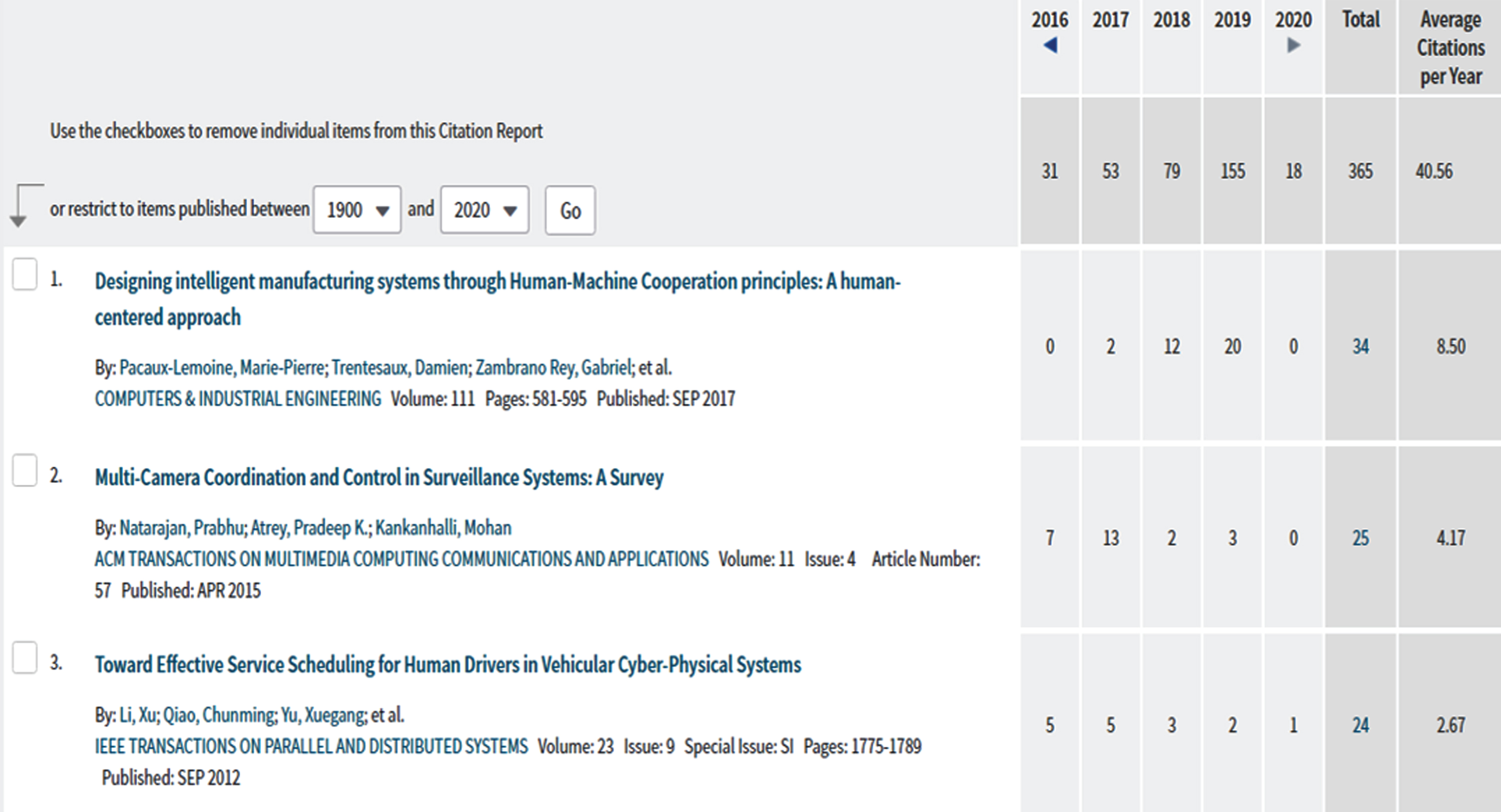
To three articles on Ergonomics 4.0.
As depicted in Fig. 14, the top three researchers indexed in Scopus are also indexed in top 10 researchers in WoS. The top three countries also were the same between two databases.
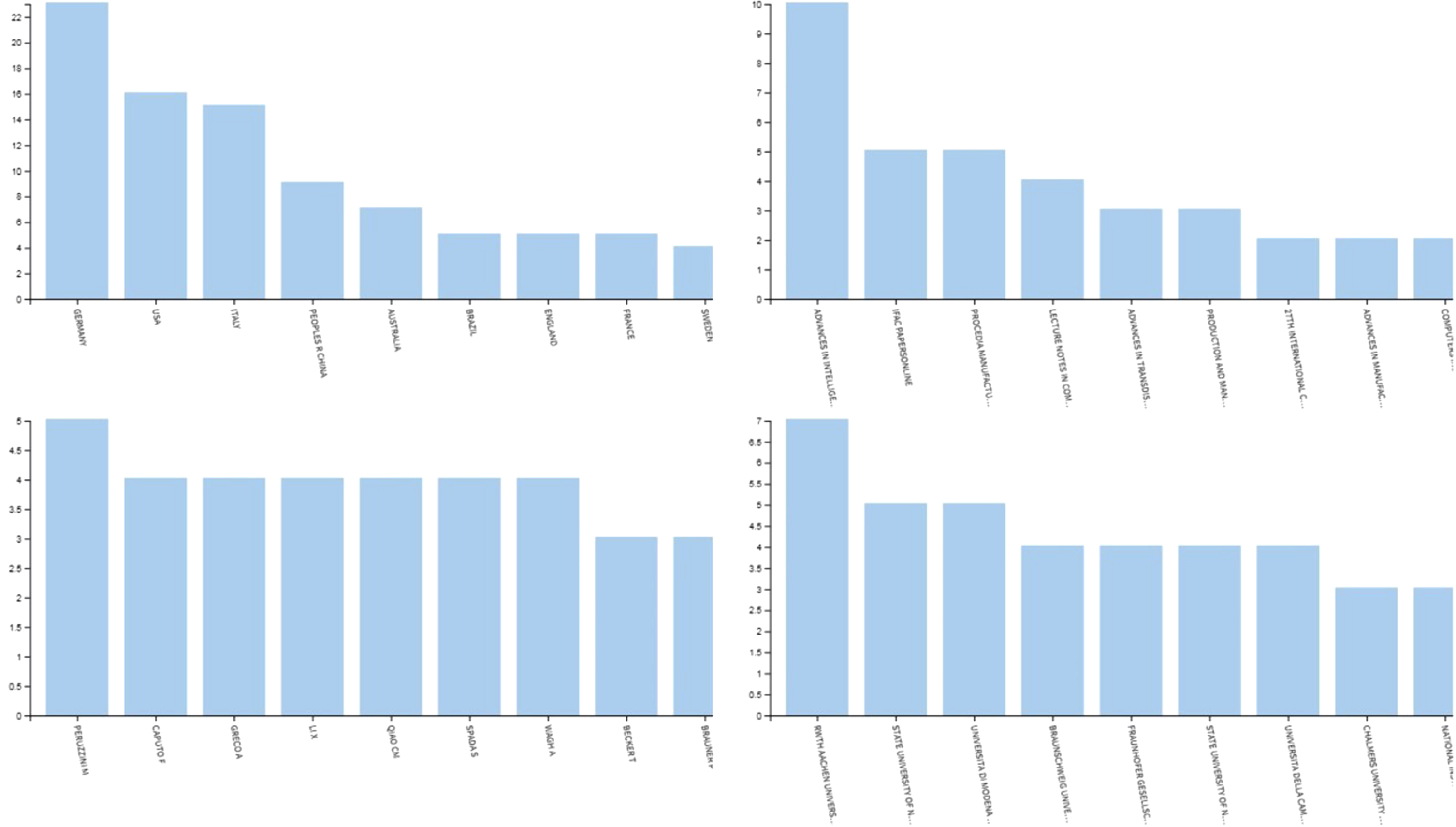
Top authors, organizations and countries.
Nine authors, out of 368, had at least three documents. The interconnections between these nine authors are depicted in Fig. 15.
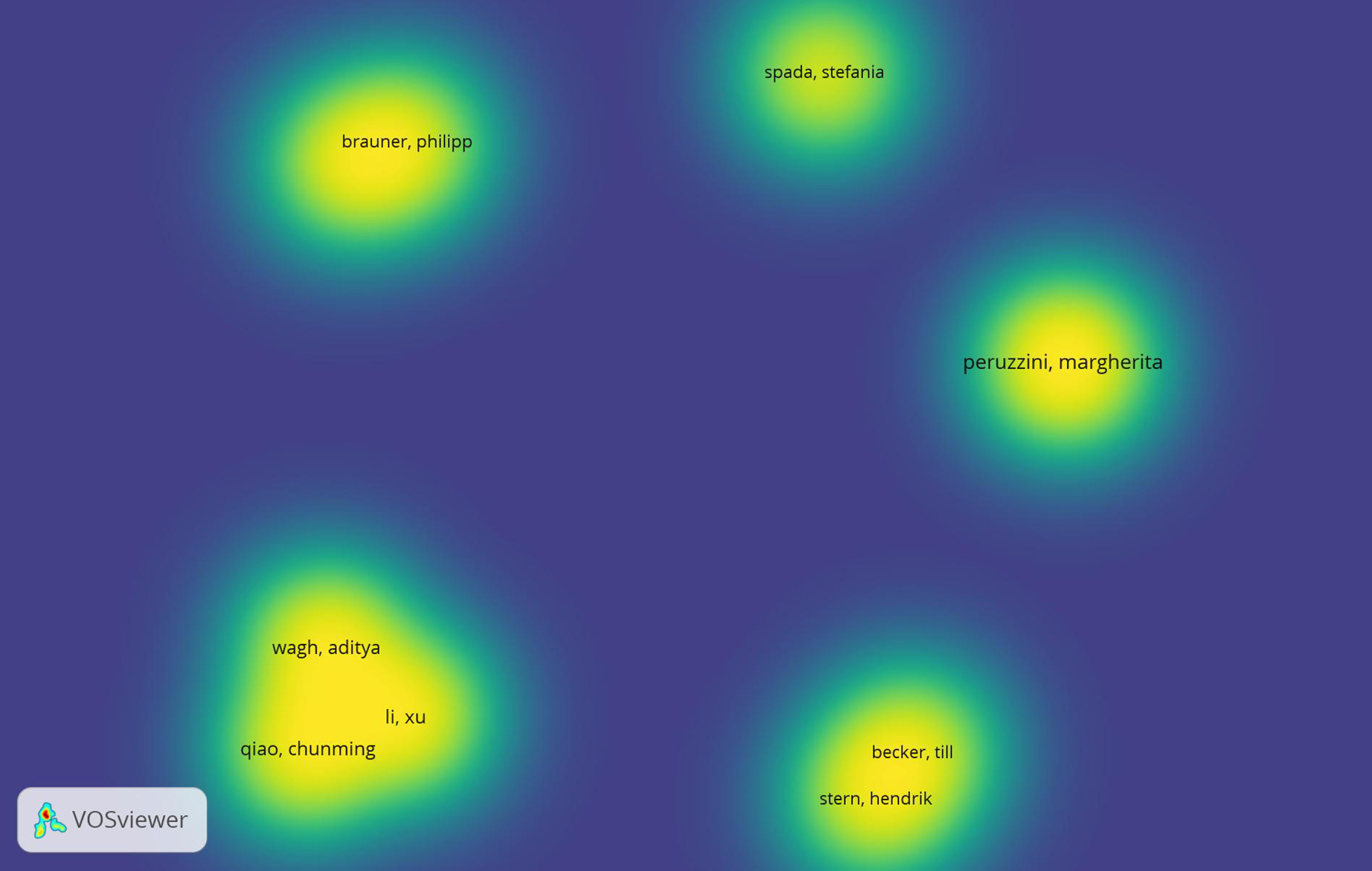
Inter-connection between authors in Ergonomics 4.0.
Co-occurrence indexed keywords showed that; “Human factors”, “cyber physical systems” and “Ergonomics” had the most interconnections among other keywords (Fig. 16). All of the documents were indexed in 93 sources. 42 sources were ISI-indexed peer-reviewed journals. As illustrated in Fig. 17, “IFAC-Papers Online”, “Production and manufacturing research”, “Design journal” and “Computers and industrial engineering” had the most frequent peer-reviewed articles.
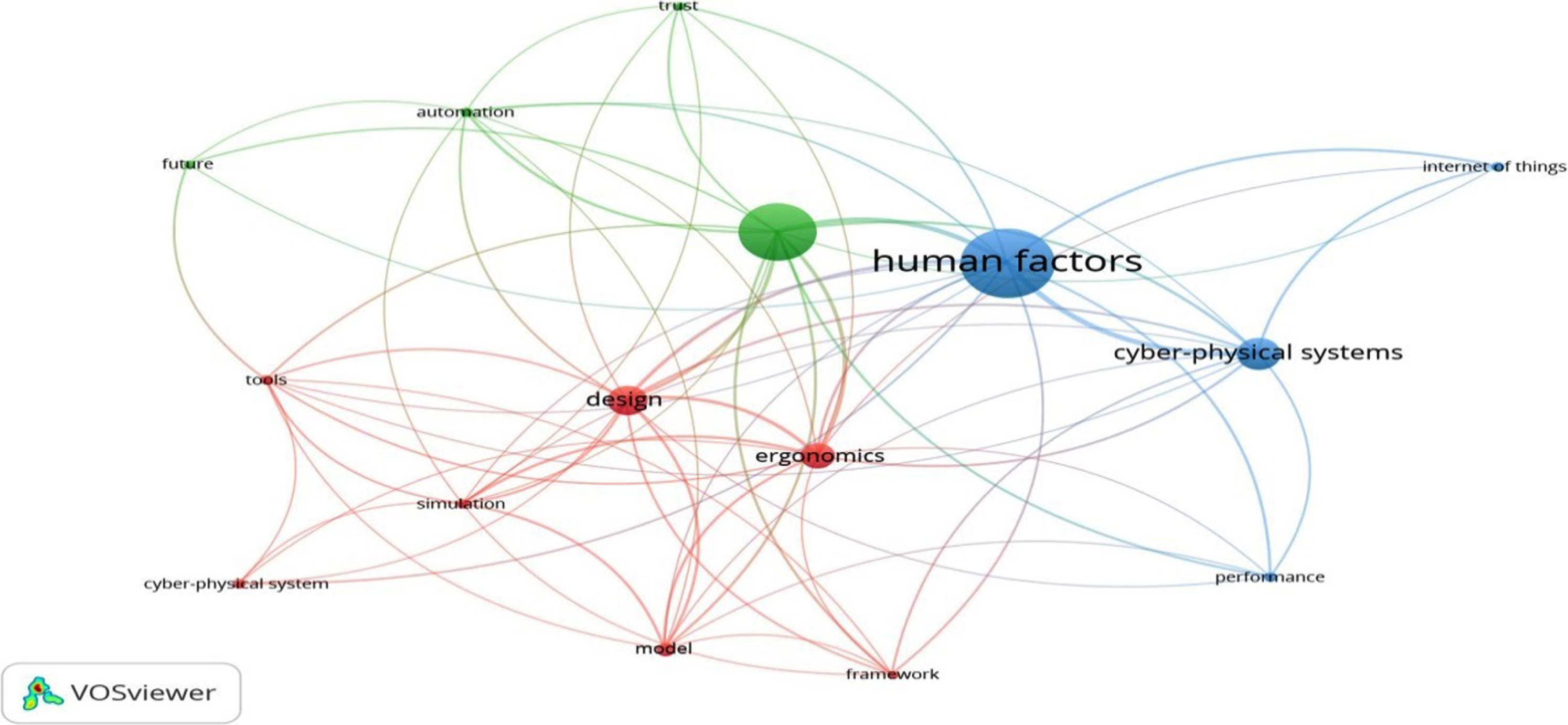
Co-occurrence of author-index keywords in related fields.
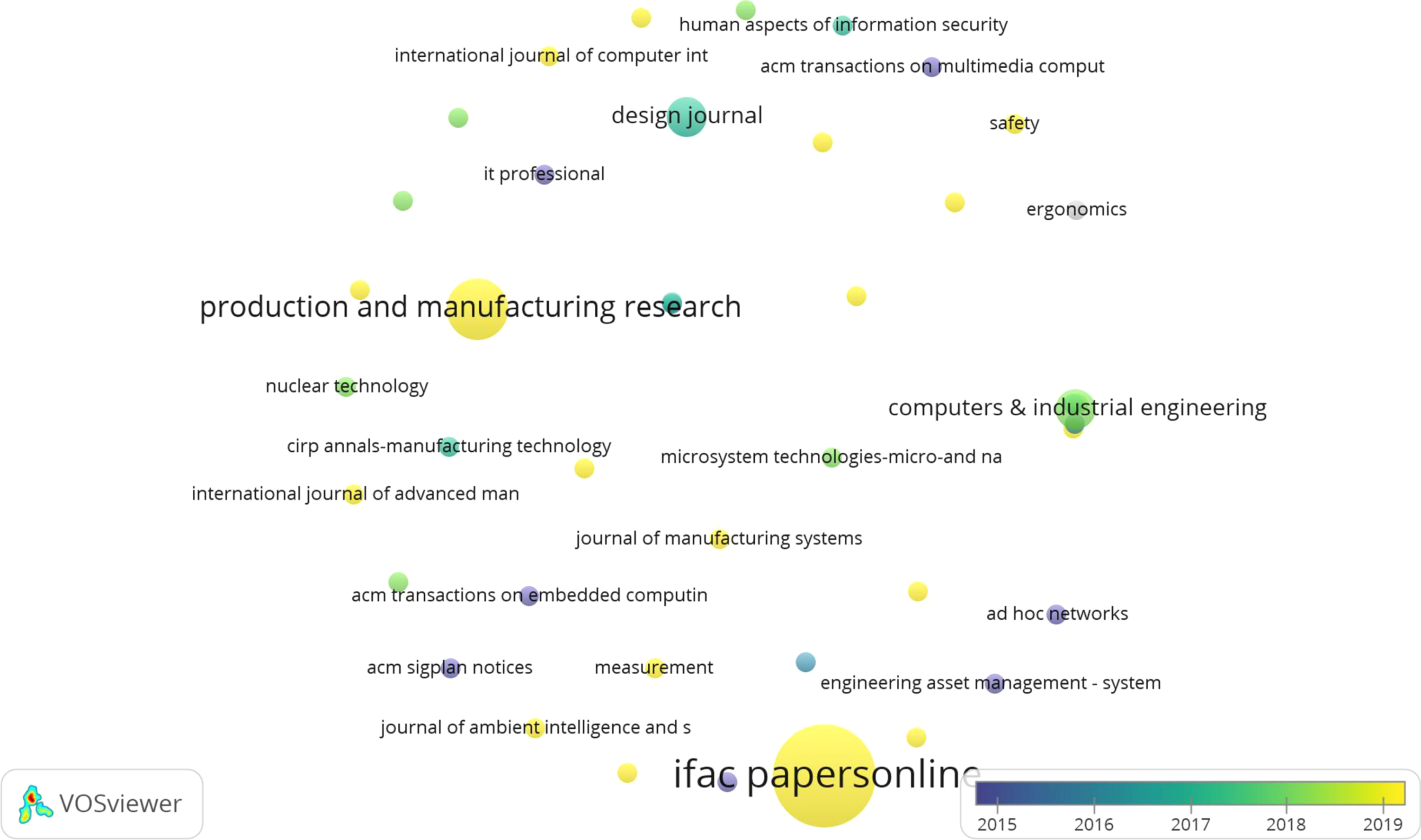
Sources of published documents in the Ergonomics 4.0 field.
After deleting duplicate documents, 302 documents remained. Of 896 authors, only 33 ones had at least three articles, and only 10 authors were interconnected with each other (Fig. 18). Of totally 2174 keywords, only 93 keywords had occurred five times or more. The result of interconnection between these keywords is shown in Fig. 19. New keywords such as “embedded systems” and “human engineering” were added to earlier mentioned keywords.
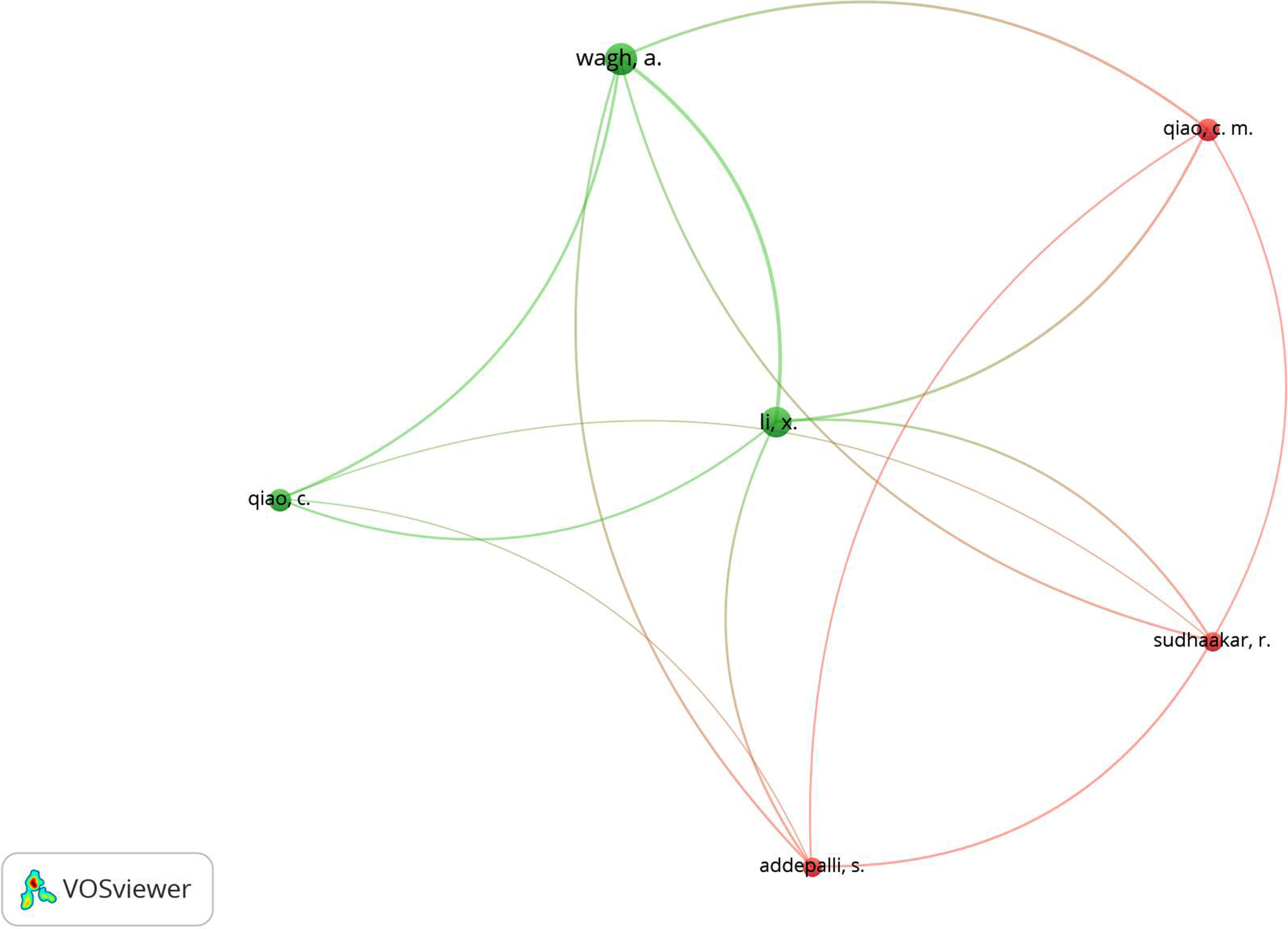
Interconnections between the most productive authors.

Co-occurrence of the most indexed keywords.
The aim of this study was to shed light on a newly emerging topic named “The role of Ergonomics and Human Factors in future workplaces”. This mapping study used WoS and Scopus as main databases for retrieving the related documents. As illustrated by our results, the main productive countries in this hot topic were Germany, Italy and the USA. A recent bibliometric study about safety culture also approved current results in regards to The USA-based contributions to published articles [1]. This also is true in other ergonomic-related research field [22, 28]. It can be concluded that the participation of countries in the current study’s research area depends on their research funding, the level of technology, and the need for Ergonomics-related concepts in their industries.
Other results showed that well-known ergonomics journals had a low participation in the fields of ergonomics and Fourth Industrial Revolution. On the other hand, Procedia Manufacturing Journal and Computers and Industrial Engineering Journals published more studies than well-known ergonomics / human factors journals. In line with these results, a related systematic review documented a low rate of ergonomics and human factors-related journal, if compared to engineering journals [12]. In previous studies, as much as the subject of a study was directly related to Ergonomics, the role of well-known ergonomics journals for publishing more articles was seen [22, 23]. Given the importance of Ergonomics in future workplaces, it is recommended that several special issues in leading journals, and with the cooperation of leading Ergonomics researchers, should address different aspects of Ergonomics in future workplaces.
Another result of the present study is to show the weight of words related to the subject of the current study. In this regard, “human factors” and “industry 4.0” were the most often used keywords. Future research in this field should address these keywords and their sub-components. It seems that one of the reasons of why the keyword “Human Factors” is used more often than “Ergonomics” is due to the fact that American researchers are mainly involved in the scientific production of related articles.
Like other bibliometrics studies, it can be argued that lack of retrieved articles in this area of research added to its limitation in policy-making based on these results.
Another limitation of the present study that should be considered in future studies is presenting the different areas of ergonomics (physical, cognitive and organizational) and their application in future industries.
Conclusions
Due to the small number of articles retrieved from databases in this study, it is recommended that ergonomists around the world, and especially from Eastern countries, attempt to conduct research in this field. Moreover, the role of leading ergonomics journals is important in developing this newly emerging topic. As research in this area increases, it can be hoped that the application of ergonomics principles in smart industries and the Fourth Industrial Revolution will increase. This increase can improve productivity on the one hand and the comfort and well-being of workers in these industries on the other.
Footnotes
Acknowledgments
The authors thank the Hamadan University of Medical Sciences – Iran under project No.9903271781.
Conflict of interest
None to report.