



Abstract
BACKGROUND:
Fire extinguishing operations are carried out by firefighters equipped with personal protective equipment (PPE) in dangerous environments. Although PPE protects firefighters, it can affect many physiological parameters.
OBJECTIVE:
This study aimed to investigate the effects of PPE on firefighters’ heart rate (HR), oxygen consumption (OC) and body temperature (BT).
METHODS:
This systematic review thoroughly reviewed relevant articles in the reliable databases “Web of Science”, “Embase”, “IranDoc”, “IranMedex”, “SID”, “Magiran”, “Google Scholar”, “PubMed” and “Scopus” from 2010 to 2021. Some of the used search terms were “firefighters”, “personal protective equipment”, “heart rate” and “oxygen consumption”.
RESULTS:
Out of the 405 studies identified through the systematic search, 18 articles were eligible according to the Joanna Briggs Institute (JBI) checklist, among which 11 studies were conducted in North America, three in Asia, two in Europe, and two studies in Oceania. According to the review of studies, PPE increased HR, BT, and OC. The type of PPE components, the weight of the equipment, the kind of activity of firefighters, and weather conditions were among the influencing parameters on the extent of PPE’s influence on these physiological parameters.
CONCLUSION:
The results of the studies show that PPE separately and collectively affects the physiological parameters of HR, BT and OC. To reduce these effects, it is necessary to pay attention to several items, including the weight of PPE, the type of PPE ingredients in different weather conditions, and the type of activities of firefighters in PPE design.
Introduction
Firefighters are among the people who work in high-risk environments [1]. The nature of these people’s work is challenging, and they constantly face many unpredictable risks [2]. In this regard, to protect themselves, firefighters use personal protective equipment (PPE) in emergencies [3, 4]. PPE, which consists of personal protective clothing (PPC) and accessories, which include a helmet, heavy footwear, mask, gloves and self-contained breathing apparatus (SCBA) [5, 6], is essential to protect firefighters against thermal damage, combustible gases, scratches, abrasions, and falling objects [7]. It is worth noting that wearing PPC, in addition to protecting firefighters from thermal hazards, also protects them from other occupational hazards related to physiological and psychological stress [8].
Despite having the mentioned advantages, PPE may increase the thermal, cardiovascular, metabolic, and cognitive stresses of firefighters due to their weight, thermal insulation properties, and strength and disrupt the physiological integrity of firefighters [8]. Studies have also provided conflicting answers regarding the harmful effects of this equipment on firefighters. A study involving some American firefighters showed that PPE imposed a significant physiological burden on firefighters, disrupting their physiological integrity [9]. Meanwhile, another cross-sectional study showed that wearing PPC as a part of PPE did not significantly increase people’s physiological responses [10].
In addition, the nature of the firefighters’ job is such that usually, during the missions, many of their vital physiological parameters are affected by the environmental conditions and the amount and type of their activity, and they may be disturbed [11]. Disturbances in the physiological parameters of heart rate (HR), oxygen consumption (OC) and body temperature (BT) of firefighters could cause some problems such as Creating or aggravating fatigue, reducing cognitive performance and job performance and ultimately causing health and safety problems [12]. Choudhury study (2020) showed that the use of PPE can affect heart rate and blood oxygen saturation. The use of PPE can lead to significant changes in physiological variables. Also, other side effects such as excessive fatigue and increased exhaustion after long shifts may occur for people [13]. These disorders along with additional stress in the work environment for a long time can reduce the efficiency of people and increase the risk.
Considering the cases mentioned above, it is highly recommended to investigate the influence contribution of PPE on the vital physiological parameters of HR, OC and BT. In addition, according to the investigations carried out by the researchers of this research, no review has been found that has dealt with this issue; Therefore, this review was conducted to investigate the effects of PPE on the physiological parameters of HR, OC and BT of firefighters.
Methodology
Search strategy
Two authors searched nine databases, “Embase”, “Web of Science”, “IranMedex”, “SID”, “Magiran”, “IranDoc”, “Google Scholar”, “PubMed” and “Scopus”, to review relevant articles. Research articles published between 2010 and 2021 in English and Persian were extracted. To find relevant articles in 2021 (October to November), the following English and Persian keywords were searched: “firefighters”, “personal protective equipment”, “PPE”, “physiological parameters”, “oxygen consumption”, “heart rate”, “respiratory rate”, “body temperature”, “ ”, “
”, “ ”, “
”, “ ”, ‘
”, ‘ ”, “
”, “ ”, ”
”, ” ” and “
 ”. Then, duplicate articles were removed after collecting the articles and entering them into EndNote software, X20.
Study selection and data extraction
Three authors separately reviewed search results and screened qualified articles for full-text review. Two others, one as the team leader (Ali Salehi Sahlabadi) and the other as a consultant (Mohsen Poursadeghiyan), supervised the research implementation process. All studies that explicitly investigated the effects of PPE on HR, OC and BT parameters of firefighters between 2010 and 2021 were included in this study. On the other hand, non-research articles such as authors’ notes, editorials, letters to the editor, standard texts, and articles not written in Persian and English were removed. Then, the authors extracted the data from the articles using a form that contained information such as the country and year of the study, the characteristics of the participants (number, gender, and body mass), PPE used in the study, study design, measured physiological parameters and results.
Evaluation criteria for the quality of articles
The Joanna Briggs Institute (JBI) checklist was used to rate the quality of the articles [14]. This checklist aims to measure the methodological quality of articles and ways to acquire and identify errors in articles, design, and data analysis. The Preferred Reporting Items for Systematic reviews and Meta-Analyses for Protocols 2015 (PRISMA-P 2015) was also used to write the present systematic review article. This tool includes a 17-item checklist intended to assist in preparing and describing a robust protocol for the systematic review [15].
Results
Table 1 lists the final studies selected to investigate the effects of PPE on the physiological parameters HR, OC and BC of firefighters. As shown in Table 1, out of 18 studies, 10 studies (55.5%) were conducted in the United States, two studies (11.1%) in Australia and six studies (33.4%) in other countries. Among them, the share of North America was 11 studies (61.1%), Asia 3 studies (16.7%), Europe two studies (11.1%) and Oceania two studies (11.1%). These studies were conducted with the participation of 328 people, 76 women (23.1%) and 252 men (76.9%). Eight studies (44.5%) were conducted with the participation of men and women and 10 (55.5%) were conducted with only men.
A summary of studies between 2010 and 2021 that examine the impacts of PPE on the physiological parameters HR, OC, and BT of firefighters
A summary of studies between 2010 and 2021 that examine the impacts of PPE on the physiological parameters HR, OC, and BT of firefighters
Among these studies, seven studies (38.9%) considered PPE as two or more components and six studies (33.3%) considered PPE as a complete component and investigated its impact on physiological parameters. Also, three studies (16.6%) investigated the influence of the weight of firefighters’ boots, and two other studies (11.2%) investigated the influence of the type of equipment and weather conditions on the physiological parameters of firefighters.
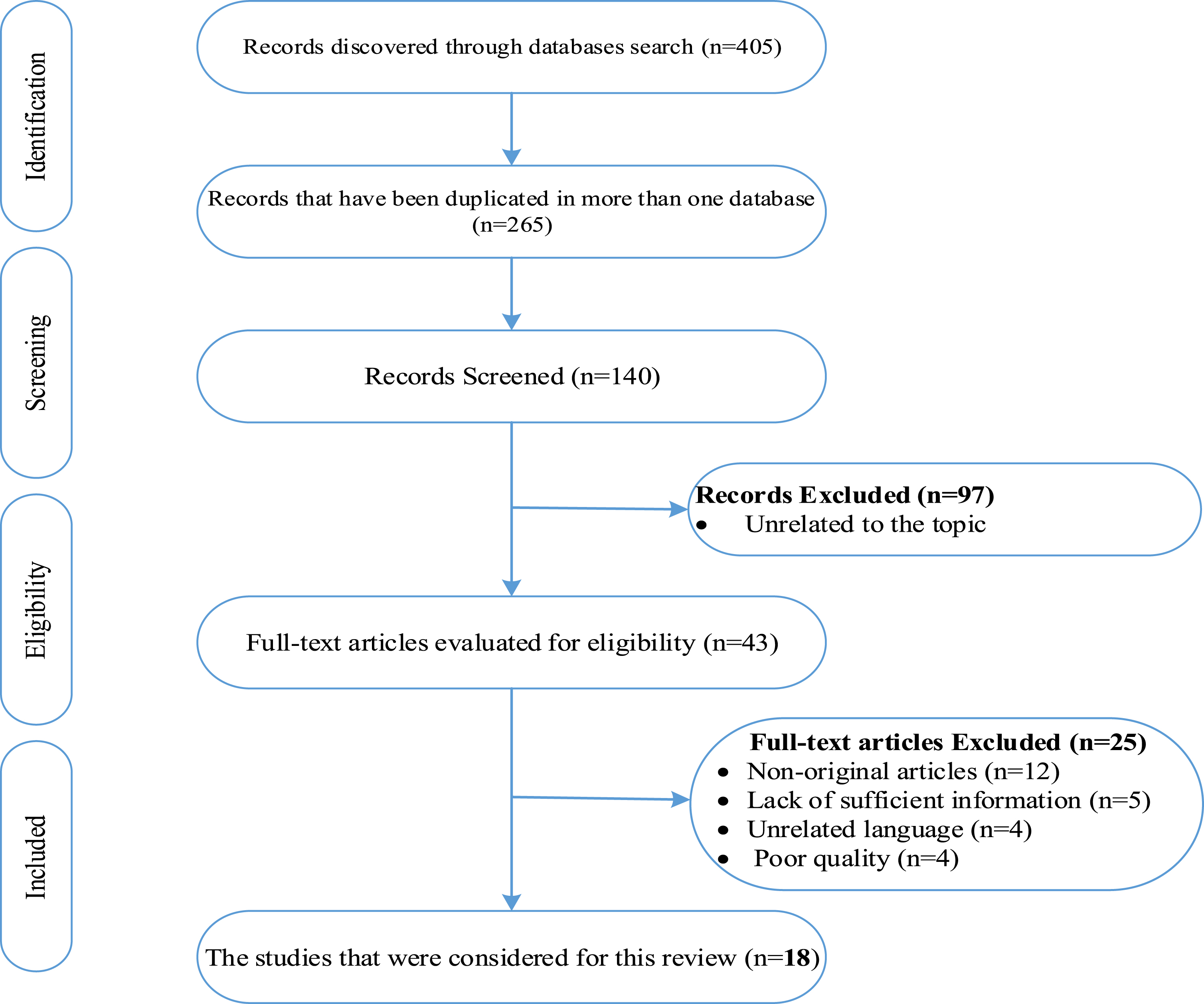
The process of identifying and selecting articles.
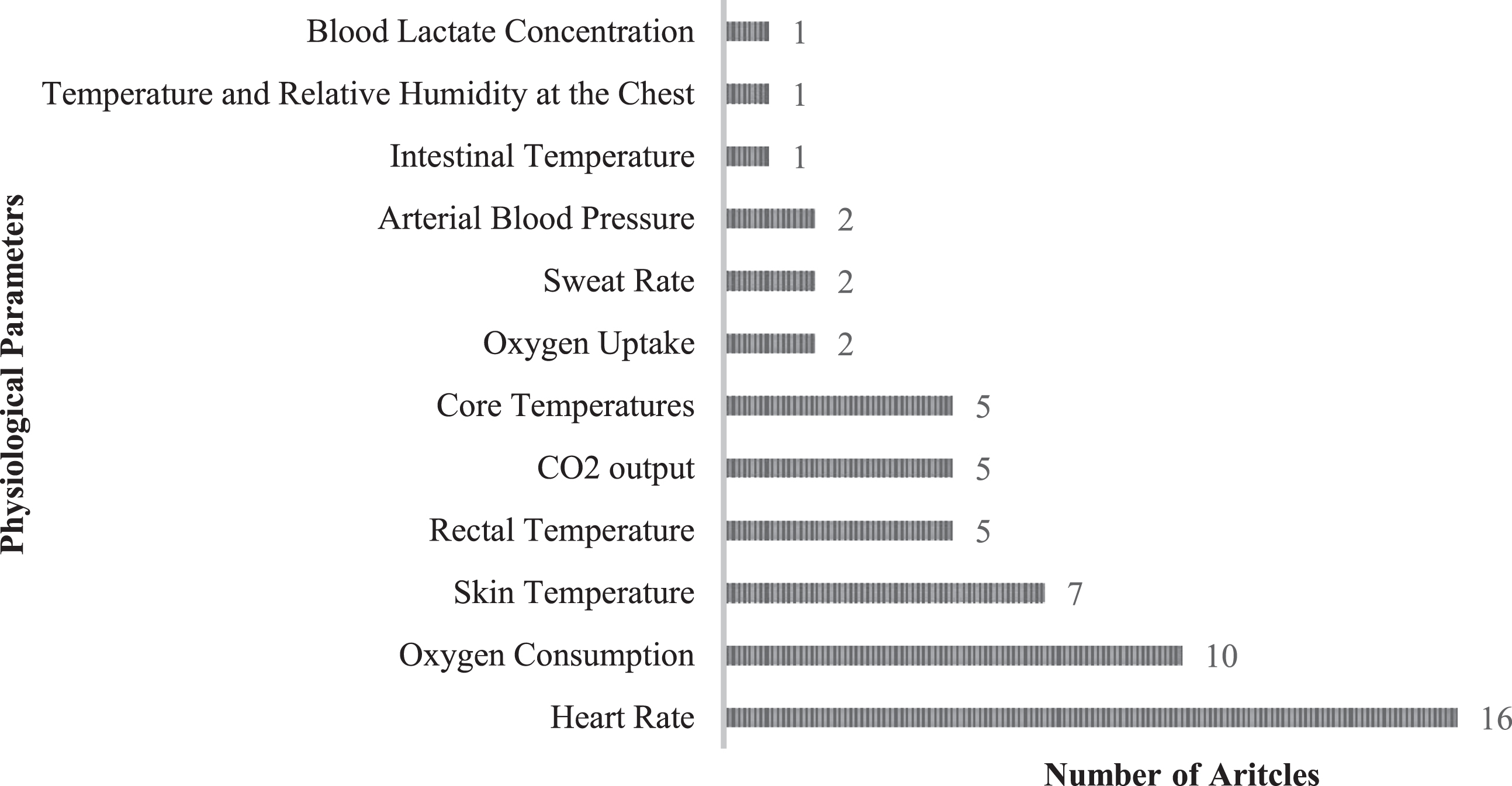
Distribution of studies based on physiological parameters investigation.
According to Table 1, PPE separately and collectively had adverse effects on the physiological parameters of firefighters [9, 29]. In 16 studies (88.9%), the effect of PPE on HR, 11 studies (61.1%) on OC, and 12 studies (66.6%) on BT were investigated and proven. Several parts of PPE, such as full protecting gear and SCBA, alter physiological parameters during hiking and rescue operations [29]. PPE increased many physiological parameters such as HR, BT and OC [16, 29].
Some properties of PPE, such as the material of the equipment, affect the degree to which this equipment affects the physiological parameters of firefighters. PPE should be selected according to the type of weather conditions and the type of activity of firefighters [7, 25]. In order to reduce thermal strain, the use of cotton clothing in hot and humid climates was suitable for light activities. Cotton and polyester clothes were suitable for mild activities in hot weather [25]. In addition, the weight of PPE could affect the effectiveness of this equipment on the physiological parameters of firefighters [16, 27]. Increasing the weight of firefighters’ clothing increased Metabolic Costs (MC) and reduced heat transfer [21]. Among PPE, the weight of the boots was more important. Increasing the weight of boots increased CO2 and OC in men and increased CO2 and OC in women [22]. In order to reduce the heat pressure of firefighters, reducing the mass of the boots could be more effective than other PPE [26].
It is worth noting that these results have been declared in most studies by taking into account confounding factors such as age, body mass index, smoking status, alcohol consumption and doing vigorous exercise (up to 48 hours before the tests), eating food and caffeine (up to 3 hours before the tests), medical conditions and affective diseases or disorders (cardiovascular diseases, digestive problems, dizziness, convulsions, epilepsy, diabetes and musculoskeletal disorders).
The distribution of published articles on the impact of PPE on the physiological parameters of firefighters based on the year of publication is shown in Fig. 3. Accordingly, the issue of the impact of PPE on the physiological characteristics of firefighters is still relevant and ongoing research is ongoing.

Distribution of articles by year of publication.
The present review provides a detailed look at the effects of PPE on HR, OC and BT parameters. This study can be considered a helpful guide in constructing and correctly using PPE. As it is known, firefighting is regarded as a hazardous occupation, with numerous potential causes of job-related mortality or morbidity [30]. Firefighters have to deal with various physiological stresses. They must continually enter burning buildings with extreme temperatures and work for extended periods to eradicate fires and rescue victims [31]. Therefore, they must wear protective ensembles that have a high degree of safety against highly unsafe situations. However, some research suggests that these types of equipment may have some disadvantages in addition to their protective benefits. These negative disadvantages can cause disturbances in many vital parameters, such as HR, OC and BT.
Effects of PPE on the HR
HR is one of the most important physiological parameters in the firefighting profession. Through this physiological parameter, it is possible to measure many essential job components, including the state of efficiency and health of firefighters. The changes in this physiological parameter depend on many factors, including people’s activity levels and environmental conditions [32]. If this parameter is overshadowed, it will cause adverse effects on firefighters. One of the influencing factors on HR can be PPE. The effects of PPE on HR can be attributed to the reduction of the duration and efficiency of firefighters. This process is due to increased metabolic heat and BT, leading to increased HR [23].
The high temperature in the burning house and the PPE load with SCBA can potentially influence physiological integrity, such as HR [12]. Firefighters’ work can cause near-maximal HR, lasting extended periods [18]. A study showed that wearing SCBA increased firefighters’ HR and other physiological parameters [20]. In order to reduce these effects, some studies have been done. A study showed that continuous cooling approaches successfully handled HR elevation and temporal temperature, suggesting the approach’s success in controlling physiological consequences associated with heat stress [33].
Effects of PPE on the OC
Carrying out firefighting operations requires a high HR and OC [16]. The quantity of OC is high due to the busy job of firefighters and their different fields, which tends to increase with the use of equipment throughout firefighting activities [34]. Heavy and multi-layered PPE of firefighters increased MCs such as OC [16]. A study revealed a 3% to 10% increment in OC (VO2) per kilogram of boot weight [27]. Another study manifested that changes in some physiological parameters, including HR and OC, were less in the absence of PPE. In this study, changes in physiological parameters were more minor in the absence of boots than in the absence of a helmet, gloves, or SCBA [24]. These results show that firefighters had higher OC and CO2 emissions, linked to lower energy and efficiency when using the equipment. Moreover, this is while standard VO2max assessments determine the maximum performance of Firefighters without PPE+SCBAs [35].
Effects of PPE on the BT
Another physiological parameter that PPE may affect is BT. BT is a primary physiological parameter for firefighters generated from the discrepancy between the quantity of heat produced by the body and the quantity of heat lost [36]. Increased muscular work leads to an increase in metabolic heat production, which leads to an increase in BT [23]. While fighting a fire, heat stress and the resulting increase in BT and HR impact the firefighter’s body, including expediting the onset of muscular fatigue, promoting dehydration, rising cardiovascular strain, and meddling with brain performance [37]. Firefighting can cause maximal or near-maximal HRs and, in some instances, fast alterations in Core Temperature (TC) [17].
A consistent BT during firefighting necessitates constant metabolic heat and moisture exchange with the surrounding [38]. Failure to do so will result in heat strain. Heat strain happens when the body’s ability to maintain the core temperature at the required level is compromised [39]. A laboratory study on the effects of PPE on firefighters’ physiological responses revealed that PPE prompted and enhanced firefighters’ physiological strains [40]. Another study showed that PPE could affect BTs, such as skin and gastrointestinal temperatures. In this study, wearing full PPE increased the temperature of the gastrointestinal tract more than other clothes and equipment [41].
Being exposed to a warm environment while wearing a contained firefighters’ personal protective ensemble puts stress on the normal homeostasis of BT, possibly resulting in heat stress and hyperthermia [33]. Heat stress happens when the body cannot convert enough heat from the core to the surrounding, increasing TC [42]. PPE is also effective in this regard. Unfortunately, indigent heat stress can be dangerous for firefighters, exposing them to severe injury or even death [42].
PPE characteristics affecting these relationships
Several factors influence the effects of PPE on the physiological parameters of firefighters, including the parameters reviewed in this study. One of these factors is the characteristics associated with PPE. PPE weight is one of the characteristics that affected these relationships. A cross-sectional study involving 10 male firefighters showed that the use of heavier clothing caused an increase in physiological costs [21]. Among the PPE components, the impact of the weight of the boots is more visible. A study revealed that for a 1 kg increase in the weight of the boots, some physiological parameters, including OC and CO2 output of male firefighters, increased significantly during treadmill and stair ergometry exercises [22]. Another one is the type of PPE ingredients in different weather conditions. A study showed that the use of cotton clothes was suitable for hot and wet weather conditions, as well as the use of polyester and cotton clothes for hot weather conditions [25]. Therefore, much attention should be paid to the mentioned items in the design, purchase and use of this equipment.
Practical implications
The studies showed that PPE affected some physiological parameters of firefighters, such as HR, BT and OC. However, these results should be interpreted with caution for several reasons, including the following: The low statistical population in most studies: Most studies were formed with low participation of people, which cannot represent a complete sample of the studied population. Carrying out cross-sectional studies in a limited period: Most studies have been conducted in a limited time. At the same time, firefighters are engaged in many of their work operations for a long time and in uncertain periods. In addition, future studies must be conducted longitudinally to understand these relationships better. Conducting studies in laboratory environments or under predetermined scenarios: In these studies, firefighters perform their tasks under supervision and non-emergency conditions and usually with moderate intensity in laboratory environments or specific scenarios, while firefighters spend their missions with longer and harder tasks in unpredictable and dangerous environments in emergencies. In addition, in most of these studies, the created scenarios were very different from the real conditions. Many firefighting missions are performed in bad weather conditions and dark and unsafe environments, which are not included in these scenarios. Failure to mention the names of PPE manufacturers and brands: Considering that companies manufacturing PPE in different parts of the world use various materials to make this equipment, mentioning the name of the participant could be useful to some extent to achieve more realistic results, however, it is believed that due to ethical and legal reasons, no name of the manufacturing company has been taken.
Limitations
The reviewed articles had several limitations that should be considered for future studies. The small number of participants [20, 29], conducting the research only with the participation of men [7, 43], failed to measure longer and more complex scenarios [18], lack of measurements of mental and psychological influencing factors [23], and performing the non-standardized tasks [25, 29] were among the limitations of the studies.
Like other studies, this systematic review has some strengths and limitations. One of the strengths of this article is the investigation of the effects of PPE on the physiological parameters of HR, OC and BT of firefighters. For this purpose, the present study examined nine databases and performed an exhaustive analysis of a large number of variables. In addition, this paper reviews all the studies conducted worldwide and is not limited to one continent or country. Despite these cases, this systematic review also has some limitations. This study reviews only articles published in English and Persian from 2010 to 2021. In addition, the lack of access to some data and articles due to Iran sanctions is another limitation of this article.
Conclusions
According to the results of this study, PPE negatively affected the physiological parameters of HR, OC and BT differently. The type of PPE ingredients in different weather conditions, the weight of PPE (especially the weight of boots) and the type of activity of firefighters were among the factors that affected the impacts of PPE on mentioned physiological parameters. Therefore, it is recommended that PPE designers and manufacturers pay attention to these issues in their future designs. In addition, researchers are advised to conduct more studies on this issue due to the limitations of previous studies and the lack of studies.
Ethical approval
Not applicable.
Informed consent
Not applicable.
Conflict of interest
The authors have no known competing financial interests or personal relationships that may have affected the work published in this article.
Footnotes
Acknowledgments
The authors express their gratitude to the contributors who assisted in interpreting the findings of some of the studies.
Funding
None to report.