



Abstract

President's message (Joe Colacino)
In my first letter to the International Society for Antiviral Research as President, I would like to express how privileged and humbled I feel to be addressing all of you. I also want to express my thanks and gratitude to Amy Patick, immediate past President, for her able and ardent leadership of ISAR for the past two years. I will look to her for guidance as we move forward. I also want to thank our officers, Phil Furman (President-Elect), Dale Barnard (Treasurer) and Susan Cox (Secretary), for all their hard work. I look forward to working with these dedicated professionals in my new role. I also look forward to working with our board members and committee chairs to continuously enhance ISAR's visibility and relevance to new and established scientists in the fields of virology and antiviral drug discovery and development.
This year elections were held for President-Elect and three seats on the board of directors. Hearty congratulations go out to Phil Furman, who is now President-Elect, and to Bob Buckheit, José Esté and Johan Neyts, all of whom were elected to the Board. It will be my pleasure to work closely with these individuals in moving the society forward in 2010 and 2011.
The International Conference on Antiviral Research (ICAR) held in San Francisco this year was attended by 317 ISAR members. The meeting was an unqualified success due to the efforts of a number of people who worked diligently all year and to the attendance and participation of our ISAR members. Thanks and appreciation go out to the chairs of the working committees: Bob Buckheit (Program Committee), Rich Whitley (Clinical Symposium), Mark Prichard (Poster Awards Review Committee), Susan Cox (Travel Grants), Hugh Field (Chair, Publications) and Anthony Vere Hodge (Acting Chair, Publications), Johan Neyts (Membership), Jack Secrist (Nominations), Andrea Brancale (Website), and Roger Ptak (Finance Committee). Bob did a stellar job in putting all the jigsaw puzzle pieces together to form a successful program, which was indeed a beautiful picture. Roger did a fantastic job in obtaining funding for this meeting and for putting us in a positive financial position as we plan for the meeting next year in Sofia, Bulgaria, and the ICAR in Japan, 2012. Amy Patick led and coordinated all of these efforts, providing careful thought into our decision making and working tirelessly with Lauren Deaton of Courtesy Associates to ensure that all deadlines were met. This year we continued our well-received Drug Discovery 101 session and Shotgun session consisting of oral presentations of selected posters. Our mini-symposia, ‘Antiviral Drug Resistance’, ‘Prodrug Chemistry’ and ‘Clinical Update on Antiviral Drugs’, with state-of-the-art talks by accomplished and internationally known scientists were well attended and received very positive feedback from conference attendees. We congratulate Bo Öberg and José Esté on their well-deserved Elion Award and Prusoff Awards, respectively, and their excellent award lectures. Our keynote presentation ‘Recent progress in the simplification of HIV therapy and future prospects’ was by John Martin, CEO of Gilead, a past President of ISAR, and discoverer and developer of many important and marketed antiviral agents. The plenary talk, ‘Celebrating AZT! Antiretroviral drugs: from bench to bedside to the world’, was given by Sam Broder, a significant player in the history of AZT and the fight against HIV and AIDS. According to the feedback we received from our members, these major presentations were highlights of the conference.
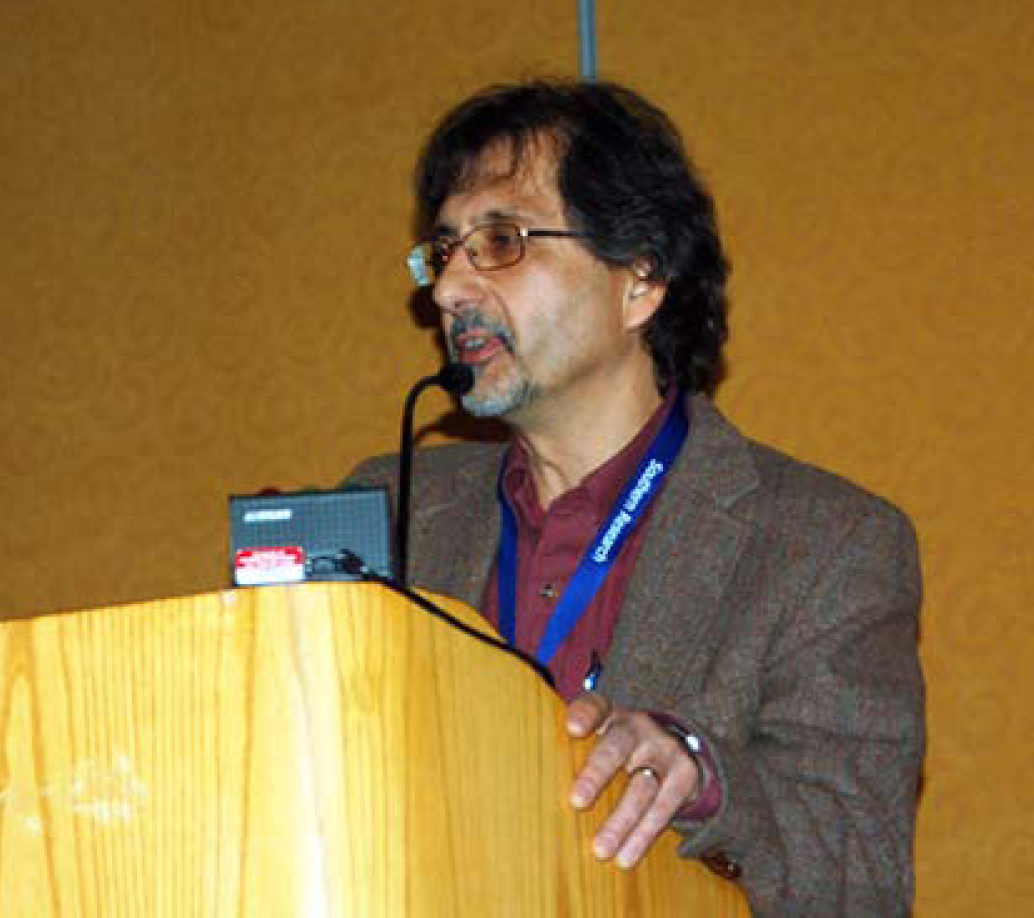
ISAR President Joe Colacino
Corporate sponsors: Elsevier; NIH (Educational sponsor); Idenix Pharmaceuticals; PTC Therapeutics; Boehringer Ingelheim (Canada); Abbott Laboratories; Chimerix, Inc.; Southern Research Institute; Gilead Sciences; GlaxoSmithKline; Pharmasset, Inc; Microbiotix; Avexa Ltd.; Tibotec; Debiopharm; JCR Pharmaceutical Co., Ltd.; Toyoma Chemical Co., Ltd.; Roche Palo Alto; Romark; Apath, LLC.; Vertex; Nanoviricides, Inc; Biota Holdings; Anadys Pharmaceuticals, Inc.; Susavion Biosciences, Inc; ADAMAS; Medivir; AiCuris GmbH & Co.KG; 4SC AG; Inhibitex; Intermune; Novartis AG, Basel, Switzerland; Vical; ViroDefense; Nektar; Bristol-Meyers-Squibb
In our continuing efforts to welcome new members we have continued our Career Breakfast event, this year organized and chaired by Tomas Cihlar. This event provides a discussion forum and networking opportunities for not only new members, but also for members who might be contemplating a career change. Our Career Breakfast moderators did an outstanding job discussing their careers and offering insight into their respective sectors (Academia, Government and Industry). This year we inaugurated the ISAR New Member Happy Hour, which was well attended and received very favourable feedback. Additionally, Andrea Brancale continues to enhance the look and effectiveness of our website and has begun an ISAR Facebook page, where you can see photos of the 23rd and past ICARs. Check it out!
As we work in the present and plan for the future, we must also build upon the ISAR's rich past. Since it was formally established in 1987, ISAR has provided a collegial forum for the presentation of cutting-edge antiviral research. Our society has benefited from the membership and leadership of the best researchers in our field. Our list of past Presidents is a veritable who's who in antiviral drug discovery, many of whom are directly responsible for marketed drugs to treat life-threatening viral infections and many of whom remain active in ISAR and continue to attend the ICAR. ICAR brings together chemists, biologists, pharmacologists, toxicologists, clinicians and informaticists, all of whom work to discover novel antiviral agents, understand chemical structure–activity relationships, elucidate mechanisms of action, develop new in vitro and in vivo assay systems, identify new targets for chemotherapeutic intervention, and conduct clinical trials for the approval of new antiviral agents.
The attraction of ICAR is that a multidisciplinary approach for a wide variety of viruses is presented. However, our challenge is that we must remain relevant to those scientists who may opt to use their travel budget attending more focused meetings. Our mission then will be to continue increasing our relevance and visibility by enhancing the cutting-edge quality of the science that is presented at ICAR. To this end, we have already begun working to plan for our meeting in Sofia next year.
The past few years have presented ISAR and ICAR with a number of challenges from the economic downturn and less than vigorous recovery, a near cancellation of the meeting in 2009 due to a potential influenza H1N1 pandemic and a non-cooperative volcano in Iceland that disrupted the travel plans of many of our members this year. No one can anticipate the challenges that lay ahead, but I am confident that ISAR will meet each one and continue to thrive. I look forward to continuing my friendships in ISAR and meeting new members. I am interested in your feedback and ideas regarding what you would like to see at upcoming ICARs. You can contact me at
Scientific report: Highlights of 23rd ICAR, 2010, San Francisco, CA, USA (Anthony Vere Hodge)
Introduction
This review provides an overview of the conference highlights. As this is a research conference, any references to clinical results should not be taken as a recommendation for clinical use. I wish to thank all those authors who have kindly provided me with copies of their presentations. This report does not follow the chronology of the meeting, but starts with the presentations by the recipients of the society's two major awards. These are followed by the keynote address, plenary lecture, three mini-symposia and contributed presentations.
Gertrude Elion memorial award lecture: Uncommon combinations by Bo Öberg (Medivir A B, Huddinge, Sweden)
Combinations of three or four drugs have become the mainstay of HIV therapies. This presentation focused on three more unusual types of combinations: antiviral agent + symptom modifier, antiviral agents with synergistic antiviral effects but antagonistic toxic effects, and antiviral agent or vaccine + activator of silenced viral genomes of HIV, HBV, Epstein-Barr virus (EBV) and human papilloma virus (HPV).
In a recurrent herpes simplex virus (HSV) infection, there is an immediate and vigorous immune response that effectively limits viral replication, but also causes the symptoms, redness, swelling, pain and lesion. When acyclovir is used to limit virus replication, then the immune system can be safely reduced to avoid some of the symptoms. In a mouse model, acyclovir and hydrocortisone gave the best result, so this combination (ME-609, Lipsovir, Xerese) was selected for clinical development. In a Phase III trial in USA and Canada, (n=1,443), the time to normal skin was 1.6 days shorter with Xerase than placebo (7.6 and 9.3 days, respectively), with acyclovir alone taking 8.1 days. Xerase was also more effective than acyclovir alone or placebo in preventing ulcers (42%, 35% and 26%, respectively).
The combination of AZT and FLT can be justified on the usual criteria of differing resistance mutations and antiviral synergy. With this combination, unexpected but potentially important findings were a reduction in inhibition of bone marrow progenitor cells and reduction in mitochondrial toxicity. The reason for the reduced toxicity is not known, but is likely to be competition between the phosphorylated AZT and FLT within the cell.
The third proposal is more speculative. Integrated HIV DNA and the genomes of HBV, EBV and HPV are silenced by methylation in chronic infections. It has been observed that persons with reduced methylation capacity are less likely to have chronic HBV infection. Viral infections can enhance the methylation in infected cells, so one wonders if the combination of an antiviral agent with a methylation inhibitor represents a new approach to cure chronic infections. Furthermore, a similar approach might activate silenced viral DNA in virus-induced tumours, offering a new therapy for certain cancers.
William Prusoff young investigator award lecture: Coreceptors and cellular factors as targets for antiviral drugs by José Esté (Irsicaixa, Barcelona, Spain)
Imaginatively, José Esté likened highly active antiretroviral therapy (HAART) to a football team: individual agents becoming a potent team when working together. The best fixed-dose combination pills were likened to the top football teams, all from Spain, of course.
HIV variants, X4 and R5, have differing tropism due to binding to the coreceptors CXCR4 and CCR5, respectively. T-cell lines have CXCR4, monocytes/macrophages have CCR5 and primary lymphocytes have both CXCR4 and CCR5. The bicyclam AMD3100 inhibits X4 HIV by blocking CXCR4. Maraviroc (MVC) selectively inhibits R5 HIV by blocking CCR5. In cell culture, HIV becomes resistant, usually by ‘switching’ tropism, probably through selection of R5 or X4 as pre-existing minority variants. Less commonly, it is possible for HIV to develop resistance in the absence of a coreceptor switch: AMD3100 leading to resistant X4 HIV and MVC leading to resistant R5 HIV.
In 2008, three studies described genomic screens to identify host proteins required for HIV infection. Although each study identified between 200 and 300 proteins, there were about 10 proteins common to any 2 studies and just 2 proteins common to all 3 studies. Another approach is to compare HIV progressors with long-term non-progressors (LTNP), defined as having HIV>10 years, never used antiviral drugs but CD4+ T-cell count >500 cells/ml and viral load <5,000 HIV RNA copies/ml. Zinc ribbon domain-containing 1 (ZNRD1) is a host cellular factor that influences HIV replication at a post-integration step. Comparing progressors with LTNPs confirmed ZNRD1 as a cellular factor affecting HIV progression in patients. Increasingly, genetic polymorphisms are being identified as being factors in HIV progression.
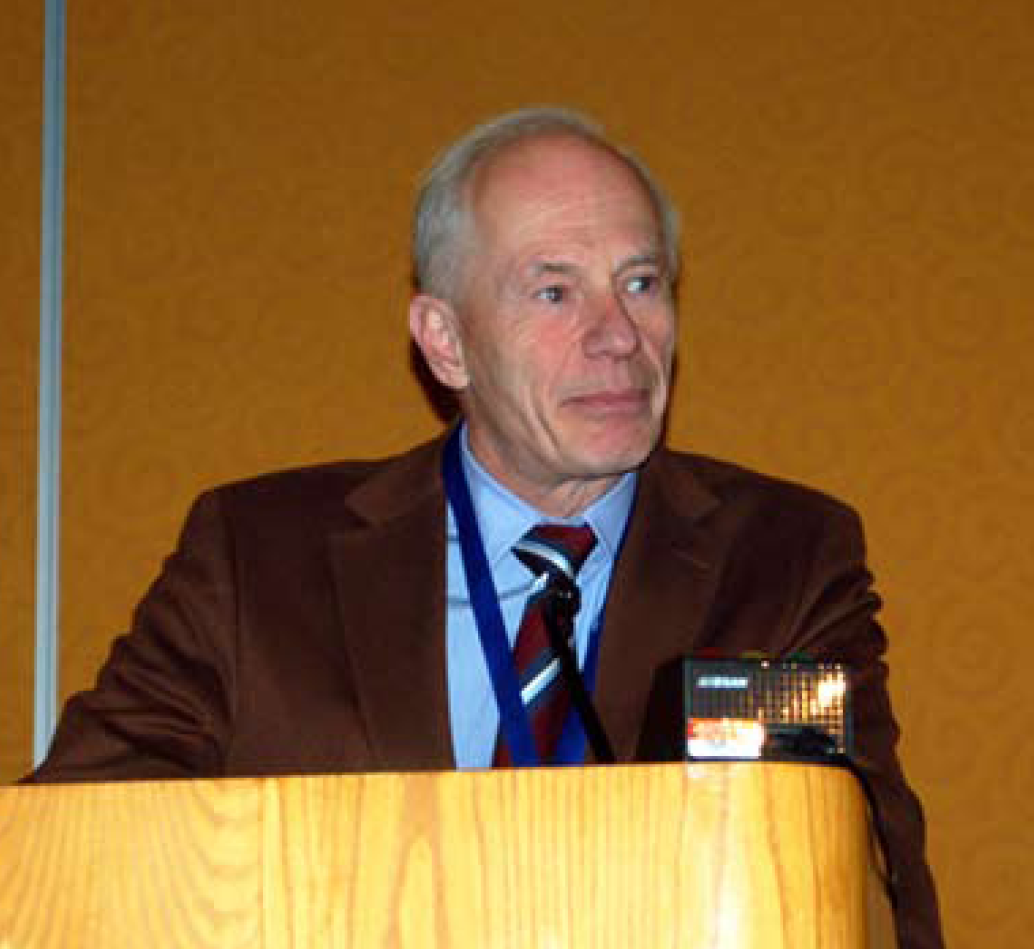
Gertrude Elion memorial award winner: Bo Öberg
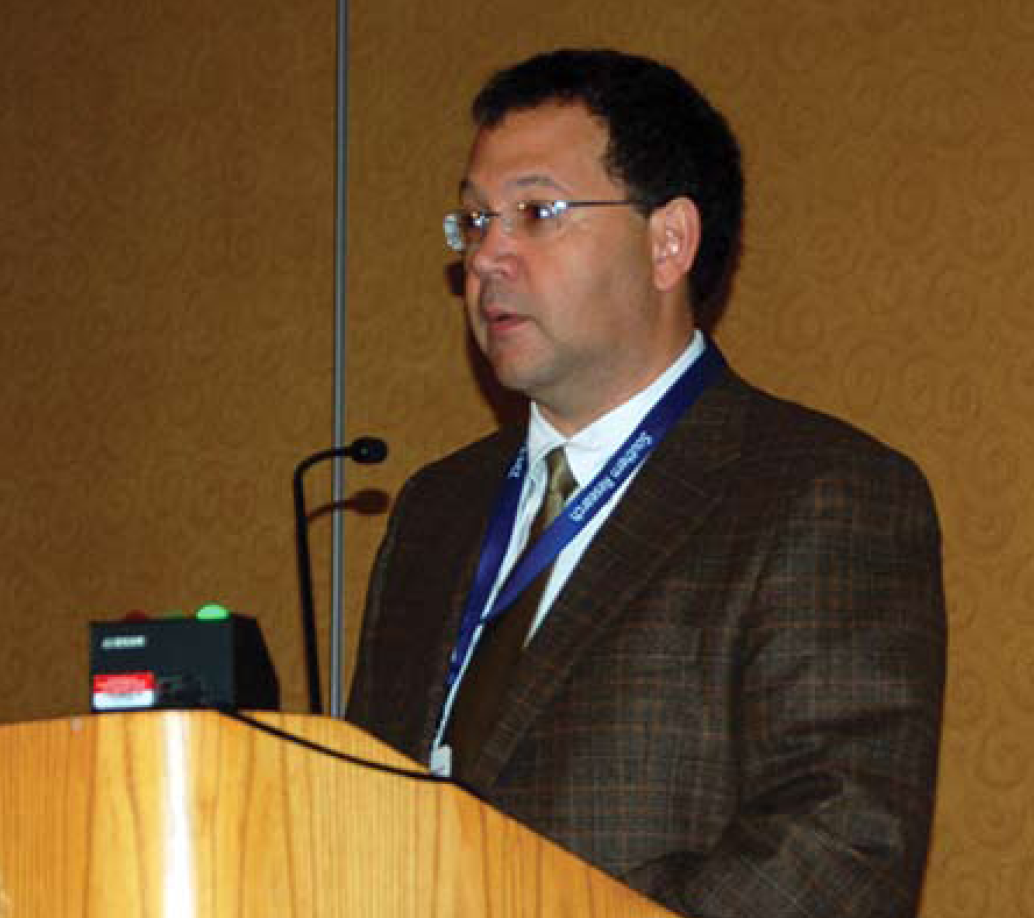
William Prusoff young investigator award winner: José Esté
Keynote address: Recent progress in the simplification of HIV therapy and future prospects by John Martin (Gilead Sciences Inc, Foster City, CA, USA)
In the late 1990s, HIV patients were taking a handful of pills each day at varying times through the day. The introduction of the fixed-dose combination pills, Truvada (emtricitabine [FTC]/tenofovir disoproxil fumarate [TDF]) and Epzicom (lamivudine [3TC] and abacavir [ABC]) in 2004, and Atripla (efavirenz [EFV]/FTC/TDF) in 2006, had a great impact. In the USA, >85% of patients are taking Truvada or Atripla. The ease of taking therapy has been associated with a decrease in resistance. The guidelines for initiation of therapy have changed: when CD4 counts were <200 cells/ ml in 2005; <350 cells/ml in 2007; <500 cells/ml in 2009; and at present, treat all patients as soon as HIV infection is recognized. It is now reasonable to consider pre-exposure prophylaxis, for example, in healthcare workers and in discordant couples (with differing HIV status). Even with current therapies, there remains HIV RNA (1–50 copies/ml) detectable by ultra-sensitive PCR test. How should we handle this residual HIV replication?
Over the past 20 years, HIV therapy has been transformed, but success in the developing world remains a huge challenge. There remain the scientific opportunities to improve prevention and aim for eradication of HIV from individual patients.
Plenary lecture: Celebrating AZT! Antiretroviral drugs from bench to bedside to the world by Samuel Broder (Celera Corporation Inc, Rockville, MD, USA)
Circa 1981, AIDS emerged as a lethal disease. Unknown then, HIV-1 (subtype B) likely moved from Africa to Haiti around 1966 and a ‘pandemic clade’ arrived in the USA about 1969. Once HIV had been established as the cause of AIDS, entrenched beliefs complicated progress: it would be impossible to discover antiretroviral drugs (because the virus integrates into the host genome and it mutates so quickly). A vaccine was seen as the better approach even though the fast mutation rate of HIV should have infused a sense of caution. Against the trend, a small group of scientists at Burroughs-Wellcome (now GlaxoSmithKline) in collaboration with the speaker's group at the National Cancer Institute, progressed zidovudine (AZT) remarkably quickly. The speaker's group was able to develop two additional anti-HIV drugs (didanosine and zalcitabine), proving that AZT was not a mere scientific curiosity. However, the rapid appearance of resistance to AZT monotherapy, and then to other monotherapies, emphasized the need for combination therapy.
Now, HIV combination therapy is highly successful in giving long-term control of HIV replication and disease, but new problems and challenges are emerging. Non-B HIV-1 subtypes (clades) are becoming more common in the USA. In the past, three independent transmissions of SIV from chimpanzees have transferred to humans as HIV. Recently, a new subtype, originating from a gorilla and designated P, has been detected in a woman in Paris, France. It is vital that viral RNA load assays are adapted to detect such new subtypes. Global estimates for 2007 indicate that 33 million people were infected with HIV and there were 2.7 million new cases, most in young adults. There is the continuing challenge that current therapies must be lifelong. The initial HIV infection is hard to diagnose, but a way needs to be found if the early, apparently irreversible, damage to the gut-associated lymphoid tissue is to be avoided. The role of pre-exposure prophylaxis needs further exploration. We should not have to learn again how the battle against tuberculosis was won – and lost.
Mini-symposium: Antiviral drug resistance
Confronting HIV drug resistance by Douglas Richman (University of California, San Diego, CA, USA)
During the past decade, there has been a better understanding of the potential of HIV to generate resistant variants. About 1011 virions are generated by 107–108 rounds of replication each day. With a high mutation rate, every possible single mutant is produced daily, specific double mutants are less common, whereas three or more specific mutations in the same genome are rare.
Acquired resistance is possible whenever there is continued HIV replication in the presence of a drug. Conclusion: ‘say no to CRAP (Continued Replication under Antiviral Pressure) therapy’. Continuing therapy will allow further evolution of the resistant virus to become more fit and likely to increase cross-resistance within the class of antiviral drugs. Over the past decade, the proportion of patients receiving three classes of drugs (nucleoside reverse transcriptase inhibitor [NRTI], non-nucleoside reverse transcriptase inhibitor [NNRTI] and protease inhibitor [PI]) has increased and recently more patients are on therapy with four classes (adding a fusion inhibitor, integrase inhibitor or CCR5 antagonist). In British Columbia, the proportion of patients having undetectable viral load (<50 copies/ml) has increased steadily during the decade from about 60% to 90%. The reasons seem to be better drugs (less toxic, longer acting, greater potency and fixed-dose combinations), lower proportion of patients on NRTI-only regimens and more informed prescribing practices.
Transmitted drug resistance seems to be decreasing slightly with time. For example, in Europe, the trend dropped to <10% of patients. It is important to use drug resistance tests to predict what might work, but also one must know what will not work.
In answer to a question about adherence in the developing world, failure was likely because of interruptions to the supply, not adherence. Adherence was worst in drug abusers and physicians!
Fixed-dose combinations? Good as patient has either full therapy or none, if supply is interrupted, whereas patients on separate drugs could run out of one and ‘wait to next week’ to see the doctor, while staying on suboptimal therapy (CRAP).
Emergence of resistance to HCV direct acting antivirals and potential therapeutic implications by Isabel Najera (Roche Palo Alto, Palo Alto, CA, USA)
Although HCV has an RNA-dependent RNA polymerase rather than a reverse transcriptase (RT) of HIV, the same ‘RT’ terminology for the three classes of antiviral compounds has been carried over to HCV: PIs, NNRTIs and NRTIs. HCV has the highest known rate of virion production/day (1012) with high genetic diversity, so resistance to antiviral compounds must always be a concern.
In clinical trials, resistance to PIs and NNRTIs occurs very quickly, within 3–7 days. Most patients had resistant variants at a low level at baseline. PIs and NNRTIs have varying activities against different HCV genotypes. By contrast, NRTIs are active against all HCV genotypes. In vitro, the resistant mutations S96T and S282T have been obtained, but S282T has low replication fitness and it has not been detected in untreated patients. A clinical trial, INFORM-1, tested the combination of an NRTI (R7128, 1,000 mg twice daily) with a PI (R7227, 900 mg twice daily). Over a 14 day dosing period, the viral load fell by 4–5 log10 IU/ml. One patient had some rebound but only S282 wt was detected, which suggests that there was no resistance to R7128. One patient had resistance mutation D168E; the mutation reduced sensitivity to R7227 by 27-fold. However, this patient achieved continuing viral load decline of 2.7 log10 IU/ml over 13 days. This is better than may have been expected by R7128 monotherapy.
As HCV is a naturally curable infection, there is a great opportunity to achieve complete cures in patients if the right combination of drugs is used.
Expanding the capability of drug resistance assays to new drug targets, HCV and influenza by Christos Petropolous (Monogram Biosciences Inc, South San Francisco, CA, USA)
For drug resistance testing, genotype and phenotype tests each have advantages but bioinformatics attempts to join the two. With results from thousands of HIV samples, the predictive ability of genotypic testing is improving, with phenotypic results close to prediction for 96% of viruses in a recent survey.
Investigations are expanding to include resistance to receptor-inhibiting drugs (for example, MVC, vicriviroc), integrase inhibitors (for example, raltegravir) and the maturation inhibitor bevirimat in HIV patients. Another new area of research is the use of genotyping as a quick alternative to phenotyping or serotyping of viruses, such as HIV, HCV and influenza. Especially with influenza, the genotyping of the viral genes for HA and NA can give rapid identification of pandemic and seasonal strains.
NGS insights into virus quasispecies by Robert Schafer (Stanford University, Stanford, CA, USA)
Next generation sequencing (NGS) takes advantage of easy physical separation when the DNA template is attached, for example, to beads. New imaging techniques gather data on a 106 base sequence. Deep sequencing is used when looking for variants at a low level (∼1%) in a virus sample. Examples include known resistance mutations in untreated patients, minority CXCR4- and CCR5-tropic variants, and additional minor resistant variants in treated patients. Detection of occult transmitted resistance has been possible by analysis of samples from patients who have early (within 1 year) virological failure and drug resistance. In a study of eight patients, two had known resistance mutations; the other six patients had no known resistance mutations, but did have other minor variants that might have influenced the outcome of their therapy.
Influenza antiviral resistance: Epidemiological and clinical implications by Frederick Hayden (University of Virginia, Charlottesville, VA, USA)
Of the two neuraminidase inhibitors zanamivir and oseltamivir, the latter is an oral therapy and so has been the mainstay of influenza therapy. During the period from about 2000 to 2007, with seasonal influenza in otherwise healthy individuals, resistance to oseltamivir had remained at low levels. Even in Japan, where oseltamivir was used much more than elsewhere, <1% cases of influenza N2 viruses and ≥3% of N1 viruses were found to be resistant. Then, during the seasons 2007–2008 and 2008–2009, the global situation changed markedly. Apparently in the absence of drug pressure, resistant H1N1 virus spread rapidly. Virtually all seasonal isolates had the H275Y mutation, which gives high-level resistance to oseltamivir but is sensitive to zanamivir. By contrast, pandemic H1N1 has generally remained sensitive to oseltamivir with resistance seen in sporadic instances, mainly in immunocompromised patients. As influenza virus has a segmented genome, reassortment between resistant seasonal H1N1 and pandemic H1N1 is a constant possibility, but has not occurred to date (April 2010).
New agents are being progressed through clinical trials. Favipiravir (T-705) represents a new class of drug, inhibiting the influenza RNA polymerase; it is in Phase II/III trials. Because influenza has such a capacity for change, combination therapy has long been advocated, but lack of suitable antiviral agents has presented a challenge. Clinical trials have begun recently with the combination oseltamivir and favipiravir.
Clinical symposium: Clinical update on antiviral drugs
Update on clinical development of cobicistat and quad for HIV by Brain Kearney (Gilead Sciences Inc, Foster City, CA, USA)
The rationale for not using ritonavir for boosting the levels of elvitegravir (EVG) but using cobicistat (GS-9350), which has no anti-HIV activity, was presented at ICAR 2009. This year's presentation gave an update on clinical progress.
GS-9350 (150 mg) boosted EVG and atazanavir equivalently to ritonavir (100 mg). The quad tablet, containing elvitegravir (EVG, 150 mg), emtricitabine (FTC, 200 mg), TDF (300 mg) and cobicistat (150 mg), achieved the desired exposures of the active drugs. Phase II week 24 results confirmed that the efficacy of quad met the criteria of non-inferiority to Atripla and that quad had fewer drug-related adverse events. Week 24 result of another Phase II trial demonstrated that cobicistat-boosted atazanavir (with FTC/TDF) had efficacy, tolerability and safety comparable to ritonavirboosted atazanavir (with FTC/TDF).
A complex programme of Phase II and Phase III trials is ongoing or planned.
Long-term safety and efficacy data for apricitabine in treatment-experienced, HIV-infected individuals by Susan Cox (Avexa, Richmond, VIC, Australia)
Clinical study AVX 201E investigated apricitabine (ATC) in HIV patients failing 3TC/FTC therapies, all with the M184V mutation. After week 24, all patients were put on open-label ATC (800 mg twice daily). At ICAR 2009, with a few patients then reaching 96 weeks, the key results were that the M184V strain remained in most patients and no HIV resistance to ATC had been detected. At this ICAR, the results to week 144 remain similar. New mutations have appeared, but all remain sensitive (less than twofold change) to ATC.
Study AVX-301 was similar except the doses of ATC were 800 and 1,200 mg twice daily with a planned review at week 16. Because the higher dose seemed to give no advantage, 800 mg was chosen as the preferred dose and used to week 48 in comparison with 3TC. All groups had optimized background therapy. At week 24, the reductions in viral load (log10) with ATC (800 mg) and 3TC were 2.2 and 1.8, proportions of viral rebound 2.5% and 6.8%, increase in CD4+ T-cells (cells/μl) 98 and 73, and disease progression in 3.8% and 16.2%, respectively. Safety of ATC was comparable to 3TC.
Evaluating the multiviral activity of CMX001 by James Alexander (Chimerix Inc, Durham, NC, USA)
CMX001 is cidofovir (CDV) with a phospholipid group attached. CMX001 has much enhanced bioavailability, relative to CDV, and has a plasma half-life (t1/2) of 6.5 days. The corresponding compound with tenofovir, CMX157, in cell culture has much enhanced antiviral activity (adenovirus 65-fold, HSV-1 250-fold and EBV>4,000-fold). This presentation focused on the clinical trials with CMX001.
Phase I trials in healthy individuals, CMX001-102 and 103, have been completed. Trial 102 tested single doses up to 2 mg/kg and 3 doses over 3 weeks. Trial 103 compared tablets versus solution. Trial 104 is in stem cell transplant patients and is ongoing. Phase II trial 201, with an emergency IND, is in stem cell transplant patients for prophylaxis or treatment of CMV. This trial is enrolling with 32 individuals (21 adults, 11 pediatrics) so far receiving CMX001 for 13 weeks. CMX001 has been used to treat a large number of different viruses, including adenovirus, HSV, CMV, EBV, HHB-6 and vaccinia.
A randomized pilot trial of combination oral amantadine, ribavirin and oseltamivir versus oral oseltamivir for the treatment on influenza A virus in immunocompromised patients by Janet Englund (University of Washington, Seattle, WA, USA)
The reported pilot study was done before the H1N1 pandemic, but while there was concern about the prolonged viral shedding, high morbidity and even mortality in immunocompromised patients, especially children. It took just 8 weeks from first contact with FDA to IND for children ≥7 years (could be randomized) or immunocompromised ≥1 year (non-randomized).
The pilot study enrolled just 7 patients, with 6 completing therapy (10 days). Various patients had virus that was resistant to amantadine or oseltamivir and so efficacy could not be properly assessed. However, 5/6 patients had disease resolution by day 10. Triple combination antiviral drug therapy was well tolerated.
TDF three year safety and efficacy in chronic HBV by Elizabeth Fagan (Gilead Sciences, Foster City, CA, USA)
TDF was approved in Europe (April 2008) and in the USA (August 2008). Gilead has an agreement with GSK to market TDF in five Asian countries. In two registration trials (102 and 103), TDF was compared with adefovir (ADV) in HBeAg-negative (E-) and HBeAg-positive (E+) patients, respectively, to week 48. Then patients were offered open-label TDF. These trials are scheduled to continue to year 8. This presentation reported the 3-year data.
In both E- and E+ trials, the retention of patients has been good (87% and 80%, respectively; missing = failure). Those patients originally on ADV now have similar proportions of patients achieving viral loads <400 copies/ml HBV DNA, but the E- groups (87%/88%) have higher proportions than E+ groups (72%/71%). In both trials, liver enzymes tests have normalized.
With the longer treatment times, there is a slow but continuing seroconversion, initially with HBeAg and later with HBsAg, the latter being considered a ‘cure’. HBeAg loss (seroconversion) has been 23% (22%), 30% (26%), 34% (26%) in years 1, 2 and 3, respectively. HBsAg seroconversion has been 1.3%, 5% and 8% in years 1, 2 and 3, respectively.
At each year end, every patient with >400 copies/ml HBV DNA is tested for viral resistance. To year 3, no true resistance has been detected.
Update on TransVax™: A CMV therapeutic DNA vaccine by Richard Kenney (Vical Inc, San Diego, CA, USA)
This DNA vaccine is derived from two plasmids corresponding to gB and pp65 proteins of CMV. The vaccine contains 5 mg total of DNA and is formulated as nanoparticles. Phase I trials have been completed. It is thought that this is the first DNA vaccine to reach a Phase II trial. The trial is placebo controlled (1:1) in 74 transplant patients, with dosing at 0, 1, 3 and 6 months starting 3–5 days pre-transplant. CMV load is determined weekly during weeks 3–13, bi-weekly for weeks 14–28 and then monthly for weeks 29–52. The trial is expected to finish third quarter of 2010.
T-cell responses to gB remained low for 4 months, but then rose after the last dose. The response to pp65 rose following the first three doses. The vaccine reduced various measures of CMV: the time to initial viral detection was prolonged, the duration of viraemia was decreased, peak viral load was decreased and the viral load AUC was reduced by 40%.
Short course: Famciclovir therapy by Rich Whitley (University of Alabama, Birmingham, AL, USA)
With recurrent HSV, virus replication occurs early in the episode and so a series of patient-initiated trials evaluated famciclovir either as a single dose or twice in 1 day. Famciclovir (1,000 mg twice in 1 day) versus placebo significantly reduced the proportion of aborted lesions (ITT population 23% versus 13% [P=0.003]; confirmed virus-positive population 21% versus 5% [P=0.001]), time to healing of non-aborted lesions was reduced by ∼2 days (30%), tingling reduced by 29%, and the other parameters (pain, itching, tenderness, all healing) each reduced by about 40%. Famciclovir therapy was safe and well tolerated. Single-day famciclovir and 3-day valaciclovir were comparable in efficacy and safety. Famciclovir (1,500 mg single dose or 750 mg twice in 1 day) versus placebo confirmed that famciclovir was highly effective versus placebo and that one large dose was as effective as two doses.
Mini-symposium: Prodrug chemistry and antiviral drug development
IDX-184: A novel, liver-targeted, once-a-day nucleotide for the treatment of chronic HCV infection by David Standring (Idenix, Cambridge, MA, USA)
IDX-184 is a nucleotide analogue of 2′-MeG with a liver-targeting group, but the structure was not shown. Whereas 2′-MeG is distributed in the blood with <10% in the liver, IDX-184 (95%) is found in the liver.
In response to an FDA request, a 3 day dose-response study was done in HCV-infected patients. Following placebo and doses of 25, 50, 75 and 100 mg/day, the decline in viral loads were 0, 1, 1, 2, and 4 log10 IU/ml, respectively. In a Phase II trial, IDX-184 (placebo, 50 mg once daily, 50 mg twice daily, 100 mg once daily) was dosed for 14 days with pegylated interferon/ribavirin. For viral load, the limit of detection was 15 IU/ml. The declines in viral load were 1.2, 2.7, 4.0 and 4.2 log10 IU/ml, respectively. The number (%) of patients achieving undetectable viral loads were 0, 2 (13%), 4 (50%) and 4 (50%), respectively. With the two higher doses, ALT levels dropped by ∼25%. There seemed to be a clear PK/PD relationship: drug trough levels predicting the HCV RNA reductions.
CMX157: Design and development of hexadecyloxypropyl CDV and TFV by Randall Lanier (Chimerix Inc, Durham, NC, USA)
As for CMX001 (see Clinical Symposium), the polar head of lysolecithin was replaced by TFV to give CMX157. Whereas TDF, the well-established prodrug of TFV, has activity in the μM range, CMX157 has activity in the nM range.
To investigate the possibility of CMX157 binding to HIV virions and thereby being transported into cells, drug was incubated with purified HIV virions. CMX157 (5,400 pmol) bound to 1011 HIV virions. When these were used to infect untreated cells, the infectivity was reduced by four–fivefold. By contrast, with TFV, only 17 pmol bound to virions and there was no effect on infectivity.
Phase I single ascending dose study was due to start the following Friday (30 April 2010).
Contributor presentations
Is the large T antigen a target for the inhibition of SV40 replication? by Dimitri Topalis (Rega Institute for Medical Research, Leuven, Belgium)
Simian virus (SV40) is a small DNA virus that can cause severe disease in immunocompromised patients. CDV is known to inhibit SV40, but the mechanism is not known because the virus does not have its own polymerase. The large T antigen (LTag) is known to be involved in the virus replication and so the LTag genes of 14 CDV-resistant clones were sequenced. In 12 of these clones, the known mutation, A212G, was found. Discovered in all 14 clones, a new mutation, V505A, is located near the ATP-binding site. Site-directed mutagenesis confirmed that both A212G and V505A conferred resistance to CDV (2.2-fold and 3.6-fold, respectively). Another new mutation, K697N, seems to reverse the resistance.
Antiviral activity of leflunomide against RSV by Melinda Dunn (Ohio State University, Columbus, OH, USA)
Leflunomide is an oral anti-inflammatory drug approved for the treatment of rheumatoid arthritis. This group had shown previously that leflunomide had activity against HSV, CMV and the polyomavirus BK. This presentation reported the activity of the active metabolite of leflunomide (A77 1726) against respiratory syncytial virus (RSV) in cell culture and of leflunomide in a cotton rat model.
In cell culture assays, A77 1726 inhibited RSV cytopathic effects, syncytium formation and production of infectious RSV. In a cotton rat model using clinical isolates of RSV, leflunomide (30 mg), administered daily, was effective in reducing viral load markedly either when started on the day of infection or 3 days later.
It has been known for a long time that the pulmonary inflammation caused by RSV infection is a major concern, especially when treating children. Leflunomide, with its dual action both as an anti-inflammatory agent and as an antiviral drug, seems to be an ideal candidate for further evaluation.
Small molecule inhibition of RSV fusion: It takes two to tango by Dirk Roymans (Tibotec-Virco Virology BVBA, Mechelen, Belgium)
RSV, like several other viruses, relies on a six-helix bundle formation to enter a target cell. It is known that certain inhibitors of RSV do so by disrupting the six-helix bundle. The authors had shown previously that TMC353121 was a potent inhibitor of RSV. In this presentation, they reported that they had determined the crystal structure of the bound drug. In contrast to expectations, TMC353121 was bound to both HR1 and HR2, which stabilizes an alternative conformation. Rather than completely preventing six-bundle formation, TMC353121 inhibits fusion by creating a local disturbance of the natural six-bundle structure. This finding could stimulate the rational design of new inhibitors.
Novel mutations in HSV-1 DNA polymerase are associated with drug resistance in a hematopoietic stem cell transplant recipient by Graciela Andrei (Rega Institute for Medical Research, Leuven, Belgium)
It can be surprising how new information can be discovered within a research area that has been well studied for many years. In this case study, the patient was treated over an 8 month period for herpetic gingivostomatitis (HSV-1 infection) with ACV or foscarnet. A possible CMV infection was treated with GCV. A total of eight isolates of HSV-1 were recovered, including one wild-type and seven drug-resistant isolates. Several clones per isolate were analysed phenotypically and genotypically. Several known resistant mutations were found in the TK and pol genes. Also two new mutations, I922T and E798K, in the viral pol gene were discovered and these conferred resistance to foscarnet.
First diastereoselective synthesis of pronucleotides by Edwin Rios Morales (University of Hamburg, Hamburg, Germany)
Two approaches to successful prodrugs of nucleotides are cyclo-Sal-pronucleotides and nucleoside arylphosphoramidates. Previous syntheses of these pronucleotides have given a 1:1 mixture of diastereomers with respect to the configuration at the phosphorus centre. As chirality can affect both activity and toxicity, it was highly desirable to develop stereo-selective syntheses. This was achieved with high selectivity by use of chiral auxiliaries during their synthesis.
Conclusion
It is impossible to record all the interesting presentations in this review, but it is hoped that sufficient information has been included to demonstrate that the 23rd ICAR had much of value. For me personally, I found the major lectures and the mini-symposium gave me a good overview of important areas of antiviral research. The mini-symposium on antiviral drug resistance was particularly timely; there were many presentations on viral resistance or using drug combinations. Experience with HIV therapy has shown that the most effective approach to delaying viral resistance has been to increase the genetic barrier. This has been most successful with combinations of NRTIs. Combinations of PIs have been less successful as the potential for increasing the genetic barrier is limited by the ability of the HIV protease and its viral substrate cleavage sites to coevolve. It seems to be a common misunderstanding that the genetic barrier can be raised by combining drugs with different viral targets. But this is not so because exactly the same resistance mutations can appear in the individual viral targets as with monotherapies. There might be some benefit from a greater reduction in viral load, which reduces the number of random mutations and the chances of giving a resistant mutant, but HIV experience has shown that the delay in resistance is rather modest. The lecture on HCV (by Isabel Najera) indicated that the same concepts seem to apply to HCV therapy. For influenza therapy, the combination of oseltamivir (neuraminidase inhibitor) and favipiravir (T-705, RNA polymerase inhibitor) is being evaluated in the clinic; this combination may be effective at reducing viral load quickly and that may be sufficient for a self-limiting influenza infection. As in previous years, the clinical symposium is a highlight for me as it reports progress with the ultimate goal of antiviral therapy.
I would like to add my thanks to the ISAR Officers and Conference Committee for organizing another successful ICAR meeting.
Awards winners in 2010 (Mark Prichard)
ISAR awards prizes for the best poster presentations every year at the annual ICAR meeting. Awards are selected from three categories including Graduate Student, Postdoctoral Fellow, and Young Investigator with $1,000 and $500 cash awards for first and second place recipients, respectively. Significant original research results were presented at two poster sessions. The presentations selected by the society were of the highest quality and promise to advance the field of antiviral research. Graduate Student Edwin Rios Morales won first prize, with Wenquan Yu and Jenny Rowe each winning second prize. Postdoctoral Fellow Dimitri Topalis was awarded first prize for his work. Young Investigator Dirk Roymans was selected to receive first and Zhilei Chen was awarded second prize. Abstracts summarizing the work of all award winners can be viewed on the ISAR website and in the April 2010 issue of Antiviral Research.
Business meeting (Susan Cox)
The society held its business meeting during the 23rd ICAR in San Francisco, CA, USA. Reports were presented by the President, Treasurer, Secretary and various Committee Chairs._Elections were held during the year by electronic voting, with a turnout of approximately 33%. The position of President-Elect was won by Phil Furman, while Johan Neyts, José Esté and Bob Buckheit were elected to the ISAR Board of Directors.
Joe Colacino, Conference Committee Chair, reported that the 2011 ICAR will be held in Sofia, Bulgaria, while the 2012 conference will be jointly held with the Japanese Society for Antiviral Therapy in Japan (site to be decided). Suggestions for locations for 2013/14 were invited, nominally in the East and West Coast of North America, respectively.
Dale Barnard, Treasurer, presented the finances of the society for financial year ending 2009 (Tables 1 and 2). Total income was US$367,024, with corporate support and ICAR registrations forming the major part. Total expenses were US$329,055, resulting in a small but pleasing surplus of US$37,969. The 22nd ICAR meeting at Miami, FL, USA, provided a useful surplus of $101,736. Preliminary figures for the 23rd ICAR indicate a break even or possible small surplus.
Financial statement for 2009

Summary accounts for 22nd ICAR, Miami, FL, USA 3–7 May 2010

A report on society membership and travel awards was presented by the Secretary. It is pleasing to see new members joining ISAR; however, membership in some countries is still low given the known level of antiviral research being conducted in those countries. All members were encouraged to invite their colleagues to join ISAR. Each year, the society awards grants to help members attend the conference. Slightly fewer applications were received this year, but nonetheless more than 20 awards were made mainly to PhD students. The deadline for awards to travel to the 24th ICAR in Bulgaria 2011 is 31 December 2010, and instructions can be found on the website.
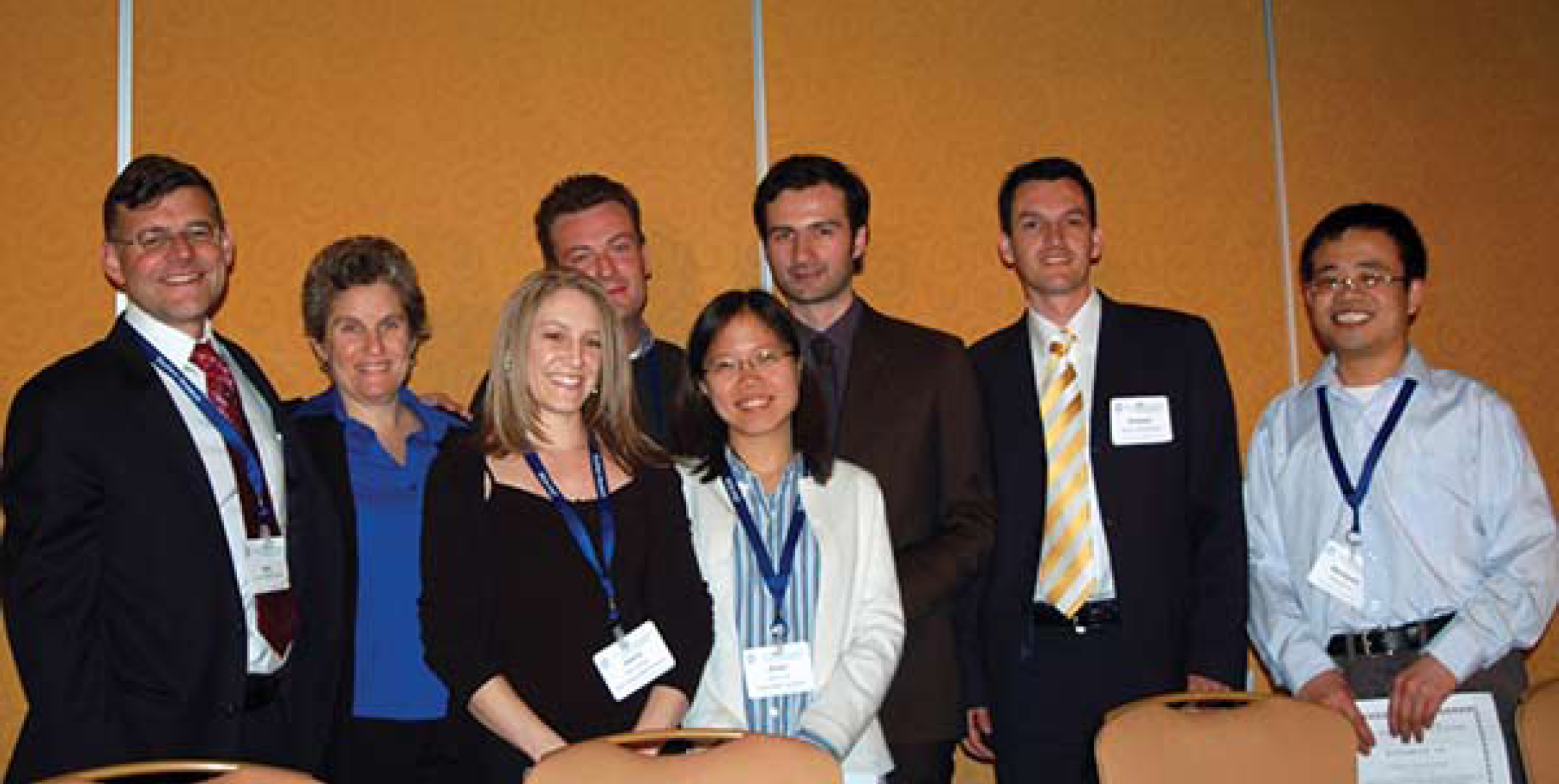
ISAR poster award winners
Tomas Cihlar has taken over the role of leading the Career Breakfasts, which have become a popular forum for discussions on career paths and choices, help students connect with established members and hear about their career experiences.
Mark Prichard described the hard work of the members of the Poster Awards Committee, who diligently review the many poster entrants for the excellence awards. The hard work of the Committee members and the enthusiasm and willingness of the poster presenters was commended.
Bob Buckheit described the work of the Program Committee in sourcing and selecting speakers and topics for the ICAR program. The program aims always to present the highest quality, relevant, and stimulating topics and speakers. All members were encouraged to provide feedback on the content of the conference and put forward relevant topics and speakers they would like to see featured on the program next year.
There being no other business, the President closed the meeting by thanking everyone for attending and encouraging members to get involved in the work of the society, so that it remains vibrant and effective.
Visit the ISAR web site…
Visit the ISAR Web site at http://www.isar-icar.com to discover more about the 24th ICAR, such as hotel accommodations, abstract submittals and preliminary programs. Information on the conference will be posted on the ICAR website by September 2010. If you have any questions please do not hesitate to contact the ISAR/ICAR Office at 202-973-8690 or by e-mail at
ISAR News is a publication of the International Society for Antiviral Research prepared by the ISAR Publication Committee: Hugh Field (Chair), Masanori Baba, Erik De Clercq, Brian Gowen, Colleen Jonsson, Justin Julander, Luis Schang, Ashoke Sharon, Bart Tarbet, Simon Tucker and Anthony Vere Hodge.