



Abstract

President's Message (Phillip Furman)
I am deeply honoured to write this, my first message in the capacity of President of the International Society for Antiviral Research (ISAR). As I embark upon my new role in the Society I look forward to working closely with you the members, the officers, Joe Colacino (Past President), Bob Buckheit (President Elect), Graciela Andrei (Secretary) and Dale Barnard (Treasurer), and our Board of Directors as we move ahead in 2012 and 2013. I especially wish to acknowledge and thank Joe for his dedicated and tireless service and leadership as President of the Society for the past two years and I look to Joe for guidance over the coming years. I want to thank Graciela, who, prior to the start of her official term as Secretary, graciously stepped into the role of Secretary at the Board meeting and the business meeting, in the absence of Susan Cox, who was unable to attend the meeting. My thanks go to Lauren Deaton and Emily O'Connor of Courtesy Associates for all of their hard work organizing, setting up and ensuring that the conference ran smoothly. Congratulations to Bob Buckheit who was elected President-Elect. With Bob now assuming the role of President-Elect, Mark Prichard has agreed to take on the role of Program Committee chairman. The Society is deeply indebted to Bob who has done an outstanding job over the years as the chairman of the Program Committee. Kathie Seley-Radtke will assume the role of chairman of the Poster Awards Committee, which was held by Mark. Congratulations to Rhonda Cardin and Roger Ptak who were elected to the Board of Directors and to Heather Greenstone who, polling the next highest number of votes, was appointed to the Board to finish out Bob Buckheit's term. Our thanks go to outgoing Board members Mark Prichard and Mike Bray for their dedicated service to the Society.
This year's International Conference on Antiviral Research (ICAR) celebrated the 25th anniversary of the founding of ISAR in 1987. The meeting was held on the 16–19th of April in Sapporo, Japan and was co-hosted by our colleagues from the Japanese Association for Antiviral Therapy (JAAT). We wish to express our gratitude to the Federation of Pharmaceutical Manufacturers' Associations of Japan, the Japan Foundation for AIDS Prevention and the City of Sapporo for their generous support of the conference. We thank Prof Hiroaki Mitsuya, president of JAAT and the members of that association for their work on ISAR's behalf and their participation in the meeting. A special thank you goes to Masanori Baba for all of the work he did, including obtaining local financial support, to help make the 25th ICAR a tremendous success. Thanks and appreciation also go out to Bob Buckheit (Program Committee), who put together an outstanding programme that set new standards for scientific excellence, and to Amy Patick who, in her role as conference chairperson, worked assiduously with Lauren Deaton to select Sapporo as the site for the 25th ICAR and ensure that all details and timelines were met. In addition, Amy has begun to pull things together for the 26th ICAR to be held in San Francisco. There were many other people who worked diligently to make the 25th ICAR a success and they deserve special recognition and thanks. They are: Mark Prichard (Poster Award and Review Committee), Susan Cox (Travel Grants), Hugh Field and Anthony Vere Hodge (Publication Committee), Johan Neyts (Membership Committee), Amy Patick (Nominations), Andrea Brancale (Website), Rich Whitley (Scientific Excellence Awards) and Roger Ptak (Finance Committee). Roger again did an outstanding job of obtaining financial support for the meeting.
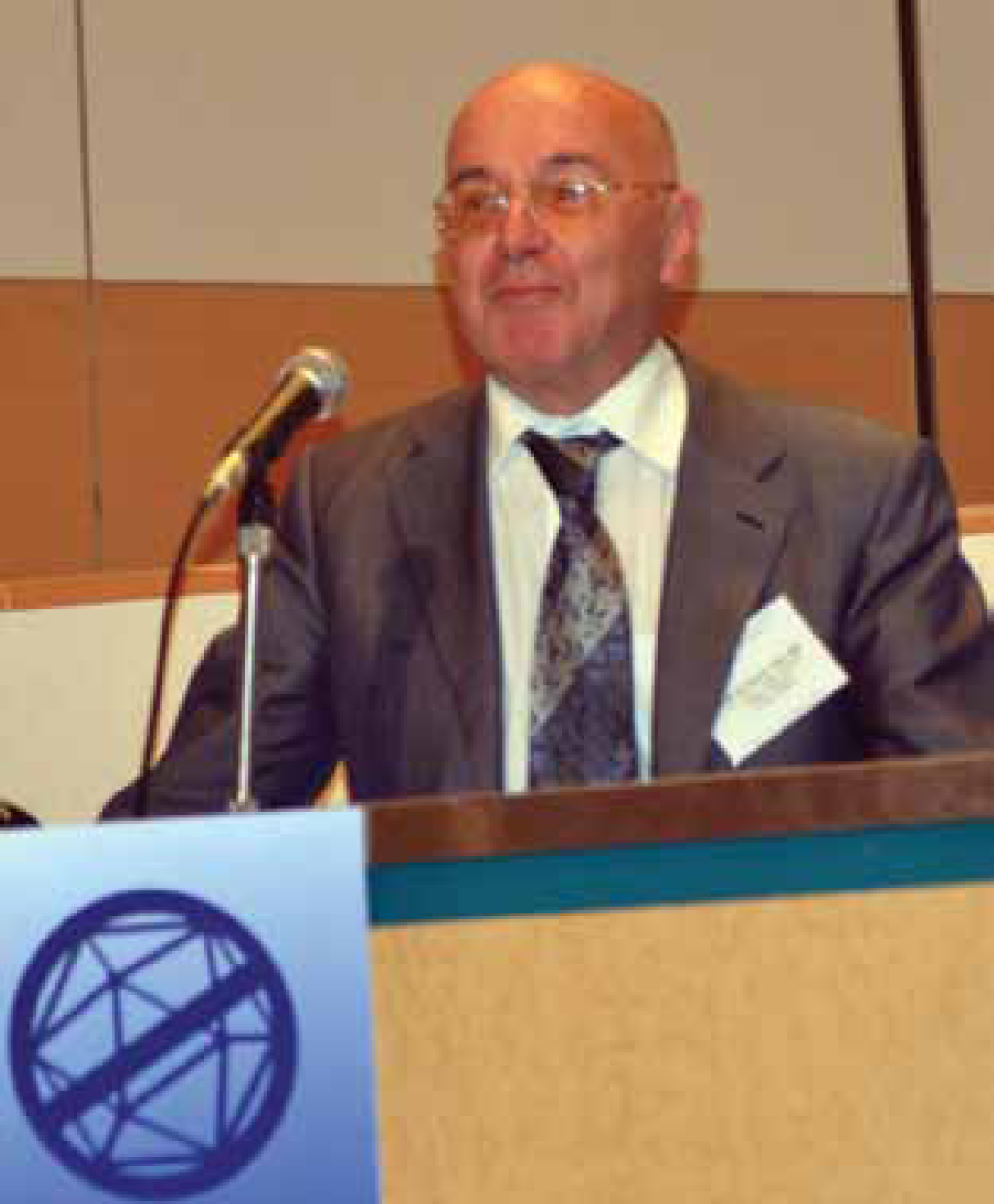
Erik De Clercq giving the 25th Anniversary Special Lecture, having been presented with ISAR's ‘Service to the Society Award’
On Monday afternoon, the conference began with the Drug Discovery and Development 101 interactive symposium, which was organized by Angela Lam and included two excellent lectures on the use of high throughput screening and animal models by Raj Kalkeri and Sina Bavari, respectively. This was followed by an outstanding keynote lecture by Prof Hiroaki Mitsuya, from our host country and President of the JAAT, entitled ‘Structure-Guided Development of AIDS Therapeutics: Successes, Challenges, and Opportunities’. The keynote address was followed by the 25th Anniversary Special Lecture, ‘Successes and Failures in Antiviral Drug Development: Personal Reminiscences with Japanese Connections’, which was presented by Prof Erik De Clercq. Prior to the lecture, Joe Colacino presented the prestigious ‘Service to the Society Award’, to Erik, one of the founders of ISAR, in recognition of his continued dedication, support and service to the Society and its members. This award has been presented to only two other members of the Society, Drs George Galasso and Earl Kern.
This year we reinstated the Shotgun Poster session consisting of oral presentations of selected posters by young investigators (graduate students and post-doctoral fellows). Each presenter did an outstanding job presenting his or her research. Based on attendee feedback, the session was one of the highlights of this year's meeting. The Clinical Symposium included five reports on compounds against HCMV, HIV and HCV. This session was chaired by Phillip Furman. Three mini symposia were held this year: ‘Therapy of Viral Infections Endemic to Japan and Asia’ organized by Masanori Baba and chaired by Masanori, Hiroaki Mitsuya and Bob Buckheit, ‘Clinical Development of Antiviral Drugs' chaired by Hiroaki Mitsuya, and ’Building a Better Clinical Candidate: Issues, Strategies, and Tools' organized and chaired by Mike Sofia. Each presenter in the mini symposia is an internationally renowned scientist and we thank them for providing state-of-the-art lectures. In particular, the ‘Building a Better Clinical Candidate: Issues, Strategies, and Tools’ mini symposium is part of our continual effort to bring more chemistry and chemists to ICAR so as to foster a greater number of more productive interactions between chemists and biologists. The session included a presentation on prodrug design in drug discovery presented by Reza Oliyai and a presentation by Robert Zahler on the implications, anticipation and management of reactive metabolites. Paul Scola, Avinash Phadke and Dominique Surleraux each presented examples of how to build a better molecule in their lectures. Presentations in the ‘Therapy of Viral Infections Endemic to Japan and Asia’ mini symposium by Kouichi Morita, Ju-ichi Fujisawa, Simon Tucker, Takaji Wakita, Pei Yong Shi and Timothy Block covered Japanese encephalitis virus, HTLV-1, influenza virus, HCV, dengue and HBV, respectively. This year we were honoured to present the Gertrude Elion Award and William Prusoff Young Investigator Award to two very deserving individuals. Karl Hostetler received the Elion Award for his long-standing work in lipid biochemistry and the development of lipid-based antiviral prodrugs and Bill Delaney received the Prusoff Award for his outstanding work with HCV and HBV. Our congratulations go out to them and we wish them continued success.
The Society continues to be dedicated to the career development of our younger members. To this end, Tomas Cihlar organized the ICAR Career Forum, which provided members an opportunity to investigate careers in academia, large pharma, mid-size pharma, biotech, contract research organisations (CRO) and government. The moderators for each area did an outstanding job of providing insights into each of these respective sectors as well as offering an opportunity to network.
Andrea Brancale has done a phenomenal job of updating the ISAR website. Through his efforts, we now have a new website platform hosted by YourMembership. com that makes the website more user-friendly. This new platform allows for individual member login, automatic reminder when membership is about to expire, online membership subscription and renewal and ICAR registration. Andrea will work closely with YourMembeship. com to maintain and update the website. In addition, Andrea has added several new social features to facilitate networking, including: ISAR on Facebook; Twitter (@ISARICAR); and a LinkedIn discussion group.
As we look forward to the coming year we are committed to continuing to provide a scientific programme of the highest quality and one that will continue to attract chemists, biologists and clinicians from industry, academia and government. Over the years, the Society and antiviral research, in particular, have benefited greatly from the presence of our chemistry colleagues at ICAR. I believe that encouraging more chemists to attend ICAR will foster greater opportunities for networking and collaborations between biologists and chemists from industry and academia and will make for a more robust Society and conference. This year's ICAR saw more of our younger members participating in and chairing the Shotgun Poster session. We hope to get more involvement from our younger members for they are the future of ISAR, ICAR and antiviral drug discovery and development.
Scientific report: Highlights of 25th ICAR, 2012, Sapporo, Japan (Anthony Vere Hodge)
Introduction
This summary provides an overview of the conference highlights, the four major presentations. More detailed accounts of these presentations, the symposia and a selection of contributor presentations, are given in the Workshop Report found in this issue. As this is a research conference, any references to clinical results should not be taken as a recommendation for clinical use. I wish to thank all those authors who provided me with valuable help.
25th Anniversary lecture: Success and failure in antiviral drug development; personal reminiscences with a Japanese connection by Erik De Clercq (KU Leuven, Rega Institute for Medical Research, Leuven, Belgium)
Erik chose to tell 10 stories, each of which had a Japanese connection. These stories were illustrated by photographs from Erik's personal archives, including one showing a very young Masanori Baba who did so much to organize this 25th ICAR. On 10th to 23rd May 1987, there was a NATO meeting at Il Ciocco, Italy. Erik showed a photograph (Figure 2) of the attendees, pointing out several people who have been notable supporters of ISAR. Williamsburg (1988) was the second ICAR. Although the Rotterdam meeting (1985) has generally been referred to as the first ICAR, Erik considers Il Ciocco as the ‘virtual first’ because ideas about both ISAR and ICAR were developed at that meeting.

Attendees at Il Ciocco, Italy in May 1987 - this meeting can be regarded as a model for ICAR meetings
Although several of the projects did not lead to clinical products, there were some notable successes, starting with brivudin (BVDU) for VZV and stavudine (d4T) for HIV. In a long and productive collaboration with Antonin Holý (Academy of Sciences, Prague, Czech Republic) and later with Gilead Sciences, Erik evaluated PMEA (adefovir) and (R)-PMPA (tenofovir), which are reverse transcriptase inhibitors (RTIs) of HBV and HIV, and elvitegravir (EVG) which is an HIV integrase inhibitor. Several failures certainly but also some successes to cherish. A version of this talk is in press with AVCC.
Gertrude Elion Memorial Award Lecture: Using phospholipid mimicry to increase efficacy and safety of acyclic nucleoside phosphonate antivirals by Karl Hostetler (University of California, San Diego, CA, USA)
Karl started his presentation with a characteristically cheerful photograph of Gertrude Elion at the 1997 ICAR.
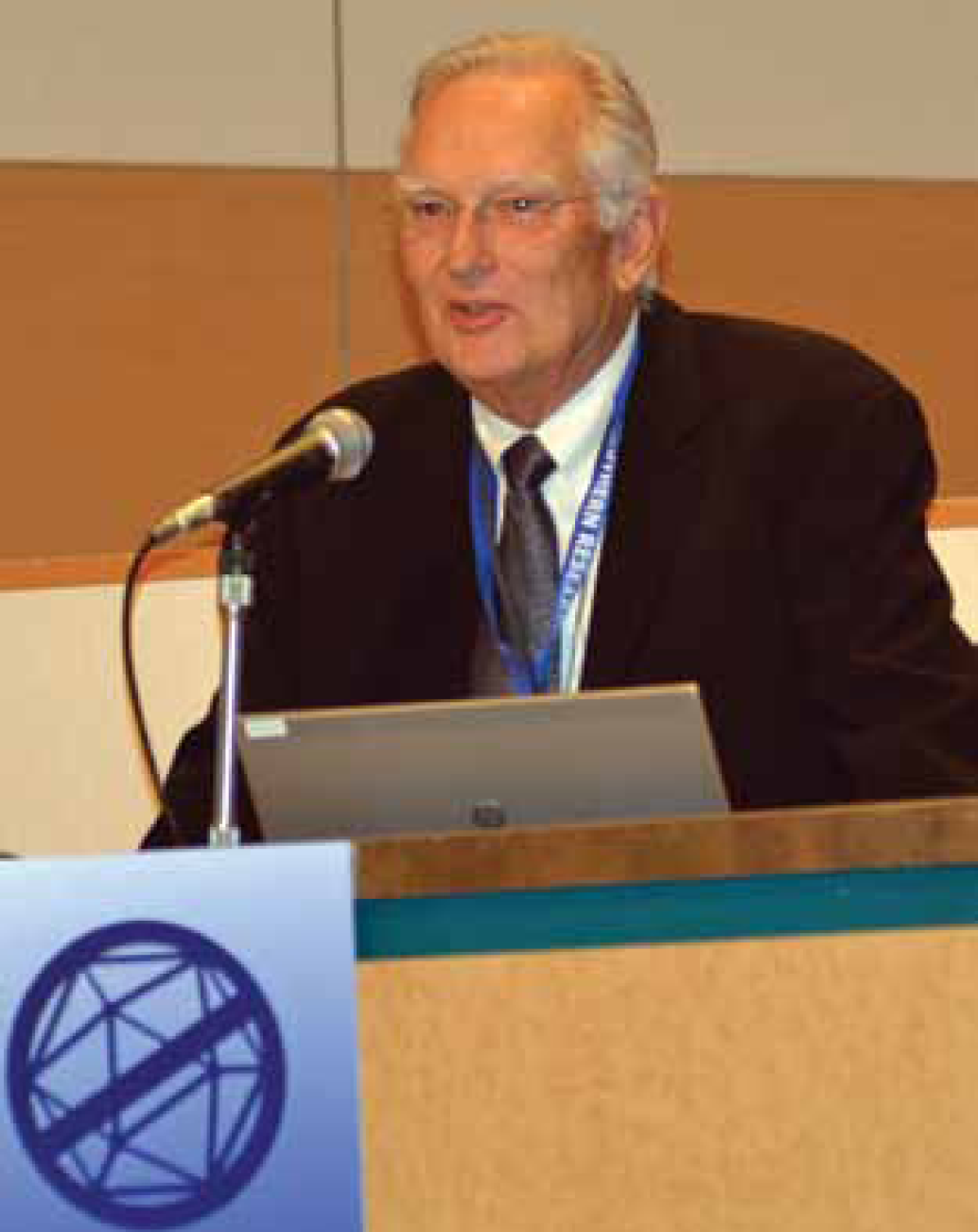
Gertrude Elion Memorial Award winner: Karl Hostetler
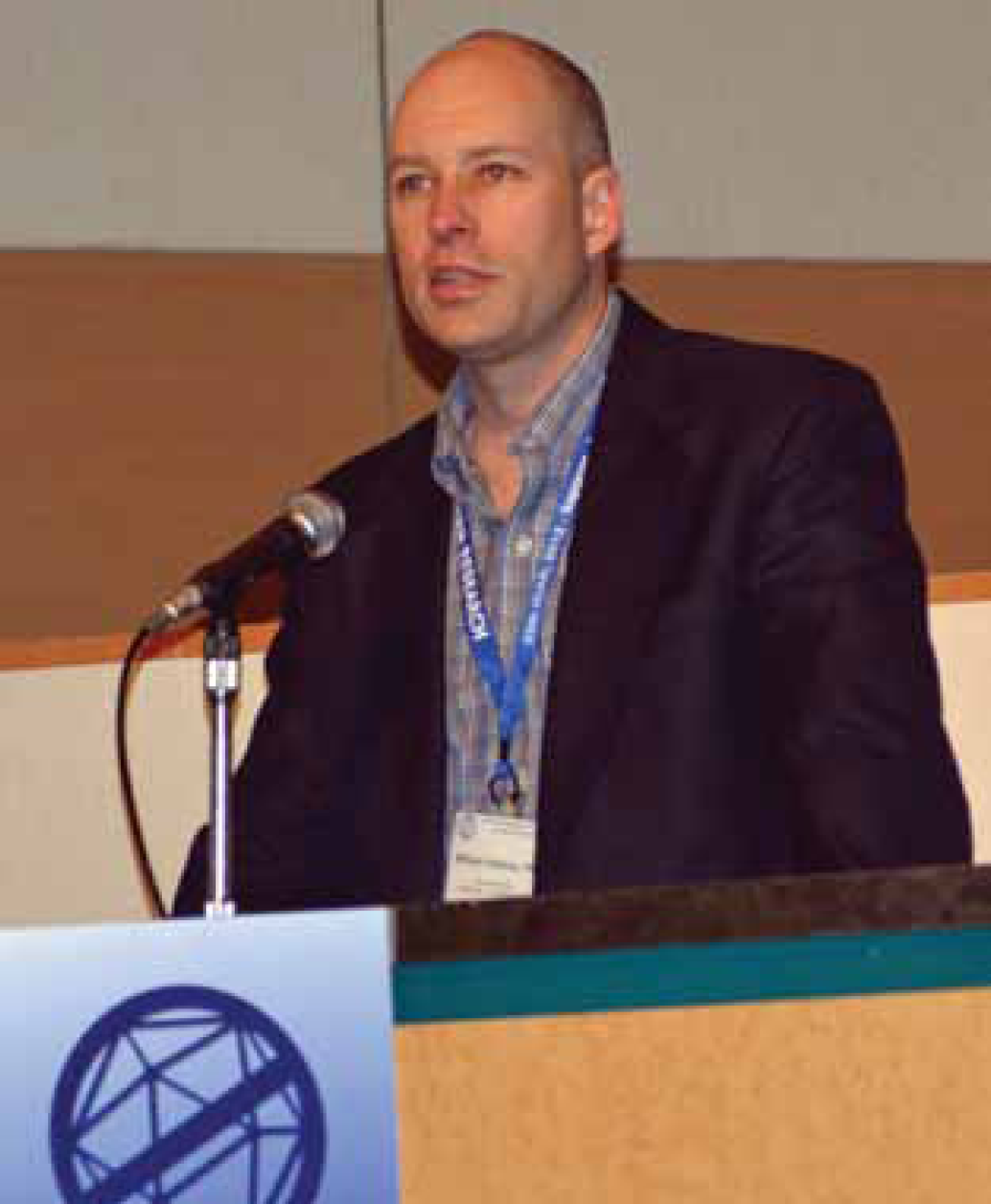
William Prusoff Young Investigator Award winner: William Delaney
Karl was attracted to the idea of using phospholipid mimicry by a 1968 paper on lysophosphatidylcholine. Hexadecyloxypropyl cidofovir (HDP-CDV) was shown to enhance the antiviral activity of CDV by enabling greater cellular uptake of the drug. HDP-CDV (as CMX001) is in clinical development. In Phase I trials, the only safety signal was reversible diarrhoea. In February 2012, a Phase II trial, for cytomegalovirus (CMV) prophylaxis in human stem cell transplant patients at risk of CMV disease, was completed (Mini-Symposium, see Workshop Report found in this issue).
William Prusoff young investigator award lecture: HBV and HCV: Parallels, contrasts and future directions for therapy by William E Delaney IV (Gilead Sciences, Foster City, CA, USA)
For successful antiviral therapy, the major challenges are the persistence of covalently closed circles (cccDNA) of HBV and the rapid mutation rates of HCV.
For HBV, the newest therapies have very high barriers to resistance and greatly reduce serum HBV levels (4 to 5 log10) but the corresponding reductions of HBV cccDNA are modest (about 0.5–1 log10). Stable hepatitis B surface antigen (HBsAg) seroconversion represents a functional cure. With tenofovir DF therapy, HBsAg loss rates have slowly increased over the years of therapy, to about 10 to 11% at five years.
There are many anti-HCV compounds in the pipeline. These include protease inhibitors (PIs), non-nucleoside inhibitors of the HCV polymerase, nucleoside analogue inhibitors of the HCV polymerase and HCV NS5A inhibitors. Some examples of HCV clinical trials were used to illustrate the ability of different antiviral classes to meet the challenge of HCV mutability. In contrast to the PIs, the nucleoside analogue inhibitors (PSI-7977, now called GS-7977 in Phase III, RG-7128, IDX184 in Phase II) are active against all genotypes and present a high barrier to resistance. The HCV NS5A inhibitors (BMS-790052 in Phase III and GS-5885 and BMS-824393 in Phase II) have shown promising activity.
Looking to the future, long-term HBV suppression is now achievable but a cure remains a challenge. For HCV, the field is developing rapidly. A polymerase inhibitor, combined with another pan-genotype antiviral, may become a convenient, world-wide therapy – a cure for HCV looks likely.
Keynote address: Structure-guided development of AIDS therapeutics: Successes, challenges and opportunities by Hiroaki Mitsuya (National Cancer Institute, Frederick, MD, USA)
After 31 years of AIDS research, HAART, now commonly shortened to ART (antiretroviral therapy) enables an estimated 33 million people to live with HIV, median death at around 65 years. Sadly, each year, about 2.5 million are newly infected and about 2 million die.
New reverse transcriptase (RT) inhibitors are being developed, for example festinavir (Ed4T, 4′ethynyl-d4T) and EFdA (4′ethynyl-2-fluoro-2′deoxy-adenine). Festinavir is active against viruses resistant to both tenofovir and abacavir and now is in Phase I trials. EFdA has potent activity against HIV (EC50<0.4 nM). In monkeys with SIV, EFdA (2 mg dose daily) reduced virus load to below the limit of detection.
Darunavir (DRV) is unusual among the protease inhibitors (PIs) as resistance to DRV is much less common than against other PIs. DRV was found to inhibit protease dimerization, whereas the other PIs did not. This finding has opened the way to discover potentially more potent compounds.
Clinical Symposium, Mini-Symposia and Contributor Presentations
In the Clinical symposium, there were reports on letermovir, Quad, GS-7977, TMC345 and Bit 225. Mini-Symposium: ‘Therapy of Infections Endemic to Japan and Asia’ included presentations on Japanese encephalitis virus (JEV), an HTLV-1-infected, humanized mouse model, influenza, HCV replication models, approaches to anti-dengue drug discovery and HBV. Mini-Symposium: ‘Clinical Development of Antiviral Agents’ included presentations on CMX001, a ‘first in class’ approach to HCV therapy with miravirsen, and some pyrimidinediones as potential HIV microbicides. Mini-Symposium: ‘Building a Better Clinical Candidate: Issues, Strategies, and Tools’ described the expanding role for prodrugs, a review of chemical entities which are associated with toxicity, and three presentations on how lead compounds were developed into clinical candidates, asunaprevir, sovaprevir, IDX719 and IDX19368.
There were many interesting contributor presentations. The topics ranged from evaluation of influenza vaccines, to ivermectin activity against flaviviruses, sensitivity of clinical isolates to AIC316 and its clinical progress, therapeutic efficacy of ST246 in a monkeypox model, and a new approach with the potential to lead to HIV eradication.
Conclusion
Personally, I found that the major award lectures, the keynote address, the clinical symposium and the mini-symposia gave me a good overview. A great strength of ICAR meetings is the potential for cross-fertilization between various areas. There were many diverse topics such as history of virus outbreaks, prodrugs and which chemical entities not to include in a candidate drug. I would like to add my thanks to the ISAR Officers and Conference Committee, and to our co-sponsors JAAT, for organizing another successful ICAR meeting and to Masanori Baba, our local host, for such a warm welcome to Sapporo.

Keynote lecture by Prof Hiroaki Mitsuya, President of the JAAT
Poster Award Recipients in 2012 ICAR (Mark Prichard)
Awards for scientific excellence are given each year by the Society to recognize outstanding contributions to the field of antiviral research.
This year we had a very successful poster award competition and six awards were made in the categories of Graduate Student, Post-Doctoral Fellow and Young Investigator. Graduate student Marcus Schroeder won first prize in his division with a cash award of $1,000. Second place prizes of $500 were awarded to Iuni Trist, Annelies Stevaert and Eleftherios Michailidis. Edwuin Hander Rios Morales and Bart Tarbet were awarded first prize in the Post-Doctoral Fellow and Young Investigator categories, respectively. Each received a $1,000 cash award for their outstanding poster presentations. All award winners presented very high quality posters and received plaques to commemorate their accomplishments. Abstracts for their work can be viewed on the ISAR website.
Business meeting (Graciela Andrei)
The Society held its business meeting during the 25th ICAR in Sapporo. Reports were provided by the President, Treasurer, Secretary and the Chairs of the different Committees.
Joe Colacino, President of the Society, reported on the results of the elections held last year and congratulated Robert Buckheit (President elect), Graciela Andrei (Secretary), and Rhonda Cardin and Roger Ptak (Board Seats) who were strongly supported and duly elected. An electronic (web-based) election was run and a total of 62 out of 176 registered members responded. This represents a 35% ‘turnout’ which is slightly higher than for the previous election. Heather Greenstone (the next nominee having the highest amount of votes in the election) was appointed to the Board to fill the position left vacant by the Presidentelect Bob Buckheit.
The ISAR Board expressed its appreciation to Masanori Baba for his outstanding efforts to obtain funding for and helping to organise the 25th ICAR meeting in Sapporo, co-hosted by ISAR and the Japanese Association for Antiviral Therapy (JAAT).
Amy Patick, Past President of the Society and Conference Chairperson, presented San Francisco as the location for the 2013 conference. The 26th ICAR meeting will be held at the Hyatt Regency San Francisco hotel, where the 2010 ICAR meeting took place. This choice was made based on the relatively easy accessibility both for academia and industry and the success of the 23rd ICAR meeting. The ICAR conference in 2014 will be held on the east coast in the US. The original choice of Boston is now being reconsidered to avoid overlap with the Antivirals Congress organized by Elsevier later this year in that city. Alternative locations, including Annapolis, Chicago and Raleigh-Durham are under discussion. The 2015 meeting will be held outside the US and members were kindly requested to submit suggestions for future ICAR meetings.
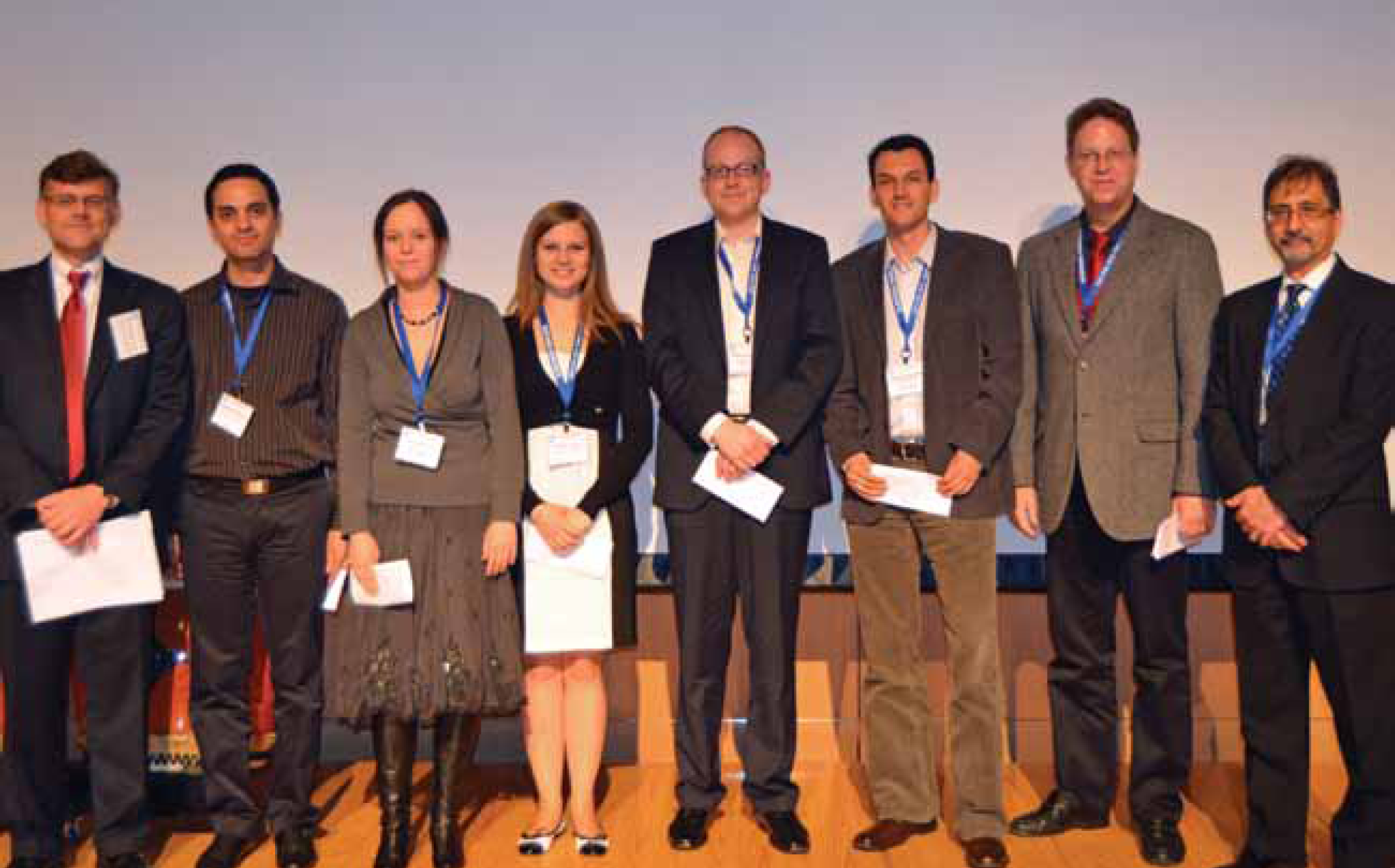
Winners of the ICAR Poster Awards received their prizes at the ICAR banquet
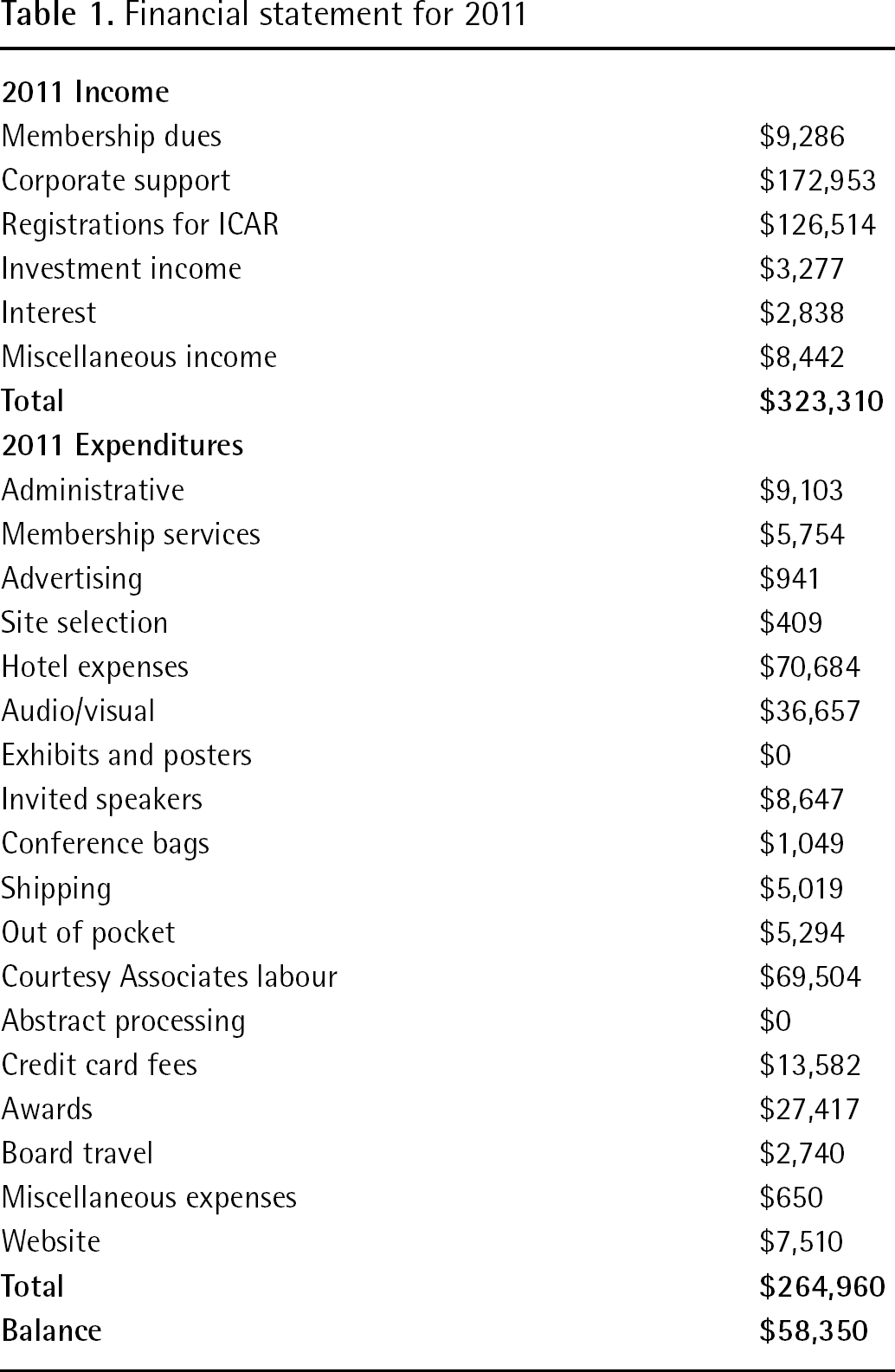
Dale Barnard, Treasurer, presented the Society's financial report for 2011 (Table 1). A summary of the accounts for 24th ICAR held in Sofia in 2011 was also provided (Table 2). Due to the efforts made by Roger Ptak (Chair of the Financing/Corporate Sponsorship Committee) to get corporate sponsorship for the 25th ICAR as well as by Masanori Baba to get generous support from the Federation of Pharmaceutical Manufacturers' Associations of Japan (FPMAJ), the City of Sapporo and JAAT, the 25th ICAR Meeting in Sapporo is expected to break even or possibly realize a surplus, even though there were fewer attendees than at previous ICAR meetings.
Financial statement for 2011
Summary accounts for 24th ICAR, Sofia, Bulgaria, 8–11 May 2011 (expenses incurred 7–11 May)

A report on the 2012 ISAR Membership was provided. Thirty-two countries are represented in the Society, with a total of 235 members. It was decided that attendees to the 25th ICAR meeting that were registered as non-members, as well as invited speakers, will automatically become members for one year, raising to 338 the total numbers of members of the Society. A total of 162 attendees from 37 different countries were registered to the 25th ICAR conference up to March 2012.
This year, the Society awarded a total of 16 Travel Grants (11 for PhD students and 5 for post-doctoral fellows) to help these members defray the costs of attending the conference. An increase in the travel funds was made available for the 25th ICAR meeting based on the distance/cost of travel to Sapporo. A world-wide distribution (Africa [4], North America [3], South America [1], Asia [3] and Europe [8]) of the
Travel Grants was reported. Increased travel funds, which will include not only travel expenses but also hotel registration, will be made available next year. Members were encouraged to apply and to read the instructions on the website to avoid missing out.
Tomas Cihlar provided a report on the Placement Committee that organizes the ICAR Career Forum each year. This committee has changed its name to ‘Career Development Committee’. Representatives of different sectors, including academia, government, small biotech, mid-size pharma, large pharma and CRO, are present at the Career Forum. This provides an opportunity for discussions on career lines and choices, and helps students to establish contact with senior members and learn from their experiences. Career advertisement is now possible at the ISAR website, under Career opportunities. International advertisement of available positions is open to everyone and does not require ISAR membership. Advertisements will be posted for 3 months and are free of charge.
The Society would like to acknowledge the career discussion moderators Timothy Block and Katherine Seley-Radtke (Academia), Sina Bavari and Takaji Wakita (Government), Scott Foster and Holger Zimmerman (small biotech), William Delaney and Raj Kalkeri (midsize Pharma), Paul Scola and Christiane Yoakim (large pharma) and Fusataka Koide, Roger Ptak and Eric Stavale (CRO) for their participation at the 25th ICAR Career Forum.
Bob Buckheit, Chair of the Program Committee, summarized the features of the 25th ICAR programme that included approximately 155 presentations (15 invited lectures in 3 mini-symposia, Keynote Address, 25th Anniversary Lecture, and Plenary Lectures, Elion and Prusoff Award Lectures, oral presentations [31 abstracts] and poster presentations [107 abstracts]). A Shotgun Poster session was included in the 25th ICAR meeting.
This year, no abstract book was published and attendees received the abstracts and programme in electronic form. The fact that the Society made available online its own abstract volume in 2012 allowed significant flexibility in abstract submission deadlines. The Society is highly interested in feedback on the programme and abstract submission and notification timelines. ISAR will continue with this green approach and no abstract book will be published during the next conference. The ICAR programme and abstracts will be available through the ISAR website and can be printed as desired. Next year, the Clinical Symposium will become an integral component of the programme.
As pointed out by Bob Buckheit, the Society aims to increase the relevance of and attendance to ICAR by: continuing peer-review enhancements to the scientific rigor of submitted presentations; including targeted and timely mini-symposia in areas of interest to our membership and attendees; providing opportunities for our young investigators to receive mentoring opportunities and highly visible opportunities to present their data, including the Shotgun Poster session; stimulating effective interactions between chemists and biologists across a broad spectrum of virus agents; and bringing in an interactive drug discovery and development session to provide education on the concepts and requirements for effective drug development.
Bob Buckheit has been Chair of the Program Committee during the last 5 years and through his efforts and diligence, the scientific quality of the meeting has improved steadily. As President-elect, Bob will be assisting with the 2013 meeting and working with Mark Prichard who will take Bob's place as Chair of the Program Committee. The Society is always looking for ideas on how to make the Scientific Program even better than it is today. Therefore, all members are encouraged to provide feedback on the content of the conference, and propose topics and speakers they would like to be included on the programme next year.
The Society awards prizes for excellence in scientific poster presentations each year. Mark Prichard, Chair of the Poster Awards Committee, described the process and eligibility criteria for the three categories of poster awards, that is, graduate students, post-doctoral fellows and young investigators. This is a very stimulating initiative for presenters of the different categories. A very motivated team of anonymous researchers scores each poster and presenters were encouraged to stand by their posters to explain their work. Award recipients are announced at the annual ICAR banquet. Katherine Seley-Radtke will become chair of the Poster Awards Committee next year.
Andrea Brancale, Chair of the Website Committee presented the new face of the Society on the web, hosted by YourMembership.com. The new website allows individual member login, online membership subscription and renewal, automatic reminders when membership is about to expire, and several new ‘social’ features to facilitate networking. ISAR is now on Facebook, Twitter (@ISARICAR) and LinkedIn. Furthermore, it is now even easier to post CVs and job advertisements at the new ISAR website.
The President closed the meeting by thanking everybody and encouraging members to get involved in the work of the Society.
The 26th ICAR in San Francisco (Joe Colacino)
Dear ISAR member, as Conference Committee chairperson, it is my pleasure to encourage you to attend ICAR from 11–15 May 2013 in San Francisco. We have been truly an international society with recent ICARs held in Sofia, Bulgaria (2011) and Sapporo, Japan (2012). From the music of the gaida or traditional goat-skin bagpipes of Bulgaria to the taiko (drum) of Japan (Figure 7), to the San Francisco Sound of those great rock groups of the '60s and '70s, our annual conference has brought scientists together to present and discuss the latest findings in antiviral research.
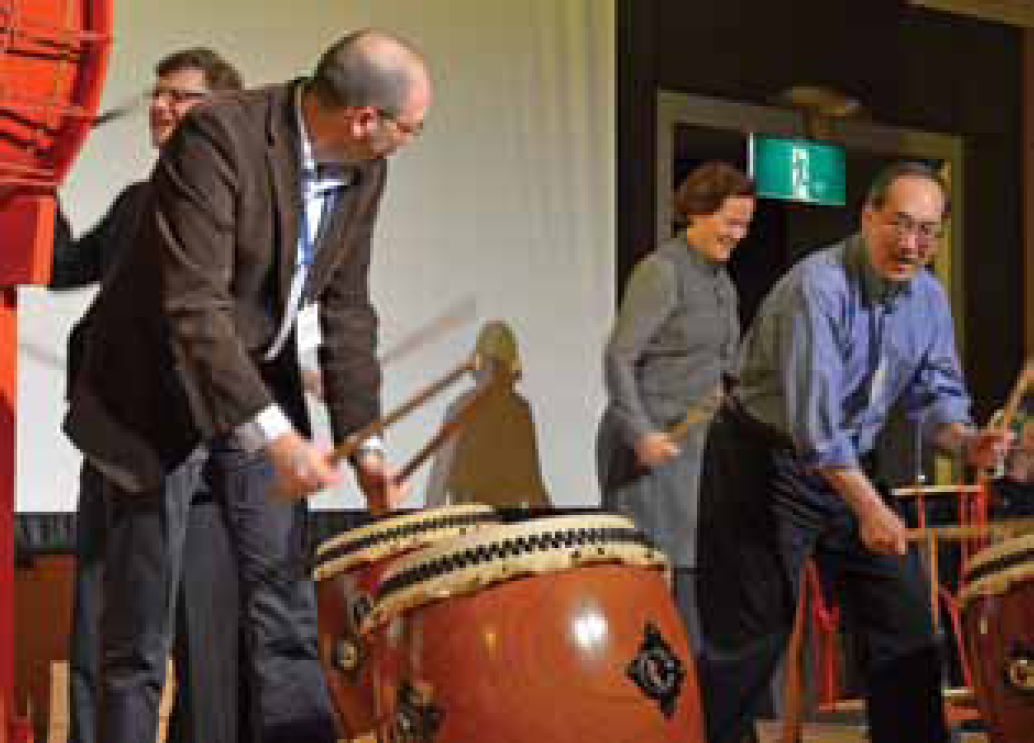
From left: Mark Prichard, Andrea Brancale, Suzanne Kaptein and Chris Tseng displaying their rhythmic skills on the Japanese Taiko drums.
The 23rd ICAR was held in San Francisco and it was an unqualified success. Because of the attractiveness of the city, the conveniently located international airports and, importantly, the wealth of antiviral biologists, chemists, virologists, pharmacologists and clinicians in the area's universities and biotech companies, we decided to have ICAR again in this vibrant city upon our return to the US. San Francisco is one of the most historic cities in the US. In 1776, colonists from Spain established a fort at the Golden Gate and a mission which was named for St Francis of Assisi. Among other notable events and eras, San Francisco is famous for the Gold Rush of 1849, the fire and earthquake of 1906, the North Beach beatniks of the 1950s, and the Summer of Love in 1968. San Francisco is rich in its scenic beauty, cultural attractions, diverse communities and world-class cuisine. San Francisco's must-see landmarks include the Golden Gate Bridge (Figure 8), the cable car system, Fisherman's Wharf, Alcatraz, Chinatown, Union Square, North Beach, the Castro District and Mission Dolores. The city offers a wide variety of dining options, many of which are located within a few miles of the Hyatt Regency, which was the host hotel of our conference in 2010 and will be the venue in 2013.
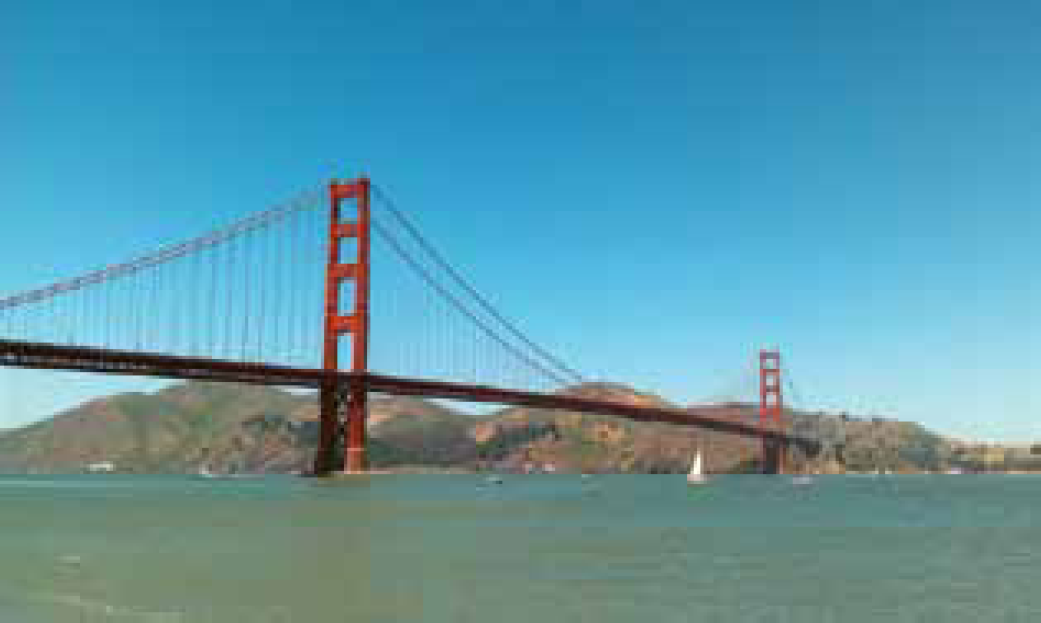
The iconic Golden Gate Bridge under a cloudless blue sky
Travelling to San Francisco is convenient, with the San Francisco International (SFO) and Oakland International (OAK) airports close by. The Hyatt Regency San Francisco is located approximately 15 miles from SFO and 19 miles from OAK. The weather in San Francisco in May is mild with an average temperature of 66°F (19°C) and precipitation of 0.7 inches (18 mm) with an average of 3.8 days having greater than 0.01 inches of rain. The mean length of May sunshine in the San Francisco Bay Area is 325 hours. Foreign currency is easily exchanged for USD at the airport or hotel and ATMs are conveniently located throughout the city. ICAR participants from outside the US should contact their Embassy or Consulate regarding any specific requirements for travel and entry to the US. If you will need a visa letter or other documents for your travel to the US, please email
Finally, I hope to see you at the 26th ICAR in San Francisco and……speaking of music, ‘If you are going to San Francisco, be sure to wear some flowers in your hair’ because at the 26th ICAR you will be able to spend a ‘Warm San Francisco Night’ and after the conference you will be able to sing, ‘I left my heart in San Francisco’. (A few minutes with Google should reveal the complete lyrics to these three songs!).
Visit the ISAR website…
Visit the ISAR website at http://www.isar-icar.com to discover more about the 26th ICAR, such as hotel accommodations, abstract submittals and preliminary programmes. Information on the conference will be posted on the ICAR website by September 2012. If you have any questions please do not hesitate to contact the ISAR/ICAR Office at 202-973-8690 or by email at
All photographs are from ISAR members and published with permission.
ISAR News is a publication of the International Society for Antiviral Research and it is published on the Society's website (www.isar-icar.com) and on the AVCC website (www.intmedpress.com/index.cfm?pid=16). ISAR News is prepared by the ISAR Publication Committee: Hugh Field (Chair), Masanori Baba, Andrea Brancale, Mike Bray, Brian Gowen, Justin Julander, Luis Schang, Ashoke Sharon, Bart Tarbet, Simon Tucker and Anthony Vere Hodge.