Other
 Restricted accessOtherFirst published December, 1988pp. 555-557

Select search scope: search across all journals or within the current journal


 Restricted accessOtherFirst published December, 1988pp. 555-557Restricted accessOtherFirst published December, 1988pp. 558-570
Growing evidence suggests that biochemical mecha nisms play a role in the pathogenesis of arthritis. Car tilaginous wear particles have been shown to induce destructive enzymes and cytokines. To assess the biocompatibility of artificial ACL replacements, the ef fects of wear particles from the following ligaments were analyzed biochemically and histologically: GORE- TEX, Stryker Dacron Ligament Prosthesis, Versigraft carbon, Kennedy LAD, Xenograft, Leeds-Keio, and hu man patellar tendon allograft. Ligaments were frozen and ground to produce wear particles similar to those seen clinically and were added to lapine synovial cell cultures. The resulting conditioned medium was ana lyzed for collagenase, gelatinase, and chondrocyte ac tivating factor (CAF) production.
All of the ligaments induced significantly elevated enzyme and CAF production by the synoviocytes, with Xenograft and carbon inducing significantly higher en zyme levels than those of the other five ligaments. Five milligrams of wear particles were injected into the knees of 4 kg to 5 kg rabbits that were analyzed histologically after 14 weeks. Wear particles accumu lated in the periarticular synovial folds and induced modest to severe macrophage infiltration in the syno vium. A hypothetical model explaining the role of artifi cial ligament wear particles in the pathogenesis of arthritis is presented.
Restricted accessOtherFirst published December, 1988pp. 571-576Clinical evaluation of knee instability is often difficult to reproduce, and several different physical tests have become popular. In an attempt to elucidate reasons for variations in the degree of pivot shift phenomenon seen with the use of the various tests, we have prospectively evaluated a group of 37 patients with surgically docu mented ACL injuries, noting the effects of hip position and tibial rotation. The patients were examined under anesthesia, and the pivot shift was graded as 0 (absent, or negative), 0.5+ (trace), 1 +, 2+, or 3+ (with locking). All knees were tested in hip abduction, neutral, and hip adduction, and with the tibia in external and internal rotation, so that six positions were evaluated.
Hip position strongly correlated with the degree of pivot shift regardless of tibial rotation. Overall, abduc tion produced the greatest degree of pivot shift, fol lowed by neutral and finally adduction. External tibial rotation increased the pivot shift score in abduction and neutral, but not in adduction. A grading system for the subject population showed that abduction/external ro tation (ABDER) resulted in the highest pivot shift scores, and that adduction/external rotation (ADDER) and adduction/internal rotation (ADDIR) resulted in the lowest scores. Nine patients out of 20 with a 3+ pivot shift in ABDER were negative in ADDER. The pivot shift score was dampened at least one grade from ABDER to ADDER in 92% of the patients.
We conclude that hip position and tibial rotation affect the degree of pivot shift phenomenon, and it is our impression that the iliotibial band plays a significant role in controlling the degree of pivot shift observed. When examining a knee for ACL insufficiency, it is critical to pay attention to the position of the leg because varia tions in hip position and tibial rotation affect the gra dation of the pivot shift sign and a false negative test may be elicited.
Restricted accessOtherFirst published December, 1988pp. 577-585Forty-one professional baseball players volunteered for upper extremity range of motion measurements and isokinetic testing for internal and external shoulder ro tation. Pitchers demonstrated 9° more external shoul der rotation with the arm abducted, 5° more forearm pronation, and 9° less shoulder extension on the dom inant side compared with the dominant side of position players. Pitchers also demonstrated 9° more external rotation in abduction, 5° less shoulder flexion, 11 ° less horizontal extension, 15° less internal rotation in ab duction, 6° less elbow extension, 4° less elbow flexion, and 5° less forearm supination on the dominant side compared with their nondominant side. Position players demonstrated 8° more external rotation in abduction, 14° less horizontal extension, and 8° less elbow exten sion on the dominant side compared with their nondom inant side. Greater torque was produced by pitchers compared with position players for the dominant and nondominant arm at all test speeds for both mean peak and mean average torque. Greater torque was pro duced by the dominant arm compared with the non dominant arm also at all test speeds for both of these measurements. No difference was found between the rotation ratios for either arm, for either group, for all speeds.
Restricted accessOtherFirst published December, 1988pp. 586-588Twenty-five ACL deficient patients (12 males, 13 fe males) were compared with 20 normal controls (10 males, 10 females) to assess the effect of a known workload on AP laxity in the ACL deficient knee. The workload was predetermined, and the exercise was performed for 20 minutes on a bicycle ergometer. Both the control and ACL deficient knees demonstrated sig nificantly increased averaged laxity after exercise. The percentage increase was less in the ACL deficient knees than in the control knees; the difference was not statistically significant. Nor was there a significant sex effect. We believe that an ACL stress test would be useful to predict which patients with documented knee instability would consequently be "at risk" of suffering disability during activity. Further investigation should be carried out to establish a stress test that would accu rately define a threshold for ACL disability and indicate the need for early reconstruction in those patients at risk.
Restricted accessOtherFirst published December, 1988pp. 589-593During a follow-up period of 16 weeks in 18 pigs, macroscopical and histological studies revealed inva sion of fibroblasts and mesenchymal cells around the carbon fiber prosthesis inserted to replace the ACL but scarce tissue ingrowth into the prosthesis proper. There was no adherence of the carbon ligament onto the bony channels. The peak tensile strength of the reconstructed ligament was about one third of the paired normal ACL ligament during the 16 week exper iment.
Restricted accessOtherFirst published December, 1988pp. 594-596Sport and medicine in ancient Greece were the result of a widespread tradition of liberty, which was at the heart of one of the most brilliant civilizations in history. Whereas war encouraged the development of surgical knowledge springing out of medical experience on the battlefield, peace promoted the burgeoning of sport as an integral part of Greek upbringing, allowing the chan neling of young people's aggressiveness into physical competition. Medicine was magical and mythological, especially in the time of Homer (9th century BC); Aes culapius, the mythical god of healing, was its reference point. With Hippocrates (5th century BC), the body of medical experience was to be codified and built up, and was to undergo a novel evolution based on the theory of the balance of the four humors. The athlete's men tality, faced with trauma in the sports ground, under went a change; injury was no longer considered a punishment by the gods. At the same time, temple offerings tendered in the hope of victory gave way to the athlete's personal preparation based on a specifi cally modified lifestyle, diet, and training. The resulting progress in medicine and public health, especially from the 5th century BC onward, was not only to favor athletic performances of high quality but also surgical techniques that were very advanced for their time. Thus it can be seen that the medical knowledge associated with the practice of sport progressed during antiquity because of its obligation to follow the warrior and then the athlete.
Restricted accessOtherFirst published December, 1988pp. 597-602One hundred ACL insufficient knees were followed for an average of 3.5 years after arthroscopic partial men iscectomy had been performed. Fifty-two percent of the patients obtained a satisfactory result and 41 % were able to participate in strenuous sports activities. The arthroscopic partial meniscectomy reduced pain and swelling in a high proportion of cases, but stability was only marginally improved. Negative prognostic fac tors were: sex (female), generalized laxity, contralateral recurvatum of more than 10°, complete as opposed to partial ACL lesions, Grade III tibiofemoral or patellar chondromalacia, associated peripheral ligamentous lax ity, pivot shift of Grade II or greater, and anterior tibial displacement of more than 5 mm as measured with the KT-1000 knee arthrometer.
Restricted accessOtherFirst published December, 1988pp. 603-609One hundred two patients underwent an arthrotomy for the primary repair of an acute ACL tear with or without an associated collateral ligament injury. The mean age was 23 years. Forty-seven patients (46%) had meniscal injuries. Meniscal injuries were found in 41 % of Group I patients (isolated ACL injuries) and in 54% of Group II patients (injured ACL/collateral liga ments). Twenty-eight medial and 22 lateral meniscal tears were noted. Twenty-six of the 50 meniscal tears (52%) were sutured in an attempt to repair the menisci. Of these, 20 of the medial (71 %), and 6 of the lateral (27%) meniscal injuries were sutured. No patients in this series required a total meniscectomy. A thorough evaluation of the menisci is mandatory in knees with an acutely injured ACL.
Restricted accessOtherFirst published December, 1988pp. 610-615Increased pressure within an osteofascial compartment may produce a compartment syndrome, one of the principal causes of circulatory compromise in acute traumatic and chronic exercise-induced elevated com partment pressure. Acute and chronic diagnostic quan titation of compartment pressures are a valuable ad junct to clinical diagnosis, particularly when used to evaluate the athlete with exercise-induced pain. This study evaluated a prototype hand-held, digital, fluid pressure monitor used for the measurement of com partment pressure in the exercising athlete.
A laboratory water and mercury manometer study, in which 50 paired, single-blind measurements were taken, revealed that the digital monitor was accurate to ±0.8 mm Hg (SD) of actual pressure with no individ ual reading more than 1 mm Hg from the actual pres sure when compared directly with a mercury and a water column. Laboratory study of bovine muscle placed within a pressure chamber revealed that the digital monitor, when assembled in the same manner as used for clinical measurement, was accurate to ±0.9 mm Hg. The needle manometer technique was also found to be accurate to ±3 mm Hg from actual pressure.
Twenty-one paired measurements of the anterola teral and posterior compartments of the hindlimbs of eight anesthetized New Zealand White rabbits by both the needle manometer and digital monitor methods by two examiners demonstrated the digital monitor to be reproducible to ±1.0 mm Hg [Coefficient of variation (CV) <7%] and needle manometer method to ±3.4 mm Hg (CV <16%) with r = 0.94. The time taken for digital monitor assembly and actual measurement was four times faster (2.3 minutes versus 8.4 minutes) than that for the needle manometer method when all materials were readily available to physicians skilled in the use of both compartment pressure measurement techniques. Paired and duplicate measurements were made using both the standard needle manometer technique and the new digital monitor on 58 patients with suspected compartment syndrome. Thirty-nine patients suffered from an acute traumatic etiology, nine athletes suffered from exercise-induced pain, and three of a vascular etiology. In patient studies, replicate digital monitor measurements were accurate to ±1.4 mm Hg (CV <6%) and to ±2.8 mm Hg (CV <12%) by the needle manometer technique, with r = 0.88. All patients toler ated the procedure well, even with the device strapped to the leg for exercise monitoring.
Nine athletes suspected of suffering from chronic compartment syndrome were studied constantly during the course of an 8 minute provocative exercise test which reproduced symptoms in each. Compartment pressures were found to be elevated at rest in eight of nine athletes and to be dangerously elevated in four of the nine patients studied, according to criteria defined by Heppenstall. The criteria of Heppenstall and of Mu barak were applied as an indication for surgical fasciot omy in all athletes studied. The hand-held monitor was found to be more accurate, versatile, convenient, and less time-consuming to use than the standard needle manometer method of compartment pressure measure ment. The new digital device is uniquely suited for easy, dependable measurement of chronic exercise-induced compartment pressure elevation in the office setting and represents a significant advance in the diagnostic management of acute and exercise-induced compart ment syndrome.
Restricted accessOtherFirst published December, 1988pp. 616-623Pathological alterations in chronic Achilles paratenonitis were studied histologically and using immunofluores cence techniques for fibronectin and fibrinogen in tissue samples obtained operatively from 11 athletes with this complaint and from 4 male cadavers serving as con trols. The average duration of the paratenonitis was 20.4 months. The paratendineal fatty areolar tissue was clearly thickened and edematous, showing widespread fat necrosis and considerable connective tissue prolif eration. The blood vessels were often obliterated and degenerated. Fibronectin and fibrinogen were com monly found in the proliferating connective tissue areas and in the vascular walls. Exudates rich in fibrinogen and fibronectin were seen in the inflamed paratendineal tissues, but not in the controls.
The results indicate that increased vascular permea bility and fibrin formation still persist in chronic Achilles paratenonitis and that marked obliterative and degen erative alterations of the blood vessels are frequent. The presence of fibronectin and fibrinogen points to an immature nature of scar tissue in chronic paratenonitis.
Restricted accessOtherFirst published December, 1988pp. 624-629Nine male volunteers participated in a 10 week meta bolic study in which subjects underwent 5 weeks of ambulatory control and 5 weeks of complete horizontal bed rest. Bed rest is a model commonly used to simu late space flight. The changes in muscle area and strength of the calf dorsiflexors and plantar flexors were measured before and after bed rest using magnetic resonance imaging (MRI) and a Cybex II dynamometer. The muscle area of the plantar flexors (gastrocnemius and soleus) decreased 12%, whereas the muscle area of the dorsiflexors was not significantly decreased. The maximal muscle strength of the plantar flexors de creased 26%; the muscle strength of the dorsiflexors was not significantly decreased. These results, which demonstrate differential muscle atrophy and a larger loss in strength relative to muscle area, have important implications in the development of exercise counter measures to be impiemented during space fiight. The results also have implications for patients who have severe orthopaedic disorders and must be bed rested for long periods of time, and for persons who are voluntarily inactive (a large number of the elderly).
Restricted accessOtherFirst published December, 1988pp. 630-636This study was an investigation of the pathomechanics of posterior sag of the tibia in knees with posterior knee instability caused by PCL deficiency. By using fresh cadaver knees, the authors hoped to define the rela tionship of the posterior joint capsule and the medial and lateral collateral ligaments (MCL, LCL) with poste rior knee instability in the PCL deficient knee. Thirty newtons of posterior stress were applied to the knees to simulate postoperative conditions. Roentgeno graphic methods were then used to evaluate posterior sag and change in the distance between the origin and insertion of the PCL. Strain gauges were used to meas ure the actual strain of the PCL and the collateral ligaments. The PCL, the posterior capsuie, and the medial and lateral collateral ligaments were sequentially divided and the above measurements were then re peated in the same way, using 30 N of applied posterior stress. When only the PCL was cut, posterior sag and medial rotation of the tibia occurred with increasing severity as flexion increased. No sagging or rotation of the tibia was observed at full extension in the knees that had isolated PCL "injury". When the posterior capsule was sectioned, no significant changes were noted in the severity of the sag or the rotation. When the MCL or LCL was divided in a PCL deficient knee, greater sag occurred with flexion and a significant sag was observed even at full extension. The MCL "injury" was associated with increased medial rotation, whereas LCL "injuries" were associated with lateral rotation of the tibia. Strain measurements on the mid- substance of the PCL were at a minimum at full exten sion and at a maximum at 90° of flexion with a passive range of motion from 0° to 90°. Both the MCL and LCL demonstrated an inverse relationship to the PCL in the intact knee: maximum strain on the MCL and LCL were at full extension.
This study suggested that in cases with a PCL injury, postoperative immobilization in full extension appears to be beneficial if MCL and LCL stability can be achieved, as these ligaments will prevent sagging in full extension, when the PCL is under the least strain. Our study also suggested that a significant posterior sag in full extension is indicative of an associated collateral ligament injury and can be partially assessed by rotation of the tibia.
Restricted accessOtherFirst published December, 1988pp. 637-640Twenty-five patients, aged between 15 and 45 years old, who were athletically active, presented with jump er's knee (patellar tendinitis). By use of ultrasono graphic examination, new and precise information was obtained that benefited the diagnosis, choice of treat ment, and monitoring of the evolution of jumper's knee in our patients. In 18 of the 25 patients, only 1 knee was affected; in 7 of the patients, both knees were affected, thus making a total of 32 painful tendons. These 25 patients were compared with a control group of 15 healthy, athletically active subjects between the ages of 25 and 35 years old.
In all of the 32 painful tendons, ultrasonographic anomalies were observed: thickening or swelling of the tendon (15 knees) appeared in acute cases; a hetero geneous structure of the tendon (24 knees); and thick ening and irregularities of the tendinous envelope (8 knees).
The 15 acute patients all responded to classic con servative treatment including physical therapy and elec trotherapy. Four of the remaining 10 patients were treated successfully with various conservative treat ments, including deep transverse friction massage with ice. The other six patients were treated surgically, with tenolysis and "carding" of the patellar tendon. In one patient, this procedure failed, and 12 months later a second operation was performed, in which the distal pole of the patella was resected and the patellar tendon reinserted into bone. Recovery was uneventful. Now, at least 2 years after treatment, all of the patients consider themselves healed.
Restricted accessOtherFirst published December, 1988pp. 641-646Because of the increasing number of ligament sprains being treated with nonsteroidal antiinflammatory drugs (NSAIDs), this study was undertaken to document the effects of one such drug on ligament healing in an experimental setting. Male Sprague-Dawley rats weigh ing between 400 and 500 g were used to evaluate the effect of the NSAID piroxicam on the healing of an experimental injury to the medial collateral ligament (MCL). The following factors were varied in the experi ments: dosage, days of treatment, and the day postin jury when treatment was begun. Piroxicam-treated rats were compared to placebo-treated rats in terms of the drug's effect on the mechanical strength of the healing ligament. The ligaments were mechanically tested in tension to failure at a constant deformation rate of 0.25 mm/sec on a materials testing machine. Administration of piroxicam on Days 1 to 6 postinjury resulted in a 42% increase in strength at Day 14 postinjury for the piroxicam-treated ligaments (P < 0.01) when compared with the placebo-treated controls. Neither doubling nor halving the standard piroxicam dose significantly al tered this increased healing strength. Biochemical analysis of collagen synthesis demonstrated a sugges tive, although not statistically significant, increase in collagen synthesis and collagen content in the piroxi cam-treated healing ligament. In separate experiments, piroxicam had no effect on the healed ligament at 21 days or on the strength of uninjured ligaments. In conclusion, piroxicam increased the early strength of healing ligaments in the rat when the drug was admin istered for short periods of time after injury. It did not affect the final strength when healing was complete, nor did it alter the strength of uninjured ligaments.
Restricted accessOtherFirst published December, 1988pp. 647-652Maxillofacial and dental injuries were studied in regis tered players of American football, bandy, basketball, and handball in Finland between 1979 and 1985. In American football, where facial protection is complete and mandatory, maxillofacial and dental accidents ac counted for only 1.4% of all accidents. In bandy, where facial protection was inadequate during the time of study (only the helmet and extraoral mouth protector were mandatory), the respective figure was 10.6%. The most frequent causes of injury were a blow from an other player (in American football, basketball, and hand ball) or a blow from the stick (in bandy).
In American football, the mean cost of treatment related to maxillofacial and dental injuries was only 60% of the mean total cost of all injuries. In contrast, the mean cost of treatment for maxillofacial and dental injuries in basketball and bandy was twice and three times as high, respectively, as that for all injuries. The need for adequate facial protection in contact sports is also discussed.
Restricted accessOtherFirst published December, 1988pp. 653-655The object of this study was to document the preva lence of illness and absence in members of three men's intercollegiate athletic teams: varsity wrestling, swim ming, and gymnastics. Team members (N = 87) were interviewed weekly in January and February during 8 weeks of their competitive season. Symptoms, signs, and their duration were recorded on a standard form, as well as the number of days of absence from at least one class or team practice or competition. Mean prev alence of illness was 54 per 100 persons during the first 5 weeks of the study and 30 per 100 persons during the last 3 weeks. Eighty-six percent of the athletes had at least one respiratory illness during the 8 week period and 40% reported skin problems. There were no significant differences among teams for respi ratory or skin problems. Gastrointestinal symptoms were significantly more frequent among swimmers than among wrestlers or gymnasts (χ2 = 16.1, df = 2, P < 0.001). During an illness, an athlete was less likely to miss class than practice or competition (χ2 = 5.33,
Restricted accessOtherFirst published December, 1988pp. 656-659A randomized, double-blind, parallel-group clinical trial compared diclofenac sodium (Voltaren, Ciba-Geigy Summit, NJ) with aspirin for the treatment of acute sprains and/or strains of the knee or ankle. One hundred thirty-nine patients were admitted to the study. Patients received either 150 mg (75 mg twice daily) of diclofenac (N = 69) or 3.6 g (1.2 g three times daily) of aspirin
Restricted accessOtherFirst published December, 1988pp. 660-664Basal plasma hydroxyproline was measured in 104 male Navy Seal candidates 1 week into their intense physical training program, which lasted 7 weeks, and correlated to the incidence of connective tissue injuries incurred later in the training program. Eleven subjects (10.6%) were diagnosed as having connective tissue injuries. Those subjects with connective tissue injuries had a significantly higher (P < 0.05) mean plasma hydroxyproline value (4.02
Restricted accessOtherFirst published December, 1988pp. 665-669Initial reports of herpes gladiatorum, a skin infection of wrestlers caused by herpes simplex virus (HSV), fo cused on case histories and clinical presentations of this disease. To more adequately address broader ep idemiologic questions concerning this skin infection, we surveyed members of four southeastern college wres tling teams, sampled high school and college athletic trainers nationwide, and obtained serum specimens from members of one college wrestling team for HSV antibody studies. Nine of 48 (18.8%) college wrestlers in the southeastern athletic conference reported histo ries of herpes gladiatorum. Wrestlers with a prior history of oral HSV infection (cold sores) were less likely to report HSV skin infection than wrestlers without cold sores (RR = 0.25; 95% C.I. 0.03 to 1.8), while wrestlers with exposure to opponents with cutaneous HSV le sions were at high risk to develop herpes gladiatorum (RR = 9.4; 95% C.I. 2.2 to 40.0). The national survey of athletic trainers indicated that 7.6% of college wres tlers and 2.6% of high school wrestlers had HSV skin infection during the 1984-85 season. Herpes gladiato rum is a common problem among college wrestlers, and morbidity associated with this skin disease can be significant.
Restricted accessOtherFirst published December, 1988pp. 670-673 Restricted accessOtherFirst published December, 1988pp. 674-676
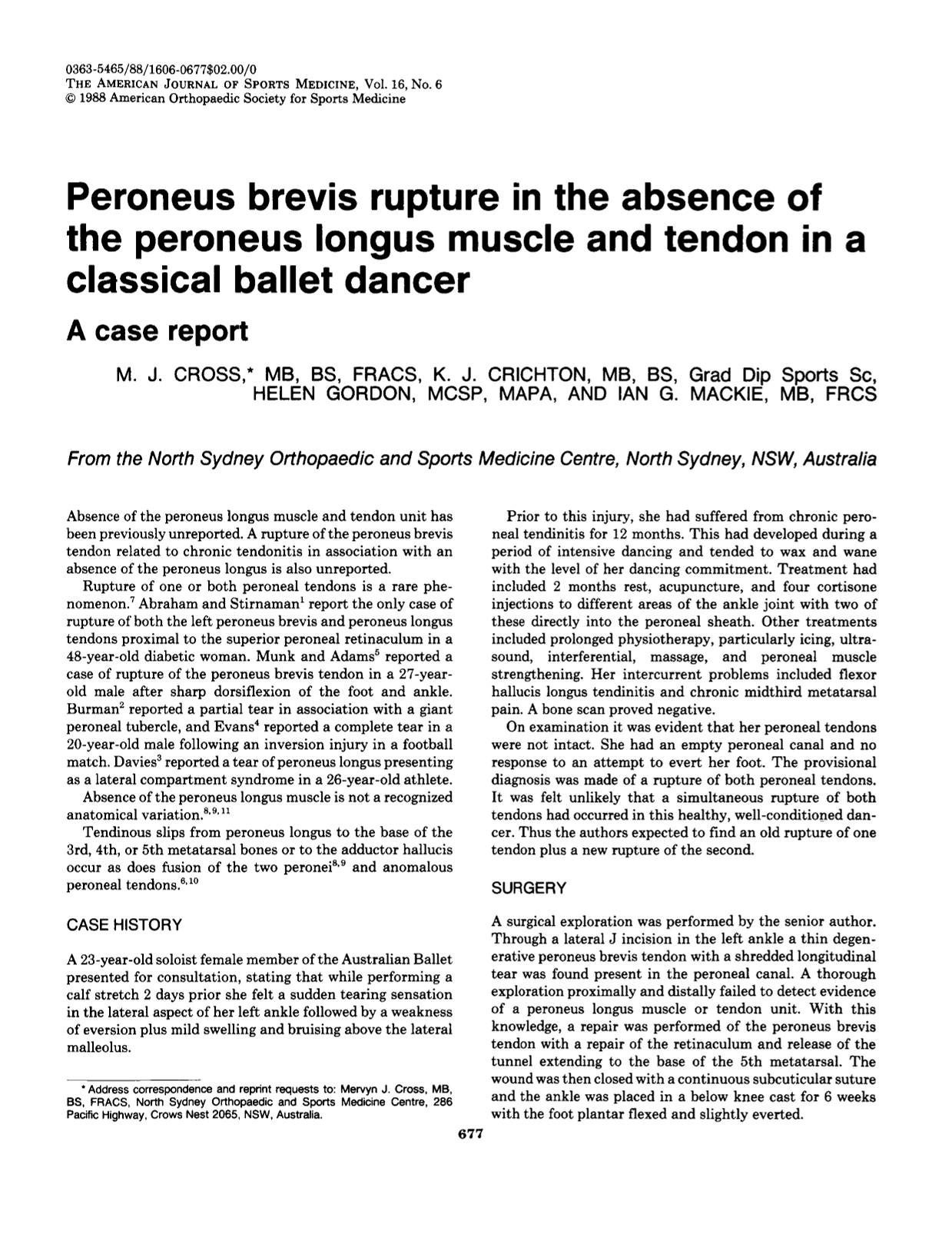
 Restricted accessOtherFirst published December, 1988pp. 677-678
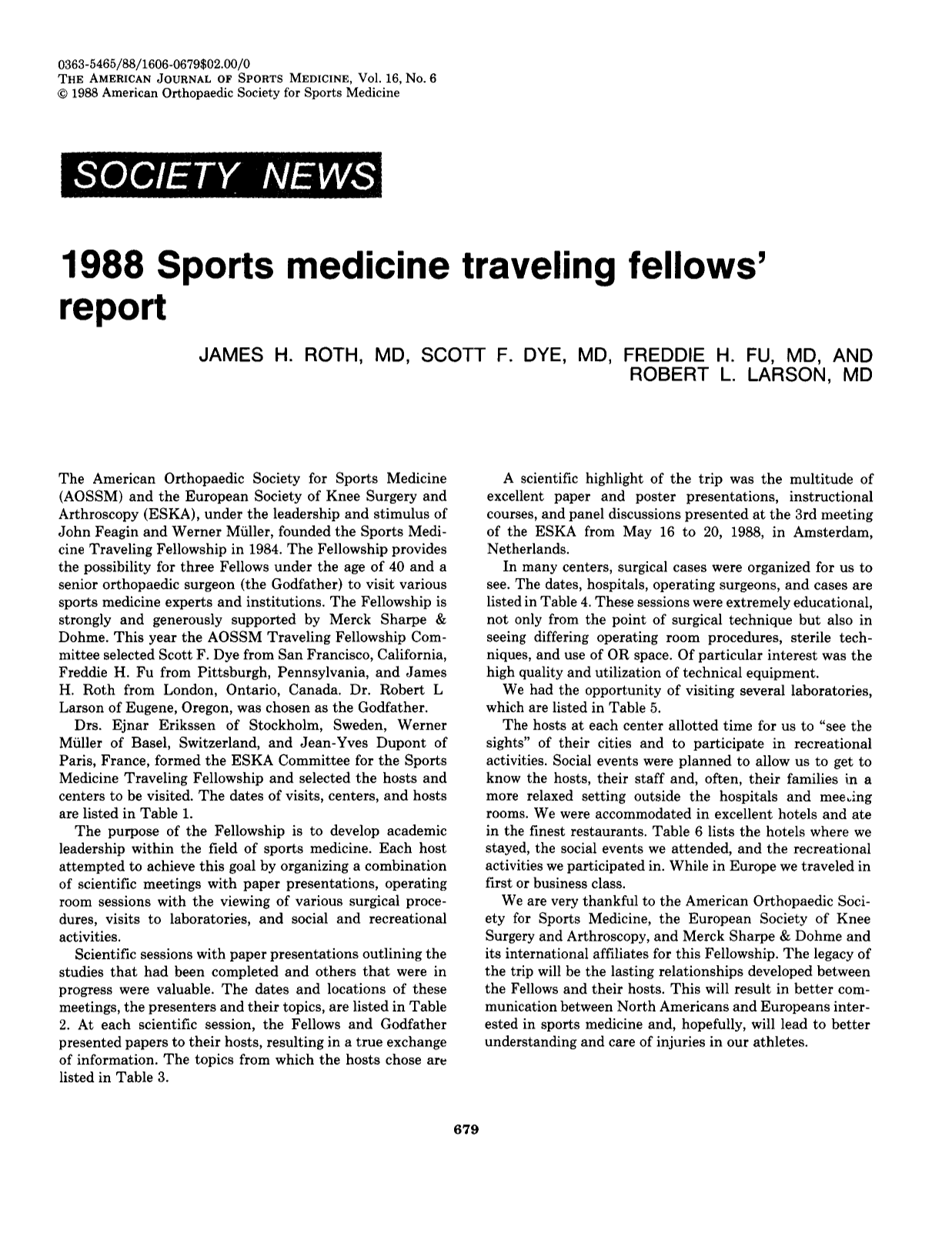
 Restricted accessOtherFirst published December, 1988pp. 679-685
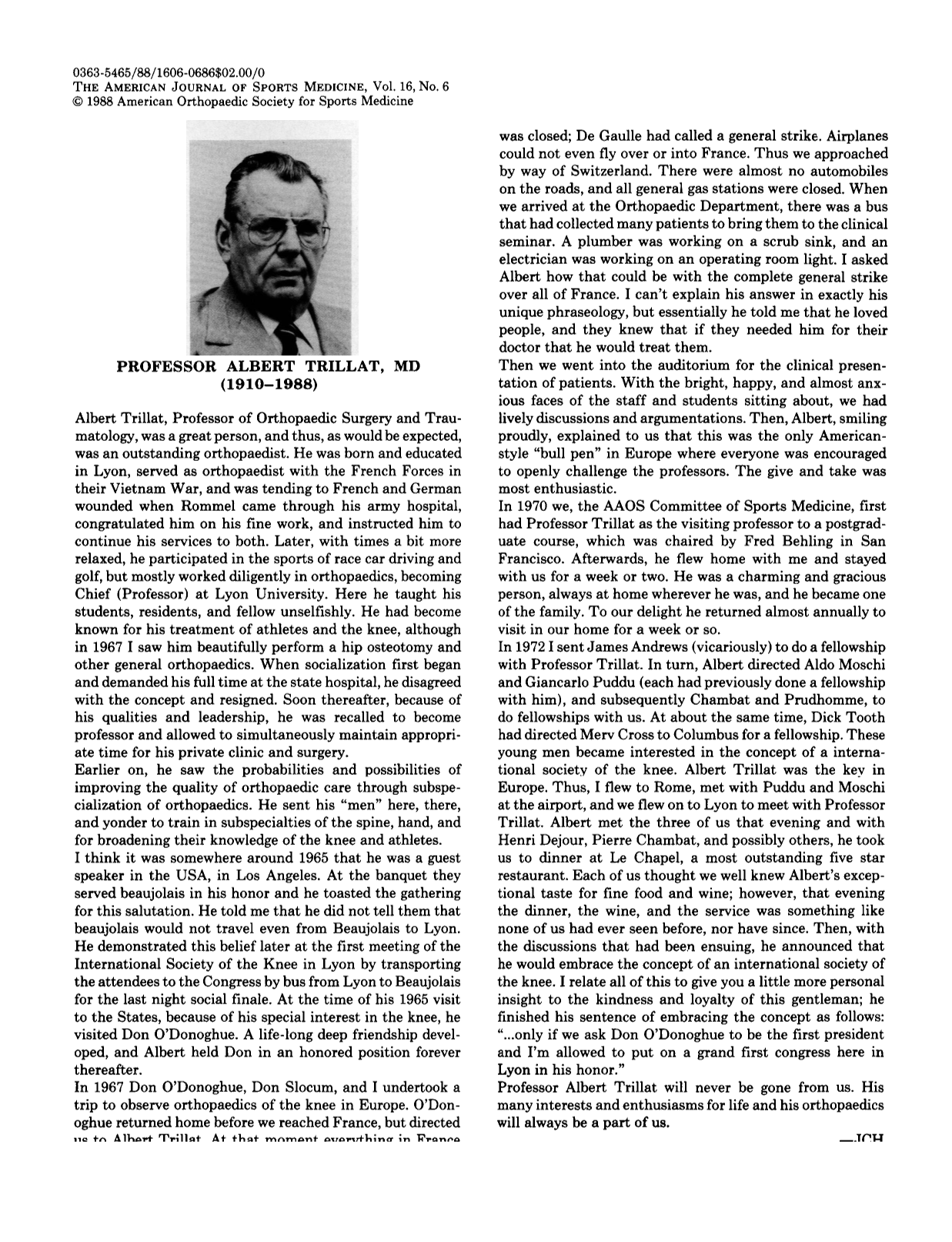
 Restricted accessOtherFirst published December, 1988pp. 686-686
 Restricted accessOtherFirst published December, 1988pp. 687-687
 Restricted accessOtherFirst published December, 1988pp. 687-687