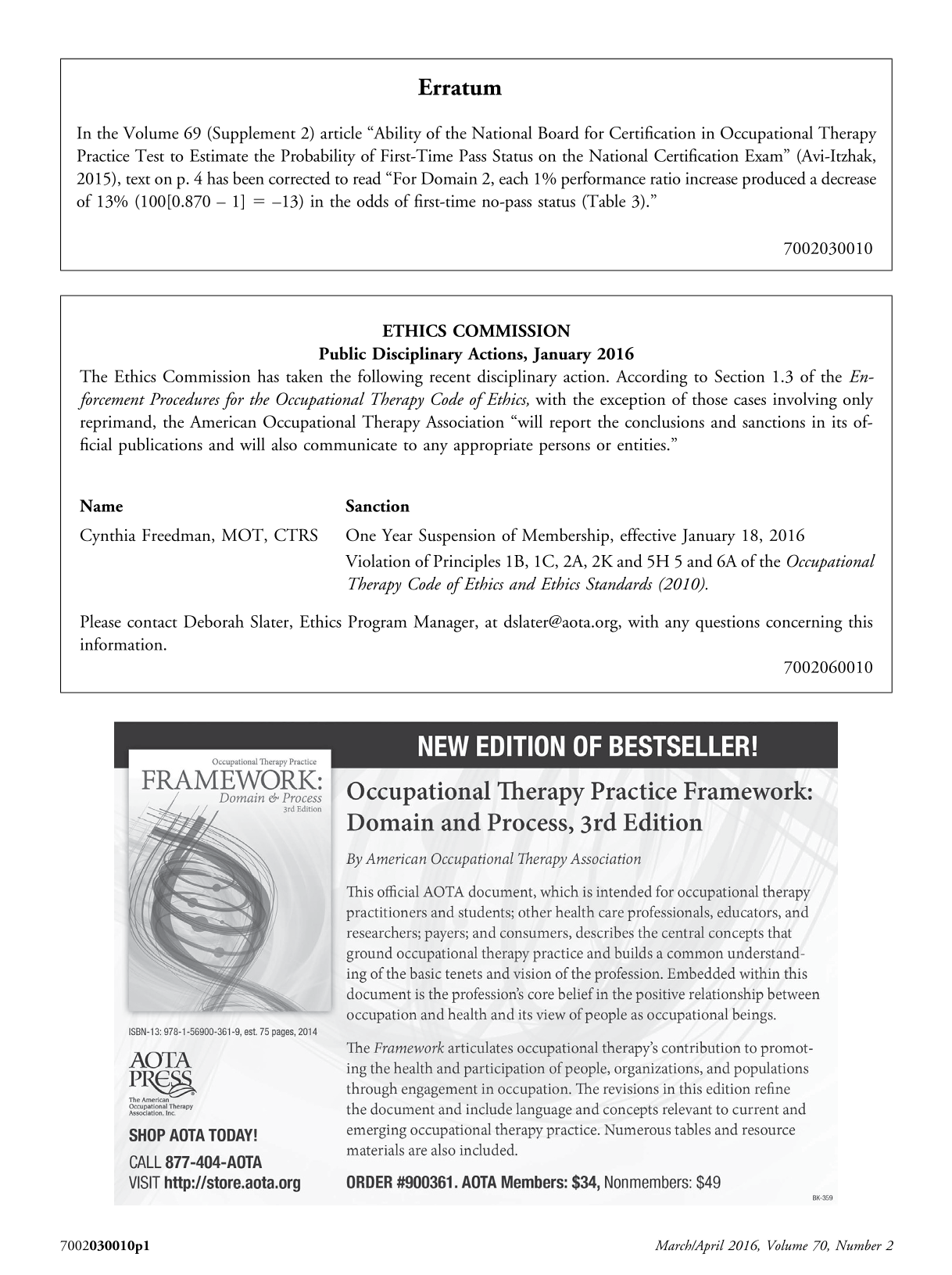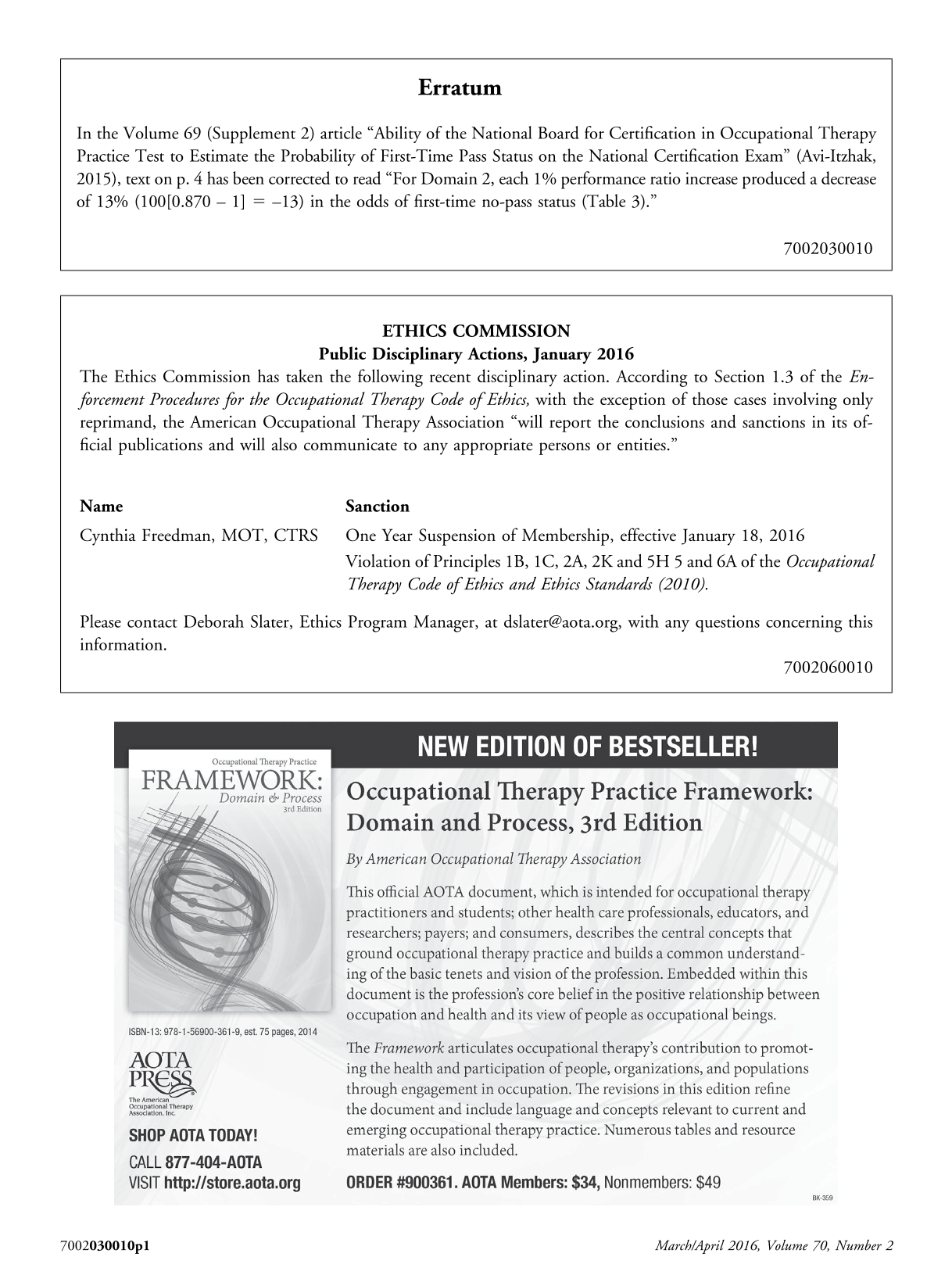
Correction
 Free accessCorrectionFirst published February, 2016pp. 152-153

Select search scope: search across all journals or within the current journal

 Free accessCorrectionFirst published February, 2016pp. 152-153Free accessNewsFirst published February, 2016pp. 153-154Free accessOtherFirst published February, 2016pp. 154-160Free accessResearch articleFirst published January, 2016pp. 160-167
 Free accessResearch articleFirst published January, 2016pp. 167-176Free accessCase reportFirst published January, 2016pp. 176-183Free accessResearch articleFirst published January, 2016pp. 183-192Free accessResearch articleFirst published January, 2016pp. 192-202Free accessResearch articleFirst published January, 2016pp. 202-208Free accessResearch articleFirst published January, 2016pp. 208-215Free accessResearch articleFirst published January, 2016pp. 215-224Free accessResearch articleFirst published January, 2016pp. 224-234Free accessResearch articleFirst published February, 2016pp. 234-243Free accessResearch articleFirst published January, 2016pp. 243-253Free accessResearch articleFirst published February, 2016pp. 253-261Free accessResearch articleFirst published January, 2016pp. 261-270Free accessResearch articleFirst published February, 2016pp. 270-278Free accessResearch articleFirst published January, 2016pp. 278-286Free accessBrief reportFirst published February, 2016pp. 286-291Free accessOtherFirst published January, 2016pp. 291-296Free accessOtherFirst published February, 2016pp. 296-300