



The importance of the upper respiratory tract as a portal of entry for pathogenic micro-organisms amply justifies attempts to increase its resistance against their invasion. We have recently shown 1 that the local introduction of antigen into an area of mobilized histiocytes leads to the local formation of specific antibody. We have extended such studies to the nasal mucosa, assuming that a similar response might be obtained there following repeated applications of an antigen. This assumption was based on the probable mobilization of cells of inflammation in the mucosa, with consequent fixation of antigen among differentiated histiocytes.
Rabbits were treated intranasally at daily intervals of 2 to 13 days with a formolized vaccine of
The content of agglutinin in the nasal mucosa in animals treated daily by insufflation or instillation for at least 11 days was always distinctly higher than that of either the spleen or liver.
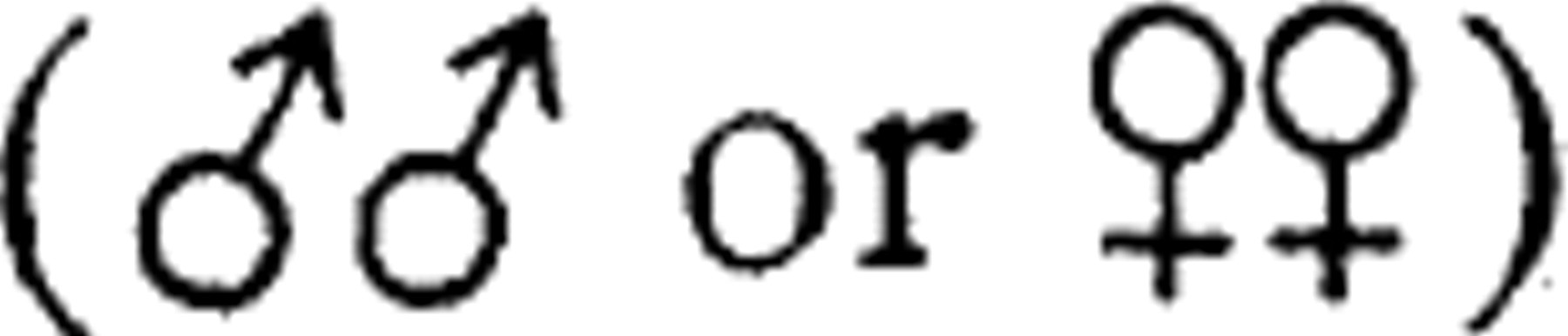 or
or  ) combinations in 80 pairs of animals of the same species which had been joined in parabiosis in embryonic stages comparable to those used by the writer for transplantation of gonadic primordia. To determine whether the local (Buffalo) strain of
  ; 6
; 6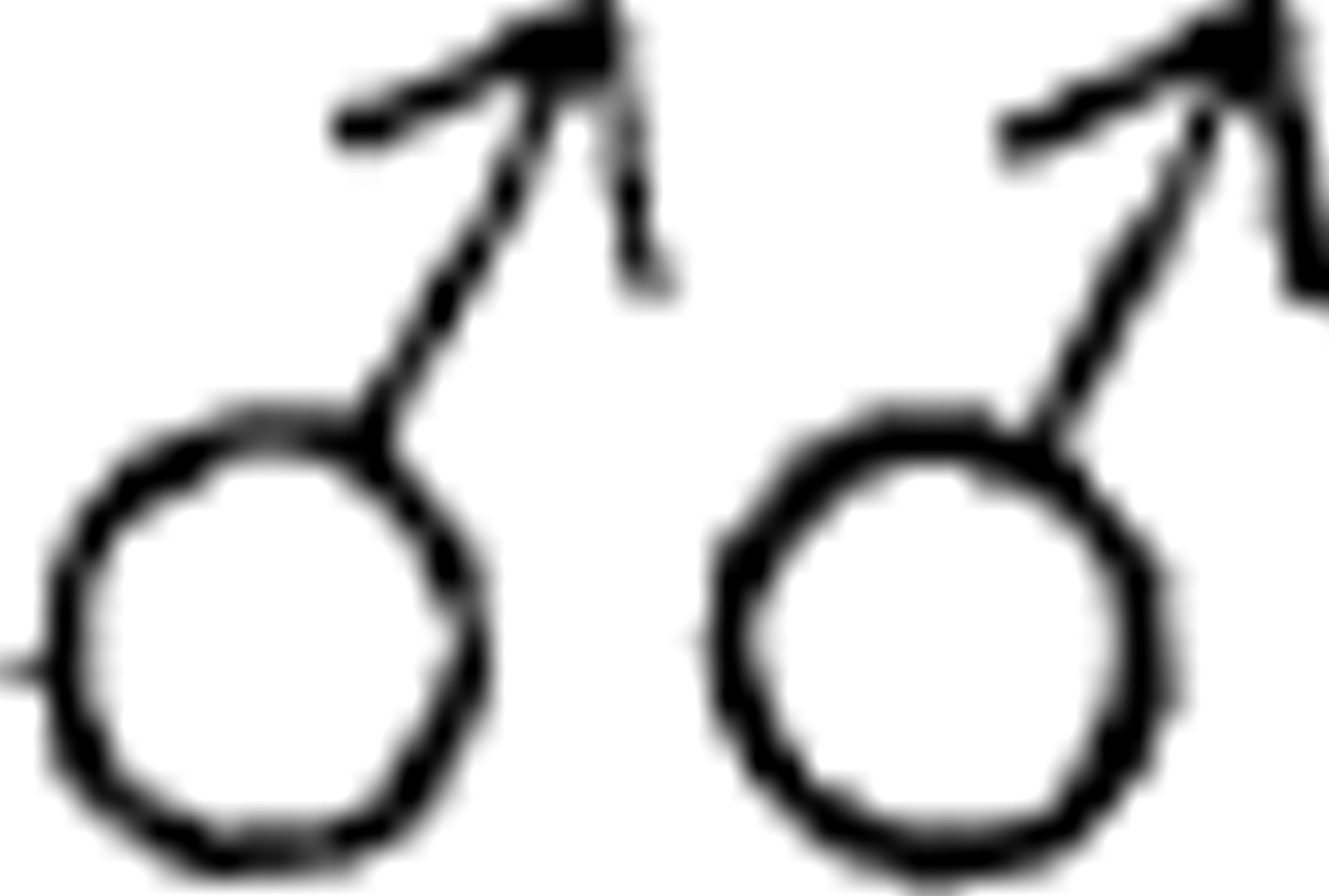 ; 8
; 8  . In all 6 heterosexual pairs the ovaries of the female member had undergone modification under the influence of the male twin. The central ovarian cavity was absent and the cortex reduced, though in no case to a completely sterile condition. In 2 cases the development of hilar and medullary germ cells in one ovary of the female was sufficient to give that gonad the character of a retarded testis; the other ovary in each of these animals, however, exhibited only the usual freemartin state with little or no evidence of reversal.