



The alleged ability of sodium rhodanate (thiocyanate) to peptize heat-coagulated egg albumin led Bancroft and Rutzler 1 to elaborate a general theory, based upon an early observation of Claude Bernard, 2 that anesthesia is the result of a reversible coagulation of the colloids of the brain-cells, and that the action of narcotics in general can be antagonized by peptizing agents such as NaCNS and NaI. Their principle has been so extended in its application that now such pathological conditions as drug addiction, 3 histamine poisoning, 4 and insanity 5 , 6 are held by them to result from disturbances in the colloidal state of the nervous system.
The action of NaCNS as a narcotic antagonist was studied, to determine whether the action postulated for it could be observed in the case of a simple cell. The material was the egg of
Preliminary determinations were made to determine the toxic and lethal effects of different concentrations of ethyl urethane and sodium thioeyanate. In all cases freshly shed eggs of a single female were selected, using the criteria suggested by Just 8 for obtaining normal eggs. The eggs were washed twice to remove the perivisceral fluid, pipetted into sea-water solution, beakers covered, and after requisite time, washed and inseminated in sea-water. Controls were run for each determination. The solutions were made from purest reagents obtainable, with sea-water acting as natural buffer. The criterion of viability was the development of gastrulae and pluteii. When striking abnormalities were observed in the larvae the concentration was designated as toxic; when development was inhibited, as lethal.

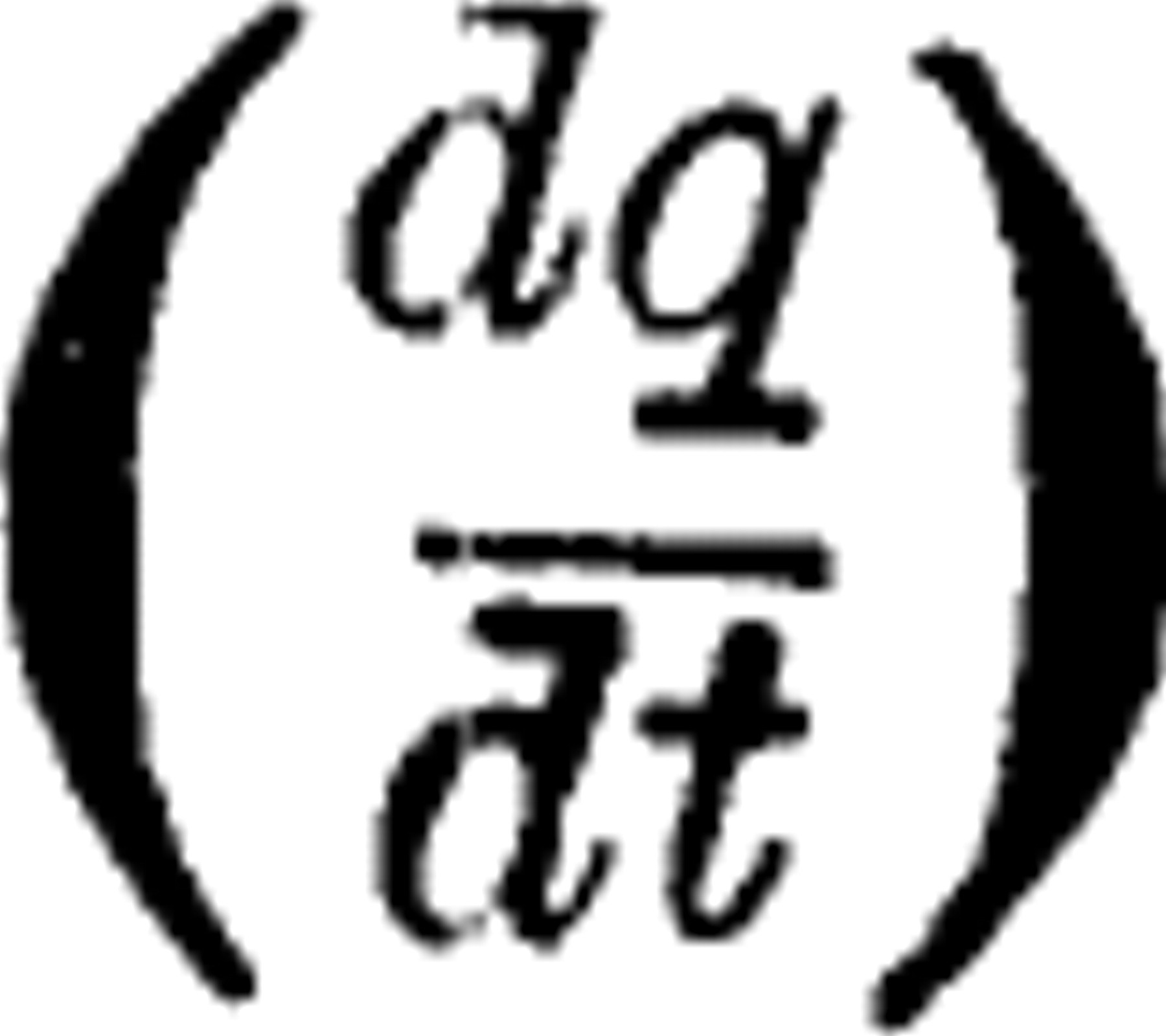 fails to change rapidly—a condition, as we have seen, which is actually reached on the average during the second and third decades of life. For constant values of
 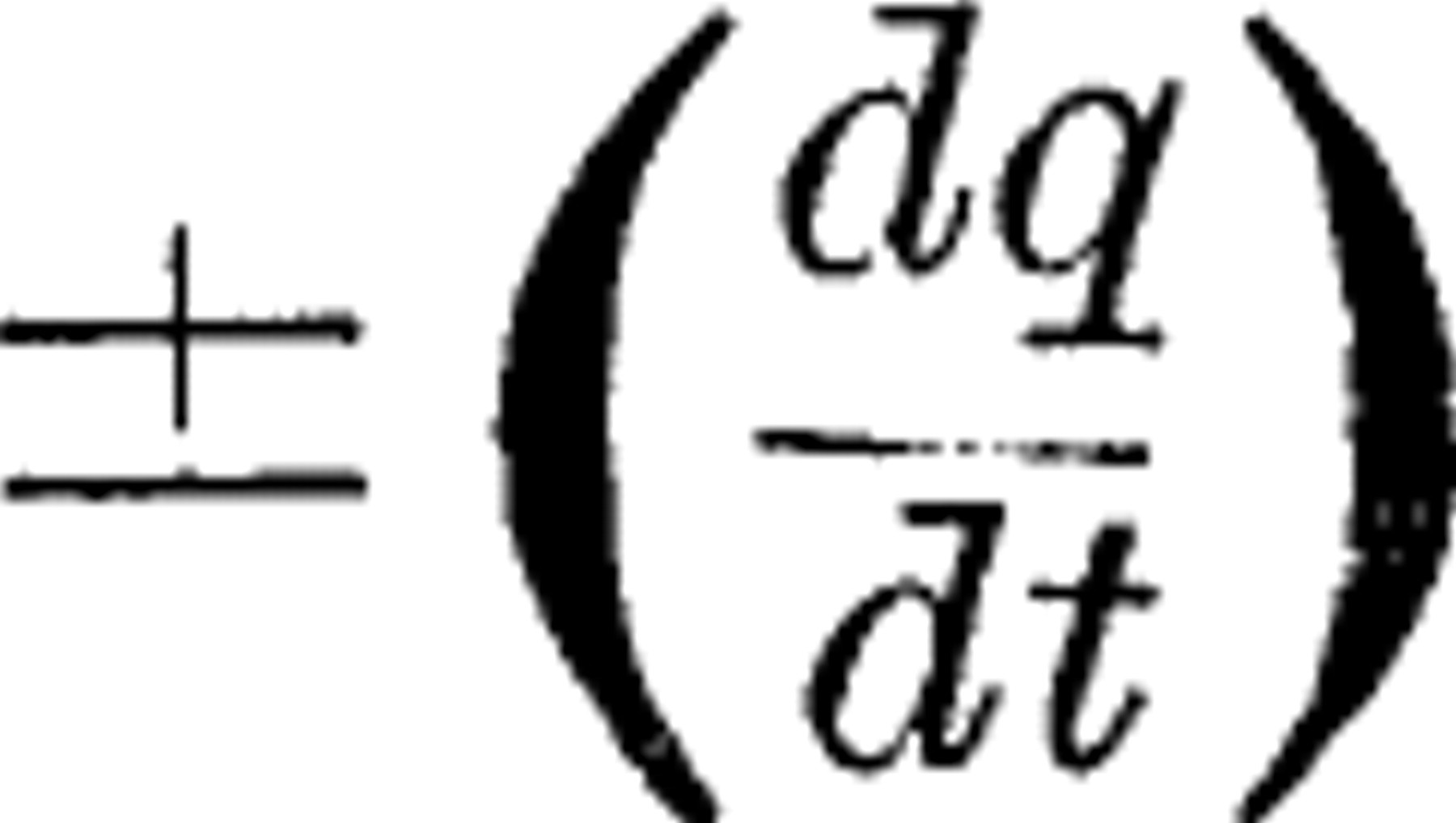 ,
, 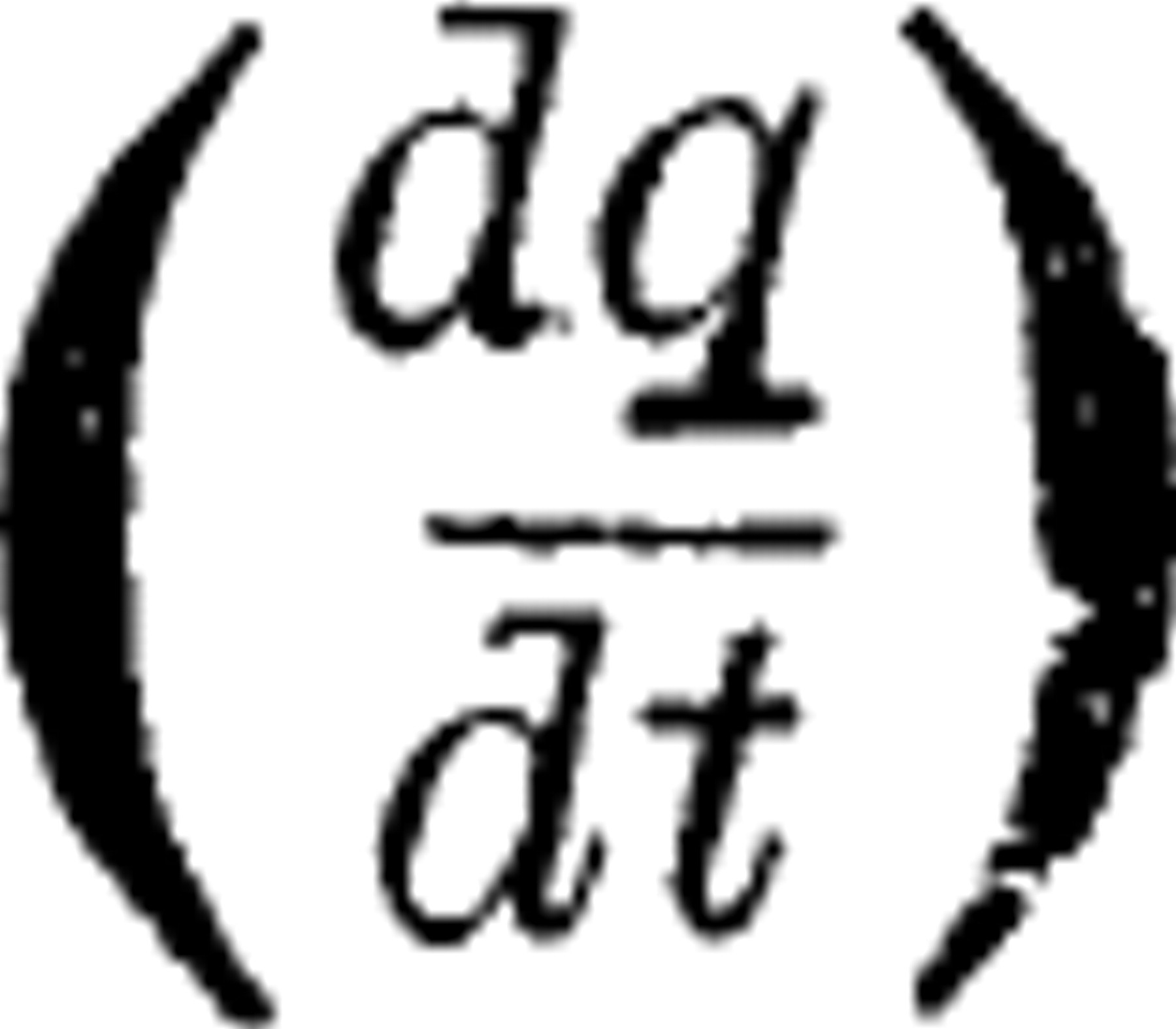 is positive there cannot be a true minimum, although
 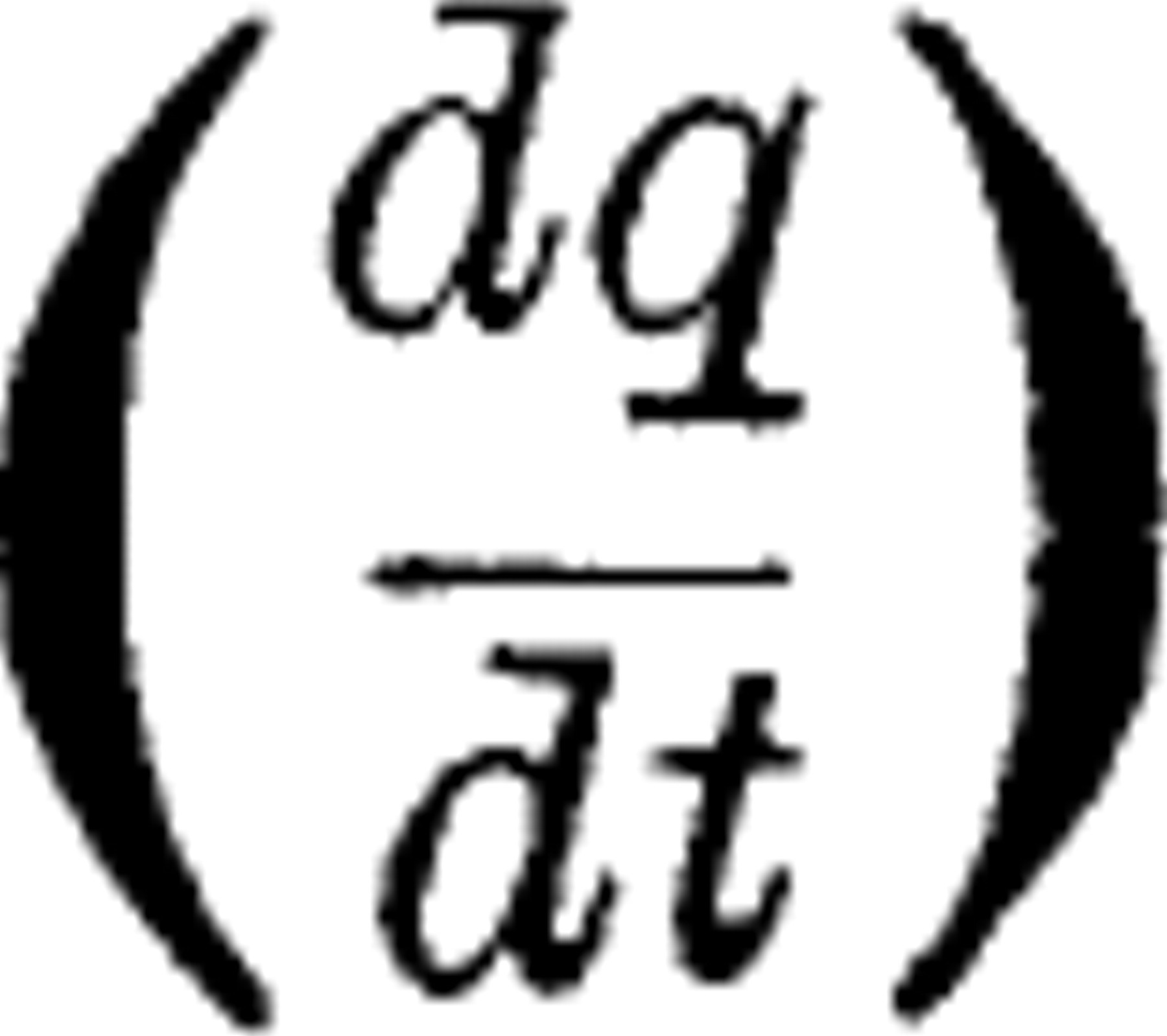 , a rather significant result may be at once attained by differentiating (7) with respect to
 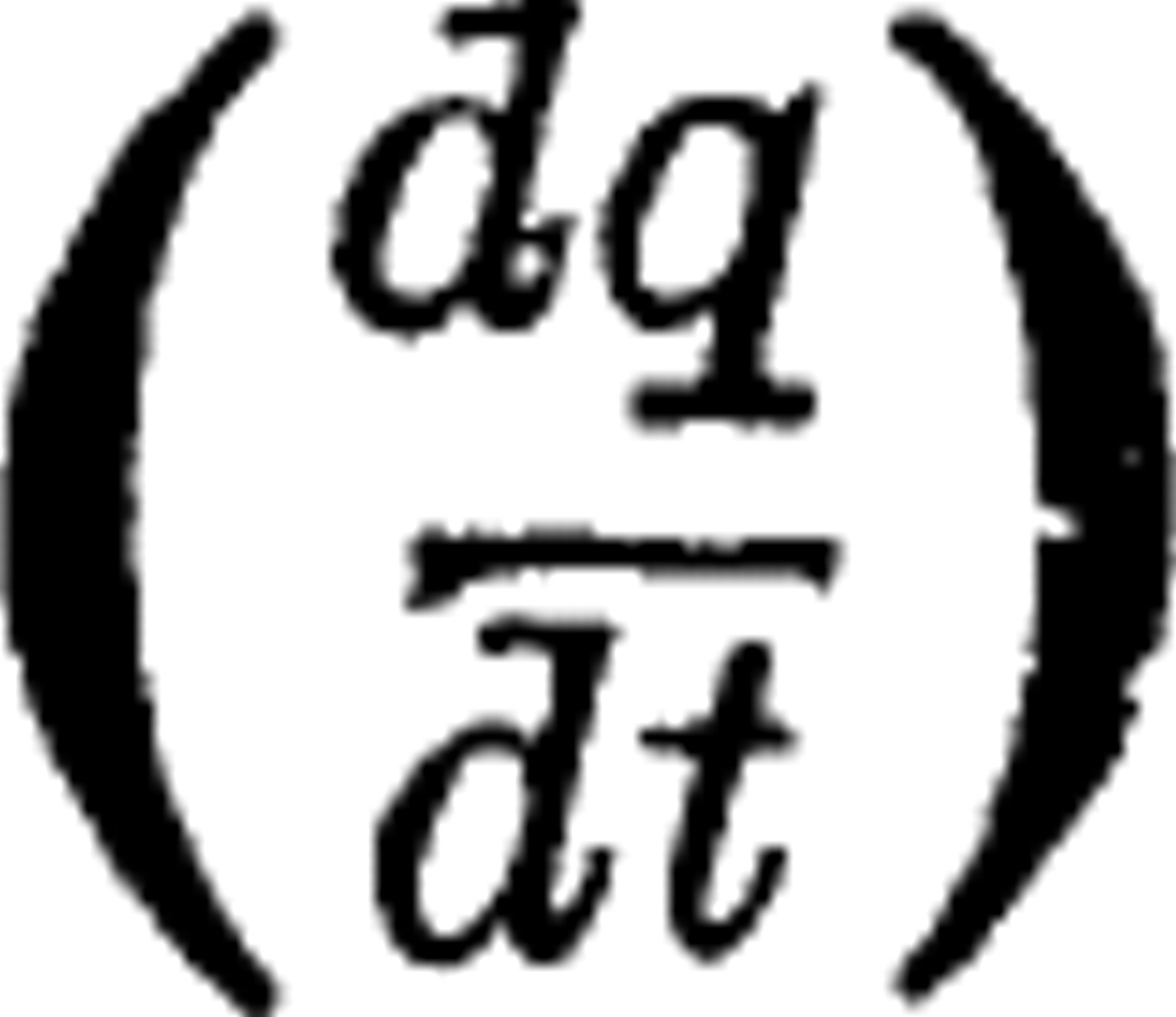 is negative, and equal to
 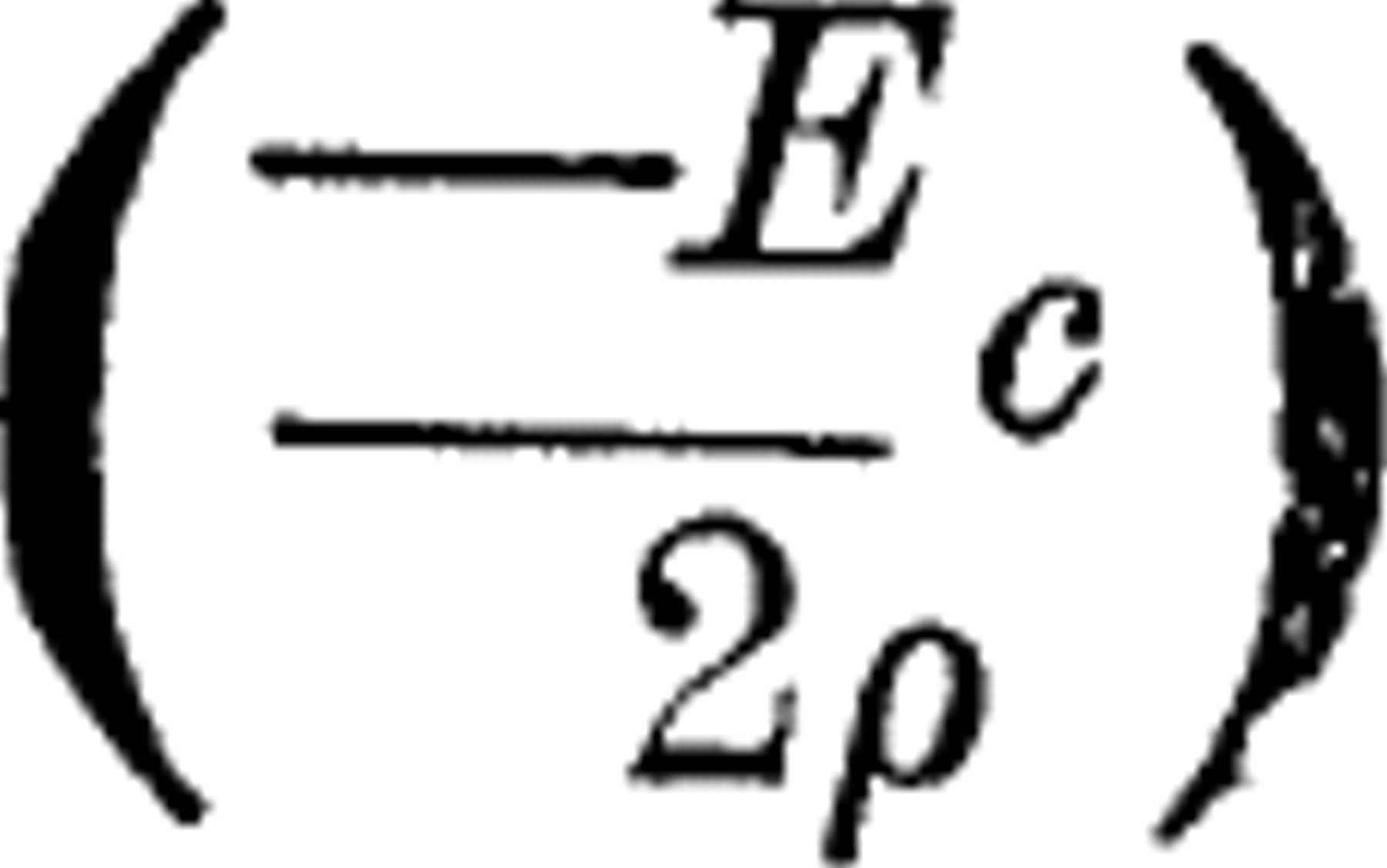 .
.