Editorial
 Restricted accessEditorialFirst published February, 2002pp. 1-2

Select search scope: search across all journals or within the current journal

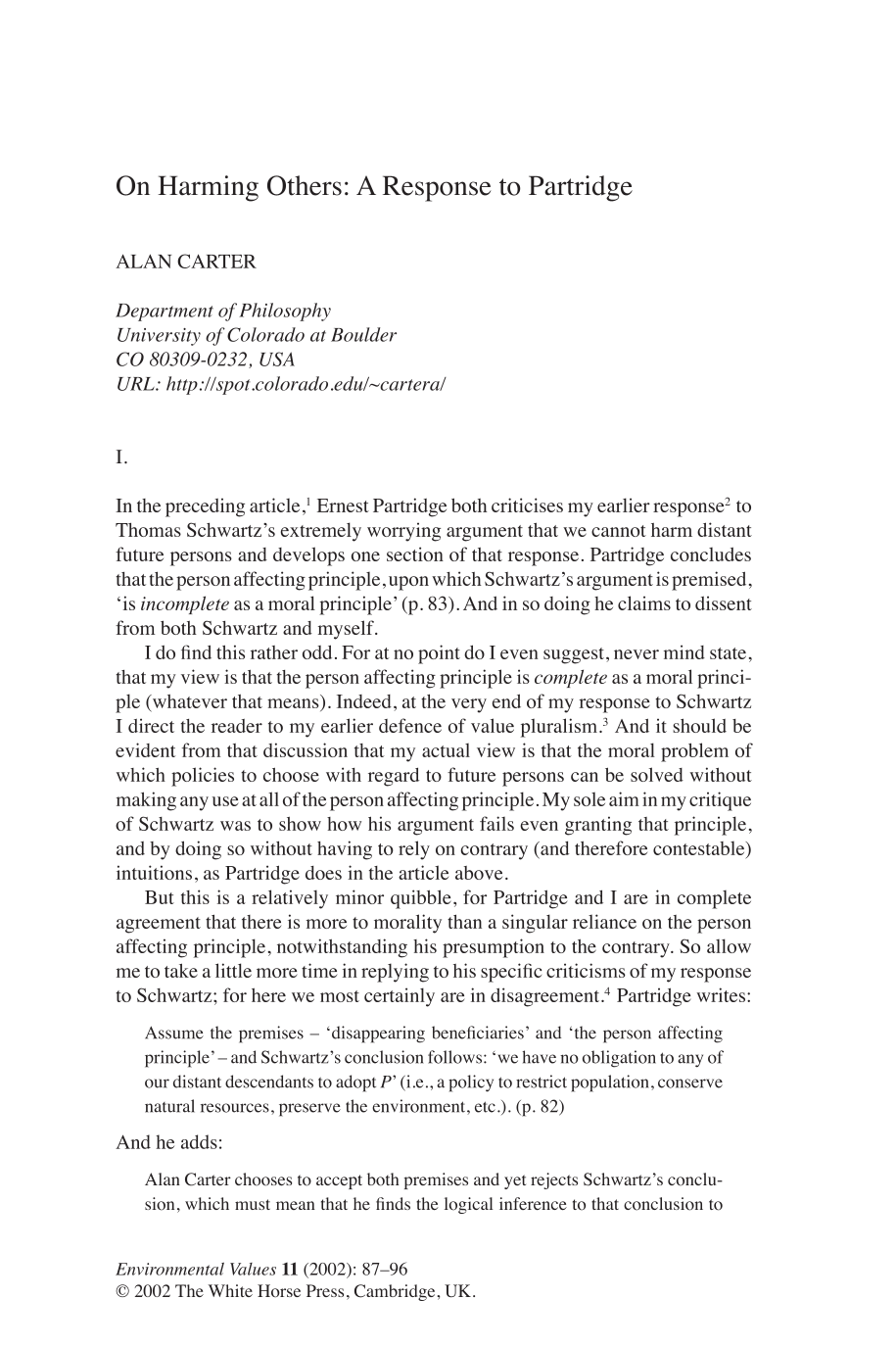
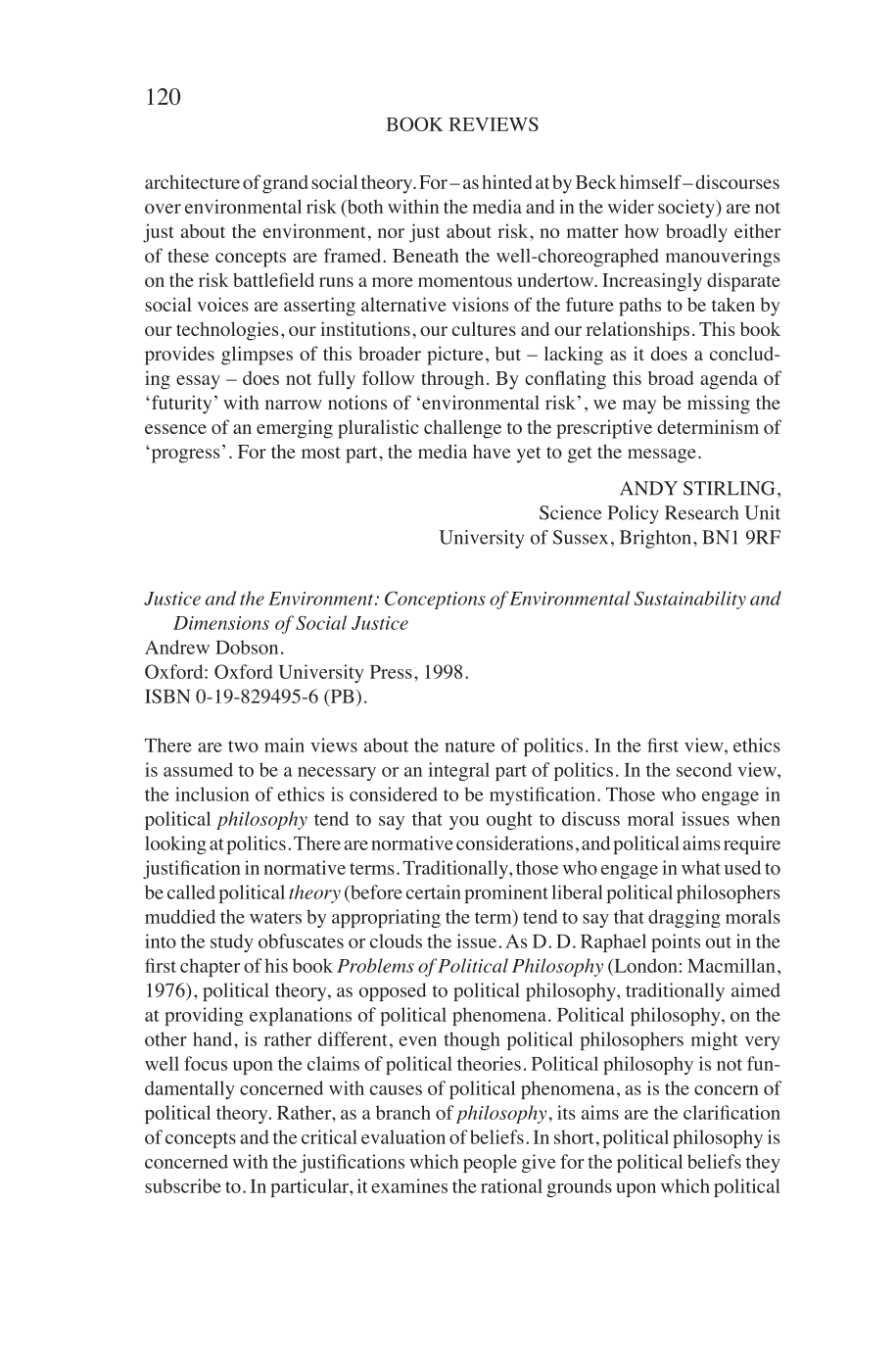
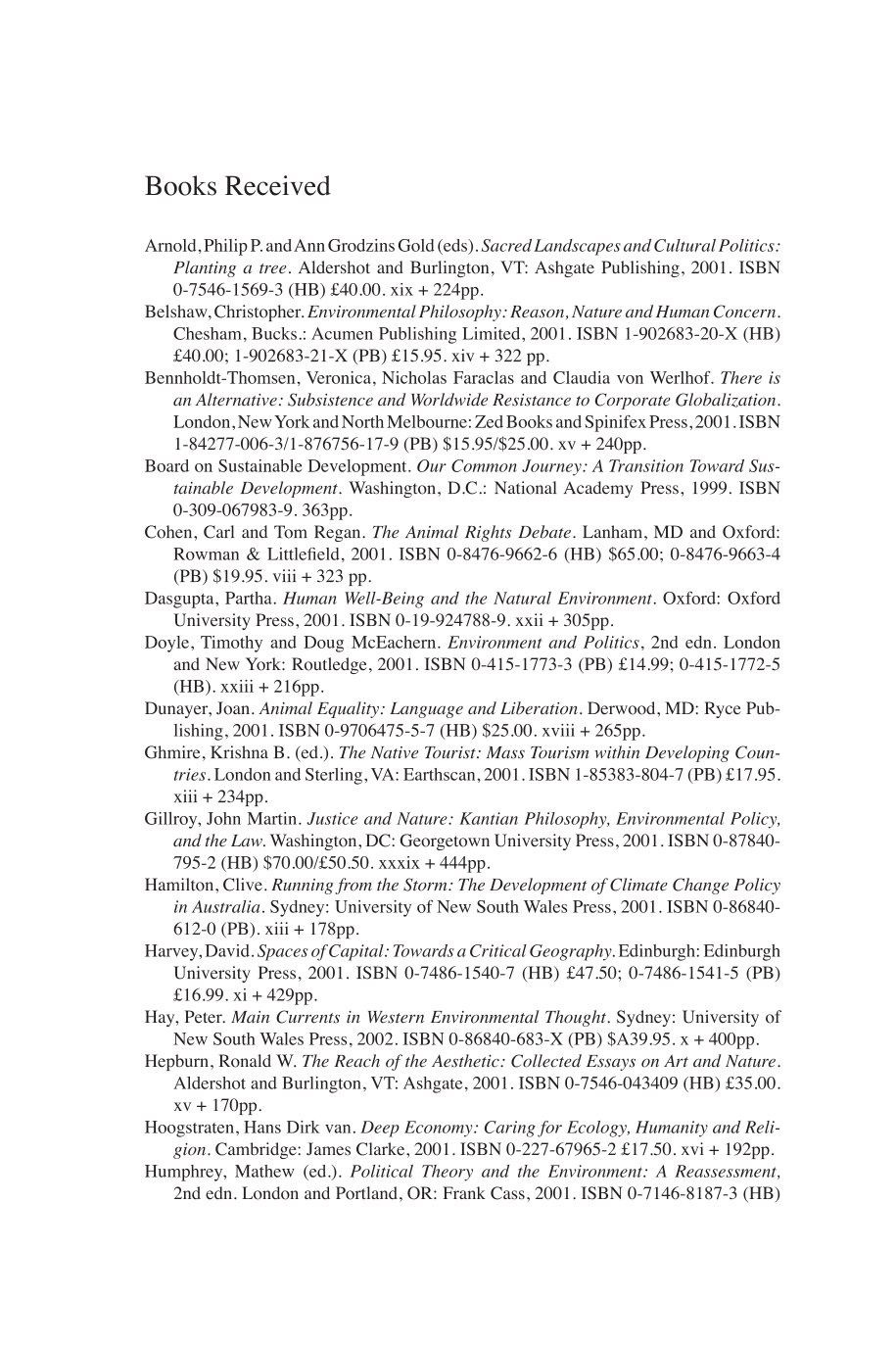
 Restricted accessEditorialFirst published February, 2002pp. 1-2Restricted accessResearch articleFirst published February, 2002pp. 3-25Restricted accessResearch articleFirst published February, 2002pp. 27-46Restricted accessResearch articleFirst published February, 2002pp. 27-46Restricted accessResearch articleFirst published February, 2002pp. 49-62Restricted accessResearch articleFirst published February, 2002pp. 49-62Restricted accessResearch articleFirst published February, 2002pp. 63-74Restricted accessResearch articleFirst published February, 2002pp. 63-74Restricted accessResearch articleFirst published February, 2002pp. 75-85Restricted accessResearch articleFirst published February, 2002pp. 75-85Restricted accessResearch articleFirst published February, 2002pp. 87-96Restricted accessResearch articleFirst published February, 2002pp. 87-96Restricted accessBook reviewFirst published February, 2002pp. 97-102Restricted accessBook reviewFirst published February, 2002pp. 103-106Restricted accessBook reviewFirst published February, 2002pp. 106-108Restricted accessBook reviewFirst published February, 2002pp. 108-110Restricted accessBook reviewFirst published February, 2002pp. 110-112Restricted accessBook reviewFirst published February, 2002pp. 112-114Restricted accessBook reviewFirst published February, 2002pp. 114-116Restricted accessBook reviewFirst published February, 2002pp. 116-118Restricted accessBook reviewFirst published February, 2002pp. 118-120Restricted accessBook reviewFirst published February, 2002pp. 120-123Restricted accessBook receivedFirst published February, 2002pp. 124-126