Editorial
 Restricted accessEditorialFirst published January, 2022pp. 1-2
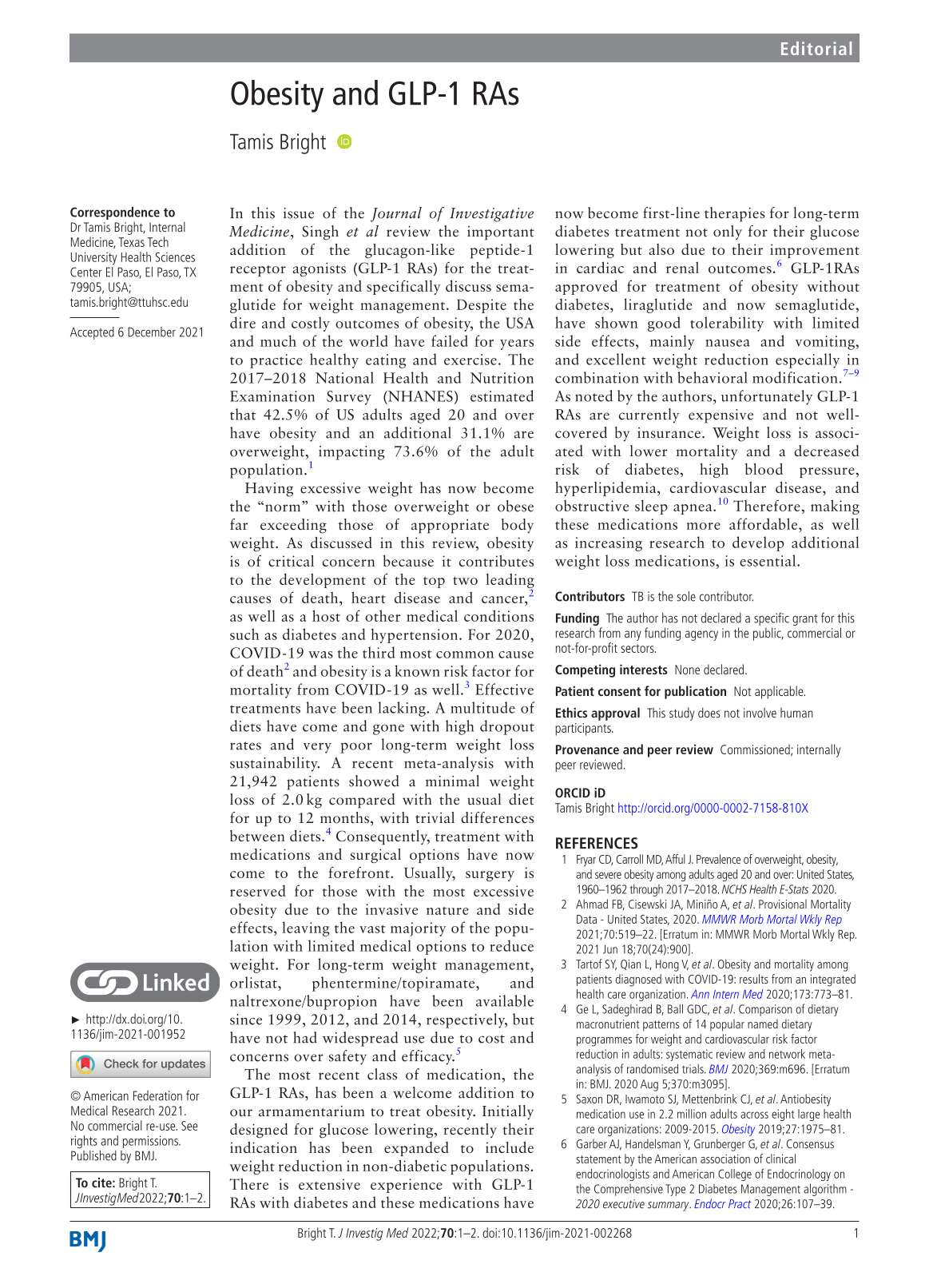
Obesity and GLP-1 RAs
Tamis BrightORCID


Select search scope: search across all journals or within the current journal


 Restricted accessEditorialFirst published January, 2022pp. 1-2
 Restricted accessEditorialFirst published January, 2022pp. 3-4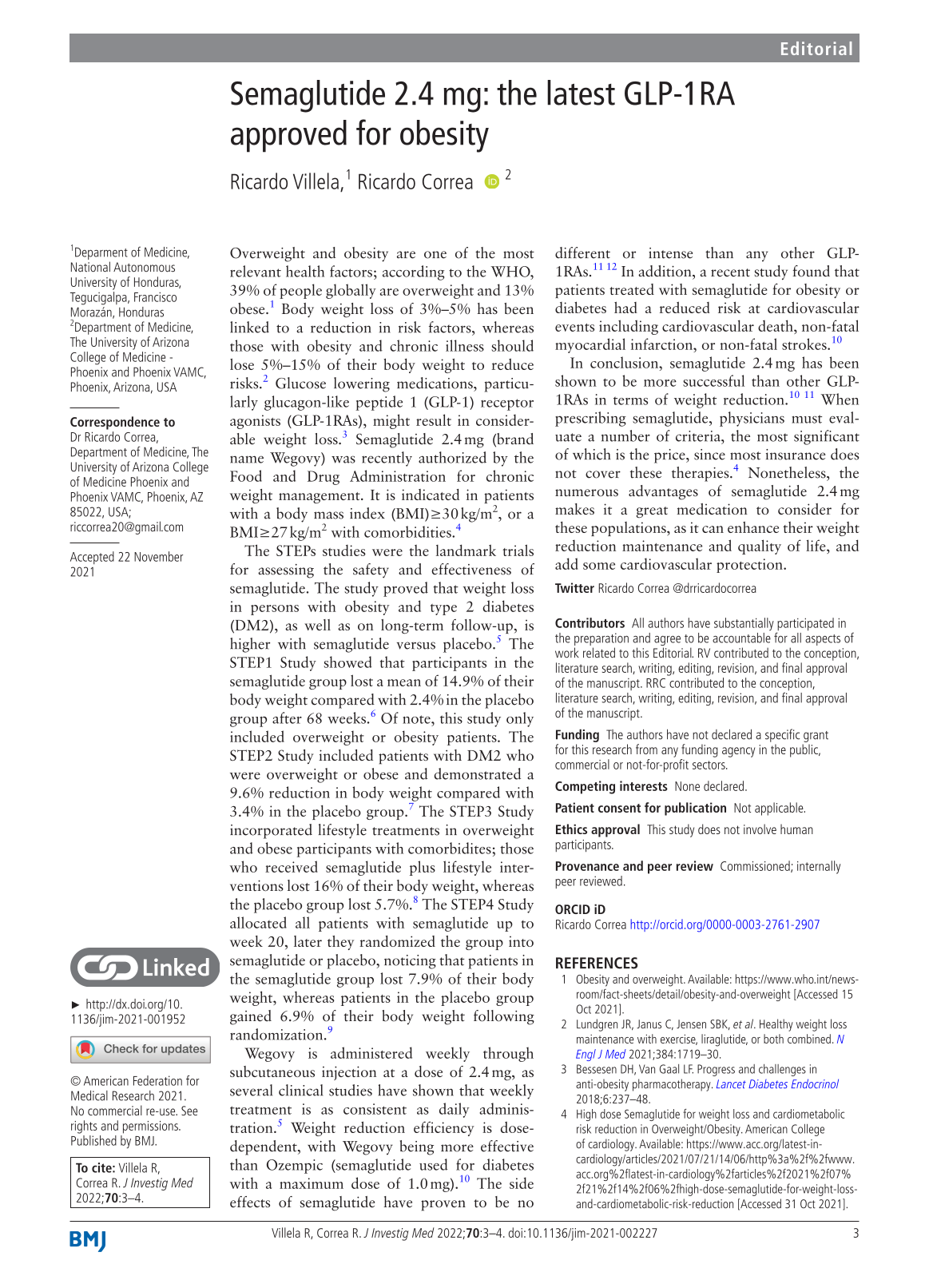
 Open accessReview articleFirst published January, 2022pp. 5-13, Matthew Krauthamer, Meghan Bjalme-Evans
Obesity is a growing epidemic within the USA. Because weight gain is associated with an increased risk of developing life-threatening comorbidities, such as hypertension or type 2 diabetes, there is great interest in developing non-invasive pharmacotherapeutics to help combat obesity. Glucagon-like peptide-1 (GLP-1) receptor agonists are a class of antidiabetic medications that have shown promise in encouraging glycemic control and promoting weight loss in patients with or without type 2 diabetes. This literature review summarizes and discusses the weight loss results from the SUSTAIN (Semaglutide Unabated Sustainability in Treatment of Type 2 Diabetes), PIONEER (Peptide Innovation for Early Diabetes Treatment), and STEP (Semaglutide Treatment Effect in People with Obesity) clinical trial programs. The SUSTAIN and PIONEER clinical trials studied the use of 1.0 mg, once-weekly, subcutaneous and oral semaglutide (a new GLP-1 homolog), respectively, on participants with type 2 diabetes. The STEP trial examined the effects of 2.4 mg, once-weekly, subcutaneous semaglutide on patients with obesity. Trial data and other pertinent articles were obtained via database search through the US National Library of Medicine Clinical Trials and the National Center for Biotechnology Information. All three clinical trials demonstrated that semaglutide (injected or oral) has superior efficacy compared with placebo and other antidiabetic medications in weight reduction, which led to Food and Drug Administration approval of Wegovy (semaglutide) for weight loss.
Restricted accessReview articleFirst published January, 2022pp. 14-19Multiple sclerosis (MS) is an autoimmune disorder that affects ~2.5 million people globally. Women of reproductive age are highly susceptible to this disease. This study aims to explore the association between MS and pregnancy. Articles related to the topic under investigation were identified; the search terms included “pregnancy”, “multiple sclerosis”, “MS”, and “women”. Only articles published between 2010 and 2020 were included in the review. This review shows that researchers have attempted to explore the link between pregnancy and MS, and the results from previous studies indicate that pregnancy reduces the risk of MS relapse. However, evidence suggesting that pregnancy can affect the long-term progression of MS is lacking. The research results also indicate that MS does not increase the risk of maternal and fetal complications. MS remains a serious autoimmune disorder that affects many women worldwide. The data gathered during this review indicate that a significant correlation exists between pregnancy and MS relapse rates. The findings presented in this review can aid in the management of MS during pregnancy. Furthermore, these research results provide vital insights that caregivers can use to monitor patients with MS during pregnancy.
Restricted accessResearch articleFirst published January, 2022pp. 20-28, Chao Chen , [...]Maslinic acid (MA), a pentacyclic triterpenoid, has been reported to exert broad pharmacological properties. However, it is still unclear whether MA exhibits protective effects against ischemia/reperfusion (I/R) injury. Herein, we aimed to investigate the effects of MA on I/R injury and its underlying mechanisms. A rat model of I/R injury was established and administrated with MA by intraperitoneal injection. Cardiac function was assessed with a color ultrasound diagnosis system and PowerLab system. The levels of oxidative stress-related and I/R-related biomarkers were evaluated by using commercial kits. Apoptosis-related biomarkers and sirtuin (SIRT)1/AMP-activated protein kinase (AMPK) signaling proteins were determined by using quantitative reverse transcription PCR and western blotting, respectively. Treatment with MA improved cardiac performance and cardiac hemodynamic parameters in the I/R injury rat model. Besides, treatment with MA (20 mg/kg) ameliorated I/R injury-related biomarkers in serum. Interestingly, treatment with MA (20 mg/kg) also regulated myocardial apoptosis and inhibited oxidative-stress in left ventricular tissue. Mechanistic studies demonstrated that MA upregulated SIRT1 and AMPK phosphorylation in the left ventricular tissue. In summary, MA exerted protective effects against the impairments of cardiac function in I/R injury rats by the regulation of SIRT1/AMPK signaling pathways.
Open accessResearch articleFirst published January, 2022pp. 29-35Short-chain fatty acids (SCFAs), the end products of fermentation carried out by the intestinal microbiota, were demonstrated to produce anti-oxidant and anti-inflammatory effects. Butyrate, part of the SCFAs, also shows the same effect. Renal ischemia/reperfusion (I/R) injury commonly occurs in renal transplantation and is often accompanied by oxidative stresses and inflammatory responses. In this study, we explore butyrate effect on renal I/R injury and SCFAs changes in renal transplant. Male Sprague-Dawley rats were pretreated with butyrate as research, and underwent the surgery of renal ischemia for 45 min followed by reperfusion. 90 rats were randomly divided into 3 groups (n=30 each group): (1) sham-operated group; (2) butyrate-treated group; (3) control group. The samples of blood and renal were collected immediately for further studies. Thirty-two patients were enrolled to investigate the levels of SCFAs after the renal transplantation. Rats model showed that butyrate treatments significantly enhanced the function and structure of kidney, as evidenced by the lower serum creatinine levels and less pathological damages of renal tissue. With the recovery of renal function after renal transplantation, SCFAs increased, which were negatively correlated with creatinine. Butyrate expressed like SCFAs. In this study, we demonstrated that butyrate increased with the recovery of renal function after renal transplantation. Most importantly, butyrate treatments alleviated the renal damages caused by I/R via the upregulation of intracellular oxidant stress and inflammations.
Restricted accessResearch articleFirst published January, 2022pp. 36-45, Nianlan Yang, Jennifer L Waller , [...]Renal transplant patients are immunosuppressed and are at increased risk of opportunistic infections, including
Restricted accessResearch articleFirst published January, 2022pp. 46-54, Yin Zhang, Anchao Song , [...]Nebulized hypertonic saline (HS) has gathered increasing attention in bronchiolitis. This study aims to evaluate the relationship between the dose of nebulized HS and the effects on bronchiolitis. Five electronic databases—PubMed, EMBASE, Cochrane Central Register of Controlled Trials, ClinicalTrials.gov, and ISRCTN—were searched until May 2021. Randomized controlled trials (RCTs) that investigated the effect of HS on bronchiolitis were included. A total of 35 RCTs met the eligibility criteria. HS nebulization may shorten the length of stay (LOS) in hospital (mean difference −0.47, 95% CI −0.71 to –0.23) and improve the 24-hour, 48-hour, and 72-hour Clinical Severe Score (CSS) in children with bronchiolitis. The results showed that there was no significant difference between 3% HS and the higher doses (>3%) of HS in LOS and 24-hour CSS. Although the dose–response meta-analysis found that there may be a linear relationship between different doses and effects, the slope of the linear model changed with different included studies. Besides, HS nebulization could reduce the rate of hospitalization of children with bronchiolitis (risk ratio 0.88, 95% CI 0.78 to 0.98), while the trial sequential analysis indicated the evidence may be insufficient and potentially false positive. This study showed that nebulized HS is an effective and safe therapy for bronchiolitis. More studies are necessary to be conducted to evaluate the effects of different doses of HS on bronchiolitis.
Open accessResearch articleFirst published January, 2022pp. 55-60, Rana Prathap Padappayil, Agam Bansal , [...]Tocilizumab is an interleukin receptor inhibitor that has been used in patients with COVID-19 pneumonia. There are recent randomized controlled trials (RCTs) that evaluated the efficacy and safety of tocilizumab in hospitalized patients with COVID-19 pneumonia. We performed a systematic review and meta-analysis of RCTs that evaluated the effectiveness of tocilizumab in hospitalized patients with COVID-19 not requiring mechanical ventilation. RCTs comparing tocilizumab with the standard of care treatment in hospitalized patients with COVID-19 pneumonia not requiring mechanical ventilation at the time of administration were included for analysis. The primary outcome was a composite of mechanical ventilation or 28-day mortality and the secondary outcomes were 28-day mortality and major adverse events. A total of 6 RCTs were included for the analysis. Tocilizumab was associated with a statistically significant reduction in the primary composite outcome of mechanical ventilation or 28-day mortality (risk ratio (RR): 0.83 (95% CI: 0.74 to 0.92, I2=0, tau2=0). Treatment with tocilizumab did not show a statistically significant reduction in 28-day mortality (RR: 0.90 (95% CI: 0.76 to 1.07), I2=0, tau2=0) and rate of serious adverse events (RR: 0.82 (95% CI: 0.62 to 1.10), I2=0, tau2=0). Tocilizumab was associated with a decrease in the incidence of primary outcome, that is, mechanical ventilation or death at 28 days in hospitalized patients with COVID-19 pneumonia.
Open accessResearch articleFirst published January, 2022pp. 61-67Long COVID is characterized by the emergence of multiple debilitating symptoms following SARS-CoV-2 infection. Its etiology is unclear and it often follows a mild acute illness. Anecdotal reports of gradual clinical responses to histamine receptor antagonists (HRAs) suggest a histamine-dependent mechanism that is distinct from anaphylaxis, possibly mediated by T cells, which are also regulated by histamine. T cell perturbations have been previously reported in post-viral syndromes, but the T cell landscape in patients who have recovered from mild COVID-19 and its relationship to both long COVID symptoms and any symptomatic response to HRA remain underexplored. We addressed these questions in an observational study of 65 individuals who had recovered from mild COVID-19. Participants were surveyed between 87 and 408 days after the onset of acute symptoms; none had required hospitalization, 16 had recovered uneventfully, and 49 had developed long COVID. Symptoms were quantified using a structured questionnaire and T cell subsets enumerated in a standard diagnostic assay. Patients with long-COVID had reduced CD4+ and CD8+ effector memory (EM) cell numbers and increased PD-1 (programmed cell death protein 1) expression on central memory (CM) cells, whereas the asymptomatic participants had reduced CD8+ EM cells only and increased CD28 expression on CM cells. 72% of patients with long COVID who received HRA reported clinical improvement, although T cell profiling did not clearly distinguish those who responded to HRA. This study demonstrates that T cell perturbations persist for several months after mild COVID-19 and are associated with long COVID symptoms.
Restricted accessResearch articleFirst published January, 2022pp. 68-72Carboxyhemoglobin (CO-Hb) can be endogenously formed in the presence of oxidative stress and may be elevated in inflammatory lung disease. There is lack of evidence of its relationship with the development of bronchopulmonary dysplasia (BPD) in extremely low birthweight (ELBW) infants. The objective of the study is to evaluate the relationship between blood CO-Hb levels in the first 14 days of life (DOL) in ELBW infants and the development of BPD at 36 weeks postmenstrual age (PMA). This is a retrospective cohort study of 58 ELBW infants born at LAC-USC Medical Center between June 2015 and and June 2019 who survived to 36 weeks PMA. CO-Hb values were collected daily from DOL 1 to DOL 14. BPD definition using the recent 2019 NICHD criteria was used. Multivariate logistic regression was performed to determine the association between blood CO-Hb levels and BPD. Receiver operator curve was used to evaluate the ability of the median fraction of inspired oxygen (FiO2) level used at DOL 11–14 in discriminating absent to mild BPD versus moderate to severe BPD. 58 ELBW infants were included in the study. 24 (41%) were diagnosed with moderate to severe BPD, while 34 (59%) were diagnosed with no to mild BPD. Severity of BPD was fairly discriminated by FiO2 at DOL 11–14, but not with CO-Hb levels at any point within the first 14 DOL. The role and mechanism of CO-Hb production in this population need to be further studied.
Restricted accessResearch articleFirst published January, 2022pp. 73-78The clinical spectrum of autoimmune gastritis is silent in the early stages of the disease and no specific symptom is related to this entity. Although gastroscopic findings of this entity are well defined, data regarding colonoscopic findings are limited. The aims of this study were to determine the prevalence of colonoscopic findings and to explore factors that might affect these findings. This is a retrospective chart review of patients with autoimmune gastritis (n=240). Data regarding colonoscopic findings, serum gastrin and chromogranin A (CgA) levels and gastric histopathological results were extracted and compared with 550 patients positive for
Restricted accessResearch articleFirst published January, 2022pp. 79-84Growth differentiation factor 15 (GDF15) is a stress-response cytokine which belongs to the transforming growth factor β superfamily. Although GDF15 was initially found to have a role in metabolic diseases, the association between GDF15 and dysglycemic status remains inconclusive. Thus, the aim of this study was to examine the relationships between GDF15 and different glycemic statuses in non-obese subjects. We enrolled 502 non-obese subjects, among individuals who had normal glucose tolerance (NGT; n=125), isolated impaired fasting glucose (IFG; n=116), isolated impaired glucose tolerance (IGT; n=106), IFG plus IGT (n=27), and newly diagnosed diabetes (NDD; n=128). A multivariate linear regression analysis of GDF15 levels was used to find independent predictors. The median (IQR) GDF15 levels were 1641.0 (1187.0–1985.5) pg/mL, 1656.1 (1226.8–2379.7) pg/mL, 1487.8 (1145.9–1987.2) pg/mL, 1722.2 (1172.9–1939.0) pg/mL, and 2204.5 (1767.4–2919.1) pg/mL in NGT, IFG, IGT, IFG plus IGT, and NDD groups, respectively. The NDD group had significantly higher GDF15 levels than those with NGT, IFG, IGT, and IFG plus IGT. The IFG group had a significantly higher GDF15 value than the NGT group. In multivariate linear regression analysis, IFG (beta=0.145, 95% CI 192.487 to 740.937, p=0.001), NDD (beta=0.227, 95% CI 390.459 to 888.145, p<0.001), and high-sensitivity C reactive protein (beta=0.105, 95% CI 3.276 to 27.768, p=0.013) were independently associated with GDF15 levels. Non-obese subjects with isolated IFG and NDD had significantly higher GDF15 levels than those with NGT. In addition, A1C was independently associated with GDF15 levels. IFG and NDD, but not isolated IGT or IFG plus IGT, were positively associated with GDF15 levels.
Restricted accessResearch articleFirst published January, 2022pp. 85-91, Megan Finch-Edmondson, Claire Galea , [...]To progress stem cell therapies for cerebral palsy, clinicians need to openly engage with patients about emerging evidence and be willing to refer to relevant clinical trials, if and when appropriate. To assess whether education can change clinicians’ confidence in information sharing and willingness to refer to relevant clinical trials, an online questionnaire was distributed at a scientific conference before and after a professional workshop on cell therapies for cerebral palsy. Of the 42 participants who completed the survey, 26 self-identified as clinicians. Of these, 81% had had patients ask about stem cells, yet in the pre-workshop questionnaire indicated they were not confident answering questions about cell therapies. Clinicians were most commonly asked about stem cell treatments provided by private clinics, stem cell research and current evidence. Post-workshop, knowledge and confidence regarding stem cells, as well as likelihood to refer to clinical trials using therapies with a strong evidence base (eg, umbilical cord blood/placental cells), significantly increased (p<0.001). This study highlights that by offering resources and education, clinician confidence and willingness to refer to cell therapy trials can improve; this may help drive the stem cell research landscape and support patient decision-making.
Open accessResearch articleFirst published January, 2022pp. 92-98, Anna Trink, Giammaria Giuliani , [...]Actinic keratosis is a form of dysplastic epidermal lesion resulting from chronic and excessive UV exposure with a certain risk of becoming cancerous. Current guidelines advocated the use of sunscreens to prevent photodamage. An efficient photoprotection must involve both primary protective factors such as UV filters and secondary factors (eg, antioxidants) able to disrupt the photochemical and genetic cascade triggered by UVs. An in vitro model of human skin (Phenion FT) was used to assess the photoprotective potential of a sunscreen containing inorganic sun-filters (50+ SPF) and 0.1% octatrienoic acid (KERA’+) after UVA (10 J/cm2) and UVB (25 mJ/cm2) by means of evaluation of the number of sunburn cells (SBCs) and apoptotic keratinocytes. Also resulting alterations in the gene expression of markers involved in apoptosis (Tumor protein 53), inflammation/immunosuppression (IL-6 and IL-8), oxidative stress (oxidative stress response enzyme heme oxygenase 1), remodeling (metalloproteinase 1) and cell-cell adhesion (E-cadherin) were investigated. Gene expression was investigated using quantitative real-time PCR. This work demonstrated that the sunscreen preparations under study (with and without 0.1% octatrienoic acid, respectively) can be distinguished about their ability to prevent UVs-induced damage. Synergism between the inorganic filters and 0.1% octatrienoic acid was found (KERA’+) on all end points analyzed and this effect was found to be statistically significant (p<0.05). Our data revealed that topical application of a sunscreen containing inorganic filters (50+SPF) and 0.1% octatrienoic acid can protect from SBC formation, reduce the number of apoptotic keratinocytes and protect from the main molecular alterations caused by UV radiations.
Open accessResearch articleFirst published January, 2022pp. 99-103, Jude Alsarraj, Brandon Bunch , [...]Substandard use of N95 masks, sometimes combined with dry heat decontamination, lacks safety data. We evaluated the impact of these practices on the fitness of N95 masks. This is a non-human subject research conducted from July to October 2020. 155 masks were used by 12 healthcare workers during 10-hour shifts. Masks were collected at the end of the shift and if the number of donnings/doffings was less than five (‘modified extended use’, ME) or whenever this number reached five (‘limited reuse’, LR), per the recommendation of the Centers for Disease Control and Prevention. Masks that passed an Occupational Safety and Health Administration qualitative fit test underwent a cycle (30 min, 75°C) of dry heat decontamination. After use, 84% (95% CI 77% to 90%) of the masks fit the users, 85% (95% CI 73% to 93%) in ME and 83% (95% CI 73% to 90%) in LR. After dry heat, 86% of the fitted masks (95% CI 78% to 91%) still fit, 93% (95% CI 80% to 98%) in ME and 82% (95% CI 70% to 89%) in LR. If a fit test was not done before decontamination, 72% (95% CI 64% to 79%) of the masks would fit, 79% (95% CI 66% to 88%) in ME and 68% (95% CI 57% to 77%) in LR. Common substandard use preserves fitness of N95 masks up to 85%. One cycle of dry heat decontamination preserves fitness of N95 masks up to 93% when donned/doffed less than five times and fitness is ensured before decontamination. If a fit test is not performed beforehand, dry heat decontamination cannot preserve the fitness of used N95 masks above 80%.
Restricted accessBrief reportFirst published January, 2022pp. 104-107, Laura Pyle, Kristin Nadeau , [...]Klinefelter syndrome (XXY) occurs in 1 in 600 males, resulting in testosterone deficiency and a high prevalence of insulin resistance. Testosterone deficiency in men is a known cause of insulin resistance, and mitochondrial dysfunction is hypothesized to mediate this relationship. The aim of this cross-sectional study was to evaluate muscle mitochondrial function in XXY compared with male controls. Twenty-seven boys with XXY (age 14.7±1.8 years) were compared with 87 controls (age 16.9±0.9). In-vivo calf muscle mitochondrial function was assessed via phosphorus magnetic resonance spectroscopy (31P-MRS) following 90 s of isometric 70% maximal exercise. Multiple linear regression was used to compare 31P-MRS outcomes (ADP and phosphocreatine (PCr) time constants, rate of oxidative phosphorylation (Oxphos), and Qmax or the maximal mitochondrial function relative to mitochondrial density) between groups after adjusting for age differences. There were no statistically significant differences in the mitochondrial outcomes of ADP, Oxphos, PCr, and Qmax between the groups. There were also no differences in a sensitivity analysis within the XXY group by testosterone treatment status. In this study, in-vivo postexercise skeletal muscle mitochondrial function does not appear to be impaired in adolescents with XXY compared with controls and is not significantly different by testosterone treatment status in XXY.
Open accessLetterFirst published January, 2022pp. 108-109, Kori L Brewer, Doyle M Cummings , [...]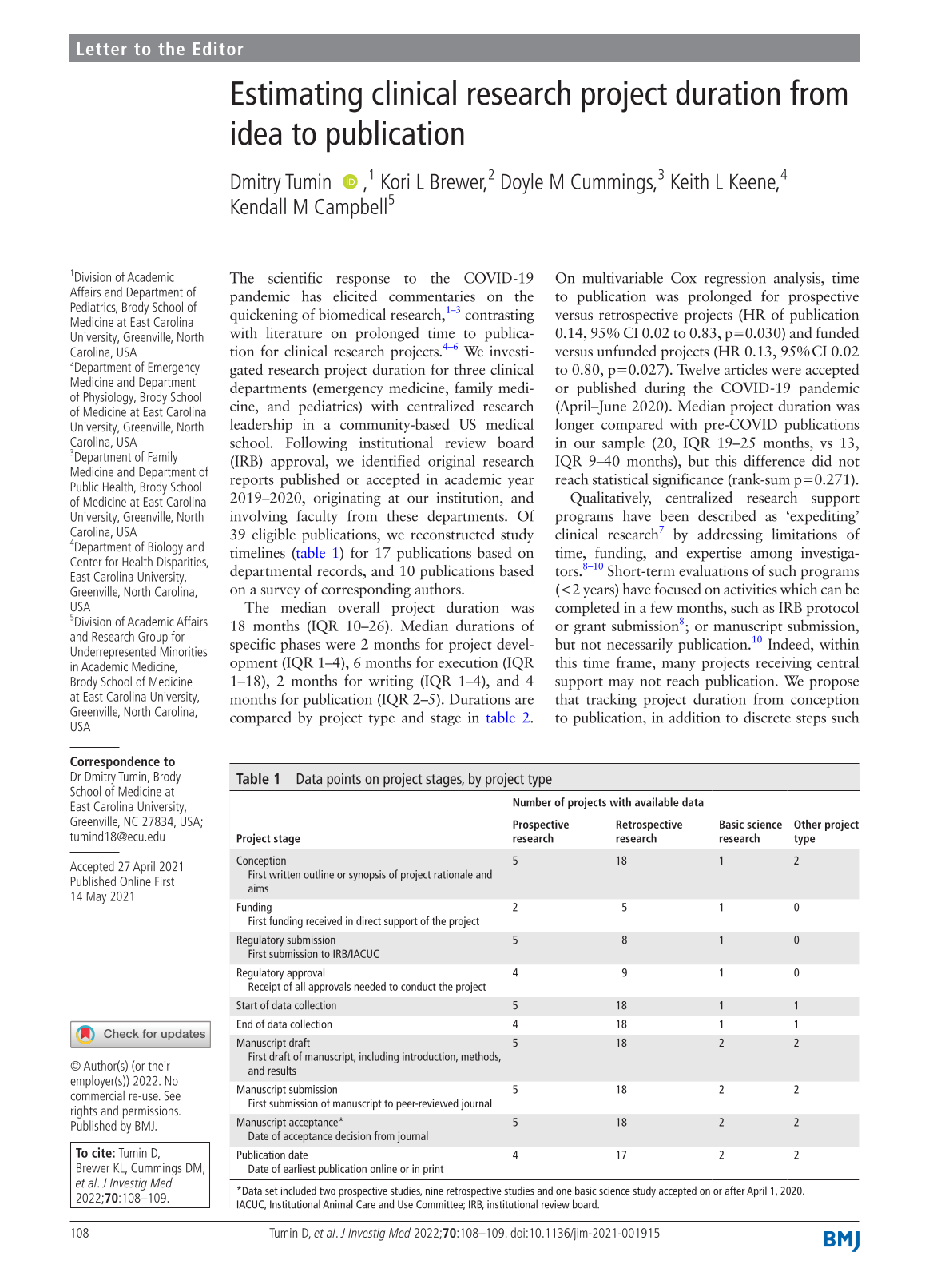 Restricted accessResearch articleFirst published January, 2022pp. 110-111
 Restricted accessAbstractFirst published January, 2022pp. 112-337
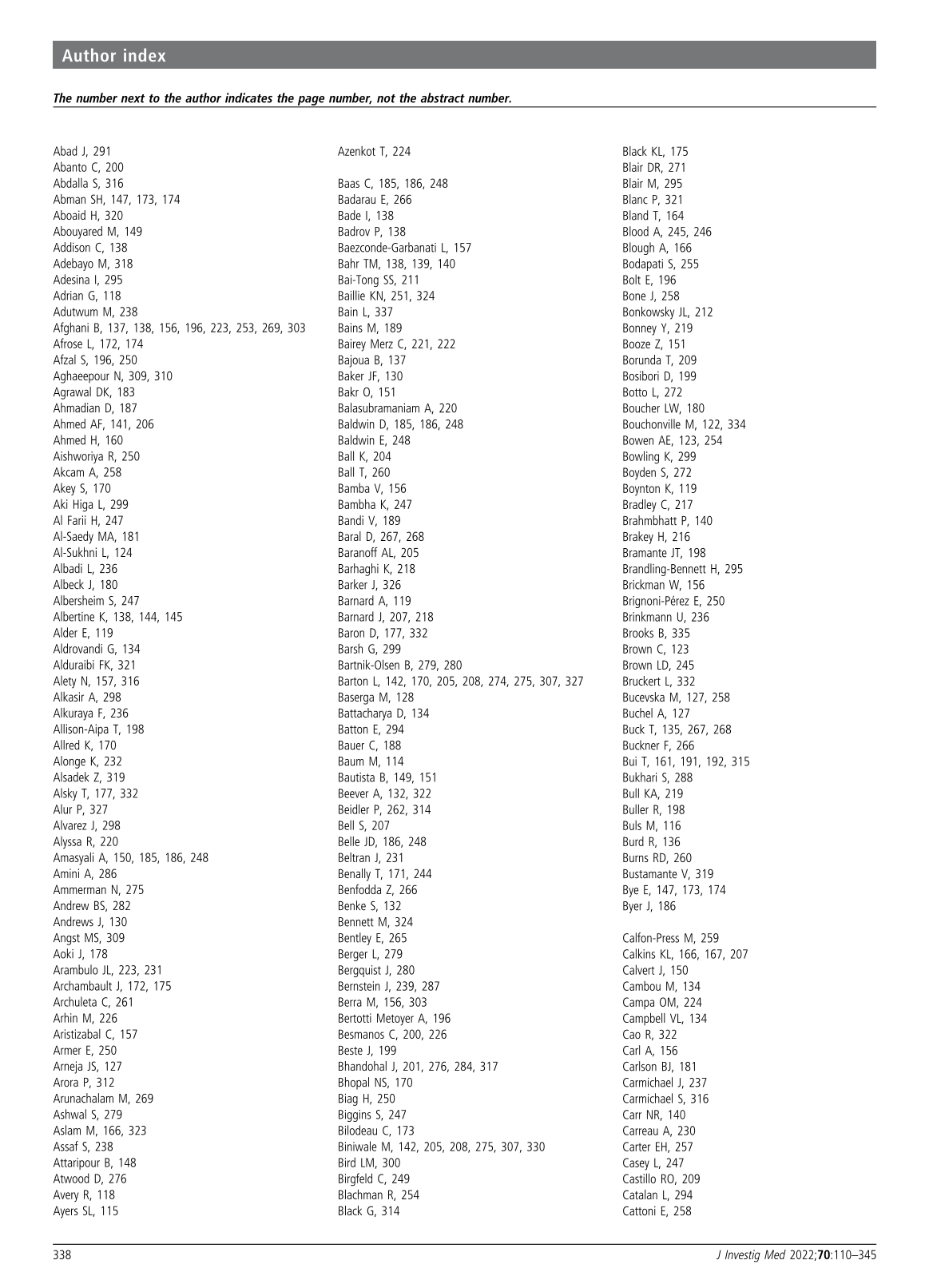
 Restricted accessIndexFirst published January, 2022pp. 338-345