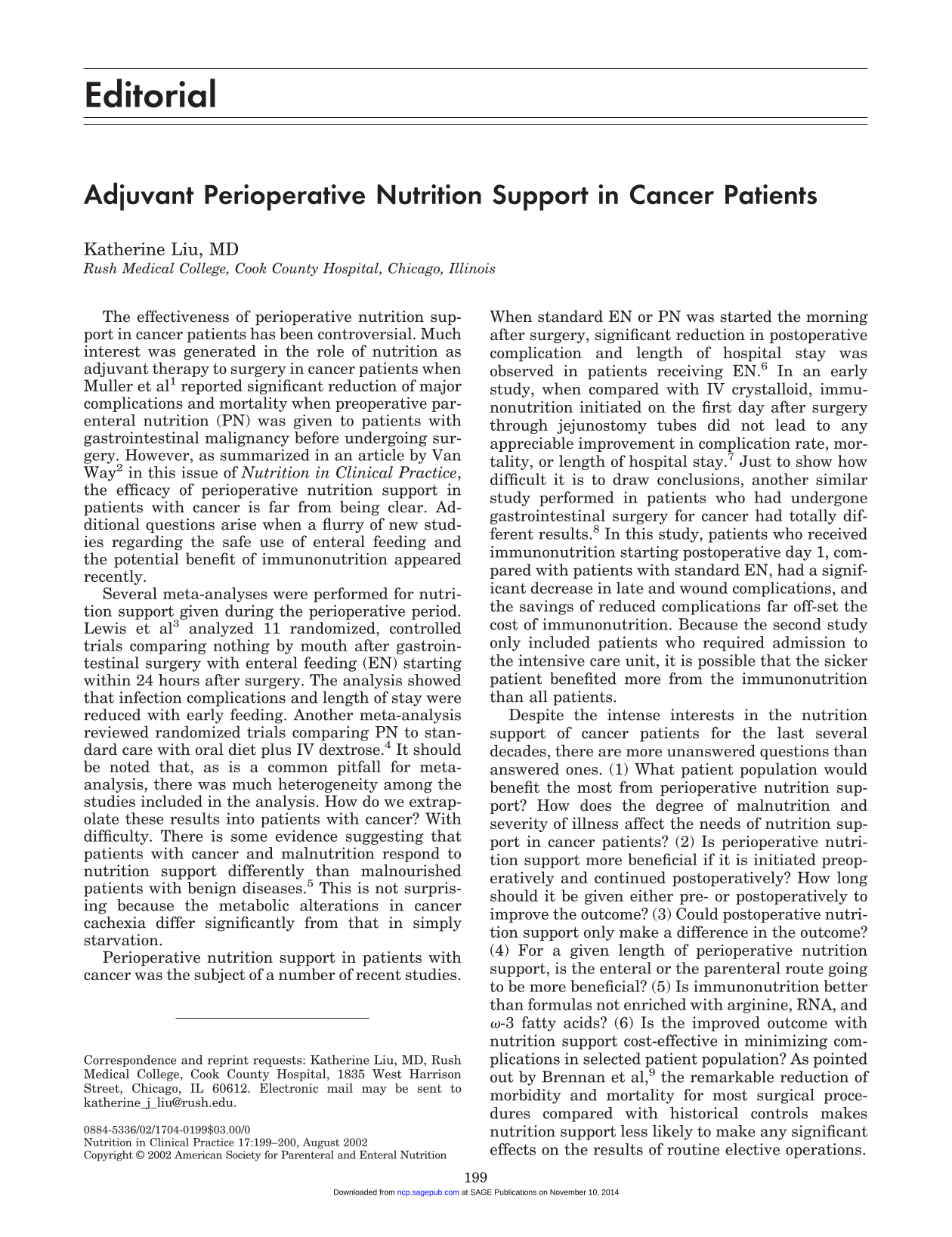
Editorial
 Restricted accessEditorialFirst published August, 2002pp. 199-200

Select search scope: search across all journals or within the current journal

 Restricted accessEditorialFirst published August, 2002pp. 199-200Restricted accessEditorialFirst published August, 2002pp. 201-202Restricted accessReview articleFirst published August, 2002pp. 203-209Restricted accessReview articleFirst published August, 2002pp. 210-213
 Restricted accessReview articleFirst published August, 2002pp. 214-217Restricted accessReview articleFirst published August, 2002pp. 218-225Restricted accessReview articleFirst published August, 2002pp. 226-236Restricted accessResearch articleFirst published August, 2002pp. 237-239Restricted accessResearch articleFirst published August, 2002pp. 240-245Restricted accessResearch articleFirst published August, 2002pp. 246-248Restricted accessResearch articleFirst published August, 2002pp. 249-251Restricted accessResearch articleFirst published August, 2002pp. 252-254Restricted accessResearch articleFirst published August, 2002pp. 255-256Restricted accessReview articleFirst published August, 2002pp. 257-261Restricted accessReview articleFirst published August, 2002pp. 257-257Restricted accessReview articleFirst published August, 2002pp. 261-261Restricted accessReview articleFirst published August, 2002pp. 261-261