Editorial
 Restricted accessEditorialFirst published January, 2013pp. 1-2

Select search scope: search across all journals or within the current journal


 Restricted accessEditorialFirst published January, 2013pp. 1-2Restricted accessOtherFirst published January, 2013pp. 3-4
 Restricted accessEditorialFirst published January, 2013pp. 5-5
 Restricted accessResearch articleFirst published January, 2013pp. 6-20
This clinical consensus statement (CCS) aims to improve care for pediatric and adult patients with a tracheostomy tube. Approaches to tracheostomy care are currently inconsistent among clinicians and between different institutions. The goal is to reduce variations in practice when managing patients with a tracheostomy to minimize complications.
A formal literature search was conducted to identify evidence gaps and refine the scope of this consensus statement. The modified Delphi method was used to refine expert opinion and facilitate a consensus position. Panel members were asked to complete 2 scale-based surveys addressing different aspects of pediatric and adult tracheostomy care. Each survey was followed by a conference call during which results were presented and statements discussed.
The panel achieved consensus on 77 statements; another 39 were dropped because of lack of consensus. Consensus was reached on statements that address initial tracheostomy tube change, management of emergencies and complications, prerequisites for decannulation, management of tube cuffs and communication devices, and specific patient and caregiver education needs.
The consensus panel agreed on statements that address the continuum of care, from initial tube management to complications in children and adults with a tracheostomy. The panel also highlighted areas where consensus could not be reached and where more research is needed. This consensus statement should be used by physicians, nurses, and other stakeholders caring for patients with a tracheostomy.
Restricted accessResearch articleFirst published January, 2013pp. 21-28To systematically review current studies on the effects of adenotonsillectomy (T&A) for obstructive sleep apnea (OSA) on cardiovascular parameters in children.
PubMed database.
A comprehensive PubMed MeSH search was done between 1970 and 2012.
Fourteen articles were included. The total number of children was 418. The mean sample size was 30 (range, 1-62), and the mean age of the sample population was 6 years (range, 2-10 years). Criteria used for the diagnosis of OSA ranged from full-night polysomnography (PSG) to clinical parameters. Three studies had results from preoperative and postoperative PSG. Cardiovascular parameters studied included blood pressure, heart rate, cardiac morphology, and cardiac function. All studies reported an improvement in cardiovascular parameters and OSA symptoms after surgery. Three studies reported improvement in blood pressure, 6 reported improvement in mean pulmonary artery pressures, 7 reported improvement in echocardiographic findings, and 1 reported a decrease in pulse rate and pulse rate variability after T&A for OSA.
There is evidence that cardiovascular morbidities associated with OSA are potentially reversible. T&A may have a significant role in reversing the cardiovascular sequelae of OSA. However, there is a paucity of well-designed and powered studies to address this issue.
Restricted accessResearch articleFirst published January, 2013pp. 29-39This study reviews the published outcomes related to sinonasal adenoid cystic carcinoma (SNACC). Clinical presentation, radiographic diagnosis, pathology, treatment, and management outcomes of this uncommon disease are reported.
PubMed database.
A systematic review of studies for SNACC from 1960 to 2012 was conducted. A PubMed search for articles related to SNACC, along with bibliographies of those articles, was performed. Articles were examined for both individual patient data (IPD) and aggregate patient data (APD) that reported survivability. Demographics, disease site and spread, treatment strategies, follow-up, outcome, and survival were described for IPD, and a meta-analysis for survival rates was performed for APD.
A total of 55 journal articles were included. Individual patient data were reported in 39 journal articles, comprising a total of 88 cases of SNACC. Sixteen articles, totaling 366 patients that reported aggregate 5-year survivorship pertaining to SNACC, were also included. Average follow-up in the IPD was 51.2 months (range, 1-198 months), and 5-year survivorship was 63.5%. In the studies reviewed, surgery followed by postoperative radiotherapy was the most common therapy used and resulted in the highest percentage of survivors. Aggregate patient data meta-analysis revealed a 5-year survival rate of 62.5%.
This study contains the largest pool of SNACC patients to date. The data suggest that SNACC has a poor overall prognosis. It also suggests that surgery with postoperative radiotherapy is the most commonly used and may possibly be the most effective therapy.
Restricted accessResearch articleFirst published January, 2013pp. 40-46Examine if outcomes and complication rates for free flaps vary when postoperative aspirin is used as pharmacologic thromboprophylaxis compared with no anticoagulation.
Case series with chart review.
Oregon Health and Science University, an academic medical center.
A case series with chart review was performed using a prospectively maintained microvascular reconstructive database to identify cases of free tissue transfer between February 2006 and April 2010. Outcome variables included complications, flap failure, reexploration, and salvage. Chi-square analysis was performed to identify differences based on type of postoperative antithrombotic therapy.
A total of 390 consecutive free tissue transfer procedures were performed; 184 received no postoperative thromboprophylaxis, 142 received aspirin, 48 received low molecular weight heparin or a combination of agents, and 16 received a heparin drip. The overall complication rate was 38%, with significantly more complications in the aspirin group compared with no prophylaxis (
Postoperative thromboprophylaxis with aspirin after microvascular free tissue transfer does not provide an improvement in free flap survival and may be associated with a higher complication rate. Prospective, randomized studies are required to elucidate the role of postoperative pharmacotherapy for prophylaxis against microvascular thrombosis.
Restricted accessResearch articleFirst published January, 2013pp. 47-53To evaluate the surgical outcomes associated with infrahyoid myocutaneous flaps used in the reconstruction of medium-sized defects following head and neck cancer resection, as well as to discuss a novel technique modification.
Case series with chart review.
University cancer hospital.
A total of 20 patients with oral or hypopharyngeal carcinoma who underwent infrahyoid myocutaneous flap reconstruction between June 2005 and December 2011 were retrospectively studied. A novel technical modification of flap harvest, preservation of the cranial portion of the anterior jugular vein, was attempted in 15 flaps and was successful in 13 flaps. Functional evaluation was performed in all patients 3 to 6 months after the operation or postoperative radiation.
Total flap necrosis, marginal skin paddle necrosis, and total skin paddle loss were observed in 1, 2, and 1 patient(s), respectively. Pharyngocutaneous fistula without flap problem occurred in 1 patient. No flap complications occurred in 13 cases where the cranial portion of the anterior jugular vein was successfully preserved. Functional results were excellent in 16 patients, good in 3 patients, and fair in 1 patient.
The infrahyoid myocutaneous flap is a reliable and convenient technique that can serve as an alternative to free flaps in the reconstruction of medium-sized defects of the oral cavity or hypopharynx. Preservation of the cranial portion of the anterior jugular vein is a novel technical modification of harvesting this flap, which may result in better venous return of the skin paddle and reduce skin paddle necrosis.
Restricted accessResearch articleFirst published January, 2013pp. 54-58To review our experience with late Marx stage III osteoradionecrosis (ORN) of the mandible in patients who present with pathologic fracture.
Case series with chart review.
Tertiary care center.
Thirty-seven patients were identified from June 1998 to August 2010 who underwent treatment of Marx grade III osteoradionecrosis with pathologic fracture of the mandible. All patients underwent reconstruction with osteocutaneous free tissue transfer and when possible underwent hyperbaric oxygen therapy Marx protocol.
The average time between completion of radiation therapy and presentation of ORN-induced pathologic fracture was 3.2 years. Sixteen patients developed ORN following tooth extraction. Sixteen patients had no previous documented ORN prior to presenting with pathologic fracture. Follow-up after surgery averaged 4.5 years with no recurrence of disease. The overall complication rate was 24% with no total flap loss. Of the patients, 95% returned to prefracture dietary intake. Twenty-six patients underwent a staged protocol, in which after resection and plate reconstruction, they underwent 20 hyperbaric oxygen (HBO) dives. They then underwent free tissue transfer followed by a further 10 HBO dives. There were no flaps lost or nonbony unions. Eleven patients did not receive HBO therapy as part of their surgical treatment plan. Again, there was no total flap loss, but 2 skin paddles were lost and 4 bony nonunions occurred.
Pathologic fracture in conjunction with ORN has a relatively high treatment complication rate. Free tissue transfer and HBO are the treatment of choice for this population.
Restricted accessResearch articleFirst published January, 2013pp. 59-63The mortality observed-to-expected (O:E) ratio is rapidly becoming the most important measured quality metric by allowing quantification and comparison of survival outcomes among different providers and institutions. Although the O:E ratio is monitored by external observers, the ratio is unfamiliar to individuals within most institutions.
Retrospective chart review.
Vanderbilt University Medical Center.
Twenty-eight patients cared for by the Department of Otolaryngology died while in the hospital between January 2001 and December 2010. All patient charts were reviewed for indicators related to mortality. From January 2006 to December 2010, a standardized mortality O:E ratio had been available using the All Patient Refined–Diagnosis Related Group (APR-DRG) grouper from the United Healthcare Consortium (UHC). The O:E ratio can be monitored over time to measure and quantify the effect of various interventions.
The otolaryngology O:E ratio quarterly results have varied from 1.1 to 0.29, based on a standard of 1.0. Internally, results have been primarily the result of mortalities of patients on the Head and Neck Service. Attention to common postoperative complications, accurate coding of comorbidities, and the compassionate use of palliative care consults have led to a significant decrease in the O:E ratio. Conversely, transfers from other hospitals have increased the ratio.
The Department of Otolaryngology has reduced the O:E ratio by focusing attention on factors that have been shown to reduce mortality and to enhance compassionate terminal care.
Restricted accessResearch articleFirst published January, 2013pp. 64-68Concurrent chemoradiotherapy (CCRT) has become the treatment of choice for oropharyngeal and hypopharyngolaryngeal cancers in many centers. Although it has increased the rates of organ preservation, there has also been an increase in treatment-related complications. We aimed to evaluate the functional outcomes of CCRT in head and neck cancer.
Case series with chart review.
Tertiary cancer center.
A retrospective study of patients treated with CCRT at the University of Arkansas for Medical Sciences was performed. Demographic data and treatment outcomes were extracted, specifically feeding tube and tracheotomy dependence and number of esophageal dilatations.
Of the 243 patients treated with concurrent chemoradiotherapy (5-flourouracil + cysplatin and radiotherapy), 152 patients received a feeding tube. The median percutaneous gastrostomy tube (PEG) use was 9 months (range, 1-96 months). More than 70% of the patients who had a PEG more than 6 months had a T3 or T4 tumor. Thirty-seven patients underwent esophageal dilatations, (median, 1; range, 1-7). The median use of a tracheotomy was 7 months, and 77% of these patients were treated for hypopharyngolaryngeal cancer.
Despite major improvement in locoregional control rates, CCRT has a significant negative impact on the functional outcomes of head and neck cancer patients, with a high number of patients remaining PEG and tracheotomy dependent.
Restricted accessResearch articleFirst published January, 2013pp. 69-74The aim of this study is to validate the Modified Brief Fatigue Inventory (MBFI). This is the first instrument designed to measure intensity and frequency of fatigue specifically in head and neck cancer patients, potentially allowing objective measurement in addressing this common symptom in a concise yet thorough fashion.
Survey validation.
Academic tertiary medical center.
The 9-item MBFI was administered to 52 consecutive cancer patients and 57 consecutive controls. Demographics, comorbidities, cancer site, and cancer stage were recorded. Psychometric properties and predictors of the MBFI were analyzed.
The MBFI 1-week test-retest reliability was excellent (
The MBFI is a reliable and valid tool for measuring fatigue levels in head and neck cancer patients. In the context of initial assessment or posttreatment trending, this brief survey can be rapidly administered, providing valuable objective data on a very common and potentially debilitating symptom.
Restricted accessResearch articleFirst published January, 2013pp. 75-81The aim was to evaluate hypoxia-inducible factor–1α (HIF-1α) and survivin expression in laryngeal squamous cell carcinoma (LSCC) tissues and cell lines and to investigate whether HIF-1α has an effect on the regulation of survivin gene expression in LSCC cells under hypoxia.
Prospective, observational.
Shanghai Jiaotong University Affiliated First People’s Hospital.
The expression of HIF-1α and survivin protein in human LSCC tissues was analyzed by immunohistochemistry. HIF-1α and survivin gene expression levels in Hep-2 cells were detected by real-time quantitative reverse transcription polymerase chain reaction (RT-PCR) and Western blot under normoxic or hypoxic conditions. In hypoxic cells, HIF-1α expression was inhibited by RNA interference.
HIF-1α and survivin were both highly expressed in LSCC tissues and significantly related to the clinical stage and lymph node metastasis (
HIF-1α could be considered as an important regulator for the upregulation of survivin gene expression induced by hypoxia in LSCC cells, and both proteins could be regarded as 2 key predictors of malignant progression and metastasis of LSCC.
Restricted accessResearch articleFirst published January, 2013pp. 82-88(1) To determine potential relationships between speech intelligibility, acceptability, and self-reported quality of life (QOL) after total laryngectomy and (2) to determine whether relationships are stronger when QOL is measured by a head and neck cancer–specific or discipline-specific QOL scale.
Cross-sectional.
University-based laboratory and speech clinic.
Twenty-five laryngectomized individuals completed disease-specific (University of Washington Quality of Life; UW-QOL) and discipline-specific (Voice Handicap Index–10; VHI-10) QOL scales. They also provided audio recordings that included the Sentence Intelligibility Test (SIT) and a reading passage. Thirty-three listeners transcribed the SIT sentences to yield intelligibility scores. Fifteen additional listeners judged speech acceptability of the reading passage using rating scales.
The QOL scores were moderate across the UW-QOL physical (mean = 77.63) and social-emotional (mean = 78.02) subscales and the VHI-10 (mean = 17.91). Speech acceptability and intelligibility varied across the samples, with acceptability only moderately related to intelligibility (
Listeners’ ratings of speech acceptability and intelligibility were not strongly predictive of disease-specific or voice-related QOL, suggesting that listener-rated and patient-reported outcomes are complementary.
Restricted accessResearch articleFirst published January, 2013pp. 89-95To investigate the effect of vocal fold injury location on vibratory amplitude and lateral phase difference.
Repeated measures with each excised canine larynx serving as own control.
Basic science study conducted in university laboratory.
Vocal fold vibration of excised canine larynges was recorded with a high-speed camera before and after inducing vocal fold injury at 1 of 5 locations: anterior, middle, posterior, medial, or superior. Medial and superior injuries were created within the middle third of the vocal fold. Five larynges were used for each of the 5 injury locations. Kymography was performed at the midpoint of the vocal folds for each video. Pre- and postinjury vibratory amplitude and lateral phase difference were compared for each location.
The anterior and medial injuries produced consistent decreases in vibratory amplitude. Middle and posterior injuries might slightly decrease amplitude. Superior injuries seemed to have no effect on amplitude. Anterior and medial injuries induced phase asymmetry between the right and left vocal folds. Middle injuries appeared to affect phase difference slightly, whereas posterior and superior injuries had no effect.
Injury to the anterior or medial portions of the vocal fold may be most likely to cause abnormal vocal fold vibration. Using caution in these locations during phonosurgery may favor superior postoperative vocal outcomes.
Restricted accessResearch articleFirst published January, 2013pp. 96-102Dysphonia has been linked to psychosocial factors such as anxiety and personality type. The aim of this study is to determine whether these factors also affect the treatment outcome of benign dysphonia.
Prospective case series.
Voice clinic of a tertiary otolaryngology clinic.
Thirty-seven patients diagnosed with benign dysphonia over a 3-month period were included. Demographic data, the Voice Handicap Index–10 (VHI-10), Reflux Symptom Index (RSI), Clinical Anxiety Scale (CAS), and Bortner Personality Scale were recorded at presentation. After a period of treatment with lifestyle advice, proton pump inhibitors, and/or speech therapy, the VHI-10 and RSI were repeated.
After standard dysphonia treatment, 18 patients who reported complete recovery were found to be significantly less anxious (lower CAS scores) than those who did not recover completely (
This is the first study to show that psychosomatic factors may affect treatment outcome in patients with dysphonia due to benign causes. The benefit of adjunctive psycho-cognitive measures warrants further investigation.
Restricted accessResearch articleFirst published January, 2013pp. 103-107To review our tympanoplasty results for blast-induced tympanic membrane perforations and evaluate the association of various clinical factors with surgical success.
Case series with chart review.
Two tertiary military healthcare institutions.
This is a retrospective review of all patients who had nonrevision tympanoplasty during a 1-year period for blast-induced perforations by the 2 neurotologists at Walter Reed Army Medical Center and National Naval Medical Center. Various perioperative clinical factors were analyzed for relations to successful perforation closure, the need for a second operation, and postoperative hearing.
Thirty-four patients met inclusion criteria. All were male, and the average age was 24.0 years. Twenty-two (65%) were total or near-total perforations, of which 12 (35%) were repaired using lateral graft technique. The remainder had various medial graft procedures. Ossicular abnormalities were found in 6 (18%) patients. Cholesteatoma was discovered in 3 (9%) patients. Closure was complete in 82% of patients. The incomplete closures were with large perforations, those with foreign bodies (shrapnel), and in 1 with postoperative water exposure. There were no major complications, and the mean conductive hearing improvement was 11.3 dB.
Blast-induced tympanic membrane perforations are common in our population of wounded warriors. These cases are challenging because most have total or near-total perforations, the ossicles can be out of place, the blast itself can implant epithelium in the middle ear, and foreign bodies can create a hostile middle ear environment. However, given attention to detail, we found that standard tympanoplasty techniques work well.
Restricted accessResearch articleFirst published January, 2013pp. 108-114To evaluate spheroid models of vestibular schwannoma (VS) size for bidirectional conversion of maximum diameter in the cistern and 3-dimensional volume.
Methodological study.
Academic tertiary referral center.
Magnetic resonance imaging studies from 91 patients with VS from 2003 to 2011 were analyzed. Linear measurements defining meatal and cisternal components were extracted. Geometrically based conformal models of tumor volume were compared with measured tumor volume using a semiautomated computerized tracing method. Models were inverted to predict maximum axial cisternal length at the level of the internal auditory canal (IAC).
A spheroid-weighted axis converter (SWC) of VS size was identified by minimizing input measurement parameters while maximizing output prediction performance. Computation steps of tumor volumes were (1) meatal—measure tumor lengths along the IAC and at the porus acusticus and take the average of a cone and cylinder and (2) cisternal—measure maximum tumor length in the axial IAC plane, use the median major:minor axis ratio of 1.26:1 to estimate minor axis length, take the geometric mean of axial dimensions to estimate axis length in the coronal plane, and apply input lengths to a spheroid. Performance error of this SWC had interquartile ranges of 33% for volume and 2 to 3 mm for maximum cisternal length.
Reporting variability of VS tumor size has made it difficult to reconcile outcomes studies. We propose an accessible tool for bidirectional conversion of volumetric and linear indices of tumor size to unlock potential for meta-analyses of disparate data sets.
Restricted accessResearch articleFirst published January, 2013pp. 115-120To compare short- and long-term hearing results following stapedectomy using 3 different oval window grafting materials with the same stapes prosthesis.
Database review.
Tertiary referral private practice.
Subjects were ears that underwent stapedectomy for otosclerosis, with placement of fat, fascia, or vein as an oval window seal and reconstruction with a titanium bucket handle prosthesis. A total of 365 procedures met these inclusion criteria: 98 fat grafts, 135 fascia grafts, and 132 vein grafts. Outcome measures included short-term (<1 year) and long-term follow-up air-bone gap. We compared the preoperative and postoperative amount of change in air-bone gap and preoperative and postoperative amount of change in the high-frequency bone conduction average.
Overall median times to short-term and long-term follow-ups were 2.2 months and 36.1 months, respectively. There were no statistically significant differences between the 3 tissue seal groups in the amount of change in air-bone gap. There was no significant difference in amount of change in high-frequency bone conduction (representing sensorineural hearing level) between the 3 tissue seal groups. Most patients in all 3 groups had an air-bone gap at long-term follow-up of ≤10 dB (fat, 79.5%; fascia, 78.8%; and vein, 75.6%), with 90.3% of all patients at ≤20 dB.
In both the short-term postoperative period and long-term follow-up, there were no significant differences in hearing results among 3 types of tissue seals of the oval window in stapes surgery. Fat, fascia, and vein grafts all provide satisfactory hearing outcomes in stapedectomy.
Restricted accessResearch articleFirst published January, 2013pp. 121-127We treated patients with idiopathic sudden sensorineural hearing loss (ISSNHL) with several protocols on an outpatient department (OPD) basis. The study compared the efficacy of 3 different steroid treatments for ISSNHL.
A prospective randomized controlled study.
Tertiary referral center.
A total of 60 patients diagnosed with ISSNHL were treated through OPD. They were randomly and equally divided into 3 groups based on therapy: oral steroid for 10 days (group I), intratympanic dexamethasone injection (ITDI) 4 times (group II), and both (group III). Pure-tone average (PTA) was measured by taking 4 frequencies (0.5, 1, 2, and 3 kHz). Hearing change was evaluated by comparing pre- and posttreatment PTAs. Recovery rate was assessed by American Academy of Otolaryngology—Head and Neck Surgery (AAO-HNS) Clinical Practice Guidelines.
The hearing gain was 12.8 ± 15.4 decibels (dB) in group I, 12.1 ± 14.6 dB in group II, and 21.9 ± 26.2 dB in group III. The recovery rate was 60% in groups I and III and 55% in group II. The overall recovery rate was 58.3% (35 of 60 patients). There was no significant difference in hearing gain and recovery rates for the 3 groups. Frequency-specific hearing gain also did not differ significantly among groups.
Three different treatment protocols (oral steroid, ITDI, or the combination) resulted in similar hearing recovery rates. Therefore, OPD-based systemic and/or local steroid therapy can be recommended as an initial treatment in ISSNHL.
Restricted accessResearch articleFirst published January, 2013pp. 128-134Acute otitis externa (AOE) is a common but preventable ear condition. Clinical guidelines issued in 2006 recommended topical treatments for uncomplicated AOE, but systemic antimicrobials appear to be commonly prescribed. The objective of this analysis was to describe pre- and postguideline prescribing patterns by clinician specialty and antimicrobial type and assess trends over time.
Retrospective longitudinal analysis of a large insurance database.
Outpatient departments in the United States.
Initial outpatient visits in 2004 to 2010 for AOE (excluding visits with complicating conditions) were extracted from an insurance database. Prescription drug claims were linked and categorized by clinician specialty and antimicrobial type.
The analysis included 907,261 initial outpatient visits. Use of systemic antimicrobials declined by 4.9% (95% confidence interval [CI], 4.1%, 5.7%) from 36.5% of initial visits in 2004 to 32.1% in 2010. Use of systemic antimicrobials varied by specialty. Systemic antimicrobials were prescribed in 47.1% of 2010 emergency department (ED) visits (−6.9% from 2004, 95% CI −12.3, −1.5), 25.9% of otolaryngologist visits (−1.6%, 95% CI −5.6, 2.4), and 20.4% of pediatrician visits (−6.6%, 95% CI −8.8, −4.4). Penicillins were prescribed most frequently (42.3% of systemic prescriptions in 2010), followed by cephalosporins (19.8%), erythromycin/macrolides (17.4%), and quinolones (11.1%). Opioids were prescribed in 26.4% of ED visits and 9% of outpatient visits.
Use of systemic antimicrobials declined over time, but one-third of 2010 visits resulted in systemic antimicrobials, despite exclusion of visits with complicating factors. Use of systemic antimicrobials varied by specialty. Further educational efforts and outreach to other specialties might be warranted.
Restricted accessResearch articleFirst published January, 2013pp. 135-139Adenoid hypertrophy and chronic adenoiditis are associated with an increased incidence of chronic otitis media. This study intends to determine the relationship between chronic otitis media and dynamic ciliary beat frequency in children undergoing adenoidectomy.
Prospective, controlled study.
Pediatric tertiary care hospital.
Children undergoing adenoidectomy were enrolled. Patients were stratified according to their indication for surgery, including adenotonsillar hypertrophy with obstructive sleep apnea, chronic otitis media with effusion, or recurrent episodes of acute otitis media. Adenoids were harvested using the curette. Tissue was sectioned and allowed to equilibrate in basal media for 24 hours. Cilia-bearing tissue was then stimulated using isoproterenol or methacholine. Ciliary beat frequency was serially reordered and analyzed using the Sisson-Ammons Video Analysis software program.
Baseline ciliary beat frequency was similar in all groups (N = 47, total). Using isoproterenol, children with chronic otitis media with effusion demonstrated a blunted dynamic ciliary response at 2 and 3 hours relative to control (
At 2 and 3 hours following isoproterenol stimulation, there was a significant blunting of dynamic ciliary beat frequency in children with chronic otitis media with effusion. This ciliary dysfunction may provide a physiological explanation related to chronic adenoiditis in children with chronic otitis media.
Restricted accessResearch articleFirst published January, 2013pp. 140-144The purpose of this study is to examine the usability of biodegradable synthetic polyurethane foam (BSPF) after septoplasty by comparing it with Merocel and silicone intranasal splints as packing materials in terms of patient comfort and efficiency.
A prospective, unmasked, randomized trial.
A tertiary referral center.
This study was designed to be a prospective, randomized clinical trial. Sixty-eight patients who underwent septoplasty were included in this study. The patients were randomized to receive Merocel, silicone intranasal septal splint (INS), or BSPF after septoplasty. Clinical efficacy on bleeding, pain, and subjective symptoms related to packing materials was evaluated.
There was a statistically significant difference between the Merocel group and the other 2 groups in terms of bleeding and adhesion. The average score on the pain scale was 2.47 ± 1.01 for BSPF, 3.68 ± 1.27 for INS, and 6 ± 2.21 for Merocel. Scores on general satisfaction scales were 6.95 ± 1.42 for Merocel, 8.44 ± 2.12 for INS, and 8.28 ± 1.88 for BSPF.
The efficacy of BSPF was comparable with that of Merocel and INS. Biodegradable synthetic polyurethane foam significantly reduced pain and patient discomfort during packing and removal, followed by INS, compared with Merocel.
Restricted accessResearch articleFirst published January, 2013pp. 145-150To evaluate bone changes demonstrated by computed tomography (CT) as a predictor of the severity of chronic rhinosinusitis.
Cross-sectional study.
Tertiary referral university medical center.
Thirty-eight patients diagnosed with unilateral chronic maxillary sinusitis underwent endoscopic sinus surgery from 2003 to 2009. Preoperative CTs of all patients were reviewed by a single radiologist blinded to the pathologic diagnosis. Bone density was evaluated and expressed in Hounsfield units (HU). Sinus wall thickness (WT) was also measured and compared with the contralateral side. All the histopathologic specimens were reviewed. A database was constructed containing demographic data, clinical symptoms, CT measurements, and histopathologic findings.
Average age was 44.07 years, with 22 women (57.9%) and 16 men (42.1%). The average wall density (WD) was 828.7 HU, and no correlation was found between the density of the diseased maxillary sinus bony walls and the severity of the histopathologic inflammatory process of the soft tissue (
Wall thickness but not WD obtained from CT scans may be a simple index for evaluation of unilateral chronic rhinosinusitis and its severity. Further studies confirming these results and comparing them with clinical correlates are indicated.
Restricted accessResearch articleFirst published January, 2013pp. 151-156To compare fiber-optic nasal endoscopy with Müller’s maneuver (FNMM) against drug-induced sleep endoscopy (DISE) in diagnosing the presence of severe level-specific upper airway collapse in patients with obstructive sleep apnea/hypopnea syndrome (OSAHS).
Case series with chart review.
Tertiary care academic center.
Medical records of all adult patients undergoing diagnostic DISE as part of their surgical evaluation were reviewed. Patients were included if they had undergone FNMM and had documented Friedman tongue position and tonsillar grade prior to DISE. Airway obstruction on both endoscopic procedures was described according to airway level and severity. Severe airway obstruction was defined as >75% collapse on endoscopy.
Fifty-three patients were included in this study. Fiber-optic nasal endoscopy with Müller’s maneuver and DISE did not differ significantly regarding the presence of severe retropalatal airway collapse. There was a statistically significant difference in the incidence of severe retrolingual collapse identified via DISE (84.9% [45/53]) compared with FNMM (35.8% [19/53];
This study shows a significant difference between FNMM and DISE in the identification of severe retrolingual collapse. Since the effectiveness of surgical interventions depends largely on the accurate preoperative identification of the site of obstruction, further scrutiny of each diagnostic endoscopic technique is warranted.
Restricted accessResearch articleFirst published January, 2013pp. 157-165To measure quality-of-life outcomes, polysomnographic outcomes, and adverse effects for a new technique of tongue reduction in obstructive sleep apnea.
Case series.
Tertiary hospital.
Consecutively treated adult patients (N = 27) with obstructive sleep apnea having submucosal lingualplasty in 2007 were studied. All had concurrent or previous uvulopalatoplasty ± palatal advancement. Full polysomnography preoperatively and 3.7 ± 0.4 months postoperatively, scored using the American Academy of Sleep Medicine 2007 criteria, was recorded. Snoring severity score, Epworth Sleepiness Scale, and complication data were collected at a 2.61 ± 0.08-year follow-up via questionnaire.
Mean snoring severity score fell from 7.1 ± 0.4 to 2.3 ± 0.6 (
Submucosal lingualplasty with concurrent palatal surgery is a promising treatment option in adult patients with obstructive sleep apnea with macroglossia.
Restricted accessResearch articleFirst published January, 2013pp. 166-171To analyze the overall success rate of open midline glossectomy with lingual tonsillectomy in the surgical management of obstructive sleep apnea syndrome (OSAS) as well as a subset analysis to determine whether certain patient factors influence clinical outcome.
Case series with retrospective data collection.
Private practice with surgeries performed at a single community hospital (St Johns–Riverside Hospital).
Fifty consecutive patients who had moderate to severe OSAS with Friedman tongue position III or IV and underwent midline glossectomy with lingual tonsillectomy as part of multilevel sleep apnea surgery and had pre- and postsurgery in-laboratory sleep studies performed.
The overall success rate was 56.0% using success defined as a postoperative apnea-hypopnea index (AHI) less than 20 and a decrease of greater than 50%. Median AHI decreased from 52.0 to 18.3 with a median change of −26.1 (interquartile range, −41.6 and −17.1). Of significance on subset analysis, patients with a preoperative AHI <60 had a 68.8% success rate (
The findings of this case series would suggest that multilevel sleep apnea surgery, incorporating midline glossectomy with lingual tonsillectomy, is a valid alternative for managing moderate to severe OSAS in patients who do not respond or are resistant to continuous positive airway pressure therapy. In patients with a preoperative AHI <60 or Friedman tongue position III, surgical success rate is significantly improved.
Restricted accessResearch articleFirst published January, 2013pp. 172-173 Restricted accessResearch articleFirst published January, 2013pp. 174-175
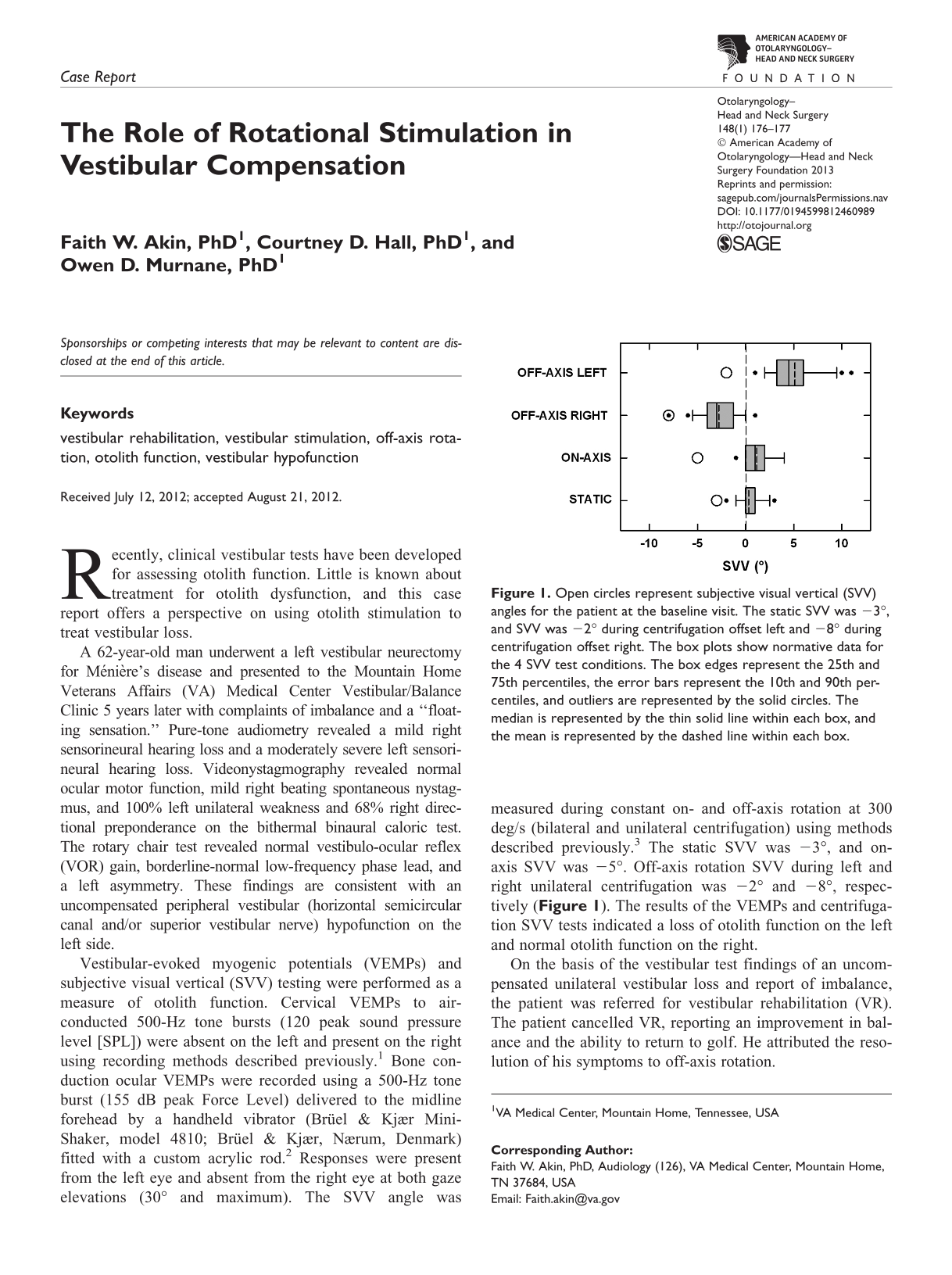
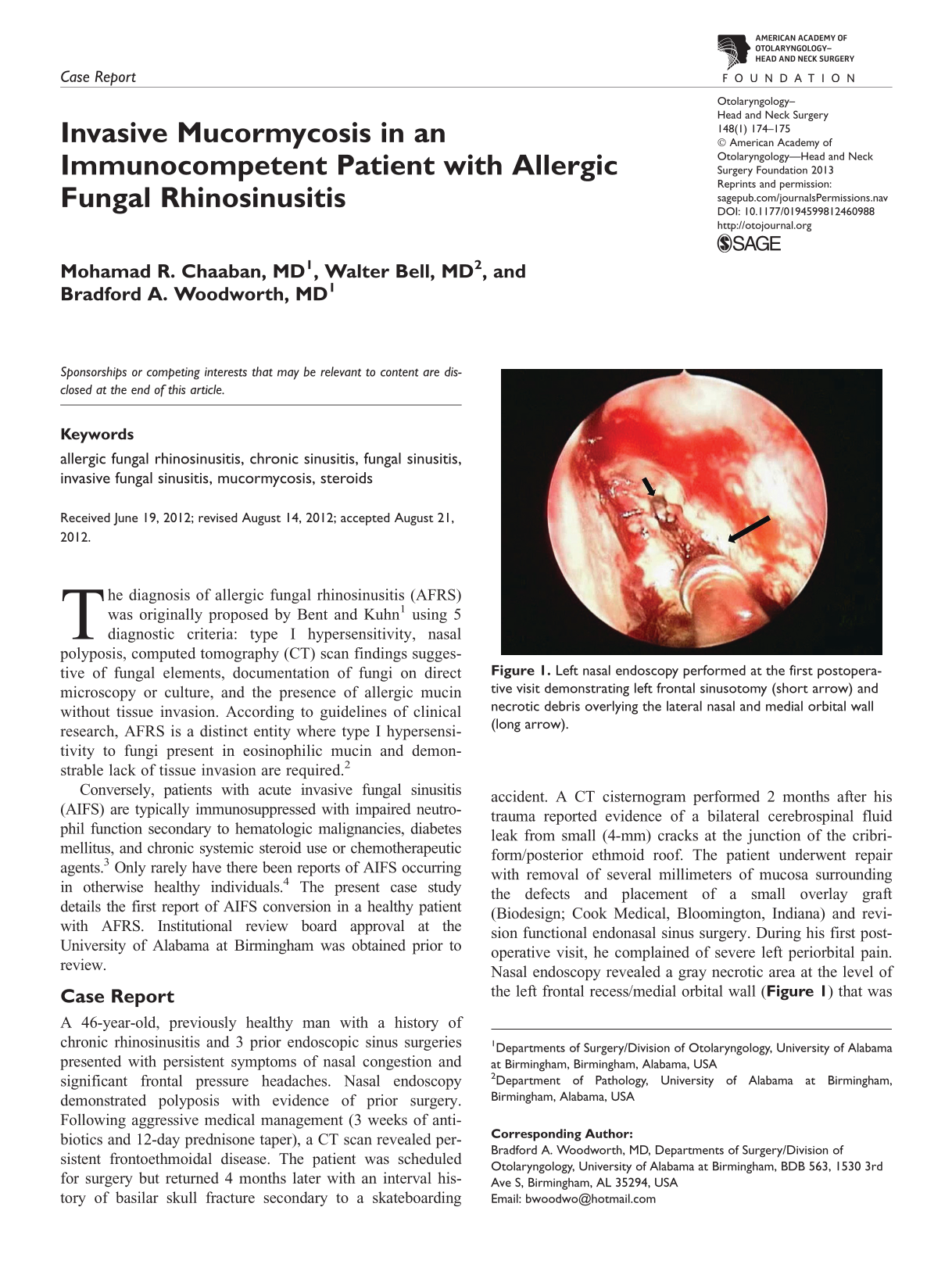 Restricted accessResearch articleFirst published January, 2013pp. 176-177
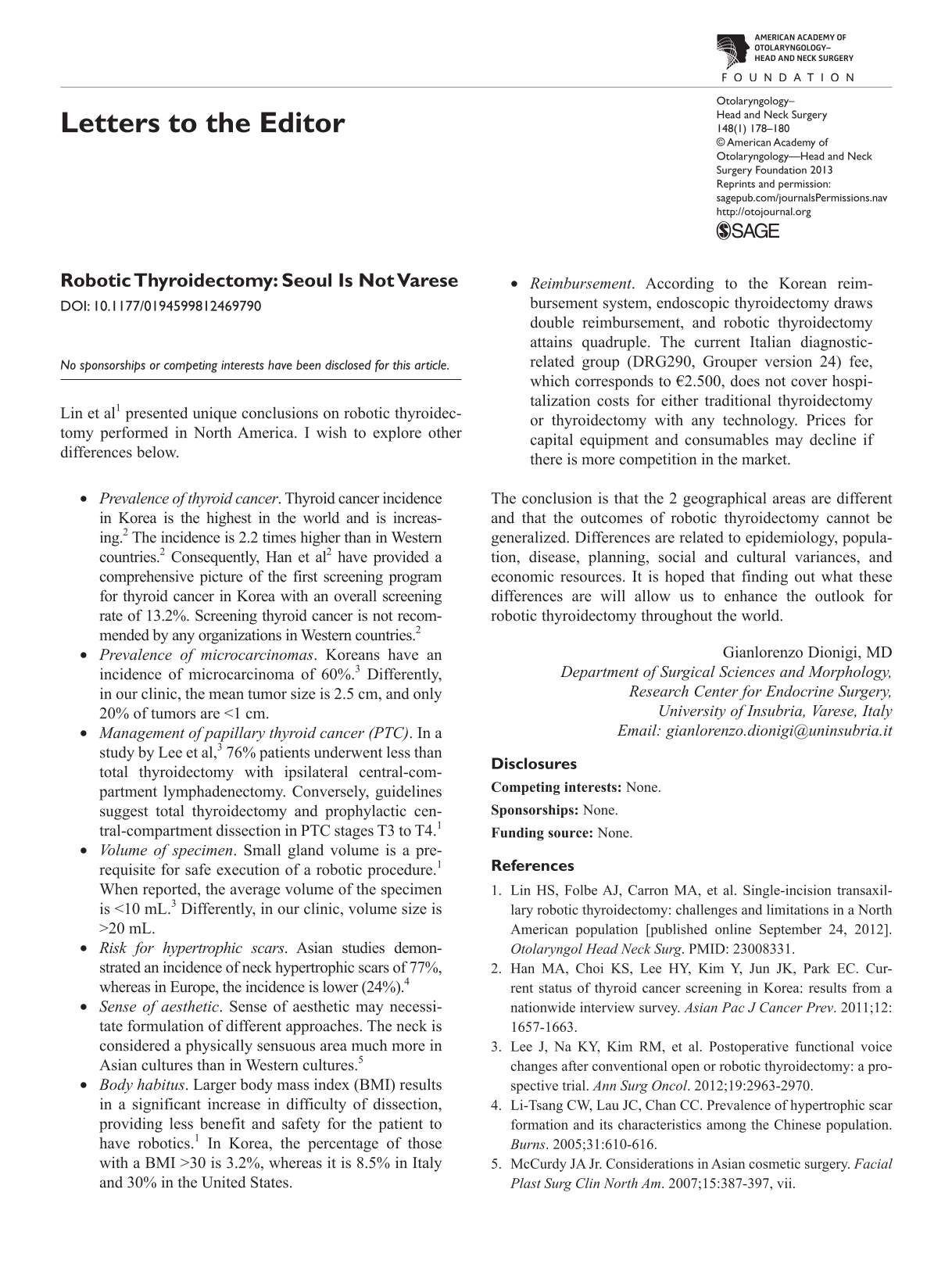
 Restricted accessLetterFirst published January, 2013pp. 178-178
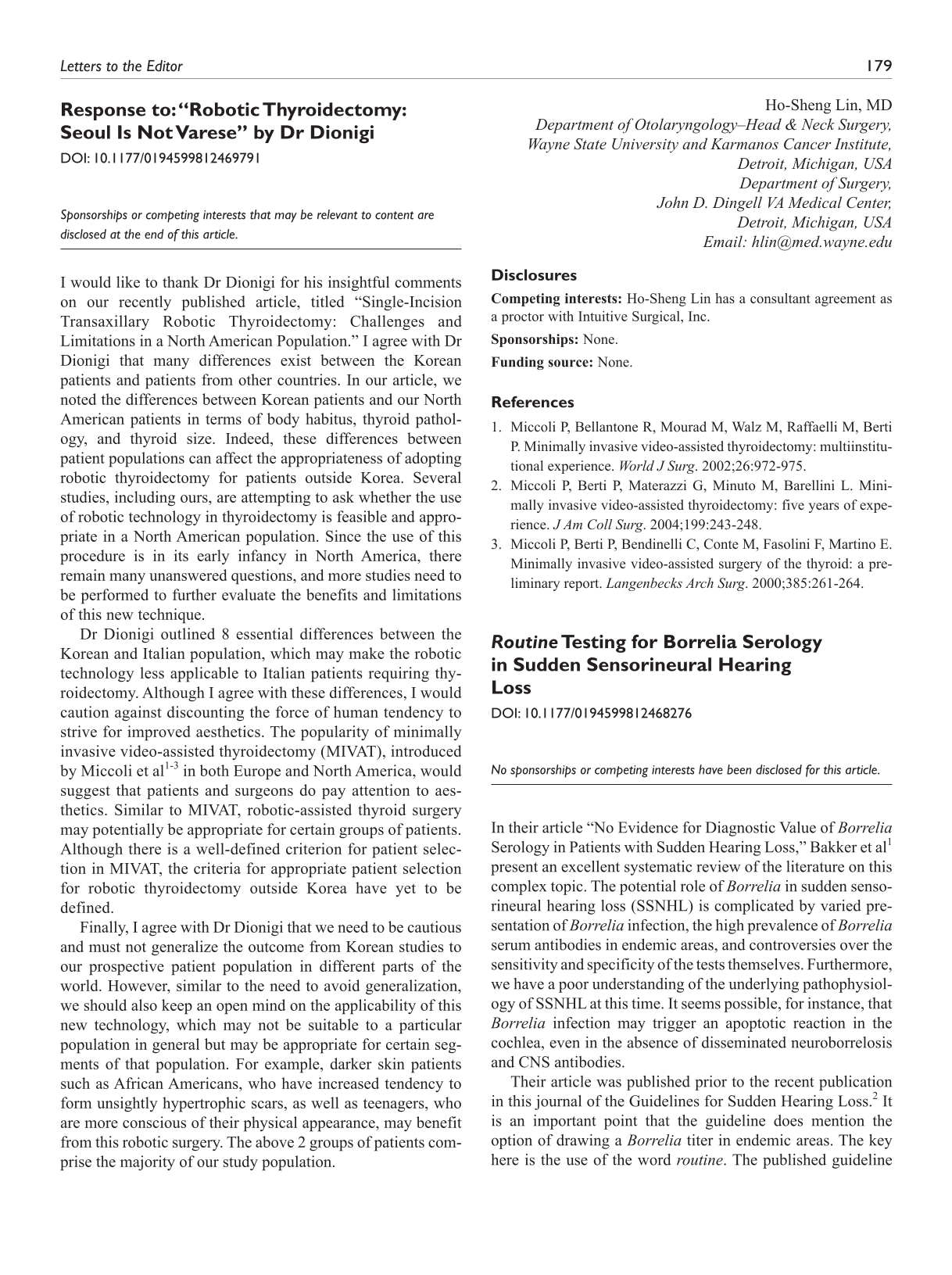
 Restricted accessLetterFirst published January, 2013pp. 179-179
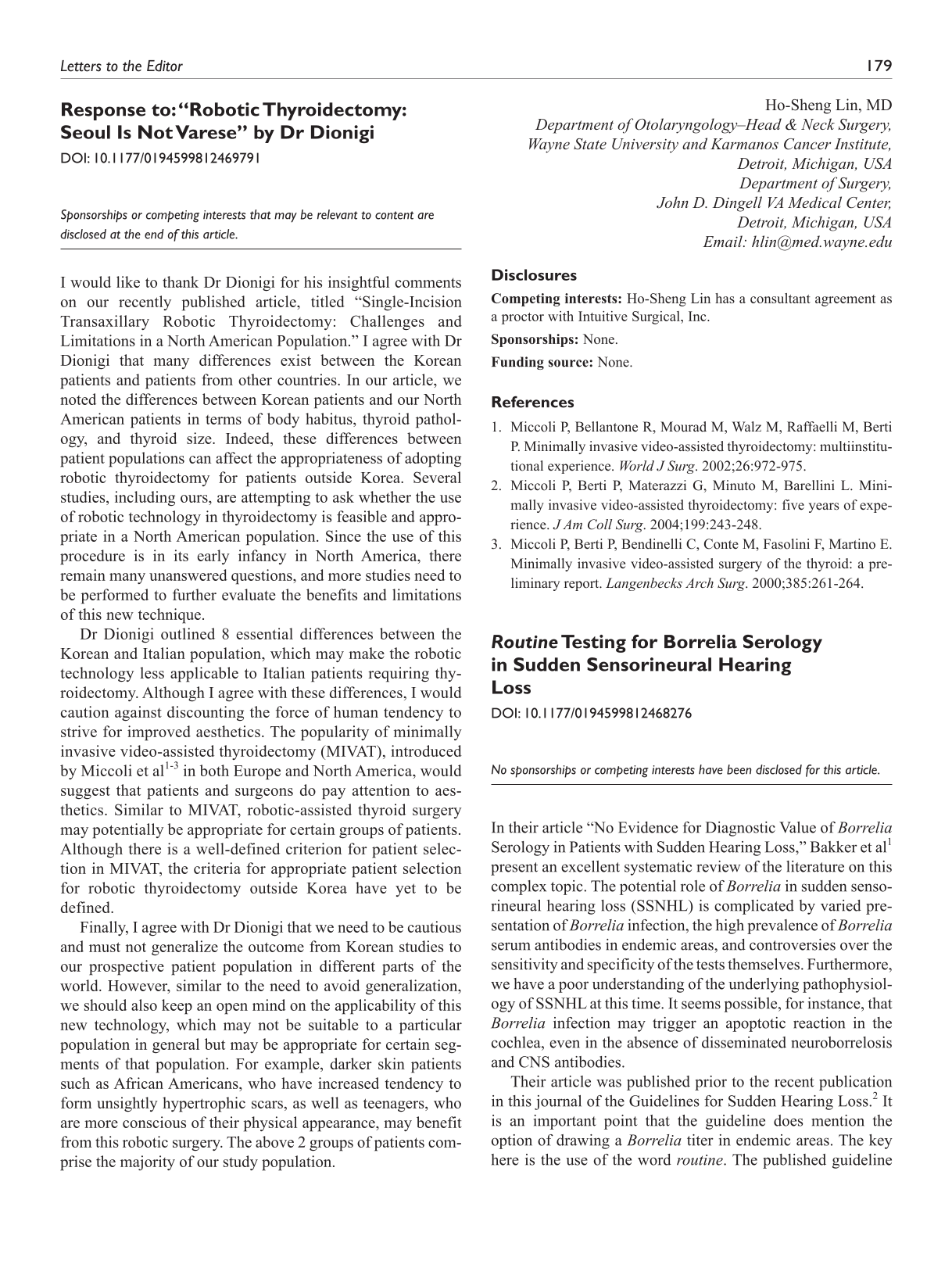 Restricted accessLetterFirst published January, 2013pp. 179-180
 Restricted accessLetterFirst published January, 2013pp. 180-180