
Other
 Restricted accessOtherFirst published February, 2019pp. 185-186

Select search scope: search across all journals or within the current journal


 Restricted accessOtherFirst published February, 2019pp. 185-186Restricted accessResearch articleFirst published February, 2019pp. 187-205
This update of a 2011 guideline developed by the American Academy of Otolaryngology–Head and Neck Surgery Foundation provides evidence-based recommendations on the pre-, intra-, and postoperative care and management of children 1 to 18 years of age under consideration for tonsillectomy. Tonsillectomy is defined as a surgical procedure performed with or without adenoidectomy that completely removes the tonsil, including its capsule, by dissecting the peritonsillar space between the tonsil capsule and the muscular wall. Tonsillectomy is one of the most common surgical procedures in the United States, with 289,000 ambulatory procedures performed annually in children <15 years of age, based on the most recent published data. This guideline is intended for all clinicians in any setting who interact with children who may be candidates for tonsillectomy.
The purpose of this multidisciplinary guideline is to identify quality improvement opportunities in managing children under consideration for tonsillectomy and to create explicit and actionable recommendations to implement these opportunities in clinical practice. Specifically, the goals are to educate clinicians, patients, and/or caregivers regarding the indications for tonsillectomy and the natural history of recurrent throat infections. Additional goals include the following: optimizing the perioperative management of children undergoing tonsillectomy, emphasizing the need for evaluation and intervention in special populations, improving the counseling and education of families who are considering tonsillectomy for their children, highlighting the management options for patients with modifying factors, and reducing inappropriate or unnecessary variations in care. Children aged 1 to 18 years under consideration for tonsillectomy are the target patient for the guideline.
For this guideline update, the American Academy of Otolaryngology–Head and Neck Surgery Foundation selected a panel representing the fields of nursing, anesthesiology, consumers, family medicine, infectious disease, otolaryngology–head and neck surgery, pediatrics, and sleep medicine.
The guideline update group made
The guideline update group made
The guideline update group made a
The policy level for the recommendation about documenting recurrent throat infection was an
Incorporating new evidence profiles to include the role of patient preferences, confidence in the evidence, differences of opinion, quality improvement opportunities, and any exclusion to which the action statement does not apply. There were 1 new clinical practice guideline, 26 new systematic reviews, and 13 new randomized controlled trials included in the current guideline update. Inclusion of 2 consumer advocates on the guideline update group. Changes to 5 KASs from the original guideline: KAS 1 (Watchful waiting for recurrent throat infection), KAS 3 (Tonsillectomy for recurrent infection with modifying factors), KAS 4 (Tonsillectomy for obstructive sleep-disordered breathing), KAS 9 (Perioperative pain counseling), and KAS 10 (Perioperative antibiotics). Seven new KASs: KAS 5 (Indications for polysomnography), KAS 6 (Additional recommendations for polysomnography), KAS 7 (Tonsillectomy for obstructive sleep apnea), KAS 12 (Inpatient monitoring for children after tonsillectomy), KAS 13 (Postoperative ibuprofen and acetaminophen), KAS 14 (Postoperative codeine), and KAS 15a (Outcome assessment for bleeding). Addition of an algorithm outlining KASs. Enhanced emphasis on patient and/or caregiver education and shared decision making.
Restricted accessResearch articleFirst published February, 2019pp. 206-212This plain language summary for patients serves as an overview explaining tonsillectomy in children and to help patients, caregivers, and clinicians in their discussions about the reasons that a tonsillectomy may be needed, management options, and care related to the procedure. This summary applies to patients ages 1 through 18 years and is based on the 2019 “Clinical Practice Guideline: Tonsillectomy in Children (Update).” This evidence-based guideline mainly addresses the need for tonsillectomy based on breathing problems that take place during sleep and repeated sore throats or “tonsillitis.” The guideline was developed to identify quality improvement opportunities in managing children under consideration for tonsillectomy and to create clear recommendations for clinicians to use in medical practice.
Restricted accessArticle commentaryFirst published February, 2019pp. 213-214Partial intracapsular tonsillectomy (PIT) was revisited in 2003 as an alternate surgical option to total tonsillectomy for the treatment of tonsillar hypertrophy. However, evaluation of the existing literature on PIT reveals that it is largely focused on comparing perioperative outcomes after PIT and total tonsillectomy, with few data regarding long-term outcomes. The goal of this commentary is to explain why PIT was not incorporated into the 2019 American Academy of Otolaryngology–Head and Neck Surgery Foundation clinical practice guideline for tonsillectomy, while acknowledging its use and potential advantages and disadvantages and outlining future research opportunities.
Restricted accessResearch articleFirst published February, 2019pp. 215-222The aim of this systematic review is to compare the surgical outcomes of supraclavicular artery island flap (SCAIF) and free tissue transfer (FTT) in head and neck reconstruction.
PubMed, Web of Science, and EMBASE databases.
Independent screening and data extraction were performed by 2 authors. Only studies that directly compared SCAIF and FTT were included. Data were pooled with random-effects meta-analysis to determine the standardized mean differences (SMDs), risk differences, and 95% confidence intervals (CIs). Heterogeneity was assessed using the
The initial query yielded 661 results, of which 4 comparative studies remained for final analysis. The pooled sample sizes for the SCAIF and FTT cohorts were 100 and 84, respectively. SCAIF was associated with reduction of operative time by a large effect size (SMD, 1.65; 95% confidence interval, 0.78-2.52). The harvested flap areas and perioperative complications, including rates of total flap loss, partial flap necrosis, and recipient/donor site dehiscences, were comparable between the 2 procedures with low to high heterogeneity among studies.
SCAIF requires less operative time and has comparable short-term perioperative results to FTT. The findings of this study support the viability of SCAIF as an alternative to FTT and provide evidence for its inclusion in the reconstructive armamentarium of major head and neck ablation and trauma.
Restricted accessReview articleFirst published February, 2019pp. 223-231The use of sphenopalatine ganglion block (SPGB) with a local anesthetic to decrease postoperative pain after endoscopic sinus surgery (ESS) is controversial. We investigated the role of a perioperative SPB to minimize postoperative pain related to ESS in patients with chronic sinusitis through a systematic review of the relevant literature.
PubMed, SCOPUS, Google Scholar, Embase, and the Cochrane Register of Controlled Trials.
We screened the relevant literature published before June 2018. Eight articles that compared perioperative SPGB (treatment group) with a placebo or no treatment (control group) were included for this analysis of the outcomes, which included perioperative morbidities in ESS. For quantitative variables, the standardized mean difference was applied to standardize and summate the results of the studies, and the odds ratio was used in outcome of incidence analysis.
Intraoperative bleeding (
In our study, SPGB combined with a local anesthetic for ESS effectively reduced intra-and postoperative morbidities. This procedure showed no significant adverse effects. Given the ease and effectiveness of this procedure, the transnasal approach should be highly recommended as a routine procedure compared to the transoral approach.
Restricted accessReview articleFirst published February, 2019pp. 232-238Several surgical interventions are offered to patients with Ménière’s disease (MD) who fail medical management. Although outcomes have historically been reported according to American Academy of Otolaryngology—Head and Neck Surgery guidelines, patient-reported outcome measures (PROMs) are increasingly used to evaluate treatments. This study reviews PROMs used to assess surgical treatments for MD and compares the effect of each intervention based on PROM scores.
PubMed, EMBASE, CINAHL, and Web of Science.
This is a systematic review and meta-analysis of English-language studies that reported PROMs for surgical treatments of MD. Two independent investigators assessed study eligibility, rated the quality using Methodological Index for Non-Randomized Studies (MINORS), and abstracted data for comparative analysis. A random-effects model was used for meta-analysis of pooled data.
Of 148 unique studies identified, 11 satisfied inclusion criteria. The Ménière’s Disease Outcome Questionnaire (MDOQ) was the most commonly used survey. Interventions included intratympanic gentamicin, vestibular nerve section, endolymphatic sac surgery, and labyrinthectomy. Pooled analysis of 8 studies that used the MDOQ instrument demonstrated statistically significant improvements in quality of life but did not identify a difference between destructive and nondestructive procedures.
Although our review shows significant improvements in PROM scores for both destructive and nondestructive interventions, there was no significant difference noted between treatment types. We cannot draw conclusions regarding the comparative effectiveness of specific interventions, and the results do not account for placebo effects or the natural history of the disease. Further investigation with randomized controlled trials should be considered in future studies.
Restricted accessResearch articleFirst published February, 2019pp. 239-245The present study compared the frequency of depressive disorder in patients with thyroid cancer who had undergone thyroidectomy with the frequency in control individuals.
Retrospective population-based cohort study.
This study used data from the Korean Health Insurance Review and Assessment Service–National Sample Cohort.
A total of 3609 participants with thyroid cancer who had undergone thyroidectomy between 2003 and 2011 were enrolled in this study and matched 1:4 with 14,436 control participants by age, sex, income, and region of residence. The cumulative incidence of postoperative depressive disorder was evaluated over a period of 10 years after the thyroidectomies and compared with the incidence in controls. Depressive disorder was diagnosed by a psychiatrist.
The incidence of depressive disorder was significantly higher in the thyroid cancer with thyroidectomy group than in the controls up to postoperative year 1. A subgroup analysis showed the same higher incidence of depressive disorder in the thyroid cancer group than controls for up to 1 year after operations in young adult (≤44 years old), female, urban, and low-income groups. However, the incidence was elevated only in the year of the thyroidectomies themselves in middle-aged and older, rural, and high-income groups.
Patients with thyroid cancer who undergo thyroidectomy have depressive disorder more frequently than normal controls. However, the frequency of depressive disorder after thyroidectomy recovers in a shorter period in middle-aged or older, high-income, and rural-dwelling patients, compared to younger, low-income, and urban-dwelling patients.
Restricted accessResearch articleFirst published February, 2019pp. 246-254To assess the dental class occlusion and lateral cephalometry of children with conservatively treated Pierre Robin sequence (PRS) and to identify associations between these findings and prepalatoplasty cleft palate measurements.
Retrospective cohort study.
Among 22 patients with PRS, the following data were prospectively collected: demographics and preoperative cleft palate measurements. After patients reached age 6 years, an orthodontist assessed dental occlusion class and performed a lateral cephalometric analysis. PRS cephalometric data were compared with reference population values. Bivariate logistic regression was used to test the association with malocclusion class. Results are presented as odds ratios with 95% profile likelihood confidence intervals. The association between cleft measurements and cephalometric parameters was tested with Spearman’s correlation (
All 22 patients had bimaxillary hypoplasia and were prone to hyperdivergency, with a 41% rate of dental class III malocclusion. An increased anterior growth of the still retrusive mandible mostly accounts for the occurrence of the class III malocclusion in PRS (class II SNB = 74.3° vs class III SNB = 77.6°,
The 41% rate of class III malocclusion among these conservatively treated patients needs to be considered in the choice of the initial airway approach. The future impact of early mandibular advancement will have to be determined.
Restricted accessResearch articleFirst published February, 2019pp. 255-260To evaluate outcomes of in-office versus operating room (OR) sialendoscopy/sialolithotomy and to recognize the efficiency of outpatient salivary gland surgery with significant time and facility charge reductions.
Case series with chart review.
State hospital OR and ambulatory clinic.
Retrospective review was performed of adult patients treated for inflammatory salivary diseases by a single surgeon from 2011 to 2016. The patients were divided into 2 groups based on procedure setting (office vs OR) and compared by various baseline features, including demographics, symptom onset and duration, stone size, symptomatic improvement, and recurrence. Patient time burden was compared via office procedure records and OR time charting from the electronic health record. Retrospective clinic and hospital charge sheets were tallied and similarly compared.
The 2 cohorts (office, n = 111; OR, n = 96) were comparable in all demographics, including sialolith number and size (7.36 vs 6.69 mm,
Bothcohorts were statistically similar in all features. There was significant reduction in patient time burden and health care charges with office-based procedures while maintaining similar symptom improvement and recurrence rates.
Restricted accessResearch articleFirst published February, 2019pp. 261-266To understand the effects of positron emission tomography/computed tomography (PET/CT) evaluation on patients with previously untreated head and neck squamous cell carcinoma (HNSCC) with clinical evidence of regional lymph node involvement.
Prospective blinded study.
Tertiary care cancer center.
Informed consent was obtained and data collected from 52 consecutive previously untreated patients with HNSCC and clinical evidence of cervical metastasis. All patients underwent conventional evaluation for HNSCC and whole body PET/CT. Data were evaluated by 5 independent reviewers, who performed TNM staging per the American Joint Committee on Cancer (seventh edition) manual and proposed a treatment plan prior to viewing, and after reviewing, PET/CT. Cases where at least 3 of 5 reviewers agreed were considered significant.
There were 0 patients for whom review of the PET/CT altered the T-class assessment (95% CI, 0-6.8), 12 (23.1%) for whom PET/CT altered N classification (95% CI, 12.5-34.5), and 2 (3.8%) for whom PET/CT altered the M classification (95% CI, 0.5-13.2). For 5 patients (9.6%), overall stage was altered per PET/CT review (95% CI, 3.2-21). For 3 patients (5.8%), PET/CT findings prompted reviewers to alter treatment recommendations (95% CI, 1.2-15.9).
When added to more conventional patient evaluation, PET/CT results in changes to the TNM categories, but overall staging and treatment were less frequently affected. Whether PET/CT should be used routinely for patients with stage III and IV HNSCC is still subjective and merits further study.
Restricted accessResearch articleFirst published February, 2019pp. 267-276To characterize treatment delays in hypopharyngeal cancer, identify factors associated with delays, and associate delays with overall survival.
Retrospective cohort.
Commission on Cancer hospitals nationwide.
We included patients in the National Cancer Database who were treated for hypopharyngeal cancer with primary radiation, concurrent chemoradiation, or induction chemotherapy and radiation. We identified median durations of diagnosis to treatment initiation (DTI), radiation treatment duration (RTD), and diagnosis to treatment end (DTE). We associated delays with patient, tumor, and treatment factors and overall survival via multivariable logistic and Cox proportional hazards regression, respectively.
A total of 3850 patients treated with primary radiation or concurrent chemoradiation were included. Median durations of DTI, RTD, and DTE were 37, 52, and 92 days, respectively. Nonwhite race was associated with delays in DTI (odds ratio [OR] = 0.64; 95% CI, 0.51-0.80;
The median durations identified can serve as national benchmarks. Delays during radiation are associated with impaired overall survival among patients treated with primary radiation or chemoradiation but not patients treated with induction chemotherapy.
Restricted accessResearch articleFirst published February, 2019pp. 277-283The management of occult lymph node metastasis (LNM) in head and neck squamous cell carcinoma has been a matter of controversy for decades. The vascular density within the tumor microenvironment, as an indicator of ongoing angiogenesis, could constitute an attractive predictor of LNM. The use of the panvascular endothelial antibody CD31 as a marker of occult LNM has never been reported. The aim of this study was to assess the predictive value of CD31 microvascular density for the detection of occult LNM in squamous cell carcinoma of the oral cavity and oropharynx.
Case series with chart review.
Tertiary university hospital.
Intra- and peritumoral microvascular density values were determined in 56 cases of squamous cell carcinoma of the oral cavity (n = 50) and oropharynx (n = 6) with clinically negative necks using the CD31 marker. Statistical associations of CD31 microvascular densities with clinicopathologic data were then established.
Peritumoral CD31 microvascular density was significantly associated with occult LNM in multivariate analysis (
Peritumoral CD31 microvascular density in primary squamous cell carcinoma of the oral cavity and oropharynx allows accurate prediction of occult LNM.
Restricted accessResearch articleFirst published February, 2019pp. 284-294To determine whether structural differences in data sampling between the National Cancer Database (NCDB), a non-population-based cancer registry, and Surveillance, Epidemiology, and End Results (SEER), a population-based cancer registry, result in differences in patient characteristics or oncologic outcomes.
Retrospective cohort study.
NCDB and SEER database.
Patients with head and neck cancer (HNC) were included from 2004 to 2014. The primary outcome, weighted differences in characteristics between the databases, was evaluated for each head and neck subsite (oral cavity [OC], oropharynx [OP], hypopharynx [HP], and larynx [LX]). The secondary outcome measure, overall survival (OS), was evaluated using Kaplan-Meier (KM) estimates of survival and Cox proportional hazards (PH) regression modeling.
In total, 112,007 and 340,420 HNC cases were registered in SEER and the NCDB, respectively. The mean age at diagnosis for the 4 head and neck subsites differed by no more than 1.1 years between the 2 databases. The largest difference in patient or tumor characteristics was the frequency of OC subsite lip cancer (weighted proportional difference, 6.9%; 95% confidence interval, 6.5%-7.3%). Unadjusted KM estimates of 5-year OS differed by no more than 2% (OP, HP, and LX subsites). On Cox PH modeling, adjusted hazard ratios ranged from 0.89 to 0.91 for patients of different head and neck subsites in the NCDB relative to SEER.
Patients with HNC in the SEER database and NCDB do not greatly differ in terms of demographics, treatment, and survival. Decisions to use either database should be driven by the data fields, which vary between the registries.
Restricted accessResearch articleFirst published February, 2019pp. 295-301To determine the prevalence of minor structural alterations (MSA) in the vocal fold cover in a population submitted to extralaryngeal site surgery and to characterize them according to morphological and epidemiological parameters.
This was a cross-sectional and observational study.
Tertiary referral medical center.
A total of 147 patients underwent general anesthesia for extralaryngeal site surgery indicated for a procedure extraneous to the study and irrespective of the presence of vocal complaint. Next, detection and morphological characterization of MSAs in the vocal fold cover were performed by means of suspension microlaryngoscopy with laryngeal inspection and palpation without surgical intervention related to this procedure. The laryngeal findings were compared with variables from a clinical and demographic characteristics questionnaire given to these individuals.
A 21.1% prevalence of MSAs was identified in the sample, which included a majority of individuals without vocal complaint (95.9%). Of these, 5.4% of individuals had laryngeal microdiaphragms, 16.3% sulcus vocalis, and 4.1% epidermoid cysts. No pouch sulcus or mucosal bridges were found. The identification of these alterations occurred mainly after 10 years of age, without effects of sex, vocal abuse, or upper airway conditions. The most common combination of MSAs was bilateral sulcus vocalis.
The prevalence of MSAs in laryngeal coverage in this predominantly vocally asymptomatic population was 21.1%, with identification of sulcus vocalis, epidermoid cyst, and laryngeal microdiaphragm. Age was the only clinical or demographic characteristic associated with these alterations.
Restricted accessResearch articleFirst published February, 2019pp. 302-309To use mid-infrared (IR) spectroscopy to assess changes in the cartilaginous framework of human trachea during decellularization.
Laboratory-based study.
Research laboratory.
Six cadaveric human tracheas were decellularized using a detergent enzymatic method (DEM). Tissue samples were obtained from each specimen after 0, 1, 10, and 25 DEM cycles for histologic and spectroscopic analysis. Decellularization was confirmed using hematoxylin and eosin (H&E) and 2-(4-amidinophenyl)-1H-indole-6-carboxamidine (DAPI) staining. Changes in cartilaginous framework were examined using Fourier transform infrared imaging spectroscopy (FT-IRIS) and an attenuated total reflectance (ATR) probe in the mid-IR frequencies. Results were statistically analyzed using 1-way analysis of variance (ANOVA) and principal component analysis (PCA).
Six decellularized tracheal scaffolds were successfully created using a DEM protocol. Histologic examination showed near-complete nuclear loss following 25 DEM cycles. As observed with FT-IRIS analysis, the collagen absorbance signal (1336 cm−1) was predominantly in the perichondria and remained stable after 25 DEM cycles (
Mid-IR spectroscopy is a viable method of monitoring changes in extracellular matrix components during the decellularization of human trachea.
Restricted accessResearch articleFirst published February, 2019pp. 310-319To assess the efficacy of acellular bilayer silk fibroin (BLSF) grafts to repair full-thickness tracheal defects and to compare the performance with conventional porcine small intestinal submucosa (SIS) implants.
A prospective controlled animal trial in a rat model of onlay tracheoplasty.
Pediatric medical center.
Tracheal reconstruction of adult Sprague-Dawley rats was performed with BLSF (n = 38) or SIS (n = 32) matrices for up to 3 months of implantation. Functional evaluations of repaired conduits as well as histologic, immunohistochemical, and histomorphometric analyses of neotissues were assessed.
Prior to scheduled euthanasia, survival rates of rats receiving BLSF or SIS grafts were ≥94%, with no clinical signs of airway obstruction observed over the course of the study. Micro–computed tomography analysis revealed that the mean percentage of stenosis was <20% in both implant groups. BLSF and SIS grafts supported formation of pseudostratified ciliated columnar epithelium by 1 week postoperatively; however, each matrix failed to promote de novo chondrogenesis by 3 months following repair.
BLSF scaffolds can be used for reconstruction of rat tracheal patch defects with functional outcomes comparable to those of SIS matrices.
Restricted accessResearch articleFirst published February, 2019pp. 320-325To describe a 3D-printed middle ear model that quantifies the force applied to the modeled incus. To compare the forces applied during placement and crimping of a stapes prosthesis between the Robotic ENT Microsurgery System (
Prospective feasibility study.
Robotics laboratory.
A middle ear model was designed and 3D printed to facilitate placement and crimping of a piston prosthesis. The modeled incus was mounted to a 6–degree of freedom force sensor to measure forces/torques applied on the incus. Six participants—1 fellowship-trained neurotologist, 2 neurotology fellows, and 3 otolaryngology–head and neck surgery residents—placed and crimped a piston prosthesis in this model, 3 times freehand and 3 times
Mean maximum magnitude of force during prosthesis placement was 126.4 ± 73.6 mN and 105.0 ± 69.4 mN for the freehand and robotic techniques, respectively (
Preliminary data demonstrate that
Restricted accessResearch articleFirst published February, 2019pp. 326-331(1) Describe outcomes of bronchoscopy with foreign body removal among children on the basis of a large standardized multi-institutional data set. (2) Identify factors associated with 30-day adverse events.
Cross-sectional analysis of a US national database.
Public data set from the ACS NSQIP-P (American College of Surgeons National Surgical Quality Improvement Program–Pediatric) from 2012 to 2015.
Children <18 years old who underwent bronchoscopy with removal of foreign body were identified. Patient demographics, comorbidities, hospitalization factors, surgical characteristics, and 30-day postoperative adverse events, including complication and readmission, were analyzed. Multivariate logistic regression identified predictive factors for postoperative complications and prolonged length of stay.
A total of 275 children underwent bronchoscopic foreign body removal (n = 165 male, 60%; n = 75 nonwhite and/or Hispanic, 27%; mean age, 3.5 years [range, 0.63-17.9; median, 2.0]). Adverse events occurred among 10 children (4%). Seven had pulmonary-related complications, and 1 patient died. Three patients were readmitted; there were no reoperations. On multivariate analysis, preoperative pulmonary disease or need for pulmonary support (odds ratio [OR], 6.42;
Bronchoscopy for retrieval of foreign body among children has an overall low incidence of 30-day adverse events. Children with preoperative pulmonary compromise have a significantly higher risk of postoperative complications. These findings may be applied to optimize perioperative care and counsel parents and families.
Restricted accessResearch articleFirst published February, 2019pp. 332-338To investigate national and regional variations in pediatric tracheostomy rates, epidemiology, and outcomes from 2000 to 2012.
Retrospective cohort analysis.
Previous research with the 1997 edition of the Kids’ Inpatient Database (KID), a national database of pediatric hospital discharge data, demonstrated that rates and outcomes of pediatric tracheostomy vary among US geographic regions. The KID has since been released an additional 5 times, increasing in size with successive editions.
Patients ≤18 years old with procedure codes for permanent or temporary tracheostomy from 2000 to 2012 were included. Primary outcome was a weighted population-based rate of tracheostomy stratified by year. Secondary analysis included epidemiologic characteristics and outcomes stratified by year and geographic region.
A weighted total of 24,354 cases was analyzed. Population-based tracheostomy rates decreased from 6.8 ± 0.2 (mean ± SD) tracheostomies per 100,000 child-years in 2000 to 6.0 ± 0.2 in 2012. Minorities increased from 53.3% in 2000 to 56.4% in 2012. Patients experienced increased procedures, diagnoses, length of stay, and hospital charges with time. From 2000 to 2012, rates and outcomes varied by US geographic region. Mortality during hospitalization (8%) did not vary by year, patient age, region, or sex.
Pediatric tracheostomy is associated with variation in incidence, epidemiology, and hospitalization outcomes in the United States from 2000 to 2012. While rates of pediatric tracheostomy decreased, patients became increasingly medically complicated and ethnically diverse with outcomes varying according to geographic region.
Restricted accessResearch articleFirst published February, 2019pp. 339-342This investigation seeks to evaluate the effect of gross pathologic analysis on our management of patients undergoing routine tonsillectomy and to evaluate charges and reimbursement.
Retrospective chart review from 2005 through 2016.
Academic medical center.
Participants were pediatric patients aged 14 years and younger undergoing tonsillectomy for either sleep-disordered breathing or tonsillitis, with tonsillectomy specimens evaluated by pathology, and without any risk factors for pediatric malignancy. Records were reviewed for demographics, surgical indications, and pathology. Abnormal reports prompted an in-depth review of the chart. Charges and reimbursement related to both hospital and professional fees for gross tonsil analysis were evaluated.
From 2005 to 2016, 3183 routine pediatric tonsillectomy cases were performed with corresponding specimens that were sent for gross analysis revealing no significant pathologic findings; 1841 were males and 1342 were females. Ten cases underwent microscopy by pathologist order, revealing normal tonsillar tissue. The mean charge per patient for gross analysis was $60.67 if tonsils were together as 1 specimen and $77.67 if tonsils were sent as 2 separate specimens; respective reimbursement amounts were $28.74 and $35.90.
Gross pathologic analysis did not change our management of routine pediatric tonsillectomy patients. Foregoing the practice at our institution would eliminate $19,171.72 to $24,543.72 in charges and $9081.40 to $11,344.40 in reimbursement per year. Eliminating this test would improve the value of patient care by saving health care resources without compromising clinical outcomes.
Restricted accessResearch articleFirst published February, 2019pp. 343-346Hypertrophy of the soft tissue of the posterior inferior turbinate (PITH) may be observed during nasal endoscopy, although the clinical significance is not understood. We report a cross-sectional study of consecutive new patients undergoing baseline nasal endoscopy in a tertiary rhinology clinic. Subjects completed 22-Item Sinonasal Outcome Test (SNOT-22) and Nasal Obstruction Symptom Evaluation (NOSE) questionnaires. Of 391 subjects screened, PITH was present in 62 (15.9%), with a female predominance. The prevalence of allergic rhinitis and chronic rhinosinusitis was comparable between PITH and non-PITH groups. Nonpurulent exudate flowing from the posterior inferior turbinate into the nasopharynx was more prevalent in association with PITH (83.9% vs 14.3%,
Restricted accessResearch articleFirst published February, 2019pp. 347-354To compare the outcomes of various techniques of endoscopic dacryocystorhinostomy (DCR).
Retrospective case record analysis.
Tertiary care referral center.
Retrospective analysis of case records was carried out pertaining to the period from January 1996 to September 2017 with respect to patients who had undergone endoscopic DCR with either the standard technique or one of its modifications. Case notes showing well-documented preoperative evaluation, operative details, postoperative assessment, and minimum 6-month follow-up were considered. The outcomes were measured on the basis of patients’ postoperative symptoms, clinical examination, and sac-syringing results.
A total of 423 patients were included in the study. Of these, 169 underwent standard endoscopic DCR; 87, endoscopic DCR with stent; 19, endoscopic DCR with mitomycin C; 62, powered DCR; 29, laser-assisted DCR; and 57, balloon DCR. There was no statistically significant difference in success rates, recurrences, or complications of various techniques at 3 or 6 months. Mean operating time was lowest for balloon DCR (mean ± SD, 27.1 ± 3.1 minutes), followed by standard endoscopic DCR (38.2 ± 3.6 minutes;
Standard endoscopic DCR and its more sophisticated modifications were equally effective and safe in managing distal nasolacrimal drainage obstruction. Balloon DCR, followed by standard endoscopic DCR, was significantly faster than other techniques.
Restricted accessResearch articleFirst published February, 2019pp. 355-358We provide expansion hyoidthyroidpexy as a novel surgical procedure for obstructive sleep apnea (OSA) that could combine different techniques of hyoid bone surgery in 1 procedure. This case series included patients with OSA who had an apnea-hypopnea index (AHI) >15 and showed predominant lateral wall hypopharyngeal collapse. In 21 patients, the procedure was performed smoothly without technical difficulties or operative adverse events, resulting in lateral expansion of each horn of the hyoid bone by ≥1 cm without early or late complications. At 6 months postoperatively, both AHI and the mean lowest oxygen saturation level were significantly improved (
Restricted accessCase reportFirst published February, 2019pp. 359-360 Restricted accessResearch articleFirst published February, 2019pp. 361-363
The duration of contact time of intratympanic steroids at the round window is a variable that can potentially affect the ultimate concentration within the cochlea. By placing Gelfoam saturated with dexamethasone directly over the round window, contact time is prolonged and potentially increases the dexamethasone concentration within the cochlea. This technique is simple, readily available with standard instruments and ingredients, and easily done in the office.
Restricted accessResearch articleFirst published February, 2019pp. 364-367Extracorporeal video microscopes, or “exoscopes,” provide high-definition views of the operative field and are alternatives to the operating microscope or loupes for large-corridor surgical approaches. In this proof-of-concept study, we aim to determine the feasibility of 3-dimensional exoscopes as alternatives to operating microscopes in otology and neurotology, espeically in conjunction with endoscopes. Eleven consecutive cases were performed using 3-dimensional exoscopes in place of, or as adjuncts to, the operating microscope. The exoscope was the sole visualization tool in 7 cases, with 4 including the use of an endoscope or microscope. There were no perioperative complications. Potential subjective advantages include superior ergonomics, compact size, and an equal visual experience for surgeons and observers. Limitations include low lighting in small surgical corridors and pixilation at high magnification. Exoscopes are potentially viable alternatives to the microscope in otologic and neurotologic surgery.
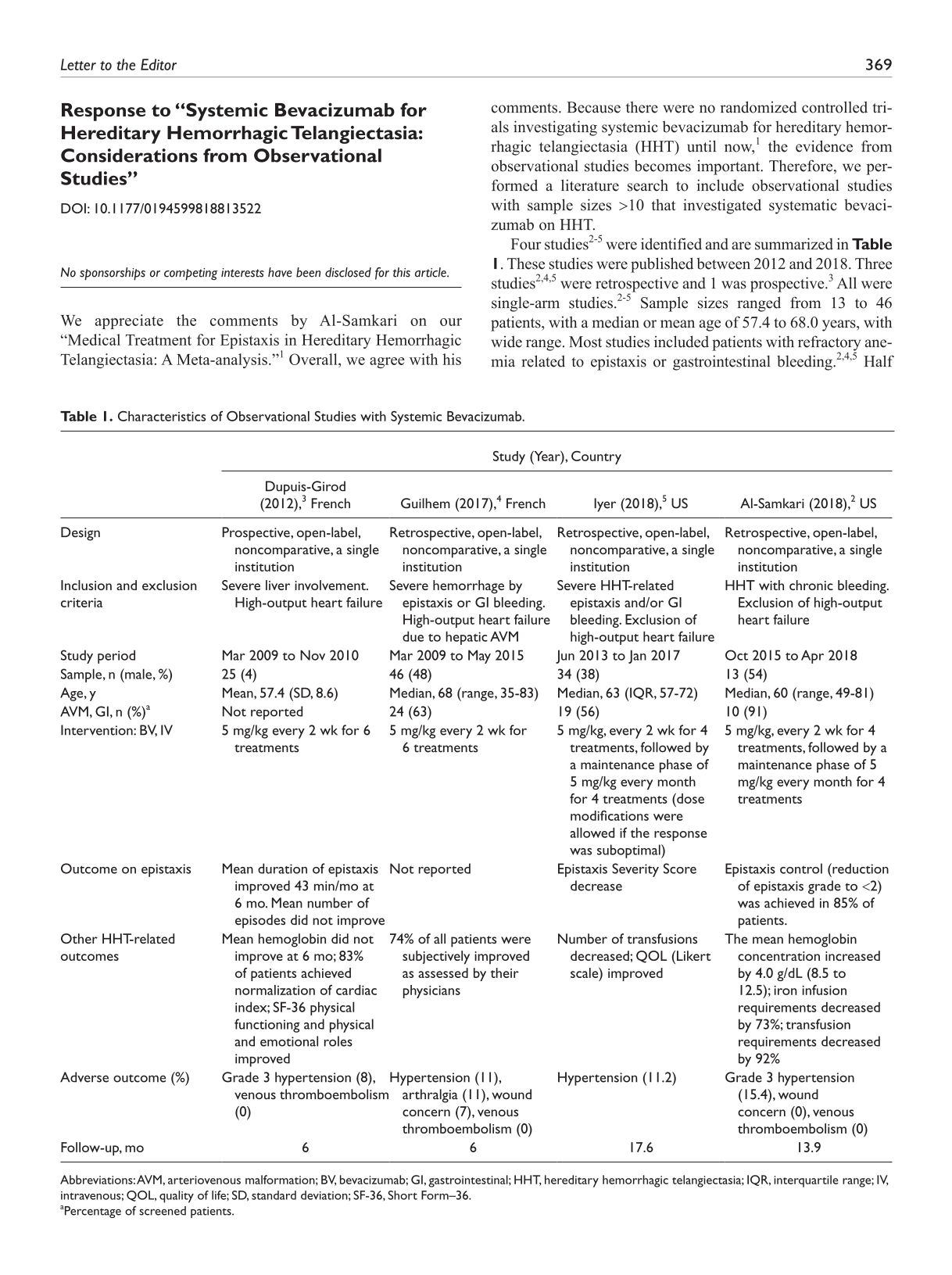
Restricted accessLetterFirst published February, 2019pp. 368-368 Restricted accessLetterFirst published February, 2019pp. 369-370
 Restricted accessCorrectionFirst published February, 2019pp. 371-371