Editorial
 Open accessEditorialFirst published April, 2019pp. 109-110

Select search scope: search across all journals or within the current journal


 Open accessEditorialFirst published April, 2019pp. 109-110Open accessEditorialFirst published April, 2019pp. 111-113
Female sexual dysfunction has always had challenges related to nosological issues due to inadequate research and understanding in this area. The
Open accessReview articleFirst published April, 2019pp. 114-116Hinduism is otherwise known as Sanatana dharma, the oldest of all religions in the world. Its scriptures allow absolute freedom to the rational mind of human to choose the choice as per individual’s choice wherein individual freewill is exercised. The present review article aims at how a Hindu is educated and guided by the scriptures to lead a harmonious life in the society in general and in particular the sexual functions as prescribed. The main focus of this article are the roles of individuals, families, community, the religious, and educational institutions, and the government to create awareness in the areas such sex, sexual functions and sexual problems among men and women. They are essentially important and needed for the healthy practices of sex in our Indian culture. To strengthen it further, some practical measures are suggested to bring in a change, especially adolescent period is a very exciting phase and they are facing lot of difficulties and challenges in the area of sex. Therefore, the educational institutions should conduct training and workshop for teachers, parents and students on reproductive health and healthy sexual function and the state and central should encourage to undertake the scientific research studies in different areas and groups, for different groups.
Open accessResearch articleFirst published April, 2019pp. 117-121Sexual dysfunction is commonly associated with the use of substances, in both men and women. This area requires prominent attention, particularly as the use of substances is often with the expectancy of improving an underlying sexual dysfunction or with a positive expectancy of enhancing sexual function.
The chronic use of substances has a negative impact on sexual function and causes various kinds of sexual dysfunction in both men and women. In this narrative review, we look at the effect of various substances of abuse on sexual functioning and discuss management strategies in such situations.
Open accessResearch articleFirst published April, 2019pp. 122-128Introduction: Cardiovascular diseases (CVDs) are the leading causes of morbidity and mortality worldwide. Patients with coronary artery disease (CAD) have more than twofold risk of sexual dysfunction compared with age-matched healthy persons. Coronary artery bypass graft (CABG) surgery benefits in CAD populations are well established. Erectile dysfunction (ED) in men and arousal difficulties in women are highly prevalent in CAD, yet it is frequently under-recognized and under-diagnosed in clinical practice. A further study on the relation between CABG and sexual functioning is not much explored, hence the need for the study.
Materials and Method: It is a cross-sectional study conducted in JSS Hospital, Mysuru, Karnataka. A total of 54 consecutive patients who have undergone CABG were considered. Informed and written consent was taken. After stabilization and thorough checkup by the attending cardiologist, interview was conducted. The patients were assessed on a structured and validated pro forma, for males International Index for Erectile Function (IIEF) and for females Female Sexual Function Index (FSFI) were used. ANOVA and Student’s
Results: Of the 54 study subjects, in males, 69.4% had mild to moderate ED, 52.8% had mild orgasmic dysfunction, 44.4% had moderate desire dysfunction, 50% had mild to moderate dysfunction of intercourse satisfaction, and 44.4% had mild to moderate and moderate dysfunction in overall satisfaction. In females, one or the other forms of sexual dysfunction were present in all the female study subjects; among them, 66.7% had arousal difficulties, 44.4% had lubrication, orgasm, and satisfaction problems and pain difficulties.
Conclusion: The results obtained in this study showed an increased prevalence rate of sexual dysfunction in patients who have undergone CABG. Hence addressing the concerned issues during the stay in the hospital is necessary for the better outcomes.
Open accessResearch articleFirst published April, 2019pp. 129-139Background: Depression causes emotional and physical disturbances which impacts biological functions such as sleep, appetite, libido, and disinterest in sexual function. Since discussing sexual problems is considered a taboo, there is limited data available concerning the prevalence of sexual dysfunction in women with depression and its response to treatment.
Aim: To assess the prevalence of sexual dysfunction in females with depressive disorder and the effects of treatment.
Material and Methods: A total of 53 females with recurrent depression and age and sex matched normal control group were included in the study with their informed consent. All the subjects were assessed with the Hamilton Rating Scale for Depression (HAM-D), Arizona sexual experience scale (ASEX), and female sexual functioning index (FSFI), which were re-administered after 6 weeks of treatment.
Results: There was a significant difference in the HAM-D, ASEX, and FSFI scores between index and control groups at baseline. There was a significant correlation between the scores of HAM-D, ASEX, and FSFI before treatment. The correlation between the HAM-D and ASEX scores after treatment was not significant. A significant correlation was found between the HAM-D scores and the scores of arousal, lubrication, orgasm, satisfaction, pain, total domains of FSFI after treatment. No correlation was found between the HAM-D scores and desire domain score of FSFI after treatment.
Conclusion: Women with depression have a high prevalence of sexual dysfunction. A highly significant improvement in depression and sexual functioning was observed at the end of 6 weeks of antidepressant therapy. Despite the improvement in sexual dysfunctions, the individual domains of sexual functions were not comparable to the normal subjects at the end of 6 weeks suggesting the need for longer treatment.
Open accessResearch articleFirst published April, 2019pp. 140-142Objective: The purpose of this study was to explore the pattern of suicide and extent of depression among female commercial sex workers (CSWs).
Methodology: 200 female CSWs classified as beginners and established depending on the number of years of sex work were referred to Victoria Hospital in Bengaluru, India, by an NGO called Swathi Mane which works for the betterment of these women.
Results: The pattern of suicide and the number of attempts among both the groups were different indicating that the number of years of sex work played a major role among these women in deciding the number of attempts and pattern of suicide. The reasons for attempting suicide also are interesting to the fact that the women who are new to this profession suffer from depression and guilt and attempt suicide, while women who are into this profession for quite some time now are accustomed to this trade and have lesser or no suicide attempts. The depression scores among these two groups were also higher as per Hamilton Rating Scale for Depression scores.
Open accessResearch articleFirst published April, 2019pp. 143-148Background: “Dhat syndrome” is described as a culture-bound syndrome, common mainly in the Southeast Asian region, including Nepal. We have limited data on this problem from Nepal.
Objective: To study clinico-demographic profile of “Dhat syndrome” cases, with the focus on its clinical presentations seen in psychiatry out-patient clinic of B. P. Koirala Institute of Health Sciences (BPKIHS).
Methodology: All consecutive out-patients with the diagnosis of “Dhat syndrome” coming into contact of the investigator in psychiatry OPD were enrolled during 12 months of study period. A pretested short questionnaire, including their view about “semen loss” and “masturbation,” was used. Psychiatric diagnoses were made according the International Classification of Diseases, Tenth Revision (ICD-10).
Results: Majority of the subjects were of productive ages; average age was 25 years. More of them were of Terai origin and from villages, though there were people also from other ethnic groups and urban settings. Most of them were educated but up to a middle/secondary level only. Most of the cases presented with depressive and anxiety symptoms, and semen loss, and were worried because they had heard or read that semen loss or masturbation was bad for health. They viewed semen as precious, something to be preserved, and masturbation a bad practice. Beside Dhat syndrome, two-thirds of the subjects (68%) had other ICD-10 psychiatric disorders, the most common being depression.
Conclusion: Psychiatric diagnoses are common among patients with “Dhat syndrome.” Most of these people view semen loss as a bad sign and masturbation a bad habit. Sex education is warranted for better health.
Open accessResearch articleFirst published April, 2019pp. 149-153Introduction: Premature ejaculation is a complex condition with controversial management modalities. We decided to assess the treatment-seeking behavior of affected couples, which is an indirect indicator of the efficacy of the present management modalities of premature ejaculation.
Materials and Methods: Couples, who reported premature ejaculation at our outpatient clinics between January 2015 and December 2016, were enrolled in the study. Patients with acquired causes for premature ejaculation were excluded. Both the partners were administered premature ejaculation diagnostic tool (PEDT) questionnaire separately at the time of initiation of the study and after 1 month. They were asked to report intravaginal ejaculatory latency time (IELT) and their treatment-seeking behavior at these time intervals. The couples were counselled regarding their diagnosis and offered treatment with dapoxetine 30 mg as and when required.
Results: A total of 117 couples with an average married life of 5.4 years were enrolled for the study. Among these, 68 had premature ejaculation (PE), 30 had probable PE and 19 had no PE as estimated on PEDT. Post treatment, 55% of couples with PE, 47% of couples with probable PE and 55% of couples without PE wanted to continue treatment seeking despite improvement. Female partners had the desire to seek treatment despite the male partner reporting otherwise.
Conclusion: The treatment seeking behavior of the affected couple indicates the inefficacy of the present management modalities of PE. As specialized health care providers, we need to address these concerns to provide a comprehensive solution to their problems.
Open accessResearch articleFirst published April, 2019pp. 154-158Objectives: Polycystic ovary syndrome (PCOS) is a very common endocrine disorder affecting 5% to 10% of women in reproductive age all over the world. Many comorbidities have been associated with PCOS including infertility, obesity, depression, anxiety, hirsutism, alopecia, and sexu al dysfunctions. In this paper, we have reviewed the available Indian and international literature regarding psychiatric and sexual comorbidities of PCOS.
Methods: PubMed, Cochrane, Google Scholar, and other databases were used to conduct the search. Research published in English was included. We searched the databases using the terms ‘polycystic ovary syndrome’, ‘PCOS’, ‘infertility and PCOS’, ‘sexual dysfunctions and PCOS’, etc.
Results: For this review, we could find about 90 papers pertaining to the subject. Most of them focused on the effect of infertility and symptoms of PCOS such as hirsutism on body image and sexual dysfunctions. Meta-analyses showed that women with PCOS had poor rates of sexual desire, orgasm, and lubrication. Body image often had a negative impact on sexual thoughts and fantasies.
Conclusion: Focus on sexual dysfunctions in PCOS has been emphasized only recently after high rates of its prevalence have been found. Hence, management of PCOS involves a multidisciplinary approach where proper assessment and management of sexual dysfunctions should be given its due importance.
Open accessResearch articleFirst published April, 2019pp. 159-163Background: Premenstrual syndrome (PMS) and premenstrual dysphoric disorder (PMDD) are common conditions causing significant impairment in various domains of life. Both the conditions are associated with physical, emotional, and behavioral symptoms. There is dearth of studies regarding symptomatology and severity of the condition in Indian college students.
Aim: Aim of this study is to categorize and rank the symptoms and severity of PMDD in college students in India.
Materials and methods: A cross-sectional survey was conducted in various colleges of Mysuru. A total of 600 girls were approached over a period of 1 year. Confidentiality was assured and written informed consent was taken. Girls with irregular periods and those who had an absence of menstruation since last 3 consecutive menstrual cycles were excluded. A total of 571 filled up forms were taken for analysis. Data was analyzed using SPSS 22 version software. Chi-square test was used as the test of significance for qualitative data.
Results: The mean age of participants was 21.12 ± 2.6 years. Majority of the subjects were unmarried and were from urban background. The prevalence of PMS/PMDD was 46.1%, out of which 10.2% met the criteria for PMDD. Physical symptoms (91.4%) were the most commonly reported symptom domain in the PMDD category, followed by anger or irritability (84.5%). Almost half of the subjects with no or mild PMS had reported physical symptoms. The least reported symptom was insomnia. PMDD group had reported maximum impairment in the domain of relationship with family members (77.6%), followed by home responsibilities and relationship with coworkers.
Conclusion: This study suggests that the prevalence of clinically relevant PMS/PMDD is higher than widely cited estimates and is a cause of concern for health care authorities in India. Physical complaints are the most commonly reported among all the symptoms in all groups. There is a need to actively assess for premenstrual symptoms in young women for comprehensive treatment and good outcome.
Open accessResearch articleFirst published April, 2019pp. 174-179Introduction: The volcanic eruption of the #MeToo movement shows that the problem was there for long and was simmering on. The movement was initiated with the aim of knowing the magnitude of the problem and has now spread worldwide. The cases of the Me Too sexual wave are recent and have not yet attracted much scientific attention, though literature on sexual harassment is widely available and the psychological mechanisms implicated in this movement can be understood and examined through it.
Objectives: This article aims to attract attention of the medical fraternity to update themselves of this issue which is essential for better understanding of the movement which has potentially good, bad, and ugly undercurrents. We will call attention to these aspects perusing the literature both at national and international levels. This would also be subjected to an analysis of the established concepts and principles of human psychology and behavior.
Conclusion: It is amply clear that the time for sweeping things under the carpet is over and the catharsis that flooded the social media, print media, and TV just show how important it is to make the future workplace fair to both genders.
Open accessResearch articleFirst published April, 2019pp. 180-182Introduction: The “Me too” movement against sexual harassment has spread in a big way on the social media with many men defending the allegations against them.
Aim: To examine the current evidence on the 4 major defenses against sexual harassment—consensual sexual behavior, behavior as “normal,” complaint without proof has no meaning, and long delay in filing complaints.
Method: The literature on “Metoo” movement against sexual harassment was retrieved and critically examined to determine the extent to which it supports the 4 defenses.
Conclusion: The 4 major defenses against #Metoo allegations are not tenable.
Open accessCase reportFirst published April, 2019pp. 183-186Transference has been described as unconscious feelings that are transposed onto another significant individual (Bloom. J Am Psychoanal Assoc. 1973;21:61-76). In the strictest sense, this occurs only in therapy settings, but in a more general sense, it occurs throughout life. Transference can be negative, positive, or sexualized. If unresolved it can create a sticky transference neurosis and impediments to progress (Koo.
Open accessResearch articleFirst published April, 2019pp. 187-188Fluoxetine exerts wide ranges of side effects which encompass both common and other uncommon side effects. Here we report a case, who developed coital bleeding after being treated with fluoxetine. A 30-year-old married lady developed coital bleeding after being treated with fluoxetine 20 mg. The blood was fresh; however, the penetrations were not painful, vagina was well lubricated and both partners were psychologically ready. There is no history of bleeding without any effort of penetration. The bleeding stopped after discontinuing fluoxetine and subsequently meticulous search was done to find out other causes which revealed nothing contributory. The holistic impact of this newer class of antidepressants on women during reproductive age is mostly unknown.
Open accessResearch articleFirst published April, 2019pp. 189-190The legend of Radha, the gopi of ancient Vrindavan, with Lord Krishna is a favorite topic amongst his devotees. 12th-century poet Jayadeva’s description in Sanskrit Gita Govinda is a masterpiece and very popular in various parts of the subcontinent. Some aspects are touched upon here.
Open accessResearch articleFirst published April, 2019pp. 191-191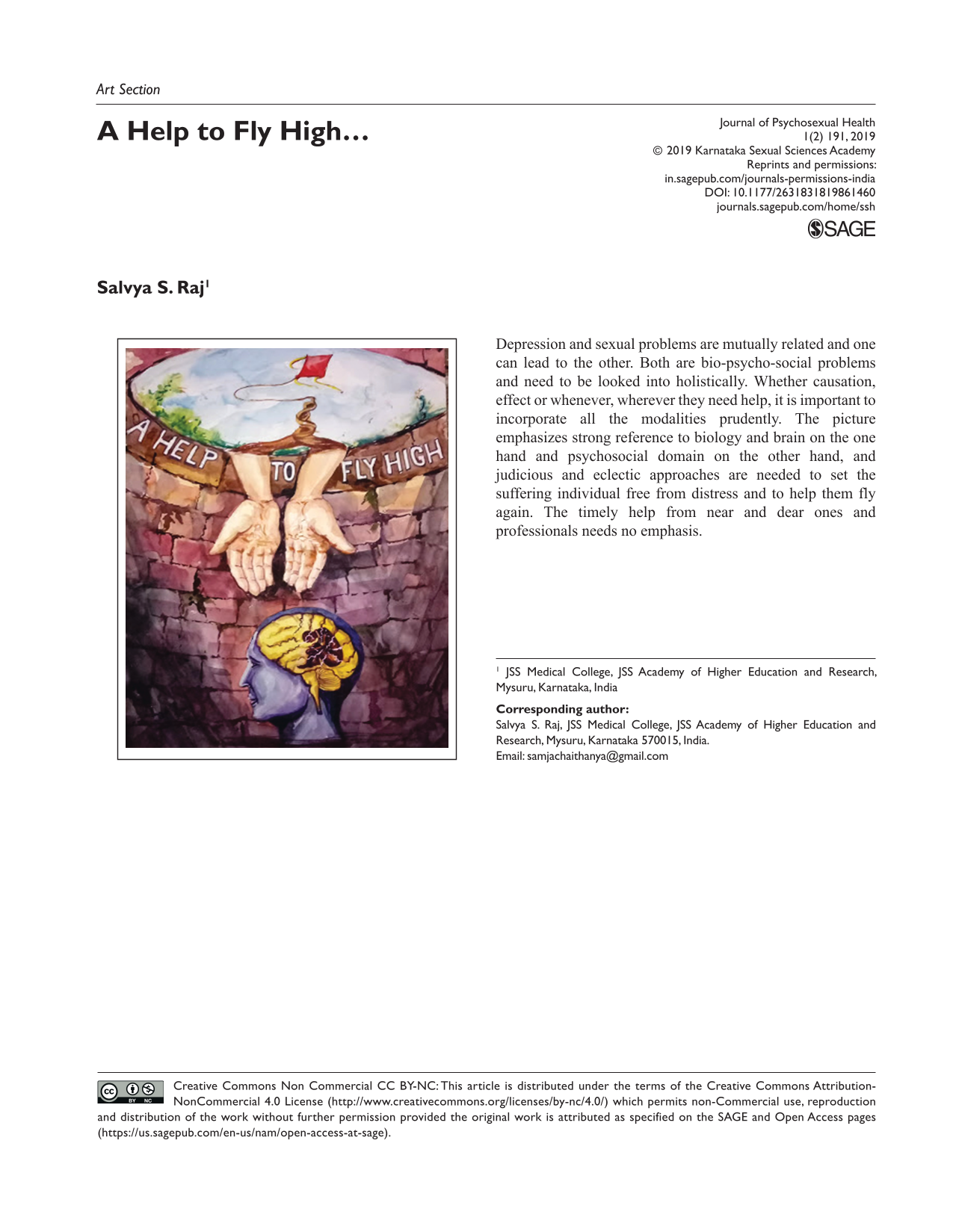 Open accessLetterFirst published April, 2019pp. 192-194