Editorial
Select search scope: search across all journals or within the current journal

In a network meta-analysis (NMA), multiple treatments can be compared simultaneously by aggregating pieces of evidence from direct as well as indirect treatment comparisons in different randomized controlled trials (RCTs). Conventional NMA are performed using a normal approximation approach and can be applied for arm-level binary outcome data as well. This study aimed to estimate the treatment effects within a Bayesian framework using a binomial likelihood for a multivariate NMA model.
The dataset consists of 57 RCTs comparing the effect of ten pharmacological drugs and a placebo for acute bipolar mania in adults. The binary outcomes of interest were treatment response and all-cause dropouts measured three weeks from the baseline. Binomial distribution was adopted for the number of events and the probability of event occurrence modeled on the logit scale. Jeffrey’s Beta prior was considered for the heterogeneity and inconsistency of standard deviation (SD) parameters. Cholesky and spherical decomposition strategies were adopted for the between-study variance–covariance matrix. Deviance information criterion (DIC) indices were computed to determine the model fit. All results pertaining to Markov chain Monte Carlo simulations and all analyses were carried out in WinBUGS software.
The estimated common heterogeneity SDs were similar, and the DIC values did not provide any evidence for superiority between the two decomposition strategies. The correlation (95% credible interval) between the outcomes was estimated as −0.31 (−0.71, −0.02) and −0.37 (−0.73, −0.03) for the Cholesky and spherical decompositions, respectively. Gelman–Rubin convergence statistics were stable, and Monte Carlo errors for all the parameters were around 0.005. Overall, olanzapine, paliperidone, and quetiapine were both significantly more effective and acceptable than a placebo when both the study outcomes were considered simultaneously.
The findings favoring olanzapine, paliperidone, and quetiapine possess an excellent concordance with the one adopted in clinical practice, and the Canadian Network for Mood and Anxiety Treatments and Royal Australian and New Zealand College of Psychiatrists guidelines recommend these as first-line drugs for treating bipolar disorder.
Sialorrhoea, or excessive salivation, is common in psychiatric patients. This can be distressing because of its physical and psychosocial complications. Sialorrhoea due to psychotropic drugs has been reported repeatedly in the literature. Clozapine is the antipsychotic most commonly associated with sialorrhoea.
The objective of this review was to examine and discuss the existing literature on all psychotropic drugs associated with sialorrhoea, except clozapine.
Google Scholar and PubMed were searched for the literature on psychotropic-induced sialorrhoea. The search terms used were sialorrhoea, antidepressants, antipsychotics, mood stabilizer, and benzodiazepines. Case reports on patients suffering from psychotropic-induced sialorrhoea except clozapine are reviewed in this study.
The pathophysiology behind psychotropic-induced sialorrhoea, the population susceptible to sialorrhoea, and the exact duration from the start of sialorrhoea the drug course to the onset of sialorrhoea are unknown. Also, sialorrhoea is not associated with drug toxicity and is observed even in patients receiving normal doses of psychotropic medications. Treatment involves dose reduction, discontinuation of drugs responsible for the adverse effect, or adding anticholinergic drugs.
Sialorrhoea due to clozapine has been reported in the literature. Many other antipsychotics, antidepressants such as sertraline, and other psychotropic drugs such as lithium have also been reported to cause sialorrhoea. No increase in the risk of sialorrhoea was seen in any of the age groups, and no association was found with treatment duration. In cases of lithium-induced sialorrhoea, no relationship was observed between serum levels of lithium and sialorrhoea.
Vilazodone, a novel selective serotonin reuptake inhibitor and 5-HT1A partial agonist, was approved in 2011 for treatment for major depression. We aimed to compare the efficacy and safety of vilazodone versus escitalopram in patients with major depression at 4 weeks.
Participants (
No significant difference was noted between groups on depression scores at study endpoint (
Clinical ratings of major depression did not differ significantly between vilazodone and escitalopram groups at the end of 4 weeks. Our findings are limited by lack of statistical power to detect smaller differences between groups, should they exist.
Clozapine has well-documented inter-ethnic variations in pharmacokinetics. There is a paucity of data about clozapine use and associated adverse events such as seizures, obsessive compulsive symptoms, neutropenia, and agranulocytosis, from India.
This retrospective cohort study followed up 228 patients initiated on clozapine in a tertiary care referral center in India for an average of 10 years. We calculated incidence rates of new-onset seizures, new-onset obsessive compulsive symptoms, agranulocytosis, and neutropenia. We collected data on doses of clozapine used and serum assays and calculated concentration-to-dose (C/D) ratios. We also collected relevant clinical details about clozapine-induced seizures.
In the sample, 16.8% had new-onset seizures, 12.3% had new-onset OC symptoms, 2.7% had neutropenia, and 0.9% had agranulocytosis. The mean C/D ratio was 2.09 (SD = 1.8). Almost half (46.3%) of available serum assays were in the supra-therapeutic range. Seizures were associated with a higher clozapine dose at one year (OR = 1.003; 95%CI = 1.000–1.006; P value = 0.045) and the presence of positive psychotic symptoms at one year (OR = 4.214; 95%CI = 1.894–9.373; P < 0.001).
Compared to existing literature, Indians have a higher rate of clozapine- related seizures and need lower doses to reach therapeutic serum levels.
Depression has emerged as one of the prime morbidities affecting professional and personal lives worldwide. Antidepressants are one of the mainstays of management of depressive episodes. Although antidepressants are considered a safe class of drugs, the studies examining the effects of antidepressant prescription on intraocular pressure (IOP) have shown a propensity to increase IOP, but not consistently. This study aimed to compare the changes in IOP and iridocorneal angle in drug-naïve patients with depressive episodes prescribed escitalopram or amitriptyline.
Overall, 109 patients were recruited, of which 53 were prescribed amitriptyline and 56, escitalopram. A comparison of IOP and the iridocorneal angle at weeks 0, 4, and 8 was done using a two-way repeated-measures analysis of variance (two-way RM analysis of variance).
Patients initiated on escitalopram tended to show a higher rise in the IOP (left eye–[
Escitalopram use had an association with an increase in IOP. While initiating patients on antidepressants, clinicians should be aware of this possibility, which can lead to ocular emergencies, and obtain a proper history of ocular morbidities.
COVID-19 causes psychological distress and anxiety due to fear of infection and the possibility of worsening symptoms leading to mortality. Public health measures like contact tracing and lockdowns further increase the panic among infected patients and the public. We intended to assess the effect of telecounseling in reducing anxiety in patients admitted to isolation wards.
In this multi-center observational study, we administered a Generalized Anxiety Disorder-7 (GAD-7) scale before and after telecounseling. The study group consisted of participants who gave consent for telecounseling, and those who did not give consent constituted the control group. The telecounseling was based on the Psychological First Aid model, due to its simplicity.
There was a statistically significant decrease in anxiety after telecounseling in the study group (P value ≤ 0.001, effect size = 0.484). There was a statistically significant decrease in anxiety in the study group compared to the control group (P value ≤ 0.001).
Telecounseling contributed to the reduction in anxiety in COVID-19 patients in isolation wards. Several other factors like severity of the infection, comorbid medical illness, pre-existing mental health issues, individual’s level of coping with stress, and duration and place of admission may have affected the anxiety levels in the patients.
The inflammatory state that characterizes COVID-19 may contribute to depression, anxiety, other morbidities, and mortality. Interleukin-6 blocker tocilizumab has been used as a treatment modality in COVID-19 as an anti-inflammatory agent. Tocilizumab has also been studied for its potential use in preventing depression in other patient groups, with mixed results. This study was designed to study subsequent depression, anxiety, and quality of life (QOL) in patients treated with tocilizumab plus standard care versus standard care alone, for moderate to severe COVID-19 pneumonia.
Patients admitted with moderate to severe COVID pneumonia, treated with tocilizumab plus standard treatment, and discharged from the hospital were identified. Age- and gender-matched controls who had received standard treatment alone for COVID-19 pneumonia during the same time frame were identified. After obtaining consent, these patients were followed up and assessed at 3 and 6 months on measures of depression (PHQ-9), anxiety (GAD-7), and QOL (EQ-5D-5L).
39 patients in the tocilizumab group and 41 in the control group were followed up at 3 and 6 months. Patients in both groups were comparable in sociodemographic and clinical parameters. The prevalence of clinically significant depression in the tocilizumab group at 3 and 6 months was 33.33% and 5.12%, respectively, whereas in control group it was 31.7% and 4.87%, respectively. Analysis of EQ-5D health profiles revealed that the maximum problems were reported in the dimension of mobility: 43.7% at 3 months and 35% at 6 months.
Depressive and anxiety symptoms and impairment in QOL were reported more frequently and with greater severity in patients in the tocilizumab group at three months but not at six months. Psychological morbidity and impairment in QOL were modest and improved from 3 to 6 months.
The patient’s understanding of the illness may mediate beliefs towards its treatment. There is a paucity of studies examining the relationships between these variables in depression. This study was conducted to know the relationships between explanatory models and attitude to medication in depression.
494 patients with depression in remission were assessed with sociodemographic proforma, Drug Attitude Inventory, and Mental Distress Explanatory Model Questionnaire.
A favorable attitude toward medication was observed in 57.49% of participants. Mean scores on MDEMQ subscales Stress, Western Physiology, Non-Western Physiology, and Supernatural were 32.96, 21.87, 10.06, and 47.55, respectively. Statistically significant associations were found between attitude towards medication and the patient’s marital status (more negative attitude with single status, χ2 = 11.72, df = 3, P = 0.008) and occupation (more negative attitude among unemployed patients, χ2 = 4.17, df = 1, P = 0.041). The scores of explanatory models did not differ based on positive or negative drug attitude.
Though explanatory models are not linked to patient attitudes toward medication, patients who are single or unemployed have a negative attitude toward medications. Such negative attitude may impair compliance and worsen patient outcomes.
Dealing with trauma has always been challenging for people from all walks of life. Moreover, traumas like Motor Vehicle Accidents (MVA) are sudden and can be life-threatening, which further raises the concern and thus requires healthy adaptation. Considering the lack of data on the coping strategies of accident survivors in India, this study was undertaken to assess the coping strategies adopted by MVA survivors.
Cross-sectional survey was conducted at tertiary care institution in Uttarakhand (India) during 2019–2020. A total of 250 MVA survivors were selected through total enumerative sampling and assessed for posttraumatic stress disorder (Posttraumatic Stress Disorder Checklist (PCL)-5), depression (Zung self-rating depression scale), and coping strategies (Brief COPE questionnaire).
The mean score was highest for emotion-focused coping mechanism (32.84
A commonly adopted coping strategy among MVA survivors is emotion-focused coping mechanism. Religion and emotional support are most prevalent because of family dynamics prevalent in countries like India.


In psychotherapy practice and training, single case study design plays an indispensable role by effectively articulating the application of textbook knowledge, thereby bridging the gap between theory and practice. This article, on similar lines, illustrates one such successful example of the application of the classical behavioral technique of covert conditioning modified with a component of verbal challenging. A woman in her late-thirties reported with long-standing seemingly-resistant-to-treat symptoms of aggressive behavior of beating children. The client had a total of 10 daily sessions of 60–90 minutes each. By the end of one week, she reported not beating children in this period. She felt extremely relieved because it had happened for the first time in 10 years. The intensity of anger had decreased drastically, and she was not shouting any longer. She had to discontinue sessions abruptly due to unavoidable circumstances. Although she was suggested to follow up the intensive sessions again, she was not able to do it due to feasibility issues. The improvement was maintained on follow-up visits after two weeks, four weeks, and three months.
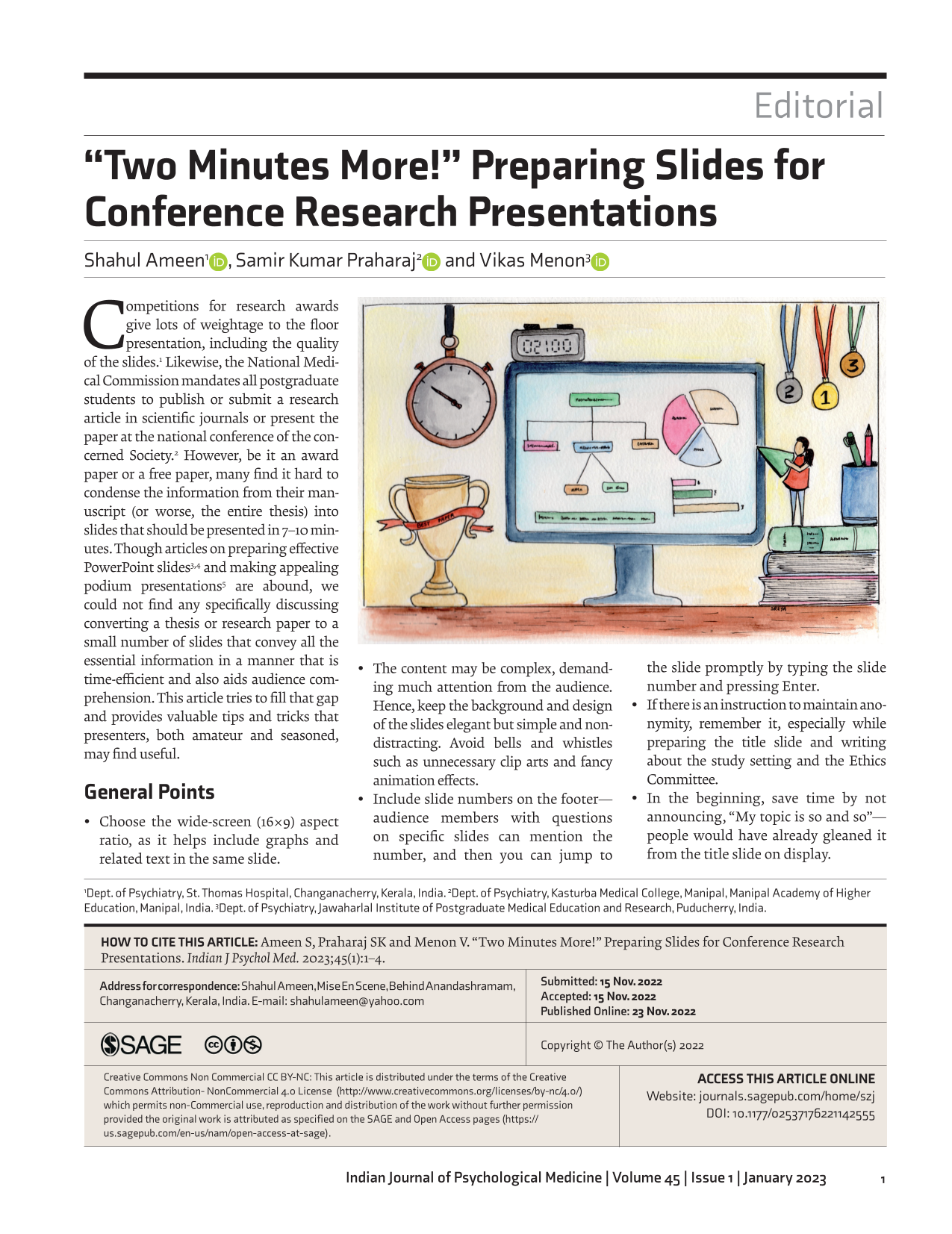
The signal is the outcome of interest in a study; it may be the value of a variable or it may be the value of a relationship between variables. Signals in research are distorted by statistical noise. This statistical noise is generated by extraneous variables that may be adequately measured, inadequately measured, unmeasured, or unknown; the subject-to-subject variation in the signal resulting from the effects of these extraneous variables is captured by the standard deviation. Thus, the standard deviation is a measure of statistical noise. This article, the first in a series, explains all of these concepts with the help of examples.