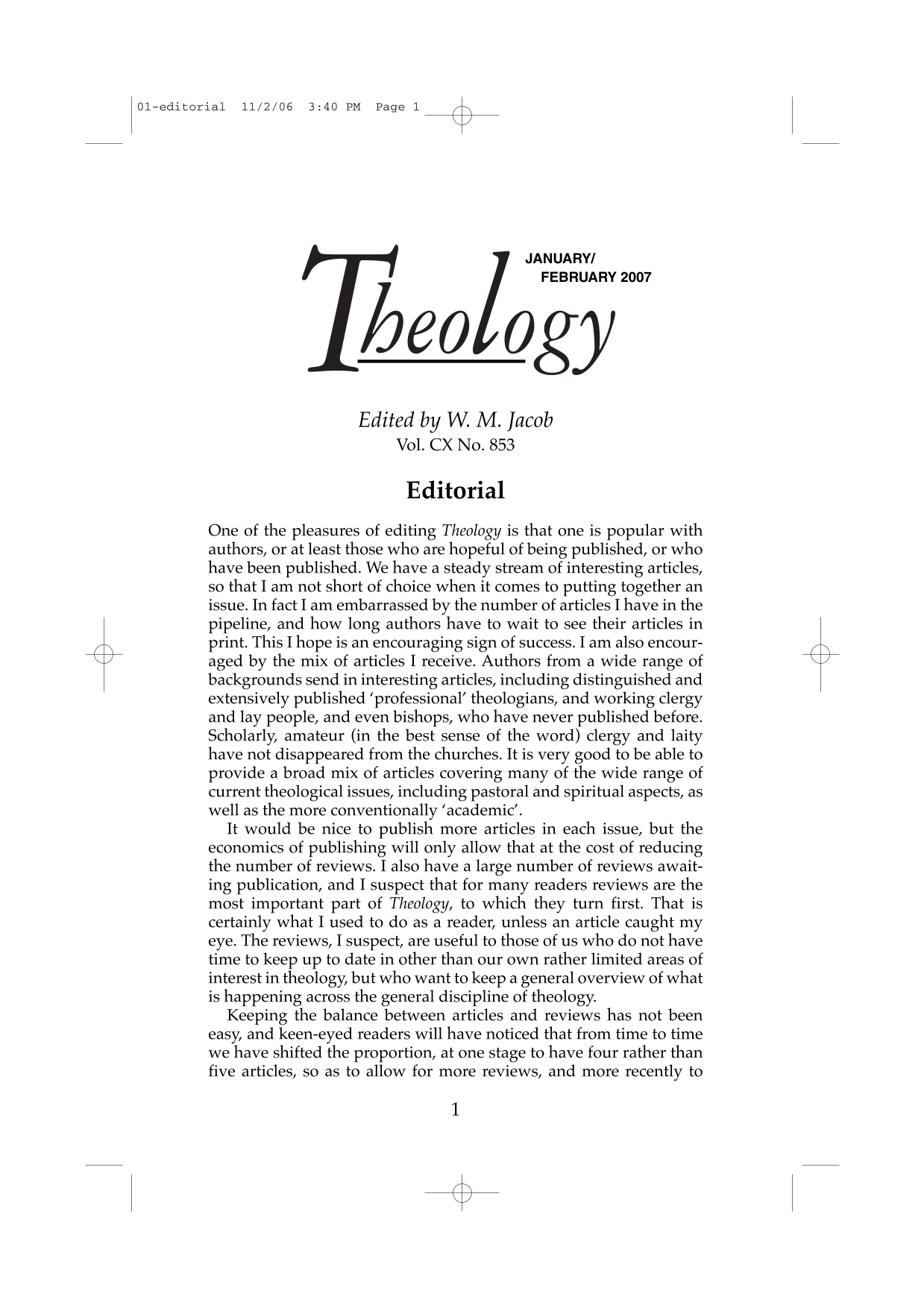
Editorial
 Restricted accessEditorialFirst published January, 2007pp. 1-2

Select search scope: search across all journals or within the current journal

 Restricted accessEditorialFirst published January, 2007pp. 1-2Restricted accessResearch articleFirst published January, 2007pp. 3-9Restricted accessResearch articleFirst published January, 2007pp. 10-21Restricted accessResearch articleFirst published January, 2007pp. 22-30Restricted accessResearch articleFirst published January, 2007pp. 31-39Restricted accessBook reviewFirst published January, 2007pp. 40-41Restricted accessBook reviewFirst published January, 2007pp. 41-42Restricted accessBook reviewFirst published January, 2007pp. 42-43Restricted accessBook reviewFirst published January, 2007pp. 43-44Restricted accessBook reviewFirst published January, 2007pp. 45-46Restricted accessBook reviewFirst published January, 2007pp. 46-47Restricted accessBook reviewFirst published January, 2007pp. 47-48Restricted accessBook reviewFirst published January, 2007pp. 48-49Restricted accessBook reviewFirst published January, 2007pp. 49-50Restricted accessBook reviewFirst published January, 2007pp. 51-52Restricted accessBook reviewFirst published January, 2007pp. 52-53Restricted accessBook reviewFirst published January, 2007pp. 53-54Restricted accessBook reviewFirst published January, 2007pp. 54-55Restricted accessBook reviewFirst published January, 2007pp. 56-57Restricted accessBook reviewFirst published January, 2007pp. 57-58Restricted accessBook reviewFirst published January, 2007pp. 59-60Restricted accessBook reviewFirst published January, 2007pp. 60-61Restricted accessBook reviewFirst published January, 2007pp. 61-62Restricted accessBook reviewFirst published January, 2007pp. 62-64Restricted accessBook reviewFirst published January, 2007pp. 66-68Restricted accessBook reviewFirst published January, 2007pp. 68-69Restricted accessBook reviewFirst published January, 2007pp. 69-70Restricted accessBook reviewFirst published January, 2007pp. 70-72Restricted accessBook reviewFirst published January, 2007pp. 72-73Restricted accessBook reviewFirst published January, 2007pp. 73-74Restricted accessBook reviewFirst published January, 2007pp. 74-75Restricted accessBook reviewFirst published January, 2007pp. 75-76Restricted accessBook receivedFirst published January, 2007pp. 77-80