




Abstract

Agilent Technologies
1200 Series LC System
According to Agilent Technologies, the Agilent 1200 is the most comprehensive liquid chromatography (LC) system available. With more than 60 instrument modules, it can be configured for all major LC applications, including a new rapid-resolution format as well as prep-scale, standard, narrow, capillary, nanoflow, and Agilent's chip-based LC. Now HPLC-Chips are available to apply this technology for both small- and large-molecule work, with chromatographic separation or just for infusion of samples. Nanospray HPLC-Chip/MS technology can provide more than a 1000-fold improvement in sensitivity over conventional LC/MS.
The new 1200 Series Rapid Resolution System provides up to 20 times faster analysis and 60% higher resolution than conventional LC. The system can also still run any traditional LC method, and a special high-throughput configuration of the 1200 Rapid Resolution system allows sequential execution of more than 2000 samples per day on a single system.
Expanding on the Agilent 400-bar Rapid Resolution High-Throughput (
For more information, visit http://www.agilent.com/chem/1200pr or call Agilent at one of the numbers listed at http://www.chem.agilent.com/scripts/cag_feedback.asp.
Series II Assay Kits for Agilent 2100
The Series II family of assay kits is now available for the Agilent 2100 Bioanalyzer Lab-on-a-Chip Platform. The Series II kits offer improvements in all specifications, including sensitivity, sizing range, robustness, and sample matrix tolerance for RNA, DNA, and protein.
In addition to improved specifications, the new kits offer an extended shelf life of a minimum of 4 months, which is expected to grow with further testing.
There is no price increase over existing 2100 Lab-on-a-Chip assay kits, and users will no longer need to purchase separate RNA ladders for the RNA assay. The existing kits will be phased out in June 2006. The new assay kits are reverse-compatible with all Agilent 2100 bioanalyzer instruments. A free software upgrade is required to run the new assays.
For more information, visit http://www.agilent.com/chem/2100-new-assays.
ARTEL
PCSplus
PCSplus provides NIST-traceable pipette performance verification in minutes, strengthening accuracy and precision in DNA testing, toxicology screening, and other critical forensic laboratory processes. Complete with Pipette Tracker software and full installation, validation, training, and support services, PCSplus provides integrated and automatic pipette management, from calibration scheduling through compliance documentation.
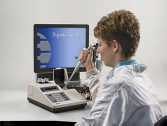
PCSplus is based on ARTEL's patented Ratiometric Photometry, which uses two specially formulated reagents to ensure accurate and precise measurements, especially with ultralow volumes.
For more information, visit http://www.artel-usa.com.
LDQA Service Suite
According to ARTEL, research shows that up to 30% of liquid delivery devices are operating out of specification at any given moment, resulting in false data, wasted reagents, noncompliance, and costly remedial action. To help laboratories ensure data integrity and productivity, ARTEL now offers the new LDQA service suite, a package of integrated Liquid Delivery Quality Assurance support and consultation that includes automated liquid delivery equipment qualification and optimization, manual pipetting training and certification, SOP review and development support, regulatory compliance guidance, and customized process support.
For more information, visit http://www.artel-usa.com.
Astegh Projects
Automated Emitted Dose System
According to Astech Projects, its new automated emitted dose (AED) system addresses the demand for in-line high-throughput inhaler testing as well as all variations in device design. Used to verify consistent dose delivery, this modular and scalable AED system incorporates sophisticated software for random sample collection, analysis, and tracking using bar code technology.
In addition, it can allow for in-line emitted dose testing where results generated from devices picked off the production line would determine whether full batch production should continue. The AED collection chamber ensures accurate sample collection and recovery due to its small internal volume and unique design. The active pharmaceutical ingredient can be recovered using as little as 25 mL of solvent, even after rinsing. The AED system also incorporates a fully automated HPLC vial collection module with capacity for up to 400 HPLC vials. Advanced software allows tight control of the dose actuation parameters.
For more information, visit http://www.astechprojects.com.
ASYNT
DrySyn MULTI-S Reaction Block
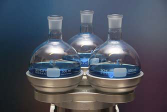
DrySyn MULTI-S reaction block is a larger version of the DrySyn MULTI-M, and a compact alternative to messy oil baths and expensive mantles. It offers an increased maximum capacity over previous DrySyn MULTI units, accommodating 500-mL round-bottomed flasks while still having the flexibility to work with smaller volume flasks/vials as required. The DrySyn MULTI-S also retains the versatility of existing DrySyn products working as a modular, single, or multiple reaction system.
For more information, visit http://www.asynt.com, e-mail
Beckman Coulter
lgY-R7 Rodent and Single-Component Chemistries
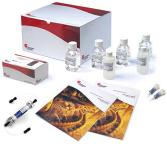
Beckman Coulter's family of ProteomeLab Partitioning Systems now includes IgY-R7 Rodent and Single-Component Chemistries for the isolation and analysis of protein-based biomarkers by selectively partitioning seven highly abundant proteins—up to 70% of the protein mass—from rat or mouse serum or plasma. According to Beckman Coulter, its IgY chemistries are based on avian-generated antibodies, and offer cleaner capture and broader antigen-binding host range than other methods because of the evolutionary distance between chickens and mammals. The partitioning method enables investigators to isolate and characterize the low and highly abundant proteins.
For more information, visit http://www.beckmancoulter.com, call 800.742.2345 or +1.714.871.4848, or fax 800.643. 4366 or + 1.714.773.6611.
IgY-12 Partitioning Chemistries
According to Beckman Coulter, its second-generation ProteomeLab IgY-12 Partitioning Chemistries dramatically increase the throughput capacity of its columns. Each column can now partition twice as much plasma or serum per cycle as the original version—from 20 to 250 μL per cycle. The capacity of the ProteomeLab IgY-HSA spin columns also has been doubled to 40 μL plasma or serum per cycle.
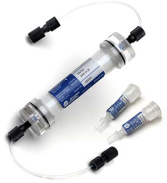
Based on avian-generated antibodies bound to inert microbeads, ProteomeLab IgY-12 LC and spin columns selectively partition 12 highly abundant proteins—up to 96% of the protein mass—from human/primate serum or plasma.
For more information, visit http://www.beckmancoulter.com, call 800.742.2345 or +1.714.871.4848, or fax 800.643. 4366 or +1.714.773.6611.
Computype
Label-Ease Pre-Labeled Labware
For companies in need of high-volume, variable information labeling, Computype says its Label-Ease Pre-Labeled Labware provides a unique new alternative to in-laboratory labeling equipment and labor that is considered ideal for pharmaceutical companies and other organizations with large compound storage libraries. Fully customized, prelabeled labware from Computype provides accurate sample identification, freeing-up valuable employee time and lab space for more important activities.
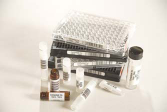
For more information, visit http://www.computype.com or call 800.328.0852.
Esa Blosciences
BioStat System
The BioStat is a state-of-the-art electrochemical system designed for use with a wide range of commercial electrochemical sensors and electrodes. According to ESA Biosciences, it allows precise amperometric or voltammetric measurements to be made independently on up to four channels. The system can handle signals of either polarity from virtually any electrochemical sensor employing either two- or three-electrode configurations. The system can utilize virtually any electrochemical sensor or electrode. It provides useful, real-time data recording for Free Radical Biology. Adapters are available for the most common connector-types found on sensors. The ruggedly constructed system can be used for any multichannel, isolated data acquisition, as a digital current and voltage amplifier or photo current amplifier for many applications. Each channel can also be configured for precise temperature or pH measurement.
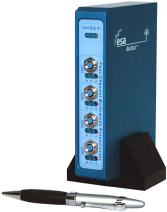
For more information, visit http://www.esainc.com, e-mail
Fei Company
EBS3 DualBeam
According to FEI Company, its new EBS3 DualBeam is a solution for rapid serial sectioning and 3D crystallographic reconstructions of materials. The fully integrated solution utilizes an FEI DualBeam (FIB/SEM) system with an EBSD detector and advanced automation software.
EBS3 is an optimized extension of the Slice and View technology pioneered by FEI. While Slice and View generates serial images for 3D image reconstruction, EBS3 also provides crystallographic information, including serial EBSD orientation maps for quantitative 3D grain reconstruction, using the crystal orientation of each individual voxel within the volume of interest. The automated data collection procedure includes accurate (re)positioning between the milling location and the EBSD location to accommodate the geometry requirements for both operations.
For more information, visit http://www.fei.com.
Genevac
miVac Centrifugal Evaporator
According to Genevac, several new design innovations can improve solvent removal times in the miVac centrifugal evaporator by up to 200% without loss of sample integrity. New Black Magic solid aluminum sample rotors have improved thermal transfer. In combination with Genevac's Speed Trap refrigerated solvent condenser, this facilitates higher throughput, safe DNA sample preparation, plasmid purification, dye terminator removal, cell fractionation, and oligonucleotide and protein precipitation experiments.
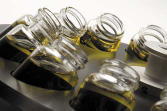
The Speed Trap is designed to improve miVac performance by condensing vapors back to liquid, helping to maintain a strong vacuum, thus speeding up the concentration process considerably. Users of the Speed Trap can readily see solvents in the trap, and emptying is simple, requiring no defrosting. For more information, visit http://www.genevac.co.uk, e-mail
Large-Volume Sample Holders
New sample holder design now allows the compact, benchtop EZ-2 centrifugal evaporator to accommodate up to six 100-mL flasks simultaneously. With larger round-bottomed flasks, a total capacity of 1 liter is possible, for example, 4 × 250 mL or 2 × 500 mL. On the larger capacity HT-4X system, new holders have been introduced that enable simultaneous evaporation from 4 × 500-mL Nalge bottles or 4 × 250-mL Schott media bottles.
For more information, visit http://www.genevac.co.uk, e-mail
Hamilton Company
High-Speed Reagent Dispenser for MICROLAB STAR
A high-speed reagent dispenser is now available for the MICROLAB STAR pipetting workstation.
According to Hamilton Company, the new module is designed to perform the high-volume dispense steps required by many of today's assays and XNA purification methods without the cross-contamination risk associated with fixed tip needles, or the cost of disposable needles.
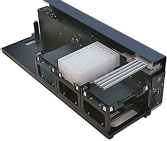
The high-speed reagent dispenser is faster than both the 96 probe heads and independent pipetting channels that are currently available on most robotic liquid handling platforms. Taking up very little deck space, it can dispense up to four different reagents to a column of plates located on the left or right side of the dispenser. Reagent cost is minimized with a small dead volume of 7.5 mL that can be discarded or automatically returned to the reservoir bottle.
When performing ELISAs on the MICROLAB STAR, a three-manifold reagent dispenser can deliver wash buffer, substrate, and stop buffer without having to make multiple trips back to the reagent source labware, and without having to change tips between buffers. For vacuum-based solid phase extraction (SPE) methods, the reagent dispenser is a time-saving tool for loading conditioning and elution buffers into filter plates. The module can also be used for media dispensing in cell culture and maintenance systems.
For more information, visit http://www.hamiltonrobotics.com.
Integra Biosciences
Technical Paper: Disposable Cell Culture Systems for Manufacturing Biological Products in Mammalian Cells
Typically, in biopharmaceutical development or manufacture of antibody-based diagnostics, protein yields of 50-1000 mg are required. Use of cell culture systems such as tissue culture flasks, and roller and spinner bottles to attain target yields is often rejected because of extra handling time, space requirements, and waste disposal problems associated with using large numbers of disposable culture systems. A more suitable solution is provided by bag-based disposable bioreactors; however, working with such equipment requires capital investment and trained personnel.
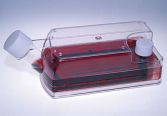
A new technical paper from Integra Biosciences describes the historical development of two-compartment cell cultivation bioreactors and introduces the advantages of using the CELLine 1000 bioreactor for the production of monoclonal antibodies up to yields of 1000 mg. A cost analysis (including the expenses from disposables, equipment amortization, medium, serum, and labor) is presented for the production of 200 mg of antibodies comparing the CELLine 1000 with roller bottles and a stirred bioreactor. The analysis demonstrates that total production costs are lowest when the CELLine 1000 is used, and they increase by 60% when roller bottles are used, primarily as a result of higher expenses from serum and labor. Below yields of 1 g, production with a stirred bioreactor further augments the costs, due to additional labor and equipment amortization.
For more information or to request a copy of the technical paper, visit http://www.integra-biosceinces.com, e-mail
Matrix Technologies
Vacuum Filtration Kit for PlateMate 2×2
The PlateMate 2×2 is now available with an integrated Millipore MultiscreenHTS manifold and vacuum pump for seamless processing of filter plate assays. The newly released Vacuum Filtration Kit for the PlateMate 2×2 simplifies filter plate assays from the initial source plate transfer to the last wash cycle. Matrix's ControlMate software automatically powers the vacuum pump on and off for efficient plate removal.
For more information, visit http://www.matrixtechcorp.com or call 800.345.0206.
VisionMate Lite
The VisionMate Lite is the newest addition to Matrix Technologies's family of 2D bar code readers. It simply plugs into a desktop computer's keyboard PS2 or AT port and automatically transfers the data directly to the cursor location in any active application each time a 2D barcoded tube is read. Setup is quick and simple—no reader software to install.
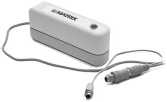
For more information, visit http://www.matrixtechcorp.com or call 800.345.0206.
Micronic
Auto Decapper System
The Auto Decapper System from Micronic is a new task-dedicated instrument that accelerates the time-consuming and tedious process of removing caps from sample storage tubes. It can automatically remove and dispose of caps from a full 96-tube rack in less than 10 s, and its integrated cap disposal device reduces possibilities for sample cross-contamination by ensuring that caps are not reused. The Auto Decapper can be used as a standalone instrument or can be assimilated into a fully automated environment and controlled via the instrument's serial port or contact switch closure.
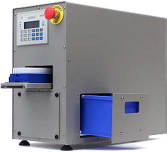
Compatible with all Micronic coded tube racks and capping products, it requires just a mains power source for operation.
For more information, visit http://www.micronic.com or call +31.320.277070.
Cryotube Screw-Top Tubes
Micronic's new range of Cryotube screw-top tubes is designed to ensure simple and high-integrity storage of samples even at — 180°C (the vapor phase temperature of liquid nitrogen).
Manufactured in a modern class 7 clean room production facility, Cryotubes are certified RNase/DNase free and nontoxic, according to the USP class VI test, making them the ideal secure medium for storage of liquid or solid biological samples. Offering a volume of 1.1 mL, 96 individual Cryotubes fit in a standard tube rack. The internal V-shape of each Cryotube ensures the lowest possible dead volume and maximum sample recovery.
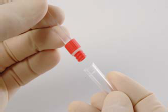
According to Micronic, with Cryotube's single turn screw cap mechanism, repetitive access to and high-integrity closure of samples for cryopreservation is a simple and rapid process. With a unique 2D code (Tracker Data Matrix or TraXis system) on the bottom of each tube, Cryotubes provide easy and unambiguous means of storing and identifying samples.
For more information, visit http://www.micronic.com, e-mail
Millipore
Simplicity System
The new Simplicity system is a flexible ultrapure water system that can be placed anywhere in the laboratory. According to Millipore, it is easy to install and produces ultrapure water on demand from pretreated water (Elix system, distilled, deionized, or reverse osmosis water). Designed for scientists who require less than 5 liters of ultrapure water per day, the system is suitable for the production of mobile phases for chromatographic separations, preparation of blanks and standard solutions for spectrophotometry, spectroscopy, or other analytical techniques, as well as buffer preparation for biochemical experiments.
For more information, visit http://www.millipore.com/ bioscience or call 800.MILLIPORE or +1.781.533.6000.
Omnipore Membrane Filters
Millipore now offers Omnipore membrane filters, which join the LCR membrane to complete its offering of hydrophilic PTFE membranes. According to Millipore, its Omnipore membrane is compatible with virtually all solvents, acids, and alkaline solutions. Omnipore membrane filters are available as 13-, 25-, and 47-mm cut disks in a range of pore sizes from 0.1 to 10 μm. The LCR membrane is specifically manufactured for HPLC solvent filtration applications.
For more information, visit http://www.millipore.com/ amicon or call 800.MILLIPORE or +1.781.533.6000.
Express Plus Membrane
Millipore's Express Plus membrane is now available in cut disk format for use in reusable filter holders. The membrane consists of polyethersulfone, and can provide ultrafast filtration of tissue culture media, additives, buffers, and other aqueous solutions. According to Millipore, its Express Plus membrane provides the fastest filtration with low protein binding on the market, and is available as 25- and 47-mm cut disks with 0.22- and 0.45-μm pore sizes.
For more information, visit http://www.millipore.com/ amicon or call 800.MILLIPORE or +1.781.533.6000.
Milli-SPE Cartridges
A new family of SPE cartridges featuring 3M Empore extraction disk membranes is now available from Millipore. Empore membranes produce clean extracts and minimize particle fines to potentially extend LC-MS/MS column life and reduce instrument downtime.
Milli-SPE Cartridges are available in a selection of sorbents (C2, C8, and C18; Universal Resin; and Mixed Phase Cation resin) to meet a broad range of application needs. The cartridges feature low elution volumes, resulting in higher analyte concentrations and increased sensitivity. Empore SPE membranes also eliminate channeling and reduce the risk of analyte loss that can occur with other packed particle bed SPE devices, while maintaining fast sample flow rates when processing biological fluids.
For more information, visit http://www.millipore.com/ bioscience or call 800.MILLIPORE or +1.781.533.6000.
Nalge Nunc
Cell Factory Disposable Bioreactor
According to Nalge Nunc, the Nunc Cell Factory is designed to meet the increased demand for flexible, safer, and low-investment solutions for bioproduction. The first to enter the disposable bioreactor market, Nunc Cell Factories can provide many advantages compared to conventional platforms, including easy upscaling, low risk of contamination, and reduced lifetime operating costs.
For more information, visit http://www.nalgenunc.com, e-mail
Cryobank and Bank-It Vials
These next-generation NUNC CryoTubes offer high-density freezer storage, 2D laser-etched bar codes, and low-binding surfaces for high sample recovery with low-concentration samples. The standard SBS microplate format allows for automated handling, and the capping system provides easy access using disposable pipette tips.

The new Cryobank vials are designed to store cells and proteins, while Bank-It vials are used for DNA. With available working volumes of 0.5 and 1.0 mL, the vials are designed for mechanical freezer use or for gas-phase liquid nitrogen storage.
For more information, visit http://www.nuncbrand.com, e-mail
Panalytical
Axios-Metals XRF Spectrometer
PANalytical has extended its range of industry-specific, wavelength-dispersive, sequential XRF spectrometers with the launch of the new Axios-Metals system, configured specifically to meet the needs of users in the steel and metals industries.
According to PANalytical, Axios-Metals is engineered for excellence in analytical and operational performance, and comes with specially prepared NiFeCo-FP and/or Cu-base-FP application solutions, comprising templates and high-quality standards. The system uses a dedicated version of PANalytical's SuperQ software and consistently produces the most accurate and precise elemental analyses with high-throughput, excellent detection limits, and maximum up-time. Axios-Metals has the flexibility to operate in a wide range of processes and applications, and is designed and built for operation in harsh industrial environments.
For more information, visit http://www.panalytical.com.
Axios-Minerals System
PANalytical has extended its range of industry-specific, wavelength-dispersive, sequential XRF spectrometers with the launch of the new Axios-Minerals system, configured specifically to meet the needs of users in the mining and minerals industries. Axios-Minerals includes a specific set of 19 synthetic multi-element wide-range oxides standards, together with state-of-the-art SuperQ software.
Like all Axios systems, Axios-Minerals is designed and built for operation in harsh industrial environments.
According to PANalytical, it provides consistent high-quality data across the full elemental range, from fluorine to uranium, in concentrations from ppm to 100 wt%. An integrated X-Y sample handler and a choice of loading options ensure rapid sample throughput. For more information, visit http://www.panalytical.com.
X'Pert PRO MPD X-Ray Diffractometer
According to PANalytical, new options for its X'Pert PRO MPD X-ray diffractometer make it the total solution for high-throughput X-ray diffraction. Equipped with an automated sample changer and PANalytical's high-speed, high-resolution X'Celerator detector, the X'Pert PRO MPD can process hundreds of full scans every day to achieve the high throughput required for a growing number of X-ray diffraction applications.
The system's new XYZ stage—part of PANalytical's family of interchangeable PreFIX stages, all of which require no alignment—provides flexibility for both reflection and transmission diffraction studies. Completing the package is X'Pert HighScore Plus software. This comprehensive analytical tool box for diffraction brings together search/match/ID software, Rietveld analysis, cell searching and indexing, and automated full pattern cluster analysis with mixture detection, all in one integrated package.
For more information, visit http://www.panalytical.com.
Perkinelmer
Ozone Precursor Analyzer Systems
Five new, turnkey Ozone Precursor Analyzer systems for remote environmental air monitoring are now available from PerkinElmer. Combining the Clarus 500 multidimensional Gas Chromatograph (GC) with PerkinElmer's family of TurboMatrix Thermal Desorbers, the new systems offer single-tube or automated (50-tube) configurations with either manual or fully integrated programmable pneumatic control (PPC) for maximum ease-of-use and reliability for ozone precursor and air toxics analyses.
The new Ozone Precursor Analyzers build upon proven technology and methodology developed by PerkinElmer, in conjunction with the United States Environmental Protection Agency, to allow for the collection and measurement of C2-C12 hydrocarbons automatically, without the use of liquid cryogen.
The five new Ozone Precursor Analyzers, incorporating PerkinElmer's TurboMatrix 100 TD, 150 ATD, 300 TD, 350 ATD, and 650 ATD Thermal Desorber models, also enable users to match technology to their needs by providing single-sample and automated 50-sample configurations, with either manual or fully integrated PPC configurations.
For more information, visit http://www.perkinelmer.com.
WinLab32 for AA Software with QC Charting
The new version of PerkinElmer's WinLab32 for Atomic Absorption (AA) software is equipped with an integrated Quality Control (QC) Charting option to provide users with a convenient and comprehensive solution for increasing flexibility and productivity. The QC Charting feature allows quick and easy preparation of quality control charts from results, and can store customized templates for future use, without purchasing additional, third-party software. In addition, it provides laboratories with the ability to plot results from QC samples, standards, blanks, or other samples, include limit ranges, means, or expected values, and export results as ASCII data for use with other applications.
For more information, visit http://www.perkinelmer.com.
Jade DSC Differential Scanning Calorimeter
A new member of PerkinElmer's Thermal Analysis line of heat-flux Differential Scanning Calorimeters, Jade DSC offers new features to expand application capabilities and operating convenience for routine applications, QA/QC and education, including a liquid nitrogen cooling system to automate low-temperature testing for more complete characterization of rubber and elastomers; improved baseline flatness and stability to assure accurate measurement of typical thermal events in the polymer, pharmaceutical, chemical, and food industries; and advances in autosampler control to increase sample throughput and improve productivity.
For more information, visit http://www.perkinelmer.com.
LABWORKS LIMS v5.9
According to PerkinElmer, its new LABWORKS LIMS v5.9 laboratory information management system is the first release built on an entirely new computing platform. The new architecture takes LABWORKS’ highly configurable systems to a new level of tailoring. Using a new implementation tool kit, users can customize site-specific data structure and presentation of their LIMS, virtually eliminating the need for users to write their own custom interfaces. Version 5.9 also includes expanded security features for greater regulatory compliance with ISO 17025 and other standards.
For more information, visit http://www.perkinelmer.com.
Porvair Sciences
TriSeal Heat Sealer
TriSeal, a new automated heat sealer from Porvair Sciences, is optimized for medium- to high-throughput plate sealing applications. It is designed to produce an accurate and tight seal on any SBS proposed standard microplate from 5-47 mm height. Offering adjustable temperature heat sealing from 50°C up to 185°C, the TriSeal is able to operate optimally with most foil and film seals. Its turntable design allows simultaneous loading, unloading, and sealing. TriSeal is able to achieve plate sealing productivity of 12 plates per minute.
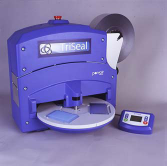
TriSeal is designed for standalone operation as well as integration via RS232 connection with most robotic plate stackers and automated equipment lines. In the standalone mode, a portable keypad/display unit that allows user-definable settings to be saved and recalled for later use provides intuitive and simple control of the system. A 610-m sealing film roll enables up to 5000 plates to be sealed without intervention. A swing out loading shoe feed design allows fast and easy loading of foil or films. TriSeal requires only compressed air and mains voltage for routine high-throughput operation.
For more information, visit http://www.porvair-sciences.com, e-mail
Collection/Storage Plates and Accessories
Available in a choice of plate formats, surface treatments, and volumes, Porvair's Collection/Storage plates are optimized to cover a wide range of sample preparation, sample storage, and general assay applications. Latest additions include bacterial plates for growing cultures, sterile plates for sensitive microbiological and cellular samples, and RNase/DNase-free plates that can provide high-integrity biological sample storage media.
For more information, visit http://www.porvair-sciences.com, e-mail
Low-Volume 384-Well Microplates
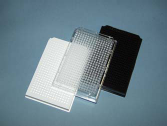
Now available in a choice of black, white, or clear polystyrene, new low-volume 384-well assay plates from Porvair are optimized for fluorescence, luminescence/ scintillation, and ELISA/ turbidity measurements, respectively. Providing a maximum liquid capacity of just 30 μL per well, the low-volume plates are designed to conserve valuable samples and reagents. According to Porvair, the novel cone-shaped well design considerably reduces liquid loss on well walls and provides for better liquid recovery by automated liquid handling systems. Porvair says its new plates offer market leading plate flatness of + 0.20 mm resulting in a significant increase in plate tolerance that helps eliminate mishandling problems when used in automated environments. Individually wrapped or in economical bulk packs, each type of low-volume 384-well assay plate is available in standard, high bind, or tissue culture treated formats.
For more information, visit http://www.porvair-sciences.com, e-mail
Radleys Discovery Technologies
Starfish Heating and Stirring Workstation
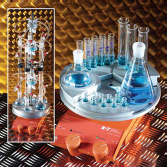
To facilitate the safe and speedy removal of heated glassware from the Starfish, a new universal five-way telescopic clamp with quick release silicone/viton straps is now available. The clamp arrangement securely holds in place up to five different heating and stirring experiments, and can accommodate the widest range of reaction vessels —from small 2-mL vials to 250-mL round-bottomed flasks. The same system also can be configured to perform more complex procedures in parallel, including synthesis, extraction, concentration, distillation, and digestion. For laboratories regularly looking to heat and stir vials, two new specialist heating blocks (16 × 28-mm Vial MonoBlocks and 3 × 28-mm Vial PolyBlocks) have been introduced.
For more information, visit http://www.starfish-chemistry.com, e-mail
Syngene
Dyversity Automated Imager
According to Syngene, its new Dyversity automated imager is a fully automated 2D gel image capture system that consists of a light-tight darkroom containing a high-resolution, 16-bit CCD camera, which at 90-μm resolution has the fastest capture times per channel for Cy dyes of any system of its type. The darkroom also features a large door opening to accommodate many gel sizes, making this the most flexible and affordable 2D gel imager currently available.

Dyversity can be fitted with a range of precision-made filters, and UV and white lighting modules to allow imaging of protein stains such as Coomassie Blue, Deep Purple, Pro-Q Diamond, silver stain, and SYPRO Ruby. In addition, a Cy dye lighting platform is available. The high-quality results produced by Dyversity can be transferred into Syngene's new Dymension software for rapid image analysis.
For more information, visit http://www.syngene.com.
TECAN
New Software
According to Tecan, its four new software packages (Freedom EVOware Sample Tracking, Freedom EVOware 1.2, i-control, and Magellan 6.0) work together for seamless integration of Tecan platforms. Freedom EVOware Sample Tracking software integrates data from Freedom EVOware 1.2 and Magellan 6.0 for easy combination of plate readers and pipetting platforms. Sample Tracking software can register scanned labware; integrate and process all pipetting data, methodological data, and plate reader data; store the results and then generate and export reports; and is compatible with an extensive range of Tecan products.
i-control software controls the Infinite series of readers and has the same look and feel as Freedom EVOware 1.2. The two software packages integrate seamlessly with each other, with i-control taking over from Freedom EVOware once the microplate is transferred to the Infinite reader.
For more information, visit http://www.tecan.com, e-mail
Thermo Electron
Proteomicsn Suite of Solutions
According to Thermo Electron, several new additions to its Proteomicsn suite of solutions have been designed to leverage the unmatched performance, speed, sensitivity, and accuracy of its ion trap mass spectrometers for definitive quantitation of protein mixtures.
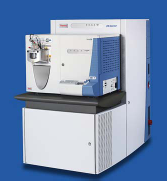
Some of these new solutions include the LTQ Orbitrap, which Thermo says is the first commercial mass analyzer based on an entirely new detection principle to be introduced to the market in over 20 years. This hybrid instrument can greatly improve protein characterization, accelerate protein database searches, and reduce false-identification rates.
Thermo has also introduced several new approaches to protein quantitation, such as Pulsed-Q Dissociation, a new fragmentation technique that eliminates the low mass cutoif for ion traps and allows quantitation with iTRAQ labeling reagents. iTRAQ is a stable isotope method for relative protein quantitation using mass spectrometry.
In addition, BioWorks software now can facilitate the use of all major protein quantitation techniques, namely SILAC (Stable Isotope Labeling with Amino Acids in Cell Culture), metabolic labeling, iTRAQ, and ICAT (Isotope Coding Affinity Tagging). As a result, SEQUEST protein identifications now can be combined with quantitative data for an accurate view of protein expression levels.
For more information, visit http://www.thermo.com/ proteomics, e-mail
NIR Analyzers
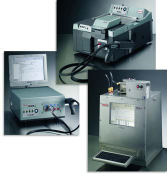
The new Antaris II near-infrared (NIR) analyzer from Thermo Electron offers a common platform of method, procedure, and data transferability of analytical quality control methods along product development and scale-up processes. Thermo's Antaris MX and EX FT-NIR process analyzers are specifically designed for extending the Antaris offering into process control applications. These new Antaris solutions address the analytical needs of process engineers and plant managers working in the pharmaceutical, biotechnology, food, chemical, and pulp and paper industries.
For more information, visit http://www.thermo.com/nir, e-mail
The Espresso Personal Microcentrifuge
According to Thermo Electron, every aspect of the Espresso microcentrifuge is designed for simplicity and ease of use in ensuring fast and safe sample separation for molecular biology applications. Its design features a small footprint and very quiet operation to expedite and improve the microcentrifugation process. The large digital display is visible from both seated and standing positions. In addition, its unique 12-place rotor makes loading and unloading of 250-μL to 2.0-mL samples simple and straightforward. The highly durable noncorrosive plastic rotor enables the use of filter-based preps and is simple to remove, allowing the rotor to be fully autoclaved and cleaned using strong disinfectants.
For more information, visit http://www.thermo.com/ centrifuge.
Sorvall RC-6 Plus Centrifuge
The Sorvall RC-6 Plus high-speed floor model centrifuge from Thermo Electron is based on what the company considers to be its highly successful and reliable Sorvall RC-6 centrifuge platform. This enhanced model combines a small footprint, superior functionality, increased safety, and improved speed for the efficient harvesting of cells, homogenate clarification, isolation of subcellular fractions (including nucleic acids), and pelleting protein and virus precipitates.
It is considered a high-productivity solution that can deliver maximum throughput with minimal maintenance. As the only centrifuge in its class that does not require being anchored to the floor to meet CE and CSA safety standards, the Sorvall RC-6 Plus uniquely combines safety with ease of placement within the facility. Its increased operating speeds of up to 22,000 rpm and rapid acceleration/deceleration rates mean faster separations, enabling users to process more samples in less time. The Sorvall RC-6 Plus super-speed centrifuge also features an expanded rotor set that now includes continuous flow rotors, as well as new composite rotors.
For more information, visit http://www.thermo.com/ centrifuge.
Thk America
Type RSRIM Linear Motion Guide
According to THK America, its new Type RSRIM linear motion (LM) guide, with a rail width of 1 mm, is the only LM Guide of its size available. The Type RSRIM and the Type RSR2M (2-4-mm rail width) were developed by THK in response to demand for decreased design sizes. The Ultra-Compact RSR Series features minimal rolling resistance and four-way equal load ratings. Martensitic stainless steel blocks, rails, and balls allow for use in harsh environments. Type RSR heights range from 2.5 to 4 mm; block widths are from 4 to 10 mm; and block lengths range from 6.2 to 17 mm. Basic dynamic and static load ratings are 37-307 N and 58-435 N, respectively.

For more information, visit http://www.thk.com, e-mail
Ttp Labtech
The National Institutes of Health Chemical Genomics Center (NCGC) announced data that can illustrate the effectiveness of TTP LabTech's Acumen Explorer for high-content screening at high throughput. This data was generated as part of the NCGC's quantitative HTS (qHTS) program. Small-molecule screening is important to the NCGC, which runs 50-70% of its assays in cellular format. The work involves extensive screening of the genome, and data produced can be accessed via a public database at http://pubchem.ncbi.nlm.nih.gov.
NCGC's qHTS program assays multiple concentrations of each compound and generates hundreds of thousands of concentration-effect relationships from primary screening. Consequently, there is a significant increase in wells screened over traditional single-point testing, to a magnitude of 7- to 15-fold.
NCGC integrated TTP LabTech's Acumen Explorer laser-scanning cytometer into its major screening system from Kalypsys for population distribution analysis of cells in microplates, initially providing reporter gene analysis.
For more information, visit http://www.ttplabtech.com.
Ultrasonic Scientific
Brochure and Application Note: HR-US Colloid Stability Analyzer
A new brochure detailing Ultrasonic Scientific's new HR-US Colloid Stability Analyzer provides a comprehensive overview of the instrument's technical characteristics and analytical capabilities, highlighting its value for R&D and process development scientists and QA/QC analysts in the pharmaceutical, food and beverage, cosmetics, personal care, and other industries.
According to Ultrasonic, its new Colloid Stability Analyzer is the first of its kind for sedimentation and stability measurements. It can analyze emulsions and suspensions, and also has the ability to perform nondestructive and small-sample analysis. In addition, the HR-US instrument enables the analysis of opaque materials. This analyzer can be pressurized up to 10 bars, allowing analysis of liquids with low boiling points and liquids at high temperatures (above boiling point).
This new brochure also includes general information on HR-US and its applications, and illustrates an application— Aggregation/Sedimentation of Solid Polymeric Particles.
For more information or a copy of the brochure, visit http://www.ultrasonic-scientific.com, e-mail
Velocity 11
BenchCel Benchtop Microplate Handling System
According to Velocity 11, its new BenchCel Benchtop Microplate Handling System delivers the speed and precision of much larger and more expensive automation platforms. It features a novel high-speed plate shuttle that accesses integrated microplate stacks and two peripheral instruments. This customizable, modular design provides the flexibility and scalability required to meet the needs of the most diverse laboratory environments. Users can choose from two-, four-, or six-stack instrument configurations, and from four different sizes of removable racks with capacities of 15-70 standard microplates. BenchCel's delidding function removes and replaces microplate lids as necessary. BenchCel is powered by VWorks automation control software.

For more information, visit http://www.velocity11.com.
Warwick Analytical Service
Inductively Coupled Plasma Spectrometry
As a result of the addition of a new Inductively Coupled Plasma-OES spectrometer in its laboratory, Warwick Analytical Service (WAS, the analytical division of Exeter Analytical) has expanded its sample analysis services. Its new ICP spectrometry service is available for the determination of a wide range of major and trace elements in a single analysis. ICP analysis enables accurate and precise analysis for 70+ elements in the periodic table. Equipped with the latest high-resolution ICP spectrometer, WAS now can resolve the most complex spectra and routinely analyze of even the most complex samples. Detection limits are low for most elements (typically <10 ppb), and multi-element determinations can be achieved rapidly and precisely. WAS is able to offer high-pressure microwave digestion for particularly demanding sample types, enabling the facility to provide ICP analysis of almost all materials.

In addition, Warwick reports that it now is able to investigate and precisely measure the optical activity of samples with an accuracy of ±0.002° for optical rotations of less than 1°. Using state-of-the-art polarimetry instrumentation, Warwick Analytical Service now offers a high-quality service for measurement of the optical activity of newly synthesized compounds, quantitative analysis of sugars, quality control of pharmaceutical drugs for enantiomeric purity, and monitoring of enzymatic reactions. Operating at five wavelengths, all measurements of optical rotation are of the highest possible accuracy and precision. Where samples are scarce, use of an ultra microbalance combined with a 100-mm micro cell allows accurate measurement from only 2 mL of solution.
For more information, visit http://www.warwickanalytical.co.uk, e-mail
Wyatt Technology
DynaPro Titan Plate Reader
The new DynaPro Titan Plate Reader system from Wyatt Technology is designed to identify optimal buffer conditions for protein purification and concentration to increase throughput and effectively characterize the homogeneity of a protein in solution.

According to Wyatt, the new DynaPro Titan Plate Reader is a stable, automated Dynamic Light Scattering system that achieves superior performance and increased productivity with fewer than 50 μL of sample per well (recoverable). It is equipped with industry-standard microplates, is noninvasive, is filter free, is easy to use, and can be customized to suit all analytical needs. In the 1536-well plate mode, the amount of sample required is less than 5 μL.
For more information, visit http://www.wyatt.com or e-mail
Zinsser Analytic
Robox System
According to Zinsser Analytic, combustion of 14C- or 3H-labeled biological samples or inorganic materials has proven to be superior for efficient and reproducible scintillation counting. However, because each sample needs to be handled individually, this technology is slow and time consuming. For high-throughput and safety issues, automation is a must.
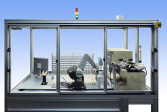
Zinsser's new automatic system is designed to process 200 samples automatically on a robotic system. The sample material arrives preweighed on bar code-labeled sample boats and is delivered by the robot to a combustion furnace.
The 14C or 3H samples are collected together with scintillation cocktail in scintillation vials, capped, and then placed in racks from the scintillation counter.
Bar code labeling of the samples and receiving scintillation vials allows complete tracking of the sample material. The samples are processed in a catalytic oxidizer at a high temperature with a controlled oxygen flow. The efficiency of the combustion process is constantly monitored by an integrated scintillation counter. The entire system is encased in a cabinet that protects users from harmful chemicals.
For more information, visit http://www.zinsser-analytic.com.
More News
Agilent Technologies announced that it signed a strategic OEM agreement with CTC Analytics under which CTC autosamplers will be available as original equipment for Agilent's LC, LC/MS, GC, and GC/MS products. Advion BioSciences appointed David Patteson as president and chief executive officer. Patteson brings to Advion more than 20 years of experience in managing global businesses that develop and sell products to the analytical and organic chemistry market. He is responsible for overseeing the business leadership, growth, and strategic development of both the Advion BioServices and Advion BioSystems business units. Dr. Jack Henion, cofounder and current president, CEO and chairman of Advion BioSciences, is now chief scientific officer, and he remains chairman of the Board of Directors. Mr. Thomas Kurz continues to serve as president of Advion BioServices. Antibodies by Design, a Division of MorphoSys, and Chimera Biotec announced the start of a comarketing agreement between the two companies. Within the scope of the agreement, the parties agree to comarket the rapid generation of monoclonal antibodies by Antibodies by Design and Chimera Biotec's complementary Imperacer assay technology for ultrasensitive antigen detection. Each partner will offer the services of the other to its customers. CyBio France obtained the exclusive right to market LiCONiC Instruments's product portfolio in France, as well as provide service for the installed instruments base. CyBio will be able to integrate LiCONiC's incubators and hotels into CyBio's customized solutions equipment. FEI Company announced that BASF ordered one of FBI's top-of-the-line DualBeam systems, the Strata 400. The system features a focused ion beam for nanoscale milling and deposition, and a scanning electron microscope for ultrahigh-resolution imaging below 100 nm. Franek Technologies and the University of Nevada Las Vegas Biotechnology Center presented the results of an in-depth return on investment (ROI) analysis at the 58th annual meeting of the American Academy of Forensic Sciences. By examining three critical forensic science and DNA analysis instruments from Applied Biosystems, the study shows that the instrumentation-grade power protection provided by Franek Technologies yielded a cost savings of over $243,000 for a single significant outage (complete loss of power with transients), and an accelerated payback ROI of 8.4:1 (benefitxost), paying for itself in just 45 days. Labcyte Co-Founder and Chief Technical Officer Richard Ellson, Ph.D., was honored with the 2006 SBS PolyPops Foundation Award by the Society for Biomolecular Sciences for his work developing the acoustic dispensing technology used in Labcyte's Echo 550 and Echo 555 liquid handlers. Dr. Ellson has served as a member of the Journal of the Association for Laboratory Automation (JALA) Editorial Board since January 2005. LabVantage Solutions announced that the Sultanate of Oman licensed its Sapphire Laboratory Information Management Solution for its regional environment and water resources laboratories. Shareholders of Life Science Analytics (LSA) gave final approval for the acquisition of LSA by Datamonitor, officially completing the acquisition that was announced last year. Millipore announced that the European Union's Council of Ministers granted a CE mark to the company's Amicon Ultra-15 centrifugal filter device (l0K molecular weight cutoff), indicating that it meets all essential requirements set forth in the In Vitro Diagnostics Directive. Motoman announced that Beckman Coulter selected the high-performance, six-axis Motoman HP3JC robot for integration with its automated liquid handling solutions, providing drug discovery/screening and sample prep customers with an industrialized option for ultrahigh throughput. The Motoman robot joins Beckman Coulter's own ORCA and Robotic Transport (BRT) offerings to give customers a choice of automation scalability. Douglas Perry Ph.D., was named dean of the newly formed College of Informatics at Northern Kentucky University (NKU). Prior to joining NKU, Dr. Perry served as professor of informatics and associate dean for Graduate Studies and Research at the Indiana University School of Informatics where he founded of the Laboratory Informatics Graduate Program. Dr. Perry has served as a member of the Journal of the Association for Laboratory Automation (JALA) Editorial Board since January 2005. Researchers at the Oxford Genetics Knowledge Park are using custom-made microarrays provided by OGT Services to develop genetic tests for use in National Health Service Regional Genetics Laboratories. Protedyne Corporation completed the installation and site acceptance of its BioCube System LX 2000 at Correlagen Diagnostics for its Genes That Matter gene testing service. The BioCube System integrates PCR setup, PCR cleanup, sequencing reaction setup, and sequencing reaction cleanup in a continuous process. In a survey conducted at year-end 2005, QIAGEN established that more than 80 institutions were using QIAGEN pre-analytical products and test kits as standard tools in surveillance programs for avian flu (H5N1). QIAGEN said that this represented a significant majority of all institutions involved in the global monitoring of this virus, making QIAGEN the leading provider of molecular assays and pre-analytical and assay components for avian flu. On a related note, QIAGEN announced that Institut Pasteur successfully evaluated QIAGEN's artus Influenza/H5 LC RT-PCR detection kit. The evaluation procedures included 18 different human influenza viruses, including 16 seasonal strains and two cases of human H5N1, and 12 avian strains covering seven distinct subtypes (including recent H5N1). All these influenza viruses were correctly identified by QIAGEN's artus Influenza/H5 LC RT-PCR detection kit. QIAGEN's sensitive assay allowed the detection of very low levels of less than 10 influenza viruses in the samples. A Lara Controlled Laboratory Reactor from Radleys enabled the Organic Materials Innovation Centre (OMIC) to more accurately control process variables enabling safe, precise, and reliable multikilogram synthesis of small molecules and polymers. OMIC is a DTI-supported University Innovation Center established in 2004 for the specialty organic materials and polymer industries.
Jala News
Douglas Gurevitch Named JALA Associate Editor
JALA Executive Editor Mark F. Russo, Ph.D., and the Board of Directors of the Association for Laboratory Automation appointed Douglas Gurevitch, P.E., of the University of California, San Diego (UCSD), as associate editor of the Journal of the Association for Laboratory Automation.

Gurevitch received an M.S. in Mechanical Engineering at the University of California, Santa Barbara in 1990. He is a registered Professional Engineer. He started his career working on medical instrument manufacture and development at New Image Industries. In 1995, he joined Sequana Therapeutics (later Axys Pharmaceuticals). As head of the Instrumentation Group, he optimized robot operations, developed custom-integrated robotic systems, instituted standard engineering practices, and investigated new technologies. In 2000, he joined Biocept as Director of Microarray Automation, automating the production of proprietary microarray technology using off-the-shelf and custom robotic solutions while managing the engineering efforts of the company. Currently, he is staff Senior Development Engineer for the Department of Bioengineering at UCSD.
Gurevitch has been an active volunteer contributor to the ALA for many years. He has presented scientific papers at several LabAutomation conferences since 1997, published scientific papers in JALA, served on the JALA Editorial Board since January 2005, and taught “Economic Justification of Laboratory Automation” short courses at LabAutomation since 1998. He served as program chair for LabAutomation2006, and as associate program chair for LabAutomation2005. Gurevitch also was the founding chair of the San Diego Chapter of the Laboratory Robotics Interest Group.
Call for Papers
The
Lab automation professionals are invited to showcase their achievements by submitting method-focused scientific papers for publication consideration. Manuscript guidelines and submission information is available at http://labautomation.org/jalainstructions.php.
Correction
On page 63 of JALA 11.2 April 2006 (within “The Use of a Dual Dye Photometric Calibration Method to Identify Possible Sample Dilution from an Automated Multichannel Liquid-Handling System” by Huijin Dong, Zheng Ouyang, Jane Liu, and Mohammed Jemal), the subheadline should have read: Use of a Different ALH System.