




Abstract

Activotec
SFT-250 Supercritical Fluid Extraction/Reaction Processing System
The new SFT-250 supercritical fluid extraction/reaction (SFE/SFR) processing system from Activotec is designed to perform extractions and run reactions in a range of supercritical fluid media. This new high-performance system was engineered to meet the day-to-day rigors of the research laboratory and provide the versatility for small-scale pilot processing.
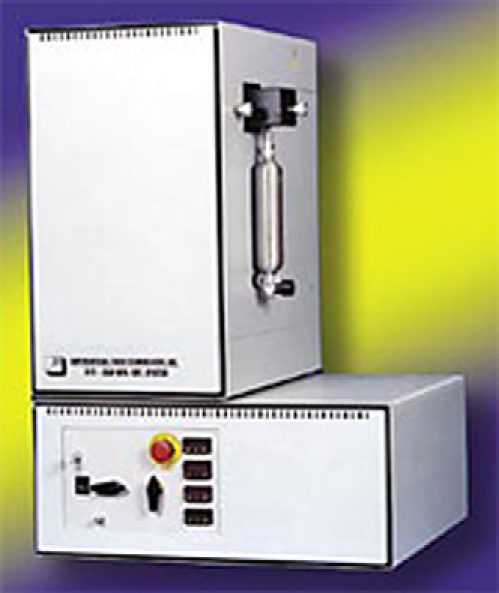
The SFT-250 is considered simple to operate and easy to modify for evolving application needs, and features many of the performance characteristics of fully automated pilot-scale systems. According to Activotec, its SFT-250 offers operational flexibility and safety features unmatched by any other laboratory SFE/SFR instrument available in the market today.
At the heart of the SFT-250 is a stainless steel vessel capable of containing supercritical fluids at pressures up to 10,000 psi (68.9 mPa). The SFT-250 accommodates pressure vessels of up to 4 L in size. This large vessel enables the user to extract very low levels of key components from materials or process larger amounts of bulk material than would be possible with conventional, analytical-scale SFE equipment. In addition, the SFT-250 may be configured with multiple vessels, which may be operated simultaneously, either in series or in parallel. Vessels are easily interchangeable and may be installed readily by the user.
The SFT-250 incorporates a high-performance, air-driven pump that can rapidly produce the high pressures required for supercritical fluid work. Under typical operating conditions, flow rates range from 1 to 330 mL/min (250 g/min) of liquid CO2. Conveniently located front panels allow easy access to the pressure vessel, valves, fittings, and electronics. Manually actuated valves provide long-term, maintenance-free performance.
For more information, visit http://www.activotec.com, e-mail
Adept Technology
AdeptSight 2.0
According to Adept Technology, AdeptSight 2.0 is a powerful expansion of Adept's PC-based machine vision product portfolio, which takes Adept beyond Robot Vision Guidance and introduces a number of new features and capabilities that make it easier and more cost-effective for systems integrators and automation users to design and use vision guidance and inspection in manufacturing.

AdeptSight 2.0 includes a new Color option, adding acquisition and calibration of color images, a color matching tool, and color processing necessary for advanced part inspection. New calibration wizards now support additional camera positions: arm-mounted, tool-mounted, and upward-facing cameras to enable development of “inspect while moving” or “vision-on-the-fly” applications. In addition, AdeptSight 2.0 is now packaged and available for both integrated robot guidance and inspection or as a fully standalone vision inspection product.
For more information, visit http://www.adept.com/products/details.asp?pid=67, e-mail
Artel
Multichannel Verification System Enhancements
ARTEL has enhanced its multichannel verification system (MVS) to provide laboratories with the first standardized technology to verify the accuracy of dilution ratios in serial dilution protocols. This new capability is considered essential for drug discovery and other laboratories that rely on data generated from dilution-based liquid delivery procedures. Rapid and easy to use, the MVS facilitates liquid handling quality assurance (LHQA) programs and strengthens compliance by providing traceable results. Laboratories benefit from enhanced efficiency, data repeatability, and greater confidence in results.
For more information, visit http://www.artel-usa.com, call +1.207.854.0860, or fax +1.207.854.0867.
Liquid Handling Quality Assurance
To meet advancements in laboratory liquid handling technology, ARTEL now offers LHQA services. An expansion of the company's previously launched quality assurance services for liquid delivery, the LHQA service suite builds on ARTEL's measurement technologies and growing capabilities.

To launch LHQA, ARTEL offers a new Liquid Handler Performance Verification service. Providing third-party, documented assessment of equipment accuracy and precision, this service can be applied to most makes and models of liquid handlers, from single- to 384-channel devices. With Liquid Handler Performance Verification and other LHQA services, laboratories can have confidence in data generated in a range of liquid handling applications to strengthen compliance, ensure repeatability, and improve productivity.
For more information, visit http://www.artel-usa.com, call +1.207.854.0860, or fax +1.207.854.0867.
Aspectrics
Application Note: Encoded Photometric Infrared

A new application note from Aspectrics demonstrates the ability of the company's encoded photometric infrared (EP-IR) spectroscopy technology to record in detail all chemical information pertaining to an ultrarapid chemical reaction. The results from this application reveal that EP-IR technology is capable of capturing reaction information over the entire spectral range at an ultrafast rate of 10 ms, resolving phenomena such as energy combustion, water vapor, and CO2 overtone as short as 30 ms.
Aspectrics’ MC5000A 128-channel EP-IR analyzer covering the 2.5–5.0-μm spectral range was used to record the kinetics of methanol explosive combustion. The spectrometer was mounted on the Aspectrics multipurpose sampling bench without accessories in the sample compartment. The Mid-IR source was continuously left on to provide the baseline emission signal. Approximately 2–3 mL of methanol was placed in an Erlenmeyer flask. A slow and continuous flow of air was injected at the bottom of the Erlenmeyer to ensure regular outflow of methanol vapor from the neck of the Erlenmeyer. After a few minutes of air flowing into the methanol, the methanol vapor was ignited using a lit wooden match, resulting in simultaneous real-time observation pertaining to the thermodynamics of the reaction and the formation of the products of the reaction.
For more information and a copy of the note, visit http://www.aspectrics.com.
Beckman Coulter
PARADIGM Detection Platform
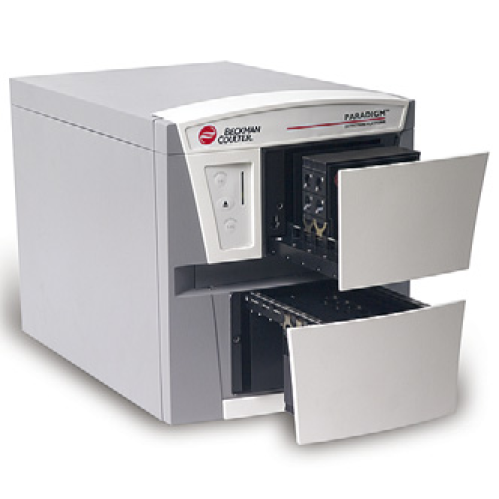
According to Beckman Coulter, its new PARADIGM Detection Platform features a selection of cartridges that can be interchanged in less than 5 min to meet different assay needs, making this the first user-upgradable and - configurable multimode reader. It is considered ideal for labs with multiple users and applications. The high-throughput detector reads on the fly, in formats from 6 to 1536 wells.
Eight different cartridges are available, based on detection modes including fluorescence polarization, time-resolved fluorescence, dual-label fluorescence (including fluorescence resonance energy transfer [FRET]), and luminescence. A monochromator-based absorbance cartridge also is offered. Future cartridges, including models specifically designed for the new BioRAPTR FRD microfluidic workstation, are in development. Beckman Coulter also provides custom-labeled cartridges for these read modes, to meet unique user needs. The cartridges contain application-specific elements, including wavelength-tuned light sources and optics, that can be interchanged on the detector.
The PARADIGM system software comes with a portfolio of generic protocol templates for the most common detection measurements to streamline user start-up and operation. Assay protocols for third-party chemistry kits are also included, allowing users to simply enter the number of samples and read the plate. The menu of kit-specific assay protocols will be expanded through ongoing development with several reagent partners. An Auto Update software feature allows the user to preview available assay protocols and install them with a single click. The PARADIGM Detection Platform operates as a standalone instrument, or it can be integrated with Beckman Coulter Biomek liquid handlers and the new BioRAPTR low-volume workstation. It is considered ideal for a wide range of standard and cell-based assays such as GPCR, green fluorescent protein, apoptosis, cytotoxicity, nuclear receptors, and kinases.
For more information, visit http://www.beckmancoulter.com.
Bioraptr Frd Workstation
Beckman Coulter considers its new BioRAPTR FRD Workstation to be ideal for assay miniaturization applications in drug discovery, genomics, and proteomics; the BioRAPTR noncontact, high-precision dispenser delivers increased capacity and speed along with reduced reagent and consumable costs. The BioRAPTR design enables the plate to move while the pipetting head is stationary, creating a shorter fluid path, for high precision with low dead volume. Flexible programming is easily done through a Microsoft Excel spreadsheet and allows a variety of reagents to be dispensed into any well at a range of volumes. The BioRAPTR has been validated with biological samples, demonstrating high cell viability.

Integration of the BioRAPTR with Beckman Coulter's Biomek and PARADIGM systems enables high-throughput applications such as compound screening. The company has also recently introduced a companion workstation, the PicoRAPTR, a multimode workstation that features both piezo and syringe dispensing for low-volume aspirate and dispense operations involved in dose–response curve generation and compound reformatting activities.
For more information, visit http://www.beckmancoulter.com.
IOTest Anti-p75/Adhesion Inhibitory Receptor Molecule 1 PE-Conjugated Antibody
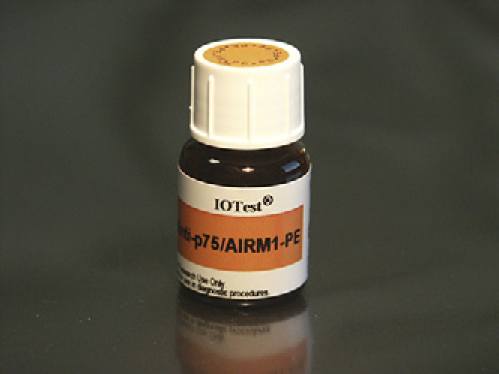
New from Beckman Coulter, the IOTest Anti-p75/adhesion inhibitory receptor molecule 1 (AIRM1) PE-conjugated antibody, featuring an exclusive clone, Z176. p75/AIRM1, whose ligand is not yet known, is an inhibitory molecule expressed by natural killer (NK) and myelomonocytic cells.
According to Beckman Coulter, engagement of p75/AIRM1 with a purified monoclonal antibody has been shown in recent scientific papers to inhibit the proliferation of myeloid cells, and p75/AIRM1 may represent a useful marker for studying the normal myeloid differentiation process. The new reagent is the only commercially available antibody against the p75/AIRM1 molecule. It can be used with the multicolor NK cell gating reagent, CD3-FITC/CD56-PC5, and completes a line of PE-conjugated NK markers, available only from Beckman Coulter.
The preformulated, standardized IOTest Anti-p75/ARM1–PE monoclonal antibody is provided in 50-test vials. Beckman Coulter offers a number of reagents, controls, and markers that can be used with this new antibody. Anti-p75/ARM1–PE is approved for research use only.
For more information, visit http://www.beckmancoulter.com.
New Data Acquisition and Reporting Tool
Initially offered as a customized addition to the Biomek and SAMI Workstation EX scheduling software programs, a new data acquisition and reporting tool from Beckman Coulter collects and stores every piece of information available from every device on the deck or integrated in the automated system. Other approaches to data handling typically require users to determine in advance of a run which information will be collected and stored, a process involving multiple steps, and text file importing is often required for report generation.
Beckman Coulter's new data acquisition and reporting tool runs in the background, automatically collecting and storing all run, labware, and well information from every piece of equipment on the deck. Easy setup steps in the Biomek software seamlessly bridge labware data between runs, and information is tracked as a plate goes from method to method. The data are stored in a database and can be easily imported for subsequent methods. Because every piece of available information is stored, researchers can quickly and easily access data repository information when they create or change any report format. The new tool's comprehensive, easy-to-use Report Builder function provides access to all data in either Microsoft Excel or via database views that are accessible to LIMS.
Available now as a custom offering through Beckman Coulter's Integrated Solutions team, the new acquisition and reporting software will be available later in a standardized, off-the-shelf version.
For more information, visit http://www.beckmancoulter.com.
Multiplex Gene Expression Kits for Cancer Research
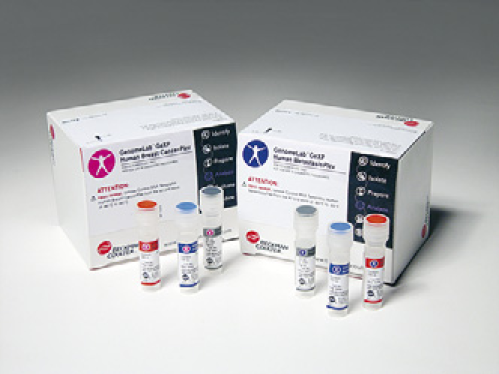
Two new kits for multiplexed, quantitative gene expression analysis on the GenomeLab GeXP Genetic Analysis System are now available from Beckman Coulter. The new Human Breast CancerPlex and Human MetastasisPlex Kits assay multiple genes from a single RNA sample. Both kits run in 96-well plate format and provide higher throughput than real-time PCR. According to Beckman Coulter, its GeXP technology was developed to fill the gap between whole-genome microarrays and single-gene, real-time PCR. With the GeXP technology, researchers can measure up to 30 genes in each of hundreds of samples in one assay, which is considered ideal for signature validation. These new kits streamline the application of this technology in cancer research.
The new GenomeLab GeXP Human Breast CancerPlex Kit contains primer mixes for 25 of the most commonly studied genes, plus three reference genes and one internal standard. The new GeXP Human MetastasisPlex Kit features the 16 most commonly studied biomarkers in the seven stages of tumor progression, plus three reference genes and one internal standard.
Each kit contains a control RNA that verifies the accuracy of the assay. Both kits are used in conjunction with the GenomeLab GeXP Start Kit. The GeXP kits are for research use only.
For more information, visit http://www.beckmancoulter.com.
Biacore
X100
The new Biacore X100 is a ready-to-run system for label-free protein interaction analysis, designed for busy, multiproject life science research laboratories. According to Biacore, the Biacore X100 is intended to serve researchers as a general purpose system that can be readily accessible for multiple users.
For more information, visit http://www.biacore.com.
BioTek Instruments
NanoQuot Microplate Dispenser
New BioTek liquid handling products now include the new NanoQuot PC Control Software for intuitive and flexible dispense program creation and liquid profile management. According to BioTek, the NanoQuot makes it easy for users to quickly change dispense solutions characterized by different viscosities. A .NET Developers Software Package is available to make integration into automated robotic systems simple.
NanoQuot's high-speed, low-volume noncontact dispensing, based on BioTek's dispense technology, allows easy miniaturization of assays used in various fields of life sciences including genomics, drug discovery, proteomics, and diagnostics. NanoQuot offers scientists noncontact dispensing of reagents and samples across a range of volumes from 0.1 to 40 μL in 96-, 384-, and 1536-well microplates.
For more information, visit http://www.biotek.com.
Carl Zeiss MicroImaging
AxioCam IC
Two new models are now available in the Carl Zeiss MicroImaging line of entry-level digital cameras for photomicrography: the 1.4-megapixel AxioCam ICc1 and the 3.3-megapixel AxioCam ICc3. According to Zeiss, these cameras offer an excellent price/performance ratio, and were developed for users who work with laboratory and routine microscopes and simple stereomicroscopes.
The AxioCam ICc cameras with C-mount adapters are considered by Zeiss to be ideal for general micrographs of color objects when sufficient light is available, e.g., for all brightfield micrographs in materials microscopy. Due to their performance, these cameras provide an economical solution for routine industrial applications or simple documentation tasks in laboratories. They are fully integrated into the AxioVision software and capture fast, high-resolution live images (17 images per second with AxioCam ICc1 and 6–39 images per second with AxioCam ICc3).
Zeiss notes that these new cameras make it possible to replace economical video cameras and framegrabber interface technology, and have led to a marked improvement in image quality. Therefore, the complex installation of framegrabber cards is a thing of the past, and the resolution (from 1392 × 1040 pixels with the AxioCam ICc1 to 2028 × 1540 pixels with the AxioCam ICc3) of the digital cameras is no longer restricted to the video standard.
For more information, visit http://www.zeiss.com.
AxioVision 4.6
Version 4.6 of AxioVision software from Carl Zeiss MicroImaging is now available for digital microscopy in biomedicine and materials applications. The software, which also supports the Axio Observer microscopes with incubation modules launched by Zeiss in October 2006, features new functions and improved convenience for the recording, archiving, processing, analysis, and reconstruction of images.
Zeiss now offers the following modules: Topography, Online Measurement, Physiology, and Digital High Speed Recorder. The “Topography” module permits roughness measurements according to EN ISO 4287 in height maps generated from Z-stacks taken with light microscopes and stereomicroscopes. The “Online Measurement” module allows users to project grids, reticles, and measurements in online images.
In addition to the new modules, many existing features have been improved, including a new wavelet algorithm to calculate the extended depth of focus images at high quality. Furthermore, it is possible to compensate automatically for the lateral displacement of Z-stack images taken with stereomicroscopes.
Functions for evaluating the data and thus enabling the generation of statistics and histograms also have been added to the software package. Typically, external evaluation programs (e.g., Microsoft Excel) had to be used for this purpose. A new mode of “Inside 4D” allows the simultaneous display of transparency and surface render methods. The section plane mode enables the shaded display of section planes so that the user can “look into” 3D structures. The distances between objects can be measured three dimensionally.
For more information, visit http://www.zeiss.com.
AxioVision FRET 4.6
Enhanced AxioVision FRET software from Carl Zeiss MicroImaging combines all current methods of FRET measurement by using different correction techniques or acceptor bleaches. This makes it possible also to determine the FRET portion in FRET-coded color images. In addition, the evaluation can already be performed online during the capture of time series images.
The FRET method allows the determination of the energy transfer portion between two closely adjacent protein molecules or the measurement of the distance between two closely adjacent protein molecules below the microscope resolution. It is used to determine quantitative temporal and spatial information about the bonding and interaction between proteins, lipids, enzymes, DNS, and RNS.
According to Zeiss, the AxioVision FRET software enhancements mean that the often very time-consuming programming of work routines and computations is now a thing of the past. In addition, the measuring regions can now be exactly positioned at the sites of the FRET action; in the past, this was only possible with approximate exactness in the gray-scale images. Another new feature is the possibility of observing the FRET activity during the experiment being performed.
Further benefits include the automatic capture of all required time series images (donor, acceptor, and FRET), and the simple operation via a few keys in six logical control windows. The system also can be used for capturing standard fluorescent photos. The program additionally contains all functions of AxioVision LE.
For more information, visit http://www.zeiss.com.
Cerno Bioscience
MassWorks Software
Vendor file reading support for Cerno's MassWorks software has been expanded to include the Varian MS Workstation mass spectrometry data files (previously known as the Saturn GC/MS Workstation). This new addition allows users of all Varian gas chromatography (GC) or liquid chromatography (LC)/mass spectrometry (MS) systems running MS Workstation to calibrate their data for accurate mass using Cerno's MassWorks software.
For more information, visit http://www.cernobioscience.com, e-mail
CyBio
Composer Software
CyBio Composer software is CyBio's new software platform for controlling CyBio's instruments and system integrations. According to CyBio, key features of this new software platform include a powerful script editor, easy creation of a user's own Web browser–like user interfaces, open database connectivity, an integrated user right management system, and sophisticated error handling.
To satisfy the increasing specialization in today's laboratory and to offer a tailor-made solution, the software is divided into three different Studio solutions. The Application Studio offers a Web browser–like user interface for “Click & Run” solutions. The Scripting Studio is an automation software platform for creating automated solutions. To integrate CyBio Composer into an existing IT environment, the Integration Studio offers a comprehensive collection of flexible and open software interfaces. Modules can be combined with each other.
For more information, visit http://www.cybio-ag.com, e-mail
CyBi-Well vario
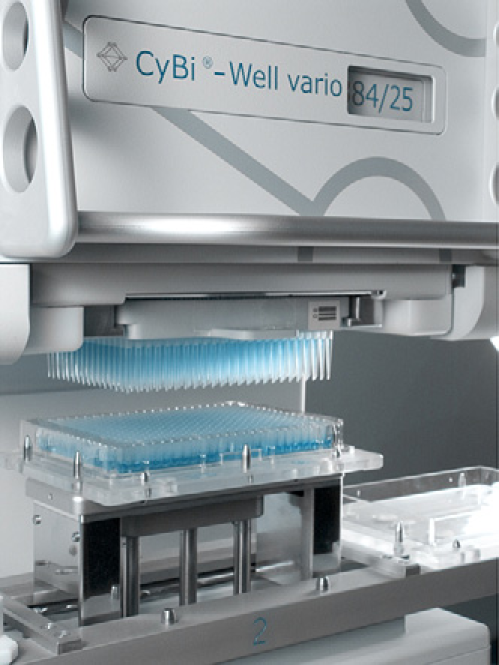
CyBi-Well vario is the new generation of CyBio's simultaneous pipetting platform that gives users an additional grade of flexibility to get results of superior quality. According to the company, exchange of pipetting heads from the front or backside of the system devices makes head changing easier and adaptable into any screening environment. A huge working volume range of four orders of magnitude and eight different multichannel pipetting heads allows liquid transfer from 25 nL up to 250 μL on one platform. This enables work at low volumes with highest precision. CyBi-Well vario is controlled by the CyBio Composer software platform, and CyBi-Well vario's new design reduces height and space requirements.
For more information, visit http://www.cybio-ag.com, e-mail
CyBi-HummingWell
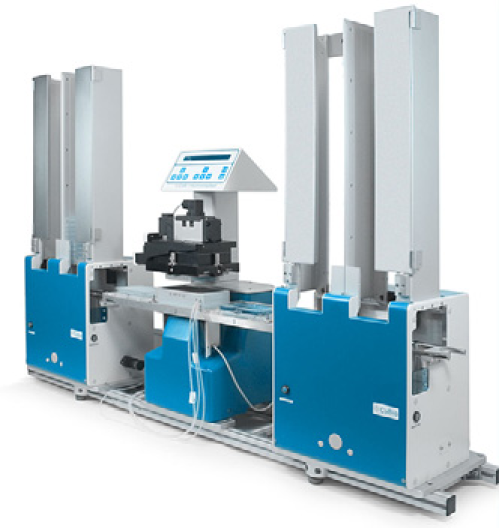
CyBio has expanded its liquid handling capabilities with a new capillary-based pipetting platform–the CyBi-HummingWell. According to CyBio, this new system can be completely integrated into CyBio instrumentation, and allows dry and parallel compound transfer in the submicroliter range down to 25 nL to enable the use of compounds directly from stock without further dilution steps, e.g., for DMSO-sensitive assays or to avoid compound precipitation.
The CyBi-HummingWell is considered by CyBio to be fast, precise, and reliable with 384- or 1536-well plate formats. The integration of the capillary-based technology is a result of a close cooperation between CyBio and Genomic Solutions.
The CyBi-HummingWell can be operated as a standalone workstation or can easily be integrated into a complete automated environment by adding stackers, dispensers, or readers.
For more information, visit http://www.cybio-ag.com, e-mail
CyBi-Screen-Machine Integration Platform
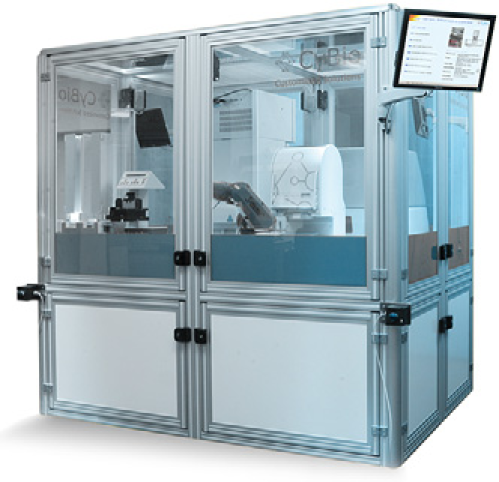
CyBio's plate handling system CyBi-Ways is now enhanced with the option to integrate articulated robots as used in industrial automation. This provides a new stage of flexibility without compromise to reliability for unattended and overnight use. The system can be easily adapted to work for various laboratory automation tasks such as ultrahigh-throughput screening, compound replication, or reformatting.
The new hardware options of the adaptable system are accompanied by the CyBio Composer software for system and device control. CyBio Composer brings advanced features such as easy database connection and system monitoring via a Web browser–like user interface. Dynamic scheduling with outstanding timing constancy for best results is available with CyBio Scheduler.
For more information, visit http://www.cybio-ag.com, e-mail
Eksigent
ExpressRT-100 Reaction Monitoring System
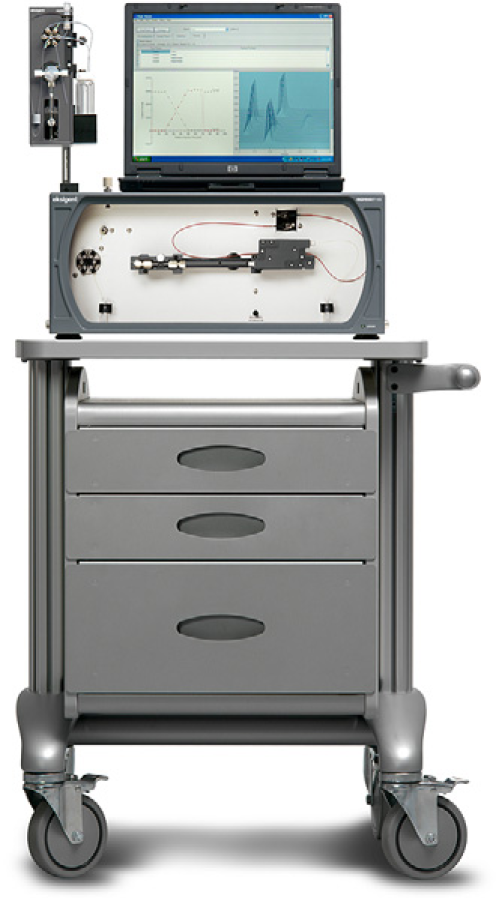
According to Eksigent, its new ExpressRT-100 Reaction Monitoring System is an LC-based system for the sampling, quenching, diluting, and monitoring of reaction kinetics that enables quick monitoring of the progress of the reaction, delivering information that makes timely modifications possible. The result is optimized conditions in less time.
The complete system includes the Eksigent ExpressLC-100 capillary LC instrument along with a transfer module that automatically dilutes, quenches, and transfers the sample onto the LC. In addition to instrument control and data acquisition, the ExpressRT-100 system software monitors reaction progress and plots trends. The ExpressRT-100 system is considered ideal for reaction optimization as well as solubility and dissolution testing.
The ExpressLC-100 runs assays up to five times faster than conventional LC. The system features Eksigent's proprietary microfluidic control technology along with design features that significantly reduce solvent use compared with other LC methods.
For more information, visit http://www.eksigent.com.
ExpressLC-800 Plus
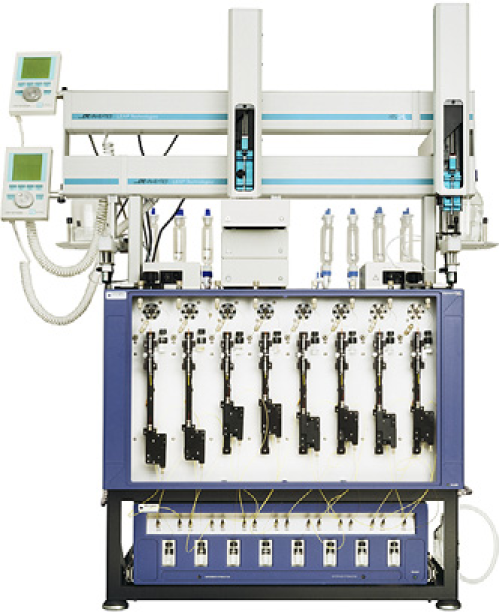
According to Eksigent, this new system configuration makes up to six solvents available to each of eight LC channels. Solvent switching is easily programmed via the system control software, allowing solvents to be changed automatically with less handling and fewer errors. With this new functionality, users can vary their reaction parameters while eliminating manual sample changing and priming.
ExpressLC-800 Plus's eight channels offer true multiplexed HPLC for dramatic savings in analysis time, labor, and laboratory bench space. The ExpressLC-800 Plus combines advances in gradient delivery and mixing, sample injection, and optical detection to deliver dramatically increased levels of separation resolution and speed.
For more information, visit http://www.eksigent.com.
ESA Biosciences
Online Resources
ESA Biosciences's Web site now provides an online resource for sourcing information on topical new applications, and the latest optimized detectors and systems for sensitive and selective HPLC analysis. The site provides easy and rapid access to a comprehensive, keyword searchable database of application notes, technical articles, product literature, validated methods, and material safety data sheets.
For more information, visit http://www.esainc.com.
FEI Company
Quanta 3D FEG
The Quanta 3D FEG is a powerful new analytical DualBeam for advanced 3D research and development. According to FEI, with its latest advances in ion and electron optics and the environmental SEM technology of FEI's Quanta family of products, the new system eliminates the boundaries imposed by traditional high vacuum systems. The Quanta 3D FEG expands FEI's range of DualBeam solutions for nanoresearch and industry, nanobiology, and nanoelectronics.
The Quanta 3D FEG features FEI's high-current ion column for rapid, site-specific cross-sections of samples to reveal subsurface structures and features, and the system's advanced electron source design delivers improved SEM imaging. Further, increased electron beam current enables higher throughput spectroscopy.
For more information, visit http://www.fei.com.
Franek Technologies
Online Resources
Steadfast to its mission to be an industry resource to the laboratory and instrumentation community, Franek Technologies has further enhanced its online database, which now contains over 1500 instruments from more than 100 OEMs. This database enables visitors to quickly determine the precertified Franek Technologies’ power protection solution specifically designed and engineered for their laboratory instruments.
Arming scientists and laboratory managers with this information is intended to enable more laboratories worldwide to be protected against power quality problems, which represent a substantial cost to the health care and scientific research industry in terms of lost productivity, expensive retesting and recalibration, as well as lost reporting time.
For more information, click on “Gold Seal” at http://www.franek.com.
Genevac
Speed Trap
Genevac has launched a new second-generation version of its Speed Trap refrigerated solvent condenser for vacuum concentrators. Designed and field proven to improve the performance of any vacuum concentration system, the new Speed Trap uses fluoropolymer components for enhanced solvent resistance and a high-safety plastic-coated solvent collection vessel.

The Speed Trap features a novel cooled condenser coil, which Genevac considers to be extremely efficient compared with traditional evaporator condenser designs and operates in a novel way. The cold condenser coils are suspended directly in the vapor path, and solvent vapors condense directly on to the coils and run off into the collection vessel below without freezing, even when using water. This method is highly efficient, with more than twice the condensing power of a similar system. Users of the Speed Trap can see the solvents in the trap, and emptying is simple, requiring no defrosting.
For more information, visit http://www.genevac.com, e-mail
miVac Pressure Controller
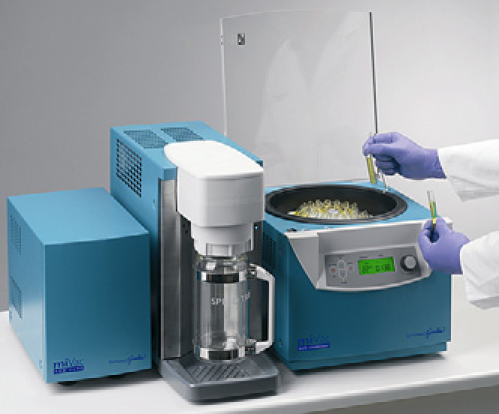
A new pressure control innovation for the miVac Duo and Quattro sample concentrators enables the gentle onset of concentration and helps to prevent sample splashing. According to Genevac, its new miVac pressure controller gives accurate pressure readout at all stages of sample concentration, and provides full control of pressure and vacuum ramping capability. Unlike open-access blowdown evaporator systems that often have no means of preventing sample splashing during concentration, miVac sample concentrators with pressure control minimize the dangers of sample cross-contamination and enhance solvent recovery.
For more information, visit http://www.genevac.com, e-mail
Guava Technologies
Application Note: T-Cell Counting
According to Guava Technologies, its Guava EasyCD4 System, with its integrated system of instrument, reagents, and software, can provide the ability to easily monitor patients’ T-lymphocytes by using a two-color, direct, absolute counting approach. A controlled independent five-site evaluation study demonstrated that accurate and precise CD4 T-cell counts, equivalent to traditional methods of T-cell enumeration, can be obtained much more affordably using the Guava EasyCD4 System.
Absolute CD4 counts in children undergo variation with age and development, so additional parameters are needed to monitor progression of pediatric human immunodeficiency virus infection. An accepted indicator for this patient population is CD4 percentage, which is CD4 absolute counts expressed as a percentage of total lymphocytes. The novel Guava EasyCD4% assay provides both absolute CD4 and CD4% values with the same simplicity of protocol and ease-of-use as the internationally adopted Guava EasyCD4 and EasyCD8 assays. The Guava CD4% assay yields comparable results to clinical lab predicate methods for both CD4% and CD4 counts.
For more information, and a copy of the report entitled “The Power of Easy and Affordable T-cell Counting,” visit http://www.guavatechnologies.com/main/library/index.cfm.
Gyros
Gyrolab Bioaffy 20 HC
According to Gyros, when quantifying proteins in high concentrations, current technologies, such as enzyme-linked immunosorbent assay, require extensive dilution of samples in order to bring them into the technology's measurable range. This can be cumbersome and time consuming for scientists and increases the risk of quantification errors. By using very small sample volumes and a high-capacity capture column, the new Gyrolab Bioaffy 20 HC increases the measurement range, allowing scientists to quantify proteins in the grams per liter range without the need for any preassay, sample dilution.
Both the new Gyrolab Bioaffy 20 HC and the existing Gyrolab Bioaffy 200 (for high-sensitivity assays when detecting low concentrations) CD microlaboratories are run on the same fully automated instrument, Gyrolab Workstation. According to Gyros, an example application where the introduction of Gyrolab Bioaffy 20 HC can greatly support the work of scientists is in process development for the production of protein-based drugs (biopharmaceuticals), such as monoclonal IgG. The combination of Gyrolab Bioaffy 20 HC and Gyrolab Bioaffy 200 can be used to increase the efficiency of biopharmaceutical process development by quickly and accurately quantifying drug product and host cell proteins at concentrations relevant for the entire purification process.
For more information, visit http://www.gyros.com.
Hamilton Life Science Robotics
Tip Feeder for STAR Workstations
In many applications, the amount of available tips is a limiting factor, especially when working with filter tips that prevent space-saving stacking. According to Hamilton, its new tip-feeding module for the STAR Line workstations offers a solution to this problem. Tip racks are stored below the working surface and are transported on deck automatically when needed. This module increases the tip rack capacity of one position by a factor of 9 or 42 for high-volume tips with filters and low-volume tips, respectively.
For more information, visit http://www.hamiltonrobotics.com.
Ibidi
Chemotaxis μ-Slide

ibidi has released a new Chemotaxis slide for the optical analysis of slow migrating cells. According to ibidi, this new slide allows the motion tracking of slow migrating cells like chemotactic active cancer cells in gradients. Up until now, comparable cell-based assays have only allowed the tracking of fast migrating cells such as neutrophiles or dictiostelia. The new ibidi Bio-Microscopy μ-Slide series allows the formation of long-term stable gradients over a 48-h period. This means that users can follow the motion of slow moving cells with a speed of roughly one cell length per hour. Assays generated in this way allow cell tests in small volumes because they require only a 3-μL cell volume and a chemokine amount of 18 μL. The Slide comes together with a software plug-in for Image J, which can be downloaded for free from the ibidi Web site.
For more information, visit http://www.ibidi.com.
Integra Biosciences
PTFE-Membrane Filter for PIPETBOY
According to INTEGRA Biosciences, a new, easy-to-change 0.2-μm membrane filter provides its PIPETBOY comfort pipettors with unmatched protection from liquid contamination and damage.
The PIPETBOY comfort has in-built features to prevent accidental misuse. Incorporation of a PTFE-membrane filter (0.2 or 0.45 μm) eliminates contamination from overfilling as the penetration of liquid is prevented. In addition, the PIPETBOY comfort will not release liquid under pressure even if a filled pipette is unintentionally aspirated. Incorporating a silicone pipette mount, the PIPETBOY comfort guarantees a sure grip with all commercially available glass and plastic pipettes from 1 to 100 mL.
For more information, visit http://www.integra-biosciences.com, e-mail
Invetech
Process Engineering Service

To improve workflow efficiency in laboratories, Invetech now offers a new process engineering service. The service uses advanced models from the engineering and manufacturing industries, using both automated and nonautomated approaches, to identify and eliminate pinch-points and to plan for future changes.
According to Invetech, staff in modern laboratories are witnessing increased pressure through growing workloads and time-consuming tasks, and scientists have little time to reorganize processes themselves. Invetech employs a team of engineering experts who integrate with pharmaceutical, clinical, and medical laboratory staff to identify causes and analyze problem areas to determine which processes can be changed. The team maps the processes using a state-of-the-art software package and works with laboratory management to determine control strategies. This ensures that the changes take place and future additions to laboratory instrumentation can fit seamlessly and efficiently into the new process.
For more information, visit http://www.invetech.us, e-mail
LabVantage Solutions
Advanced Storage and Logistics Module for Sapphire
LabVantage's new Sapphire ASL is an Advanced Storage and Logistics Module for Sapphire that provides complete location management and storage of any laboratory item, with electronic signature records for chain of custody and audit trails across multiple storage facilities. It also facilitates package shipping and receiving associated with each item providing accurate material handling within any organization.
Sapphire ASL is designed to address an organization's challenges in accurately tracking complex laboratory item acquisition, location, and disposition with heightened regulatory compliance, for both short and long storage periods. The solution is tailored to support multiple areas of responsibility within an organization, and is optimized for high-volume, batch operations that can involve many items and containers at one time.
Sapphire ASL is considered by LabVantage to be robust, yet flexible enough, to support custodial tracking depending on an organization's requirements, whether related to R&D, formulation, stability analysis, or quality management. Key features include centralized material tracking in support of organization-wide inventory control; detailed location and shipment management; aliquot, derivative, and pooled sample tracking; complete handling assurance; and electronic signature capture on transfer and disposition.
For more information, visit http://www.labvantage.com/products/asl/index.html.
LabVantage Sapphire and mySAP ERP
LabVantage Sapphire solution has achieved “Powered by SAP NetWeaver” status. The certified integration enables the exchange of information between the mySAP ERP application and LabVantage's Sapphire Laboratory Information Management Suite (LIMS) using the SAP NetWeaver Exchange Infrastructure (SAP NetWeaver XI) Release 7.0 and LabVantage Sapphire.
LabVantage Sapphire Enterprise Connector, a component of LabVantage Sapphire, is a separately installable and configurable application-to-application (A2A) tool that facilitates tailored, bidirectional data flow between LabVantage Sapphire and mySAP ERP. It was developed by LabVantage through a joint information technology partnership with TCGIvega, expert consultants experienced in SAP solution–based integrations. LabVantage Sapphire can be implemented at various stages of quality and materials control processes within mySAP ERP to realize real-time data updates.
For more information, visit http://www.labvantage.com.
MicroCal
2007 Users Conference
The 2007 Current Trends in Microcalorimetry Conference will be presented by MicroCal at The Colonnade Hotel in Boston, MA, July 18–21. Speakers from industry and academia include experts in the fields of drug discovery and development and biotherapeutics. The conference will be held immediately preceding the annual symposium of The Protein Society, giving attendees the opportunity to attend both meetings.
For more information, visit http://www.microcal.com/2007conference.
Micronic
2007 Catalog
The 2007 “Innovations in Sample Storage” catalog is now available from Micronic. Designed for laboratories using or considering the need for traceable sample storage, the catalog includes new application features that provide readers with useful hints and tips on sample storage issues including Why 2D coding?, How to save valuable freezer storage space, and How to improve your automated liquid level sensing.
The catalog also includes the latest information on Micronic sample storage tubes, storage racks, capping solutions, affordable starter packs, high-precision liquid handling, and productive automated systems.
For more information or a free copy of this catalog, visit http://www.micronic.com/Default.aspx, e-mail
Millipore
HEScGRO
According to Millipore, its new HEScGRO animal component–free medium for human embryonic stem cell research is the first commercially available animal component–free medium tested successfully for human embryonic stem cell culture and shown to maintain hES cells in their undifferentiated state.
HEScGRO medium's unique serum-free, ready-to-use, and complete formulation offers new ease and reliability in growing human embryonic stem cells. Media with animal-derived components are subject to wide variability and may contain factors that promote differentiation of hES cells, as well as toxic proteins or immunogens that can adversely affect the cells themselves. HEScGRO medium is a defined, animal component–free formulation that successfully addresses these problems and allows scientists to grow human stem cells with confidence.
For more information, visit http://www.millipore.com.
Nunc
NUNC LiveCell Array
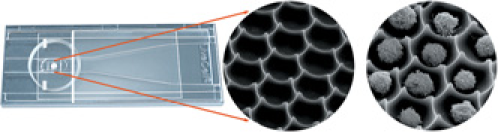
According to NUNC, its new LiveCell Array is the first microscope slide–based high-content analysis tool that enables multiparametric, imaging-based assays on thousands of intact individual cells, including nonadhering blood and bone marrow cells. Scientists now can observe each cell at its own identified location, tracking its individual, real-time responses to intervention. Multiple functional assays can be performed on a living cell, followed by postfixation studies on the same cell to maximize usage of cell samples.
The disposable NUNC LiveCell Array microscope slide contains an embedded, transparent array of pico-wells available in sizes of 15-, 20-, 100-, or 250-μm diameter. The design facilitates the flow of reactants, reagents, and media solutions used in various studies and also enables perfusion of the cells in the array wells. Individual cells settle into the pico-wells by means of gravity and are not displaced by rinsing or staining. Imaging and data analysis software allows scientists to designate an address to each cell. In addition to the standalone slide, NUNC LiveCell Array also is supplied in kits that include reagents, buffers, and protocols for assays involving apoptosis or CD3, CD4, and CD8 cell surface markers.
For more information, visit http://www.nuncbrand.com or call 800.446.2543, ext. 7262.
NUNC Cell Culture Flasks
New NUNC Poly d-Lysine and Collagen I–coated cell culture flasks are designed to save time and increase productivity in cell culture laboratories. In addition, the uniform application of the surface treatments facilitates reproducible cell culture performance by enhancing cell attachment, growth, and differentiation in serum-free and serum-containing media.
The cell culture flasks have an angled neck design to enable easy access to the entire growth surface with pipettes or cell scrapers. The neck will also allow for complete drainage of the flask and prevent the contents from splashing into the neck when stacked horizontally. A unique closure system allows for opening or closing the flask by a mere one-third of a turn of the cap, minimizing repetitive wrist strain.
Choose either “Y” vent closures or filter caps for continuous gas exchange during cell growth. Volume graduations are printed and molded on both sides of the flask for easy volume assessment. Stable at room temperature, NUNC cell culture flasks may be stored without refrigeration.
For more information, visit http://www.nuncbrand.com or call 800.446.2543, ext. 7261.
Paraytec
Technical Application Report: Integrating Separations in Capillaries
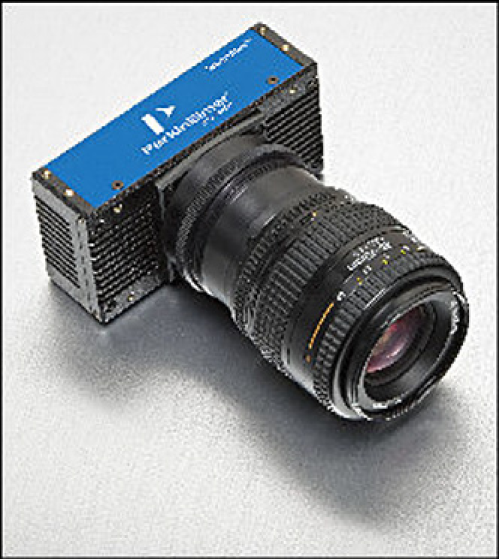
A new technical application report from Paraytec discusses how separations in capillaries can be readily integrated with other in-capillary processes such as mixing and reaction, laying the foundations for a versatile and widely applicable new lab-on-capillary format.
The report evaluates a novel miniature capillary UV imaging detector (ActiPix D100) on a range of nanoliter-scale enzyme assays which could be used for rapid and cost-effective evaluation of biocatalytic activity and characterization of biochemical samples.
The report demonstrates how the lab-on-capillary approach using the ActiPix D100 allows multiplexed detection of reactions and electrophoretic separations meaning that different concentrations of an enzyme can be assayed in parallel, increasing throughput and work efficiency. Using examples of reactions catalyzed by enzymes immobilized onto beads within or on the surface of the capillary wall, the report shows that the technique is readily applicable to proteomic studies (protein digestion and separation) and early-stage screening in drug discovery. The report concludes by comparing the lab-on-capillary technique with lab-on-a-chip methods.
For more information or a copy of the technical applications report entitled “Lab-on-Capillary: A Versatile Format for Nanolitre Scale Chemistry & Biochemistry,” visit http://www.paraytec.com, e-mail
ActiPix D100 Miniature UV Imaging Area Detector
According to Paraytec, its ActiPix D100 miniature UV imaging area detector is the world's first miniature multiplexed capillary UV area detector.
Using a capillary as combined sample vessel and optical element, the ActiPix D100 detector provides inherent spatial separation of sample and reference beams. The result is a unique self-referencing system in a miniature format. Allowing minute (picoliter to nanoliter) volumes to be measured with high sensitivity without sacrificing spatial resolution, the ActiPix D100 is considered an ideal detector for capillary LC and CE systems.
Using an active pixel area sensor to capture measurements, imaging of single or multiple capillaries is readily achieved on a single sensor, unlike current commercial UV detectors. Simultaneous measurement of multiple capillaries allows extremely high throughput of samples on the ActiPix D100. Highly sensitive and linear over five orders of magnitude dynamic range, applications for the ActiPix D100 include monitoring nanoscale biocatalytic reactions, measuring molecular size of both small molecules and biomolecules, and coupling with LC or CE–MS.
For more information, visit http://www.paraytec.com, e-mail
PerkinElmer
Biodiesel GC Turnkey Systems
Four new Biodiesel GC Turnkey Systems are now available from PerkinElmer. According to the company, the systems provide the biofuels industry with a choice of high-quality analyzers for the verification of pure biodiesel (B100) to meet ASTM standards as well as the European CEN Method EN14105 standard. The same GC hardware and column configurations can be used to identify the amount of biodiesel blended into petroleum diesel including B2, B5, B10, and B20 mixes.
All four Biodiesel GC Turnkey Systems include a Clarus GC, a complete package of accessories including a standards kit and TotalChrom Chromatography Data Systems (CDS) instrument-control and data-handling software. Four application-specific configurations are available to provide the specified analyses of biodiesel, such as simulated distillation of biodiesel. All four systems come in both a 120-and 230-V model.
The GC systems can also supplement other PerkinElmer systems including ICP-OES, FTIR, and LIMS for process troubleshooting and data management during biodiesel production to ensure trouble-free operation of diesel engines.
For more information, visit http://www.perkinelmer.com/GCbiodiesel.
Biofuels Analysis Brochure
For laboratories already engaged in biofuels analysis or for laboratories just starting up in this industry, PerkinElmer offers a new brochure to help outline and navigate the range of analysis tools available to test biofuels according to required methods and to ensure regulatory compliance.
This brochure outlines the standards required to meet ASTM, EN, and other compliance requirements for biodiesel and ethanol used for fuel. The brochure also includes a comparison of various methods for biocontent analysis and information regarding robust, easy-to-use, and cost-effective laboratory information management systems for efficient monitoring and reporting of critical data.
For more information, visit http://www.perkinelmer.com/biofuelbrochure.
LC Separation Notes CD
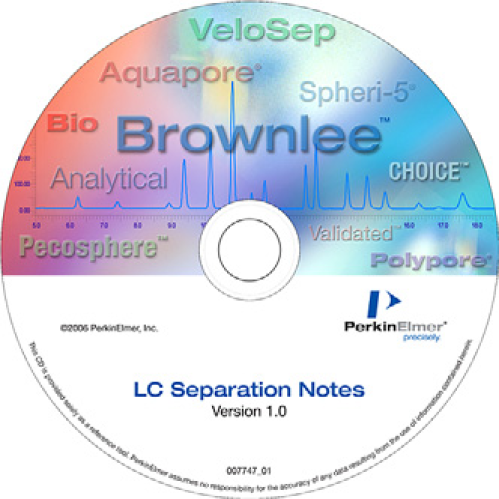
PerkinElmer has created a centralized reference tool to aid scientists in advancing the pace and precision of their LC research and testing. The comprehensive CD includes a large collection of LC application notes in a concise template for ease of searching and reference. It includes more than 230 one-page application notes and alphabetically catalogs information regarding more than 500 compounds.
The CD also includes the PerkinElmer consumables catalog and links to the company's Web site to access additional information.
For a complimentary copy of the LC Separation Notes CD, visit http://www.perkinelmer.com/LCseparations.
OneSource Lab Relocation Service
From pretesting and inspection of equipment before a move through shipping, setup, and qualification testing, this new turnkey service by PerkinElmer is designed to handle the complex and time-consuming burdens laboratories face when moving equipment from one location to another. The service is available globally to facilitate the move of all laboratory equipment regardless of technology or manufacturer.
This service also encompasses preventive maintenance; moving of chemicals and samples; transportation; insurance; customs; and installation, qualification, and commissioning at the new location.
For more information, e-mail
Porvair Sciences
Application Note: Benefits of the Microlute Solid-Phase Extraction System
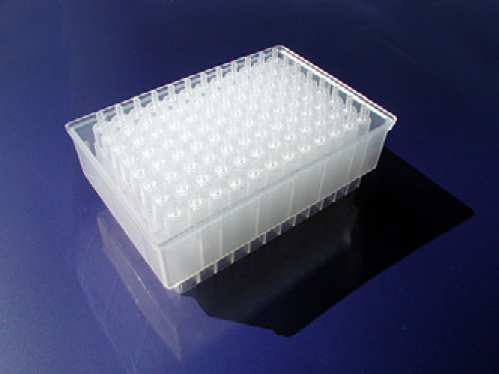
A new application note from Porvair Sciences describes the operational benefits of using their Microlute solid-phase extraction (SPE) system for analysis of pharmaceutical compounds in biological fluids.
According to Porvair, using the Microlute with low sorbent bed mass SPE wells, analytes ranging in chemical nature from highly lipophilic steroids to water-soluble nucleoside analogs were analyzed. The application note describes how the SPE, prime wash, and elution volumes stages of sample preparation are significantly reduced using the Microlute for faster sample processing and increased method sensitivity.
The application note further shows that the individual well capacity of the low sorbent mass phases used in the Microlute is more than sufficient for robust and reproducible analysis of pharmaceutical drug metabolites in the low ng/mL concentration region typically found in biological fluids.
For more information or a copy of Microlute application note 3, visit http://www.porvair-sciences.com, e-mail
MiniSeal
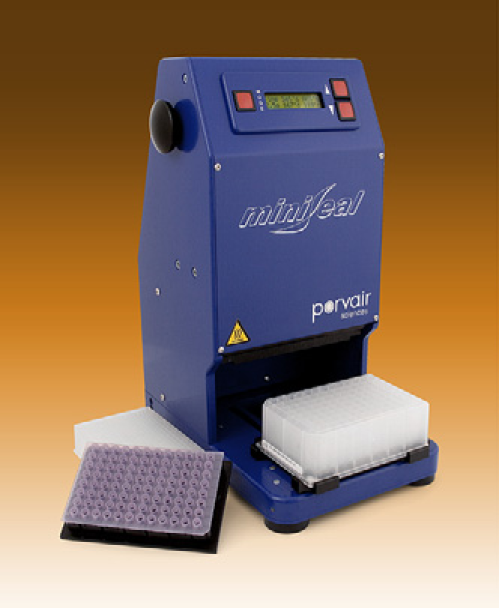
The MiniSeal is a new entry-level semiautomated thermal sealer developed for laboratories sealing small to medium batches of microplates. According to Porvair Sciences, the compact MiniSeal is designed for convenience, requires only a single electrical outlet to operate, and does not need to be located near a compressed air source or a dedicated compressor. Unlike hand-operated manual thermal sealers, the MiniSeal uses a preset sealing pressure to deliver highly reproducible plate seals time after time. The versatile device is capable of producing an accurate and tight seal on any SBS-proposed standard, deep well, or PCR microplate from 3 to 62 mm in height.
For more information, visit http://www.porvair-sciences.com, e-mail
Radleys
Application Report: Parallel Screening of Catalytic Ligands
A new application report from Radleys describes how the Cooled Carousel 12 Reaction Station enables the Faculty of Natural Sciences at Comenius University in Bratislava, Slovakia, to improve the structure of novel chiral ligands used for palladium-catalyzed allylic alkylation reactions.
According to Radleys, ferrocenophane ligands are known to be useful catalysts for Pd-catalyzed allylic alkylation, giving allylation product in high yields and with good enantioselectivity. To improve the ligand structure and obtain higher enantioselectivities, the Comenius research group used the Cooled Carousel Reaction Station to run a series of carefully controlled parallel test reactions. Running test reactions using different ligands and varying parameters (ligand loading, ligand/metal ratio, etc.) in parallel, the Comenius research group was able to accelerate the reaction optimization process.
The Faculty of Natural Sciences at Comenius University is a member of the European Ligand Bank (LigBank) consortium. Funded with the support of the European Community's Sixth Framework Programme, the LigBank Consortium was set up to provide a Europe-wide resource for distributing new ligands and information about catalytic activity between research groups.
For more information and a copy of the application report entitled “Screening of New Ferrocenophane Ligands,” visit http://www.radleys.com, e-mail
Roche Diagnostics
Cobas e 411 Analyzer
Roche Diagnostics’ next generation benchtop immunoassay analyzer is now available. The cobas e 411 analyzer is considered by Roche to be an integral part of its immunoassay portfolio and an ideal solution for the low- to midvolume immunoassay market. The cobas e 411 analyzer can optimize operational efficiency by combining fast turnaround time and ease-of-use with proven, reliable Elecsys system technology.
The cobas e 411 analyzer can operate independently, as a dedicated STAT analyzer, or as part of a networked clinical laboratory environment. The cobas e 411 analyzer provides results for critical assays–Troponin T, CK-MB, Myoglobin, and HCG–in as little as 9 min.
The heart of the cobas e 411 analyzer–and unique to all Roche Diagnostics immunoassay analyzers–is electrochemiluminescence (ECL). As a detection system, ECL technology delivers excellent low-end sensitivity and a broad dynamic range. It can virtually eliminate unnecessary repeats and reruns, providing accurate results the first time.
For more information, visit http://www.roche.com and http://www.roche-diagnostics.us.
RTS Life Science
Presentation: Sample Management and HTS–Novel Solutions with Library Management and Acoustic Technology
Representatives from RTS Life Science and Labcyte presented a workshop highlighting some new approaches to integrated sample library management, with a focus on acoustic transfer technology at LabAutomation2007 in Palm Springs.
A pdf of the presentation is available for download at www.rtslifescience.com.
Scie-Plas
HU15 Standard Horizontal Gel Electrophoresis Unit
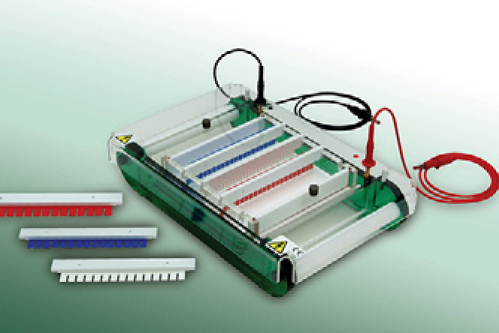
According to Scie-Plas, its new HU15 standard horizontal gel electrophoresis unit provides the market's most popular gel tray size of 15 × 15 cm, but with additional casting options for greater versatility. Comb options range from 1 to 30 samples, and four comb slots at 3.5-cm intervals provide fast separation of up to 120 samples.
The complete HU15 system consists of the standard horizontal gel unit with a removable casting tray, casting gates, two 1-mm-thick 16-sample combs, colored loading strips, and buffer recirculation ports. HU15 casting options are provided by the casting gates with integral silicone seals or 15-cm-long Scie-Plas Super Seals that enable the gel length to be tailored to particular requirements. A choice of 30 different combs is available, including multichannel pipette-compatible combs with a maximum 30-sample throughput and preparatory combs for scaling up nucleic acids for cloning.
For more information, visit http://www.scie-plas.com, call +44(0)1926.814093, or fax +44(0)1926.813975.
Starna
Liquid Microplate Reader CRMs

According to Starna, the company now offers a new, fully traceable, UKAS-accredited calibration product that allows users of plate readers to validate their measurements in the UV region.
The new Starna range of liquid microplate reader CRMs has a unique well plate cell design. It also allows certification by Starna in a similar manner to conventional cuvettes, using one of the reference spectrophotometers in the Starna UKAS-accredited laboratory. The whole range of Starna liquid references will become available in this new format.
For more information, visit http://www.starna.com or call +44(0)20.8501.5550.
Stäubli Robotics
RS20 SCARA Robot
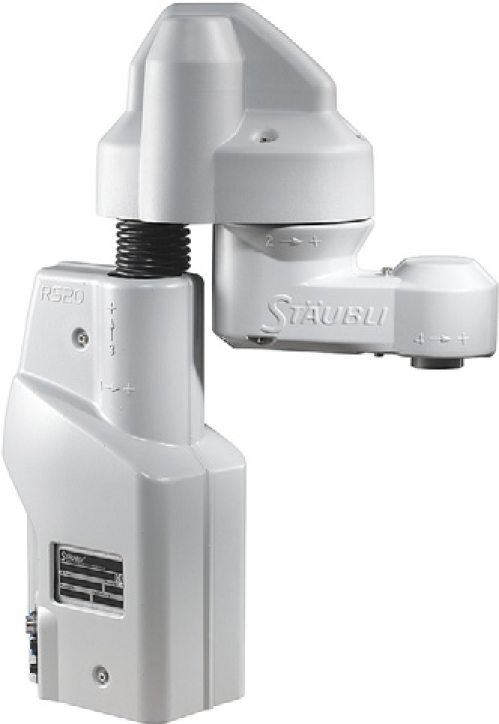
A new concept SCARA robot, the RS20, from Stäubli Robotics, features four degrees of freedom, a hardened AB plastic external housing, and electric servo-driven motors for reliability, and all its cables including the electrical and pneumatic user lines run on the internal side of the arm.
The RS20 uses the CS8C M controller, which features a compact lightweight design based on the CS8 platform. According to Stäubli Robotics, the CS8 controls platform is the industry's most technologically advanced PC-based controls system, and is ideally suited for applications that require complex process control. The CS8 uses the VAL3 programming language and features numerous ways to communicate with the outside world, including Fieldbus, Ethernet, offline programming software package (SRS), and ModBus.
For more information, visit http://www.staublirobotics.com.
Syngene
Dyversity 4

The new Dyversity 4 automated multifunctional image analyzer is considered by Syngene to be ideal for laboratories that want to rapidly and accurately analyze images of 1D and 2D gels stained with commercial visible, fluorescent, or chemiluminescent dyes.
This new addition to Syngene's Dyversity range comprises a high-resolution, 16-bit charge-coupled device (CCD) camera inside a light-tight darkroom integrated to a PC containing Syngene's powerful image capture and analysis software. The darkroom comes complete with overhead white light and features a programmable, moving stage that ensures users can save time by imaging a range of gel sizes and can recall stage positions for each gel.
Dyversity 4 is designed for versatility and can be customized for specific applications by fitting filters and a UV transilluminator, blue and white light converters, and Cy dye lighting modules, all of which are available from Syngene.
For more information, visit http://www.syngene.com.
Syrris
New Modules for AFRICA System
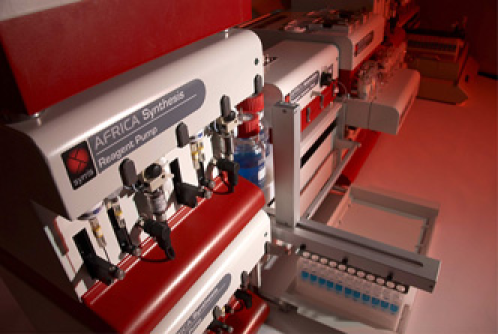
Two new modules are now available for the Syrris automated flow reaction incubation and control apparatus (AFRICA) system. The new reagent injection and product collection modules allow fully automated synthesis, improving throughput and extending walk-away time. According to Syrris, the new modules are suited to the production of synthetic libraries, or use for reagent screening, reaction optimization, kinetic studies, degradation studies, and logD screening.
With the new reagent injection module, hundreds of compounds, separated from each other by solvent, can be injected into the flow reactor under pressure. By injecting multiple reactions into the flowing stream in series, several reactions are in the system at any one time, significantly increasing experimental throughput.
The new product collection module and integrated fraction collector allow individual reactions to be automatically collected in tubes or vials and unwanted solvent to be diverted to waste.
For more information, visit http://www.syrris.com.
Radleys Lara Expansion Hub
The updated Radleys Lara Expansion Hub now enables computerized control of lab reactor systems and the integration of a wide range of third-party laboratory equipment. The Lara Hub and Version 2 Lara control software offer powerful expansion and development opportunities using existing lab reactors.
The Lara Hub is designed to simultaneously accept and control a wide range of third-party devices including many popular brands of balances, thermoregulators and circulators, pumps, stirrers, temperature probes, pH probes and turbidity meters, as well as digital input and output devices and relays.
Combined with the latest Version 2 Lara software, the Lara Hub will control and data log a whole array of devices. Using its intuitive recipe-driven software, the Lara Hub gives users the power to log or repeat experiments, precisely mimic plant, build product and process libraries, thereby optimizing reactions and further improving the efficiency of process development.
For more information, visit http://www.syrris.com.
Thermo Fisher Scientific
CGD WorkCell
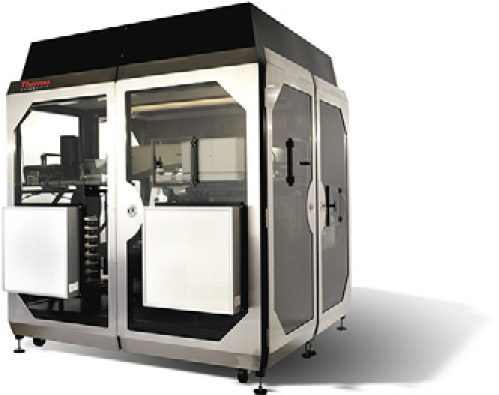
According to Thermo Fisher Scientific, its new Cell Growth and Discovery (CGD) WorkCell is a fully enclosed, environmentally controlled automation solution designed for high-capacity cell growth, supply, and in-line image analysis. Combining software with sophisticated robotics, the CGD WorkCell is a turnkey system that can simultaneously handle multiple plate/flask formats and perform cell maintenance, colony selection, and RNAi studies. The CGD WorkCell can significantly improve the quantity and quality of characterized cells, eliminating human error and improving data consistency. The new Thermo Scientific CGD WorkCell is powered by Celleste Software.
For more information, visit http://www.thermo.com/automate.
MaX WorkCell
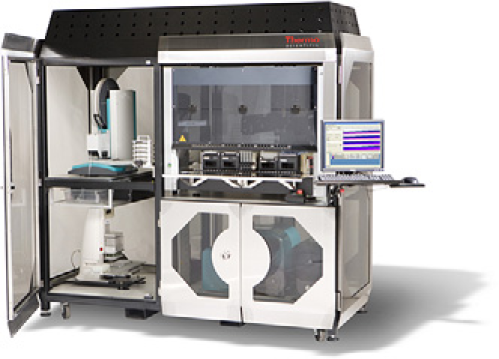
The MaX WorkCell for automated macromolecular crystallization plate production incorporates best-in-class instrumentation to address all process needs of plate preparation, including screen making, drop setting, and plate sealing, in one unit. As part of the Rhombix product range for protein crystallization, the MaX WorkCell is the only all-inclusive plate preparation system, and is compatible with multiple plate types and crystallization techniques.
With enhanced experimental tracking and data handling, the MaX WorkCell maximizes walk-away time and workflow efficiency. As a preconfigured system with a small footprint, installation is quick and easy, and laboratory work space is kept to a minimum.
For more information, visit http://www.thermo.com/automate.
MSQ Plus
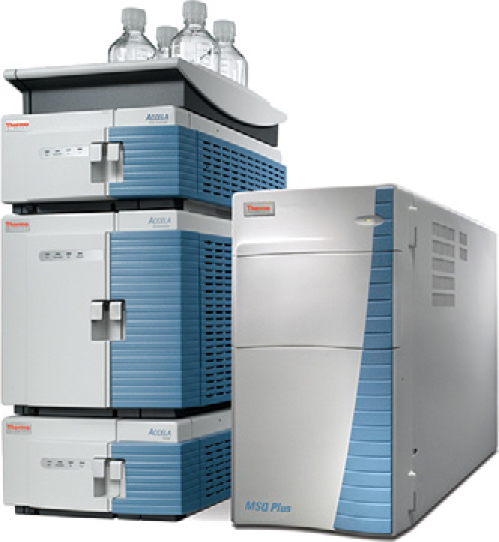
The MSQ Plus is the latest and most advanced version of Thermo Fisher Scientific's high-speed single quadrupole LC/MS detection system. It features fully automated system security, secure data integrity, built-in audit trails, and electronic signatures and signoffs, enabling 21 CFR Part 11 compliance.
In addition, the MSQ Plus can be seamlessly integrated with the new Thermo Scientific High Speed LC system, Accela. This configuration enables conventional as well as high-speed LC separations with an MS detector, providing a unique, complete, and efficient analytical solution for drug development and discovery, QA/QC, academic, food and beverage, government and research laboratories.
The new MSQ Plus uses the Thermo Scientific Xcalibur software platform for optimum security of data. Xcalibur works in conjunction with Microsoft Windows XP to set and control permissions for access, provide electronic signatures, and signoffs of results. Date- and time-stamped audit trails ensure that all data and changes to the instrument are methodically stored in the secure environment.
For more information, visit http://www.thermo.com/lc, e-mail
Nautilus LIMS 8.0
Version 8.0 of the Nautilus Laboratory Information Systems (LIMS) represents, according to Thermo Fisher Scientific, the most significant development investment since the solution was first commercialized in 1998.
Nautilus 8.0 delivers updates and enhancements in a number of areas, including user interface, workflows, plate handling, data types, Web interface, and a new data manager module.
The reporting engine in Nautilus also has been dramatically enhanced. Retriever, a Web-based data enterprise reporting solution, features dashboard management that enables Nautilus users to measure and even forecast key performance indicators in real time. Retriever allows data from any informatics system, current or legacy, to be directly and securely accessed by the appropriate people within the organization.
For more information, visit http://www.thermo.com/nautilus, e-mail
SampleManager LIMS
Version 9.1 of Thermo Fisher Scientific's laboratory information management system, SampleManager LIMS, now supports the use of Microsoft SQL Server 2005 as a database option, in addition to Oracle's database platform.
For more information, visit http://www.thermo.com/informatics, e-mail
Chromatography Software Control for Accela LC
According to Thermo Fisher Scientific, its ChromQuest CDS now provides integrated instrument control, digital data acquisition, chromatography data processing, and reporting for the Thermo Scientific Accela High Speed LC. The company's HPLC instrument has been designed to maximize the benefits of Thermo Scientific Hypersil GOLD 1.9-μm column particle technology and enables LC and LC/MS users to conduct high-speed, high-efficiency chromatographic separations from conventional to ultrahigh pressures of up to 15,000 psi.
ChromQuest CDS 4.2 provides integrated instrument control for each Accela component, including the autosampler, high-speed pump, and PDA detector. ChromQuest's enhanced security features meet the latest requirements for data traceability while guaranteeing security and ensuring compliance to 21 CFR Part 11 guidelines.
In addition to providing instrument control for Accela, ChromQuest CDS provides full instrument control for all Thermo Scientific brand LC and GC systems, and can provide seamless integration of Accela results with enterprise-wide informatics applications, such as the Thermo Scientific WATSON LIMS.
For more information, visit http://www.thermo.com/lc, e-mail
Tovatech
FlowCal 5000 Liquid Flow Meter
Tovatech's new FlowCal 5000 is a new tool designed for chemists, metrologists, and validation specialists responsible for HPLC instrument calibration and qualification. According to Tovatech, when miniaturized to just one-third the size and weight of other models, the FlowCal 5000 is the most compact unit available today. The flow meter measures flows accurately to 1 μL/min with guaranteed linearity from 0.05 to 25.00 ml/min. Flow rate is measured by volume and is independent of the liquid type up to a viscosity of 10 cP.
The FlowCal 5000 can substantially reduce HPLC pump troubleshooting time. Leaking piston seals or malfunctioning check valves are easily diagnosed. No user calibration is required; the unit is supplied gravimetrically calibrated at 1.0 (±1.0%) mL/min. Calibration at multiple points is available. A UKAS-traceable calibration certificate is supplied with the flow meter (UKAS is the U.K. equivalent of NIST).
For more information, visit http://www.tovatech.com/liquid_flow_meter.html.
TTP LabTech
Triple Laser Acumen eX3 Microplate Cytometer
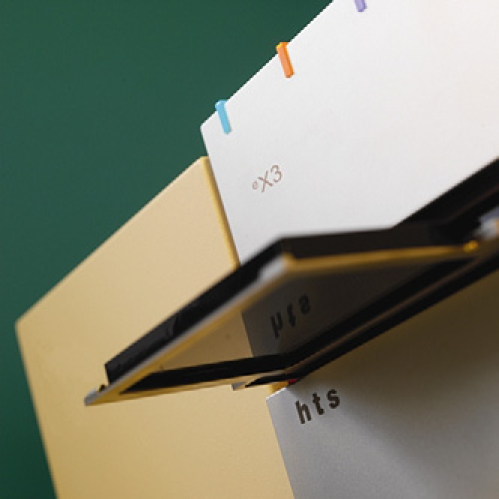
TTP LabTech has initiated the second generation of high-content screening systems with the launch of its triple laser Acumen eX3 microplate cytometer. An evolution of its Acumen Explorer HCS platform technology, the Acumen eX3 is equipped with up to three lasers at 405, 488, and 633 nm, offering a wavelength range for excitation that is similar to that of white light source instrumentation and significantly increases the variety of fluorescent reagents compatible with the system. The new Acumen eX3 can simplify assay transfer from development to screening laboratories by delivering the powerful object recognition of CCD Imagers combined with the fast reads of bulk fluorescence readers.
Scanning up to 64 whole wells at a time, the Acumen range of laser-scanning fluorescence microplate cytometers can perform cytometric analyses at throughputs of up to 200 plates–or 300,000 data points (1536 plates)–per day.
The Acumen eX3's enhanced software gives the added flexibility of exporting TIFF images that closely match those captured using a 20× microscope objective for subsequent analysis by third-party image analysis software. This can facilitate the seamless transfer from assay development on microscope-based CCD Imagers to assay screening on the Acumen eX3 with minimal changes to experimental protocols.
For more information, visit http://www.ttplabtech.com/acumen.
Velocity11
Web Resources
A new Velocity11 Web site is dedicated to providing pharmaceutical, biotech, and genomic research laboratories with an online resource regularly updated with information to help accelerate their research.
The new site uses a design format that is rapidly downloaded by all Web search engines. Intuitively structured, the site provides easy and rapid access to information and technical specifications relating to the company's complete range of instruments, systems, accessories, consumables, and software. The applications section includes a comprehensive and growing suite of applications notes, technical notes, and published presentations available as pdf documents. These documents describe how customers have used Velocity11 standalone instruments and fully integrated systems to automate simple (but time-consuming) tasks such as labeling, centrifugation, and sealing to entire complex processes such as compound replication, HTS, ADME/Tox assays, PCR clean-up, cell maintenance, and other biological and chemical methods.
For more information, visit http://www.velocity11.com.
WPA
UV/Visible Spectrophotometers
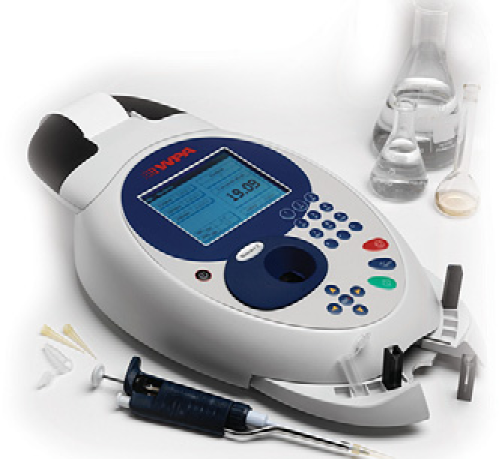
The new Biowave II+ and Lightwave II+ UV/Visible spectrophotometers feature enhanced 3-nm bandwidth for extra performance, a xenon source that combines high-energy output and longer lamp lifetime, a large wide view graphical display, and integral menu-driven software.
According to WPA, these instruments are easy to use and provide flash scan capability and fixed wavelength, kinetics, and concentration measurements, all with flexible data manipulation options. Up to 90 methods can be stored in user-defined folders. Results may be printed to the optional high-quality integral printer or exported via USB or Bluetooth to a PC.
For more information, visit http://www.wpaltd.co.uk.
Zinsser Analytic
Research Scale Multiple Peptide Synthesizer
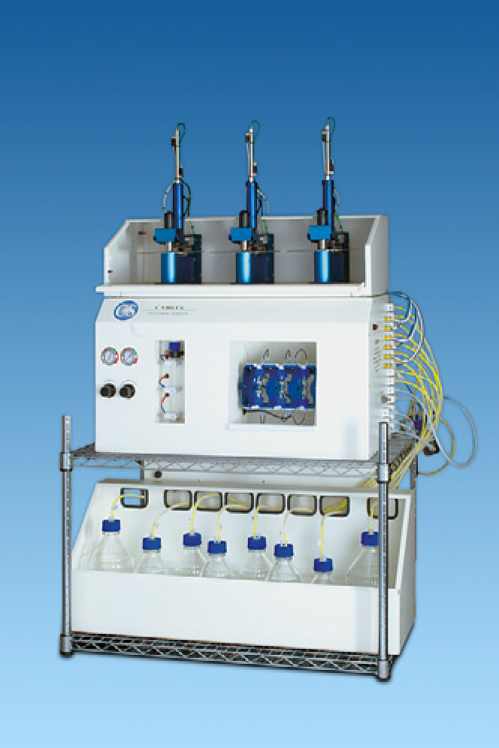
The newest instrument from CS Bio, the CS336, is a multichannel (1, 2, or 3) solid-phase peptide synthesizer. It can run up to three peptides simultaneously using preset scales and chemistries. Selection of scale ranges from 0.05 to 0.25 mmol, and the machine can be shipped to use any preset chemistry that the end user requires.
Zinsser Analytic considers this machine to be perfectly suited for peptide chemists usingmultiple peptides in screening or assays, for immunologists using peptides for antibody production, or for biologists using peptides in their research.
For more information, visit http://www.zinsser-analytic.com, e-mail
More News
The
Kevin Sayer was appointed to the
Eksigent announced a new distribution agreement with Germany-based
The world-renowned
According to
The group, driven by a growing need for routine analyses, sought a cellular analysis system that was easy to learn and use, productive, and reliable and would give top-quality single-cell analysis results. The Guava EasyCyte was selected for its ability to routinely, rapidly, and reliably screen single cells in an automated 96-well plate format. Integrating instrument, software, and turnkey assays into an integrated solution, the compact benchtop system was found to be easy to learn and use with less than a day's training. Dr. Muller now also uses the Guava EasyCyte in the training workshops he runs in conjunction with the
Dr. David Senitzer, Ph.D., DABMLI, DABHI, director of the
IDBS also announced that long-time ActivityBase user
In addition, LabVantage Solutions announced that a major academic medical center chose LabVantage's Sapphire Laboratory Information Management Suite to serve as the core infrastructure for its research and clinical laboratories. The initial project relates to the medical center's cardiovascular laboratories that provide blood tests for research and clinical trials, and develop new markers of cardiac risk and disease. In particular, they offer input on study protocols, prepare collection kits, coordinate sample collection, arrange logistics, manage specimen storage and data, and provide specimen analysis.
OGT agreed to grant an exclusive option to license the technology developed by its former Tridend business Unit to
OGT and
OGT and the
John O'Brien, former chairman and executive vice president of
The
Thermo Fisher Scientific also was honored with the 2006
The Kynar (PVDF) tank by Thermo Fisher Scientific was awarded the 2006 “Innovative State of the Art” and “Product of the Year” awards from the
LabAutomation2007

Presented by the Association for Laboratory Automation, January 28–31, Palm Springs, CA
4600 lab automation specialists from 39 different countries gathered for the scientific specialty's Top 100 podium presentations in 5 high-impact tracks, nearly 200 poster presentations, 19 short courses, 4 special sessions, and 3 big plenary sessions with Norman Dovichi, Gene Kranz, and Daniel Wilson.
Also featured were 217 exhibitors in 397 exhibit booths and 35 new product launches. For the second year in a row, the event's premier sponsor was Velocity11.
2007 ALA Innovation Award
ALA presented its $10,000 Innovation Award for 2007 to Andre Marziali of the University of British Columbia, Vancouver, Canada, for his presentation entitled “A Powerful New Device and Method for Detecting and Concentrating Nucleic Acids from Complex and Dilute Samples.”
The award honors LabAutomation conference presenters who share work that demonstrates outstanding innovation and contributes to the exploration of automation technologies in the laboratory. Podium presentations that exhibit independence of thought, clarity of vision, extraordinary technical originality, and unique integration and automation strategies qualify for the award. Eight other finalists were selected for consideration:
Thermally Actuated Integrated Microfluidic Systems
By John Anderson, Phasiks, El Segundo, CA
Near-IR Emitting Quantum Dots as Contrast Agents for In Vivo Imaging
By Warren C.W. Chan, University of Toronto, Toronto, Canada
Measurements at Single Cells in Culture with Electrochemistry and Fluorescence
By Andrew Ewing, Penn State University, University Park, PA
Microfluidic Platform for Live Cell Screening
By Phillip Lee, CellASIC Corp., San Leandro, CA
Modular Microfluidics and Integrated Nanotechnology for Molecular Imaging Enhanced Translational Discovery
By Joseph Matteo, NanoTek LLC, Walland, TN
A New Biomarker Generator for Drug Development
By Ronald Nutt, Advanced Biomarker Technologies, LLC, Louisville, TN
Nanomonitors: Electrical Immunoassays for Clinical Diagnostics Applications
By Shalini Prasad, Portland State University, Portland, OR
Quantum Dot-Based Nanosensors and Imaging Probes
By Jianghong Rao, Stanford University, Stanford, CA
ALA New Product Designation (NPA) Awards
To recognize the best new products on the exhibit floor, ALA introduced the “ALA New Product (NPA) Awards” program at LabAutomation2007. A team of volunteer experts, including representatives of the media, sought extraordinary technical originality, anticipated impact on the field of laboratory automation, supporting data that respect universal scientific methodology, and market demand.
Of the 35 new products that were launched at LabAutomation2007, three were honored with the ALA NPA Award:
Corning Epic System from Corning.
QIAcube from QIAGEN.
Symyx Benchtop Systems from Symyx Technologies.
Innovation AveNEW
Also new to LabAutomation this year was Innovation AveNEW, which offered free exhibit space to start-up, entrepreneurial companies in the laboratory automation and technology field. Eight companies were selected by a committee through a detailed application process. ALA Innovation AveNEW exhibitors at LabAutomation2007 were:
Ardenno Solutions, United States
Cellix, Ltd., Ireland
DiagnoSwiss, Switzerland
Genapta Limited, United Kingdom
Global Cell Solutions, United States
IonGate Biosciences, Germany
Raindance, United States
Sirius, United States
2007 Student Poster Contest
The top-three student poster presentations honored at LabAutomation2007 in Palm Springs, CA, were:
First Place: Joel Pel of University of British Columbia, Vancouver, Canada, for “Direct Extraction and Purification of Nucleic Acids from Environmental Samples Using 2D Electrophoretic Concentration.”
Second Place: Laura Mecker of St. Louis University, St. Louis, MO, for “Integration of Carbon-Based Dual Electrodes with Microchip Electrophoresis and On-Chip Valving for Neurotransmitter Analysis.”
Third Place: Han-Kuan Anthony Tsai of University of California, Irvine, CA, for “Application of Conducting Polymer on Controlled Drug Release System.”
2007 Symyx High-Throughput Achievement Award
Symyx Technologies used LabAutomation2007 as the platform to announce its 2007 Symyx High-Throughput Achievement Award winner. David J. Mathre, executive editor of process research at Mercke Research Laboratories, was recognized for his commercial contributions to the fields of catalysis, process development, and pharmaceutical development and his advancement of research and development execution methodologies in the fields of automated parallel chemistry and informatics.
Symyx presented a $15,000 contribution in Mathre's name to the Chemistry Department headed by Professor J.D. Roberts at the California Institute of Technology, Berkeley, CA.
LabAutomation2008

Call for Papers and Academic Travel Award Applications
ALA presents LabAutomation2008, January 26–30, in Palm Springs, CA. Abstract submission deadline is September 10. Also due by September 10 are applications for ALA Academic Travel Awards, which are presented to outstanding students, postdoctoral fellows, and junior faculty members.
For more information, visit http://labautomation.org, e-mail
Journal of the Association for Laboratory Automation
2006 JALA Reader's Choice Award Winner
The most popular JALA scientific paper in 2006 was “The Use of a Dual Dye Photometric Calibration Method to Identify Possible Sample Dilution from an Automated Multichannel Liquid-handling System” by Huijin Dong, Zheng Ouyang, Jane Liu, and Mohammed Jemal of Bristol-Myers Squibb.
This original report was published in JALA 11.2 April 2006. The announcement was made by JALA Executive Editor Douglas Gurevitch on Monday, January 29, 2007, during the LabAutomation2007 Exhibit Hall Reception Celebrating JALA Authors.
JALA in “Science Editor”
A feature story about JALA and the JALA Spirit of Mentorship was featured in the March–April 2007 issue of “Science Editor,” the official journal of the Council of Science Editors (CSE). CSE is a nonprofit membership organization whose mission is “to promote excellence in the communication of scientific information.” CSE's purpose is “to serve members in the scientific, scientific publishing, and information science communities by fostering networking, education, discussion, and exchange and to be an authoritative resource on current and emerging issues in the communication of scientific information. CSE members are associated with some of the most prestigious scientific journals in the world.
Call for Papers
JALA publishes six peer-reviewed issues each year, and accepts manuscripts on an ongoing basis from ALA members and nonmembers. Lab automation professionals are invited to showcase their achievements by submitting method-focused scientific papers for publication consideration. Manuscript guidelines and submission information are available at http://labautomation.org.