




Abstract
Background:
Music therapy is a promising approach widening the potential applications of psychotherapy. Music influences both, psychologic and physiologic parameters, and children are especially responsive to this form of therapy. Many aspects of its action mechanisms remain to be elucidated, underscoring the need for evidence-based medicine (EBM) for clinical use of music therapy.
Aims:
This review seeks to highlight some of the issues of music therapy research and to initiate a discussion about the need for international multicenter cooperation to bring scientifically sound evidence of the benefits of music therapy in pediatric patients.
Methods:
Scientific bibliographic databases were searched for randomized controlled trials on use of music therapy for children. Identified articles were evaluated according to criteria for scientific quality.
Results:
Twenty-eight studies were identified. Most of the trials were biased by the number of participants, and some trials showed the need to improve design of control groups. Indeed, the novelty of this area of study has produced a large number of different studies (with variability in diagnoses, interventions, control groups, duration, and/or outcome parameters), and there is a need for a more homogeneous and systematic approach. Available studies highlight the need to address reproducibility issues.
Conclusions:
This analysis identifies the need for a subsequent series of clinical studies on the efficacy of music in the pediatric population, with more focus on eligibility criteria with respect to EBM and reproducibility.
Introduction
Music therapy can be classified using various criteria (Table 1). According to the participation of patients, music therapy can be either passive or active. The active form includes improvisation, playing a musical instrument, singing, and even writing lyrics or a whole song. Active music therapy can be spontaneous or instructional (in which the patient follows the instructions of the therapist). In passive music therapy, the patient is asked to listen to music or specific sounds that can be reproduced from a recording, or directly played by the music therapist—this is live music therapy. Similar to other forms of psychotherapy, different models of therapy—psychodynamic, humanistic, behavioral, and eclectic can be used—and individual and group sessions have their indications and advantages. 6
One of the hypotheses that attempts to explain the therapeutic effects of music is based on increased neuroplasticity, which is considered to be one of the crucial mechanisms behind changes in memory performance. According to electroencephalography (EEG) studies, music therapy may improve learning abilities by increasing oscillatory synchronization in learning-related networks. 7 Using imaging techniques, Schlaug et al. 8 revealed structural and functional differences in the brains of adult instrumental musicians compared to nonmusician controls. Factors influencing the variability of these differences included intensity and duration of training and practice, as well as the type of musical instrument played. Some of these researchers recognize the effect of music on fine motor skills. Enhancement of speed and accuracy of motor reactions to different stimuli and improved fine motor discrimination were found in music therapy trials. 8,9 Furthermore, Schlaug et al. 8 noticed an improvement of visual–spatial, verbal, and mathematical performance in children after long-term musical training. The researchers suggest that music notation plays an important role, because it requires a range of spatial and mathematical skills. But other factors, including attention, motivation, and different daily activities may influence this enhancement.
Music attracts attention effectively. This phenomenon is widely used in practice as a distractive, relaxing, and anxiolytic tool, although the mechanism behind this effect is unknown. 2 Results of a recent important clinical trial in adults after stroke show that poststroke recovery of attention and memory were improved and depressive behavior induced by the insult was reduced in patients in the music therapy group, compared to controls. 10
Music seems to be an efficient tool for reducing symptoms of depression. 11 However, this is dependent on both the listener and the music played. The complex effects of music on emotions have been studied thoroughly, but the detailed mechanism of action localized mainly in limbic and paralimbic structures is still unclear. 2 Various approaches have been used for studying the effects. Dissonant music evokes unpleasant sensations by altering neuron activity and blood flow in specific brain areas as shown on positron-emission tomography (PET) and functional magnetic resonance imaging (fMRI) scans. 12,13 Blood oxygen level–dependent signals in related brain structures, and so-called “musical chills” were used as a marker of positive or negative emotions. 13,14 Some of the neurologic mechanisms induced by music have been reviewed recently. 15,16
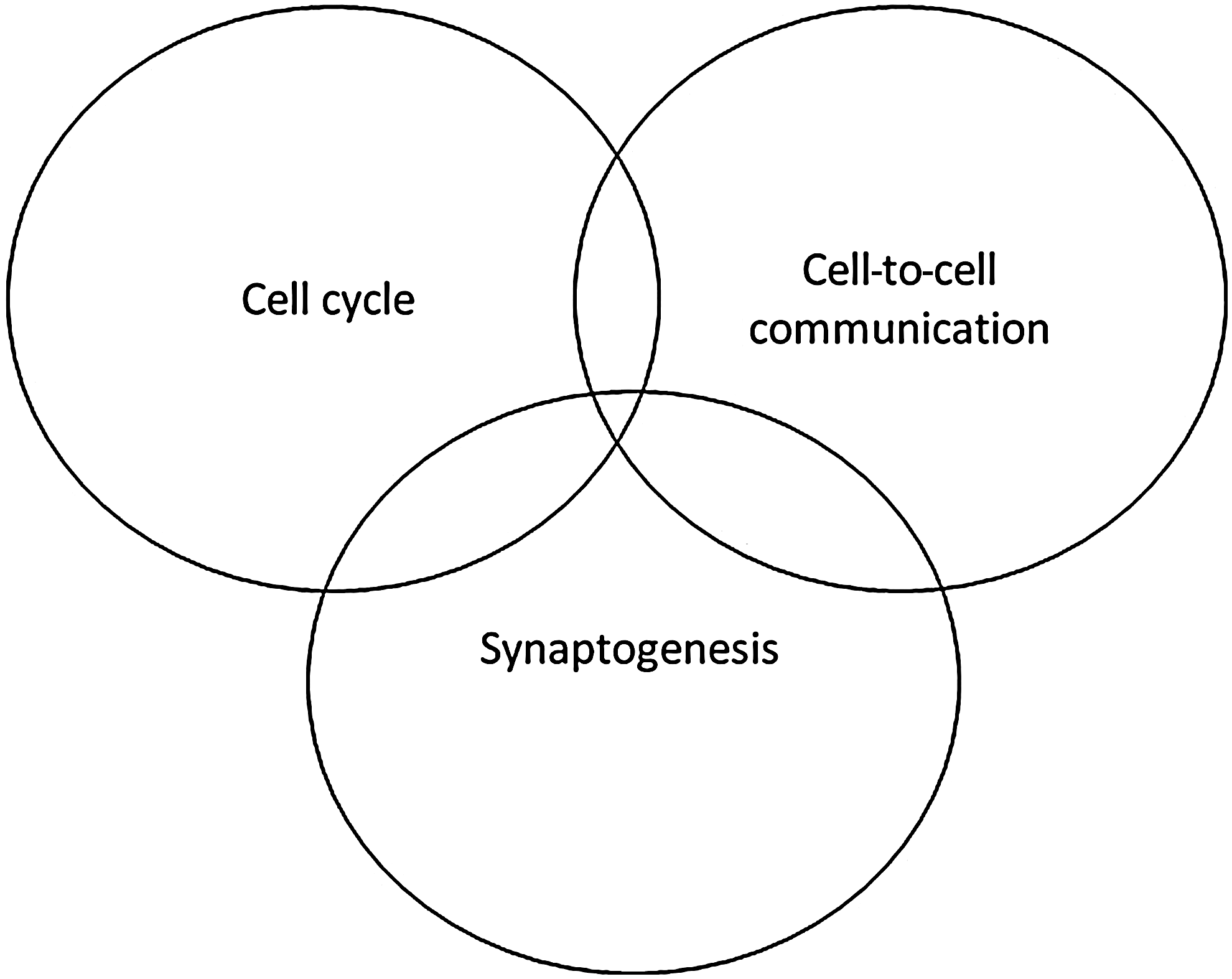
The ultimate goal of mechanistic research is the molecular understanding of music therapy. Although the goal is far from being achieved, there are already some hypotheses and results of interest (Fig. 1). Music induces endocrine changes, which might mediate some of the clinically relevant effects. Listening to self-chosen music for 30 minutes decreases the main stress hormone cortisol. 17 The effects on testosterone levels seem to be gender-specific—increasing in women and decreasing in men. 18 In both genders, testosterone and its metabolite estradiol alter the physiology of neurons by so called organizing and activating effects. In a recently published hypothesis, Fukui and Toyoshima proposed that the alteration of steroid hormone levels and the expression of their specific receptors might be responsible for the effects of music on neuroplasticity, probably mediated by regulating the production of growth factors. 19 Brain-derived neurotrophic factor (BDNF) is crucial for synaptogenesis and neuroplasticity. Music does not only increase BDNF production, but also increases the sensitivity to BDNF by inducing the expression of BDNF receptor and an associated downstream signal transducer—tyrosine kinase receptor B. 10 Whether this will be the main molecular mechanism of music therapy is not clear because there are few studies in this area and they remain to be confirmed. However, what has been found so far points toward molecular neuroscience as the most important research area in music therapy (Fig. 2).
Molecular mechanisms hypothesized to mediate the effects of music therapy on a cellular level.

Research areas that will enable mechanistic understanding of music therapy.
Potential therapeutic targets of music therapy can be identified by analyzing the results of published studies. Music is used to treat a variety of mental and somatic disorders. Music therapy can influence emotions in multiple ways. Anxiety, stress level, and perception of pain during invasive medical procedures can be decreased; symptoms of several psychiatric illnesses, such as schizophrenia, depression, autism, and other developmental and behavioral disorders can be alleviated; physical, literacy, cognition, and communication skills can be improved 6,10,20 –23 ; and better sleep and feeding of preterm infants can be achieved. 24,25
Music therapy should not be seen as an alternative to standard complex medical care, but this therapy can be used to address some conditions as an additional therapeutic approach. If large, long-term clinical trials provide evidence of benefits, music therapy will surely gain wider acceptance and will be used for some specific cases and/or conditions. 21
The aim of this article is to review published randomized clinical trials on the effects of music therapy in children and to identify key issues that should be solved or prevented in future studies.
Methods
Scientific databases (PubMed/MEDLINE,® Web of Science, and Google Scholar) were searched, using the key words
Data extraction was performed (M.M.) and design of the studies, as well as availability of the full-text articles, were evaluated (P.C.). Because of the variability of the studies, a meta-analysis could not be performed.
Results
Twenty-eight studies on music therapy with children were identified. Various diagnoses and conditions were investigated, ranging from minor depression to burns and cystic fibrosis (Table 2). 25 –52 Most of the trials were characterized by a low number of participants, with 25 of 28 studies having <100 involved children, which is insufficient for evidence-based medicine (EBM) criteria for the specific diagnoses. The duration of intervention was widespread from a single session to several months; in some cases duration was not reported clearly. Questionnaires and psychometric tests were mostly used to assess the effectiveness of music therapy. Twenty-three of twenty-eight identified studies showed a positive effect. The PubMed search was performed with limits set to age <18 and article type randomized control trials. Incorrect identification of studies on PubMed is possible and should be checked manually at least for clinical trials. It cannot be ruled out that, by using this search strategy, some published RCTs might have been missed.
EEG; electroencephalograph; ADHD, attention-deficit hyperactivity disorder.
For therapeutic intervention, both, active and passive approaches were chosen (Table 3). 25 –52 Nine studies used an active music therapy approach, and thirteen used a passive music therapy approach. In five studies, both types of intervention were used, and, in one study, the music therapy approach used was not reported clearly. Children were asked to listen to music reproduced from a recording or live performed by the music therapist. Music therapy was provided individually in thirteen studies and in groups in fourteen studies, depending mostly on the treated condition. In one study, the therapeutic approach was not reported clearly. A specific music style was used and reported in only six studies. In other studies, therapy was structured or improvised; the music style for the passive approach was chosen by the patient or by the therapist. Critically, for interpreting the effects of music therapy, there was a great variability between the control groups—ranging from no intervention to spoken words or video intervention (Table 4).
Note: NA = not available, because not reported in the article.
Note: Replicability was assessed subjectively based on the reported and not reported procedures.
A, high replicability; B, medium replicability; C, low replicability.
Access to full-text articles: +++, free access; ++, access with subscription to major publishers; +, access with subscription to minor publishers.
All of the abovementioned characteristics or parameters of the trials and corresponding articles contribute to an important issue of the music therapy field—the lack of replicability. Without a thorough description of the methods including patients, intervention and statistics, it is difficult to replicate the results of the research or to apply such results in the clinical setting.
Discussion
Studies on the effects of music therapy on children have one common feature—variability. Investigators use active and passive music therapy and so, music is played from a recorder or performed live by the therapist. Sometimes the children are involved in choosing the music style or in playing music actively. Music styles vary from improvised to instructional approaches; recorded music is selected by the patients or by the therapists. But, more importantly, in several studies, the music type is not clearly defined or not reported at all, which makes it difficult to replicate the study. Length of each intervention is difficult to estimate from the information provided in the methods section of such articles. The researchers often either mention only the number of sessions or the length of the whole study period. Both data are, however, needed to calculate the total cumulative time spent with patients. This variability and lack of information leads to difficulties with replicating and comparing studies or with performing meta-analyses that might partially resolve another issue of music therapy trials—the low number of participants. 5
Performing underpowered studies is widespread in the field of music therapy. Other interventions might be seen under similar circumstances as problematic. 53 Fortunately, music therapy is seen in general as noninvasive and safe. Nevertheless, the involvement of patients in such studies without a real informative outcome is questionable. Larger studies with enough statistical power to detect the expected small differences are needed.
In one of the investigated trials, the researchers revealed that their results differed between two therapeutic groups, each of which was led by another therapist. It was concluded, that the response to therapy depends on individual skills of the music therapist. 36 A highly variable response to therapy is very likely among patients. Furthermore, this variability might also stem from the lack of clear replicable intervention protocol. Different effects of music therapy may be caused by a varied combination of diagnosis, type of music therapy, and type of analyzed outcome. Some conditions are probably difficult to treat, for example as seen with the low responsiveness to music therapy of children with attention deficit hyperactivity disorder (ADHD). 6 Using vague readouts that are characterized by subjectivity and, thus, lack of reproducibility may lead to misinterpretations of results by both, researchers and readers.
Most of the analyzed studies yielded positive results. However, benefits without a mechanistic explanation are difficult to apply in the clinic. As Oliver Sacks pointed out, “we have … scarcely touched the question of why music, for better or worse, has so much power.” 54 There is a need for more basic research in the field to uncover the therapeutic mechanisms induced by playing or listening to music. This will not only satisfy our curiosity, but more importantly, deep understanding will enable improved targeting and efficiency of music therapy. 2 In addition, extensive and complete reporting of interventions in publications reporting the effects of music therapy might enable replication of the studies and application of the results into clinical practice, taking into account the variability between cultures, therapists and health care settings.
Conclusions
Analysis of relevant published studies enables identification of key issues regarding current research in the field of music therapy for children. Several of the problems substantially decrease the informative value of the results, make a replication of the study impossible, and make a comparison or a meta-analysis very difficult. Further research should be focused on identifying the mechanism of action, as well as on clinical confirmation of positive effects via large multicenter randomized controlled trials that meet criteria for EBM.
Footnotes
Disclosure Statement
There are no financial conflicts to disclose.