




Abstract

D
Dr. Epstein was an expertly trained physician (Johns Hopkins University) and ophthalmologist [Massachusetts Eye & Ear Infirmary (MEEI), Harvard Medical School]. After serving as a flight surgeon at the USAF School of Aerospace Medicine in San Antonio, Texas, he returned to MEEI, where he completed his ophthalmology residency and fellowship in glaucoma. At MEEI, he became passionate about the importance of research and discovery in medicine, being mentored by two of the giants in glaucoma, Drs. Paul Chandler and Morton Grant. Dr. Epstein joined the Harvard Medical School faculty in 1978, rapidly climbing the ranks to full Professor. In 1992, Dr. Epstein felt he was ready for his next challenge and accepted the offer to serve as Professor and Chairman of the Department of Ophthalmology at the Duke University School of Medicine. Four years later, he was named the Joseph A.C. Wadsworth Clinical Professor of Ophthalmology. As a life-long learner, his formal education continued in 2001, when he earned his Masters of Medical Management degree from the Tulane University School of Public Health.
Dr. Epstein's curriculum vitae (CV) is gargantuan, and I would rather not present a shopping list of his accomplishments, which are too many for readers to endure. Suffice to say that over the years he has published 200+ articles, authored several patents, served as president for a few prestigious organizations, served on numerous influential committees and advisory boards, mentored hundreds of students, and won many of the top awards in ophthalmology. What cannot be conveyed by words in a CV was his passionate energy and enthusiasm for learning, science, and patient care, which were contagious.
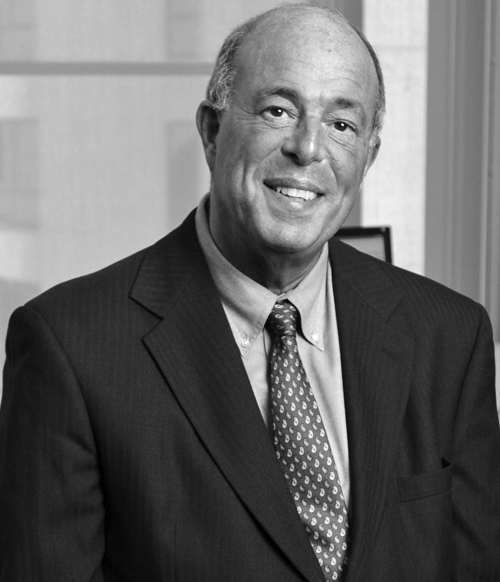
Dr. Epstein devoted his career to the study of (and the recruitment of others to study) glaucoma, the leading cause of irreversible blindness in the world. Much of what we know about the basic causes of increased eye pressure and the role of the trabecular meshwork in regulating intraocular pressure is thanks to Dr. Epstein and his research team. The commonly accepted idea that treatment of elevated eye pressure reduces the risk of developing glaucoma in later years was demonstrated by Dr. Epstein. Moreover, he led the team of researchers that discovered the role of a class of enzymes (rho-ATPases) in the modulation of eye pressure and explored their inhibition for glaucoma treatment. These medications were, as he called them, “the great grandchildren” of ethacrynic acid, a drug he first began studying 30 years earlier while at MEEI. Such discoveries led to the development of novel, patented drugs and the creation of his company Aerie Pharmaceuticals, which is now completing the final phases of development on one of these drugs for approval as the first new glaucoma drug in almost 20 years. He would often say, “I hope we can cure glaucoma in my lifetime”; and it is a tragedy that he is not here to see the benefits of his trabecular drug in people with glaucoma.
On a personal note, I had known Dr. Epstein for almost 20 years, as mentor, colleague, friend, and Chairman. Dr. Epstein was a charismatic leader, a demanding mentor, dedicated colleague, and caring friend. His passing leaves behind a tremendous void for me and the many that he touched, but also a lasting legacy of inspiration, innovation, inquisitiveness, collaboration, and high standards.
David, we miss you, but will not forget what you taught us. In honor of all that you have done for us and glaucoma, we dedicate this special issue to you.