




Abstract
Acinetobacter baumannii is grouped in the ESKAPE pathogens by Infectious Disease Society of America, which is linked to high degree of morbidity, mortality, and increased costs. The high level of acquired and intrinsic resistance mechanisms of these bacteria makes it an urgent requirement to find a suitable alternative to carbapenem, a commonly prescribed drug for Acinetobacter infection. In this study, methanolic extracts of six medicinal plants were subjected to phytochemical screening and their antimicrobial activity was tested against two strains of A. baumannii (ATCC 19606, carbapenem-sensitive strain, and RS 307, carbapenem-resistant strain). Synergistic effect of the plant extracts and antibiotics was also tested. Bael or Aegle marmelos contains tannin, phenol, terpenoids, glycoside, alkaloids, coumarine, steroid, and quinones. Flowers of madar or Calotropis procera possess tannin, phenol, terpenoids, glycoside, quinone, anthraquinone, anthocyanin, coumarin, and steroid. An inhibitory growth curve was seen for both the bacterial strains when treated with A. marmelos, Curcuma longa, and leaves and flowers of C. procera. Antibiotics alone showed a small zone of inhibition, but when used with herbal extracts they exhibited larger zone of inhibition. Synergistic effect of A. marmelos and imipenem was the best against both the strains of A. baumannii. From this study, it can be concluded that extracts from A. marmelos and leaves and flowers of C. procera exhibited the most effective antibacterial activity. These herbal extracts may be used to screen the bioactive compound against the carbapenem-resistant strain of A. baumannii.
Introduction
T
These bacteria have the ability to grow in diverse pH, temperature, dry and moist conditions, on artificial surfaces, 6 and can even resist desiccation 2 and utilize various kinds of substrates like ethanol (as a carbon source) for its growth.8,9,20 All these factors make A. baumannii a lethal pathogen. Numerous cases of worldwide outbreaks due to A. baumannii depict increasing rates of resistance of these bacteria toward commercially available antibacterial agents. Multi-drug-resistant A. baumannii has been reported in hospitals of India,28–31 Turkey, 37 Taiwan, 13 Argentina, 19 Latin America, North America, Europe, Asia-Pacific rim,18,39 and many other countries. It was also reported that the U.S. military personnel and civilians have received medical support in the United Kingdom when they were infected by the multidrug resistance (MDR) strains while being posted in an operation in Iraq and Afghanistan.5,21
The ability of A. baumannii to persist for extended periods on the surface of inanimate objects is the most frequent cause for transmission of nosocomial infections and, in turn, leads to outbreaks all around the world. Along with this, the emerging MDR mechanism in these bacteria has made it extremely difficult to treat these infections. Gradually since the late 1970s, cases of resistance started developing against most classes of drugs. In the late 1990s, the only effective therapeutic option left was carbapenem. In recent years, A. baumannii was also found to become resistant to carbapenem, making treatment more and more difficult. Various resistance mechanisms have been acquired by A. baumannii against carbapenem, 16 such as presence of antimicrobial-inactivating enzymes, that is, β-lactamase,1,3,4,24,25,28–31,33 decreased access to bacterial targets (because of reduced permeability of the outer membrane caused by loss of or low porin expression, and increased expression of multidrug efflux pumps),7,11,36,37,40 and mutations altering targets or different cellular functions. 35 These mechanisms may act either alone or in combination for a single strain.7,23
Since there is no new development of antibiotics against the carbapenem-resistant strains of A. baumannii, it is necessary to focus on the antimicrobial activity of plant-derived substances that are being used in traditional medicine worldwide.26,32 Secondary metabolites are responsible for the antimicrobial activity of plants. In this study, we have used various plants to extract active compounds and to check their activity against A. baumannii. All the plants considered in this study have immense traditional use as well as good in vitro antibacterial activity against many Gram-positive and Gram-negative bacteria. Therefore, their activity against the different strains of A. baumannii was tested in this study. Growth kinetics of the bacteria has been seen in the presence and absence of herbal extracts followed by analyzing synergistic activity of the herbal active compounds with antibiotics.
Materials and Methods
Plant materials
Fresh parts of several plants, Azadirachta indica (neem; leaves), Aegle marmelos (bael; leaves), Calotropis procera (madar; leaves and flowers), Trigonellafoenum graecum (fenugreek/methi; seeds), Curcuma longa (turmeric; rhizome), and Syzygium aromaticum (clove; flower bud), were collected from different areas of Ajmer, Rajasthan. The freshly collected plant materials were washed properly with water and shade dried completely followed by grinding them separately in an electric blender to fine powder. The powder of each sample was stored in an air-tight labeled container for further use.
Bacterial isolates
Strains of carbapenem-resistant A. baumannii RS 307 and carbapenem-sensitive ATCC 19606 were used in this study.
Extraction of plant materials
Three grams air-dried plant materials were macerated with 30 ml of 95% methanol and these were incubated at room temperature for 72 hours with constant shaking. The extracts were then filtered by using Whatman filter paper (No. 1 for extracts of C. procera, A. marmelos, C. longa, and A. indica; No. 2 for extract of S. aromaticum; and No. 4 for extract of T. graecum). These were then stored at 4°C before use.
Phytochemical screening of the plant extracts
The extracts were subjected to different chemical tests for screening and identifying active compounds such as tannins, phenol, saponins, coumarins, terpenoids, phytosterol, alkaloids, chalcone, glycosides, cardiac glycosides, steroids, quinones, anthocyanin, and anthraquinone by the standard methods.10,34 The different tests that were used in this study are described hereunder.
One milliliter of extract was mixed with few drops of lead acetate and the appearance of precipitate indicated the presence of tannin (test for tannins). One milliliter of extract was mixed with 5 ml distilled water and few drops of neutral ferric chloride were added to it. Appearance of dark green color indicated the presence of phenol in the extract (test for phenol). One milliliter extract was mixed with 1 ml distilled water and it was shaken vigorously. Formation of stable froth indicated the presence of saponins (test for saponins).
One milliliter extract was mixed with 1:1 ethanol–KOH solution and the appearance of precipitate confirmed the presence of coumarin (test for coumarin). One milliliter extract was added to 2 ml chloroform and 2 ml concentrated sulfuric acid was added gently along the side of the test tube, and the solution was shaken gently. Appearance of reddish-brown ring at the interphase confirmed the presence of terpenoids and a golden red ring the presence of phytosterol (test for terpenoids/phytosterol, Salkowski's test). Next, 0.5 g of leaf extract was dissolved in 5 ml of 1% HCl in a steam bath. To 1 ml of this extract, six drops of Dragenorff's reagent were added. Formation of turbidity or precipitate indicated the presence of alkaloids (test for alkaloids).
Two milliliters of ammonium hydroxide was added to 0.5 g of extract and the formation of red complex suggested the presence of chalcone in the extract (test for chalcone). To 2 ml extract of the samples, 3 ml of chloroform was added along with 10% ammonia solution. This was mixed properly and the formation of pink color suggested the presence of glycosides (test for glycosides). One milliliter of extract was mixed with 2 ml of glacial acetic acid and a drop of FeCl3. Appearance of a brown ring indicated the presence of cardiac glycosides (test for cardiac glycosides, Keller–Killani test).
One milliliter extract was mixed in 10 ml chloroform. On adding equal volume of concentrated sulfuric acid along the side of the test tube, the upper layer turned red and the layer of H2SO4 appeared yellow with green fluorescence. This confirmed the presence of steroid (test for steroids). One milliliter extract was added to 1 ml concentrated sulfuric acid. Formation of red color confirmed the presence of quinones (test for quinones). Five milliliters extract was hydrolyzed with dilute sulfuric acid followed by addition of 1 ml benzene and 1 ml ammonia. Rose-pink color indicated the presence of anthraquinone (test for anthraquinone). Two milliliters extract was mixed with 2 ml of 2N HCl and ammonia. Formation of pink red color that turns blue violet suggested the presence of anthocyanin (test for anthocyanin).
Growth kinetics study of A. baumannii
Growth kinetics of different strains of A. baumannii was determined with and without herbal treatment. Treatment was given with herbal extracts in 1:100 ratio. This was followed by measuring optical density of the bacterial strains at 605 nm at an interval of 1 hour using an ultraviolet (UV)–visible spectrophotometer. Growth curves were prepared from the absorption data. The experiment was repeated (twice) in the absence and presence of extract and the curve was prepared from average value. Relative growth curves of growth kinetics of treated and untreated culture were prepared for the purpose of comparison.
Antibacterial assay by disk diffusion method
Antibacterial assay was performed to study the synergistic effect of the herbal extract with antibiotics. Luria allowed (LA) plates were prepared under aseptic conditions and antibiotic activity was assayed for the subcultures. Antibiotic disks of ampicillin, doripenem, and imipenem were used along with the herbal extracts in 10mcg concentration each to check the synergistic effect of antibiotics and plant extracts on the two strains of A. baumannii. One hundred microliters of bacterial cultures was spread on Petri plates, followed by placing the disks on the LA plates using sterile forceps. These Petri plates were then incubated for 24 hours at 37°C. After 24 hours, inhibition zone was measured by antibiotic zone scale.
Results and Discussion
In this study, we have used ATCC 19606 and RS 307 strains of A. baumannii. ATCC 19606 and RS 307 were taken as a model for carbapenem-sensitive and carbapenem-resistant strains of A. baumannii. The minimum inhibitory concentration of imipenem for ATCC is 1 μg/ml, whereas it is 64 μg/ml for RS 307. Here, we have screened a number of herbal extracts and have found their antibacterial activity on ATCC 19606 and RS 307. We have also checked the synergistic effect of the herbal active compound with antibiotics.
Identification of active compounds from the methanolic extracts of plants
The plant samples were extracted in methanol and were subjected to phytochemical screening through chemical methods as described in the Materials and Methods section. The color change in each test indicated the presence or absence of the specific compound. As shown in Table 1, bael or A. marmelos contains tannin, phenol, terpenoids, glycoside, alkaloids, coumarine, steroid, and quinones. Flowers of madar or C. procera possess tannin, phenol, terpenoids, glycoside, quinone, anthraquinone, anthocyanin, coumarin, and steroid. Fenugreek revealed the presence of tannin, saponin, terpenoids, glycosides, alkaloids, steroids quinine, and phytosterols. Likewise, phytochemical content of all the plants is listed in Table 1.
+, present; −, absent.
Growth kinetics study of A. baumannii
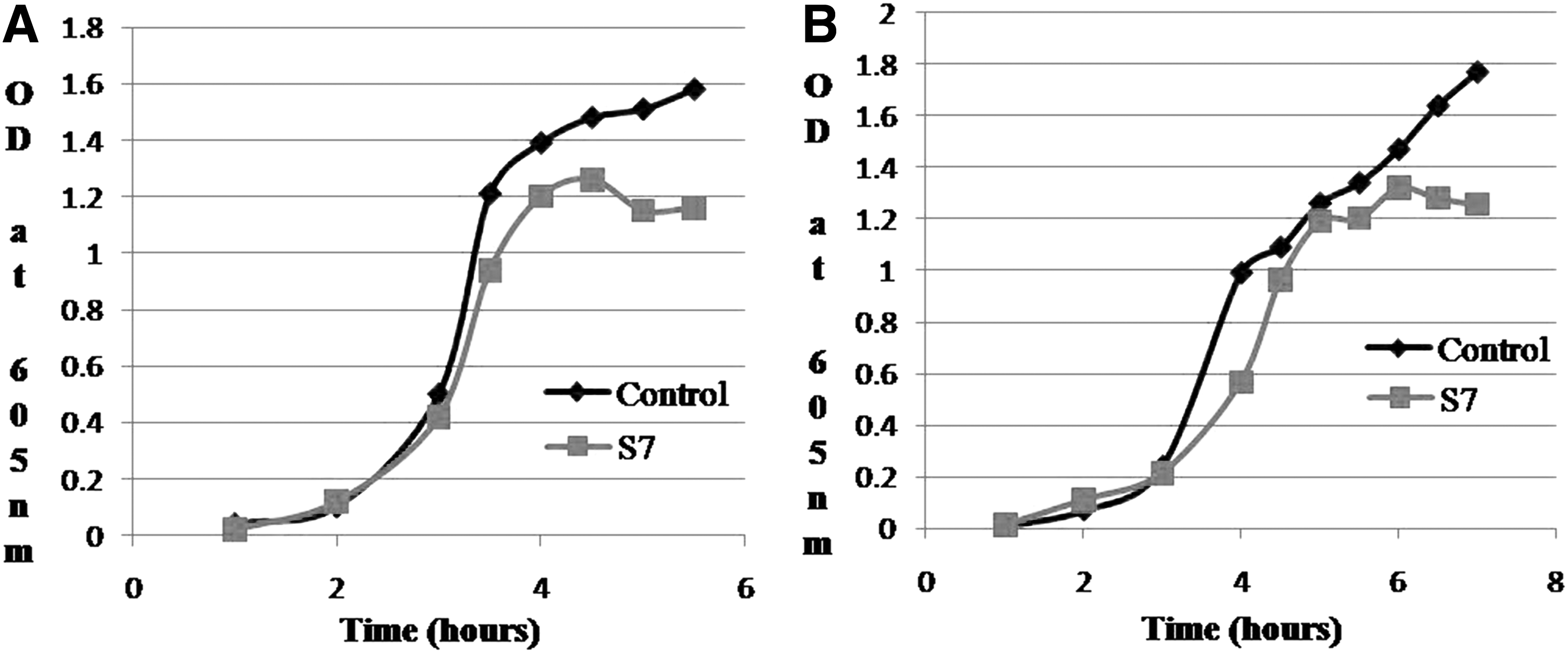
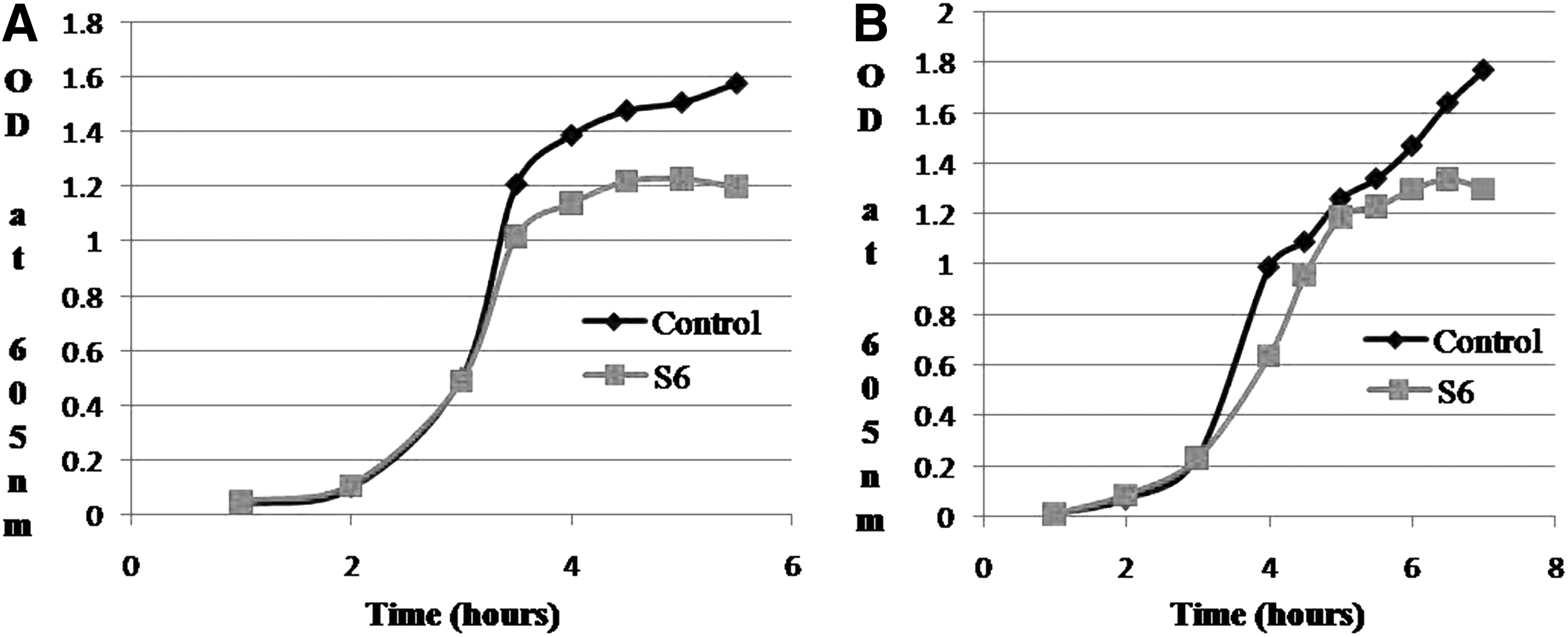
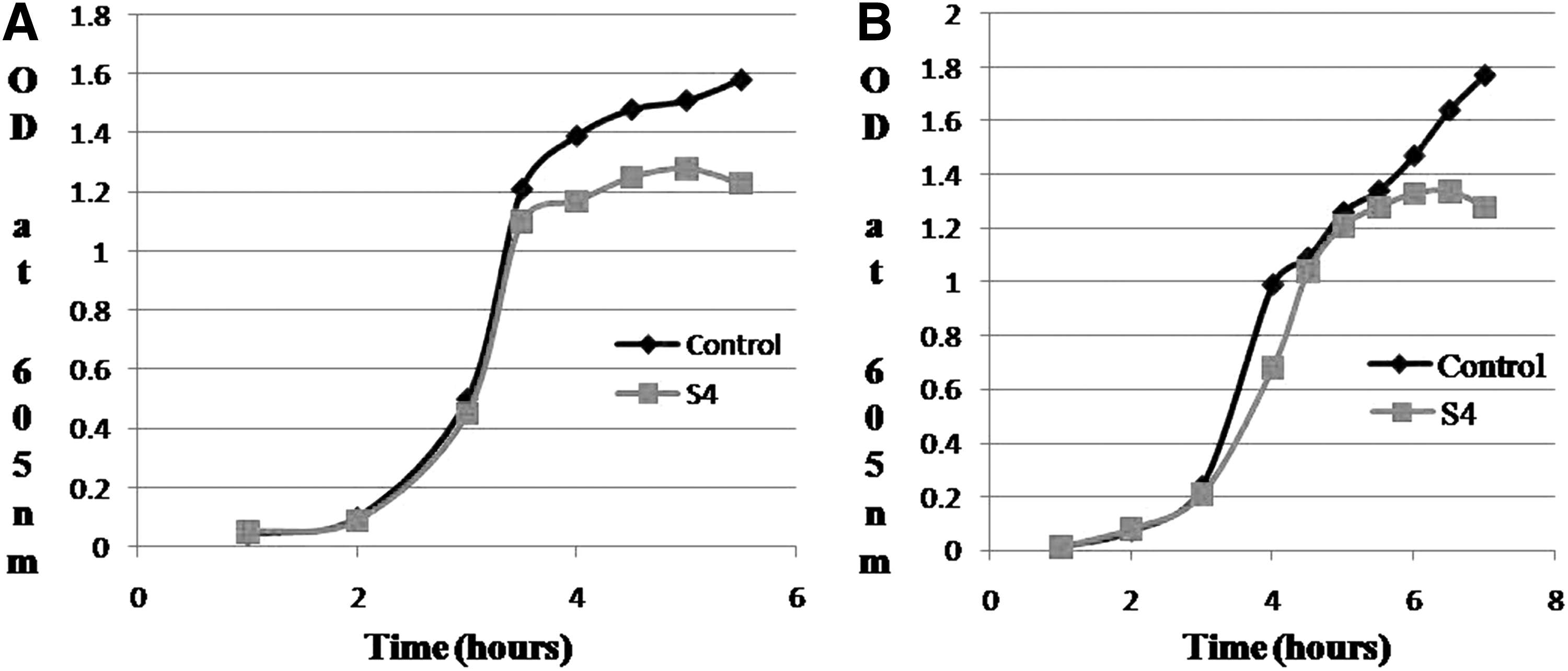
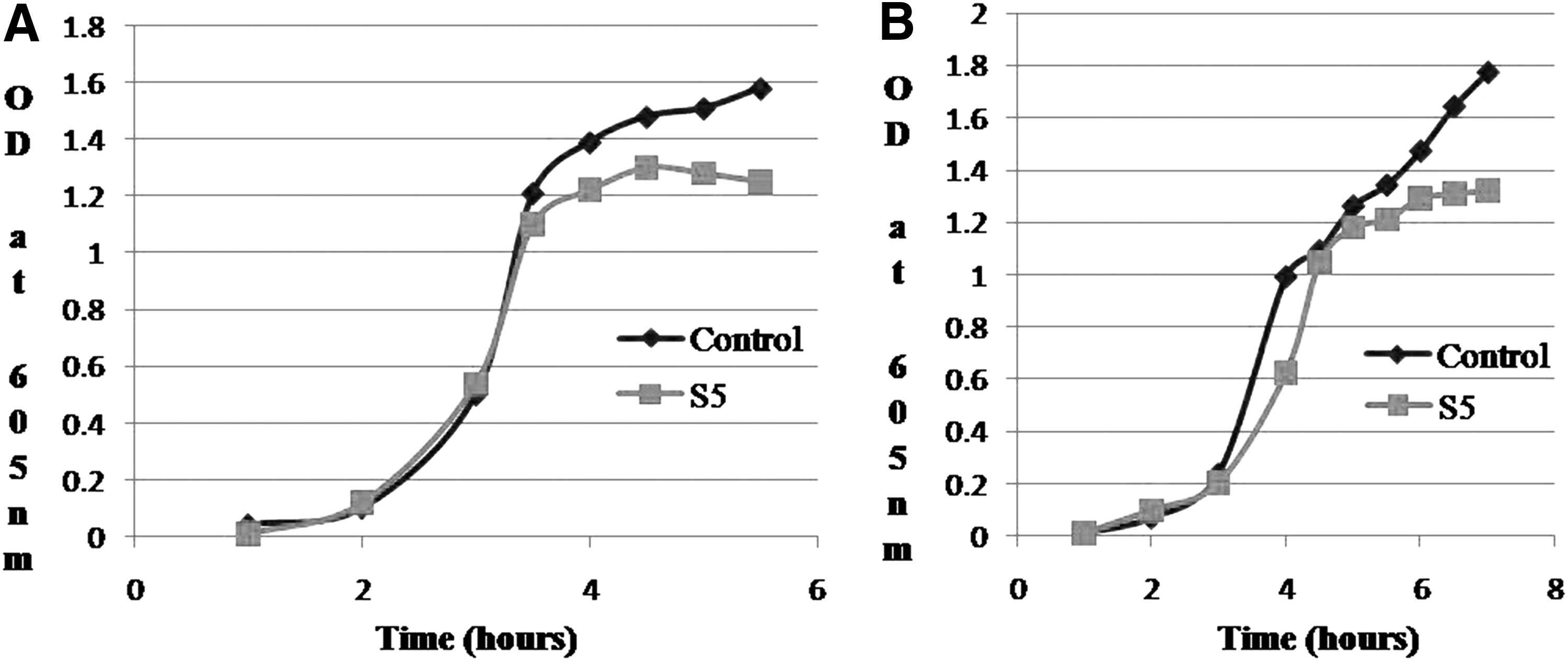
In this study, we have used carbapenem-sensitive strain, ATCC, and carbapenem-resistant strain, RS 307. Growth of both the strains of A. baumannii was analyzed in the absence and presence of herbal extracts. Here, the culture was treated with herbal extracts 2 hours after inoculation of bacteria at a concentration of 1:100. Thereafter, absorbance of the culture was measured at regular time intervals in a UV–visible spectrophotometer at 605 nm. If the growth curves of the treated bacterial culture experience a decline with time in comparison to that of the untreated one, then it can be concluded that the plant extract has potent activity against the bacteria, that is, plant extract inhibits bacterial growth. The growth curves of A. baumannii RS 307 and ATCC strains are shown in the figures.
From Figs. 1 and 2 we can see that, with increase in time, absorbance decreases for both the strains of A. baumannii, and decrease of absorbance in the treated culture is relatively more than that in the untreated culture. From Fig. 3, C. longa-treated RS 307 and ATCC bacterial growth is decreased with time. The same kind of effect is seen for leaves of C. procera in Fig. 4. Thus, leaves and flowers of C. procera and leaves of A. marmelos are also effective against RS 307 and ATCC strain of A. baumannii. T. graecum has good antibacterial activity against the ATCC strain of the bacteria, but no effect was observed on RS 307 strain (Fig. 5). Likewise, the same activity was seen for A. indica and S. aromaticum (Figs. 6 and 7). It is observed that there is no significant inhibition on the growth kinetics of both the strains in the presence of A. indica and S. aromaticum. Most of the herbal extracts used in this study have more significant inhibition on the resistant strain rather than ATCC, which also intensifies the development of herbal-based medicine for carbapenem-resistant strain of A. baumannii.
Growth curves of
Growth curves of
Growth curves of
Growth curves of
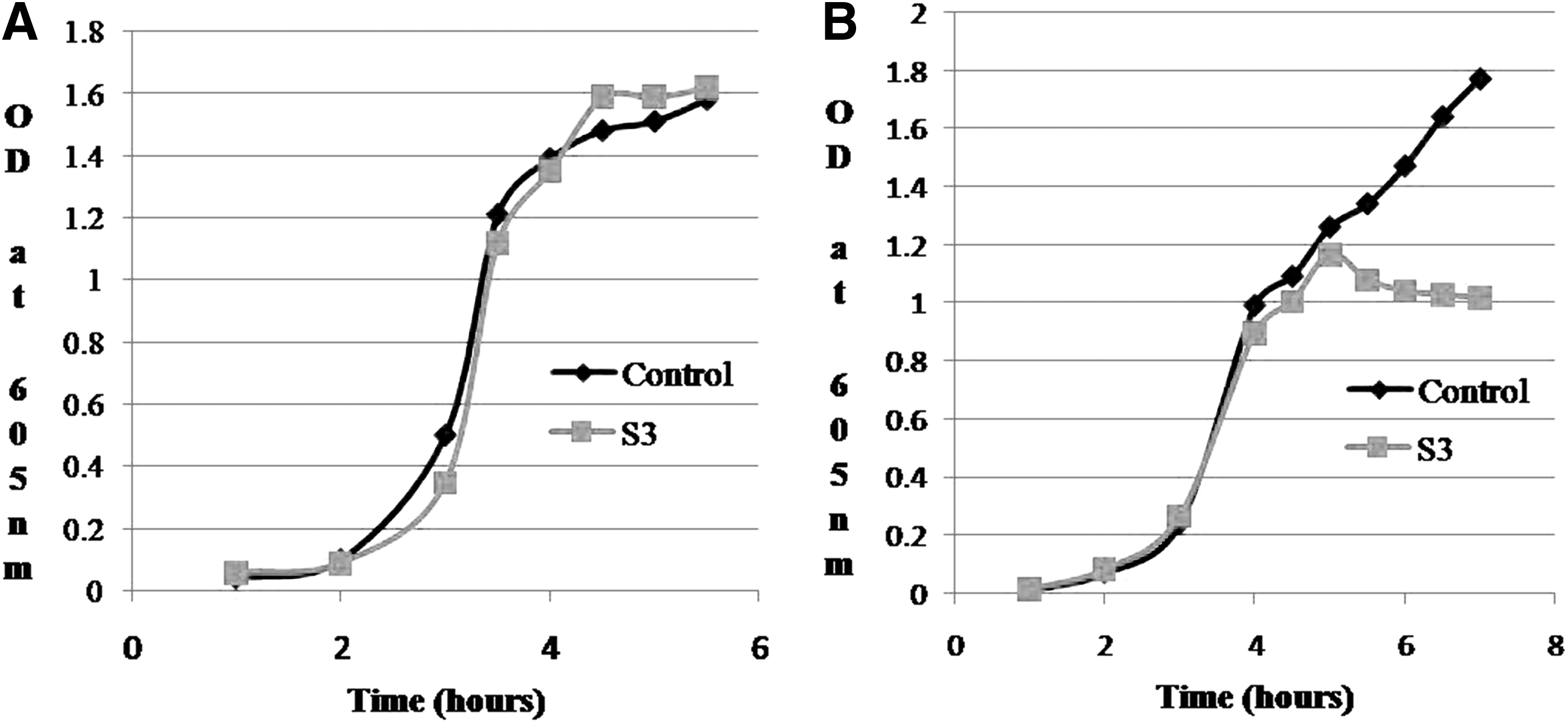
Growth curves of
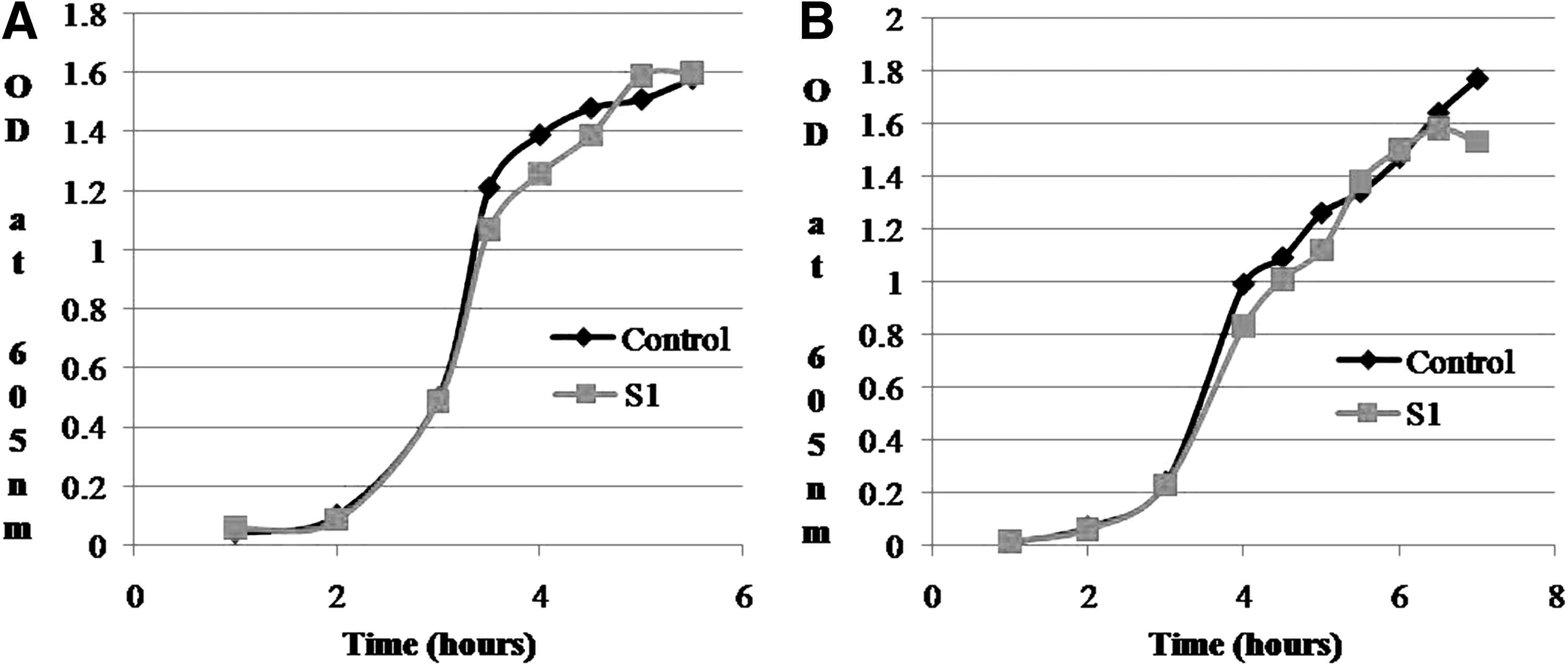
Growth curves of

Growth curves of
Antibacterial assay
Disk diffusion assay was performed to analyze the synergistic effect of the plant extracts and antibiotics against the two strains of A. baumannii RS 307 and ATCC. Here, antibiotic disks were treated with plant extracts and then plated on bacterial culture plates. If there is any synergistic effect of the antibiotic and herbal extract in preventing the growth of bacteria, then a clear zone will be seen around the disks. The clear zone was measured in centimeters. Antibacterial activity of the antibiotics alone was taken as control. Here, only imipenem showed activity against both the strains of A. baumannii.
Figures 8 and 9 show the zone of inhibition on culture plates that show synergistic effect. A. marmelos exhibits a synergistic effect with imipenem showing a zone of inhibition (5 cm), followed by flowers of C. procera against ATCC strain of A. baumannii. Lowest inhibition zone (4 cm) is shown by T. graecum with imipenem against ATCC strain of A. baumannii (Table 2). Flowers of C. procera and A. marmelos show highest inhibition zone (3.7 cm) in association with imipenem against RS 307 strain of A. baumannii. No significant synergistic effect is seen between herbal extracts and doripenem or ampicillin against ATCC, but very low effect is seen against RS 307 strain. Hence, we can say that synergistic effect of A. marmelos and imipenem was the best against both the strains of A. baumannii.

Disk diffusion assay for analyzing the synergistic effect of plant samples S3, S4, S5, S6, and S7, and C with antibiotics imipenem, doripenem, and ampicillin against ATCC strain of Acinetobacter baumannii. S3, T. graecum; S4, C. longa; S5, C. procera (leaves); S6, C. procera (flowers); S7, A. marmelos; C, control.
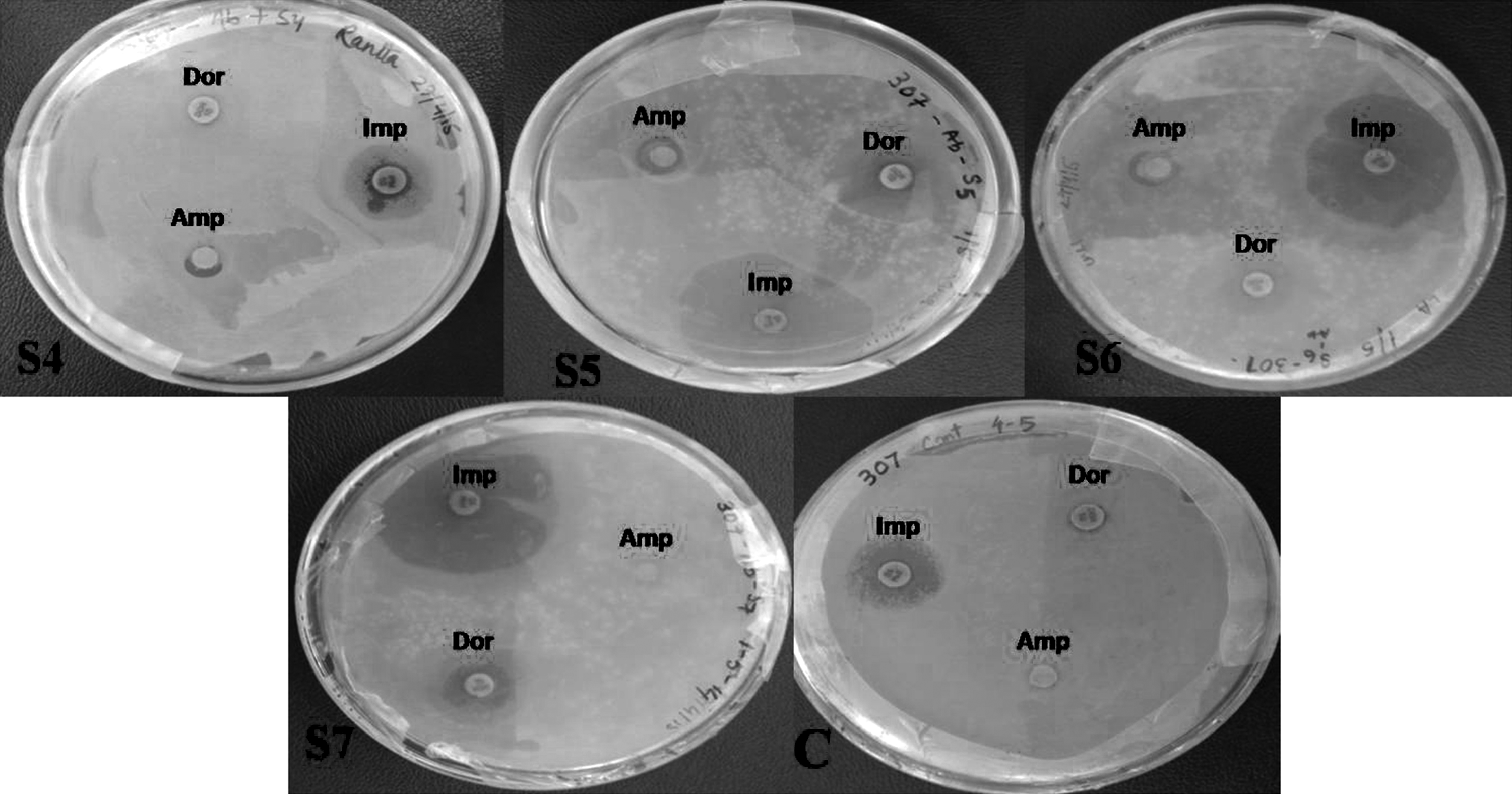
Disk diffusion assay for analyzing the synergistic effect of plant samples S4, S5, S6, and S7 with antibiotics imipenem, doripenem, and ampicillin against RS 307 strain of A. baumannii. S4, C. longa; S5, C. procera (leaves); S6, C. procera (flowers); S7, A. marmelos.
Antibiotics alone showed a small zone of inhibition, but when used with herbal extracts, it exhibited larger zone of inhibition. Synergistic effect of the leaves of C. procera and imipenem against RS 307 and ATCC strains was also quite good. Hence, better antibacterial activity was observed when herbal extract and antibiotic were used together. C. procera also showed synergistic effect with doripenem against RS 307 strain. The antibacterial activity of bael (A. marmelos) and madar (C. procera) may be due to the presence of alkaloids, coumarins, and steroid, whereas antibacterial activity of turmeric (C. longa) may be due to alkaloid and steroid, which can be further studied.
Conclusions and Future Prospects
In this study, we have seen that A. marmelos contains many active compounds such as alkaloids, coumarin, tannin, phenol, terpenoids, glycoside, and quinones. The active compounds not only possess antibacterial activities but also other properties for which they have been used to cure various ailments for centuries.
Tannins and phenols are responsible for antibacterial, antidiarrheal, and antihelminthic activities. They bind to adhesins and proline-rich proteins, thus interfering with the synthesis of protein in the bacterial cell.22,27 Other mechanisms of their action are inhibition of enzyme action, substrate deprivation, complex formation with bacterial cell wall, complex with metal ion, and disruption of cell membrane. 27 Saponins are reported to have an anti-inflammatory effect, they can precipitate and coagulate erythrocytes and prevent hypercholesterolemia. 22 Steroids are known to possess antibiotic and analgesic properties. Alkaloids are involved in medicinal uses for years because of their cytotoxic, antibacterial, antispasmodic, and analgesic properties. 38 Terpenoids have been reported to possess antibacterial, anti-inflammatory, antimalarial, and antiviral activities, and help to inhibit cholesterol synthesis. 14 Many studies also suggested that glycosides have the ability to lower blood pressure. 41
An inhibitory growth curve was seen for both the bacterial strains RS 307 and ATCC when treated with A. marmelos, C. longa, and leaves and flowers of C. procera. This indicates that these plants may have active antibacterial agents that act effectively against both the strains of A. baumannii. Extract of the leaves of C. procera also showed potent antibacterial activity against the RS 307 strain of A. baumannii. Herbal extract of this plant alone was not active against ATCC strain, but in the presence of antibiotics like imipenem, it showed good activity. Hence, it can be concluded from this study that methanolic extracts of the different herbals can be used to search for the effective antibacterial agent against the carbapenem-resistant strain of A. baumannii.
Further studies have to be performed to characterize the active compounds responsible for this activity. In silico approach can also be used to modify the structure of the active compounds for their better antibacterial activity against carbapenem-resistant strain of A. baumannii as it is seen that the modified herbal molecules can be an effective antibiotic. The potential plant active compound can be chemically synthesized and used as an alternative to carbapenem.
Footnotes
Acknowledgments
V.T. would like to thank SERB, DST, India, for Start Up grant (SB/YS/LS-07/2014). M.T. would like to thank Central University of Rajasthan for the PhD fellowship.
Disclosure Statement
No competing financial interests exist.