




Abstract
The coronavirus disease-2019 (COVID-19) pandemic has raised the stakes for planetary health diagnostics. Because pandemics pose enormous burdens on biosurveillance and diagnostics, reduction of the logistical burdens of pandemics and ecological crises is essential. Moreover, the disruptive effects of catastrophic bioevents impact the supply chains in both highly populated urban centers and rural communities. One “upstream” focus of methodological innovation in biosurveillance is the footprint of Nucleic Acid Amplification Test (NAAT)-based assays. We report in this study a water-only DNA extraction, as an initial step in developing future protocols that may require few expendables, and with low environmental footprints, in terms of wet and solid laboratory waste. In the present work, boiling-hot distilled water was used as the main cell lysis agent for direct polymerase chain reactions (PCRs) on crude extracts. After evaluation (1) in blood and mouth swabs for human biomarker genotyping, and (2) in mouth swabs and plant tissue for generic bacterial or fungal detection, and using different combinations of extraction volume, mechanical assistance, and extract dilution, we found the method to be applicable in low-complexity samples, but not in high-complexity ones such as blood and plant tissue. In conclusion, this study examined the doability of a lean approach for template extraction in the case of NAAT-based diagnostics. Testing our approach with different biosamples, PCR settings, and instruments, including portable ones for COVID-19 or dispersed applications, warrant further research. Minimal resources analysis is a concept and practice, vital and timely for biosurveillance, integrative biology, and planetary health in the 21st century.
Introduction
The "total biosecurity" framework assumes that infectious events and pandemics impacting one species, primary hosts, may affect directly and detrimentally other species, secondary hosts, in a spatiotemporal association. Concepts, such as Planetary Health and One Nature, call for examination of such interdependencies in ecosystems and planetary health (Berg et al, 2020; Özdemir, 2020). The anticipated impacts of pandemics on secondary hosts may be more or less severe than on primary ones. The disruptive effect of bioevents, although not necessarily at Global Catastrophic Biological Risks (GCBR) level, degrade the supply chains of large population centers, especially urban ones, as well as rural communities.
Casualties due to the direct destructive effects of bioevents, defined as loss of health and loss of life, and the concomitant disruptive ones such as the management of the heath casualties, including fatalities, are expected to increase manifold in the coming decades in the 21st century (Kambouris et al, 2018a). Intensive agricultural exploitations, fragile as they are due to fine-tuning and optimization, may be severely compromised, resulting in famines, civil unrest, social collapse, and state failure (Goss et al, 2014; Yoshida et al, 2013).
Additionally, the agricultural sector is a bioreactor where different pathogens evolve and multiply, and may subsequently enter the human host, although originally presented as nonanthropophilic. This collapse of the host–species barrier, inherent in vector-borne diseases, has proven catastrophic time and time again. Such predicaments apply mostly to pathogens moving from animals to humans, as were the cases of the plague in the Middle Ages (Dean et al, 2018), of Acquired Immunodeficiency Syndrome (AIDS) onward from the 1980s (Lovgren, 2003), the Mad Cow Disease in the late 1980s (Broussard, 2001) and, of course, the coronavirus disease-2019 (COVID-19) in the current historical moment (Holmes et al, 2021), not to forget at least three other viral zoonoses in the 21st Century (Magouras et al, 2020).
The rehosting from plants to humans (and animals) is less frequent in terms of generic transmission pathways, but much more well established and perhaps frequent, in terms of incidents. Accomplished plant parasites, especially molds, are very virulent for humans and nonhuman animals (WHO, 2022), especially in the event of immunocompromised persons. This is evident in massive fungal diseases, for example, caused by the species of Aspergillus and Fusarium genera initially colonizing intensive agricultural exploitations, such as plantations. The latter, being spatially dense, assist the communication of the disease and the production of massive amounts of infective spores that subsequently infect the human host, both consumers and producers/workforce. The prolonged exposure may also be risky, even for immunocompetent individuals and/or in less saturated environments, as proven by incidents of the Farmer's Lung (Cano-Jiménez et al, 2016).
To provide common ground in genetic testing for diverse biosurveillance applications in Point-of-Need (PoN) settings, and building on our previous work with inexpensive alkaline extraction (Goudoudaki et al, 2021), a boiling-water-only DNA extraction approach was developed and tested, namely, the thermoosmotic (TO) extraction protocol. The initial idea had been implemented previously, as an effort to address the supply chain bottlenecks of nucleic acids extraction kits and systems during the first waves of the COVID-19 pandemic (Benda et al, 2021; Fomsgaard and Rosenstierne, 2020).
An “upstream” focus of methodological innovation in biosurveillance is the footprint of Nucleic Acid Amplification Test (NAAT)-based assays. Given that the extraction phase is vital for genomic tests, especially in the case of NAATs, both affordability and availability issues are expected to hamper massive implementation of NAAT testing during a pandemic crisis or other major ecological catastrophes. The waste produced by such systems in terms of disposable chemicals and solid expendables (tubes, columns, plates, tips) is also expected to rise exponentially, creating further sustainability problems in lockdowns of society when, for efficiency, waste management is expected to be kept at minimum, along with other functions.
The operative principle of the TO protocol is to weaken the cellular envelope by high heat loads carried and transferred by boiling water, thus facilitating the burst of the envelope due to osmosis. The process is very fast and of minimal cost, while minimizing the waste produced by using very few solid expendables (e.g., pipette tips, tubes) and little liquid ones (no chemicals used, no pouring of supernatants). Thus, the environmental footprint remains minimal, especially in dispersed, massively conducted tests in conditions qualifying for Resource-Limited Settings (RLS). More importantly, the TO approach shrinks the logistical/infrastructure footprint and thus the exposure of the supply chain to disruptive effects, such as price soaring or transportation breakdown.
We report, in this study, a water-only DNA extraction approach, based on the TO principle, as an initial step in developing future protocols that may require few expendables, and with low environmental footprints, in terms of wet and solid laboratory waste.
Materials and Methods
A range of different samples was assayed to determine reliably the potential of the method in both benchtop and mobile instrumentation applications, as practiced previously (Goudoudaki et al, 2021; Kambouris et al, 2020). The samples included were human blood and mouth swab for native genomic biomarkers and microbial metagenomic ones; plant leaves for microbial metagenomics; and fungal mycelia from affected plant parts, mainly fruits, for direct molecular identification (Velegraki et al, 1999a; Velegraki et al, 1999b). Sample types are detailed in Table 3 in the “Results” section.
Samples, controls, and amplification
Human genotyping applications
The study was approved by the Institutional Research Ethics Committee of the University of Patras, and a written informed consent was obtained from all study participants. Human study sample types (blood and mouth swabs) were collected from two healthy volunteers, a male (age: 51 years) and a female (age: 48 years).
For genotyping native genomic biomarkers for routine health promotion purposes, the rs4149056 biallelic SNP on the SLCO1B1 human gene was selected as template. It is associated with myolysis in statin therapy prescribed for controlling the cholesterol levels. Its genotyping was performed as previously described (Psarias et al, 2020), with an allele-specific polymerase chain reaction (AS-PCR) assigning two separate reactions per sample and locus; each with the Forward primer matching, at its 3′ end, the respective allele: either the wild type (FW) or the mutant (FM), while the reverse primer (R) is common. Templates for TO extraction were mouth swabs and whole blood.
Bacterial and Fungal applications of diverse samples and environments
Mouth swabs were also tested for metagenomic bacteriome and mycetome amplification with respective generic primer pairs. More specifically, indirect, metagenomic approaches were pursued for the bacteria, to amplify either the mouth bacteriome of humans by swab samples or the bacterial endophytic content of olive leaves. The latter were subjected to DNA extraction both by TO and by better-established methods, as the cetyltrimethylammonium bromide (CTAB)-based extraction procedures described earlier (Kambouris et al, 2018b; Velegraki et al, 1999b); the latter were used as basis of comparison.
For the metagenomic detection of fungi in mouth swabs, the basis of comparison was mycelia grown on plant parts, especially on fruits and vegetables, extracted by TO and conventional protocols, including, as above, the CTAB and the previously presented alkaline (NaOH-based) fast protocol (Goudoudaki et al, 2021; Kambouris et al, 2020).
For more ubiquitous and flexible testing, as in crises situations, the Internal Transcribed Spacer (ITS)-5/4 panfungal primers (Irinyi et al, 2015; Schoch et al, 2012; Velegraki et al, 1999a) and the 27F/1492R panbacterial primers (de Lillo et al, 2006; Galkiewicz and Kellogg, 2008) were selected for fungal and bacterial generic detection as argued previously (Kambouris et al, 2020), with chemistries and thermal sequences as described previously (Goudoudaki et al, 2021; Kambouris et al, 2020).
Viral applications
Although panviral primers do not exist (Anderson et al, 2003), as a proof of principle for applications concerning viral detection, an in-house conventional PCR was developed and tested for hepatitis-B virus (HBV), following old, practically defunct 1990s practices and principles. Despite their obsolescence, these approaches remain robust and sustainable, thus suitable when considering the aims of the present pilot study, which is pursued in a context of planetary health diagnostics in times of ecological and other crises as already mentioned.
DNA was extracted by modern kit systems and in state-of-the-art facilities to demonstrate first the compatibility of the portable thermocycler to viral DNA amplification formats and, second, to provide a basis for comparison for future TO-extracted HBV DNA from the blood of known HBV-positive patients.
Five unmarked samples of DNAs extracted from plasma by the QIAamp® DNA Blood Mini Kit (Qiagen, Hilden, Germany) belonging to HBV-positive individuals were furnished by the Microbiology Department, Medical School, Aristotle University of Thessaloniki and amplified comparatively in benchtop (SuperCycler®) and portable cyclers (Bentolab®; Bento Bioworks Ltd., London, UK), as practiced previously (Goudoudaki et al, 2021; Kambouris et al, 2020). A number of different published primers and protocols were tested for conventional PCR amplification (Abdelmalek et al, 2003; Birkenmeyer and Mushahwar, 1994; Laskus et al, 1994; Roth et al, 1999) and used to develop an in-house one (named “LaPIT HBV-1/2”), to better suit the used amplification chemistry (Tables 1 and 2). The primers, similarly to all such procedures in this study, were purchased from IDT, Newark, NJ, USA, and amplified by Taq DNA Polymerase® (Invitrogen/Thermo Fisher Scientific, Waltham, CA, USA).
Polymerase Chain Reaction Chemistries Considered for Simplex Hepatitis-B Virus Detection
Blank: not mentioned in the publication or not used separately.
HBV, hepatitis-B virus; NS, not specified.
Thermocycler Programs Tested for Simplex Hepatitis-B Virus Detection
@: at, meaning the temperature.
NA, not available (not reported/used).
Thermoosmotic Extraction Volume and Dilutions' Compatibility with Samples, Primers, Instruments, and Polymerase Chain Reaction Conditions
ITS, internal transcribed spacer; PCR, polymerase chain reaction.
The primer sequences for all performed PCRs are given in Supplementary Table S1 in the Supplementary material.
TO DNA extraction
Leaves were collected from olive plants and divided in two moles: the same number of leaves from each tree was assigned to each of the moles. The leaves of the first mole were processed directly for DNA extraction. Of the second mole, they were first washed in tap water with dish washing detergent by hand, then wiped clean and dried with paper napkins, and then rewiped with 70% ethanol, so as to remove surface microbiota and enrich the endophytic content. Then, petioles were cut off by sterile surgical scalpel and weighted as described previously (Goudoudaki et al, 2021).
The mycelia produced externally on infected fruits and vegetables were excised by flame-sterilized razor blade, taking care to carry over as little of the plant tissue as possible. Similarly sterilized glass slides or spoon handles were used to collect as much as mouth epithelia as possible.
Blood was collected from the volunteers by pricking the fingertip of the subject by the sterile disposable 28G lancet provided for the PRO2 lancing device of the CALLA blood sugar self-measurement test kits (Wellion, Marz, Austria), after locally decontaminating the fingertip by alcohol-soaked tissues. Blood droplets were pipetted off by 20-μL mechanical pipettes with sterile disposable tips to 2-mL sealable microcentrifuge plastic tubes.
The above samples, being a drop of blood, mouth swab, olive leaf petiole, or excised mycelium from fruit external fungal growth, were put in microcentrifuge 2-mL plastic tubes and mixed with boiling distilled water, either 50 or 500 μL in an effort to achieve a working balance of DNA template density and probable inhibitors' concentration. Occasionally, manual rupture with hand-held, autoclavable plastic micropedestals (in leaf and mycelium samples) was performed for 1 min. After vigorous mixing by shaking or vortexing, the tubes were incubated for 30 min in a boiling water bath.
Upon removal from the water bath, 7 or 20 μL (for extraction volumes of 50 and 500 μL, respectively) were pipetted to new tubes, trying to avoid solid particles. From these, up to 5 μL were used as template for PCR (depending on the developmental amplification protocol). Furthermore, another 2 or 5 μL (for extraction volumes of 50 and 500 μL, respectively) were diluted by two successive 1:10 dilutions with dH2O to 1:10 and 1:100. From each dilute, 5 μL were used as templates for PCR along with the undiluted extract.
PCR was performed immediately and if different thermal protocols had to be sequentially tested in the same cycler, the dilutes were kept on ice. Occasionally, old dilutes, refrigerated to −20°C until reused after a number of days, were tested as an index for the survival of workable DNA extract (Supplementary Fig. S2).
Three thermocyclers have been used: two benchtop models, SuperCycler (Kyratec, Mansfield, Queensland, Australia) and MiniAmp Plus Thermocycler® (Applied Biosystems/Thermo Fisher Scientific); and the portable Bento-Lab® instrument (Bento Bioworks Ltd.), as described previously (Goudoudaki et al, 2021; Kambouris et al, 2020). To simplify logistics, all PCR products were visualized in conventional, benchtop electrophoresis device Sub-Gel GT with Powerpack HV power source (Bio-Rad, Hercules, CA, USA) in 1.5% agarose gels (Nippon Genetics Europe, Düren, Germany) run in 1X TAE.
Different DNA molecular weight markers were used by convenience of the different operators/units. These were the Quick-Load Purple 1 kb+ (New England Biolabs, MA, USA), the 1 kb Plus DNA Ladder (Invitrogen/Thermo Fisher Scientific), the 1 kb/1000 bp Blue, (GeneOn GmbH, Ludwigshafen am Rhein, Germany), and the 100 bp Ladd3r H3 RTV Fast Gene (Nippon Genetics Europe), according to institution and availability. The photographs were taken by smartphones, as might happen in field conditions or other RLS.
PCRs with the 27F/1492R primers and chemistry were subjected to the ITS-5/4 thermal protocol and vice versa in an effort to amplify simultaneously, with the same thermal protocol, PCRs for both fungal and bacterial consensus sequences.
Results
CTAB-extracted positive controls
Leaf extracts obtained by the CTAB method were subjected to consensus sequences amplification with 27F/1492R in benchtop instrument AmpPlus. CTAB and NaOH-based extractions with the same templates, primers, and conditions have been successfully amplified in both benchtop and portable instruments as published previously (Goudoudaki et al, 2021; Kambouris et al, 2020). In this case, the washed leaves produced, at best, very low visual signal in the agarose gel, contrary to unwashed leaves (Fig. 1A
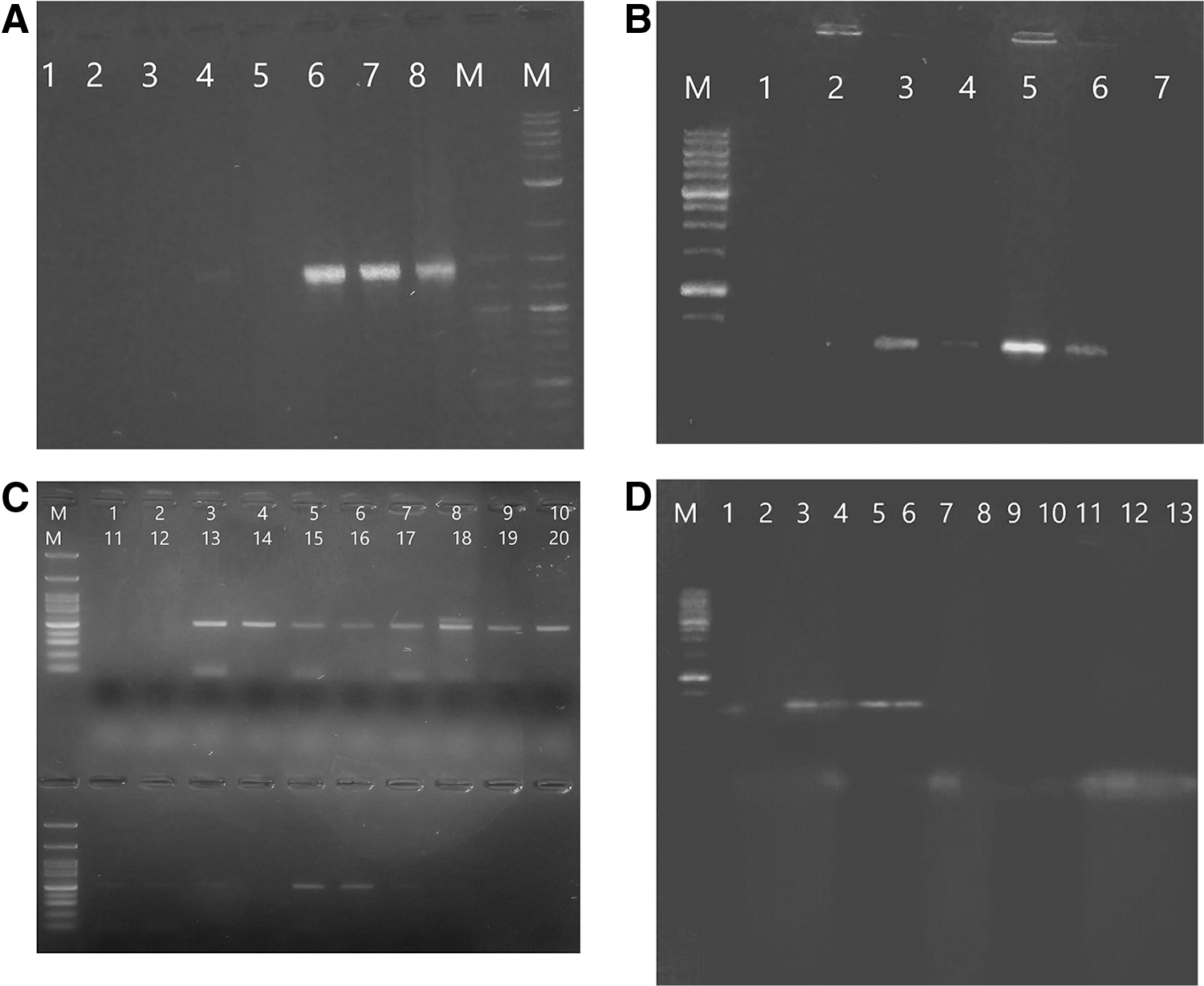
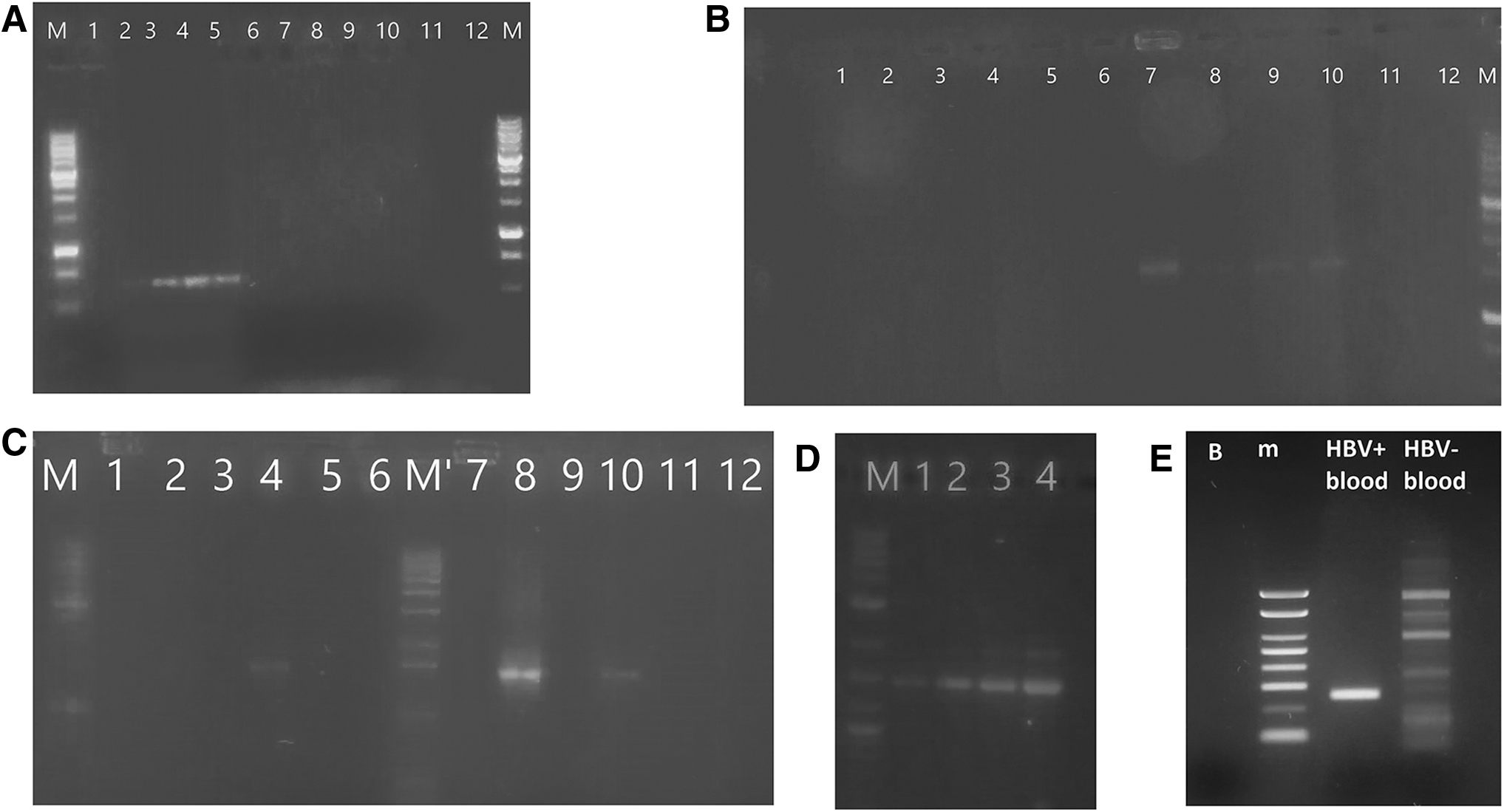
The washed samples were revisited so as to test the 1/20 and 1/50 dilutions of the extract, by using double the volume of the 10−2 dilution as template (meaning 4 μL) for testing at 1/50, and diluting 1:1 a volume of 5 μL of the 10−1 dilution to create the 1/20. Simultaneously, the weak amplicon produced by the 10−2 dilution of the processed leaves was used as a template directly, and also diluted 1/10, (Fig. 2D). The template volumes per reaction were 2 μL except when otherwise stated, and the amplification was run in the portable instrument.
Human TO and PCR
The human mouth swabs produced results with the TO protocol in the AS-PCR for the genotyping of the rs4149056. The most prominent were the results with 5 μL template per reaction, from the 100 and the 10−1 dilutions, amplified with the Bentolab portable instrument (Fig. 1C). Adding NaCl to a final concentration of 250 mM after the incubation, to assist the disassociation of the histones from the DNA, showed no marked improvement, producing amplicon with the 10−1 dilution as template.
The samples extracted with the NaOH-based protocol were used as controls and produced amplicons, as expected (Goudoudaki et al, 2021) at 10−1 and 10−2. The TO was repeated and amplified successfully in MiniAmpPlus® with amplicons produced at 100, 10−1 (Supplementary Fig. S1); the crude extracts were retested at 100 after being kept at −20°C for 4 days, to test for any residual activity of the templates. One of the two samples reproduced the same heterozygous genotype (Supplementary Fig. S2) as when freshly extracted (Supplementary Fig. S1), while the other produced no amplicon, whatsoever, obviously being degraded extensively and thus proving that extraction products of the TO protocol cannot be preserved.
Bacterial metagenomics
Neither blood extracts nor leaf extracts produced by the TO protocol yielded any visible amplicon by any primer pair and PCR condition set
On the contrary, 27F/1492R-primed reactions on TO-extracted human mouth swab samples produced amplicons when used with the standard thermocycler protocol in benchtop (Fig. 2B), but not in the mobile instrument. Positive results were also obtained with the same sample and chemistry (primers 27F/1492R) run at the longer, ITS-5/4-specific thermocycler protocol with the benchtop instrument (Fig. 2C). The opposite did not work: the shorter 27F/1492R-specific thermocycler protocol failed repeatedly to produce amplicons from fungal extracts used in ITS-5/4-primed reactions that were productive once used with the proper, ITS-5/4-specific thermocycler protocol (data not shown).
Molds
Mycelia of fungi harvested from the environment did produce amplicons as expected with both instruments with the TO protocol, but no amplicon has been produced from mouth swabs in metagenomic context after TO extraction (Figs. 2A and 1D).
Occasionally the mycelial extract showed better amplification yield in low-volume (50 μL) extraction, with or without mechanical disruption, in all three concentrations (Fig. 1B), perhaps implying more difficult cell rupture due to the sizeable cell wall and thus lower DNA yield per cell. It is interesting, however, that usually the 50 μL extract diluted at 100 and the 500 μL extract diluted at 10−2 did not, in most cases, produce amplicons. Obviously, the former contained too many inhibitors, the latter too low DNA concentration. The middle concentrations confirmed each other well; the 50 μL extract diluted at 10−1 is equivalent with the 500 μL extract at 100 (undiluted) and the 50 μL extract diluted at 10−2 is equivalent with the 500 μL extract diluted at 10−1 (Figs. 1D and 2A). The compatibility of the different modules of the TO extraction pipeline, such as sample type, extraction volumes, template DNA dilution, portable or benchtop cycler, and PCR conditions (thermocycler program and primers), is summarized in Table 3.
Hepatitis-B virus
The HBV samples were successfully amplified in the mobile and the benchtop devices. Some showed intense secondary band patterns, implying contamination of human sequences, as the patterns were consistent with human DNA from the two healthy donors amplified as negative controls. Although HBV-free human DNA samples produced no common band size with the specific, 258 bp-long HBV amplicon, the presence of residual, secondary bands reduces the yield and increases the noise in true positive samples (Fig. 2E). This may account for the poor scores in duplicate, technical repeats (data not shown). More to the point, when five known HBV-positive samples were amplified twice (technical repeats), only one produced positive signal in both occasions; three produced signal once in either of the two occasions, with or without human-derived secondary bands.
In cases of DNA overload, an intense band of double, the expected amplicon size was observed. This implies a functional duplication, possibly produced during the amplification in excess template conditions. The results as a whole clearly advise against the use of the tested setup without meticulous prior optimization, but they confirm the suitability of the mobile instrument for viral DNA amplification, at least in principle; a feature not tested previously (Kambouris et al, 2020).
Discussion
The present study makes a contribution toward building a stronger base for planetary health diagnostics through rethinking the ways in which the logistical burdens of pandemics and ecological crises can be reduced. There remains a major need for planetary health diagnostics that are well suited, not only for elective times but also applicable in an era of pandemics and other ecological crises. Our findings need further contextualization as discussed below, and call for further research in the future.
Since the current HBV detection protocols presuppose working with DNA from isolated virions, which are produced by processing the sampled blood to plasma state, no blasting and other precautions to avoid annealing of the primers to the human genome have been undertaken. This explains the multiple human-derived secondary bands. As the TO protocol proved incompatible with blood (see above, with the rs4149056 biomarker), it was not pursued any further for the HBV. Given that HBV is a bloodborne virus, using TO extraction for mouth swabs was not even attempted.
Technical and methodological aspects
The mouth swab is noninvasive and septic in collection, and is widely used for genomic tests, especially over-the-counter available ones in direct-to-consumer marketing (Patrinos et al, 2013). The blood is by far the most ubiquitous human sample type used in any health promotion facility. Testing human DNA allows noninfection-related health monitoring, plus the detection of some intracellular parasites, in principle, including lysogenic viruses. Regarding human DNA, the mouth epithelia of the swab are considered a rather permissive substrate, suitable not only for actual testing native genomic biomarkers but also for establishing the functionality of methods for typing human or microbial (DNA viruses included) genomic biomarkers, before testing them to blood samples.
The TO extraction is an option with some prospects, especially for simple genotyping by PCR of native biomarkers in relatively soft and uncomplicated samples, without highly inhibitive content, such as hemoglobin. But this is clearly not the magic solution for all cases of biosurveillance and diagnosis, despite its flexibility and adaptability.
The two abovementioned qualities are evident in the effort to optimize the cell rupture phase by changing the volume of boiled water and by the employment of mechanical cell disruption, using plastic, autoclavable micropedestals.
Still, despite these enhancements, the cell disruption power of the method is perhaps inadequate to cause serious weakening of the plant cell wall so as to release the nuclear content to the solution, despite possible thermal dissolution and/or osmotic rupture of the membranes, both cellular and intracellular, in the plant tissues. This seems to be the case in a far lower degree with mycelial fungi. Consequently, uncomplicated and relatively soft human and animal tissues, especially epithelial cells, seem the best substrate. Bacteria are also amenable to TO lysis.
Highly impure or complicated samples, including blood samples, are clearly inappropriate, at least in principle, as there is no purification step to free the extract from possible inhibitors. The combination of high temperature and dilution seems incapable of neutralizing the deleterious effect of iron ions on the PCR.
Once the PCR chemistry is set, any failure to produce amplicon may be due to low or high DNA concentration and/or high inhibitors' concentration in the template suspension. The end result is multifactorial and of a dynamic nature, where different parameters interact antagonistically or synergistically to an unpredictable output. Increasing the concentration, or simply the volume of the template suspension, thus enriching the PCR in template sequences, could well tackle a case where the yield of the extraction is lower and thus the template is, for the given set of conditions, insufficient.
On the contrary, too high a concentration of DNA may shadow minority sequences of particularly virulent pathogens, low numbers of which may cause symptoms. It may also produce heavy first-round product clutter. Both these issues may be alleviated by diluting the template suspension. The dilution also reduces the impact of residual inhibitors; but when a very low PCR yield is due to the combination of low availability of template DNA and high concentration of inhibitors, a balance must be struck between diluting and enriching, which may be unattainable in some cases.
On the other hand, occasionally there are ways to diminish the external noise produced by the genomes of colonizing species, as in the case of washing the collected leaves to remove residual microbiota from their surface. In this respect, when seeking endophytic DNA, the task is relatively easy once the cells are disrupted: it is purer and more concentrated than DNA from active infections, where more microbiota may be present. The endophyte being in the tissue allows thorough cleaning and decontamination of the sample tissue from environmental contaminants.
Extracted DNA were not tested for concentration or purity/quality by spectrophotometer both due to unavailability of instrumentation in RLS and to incompatible sample nature (no purification process), resulting in crude cell lysate, prone to produce very high absorption noise. For this reason, the extracts were used as they were, and at two successive 10-fold dilutions, in each case using 2–5 μL as templates for PCRs. Larger volumes offer generally better dissolution for the same concentration and result in samples of higher reliability, more accurately pipetted off.
The use of three different concentrations (10−0, 10−1, 10−2) was meant to produce at least one with a workable DNA concentration versus a suitable dilution of impurities and inhibitors. In the triple dilution scheme, the final dilutions 10−1 and 10−2 seem to work best when the extraction volume was 50–100 μL of boiling-hot distilled water; and the final dilutions 100 and 10−1 when the extraction volume was 500 μL of boiling-hot distilled water. The latter are actually the same as the former, showing a consistency in output regarding the concentration of the lysate. The higher extraction volumes dilute inhibitors better and carry higher total thermal loads though, which is advantageous for deactivation of DNAses. In this light, it might be sufficient to prepare and test only samples extracted with 500 μL of water and then amplified directly (100) and after just one dilution, 10−1.
For biosurveillance purposes, agnostic approaches are better suited (Leiser et al, 2021). Generic PCR, such as the assays with the ITS-5/4 primers for fungi and with 27R/1492R for bacteria, allows for stratified by kingdom or taxa inclusive signal acquisition, so as not to miss a new but relative signature. The collective amplicon of such tests may be further processed and resolved for identification/classification purposes either by microarrays (Velegraki, 2020; Velegraki and Kambouris, 2003) or by sequencing, especially NGS amenities (Velegraki and Zerva, 2020).
Operational aspects and applications
The minimal cost and along with the method's inherent adaptability—the latter exemplified by the two abovementioned diversification options, extraction volumes and mechanical assistance—can greatly reduce the logistical burden in terms of supplies' adequacy and waste disposal management and security. No biologically or chemically active liquid waste is produced and the solid waste is minimal: one plastic, 2-mL tube and one pipette tip for the extraction, and two more tubes at the most for the dilutions. If labor intensiveness is accepted, all pre-PCR pipetting can be performed with one 0.5–20-μL mechanical pipette with one tip. Such lean material footprint, both qualitative and quantitative, also curtails the supply chain exposure.
The TO can be used to curtail costs by simplifying protocols and thus improving the turn-around-time (TAT) in massive setups, especially when all residual diagnostic resources are mobilized to respond to developing crises. Such mobilization would include dissimilar units, such as private practitioners and cross-sector facilities.
The whole procedure suggests that if and when needed, common infrastructure used for different purposes in different sectors and settings may be redirected to respond to an emergency, including health-related crises of diverse susceptible populations and species (human, animal, plant, environmental). The pharmacogenomics-applied allele-specific PCR, to type statin biomarkers, has been developed in the Laboratory of Pharmacogenomics and Individualized Therapy laboratory of the Department of Pharmacy (Psarias et al, 2020) and adjusted for TO extraction by increasing the template DNA volume. Still, it was implemented in no time, successfully and without any complications in a plant protection institution, by simply releasing the complete amplification protocol (chemistry and thermocycler settings) and supplying the primers.
As a general observation, expanding such native screening/diagnostic approaches for use in livestock or in domestic animals' health surveillance, especially considering noninfectious health monitoring, would increase the versatility of plant protection units in normal times. More important is that this shall further their relevance in times of distress and crises, as these capabilities are directly applicable to human subjects in public health monitoring, thus facilitating priority funding.
It is well understood that the prioritization in assigning resources for surveillance/monitoring, diagnosis, and containment/treatment capabilities greatly depends on the risk population. Humans are considered as top priority. This creates a challenge in allocating resources so as to cope with the full threat spectrum, which is complicated by the fact that few bioagents are truly global in distribution, although they may cover considerable expanse on the globe.
Additionally, the RLS compatibility of the TO approach would interface with fungal and bacterial detection protocols such as the ones presented herein, possibly but not necessarily compatible with portable instrumentation (Goudoudaki et al, 2021; Kambouris et al, 2020). The combination suggests a niche in field operations, which are by definition RLS as they are characterized by few resources and practically no infrastructure; and also in urban setups with inadequate, denied, or compromised resources and infrastructure.
The agrosecurity sector, in the broad sense, may present a further and more diverse scope of applications, as it interrelates with human health security in many cases, and many other security concerns, including food security (Benton et al, 2022; Lugo-Morin, 2020). The massive disease by intoxication due to toxin-producing plant pathogens/parasites is an indirect cause of ailment for animals and humans, as the pathogenic organism may affect without ever coming into direct contact with the diseased entity (Caporael, 1976). A step further is the disruptive result by the loss of crops, as in the Great Potato Blight in Ireland (Yoshida et al, 2013).
The peculiarities of each organism are the cause for specific, characteristic distribution patterns. The extensive agriculture (Georgiadis et al, 2022), which ultimately attempts to reclaim arid land for cultivation purposes, and, most of all, the creation of artificial environments for human colonization, known as “terraforming” (Sleator and Smith, 2019), means the dispersion of anthropophilic agents in severe, inhospitable environments is possible, allowing novel adaptation and recombination events faster than if by Nature proper.
To address such formidable risks, possibly escalating or converging to GCBR scale, a different concept has been proposed; one seemingly vindicated by the chain of events in COVID-19 late response protocols that saw massive, distributed tests for surveillance purposes (Benda et al, 2021). This approach emphasizes multiplicity and flexibility over performance and dedication. In technical terms, techniques and methods are conceived as modules, to be used either alone or in combination with others, resulting in high-order integration; but this is a choice, not a setting, and may be taken ad hoc. It is a departure from the integrated solutions offered by industry and proven to create liabilities in every challenge of the supply chain, be they malevolent, accidental, or spontaneous liabilities.
In functional terms, as many as possible, small teams/outposts would operate locally, with relatively inexpensive equipment and crude protocols chosen/developed for resilience to the possible degradation or failure of normal supply chains. This concept of operations would conform to possible restrictions in movement/shipment/transportation. At the same time specialized facilities are spared from overload and the TAT is improved, as long-range, time-consuming sample dispatches are made redundant.
A key idea is to proactively increase the sustainability of the above approach by mitigating the costs. This can be achieved by expanding its applicability throughout the spectrum of biosecurity and biosafety, health promotion included.
This, in turn, calls for the capital-intensive part of the system, meaning the instrumentation and the expendables specific to a given routine development, to remain as affordable and flexible as possible. The latter includes the possibility to retask, and readily and easily at that, to assist in normal (elective) times for routine health promotion and to address different threat agents in successive crises, without a need to reinvest in different, proprietary instrumentation and chemistries as is the corporate practice nowadays. As a result, building upon previous work conducted in these lines (Goudoudaki et al, 2021; Kambouris et al, 2020), a number of extra-fast, extra-simple DNA extraction protocols have been tested with a range of different biosamples to emulate the diverse needs mentioned above.
The assays, which were developed on benchtop cyclers of different, mission-dedicated institutions, served initially as proof-of-principle and then as positive controls for transfer to portable thermocycler formats, as previously described (Kambouris et al, 2020).
Conclusions
Minimal resource analysis is a concept and practice that is vital and timely for biosurveillance, integrative biology, and planetary health in the 21st century. Our findings lend support for the doability of a lean approach for template extraction in the case of NAAT-based diagnostics. Testing our approach with different biosamples, PCR settings, and instruments, including portable ones for field or dispersed applications, warrant further research (Fomsgaard and Rosenstierne, 2020; Goudoudaki et al, 2021; Kambouris et al, 2020).
In operational terms our approach focuses on affordability and simplicity as matters of long-term sustainability of diagnostic routines to be developed for biosurveillance and detection, identification, and proactive or reactive intervention.
Extra-crude protocols may be, in times of need, developed with lean budgets and relatively fast, with little warning, to better prepare against future pandemics and bioevents. Such protocols may be of limited applicability in certain facilities, institutions, and contexts, but nonetheless, the approaches presented in this study promote self-reliance, methodological independence and operational adaptability, and are a way to lend planetary health diagnostics more ruggedness in times of disasters in the 21st century (Hekim and Özdemir, 2017; Kickbush et al, 2021; Özdemir, 2020, Özdemir, 2018, Özdemir, 2015).
The use of fast, expedient DNA extraction protocols, alone or combined with any portable thermocycler, for the selected amplification protocols and chemistry, so as to be implementable in austerely equipped facilities with minimal infrastructure and short-term investment, is obviously the way ahead (Goudoudaki et al, 2021). However, the question is how affordable or simple do such protocols need to be to balance loss of performance. Future multidisciplinary research could address these issues in terms of risk assessment and cost-effectiveness.
Footnotes
Authors' Contributions
S.G.: Methodology (lead); and review and editing (equal). M.K.: Conceptualization (lead); Methodology (supporting); writing—original draft (lead), and review and editing (equal). S.S.: Methodology (supporting); and review and editing (equal). G.G.: Methodology (supporting); review and editing (equal) M.K.: Conceptualization (supporting); Methodology (supporting); and review and editing (equal). M.M.: Methodology (supporting); and review and editing (equal). G.P.P.: Conceptualization (supporting); writing—original draft (supporting); review and editing (equal). Y.M.: Conceptualization (supporting); formal analysis (lead); writing—original draft (supporting); and review and editing (equal).
Author Disclosure Statement
The authors declare they have no conflicting financial interests.
Funding Information
This project was in part funded by the European Commission, Horizon 2020 (H2020-668353; Ubiquitous Pharmacogenomics).

Abbreviations Used
References
Supplementary Material
Please find the following supplemental material available below.
For Open Access articles published under a Creative Commons License, all supplemental material carries the same license as the article it is associated with.
For non-Open Access articles published, all supplemental material carries a non-exclusive license, and permission requests for re-use of supplemental material or any part of supplemental material shall be sent directly to the copyright owner as specified in the copyright notice associated with the article.
